NGHINH ONG FESTIVAL FOR QUAN THANH DE QUAN - A VIBRANT EXPRESSION OF CHINESE SPIRITUAL TRADITIONS
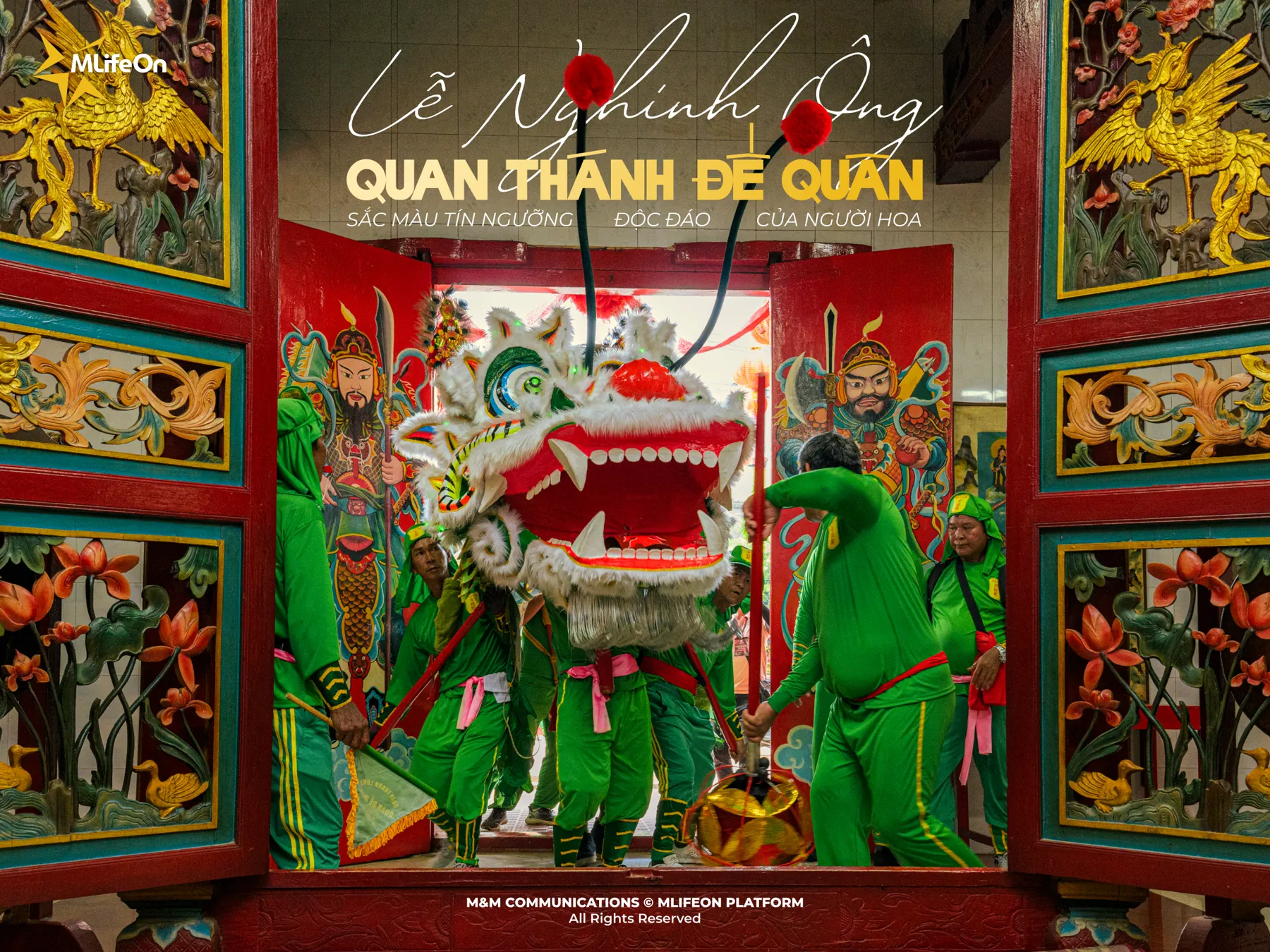
From early morning, the sound of festival drums echoes through the streets of Phan Thiet. Lion and dragon dancers, colorful flags, and groups of participants in vibrant costumes follow the palanquin of Quan Thanh De Quan as it makes its ceremonial procession through the city. Every two years, this scene returns, bringing with it a centuries-old spiritual tradition that Phan Thiet’s Chinese community has preserved and passed down through generations.
A spiritual tradition that followed the Chinese community to Phan Thiet
As Chinese communities settled and built their lives in Phan Thiet, they brought with them the customs, beliefs, and cultural traditions of their homeland. Among them was the worship of Quan Thanh De Quan, also known as Guan Gong, which gradually became an important part of the community’s spiritual life.
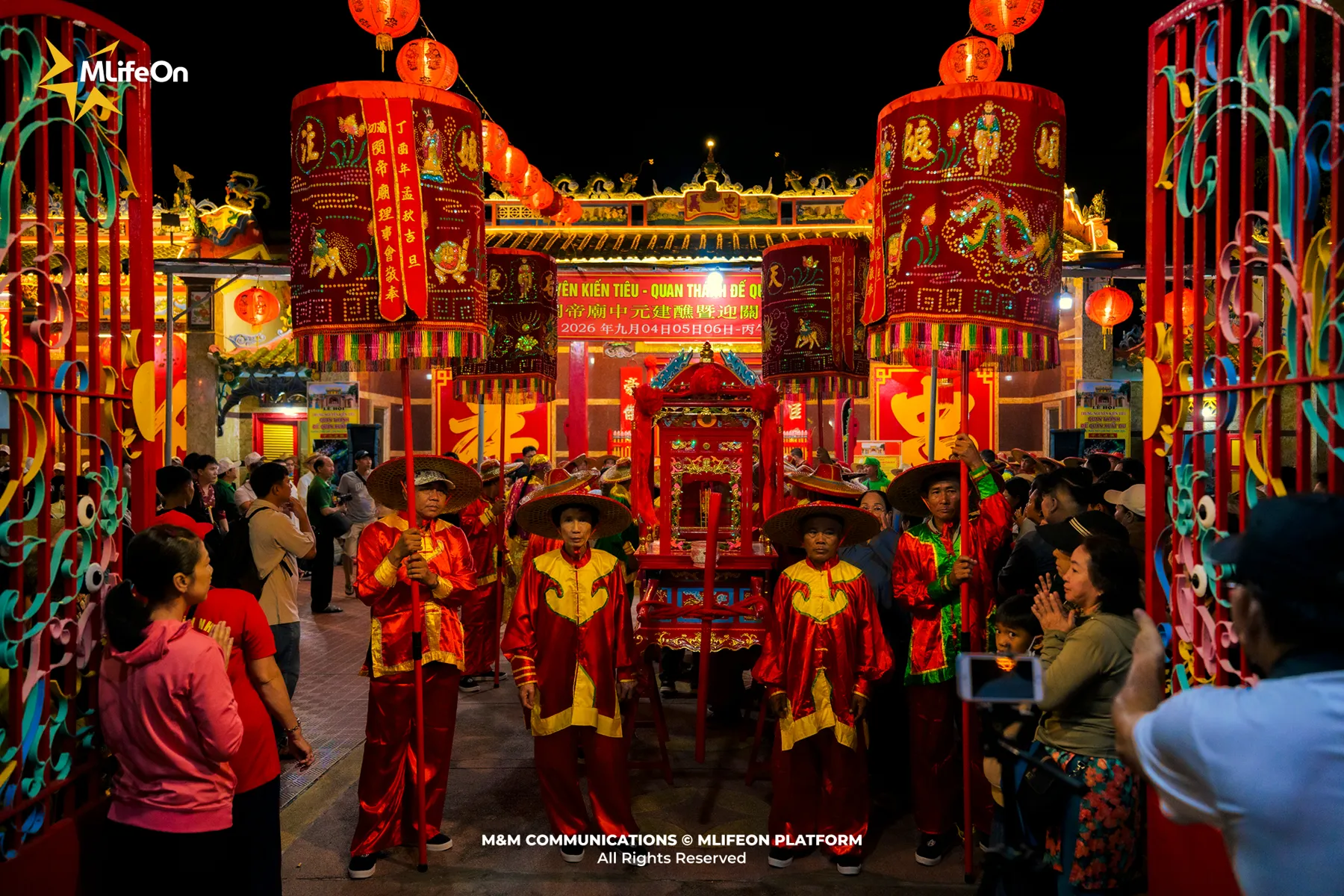
Quan De Temple, commonly known among local residents as Chua Ong, was built and completed in 1778. Since then, rituals honoring Quan Thanh De Quan have been maintained here, creating a spiritual space that has remained closely connected to Phan Thiet’s Chinese community for generations. In traditional culture, Guan Gong is revered for qualities such as loyalty, righteousness, integrity, and trustworthiness. Worshipping him therefore represents not only spiritual devotion but also the moral values deeply respected by the community.
Over time, these traditions extended beyond the walls of Quan De Temple. Every two years, in even-numbered years, the Trung Nguyen Kien Tieu Nghinh Ong Quan Thanh De Quan Festival is held. Members of the community come together to perform rituals, reconnect with one another, and prepare for one of the festival’s most anticipated moments: the ceremonial procession of Quan Thanh De Quan through the streets.
Rituals before Quan Thanh De Quan takes to the streets
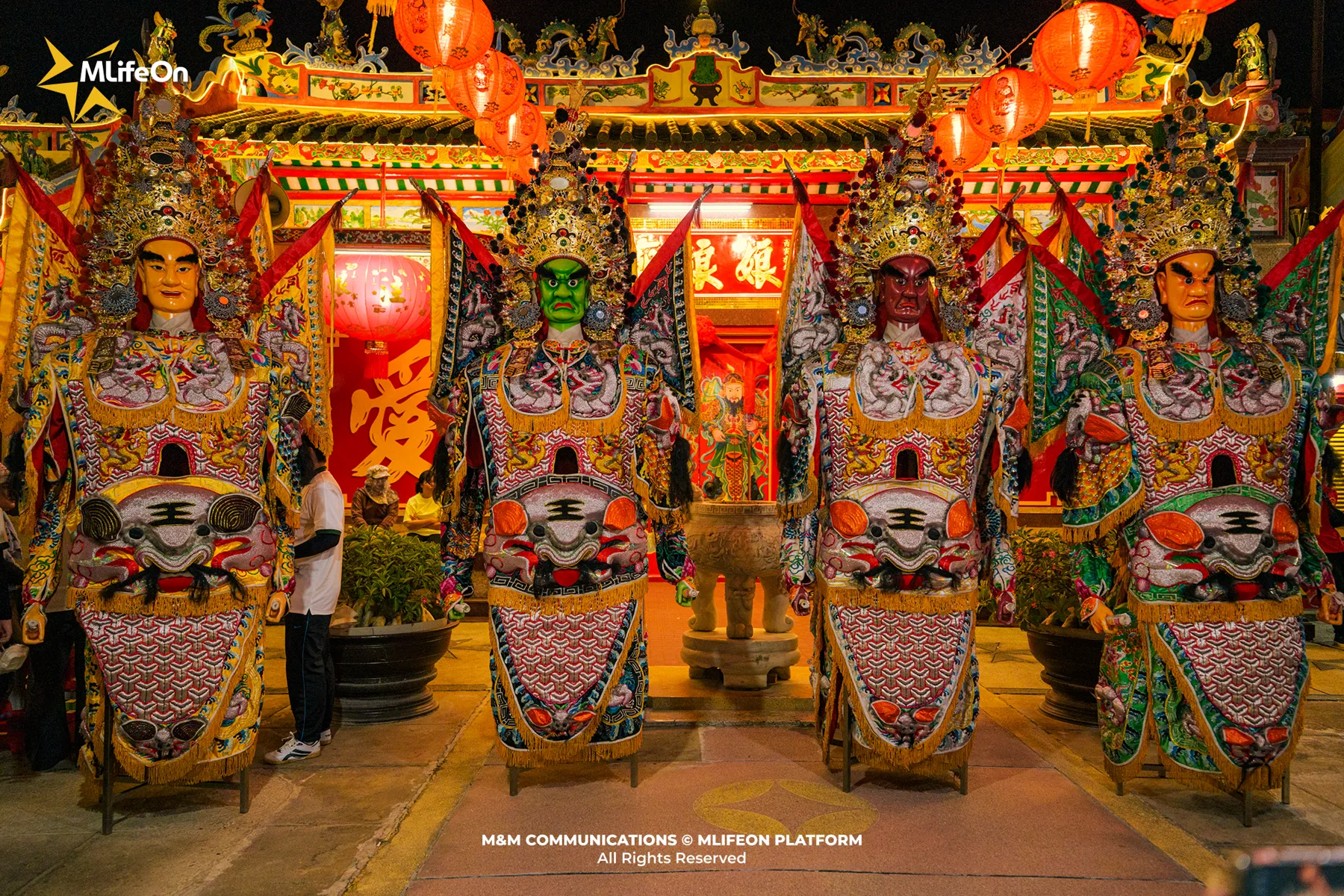
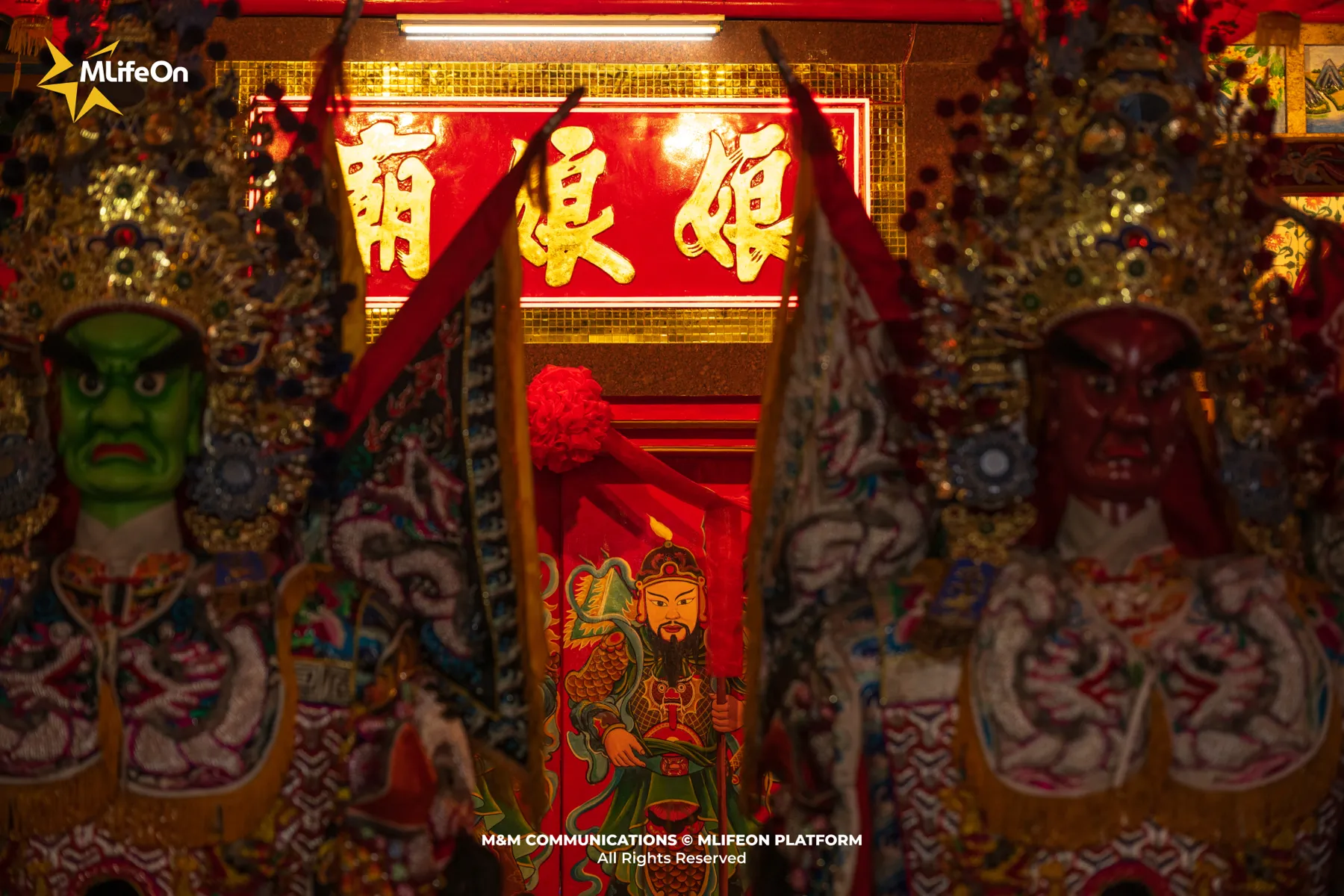
Before the sound of festival drums fills the streets, a series of rituals takes place in a solemn atmosphere.
The festival includes traditional ceremonies such as welcoming the Holy Mother, receiving sacred scriptures, paying homage to Quan Thanh, releasing animals, and setting ritual boats afloat. Through these practices, the community expresses its reverence for Quan Thanh De Quan, honors its ancestors and early forebears, and offers prayers for peace, favorable weather, and a harmonious life.
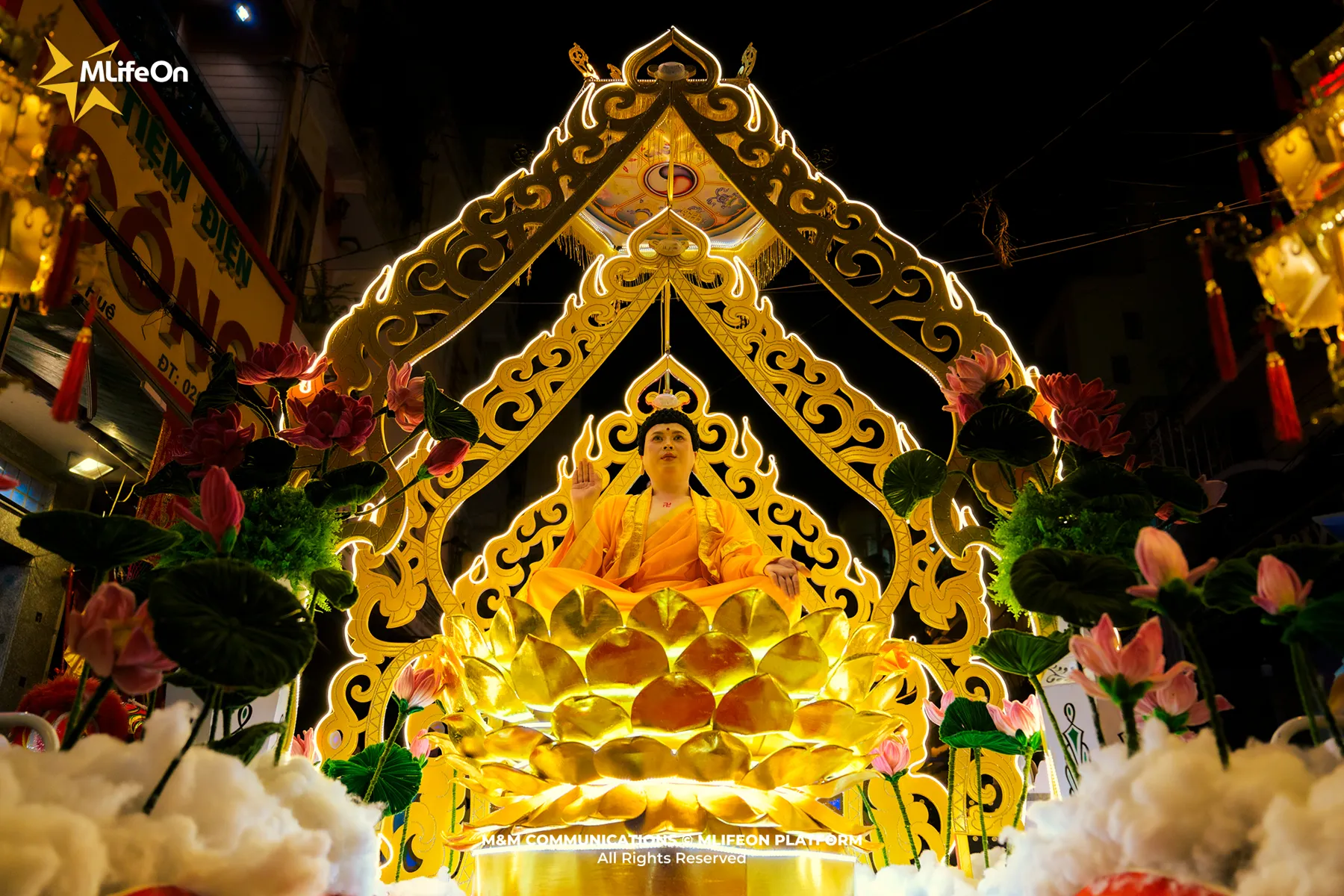
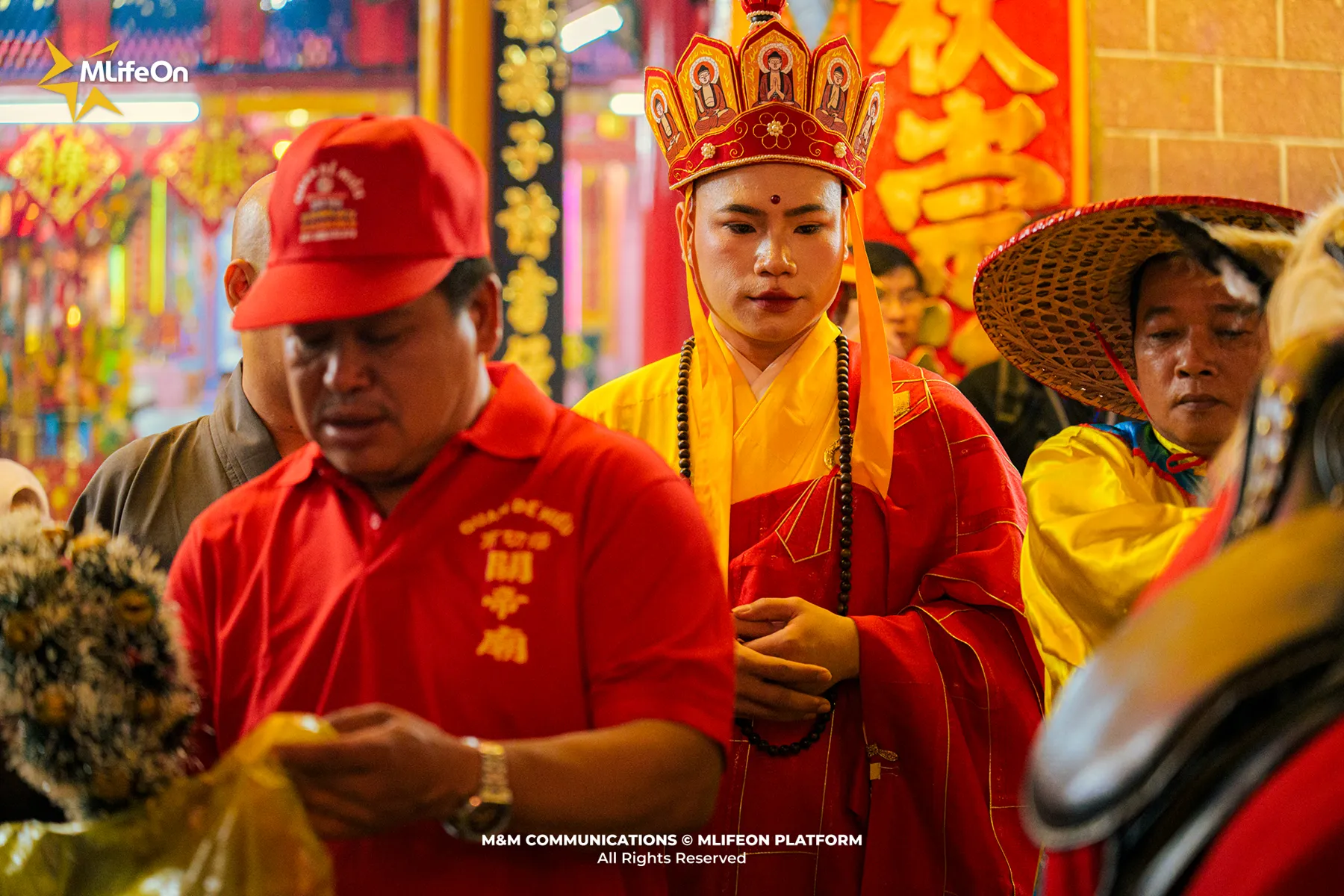
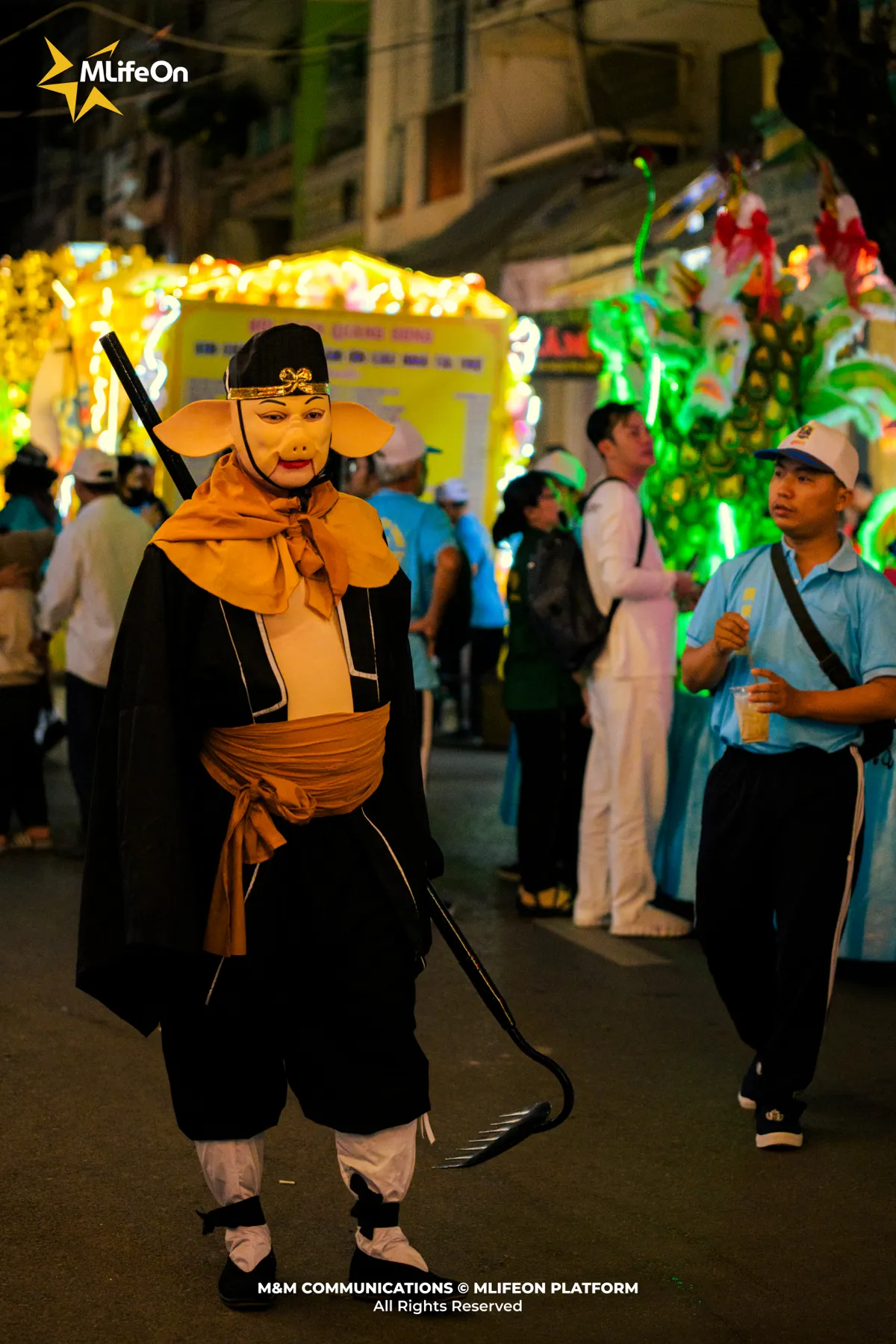
The festival therefore carries two very different yet closely connected moods. One is filled with incense, ritual, and quiet devotion within the sacred space of the temple. The other comes alive with color, sound, and movement as the celebration spills out onto the streets.
It is this solemn ceremonial dimension that gives greater depth to the procession. Behind the vibrant performances and festive atmosphere lies a spiritual tradition that the community has practiced for generations.
When Quan Thanh De Quan takes to the streets
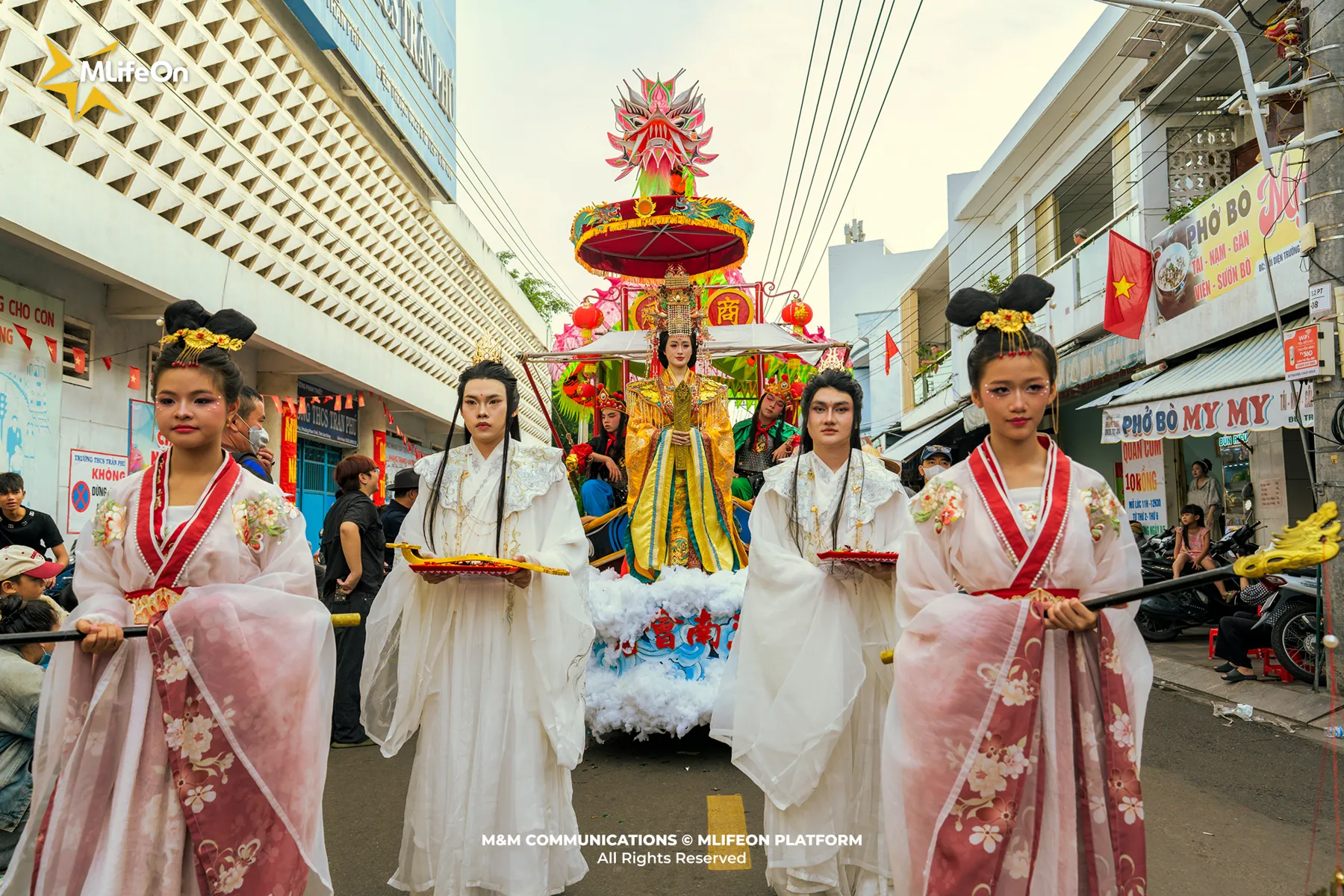
On the morning of September 6, 2026, the 15th Nghinh Ong ceremonial procession departed from Quan De Temple. From around 5 a.m., more than 1,800 participants from Chinese community associations joined the procession, traveling through streets where generations of Chinese families have lived and conducted business in Phan Thiet. From that moment, the festival truly came alive across the city.
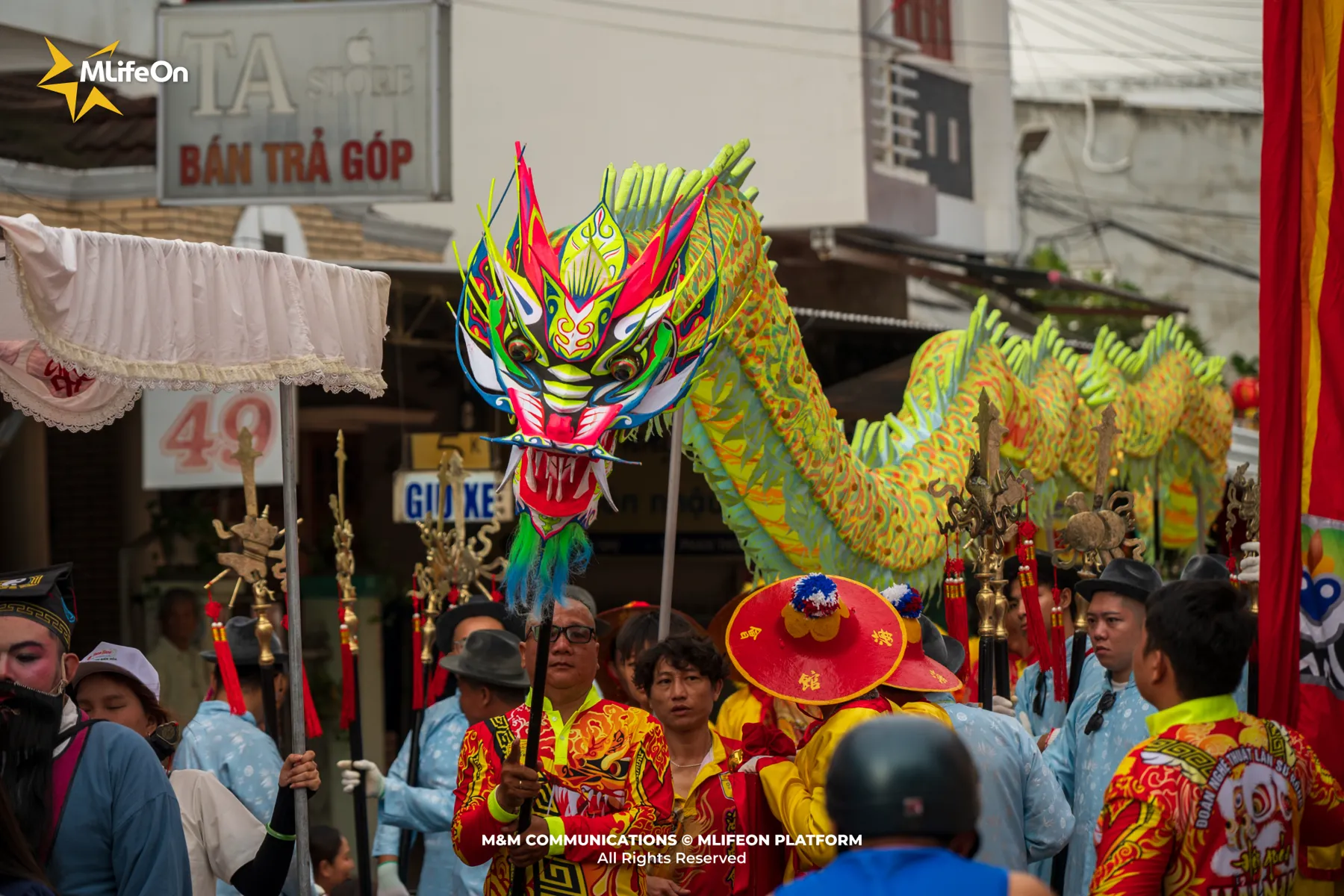
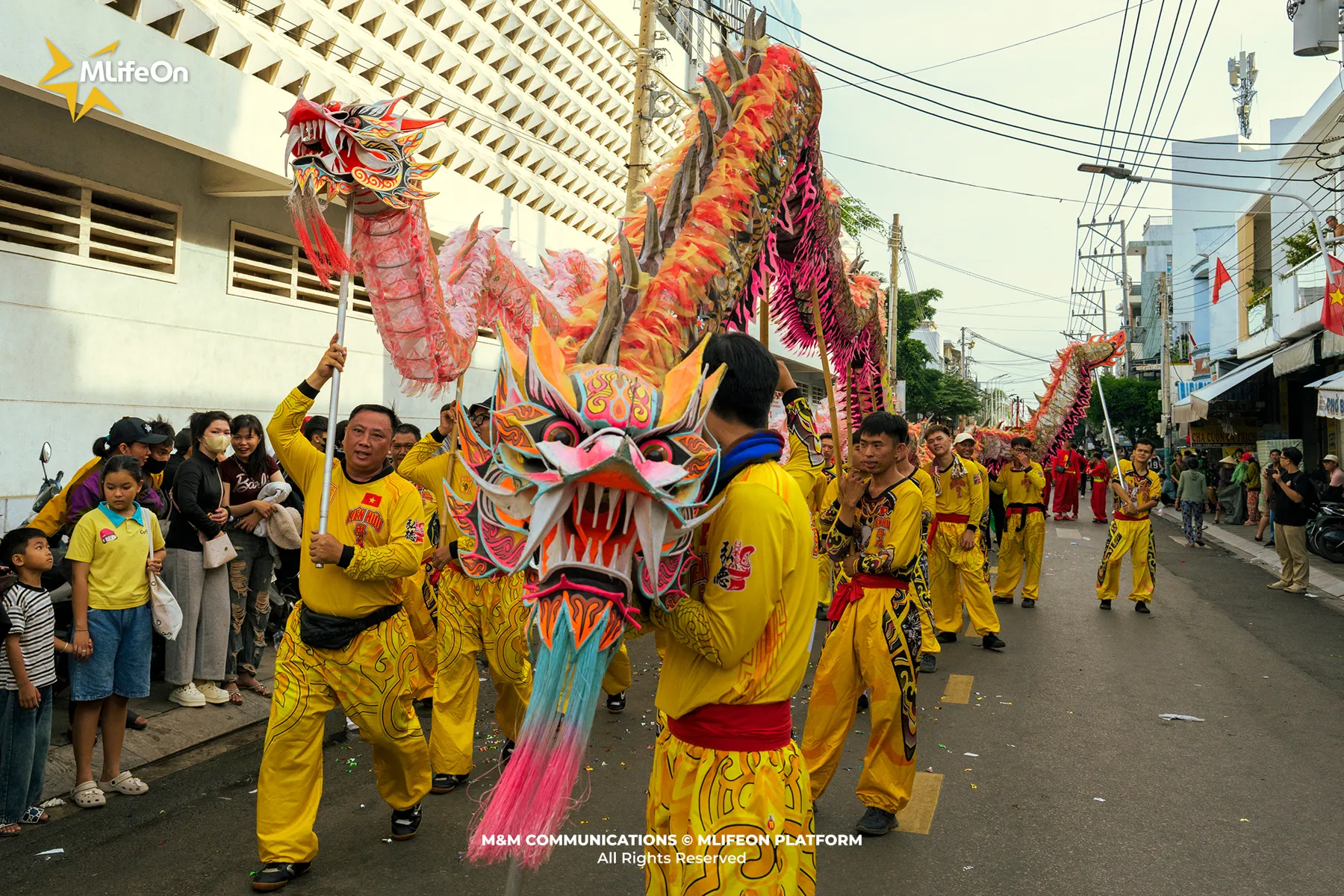
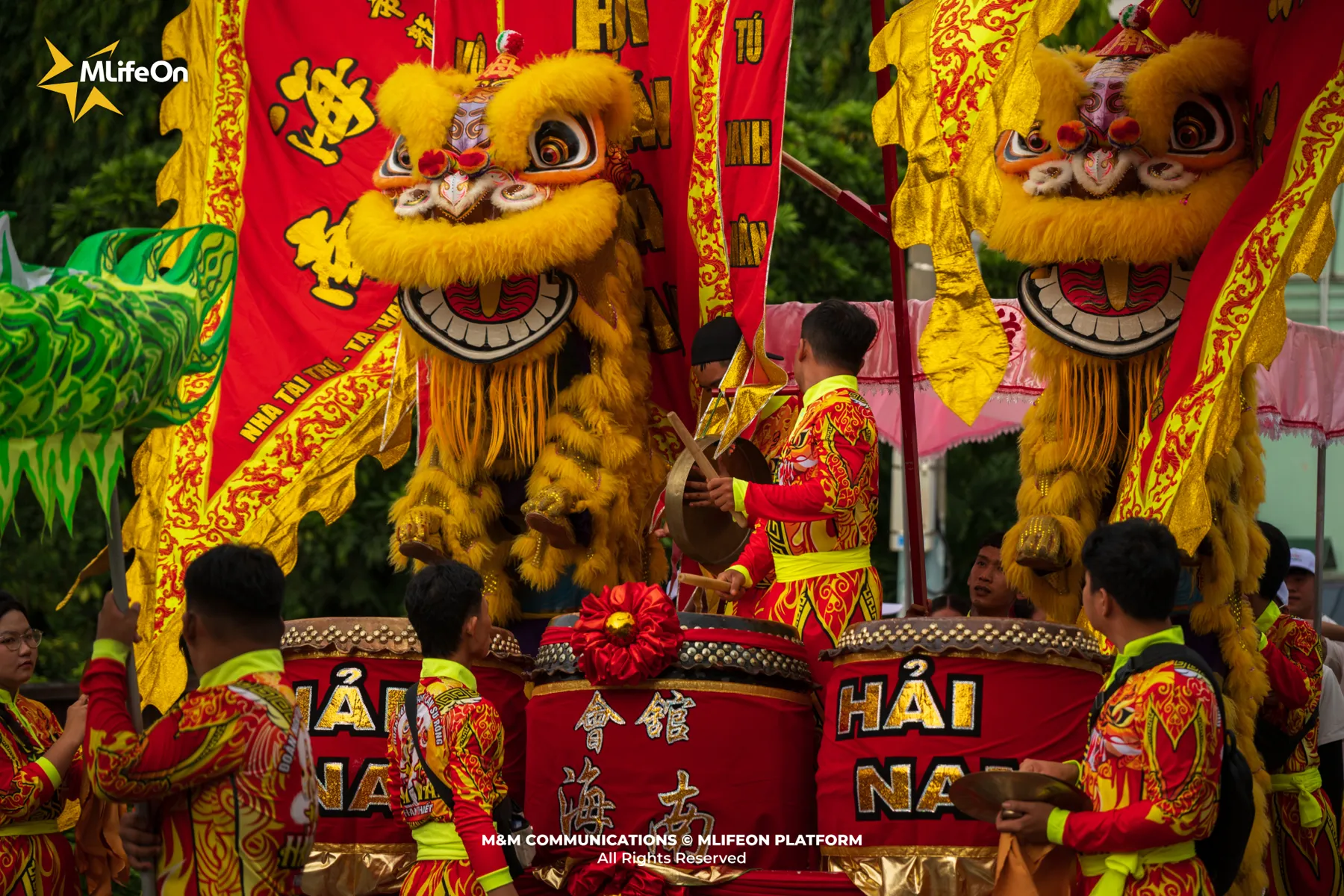
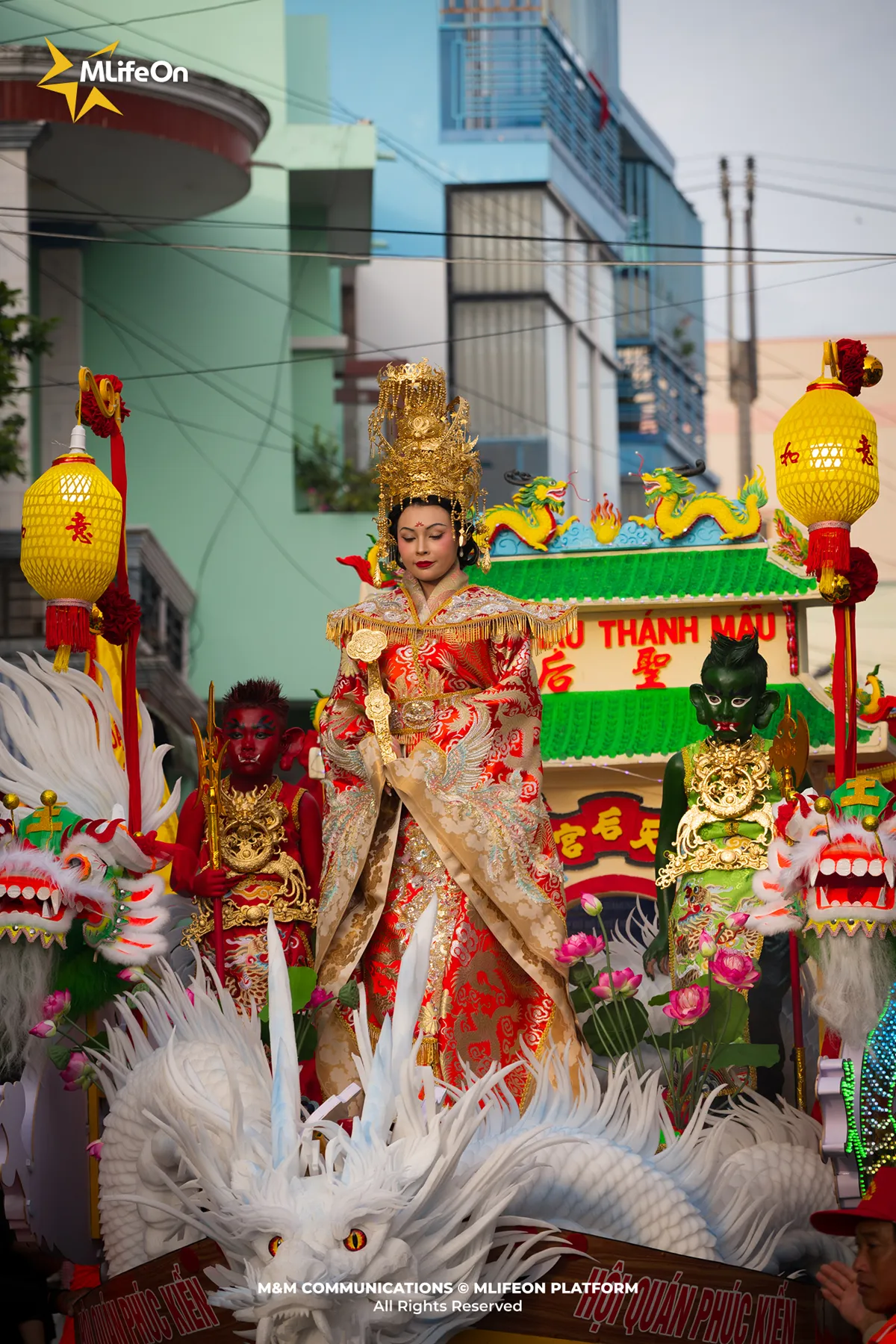
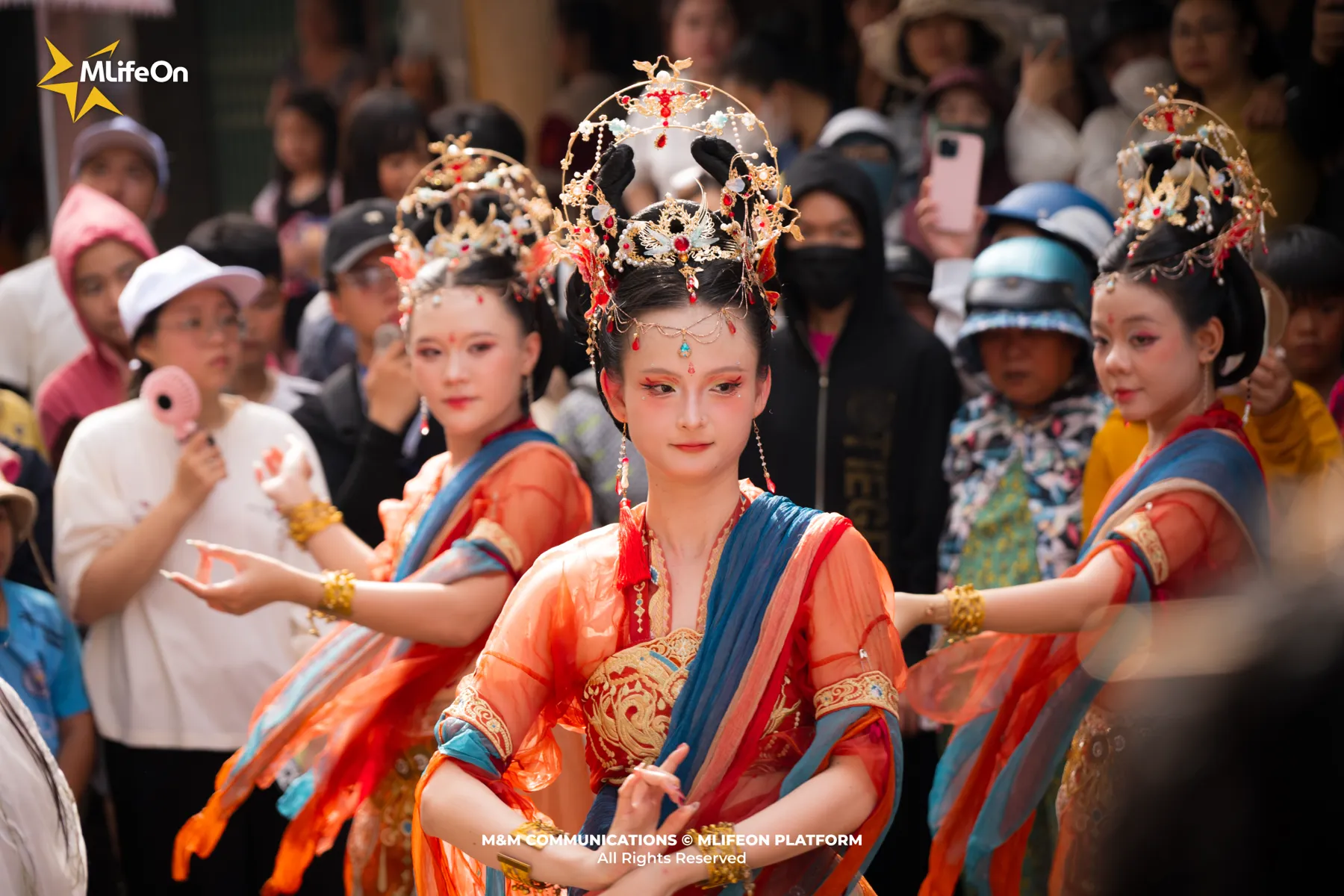
The rapid beat of drums accompanied teams of lion and dragon dancers. Fan dances, court dances, martial arts performances, children carrying flower baskets, and elaborately costumed characters appeared one after another. Among the highlights was a 49 meter long blue fabric dragon that had previously been recognized with a Vietnamese record.
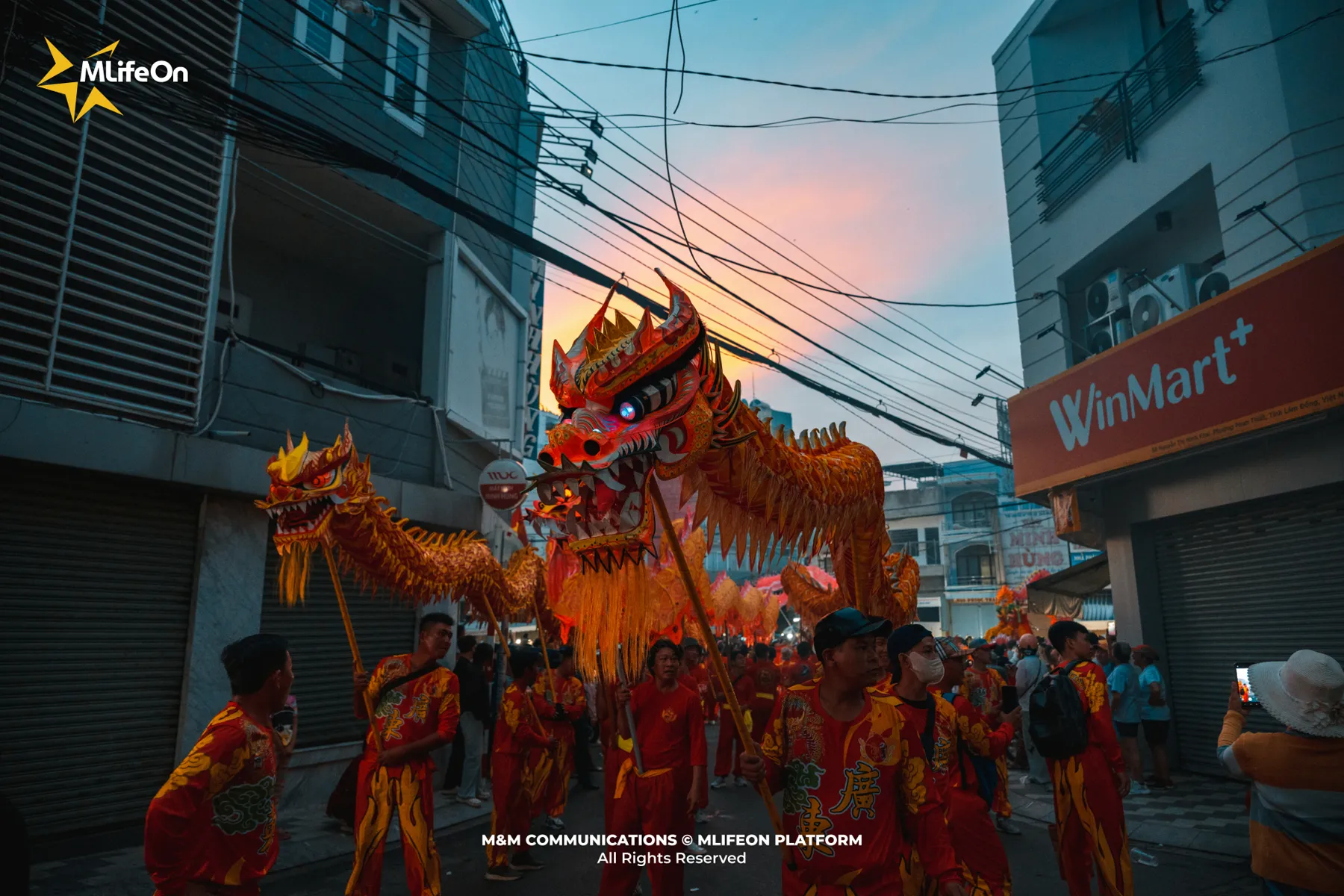
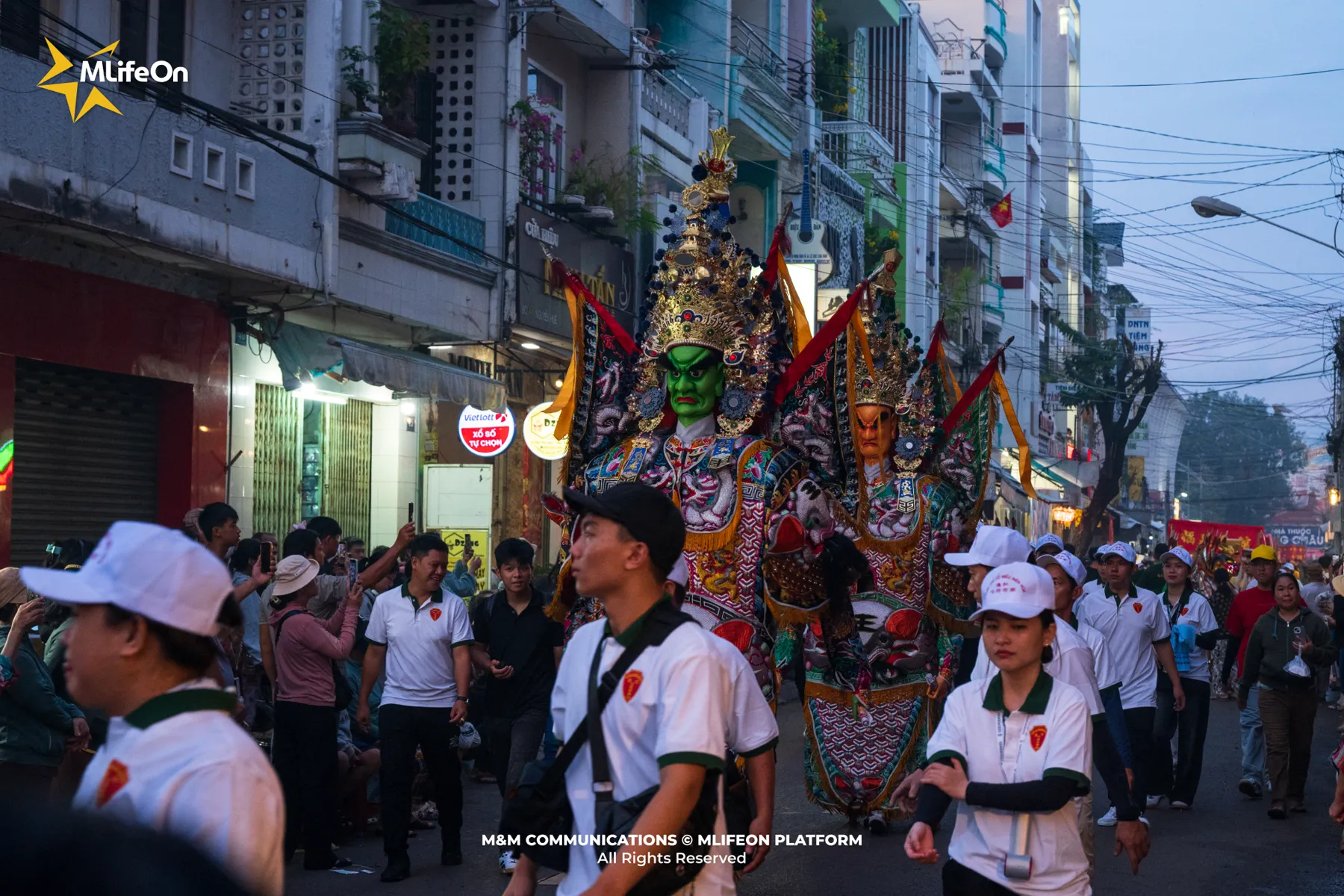
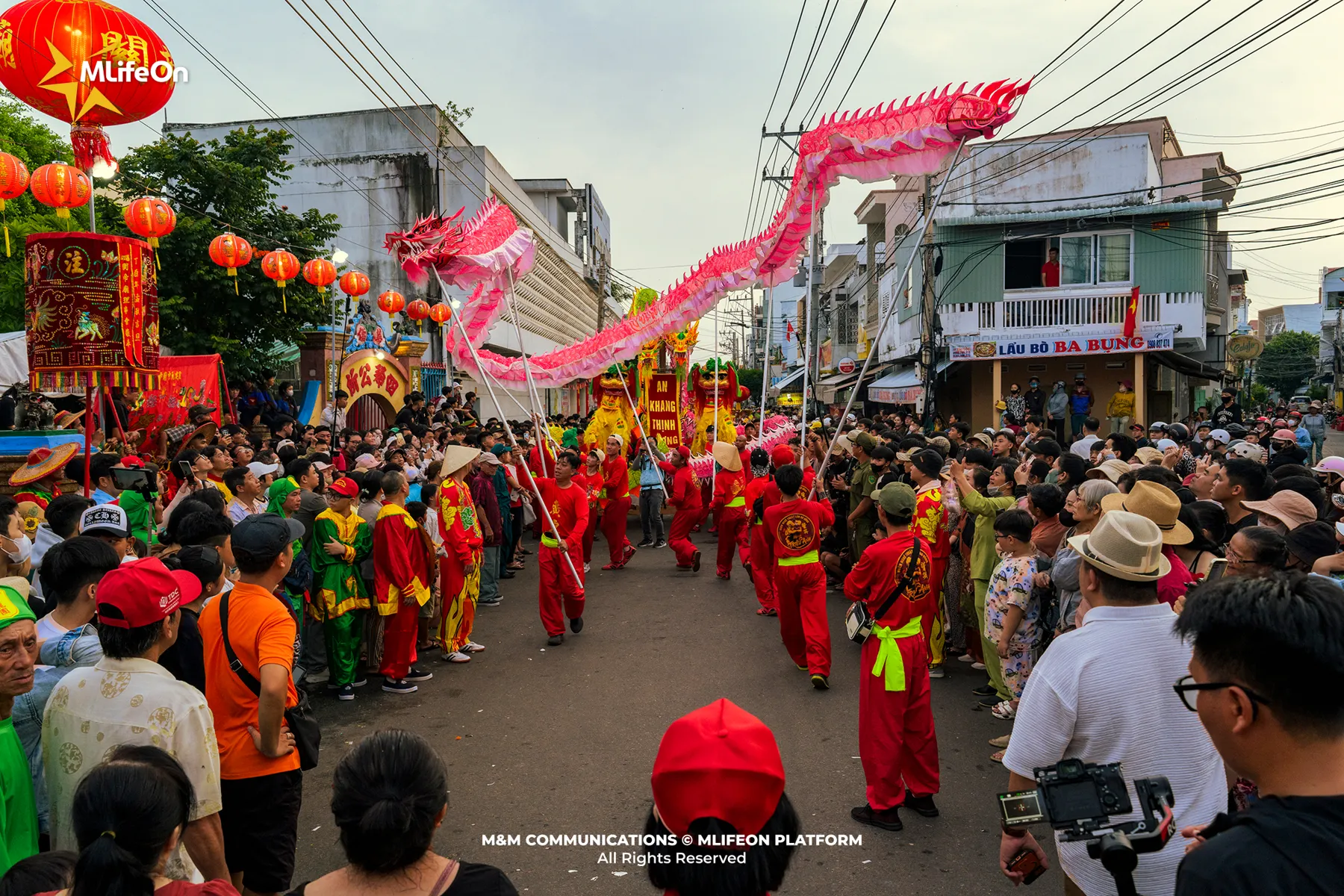
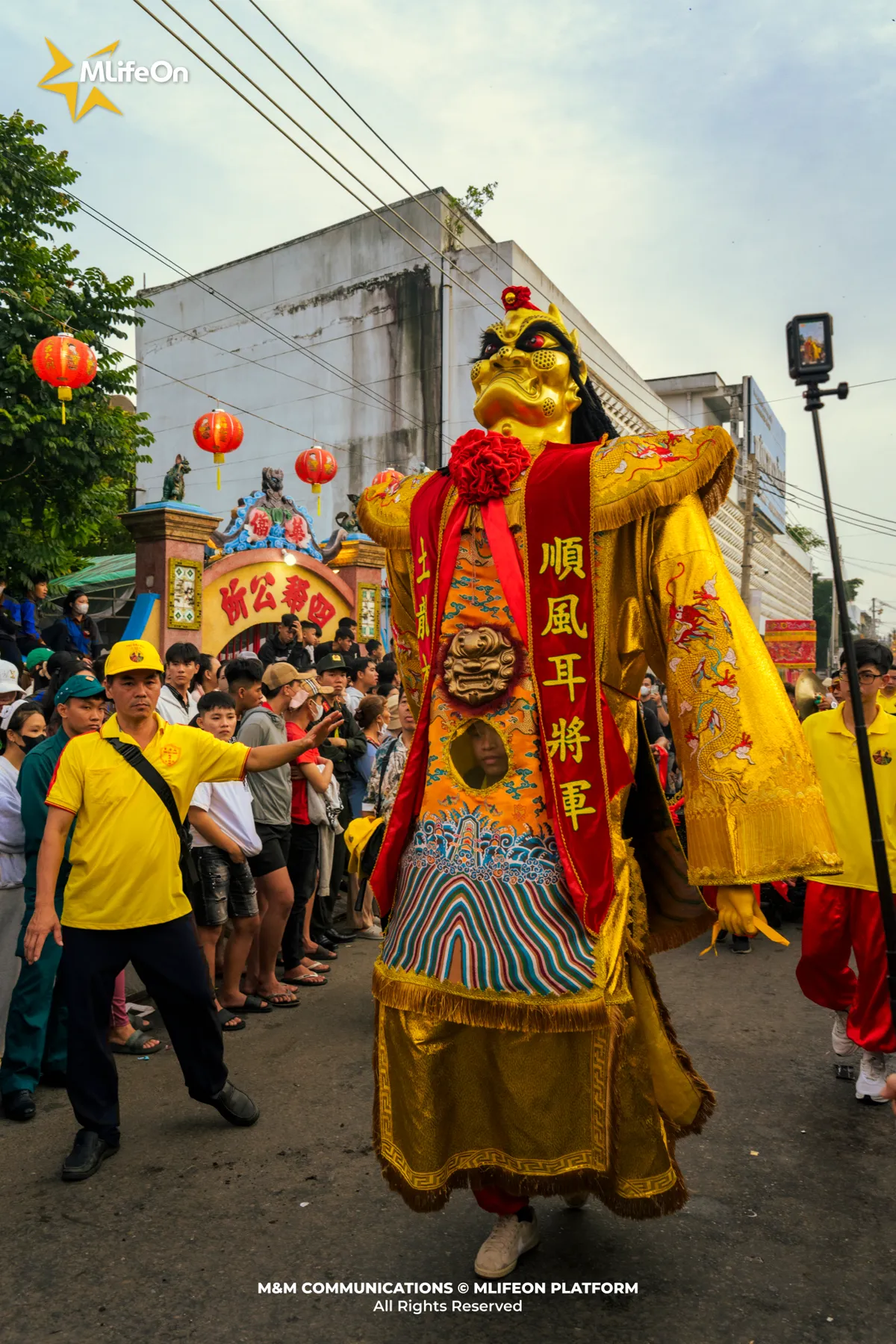
Yet the appeal of Nghinh Ong extends far beyond what happens within the procession itself. Along both sides of the streets, local residents gather from early morning to wait for the procession to pass. In front of familiar homes, shops, and street corners, another cultural landscape gradually emerges. Roads normally filled with everyday traffic and commerce suddenly become spaces where the community gathers to witness a ritual that has returned time and again over the years. The procession also passes through neighborhoods with large Chinese communities and visits their community halls along the route.
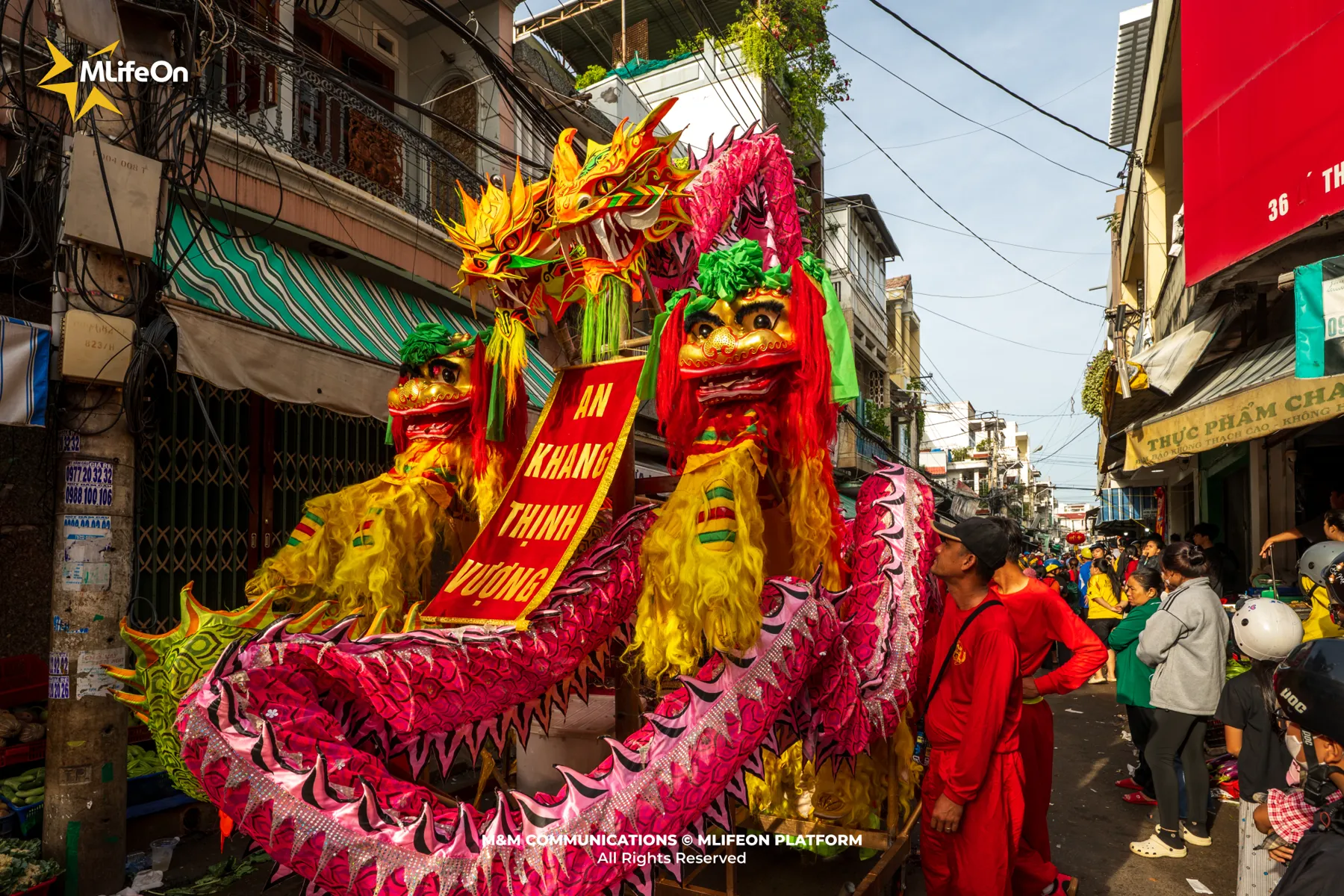
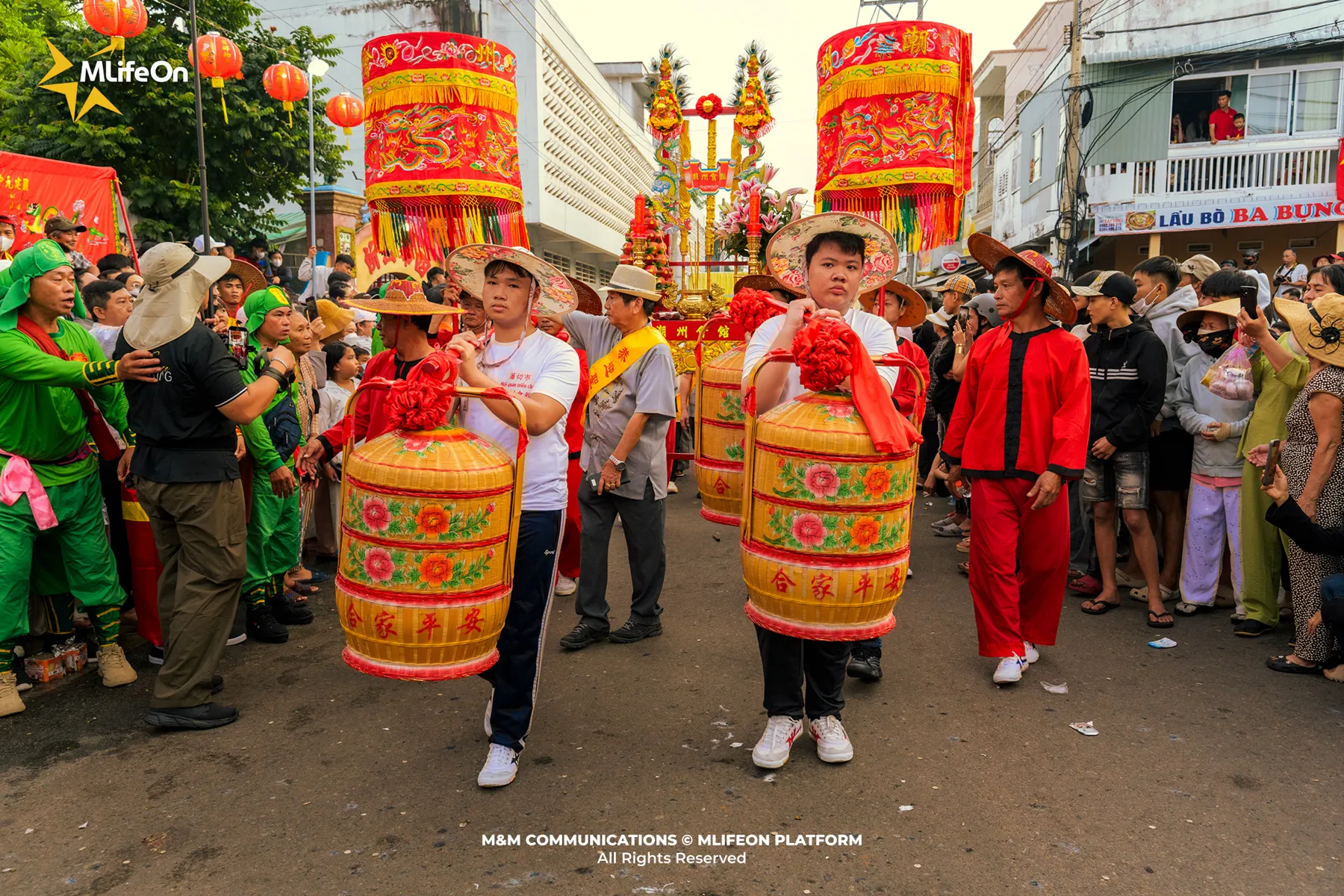
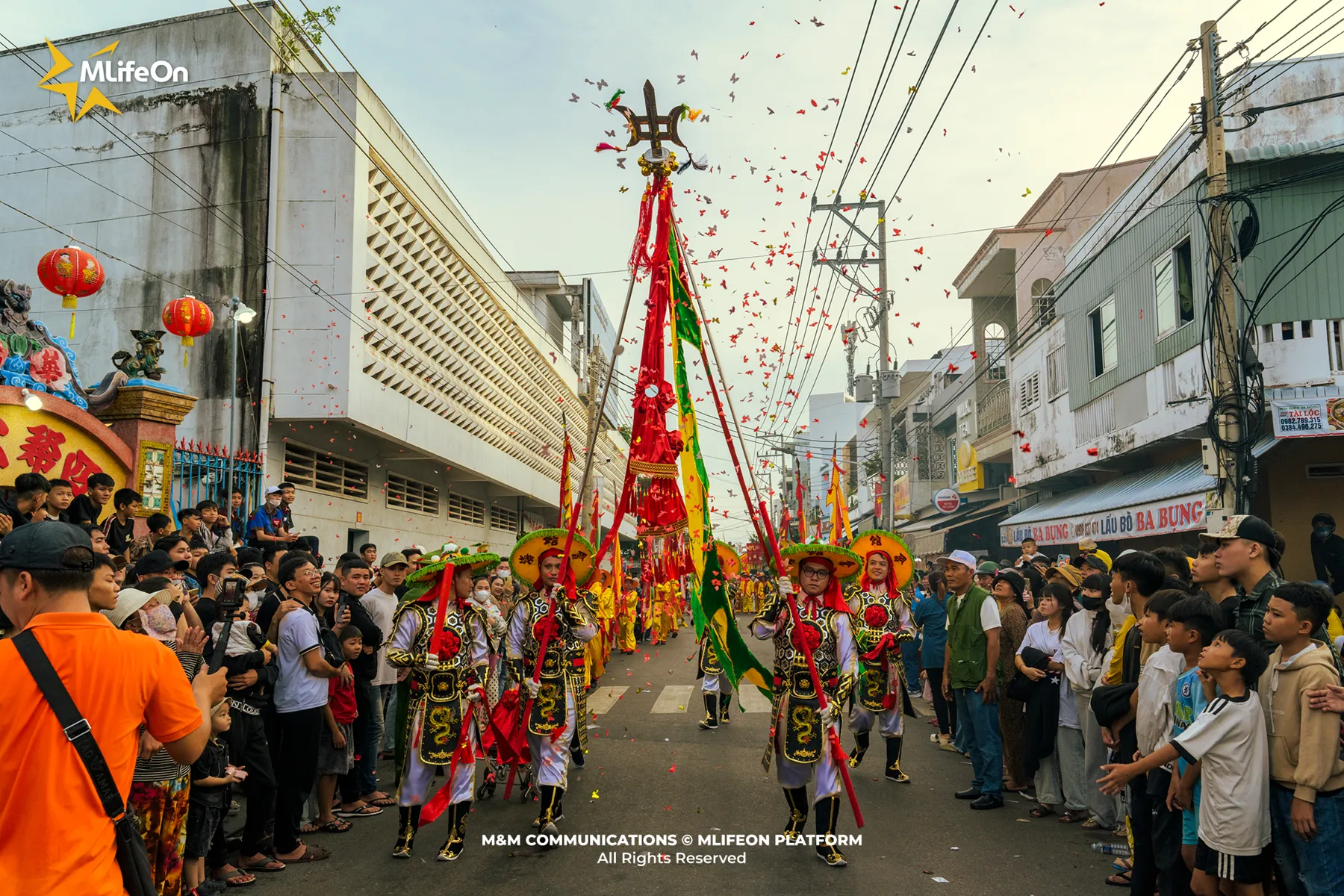
For this reason, the image of Quan Thanh De Quan traveling through the streets carries a meaning of its own. A spiritual tradition moves beyond the temple and into everyday life, passing through the very streets where generations of the community have lived, worked, traded, and built their lives.
A festival shaped by Phan Thiet’s Chinese community associations
Behind the large Nghinh Ong procession lies the collective effort of many members of the community. Four community associations - Fujian, Cantonese, Teochew and Hainanese take part, each contributing its own performance groups and cultural traditions to the procession.
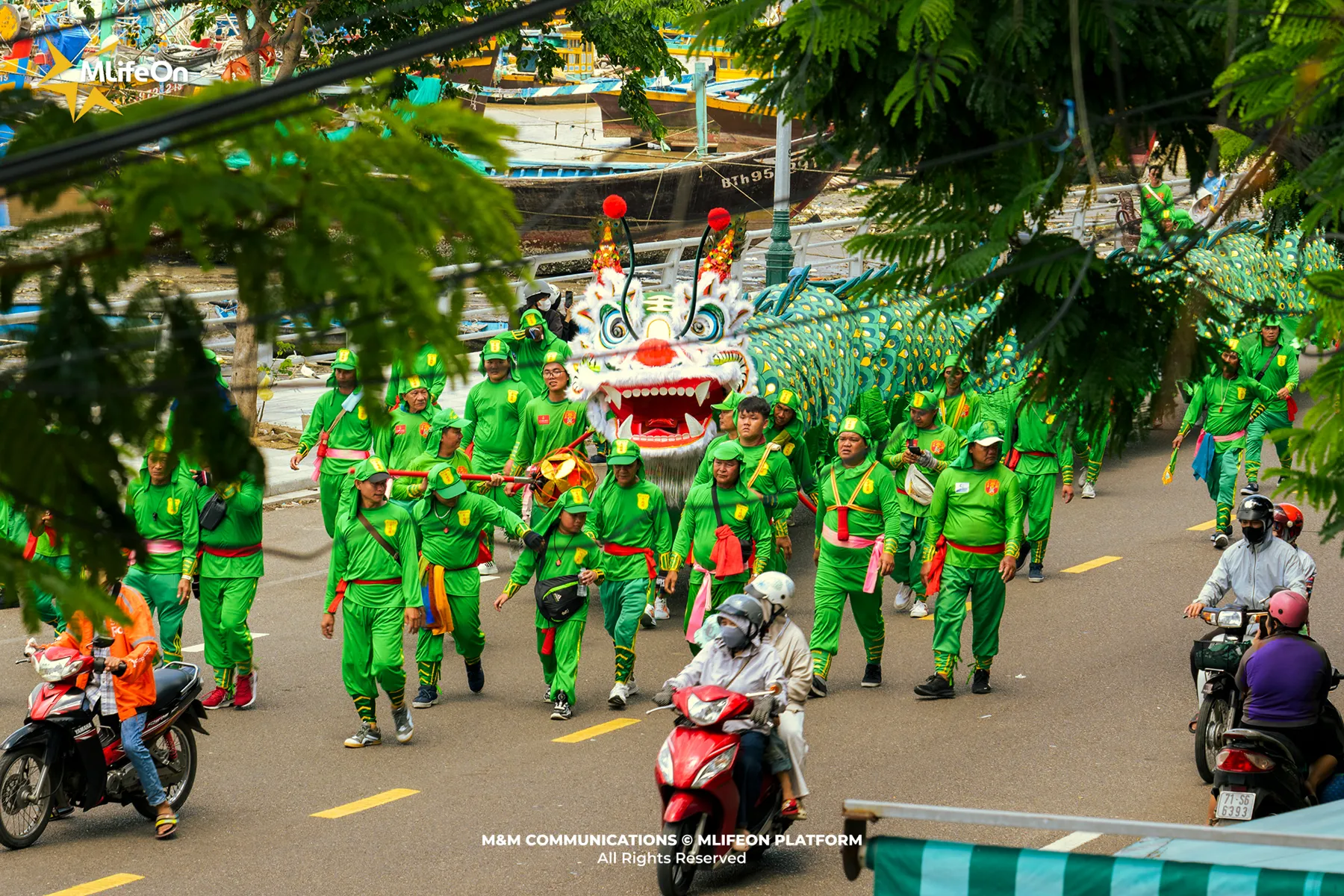
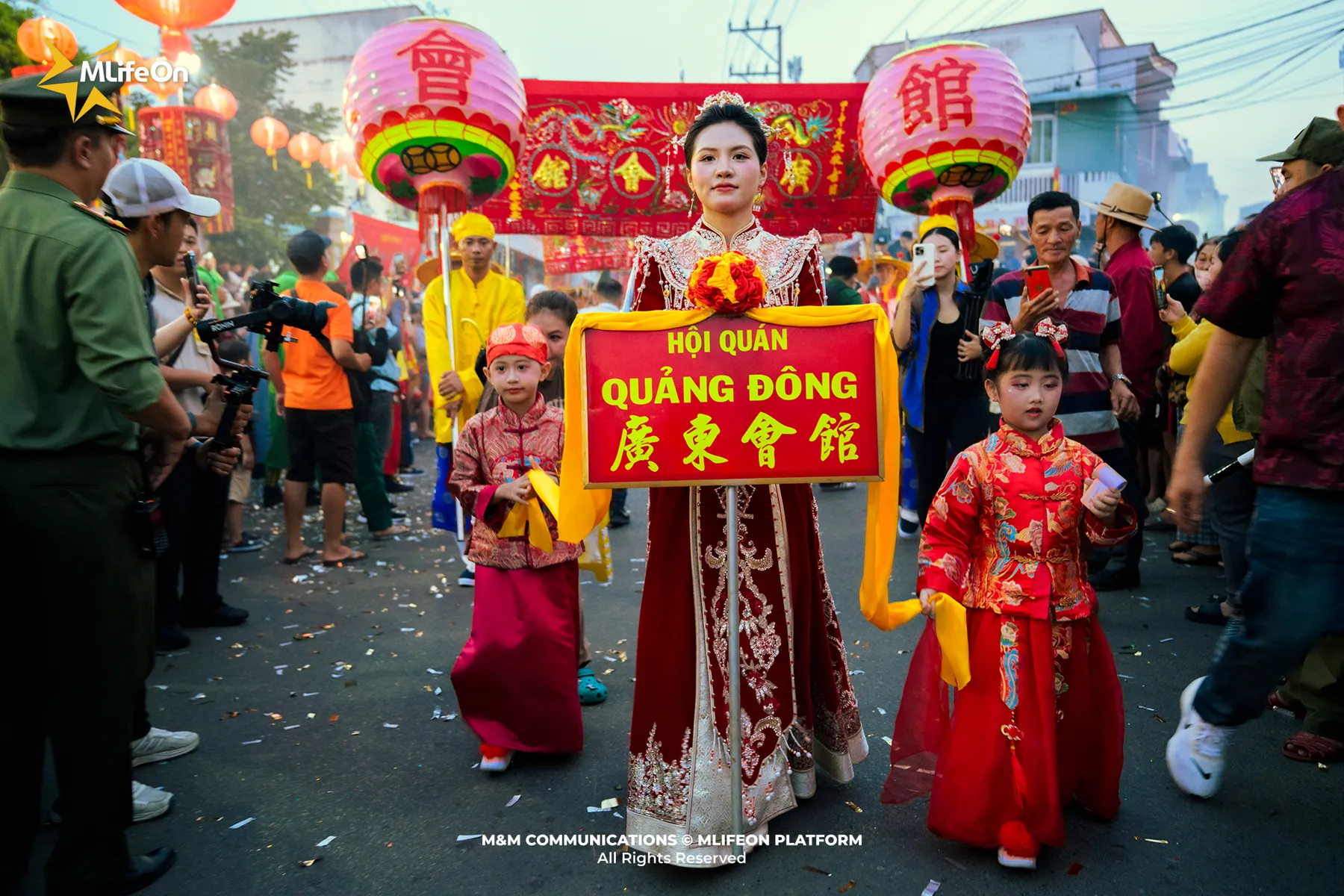
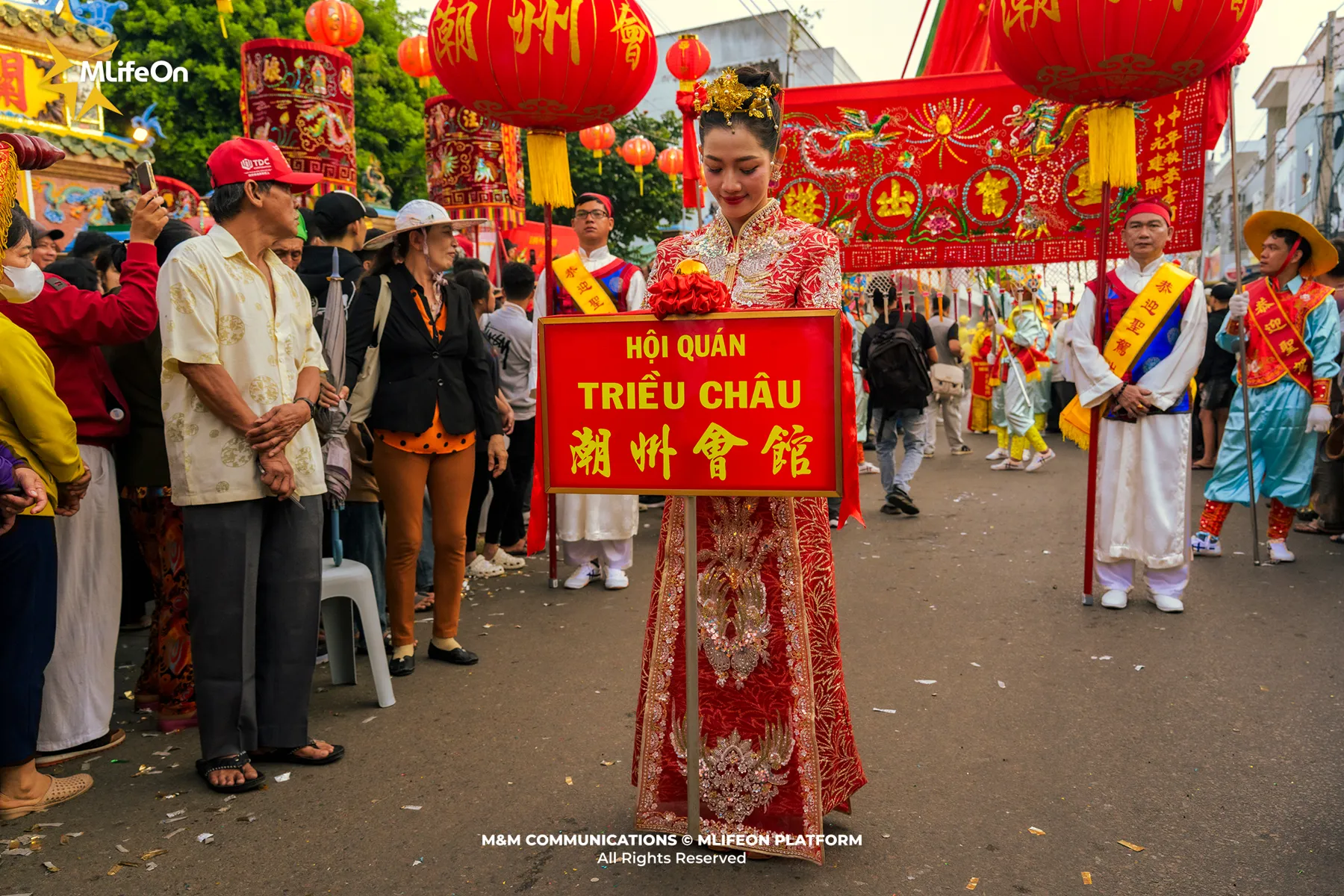
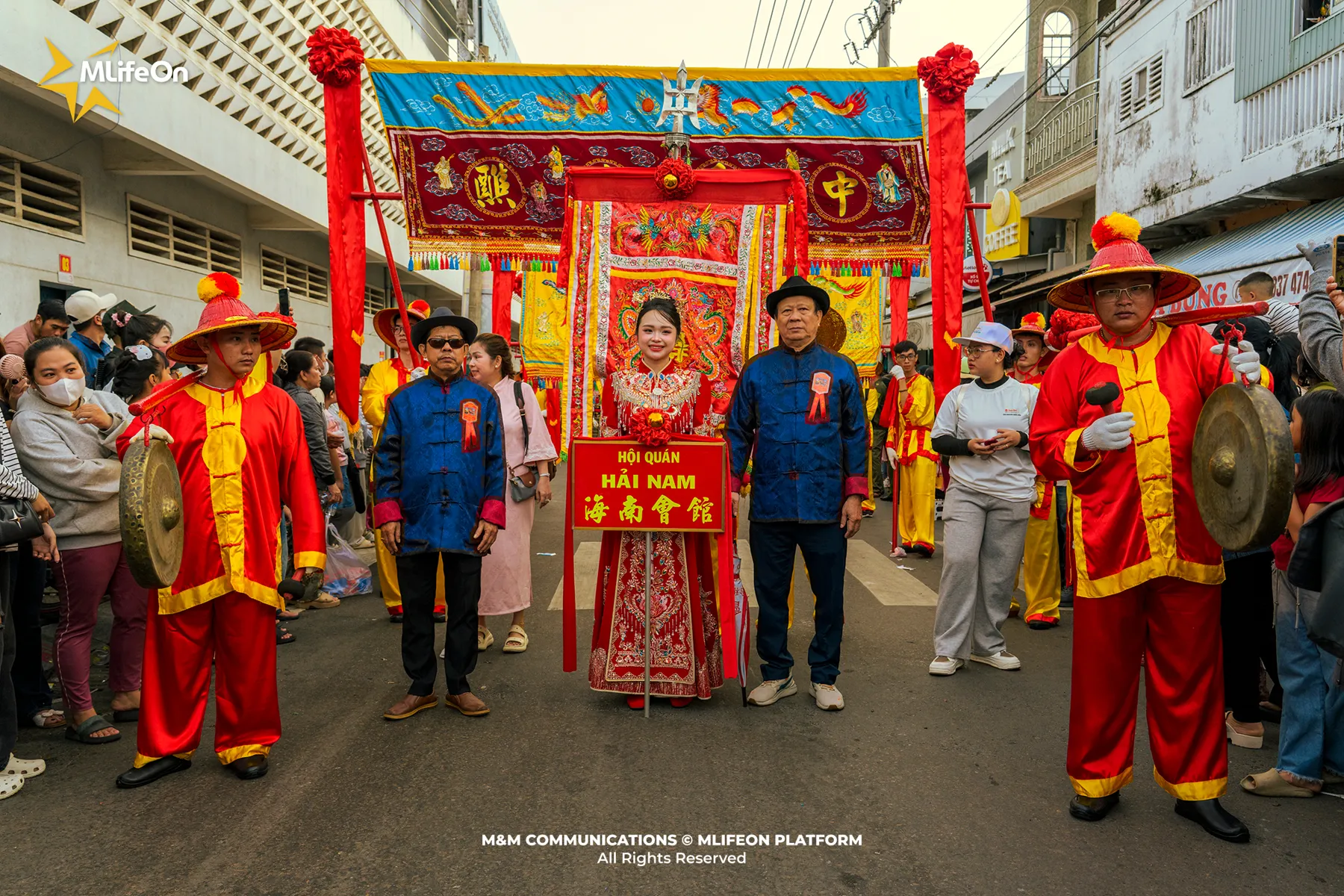
The carefully prepared costumes, synchronized dances, and impressive lion and dragon performances all require time and dedication. Months before the 2026 festival, the associations had already begun gathering and training their members, including young people, in preparation for the procession.
Behind the festival’s vibrant spectacle, therefore, is a great deal of work that spectators rarely see. Some prepare costumes, others rehearse performances, join the procession, or handle logistics. Each person contributes in their own way to bringing the Nghinh Ong celebration to life.
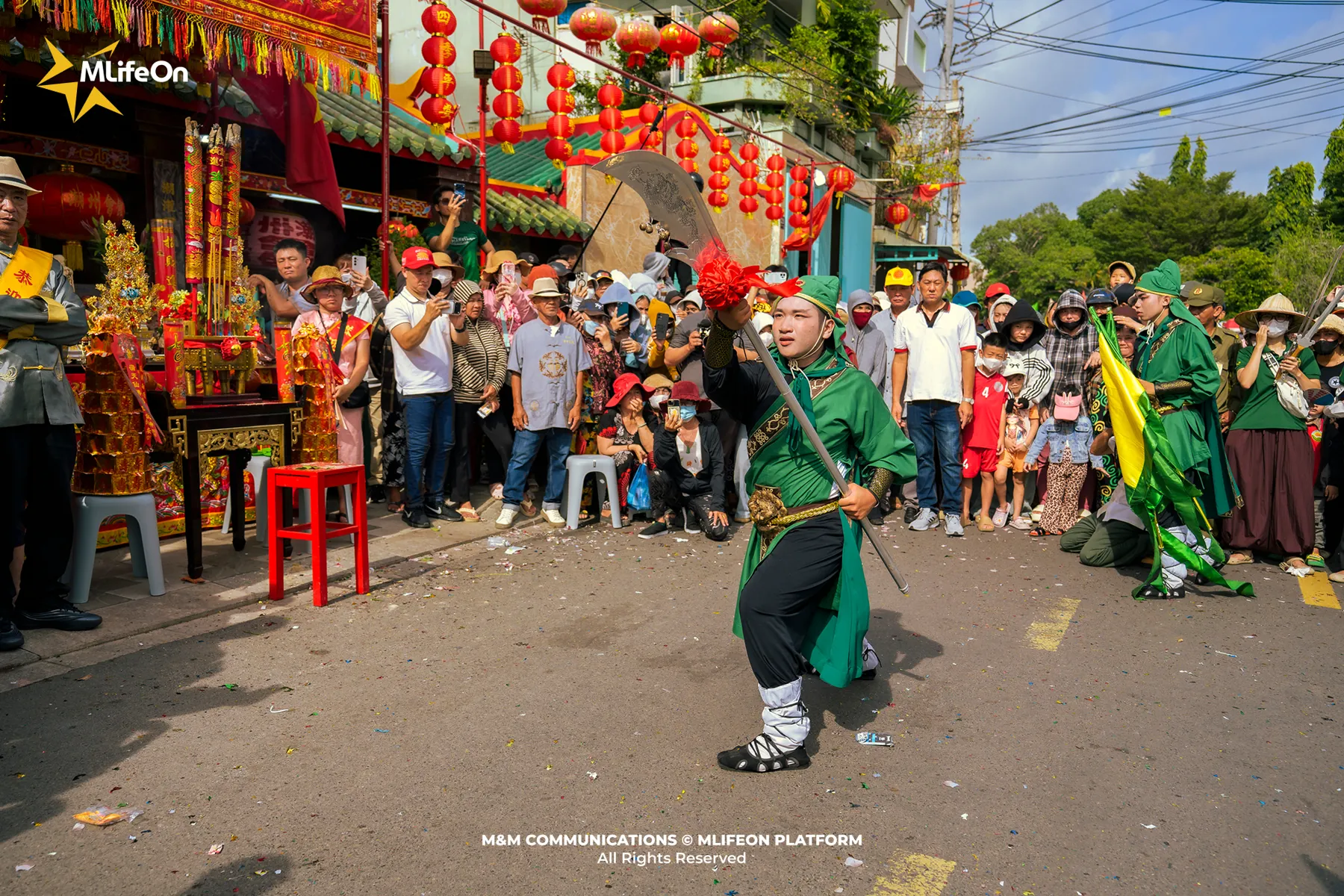
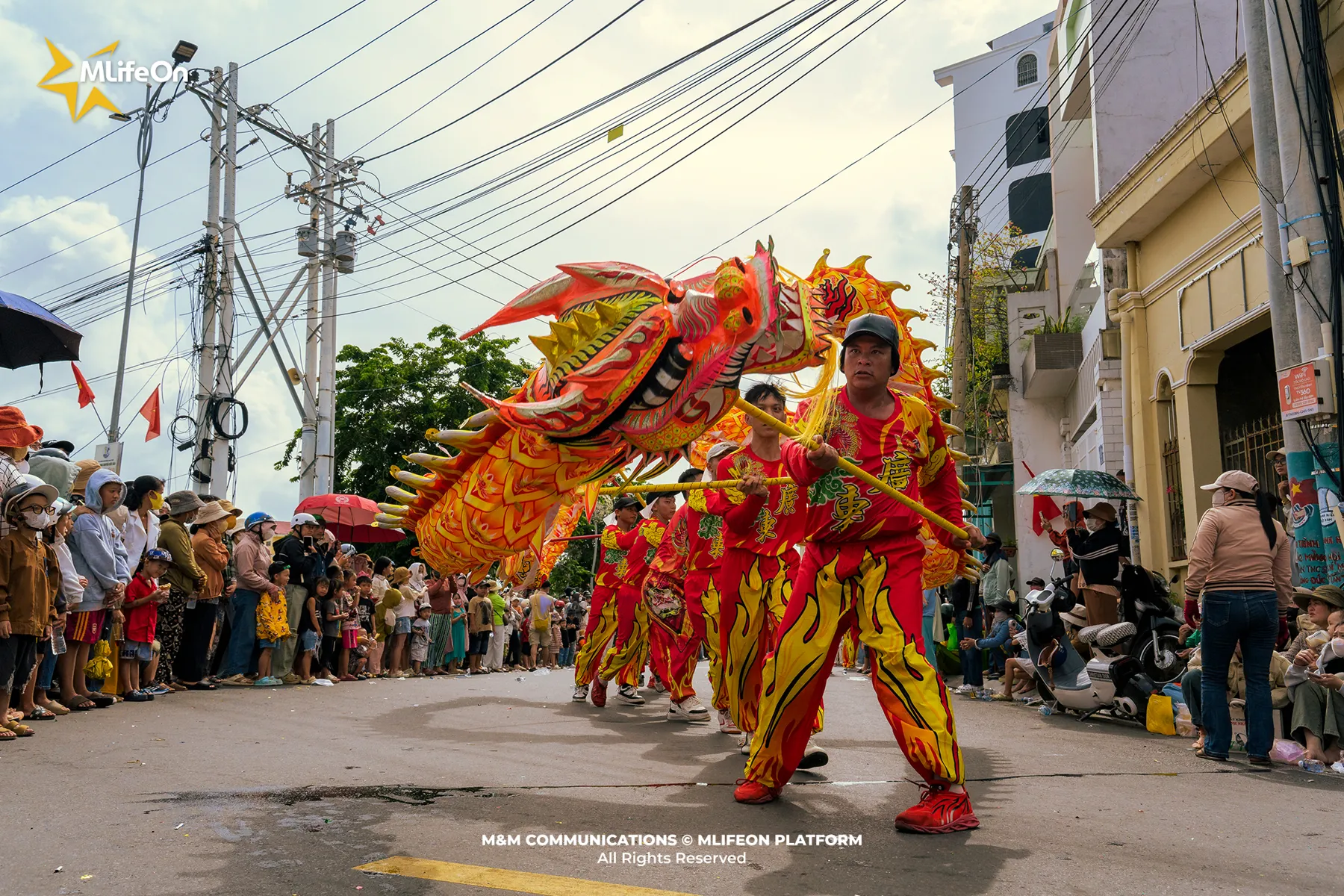
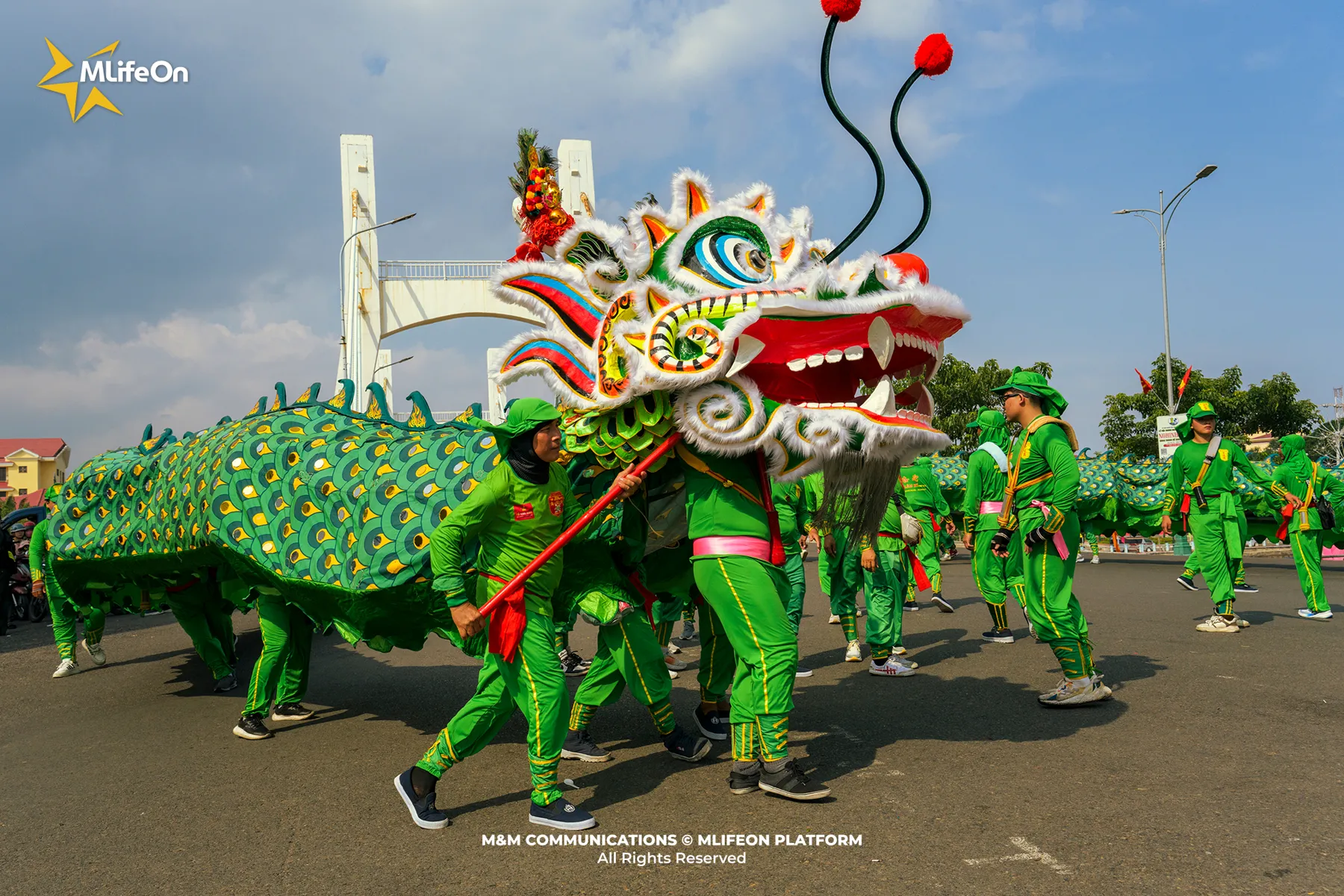
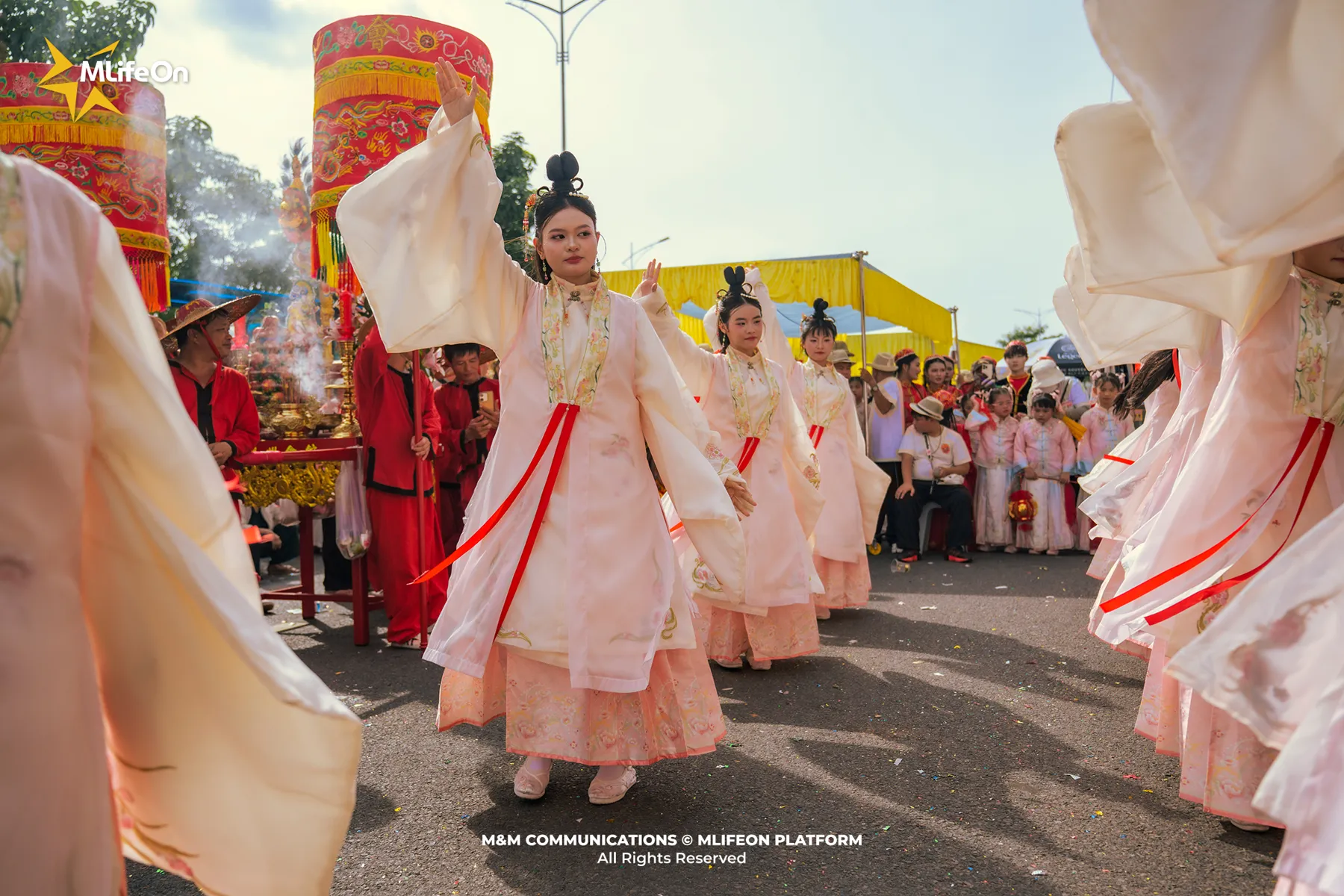
Through this collective effort, the festival also becomes a bridge connecting people. Communities with different ancestral roots come together in a shared celebration. Older and younger generations participate side by side, while traditions from the past continue to be practiced by the people of today.
A spiritual tradition passed down through generations
What keeps the Nghinh Ong Festival alive is perhaps not simply the scale of its procession or the spectacle of its colorful streets. More importantly, after all these years, members of the community continue to practice and carry forward the tradition.
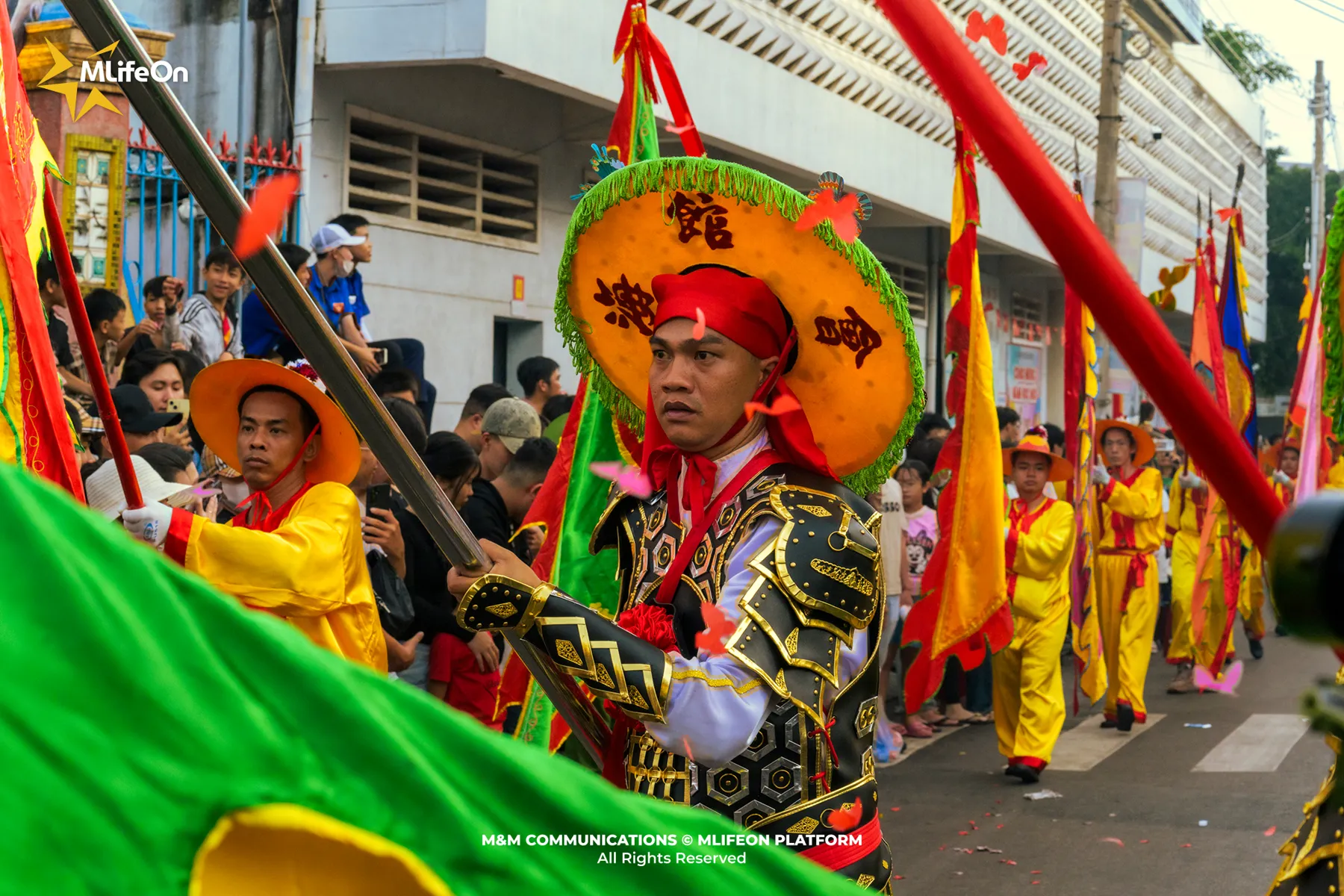
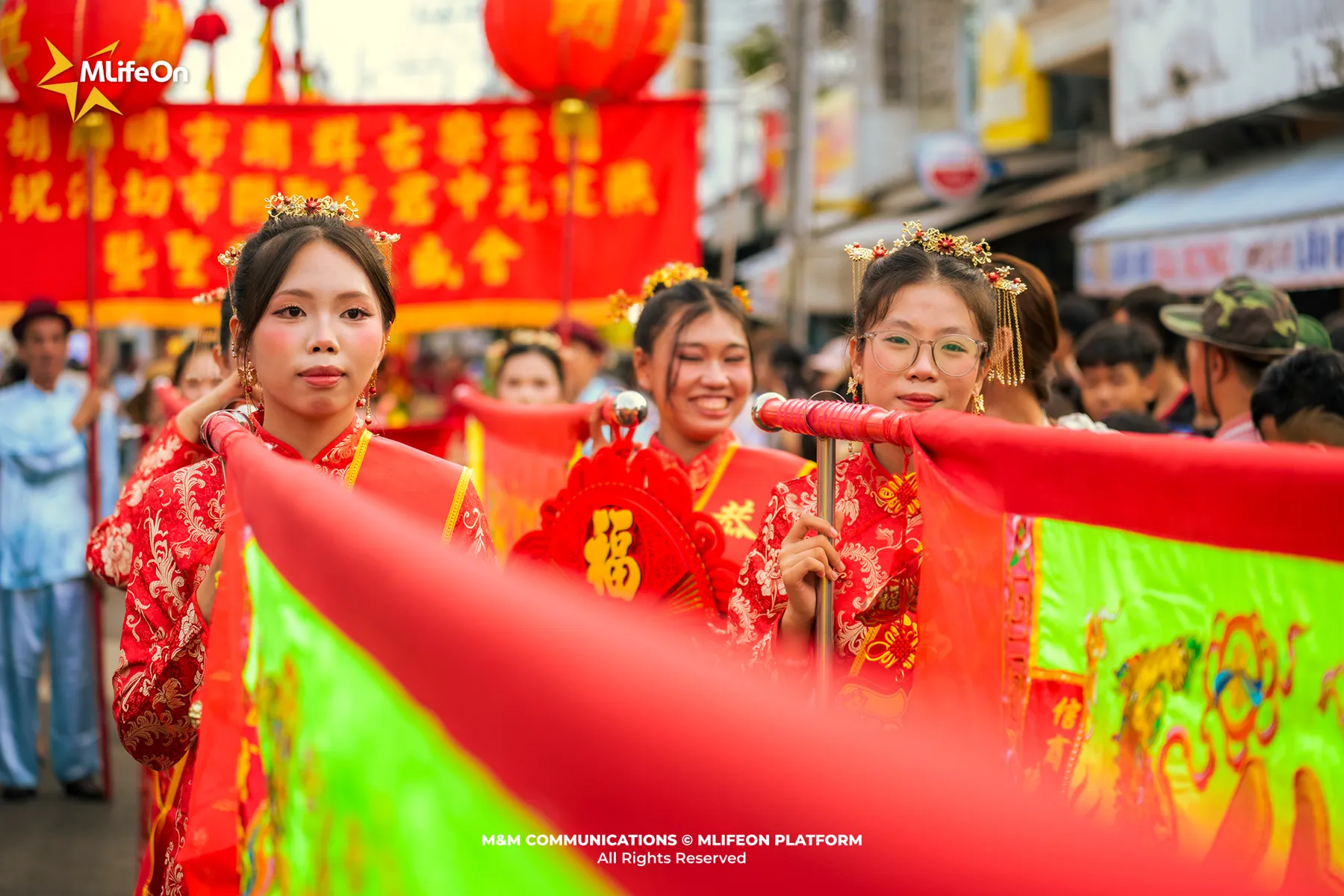
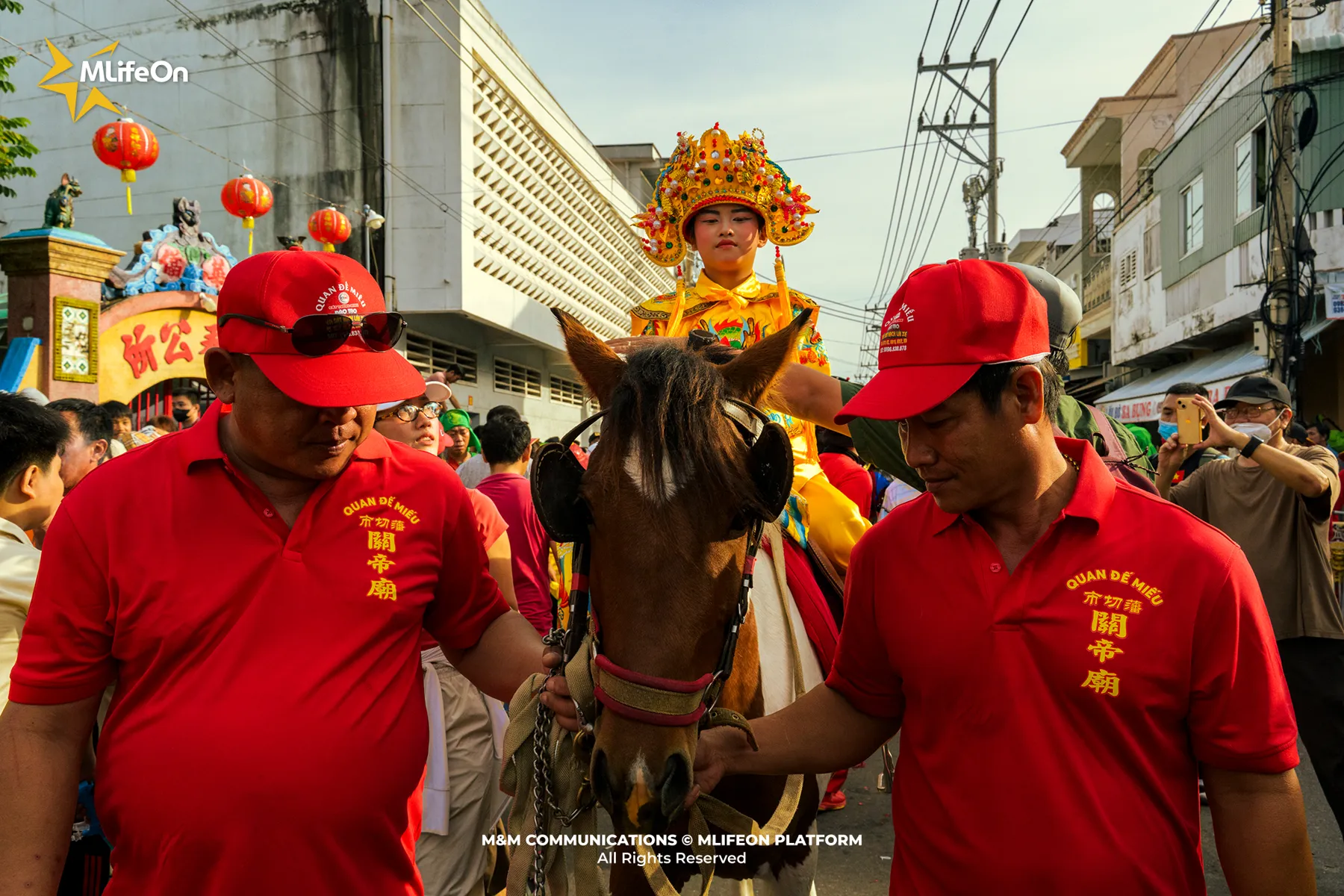
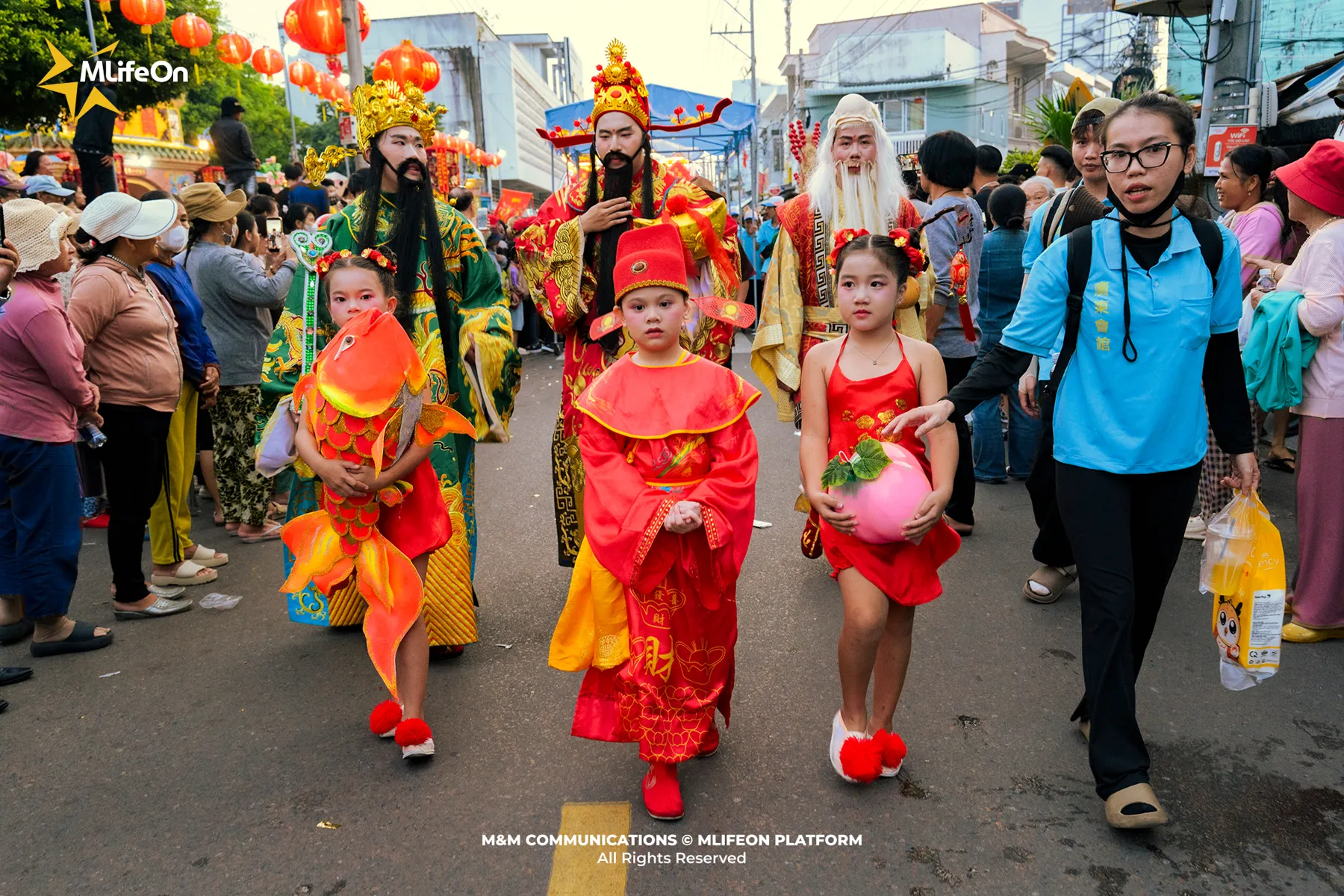
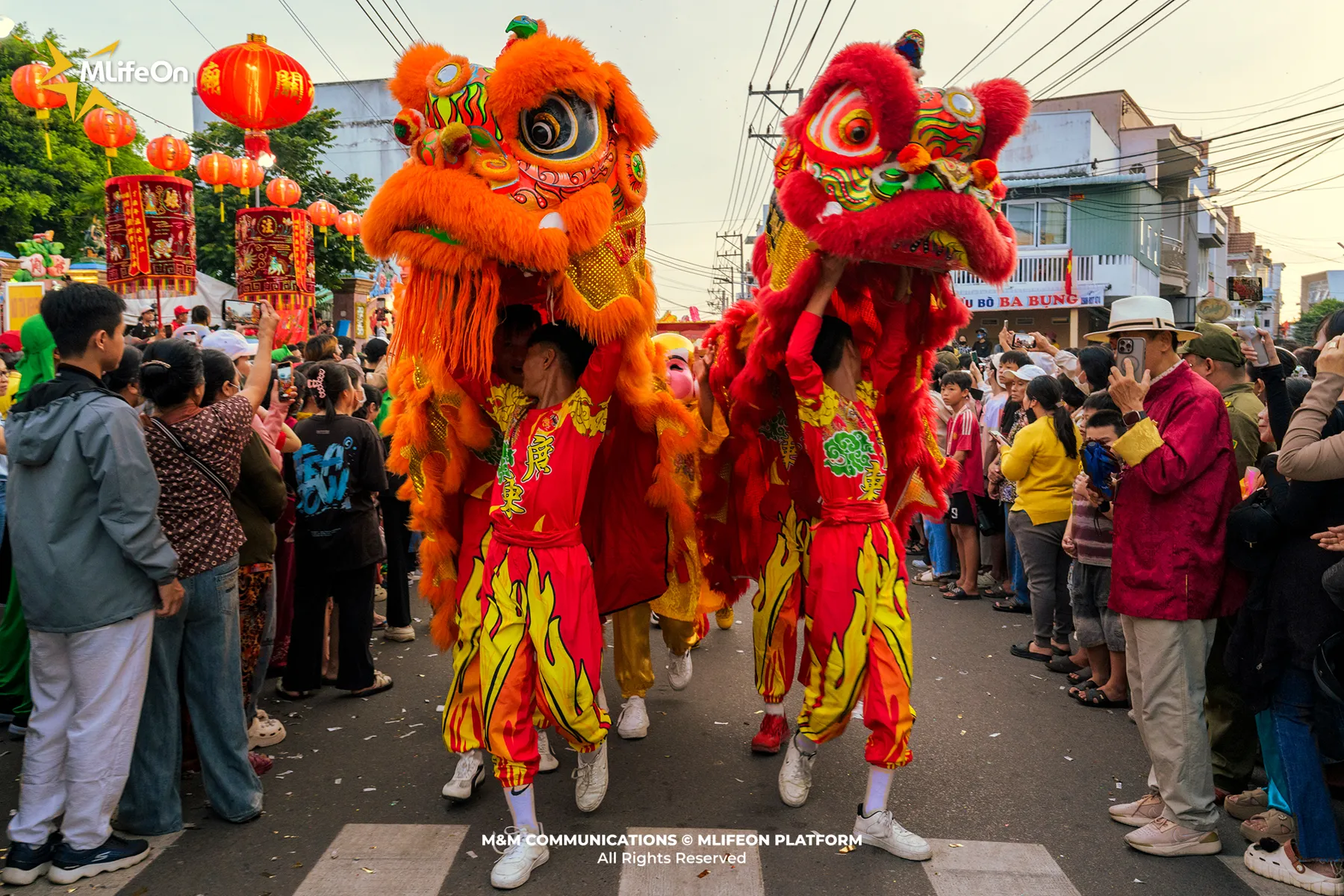
A young person joining a lion dance team, a child walking in the procession with their family, those entrusted with carrying the palanquin, or elders taking part in the ceremonies, each generation enters the festival in a different way. Through these experiences, tradition is not merely retold in words. It is seen, experienced, participated in, and gradually becomes part of personal and collective memory.
Conclusion
Every two years, Quan Thanh De Quan leaves the sacred space of Quan De Temple and travels through the streets of Phan Thiet. Accompanying the procession are not only the sounds of drums, colorful flags, and lion and dragon dances, but also the cultural memories of generations of Chinese people who have made their lives on this land.
As long as people continue to prepare together, walk together in the procession, and gather along the streets waiting for Nghinh Ong to pass, this traditional festival continues to live, not simply as a memory of the past, but as a vibrant part of life in the present.
-------------
CREDIT:
- Photography: Quan Tran - Luan Nguyen
- Content: Hoai Ha
- Design: Phuong Nguyen