LANH MY A SILK - THE LEGENDARY BLACK OF TAN CHAU’S SILK HERITAGE
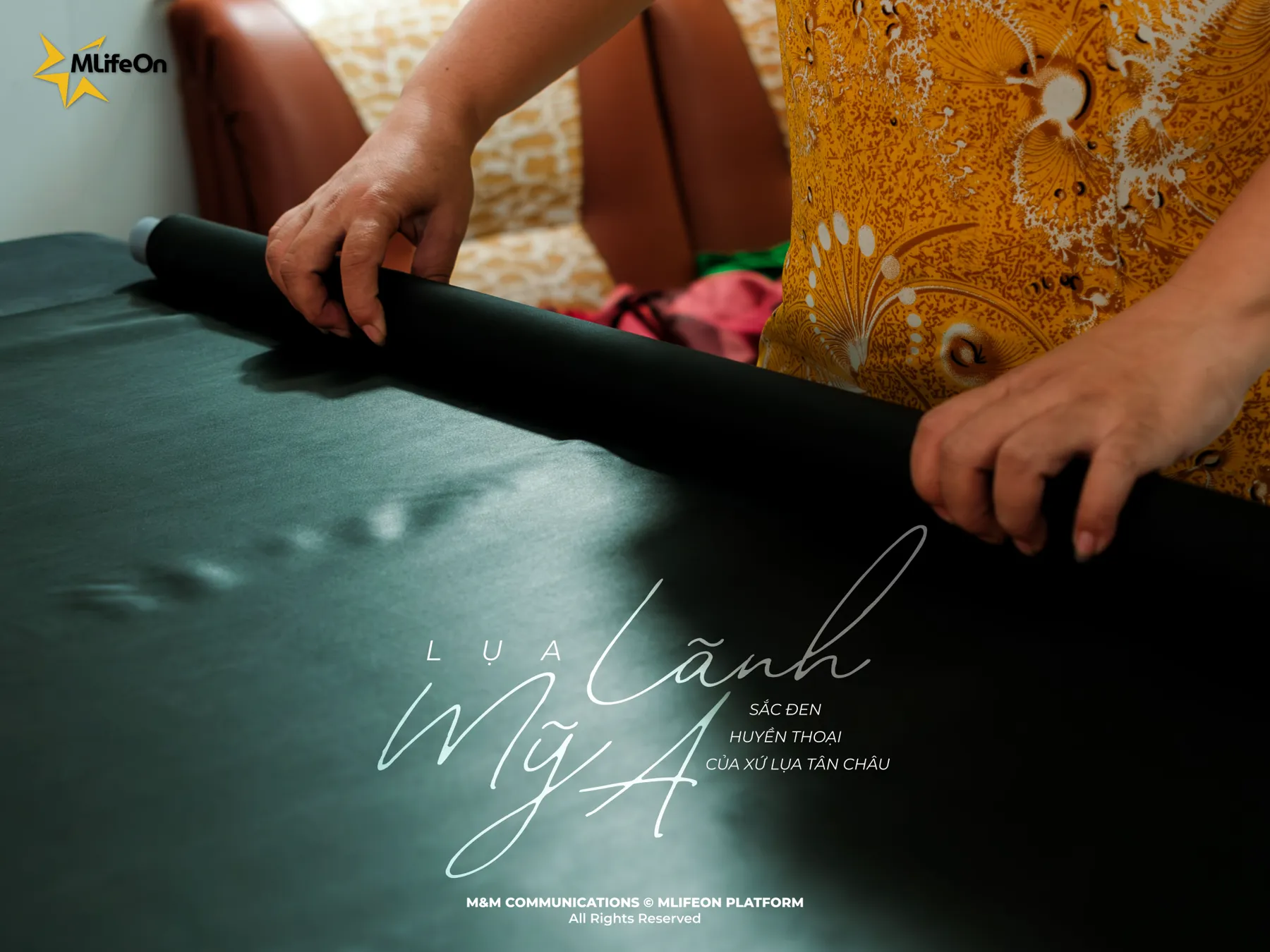
Tan Chau was once renowned as one of the great silk-making centers of Vietnam’s Mekong Delta, where the rhythmic sound of looms was woven into the daily lives of generations of local families. It was here that Lanh My A silk emerged with its distinctive lustrous black, becoming a source of pride for the region’s silk-making tradition. Yet behind every beautiful piece of Lanh My A lies an extraordinarily labor-intensive process of repeated dyeing and sun-drying. Despite the many changes over the years, this remarkable silk continues to be preserved as part of the memory, heritage, and craftsmanship of Tan Chau.
Tan Chau - A historic silk town by the Tien river
Since the early 20th century, Tan Chau silk has been known both in Vietnam and abroad. Areas such as Tan An and Vinh Hoa were once home to green mulberry fields, while households raised silkworms on bamboo trays. Mulberry cultivation, silkworm farming, silk reeling, and weaving became livelihoods closely connected to generations of local people. For this reason, Tan Chau was once affectionately known as the “land of silk” and the “land of mulberry and silkworms.”
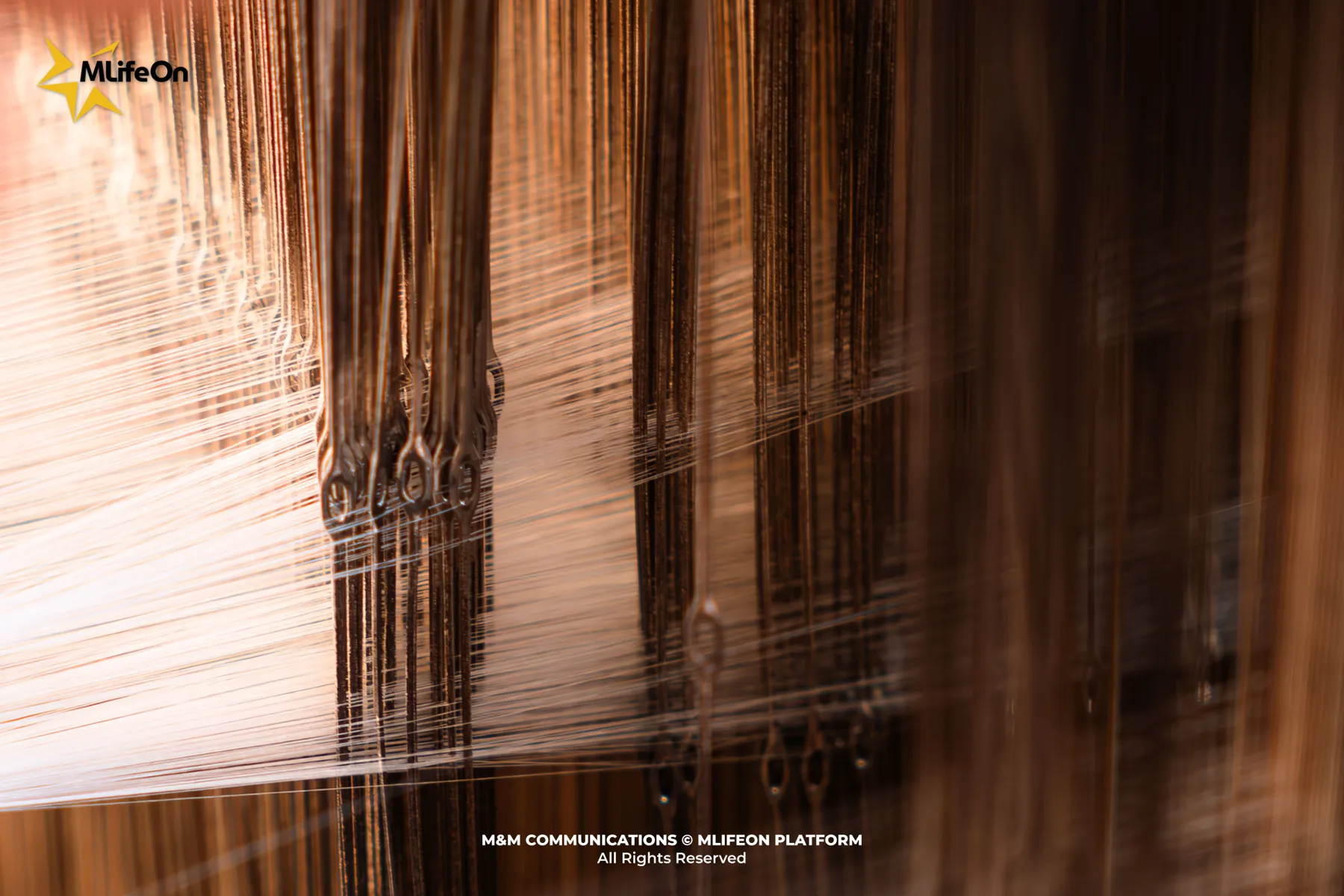
But to imagine Tan Chau during the golden age of its silk industry, numbers alone may not be as evocative as the sound of the looms. In the memories of local artisans, there was once a time when hundreds of looms and dyeing workshops operated simultaneously, and the rhythmic sounds of machinery and weaving shuttles became part of everyday life in the craft villages. Some people raised silkworms, others prepared the silk threads, some worked at the looms, while others dyed the fabric. Each person was responsible for a different stage, yet all of their work ultimately came together in a single piece of silk.
From this land emerged a remarkable fabric that gradually became synonymous with Tan Chau: Lanh My A.
Lanh My A - The essence of Tan Chau’s traditional silk craft
Lanh My A does not captivate people with vibrant colors. Its beauty lies instead in its deep black hue, smooth surface, softness, durability, and distinctive natural sheen. Local historical records have even referred to Lanh My A as the “queen” of silks. In traditional Southern Vietnamese life, a pair of Lanh My A trousers or a ba ba outfit made from this luxurious fabric was once a treasured possession for many women.
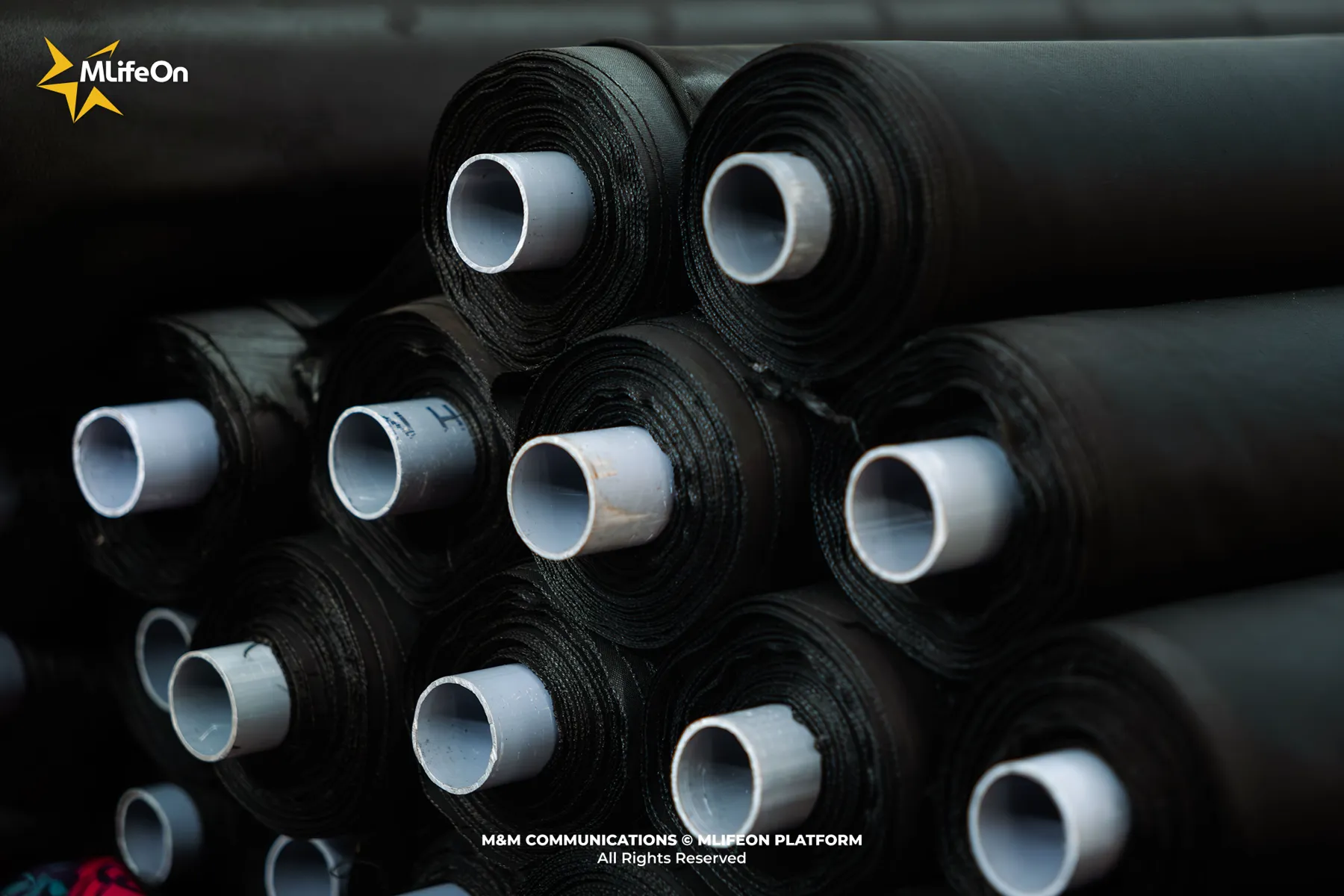
To qualify as traditional Lanh My A, the fabric must meet several demanding requirements: it must be made from silk, woven using an eight-harness satin technique, and, most importantly, dyed with mac nua fruit. This meticulous process produces a fabric that is soft yet strong and durable, absorbs moisture well, and possesses an unmistakable glossy black appearance.
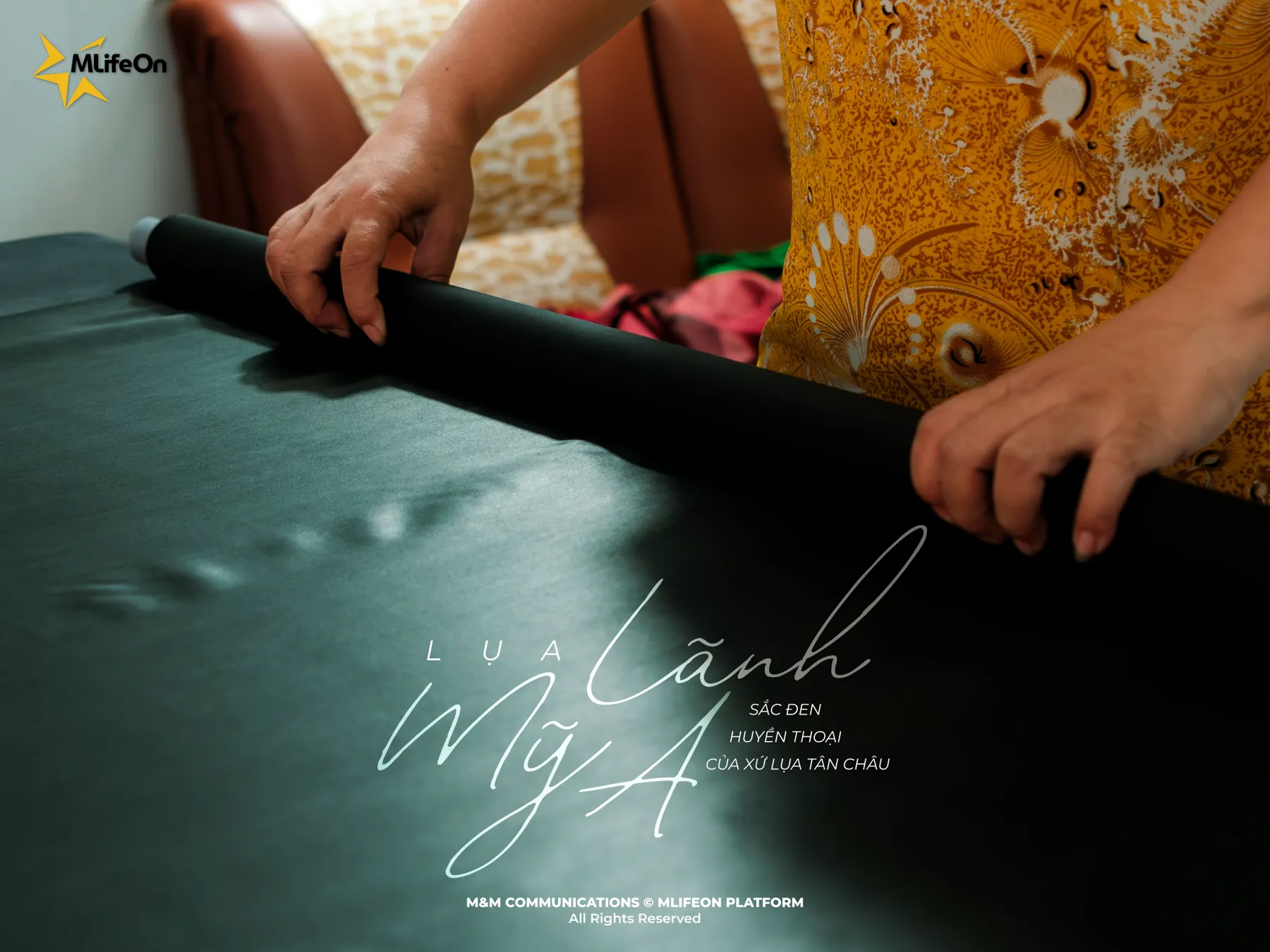
Because it required so much time and effort to produce, Lanh My A was never considered an ordinary fabric for casual clothing. People carefully preserved garments made from it and often wore them on important occasions, during festivals and Lunar New Year celebrations, at family gatherings, or presented them as valuable gifts during significant family events.
Yet the most remarkable quality of Lanh My A only becomes fully apparent when we look at how the people of Tan Chau create its signature black color.
The secret behind the signature black of Lanh My A Silk
If silk forms the foundation of Lanh My A, then mac nua fruit is what gives the fabric its soul.
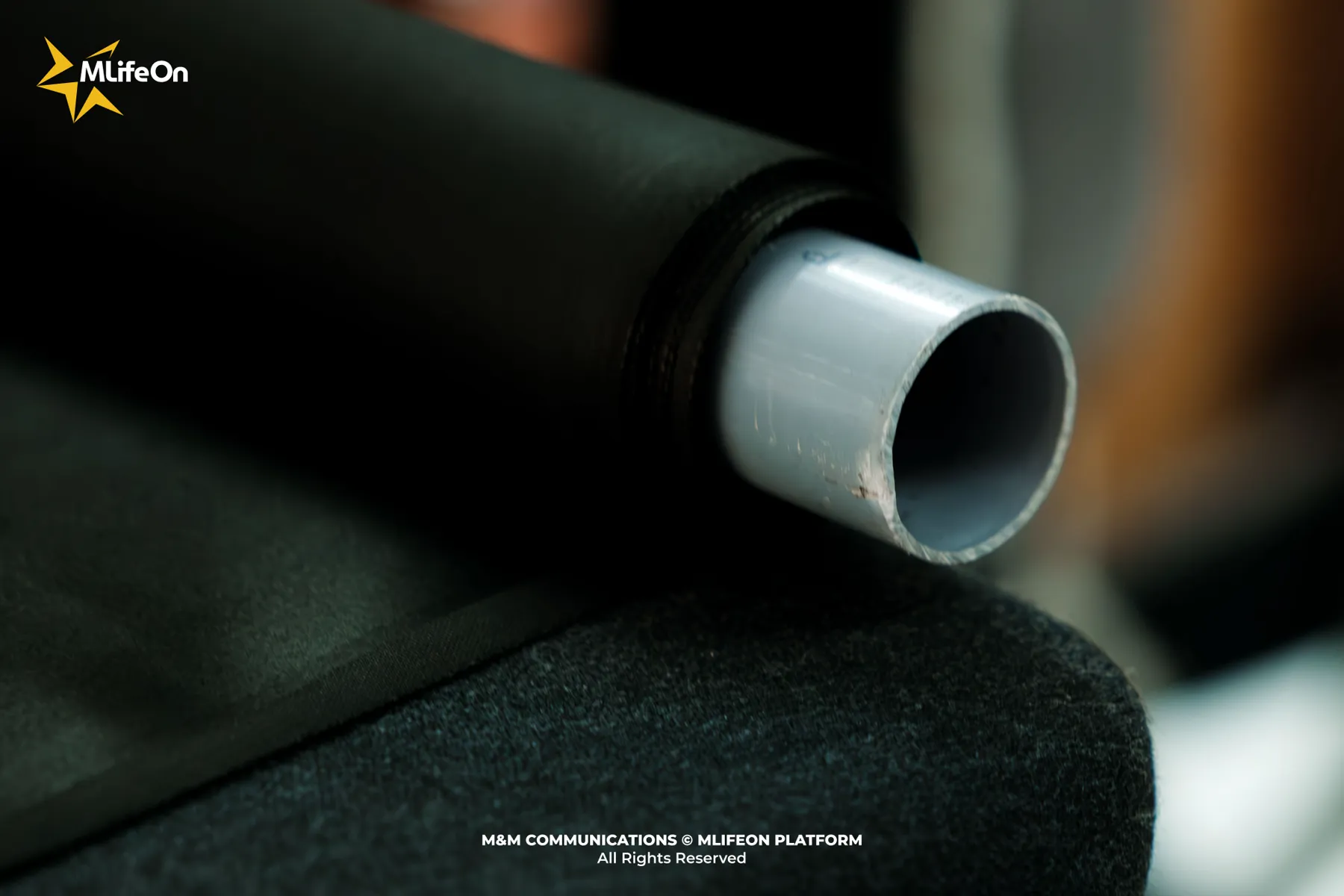
After harvesting, the mac nua fruit must be processed to extract the natural dye. The silk is not simply dipped into the dye once or twice and then left to dry. Instead, it must undergo the dyeing process again and again.
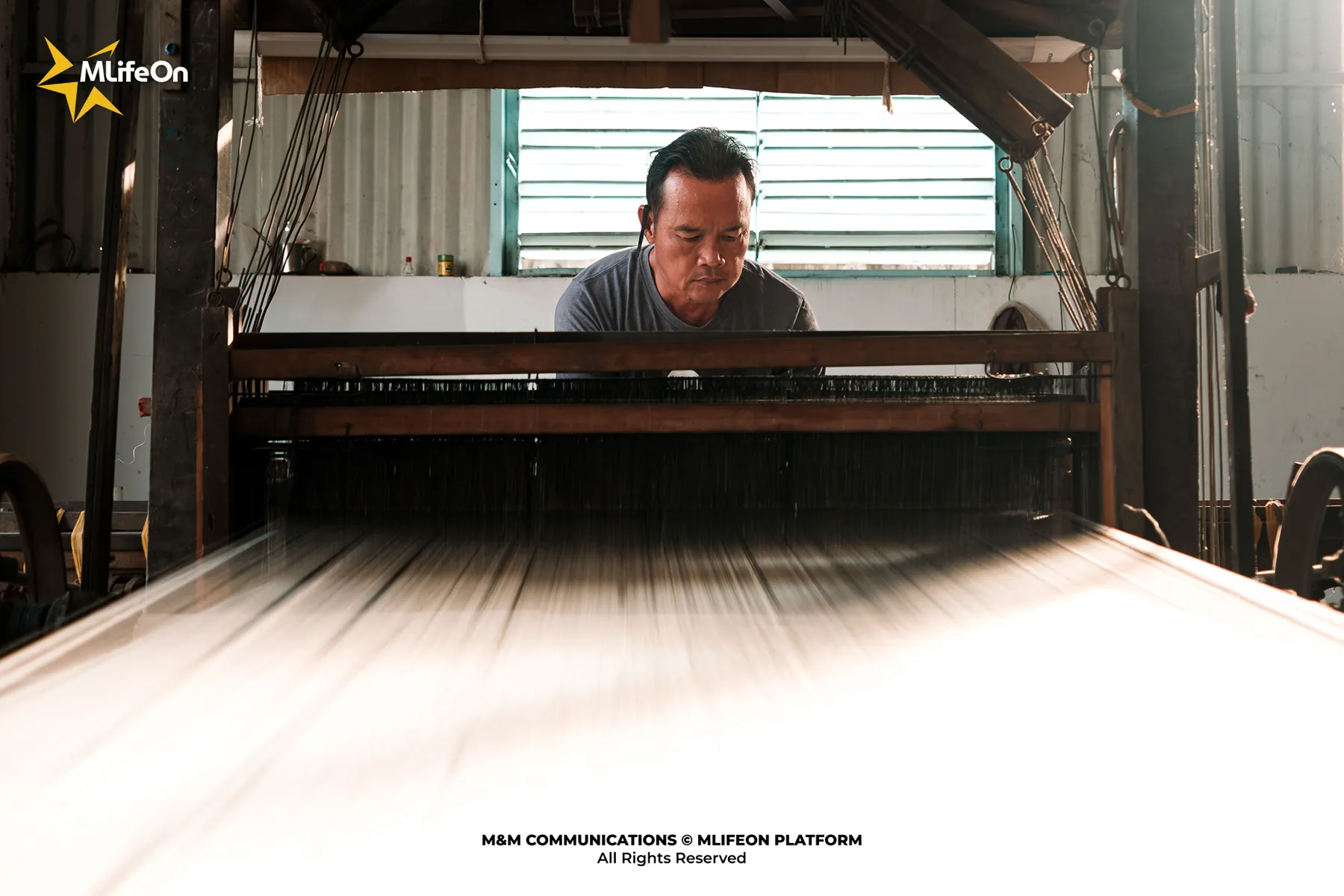
According to artisans who continue to preserve the traditional craft, a piece of Lanh My A measuring approximately 20 meters long and 90 centimeters wide may require as much as 80 to 100 kilograms of mac nua fruit. Transforming the original silk into finished Lanh My A can involve around 100 rounds of dyeing.
The process follows a repeated rhythm: dye, then dry in the sun. Each time the silk is immersed in the mac nua dye, the artisan must carefully wring it so that the color penetrates evenly into every fiber before taking the fabric outside to dry. Once one round is complete, the process begins again. In this way, the color does not simply sit on the surface; it gradually develops and deepens over time.
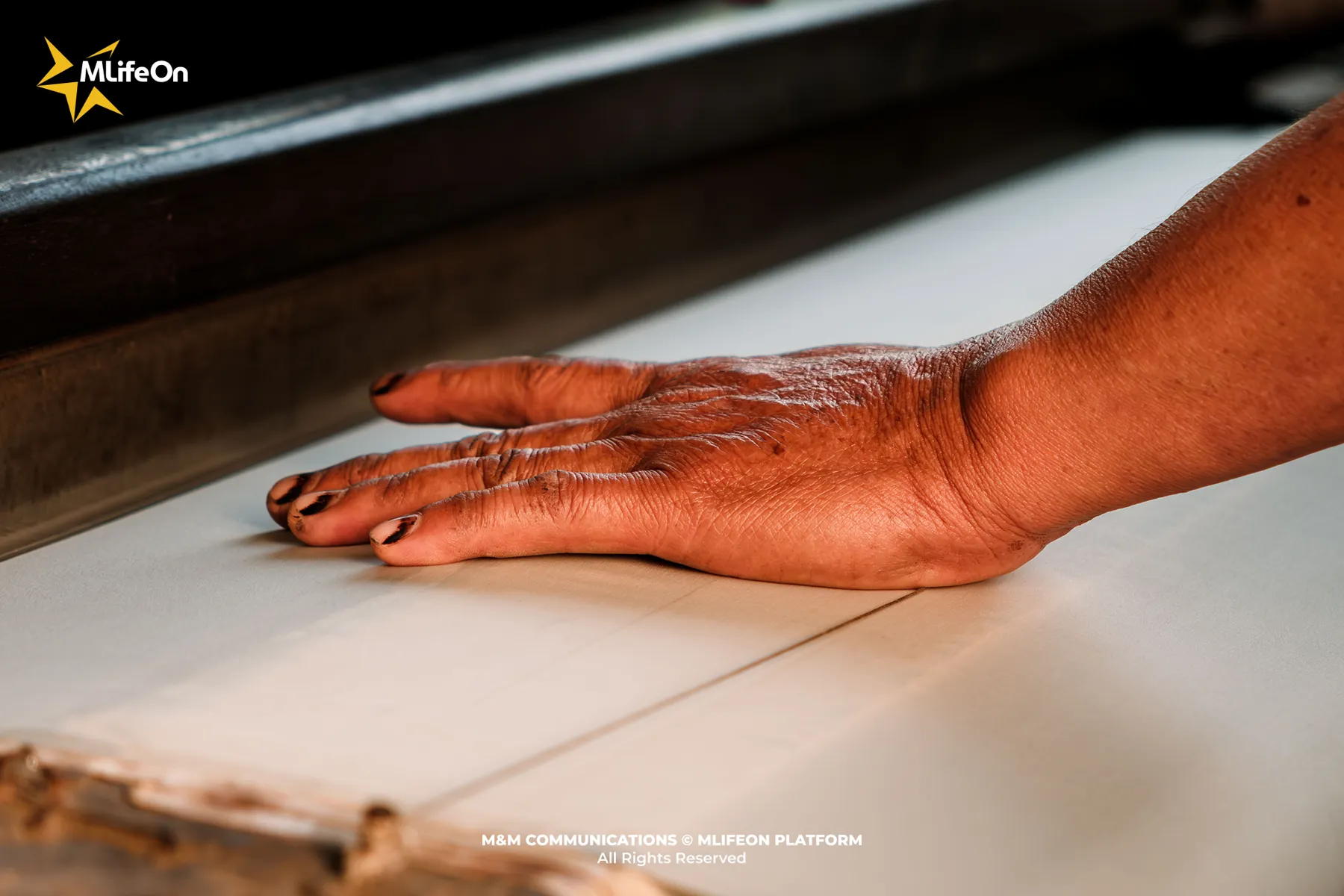
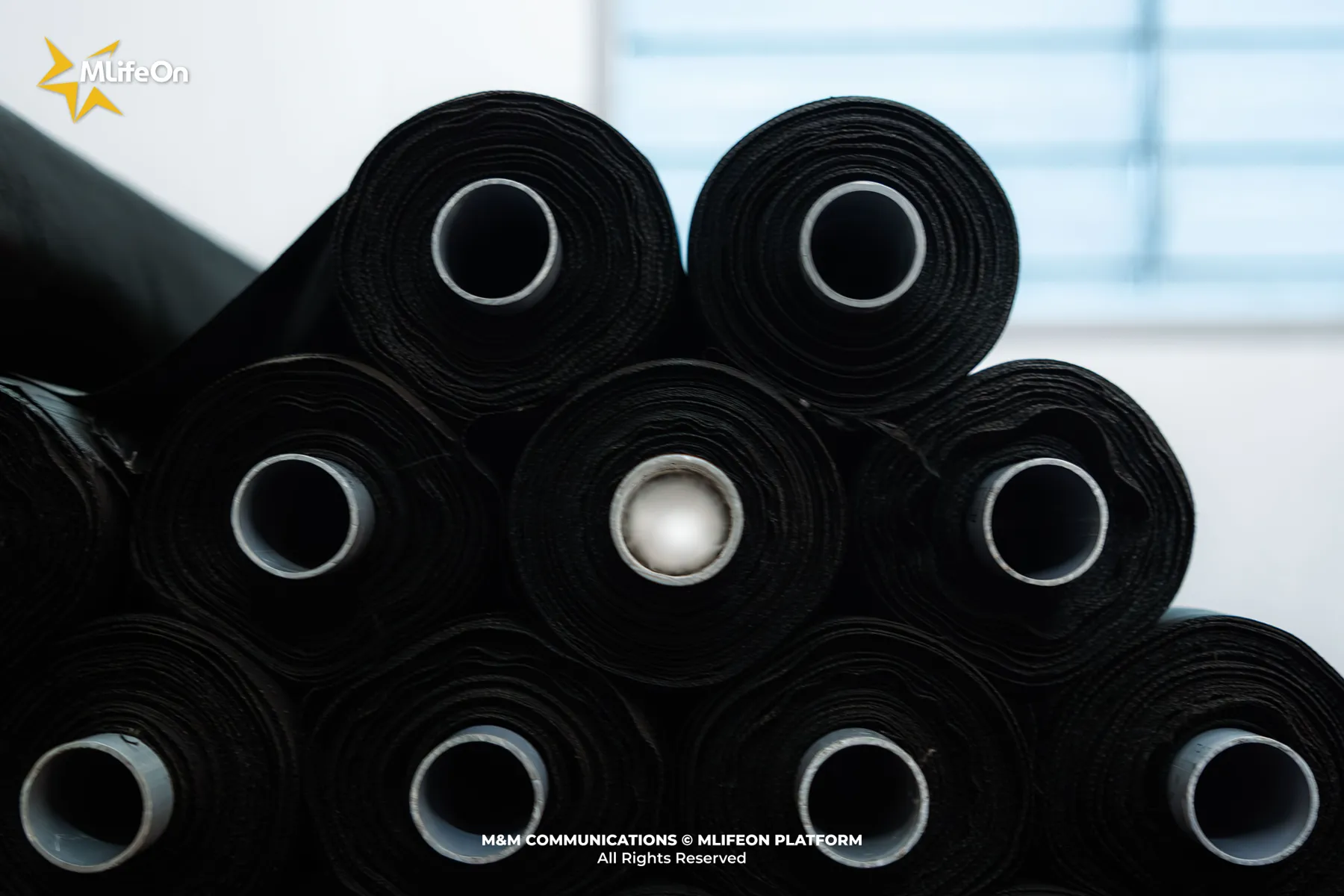
Sunlight itself becomes an essential part of the craft. Artificial heat cannot fully replace natural sun-drying when it comes to creating Lanh My A’s characteristic deep black color. As a result, the entire process depends heavily on the weather. For around 500 meters of fabric, weaving and dyeing can take an average of four months under favorable conditions. During prolonged rainy periods, the dyeing stage alone can take even longer.
A black color that appears so simple at first glance therefore requires fine silk, mac nua fruit, natural sunlight, time, and extraordinary human patience.
Behind every piece of silk are the tireless hands of Tan Chau artisans
When holding a finished piece of Lanh My A, it is easy to notice its softness or the lustrous black sheen across its surface. What is much harder to see are the countless days of labor behind that beauty.
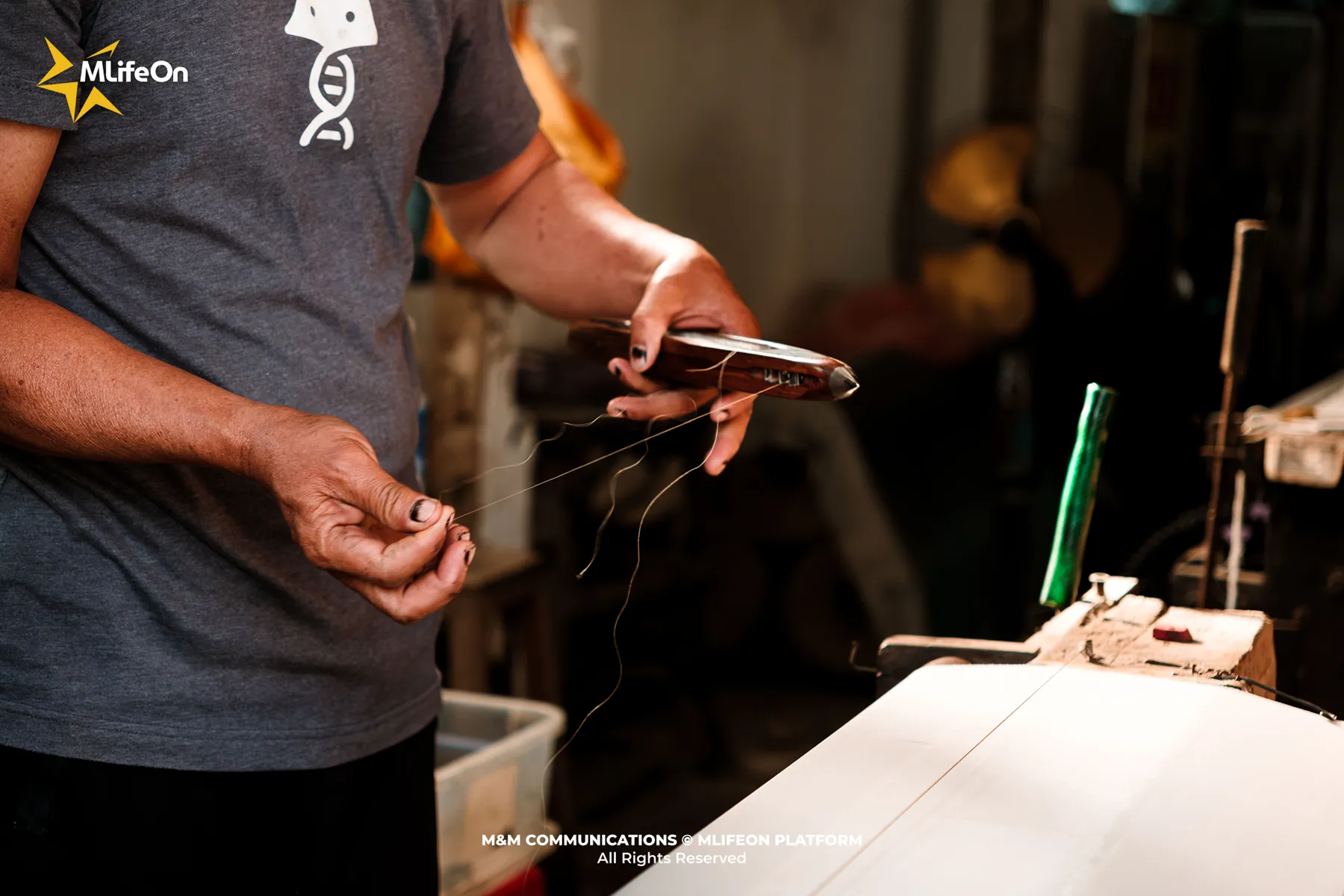
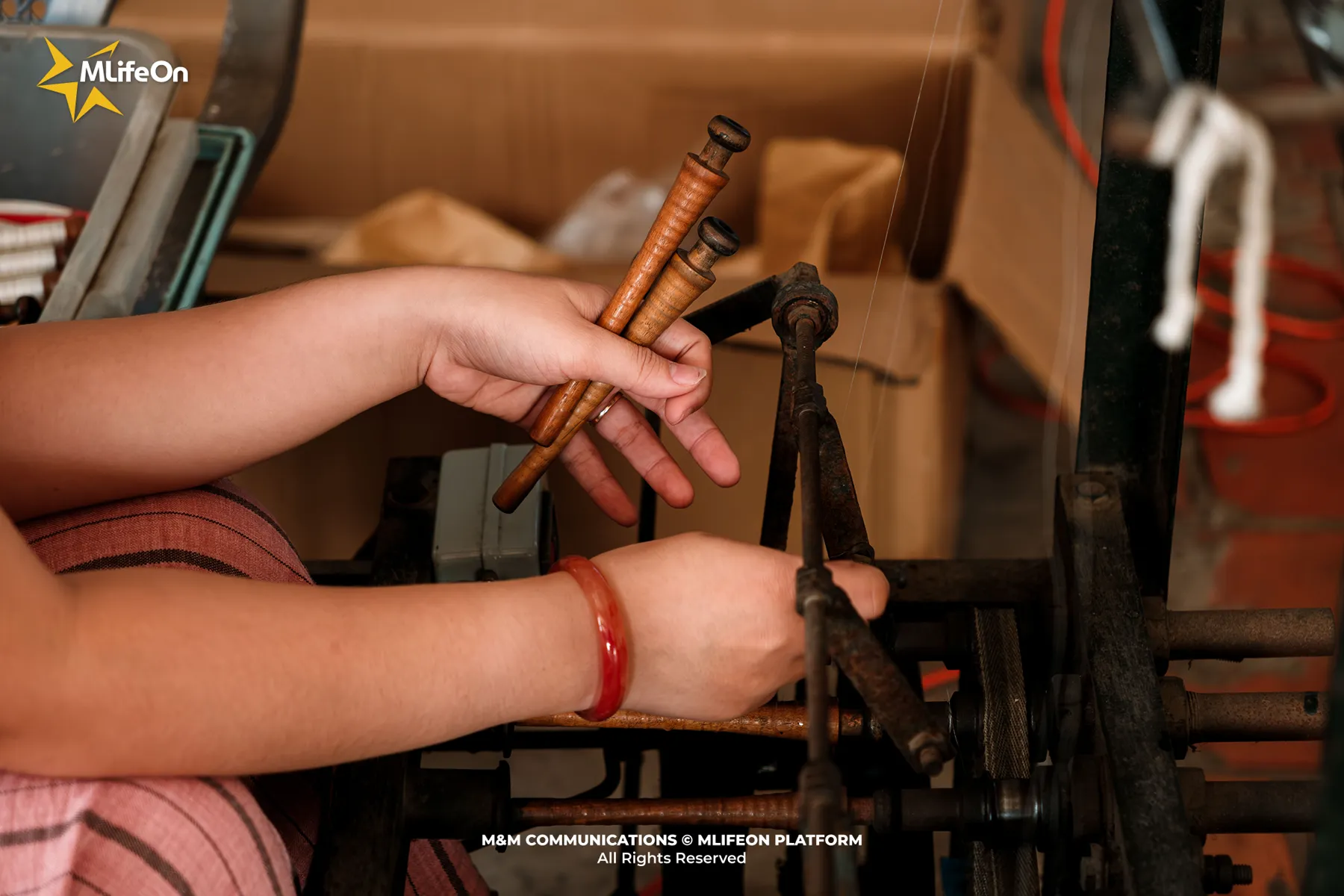
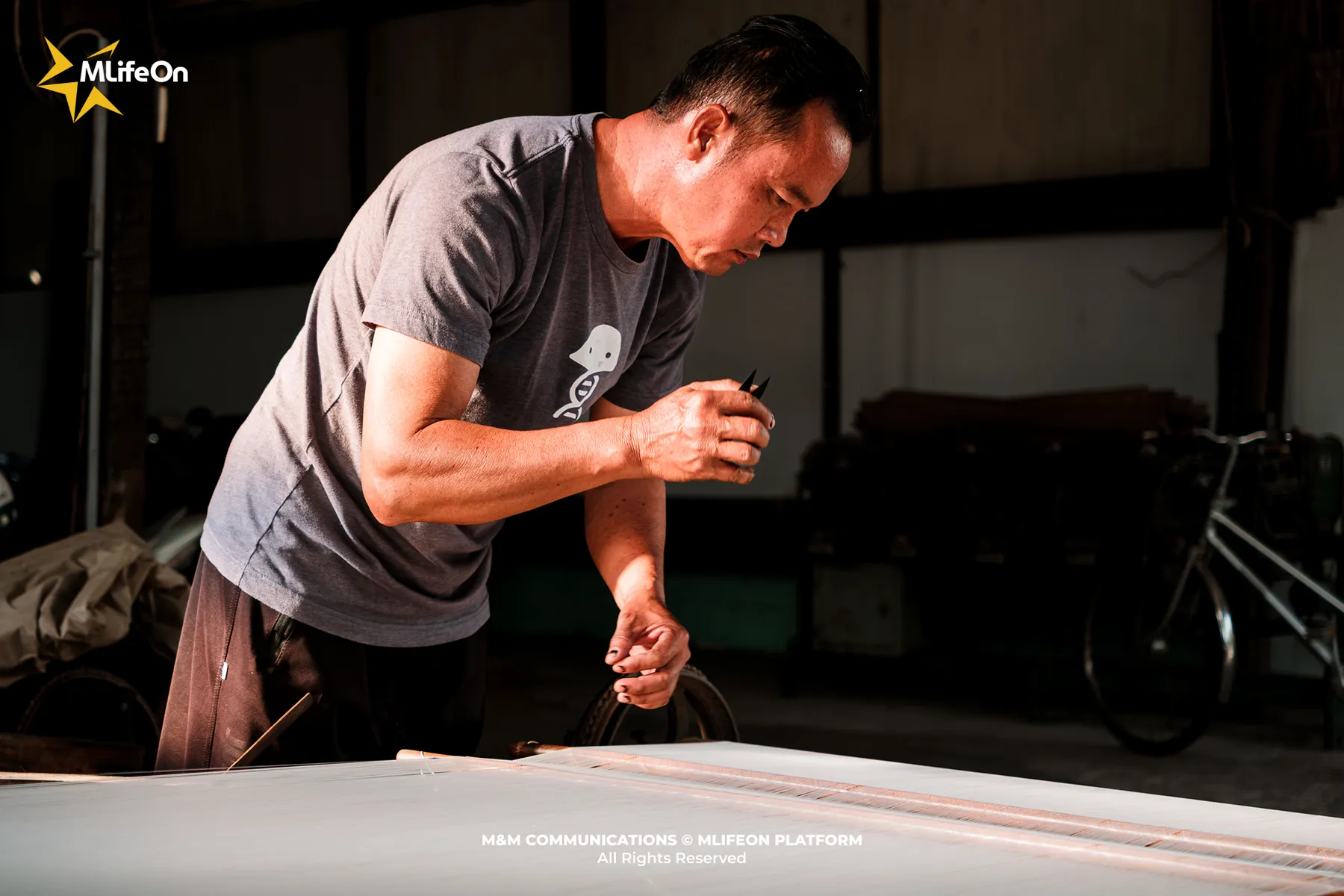
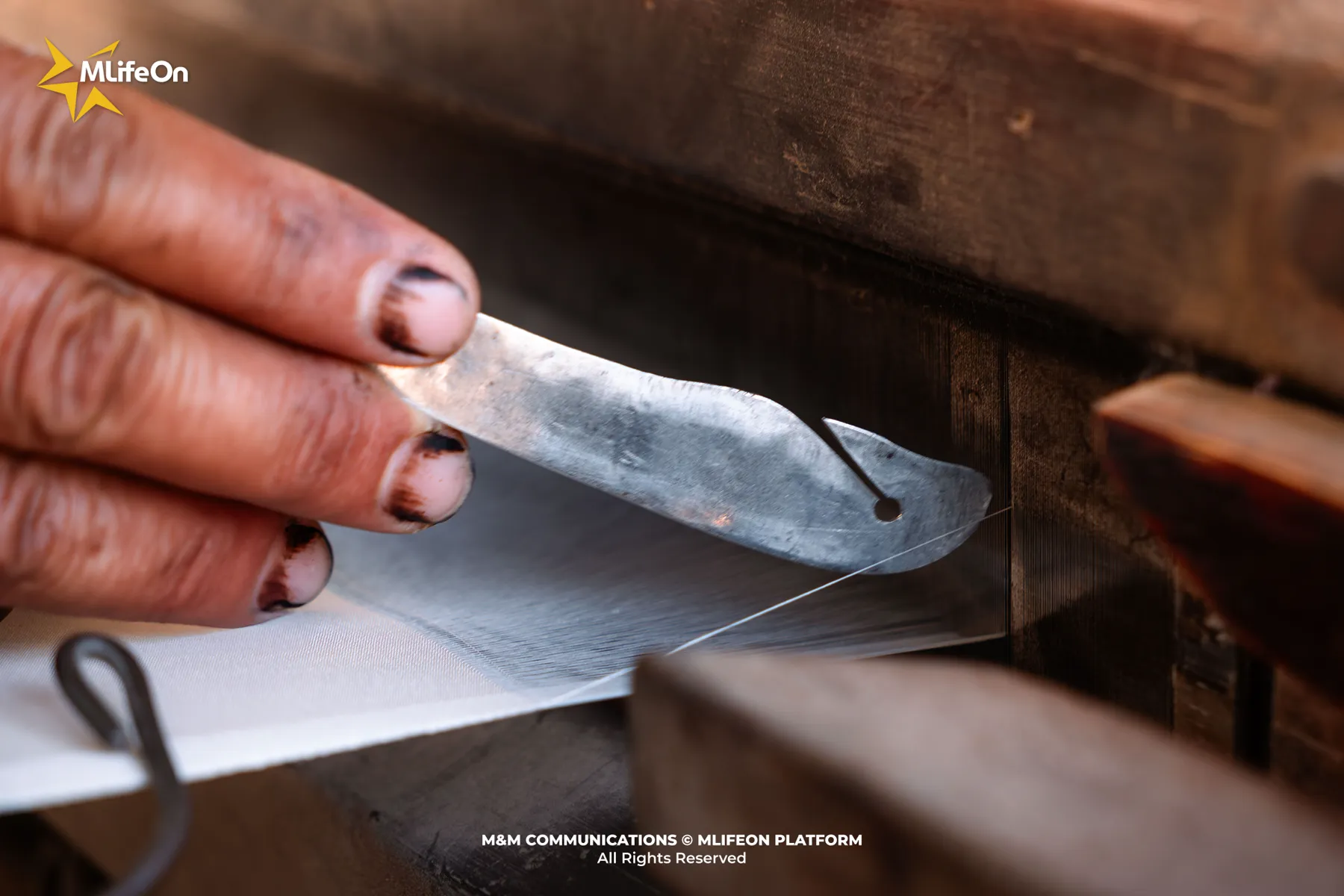
From the weaving stage, the silk threads must be carefully selected to ensure consistency and prevent them from breaking easily. With traditional weaving methods, artisans must closely monitor the loom and pay attention to every thread.
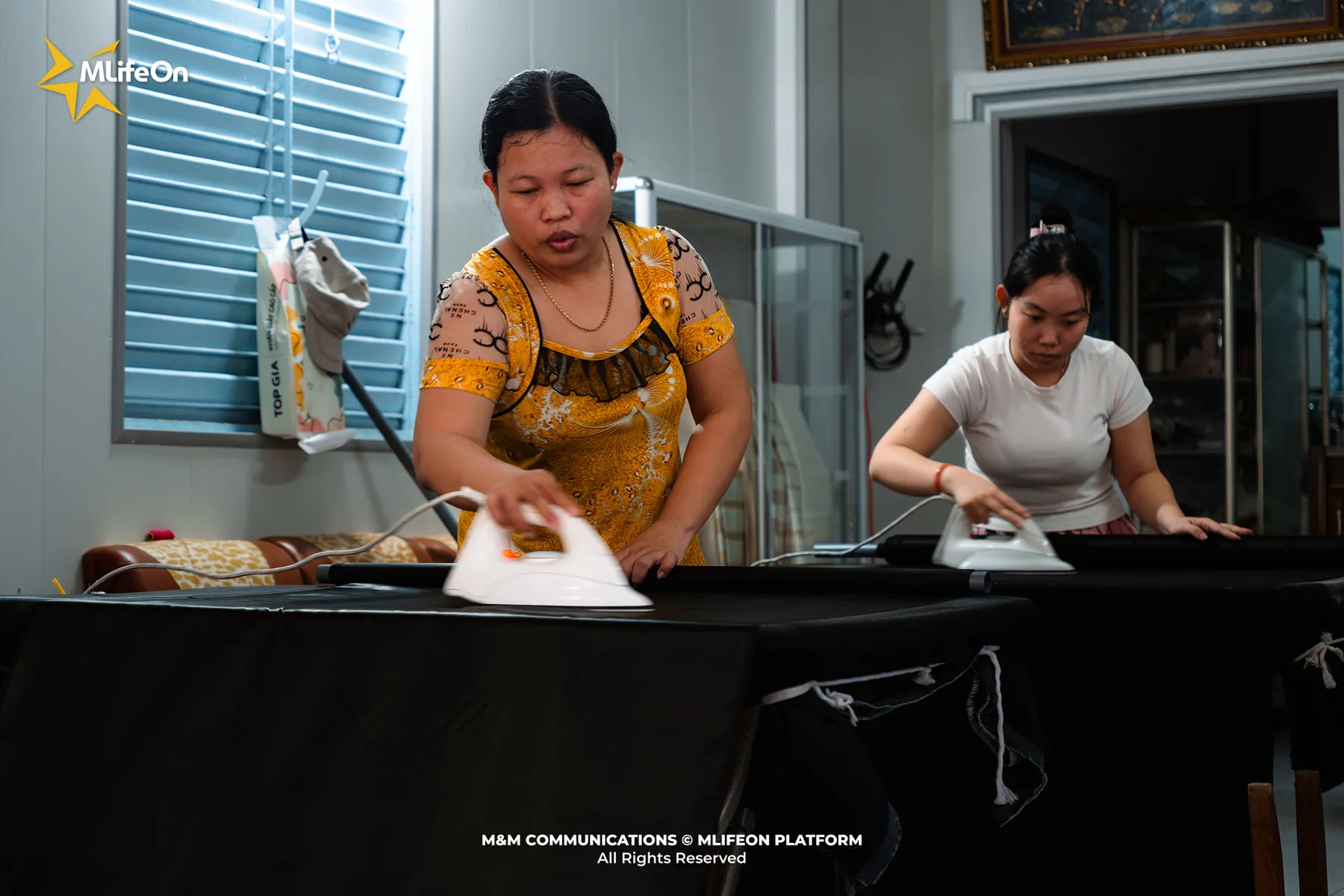
During the dyeing process, each time the silk is immersed in mac nua dye and taken outside to dry, the artisan’s hands once again come into contact with the dark natural dye. The process continues dozens, even hundreds, of times until the fabric finally develops the desired black color and sheen.
Making Lanh My A therefore requires much more than simply knowing a formula. Artisans must understand the silk fibers, know how to judge the color of the fabric, recognize when another round of dyeing is necessary, and determine when the sunlight is suitable for drying. Such knowledge is accumulated over many years and passed down through families that have practiced the craft for generations.
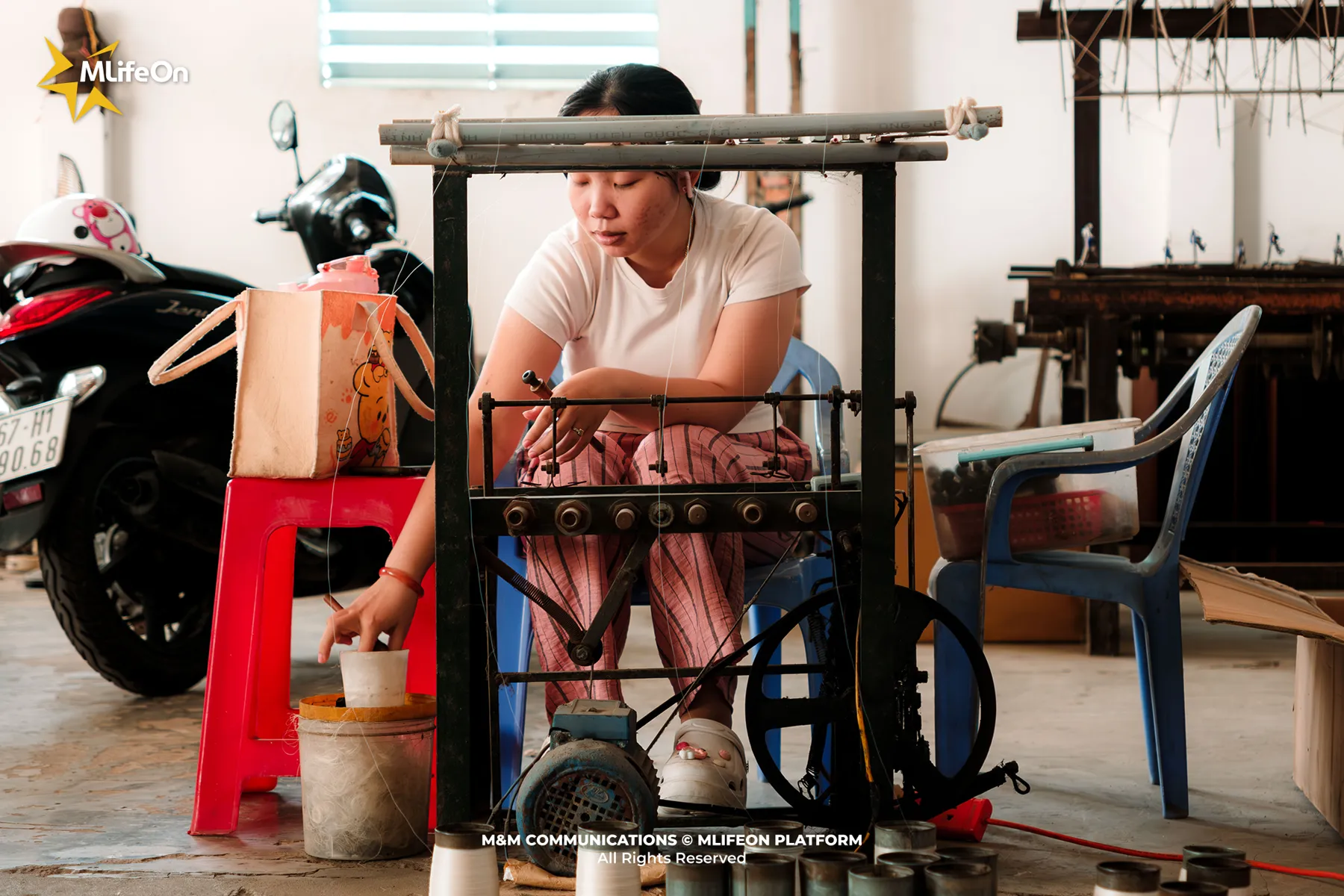
When the sound of the looms began to fade
There was once a time when Tan Chau was filled with the lively sounds of weaving looms. But like many traditional crafts, its silk industry eventually faced difficult years.
The arrival of nylon fabrics and industrially manufactured textiles offered alternatives that were faster and easier to produce, without requiring a lengthy manual dyeing process. Lanh My A, meanwhile, still demanded the same number of stages, the same amount of time, and the same patience to wait for the right sunlight and the right depth of color.
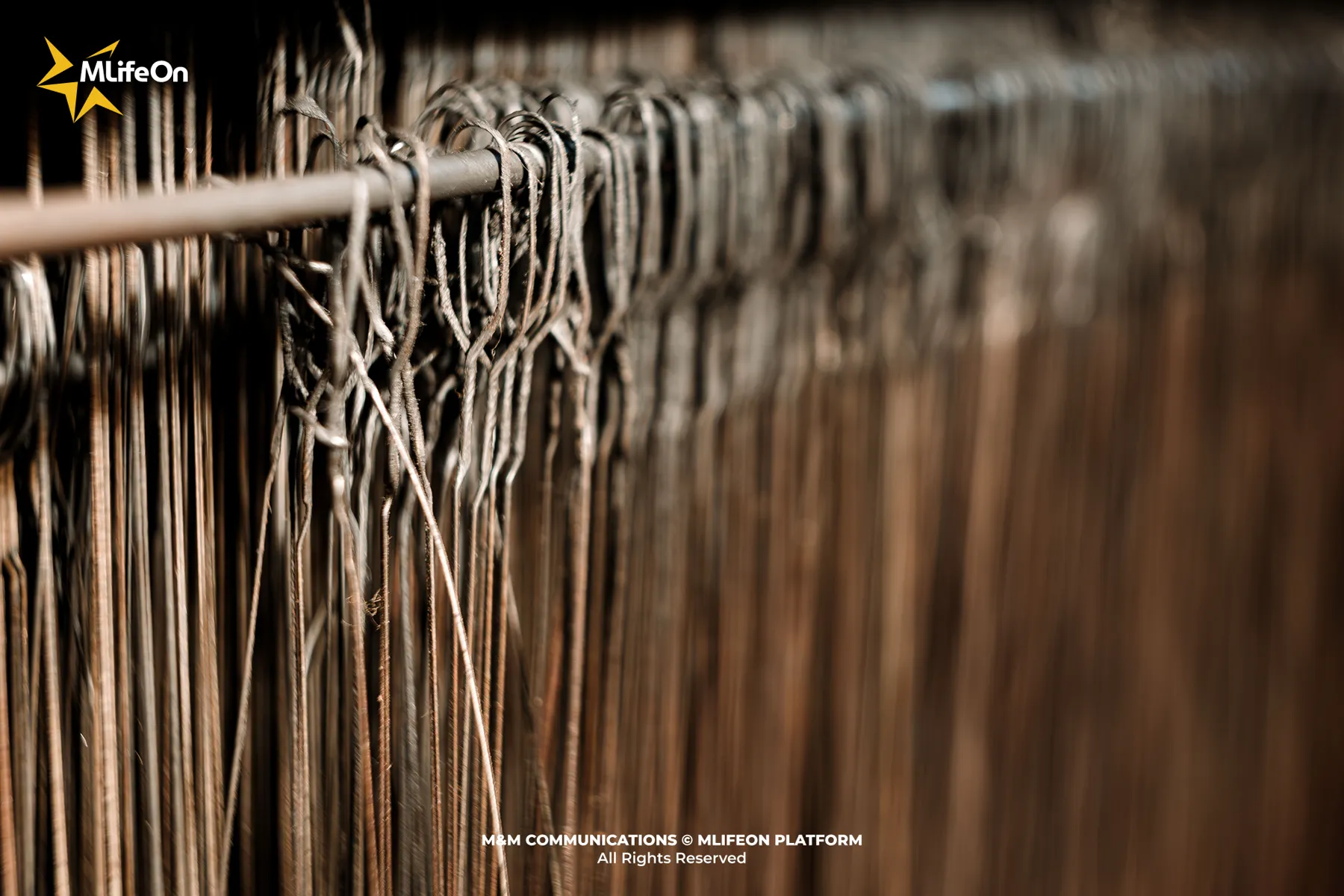
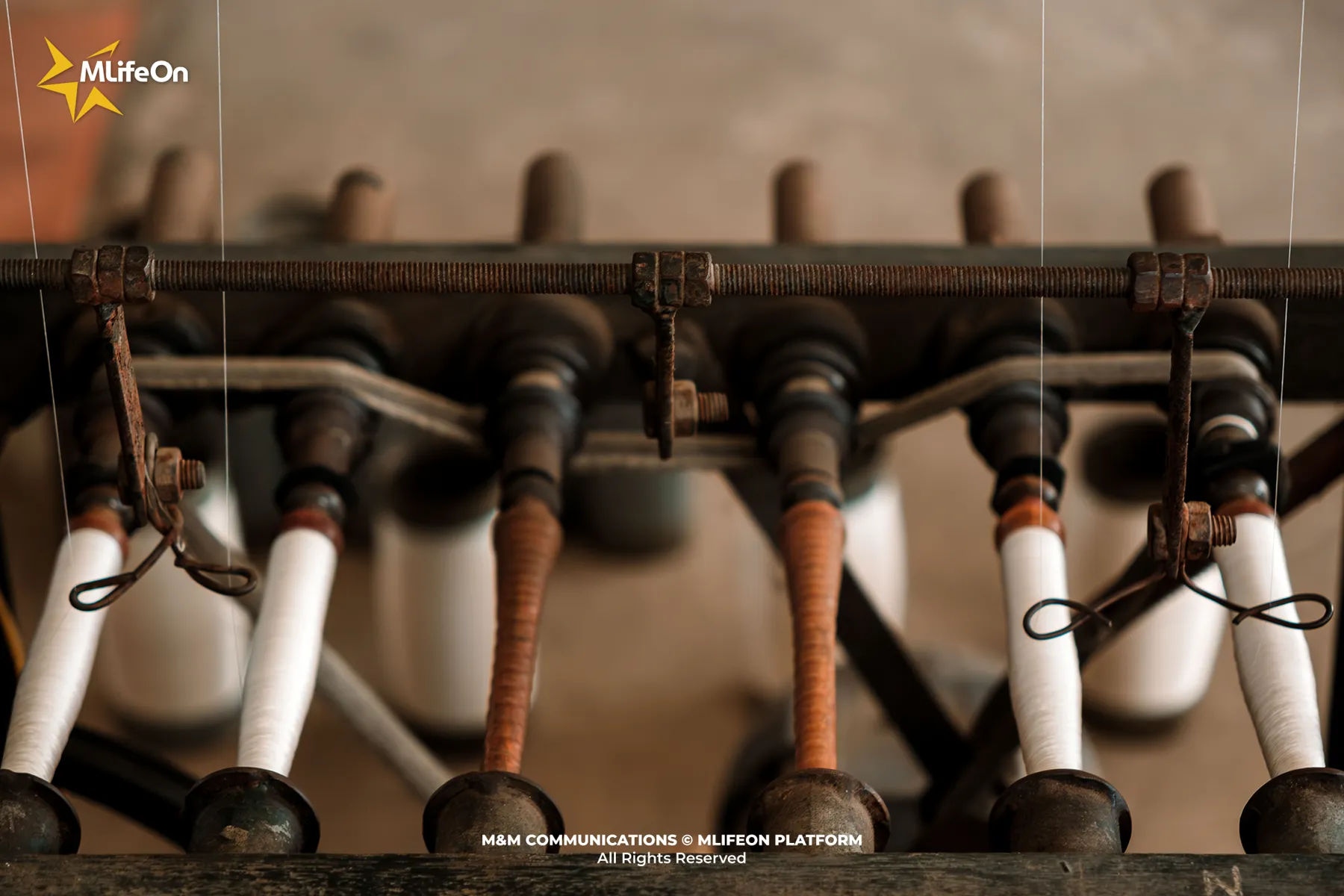
Gradually, many people left their looms behind, and the once-bustling silk-making communities became quieter.
The supply of mac nua fruit also became a challenge. Mac nua trees were once commonly grown throughout Tan Chau, but as the silk industry declined, the area devoted to cultivating them gradually disappeared. Artisans who continued the craft eventually had to source the fruit from other places, while the trees themselves require several years of growth before they begin producing fruit.
Preserving an ancient silk in modern life
Fortunately, the story of Lanh My A did not end with the passing of its golden age.
Those who remain devoted to the craft continue to weave and dye the fabric while finding new ways to bring this traditional silk closer to contemporary life. Alongside them, fashion designers have come to see Lanh My A not simply as a material from the past, but as a distinctive textile whose story can continue to be told through the language of modern fashion.
For many years, Vietnamese designer Vo Viet Chung has devoted considerable effort to researching Lanh My A and incorporating the silk into his collections. In 2025, designer Cong Tri continued to bring the material into the contemporary fashion world by using it in his Fall/Winter collection featured on Vogue. More recently, in August 2026, Vo Viet Chung combined Lanh My A with water hyacinth and pearls to create handbags, taking the traditional material beyond the familiar boundaries of clothing.
Conclusion
The black color of Lanh My A comes from mac nua fruit, but the true depth of the silk has been created by generations of people in Tan Chau. Woven into every length of fabric are sunlight, the rhythmic sounds of looms, months of repeated dyeing and drying, and the tireless hands of skilled artisans.
Preserving Lanh My A, therefore, means more than protecting a precious silk. It means preserving the story of a historic craft community and the generations of people who have devoted their lives to ensuring that the legendary silk of Tan Chau does not fade with time.
------
CREDITS
- Photography: Quan Tran
- Content: Hoai Ha
- Design: Phuong Nguyen