JOSS PAPER OFFERINGS: FROM THE CRAFT TO THE PEOPLE
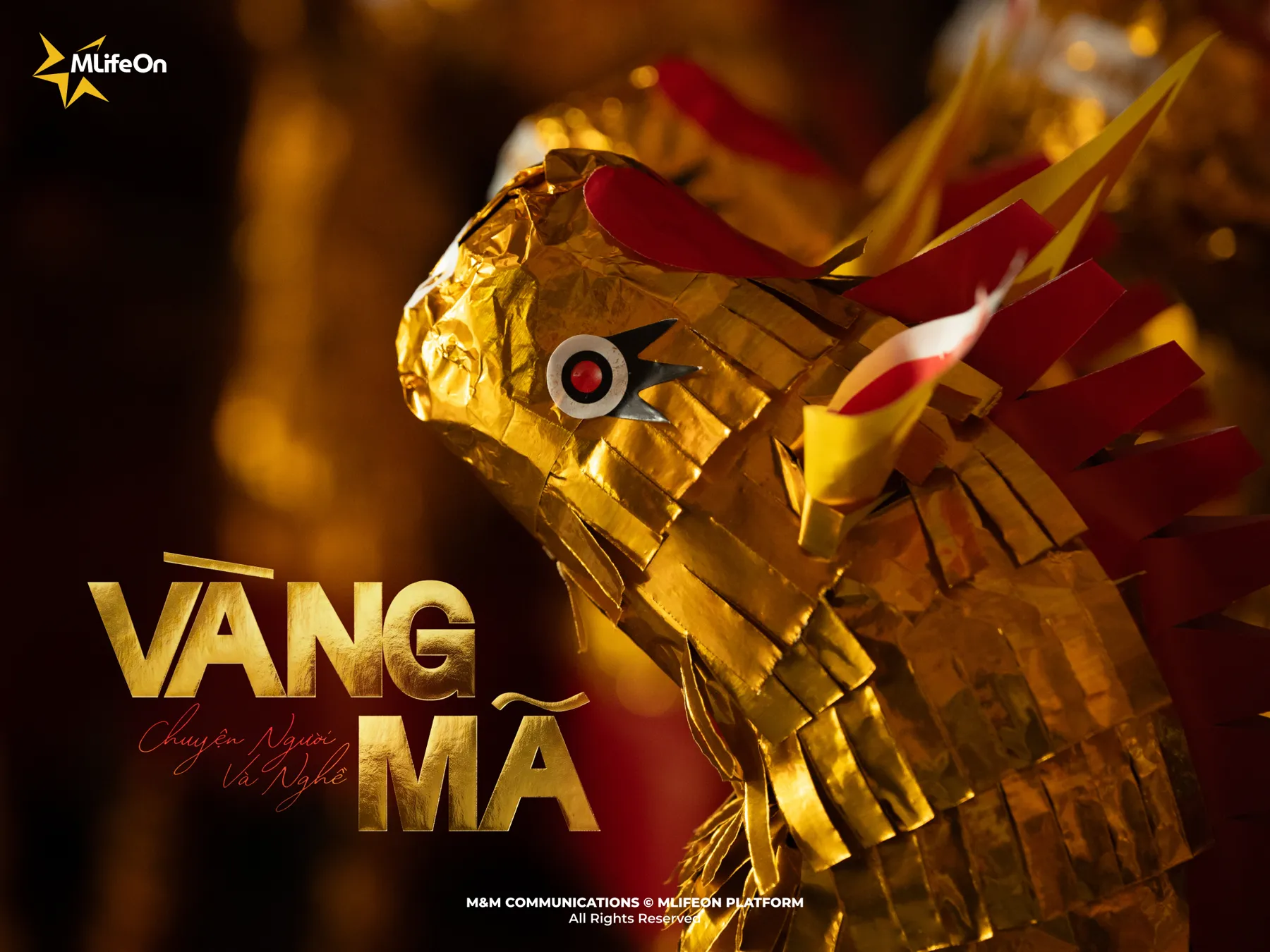
Discover joss paper offerings and the fascinating story behind this unique craft.
In the spiritual life of the Vietnamese people, joss paper offerings serve not only as symbols of remembrance but also reflect beliefs regarding the afterlife. From humble street-side stalls to traditional craft villages, the trade of making these offerings emerged long ago, becoming a fascinating facet of Vietnamese folk culture.
Tracing one's roots
The practice of making and using joss paper offerings originated in China; however, the exact origins of this craft remain a mystery, surrounded by various legends and conflicting accounts.
Rooted in the belief that "life in the afterlife mirrors life on earth", meaning the deceased require the same possessions as the living, these joss paper offerings were created in forms such as paper currency and effigies. They were used in sacrificial rituals as a way to demonstrate filial piety toward ancestors.
Introduced to Vietnam during the feudal era, joss paper offerings initially consisted merely of simple paper money used in rituals. Over time, however, local creativity transformed the practice into a distinct form of craftsmanship. Households began crafting paper effigies, houses, vehicles, clothing, and household items, all with the aim of ensuring the deceased could enjoy a life of abundance comparable to that of the living.
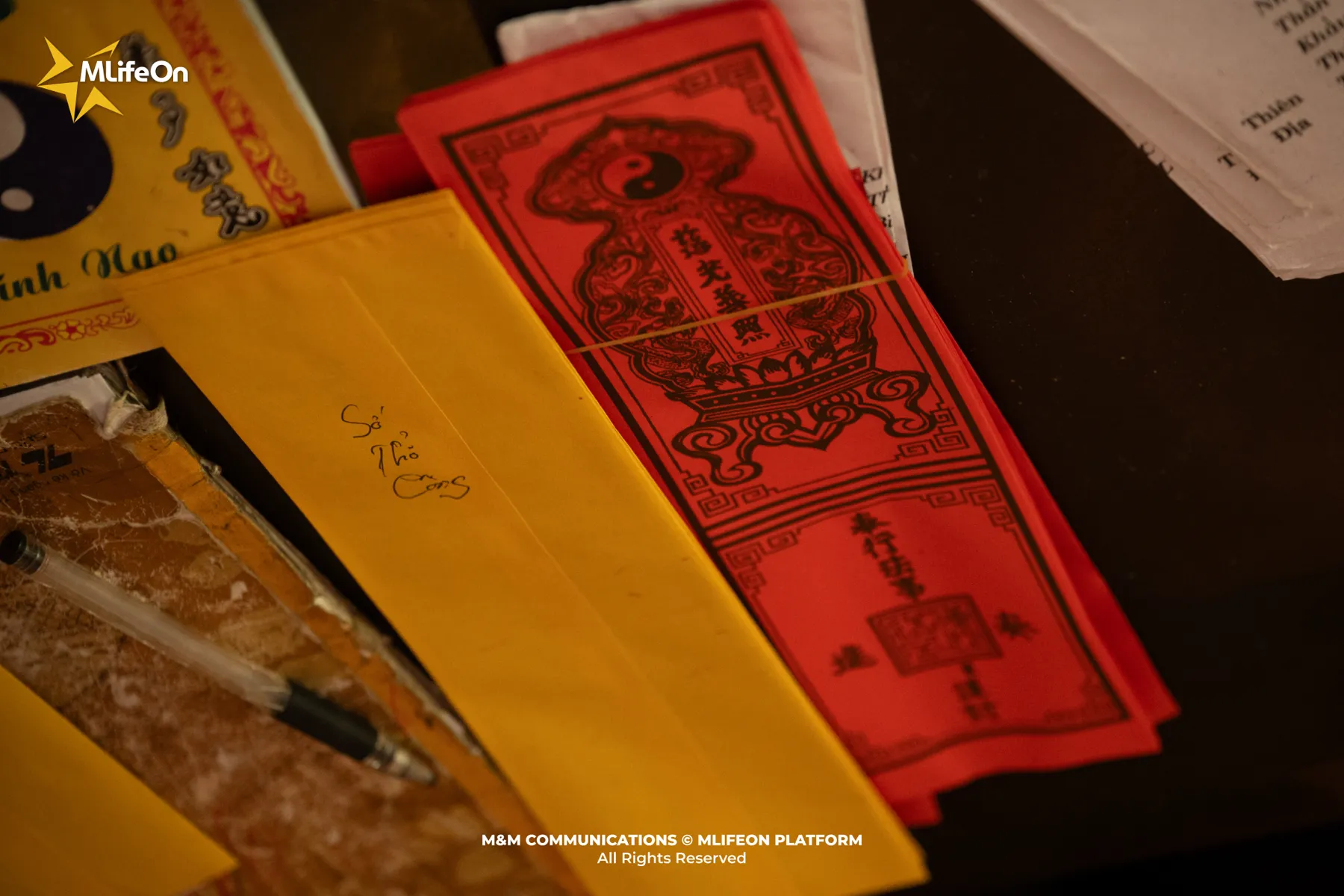
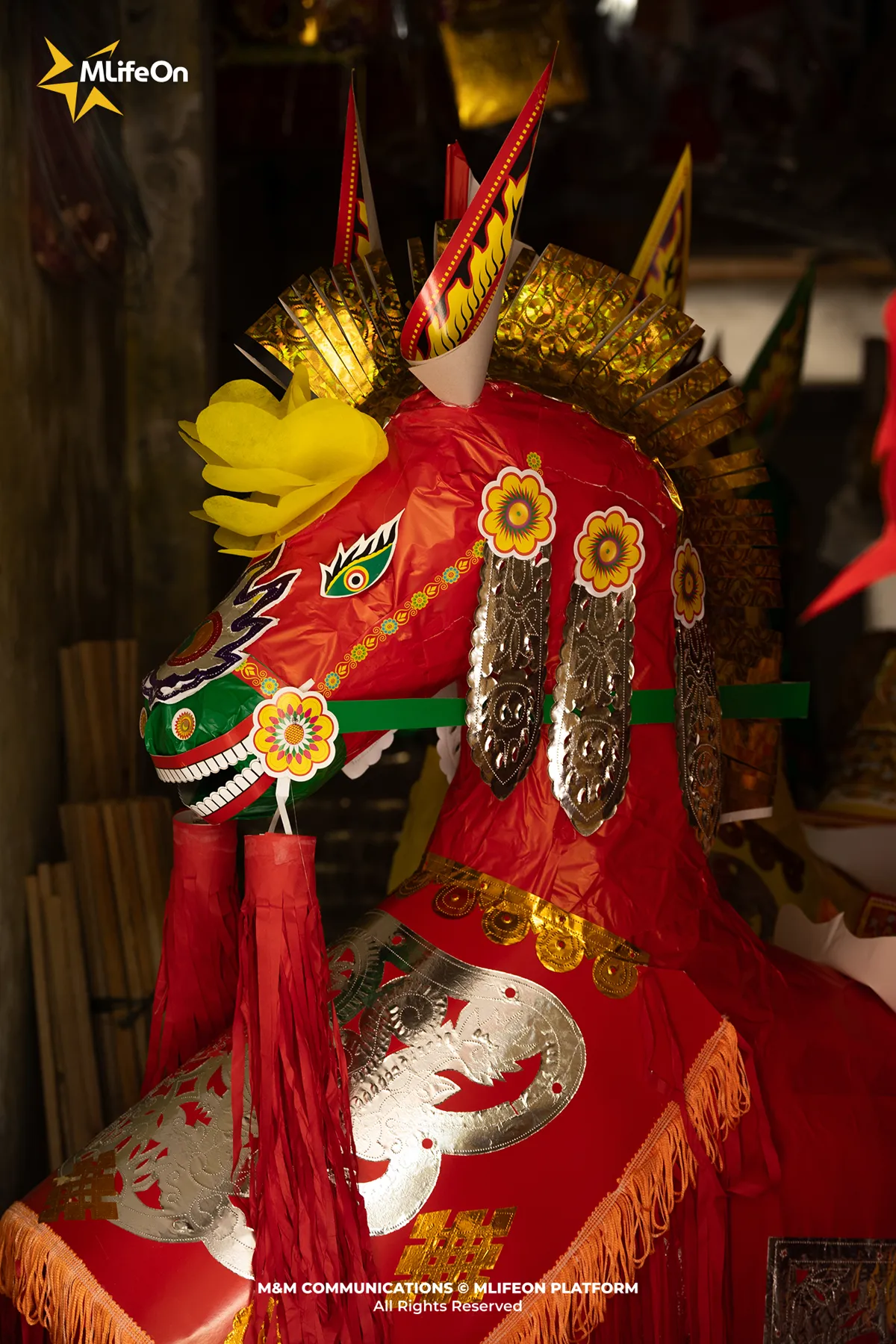
It is evident that joss paper offerings serve not only as objects of religious belief but also as a testament to Vietnamese creativity in transforming paper and bamboo into vivid figures.
Joss paper offerings maker
Joss paper offerings are not merely items for ritual ceremonies; they are also works of art, meticulously crafted by the hands of skilled artisans.
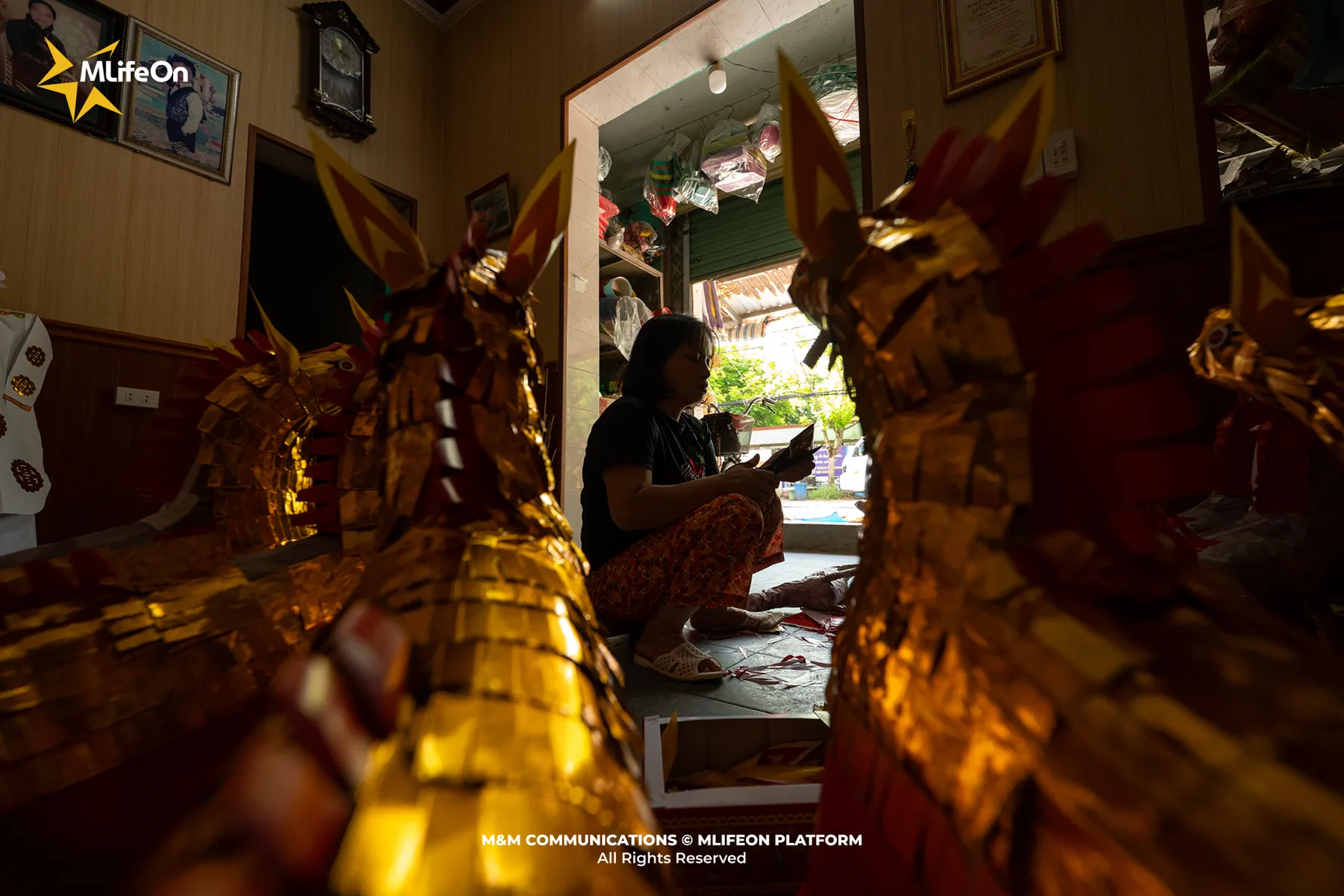
Crafting these handmade joss paper offerings require not only skillful hands but also specific personal qualities.
The craft demands patience: bamboo frames must be meticulously whittled, layers of paper carefully cut and pasted, and intricate patterns painted with intense concentration. There is no room for haste, as a single misaligned cut or a clumsy brushstroke can strip the product of its soul.
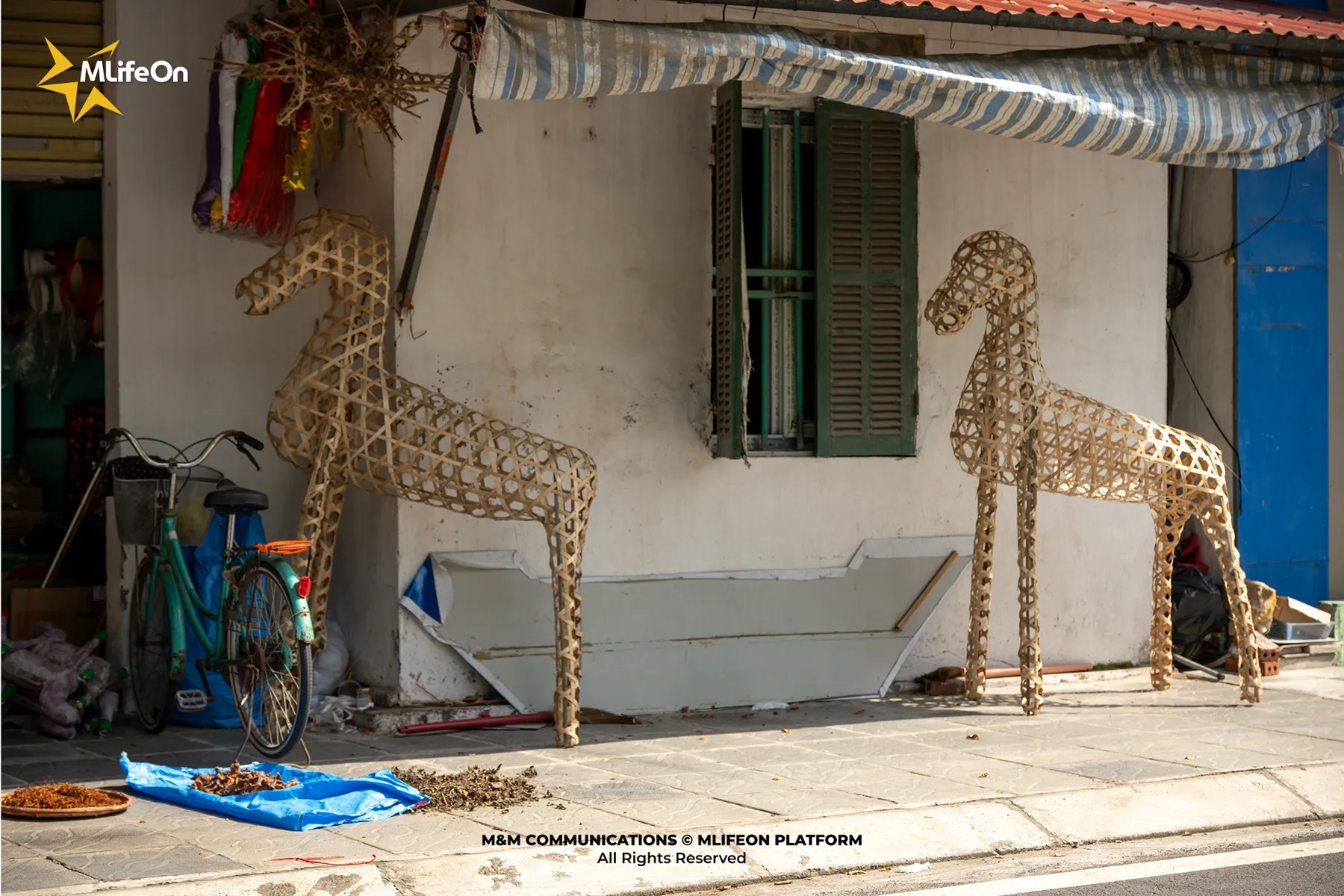
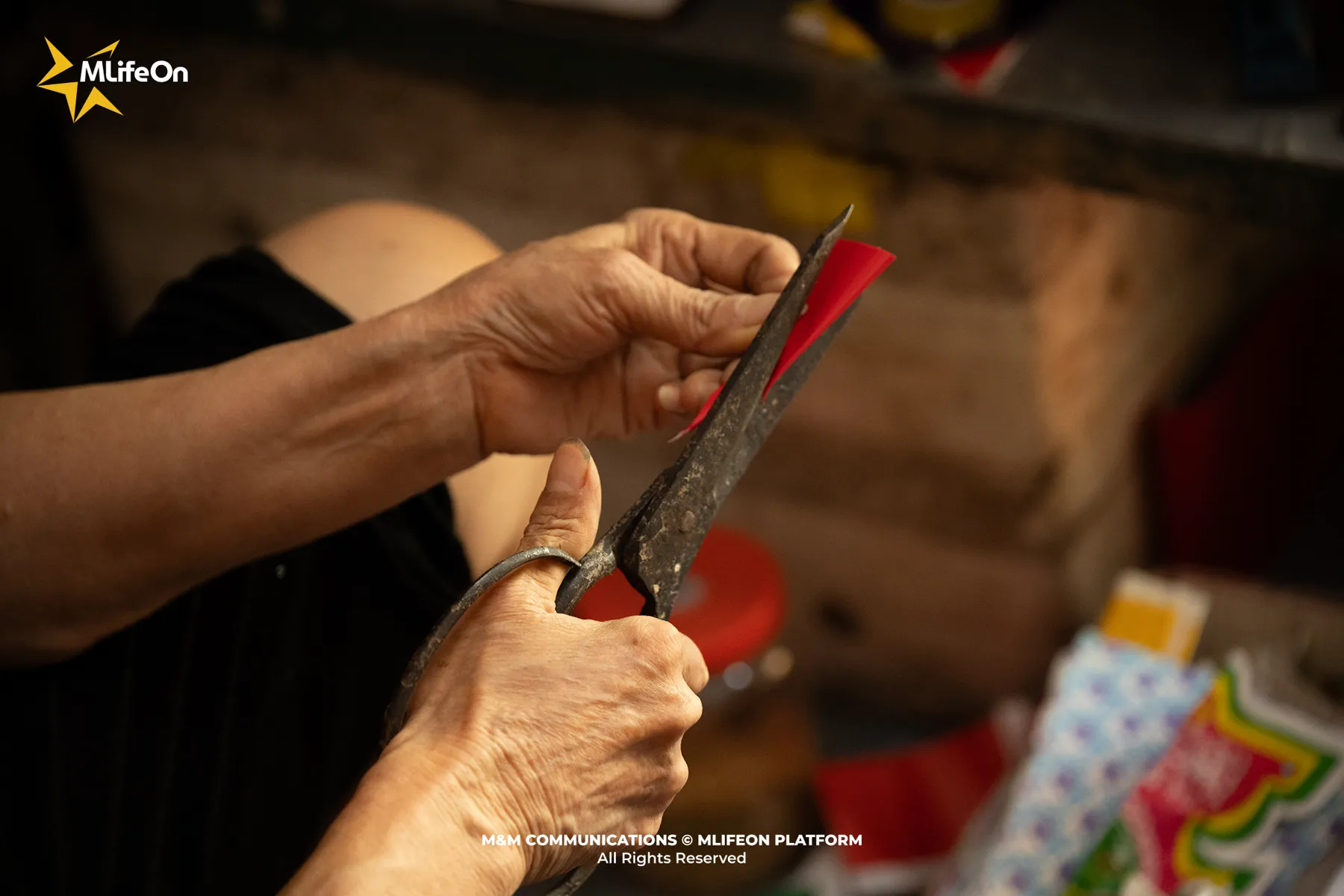
The craft of making joss paper offerings require meticulousness and patience.
Furthermore, artisans who craft joss paper offerings require an aesthetic eye and creative flair. Each product is not merely an item for ritual offerings but a work of folk art. Craftsmen must skillfully harmonize colors, ensure balanced proportions, and add intricate details to give their creations a distinctive character. It is precisely this creativity that sets handcrafted joss paper offerings apart from mass-produced industrial goods.
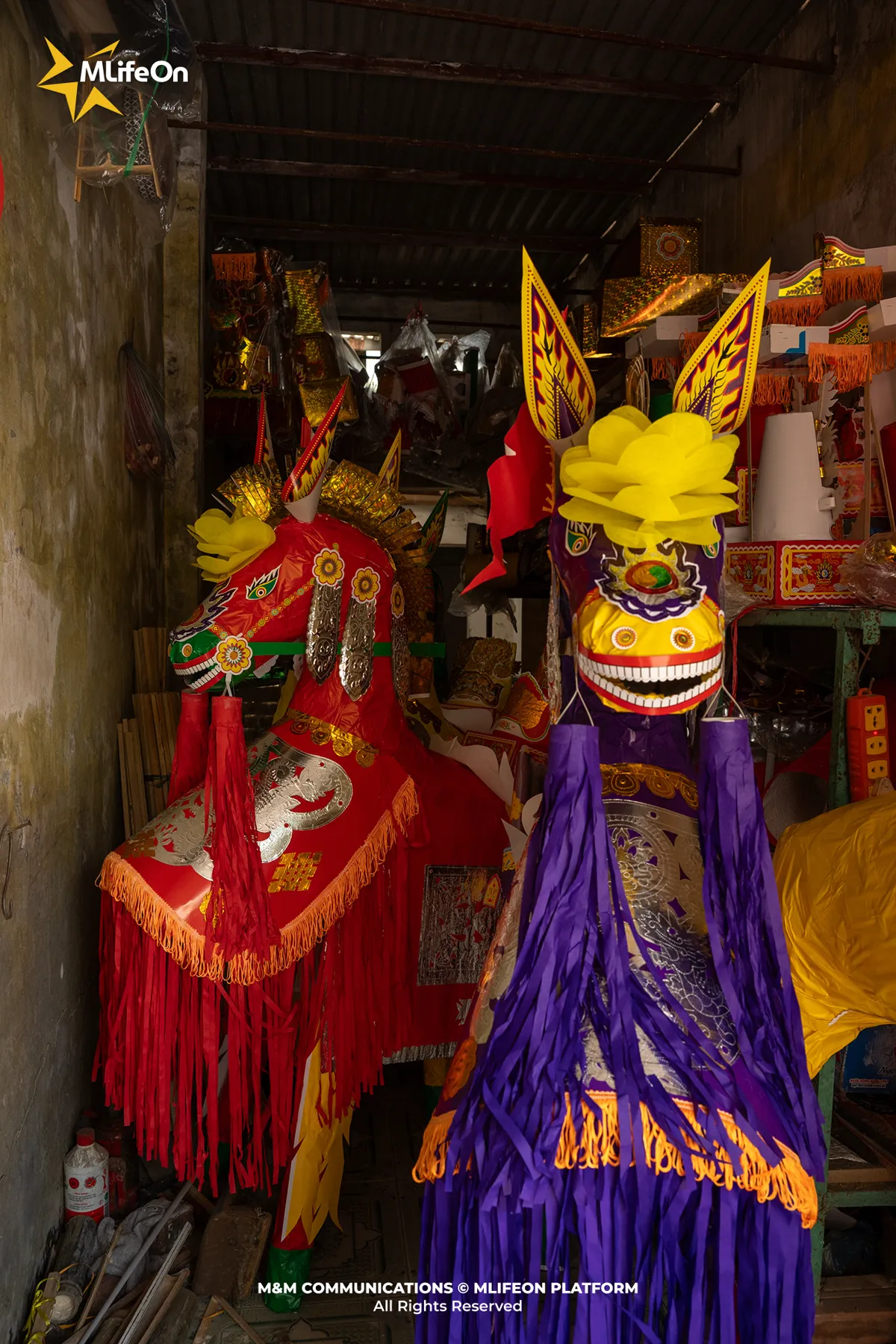
Another characteristic is the artisan's deep connection to traditional beliefs and culture. Makers of joss paper offerings do not merely produce goods for sale; they view their work as a way to preserve the community's spiritual faith. They understand that every paper effigy and paper house embodies a spirit of remembrance, conveying the living's sentiments toward the deceased.
In a single joss paper offerings product, one can see the artisan's personal touch, from the color palette and brushstrokes to the meticulous attention paid to every minute detail.
The craft of making joss paper offerings
Today, the craft of making joss paper offerings face numerous challenges. The emergence of mass-produced, low-cost, and diverse industrial alternatives makes it difficult for handmade products to retain their market share. Meanwhile, the younger generation shows little interest in carrying on the trade, deterred by the arduous nature of the work, unstable income, and increasingly limited market outlets.
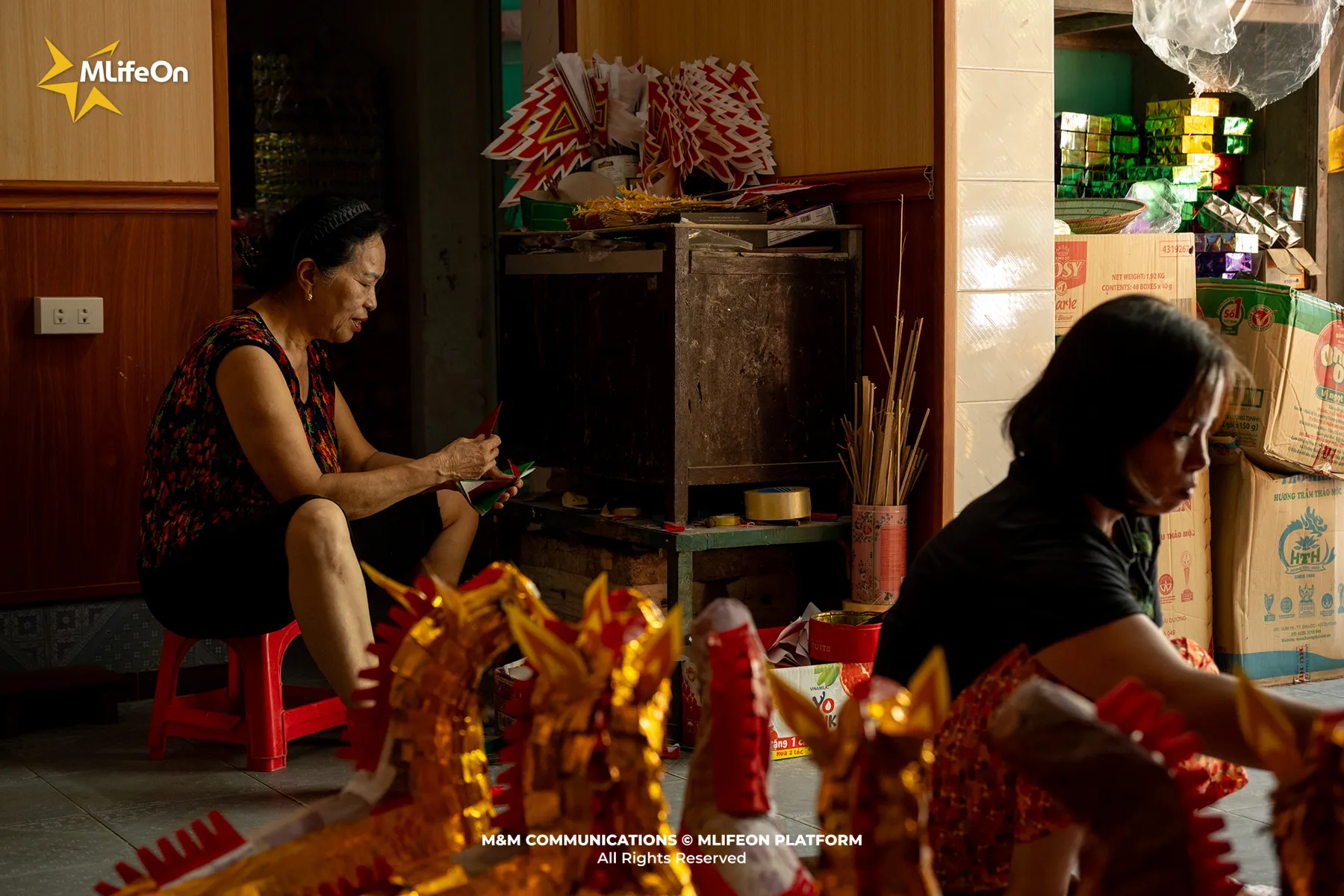
Fewer and fewer people are continuing the craft of making joss paper offerings.
Furthermore, modern society is evolving; many families are reducing their use of joss paper offerings due to trends favoring frugality and environmental protection, or because they are opting for alternative ways to honor the deceased. This shift has rendered a traditional craft, long intertwined with folk beliefs, increasingly precarious.
Yet, the remaining artisans steadfastly preserve the trade. For them, crafting these joss paper offerings is not merely a livelihood but a responsibility toward their ancestors and national culture. They continue to work with bamboo frames and colored paper, ensuring that each handmade piece serves not only as a ritual offering but also as a testament to the resilience of a traditional craft, one where faith and cultural memory are kept alive in every detail.
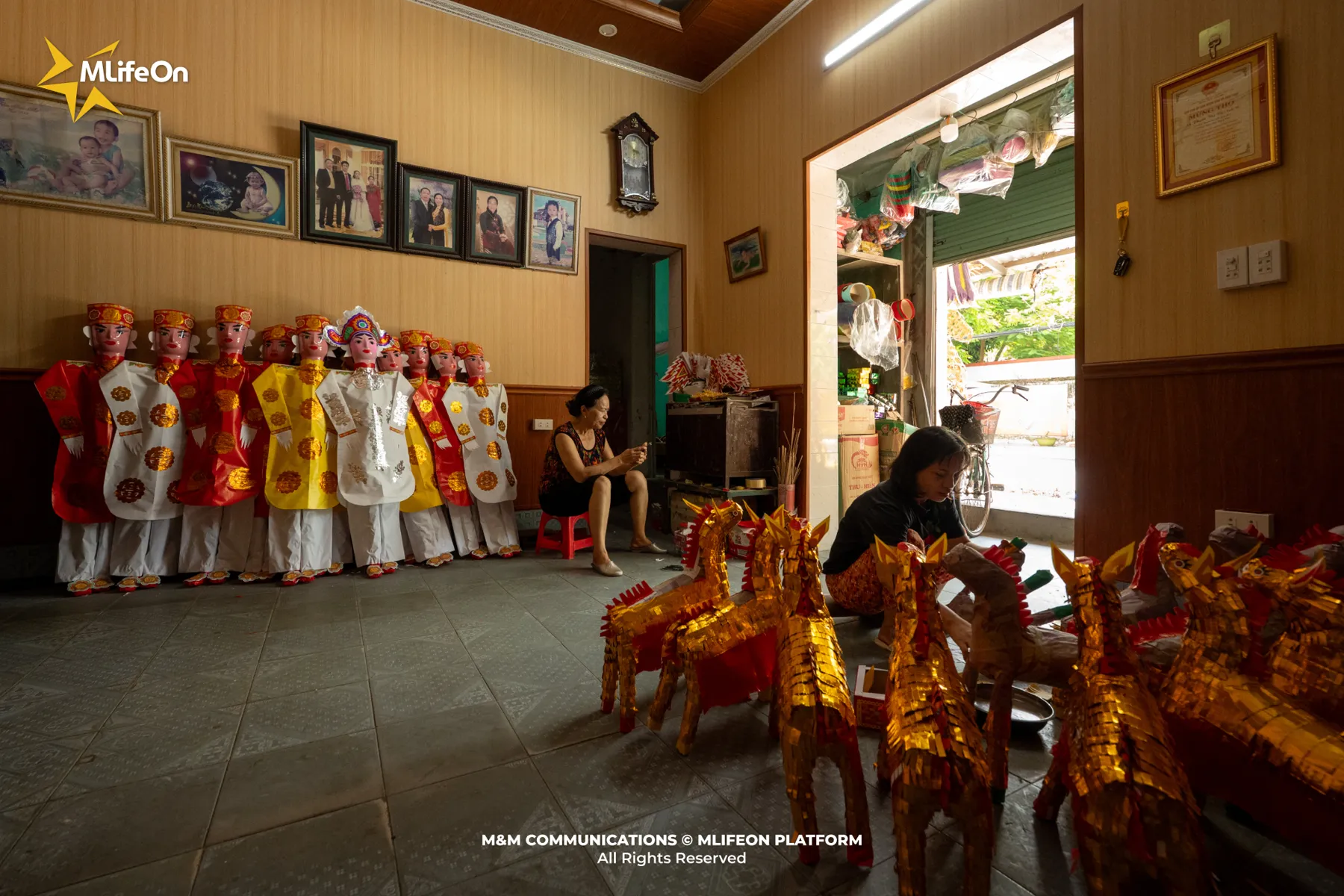
The making of ritual joss paper offerings is not merely a trade; it is a tradition and a form of cultural memory.
Conclusion
Joss paper offerings serve as a testament to cultural exchange, spanning from China to Vietnam and bridging folk beliefs with craftsmanship. Despite facing numerous challenges, this trade endures as a part of cultural memory.
When looking at handcrafted joss paper offerings, one sees not only paper and bamboo but also the faith, creativity, and dedication of Vietnamese artisans in preserving tradition.
—--------
CREDIT:
- Photography: Luan Nguyen
- Content: Giang Huynh
- Design: Phuong Nguyen