HANOI GREEN RICE FLAKES - A TASTE THAT HERALDS THE ARRIVAL OF AUTUMN
When green rice flakes return with Hanoi’s autumn
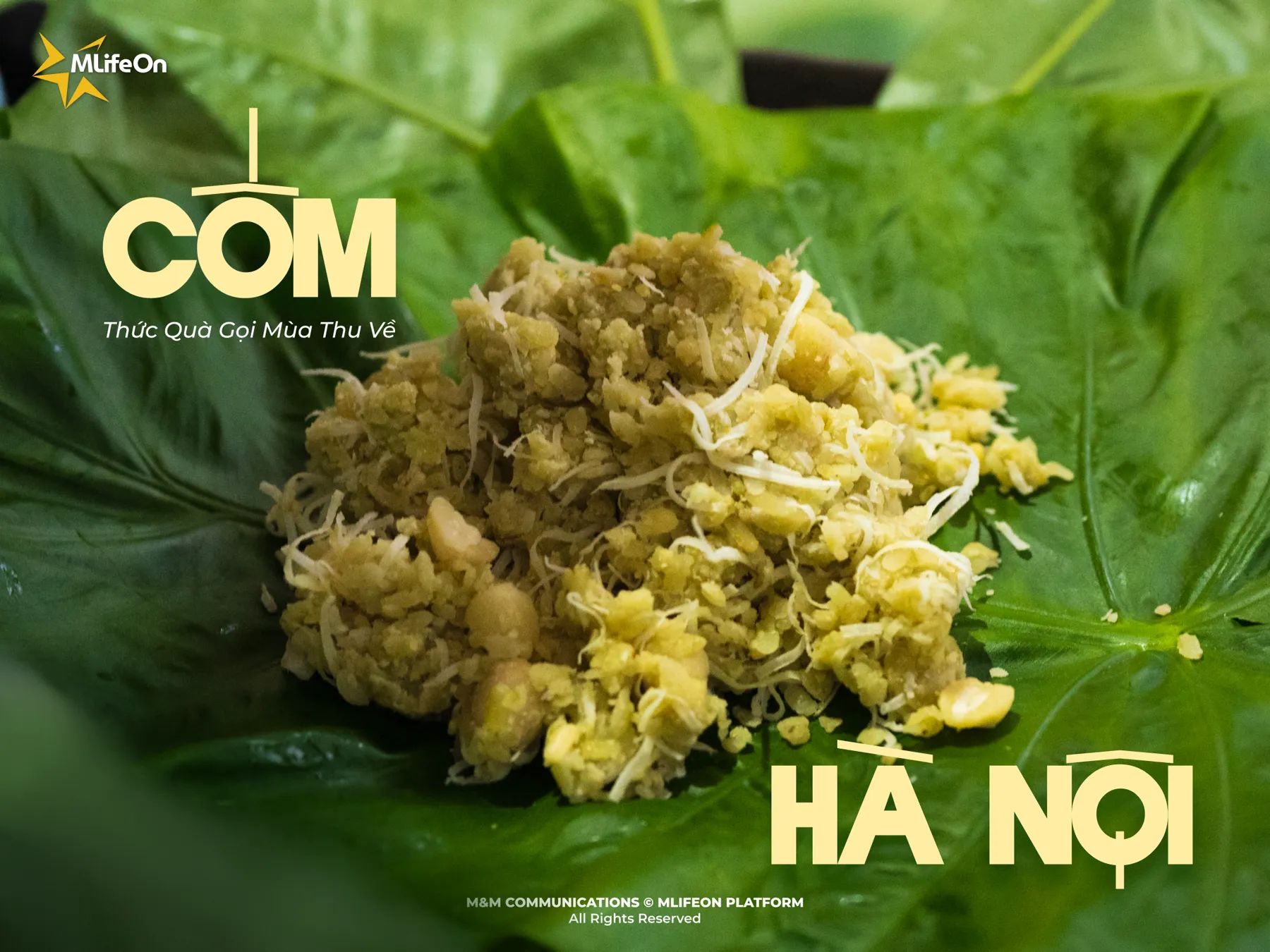
Green rice flakes can be made at different times of the year, but the autumn season has long held a special place in people’s memories. In Vong Village, the autumn green rice flake season usually begins around the seventh lunar month and lasts for nearly three months. This is also when young glutinous rice is harvested to make fresh batches of green rice flakes.

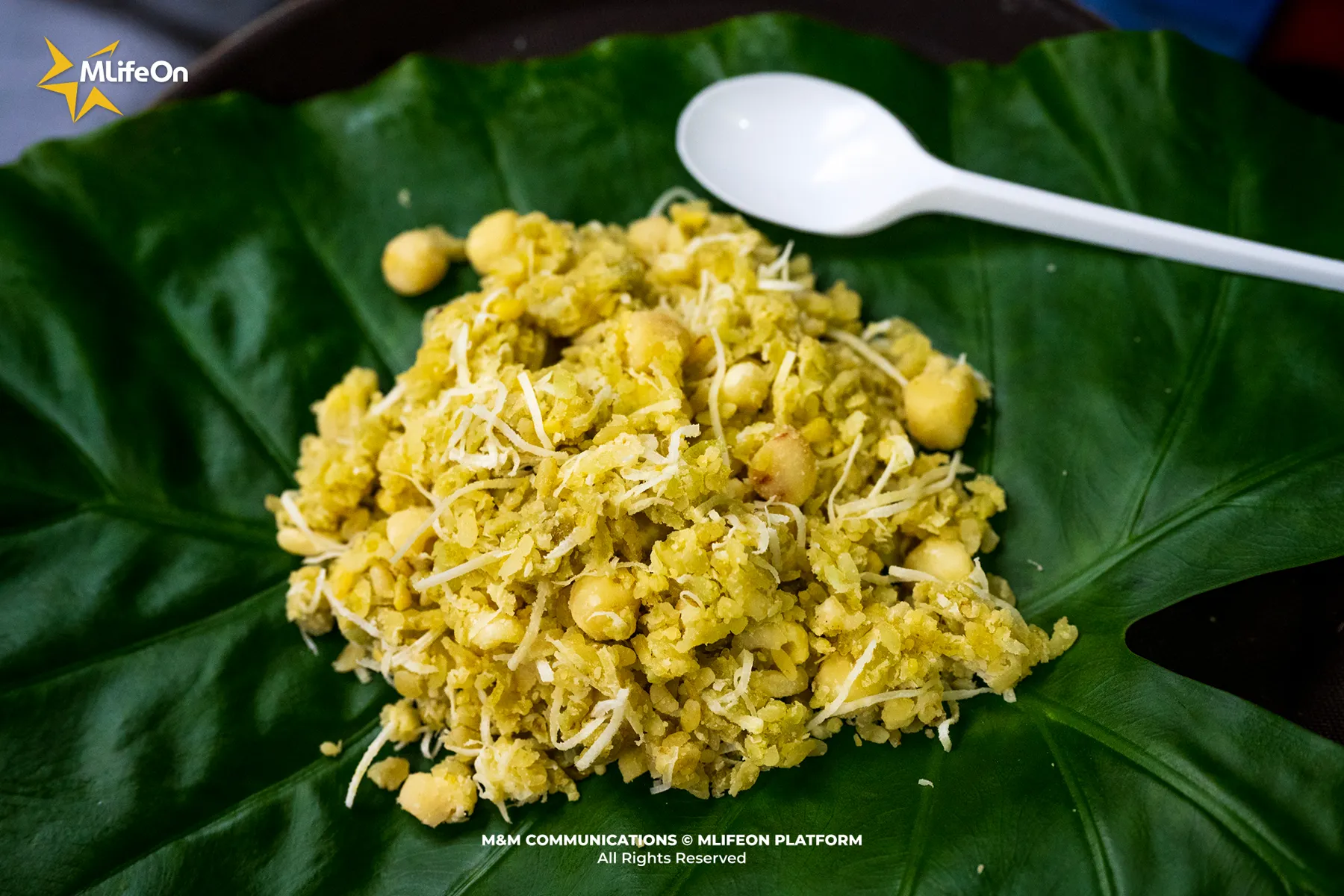
Making green rice flakes begins with choosing the rice at exactly the right stage. If harvested too early, the grains can easily become mushy; if left to mature for too long, they lose their softness and distinctive flavor. Craftspeople therefore rely on experience, carefully examining each ear of rice to recognize the moment when the grains are plump with milk and ready to be harvested.
The connection between green rice flakes and Hanoi’s autumn emerged just as naturally. As the weather begins to change, fresh batches of green rice flakes start to appear. From Vong Village, Me Tri, and other traditional production areas around Hanoi, the fragrance of young rice makes its way into the city in small, carefully wrapped parcels.
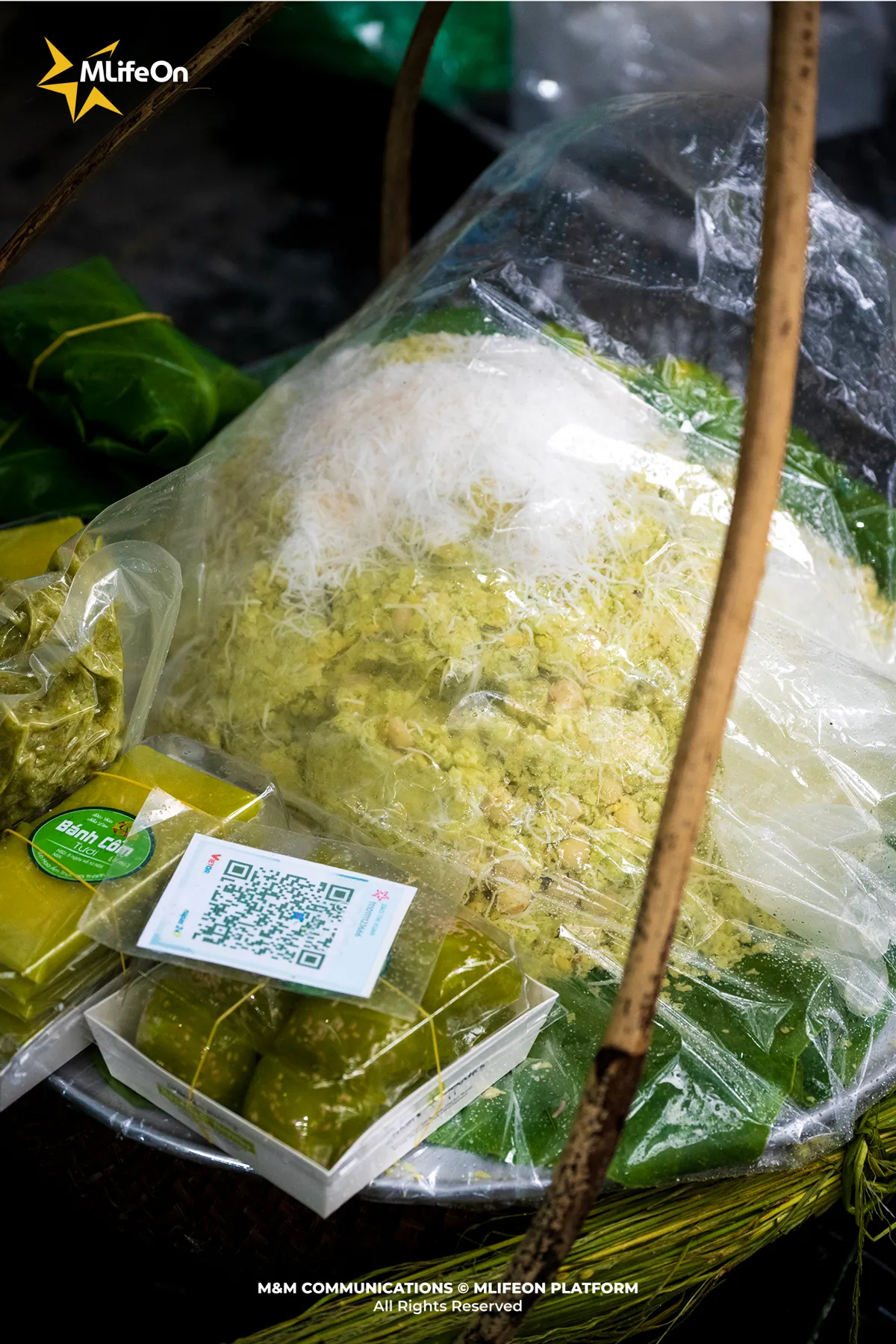
Over time, the fresh green color of the rice flakes, layers of lotus leaves, and delicate fragrance have become familiar signs of autumn. Sometimes there is no need to look at the calendar. Simply catching sight of a packet of fresh green rice flakes somewhere along a Hanoi street is enough to know that autumn is returning.
From young rice to delicate green rice flakes
Producing soft and tender green rice flakes requires young rice to pass through many stages. Behind this seemingly simple treat lies generations of experience and considerable patience.
In Me Tri, where the traditional craft of making green rice flakes was added to Vietnam’s National List of Intangible Cultural Heritage in 2019, time-honored techniques continue to be preserved and passed down through generations. After harvesting, the rice is carefully selected, cleaned, and roasted. The maker must maintain an even heat and stir continuously, ensuring that the grains are cooked just enough without becoming crisp or burnt.
After roasting comes pounding and winnowing. The rice is pounded repeatedly so that the husks gradually separate from the grains. The force must be carefully controlled, allowing the grains to become thin and tender without breaking apart. Between rounds of pounding, the grains are winnowed to remove the husks before the process continues.
The amount of finished green rice flakes also reveals just how much work goes into each batch: around 10 kilograms of unhusked rice may yield only 1.6 to 1.7 kilograms of green rice flakes.
Making a good batch of green rice flakes, therefore, requires far more than quality ingredients. Craftspeople must know how to read the grains, control the fire, and adjust the rhythm and force of every round of pounding. These seemingly small skills are accumulated season after season and passed from one generation to the next, preserving the familiar flavor of the craft.
A packet of green rice flakes filled with the flavors of Hanoi
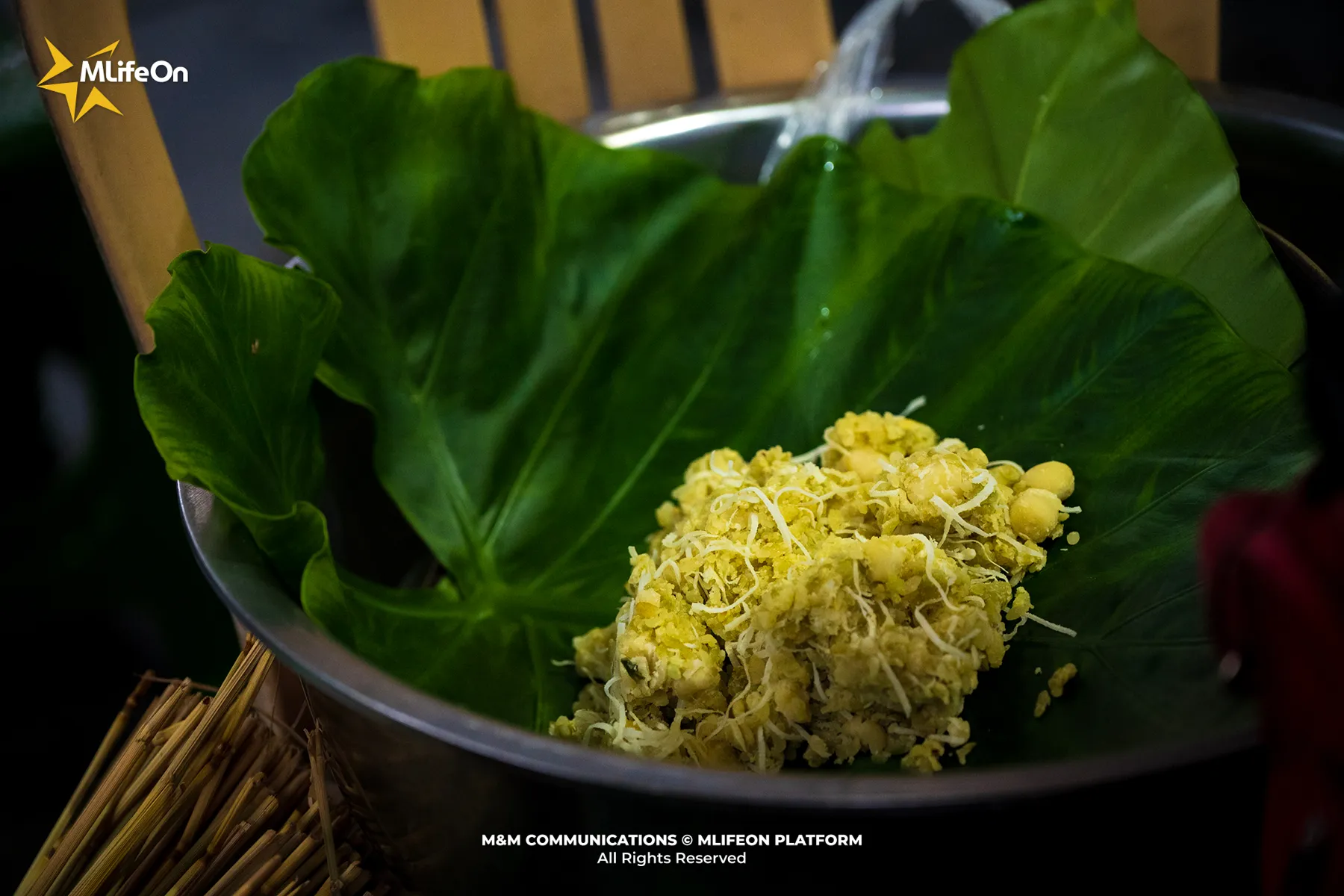
Even after they have been made, the journey of green rice flakes is not yet complete. The soft green flakes are placed inside lotus leaves and carefully wrapped before leaving the craft villages with local vendors.
The sight of green rice flakes wrapped in lotus leaves has long been familiar in Hanoi. The leaves do more than simply protect the delicate flakes; they also lend them a subtle fragrance. When the wrapping is opened, the scent of young rice mingles with the gentle aroma of lotus leaves, creating a sensory experience difficult to mistake for any other traditional snack.
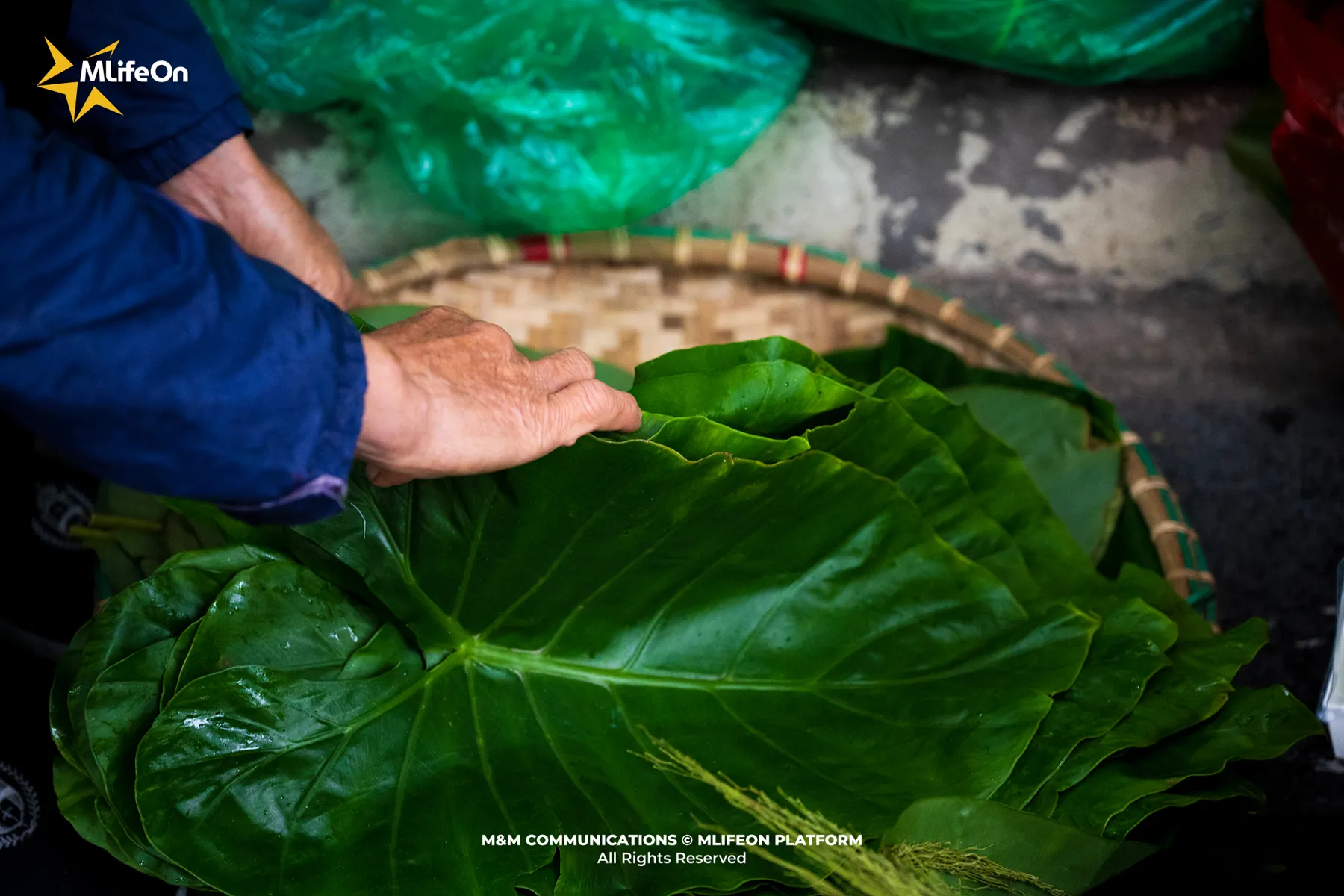
In Me Tri, the traditional wrapping method uses not only lotus leaves but also strands of rice straw tied around the outside. A packet of green rice flakes therefore needs no elaborate decoration. The fresh green grains, the lotus leaves, and the rustic strands of straw are enough to give it a distinctive beauty of its own.
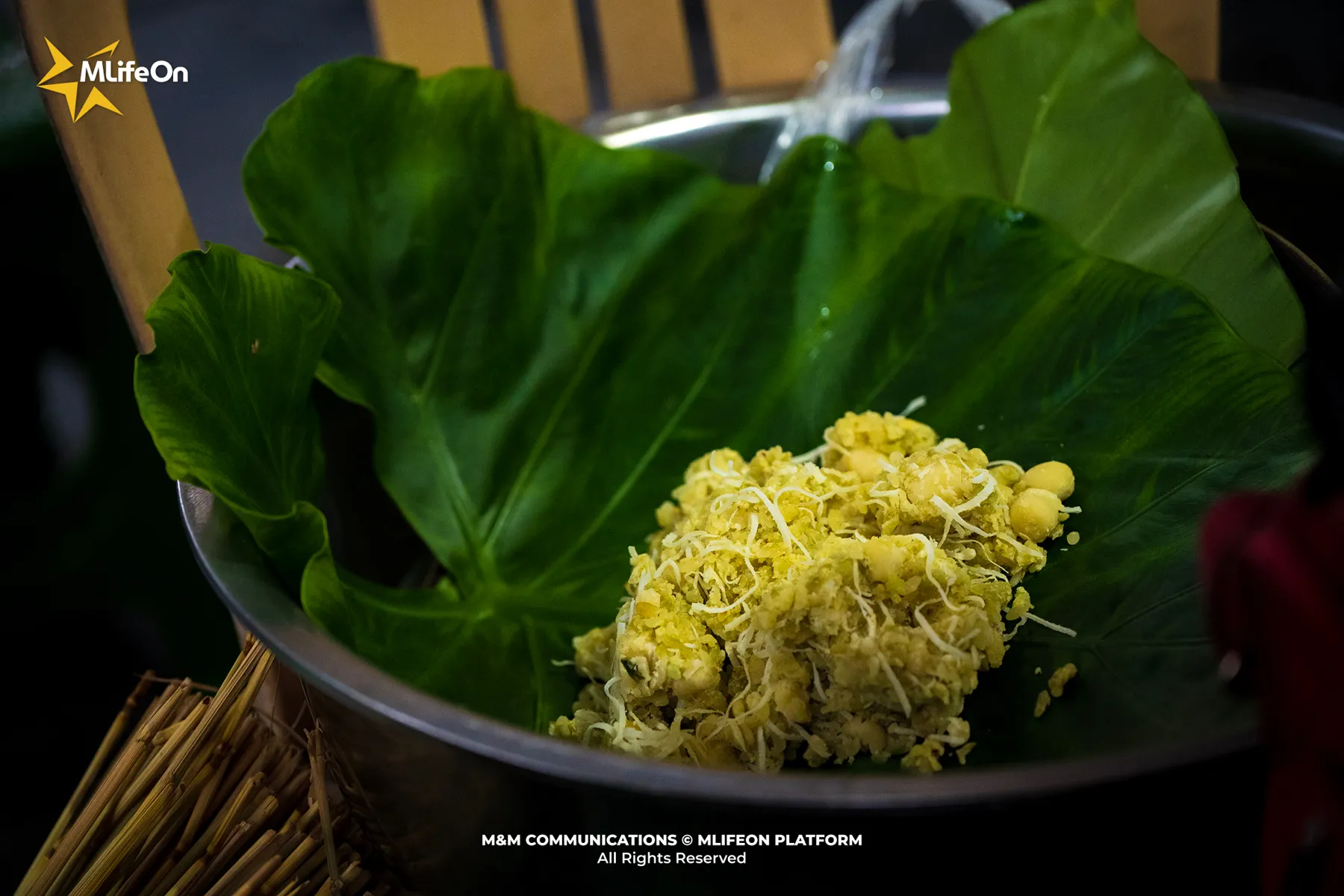
From a seasonal product made beside the rice fields, green rice flakes follow street vendors, markets, and shops into urban life. Some people buy a packet simply to enjoy themselves, others bring one home to share with their families, while some send it far away as a small gift from Hanoi.
A treat meant to be savored slowly
Fresh green rice flakes are perhaps best enjoyed in the simplest way. There is no need for elaborate preparation or additional seasoning. Just take a small pinch and eat it slowly, allowing yourself to notice the tender, slightly chewy texture, gentle sweetness, and lingering fragrance of young rice.
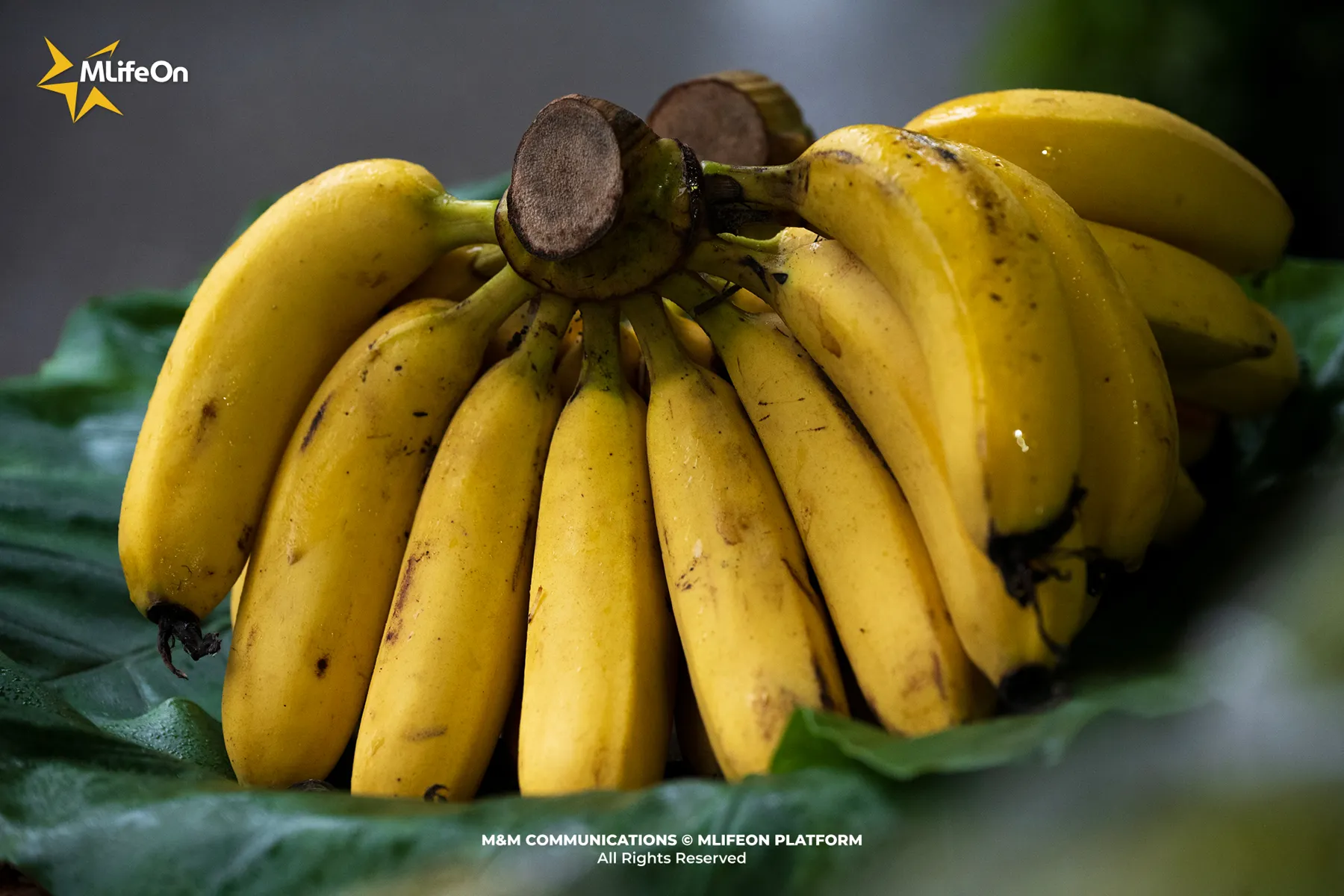
Another familiar way to enjoy green rice flakes is with ripe banana. The banana’s soft texture and rich sweetness pair naturally with the delicate, chewy flakes. The green rice flakes cling lightly to each piece of banana, allowing the sweetness of the ripe fruit to mingle with the fragrance of young rice without either overpowering the other.
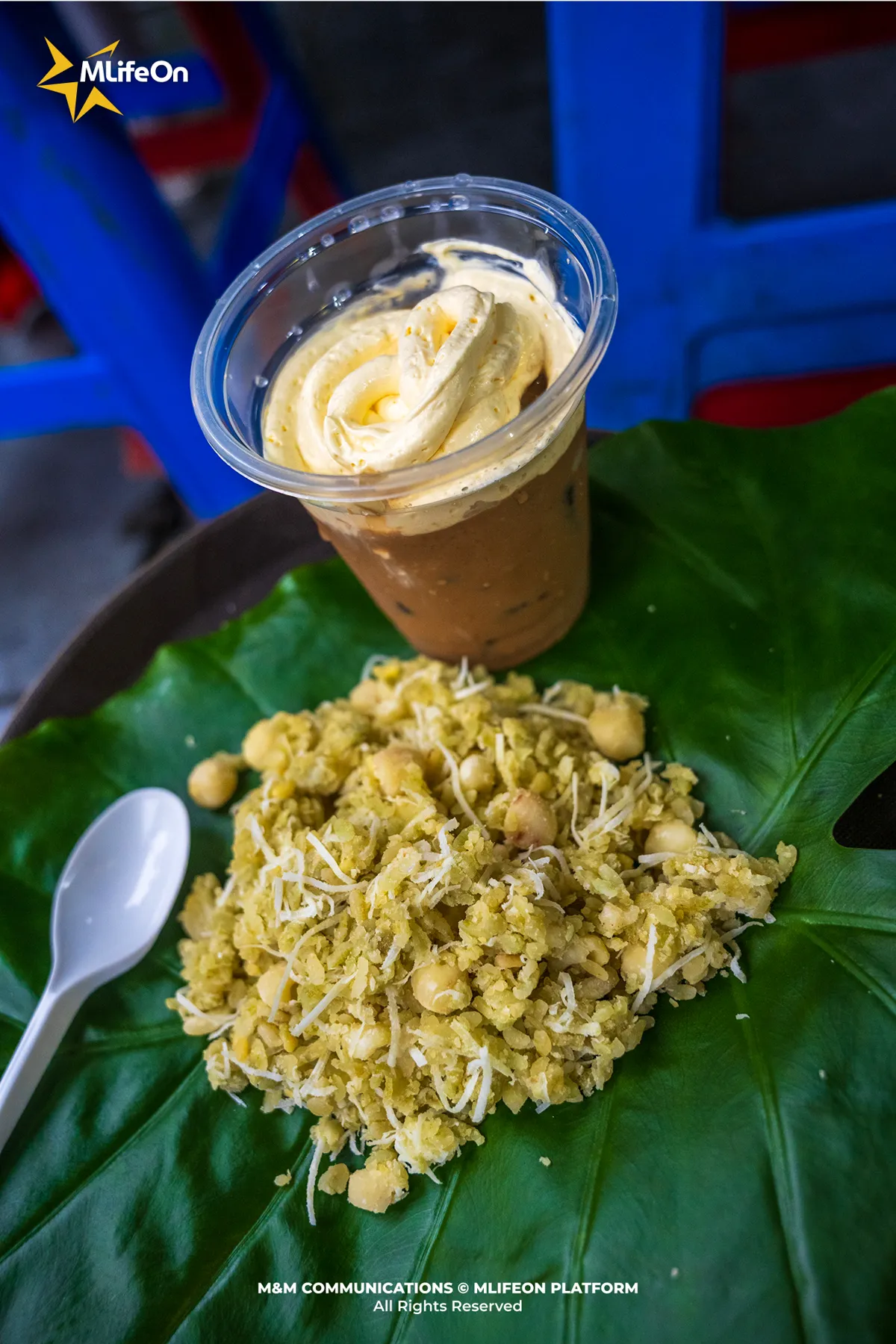
Hanoians also use fresh green rice flakes to make a variety of dishes, including sticky rice with green rice flakes, sweet green rice flake soup, green rice flake cakes, pork patties with green rice flakes, and many others. Each preparation brings out a different character, yet fresh green rice flakes remain the form that most clearly preserves the delicate flavor of young rice.
When a seasonal treat becomes a memory of autumn
Part of what makes green rice flakes special lies in the anticipation of their return. With every new season, familiar images reappear: the green of young rice, layers of lotus leaves, and small packets of green rice flakes making their way into the city.
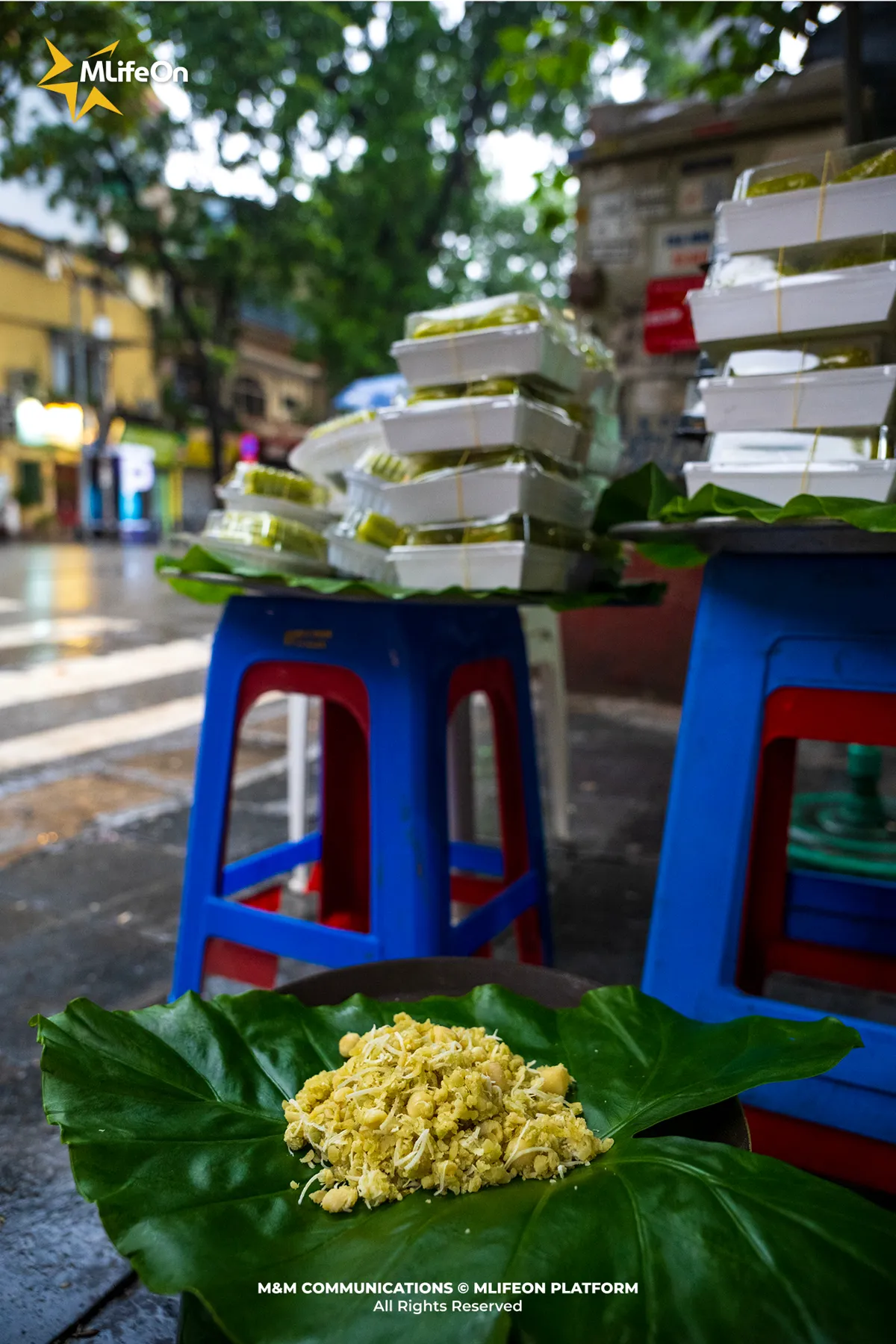
Over the years, these simple details gradually become memories. For those who live in Hanoi, a packet of green rice flakes may bring back autumns from years gone by. For those far from the city, the fragrance of young rice can be enough to awaken a sense of longing. And for someone tasting them for the first time, green rice flakes offer a simple way to discover something of Hanoi’s culinary traditions and everyday way of life.
Preserving the craft of making green rice flakes, therefore, means more than preserving a method of turning young rice into food. Within the rhythms of roasting, pounding, and winnowing passed down through generations lie the knowledge of craftspeople and a part of Hanoi’s cultural memory. The recognition of Me Tri’s green rice flake-making craft as part of Vietnam’s National List of Intangible Cultural Heritage further reflects how its value lies not only in the finished product, but also in the knowledge, practices, and traditions of the community that keeps the craft alive.
From a humble product of the rice fields, green rice flakes have traveled a long way to become a flavor remembered alongside one of Hanoi’s most beloved seasons.
Conclusion
The green rice flake season comes and goes with the rhythm of fields of young rice, yet the fragrance held within layers of lotus leaves seems to linger much longer in memory. Among Hanoi’s many traditional treats, green rice flakes have their own gentle way of announcing the return of autumn.
Just a touch of fresh green, the fragrance of young rice, and the sweetness of a piece of ripe banana are enough to evoke a soft, lingering sense of autumn in the heart of the city.
------
CREDITS
- Photography: Luan Nguyen
- Content: Hoai Ha
- Design: Phuong Nguyen