PIA CAKE - A TASTE OF REUNION IN CHINESE CULTURE
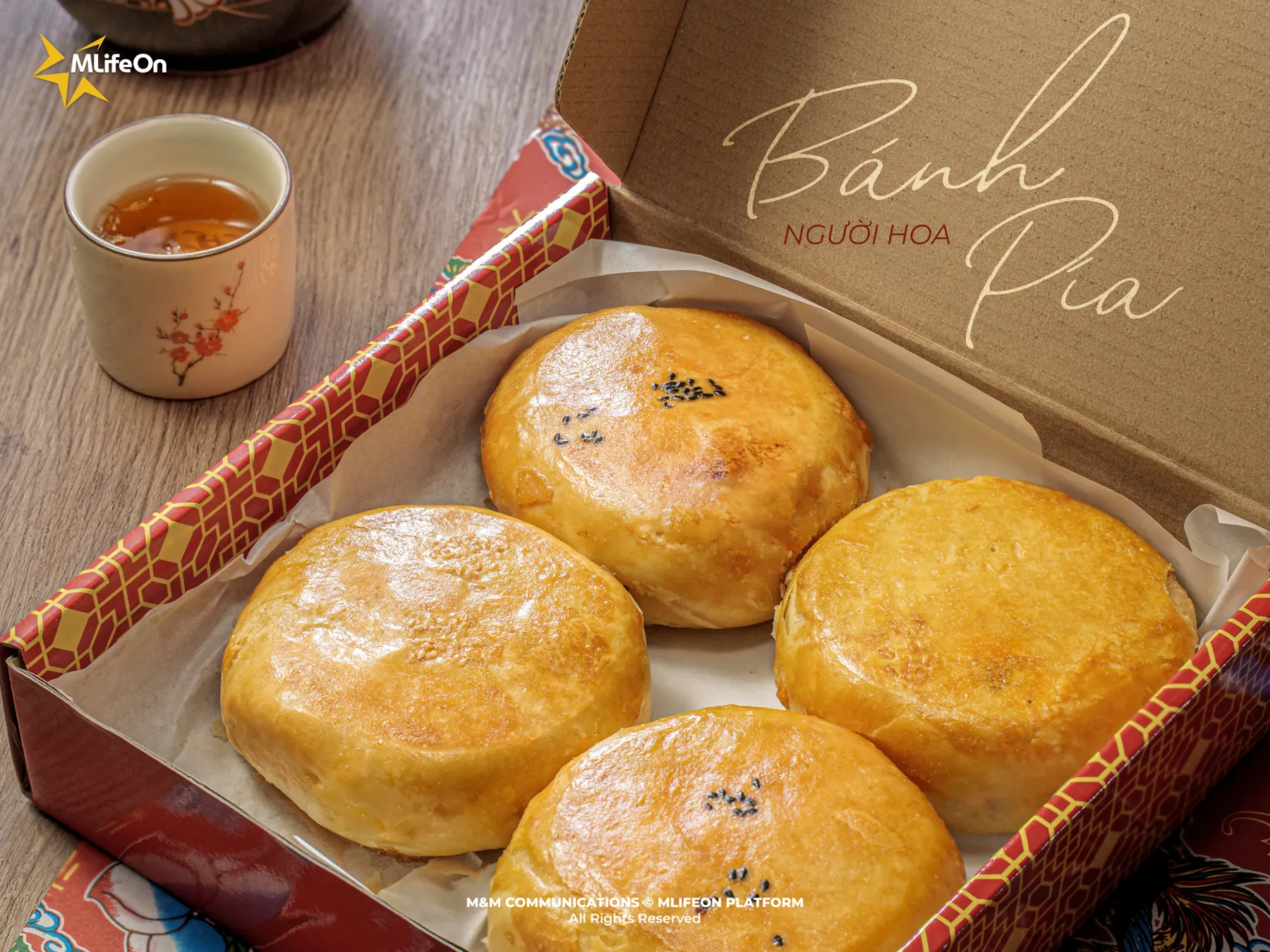
Round, golden, and wrapped in delicate layers of pastry around a rich, creamy filling, Pia Cake has long been a familiar treat in the lives of many Chinese families. Within the Chinese community, particularly among the Teochew people, Pia Cake has long been associated with traditional festivals, the Mid Autumn Festival, weddings, and other joyful occasions. A small cake shared with loved ones, accompanied by a cup of hot tea and the warmth of togetherness, has become a familiar taste preserved across generations.
Pia Cake in Chinese culinary culture
When talking about Pia Cake in Chinese culinary culture, the Teochew Chinese community naturally comes to mind. The Teochew people have a particularly close connection with this traditional cake, preserving both its preparation and the custom of enjoying it across generations. Among Teochew families in Cho Lon, Pia Cake continues to appear during traditional festivals, the Mid Autumn Festival, weddings, and other important family occasions.
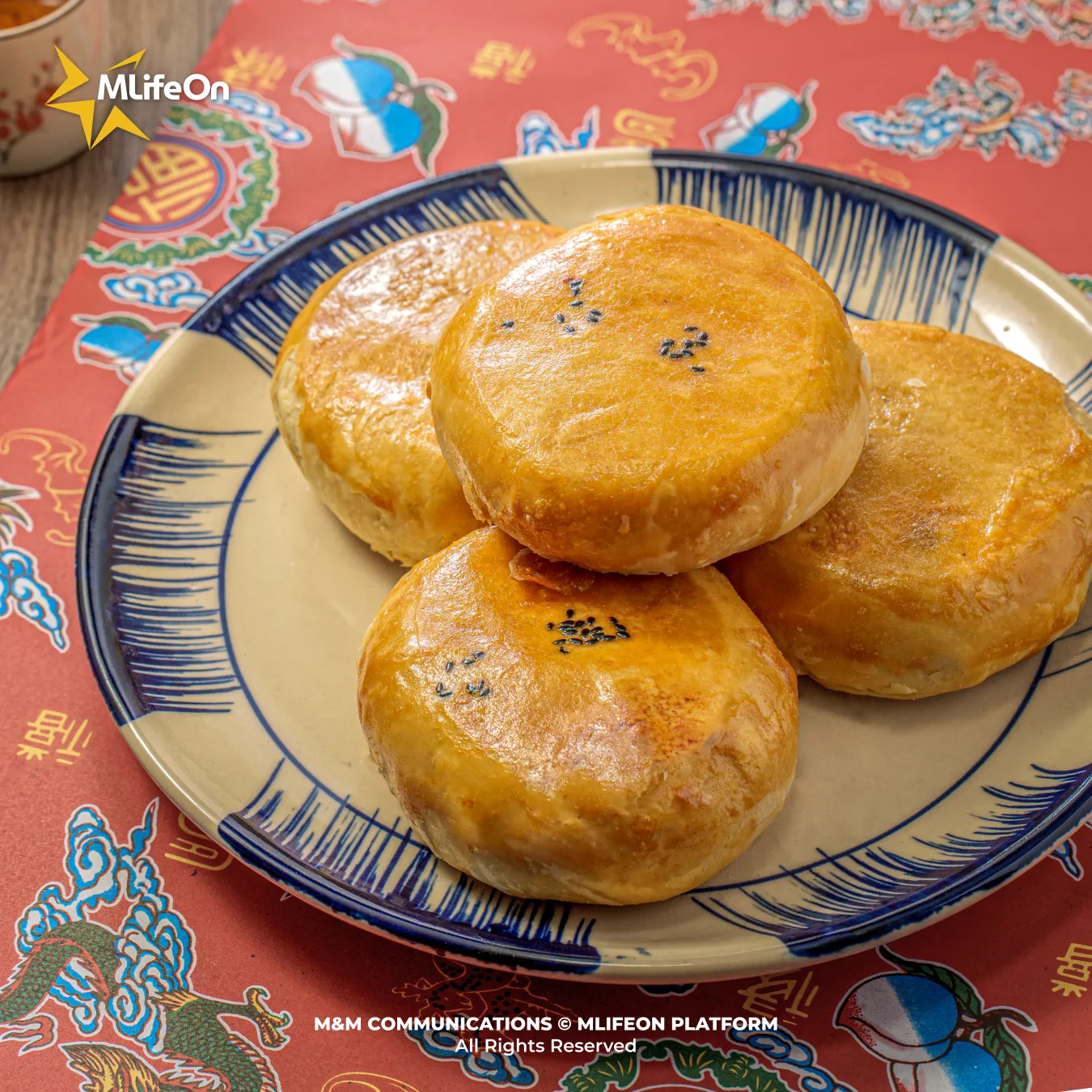
Even the name of the cake reflects this heritage. The word “Pia” comes from the Teochew term for cake, represented by the Chinese character 餅. In traditional recipes, pork fat was once an important ingredient, contributing to the characteristic richness of both the pastry and its filling. Fresh from the oven, the cake typically has a golden surface and a warm aroma in which the fragrance of baked pastry blends with its distinctive richness.
Over time, Pia Cake moved beyond the kitchens and communities of Teochew families. From Chinese bakeries, it gradually became familiar to many Vietnamese people, who began buying it to enjoy at home, give as a gift, or share during gatherings. Yet behind its growing popularity, its Teochew heritage remains an essential part of the cake’s cultural story.
Many layers of pastry, many layers of flavor
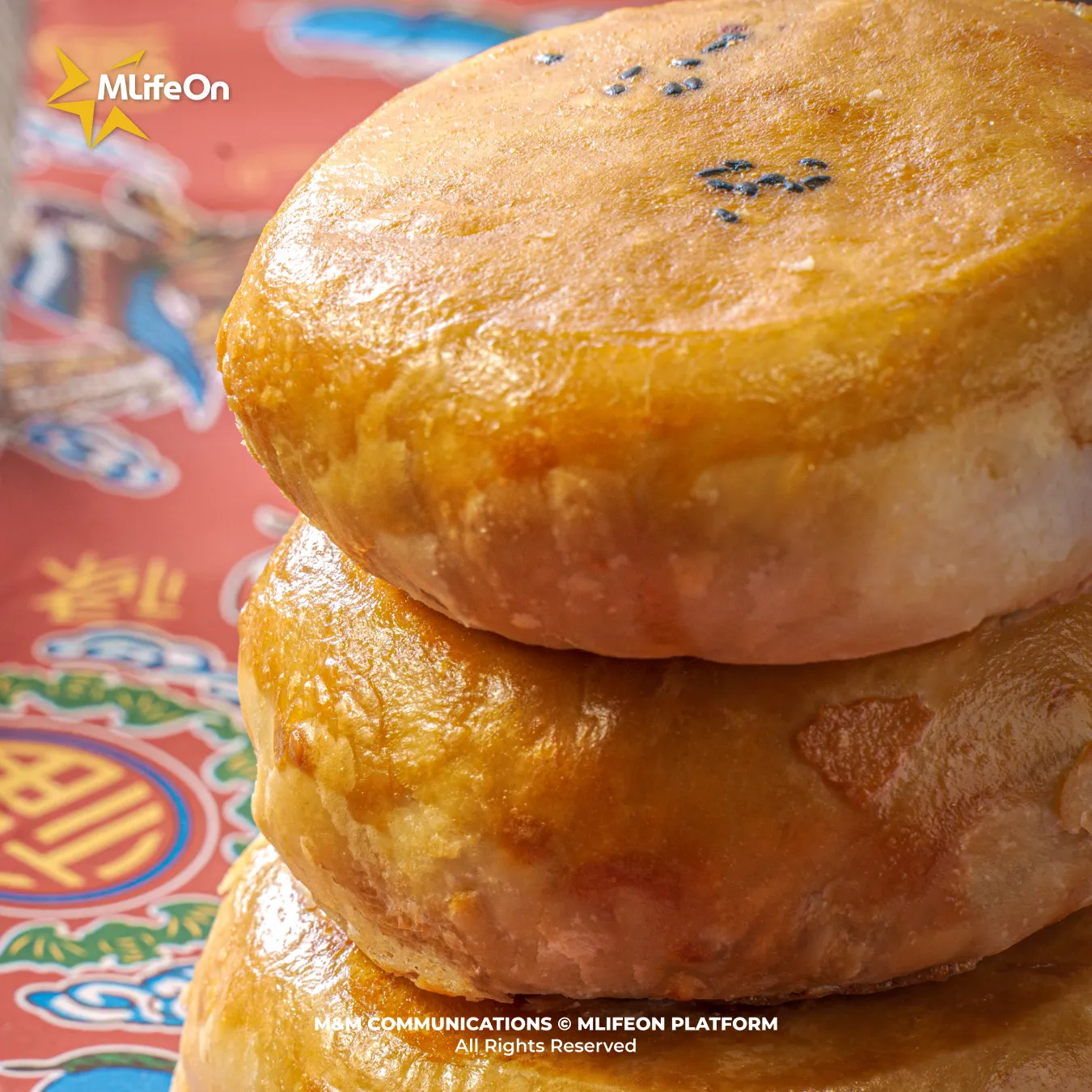
At first glance, Pia Cake looks quite simple. It is usually round and slightly flattened, with a pale golden or glossy golden surface. Traditionally, a red stamp may also appear on top, adding a distinctive detail reminiscent of the cakes commonly seen in Chinese bakeries.
The most interesting part, however, is revealed when the cake is cut open.
Rather than being made from a single thick layer of dough, the pastry consists of many thin layers. Creating this texture requires a careful process of rolling, folding, and layering the dough so that the crust is neither too thick nor too thin. These delicate layers give the pastry its soft, flaky texture and allow them to separate easily when eaten a characteristic that has also given Pia Cake the colloquial Vietnamese nickname banh lot da, or “peeling skin cake.”
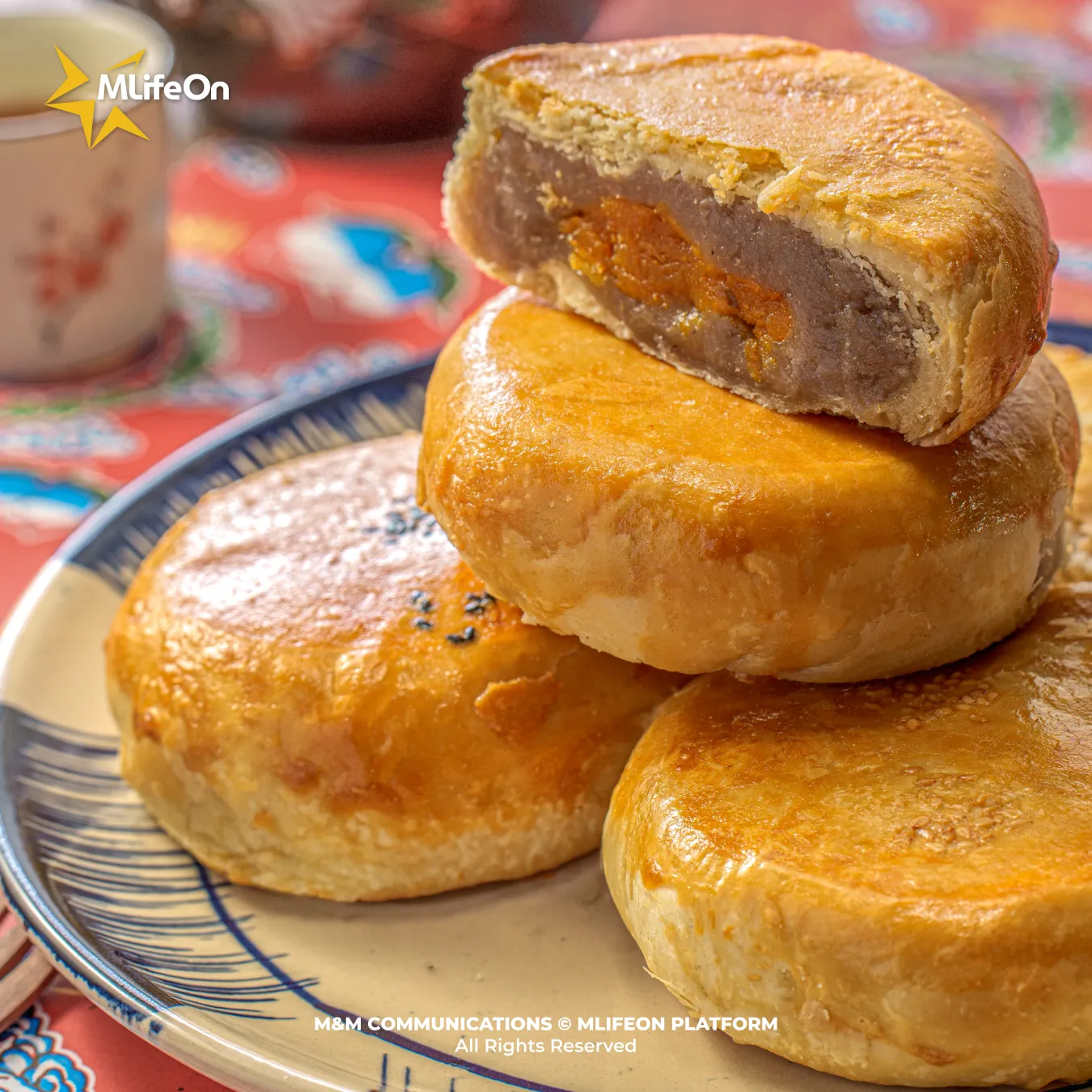
Hidden beneath these layers is a generous filling. In Teochew-style Pia Cakes still made in Cho Lon, mung bean and taro are familiar flavors, often paired with salted egg yolk. Mung bean brings a mild, nutty richness, taro adds a soft and fragrant texture, while salted egg yolk contributes a savory note that balances the sweetness and richness of the cake.
Over time, Pia Cake has developed many variations to suit the tastes of different regions and generations. Yet even as the fillings change, much of its appeal still comes from the way several flavors coexist within one small cake. Nutty, sweet, rich, and savory notes unfold through each layer, giving Pia Cake a character that is difficult to confuse with other sweet pastries.
A cake for reunions and joyful occasions
Pia Cake is remembered for more than its flavor. In the lives of the Teochew Chinese community, it is also closely associated with occasions when people come together.
Every Mid Autumn Festival, Pia Cakes are often bought to enjoy at home or given as gifts. For many Teochew families, they are among the familiar treats associated with the fifteenth day of the eighth lunar month. The cakes also appear at weddings and other celebrations.
Records of Chinese community life in Cho Lon note that at traditional Teochew weddings, Pia Cakes may be presented alongside other cakes and sweets as gifts carrying good wishes for the newly married couple.
Rather than being eaten individually, a Pia Cake is often cut into smaller pieces to share. Beside it sits a pot of hot tea. The light, refreshing taste of the tea helps balance the noticeable sweetness and richness of the filling, making each bite more enjoyable.
A round cake is divided among those gathered around the table, cups of tea are refilled, and conversations continue. It is in these simple, everyday moments that the cake’s association with reunion and togetherness becomes more meaningful than any explanation could convey.
A flavor preserved across generations
Life changes, and tastes evolve over time. Today, Pia Cake comes with a wide variety of fillings and packaging styles and is enjoyed throughout the year rather than only during traditional festivals. Yet within the Chinese community, particularly among families of Teochew heritage, the traditional cake continues to hold a special place.
In Cho Lon, there are still families that have passed down the craft of making Pia Cakes through several generations. In some bakeries, the dough is still rolled, the fillings prepared, and the cakes shaped by hand. Freshly baked cakes are then packed into boxes for customers to take home or give to loved ones. During the Mid Autumn Festival, weddings, and traditional celebrations, demand for the cakes increases once again, continuing a custom that has accompanied the community for many years.
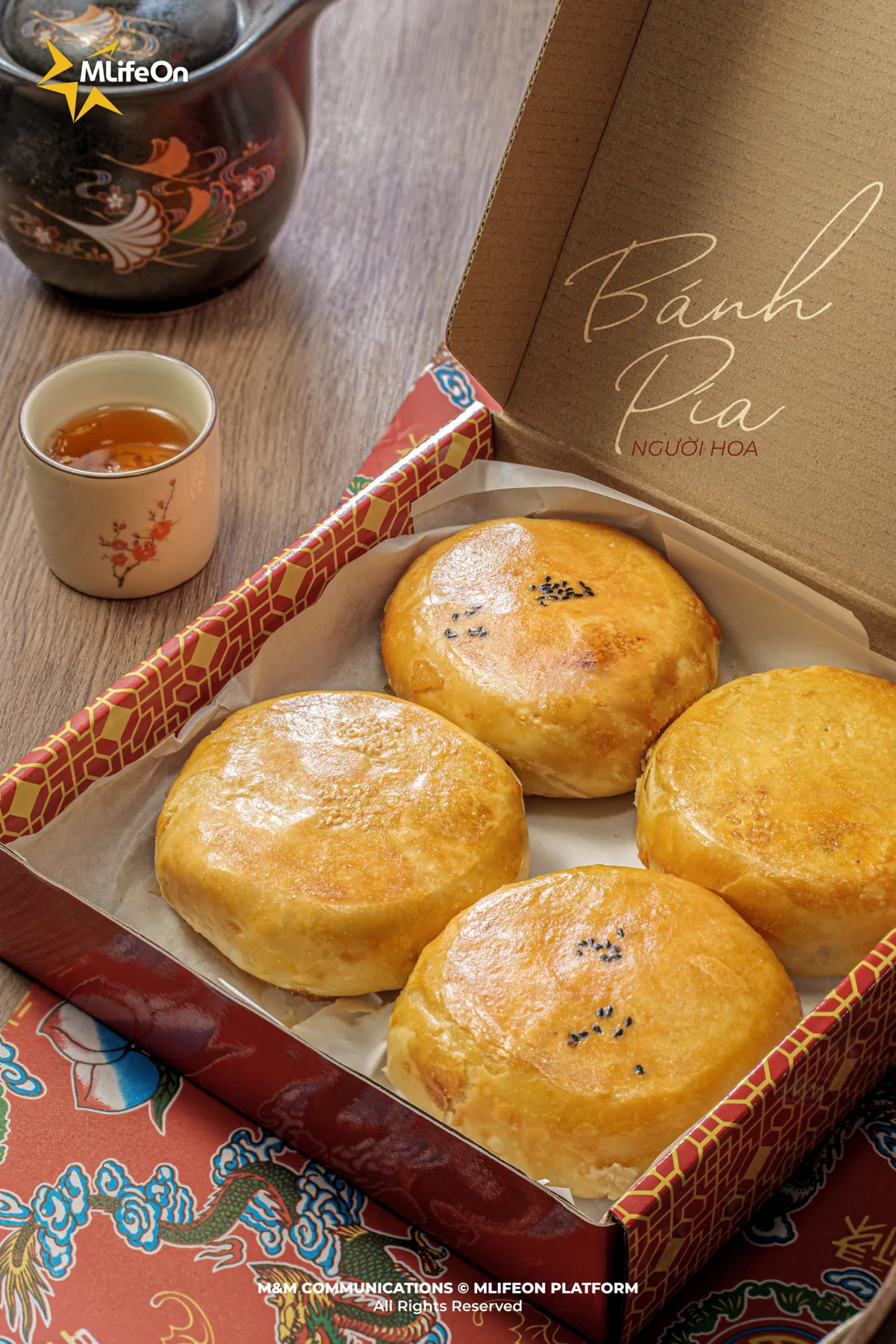
What is passed down, therefore, is more than just a recipe. It is also the memory of a familiar flavor, the gesture of giving a box of cakes on a joyful occasion, or the recollection of grandparents and parents bringing the cakes home whenever the family gathered together. As younger generations continue to enjoy the same cake, part of the culinary memory of both family and community is naturally preserved.
Today, Pia Cake has moved beyond the Chinese community to become a familiar flavor for many people. Yet beneath its delicate layers of pastry and generous filling, the cake continues to carry the imprint of a culinary tradition passed down from one generation to the next.
Conclusion
A single Pia Cake can be divided into many pieces, but it is the moment of sharing it together that makes the experience truly complete. Through Mid-Autumn Festivals, weddings and joyful occasions, or simply an afternoon tea with loved ones, this small cake continues to hold a place in the lives of Chinese families.
And perhaps what remains the longest is not only the taste of the cake itself, but also the memories of sitting together, sharing it over tea, and exchanging the joys and sorrows of everyday life.