
Vipassana Meditation Retreats Near Sydney: 10-Day Silent Practice Guide
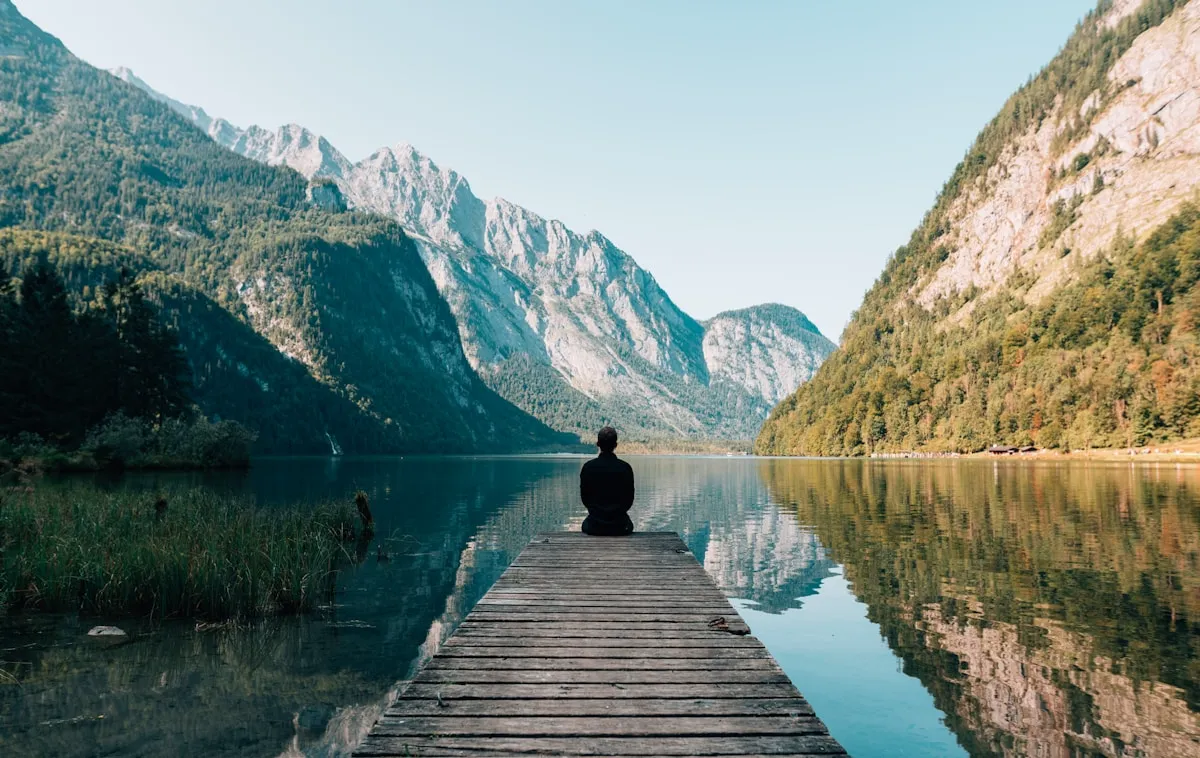
Complete guide to Vipassana meditation retreats near Sydney. Discover 10-day silent courses at Dharma Bhumi, learn the technique, understand daily schedule, and prepare for intensive Buddhist meditation practice.
Vipassana meditation retreats offer intensive silent practice that profoundly transforms practitioners. These 10-day courses, based on teachings attributed to Buddha, provide systematic training in mindfulness meditation leading to deep insight into reality's nature.
Having completed multiple Vipassana retreats, I can attest they're among the most challenging and rewarding experiences available. Ten days of silence, intensive meditation, and confronting your own mind creates conditions for genuine transformation impossible in ordinary circumstances.
Understanding Vipassana
Vipassana means 'insight' or 'seeing things as they really are.' The technique involves observing bodily sensations with equanimity, developing awareness of impermanence, and understanding suffering's causes at experiential level.
The tradition taught at most retreat centers follows S.N. Goenka's lineage, preserved from Burma (Myanmar) and now taught worldwide through donation-based courses. The teaching emphasizes direct experience over intellectual understanding.
Vipassana Centers Near Sydney
Dharma Bhumi Meditation Centre, Blackheath
Located in the Blue Mountains about 90 minutes from Sydney, Dharma Bhumi is the primary Vipassana center serving the Sydney region. Set in peaceful bushland, it provides ideal environment for intensive meditation practice.
The center offers regular 10-day courses throughout the year, plus occasional 20-day and 30-day courses for experienced students. Facilities include separate meditation halls for men and women, dormitory accommodation, and vegetarian dining hall.
Other NSW Centers
Additional Vipassana centers operate in regional NSW, including centers near Newcastle and in southern NSW. All follow the same format and teaching methodology, ensuring consistent quality regardless of location.
The 10-Day Course Format
Daily Schedule
The retreat follows rigorous schedule designed to maximize meditation time:
4:00am - Morning wake-up bell
4:30-6:30am - Meditation in hall or room
6:30-8:00am - Breakfast and rest
8:00-11:00am - Group meditation and self-practice
11:00am-1:00pm - Lunch and rest
1:00-5:00pm - Meditation sessions
5:00-6:00pm - Tea break
6:00-7:00pm - Group meditation
7:00-8:30pm - Discourse (video teaching)
8:30-9:00pm - Meditation
9:00pm - Bedtime
This totals approximately 10 hours of meditation daily—far more intensive than most people's regular practice.
Noble Silence
From course start until the final morning, students maintain noble silence—no talking, eye contact, gestures, reading, writing, or communication. This isolation allows deep introspection without external distraction.
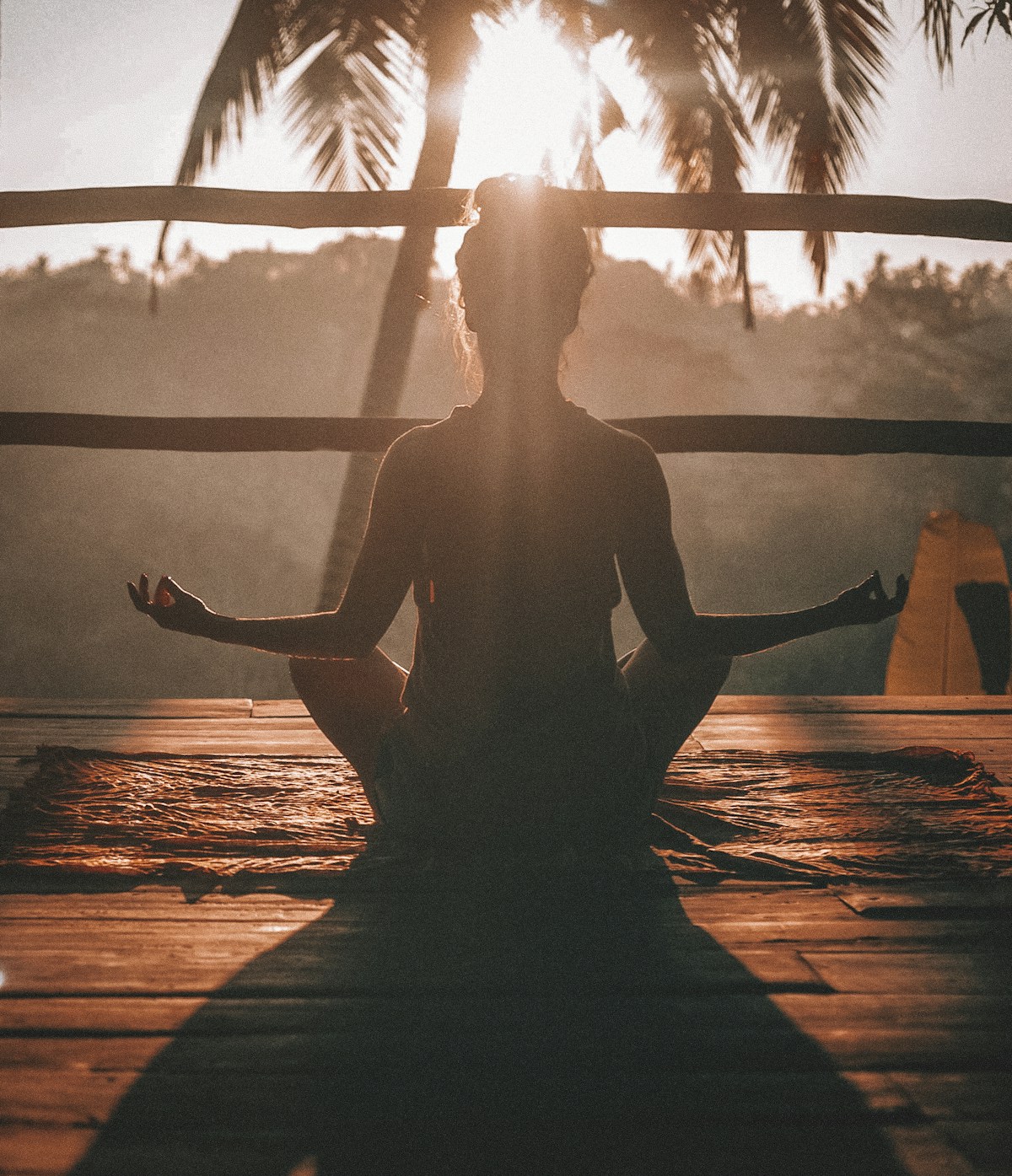
Mobile phones, books, and writing materials are surrendered. No music, exercise, or external stimulation. The only activity is meditation, eating, and resting.
The Technique Progression
Days 1-3: Anapana meditation—observing natural breath around nostrils, developing concentration and awareness.
Days 4-9: Vipassana proper—systematically scanning body sensations, observing with equanimity, understanding impermanence at experiential level.
Day 10: Metta (loving-kindness) meditation—extending goodwill to all beings, integrating practice benefits with compassion.
This progression builds concentration before developing insight, ensuring students have necessary mental stability for deeper practice.
What to Expect
Physical Challenges
Sitting for extended periods causes physical discomfort—leg pain, back ache, stiffness. The schedule includes breaks, and students can sit on chairs if needed, but physical discomfort is inevitable.
The technique teaches observing pain without reacting—understanding sensations as impermanent, neither clinging to pleasant sensations nor resisting unpleasant ones. This equanimity toward body sensations is core practice.
Mental Challenges
The untrained mind rebels against extended meditation. Expect:
- Intense boredom and restlessness
- Overwhelming thoughts and memories
- Strong emotions—anger, sadness, fear, joy
- Doubt about the technique and your ability
- Desire to quit (especially days 3-5)
- Mental narratives and fantasies
These challenges are normal and part of the purification process. Teachers guide students through difficulties during daily question periods.

Breakthrough Moments
Most students experience periods of profound calm, insight, or understanding. These might include:
- Deep peace and equanimity
- Direct experience of impermanence
- Understanding of suffering's causes
- Moments of profound joy or bliss
- Clarity about life patterns and behaviors
However, Vipassana teaching emphasizes not clinging to positive experiences either—they too are impermanent.
Practical Information
Registration and Cost
Courses operate entirely by donation. There's no charge to attend—accommodation, food, and teaching are provided free. Students donate at course end based on their capacity and experience.
This donation-based system ensures Vipassana remains accessible regardless of financial circumstances while maintaining course quality through student support.
Registration is online through the center's website. Courses fill quickly, so apply several months in advance. You'll receive acceptance confirmation about 2-3 weeks before the course.
Accommodation and Food
Accommodation is simple—shared dormitories with bunk beds. Bring bedding or sleeping bag. Facilities are clean but basic, maintaining simplicity conducive to practice.
Vegetarian meals are served twice daily—breakfast and lunch. Light snacks (fruit, tea) are available in evening. The food is simple, nutritious, and sufficient.
What to Bring
- Comfortable loose clothing (layers for varying temperatures)
- Meditation cushions if preferred (centers provide basic cushions)
- Personal toiletries
- Flashlight
- Alarm clock (phones are surrendered)
- Any necessary medications
- Modest clothing for meditation (shoulders and knees covered)
What NOT to Bring
- Mobile phones (will be stored securely)
- Books, journals, writing materials
- Music devices
- Food or snacks
- Alcohol, drugs, cigarettes
- Religious items or photos
Who Should (and Shouldn't) Attend
Good Candidates
- People serious about meditation practice
- Those willing to follow instructions strictly
- Individuals comfortable with silence and introspection
- People in reasonably good physical and mental health
- Those seeking deep self-understanding
Not Recommended For
- People with serious mental health conditions (psychosis, severe depression)
- Those on heavy medication
- Individuals unwilling to follow the code of discipline
- People seeking quick fixes or dramatic experiences
- Those unable to commit to full 10 days
The course application includes health questions to ensure retreat suitability.
Code of Discipline
All students agree to follow five precepts:
1. Abstain from killing any being
2. Abstain from stealing
3. Abstain from sexual activity
4. Abstain from false speech
5. Abstain from intoxicants
Additionally, students commit to:
- Following the meditation schedule
- Maintaining noble silence
- Not mixing other practices or rituals with Vipassana
- Remaining for entire 10 days
- Accepting teachers' guidance
This discipline creates container supporting deep practice. Rules aren't arbitrary but support the technique's effectiveness.
After the Retreat
Integration
The final morning, silence breaks and students can speak, share experiences, and reintegrate socially. This gradual transition prevents shock of sudden return to normal life.
Students receive instructions for maintaining daily practice—recommended two hours daily (one hour morning, one hour evening) to sustain benefits.
Long-Term Practice
Vipassana centers worldwide offer courses, allowing continued practice and deepening. Students who complete one 10-day course can attend additional courses, including longer retreats and service opportunities.
Many students integrate Vipassana into daily life, using the technique to manage stress, understand emotions, and live more mindfully. The practice benefits extend far beyond the retreat itself.
Comparing with Other Meditation Traditions
Unlike Zen, which emphasizes just sitting, or Tibetan practices involving visualization, Vipassana focuses specifically on bodily sensations as gateway to insight.
The technique is presented as non-sectarian, suitable for people of any religion or no religion. The emphasis is experiential—verify teachings through your own experience rather than accepting them on faith.
Preparation Tips
Before attending:
1. Establish daily meditation practice (even 15 minutes helps)
2. Read about Vipassana to understand what you're committing to
3. Ensure schedule allows full commitment (request time off work)
4. Arrange responsibilities to prevent worry during retreat
5. Approach with open mind but realistic expectations
Is Vipassana Right for You?
Vipassana retreats aren't for everyone. They're challenging, confronting, and require genuine commitment. However, for those ready for intensive practice, they offer profound benefits:
- Deep self-understanding
- Tools for managing stress and emotions
- Direct experience of Buddhist teachings
- Community of serious practitioners
- Foundation for lifelong practice
Many practitioners describe Vipassana as life-changing—not through dramatic mystical experiences, but through systematic mental training revealing reality's nature.
Final Thoughts
Vipassana meditation retreats represent Buddhist practice in its most intensive form available to laypeople. The combination of rigorous schedule, extended silence, systematic technique, and supportive environment creates conditions for genuine transformation.
While challenging, the benefits of sustained meditation practice extend far beyond the retreat. Students often report improved emotional regulation, reduced reactivity, enhanced awareness, and deeper life satisfaction.
If you're curious about serious meditation practice and willing to commit fully to the process, a Vipassana retreat offers authentic, powerful training in mindfulness and insight that can profoundly influence your life.