VIETNAMESE BAMBOO - A SYMBOL OF THE NATION
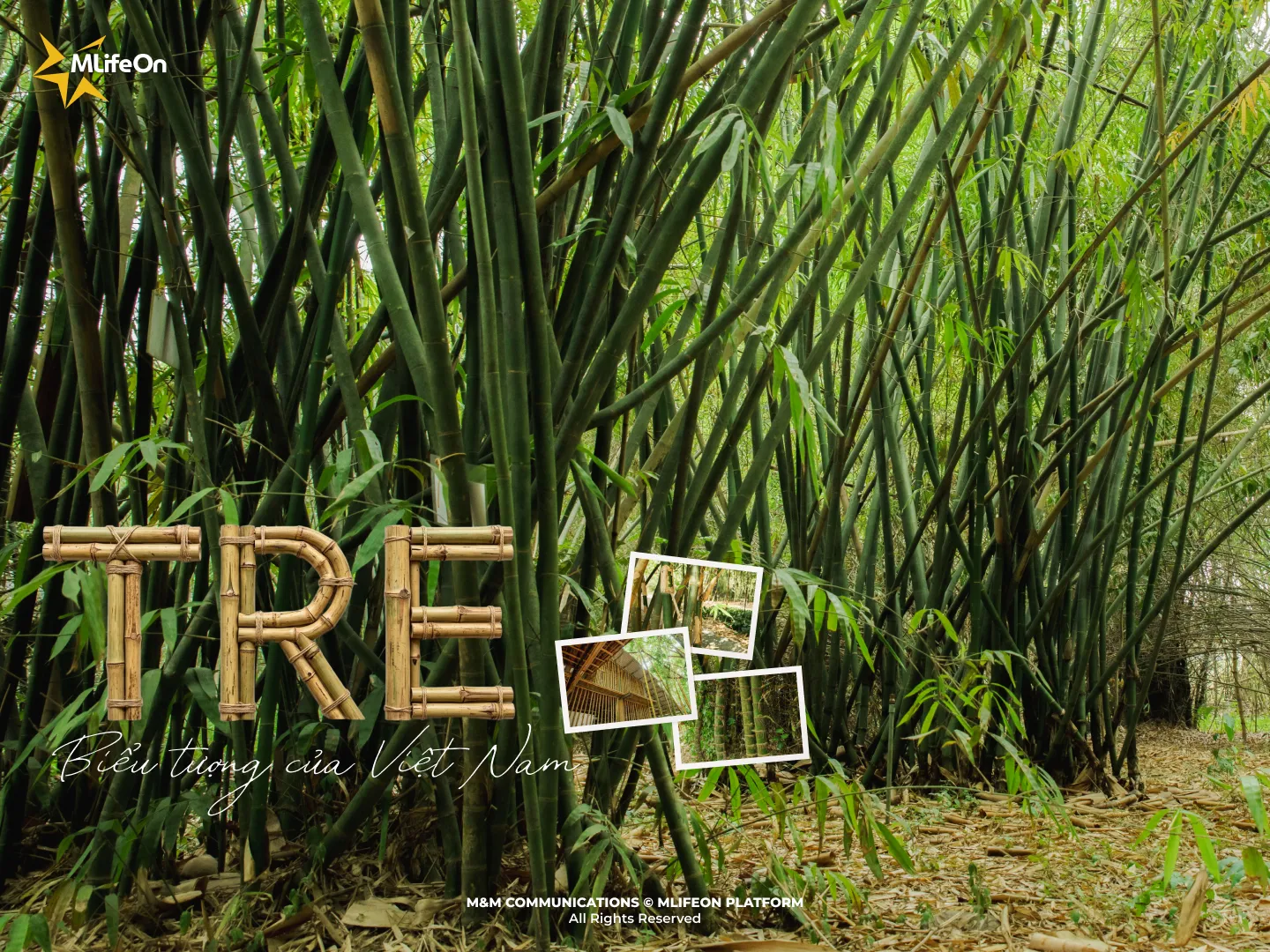
Explore the image of bamboo in Vietnamese beliefs, literature, history, and life.
Green bamboo, green since when?
Ancient tales already had green bamboo borders
(Nguyen Duy)
Bamboo has long been a symbol of the Vietnamese people. This plant is present in folk songs, legends, glorious historical accounts, and even in our daily lives. Therefore, when mentioning bamboo, people think not just of a plant, but also of the resilient spirit, community spirit, and simple beauty of the Vietnamese people.
Bamboo in religious beliefs
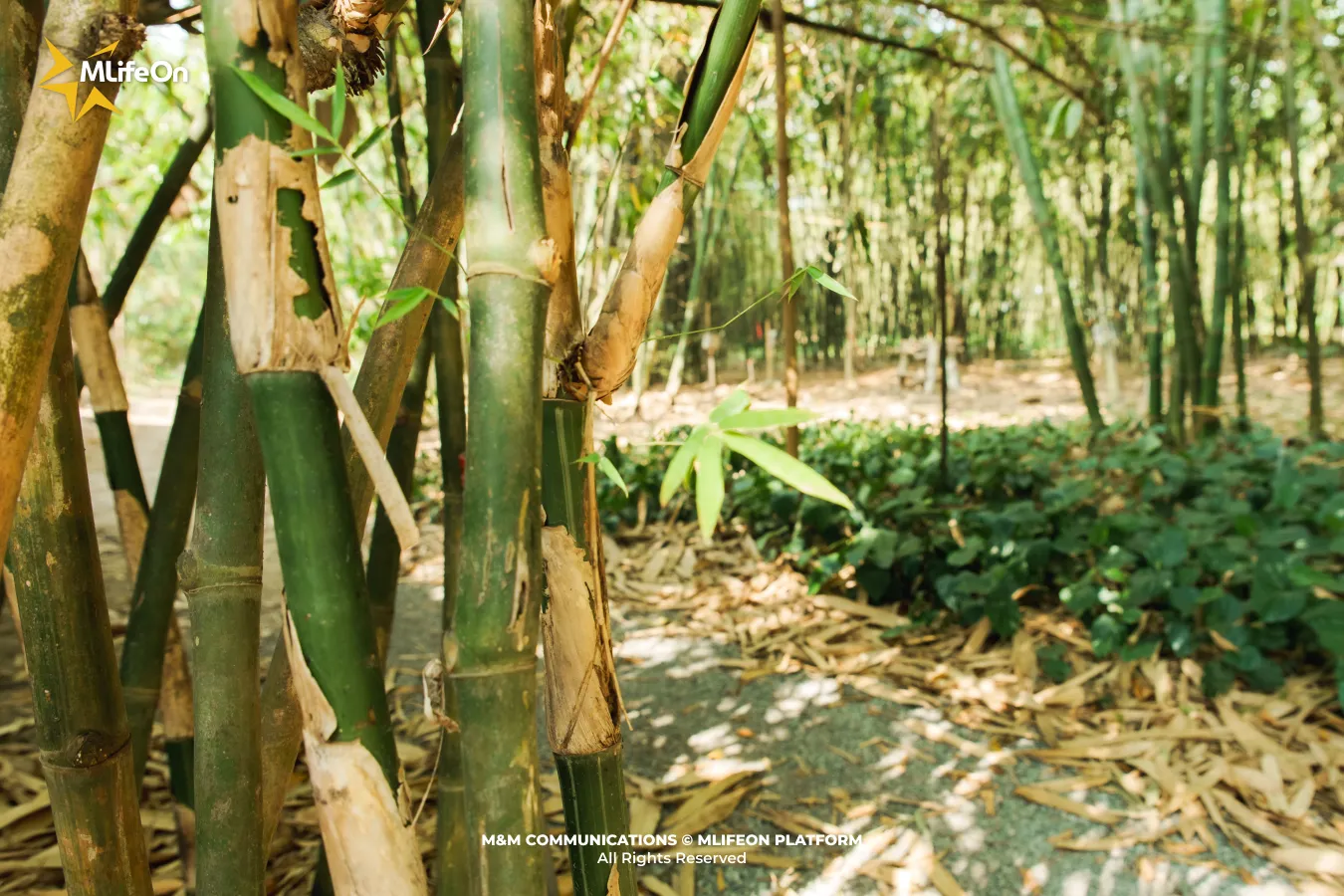
In the legend of Saint Gióng, bamboo is considered a magical weapon. When the An invaders attacked, Saint Gióng uprooted bamboo along the roadside to use as a staff to fight them, demonstrating the extraordinary strength of the nation. Here, bamboo is not just a plant, but also a symbol of unity and the strength of the people: with willpower and determination, even the simplest things can become weapons to defend the country.
Bamboo in Literature
Bamboo is not only present in daily life but has also entered literature, becoming a symbol rich in meaning, associated with many layers of emotions and thoughts of the Vietnamese people.
The image of the bamboo tree has become an endless source of inspiration for Vietnamese poets and writers
-
Fairy Tales: In the fairy tale "The Hundred-Jointed Bamboo," bamboo appears as a symbol of justice. The poor farmer, thanks to his intelligence and integrity, overcame the challenge using the magical bamboo.
-
Poetry: In Nguyen Duy's poem "Vietnamese Bamboo," the image of the bamboo tree becomes a moving reminder of the enduring nature of this species, as well as of the Vietnamese people: "Bamboo grows from the earth, lush green all year round, enduring wind and rain but still standing firm, just like the resilient and persistent qualities of the Vietnamese people through countless historical events".
-
Folk Songs and Proverbs: In folk songs and proverbs, the phrase "Old bamboo dies, new shoots grow" is a familiar image, reflecting the laws of nature and also a profound philosophy of life. As bamboo ages, new shoots grow, symbolizing the succession between generations. In folk songs, bamboo is not just a tree, but also a lesson about community cohesion, about the endless flow of culture and tradition.
-
Modern literature: Bamboo is used as a symbol of rural memories, of childhood connected to the bamboo groves of the village. The image of the bamboo tree becomes material for writers and poets to express their love for their homeland and their connection to their roots.
Bamboo in history
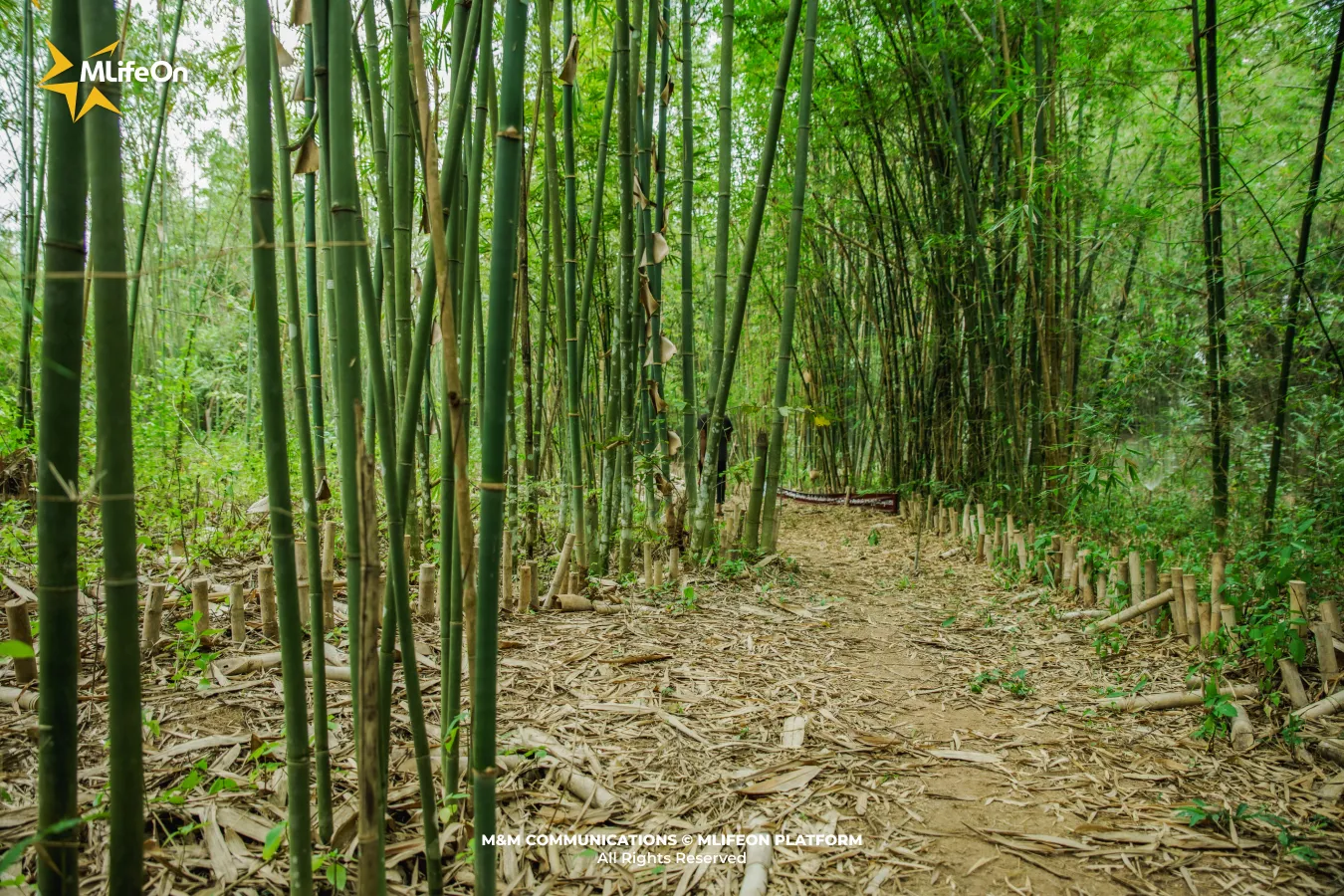
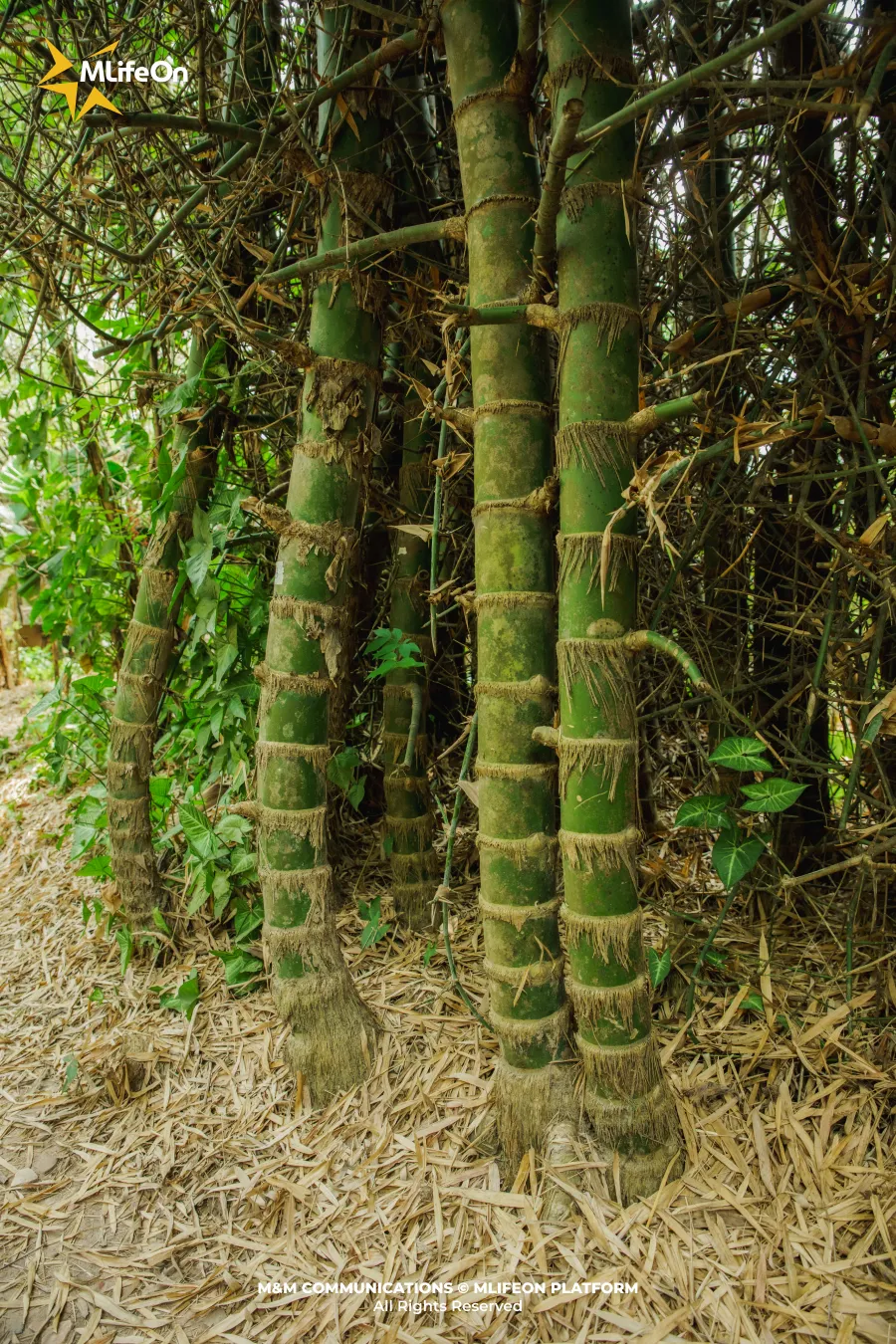
Historically, bamboo has been used to build ramparts, fortifications, and bamboo spikes to defend against invaders. From the time of resistance against foreign aggression, this plant has become part of the defense strategy. Bamboo spikes and bamboo fences are not only materials, but also evidence of the ingenuity and creativity of the Vietnamese people in utilizing nature to protect their homeland.
During the resistance against the French and Americans, the image of the "bamboo village rampart" became a symbol of the Vietnamese countryside, a place that nurtured the spirit of resistance. It can be said that, throughout history, bamboo has served both as a shelter and as a resource for creating rudimentary yet effective weapons for our nation.
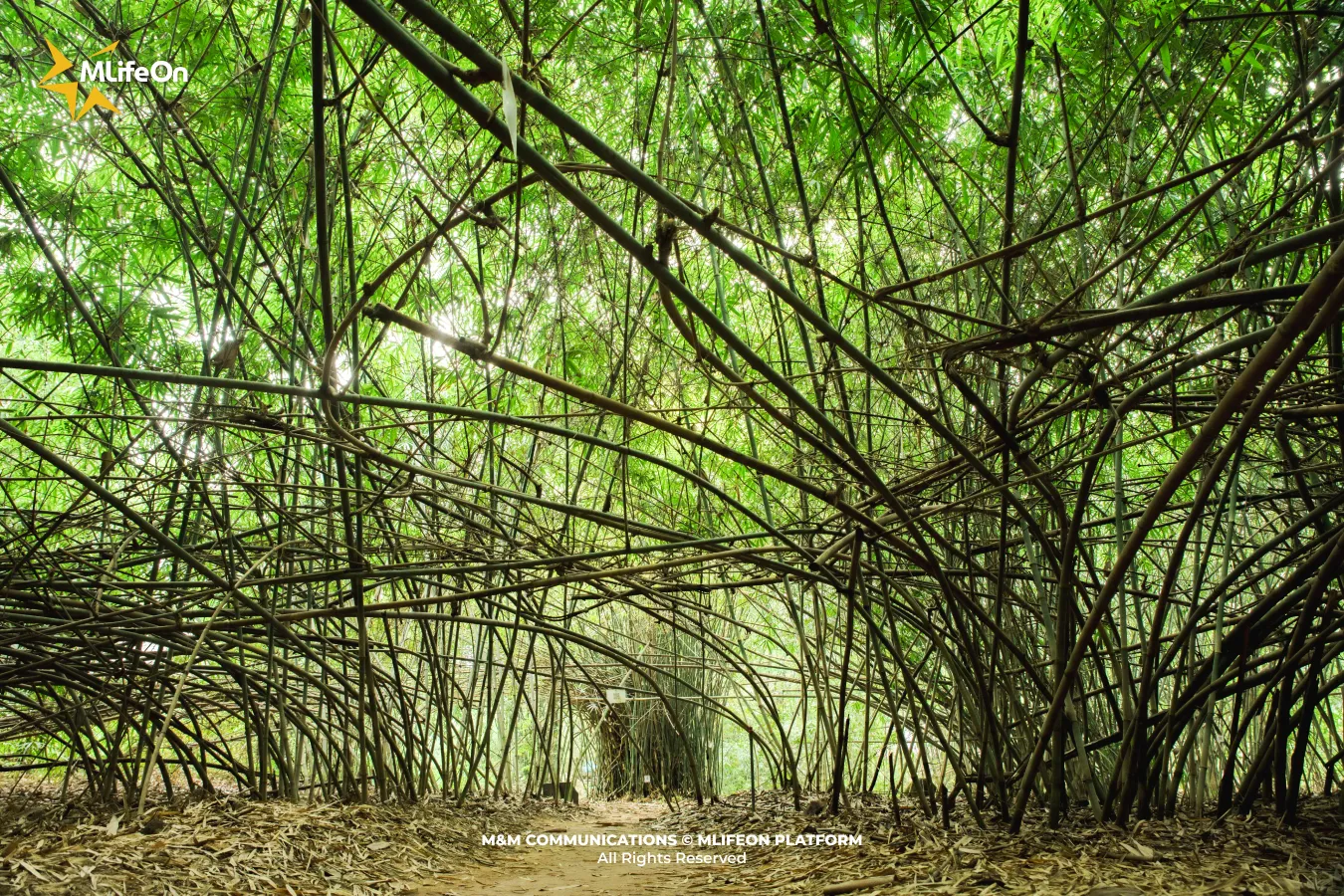
Bamboo served both as shelter and as a resource for creating rudimentary yet effective weapons for our people
Bamboo in everyday life
Looking at the daily lives of Vietnamese people, we see bamboo everywhere, from rooftops and kitchen corners to exquisite handicrafts. Bamboo is not just a plant, but also a material deeply intertwined with the culture and memories of many generations.
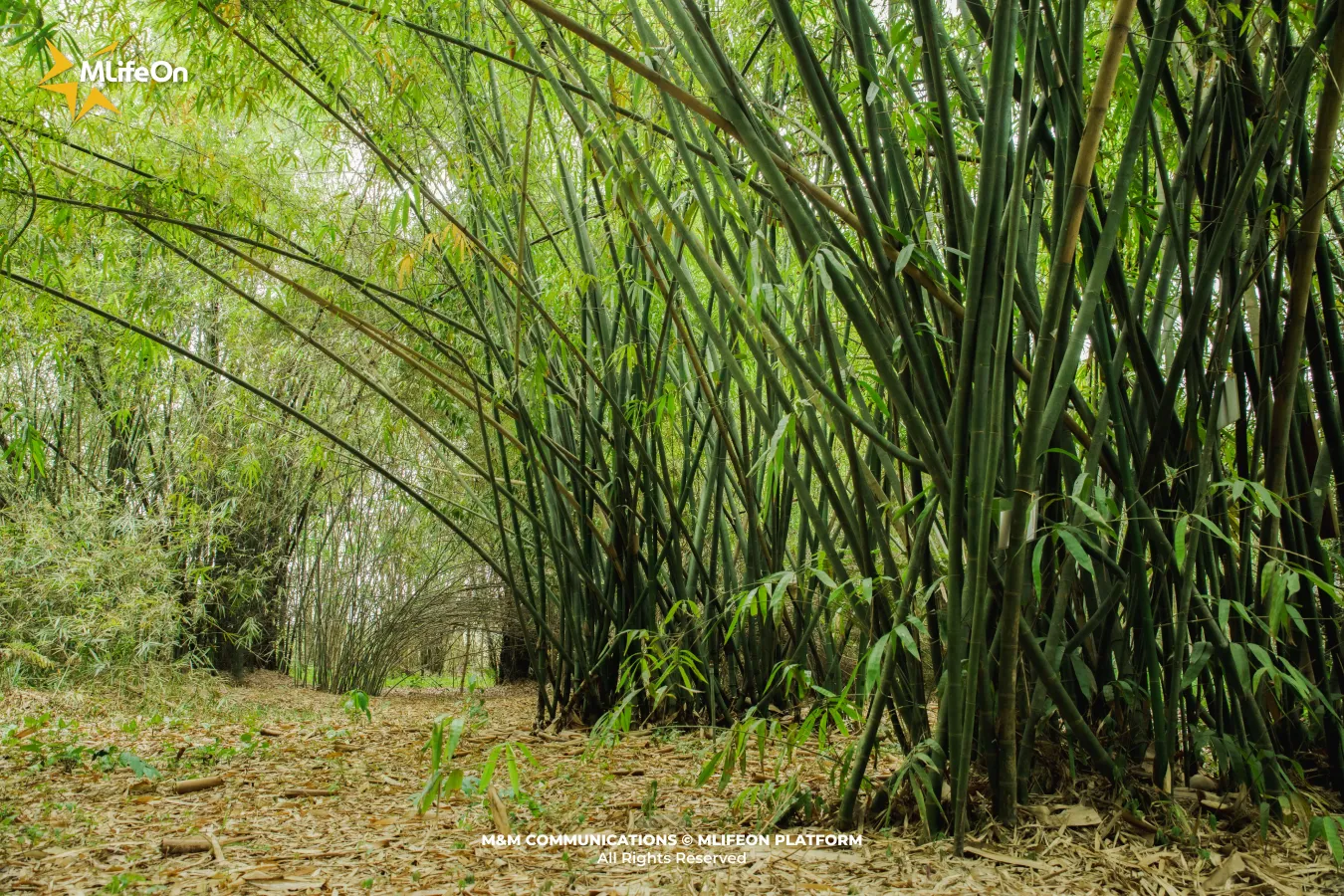
-
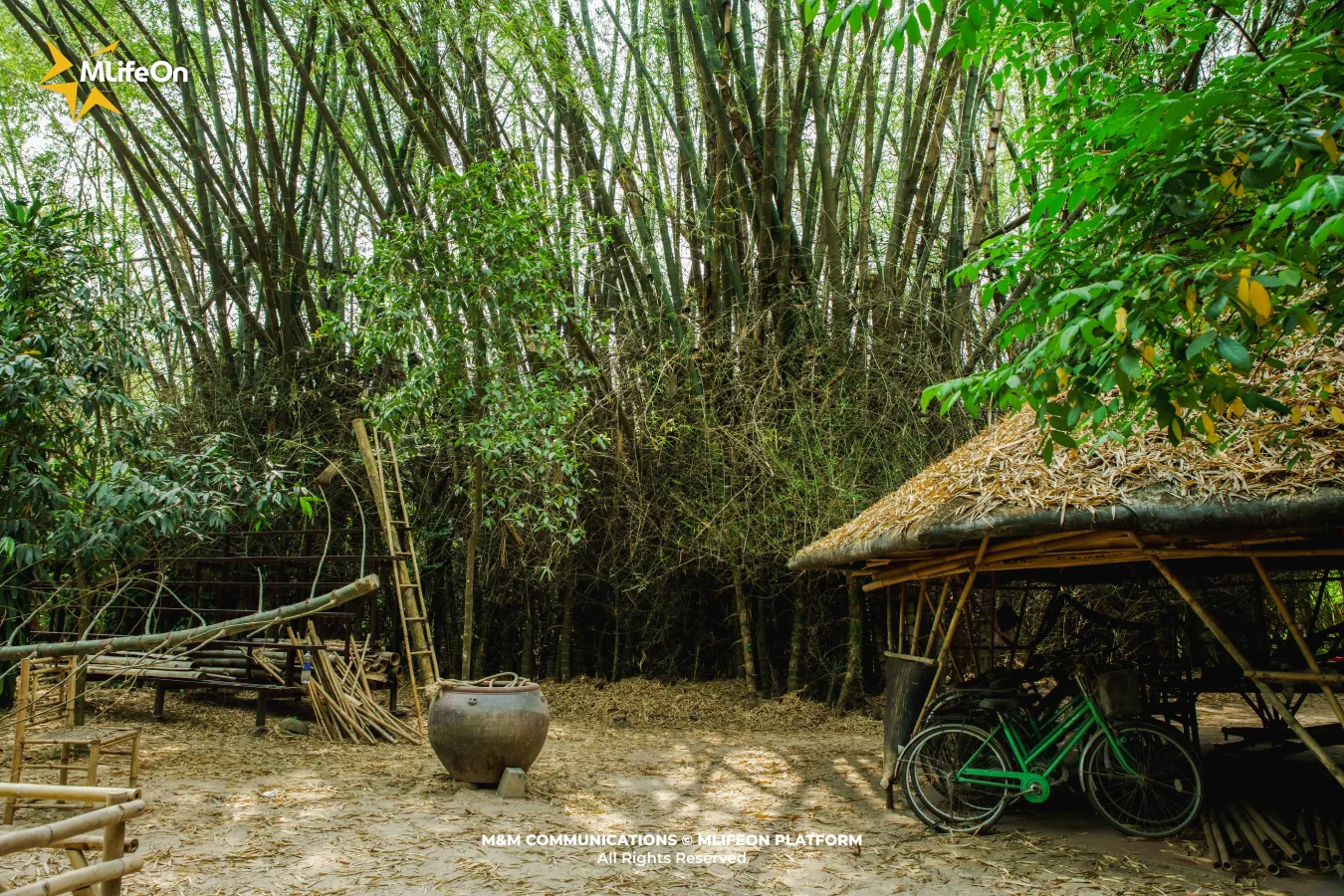
Building materials: Bamboo has long been used for house pillars, drying racks, fences, and even roofs. In rural areas, the image of a thatched house is a symbol of simplicity and rusticity. Today, many modern architects also incorporate bamboo into the design of restaurants, resorts, homestays, etc., to create spaces that are both familiar and unique, breathing traditional life while remaining contemporary.
-
Household items: In Vietnamese kitchens, bamboo is present in many forms: baskets, sieves, containers, bamboo chopsticks, etc. These items are not only convenient but also associated with childhood memories for many people.
-
Handicrafts: From bamboo, craftsmen can create countless products: tables, chairs, handbags, trays, decorative items, etc. Today, bamboo handicrafts are also exported, becoming a source of pride for Vietnamese craft villages.
-
Music: Bamboo becomes a material that creates clear, melodious sounds, evoking the spirit of the countryside. From bamboo flutes and stringed instruments to bamboo clappers, each possesses its own unique sound, both simple and profound.
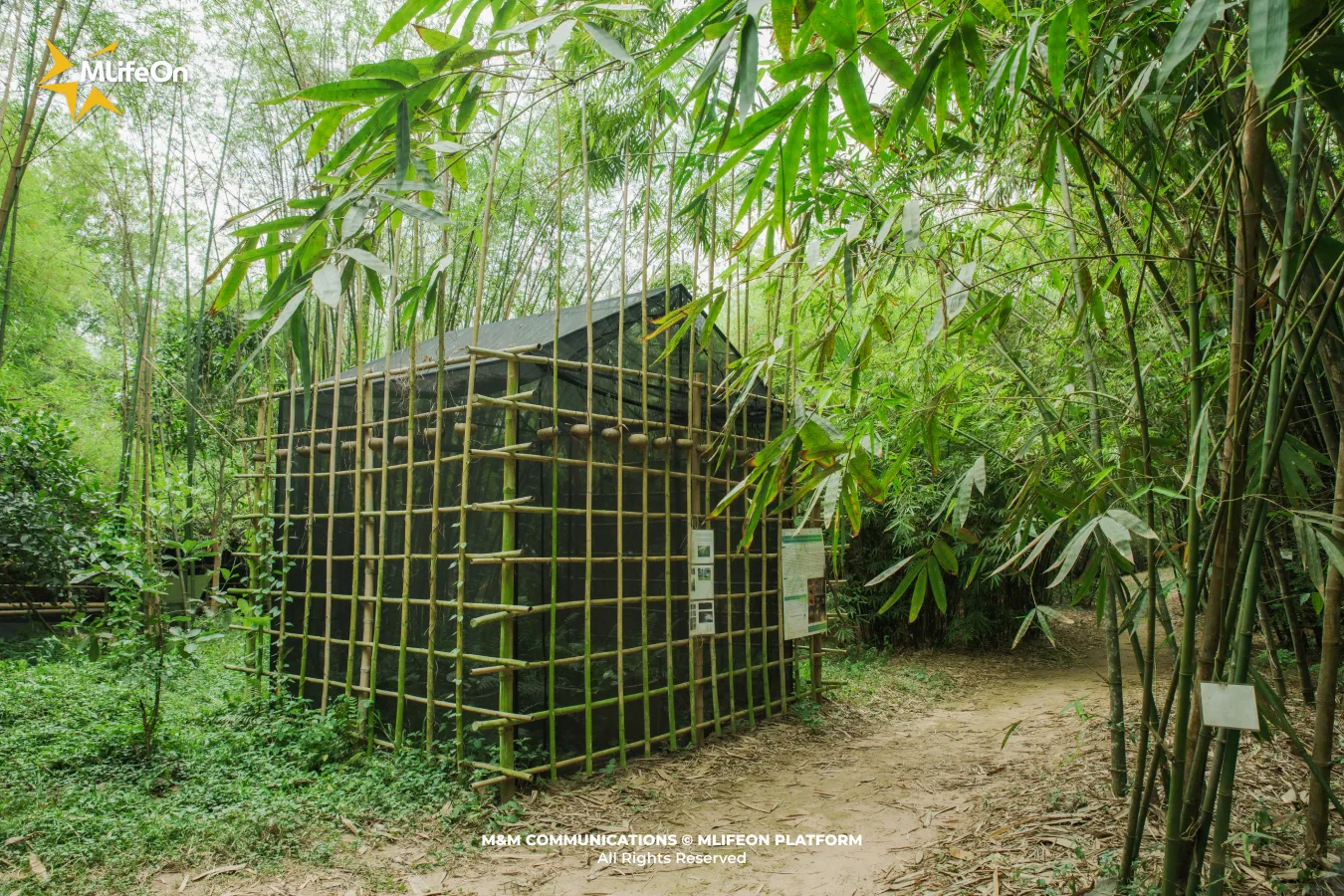
Bamboo is a building material
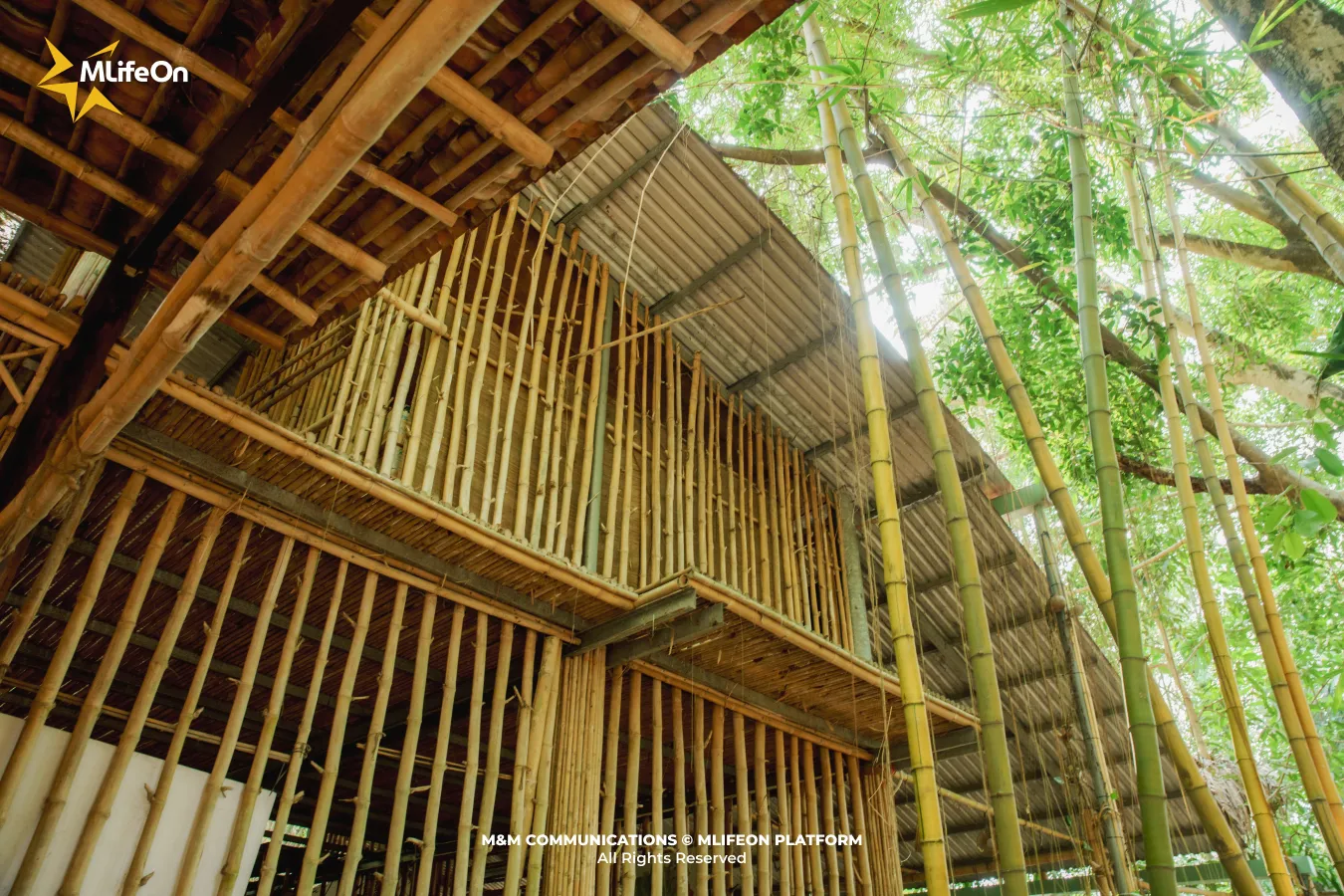
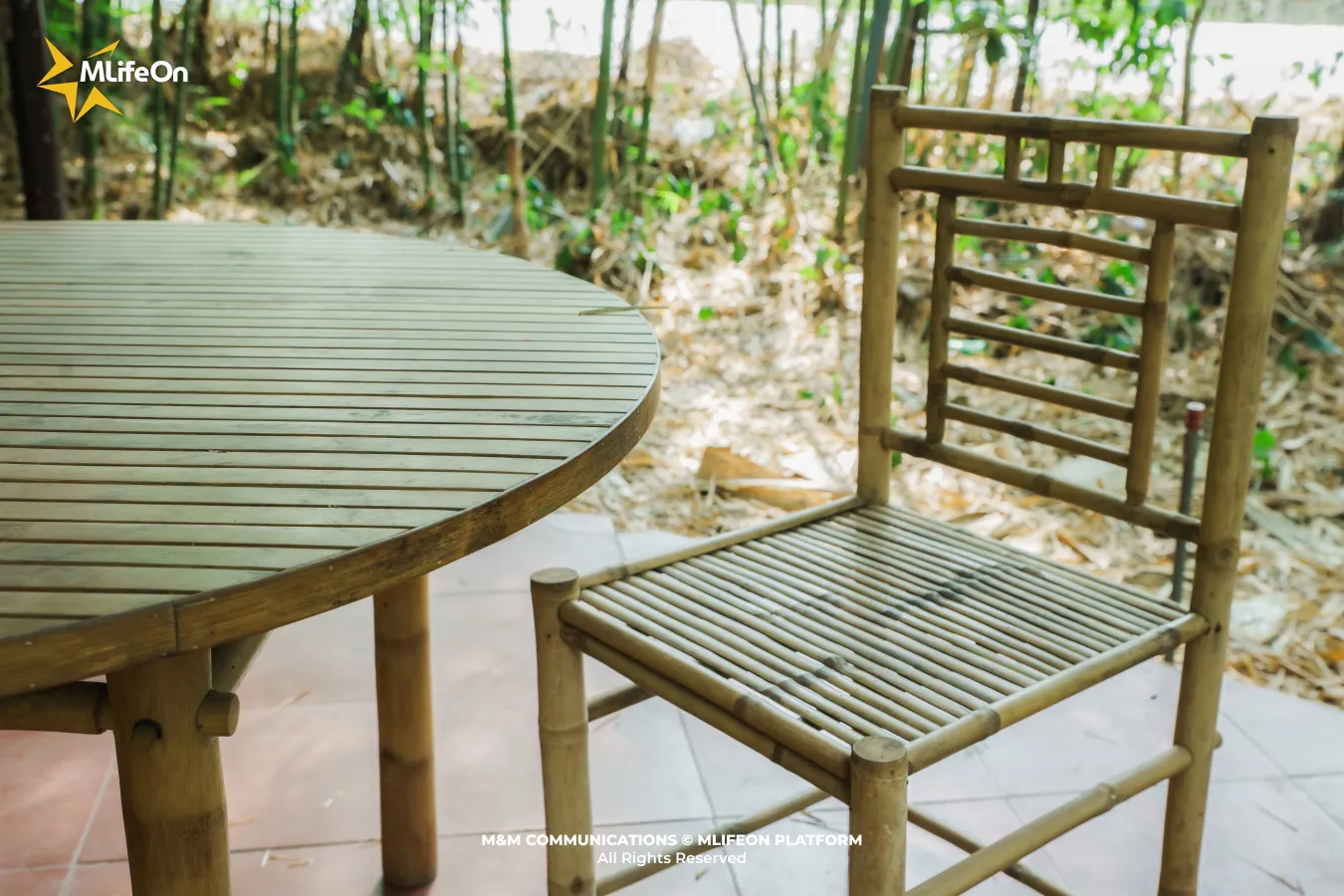
Bamboo is used for making utensils
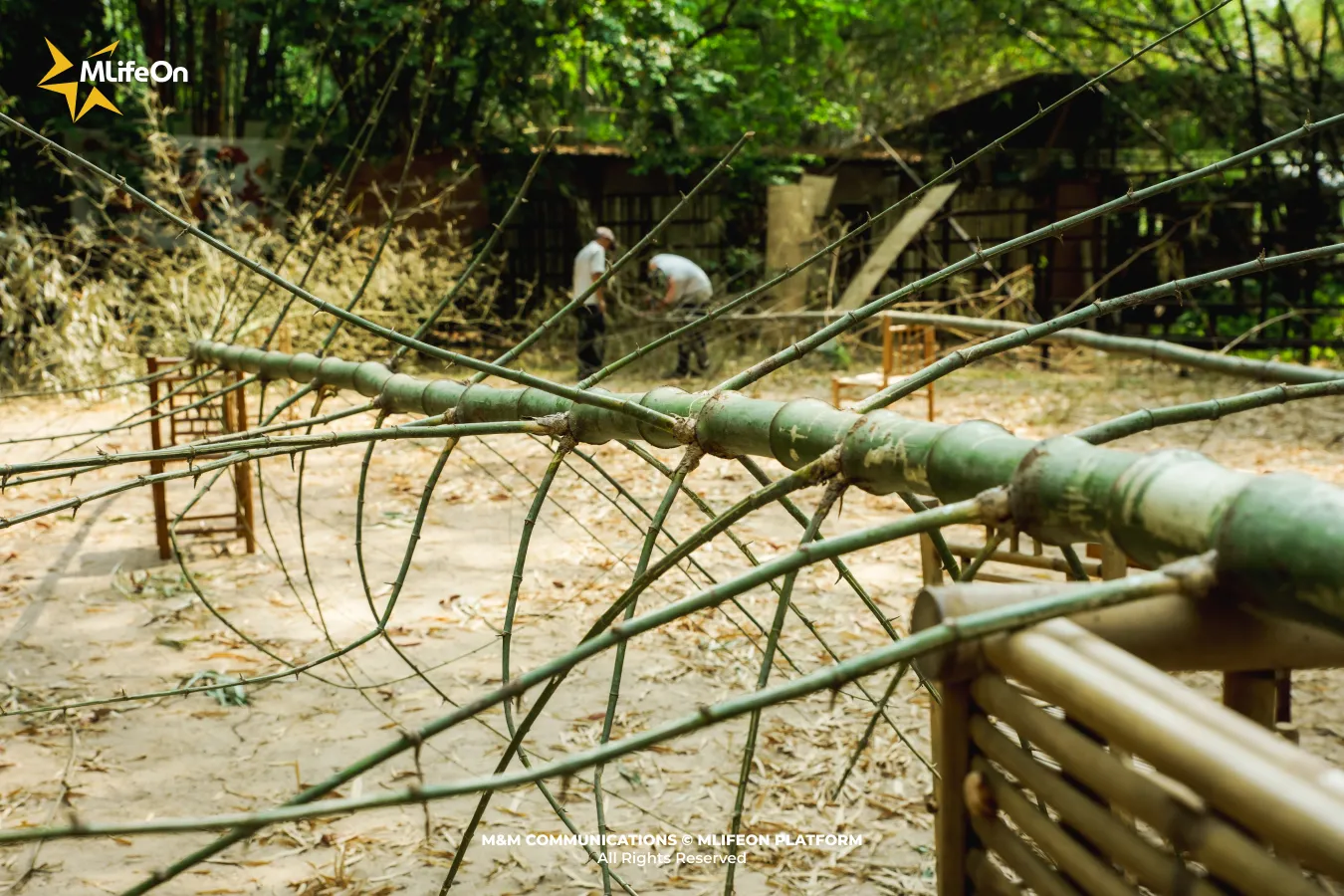
Bamboo continues to play many important roles despite the changing times
Conclusion
From legends and literature to history and everyday life, Vietnamese bamboo has always been present as a symbol of resilience and familiarity. Bamboo is not just a plant, but also an image of the nation: strong, resilient, closely connected to the community, and always striving upwards. In modern life, bamboo still holds a special place, reminding us of our origins and the strength derived from the simplest things.
Once, when I returned to my hometown, I sat under the shade of the village bamboo grove, listening to the wind rustling through the leaves, and felt an unusual sense of peace. Perhaps it's because bamboo is not just about shade, but also about childhood memories, an image of protection and shelter.
—-----
CREDIT:
- Photography: Kien Trang
- Content: Giang Huynh
- Design: Phuong Nguyen