
HON BAY CANH, CON DAO: WHERE SEA TURTLE HATCHLINGS BEGIN THEIR JOURNEY TO THE OCEAN
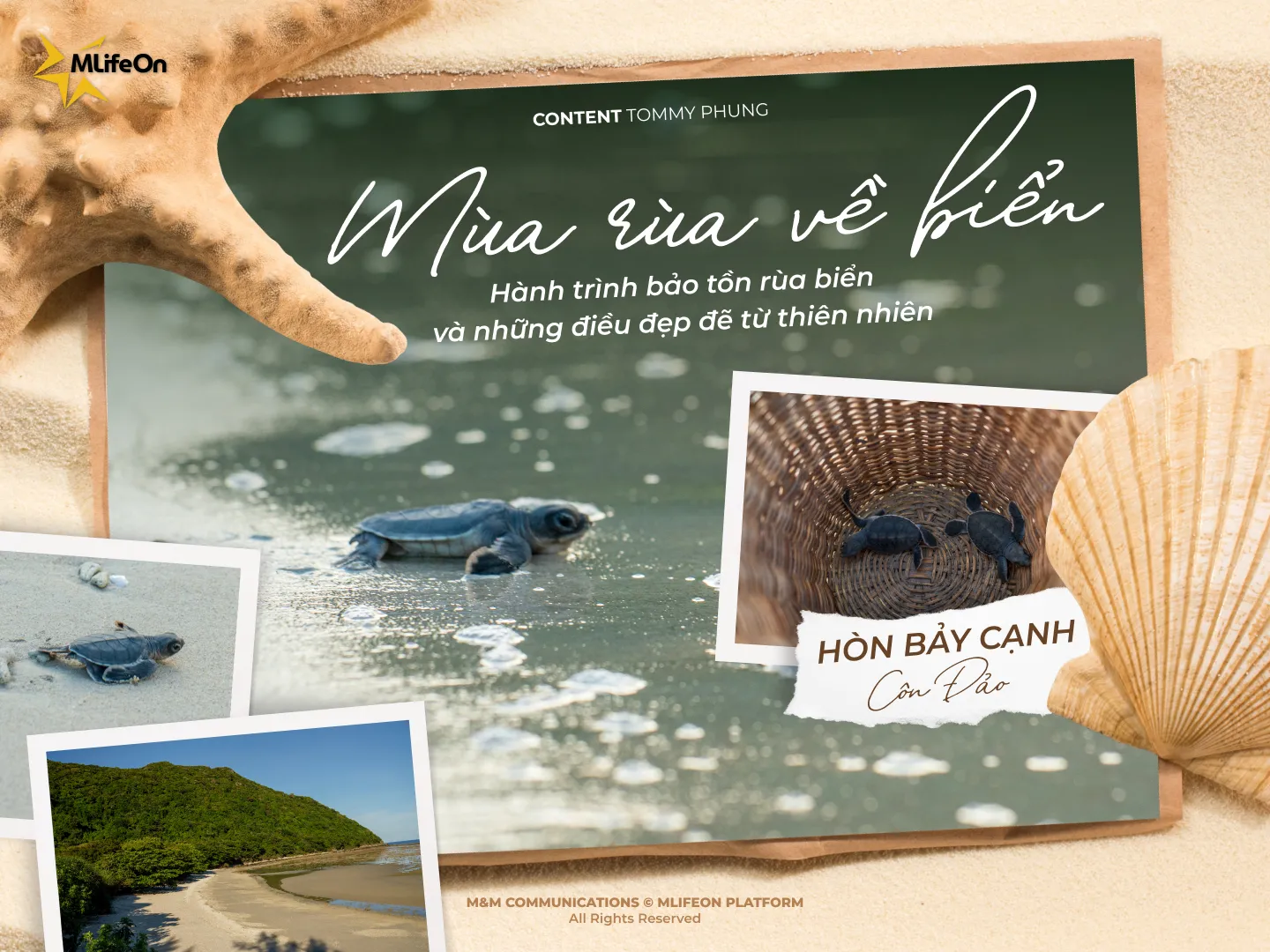
Discover Hon Bay Canh in Con Dao, one of Vietnam’s most important sea turtle nesting sites, and learn about conservation efforts and the IUCN Vietnam Sea Turtle Volunteer Programme.
Some journeys are about more than admiring a beautiful stretch of coastline. They invite us to pause a little longer before a trail left in the sand, a bamboo marker identifying a buried nest, or the sight of a sea turtle hatchling no larger than the palm of a hand finding its own way towards the ocean.
Hon Bay Canh, part of Con Dao National Park, is one such place.
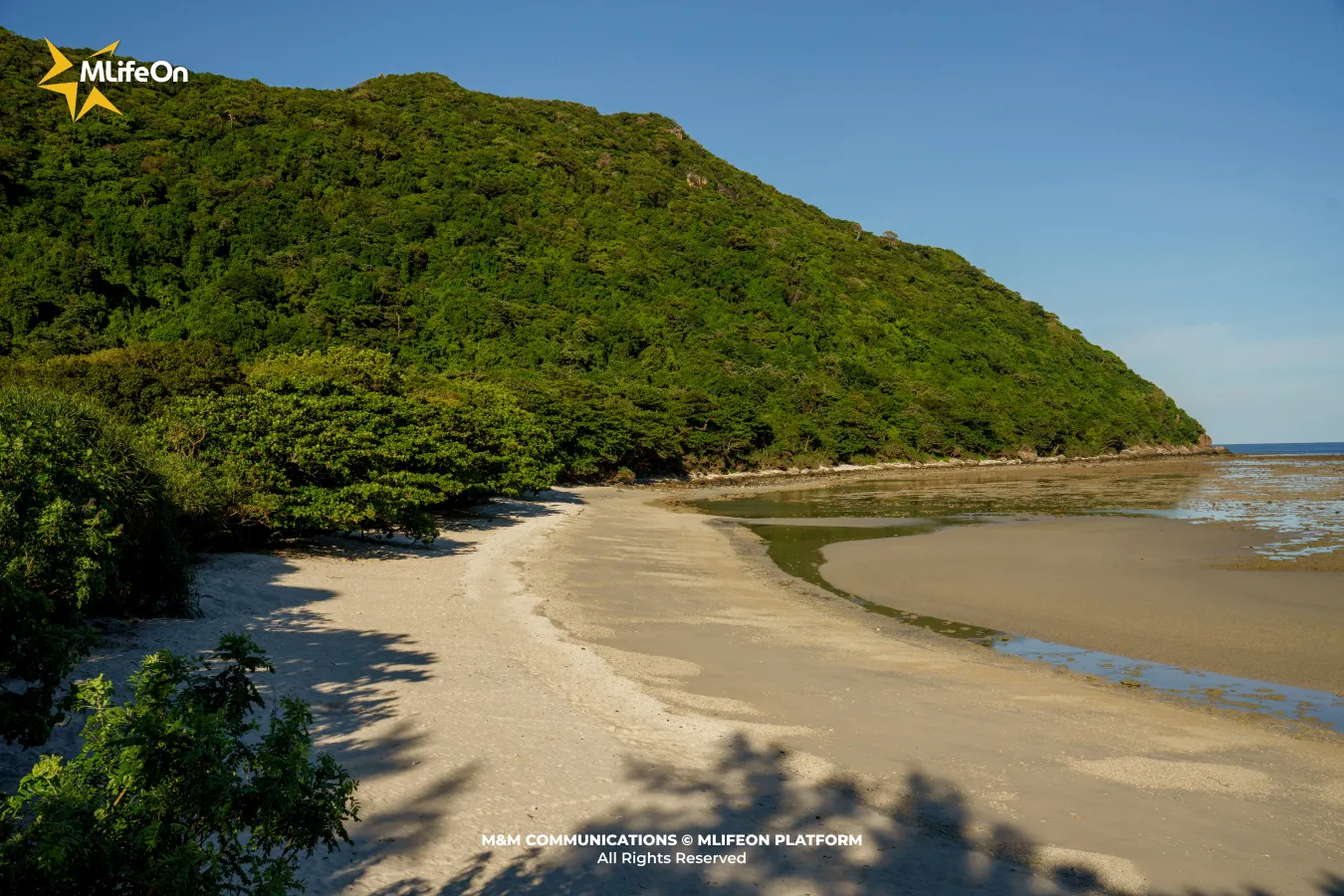
The sandy beach of Hon Bay Canh, where sea turtles begin a new life cycle each season.
Surrounded by dense green forest, clear water and the quiet rhythm of island life, the story of sea turtle conservation here is not told through grand slogans. It is revealed through night patrols, careful footsteps across the beach, closely monitored nests and early mornings when hatchlings are guided back towards the sea under the supervision of forest rangers, conservation officers and volunteers.
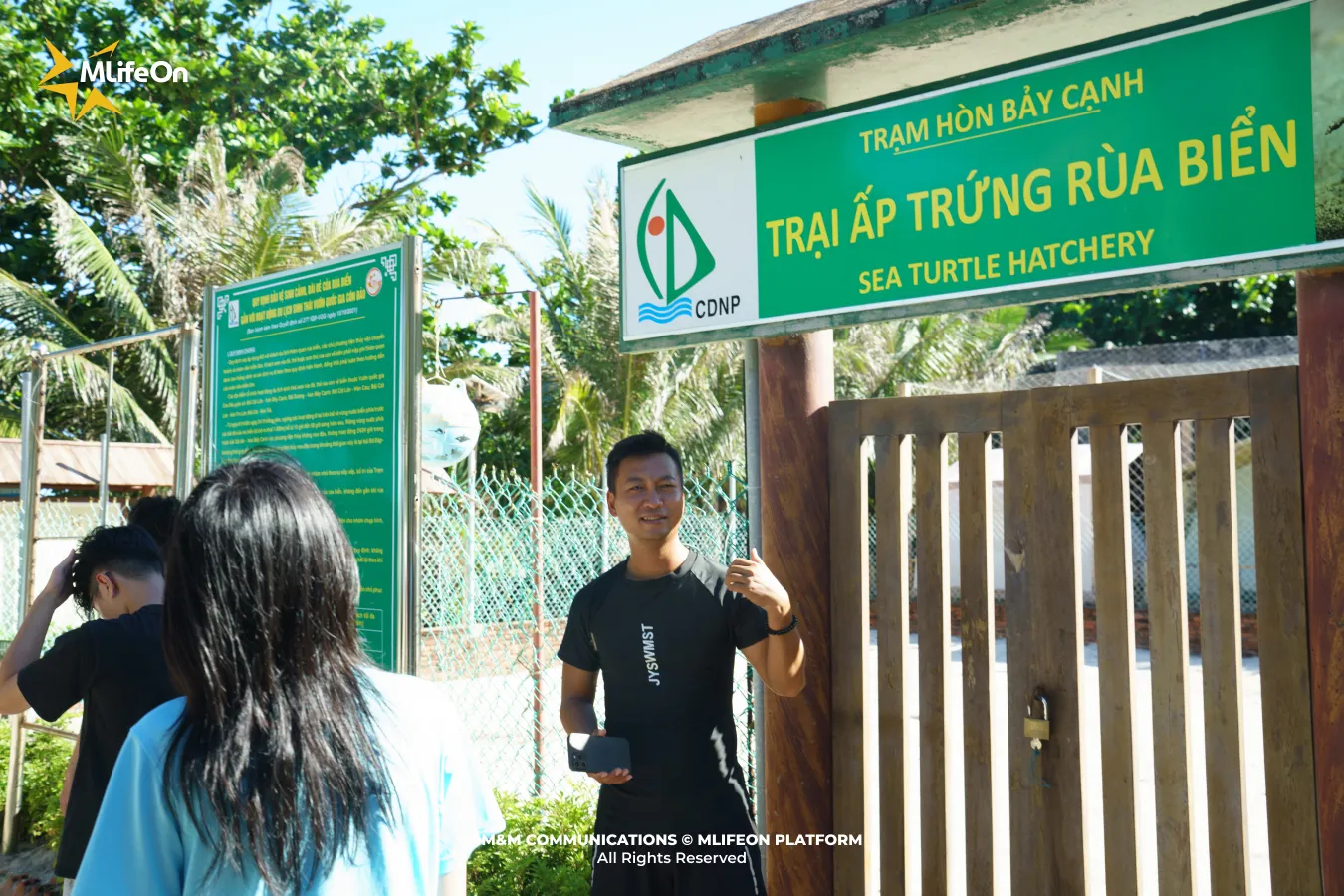
The entrance to the sea turtle hatchery at Hon Bay Canh Station.
Con Dao has long been recognised as one of Vietnam’s most important areas for sea turtle conservation. According to Con Dao National Park, all five sea turtle species recorded in Vietnam have been observed in the archipelago, which is considered an important conservation area not only for the country but also within the wider Southeast Asian and Indian Ocean region.
Read more from Con Dao National Park
Hon Bay Canh: More Than a Beautiful Destination in Con Dao
Con Dao is often associated with history, turquoise waters, primary forests and secluded bays that retain much of their natural beauty. Yet arriving on Hon Bay Canh reveals another layer of meaning.
Con Dao is not simply a place to pass through. It is also a place where countless forms of life are being protected.
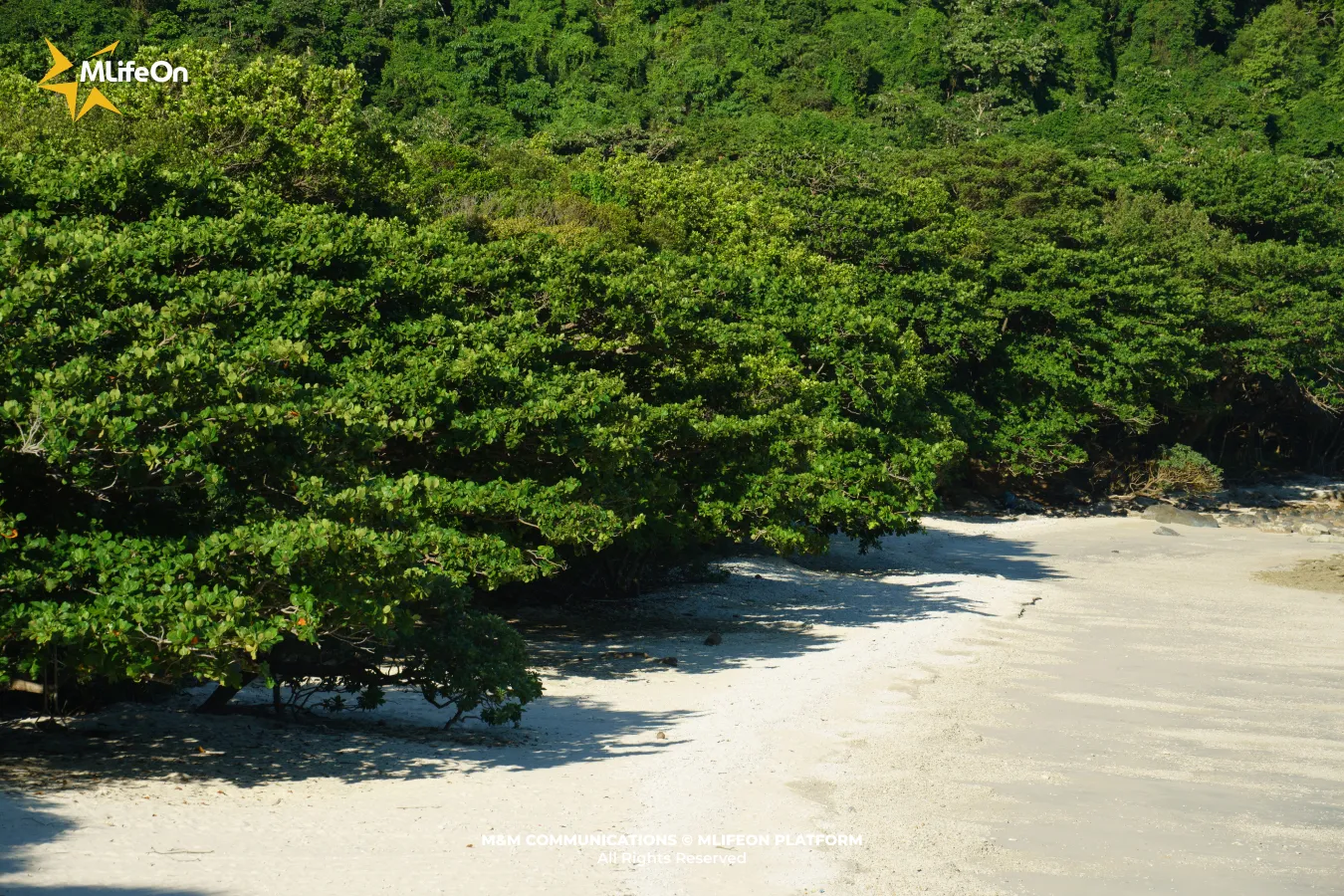
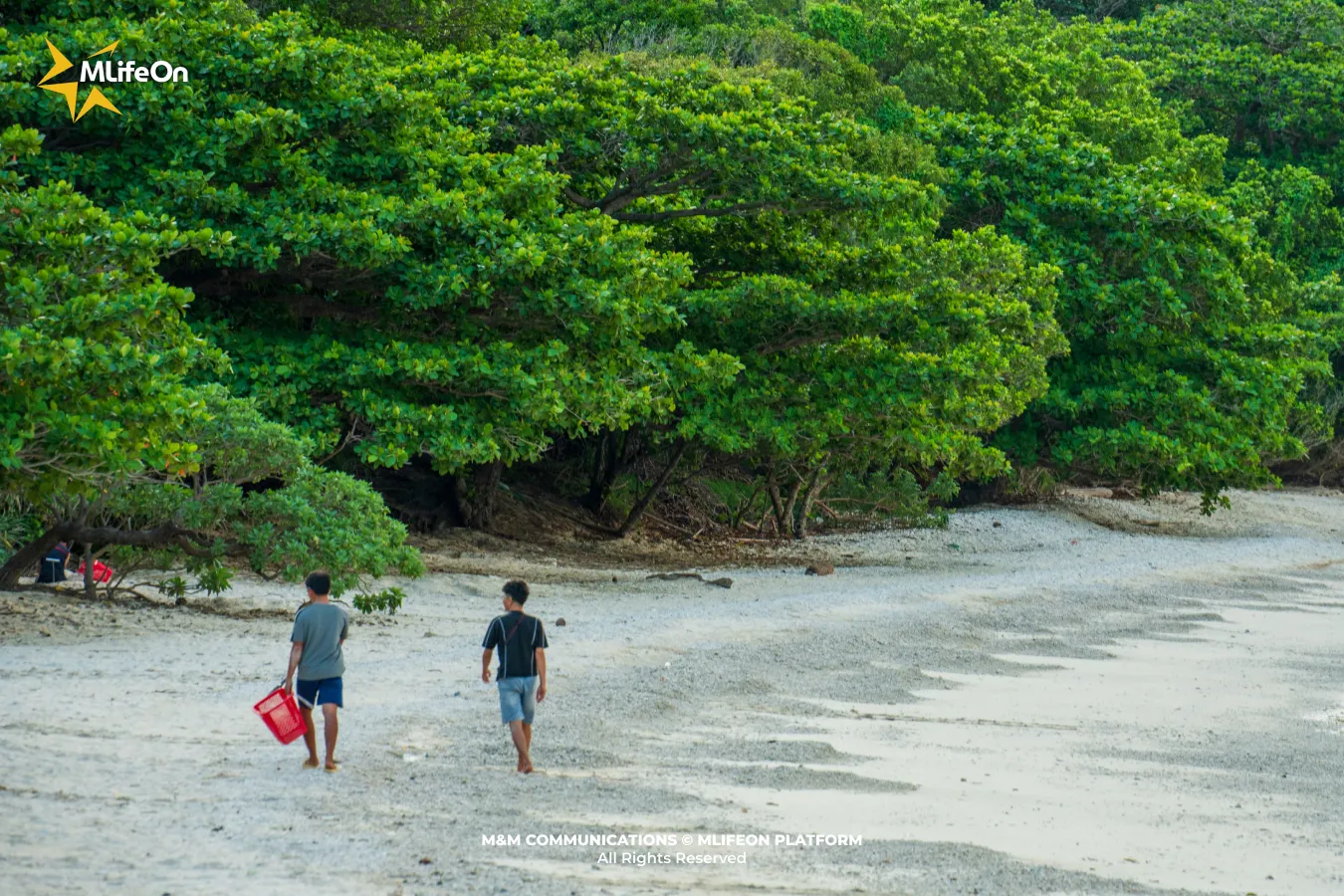
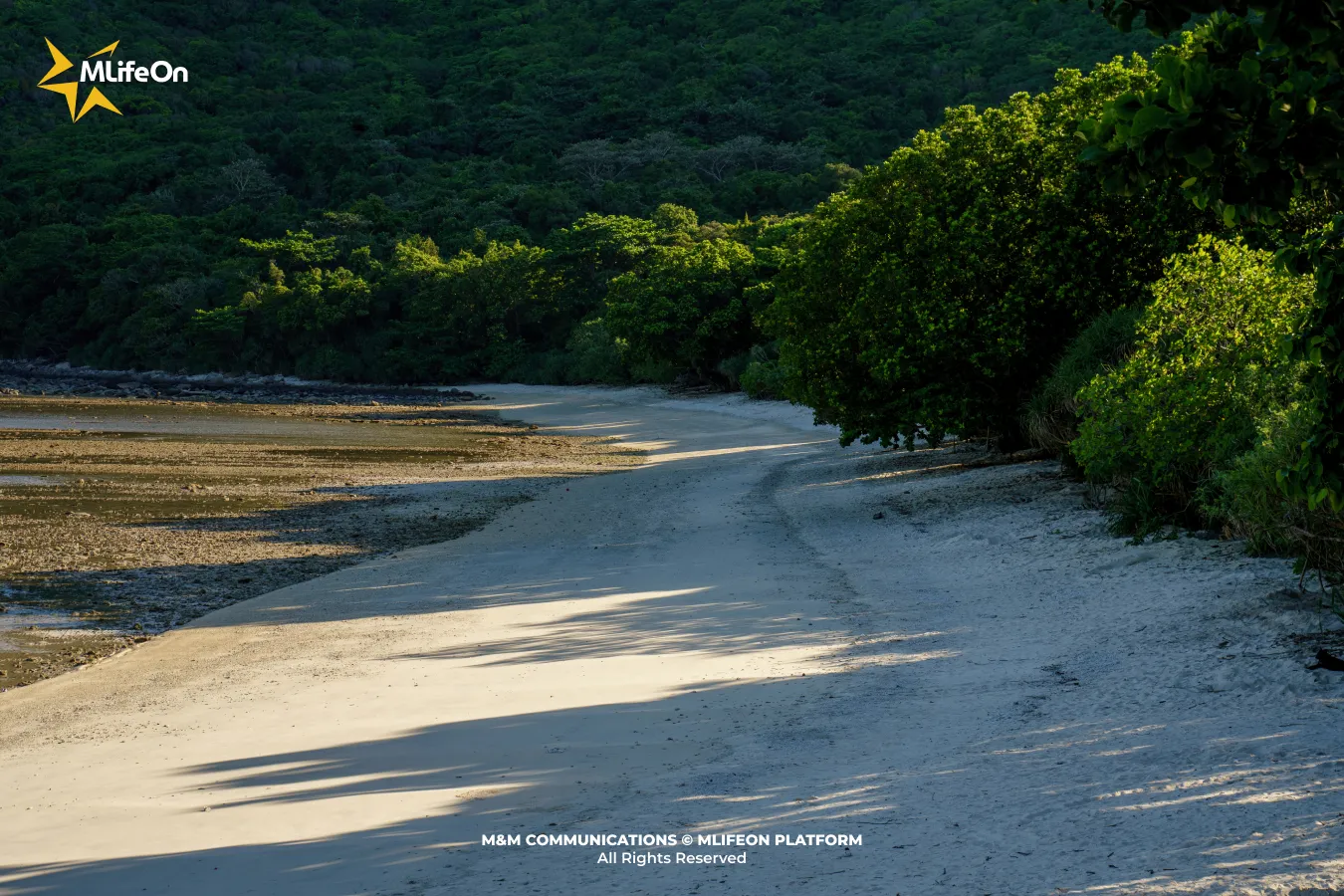
A quiet stretch of sandy beach on Hon Bay Canh.
Hon Bay Canh is one of the key sites in Con Dao National Park’s sea turtle conservation network. During the day, it appears to be a peaceful beach lined with coastal trees and clear, shallow water. After nightfall, however, the beach becomes a space that must remain as quiet and undisturbed as possible.
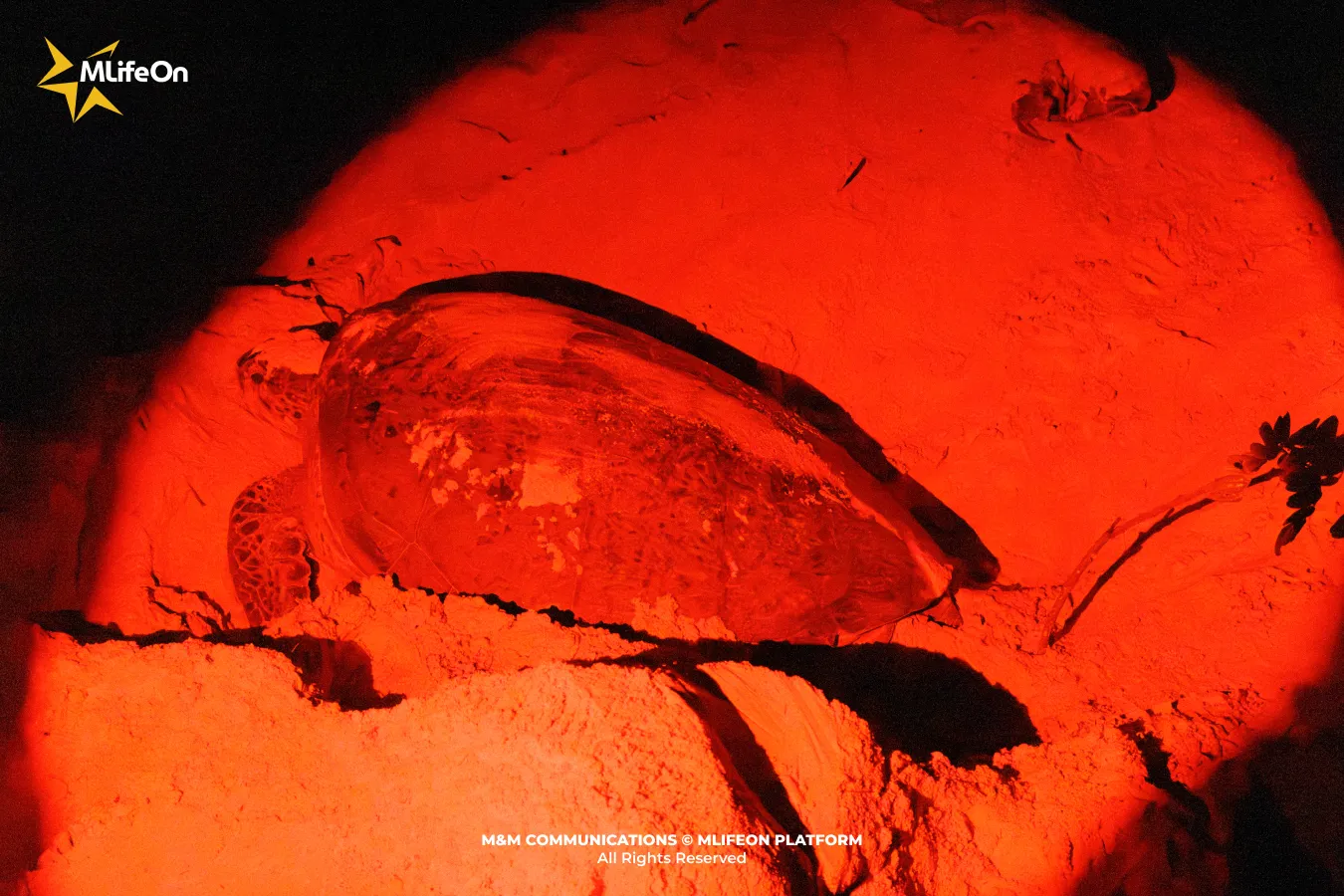
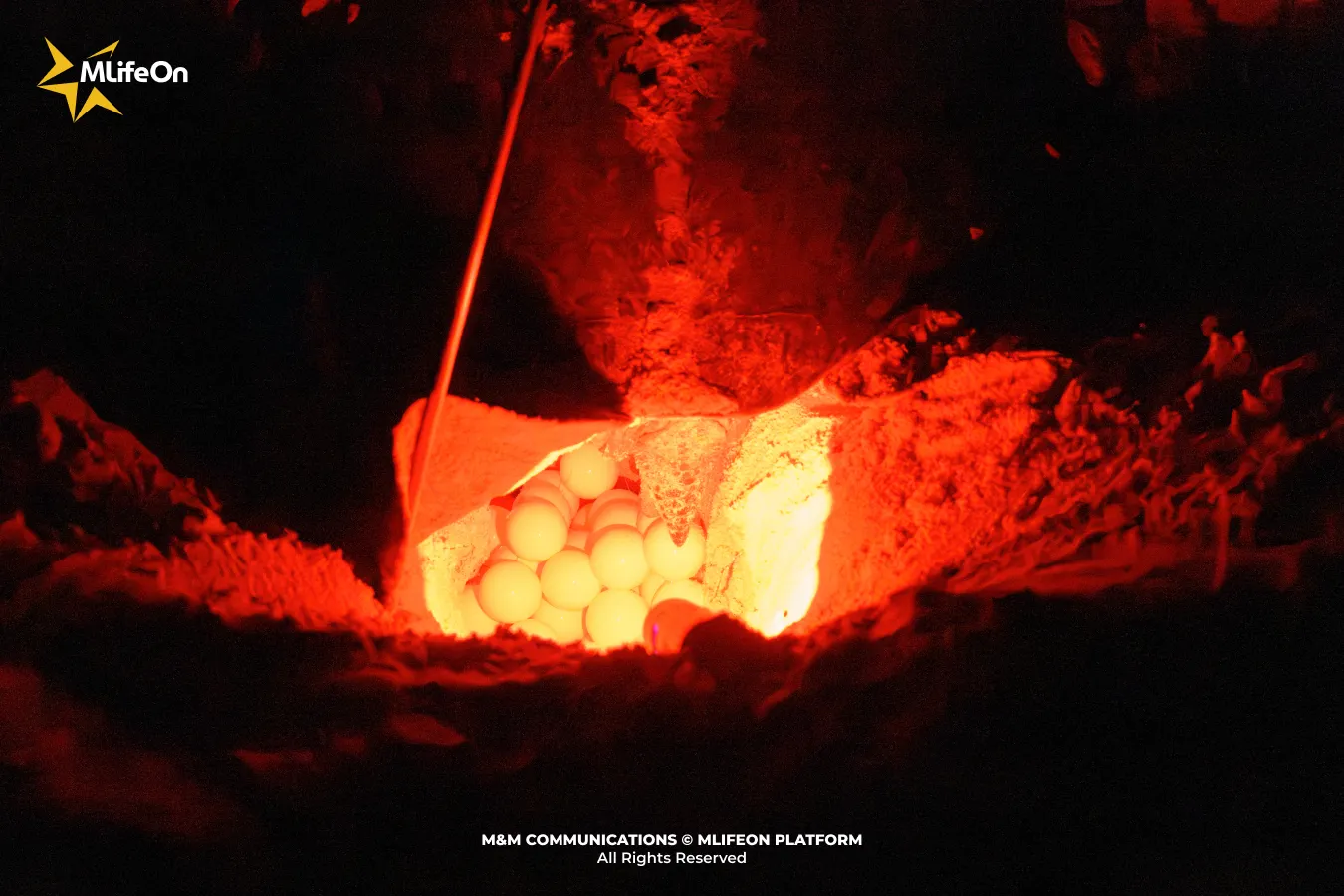
This is when female sea turtles may emerge from the ocean, crawl across the sand and search for a suitable place to dig their nests and lay their eggs.
For visitors, witnessing a sea turtle come ashore to nest is an extraordinary and uncommon experience. For conservation workers, it is part of a demanding responsibility that requires patience, discipline and complete respect for the natural environment.
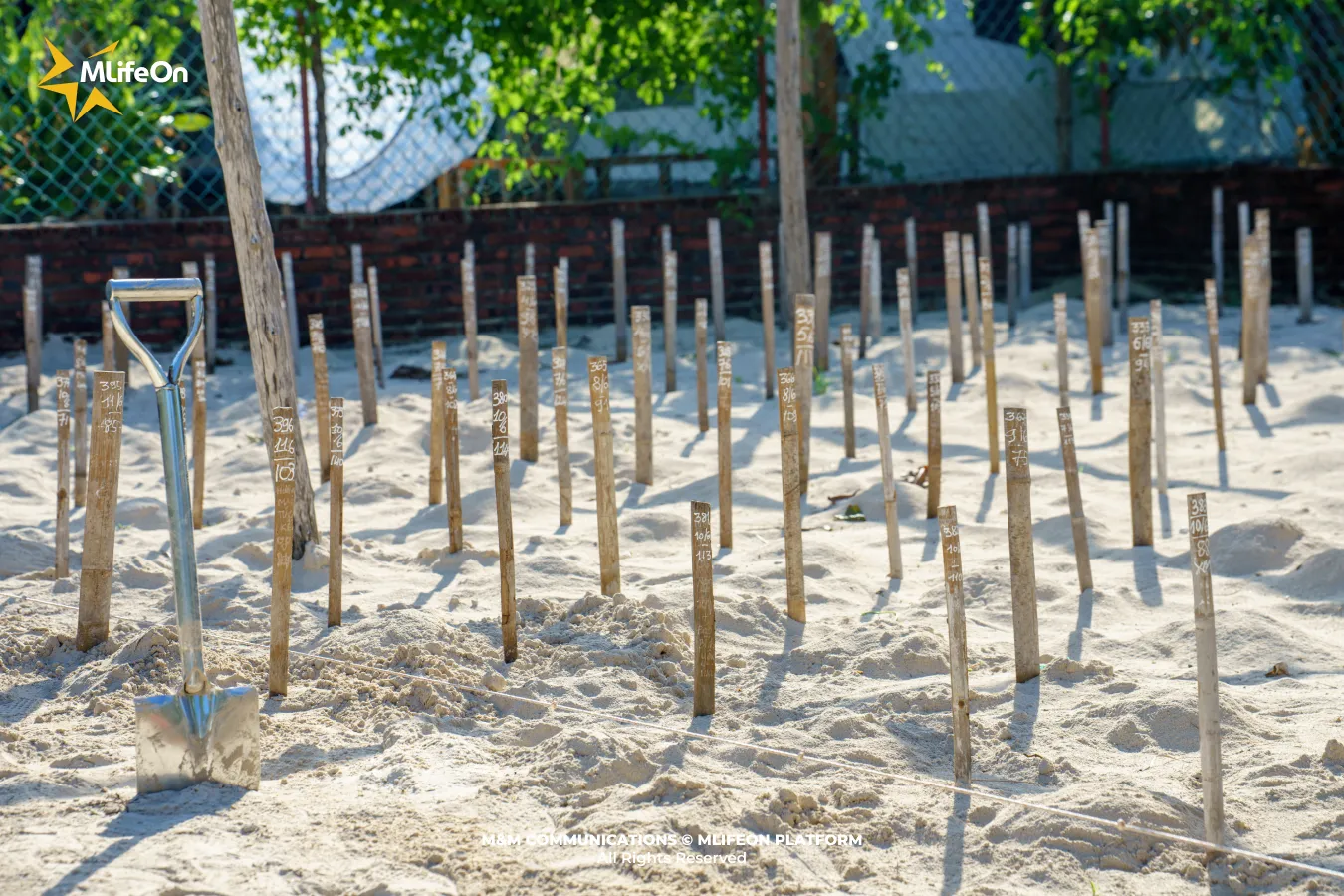
Egg-laying areas are carefully marked and monitored within the hatchery.
A bright light, a sudden noise or a careless movement can disturb a nesting turtle and interfere with the reproductive process.
Hon Bay Canh, therefore, should not be treated merely as another place to check in or take photographs. It is a living habitat, a nesting ground and an open-air classroom where people can learn how to observe nature without interrupting it.
Nesting Season: When the Beach Becomes the Beginning of a New Life
Sea turtle nesting season in Con Dao generally coincides with the calmer months at sea, when conservation activities enter their busiest period.
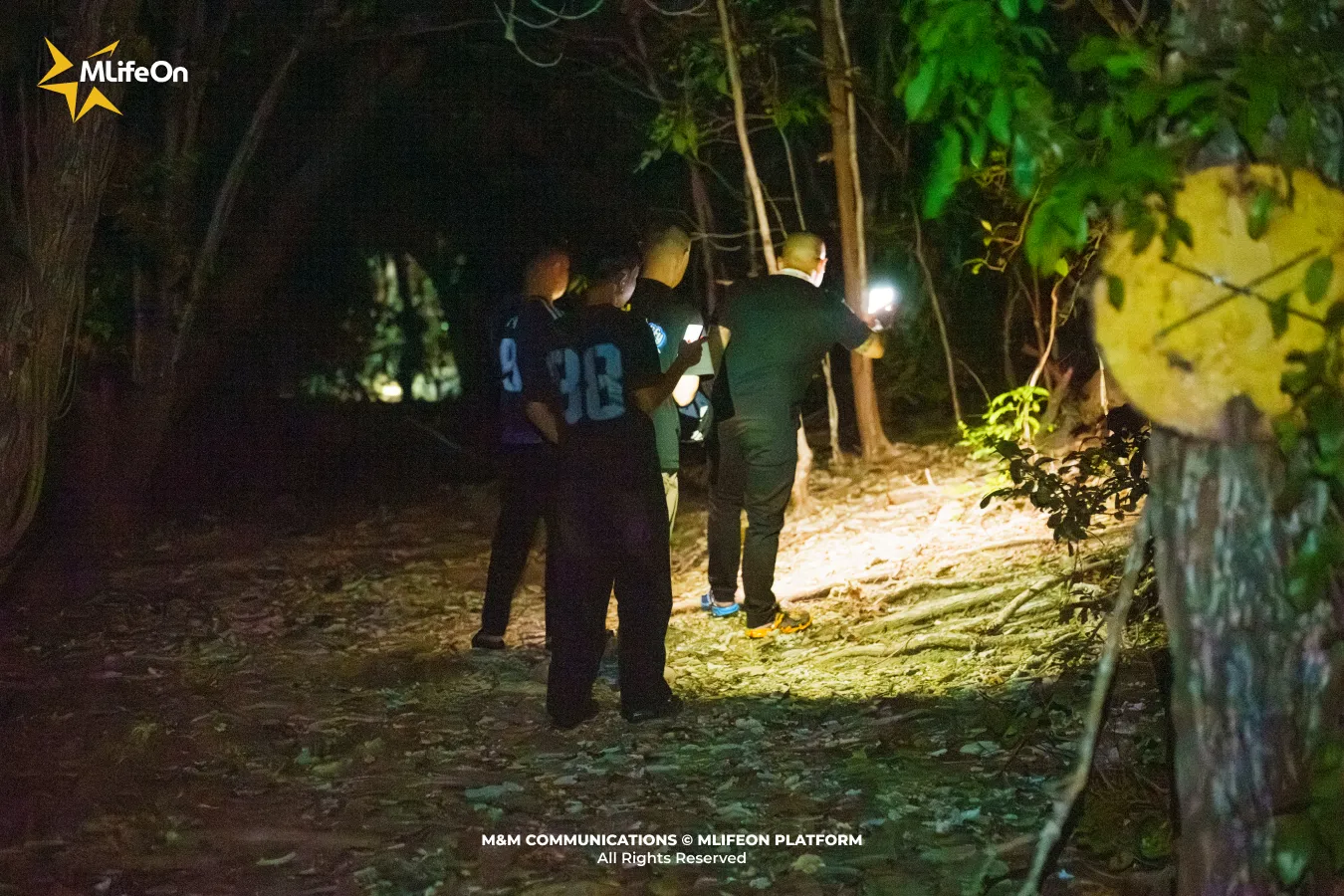
Night shifts are a crucial part of sea turtle conservation work.
During this remarkable journey, female turtles travel great distances before reaching a suitable beach. They crawl ashore, dig their nests, lay their eggs, cover them carefully with sand and eventually return to the ocean.
The cycle may sound straightforward, but it is extraordinarily fragile.
After hatching, young turtles must cross the beach on their own. Along the way, they face artificial lighting, birds, crabs, predatory fish, plastic waste and many other dangers. Only a very small proportion will survive long enough to reach adulthood.
This is why sea turtle conservation in Con Dao involves far more than simply watching turtles.
Nests must be monitored and, where necessary, carefully relocated. Eggs are protected and incubated under suitable conditions, while hatchlings are released according to established conservation procedures.
According to Con Dao National Park, sea turtle conservation activities have been carried out in the area since 1993. Between 1993 and 2025, nearly 44,000 nests containing more than 3.8 million eggs were rescued and incubated, resulting in almost 2.9 million hatchlings being released into the sea.
Sea turtle conservation information from Con Dao National Park
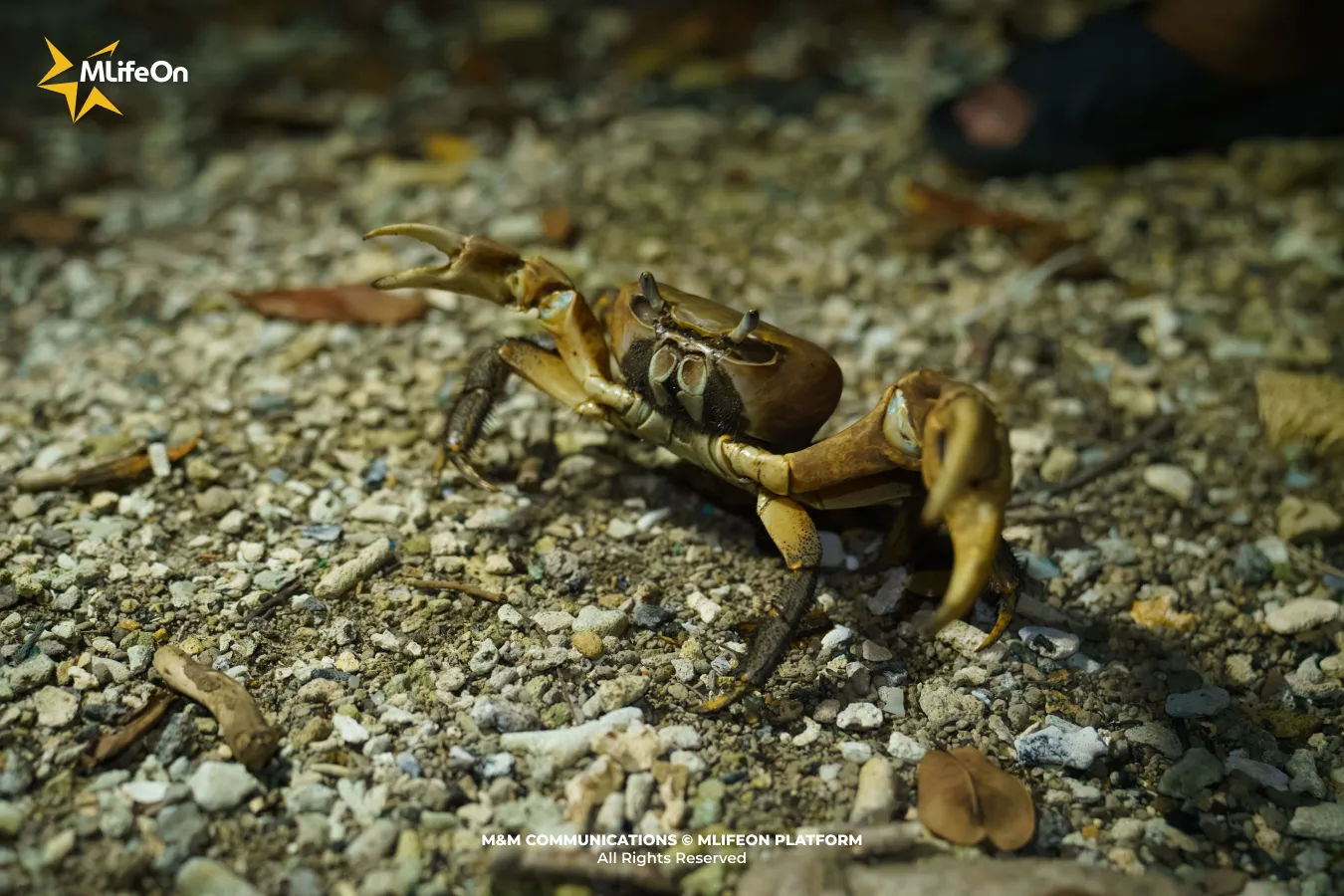
The beach is a place where many species of organisms share the same living space.
These figures are immense. Yet when standing before a single hatchling slowly making its way towards the waves, conservation suddenly appears to begin with much smaller actions: keeping the beach clean, maintaining a respectful distance, switching off unnecessary lights and allowing nature to move according to its own rhythm.
Behind a Sea Turtle Hatchling Release
In many travel experiences, the most memorable moment is often when people feel they have actively done something.
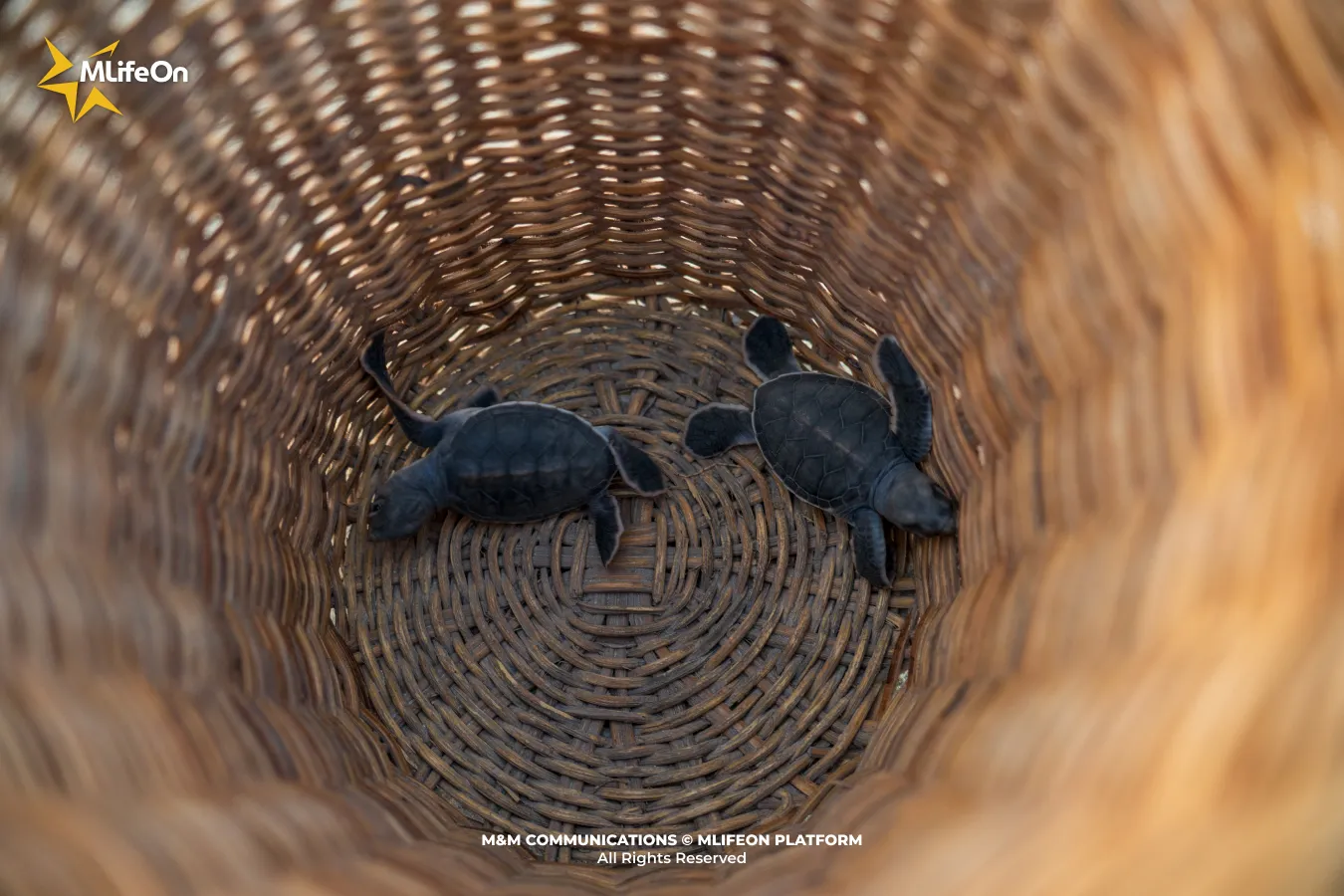
Baby sea turtles before beginning their journey to the ocean.
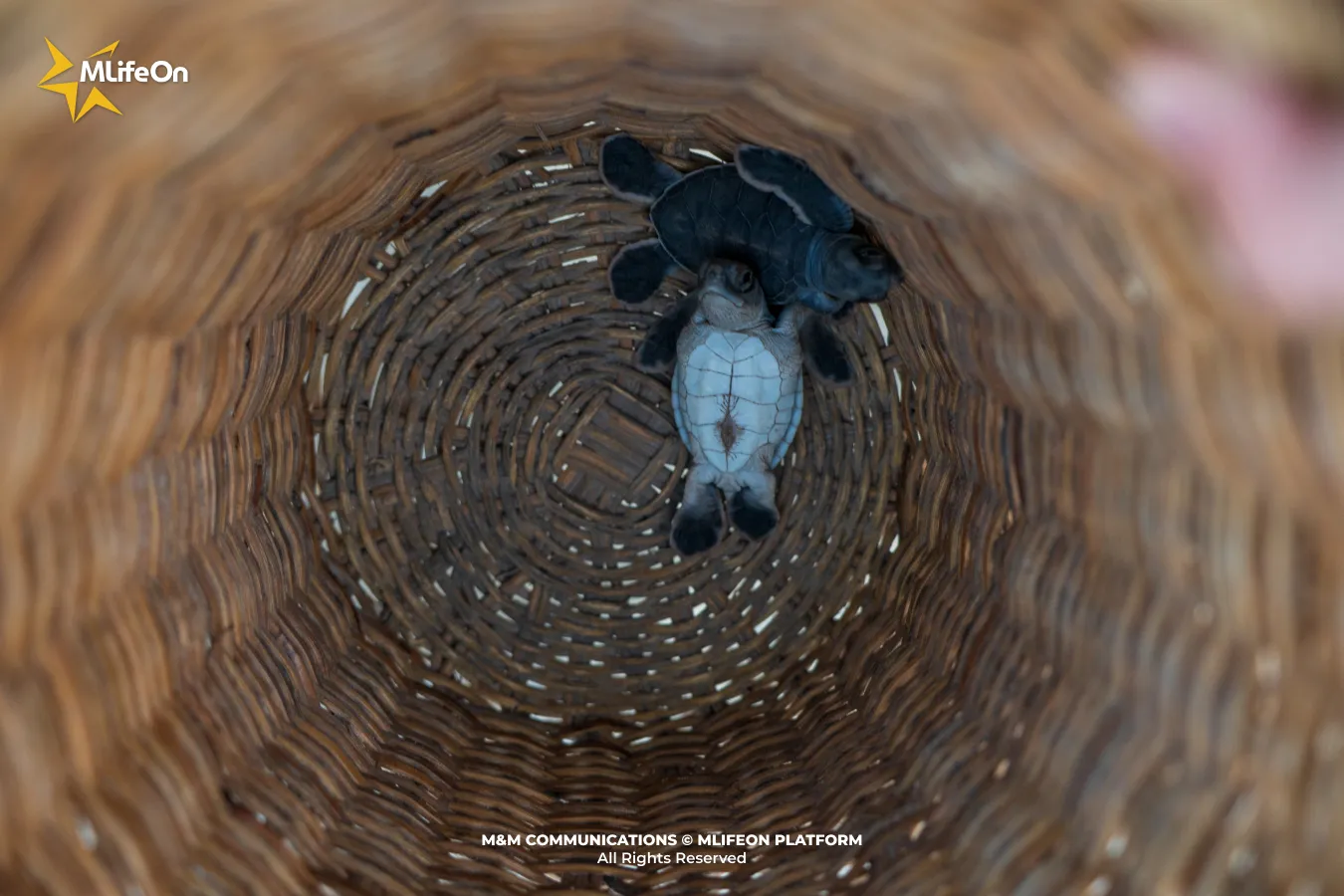
With sea turtles, however, the most meaningful action is often knowing when to step back.
When hatchlings are brought onto the beach, they should not be placed directly at the water’s edge. Allowing them to crawl across the sand is an important part of their first journey. The process is believed to support their natural orientation and connection with the surrounding environment.
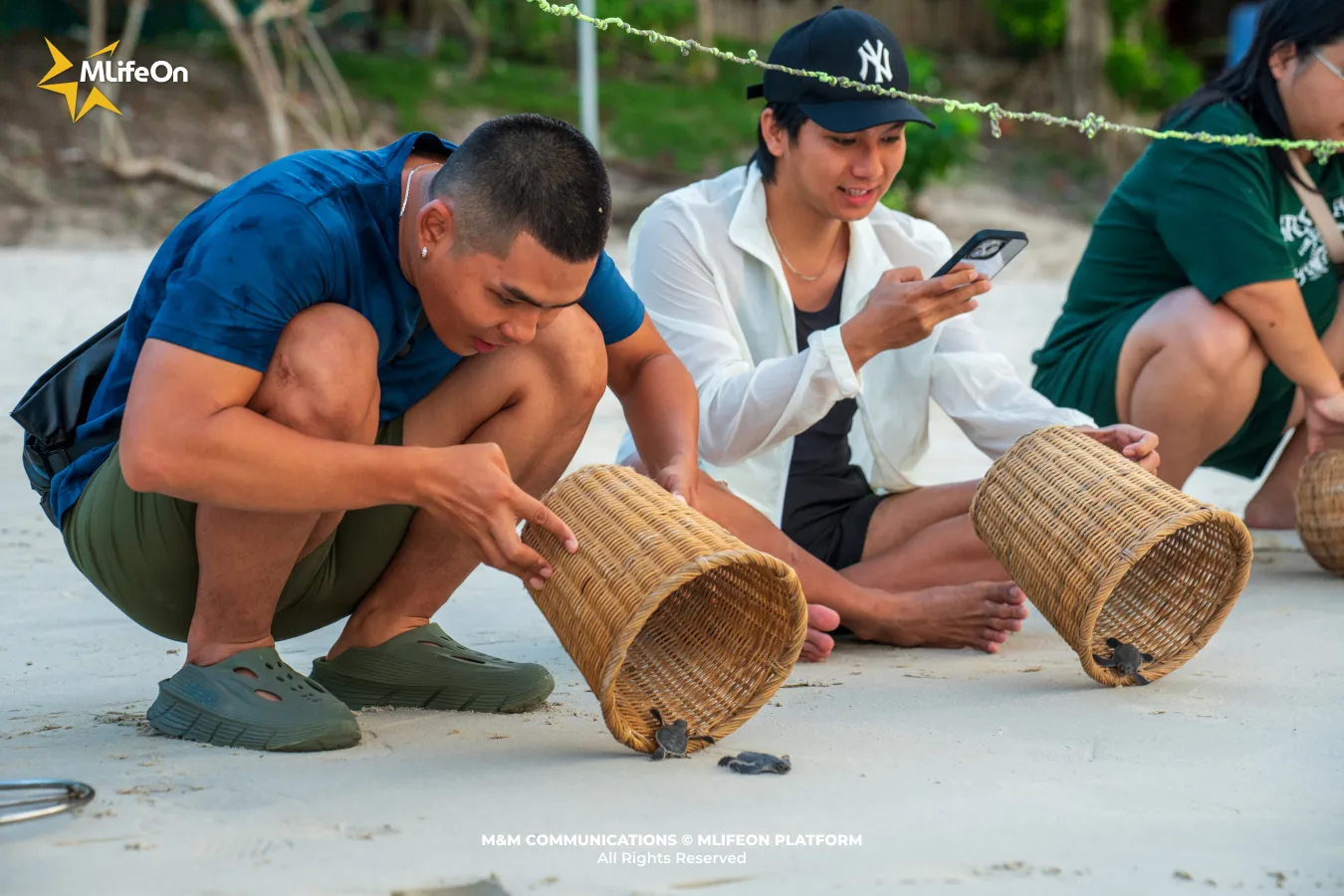
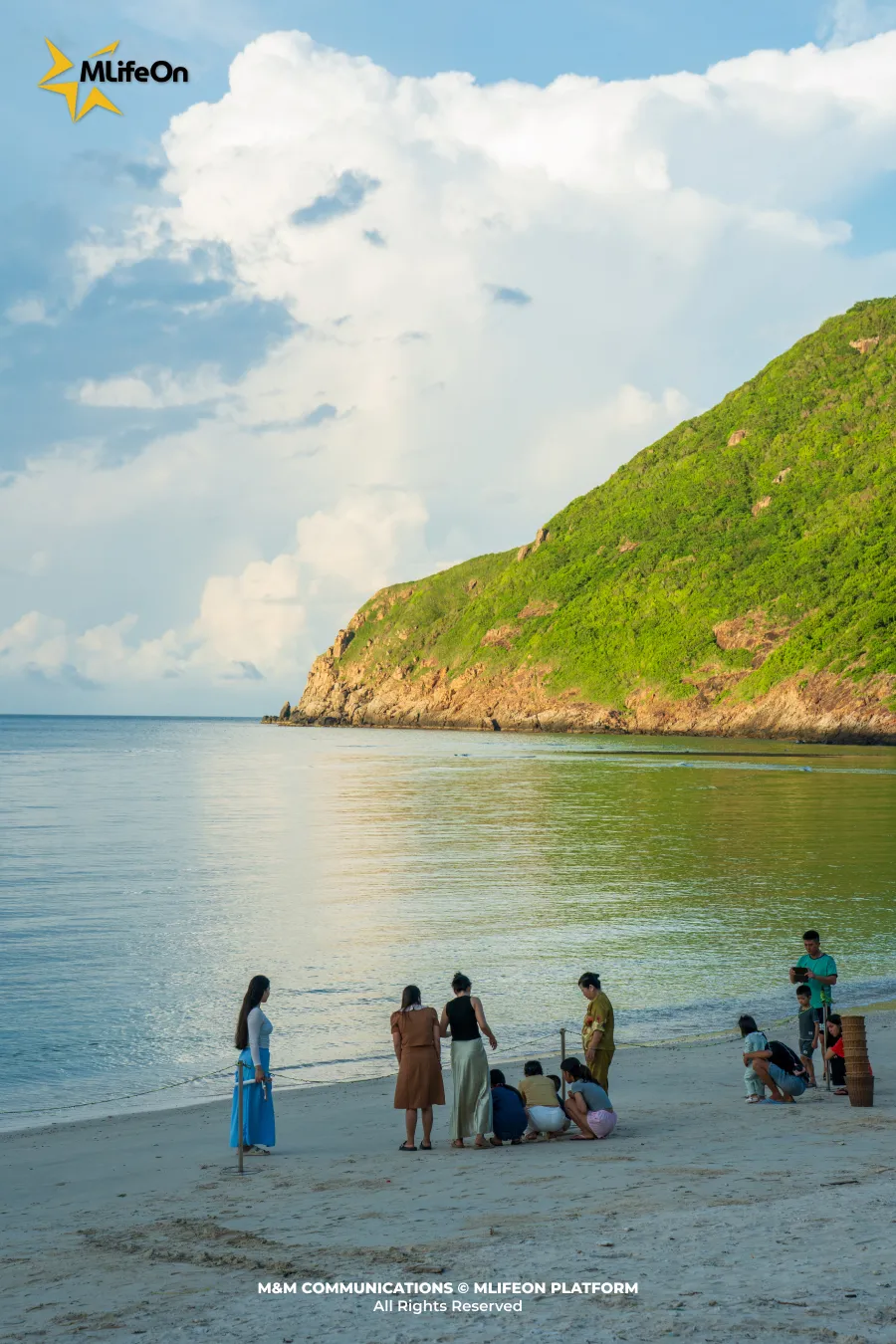
Tourists and guides participate in releasing baby turtles following conservation protocols.
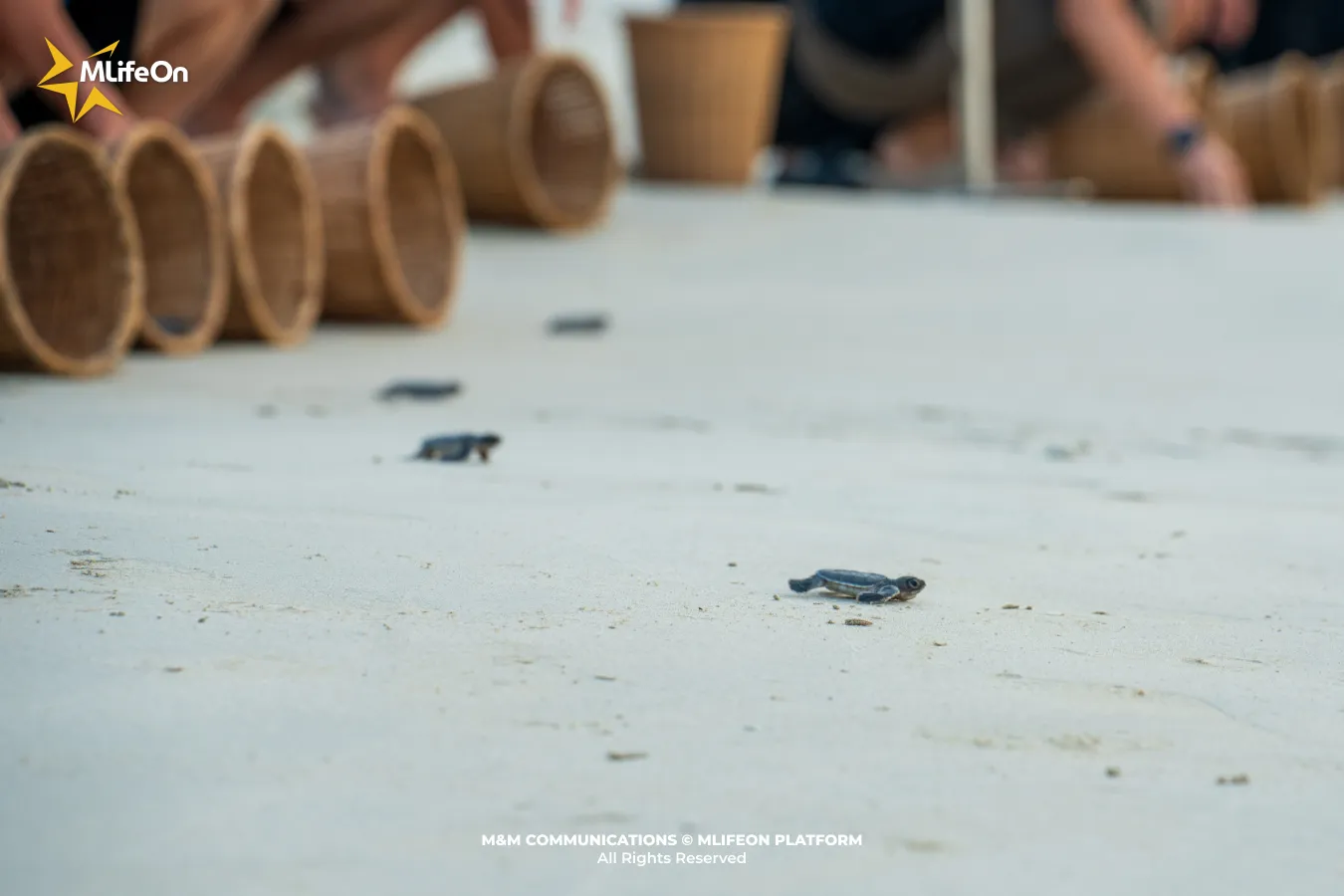
Visitors may observe and take photographs within permitted areas, but they must always follow instructions from forest rangers and conservation staff.
On Hon Bay Canh, the moment the woven baskets are opened and the first hatchlings begin moving towards the ocean creates an unusual mixture of emotions: joy, anticipation and a quiet awareness of how small we are beside the natural world.
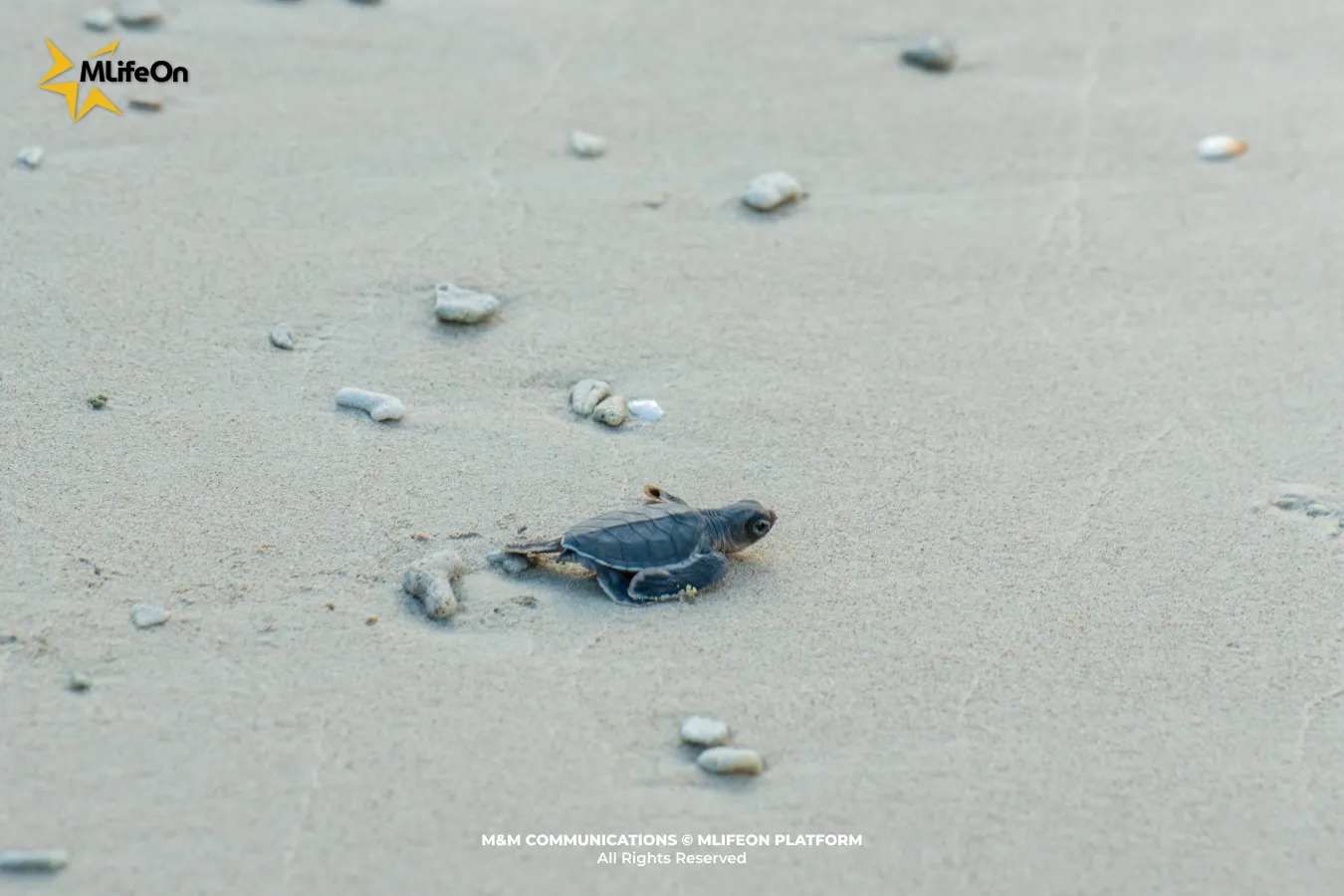
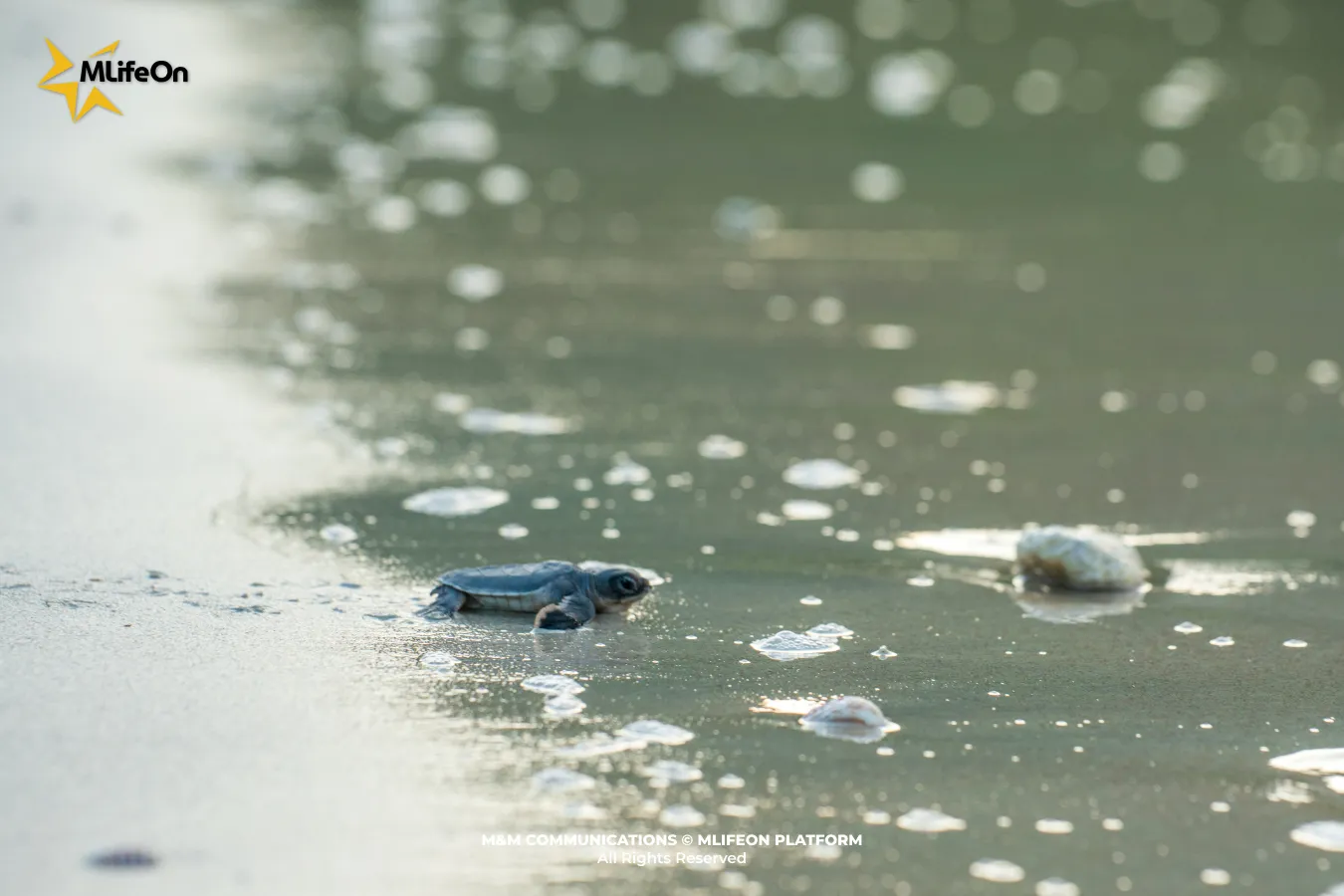
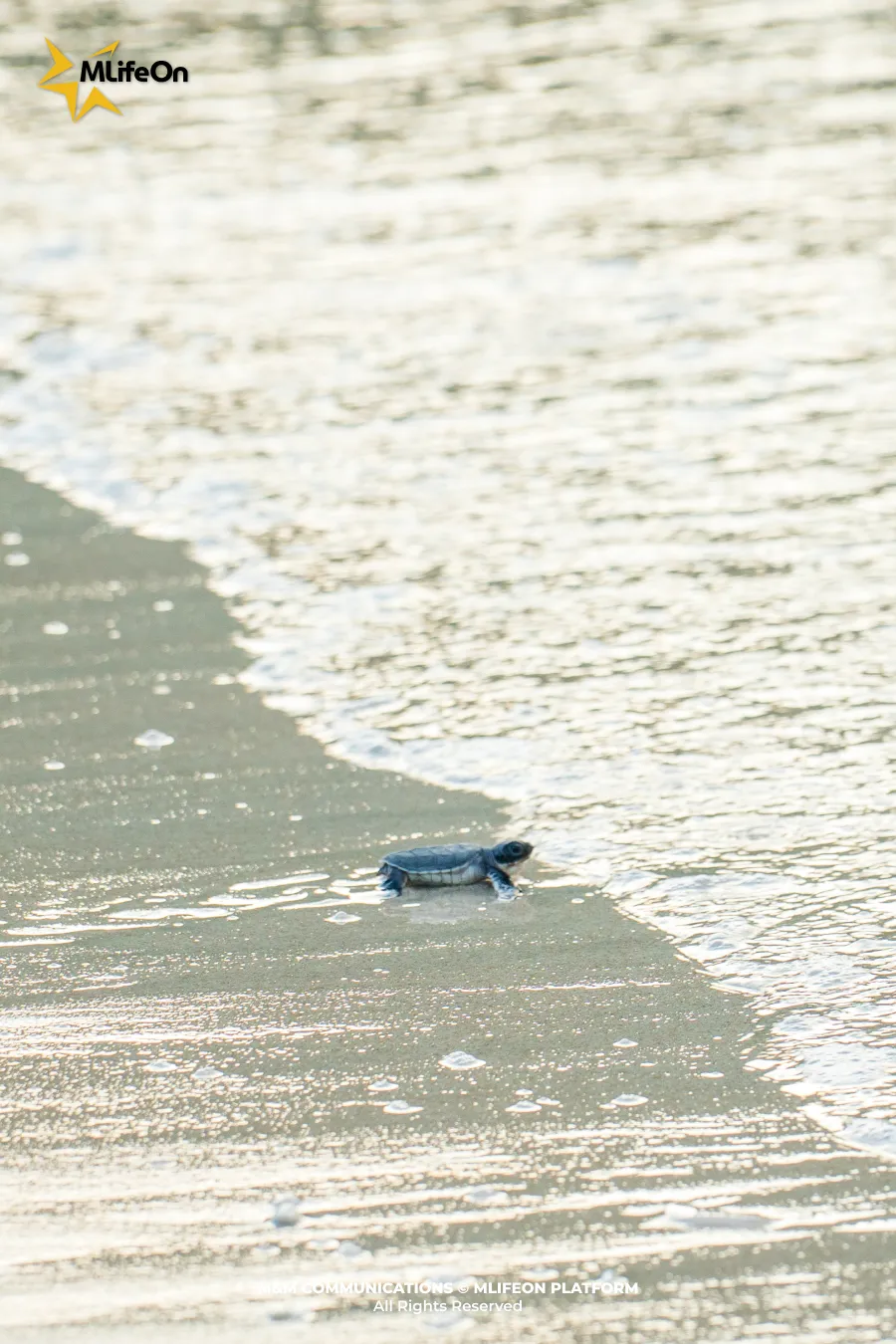
A baby turtle finds its own way toward the ocean.
Across the bright sand, their tiny tracks become signs of new life.
Con Dao National Park currently offers managed sea turtle ecotourism activities, including hatchling releases, nighttime observation of nesting turtles and opportunities to learn about conservation work in the archipelago.
Learn more about sea turtle experiences in Con Dao
These experiences, however, should be understood as forms of environmental education rather than performances staged by nature for human entertainment.
The IUCN Vietnam Sea Turtle Conservation Volunteer Programme
Community participation has become an important part of Vietnam’s sea turtle conservation story.
The IUCN Vietnam Sea Turtle Conservation Programme is presented as an initiative developed in cooperation with national parks, marine protected areas, fishing communities and volunteers. Its work focuses on protecting nesting beaches, supporting sea turtle conservation and maintaining healthy marine habitats across protected areas.
Visit the IUCN Vietnam Sea Turtle Programme
Since 2014, the programme has recorded the successful release of more than 120,000 hatchlings at major nesting sites.
Its activities have taken place at Con Dao National Park, Núi Chúa National Park, Hòn Cau Marine Protected Area, Cù Lao Chàm, Lý Sơn, Bái Tử Long and several other partner national parks and marine protected areas.
The significance of the programme lies not only in its conservation results but also in the way it creates opportunities for the wider community to become involved.
According to IUCN, the programme has attracted more than 12,000 applications from across Vietnam, with approximately 10 per cent of applicants selected to participate.
This interest demonstrates that nature conservation is no longer viewed solely as the responsibility of scientists, forest rangers or environmental organisations. It has become a shared space in which young people, creatives, ocean lovers and members of the public can learn how to contribute.
At Con Dao, Con Dao National Park reported that more than 140 volunteers participated in its 2024 programme across seven separate groups.
Together, they helped monitor and safely relocate 424 nests containing 44,006 eggs, successfully released 12,238 hatchlings into the sea and took part in beach clean-ups and environmental education activities.
Read the Con Dao National Park 2024 volunteer programme summary
These numbers reveal an essential truth: conservation is long-term work.
It does not take place only in the moment when a hatchling reaches the waves. It begins much earlier, through countless quiet and often unseen tasks.
Conservation Is Not About Standing Apart from Nature, but Learning to Live Alongside It
A journey to Hon Bay Canh can change the way we think about travel.
Instead of asking, “What is there to see here?”, we may begin asking, “What can we do to ensure this place remains beautiful after we leave?”
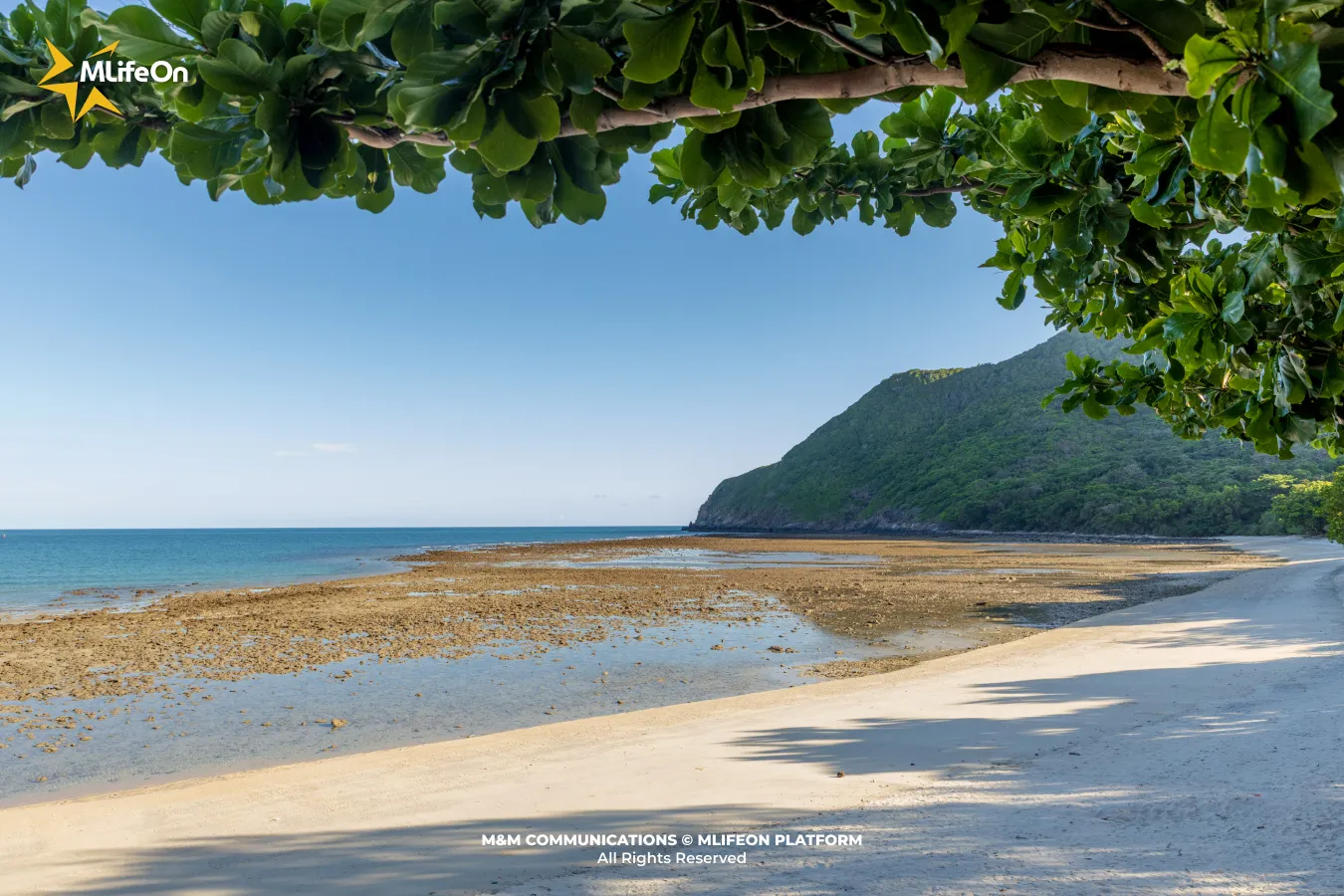
Sea turtles continue to face numerous threats.
Climate change is altering sand temperatures and potentially affecting the sex ratio of hatchlings. Rising sea levels and coastal erosion are reducing available nesting areas. Plastic pollution, discarded fishing equipment and increasing tourism pressure remain persistent dangers.
These challenges are not distant from everyday life.
A plastic bag left behind, an intense light directed towards the sea or an attempt to touch a hatchling out of curiosity can all create consequences.
Conservation therefore begins with small choices: joining properly managed tours, following the guidance of forest rangers, avoiding flash photography, keeping noise to a minimum, never touching the turtles, taking nothing away from the beach and leaving no waste behind.
These actions may seem simple.
But in conservation, simple actions repeated consistently can create meaningful change.
Hon Bay Canh and the Meaning of Returning
Sea turtles possess an extraordinary natural instinct. After spending many years in the open ocean, they can navigate back towards suitable coastal waters and nesting beaches to reproduce.
Their return invites us to reflect on nature’s memory and on the connection between a living creature and the place where its life first began.
On Hon Bay Canh, each nesting season is more than a period of reproduction. It is a reminder that nature continues to move according to ancient rhythms-resilient, delicate and far older than our own.
Hon Bay Canh reminds seafarers to observe nature with respect.
People may come close to those rhythms, but only when they do so with humility.
For MLifeOn, the story of Hon Bay Canh is not simply a story about a destination. It offers a glimpse into how travel, community and conservation can meet.
When a young person joins a volunteer programme, when a visitor learns how to observe sea turtles responsibly, or when a nesting beach is kept clean enough for a female turtle to return, a destination is no longer merely being experienced or promoted. It is being protected.
Perhaps the greatest beauty of Hon Bay Canh does not lie in the rare opportunity to see a sea turtle.
It lies in the belief that when people know when to step back, nature is given the space to continue telling its own story.
And on another morning, somewhere along the beaches of Con Dao, a new generation of sea turtle hatchlings will begin their first journey towards the ocean.
—------
CREDIT:
- Photography: Kien Trang
- Content: Tommy Phung
- Design: Phuong Nguyen