LAI THIEU POTTERY VILLAGE: THE BREATH OF CLAY THROUGH TIME
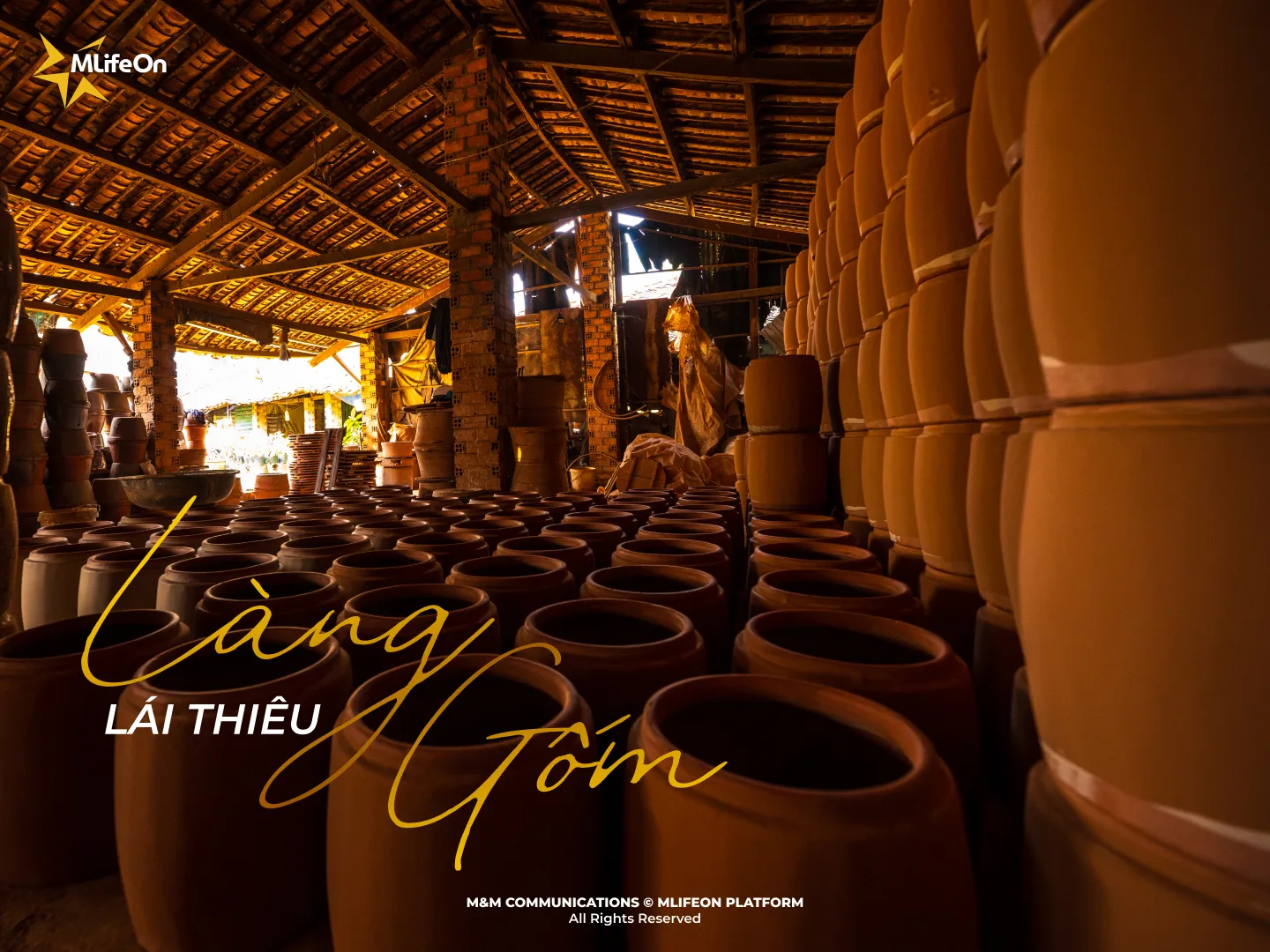
Discover Lái Thiêu Pottery Village, home to the rich heritage of Southern Vietnamese ceramics and distinctive hand-painted craftsmanship. Nestled along the Saigon River, this traditional craft village preserves the enduring spirit of clay and fire, where centuries-old artistry continues to thrive amid modern life.
When the Kilns Glowed Along the Old Riverside
Lái Thiêu Pottery Village was established in the late 19th and early 20th centuries, following the arrival of migrants from Fujian and Guangdong who settled in this new land. Taking advantage of the resilient clay deposits along the Saigon River and the dense network of waterways, the first kilns began to glow, marking the birth of the largest ceramic production center in Southern Vietnam at the time. The process of selecting clay, shaping pottery, and firing it in the kilns gradually became the main livelihood of local residents, giving rise to a community of skilled artisans who preserved and developed traditional pottery-making techniques with great pride.
During its golden age from the 1950s to the 1980s, Lái Thiêu pottery traveled along river routes, spreading across the six provinces of the Mekong Delta and the Sài Gòn - Gia Định region. From water jars and pickling containers to everyday bowls and rice dishes, Lái Thiêu ceramics became an indispensable companion in Southern Vietnamese kitchens, deeply woven into the memories of generations of local people. The image of boats laden with pottery arriving at river wharves, accompanied by the lively calls of merchants and traders, created a vibrant scene of commerce, allowing the Lái Thiêu pottery brand to become an integral part of everyday life in communities throughout the region.
The Soul of the Land Captured in Every Rustic Brushstroke
The true value of Lái Thiêu pottery lies in its free-flowing brushstrokes painted on simple, natural glaze surfaces. Unlike the restrained and formal style of imperial ceramics, local artisans infused their creations with the spirit of everyday life through images of proud roosters, golden apricot blossoms welcoming spring, or tranquil scenes of the countryside. Each motif is shaped naturally, without elaborate preliminary sketches, relying instead on the artisans’ delicate perception and skillful hands. This spontaneous “freehand painting” style has become the soul of every bowl and cup, giving Lái Thiêu pottery a warm, familiar beauty that evokes a sense of home and reminds viewers of their own cherished countryside memories.
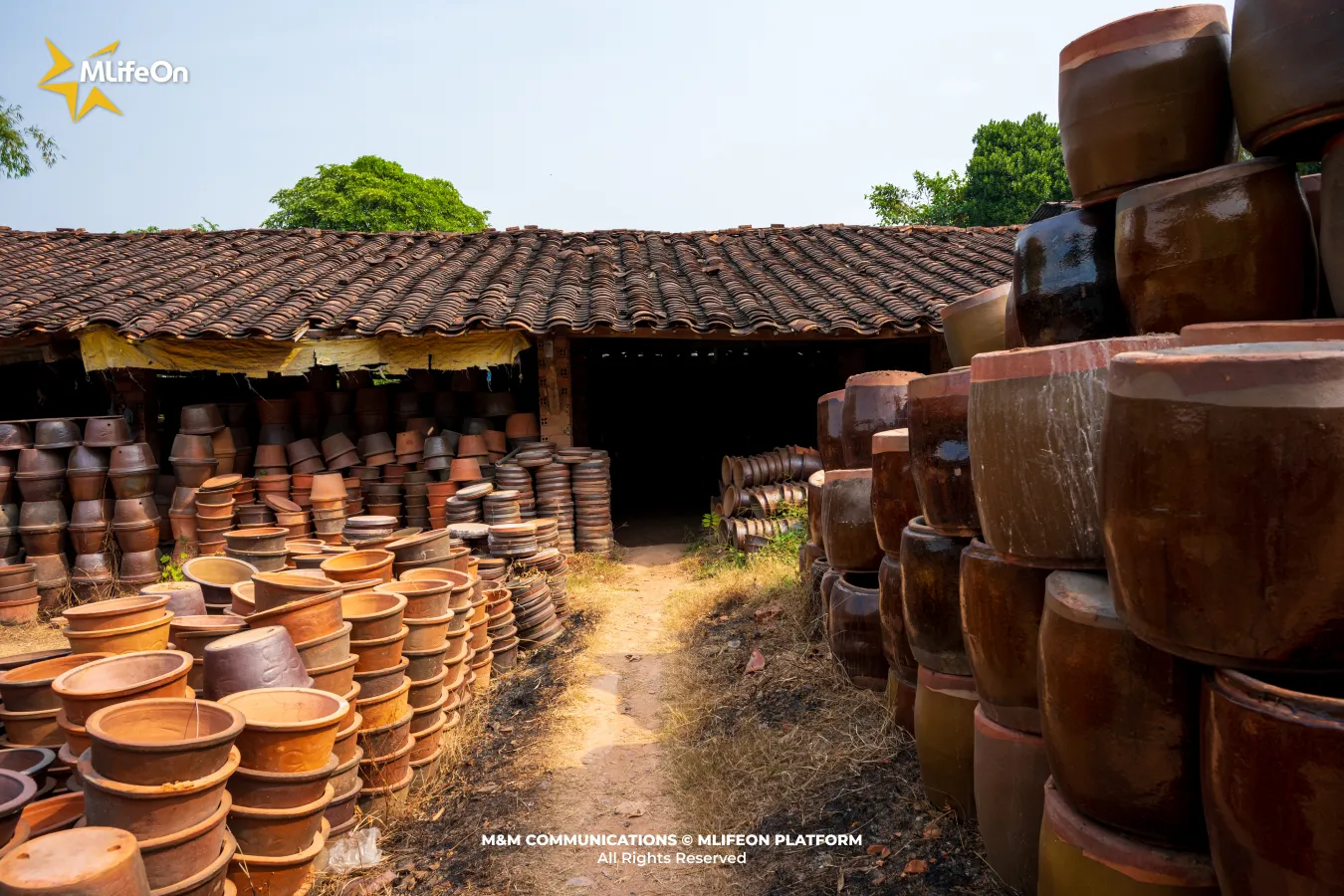
The dominant colors of Lái Thiêu pottery are gentle shades of blue and the rich reddish-brown tones of terracotta. Each piece exists as a unique creation, unlike any other. The natural cracks in the glaze, along with the subtle variations in shade created by the artisan’s hands, form a captivating beauty of imperfection that modern industrial production lines can never replicate.
This imperfection has become a measure of handcrafted value, highlighting the personal imprint of each ceramic maker. Over the passage of time, these distinctive glazes have retained their clarity and charm, enduring the wear of years while preserving the most genuine and original emotions embedded within every piece.
The Elder Artisans Quietly Keeping the Craft Alive Through Times of Change
The rise of industrial household products has transformed the appearance of the traditional pottery village. The kilns no longer release thick clouds of smoke as they once did, yet the flame of craftsmanship continues to burn quietly in the hearts of elderly artisans. They have spent their entire lives devoted to clay and kilns, creating pottery with their own hands and with the wisdom gained through countless historical changes and challenges. They do not make pottery solely as a means of livelihood, but also as a way to repay their gratitude to their ancestors and to the craft that has sustained generations of their families. Their unwavering dedication, despite the rapid shifts of the modern market economy, has turned them into the final “keepers of the flame,” ensuring that this cultural heritage will not fade into oblivion.
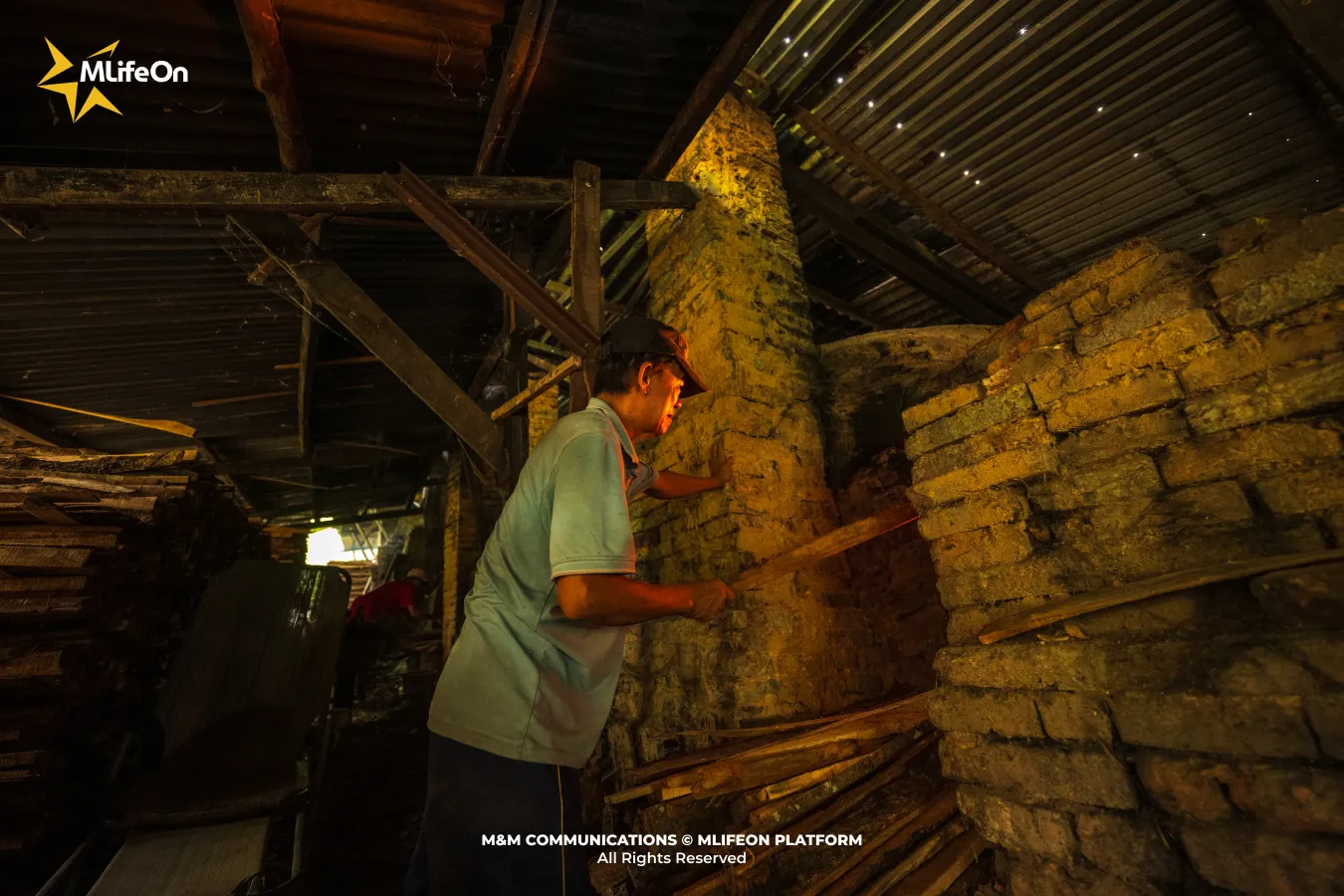
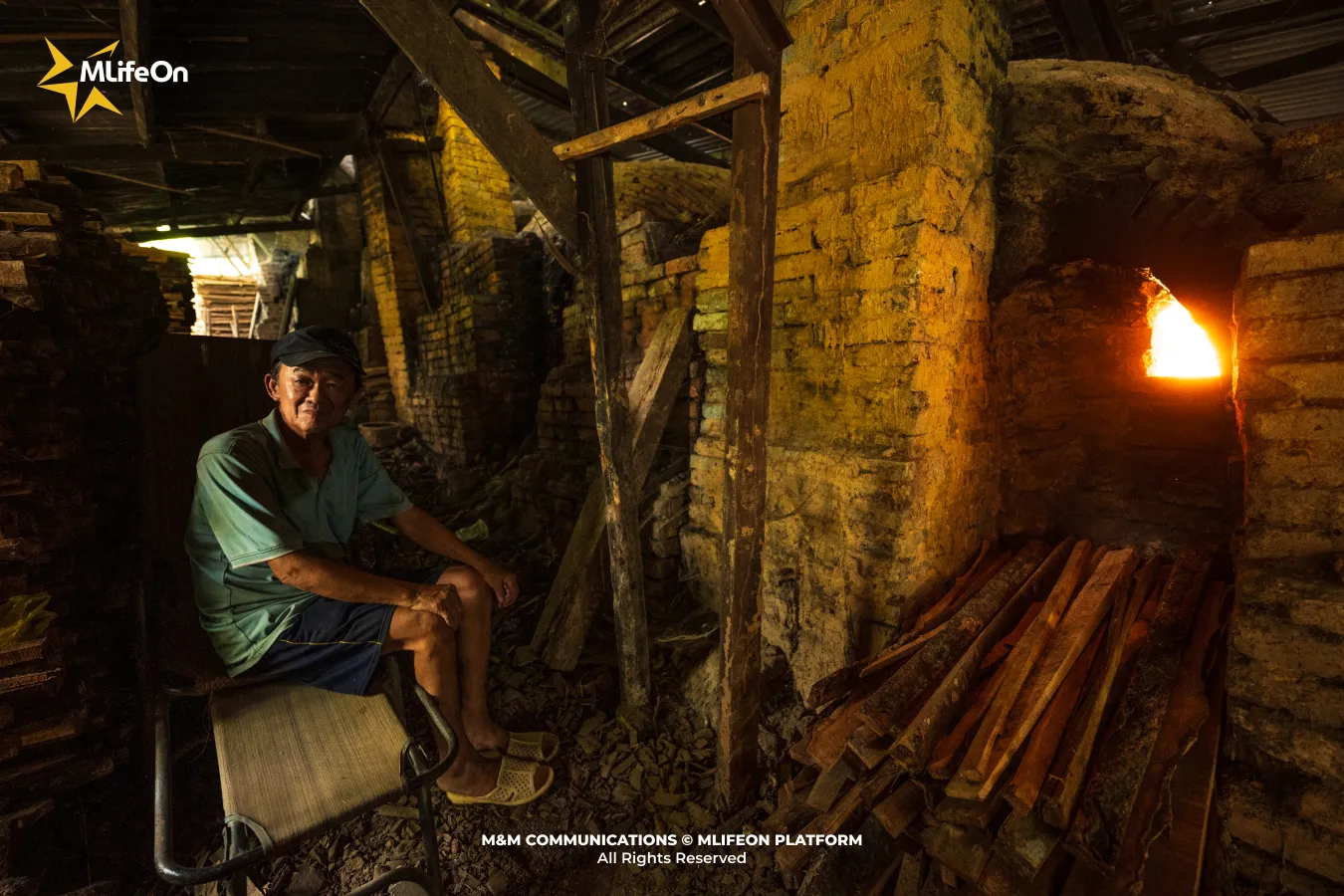
The artisans’ passion for their craft has transformed these pottery workshops into treasured repositories of handcrafted ceramic heritage in the heart of Bình Dương. Although their hands have grown weathered and their eyes have faded from years of exposure to kiln smoke, they remain devoted to passing down traditional techniques to younger generations, hoping to preserve a beautiful fragment of the nation’s cultural memory.
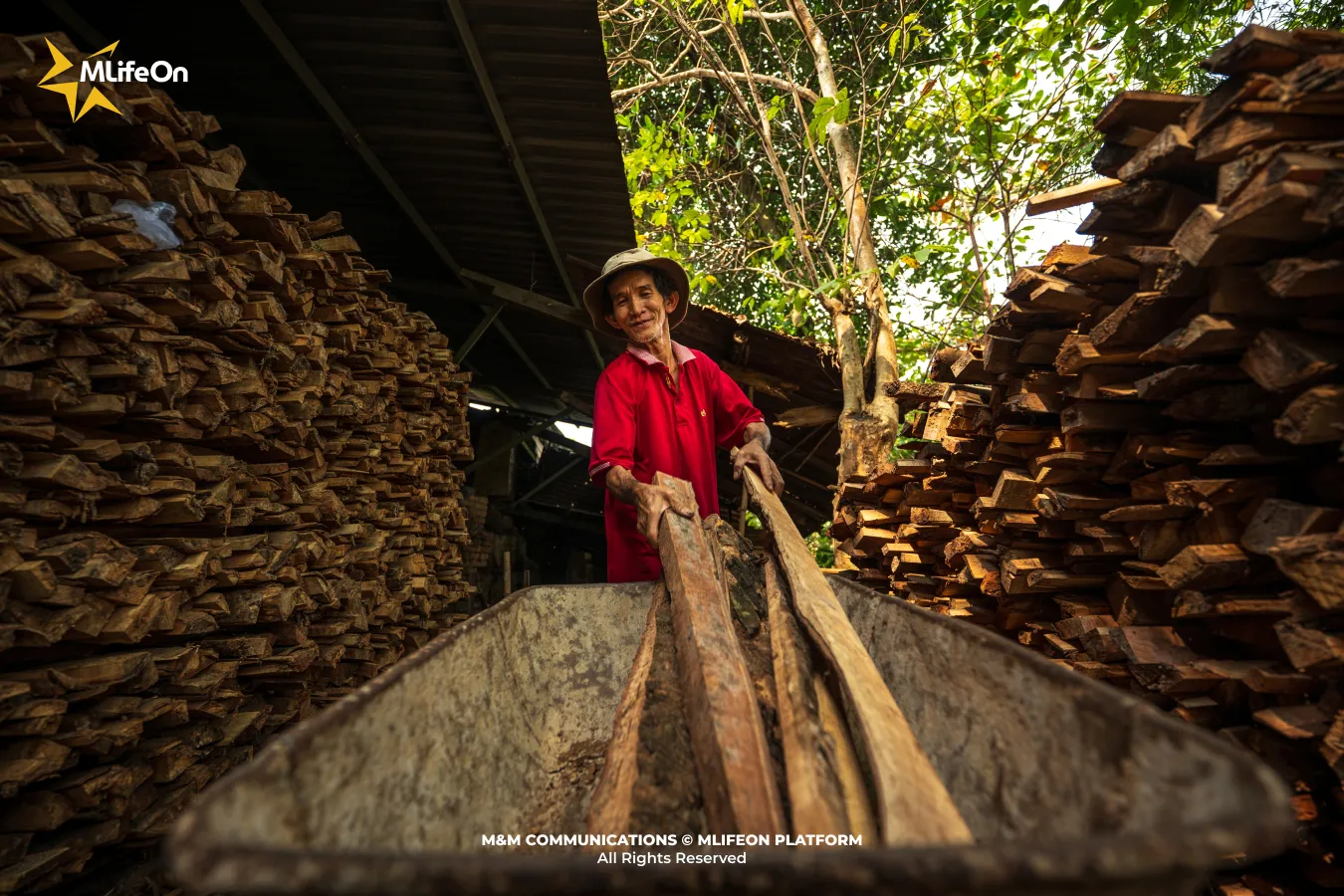
Each piece that emerges from the kiln is not merely a product, but a continuation of an invisible cultural thread connecting the past with the present. The old pottery workshops now quietly stand as witnesses to a glorious era, awaiting future generations with enough passion and dedication to keep the flame of this traditional craft alive for years to come.
The Revival of Ceramics in Contemporary Architectural Spaces
Today, Lái Thiêu pottery has entered a new chapter of revival. Its creations are no longer limited to traditional kitchenware but have been transformed into artworks, meaningful gifts, and refined decorative elements in modern architectural spaces. Many artisans have boldly incorporated classic motifs into new lines of decorative ceramics, adapting them to the aesthetic preferences of younger generations and the interiors of high-end residences. This transformation has helped the products move beyond the perception of being “old-fashioned” or “outdated,” allowing them to become distinctive cultural accents in contemporary designs while bringing the essence of the past into elegant modern spaces.
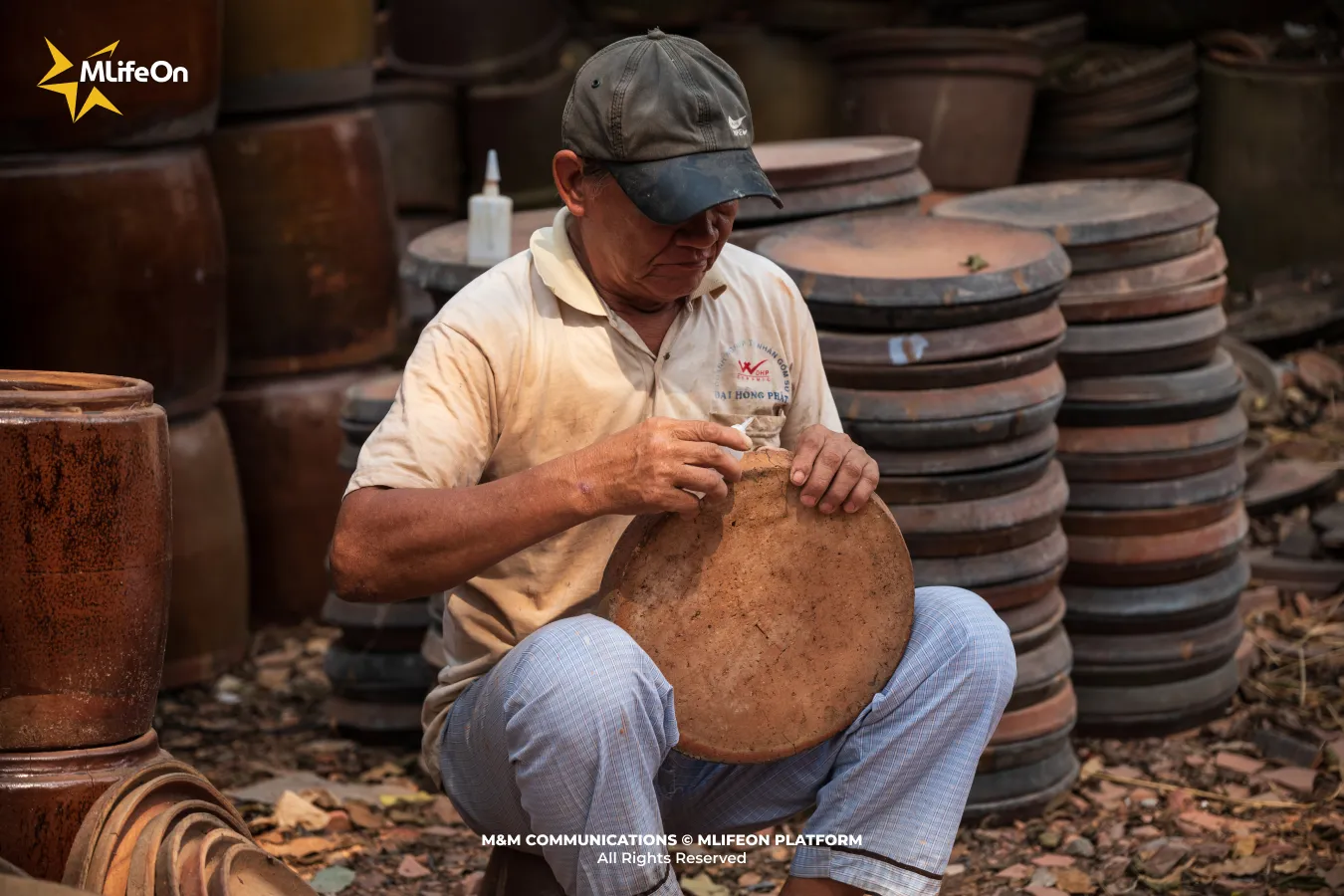
These pottery workshops have now become destinations for visitors, where younger generations come to touch the clay, listen to the gentle rotation of the pottery wheel, and discover the process of transforming earth, water, and fire into a finished creation. The hands-on experience of shaping clay and painting ceramic motifs allows young people to develop a deeper appreciation for the value of traditional craftsmanship. This transformation has enabled Lái Thiêu pottery to establish a new position in the market, reaffirming its role as a form of folk art with remarkable adaptability. It represents the most sustainable path for the craft village to thrive, integrating itself into the evolving landscape of today’s tourism industry and creative cultural economy.
A Journey Back to Cultural Roots for a Moment of Reflection
Visiting Lái Thiêu Pottery Village today is not only an exploration of a traditional craft village but also a journey through time to rediscover enduring cultural values. Stepping into the tranquil pottery spaces, visitors can feel the connection between people and the earth, between the past and the present. Amid the bustling rhythm of urban life, the warmth radiating from the kilns and the muted tones of ceramic works create a separate, poetic atmosphere. Here, visitors can find a peaceful retreat for the soul, stepping away from the rush of everyday life to contemplate the simple yet profound beauty of creations shaped by human hands.
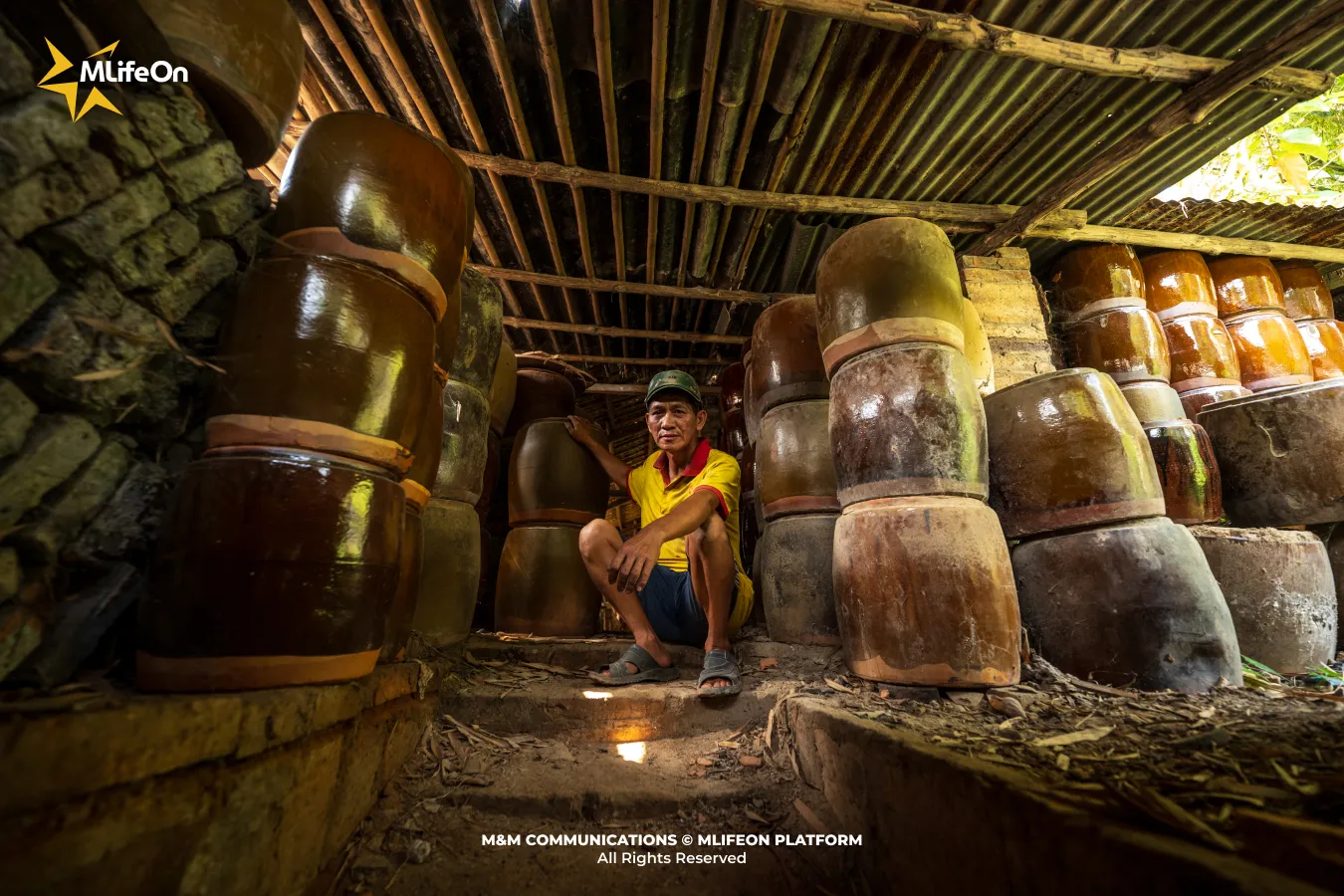
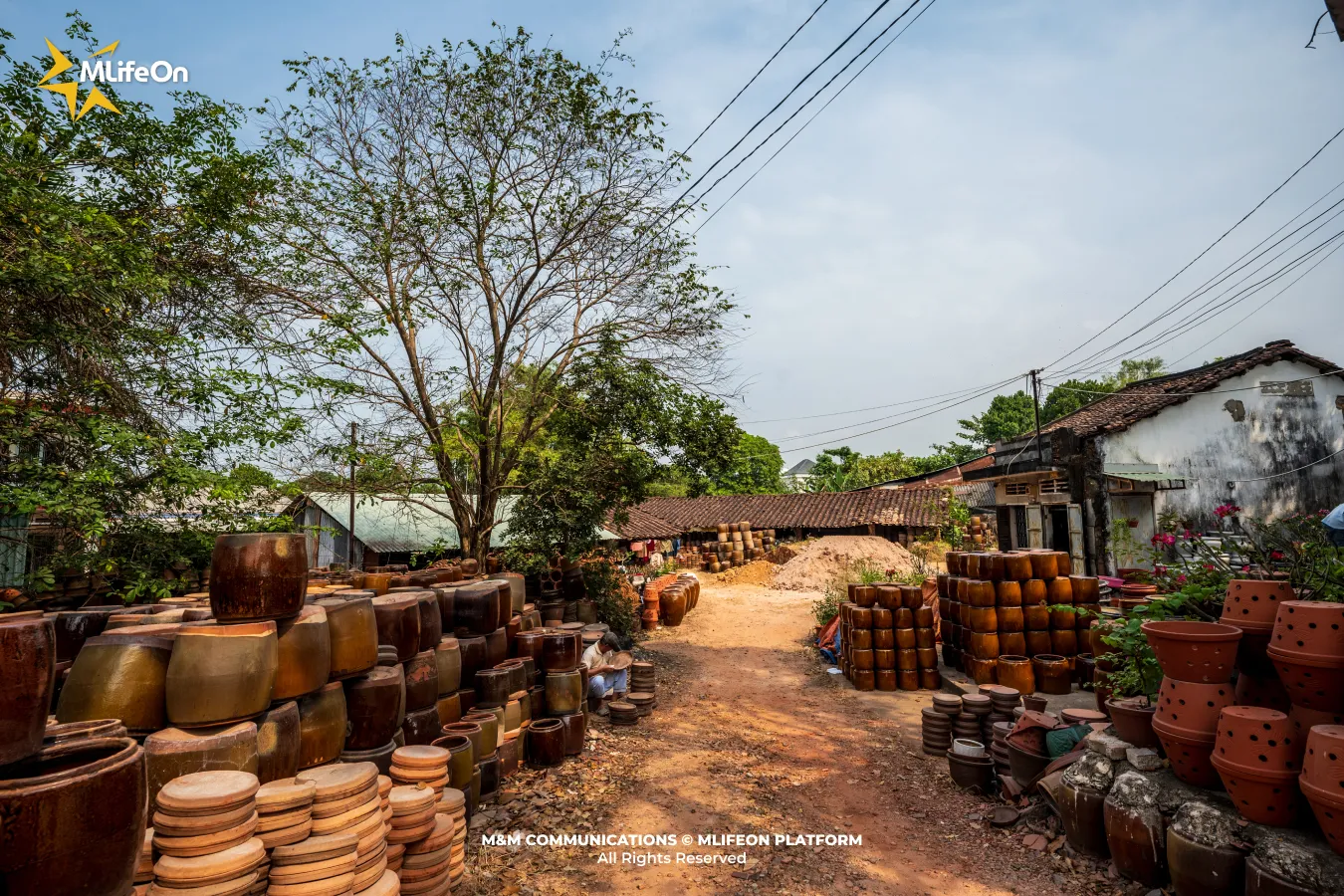
This is an ideal destination for those seeking a glimpse of the old Southern Vietnamese spirit, where they can discover that traditional values still remain, waiting for future generations to return, cherish, and preserve them. Each ceramic piece here carries a story about the land, its people, and an era when meticulous craftsmanship was the measure of every creation. When holding an old pottery bowl or vase in their hands, visitors are not merely touching an object, but connecting with the soul of a bygone era. This is the true power of heritage - an invisible thread linking a glorious past with the present, a legacy that deserves to be cherished and protected.
Conclusion
Lái Thiêu Pottery Village is a historical testament to cultural exchange and the aspirations for settlement of generations of ancestors. Although the pace of urban life continues to accelerate and the cityscape constantly evolves, the echoes of fired clay remain quietly present, preserving traditional values through each humble ceramic creation.
Preserving Lái Thiêu pottery is not merely about protecting a long-standing craft village, but also about safeguarding the cultural essence of Southern Vietnamese folk heritage. It offers every visitor the opportunity to experience the simple beauty, the refined artistry of traditional craftsmanship, and the stories shaped over generations. The enduring presence of this craft village today reflects its remarkable vitality, the determination to preserve cultural identity, and the aspiration to carry forward the precious values that ancestors have devoted their lives to cultivating.
----------
CREDIT:
Photography: Luan Nguyen
Content: Như Quyền
Design: Phuong Nguyen