VIETNAMESE MUSEUMS YOU SHOULD VISIT
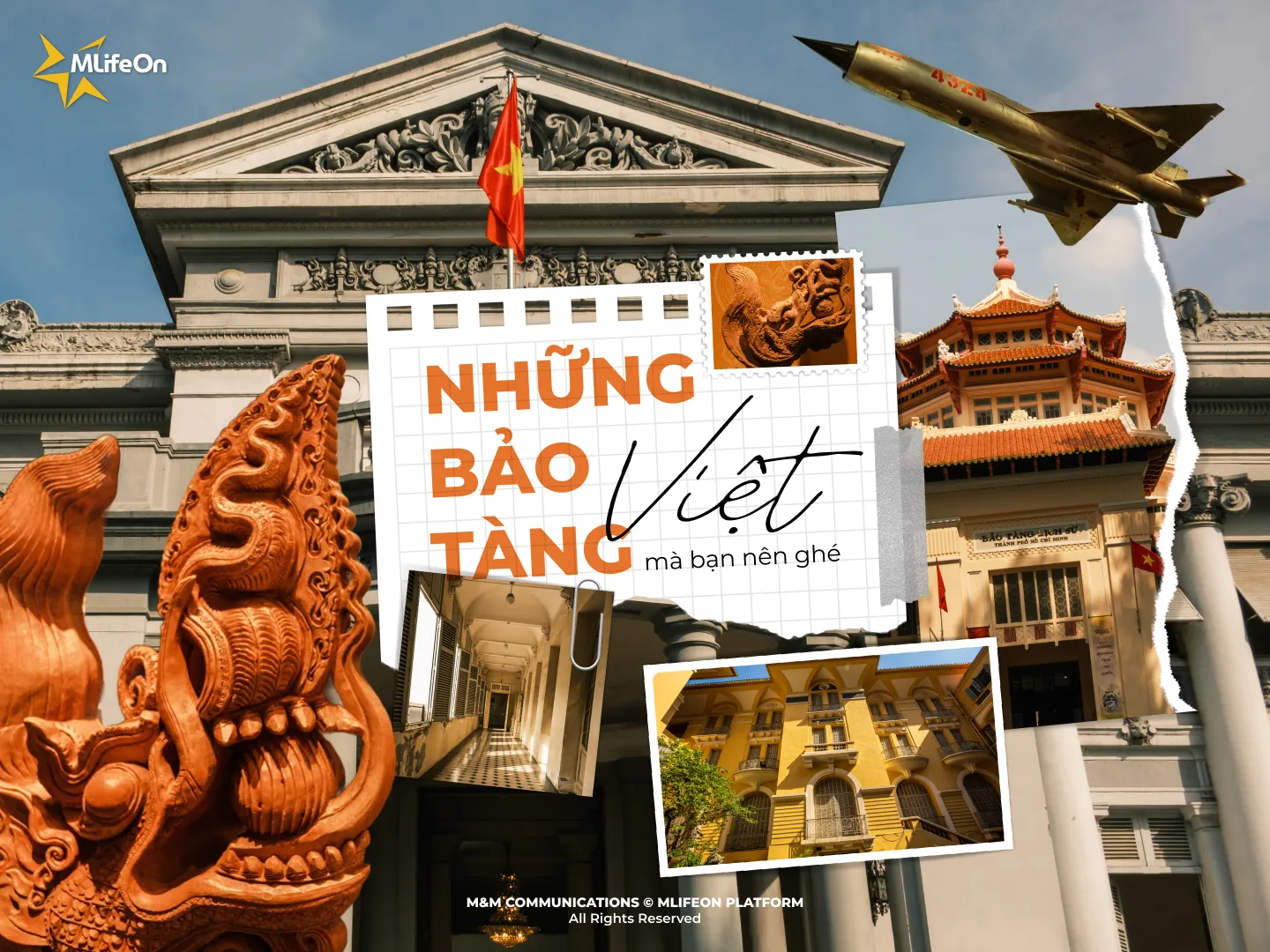
Discover museums you should visit at least once in Vietnam.
Tourism is not just about sightseeing, but also about a journey to discover cultural and historical spaces. Among these, museums stand out, offering a chance to step into the past and listen to the stories of the nation.
Vietnam Military History Museum
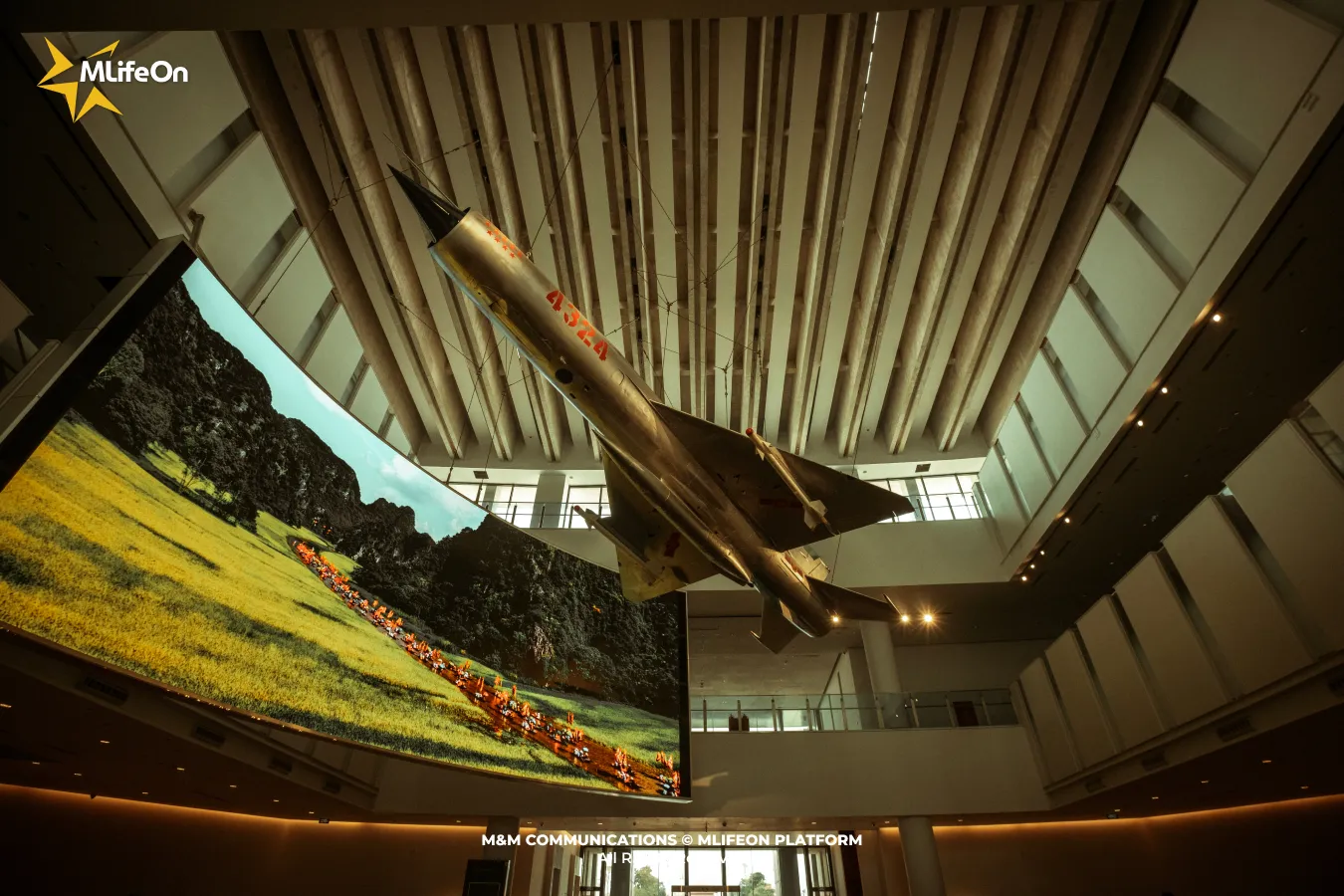
The Vietnam Military History Museum, located at Km 6+500, Thang Long Avenue, Hanoi, is one of the largest cultural and historical projects in the country. Newly constructed in 2019, the museum covers more than 386,000 m² and features modern, scientifically designed, highly interactive exhibition spaces. It houses over 150,000 artifacts, including many national treasures associated with important milestones in the nation-building and national defense of the Vietnamese people.
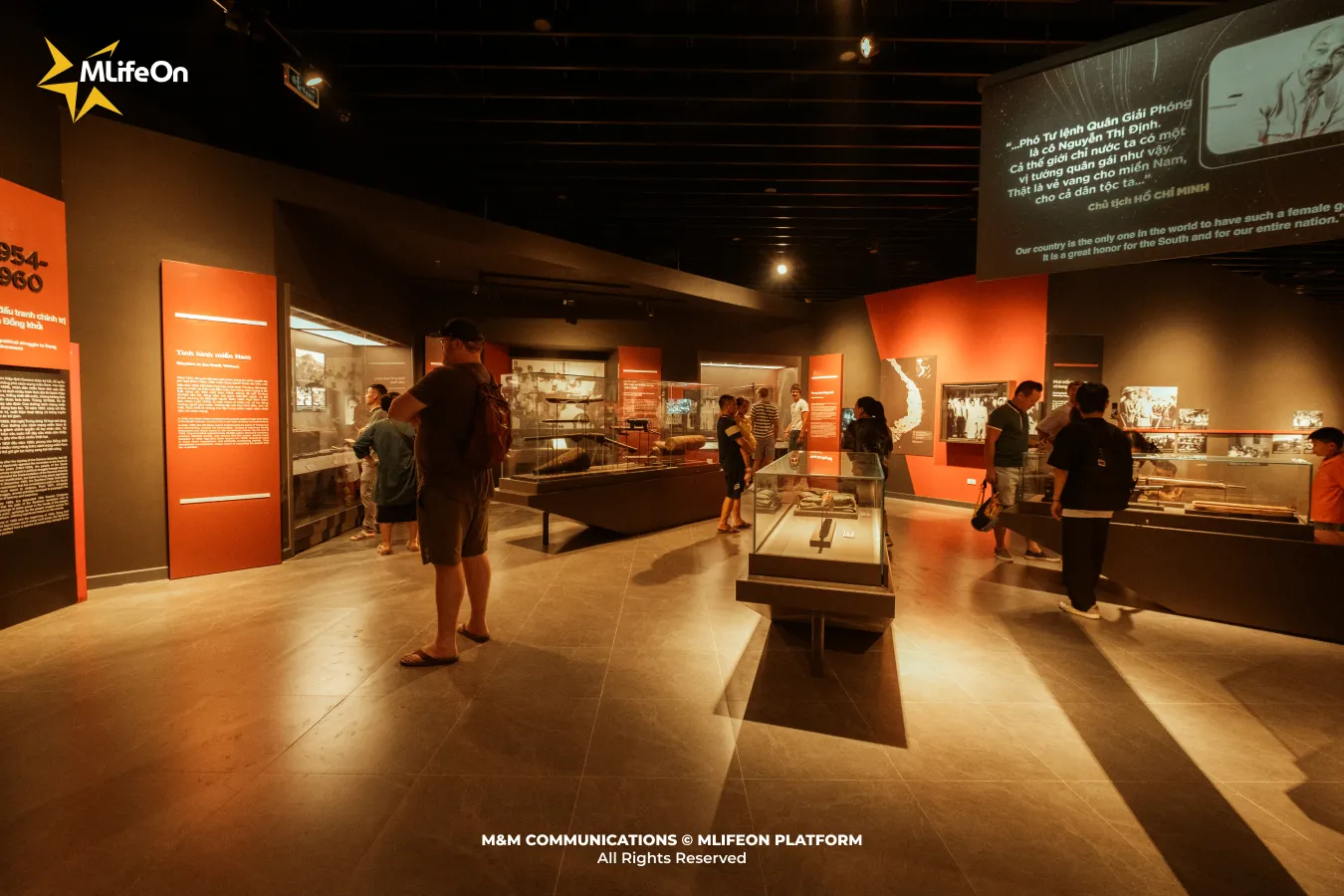
a place that houses more than 150,000 artifacts.
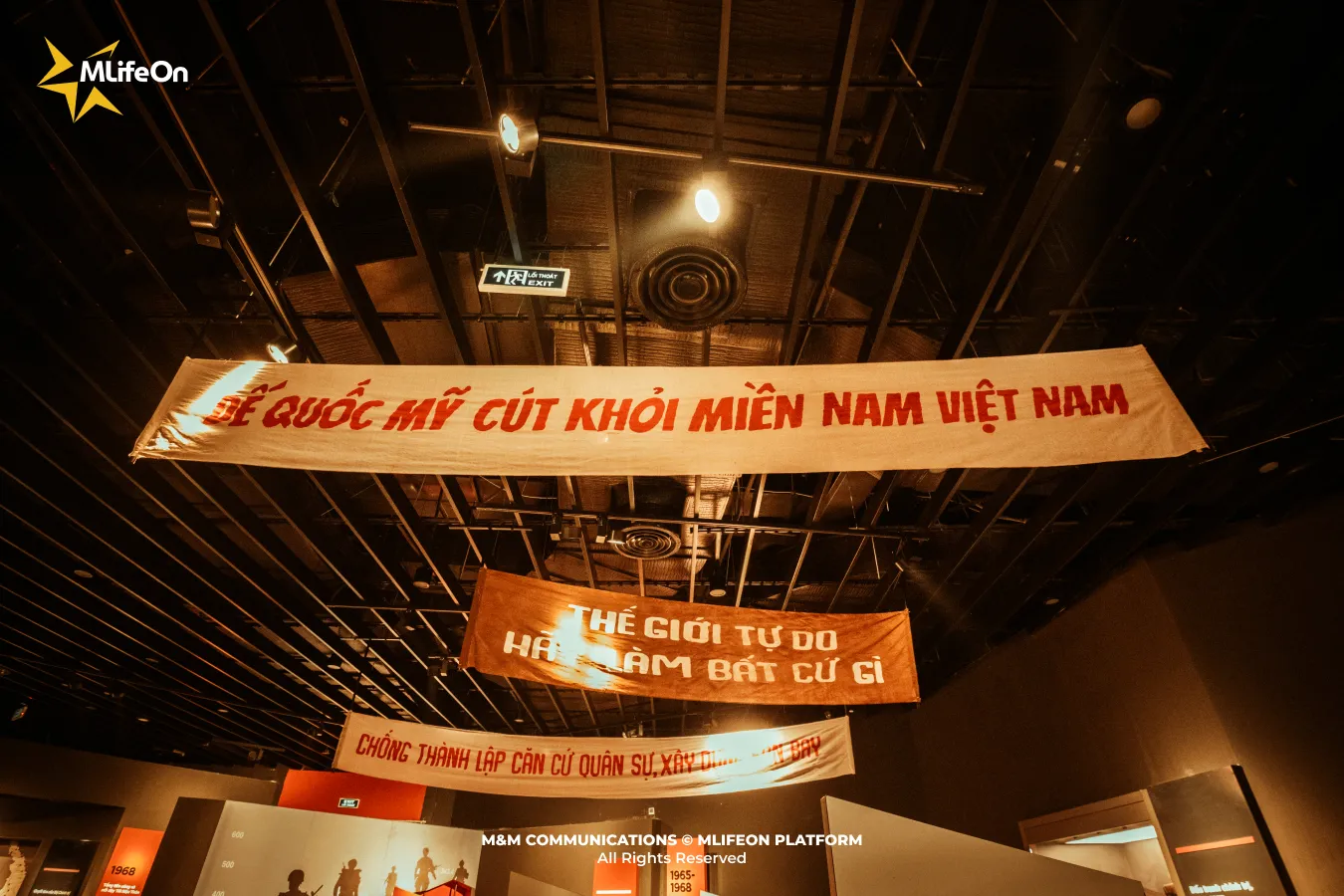
The museum's unique feature is its use of advanced display technology to recreate history. Visitors can experience 3D mapping dioramas, multilingual audio guides, and access information via QR codes to better understand each exhibit. The exhibition space is designed according to the flow of history, from the founding of the nation and resistance against foreign invaders to the resounding victories of the 20th century. Each area has its own storytelling style, allowing visitors to feel as if they are embarking on a vivid journey through history.
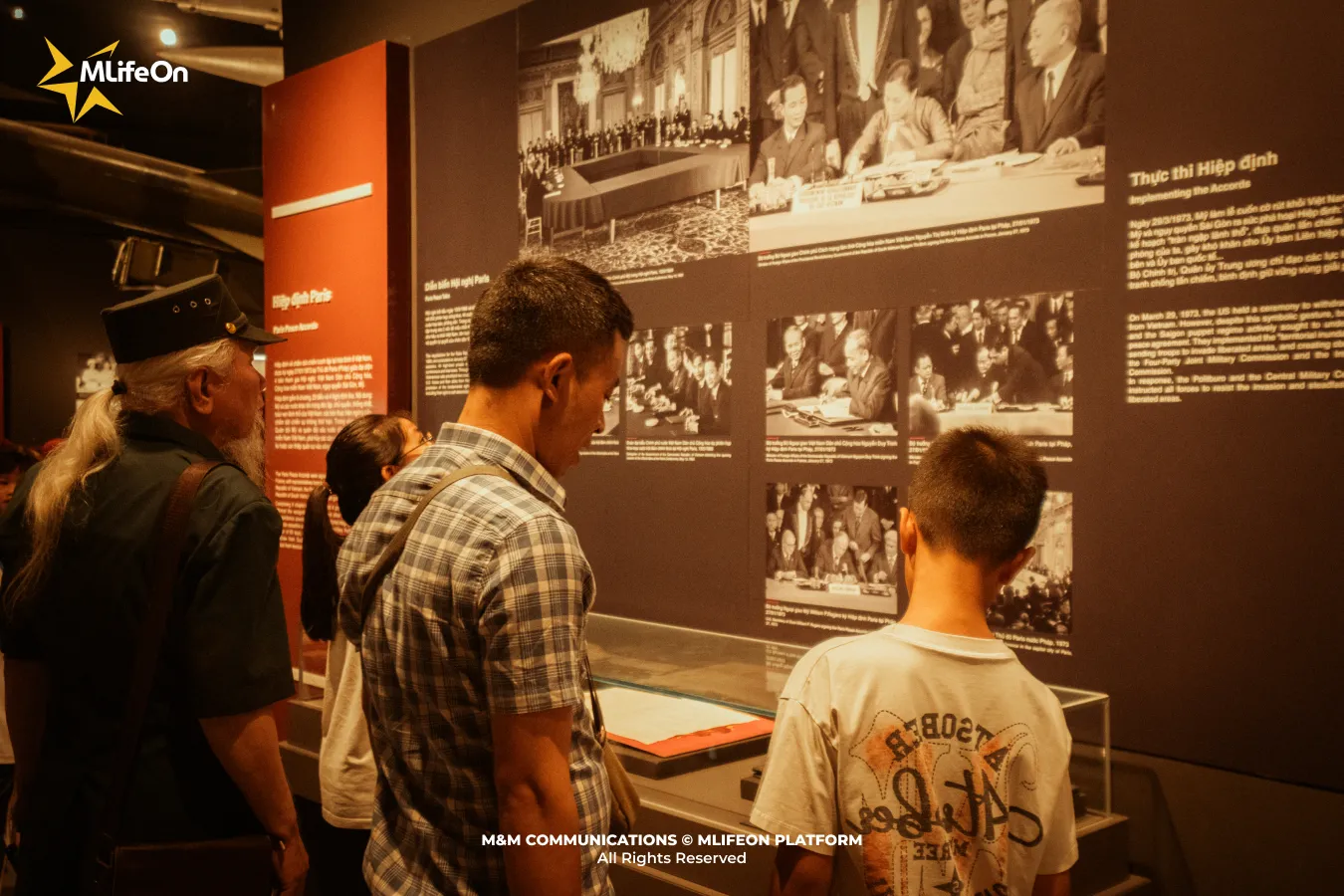
Recreating history through advanced display technology.
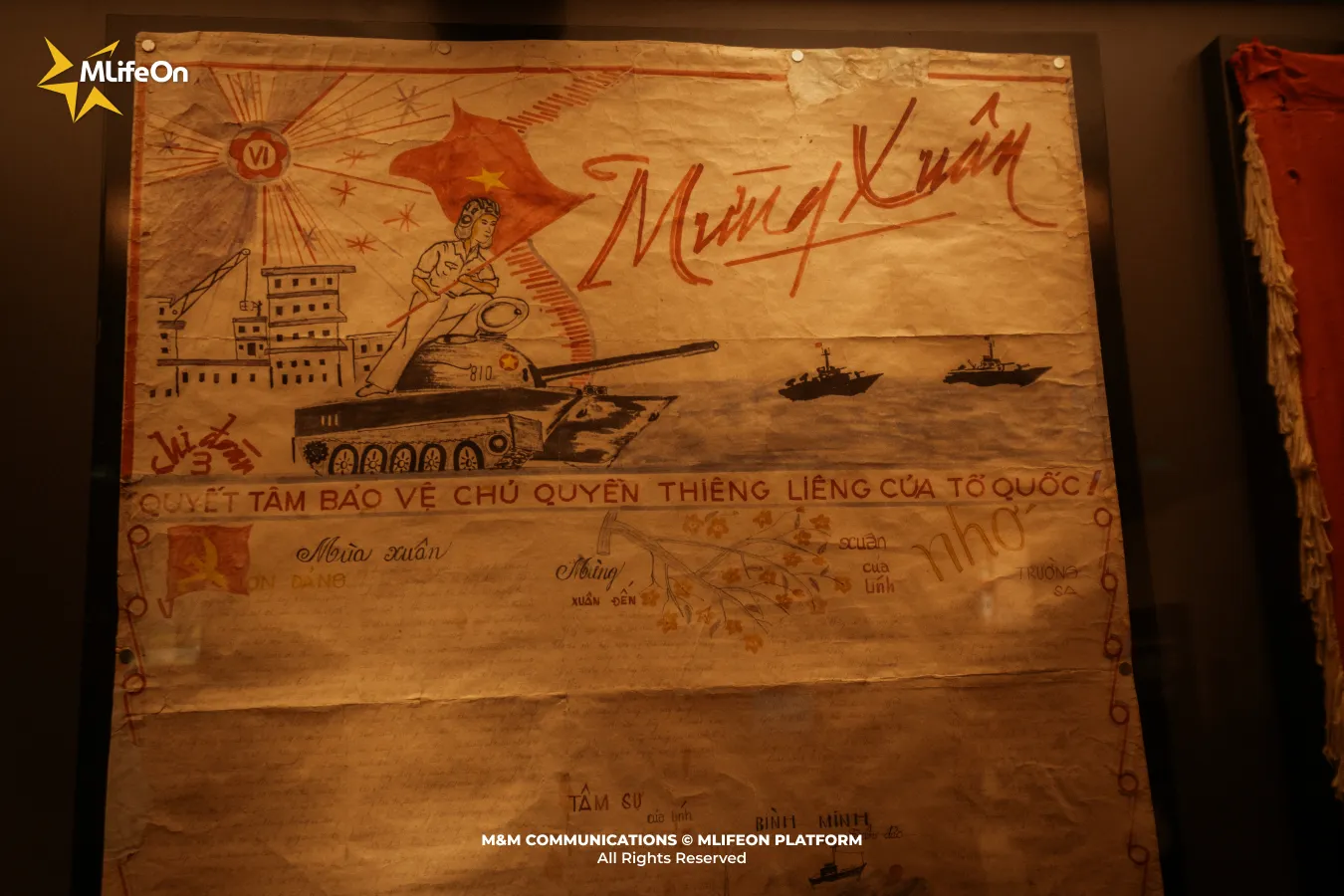
In addition to military artifacts such as weapons, equipment, and campaign maps, the museum also displays many valuable documents about generals and historical figures who contributed to the nation's victory. The museum's architecture is also symbolic: the buildings are designed in a modern style, combining open spaces with green landscapes, creating a feeling of both solemnity and approachability.
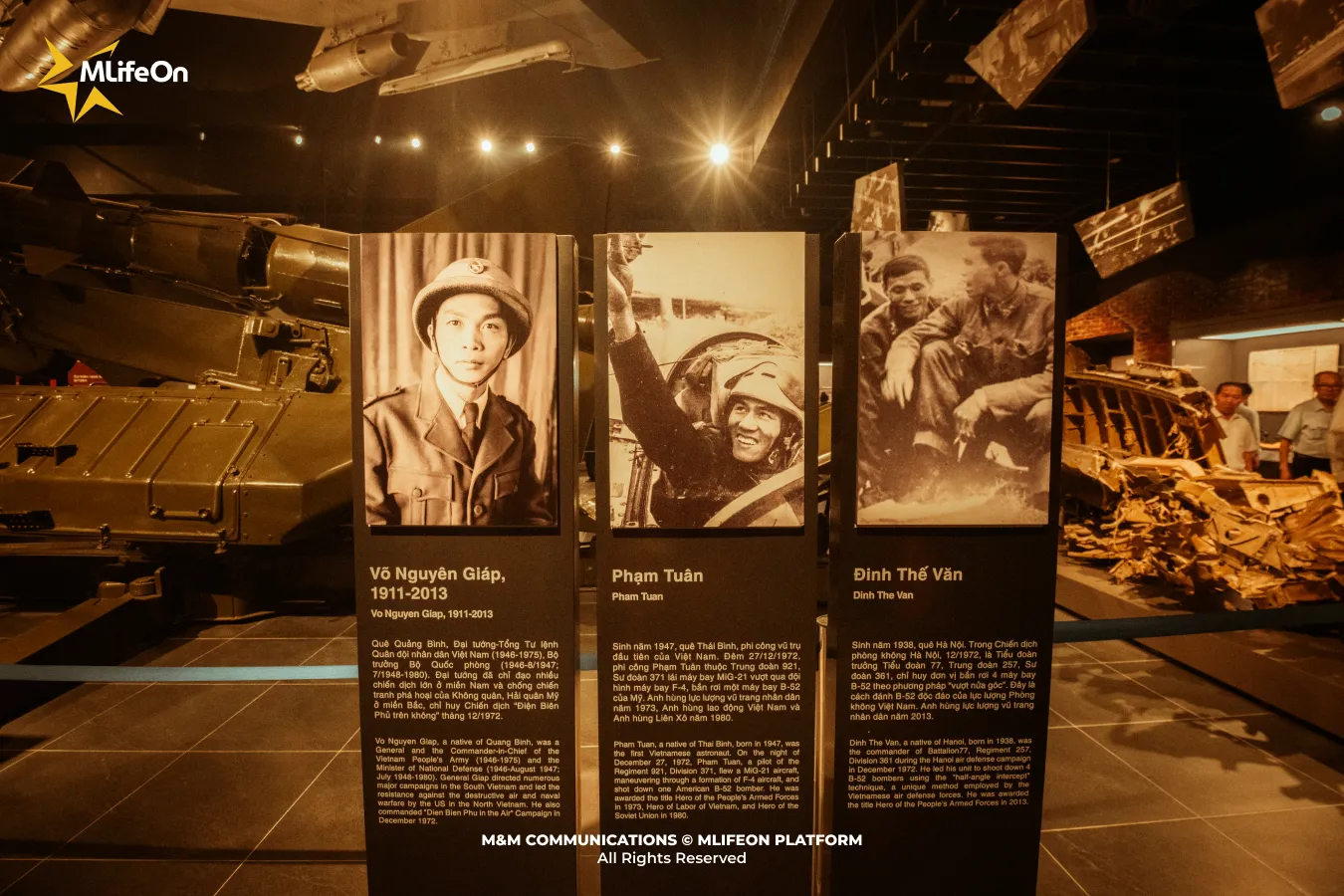
Preserving and displaying many valuable documents about military leaders.
Ho Chi Minh City Museum
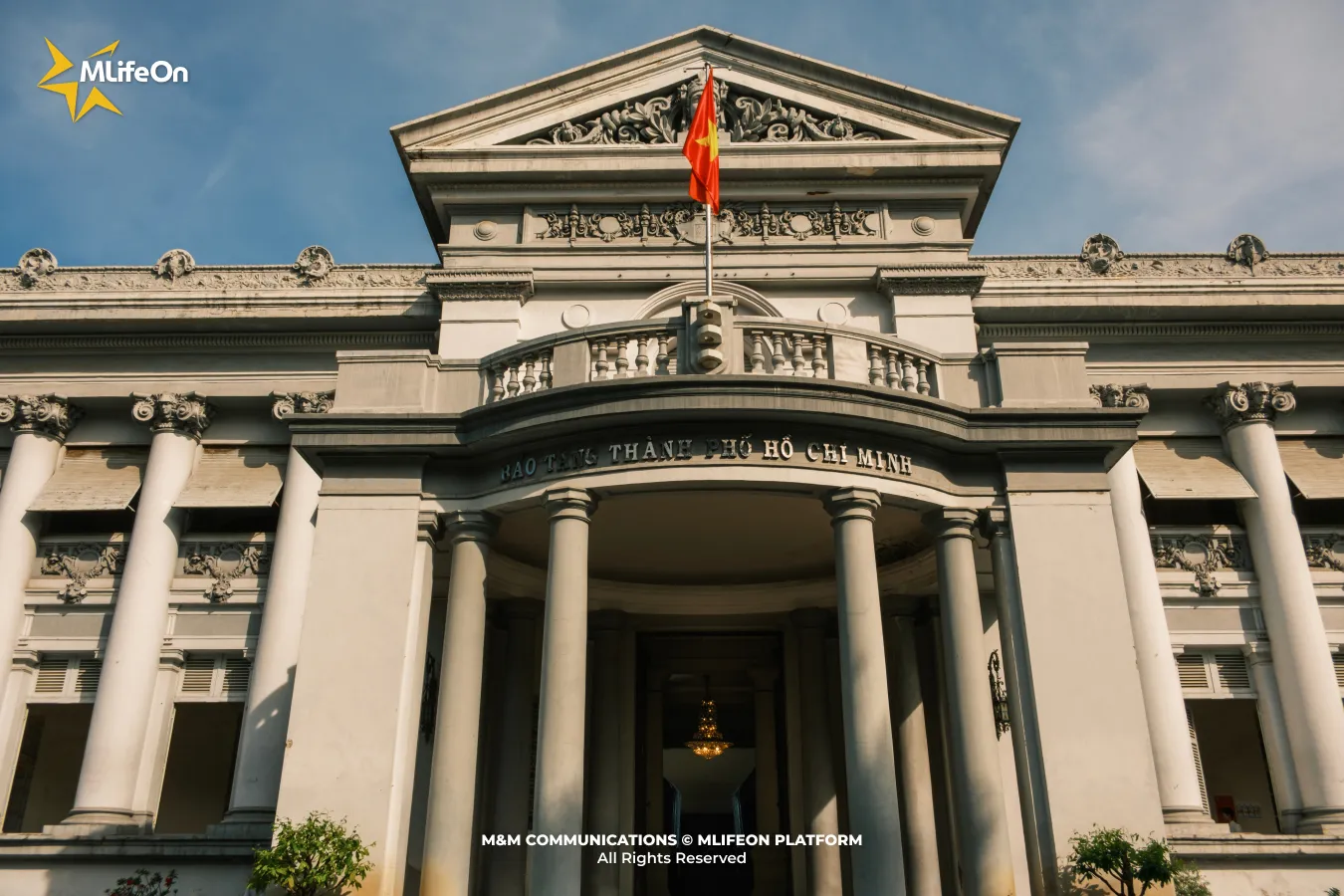
Located at 65 Ly Tu Trong Street, Ben Thanh Ward, District 1, in the heart of Saigon, the Ho Chi Minh City Museum is one of the city's most iconic architectural and cultural landmarks. Originally built in 1885, the building served as the Governor's Palace of Cochinchina, then as the Western District Palace, and underwent several transformations before officially becoming a museum in 1979.
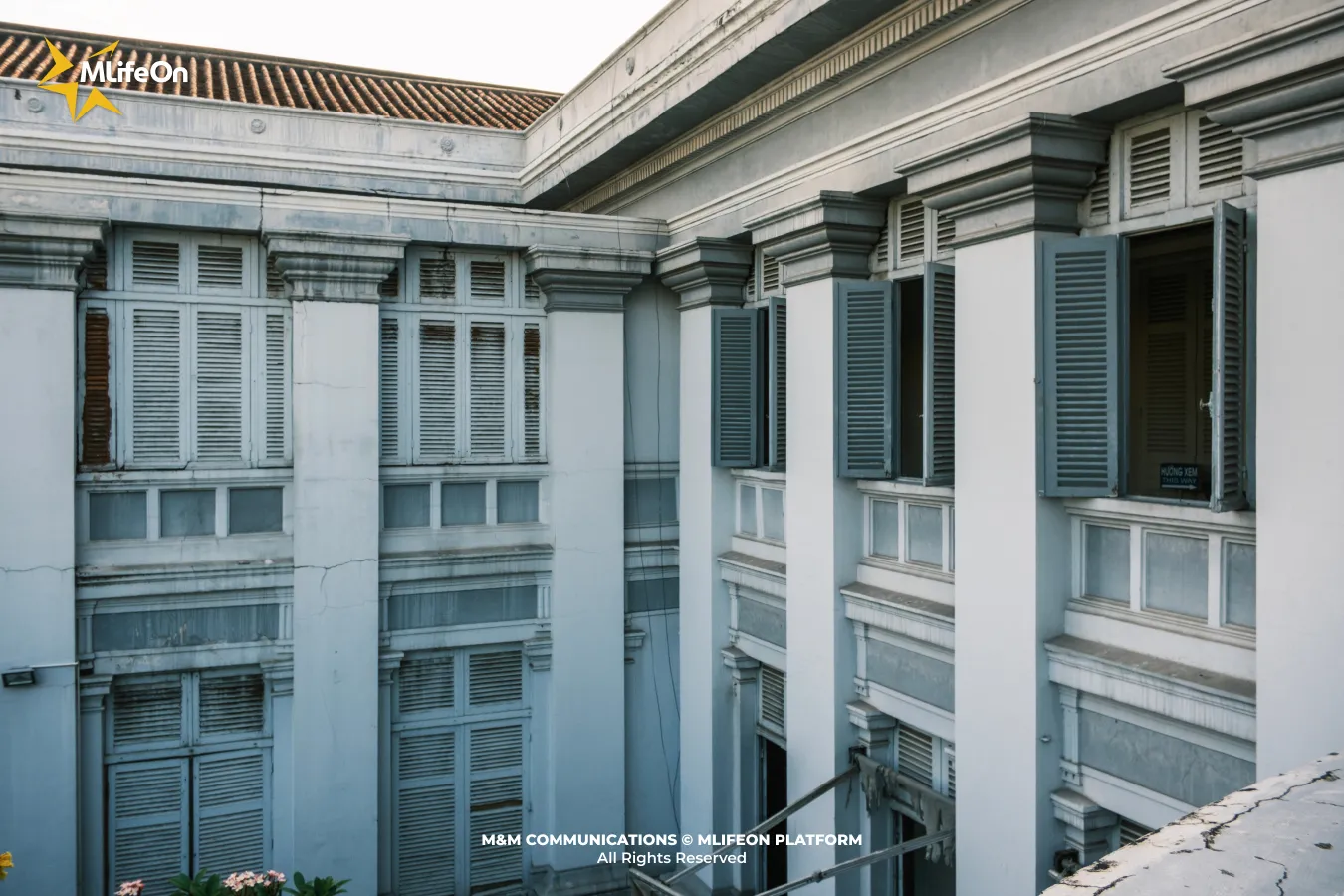
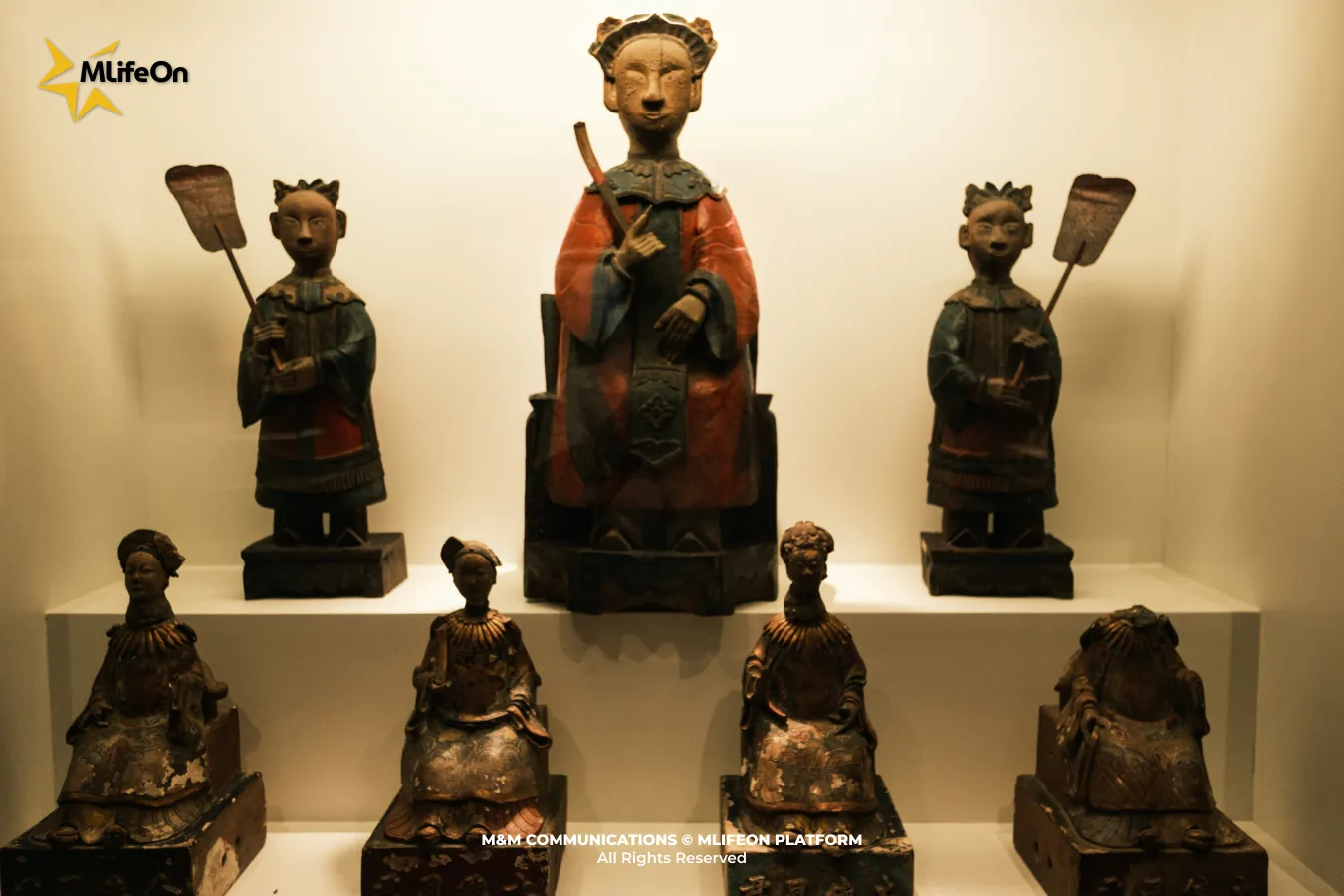
Today, the museum houses over 40,000 valuable artifacts, reflecting the formation and development of Saigon through various historical periods. More than just a place for exhibitions, the museum is also a destination for learning about the culture, economy, society, and important milestones of the city.
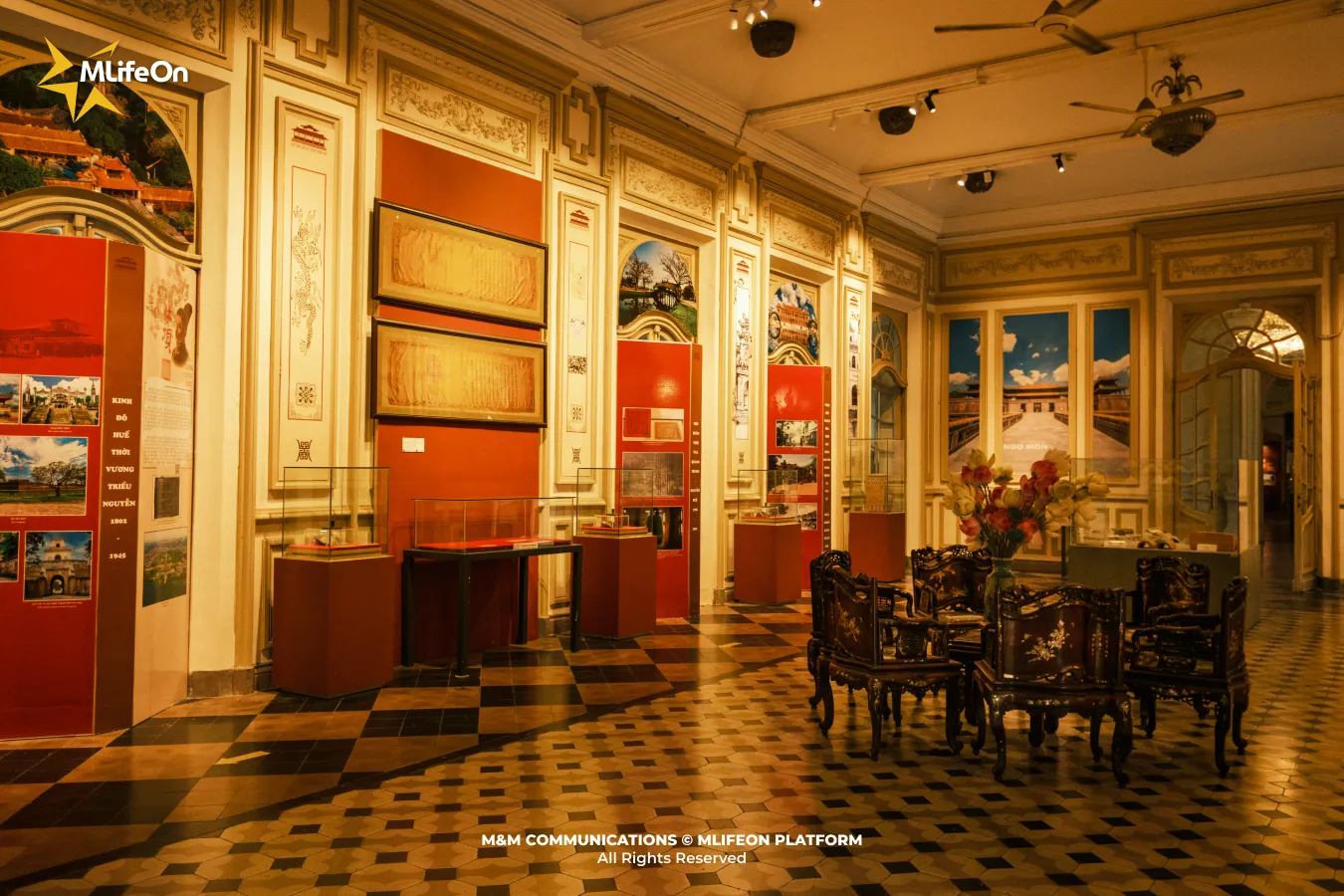
The museum houses more than 40,000 valuable artifacts.
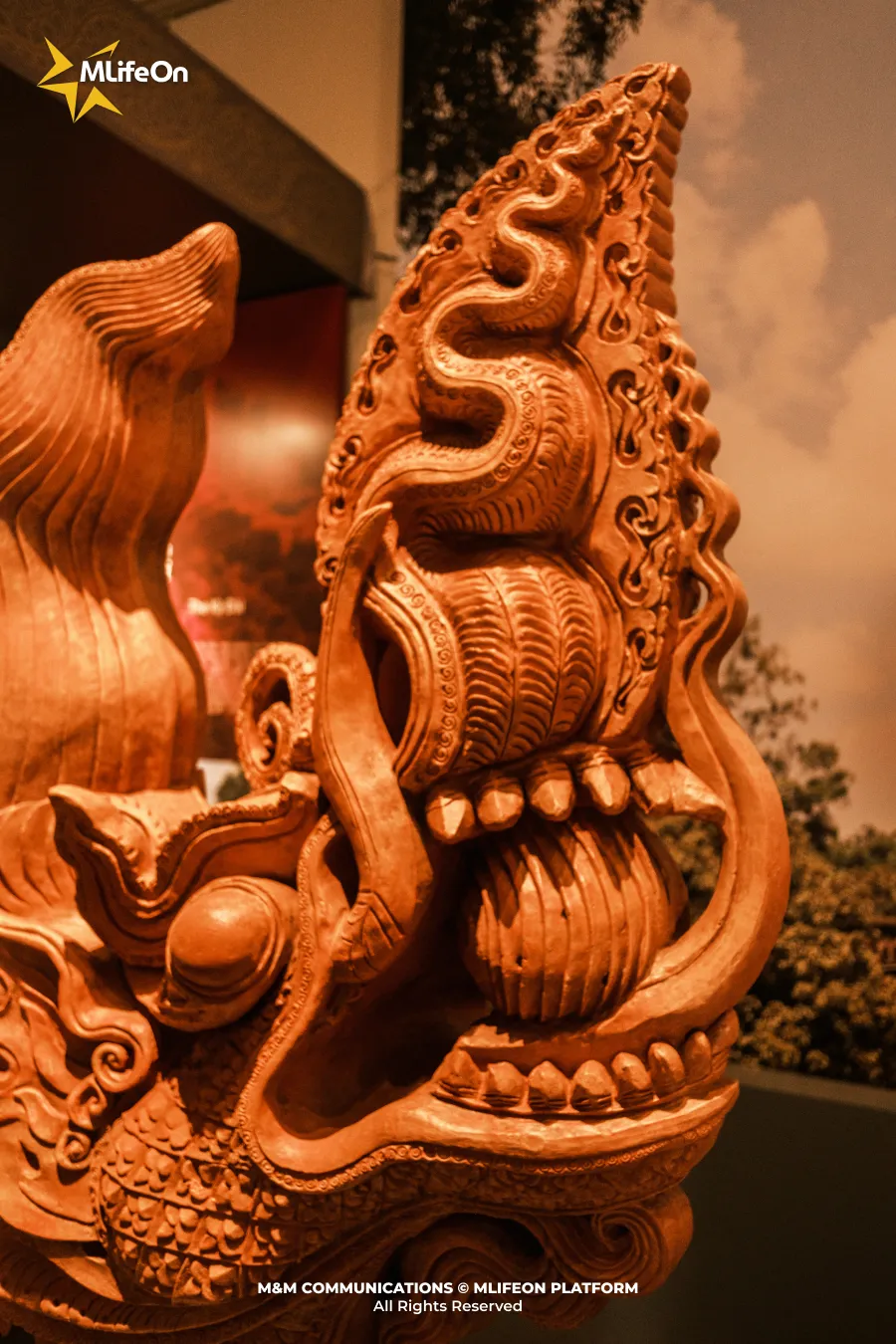
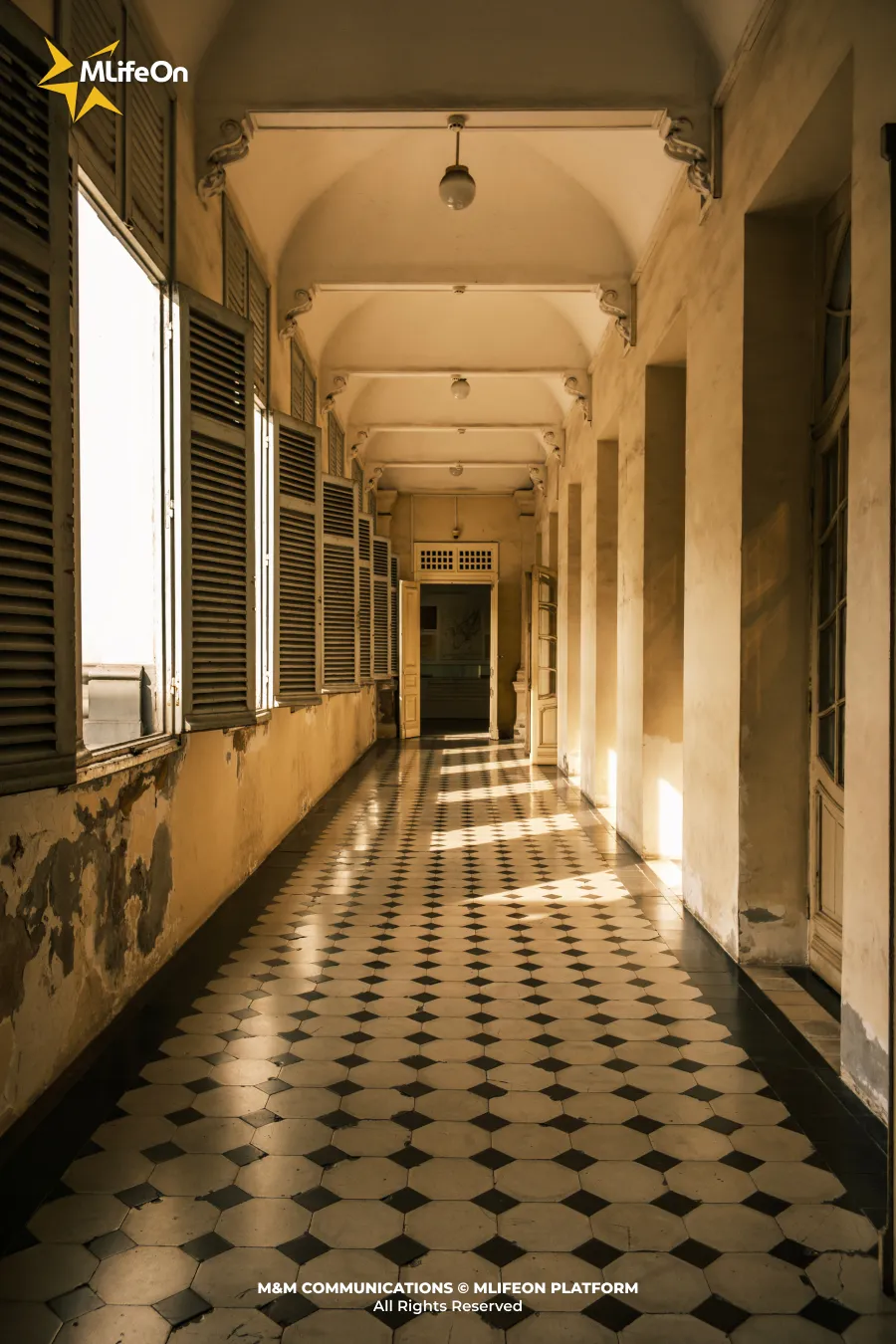
What makes the museum special is its architecture. The building combines French classical and Baroque styles, with high vaulted ceilings, wide corridors, spiral staircases, and exquisite decorative details. The building is designed in the shape of the letter "H," symbolizing harmony and balance. Large windows allow natural light to flood the space, creating a sense of airiness while highlighting the beauty of the exhibits inside.
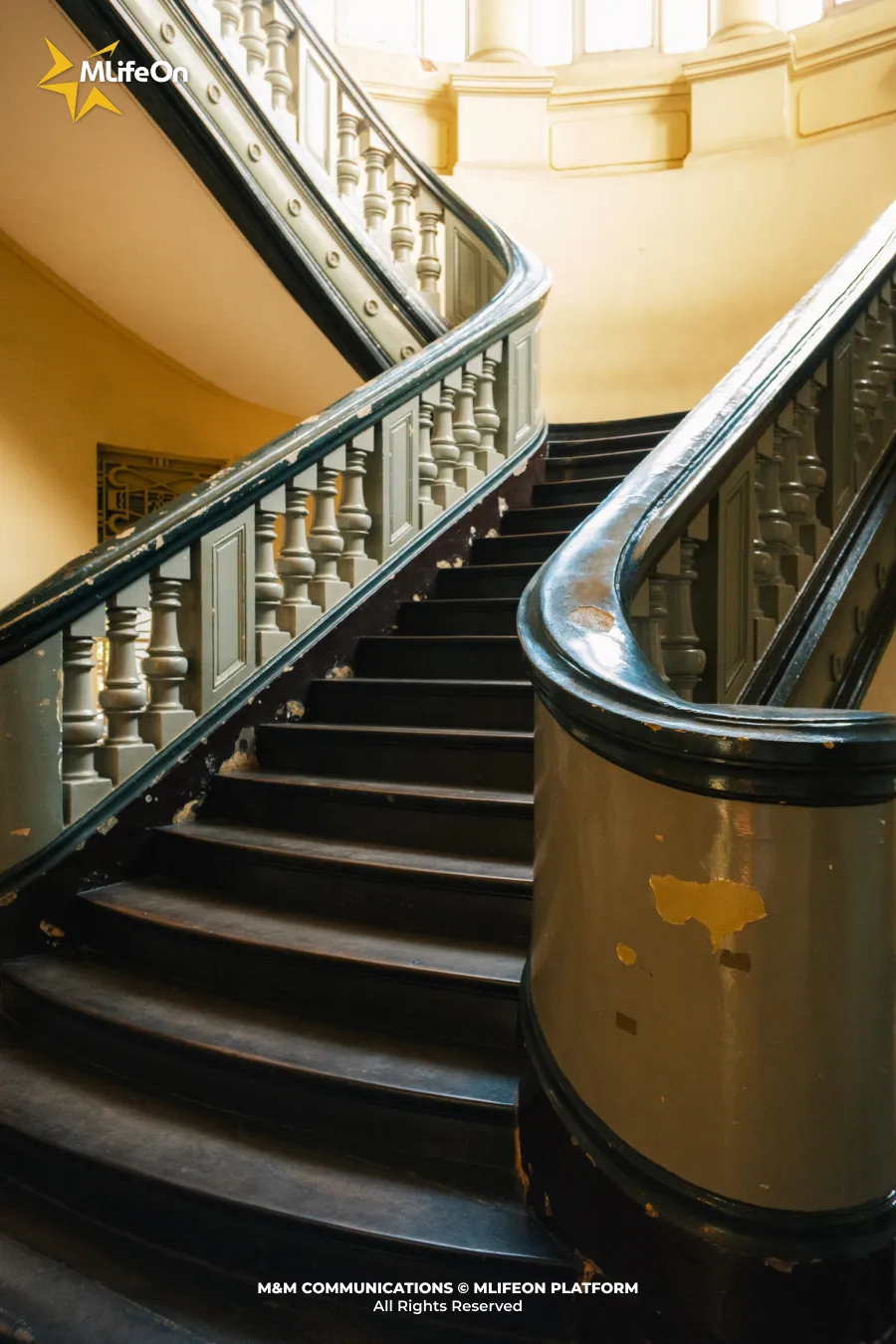
spiral staircase
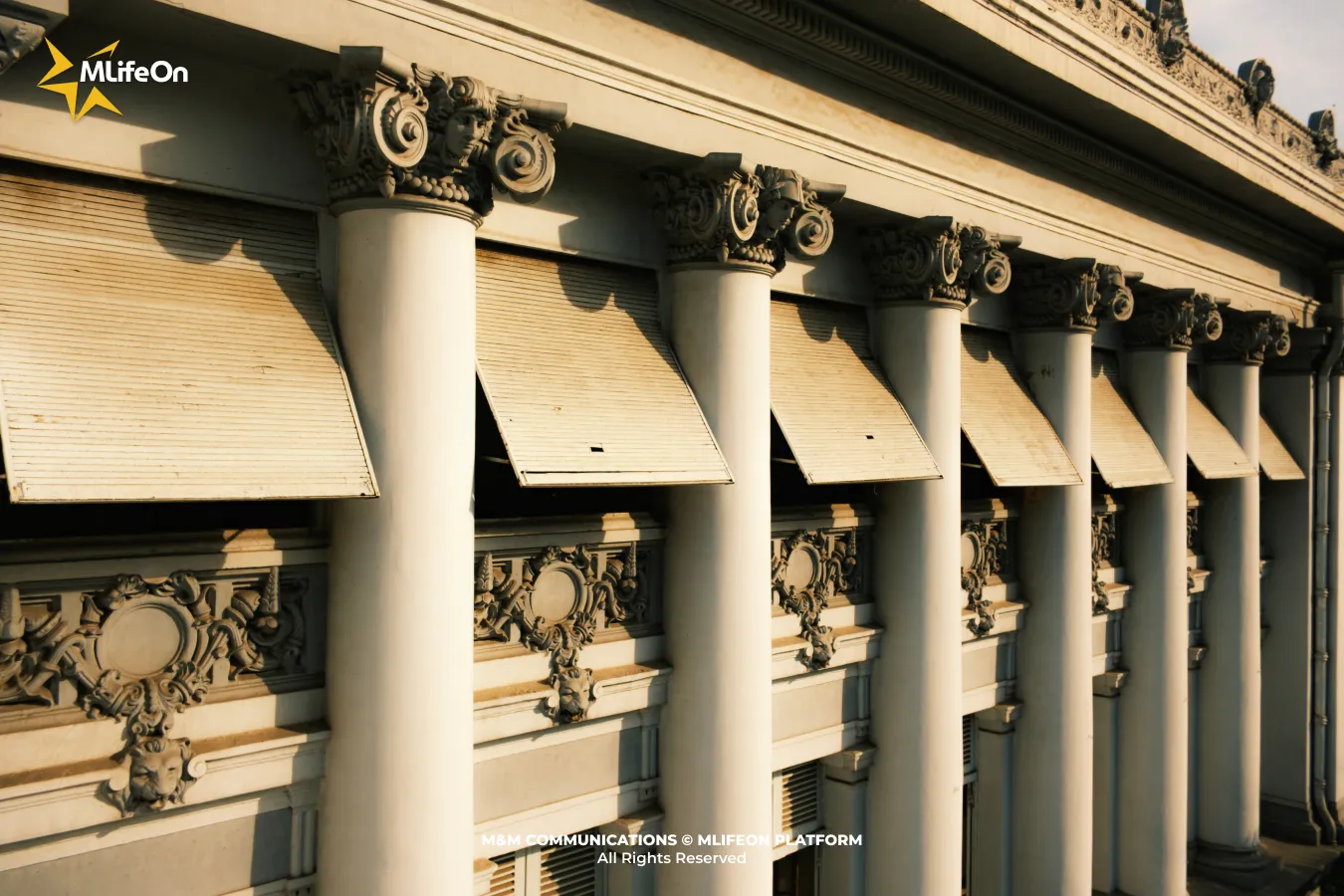
Many details are exquisitely decorated
Ho Chi Minh City History Museum
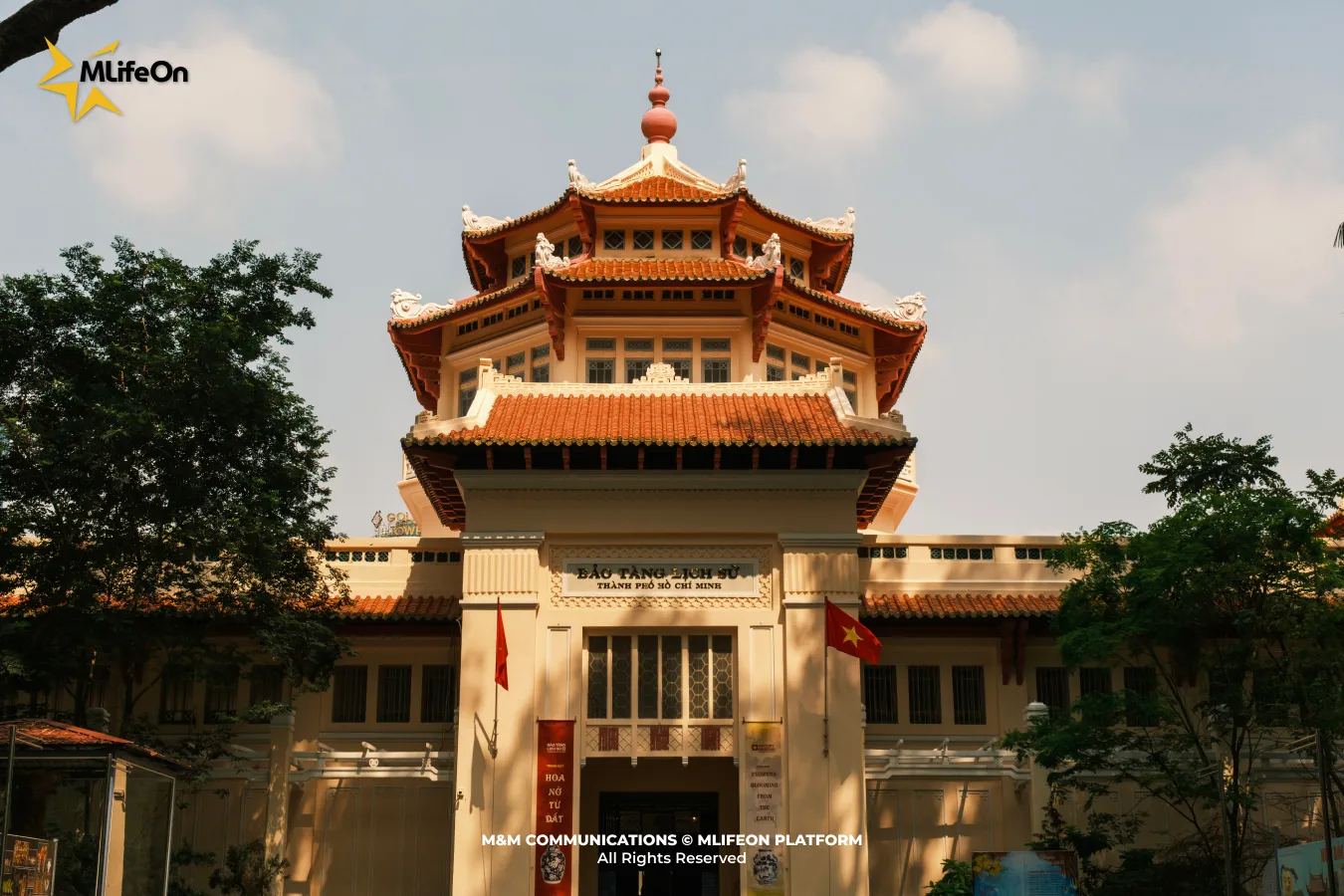
Located at 2 Nguyen Binh Khiem Street, Saigon Ward, District 1, right next to the Saigon Zoo, the Ho Chi Minh City Museum of History is one of the oldest museums in Vietnam. Established in 1929 under the original name "Musée Blanchard de la Brosse," it has existed and developed for nearly a century, becoming a familiar destination for those wishing to learn about the history and culture of the nation.
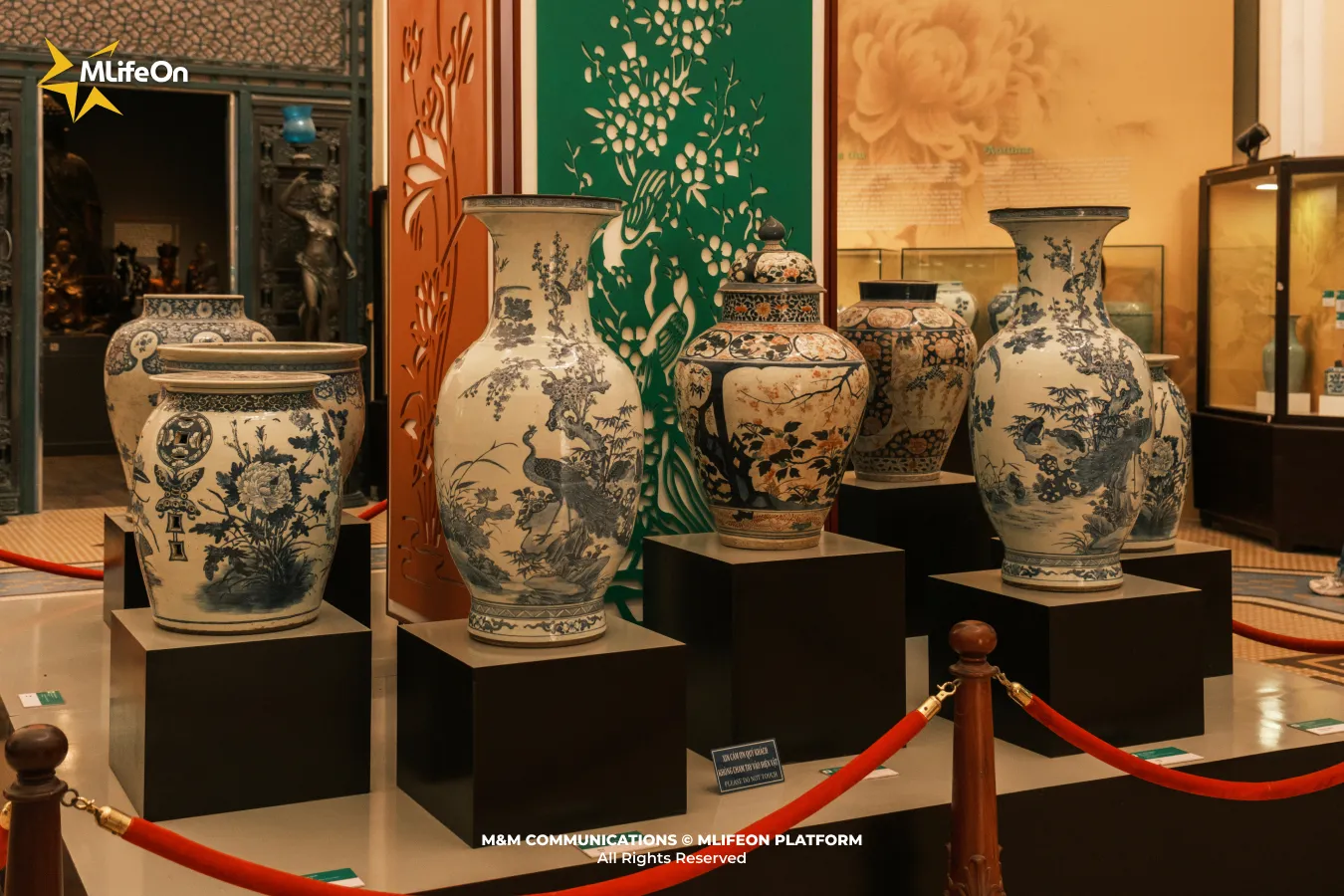
Currently, the museum houses over 43,000 artifacts, including 12 extremely valuable national treasures. This rich collection spans from prehistoric times, the Hung Kings era, feudal dynasties, to the Nguyen dynasty. With just one tour, visitors can journey through thousands of years of Vietnamese history, from early stone axes and Dong Son bronze drums to artifacts associated with feudal dynasties and even traces of the modern era.
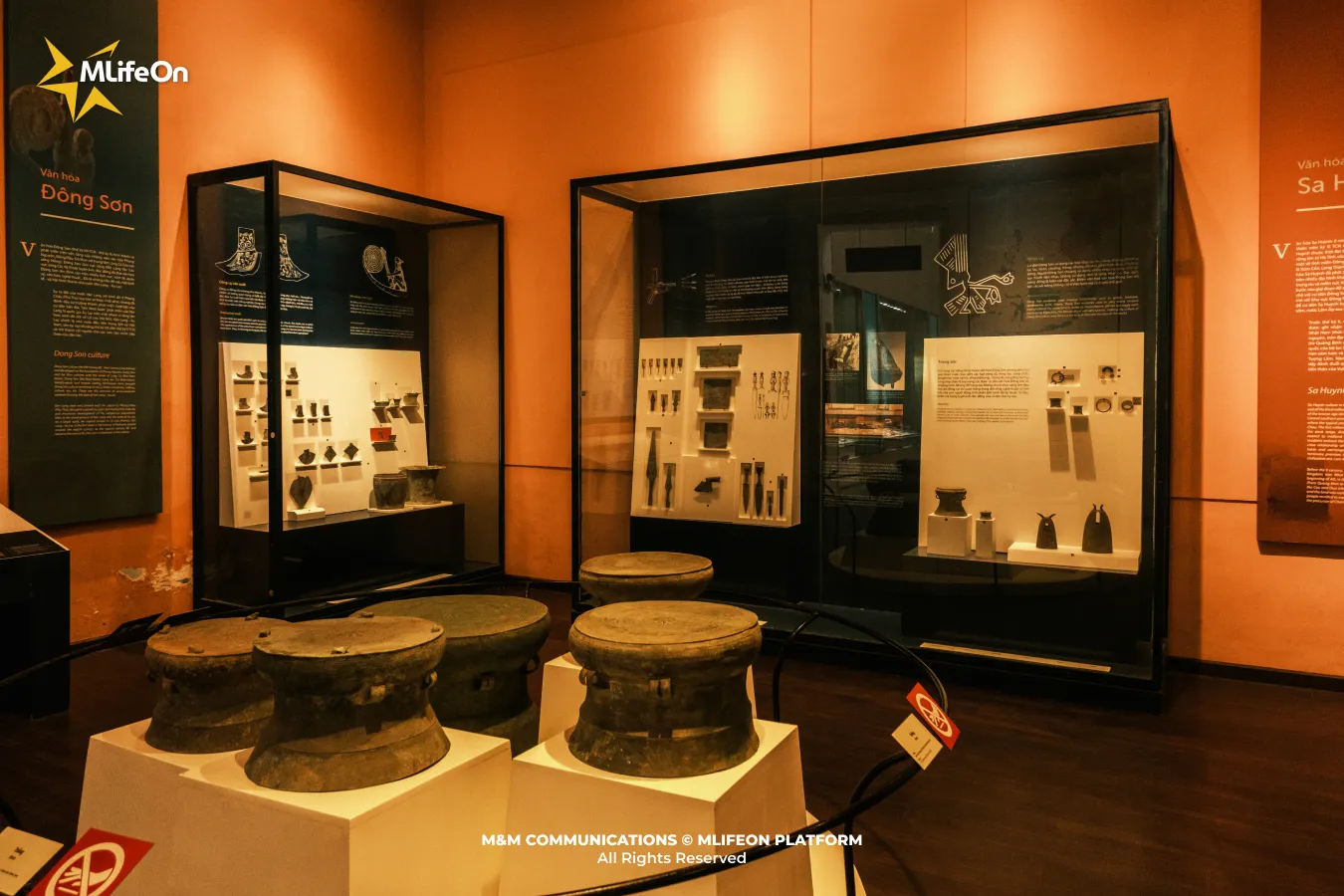
preserving over 43,000 artifacts
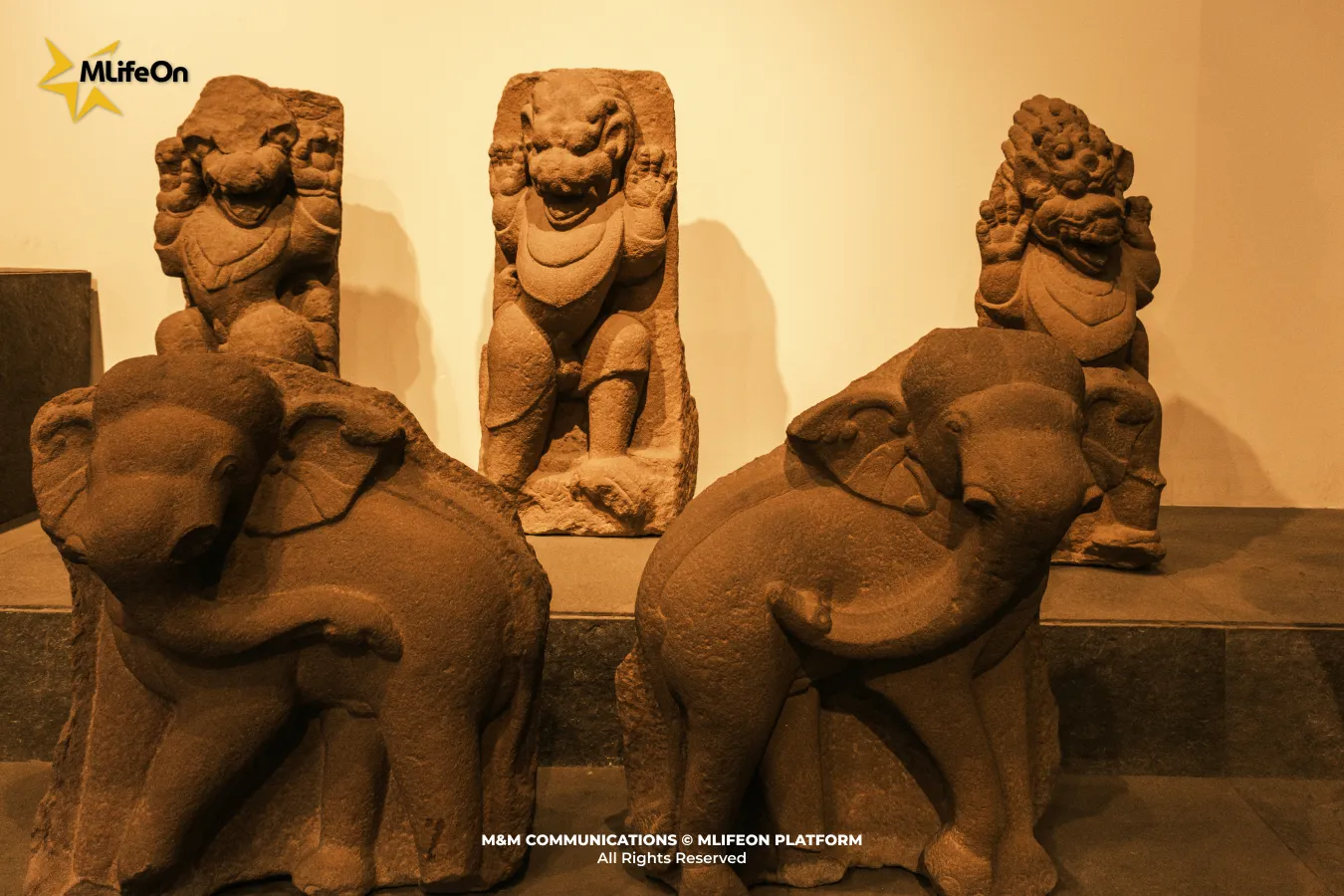
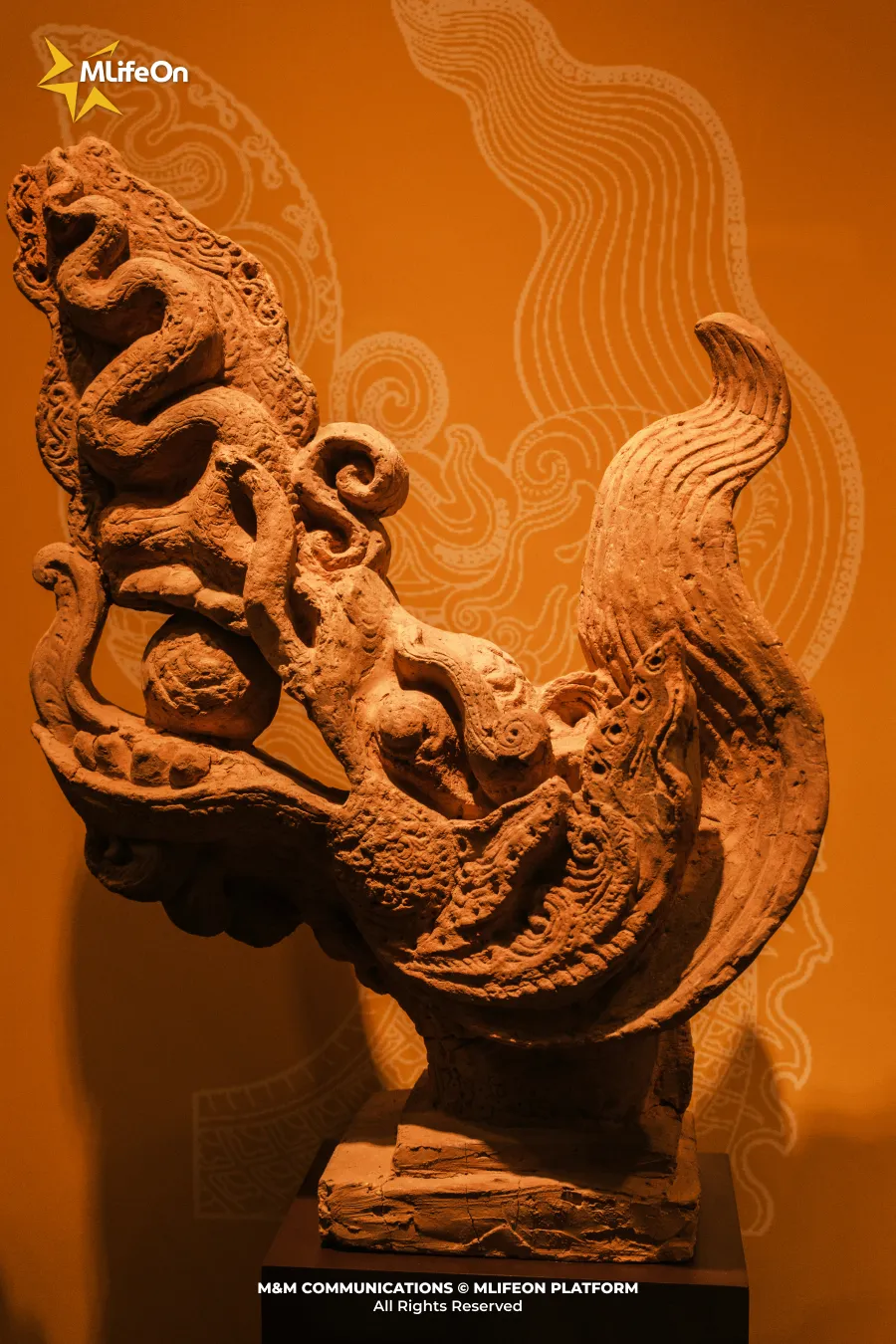
Not only is the museum remarkable for its collection of artifacts, but it is also impressive for its architecture. The building is constructed in an East Asian style combined with classic French architecture, featuring curved tiled roofs, sturdy columns, and exquisite decorative details. This architecture is both majestic and inviting, making the exhibition space harmonious and easily accessible.
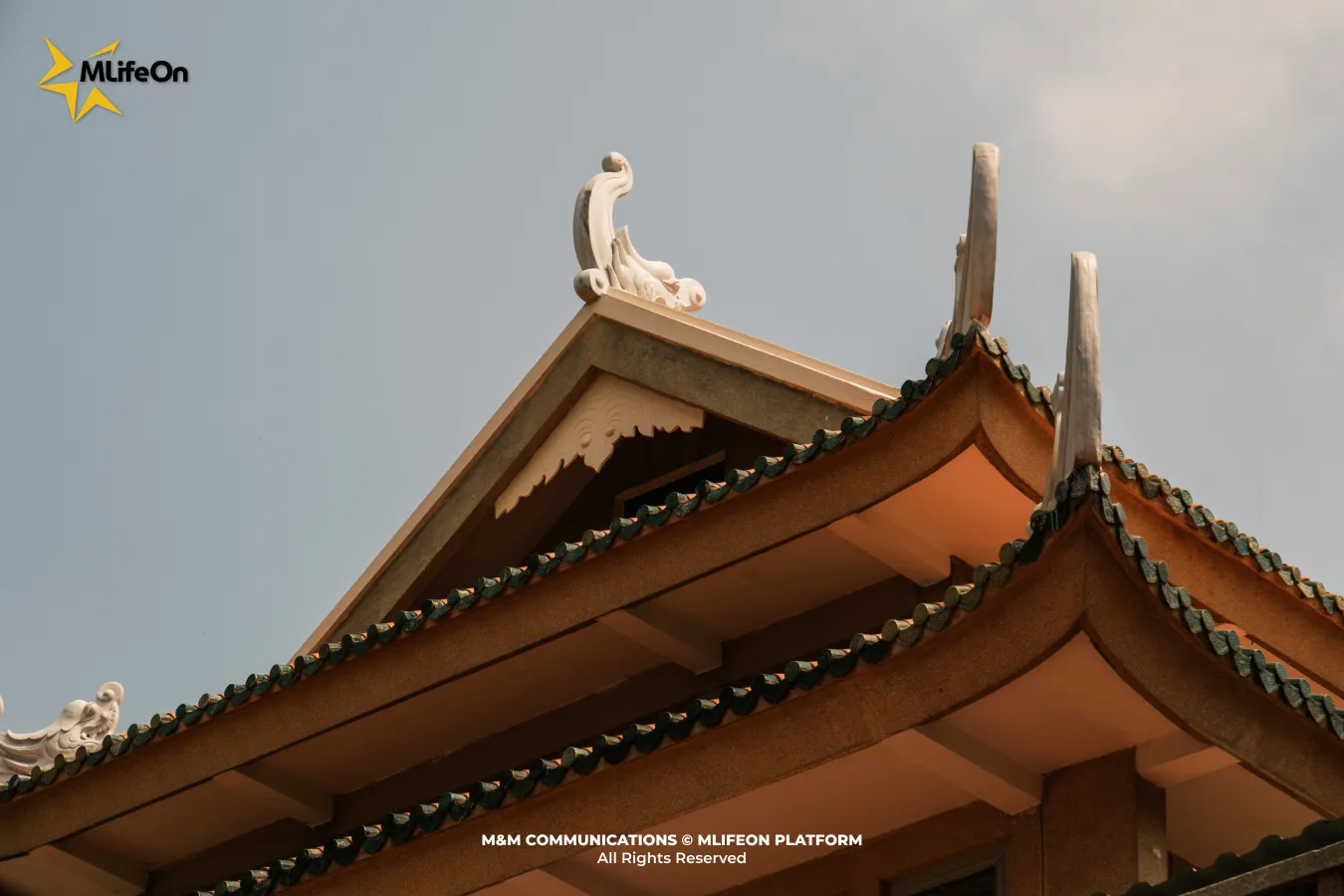
curved tile roof
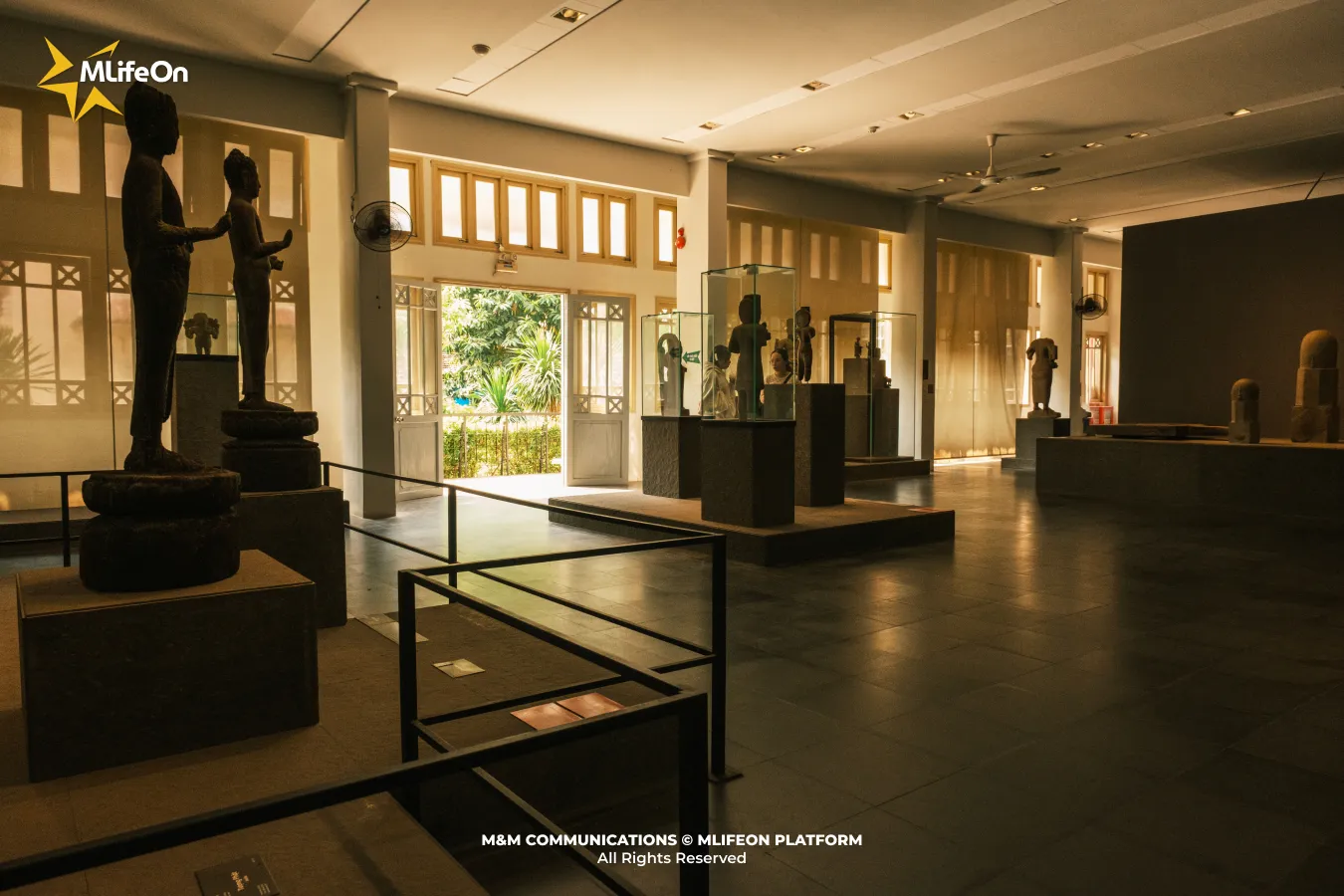
The exhibition space is harmonious and inviting.
Ho Chi Minh City Museum of Fine Arts
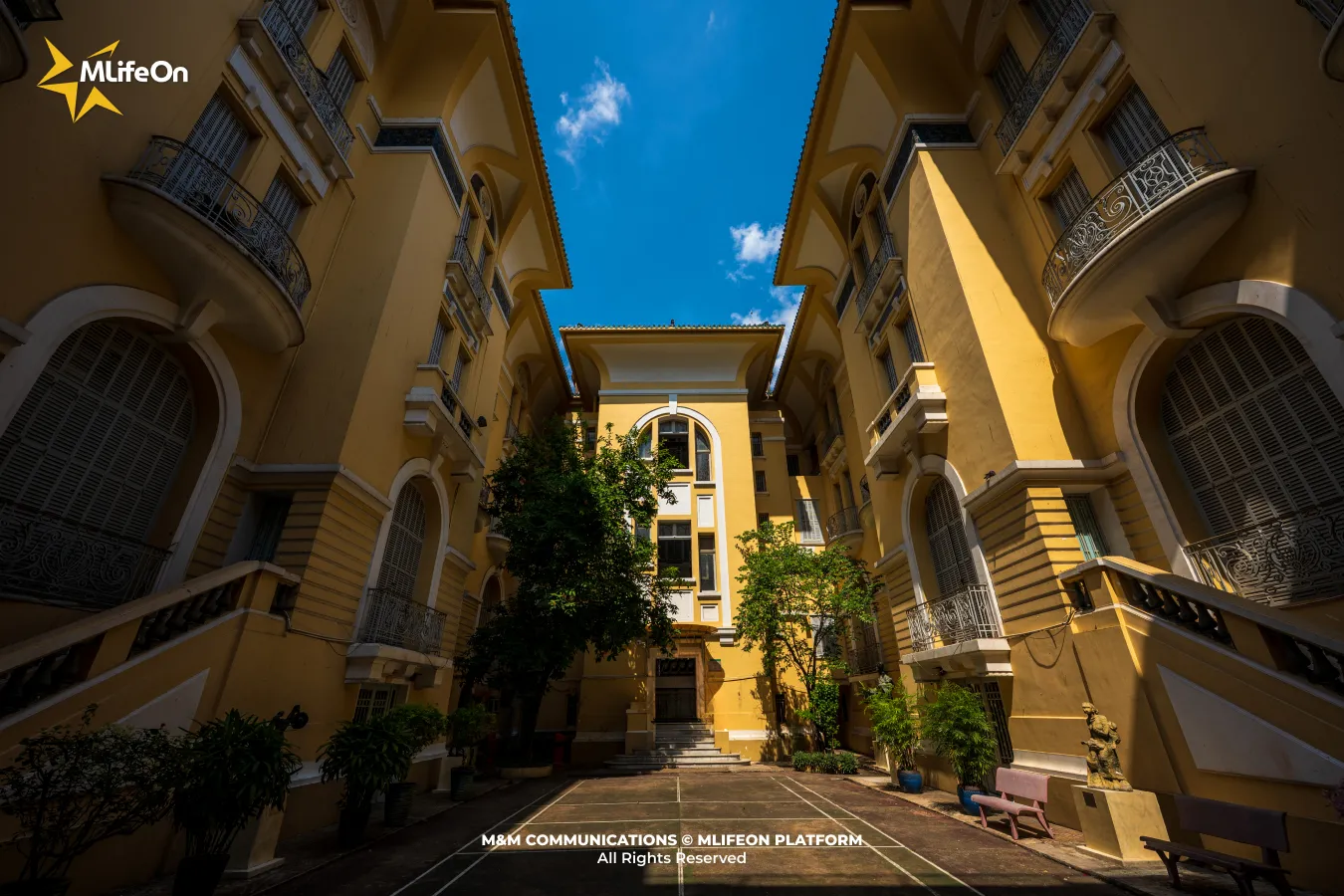
Located at 97A Pho Duc Chinh Street, Ben Thanh Ward, District 1, right in the heart of the city, the Ho Chi Minh City Museum of Fine Arts is a must-visit destination for art lovers. This building was originally the old villa of the Hui Bon Hoa merchant family, one of the wealthiest and most famous families in Saigon in the early 20th century. Therefore, the building bears the strong imprint of French architecture combined with East Asian style, creating a space that is both elegant and classic.
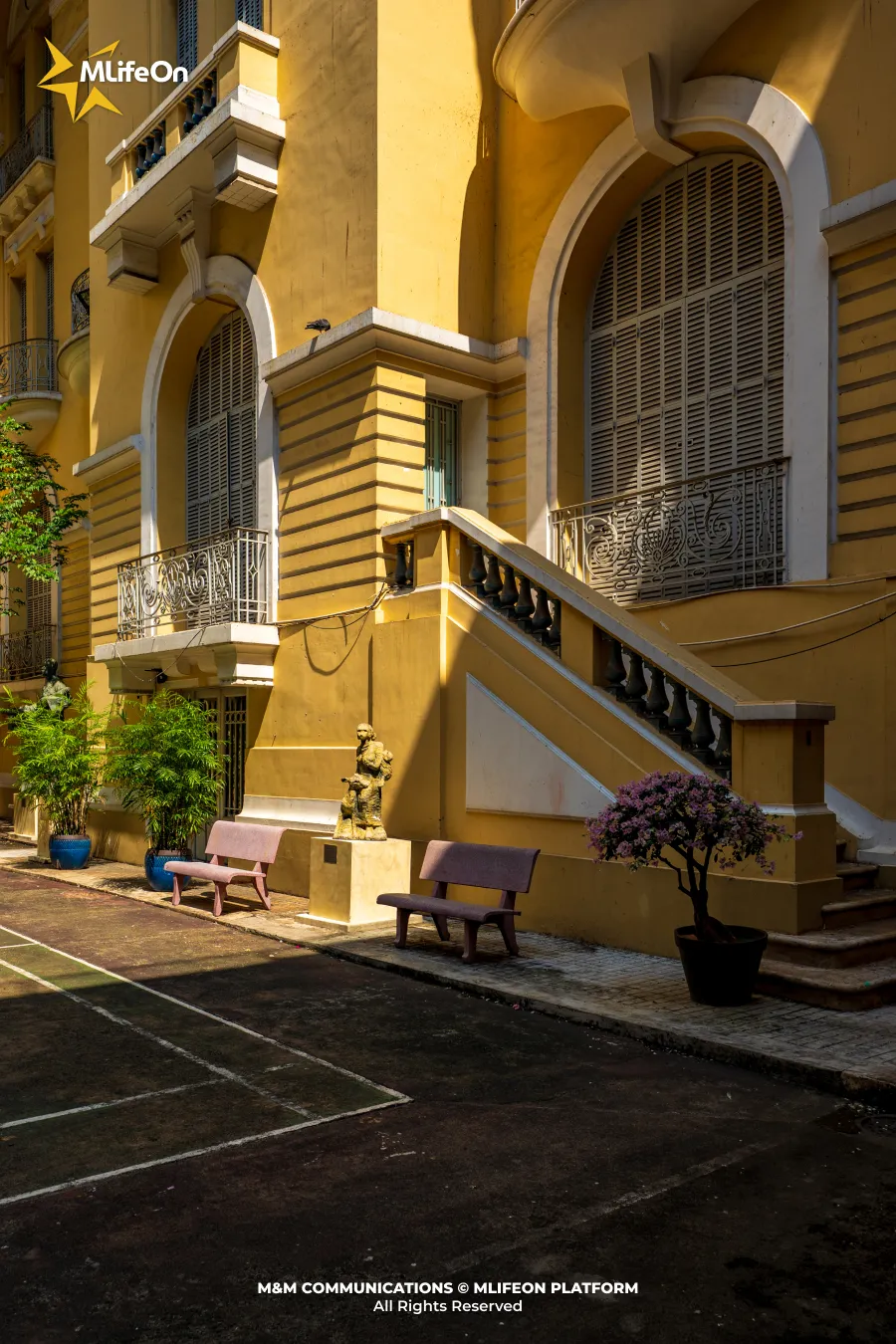
The museum currently houses over 21,000 works, including ancient art, indigenous art of Southern Vietnam, modern art, and contemporary art. This diverse collection allows visitors to visualize the development of Vietnamese art through various periods, from folk artifacts, lacquer paintings, ceramics, to modern paintings and sculptures. In particular, it also features many works by famous Vietnamese artists, contributing to affirming the position of Vietnamese art on the world art map.
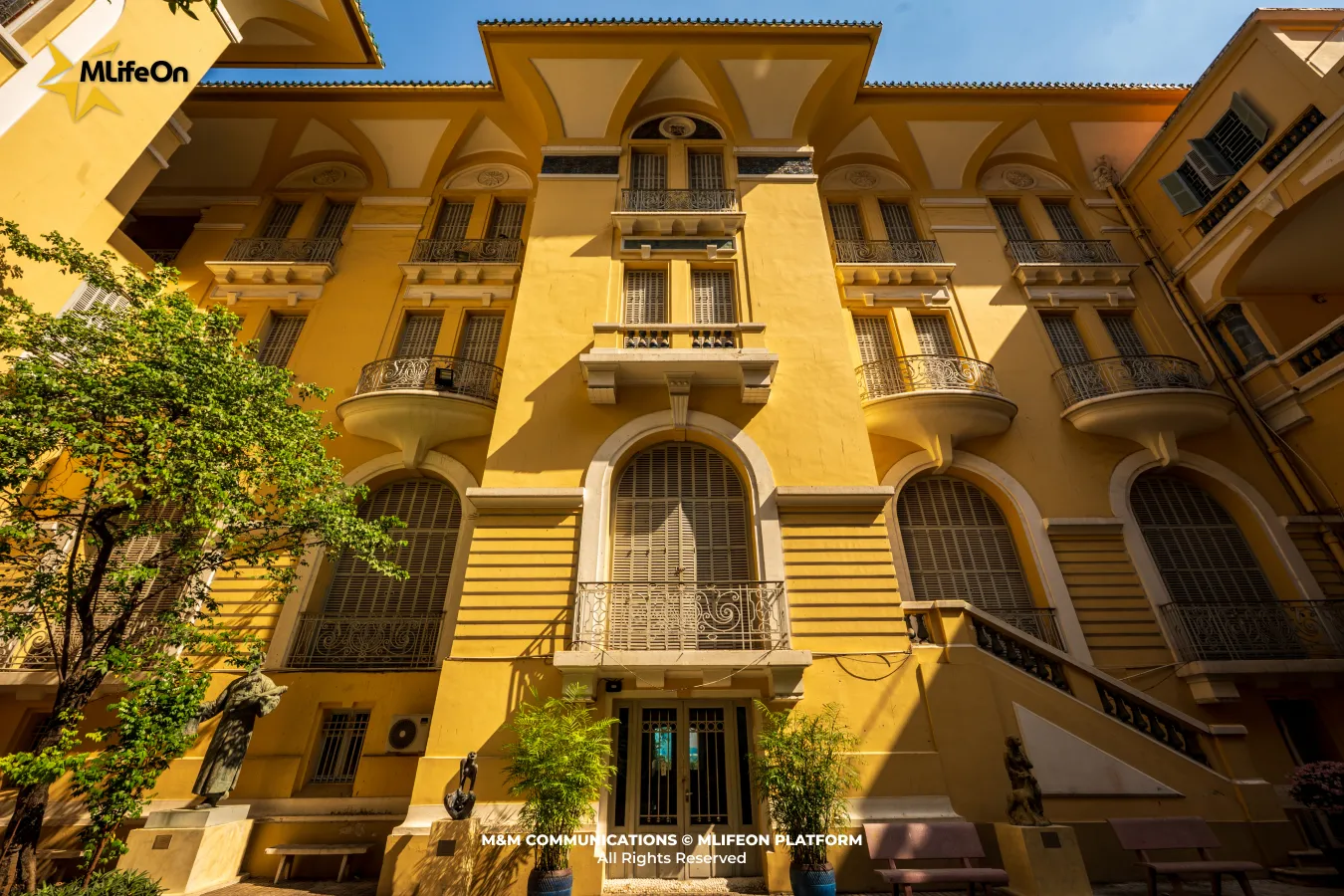
preserving over 21,000 works
The museum's highlight lies not only in its exhibits but also in the building's architecture. With three floors, a wide staircase, large windows, and exquisite decorative details, the structure is like a "living work of art."
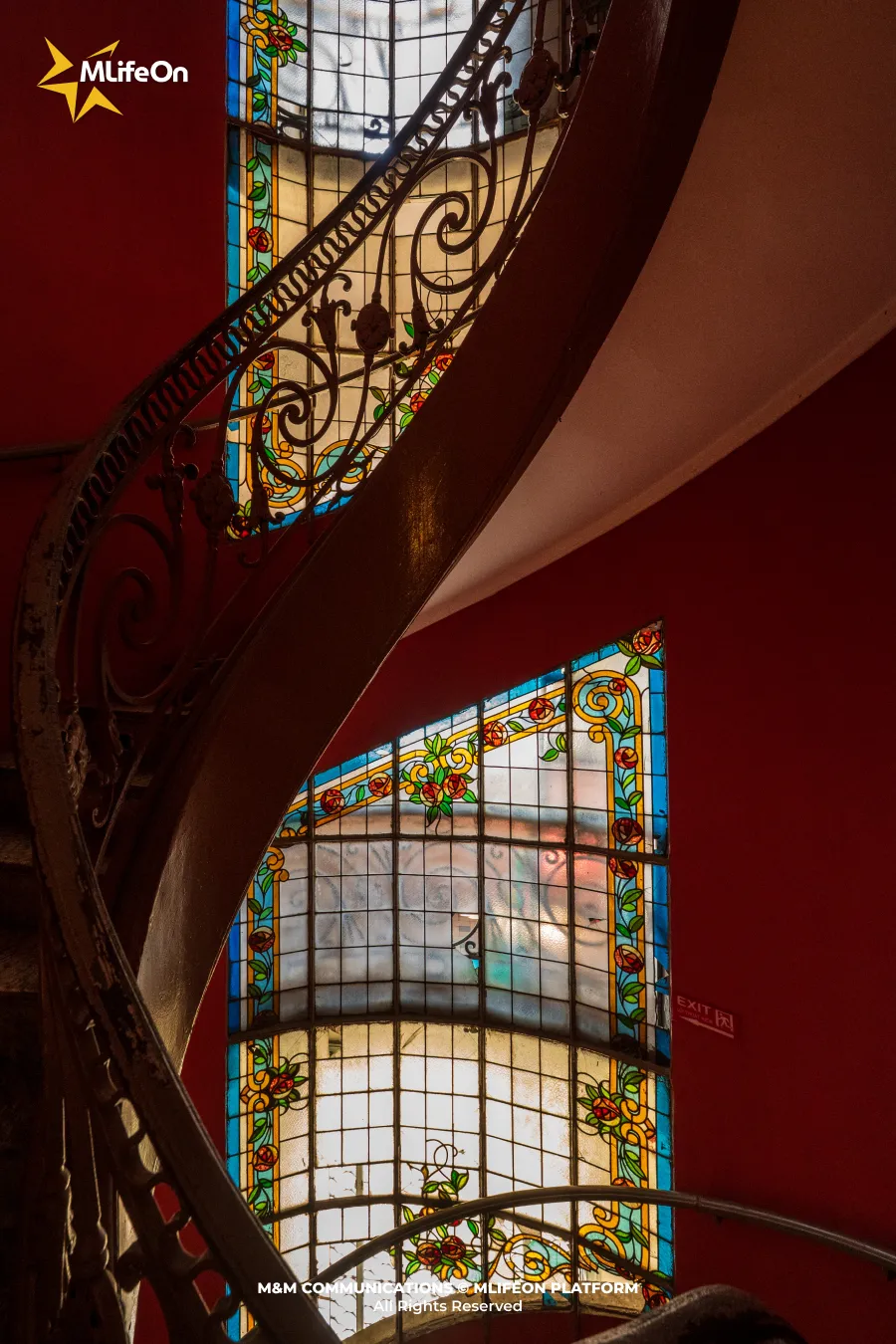
The building is like a "living work of art"
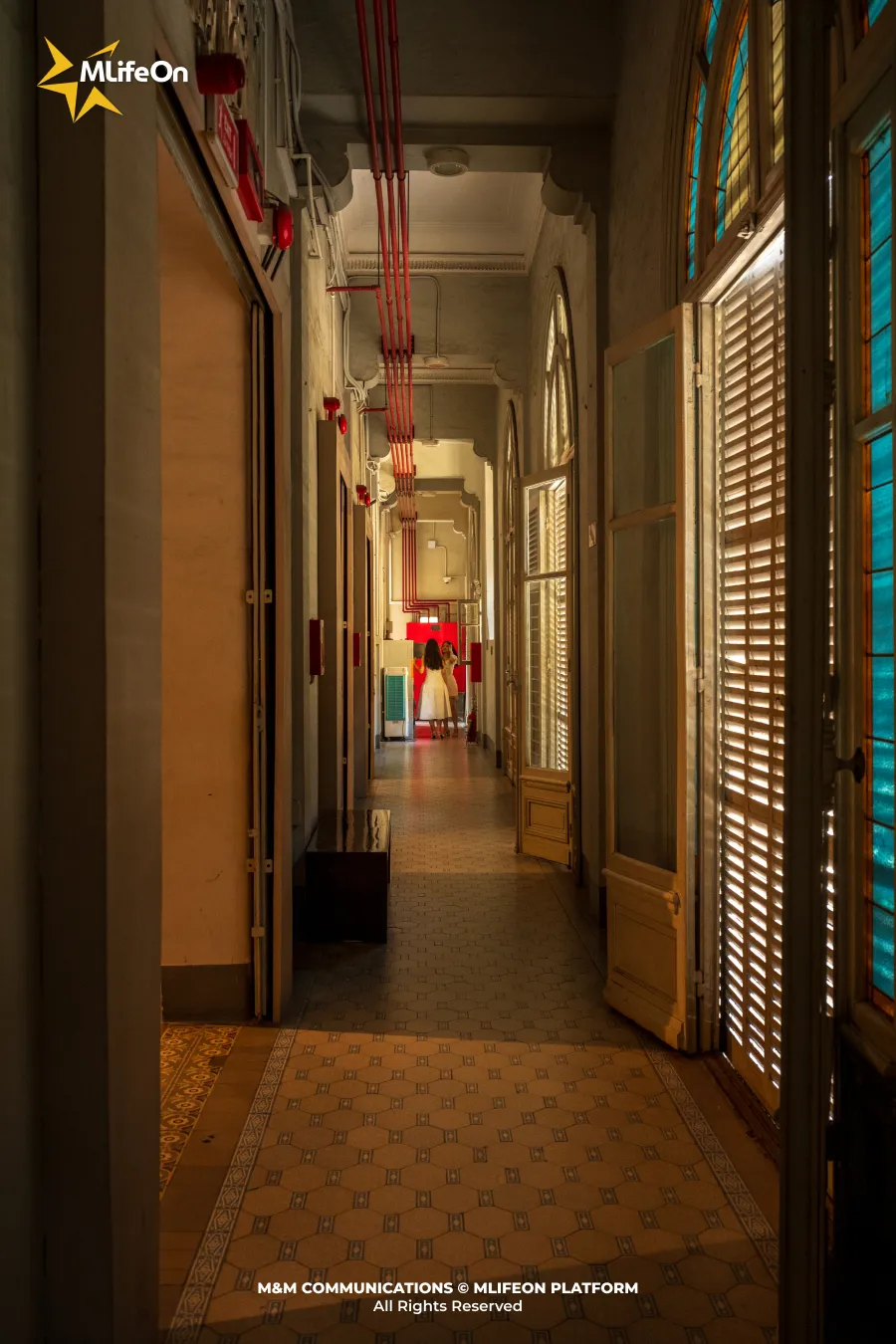
Con Dao Museum
The Con Dao Museum is located at 10 Nguyen Hue Street, Con Dao Special Zone, Ho Chi Minh City (formerly Ba Ria - Vung Tau area). Situated on spacious grounds of over 2 hectares, it is an ideal destination for those wishing to learn about the history and culture of Con Dao.
Built and put into operation in 2013, the museum houses and displays more than 2,000 valuable artifacts, comprehensively reflecting the nature, people, and the resilient struggle of Con Dao.
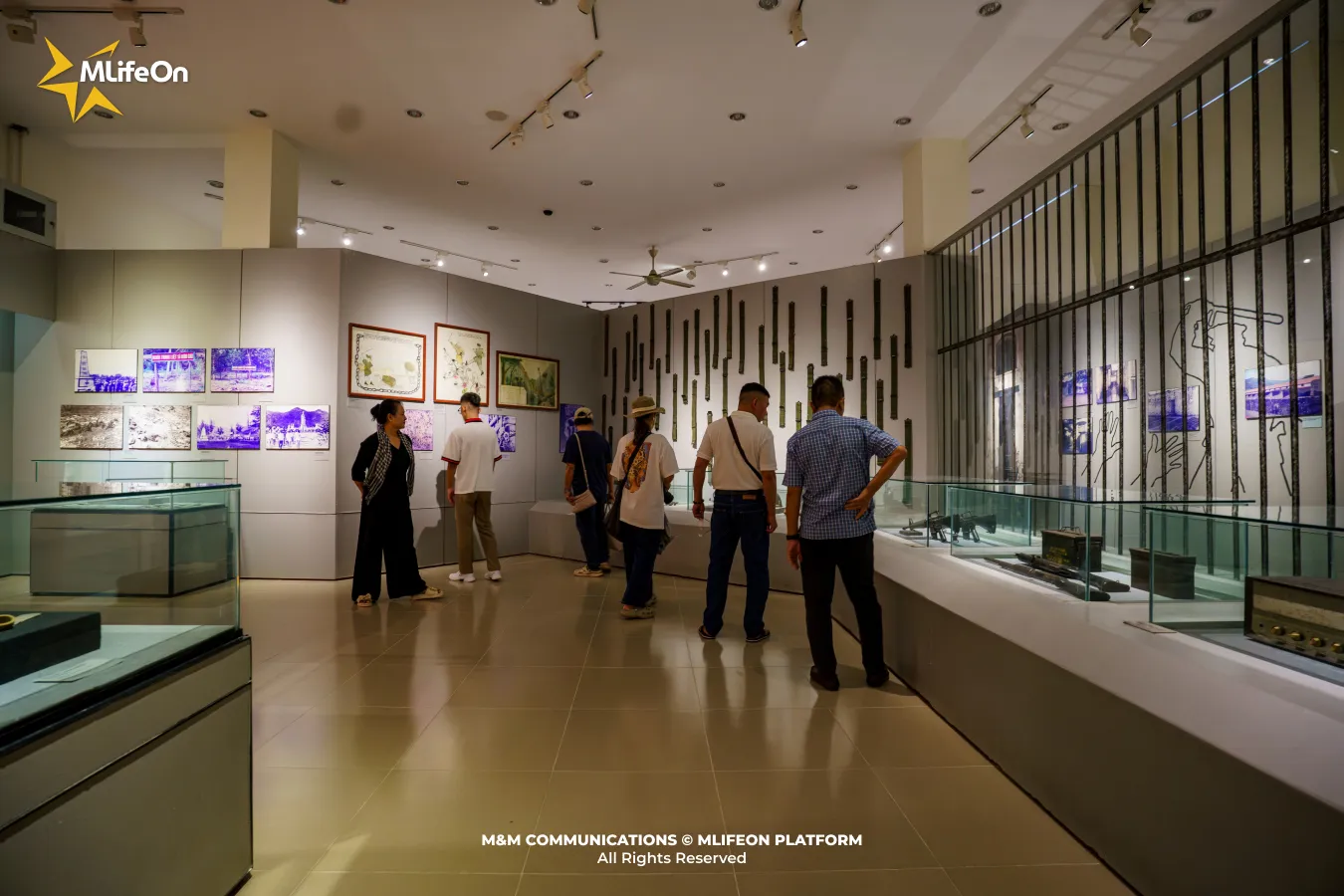
It is a place that displays more than 2,000 valuable artifacts.
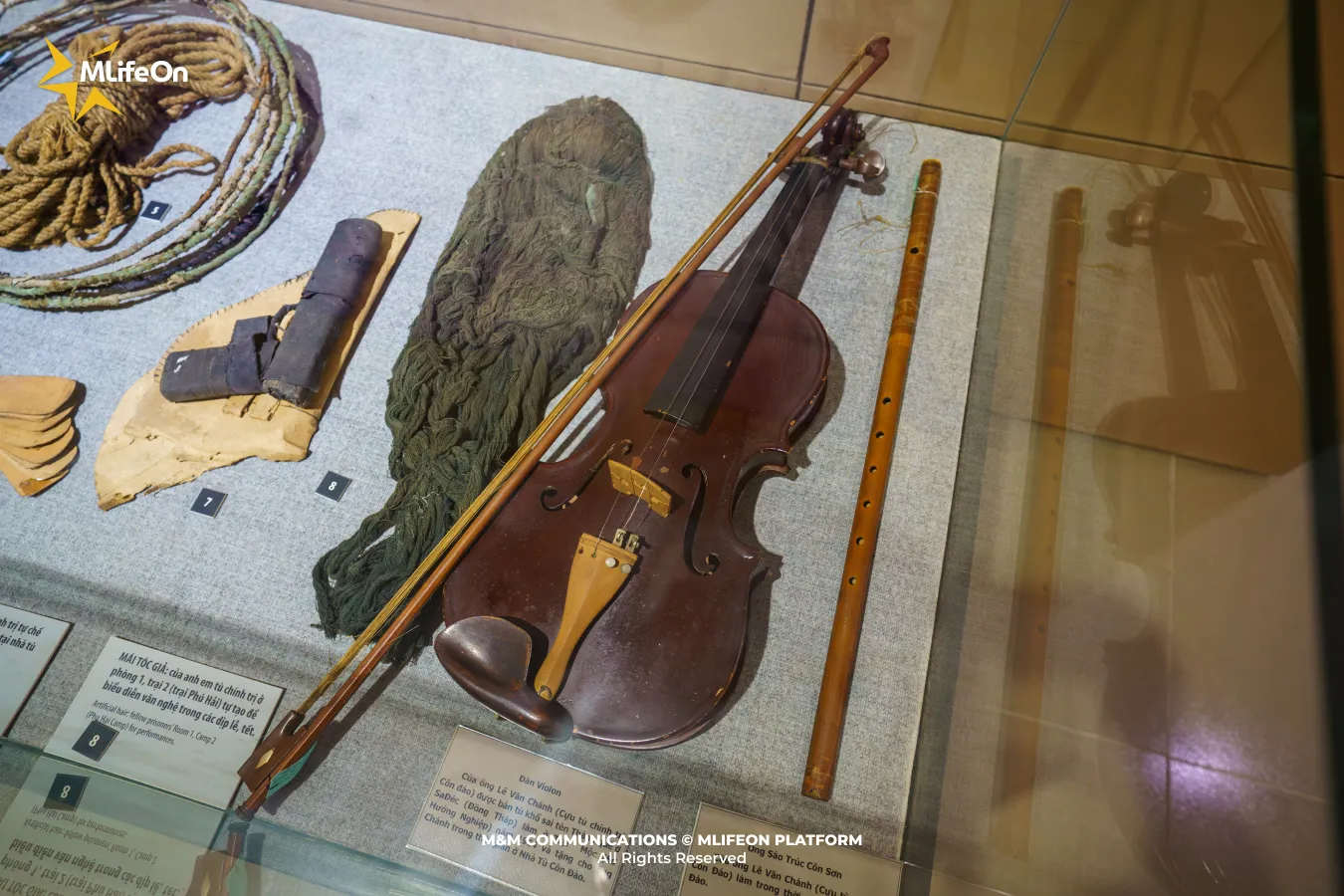
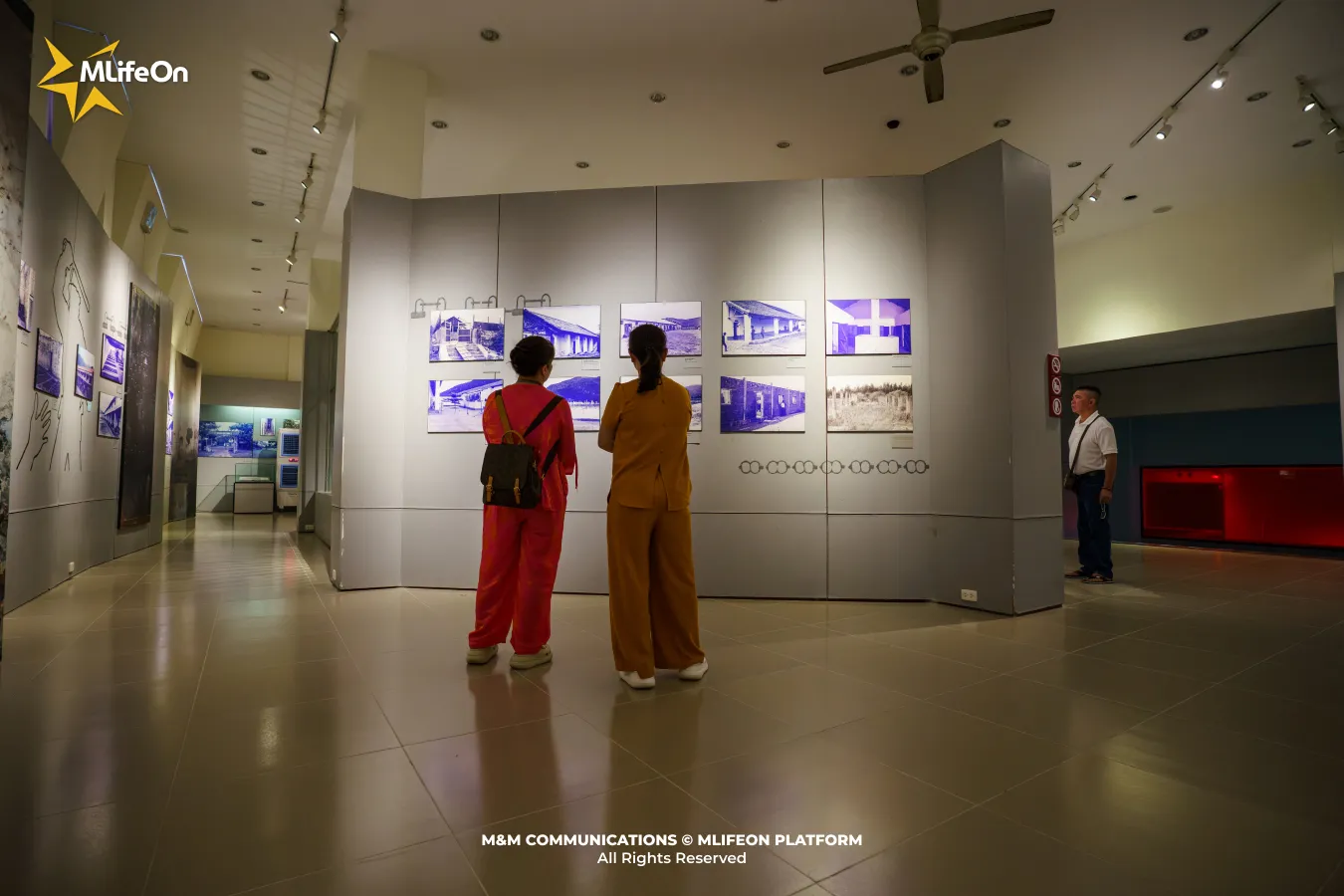
The museum's exhibition space is divided into several themes: from the rich marine ecosystem of the islands and the cultural life of the local inhabitants, to historical evidence of Con Dao prison, once known as "hell on earth." The exhibits include images, documents, household items, and mementos associated with the revolutionary struggle. Each exhibit tells a story, helping visitors better understand the harsh conditions endured by prisoners and feel the indomitable spirit of the nation.
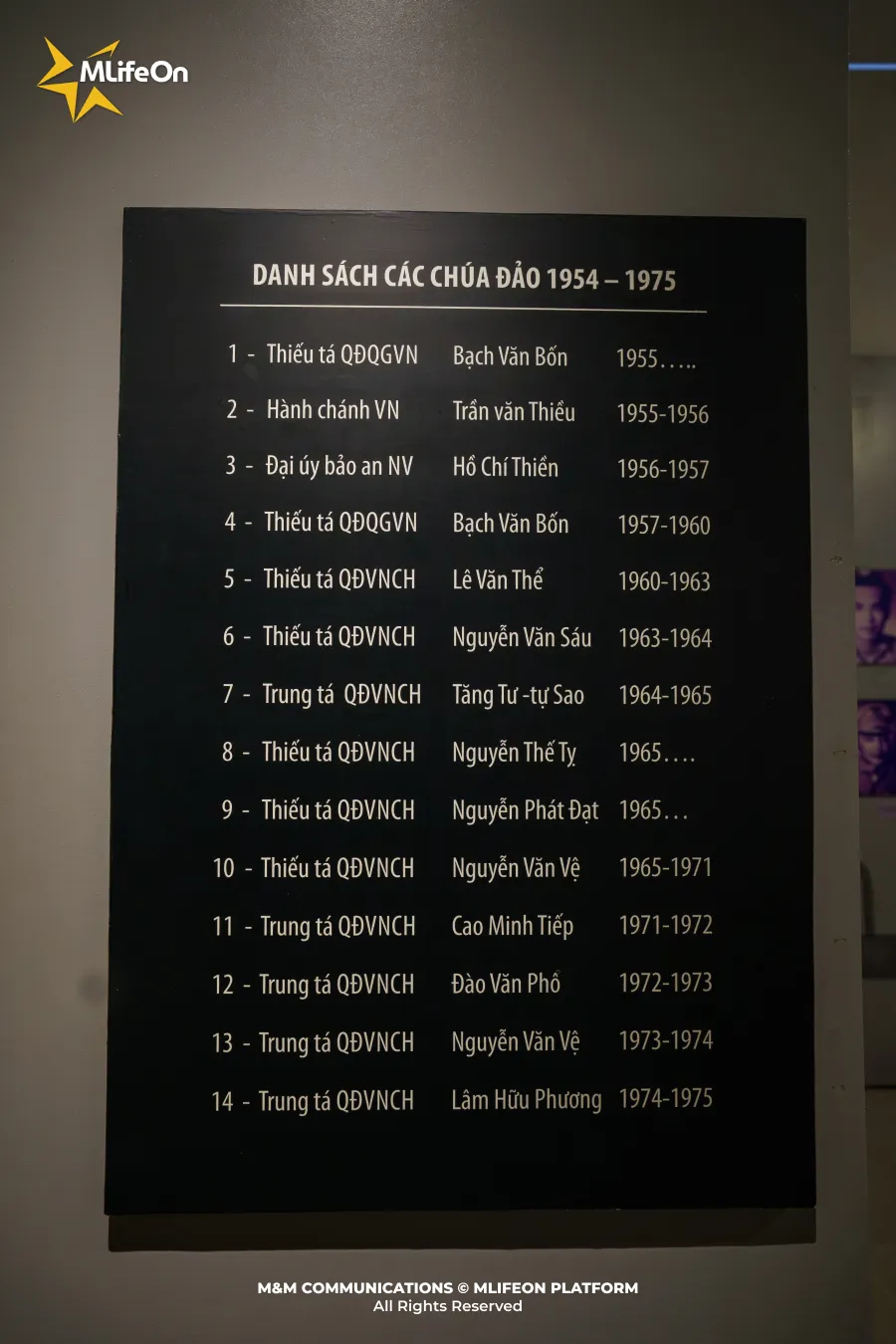
The museum's highlight also lies in its modern display style, combining traditional artifacts with projection technology, providing visitors with a vivid and engaging visual experience. The architectural space is designed to harmonize with the surrounding natural landscape, creating a feeling that is both solemn and welcoming.
Conclusion
Visiting each museum offers not only the opportunity to admire artifacts but also to relive the past, feel the continuity of generations, and clearly see the national identity in every detail. It's a journey to better understand and be prouder of the country and what our ancestors have built.
Therefore, each museum deserves a visit at least once in your lifetime, as a rendezvous with history, a meeting with memories, and a meaningful experience on your journey of discovering Vietnam.
—-----
CREDIT:
- Photography: Luan Nguyen, Kien Trang
- Content: Giang Huynh
- Design: Phuong Nguyen