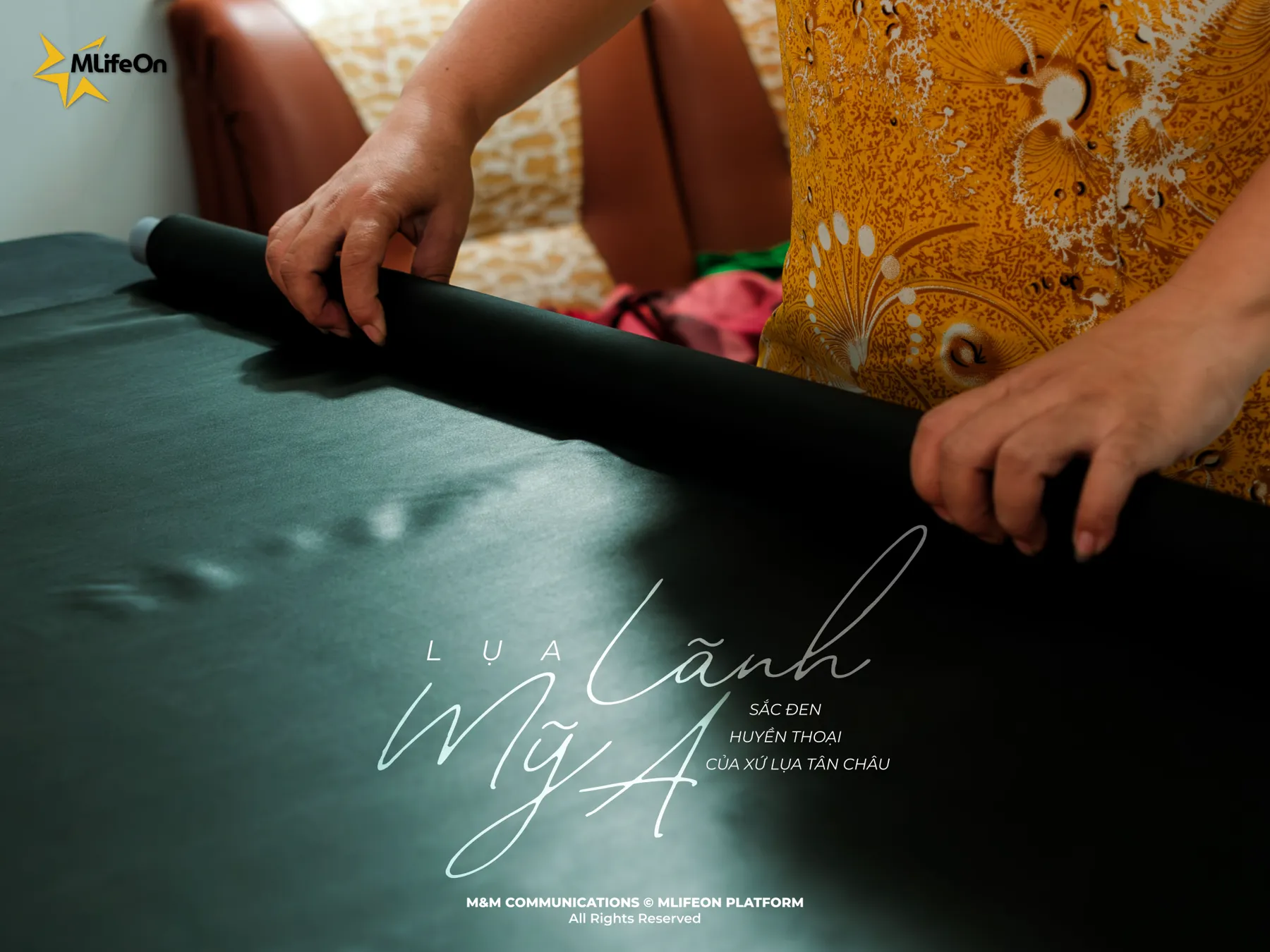
UZU MAT WEAVING VILLAGE IN TAN CHAU – PRESERVING THE SCENT OF SUN AND TIME
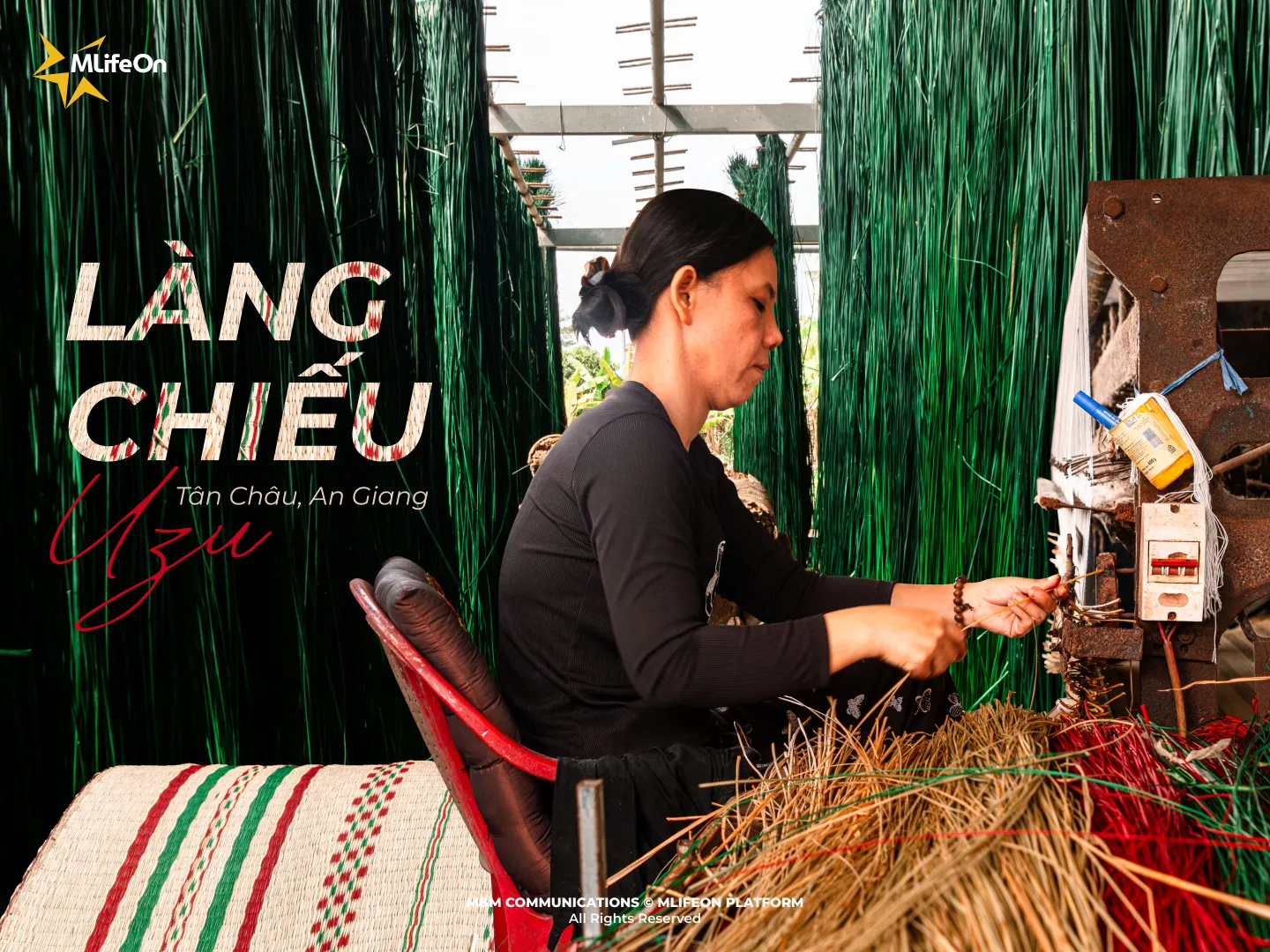
Discover Uzu Mat Weaving Village in Tan Chau, where the traditional craft of weaving mats from sedge grass is preserved. Explore the production process, local village life, and experience the cultural landscape of the Mekong Delta through each strand carefully woven with time and memory.
In a quiet corner of Tan Chau, there is a craft village where mats are still woven daily from sedge grass. It exists like a gentle pause within the riverine landscape, where time seems to pass through the rhythm of looms and the sunlit scent of drying reeds.
This place is known as Uzu Mat Weaving Village - a name that feels both unfamiliar and familiar at once, evoking a sense of closeness, much like the everyday items that have accompanied generations in the Mekong Delta.
Join MLifeOn in exploring Uzu mat village - a place that preserves threads of memory woven between tradition and modern life, where you can fully embrace the rustic yet proud beauty of the river region.
Fields of sedge and the journey of a Uzu strand into a mat
The Uzu plant, also known locally as oil sedge or bearded sedge, grows in wetland areas and is sometimes sourced from fields across the border. Its slender and flexible stems carry the essence of the river landscape.
Harvested from waterlogged fields, the sedge is carefully selected to ensure suitable length and pliability. The bundles are then brought back and laid out under the sun to dry, allowing the fibers to become lighter and easier to handle. Once sufficiently dried, the sedge is dyed. The colors are not overly vivid, yet they are distinct enough that when woven together, they create clear patterns, each mat reflecting its own identity.
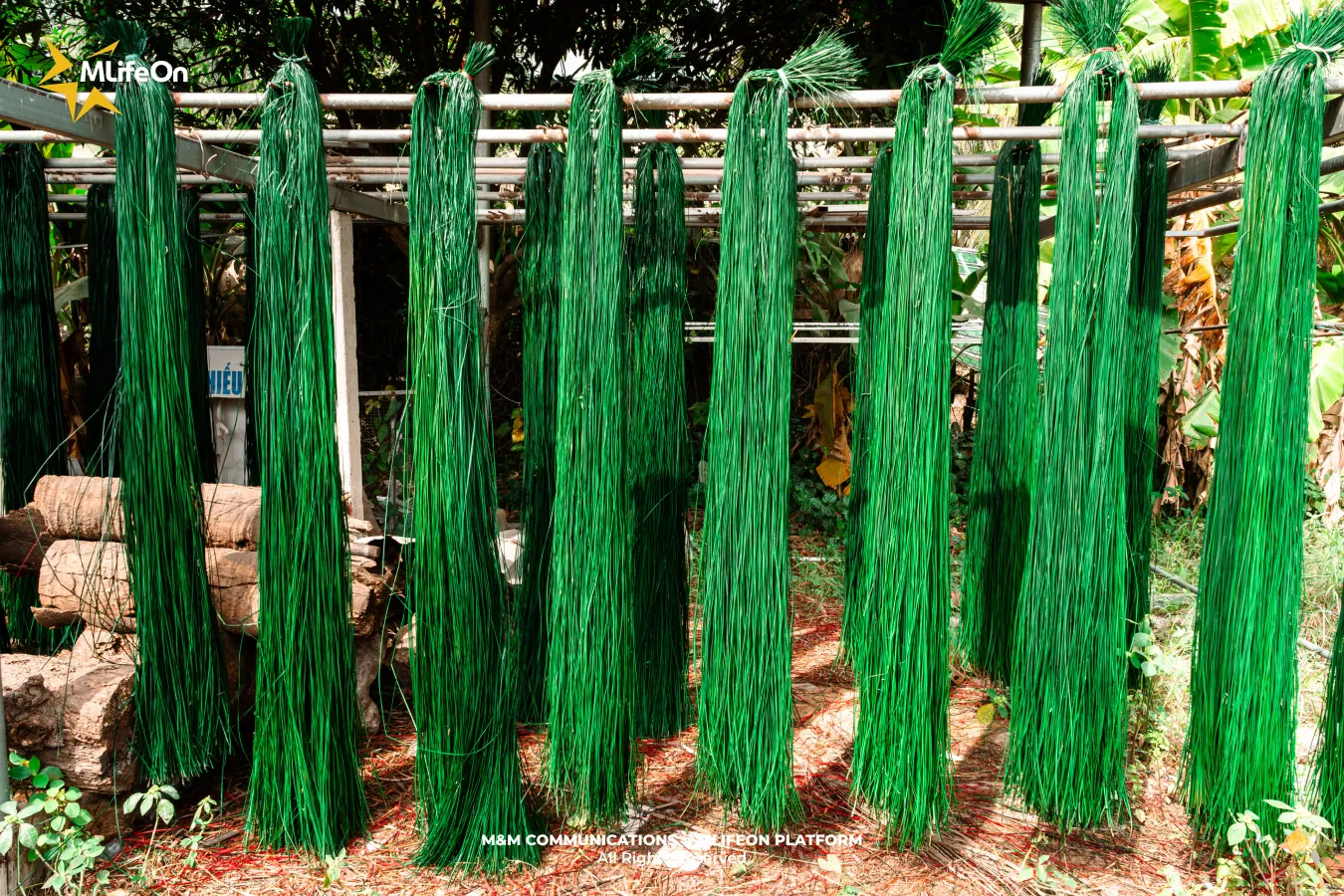
After dyeing, the sedge strands are hung out to dry under the sun, preparation for the weaving process.
Finally, the sedge is placed onto the loom, where all previous stages come together. Each strand passes through the hands of the artisan, positioned with care and interwoven according to a precise order. The rhythm of weaving repeats in steady motion until the mat gradually takes shape.
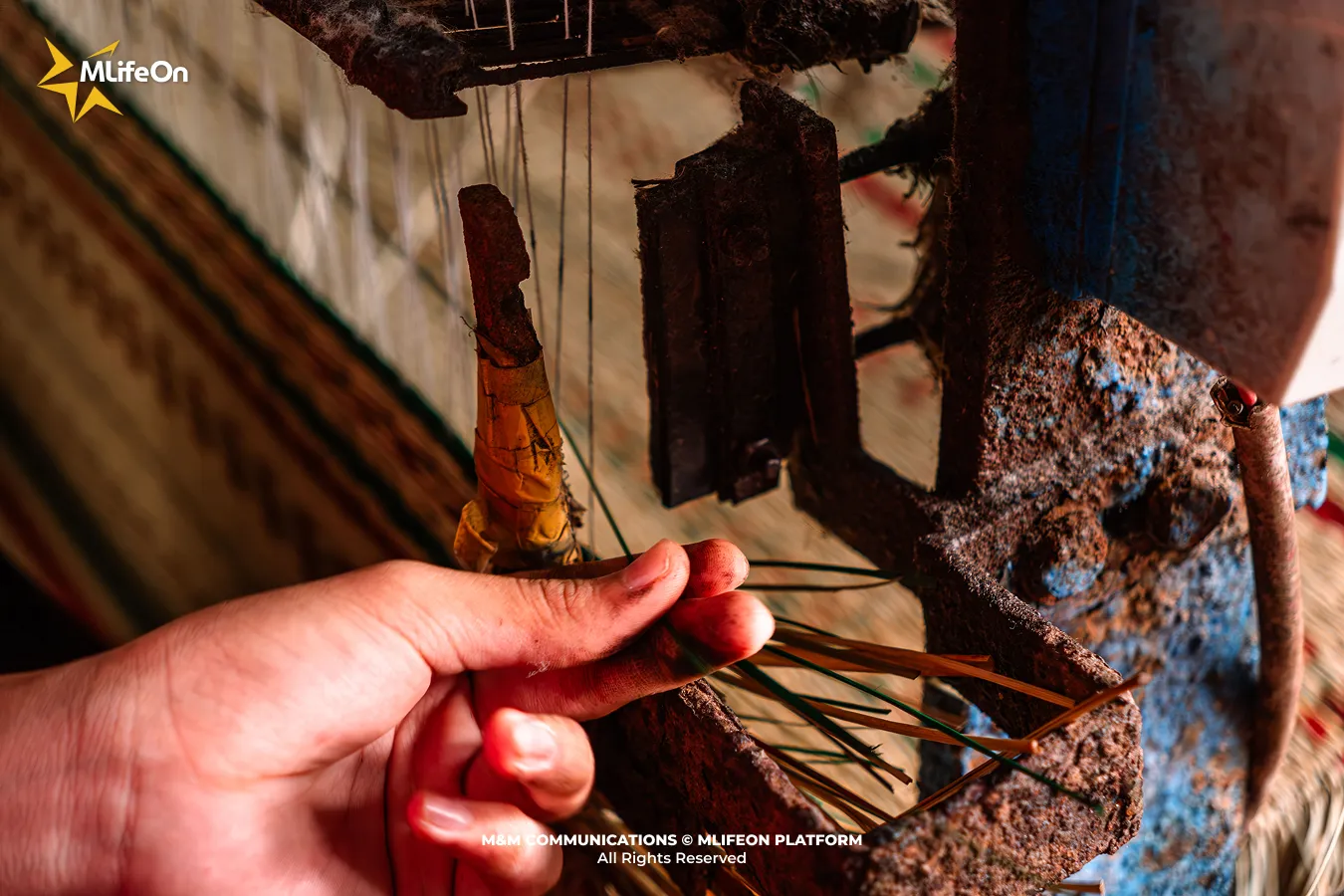
The colors on the sedge fibers are not overly vibrant, but when woven together, they form distinct patterns, creating the unique identity of Uzu mats in Tan Chau.
It is often said that the longer Uzu mats are used, the smoother and shinier they become, as if time itself adds another layer of memory to their surface.
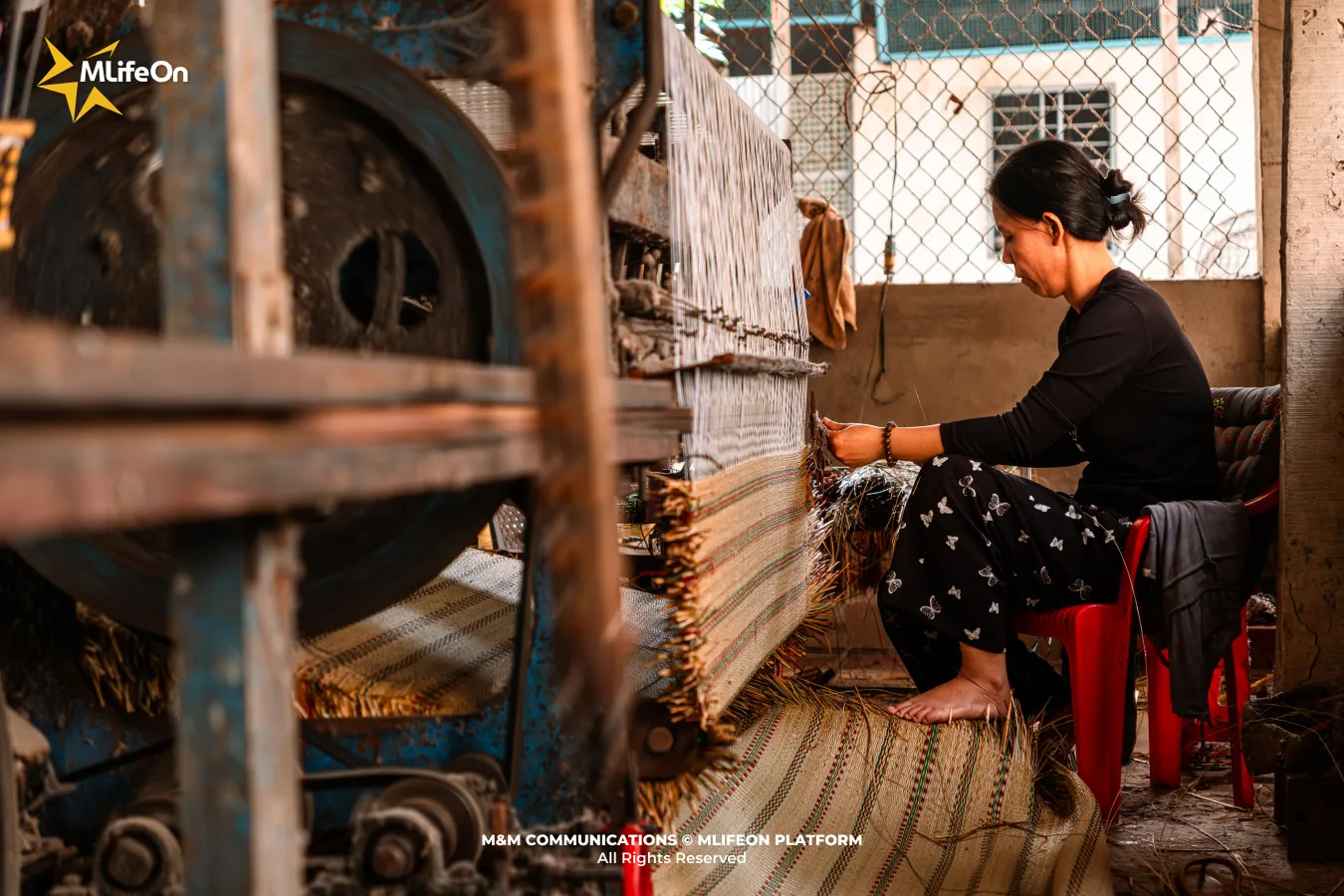
Seated beside the loom, the artisan works with swift, practiced hands, guiding each sedge strand into place, where every mat is shaped by patience and years of experience.
The Sound of the Loom and the Transformation of the Craft Village Today
In the homes of Uzu Mat Weaving Village, the sound of looms still echoes each day. Yet alongside the familiar handlooms, supportive machinery has gradually been introduced.
In the past, two artisans working diligently at a single loom could complete only a few mats in a day. Today, with the assistance of machines, the rhythm of production has shifted. Output has increased, while the physical demands on the artisans have been significantly reduced.
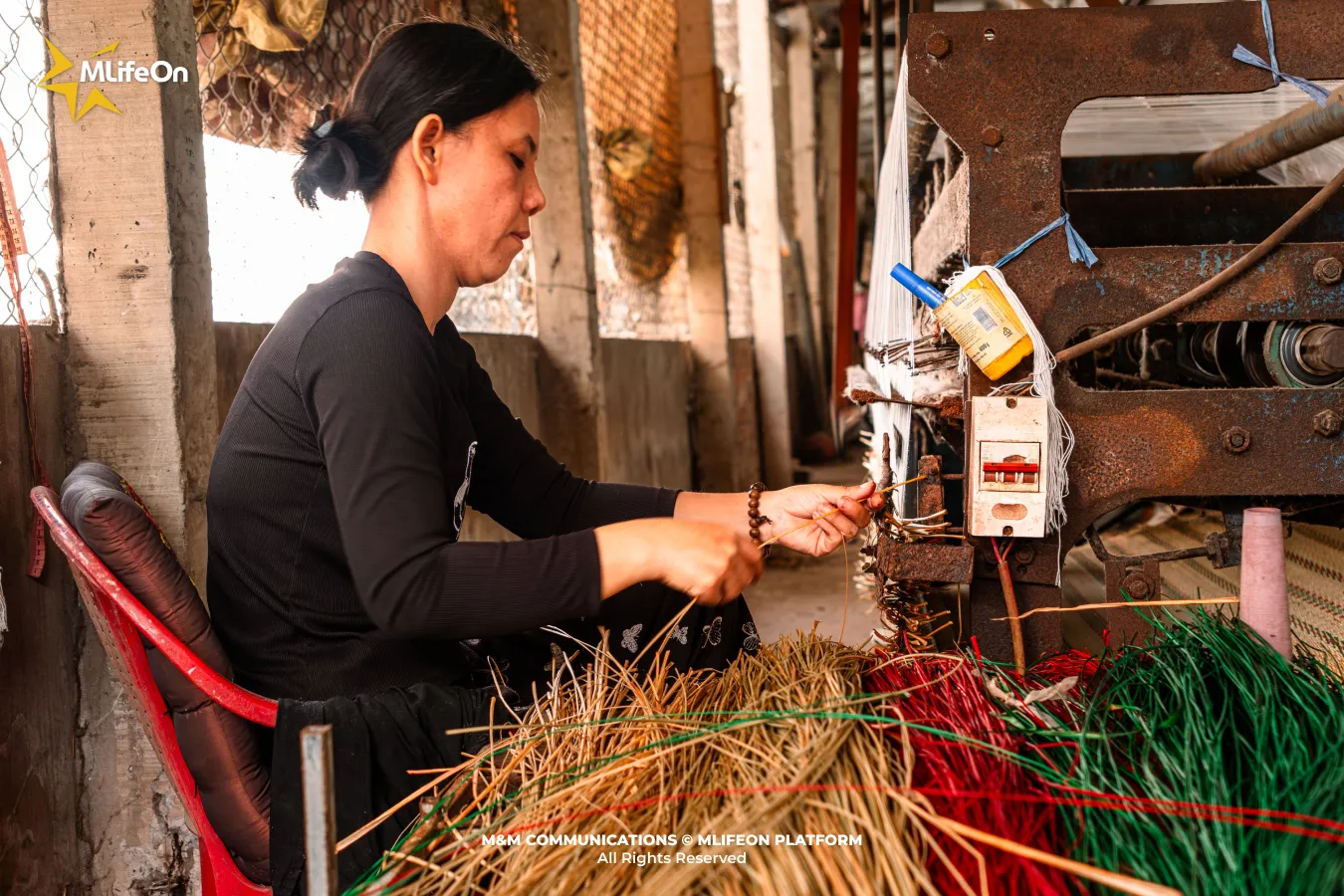
The sedge strands rest neatly beside the loom, carefully sorted and arranged, ready to be woven in successive layers into a complete mat.
In Tan Chau, mat weaving workshops remain active every day. Some operate dozens of looms, producing hundreds of mats. These mats travel beyond the village, reaching many regions and becoming a familiar part of daily life.
Uzu Mats and the Traces of a Craft Woven into Every Thread
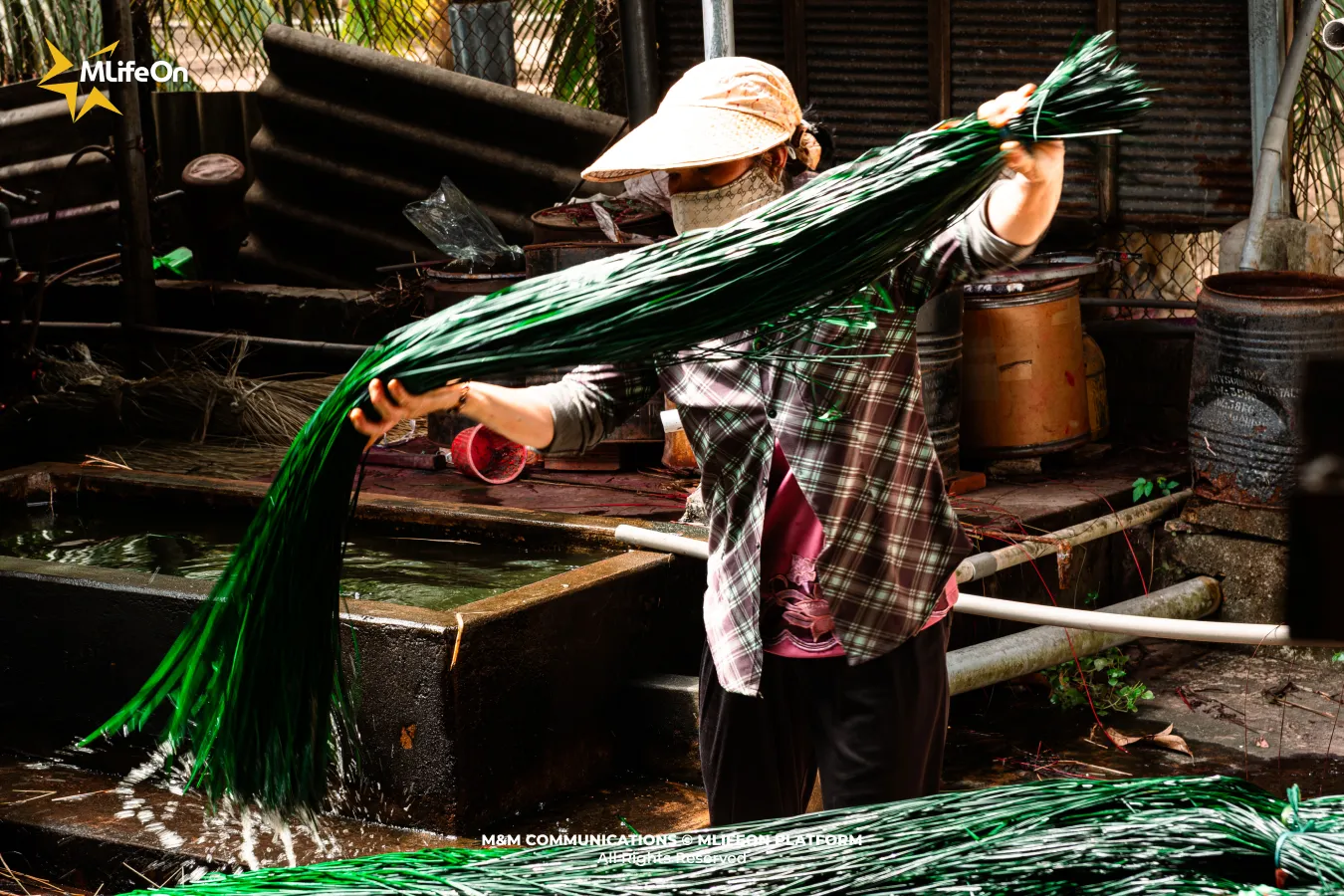
In this village, mats are never made in haste. Each sedge strand, after being dried in the sun and dyed, rests quietly on the loom, awaiting the artisan’s hand to place it precisely. Layer by layer, the strands build a flat surface, yet within lies a long and meticulous process.
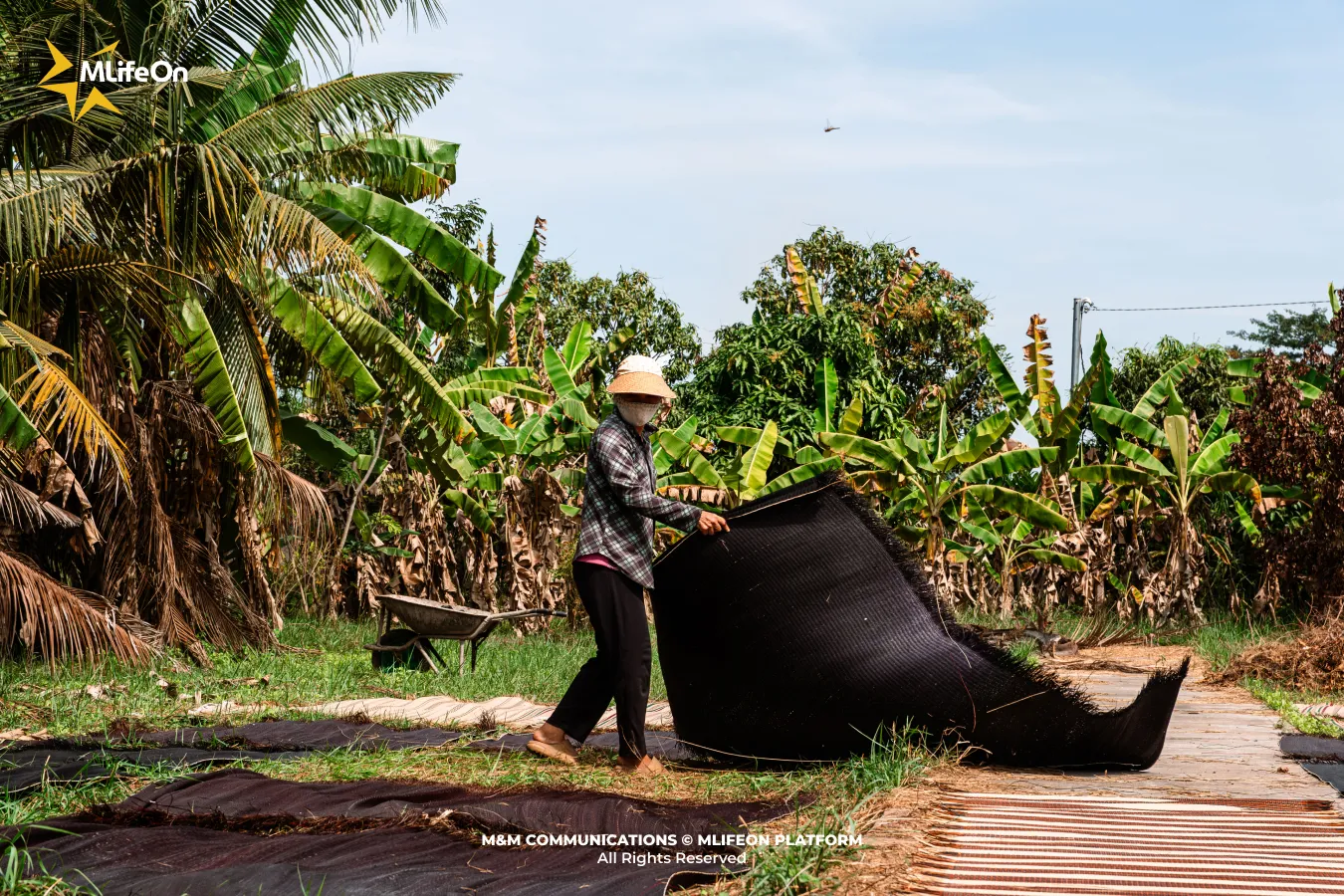
The mats are spread out in the sunlit courtyard, each layer turning gently under the sunlight, allowing warmth to seep into the fibers and preserving a hint of the earth’s scent.
Visitors often linger, watching for a long time. They observe the sedge strands moving back and forth, the repeated rhythm of the artisan’s hands, and then try it themselves, only to realize that the process is far more intricate than it appears. Every movement requires precise accuracy, for even the slightest deviation can disrupt the uniformity of the mat.
A Craft Village Connected to Experiential Tourism in the Mekong Delta Today
Today, An Giang continues to preserve Uzu Mat Weaving Village as an integral part of its cultural life. Many workshops receive support in terms of funding and technical guidance, creating opportunities to improve skills and enhance production methods.
The story of the village has thus expanded. It is no longer just about producing a product; it has become a place where visitors can learn, experience, and connect with a part of life in the Mekong Delta.
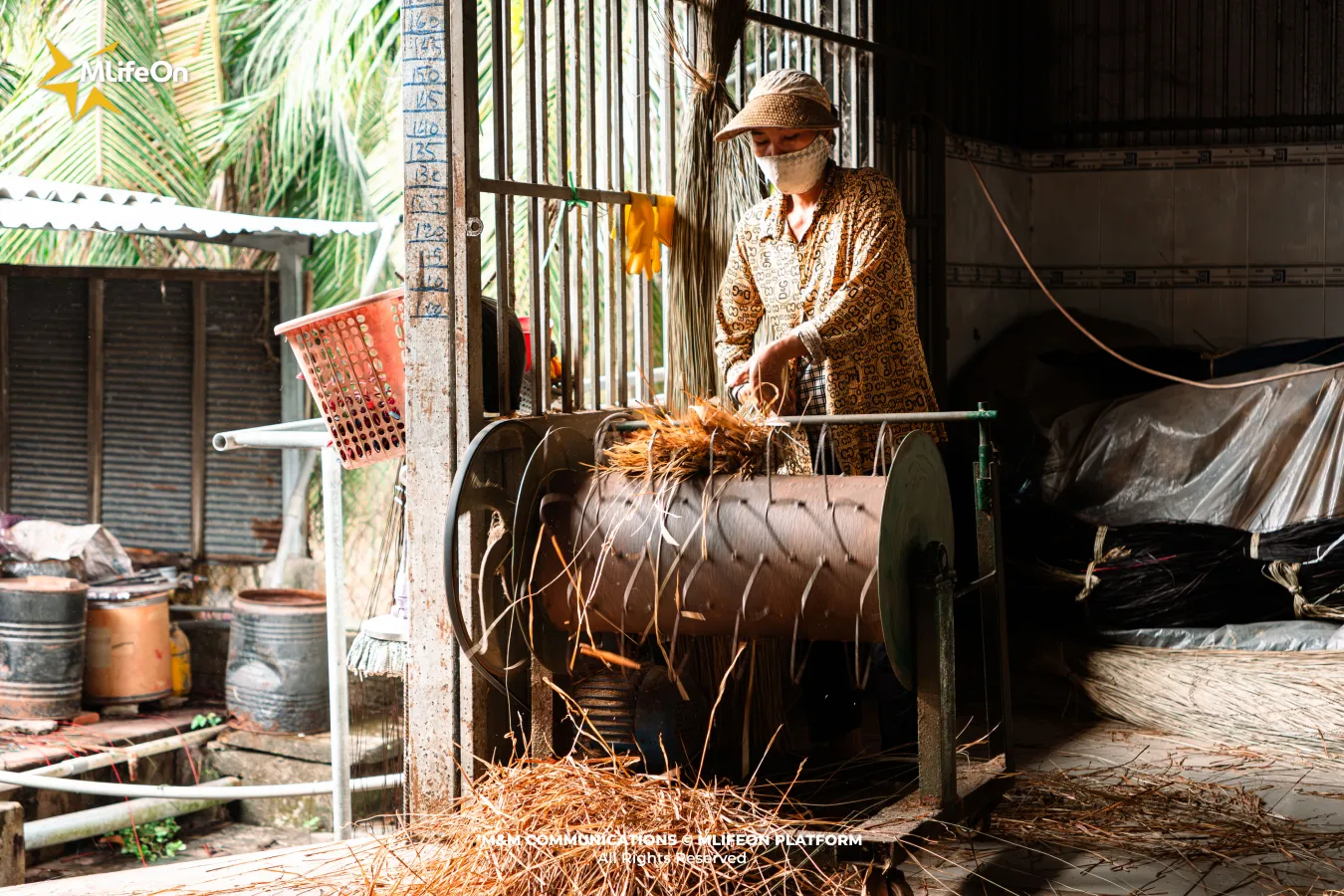
Amid the pace of modern life, the sound of looms and the rich aroma of dried sedge remain an indispensable part of the heartbeat of this traditional craft village.
Remaining as a Fading Memory of the Riverlands
Uzu mat village in Tan Chau continues to exist quietly, like a habit that has never left daily life. Adults carry on the craft, children grow up to the rhythmic sound of weaving, and one day, they sit at the loom themselves, repeating movements they have watched for so long.
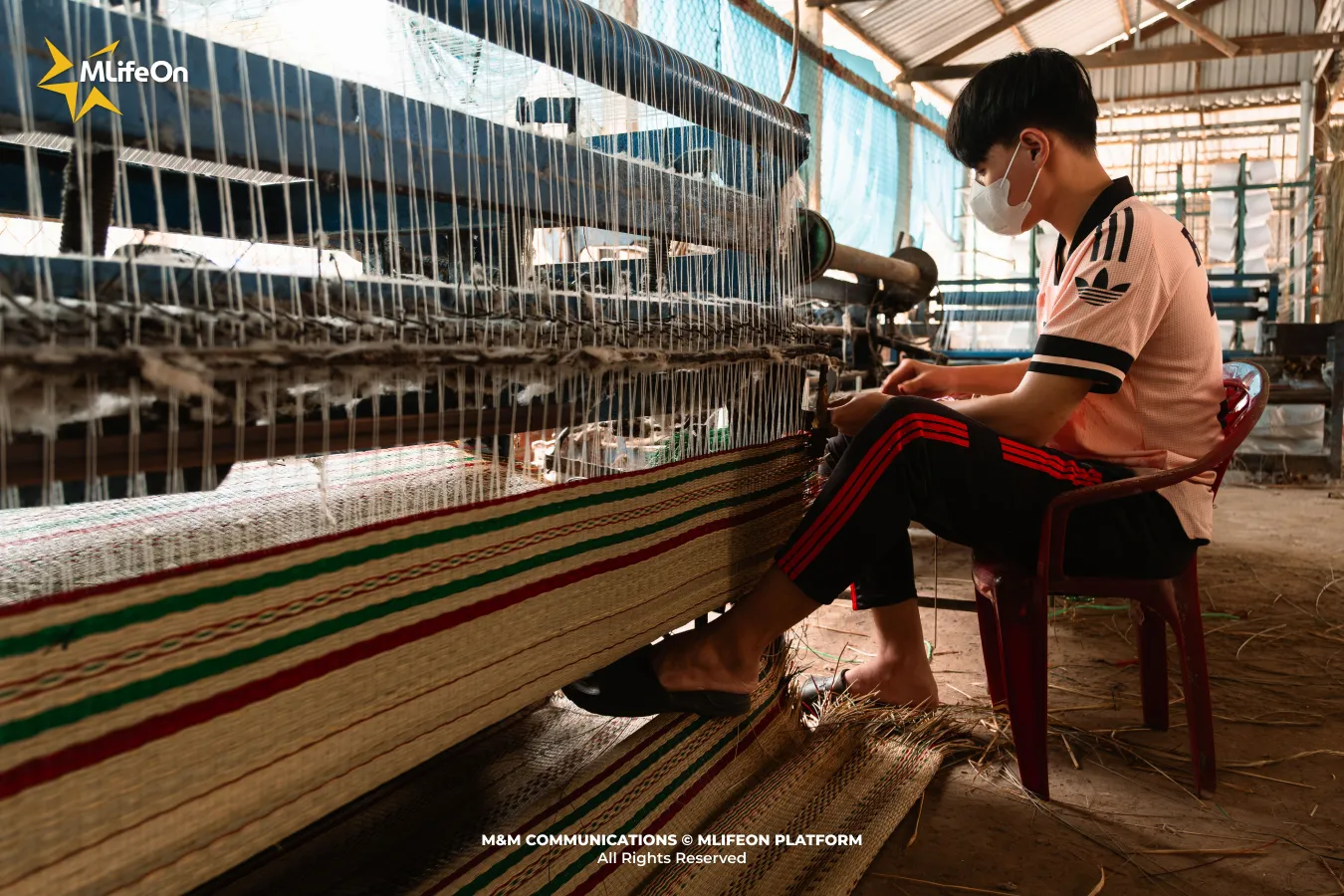
Each sedge strand is threaded through the loom, stretched in rhythm with every pull, connecting one to another like a craft passed down through generations quietly, yet deeply embedded in every weave.
The weaving tradition continues over the years, woven into daily life. Completed mats rest silently, yet within them lies the journey of skilled hands, of memories, and of stories passed along without a single word spoken.
-----------------
CREDIT:
- Photography: Tran Le Minh Quan
- Content: Nhu Quyen
- Design: Phuong Nguyen