Navigate Like a Pro: Your Essential Map of Queen Victoria Market
Master Queen Victoria Market navigation with our comprehensive map guide covering vendor locations, cultural zones, accessibility routes, and strategic exploration tips for Melbourne's iconic marketplace.
Queen Victoria Market Layout: Mastering Melbourne's Marketplace Navigation
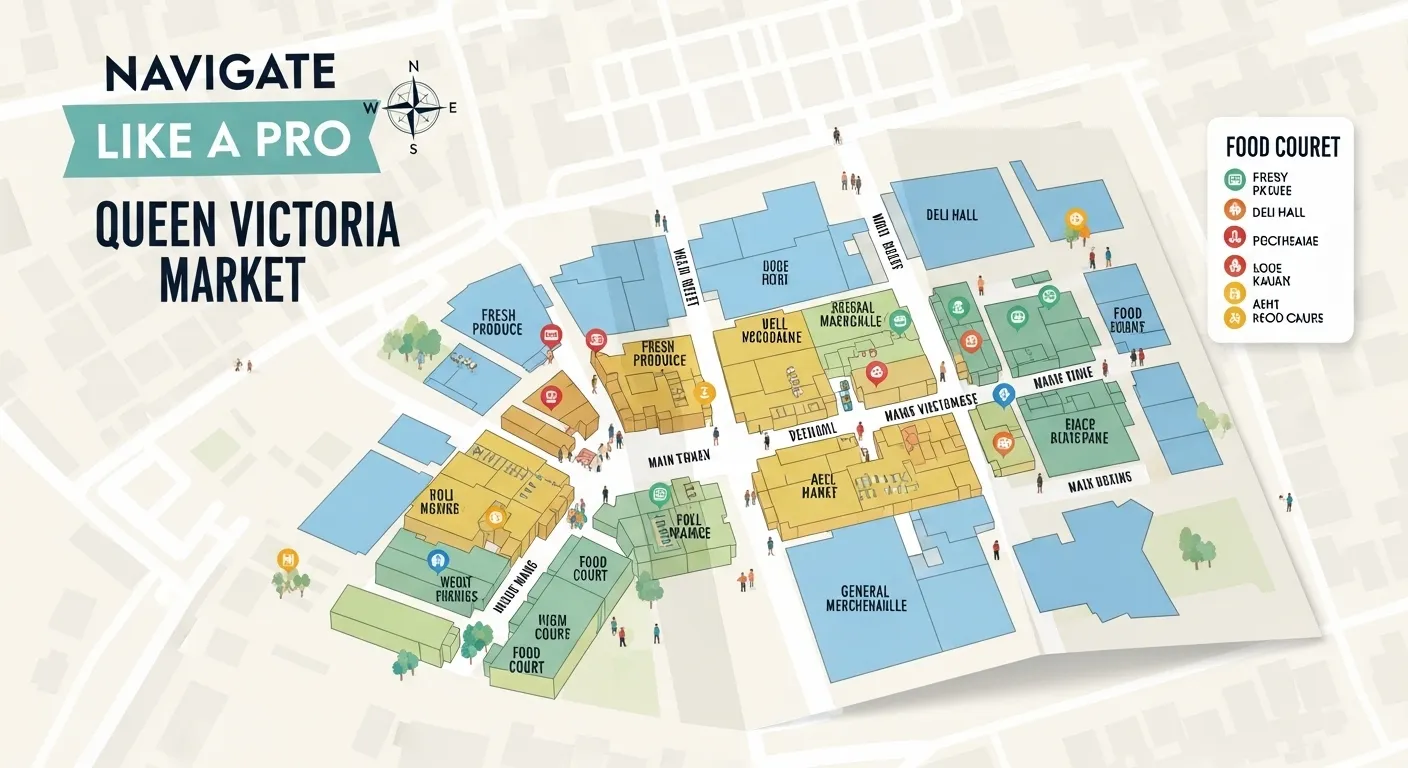
Queen Victoria Market spans over seven hectares of historic Melbourne real estate through a complex layout that requires strategic navigation to maximise cultural experiences and efficient shopping across diverse vendor sections, specialty areas, and cultural zones. Understanding the market's geographic organisation and landmark navigation points transforms potentially overwhelming marketplace exploration into systematic cultural discovery that showcases Melbourne's multicultural heritage through organised vendor communities and cultural districts.
The market's layout reflects over 140 years of organic development that created distinct cultural zones, specialty vendor areas, and community gathering spaces that serve both wholesale buyers and cultural tourists seeking authentic Melbourne marketplace experiences. Strategic navigation enables visitors to experience diverse cultural communities while accessing fresh produce, artisanal goods, and cultural celebrations that define Australia's largest open-air market.
Market Boundaries and Main Entry Points
Queen Victoria Market occupies the city block bounded by Victoria Street, Peel Street, Franklin Street, and Elizabeth Street with multiple entry points that provide access to different market sections and cultural experiences through strategic entrance selection and navigation planning.
Elizabeth Street entrance provides direct access to the Fresh Food Hall and dairy section while connecting visitors with wholesale fresh produce vendors and cultural food specialists who maintain traditional preparation methods and community cultural knowledge. This eastern entrance serves early-morning shoppers and professional buyers seeking premium fresh ingredients and cultural food specialties.
Victoria Street entrance offers immediate access to the Meat and Fish Hall alongside specialty cultural vendors who provide traditional preparation methods and cultural cooking knowledge that supports authentic cultural cuisine development. The northern entrance serves customers seeking cultural protein sources and traditional food preparation guidance through community vendor relationships.
Peel Street entrance connects directly with the General Merchandise area and artisan vendors while providing access to cultural goods, handcrafted items, and community cultural celebrations that showcase Melbourne's multicultural creativity and artistic heritage through diverse vendor communities and cultural artistic expression.
Fresh Food Hall Layout and Cultural Vendors
The Fresh Food Hall represents Queen Victoria Market's agricultural heritage through systematic vendor organisation that separates cultural produce specialists, seasonal ingredient vendors, and community food suppliers who maintain traditional knowledge about ingredients, preparation methods, and cultural cooking applications.
Fruit and vegetable vendor arrangement follows seasonal produce organisation with cultural specialty vendors who provide traditional ingredients and cultural cooking guidance that supports authentic cuisine preparation. Cultural produce vendors often maintain traditional knowledge about ingredient selection, storage methods, and cultural preparation techniques that enhance authentic cooking experiences.
Specialty cultural ingredients section includes vendors who provide traditional spices, cultural condiments, and heritage food products that support authentic cuisine preparation while educating customers about traditional cooking methods and cultural food traditions through vendor knowledge sharing and cultural ingredient education.
Organic and specialty produce areas feature vendors who emphasise sustainable agriculture and specialty cultural ingredients that support healthy eating while maintaining cultural authenticity through traditional growing methods and cultural agricultural knowledge that connects food with cultural heritage and community sustainability.
Meat and Fish Hall Cultural Specialties
The Meat and Fish Hall provides cultural protein sources through specialty vendors who maintain traditional butchery methods and cultural meat preparation knowledge that supports authentic cuisine development while educating customers about traditional cooking methods and cultural food preparation techniques.
Cultural butchery specialists include vendors who provide traditional meat cuts, cultural sausages, and heritage preparation methods that support authentic cuisine while maintaining cultural food traditions and traditional knowledge about meat selection, storage, and cultural preparation applications through community vendor expertise.
Fresh seafood vendors include cultural fish specialists who provide traditional seafood selections and cultural preparation guidance that supports authentic seafood cuisine while maintaining knowledge about seasonal availability, traditional preparation methods, and cultural cooking applications through vendor cultural education and community knowledge sharing.
Specialty cultural meats section includes vendors who provide traditional game meats, cultural specialty proteins, and heritage meat products that support diverse cultural cuisines while maintaining traditional knowledge about cultural meat traditions and authentic preparation methods through community cultural food knowledge and vendor expertise.
General Merchandise and Cultural Goods Areas
General Merchandise sections include diverse vendor areas that showcase cultural goods, artisanal products, and community cultural celebrations through organised vendor communities that represent Melbourne's multicultural heritage and artistic creativity.
Clothing and fashion sections include cultural fashion vendors, traditional dress suppliers, and multicultural fashion specialists who showcase cultural clothing traditions while providing contemporary fashion options that celebrate cultural heritage through artistic expression and cultural identity celebration.
Home goods and cultural artifacts areas feature vendors who provide traditional home items, cultural decorations, and heritage craft products that support cultural home expression while maintaining traditional craft knowledge and cultural artistic traditions through artisan communities and cultural artistic preservation.
Souvenir and cultural gifts sections include vendors who provide authentic cultural souvenirs, traditional craft items, and community cultural products that support cultural tourism while maintaining authentic cultural representation through community artisan work and cultural craft traditions.
Food Court and Cultural Dining Areas
Queen Victoria Market's food court areas provide cultural dining experiences through organised vendor clusters that represent diverse cultural cuisines and traditional preparation methods while maintaining authentic cultural food traditions and community cultural celebration through food service.
International cuisine sections include cultural food vendors who represent diverse immigrant communities through authentic preparation methods and traditional recipes that maintain cultural food authenticity while providing cultural education through food experiences and cultural cuisine sharing.
Traditional cultural preparation areas feature vendors who demonstrate traditional cooking methods, cultural food preparation, and heritage cooking techniques that provide cultural education while offering authentic cultural dining experiences through community cultural knowledge and traditional food wisdom.
Communal dining spaces include seating areas and social gathering spots that support cultural food sharing and community cultural interaction while maintaining marketplace atmosphere and cultural celebration through shared dining experiences and community cultural connection.
Historic Buildings and Architectural Navigation
Queen Victoria Market's historic architecture provides navigation landmarks while showcasing Melbourne's cultural heritage through preserved buildings that reflect marketplace evolution and community cultural development throughout over 140 years of continuous operation.
Heritage building identification includes architectural landmarks, historic structures, and cultural preservation elements that provide navigation reference points while educating visitors about Melbourne's marketplace heritage and community cultural history through architectural storytelling and cultural heritage preservation.
Clock tower orientation provides central navigation reference while serving as cultural landmark that connects visitors with marketplace heritage and community cultural traditions through architectural significance and cultural heritage symbolism that represents community cultural continuity.
Historic shed organisation includes original market buildings that house different vendor communities while maintaining architectural heritage and cultural significance through building preservation and cultural heritage maintenance that supports community cultural identity and marketplace cultural authenticity.
Seasonal Layout Changes and Special Events
Queen Victoria Market layout adapts seasonally to accommodate weather conditions, cultural celebrations, and community events that require flexible space management while maintaining vendor accessibility and cultural programming through adaptive layout planning.
Summer layout modifications include outdoor seating expansion, cultural performance areas, and evening market adaptations that support night market operations while maintaining daytime marketplace function through flexible space utilisation and seasonal marketplace adaptation.
Cultural event space allocation includes community celebration areas, cultural demonstration spaces, and festival accommodation that supports community cultural programming while maintaining regular marketplace operations through event planning and cultural celebration integration.
Weather protection areas include covered spaces, indoor alternatives, and climate-controlled sections that maintain marketplace operations during Melbourne's variable weather while preserving vendor sustainability and cultural programming through weather accommodation and operational continuity.
Accessibility and Navigation for All Visitors
Queen Victoria Market provides accessibility features and navigation support that ensures comfortable marketplace exploration for visitors with diverse mobility requirements while maintaining cultural access and authentic marketplace experiences through inclusive design and accessibility accommodation.
Wheelchair accessibility includes ramped areas, accessible pathways, and mobility-friendly navigation routes that provide comprehensive marketplace access while maintaining cultural vendor interaction and authentic marketplace experiences through inclusive navigation and accessibility support.
Visual navigation aids include signage systems, landmark identification, and wayfinding support that assists visitors with navigation challenges while providing cultural information and marketplace education through accessible information systems and inclusive navigation support.
Audio accessibility includes hearing loop systems, amplified announcements, and communication support that ensures cultural programming access and vendor interaction while maintaining inclusive marketplace experiences through accessible communication and cultural participation support.
Vendor Clustering and Cultural Communities
Strategic vendor clustering creates cultural communities within Queen Victoria Market that enable authentic cultural experiences while supporting vendor collaboration and community cultural preservation through organised vendor relationships and cultural community support.
Cultural cuisine clustering includes vendor areas that specialise in specific cultural food traditions while supporting cultural authenticity and community cultural celebration through concentrated cultural food experiences and traditional cuisine preservation.
Artisan community areas include craft vendors, cultural artists, and traditional artisans who create cultural goods while maintaining traditional craft knowledge and cultural artistic traditions through artisan collaboration and cultural craft preservation.
Specialty cultural vendors include community businesses that provide traditional services, cultural products, and heritage items that support community cultural needs while maintaining cultural authenticity through specialised vendor communities and cultural business support.
Crowd Management and Traffic Flow
Effective Queen Victoria Market navigation requires understanding crowd patterns and traffic flow management that enables comfortable marketplace exploration while accessing cultural experiences and vendor interactions through strategic timing and navigation planning.
Peak hour navigation includes crowd avoidance strategies, alternative routing, and timing considerations that maintain cultural access while avoiding congestion through strategic marketplace navigation and crowd pattern awareness.
Vendor interaction timing includes crowd-conscious scheduling, personal vendor communication, and cultural learning opportunities that support authentic cultural experiences while managing marketplace traffic flow through respectful vendor engagement and cultural sensitivity.
Emergency exits and safety routes include evacuation planning, emergency access points, and safety navigation that ensures visitor security while maintaining marketplace operations through safety awareness and emergency preparedness.
Technology Integration and Digital Navigation
Queen Victoria Market incorporates digital navigation tools and technology resources that enhance marketplace exploration while maintaining cultural authenticity and community cultural connection through technological convenience and cultural education integration.
Digital mapping resources include interactive market maps, vendor location services, and navigation applications that support marketplace exploration while providing cultural information and vendor education through technological enhancement and cultural knowledge sharing.
QR code information systems include vendor details, cultural education content, and marketplace information that provides comprehensive cultural learning while supporting navigation through technological information access and cultural education enhancement.
Social media integration includes location sharing, cultural documentation, and community connection that supports marketplace promotion while maintaining cultural sensitivity and authentic cultural representation through responsible technology use and cultural respect protocols.
Photography and Documentation Navigation
Strategic marketplace navigation enables optimal photography opportunities and cultural documentation while respecting vendor privacy and cultural sensitivity through appropriate photography practices and cultural respect protocols.
Photography location identification includes scenic viewpoints, cultural activity areas, and architectural photography spots that provide exceptional cultural documentation opportunities while maintaining respectful cultural representation through ethical photography practices and community cultural sensitivity.
Cultural activity documentation includes performance areas, cultural demonstration spaces, and community celebration locations that provide authentic cultural content while respecting cultural privacy and community cultural protocols through responsible cultural documentation and respectful community engagement.
Architecture and heritage photography includes historic building documentation, cultural preservation photography, and heritage storytelling that supports cultural education while maintaining respectful cultural representation through appropriate cultural documentation and heritage preservation support.
Budget Navigation and Cost-Effective Exploration
Strategic marketplace navigation enables budget-conscious exploration that maximises cultural experiences while managing costs through informed vendor selection and strategic cultural participation that balances cultural authenticity with financial planning.
Free cultural experiences include cultural demonstrations, architectural exploration, and community cultural observation that provide authentic cultural education without cost while supporting cultural appreciation and community cultural understanding through accessible cultural participation.
Budget vendor identification includes cost-effective cultural goods, affordable cultural foods, and budget-friendly cultural experiences that support cultural exploration while managing costs through strategic vendor selection and cultural experience prioritisation.
Cultural experience prioritisation includes high-value cultural activities, authentic cultural interactions, and meaningful cultural learning that maximises cultural education while managing budget through strategic cultural participation and community cultural engagement.
Maximising Your Market Navigation Experience
Comprehensive Queen Victoria Market navigation combines strategic planning, cultural sensitivity, and community engagement that transforms marketplace exploration into authentic cultural education and meaningful community connection through respectful cultural participation.
Multi-visit planning includes different section exploration, seasonal variation experiences, and ongoing cultural learning that builds marketplace familiarity while supporting vendor relationships and cultural community connection through continued marketplace engagement and cultural appreciation development.
Cultural preparation includes background research, cultural sensitivity awareness, and community respect protocols that enhance cultural interactions while supporting authentic cultural learning through prepared cultural engagement and respectful community participation.
Community connection building includes vendor relationship development, cultural learning commitment, and ongoing marketplace engagement that creates lasting cultural connections while supporting community cultural preservation through authentic cultural participation and community cultural support.
Mastering Queen Victoria Market navigation unlocks Melbourne's multicultural heart through systematic exploration that reveals the marketplace's diverse cultural communities, authentic cuisine traditions, and artisanal creativity within Australia's largest open-air market. Understanding the market's complex layout enables efficient exploration that maximises cultural experiences while respecting vendor communities and cultural traditions that make this marketplace a living celebration of Melbourne's multicultural heritage. From navigating the Fresh Food Hall's cultural produce specialists who maintain traditional ingredient knowledge to exploring the General Merchandise areas where artisan vendors showcase cultural crafts and heritage goods, strategic marketplace navigation transforms simple shopping into comprehensive cultural education and community engagement. Whether seeking authentic cultural ingredients that connect with traditional cooking methods or discovering cultural goods that celebrate Melbourne's diverse artistic heritage, proper navigation planning ensures access to the full spectrum of cultural experiences while supporting the vendor communities who maintain these traditions within the heart of Melbourne's cultural landscape.