MEKONG DELTA TRAVEL: 5 RHYTHMS OF LIFE SHAPING A VIBRANT REGION
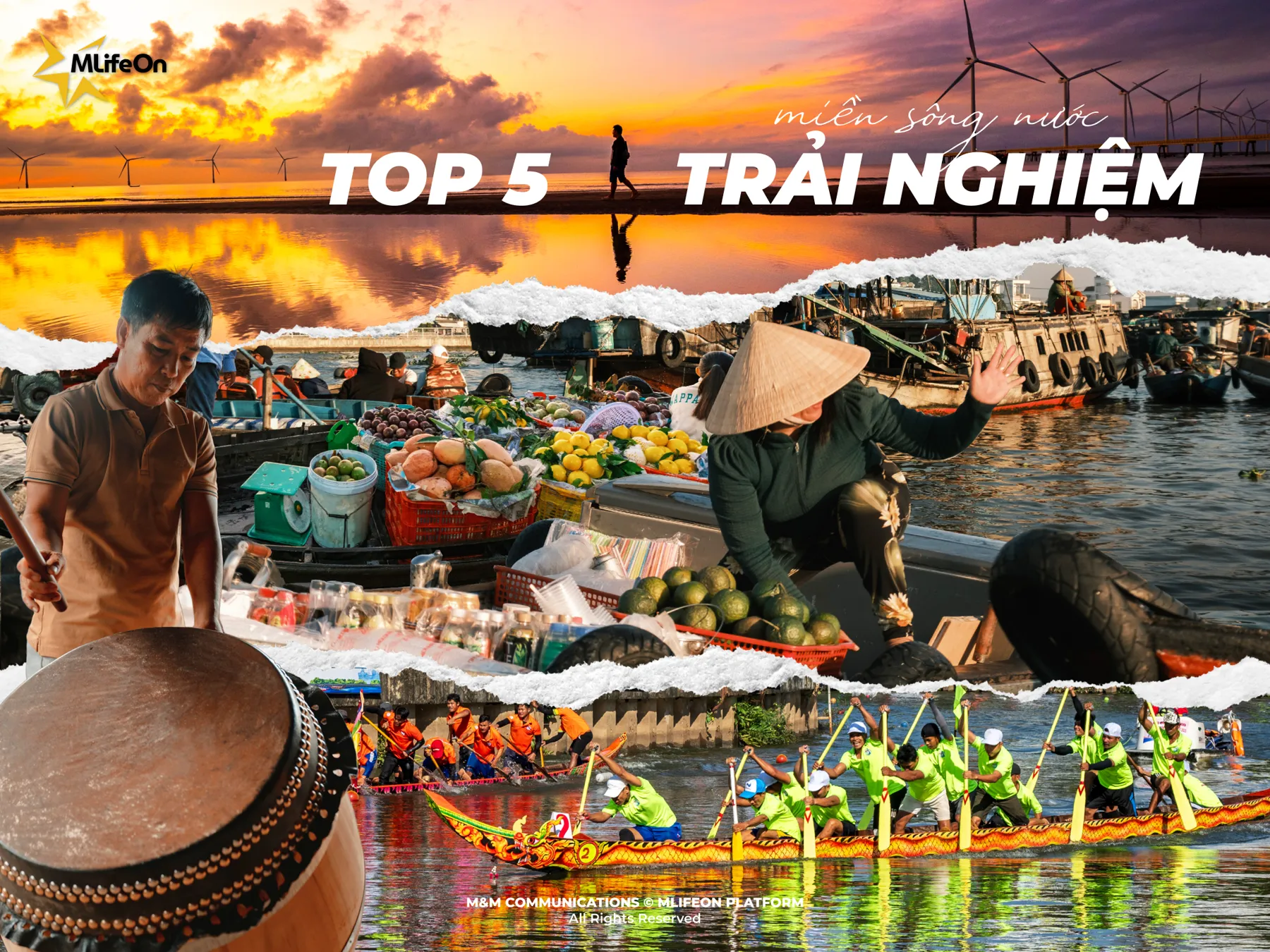
Discover 5 unique experiences when traveling to the Mekong Delta: Cai Rang Floating Market, Sa Dec, Ba Dong Beach, the Ngo boat launching festival, and the Long An drum-making village.
The West is not just rivers or fruit-laden gardens. This land also has ancient streets, alluvial beaches, bustling Khmer festivals and long-standing craft villages. Each stop has its own beauty, from natural scenery to cultural stories associated with people's lives.
Cai Rang Floating Market – A morning amidst the rhythm of river life
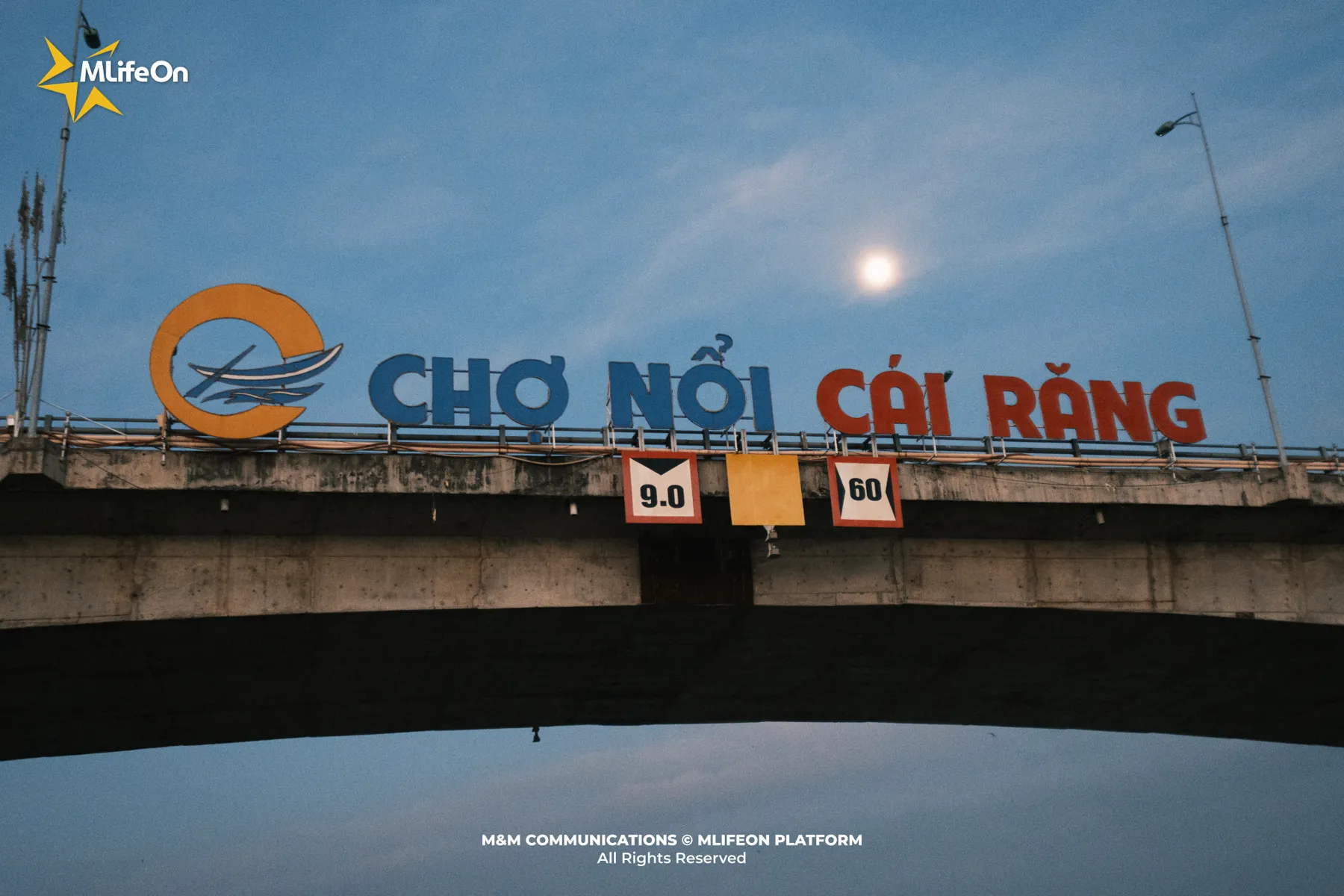
Before the break of dawn, the Cai Rang floating market had already begun its day. On the waters of the Can Tho River, boats laden with fruit, vegetables, and other goods appear one after another. The crisp chugging of boat engines, the calls between buyers and sellers, and the sound of water lapping against the hulls create the distinctive rhythm of a river market.
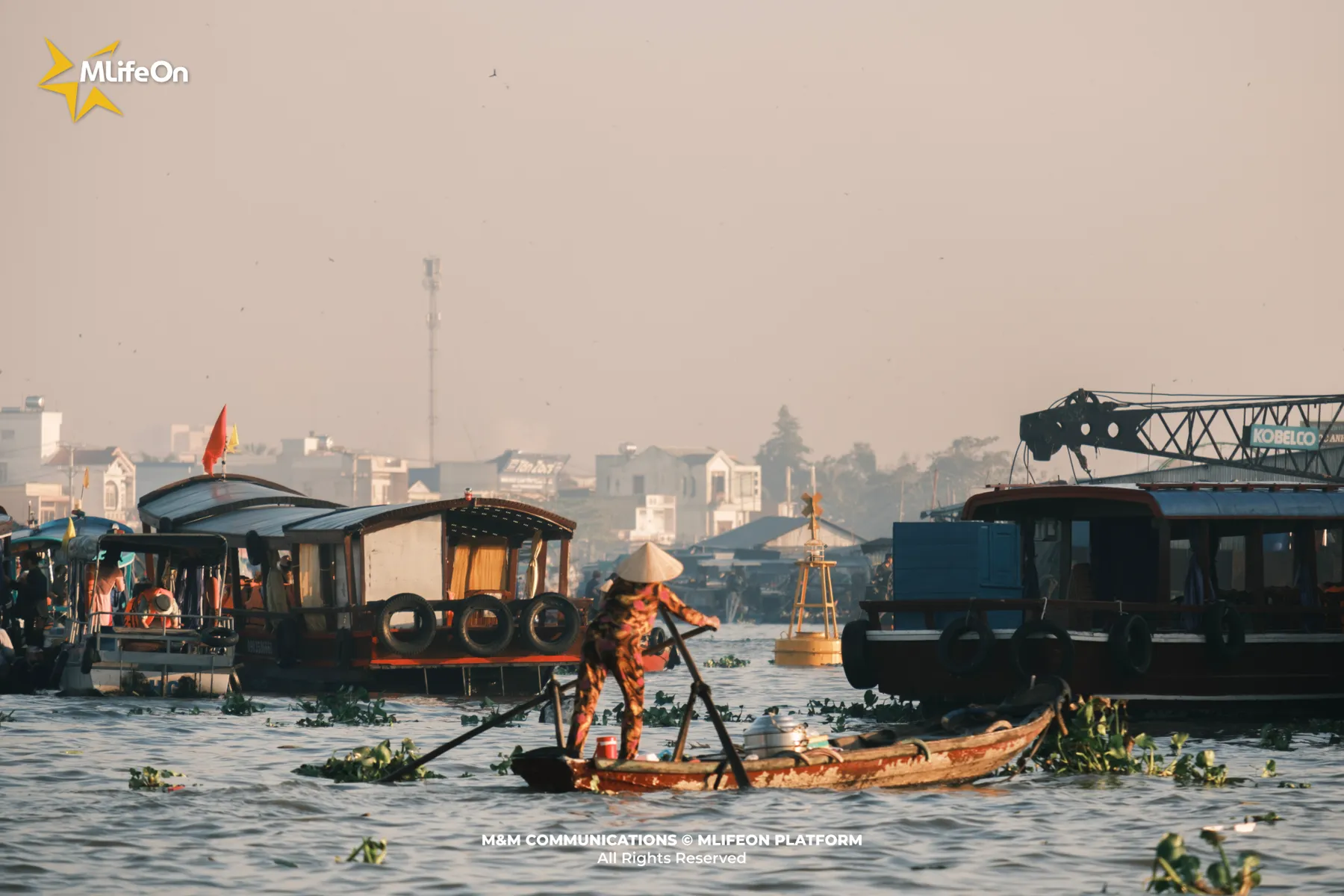
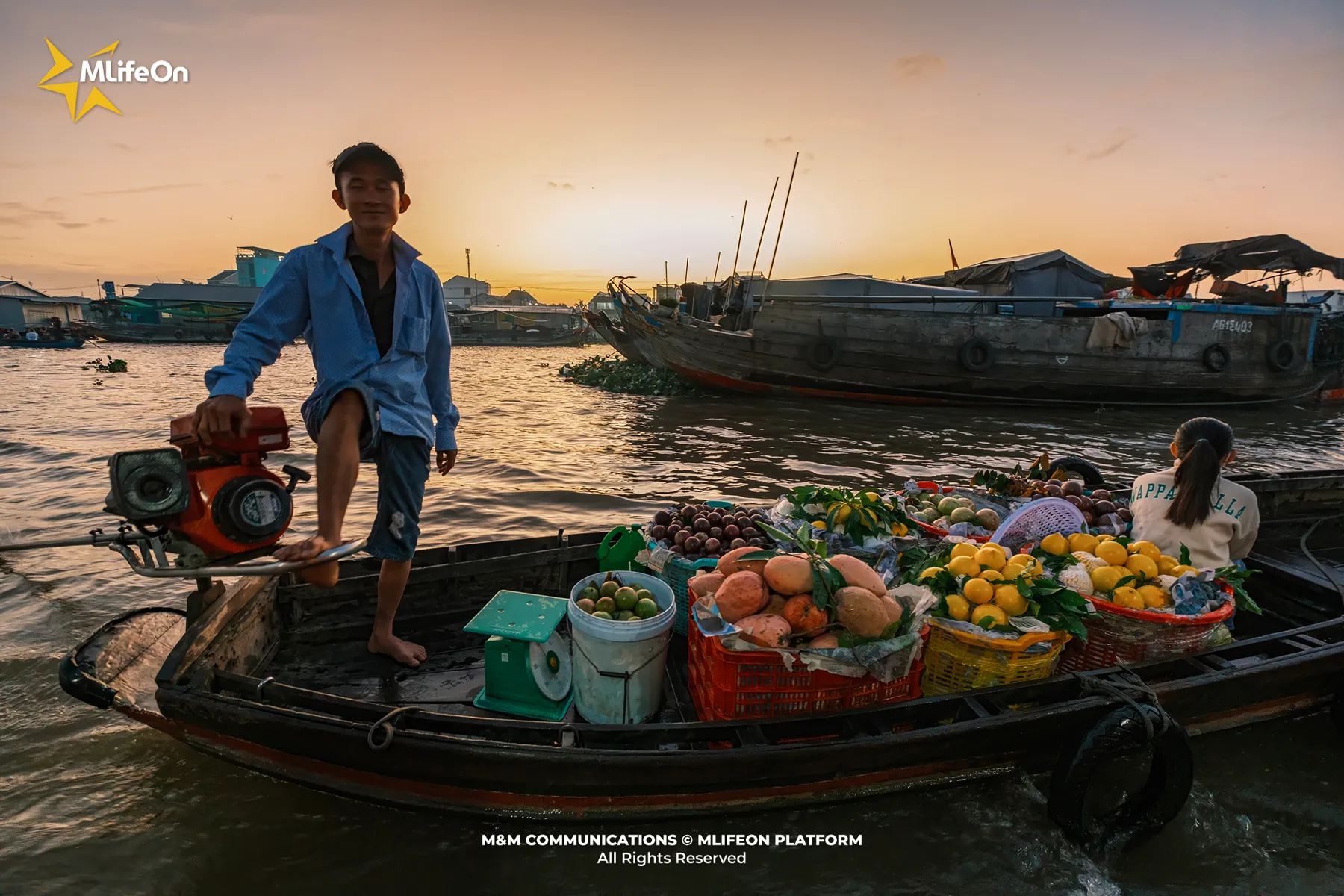
At Cai Rang, goods are sold directly from boats. Instead of using signs, vendors typically mount a long pole at the bow and hang samples of their produce from it. Bunches of bananas, pineapples, or various vegetables are displayed high up so that customers can spot them from a distance. Locals in the Mekong Delta call this pole a *cay beo* (a simple method of showcasing merchandise that has long been an integral part of the floating market lifestyle).
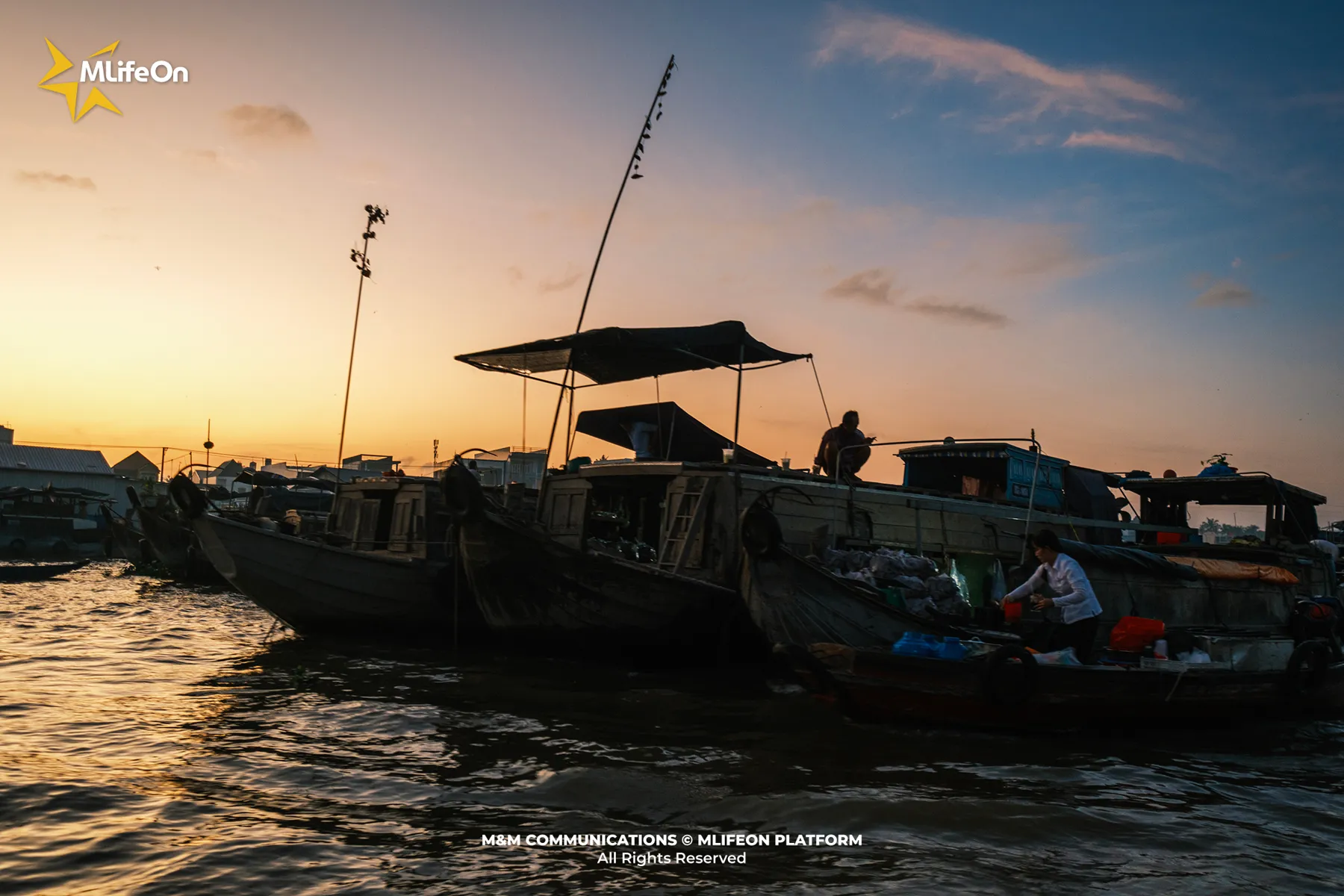 The long pole at the bow of the boat is used to hang various agricultural products, making it easy for buyers to identify them.
Arriving at Cai Rang in the early morning, visitors can sit on a boat to observe the trading activity and enjoy a bowl of *hu tieu* (noodle soup) or a cup of coffee amidst the waterways. As the sun rises, merchant boats ply the waters, and the *beo* poles, long bamboo poles displaying the goods for sale, sway in the breeze, serving as a familiar symbol of a trading tradition that has long been part of the lives of generations of Mekong Delta residents.
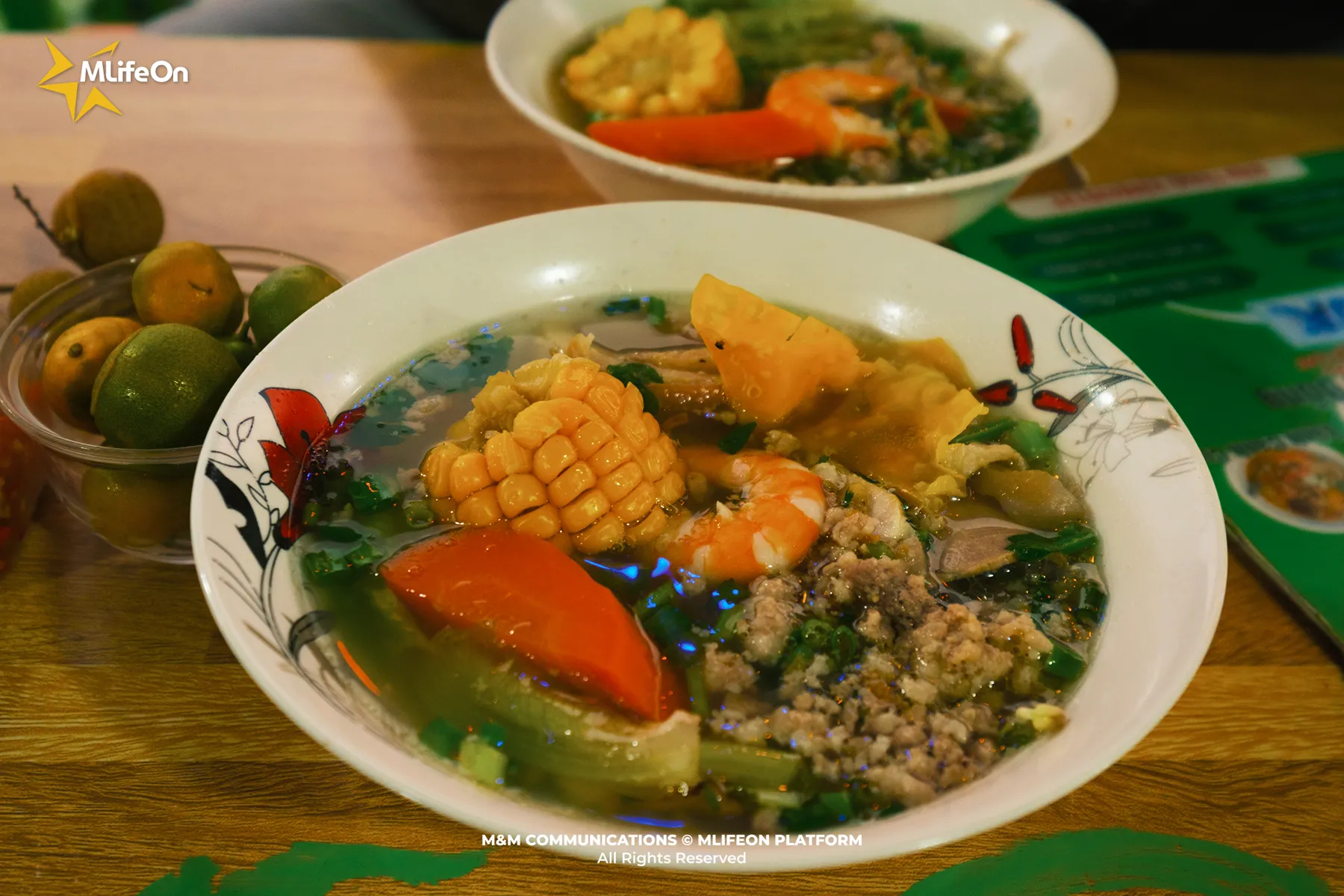
Sitting on a boat and enjoying a bowl of *hu tieu* is also one of the pleasures of visiting Cai Rang Floating Market
Sa Dec – Echoes of the Past Amidst the Streets
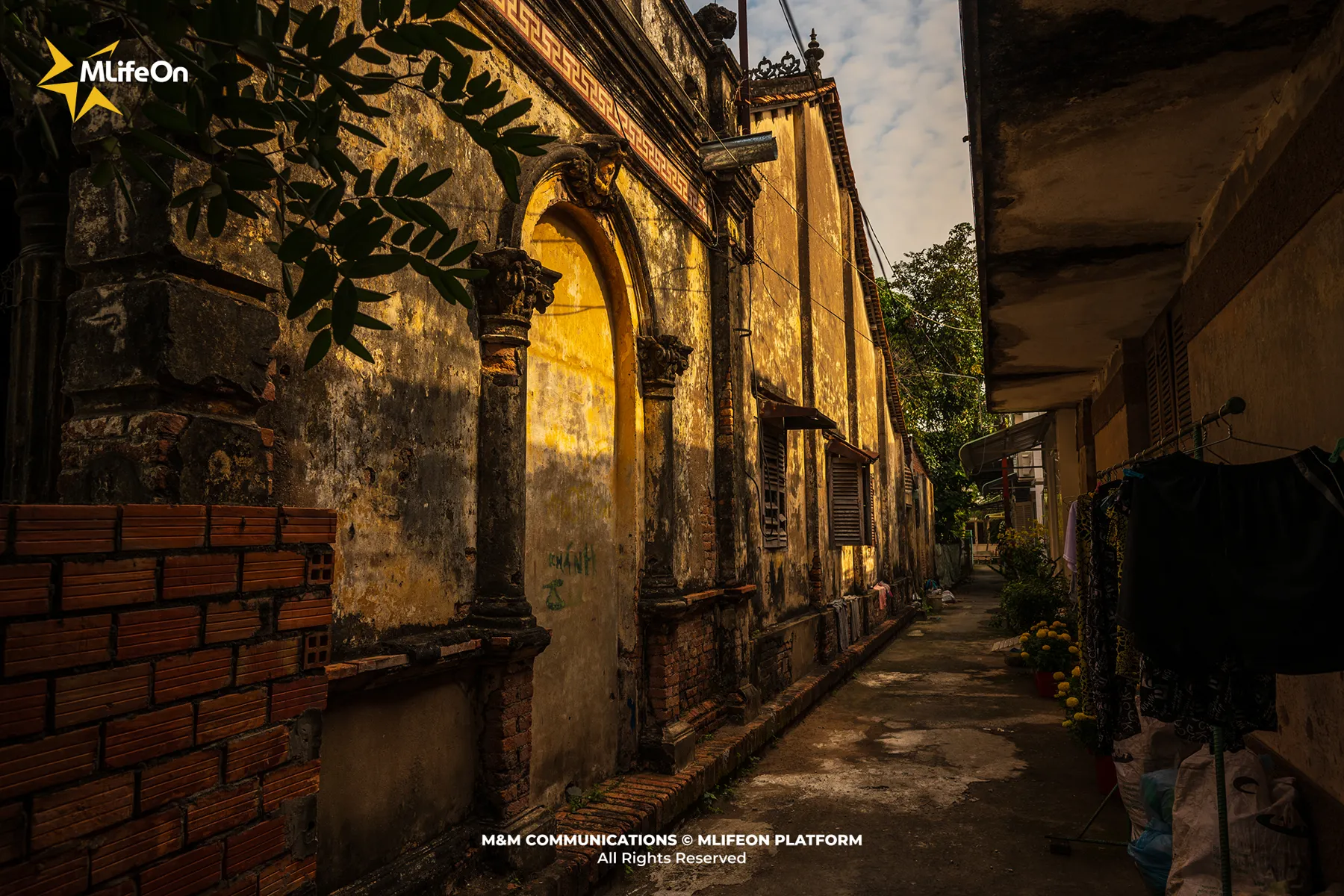
Leaving behind the bustling river trade, Sa Dec immerses visitors in a completely different pace of life. Here, one finds narrow streets, historic homes, and a leisurely rhythm unfolding along the Sa Dec River. Amidst the modern townscape, traces of a bygone trading hub endure in the architecture, seen in tiled roofs and wooden shutters weathered by the passage of time.
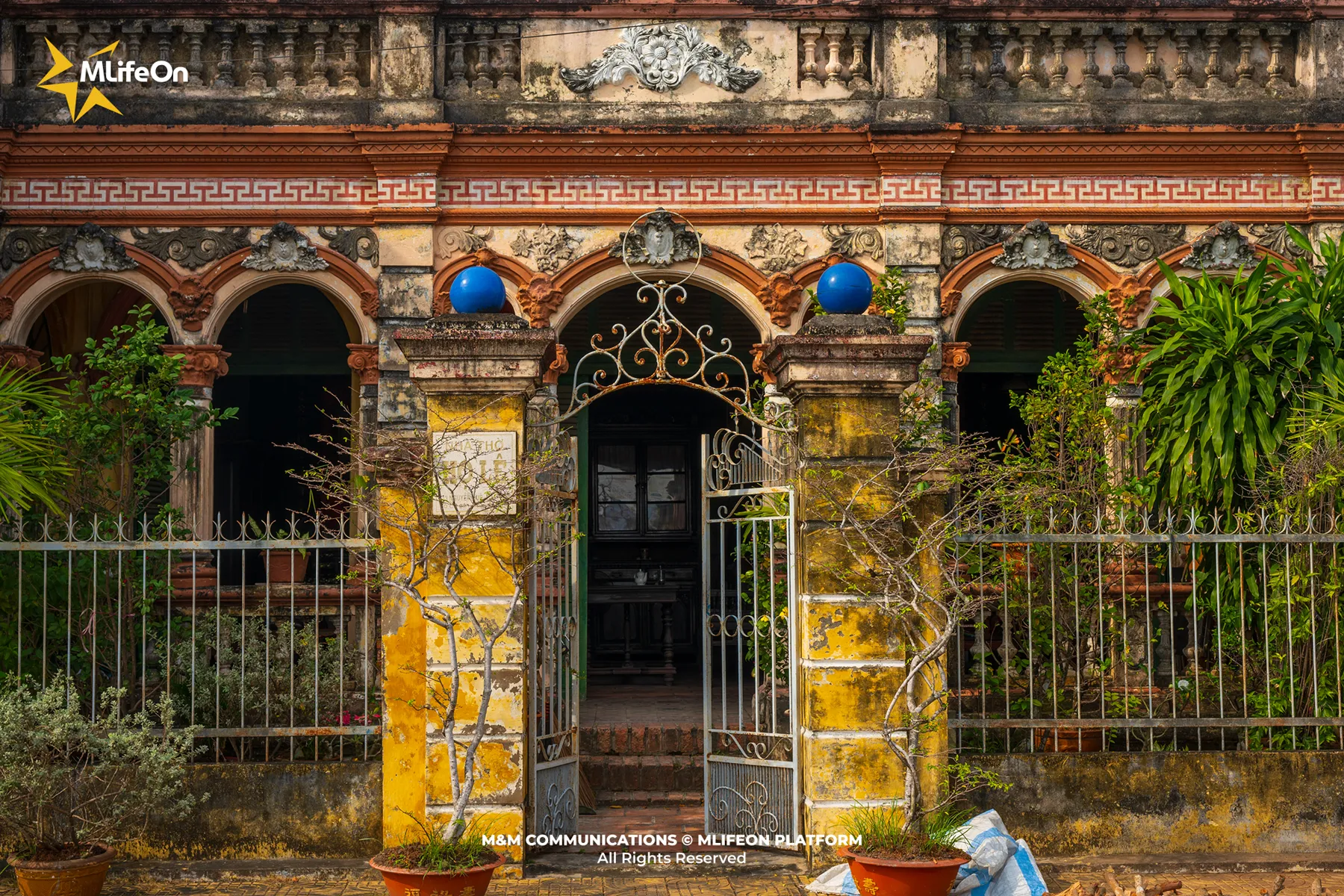
Sa Dec stands out for its ancient architectural structures, steeped in the patina of time
One such notable stop is the Huynh Thuy Le Ancient House, a structure built in 1895 and renovated in 1917. While the exterior reflects French architectural style, the interior is deeply imbued with Sino-Vietnamese cultural influences, evident in everything from the layout to the intricate carvings on the columns, doors, and furniture.
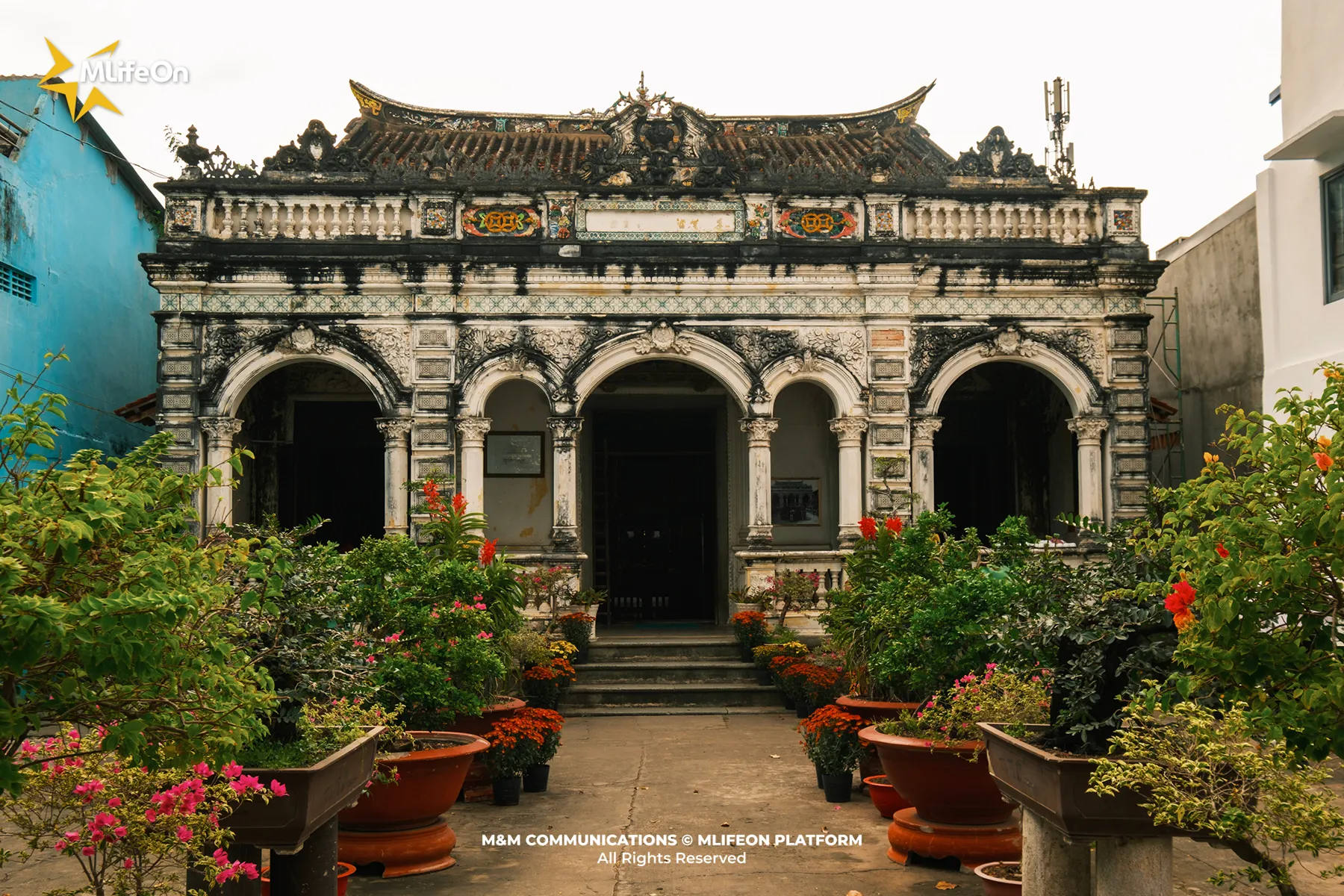
Huynh Thuy Le Ancient House in Sa Dec
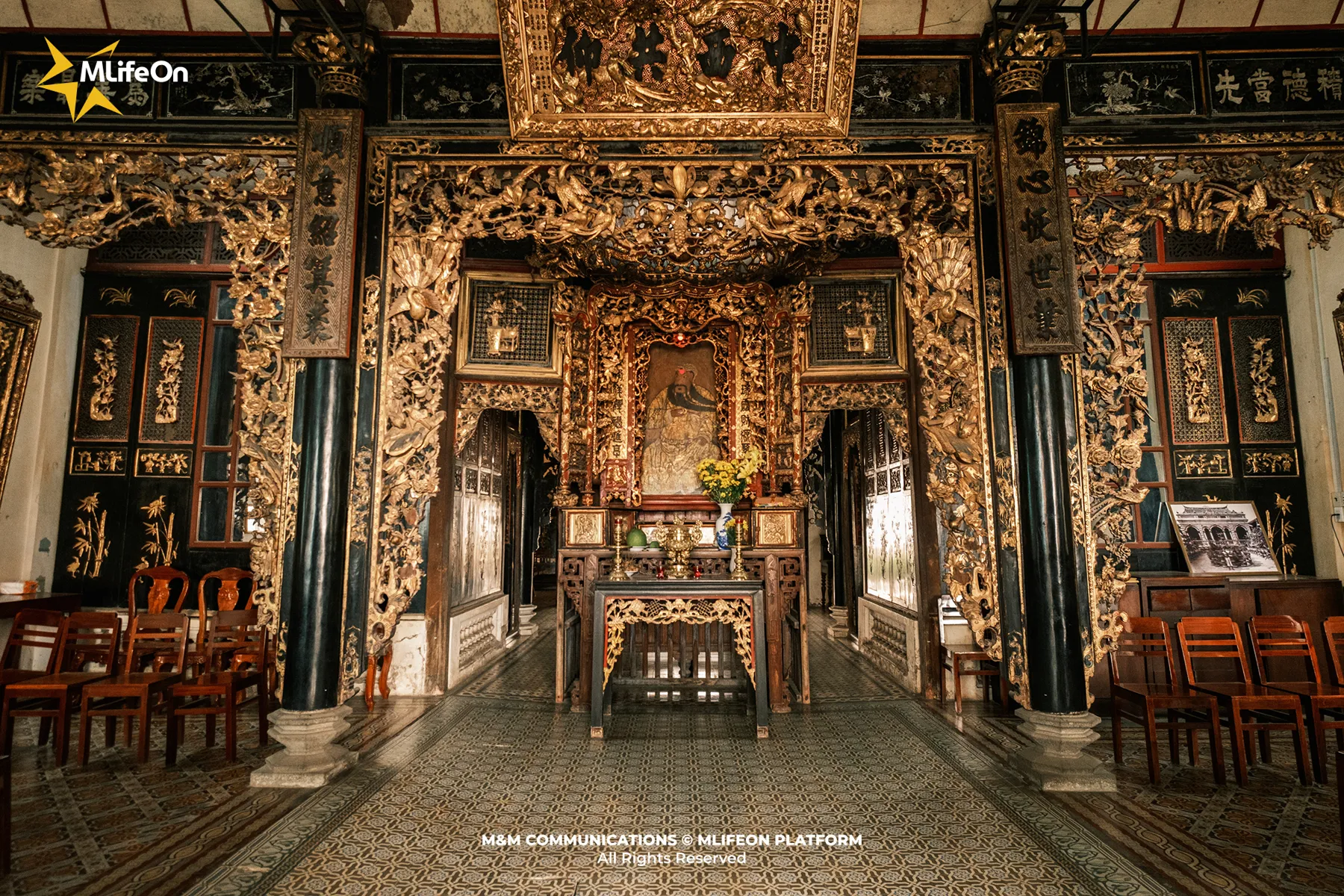
The house is also renowned for the love story between Huynh Thuy Le and the French writer Marguerite Duras, a romance immortalized in the novel *The Lover*. This connection transforms the site into more than just an architectural attraction; it links the building to celebrated literary works depicting the Southern region of Vietnam.
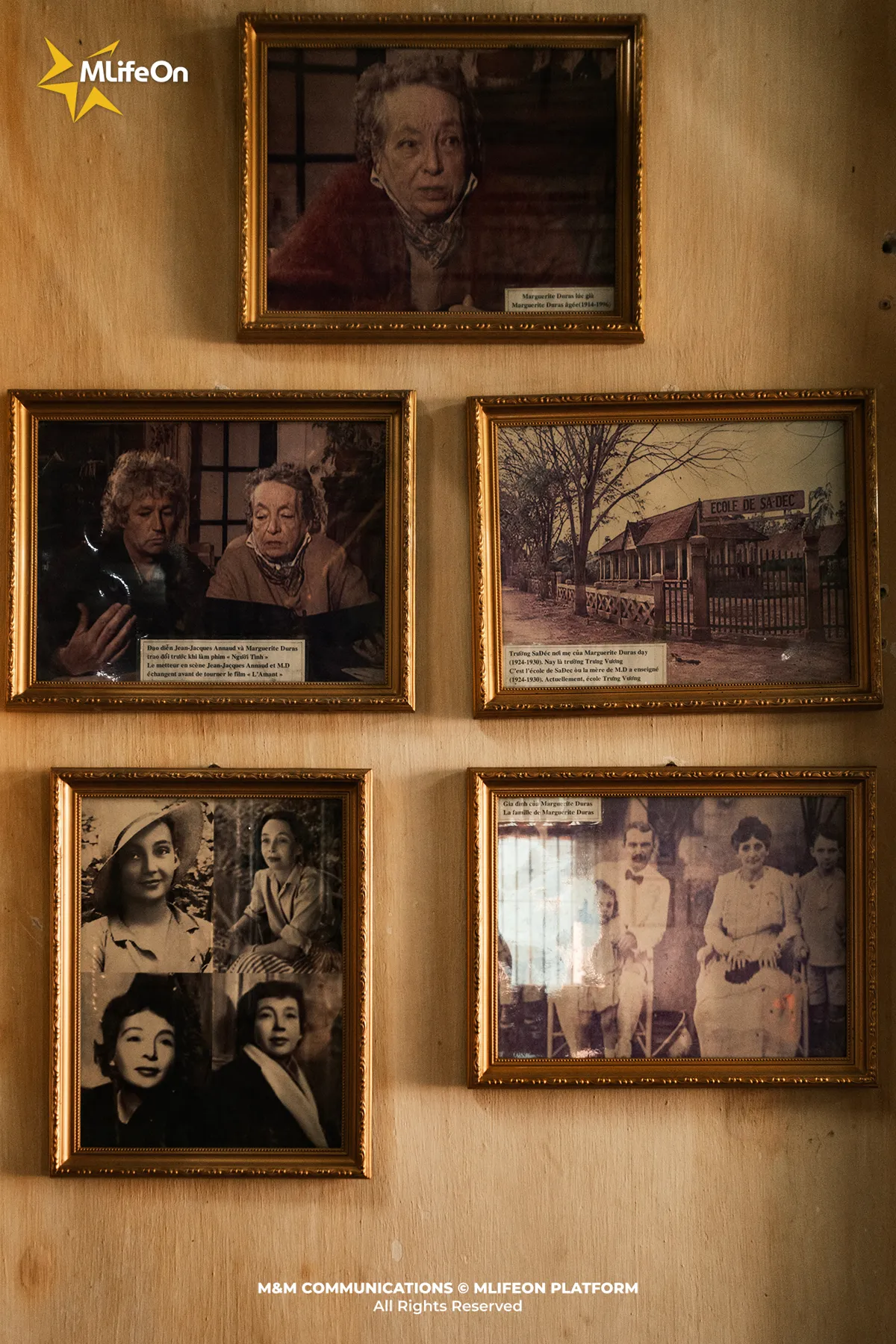
The building preserves the love story of Huỳnh Thủy Lê and the French writer Marguerite Duras.
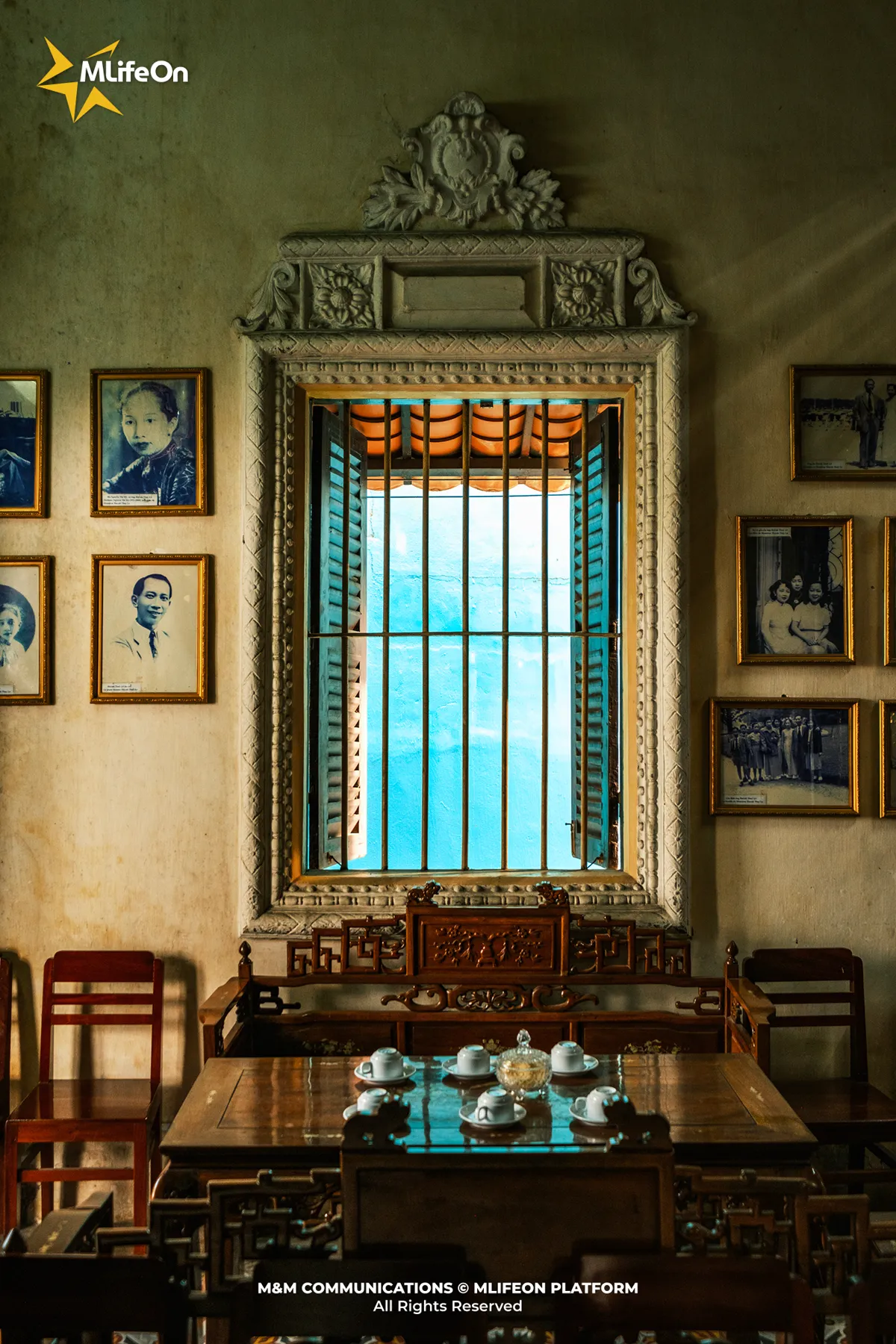
Simply strolling through the streets, visiting ancient houses, and pausing by the riverside is enough to get a sense of the urban character of Sa Dec. Here, the past does not remain shut away behind the doors of old homes but stays present amidst the rhythm of daily life.
Ba Dong Beach – The Hues of the Alluvial Coast
When people think of the Mekong Delta, rivers, canals, and orchards often come to mind rather than the sea. However, a trip to the coastal area of the former Tra Vinh province (now part of Vinh Long) reveals Ba Dong Beach, featuring expansive sands, rows of casuarina trees lining the shore, and fishing villages nestled along the East Sea.
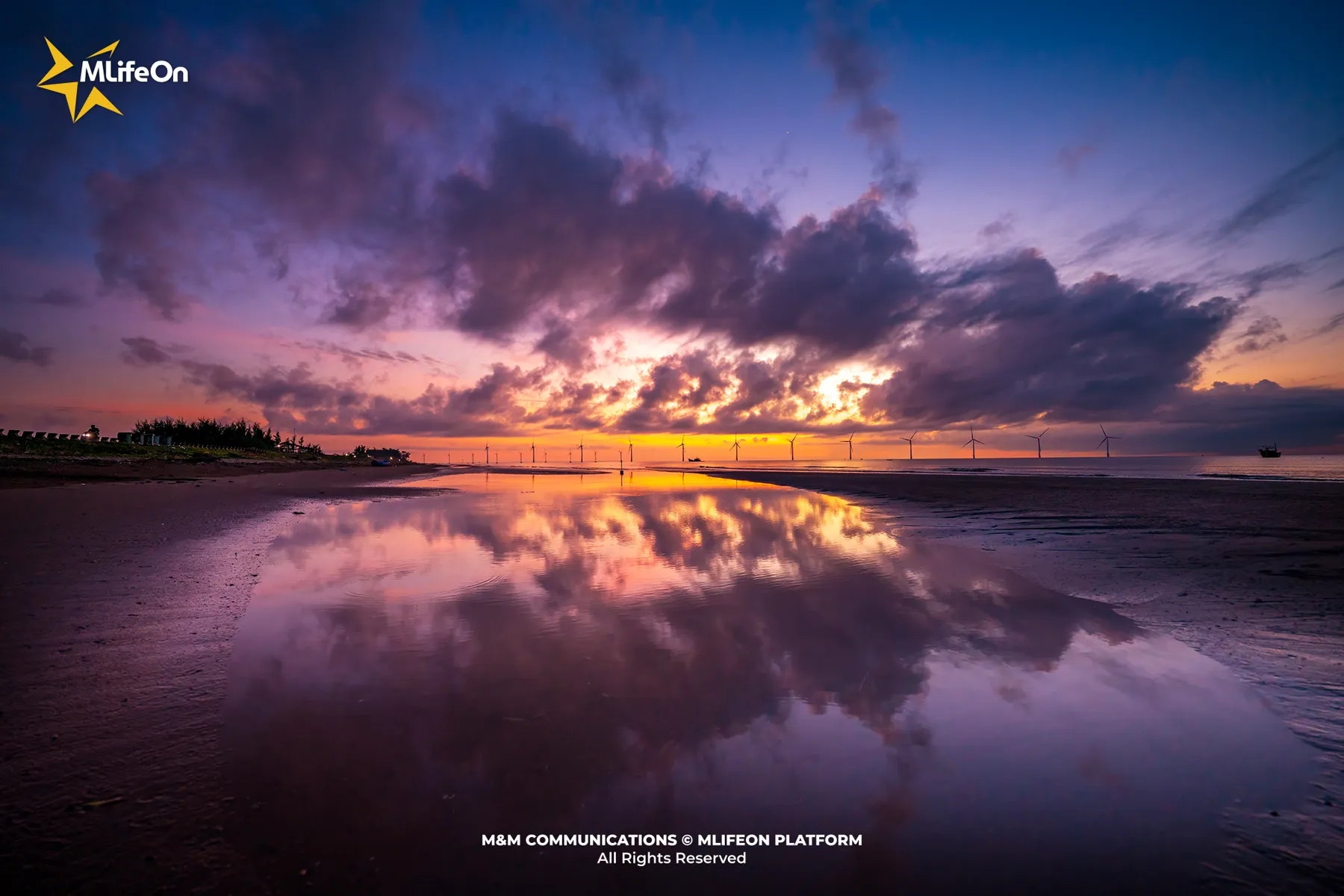
Unlike the clear blue waters found at many beaches in Central Vietnam, Ba Dong features the distinctive water color of a coastal area influenced by river-borne silt. As the tide recedes, vast stretches of sand emerge, extending from the rows of casuarina trees to the water's edge. Sea breezes sweep through the tree canopies, mingling with the sound of the waves and the rhythms of daily life among the local coastal community.
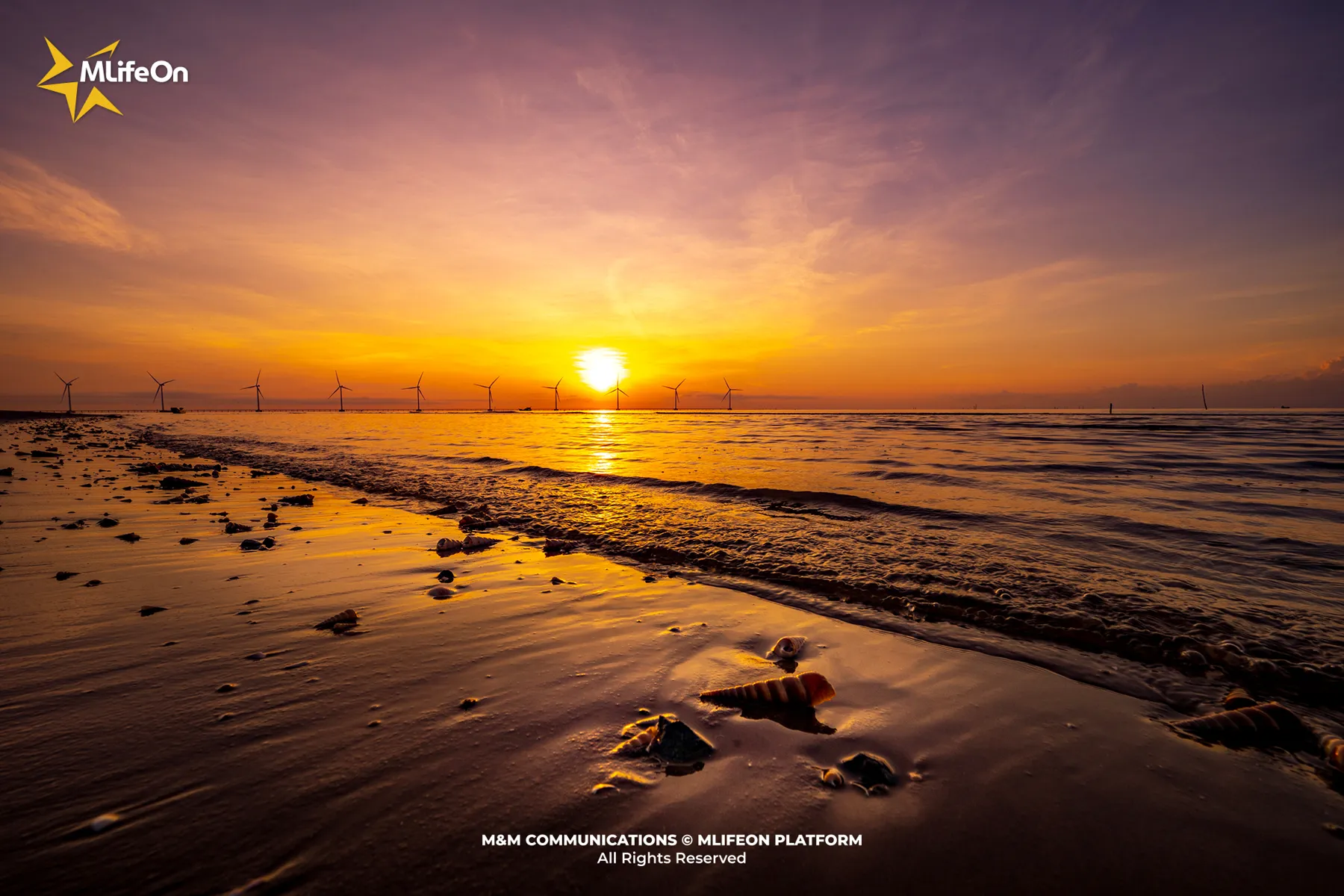
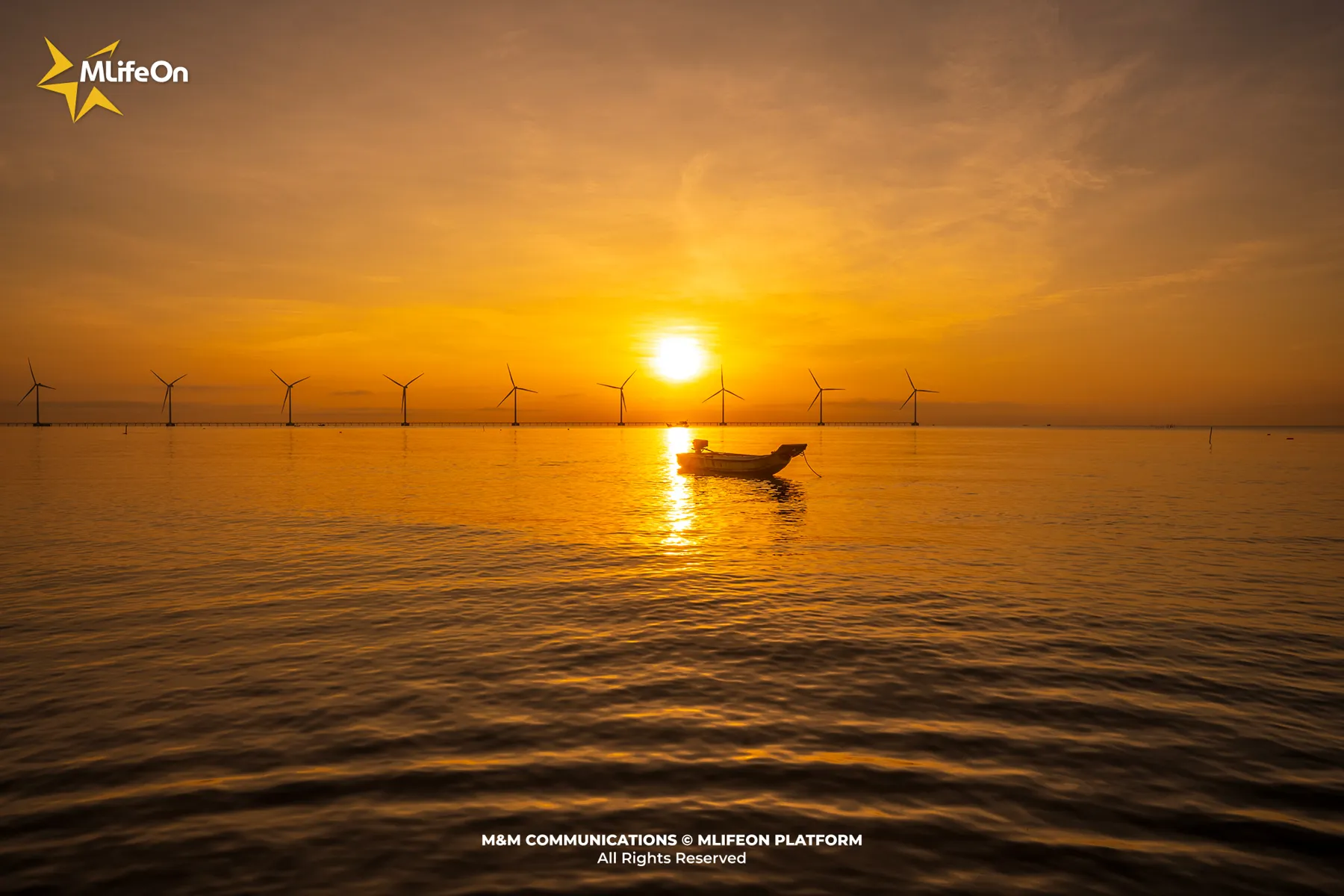
At Ba Dong, visitors can stroll along the sandy beach at low tide, rest beneath the rows of casuarina trees, or visit coastal hamlets to observe the lives of local fishermen.
Fishing boats, fresh catches just brought ashore, and the sight of locals bustling about their daily tasks add a unique dimension to the landscape of the Mekong Delta.
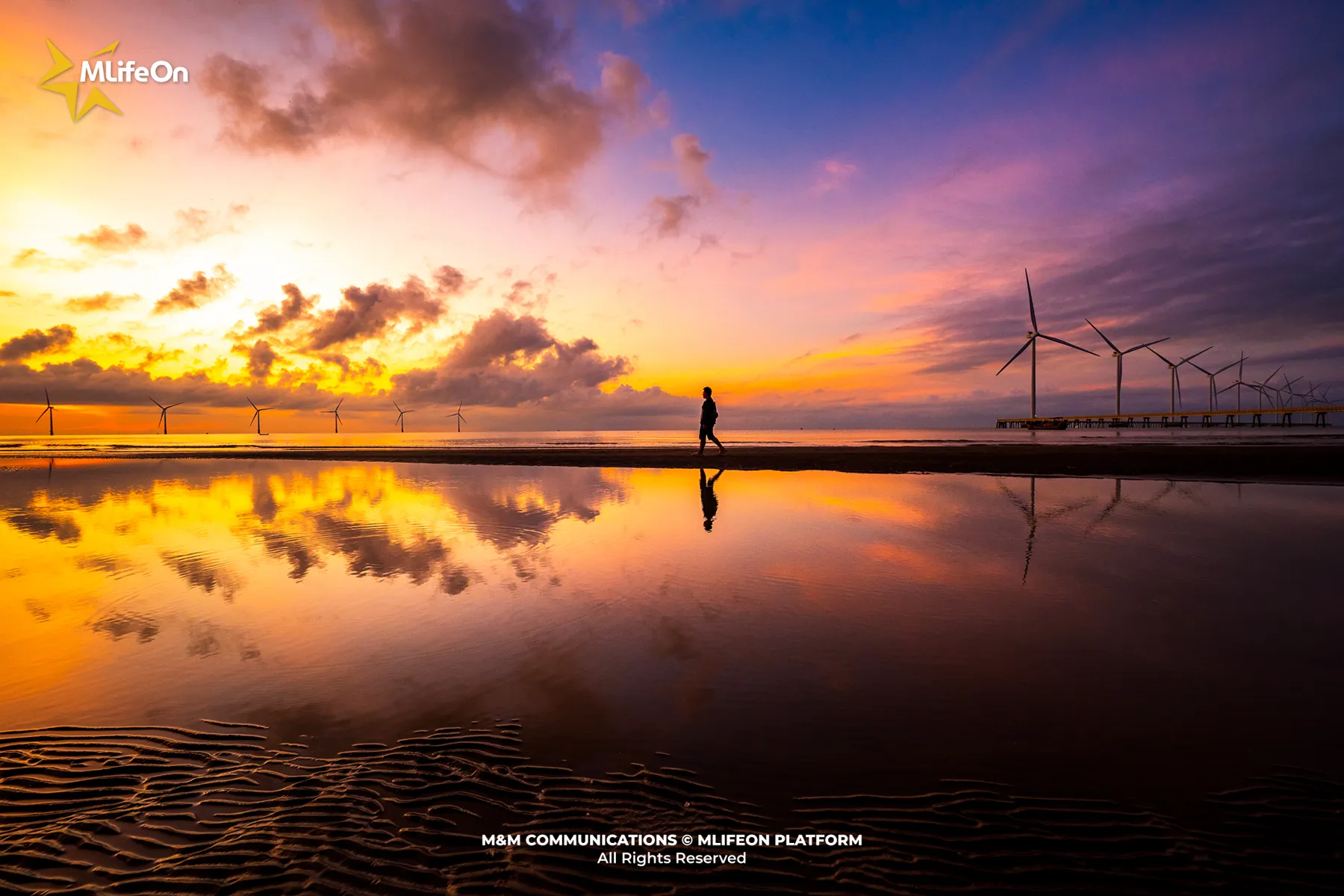
The experience of walking along Ba Dong Beach at low tide.
The *Ghe Ngo* Launching Ceremony - A Day of Community Effort
Ahead of the Ooc Om Boc festival (featuring the *Ngo* boat race), many Khmer pagodas in the former Soc Trang region (now part of Can Tho) are bustling with preparations for the boat-launching ceremony. Villagers gather at the pagoda, and the rowers assemble in full force, ready to lower the long boat into the water after its period of storage.
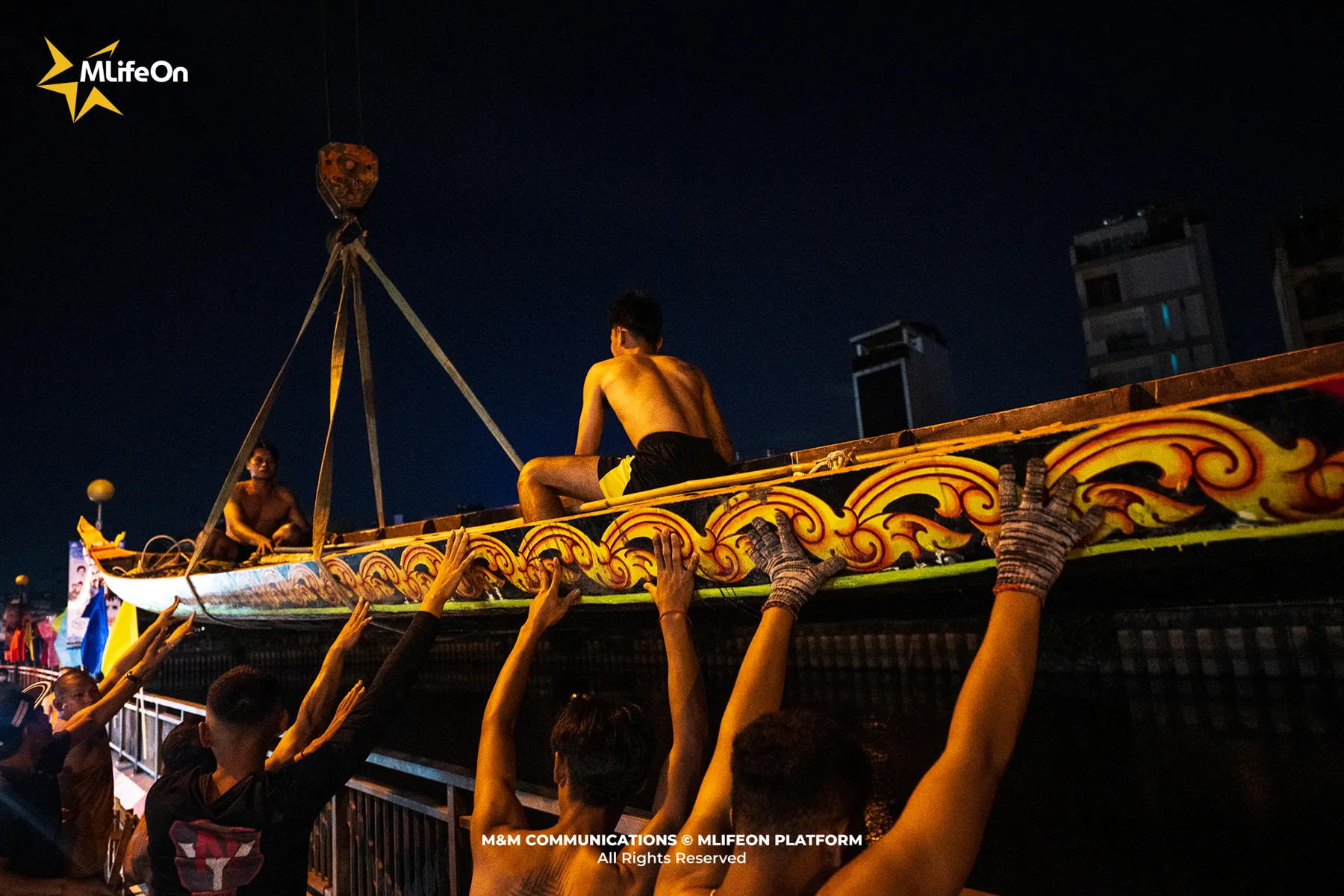
Locals and rowers prepare to launch the boat.
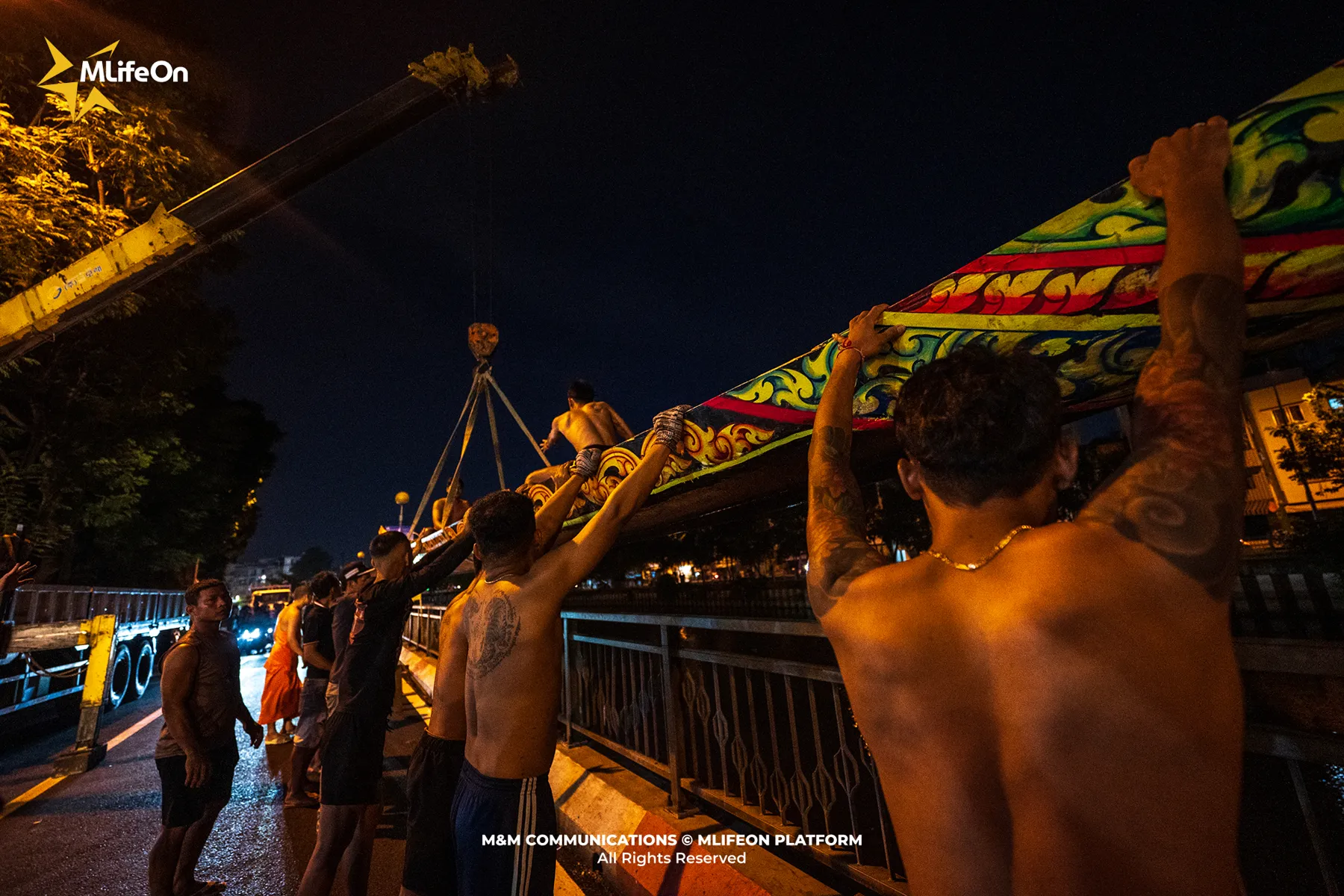
For the Khmer people of Southern Vietnam, the *Ngo* boat is far more than just a racing vessel. Each boat is deeply intertwined with the spiritual life of the local pagoda and the village community, bearing its own unique patterns, colors, and symbols. Consequently, before launching the boat into the water, the community typically holds a ritual to consecrate the bow, praying for peace, health, and unity for the racing team during the upcoming festival season.
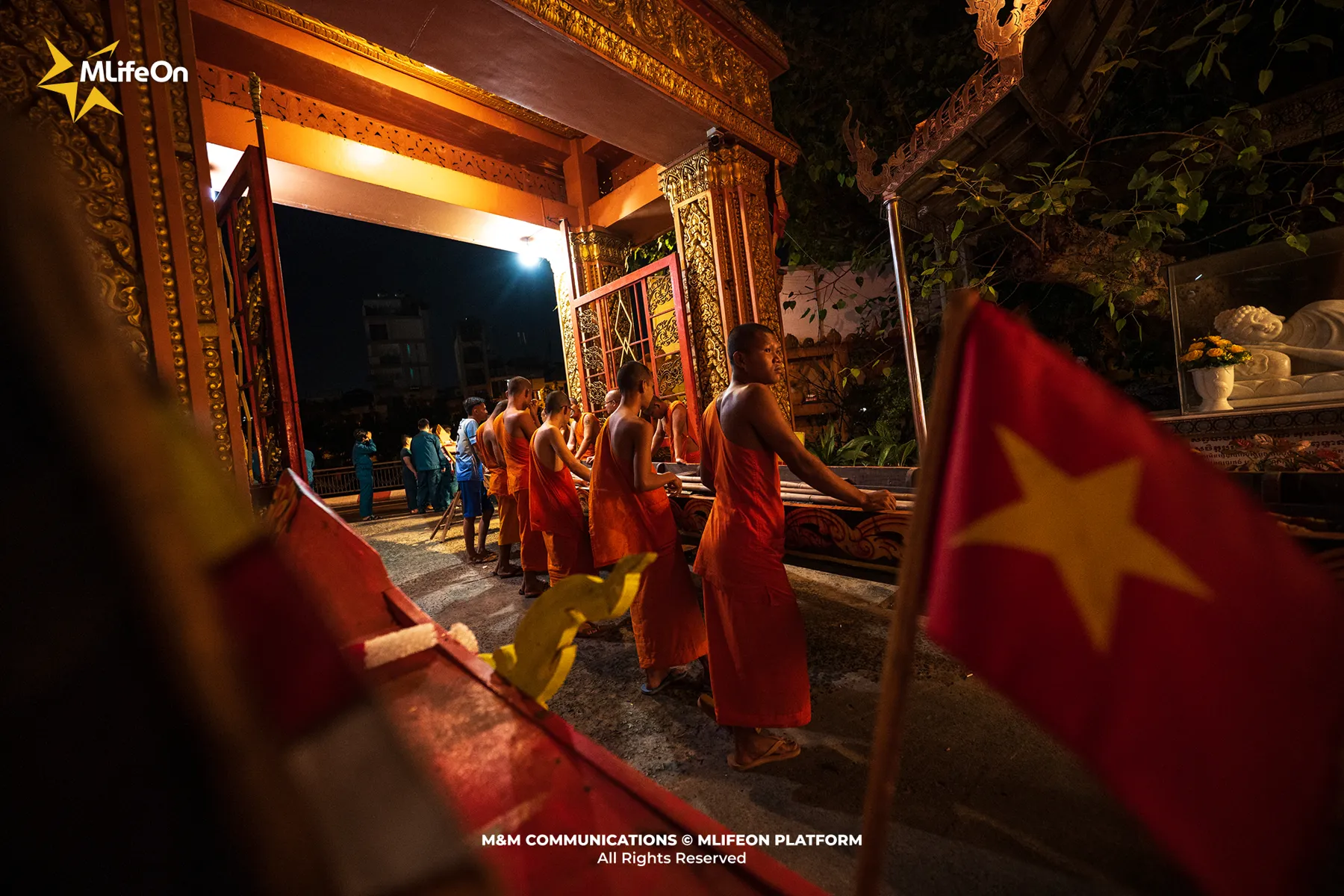
Rituals for offering sacrifices to the boat's captain.
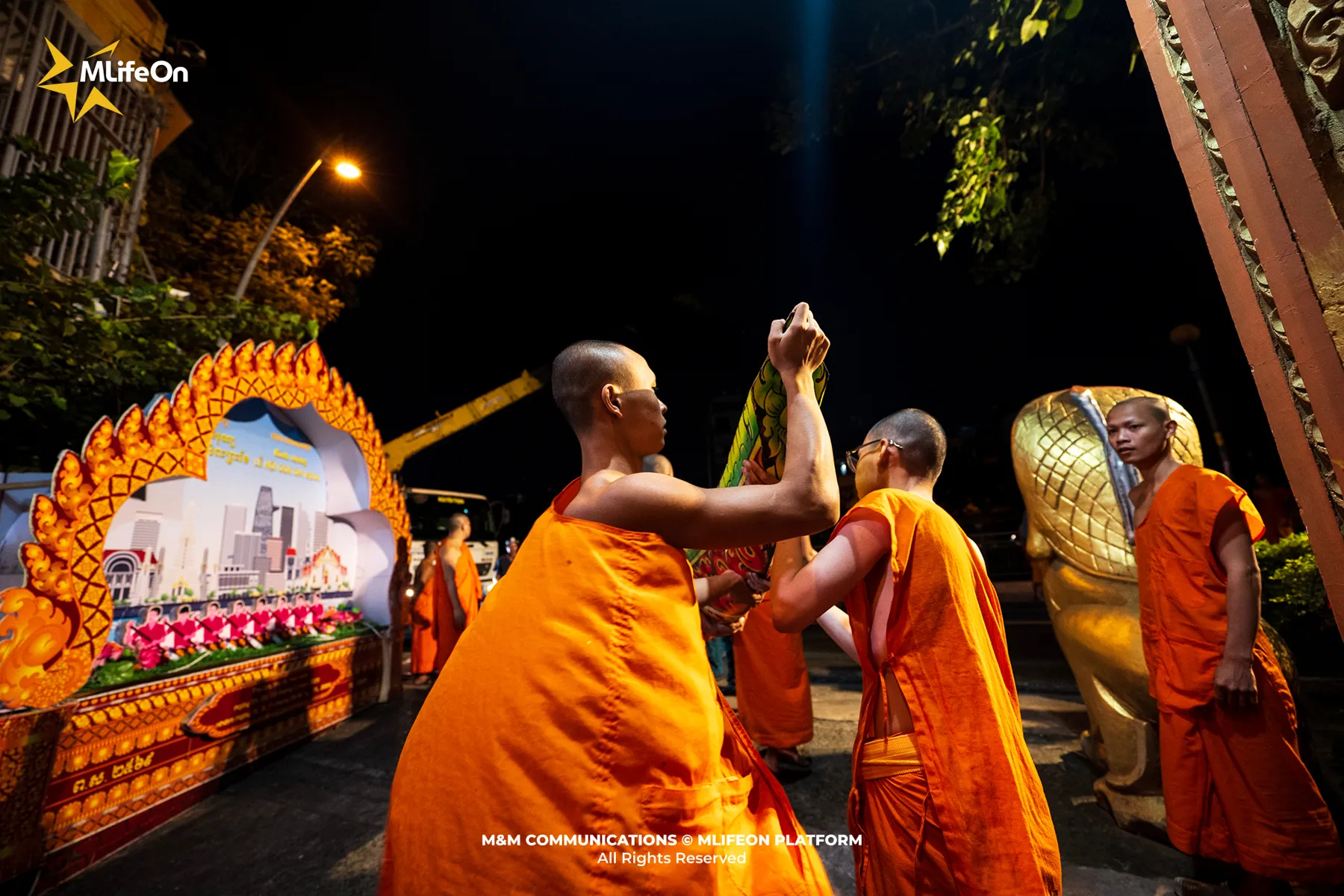
On the day of the boat's launch, the atmosphere around the pagoda becomes lively. Locals prepare offerings while monks and the ceremony leader perform traditional rituals. Following the ceremony, the rowers work together to launch the boat into the water amidst the sound of drums and cheers from the community. While the specific order of rituals and organizational details may vary depending on the customs of each pagoda, they all reflect the deep bond between the villagers and the boat shared by their community.
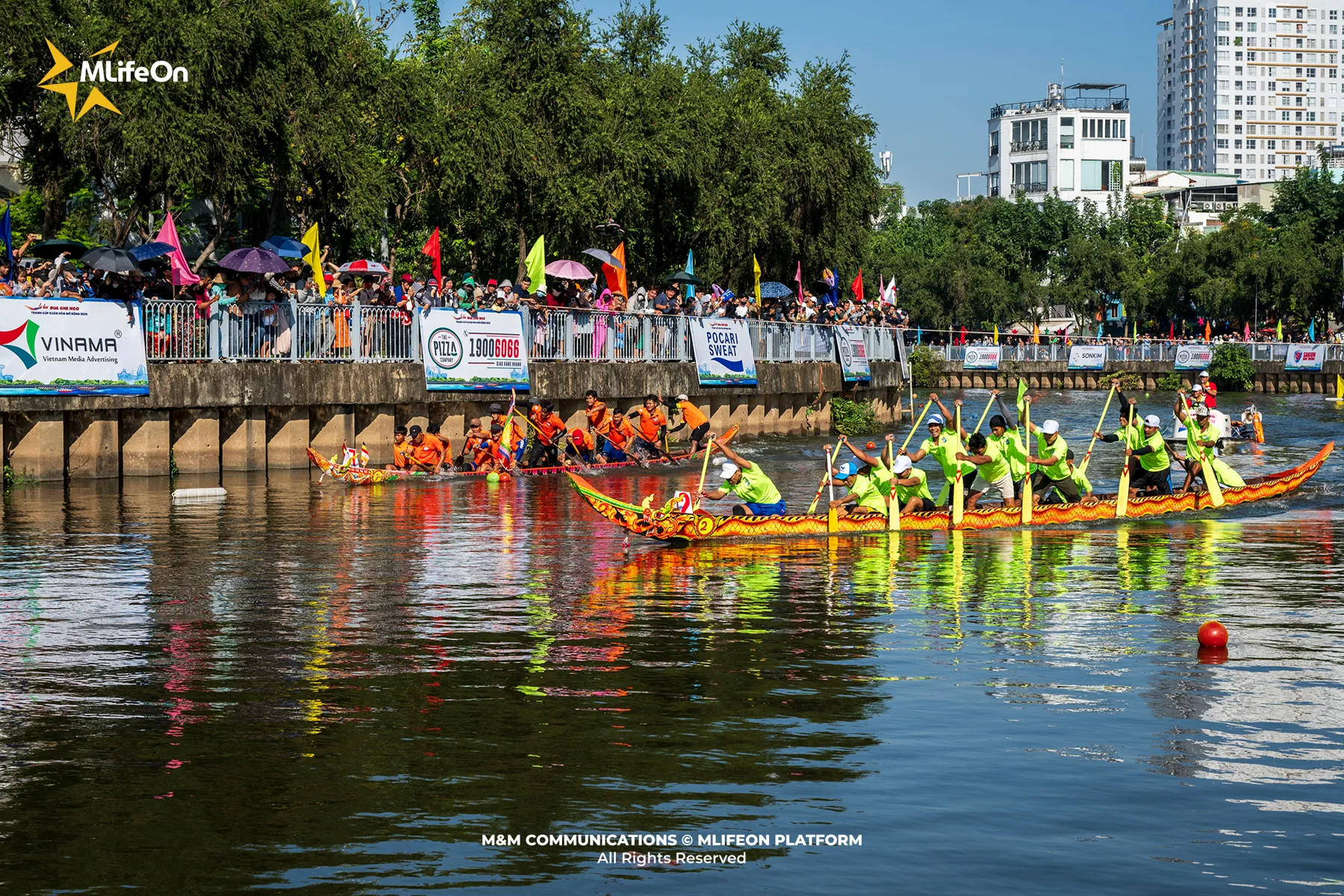
The rowers worked together to launch the boat into the water amidst the sound of drums and the cheers of the community.
The launching ceremony reveals a lesser-seen cultural dimension of the Ngo boat racing festival, a moment where spiritual life, team spirit, and village pride converge around the boat. As these rituals follow the schedules of individual pagodas, visitors wishing to experience them should check the timing in advance and respect the guidance of the local community.
Binh An Drum-Making Village – Where Sounds Resonate
In the drum workshops of Binh An, part of the old Long An region, the sounds of wood chiseling, hammer strikes, and drum testing ring out amidst the various stages of production. Artisans work alongside drum bodies in the process of assembly, treated buffalo hides, and products awaiting completion.
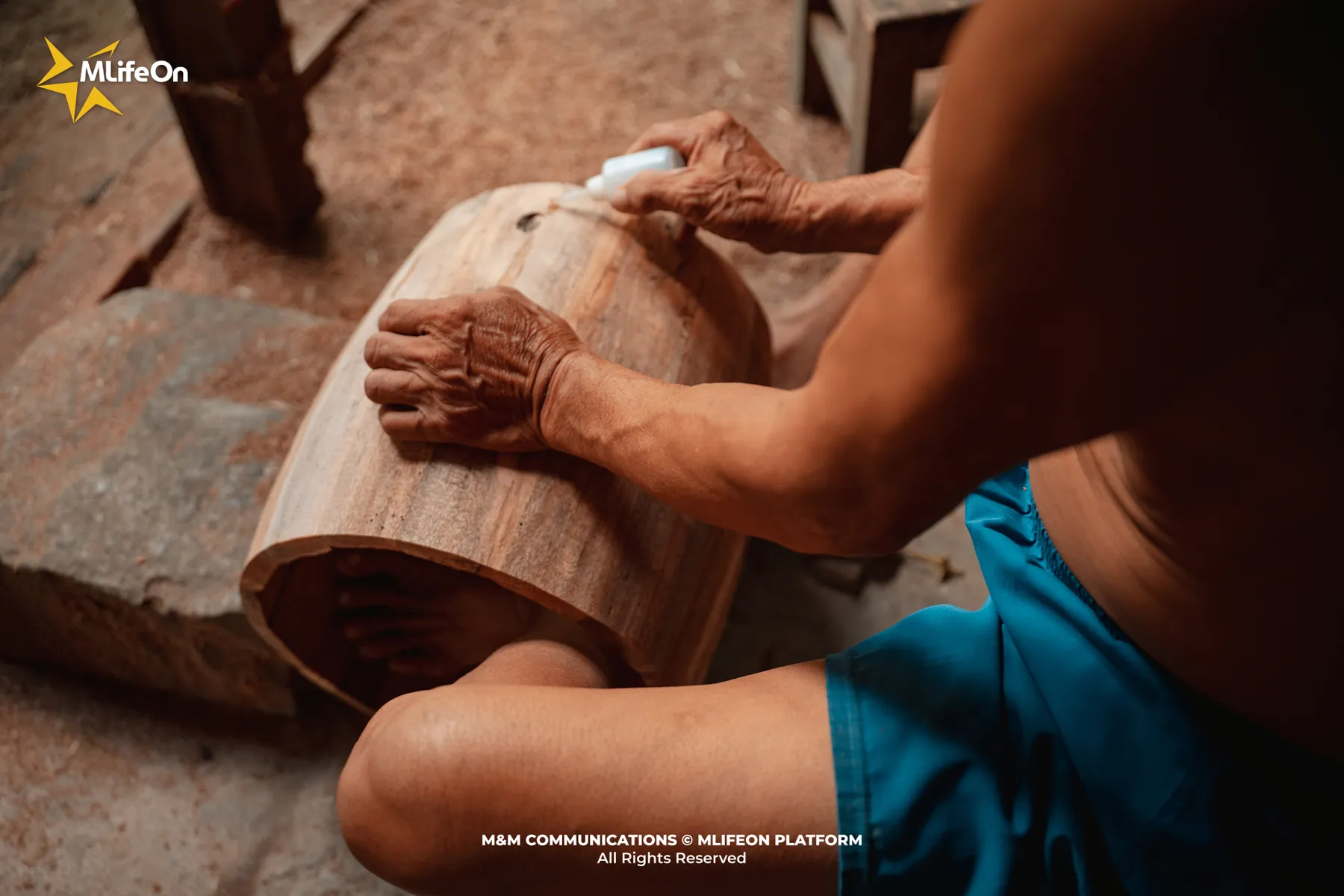
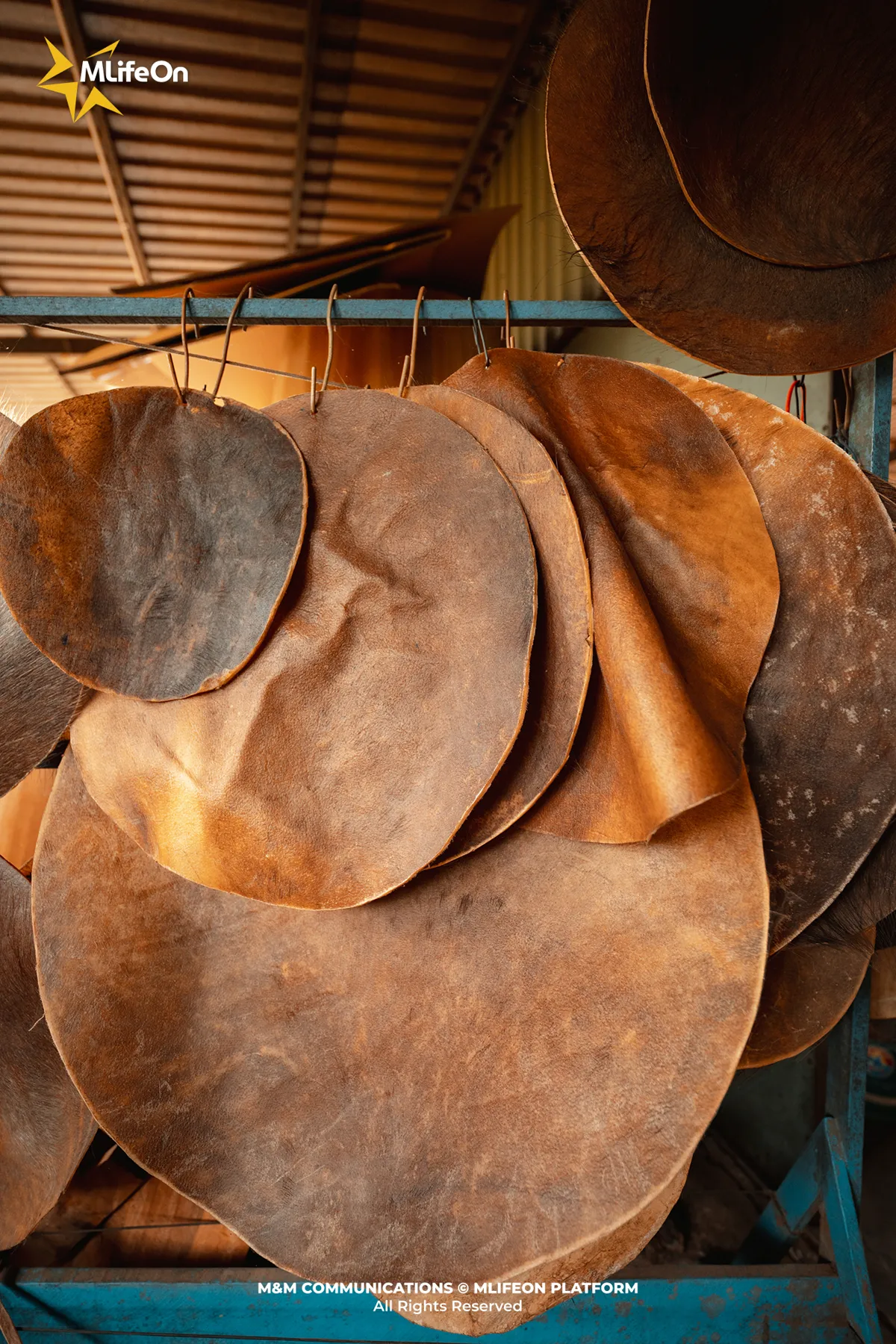
With a history spanning over 150 years, the craft of drum making in Binh An has been passed down through generations, becoming an integral part of the local community's life. In June 2026, the craft was officially inscribed on the National List of Intangible Cultural Heritage, marking a significant milestone in the ongoing effort to preserve this long-standing traditional trade.
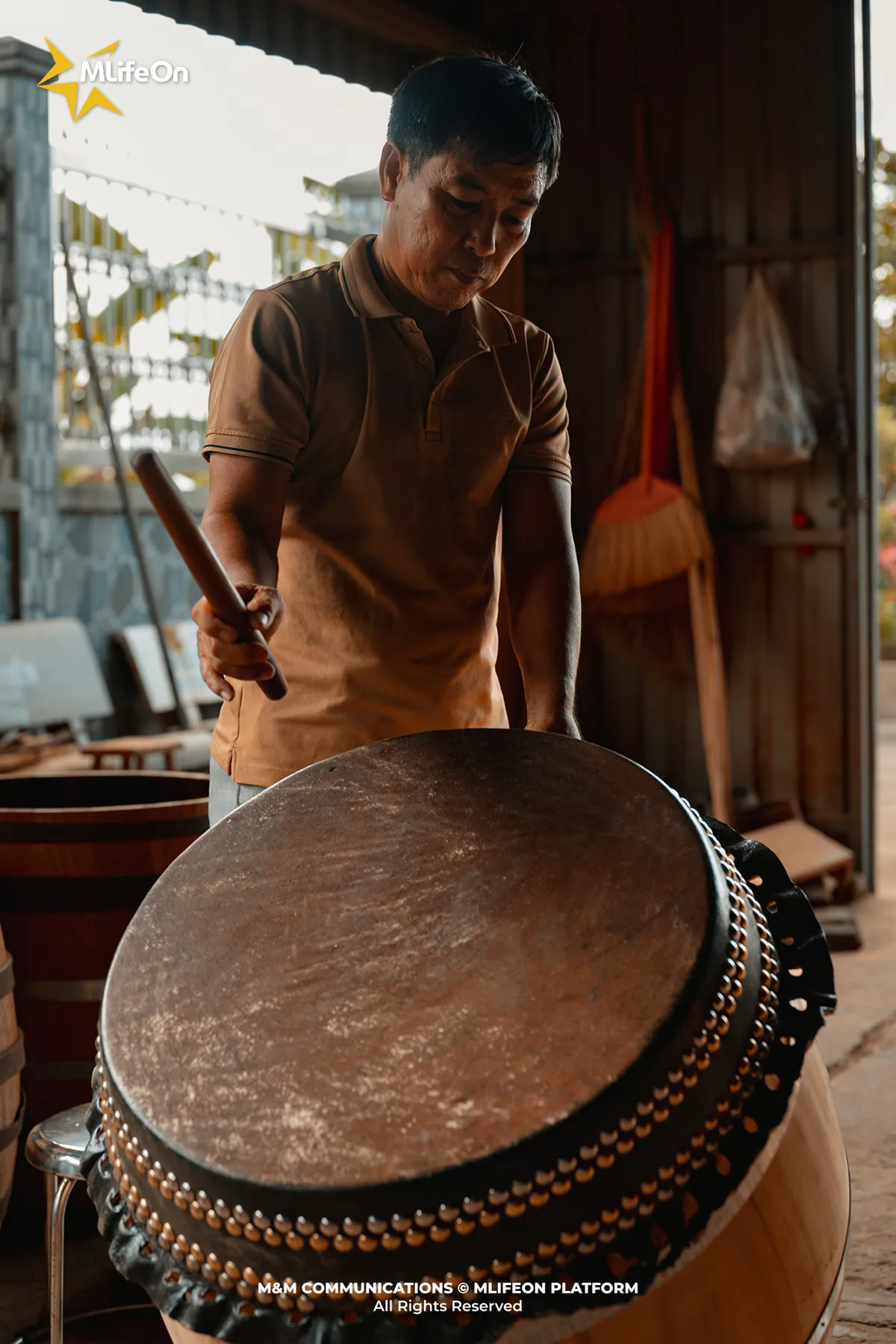
Crafting a drum involves numerous stages, ranging from selecting the wood, bending and assembling the drum body, and processing the buffalo hide to stretching the skin and fine-tuning the sound. Each step demands meticulous care and experience accumulated over many years.
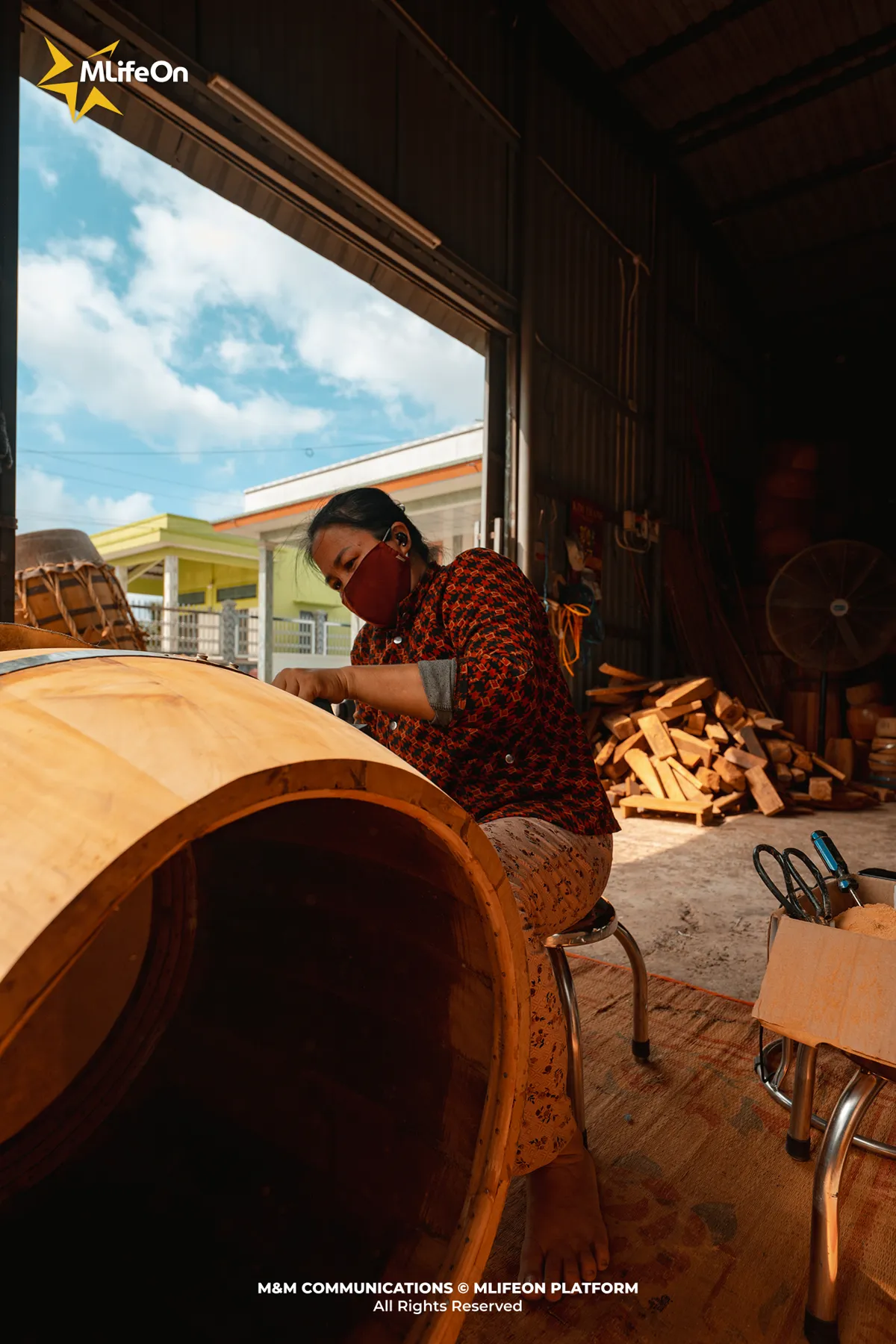
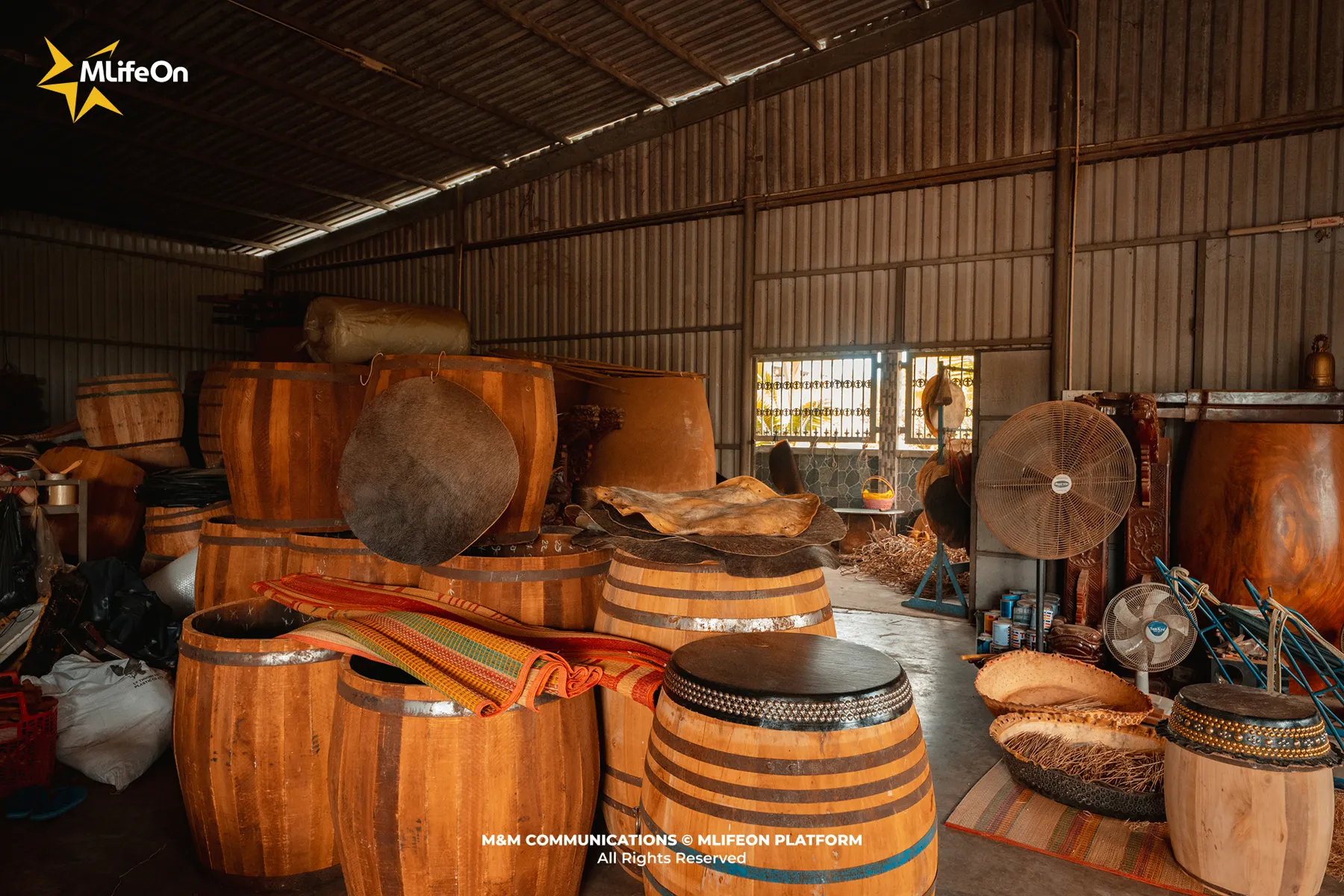
Here, drum making is not merely about creating products for festivals, religious observances, or artistic performances; it is a livelihood, a body of knowledge passed down within families, and a bond connecting generations of craftspeople.
Conclusion
The Mekong Delta captivates visitors not only with its vast waterways but also through the stories preserved in its floating markets, old streets, and centuries-old craft villages. Each destination possesses a unique character, ensuring that every journey becomes a memorable experience.
Who knows? After this virtual tour of these five destinations, you might just feel inspired to pack your bags and set off, to witness the sun-dappled rivers with your own eyes, immerse yourself in the rhythm of life in the Delta, and fully experience a beauty that a screen simply cannot capture.
—------
CREDIT:
- Photography: Luan Nguyen
- Content: Giang Huynh
- Design: Phuong Nguyen