
KITESURFING - A CAPTIVATING SPORT OF THE BLUE SEA
If summer is a lively melody,
then kitesurfing is the most vibrant tune of all.
In the blue sky, strong winds and waves, colorful kites lift players into the air and glide them across the water, turning kitesurfing into an exciting summer sport.
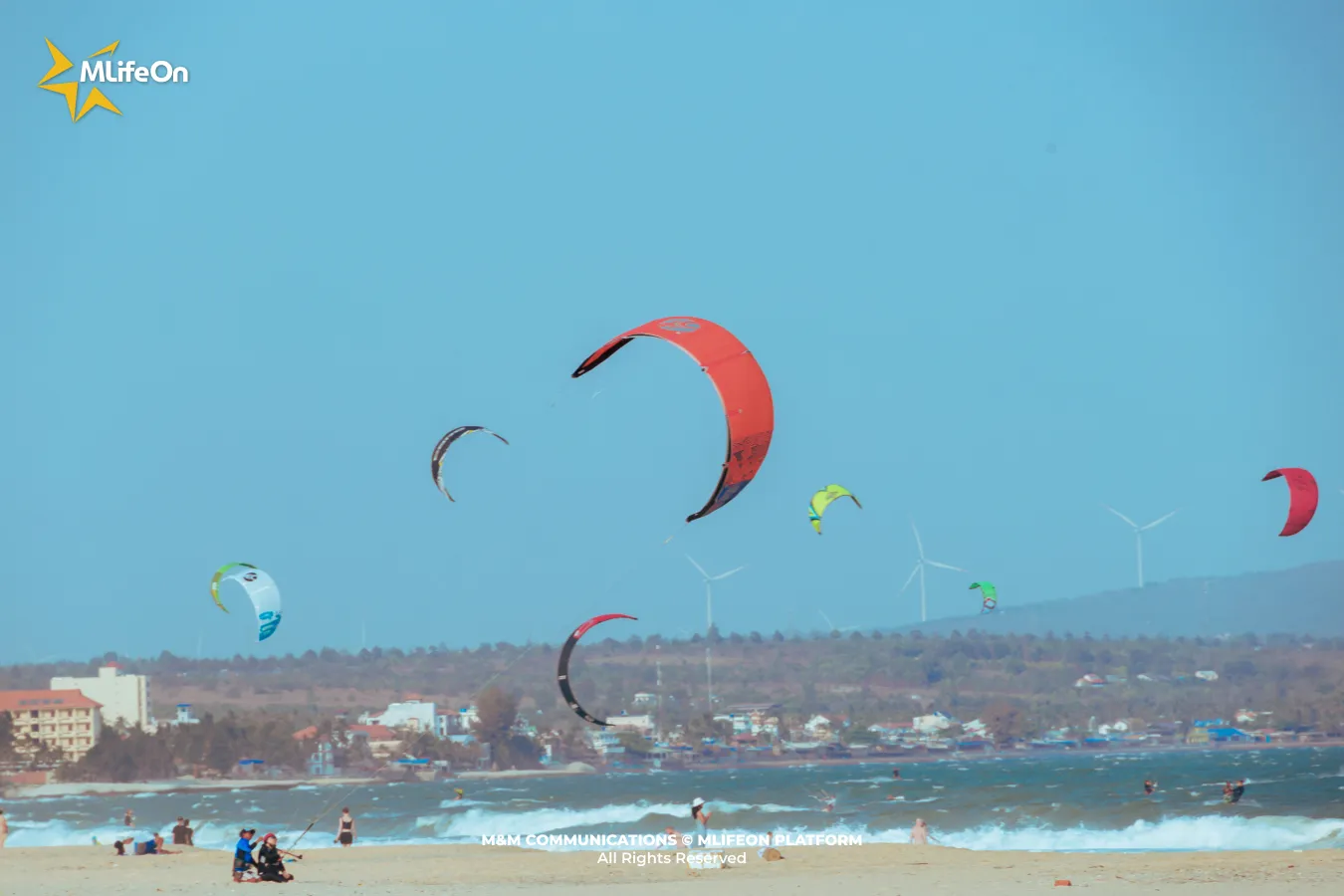
Before diving into the origins of kitesurfing, let’s take a trip with MLifeOn to Mui Ne ward, Lam Dong province (formerly Binh Thuan province), and experience this unique water see and experience this unique water sport firsthand.
Tracing the origins of kitesurfing

Kitesurfing originated in the late 1990s when water sports enthusiasts in Europe and America experimented with combining surfboards with the wind power of kites. Initially, it was just an extreme sport, but it quickly became an international sport thanks to its freedom, spontaneity, and the feeling of "flying" on the water.
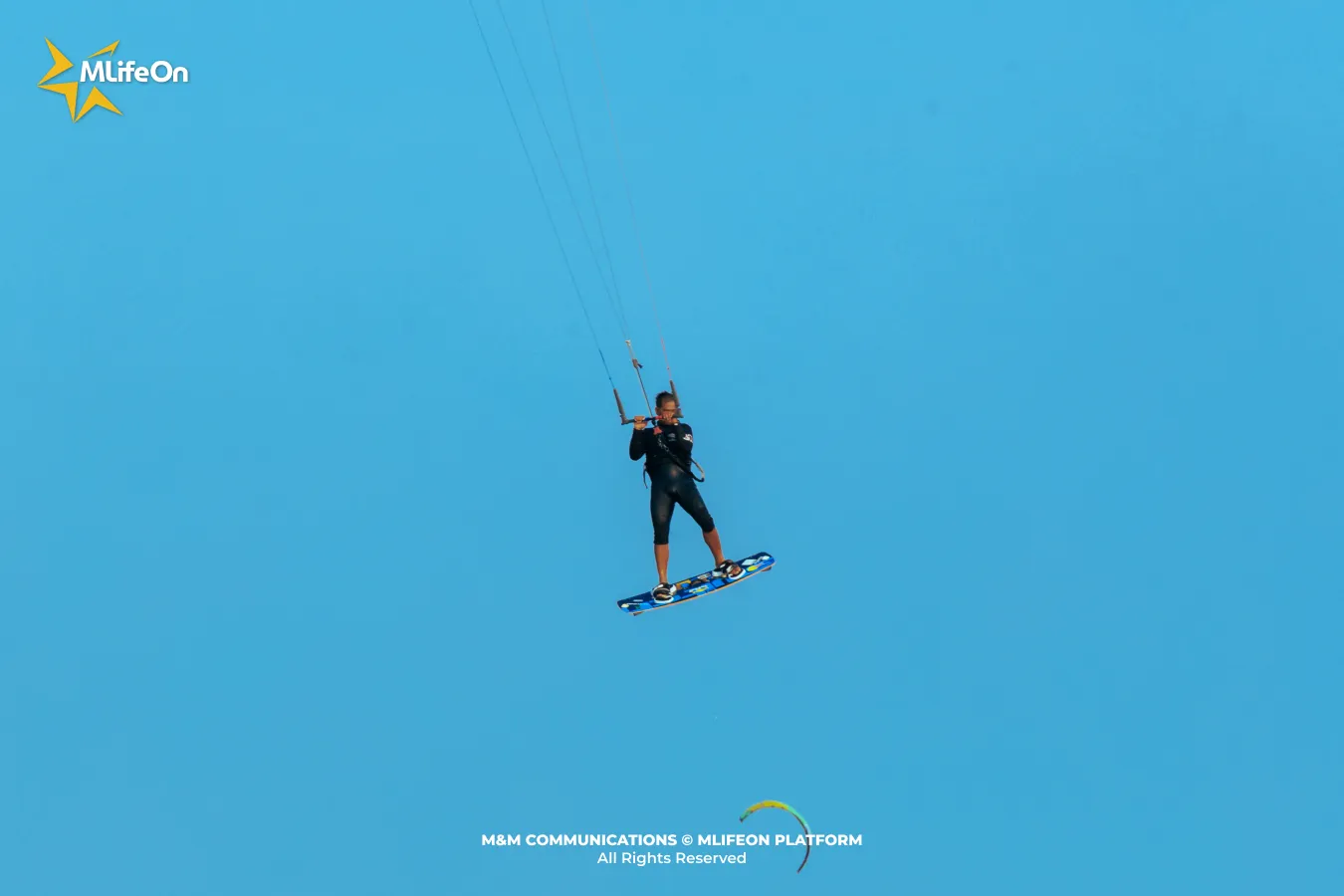
Kitesurfing embodies the spirit of street sports: freedom, creativity, and limitlessness. Players not only glide on the waves but can also perform high jumps and spins in the air, creating powerful and artistic performances.
Around the early 2000s, kitesurfing was introduced to Vietnam, specifically to the Mui Ne area (now Mui Ne Ward, Lam Dong Province). This area has ideal natural conditions, including year-round strong winds, a long beach, and moderate waves.
Recognizing these favorable factors, foreign tourists brought this sport to Vietnam. Initially just for experimentation, Mui Ne quickly became the "kitesurfing capital" of Southeast Asia, attracting a large number of domestic and international tourists.
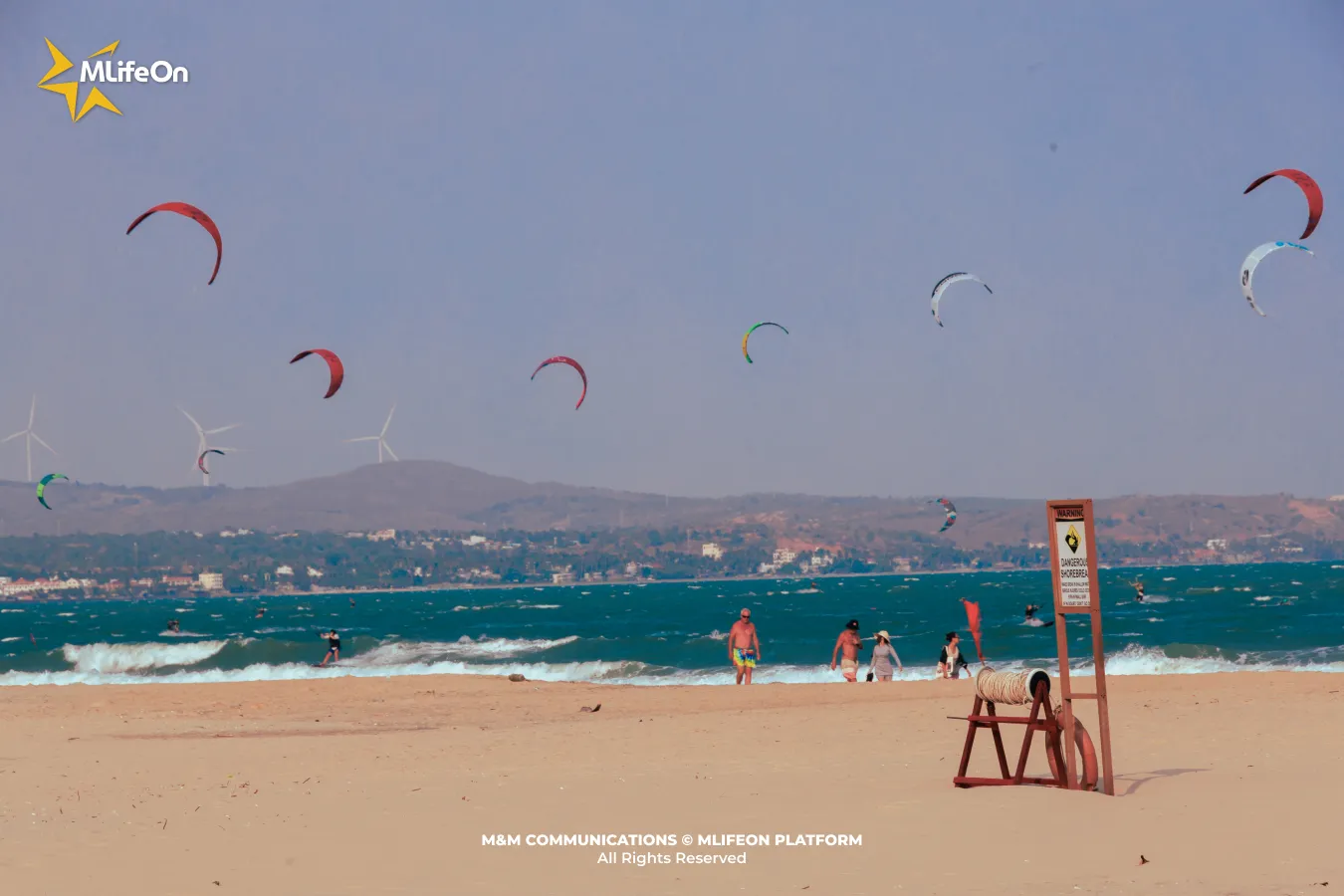
From then on, it became a familiar destination for kitesurfing enthusiasts from around the world. Kitesurfing schools began to appear, international instructors came to directly participate in teaching, and more and more Vietnamese people gradually embraced this sport. Before long, the image of colorful kites soaring against the blue sky of Mui Ne became a characteristic symbol of beach tourism here every summer.

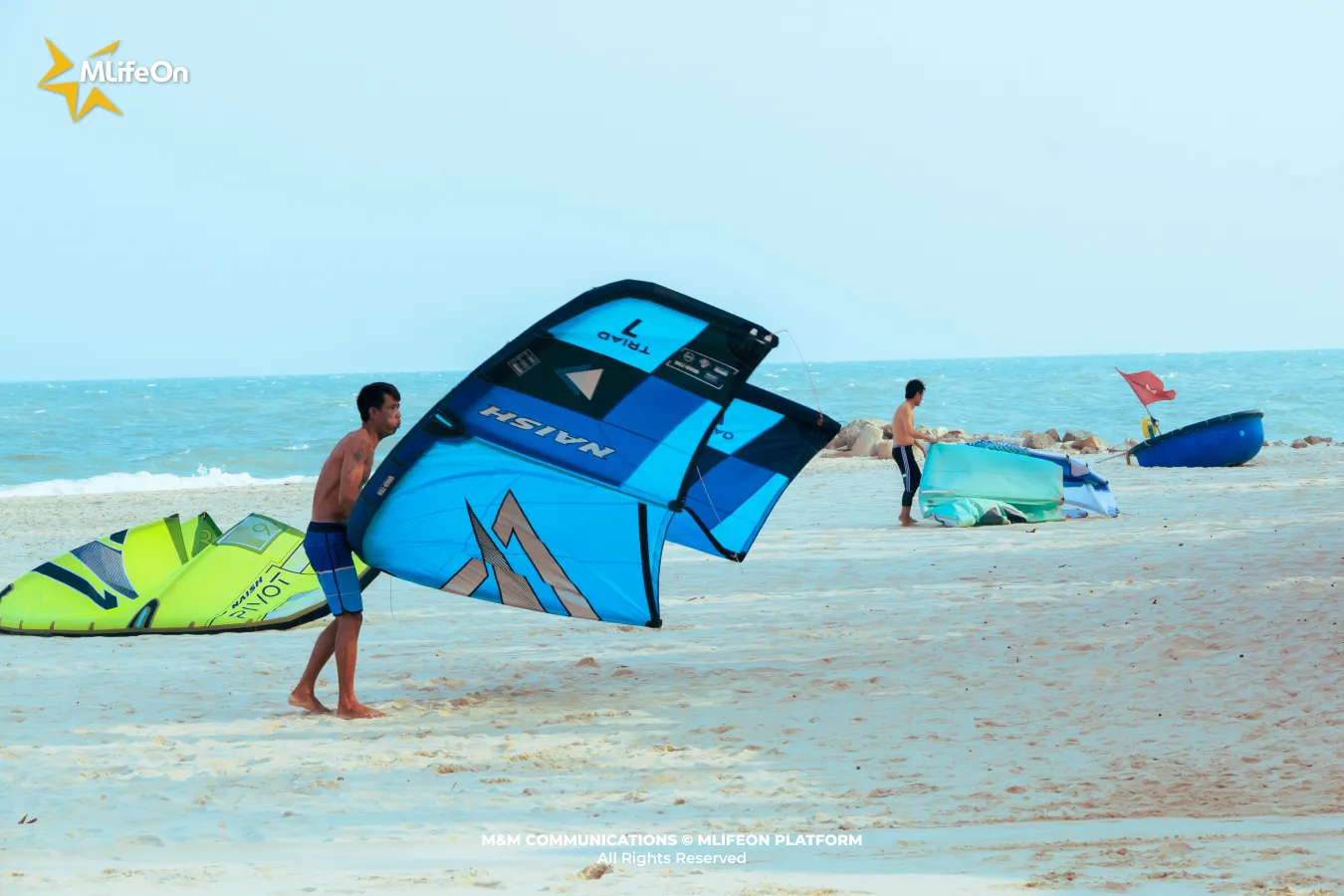
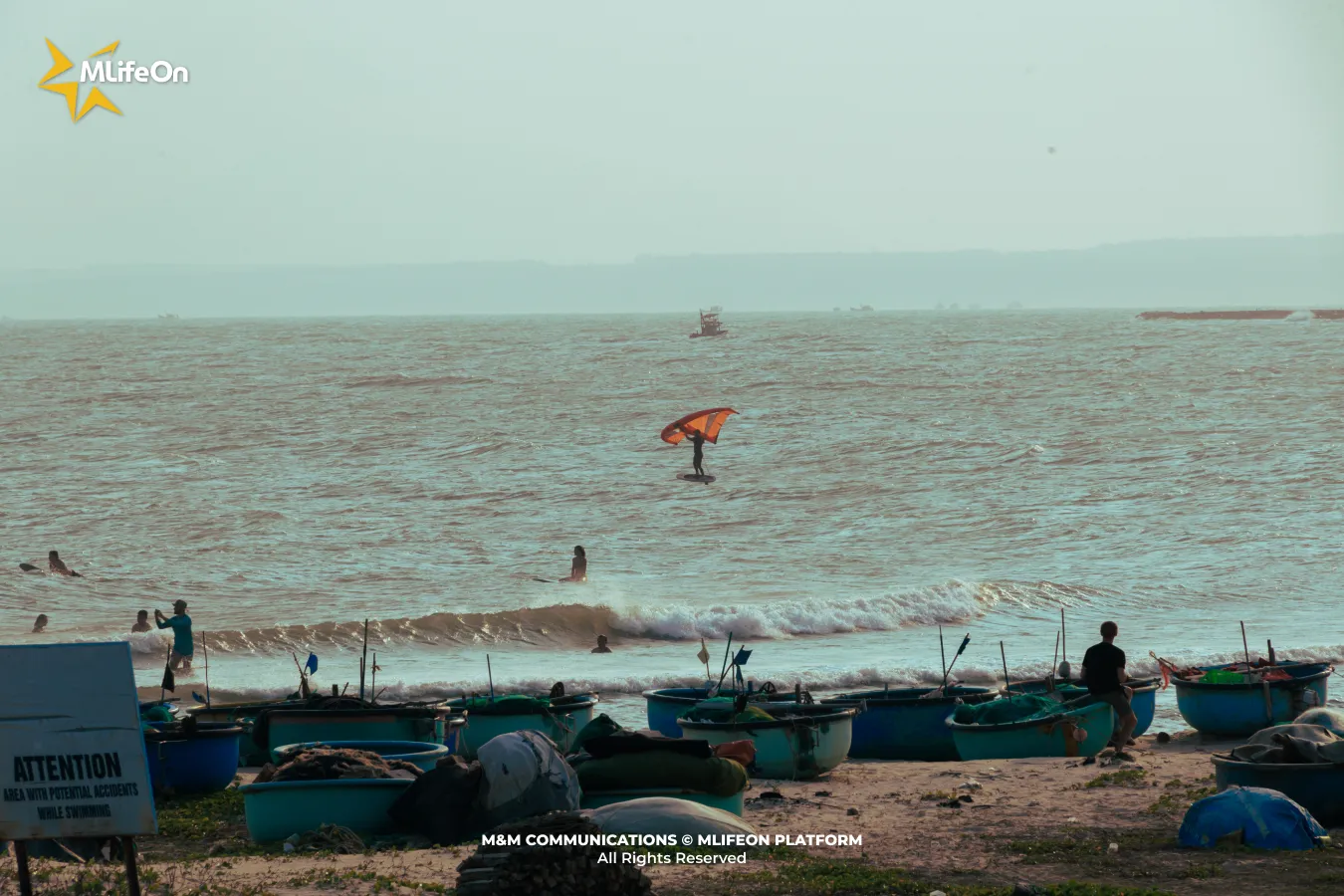
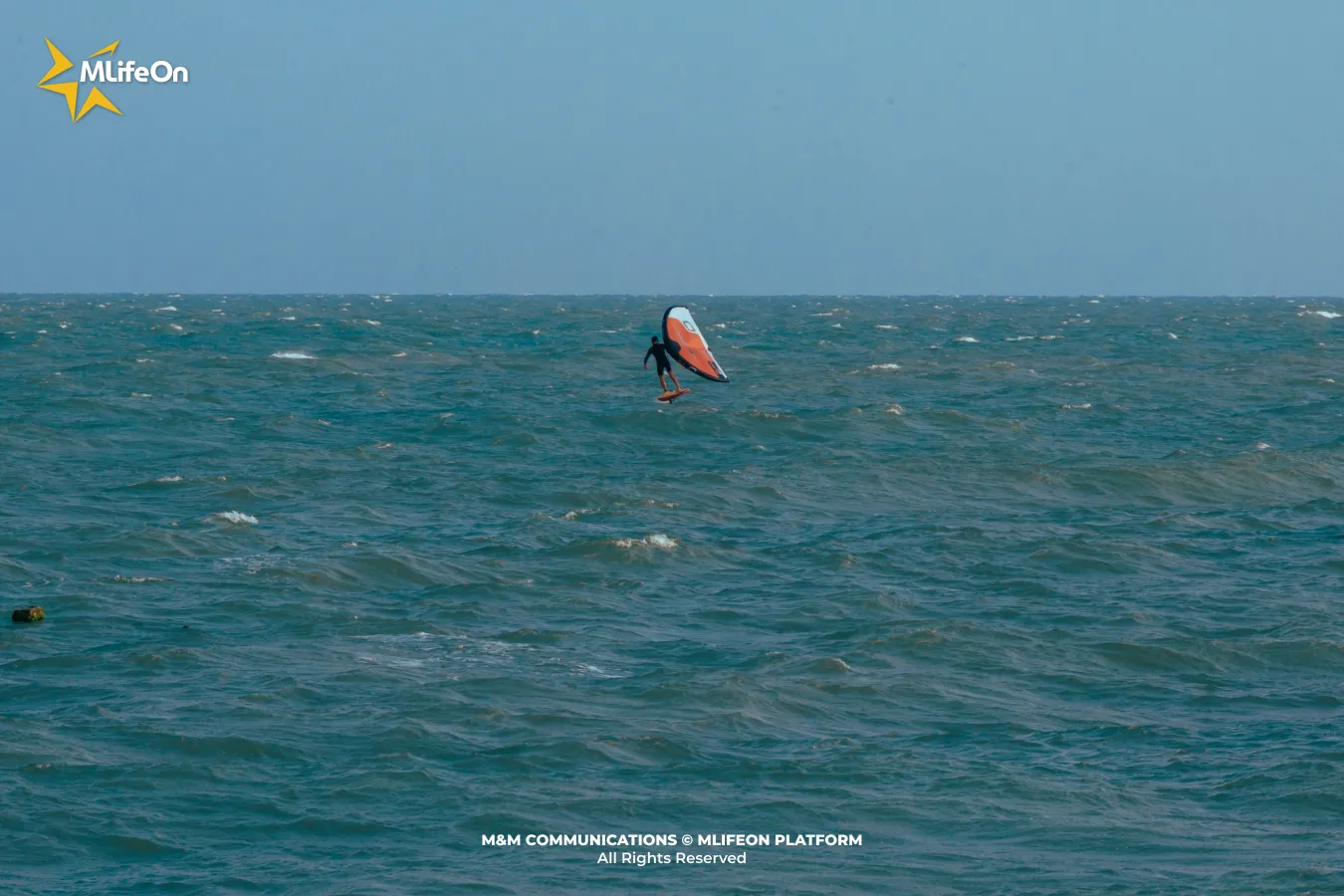
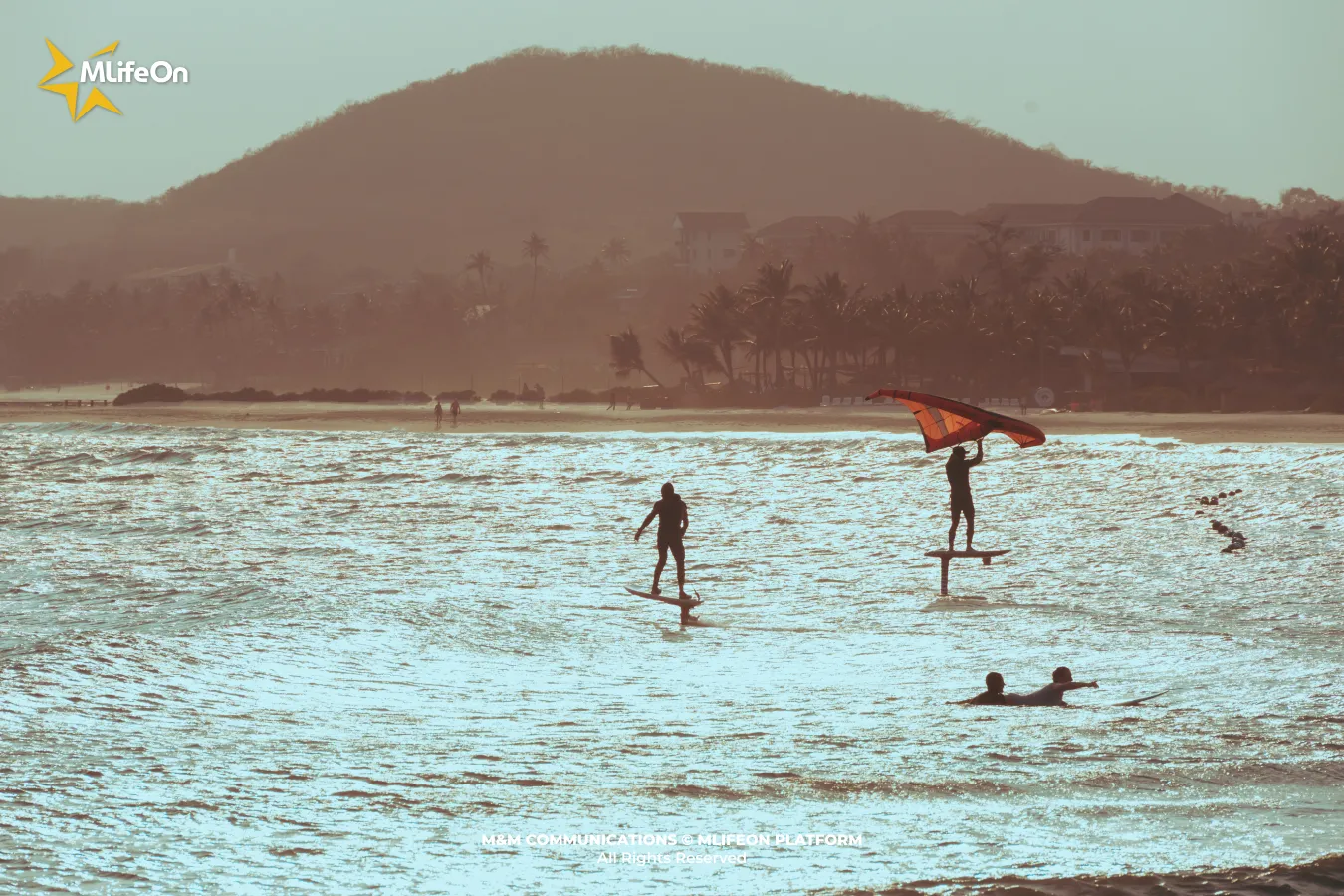
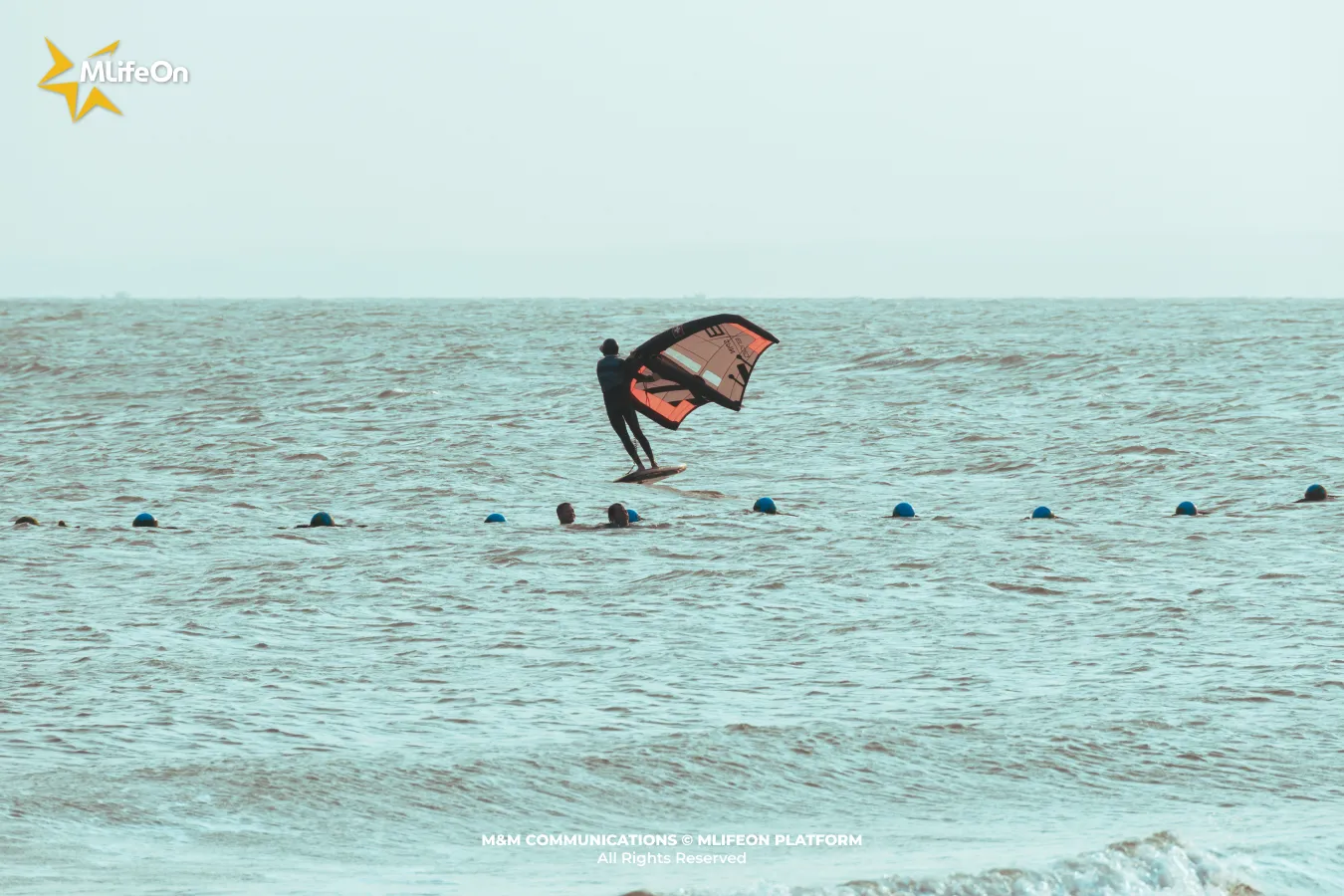
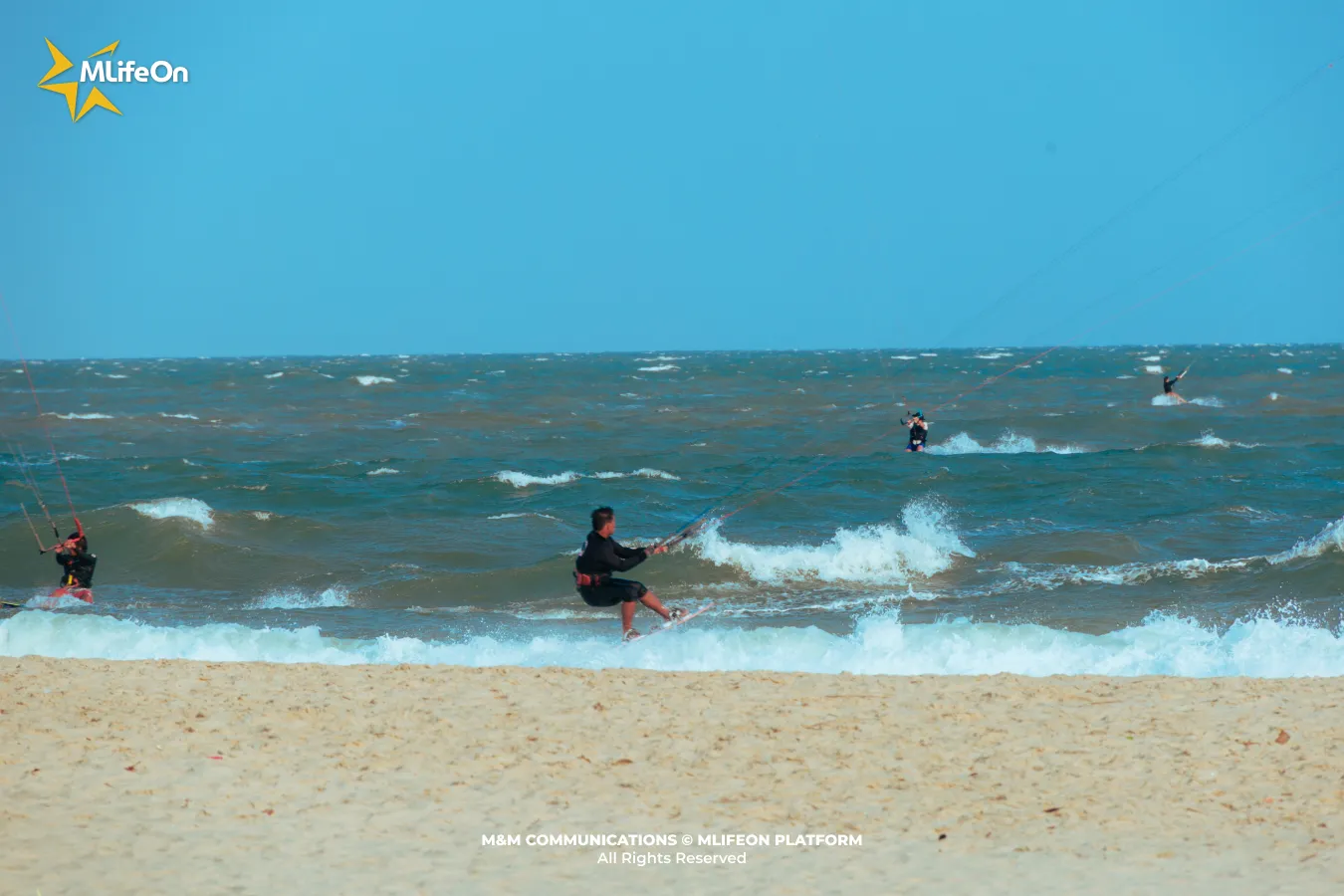
Images of kites soaring over the sea in Mui Ne
Techniques and tips for playing
To truly enjoy the feeling of "flying" on the water, players need to master both the basic techniques and safety principles of kitesurfing. This is because it's not just a sport that requires physical fitness, but also a delicate coordination between the body, waves, and wind.

Basic techniques
-
Controlling the kite: This is the most important step. Players must learn to feel the wind, adjust the string, and steer steadily. The kite's direction not only helps propel the board but also directly determines its speed, altitude, and balance.
-
Maintaining balance on the board: When the kite starts to catch wind, the board will glide. Players need to keep their center of gravity low and their feet agile to adapt to the water surface.
-
Coordinated movements: Every movement must be synchronized. From pulling the string and leaning to adjusting the board's direction, once you get used to it, you'll feel like you're gliding on the water, a truly exhilarating and satisfying experience.

Training steps
-
Getting acquainted with kites on sand: Before going into the water, practice adjusting the string and feeling the wind direction. This is a way to understand your "companion."
-
Practicing standing on a board: When the kite pulls gently, try balancing on the board. This step helps your body get used to the pull and the slipperiness of the board surface.
-
Trying gliding on water: Start at a slow speed, then gradually increase it as you gain better control. The initial feeling might be a little overwhelming, but the more you practice, the more confident you will become.
-
Advanced techniques: Once you've mastered them, you can try jumps and spins in the air.

Safety Note
-
Warm up thoroughly: Before entering the water, take time to warm up your body to avoid injury.
-
Check equipment: Kitesurfing lines, boards, life vests, and other accessories should be thoroughly checked before playing.
-
Choose an open area of the sea: Avoid areas with many swimmers or passing boats.
-
Practice with a coach: Beginners should have guidance to ensure safety and shorten the learning curve.
-
Listen to your body: When you feel tired, rest. Kitesurfing is a physically demanding sport, so maintaining stable energy levels is extremely important and necessary.

Kitesurfing in Mui Ne
Today, Mui Ne is not only a "playground" for professional athletes, but also a destination for anyone who wants to experience the feeling of freedom amidst the sea and sky.

The development of kitesurfing is closely linked to the vibrant sea tourism of Vietnam. From the early days when only a few foreign tourists introduced this novel sport to Mui Ne, it has now become a "kitesurfing capital" of the region. Kitesurfing schools have sprung up, the community of kitesurfers has grown larger, and the image of colorful kitesurfing has become a distinctive symbol of the Mui Ne coastal area.
More than just a sport, kitesurfing also contributes to promoting the free-spirited beauty of Vietnam's blue sea and breezy skies. This sport presents a youthful and dynamic image, affirming that Vietnamese tourism offers not only beautiful scenery but also attractive water sports experiences, comparable to world-renowned destinations.


The cheers, the wind whistling through the kites, and the sound of the waves crashing all blend with the players' excited heartbeats, creating a vibrant atmosphere that transforms Mui Ne into a convergence of passion, energy, and the beauty of freedom.
Conclusion
As you can see, kitesurfing is not just a sport, but also an experience of immersing yourself in nature and enjoying absolute freedom between the sea and the sky. So this summer, if you want to try something new and exciting, visit Mui Ne, where kites will take you on an unforgettable journey.
—------
CREDIT:
- Photography: Kien Trang
- Content: Giang Huynh
- Design: Phuong Nguyen