THE KHMER SAND MOUNTAIN RITUAL – WHEN EVERY GRAIN OF SAND CARRIES A BLESSING
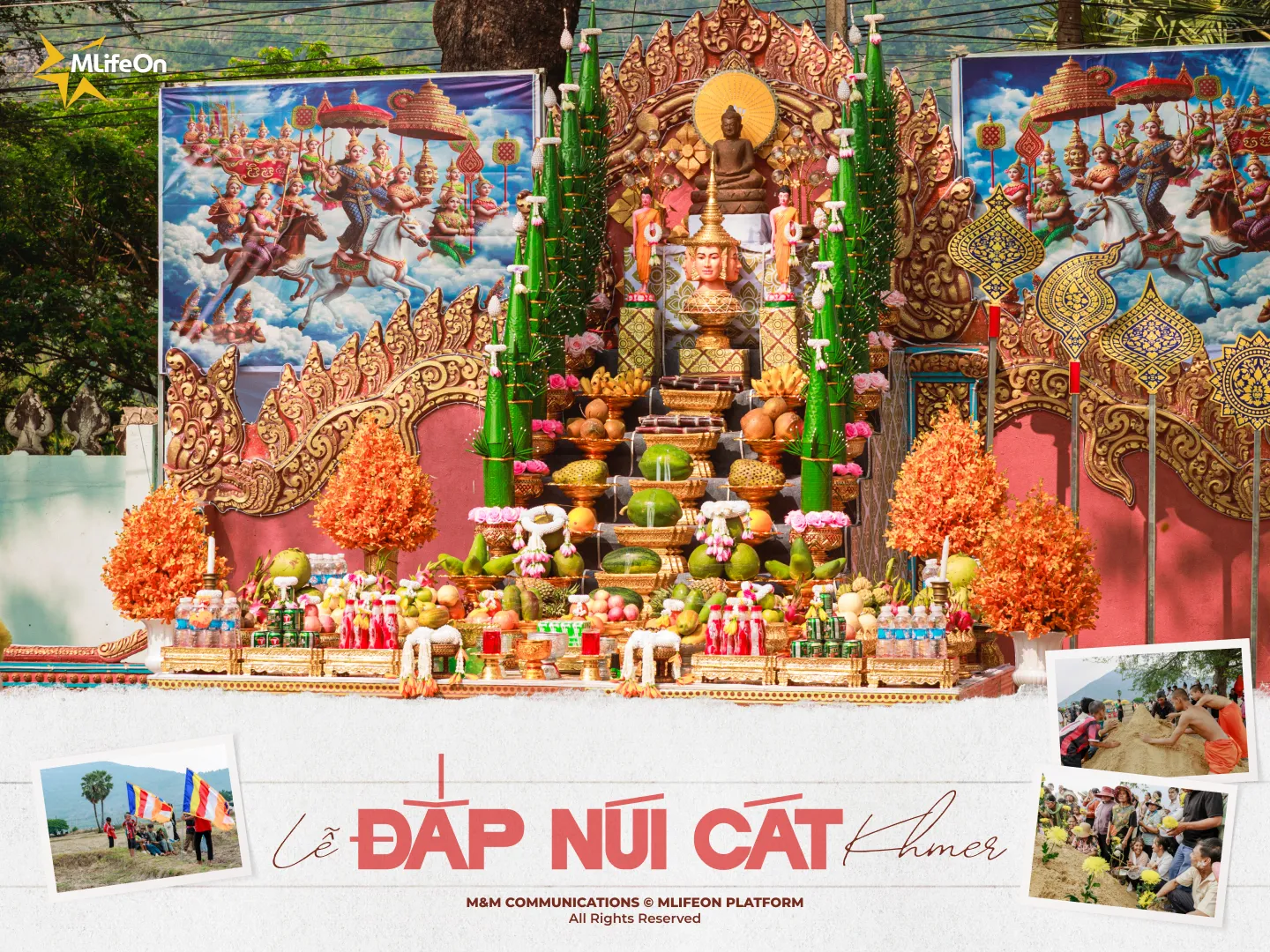
Every year during the Chôl Chnăm Thmây Festival, Khmer communities gather at their local pagodas, bringing handfuls of sand to build symbolic sand mountains. Behind this simple ritual lies a meaningful story of compassion, community spirit, prayers for favorable weather and abundant harvests, and cultural values that have been preserved for generations.
More than a ritual - An essential part of the Chôl Chnăm Thmây Festival
For the Khmer people, the Chôl Chnăm Thmây Festival is not only the beginning of a new year but also a time for families to return to the pagoda, reunite with loved ones, honor their ancestors, and take part in traditional ceremonies that have been passed down through generations.
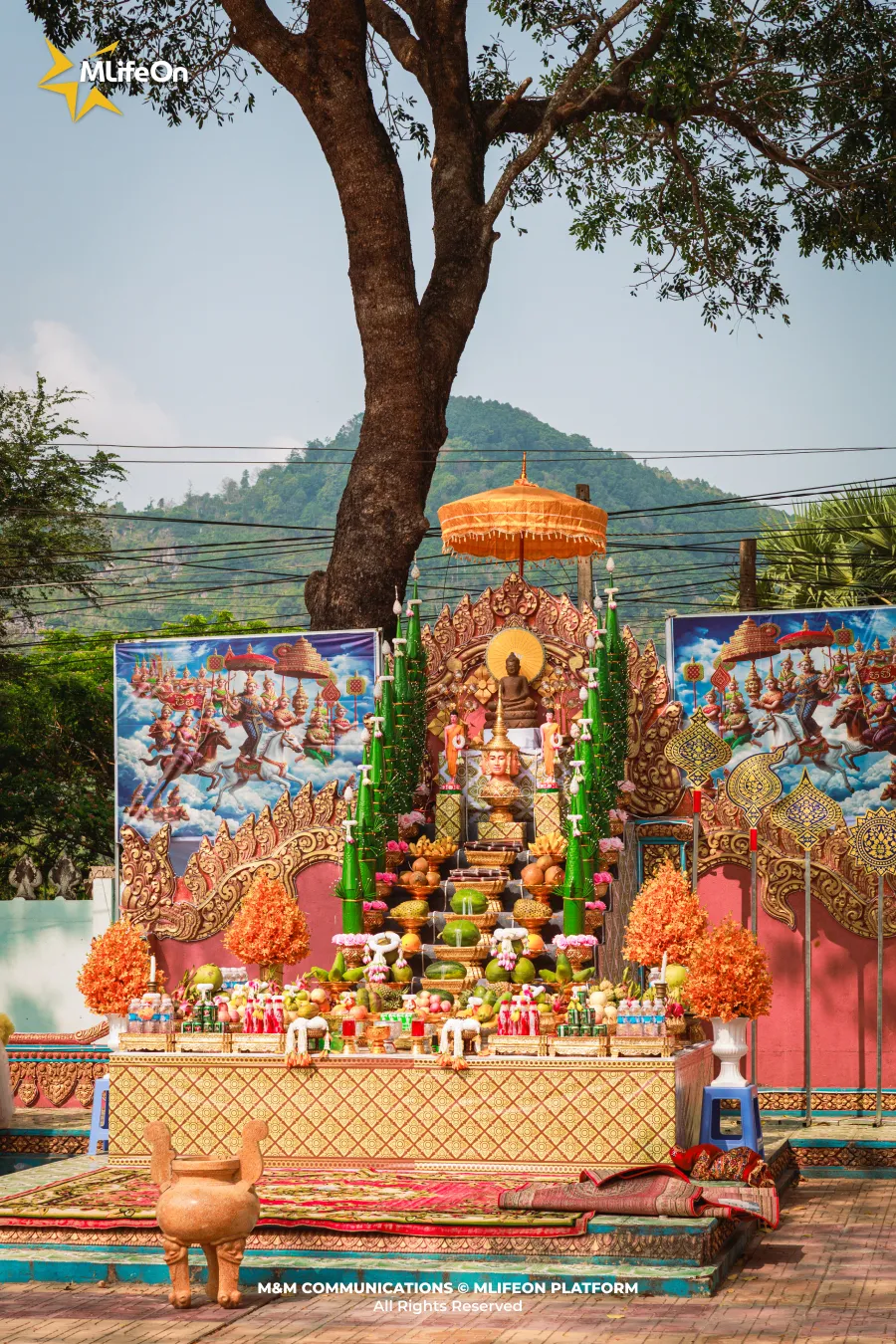
Among these New Year traditions, the Sand Mountain Ritual is one of the most important. It is usually held on the second day of the festival at Khmer Theravāda Buddhist pagodas. Early in the morning, people bring baskets of sand, shovels of sand, or simply a small handful to the temple courtyard. Under the guidance of Buddhist monks, everyone works together to build a large sand mountain in the center, surrounded by smaller ones, following Buddhist beliefs and symbolism.
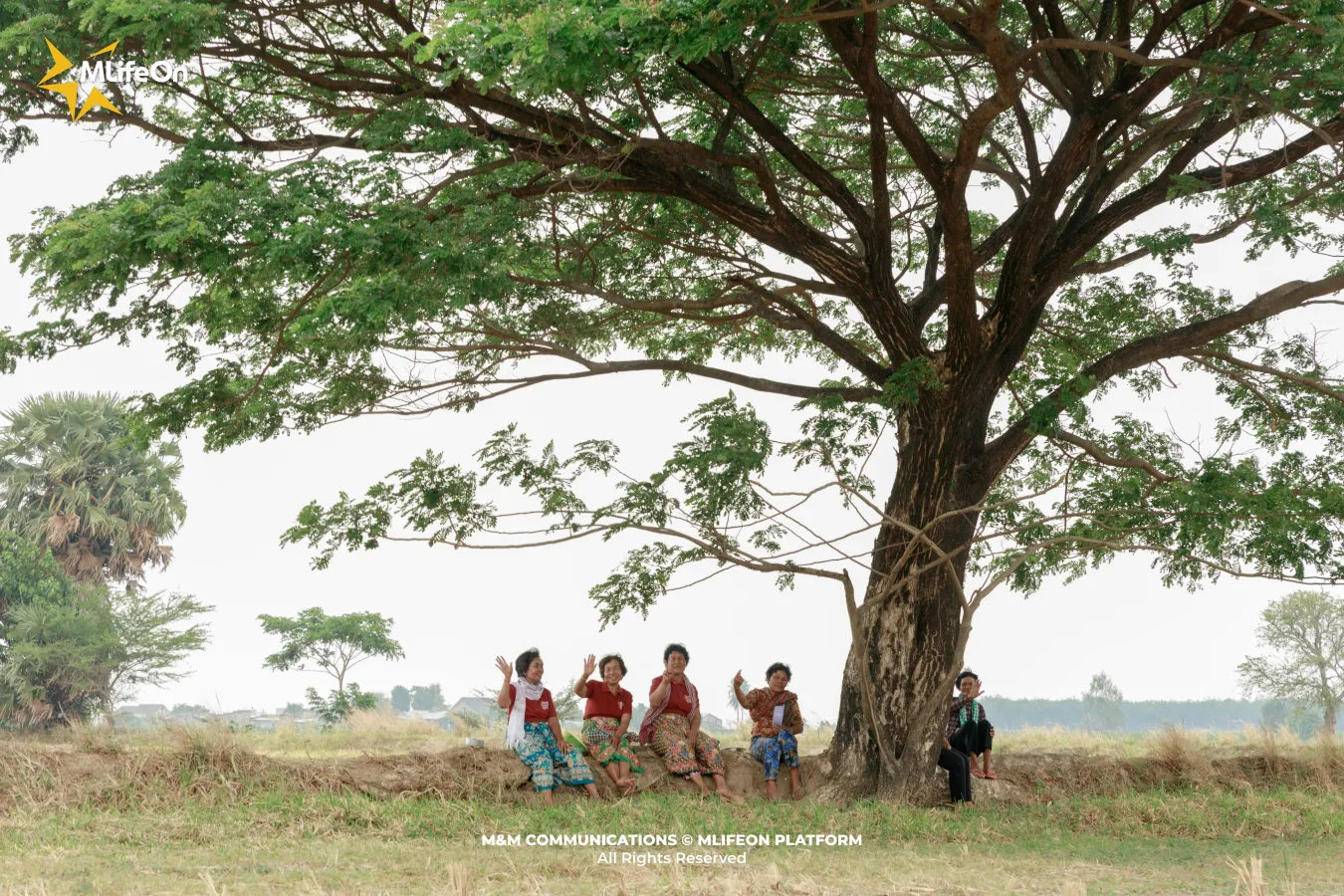
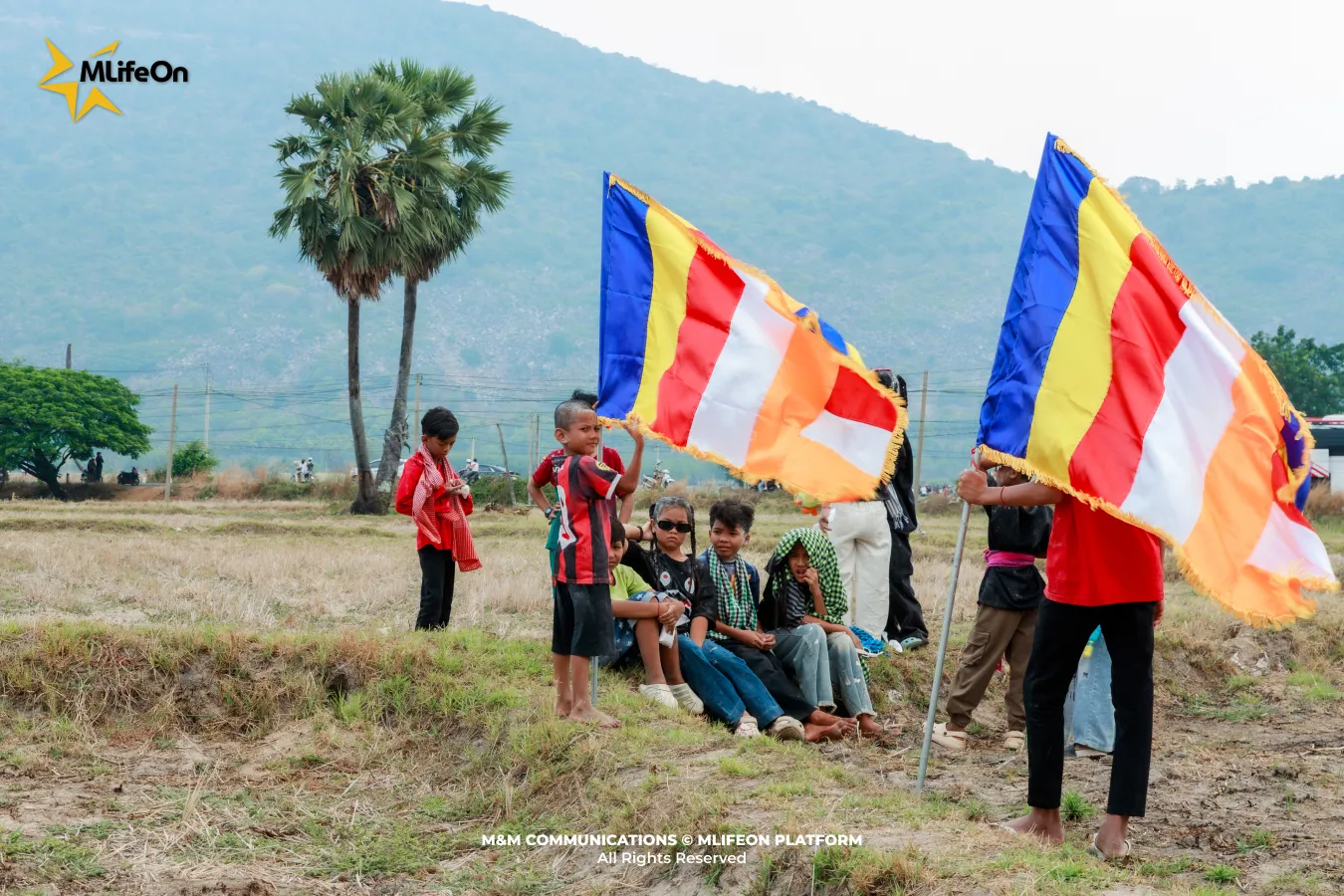
At first glance, many people may see this as nothing more than a religious ceremony. For the Khmer community, however, each sand mountain represents reverence, goodwill, and the blessings they hope to receive in the coming year.
That is why, despite the passage of time, the Sand Mountain Ritual remains an indispensable part of the Chôl Chnăm Thmây Festival, helping preserve the unique cultural identity of the Khmer people in Southern Vietnam.
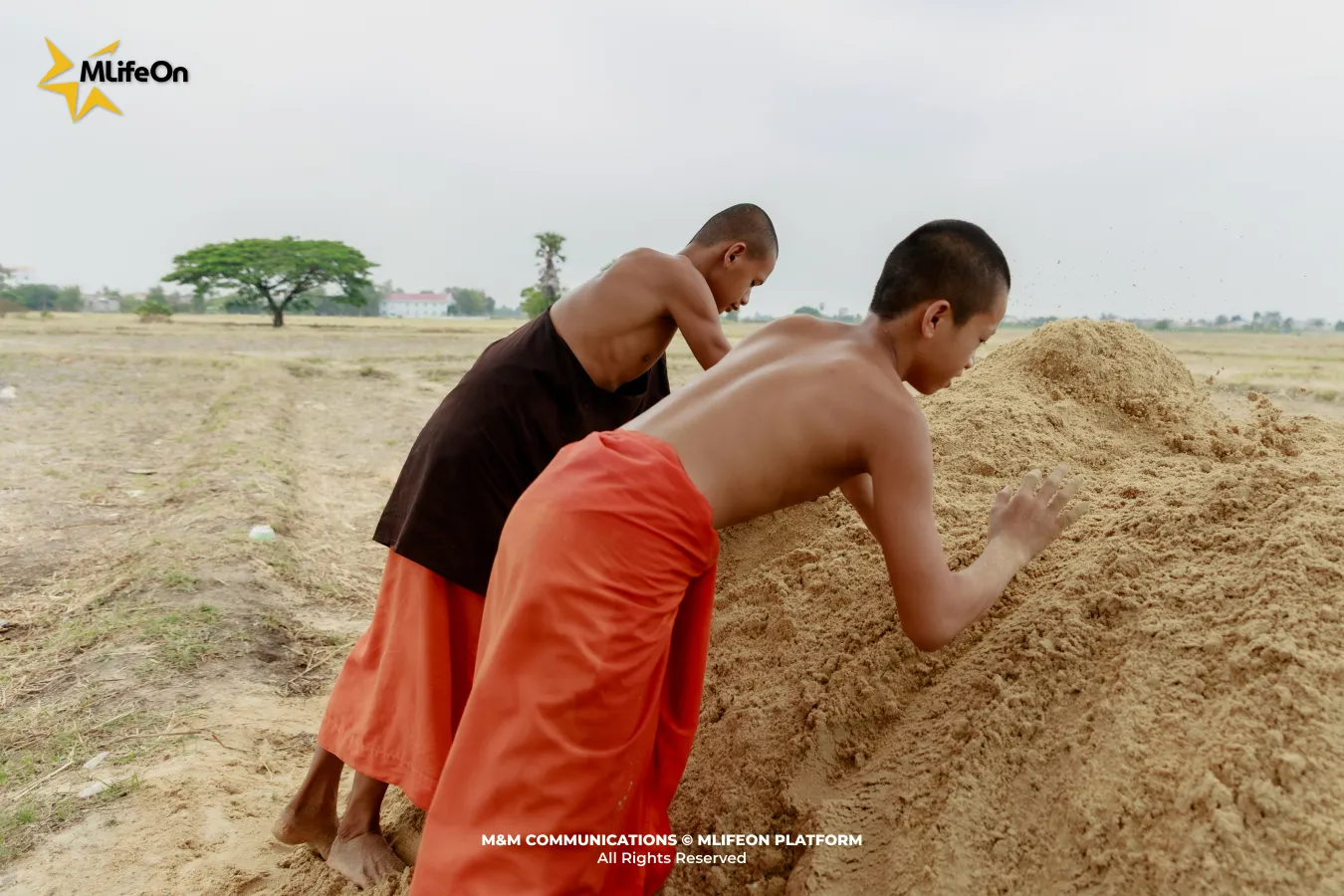
When every grain of sand carries a blessing
What makes the Sand Mountain Ritual truly meaningful is not the size of the sand mountain itself, but the way it is created.
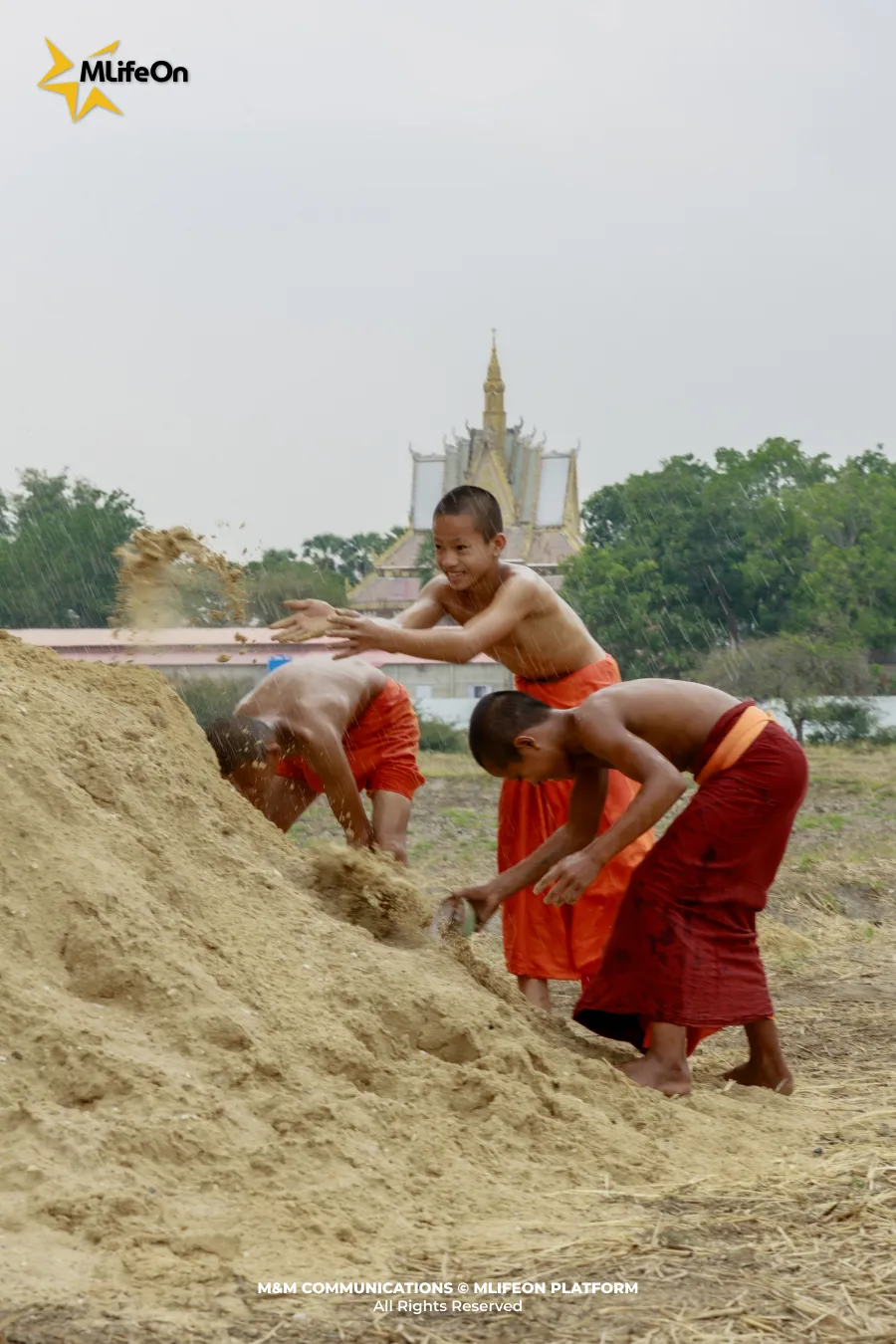
No one brings an enormous amount of sand to replace another person's contribution. Each individual offers only a little, sometimes a single shovel, sometimes just a few handfuls. Yet when everyone contributes together, those tiny grains gradually become a mountain.
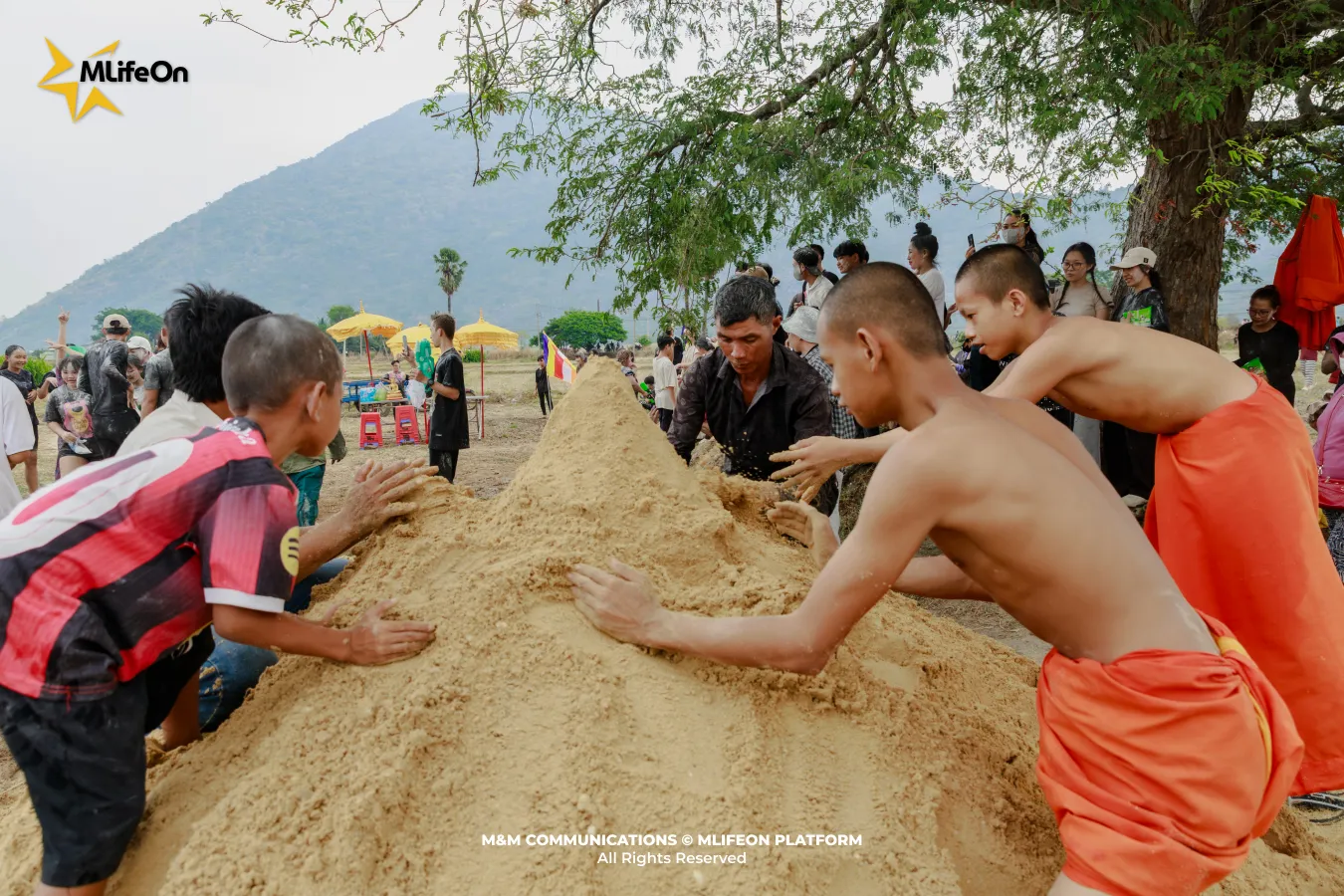
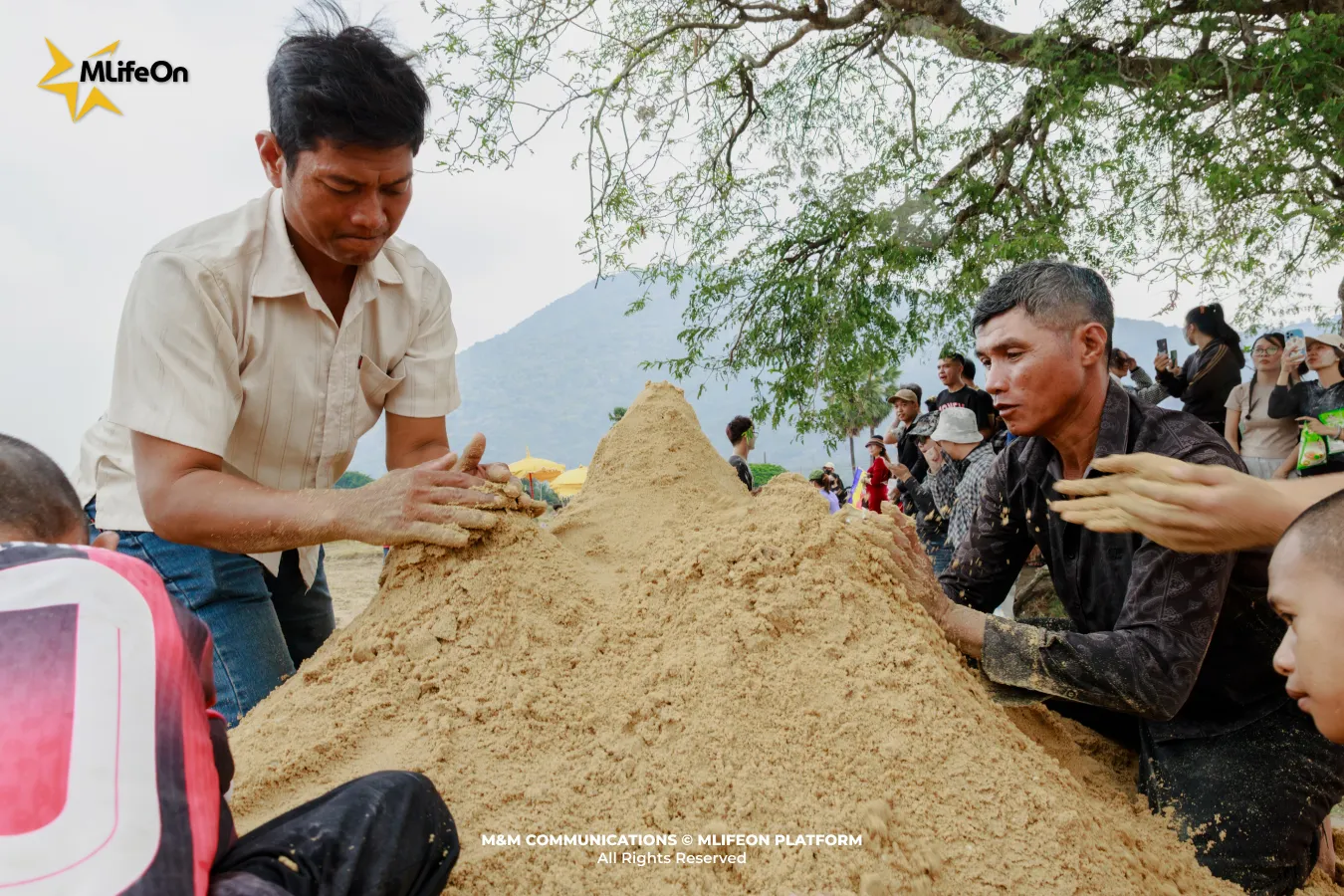
Perhaps for this reason, Khmer tradition holds that every grain of sand carries a heartfelt blessing. It may be a prayer for peace within the family, good health for parents, success in education for children, or a smoother and more prosperous year ahead. Personally bringing sand to the pagoda and adding it to the mountain also reflects a wish to accumulate merit, cultivate kindness, and leave behind the unfinished burdens of the old year while welcoming the new year with renewed hope.
Khmer folklore also tells stories that describe the building of sand mountains as a way of cultivating blessings and planting seeds of goodness for the future. Although interpretations may vary from one locality to another, the enduring belief remains the same: sincere actions performed with a pure heart will bring goodness to oneself, one's family, and the wider community.
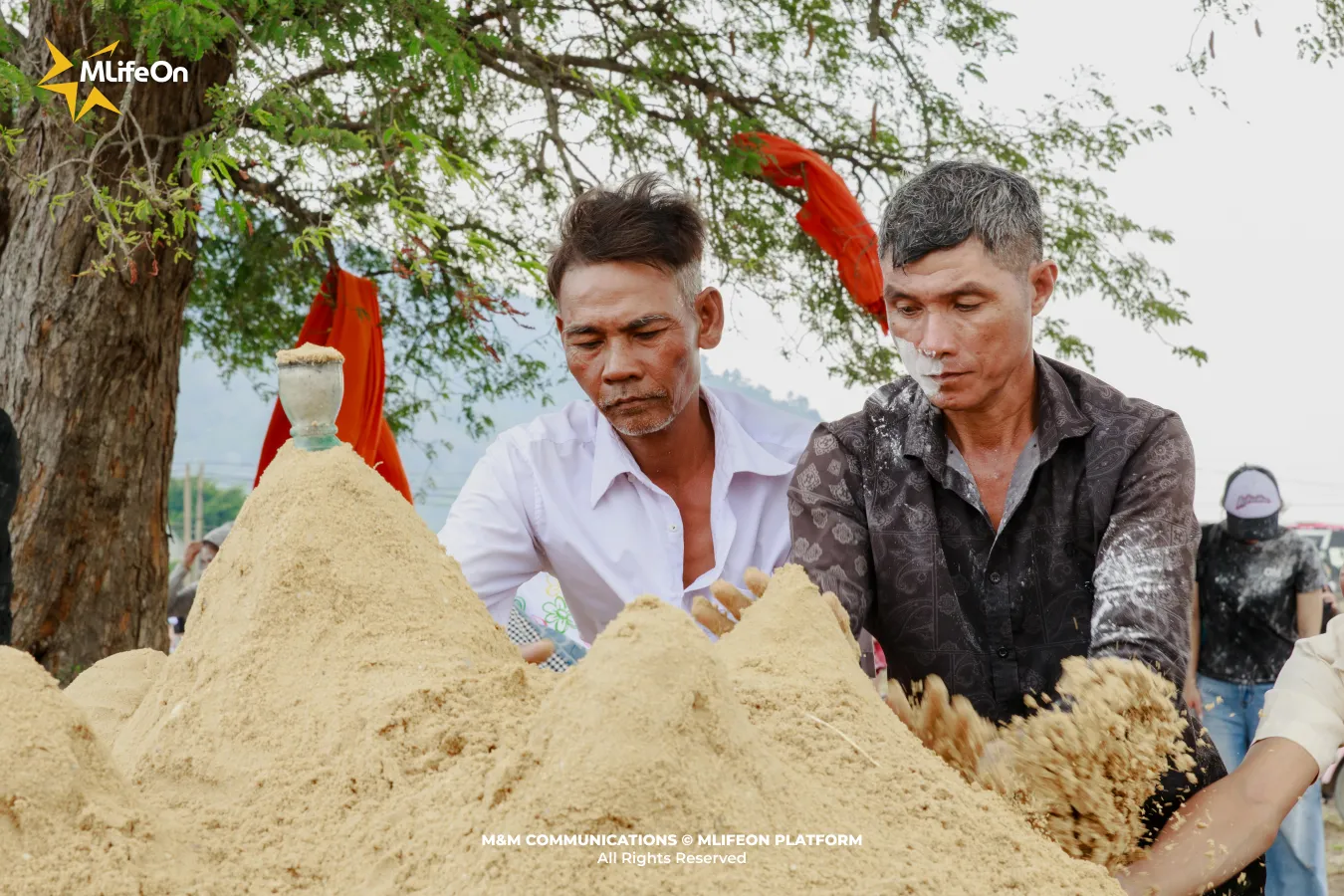
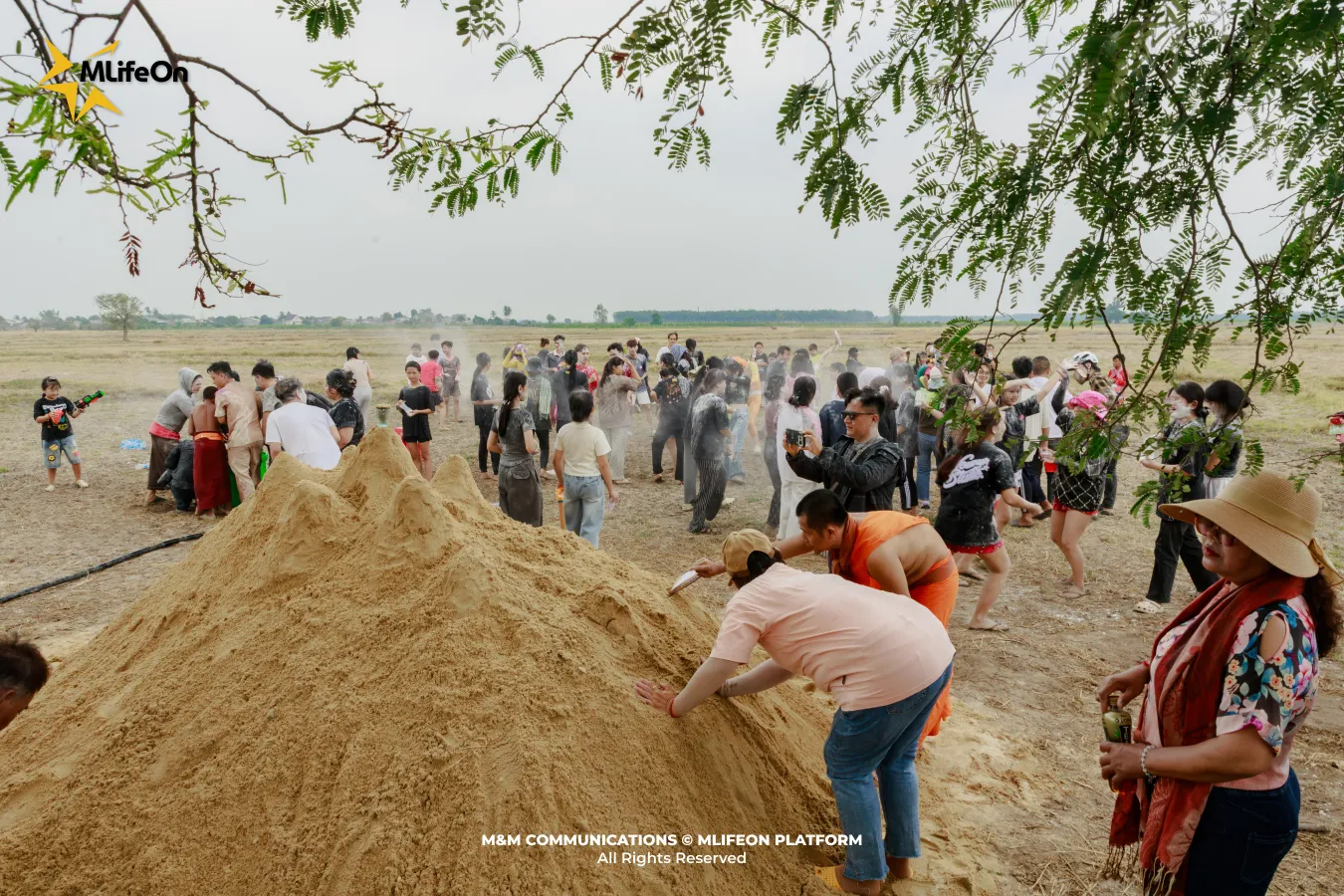
For that reason, every grain of sand, though small, carries profound meaning. It reminds us that the good things in life are built from simple actions and genuine hearts.
Sand mountains that strengthen community spirit and hopes for a prosperous year
If each grain of sand symbolizes an individual blessing, then the completed sand mountain represents unity.
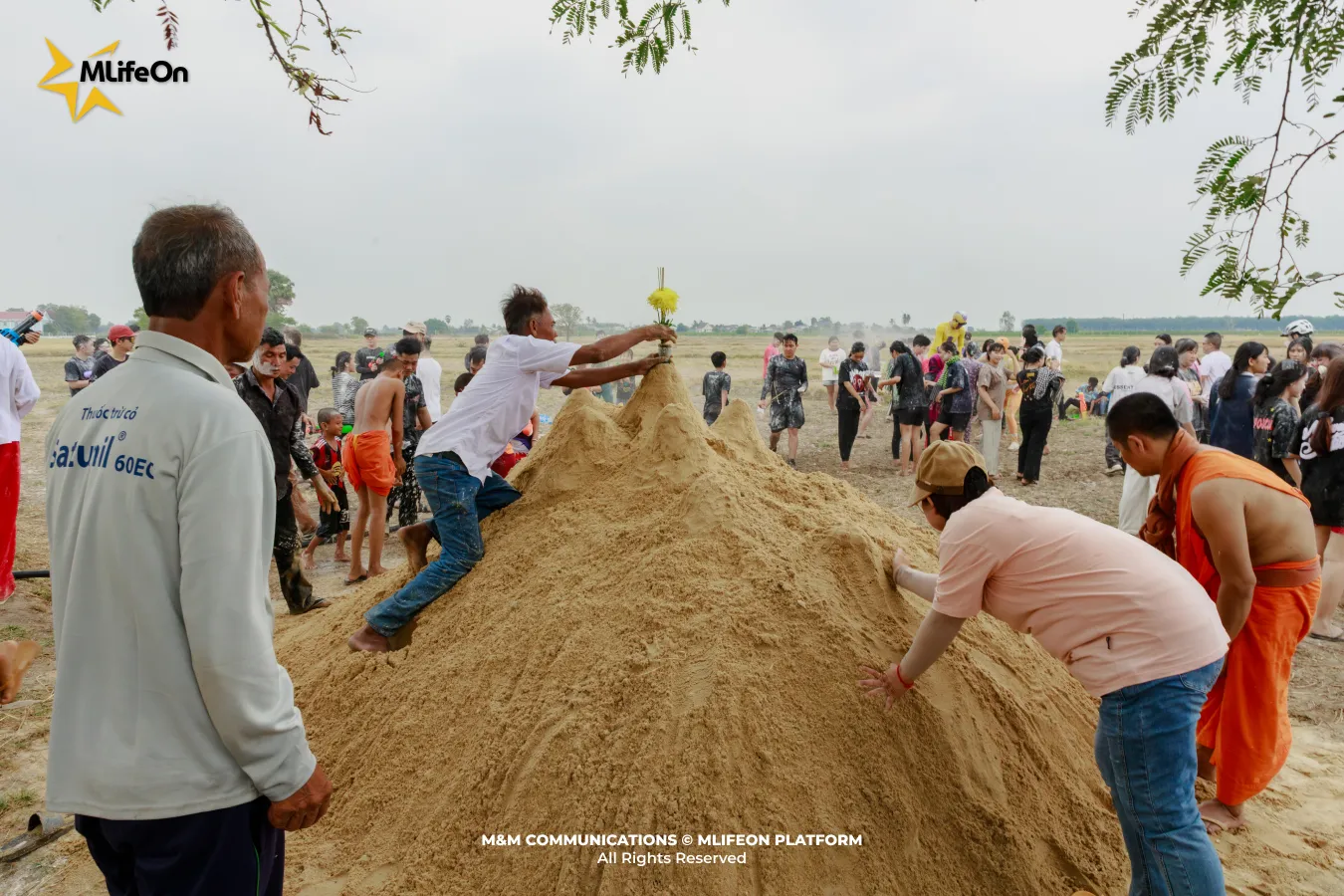
During the New Year celebration at the pagoda courtyard, it is common to see elders, parents, children, and monks working side by side, adding one shovel of sand after another. No one stands aside, and no one does the work for someone else. Everyone contributes their own small part to complete the ceremony.
It is this very moment that creates a beautiful picture of the Khmer community spirit. The sand mountain is built not only from countless grains of sand but also from generosity, togetherness, and the strong bonds between people.
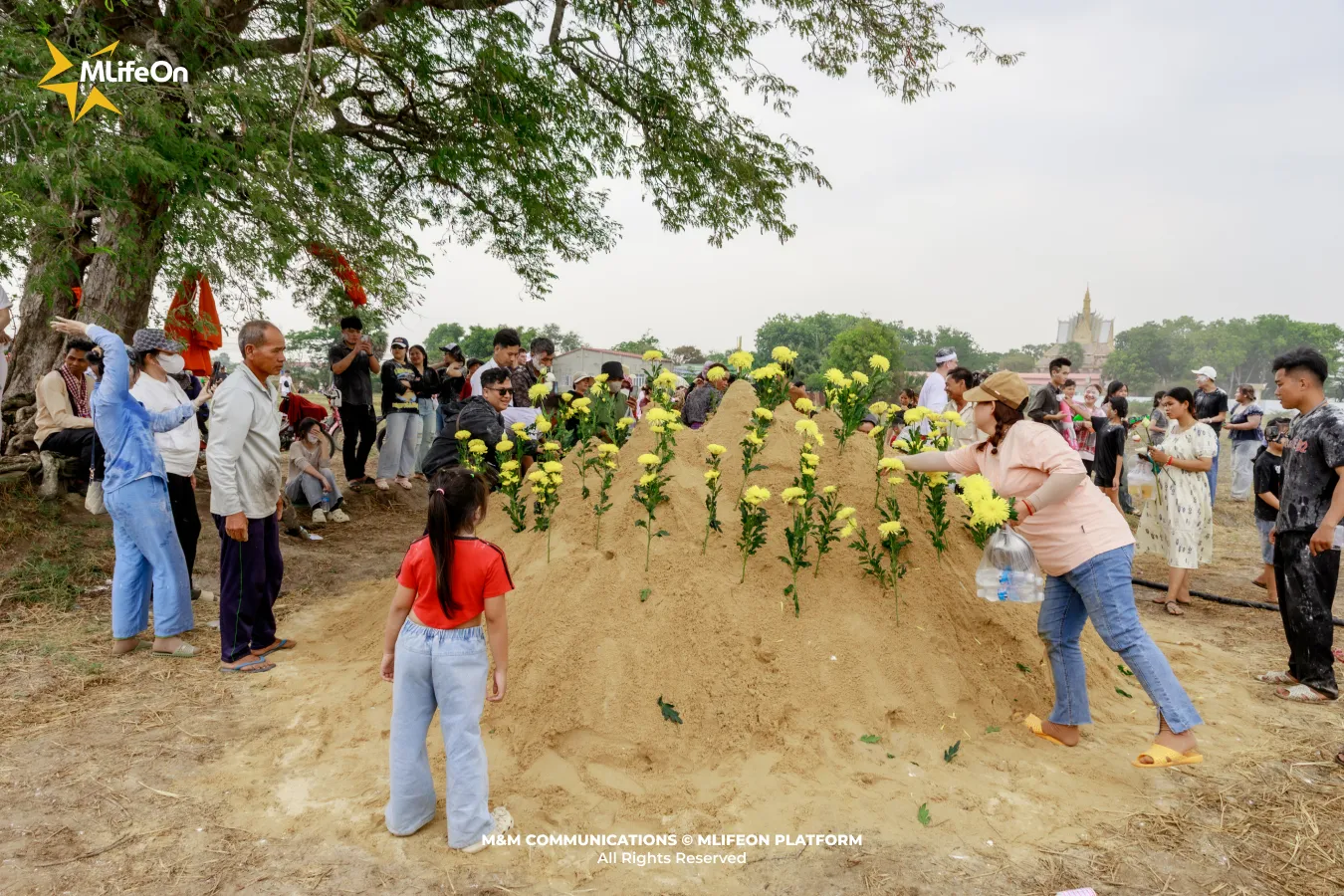
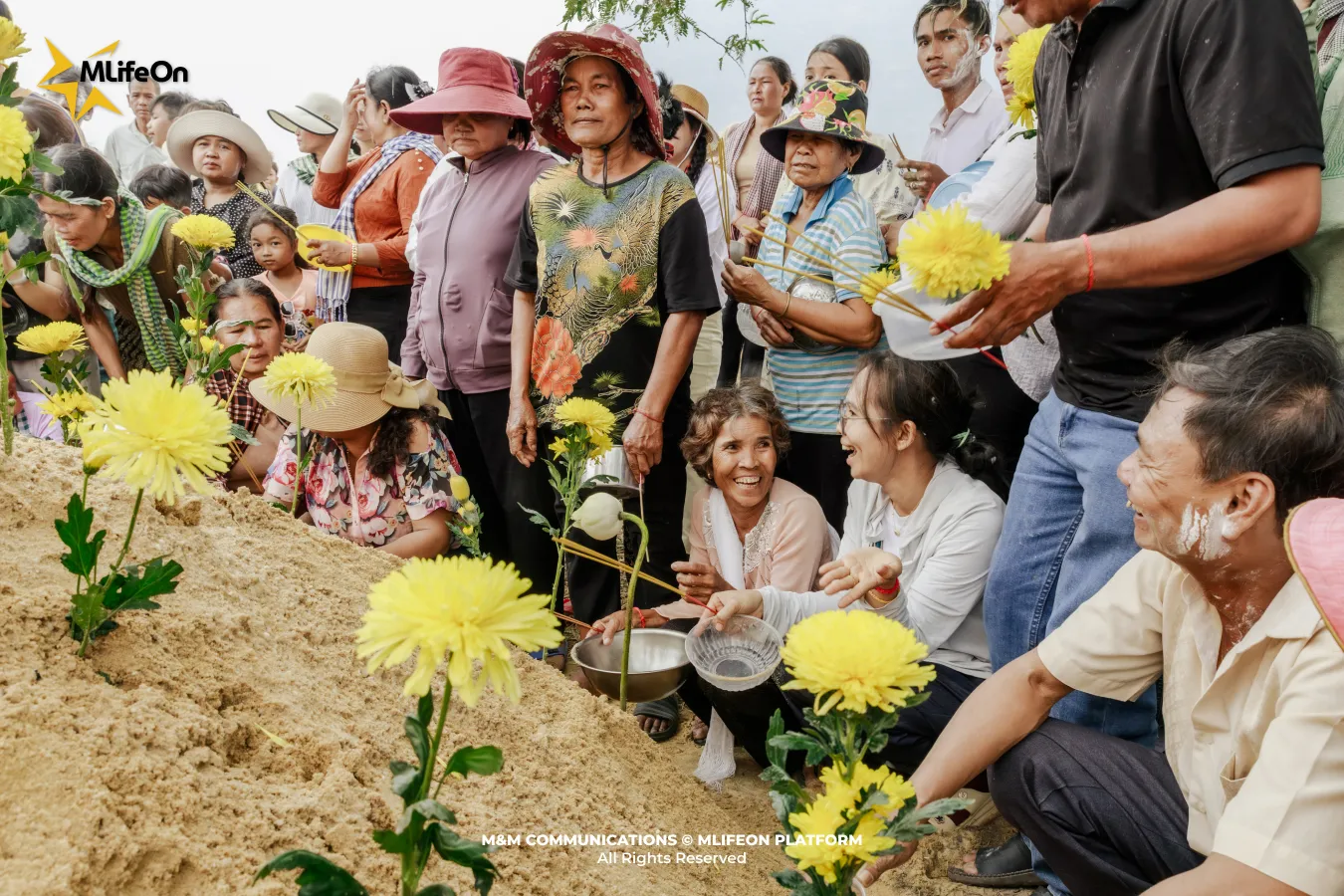
As a community with deep agricultural traditions, the Khmer people also place their hopes for favorable weather, abundant harvests, and prosperous livelihoods into these symbolic mountains. At the end of the dry season, as a new farming cycle is about to begin, these prayers express hopes for harmonious weather, flourishing crops, and peaceful lives for every family.
For this reason, the Sand Mountain Ritual extends beyond individual wishes. It reflects the shared aspiration for a united community working together to build a better future.
A tradition preserved through generations
Today, although life has changed considerably and Khmer villages have become increasingly modern, the Sand Mountain Ritual continues to be faithfully observed during every Chôl Chnăm Thmây Festival.
What this ceremony preserves is not only an ancient tradition, but also the collective memory and cultural identity of an entire community.
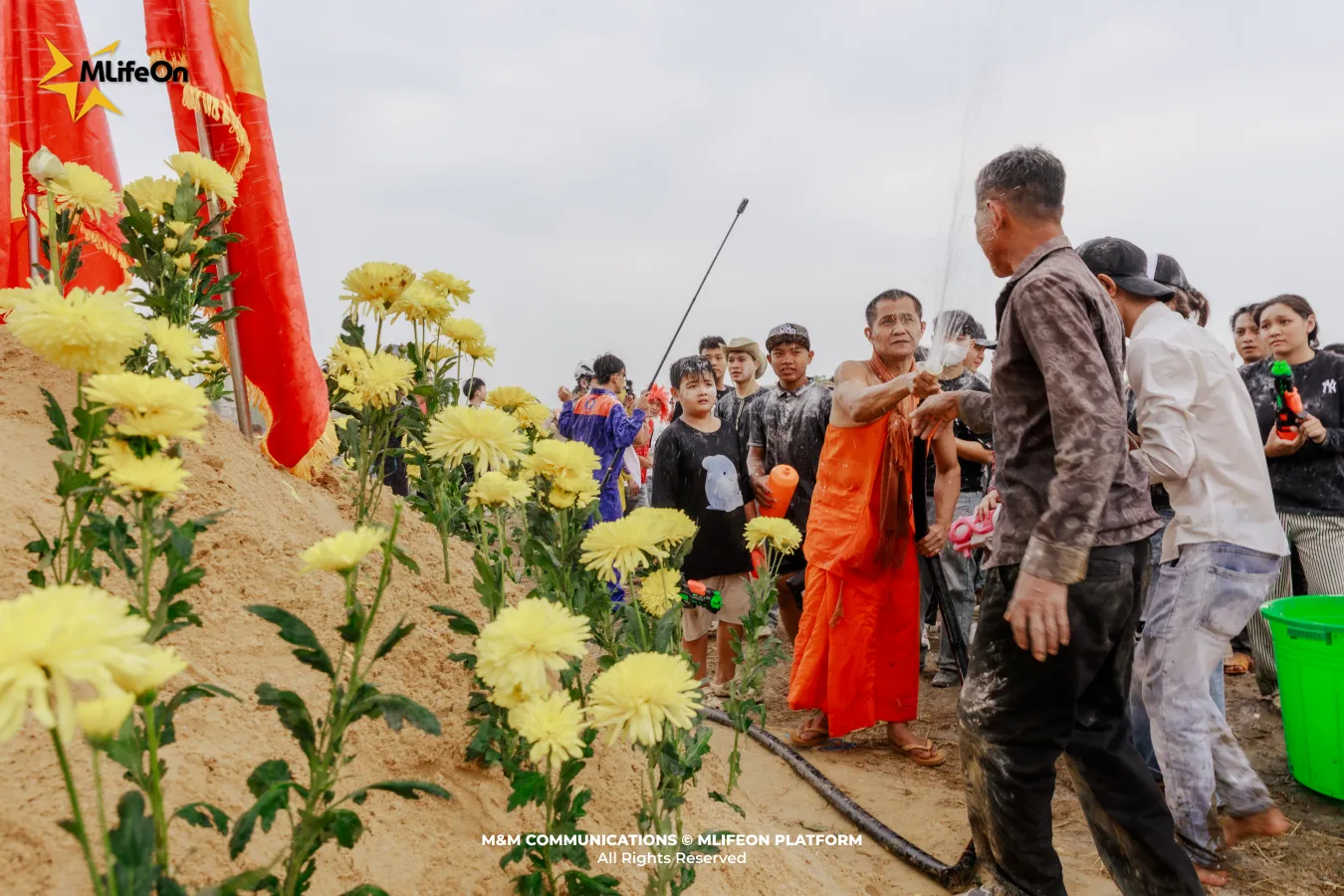
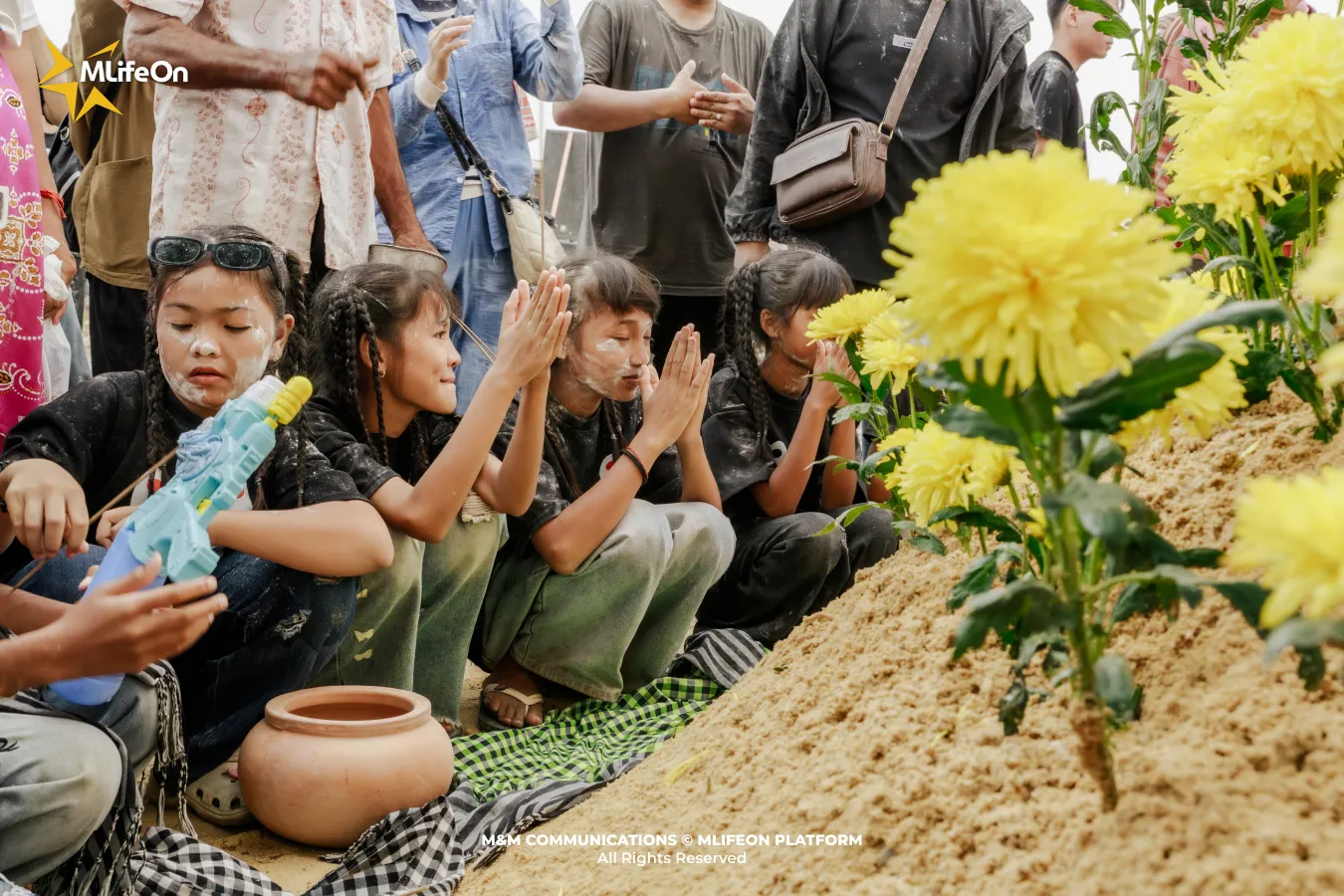
During the festival, many families still bring their children and grandchildren to the pagoda early in the morning. Young children follow their grandparents and parents, adding shovels of sand while listening to stories about the meaning of the ritual and learning to appreciate the values their ancestors have protected for generations. Without lengthy lessons, simply participating in the ceremony helps younger generations understand their roots, the importance of sharing, and the responsibility of preserving tradition.
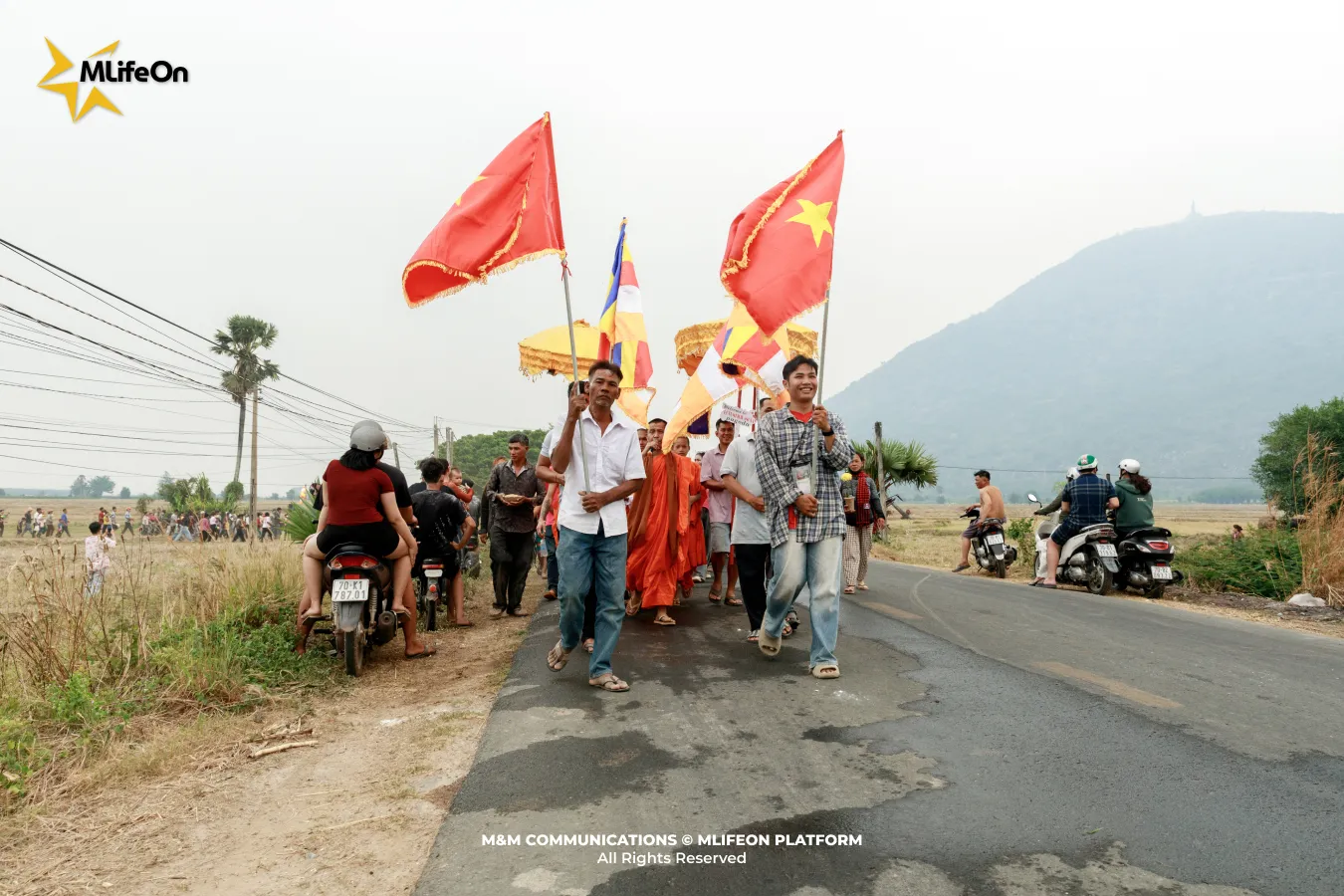
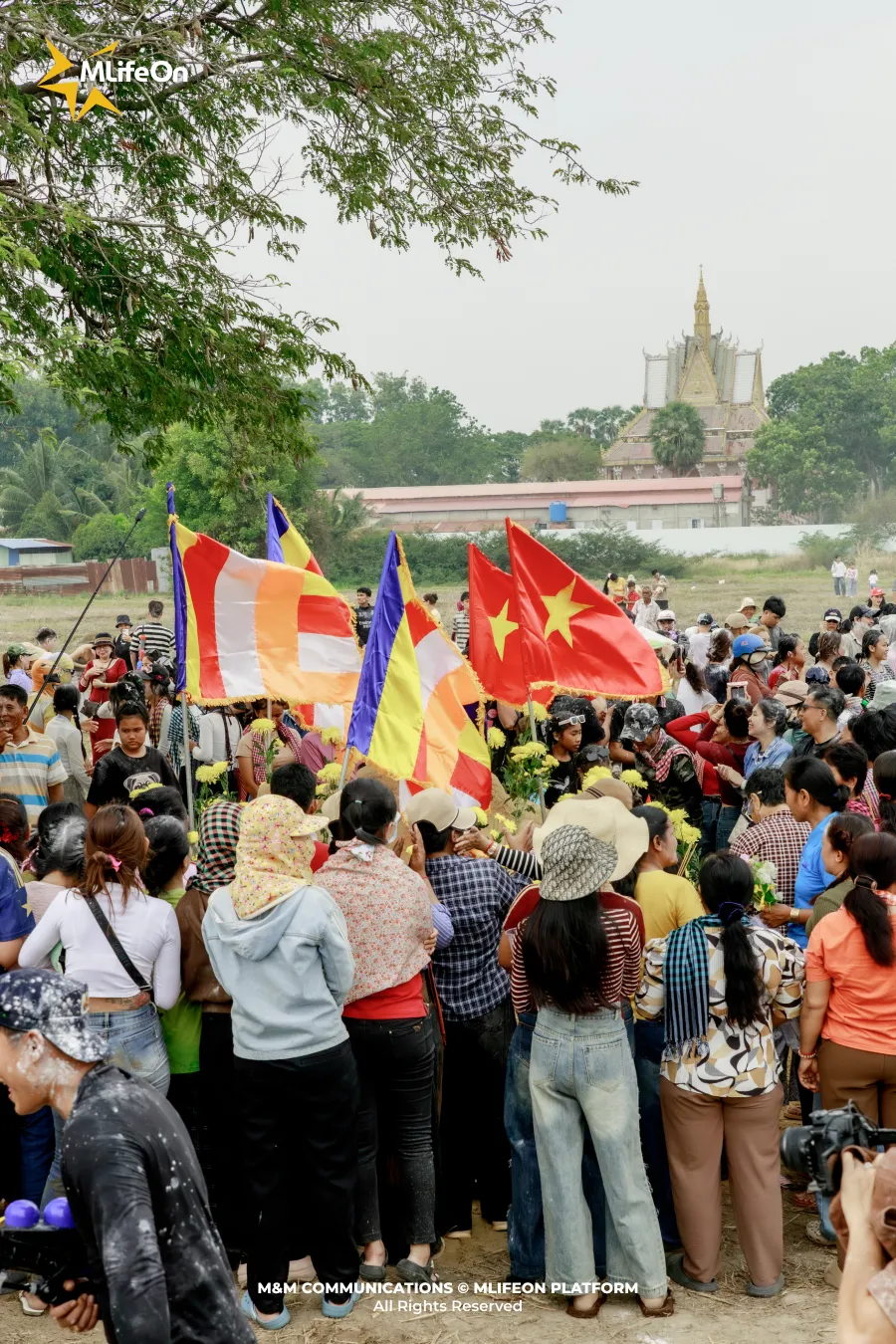
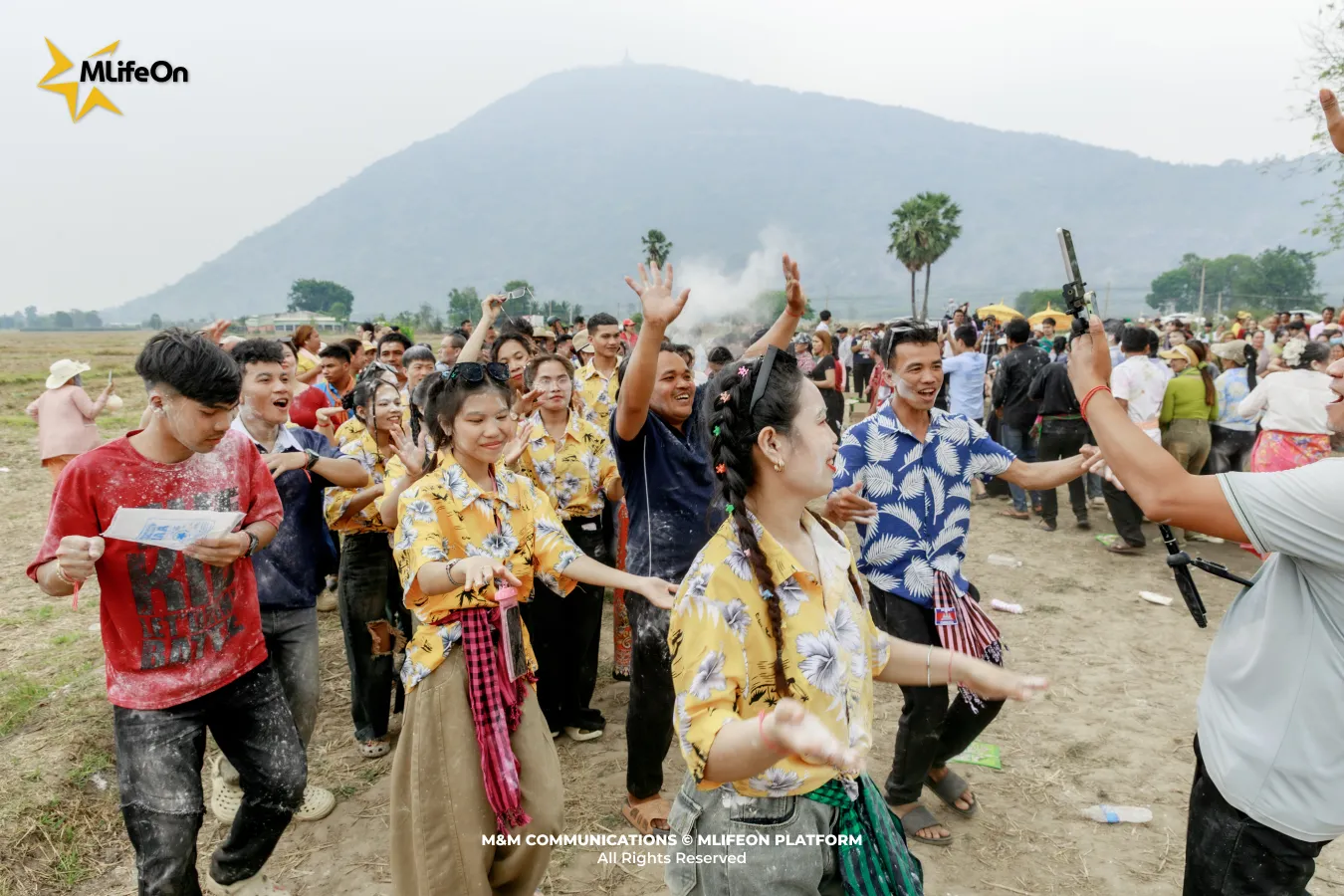
Life will undoubtedly continue to change in the future. Yet as long as grains of sand continue to be gathered by the hands of many generations in pagoda courtyards every New Year, the cultural heritage of the Khmer people will continue to live on.
Conclusion
Some cultural traditions are not built upon grand gestures but begin with the simplest acts. The Khmer Sand Mountain Ritual is one such tradition. From countless tiny grains of sand, people build a mountain together. From sincere hearts, they cultivate faith, merit, unity, and hopes for a peaceful and prosperous life.
Perhaps that is why, after every Chôl Chnăm Thmây Festival, what remains is not only the sand mountains standing in the pagoda courtyard, but also the enduring values quietly passed from one generation to the next. Just as every grain of sand contributes to forming a mountain, each generation of Khmer people continues to contribute its own part in preserving this beautiful, humble, and deeply meaningful cultural tradition.
----------
CREDIT:
- Photography: Kien Trang
- Content: Hoài Hà
- Design: Phuong Nguyen