THE CHUA RO OX RACING FESTIVAL - WHEN RICE FIELDS TURN INTO A FESTIVAL ARENA
Every Sen Dolta season, the Bay Nui region of An Cu Commune, An Giang, comes alive with a special celebration of the local Khmer community: the Chua Ro Ox-Racing Festival. On the rice fields behind the pagoda, pairs of strong oxen and their handlers create thrilling races amid the cheers of local residents. What makes the festival even more memorable is what happens afterward: the very same field returns to its familiar role in rural life as people come together to plant the season’s first rice seedlings.
A festival born from the Khmer farming life
In the Bay Nui region, rice has long been closely connected to the daily life of the Khmer community. Each farming season brings a series of tasks, from preparing and plowing the soil to sowing, transplanting, and tending the fields. Within this way of life, oxen once played an important role, helping farmers with heavy work in the fields.
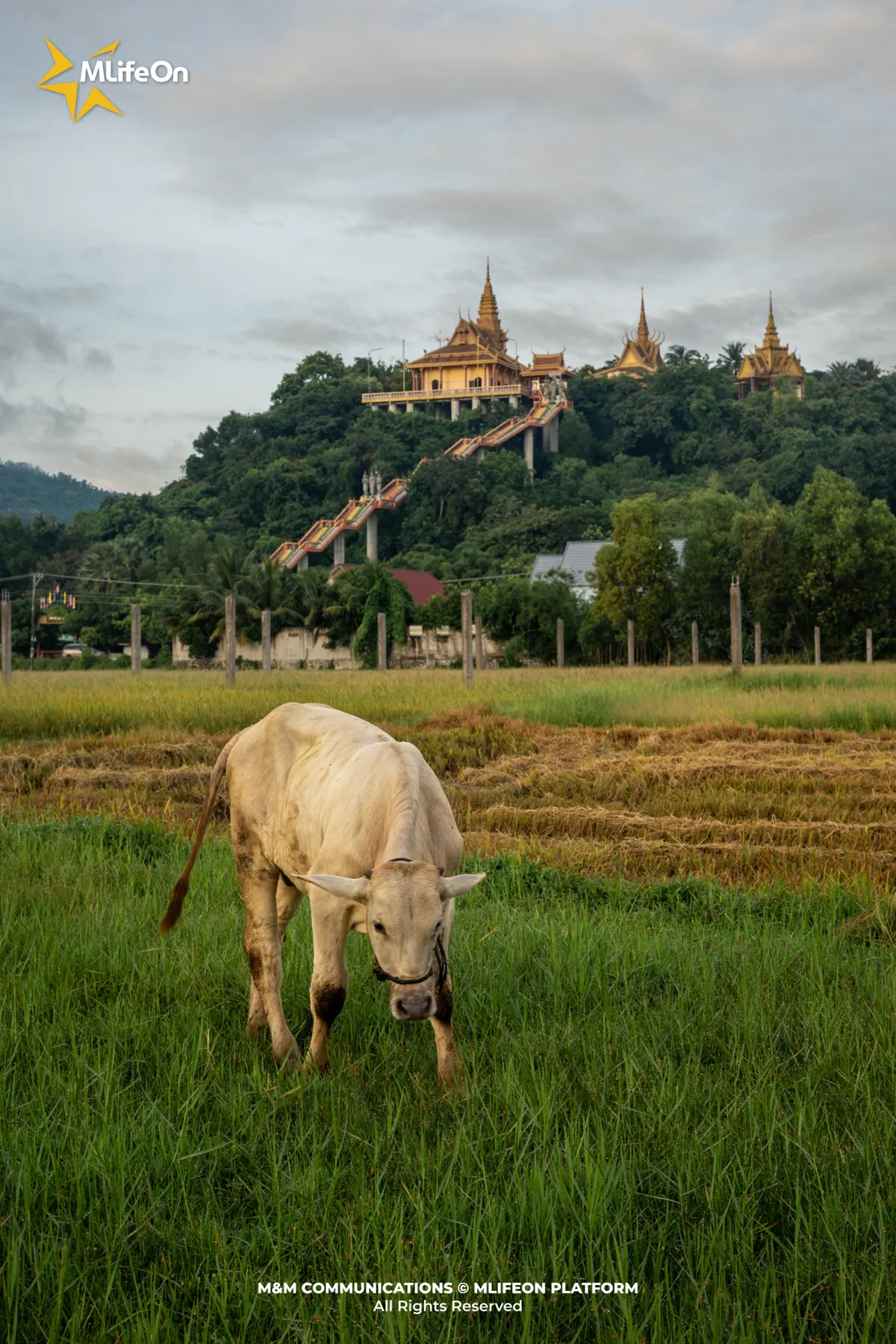
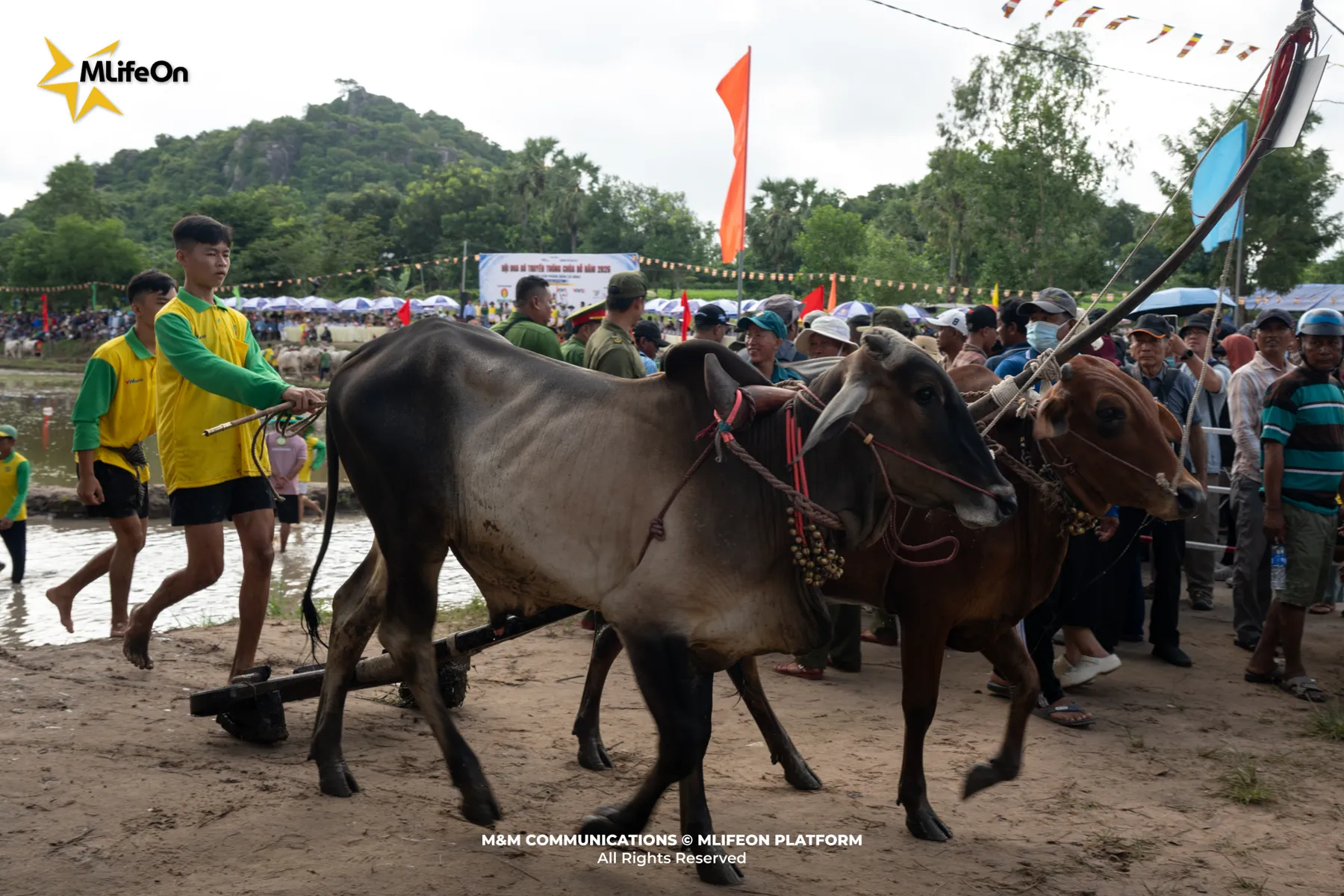
The Chua Ro Ox Racing Festival takes place during Sen Dolta, an important traditional celebration for the Khmer people of southern Vietnam. It is a time to honor grandparents, parents, and loved ones who have passed away, while also bringing families and the community together through traditional rituals and gatherings. Alongside the religious ceremonies, communal activities help create the distinctive atmosphere of the Sen Dolta season.
Against this backdrop, ox racing is not an activity entirely separate from everyday life. It grew out of the very agricultural environment that Khmer communities have known for generations. Oxen that were once familiar companions in the fields now enter the competition, while farmers who normally spend their days working the land become handlers during the festival.
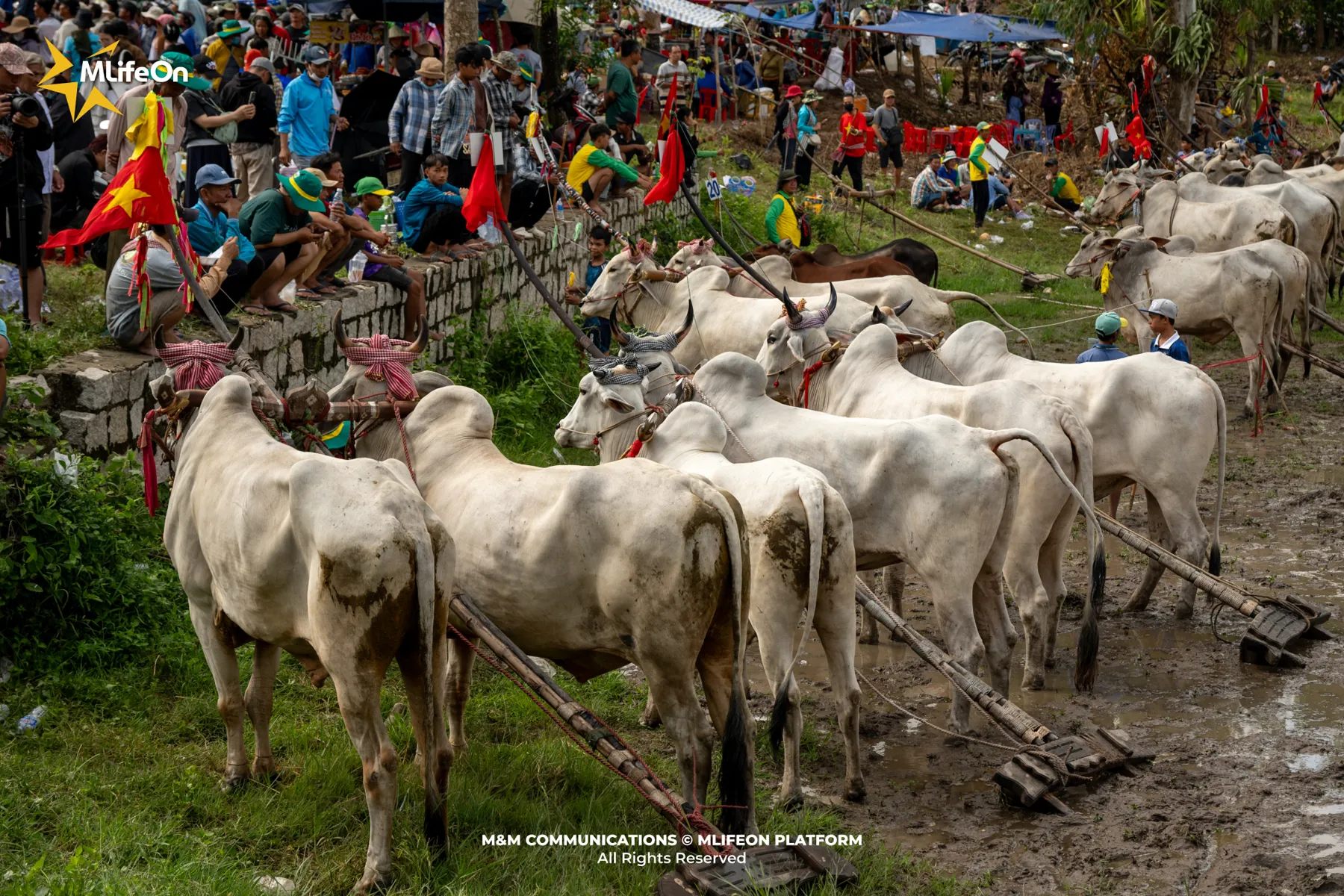
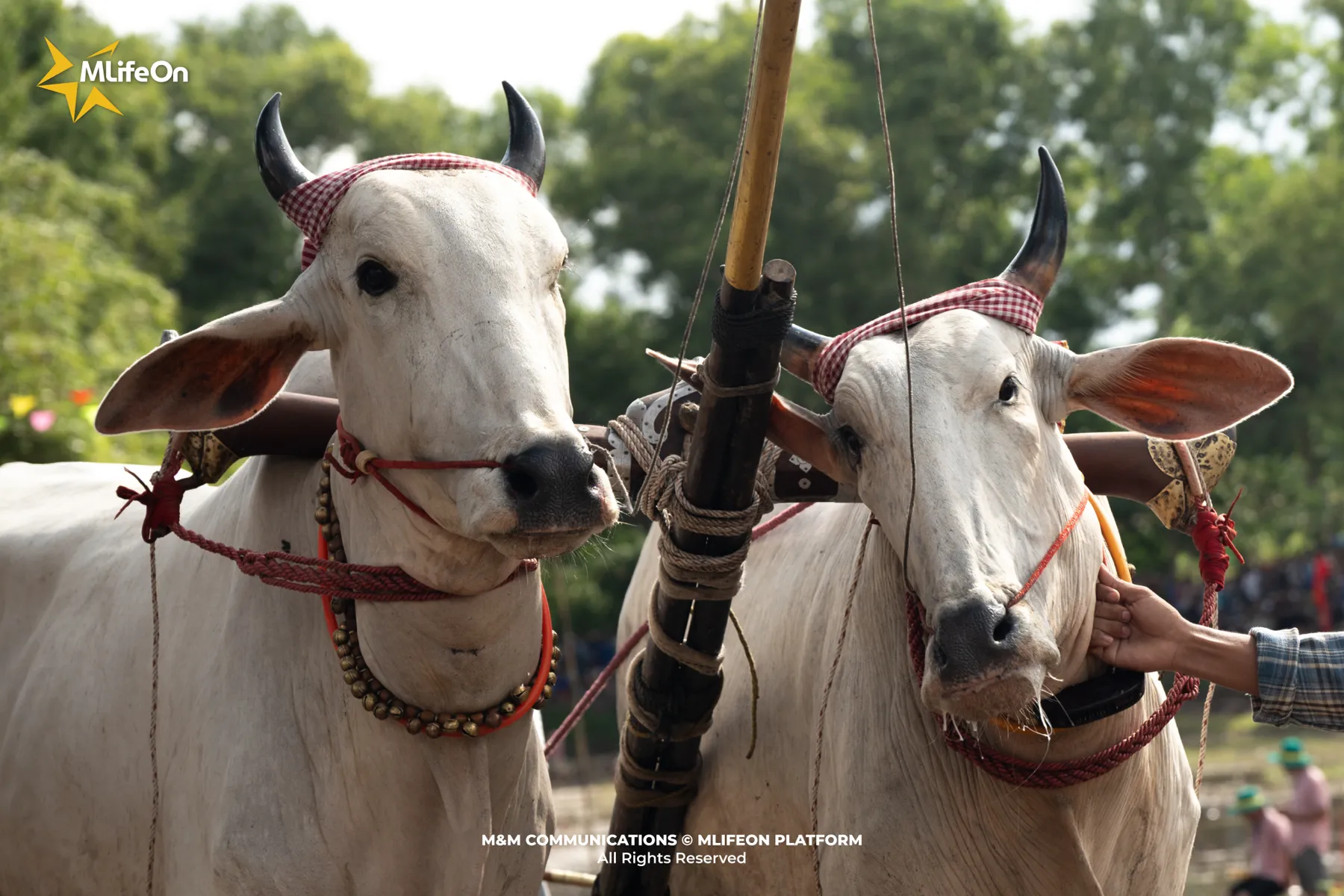 This natural connection is what gives the Chua Ro Ox Racing Festival its distinctive character. People come to enjoy the festivities, meet one another, and cheer for the competitors, but behind the excitement remains the image of a way of life rooted in the rice fields.
When rice fields truly become a race track
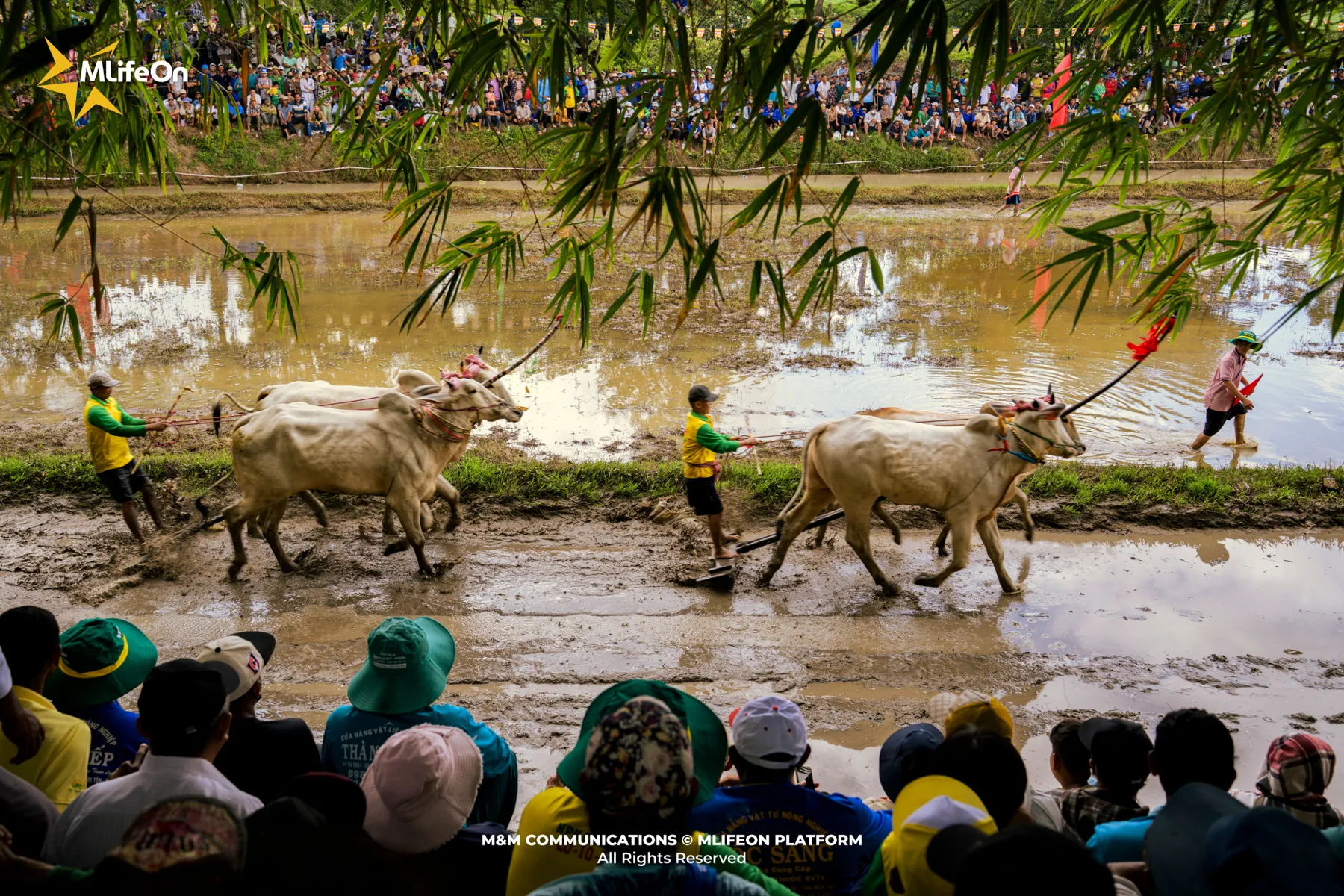
One of the most distinctive features of the Chua Ro Ox Racing Festival is the place where the competition takes place. The race track is not a purpose-built course. Instead, a flooded rice field is prepared and transformed into a track suited to the characteristics of the race.
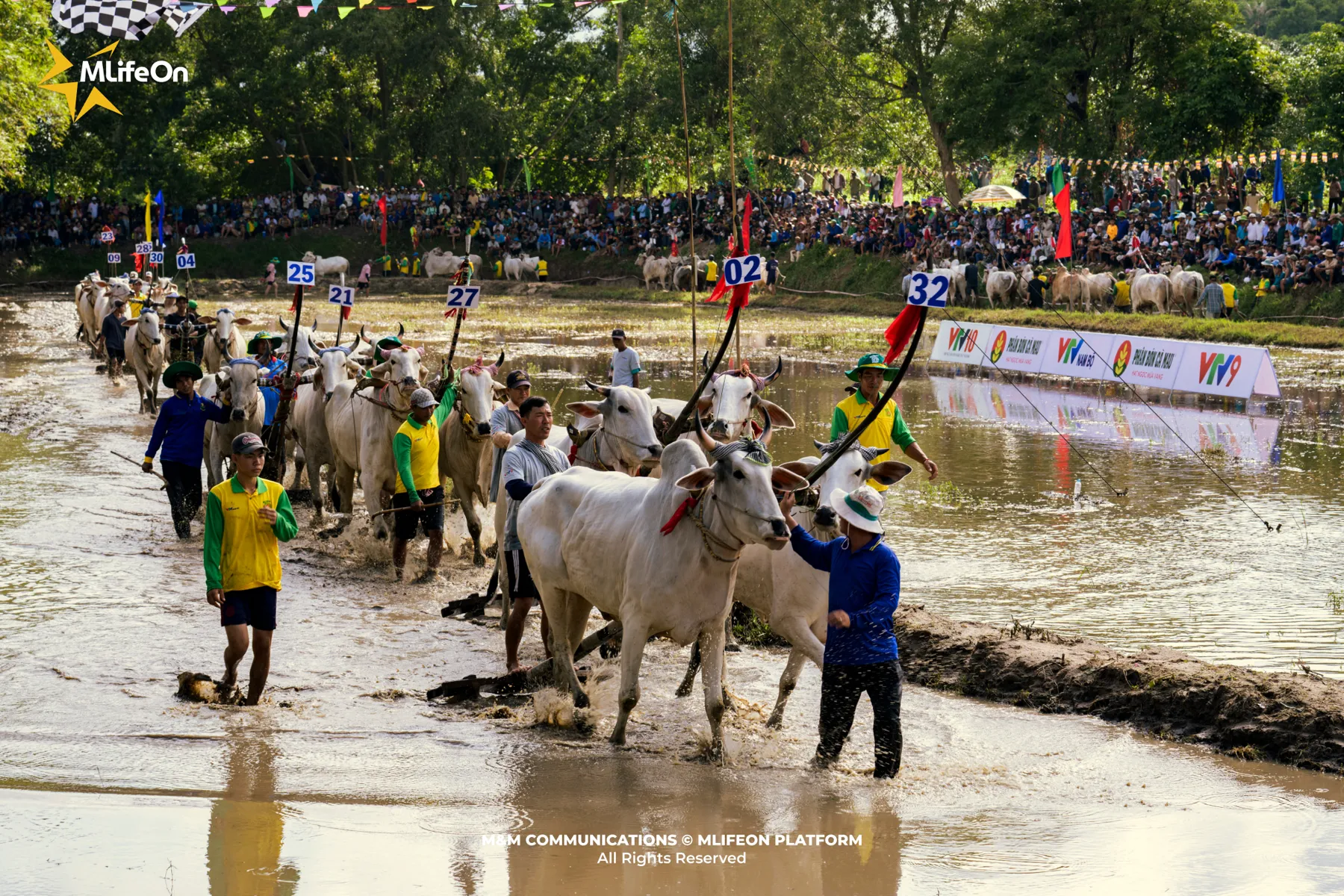
The field is leveled, covered with a shallow layer of water, and left muddy and slippery enough to create a real challenge for the oxen. The racing area is also prepared with embankments and stopping areas to help ensure safety when the oxen accelerate. Before the festival, participants bring their oxen out for practice so that they can become accustomed to the unusual terrain.
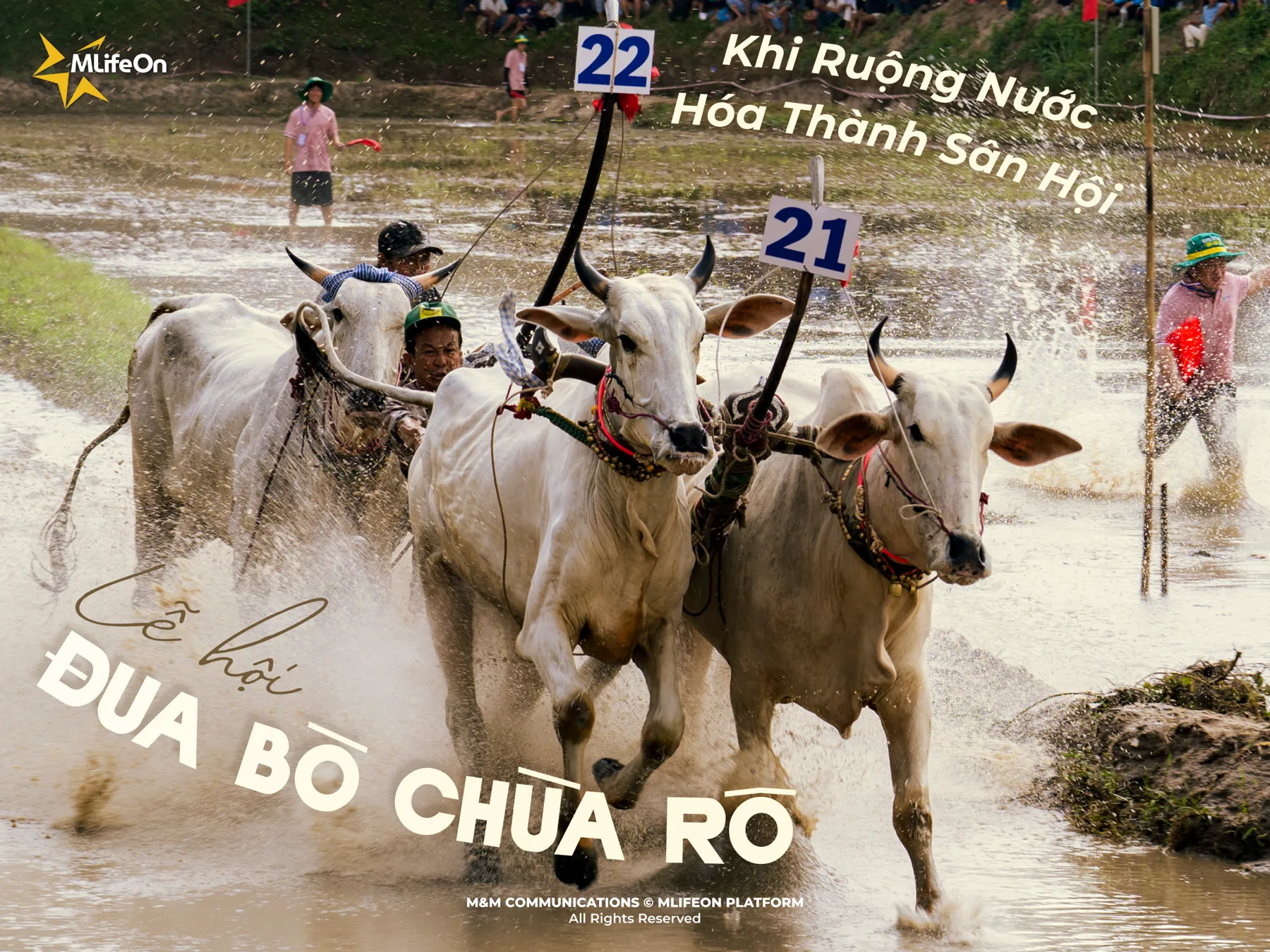
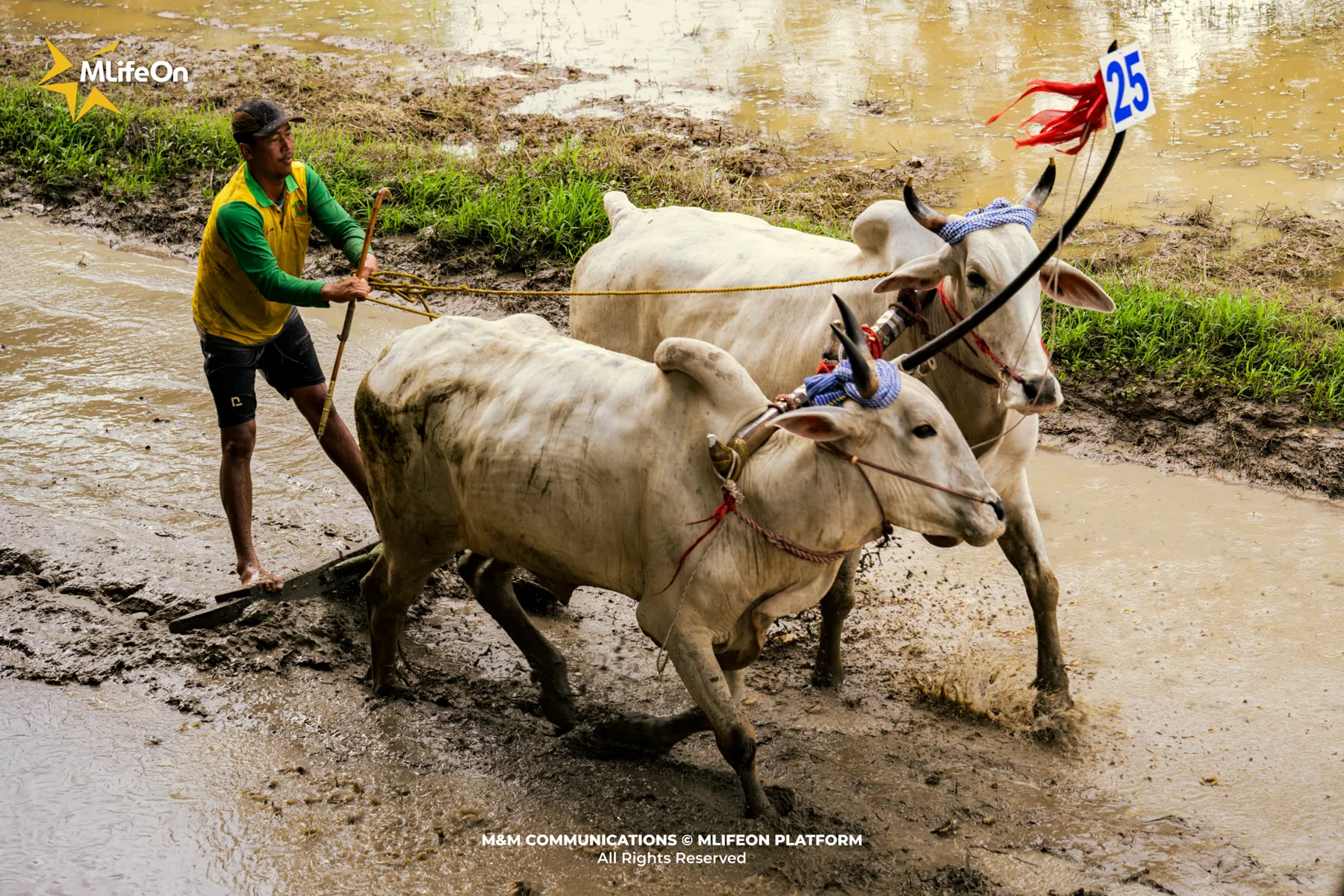
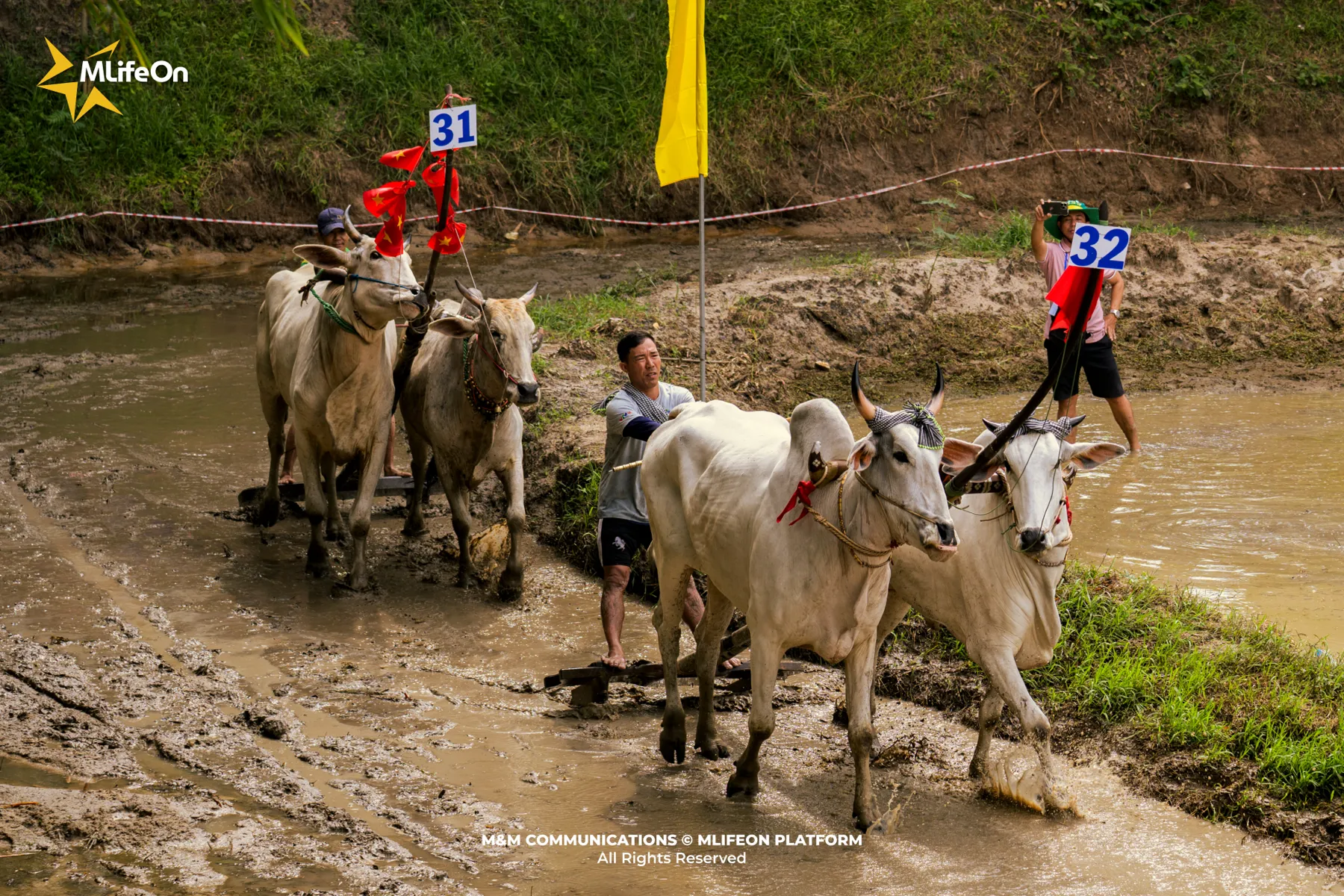
Each race features two pairs of oxen competing against each other. Standing on the plow behind them, the handler controls the oxen through experience, balance, and precise coordination. The competition generally consists of two stages: the ho round and the tha round. In the ho round, the pairs become familiar with the track while demonstrating control and coordination. In that round, the pace increases as the competitors race to determine the result.
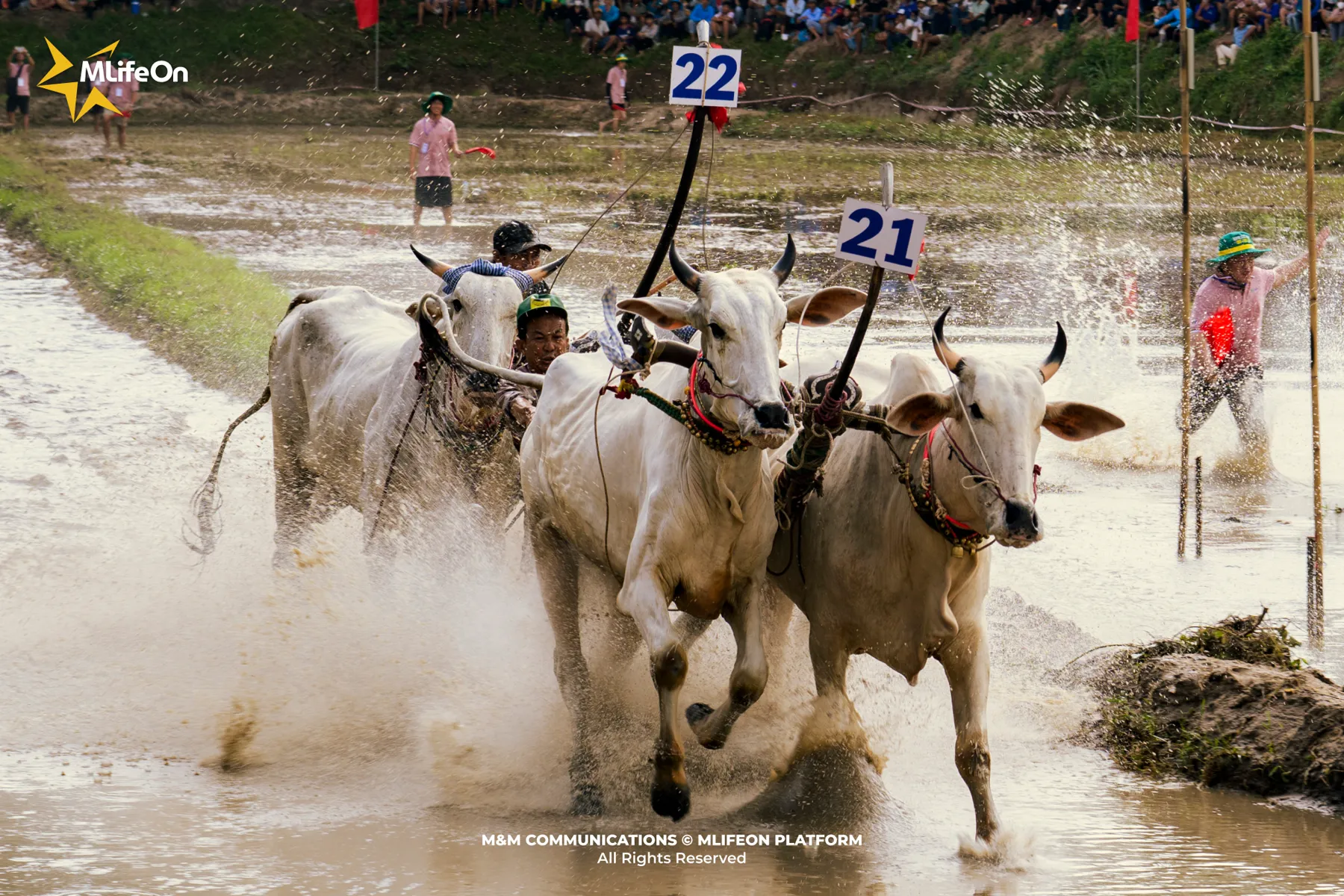
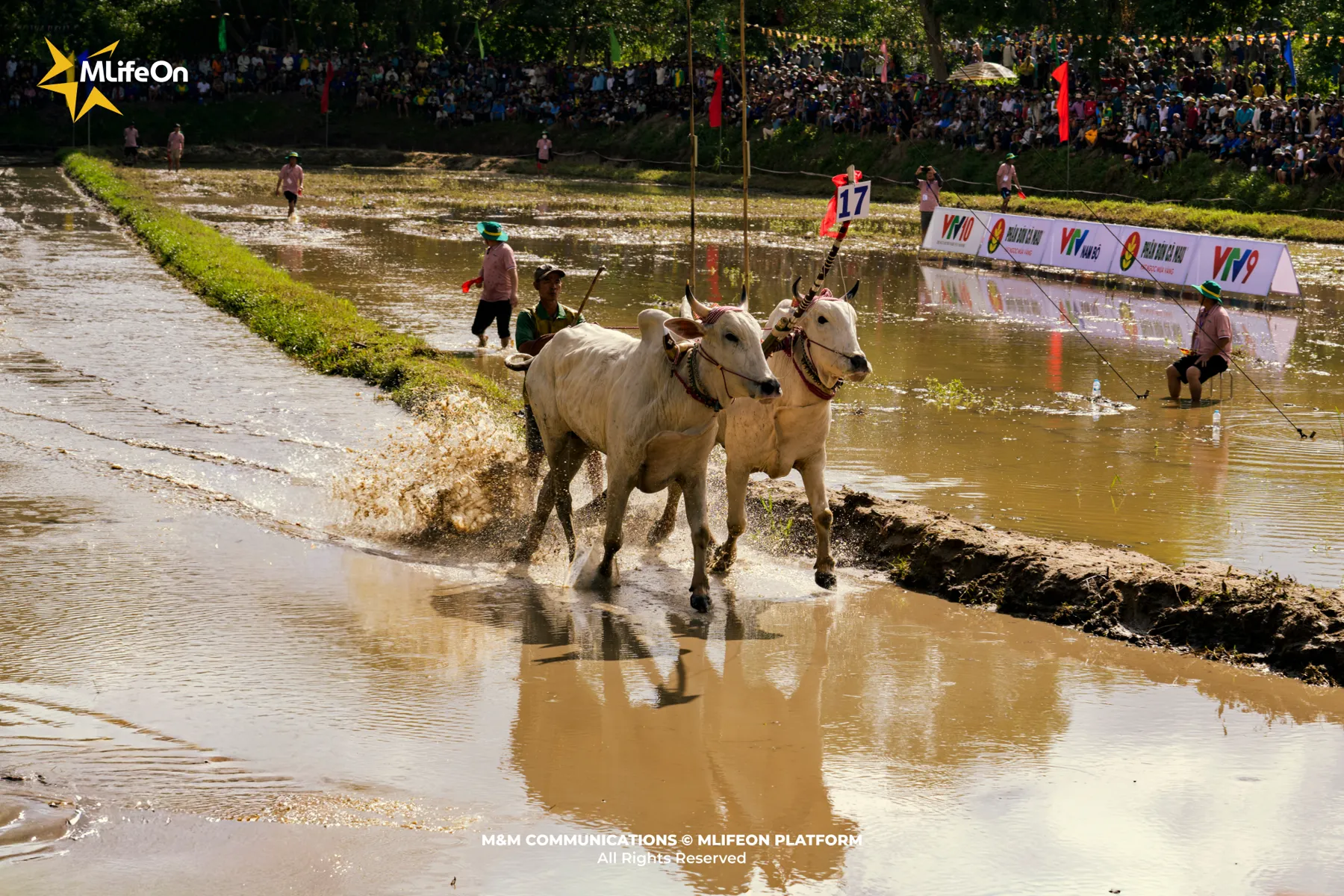
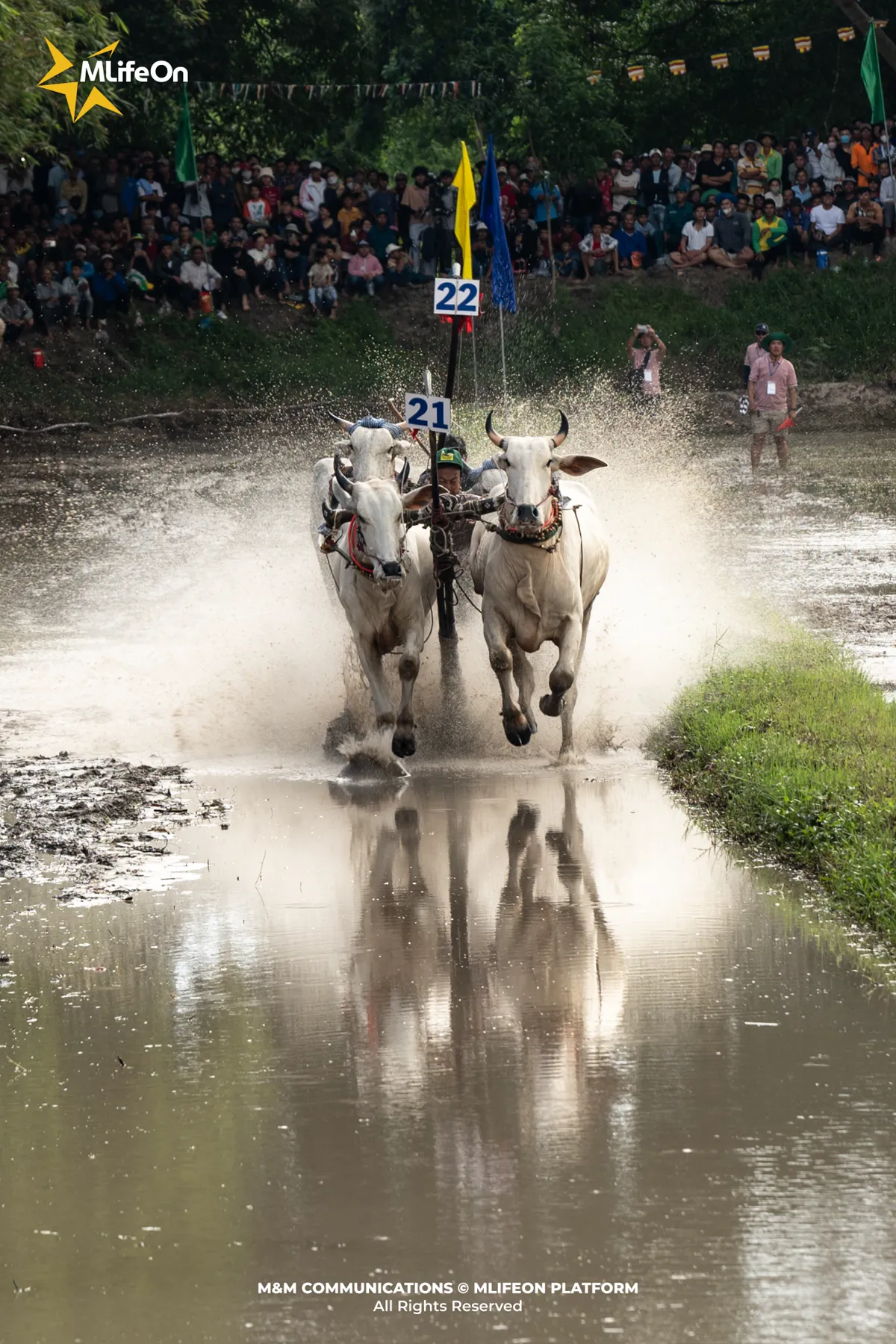
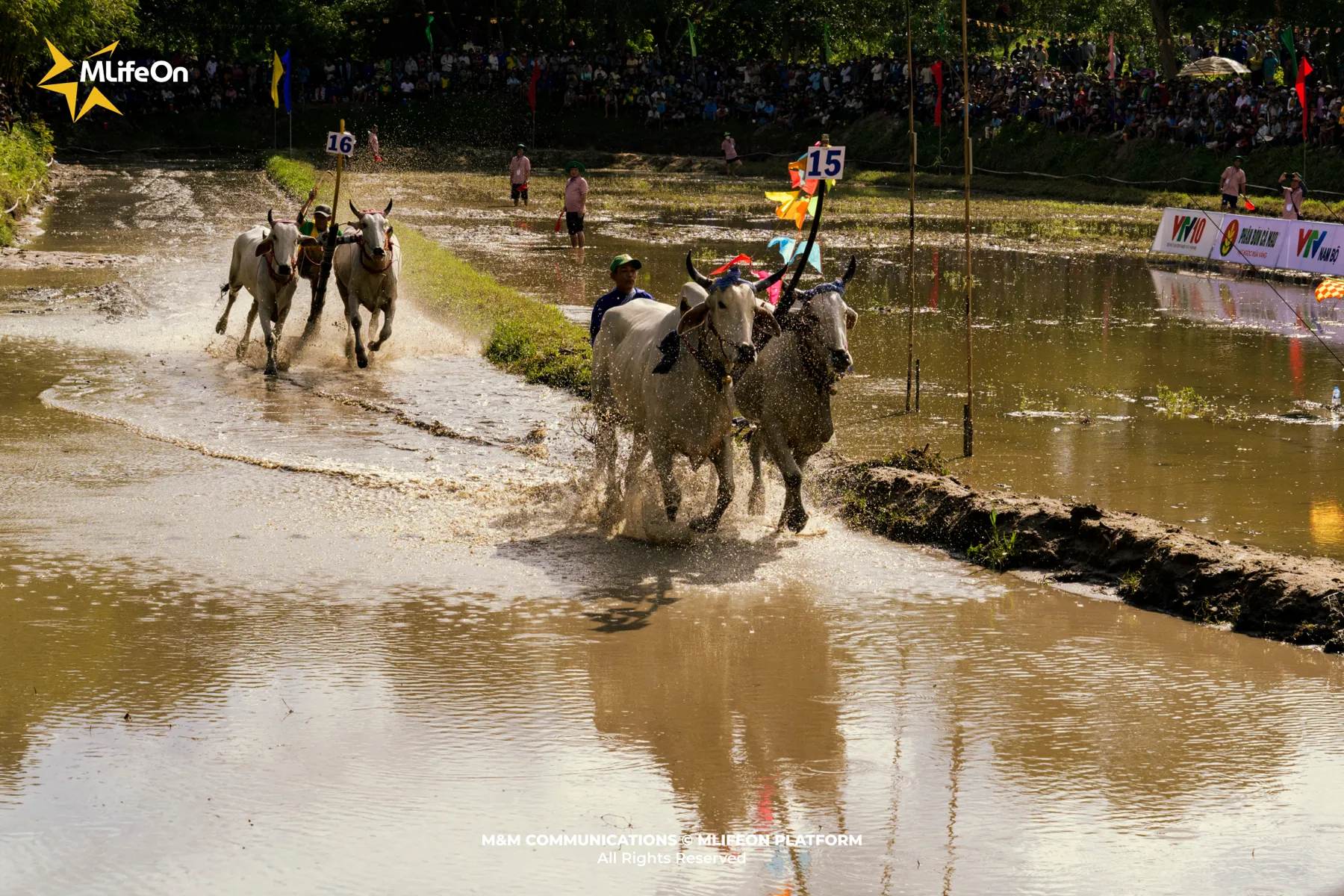
The slippery, muddy surface is what makes the race so distinctive. The handler must not only urge the oxen to run quickly but also maintain balance, control their direction, and respond to sudden situations within a matter of seconds.
For that reason, each race may last only a short time, yet it requires remarkable harmony between the handler and the oxen. This is also why spectators do not simply wait for the finish line. They are equally fascinated by the way each handler masters the challenging track.
A lively festival day in the Bay Nui region
On the festival day, the area around Chua Ro Pagoda becomes livelier than usual. People travel from different places to gather along the racing field and watch each competition. Conversations, cheers, and the excitement of the crowd give the familiar rice field an entirely different atmosphere.
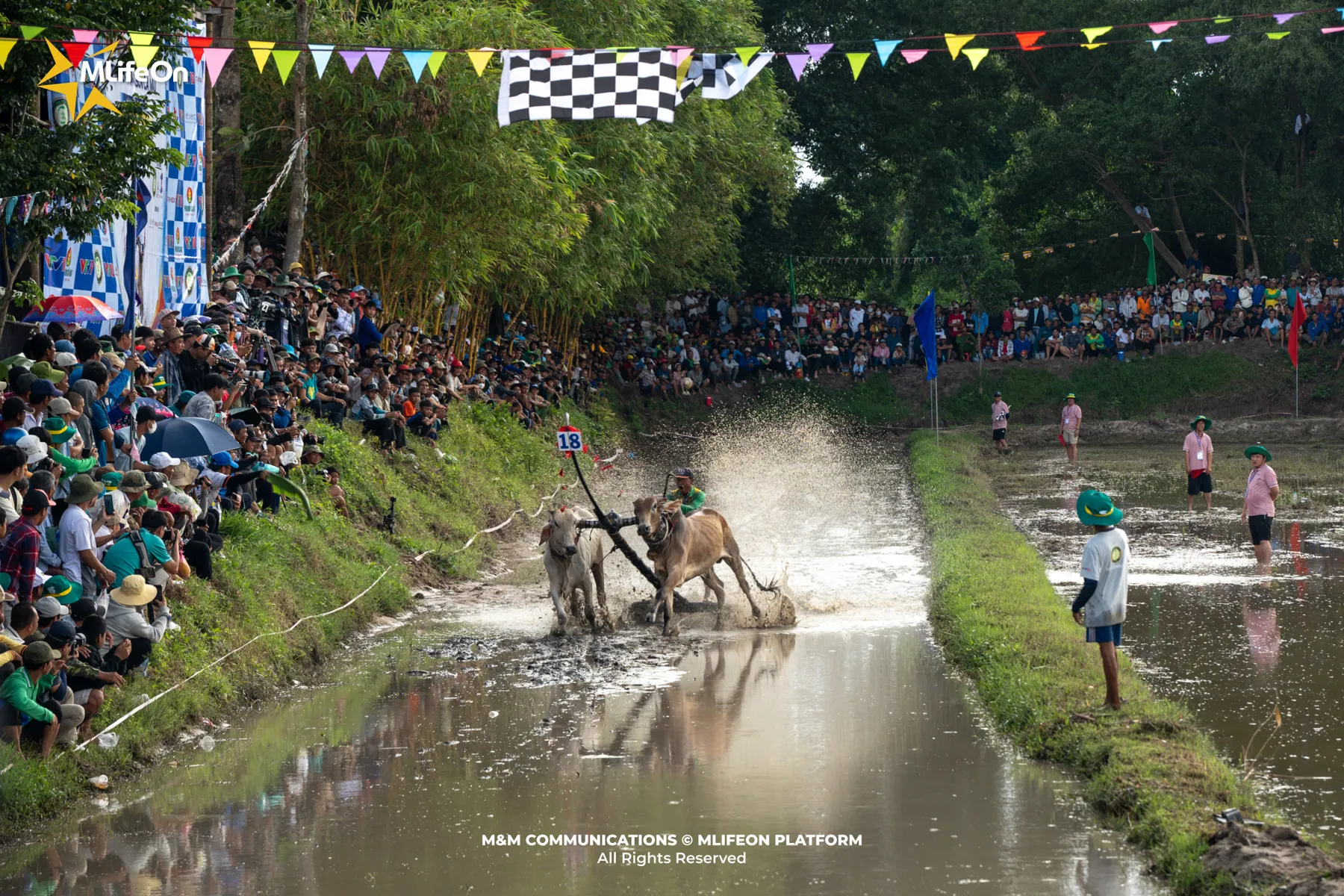
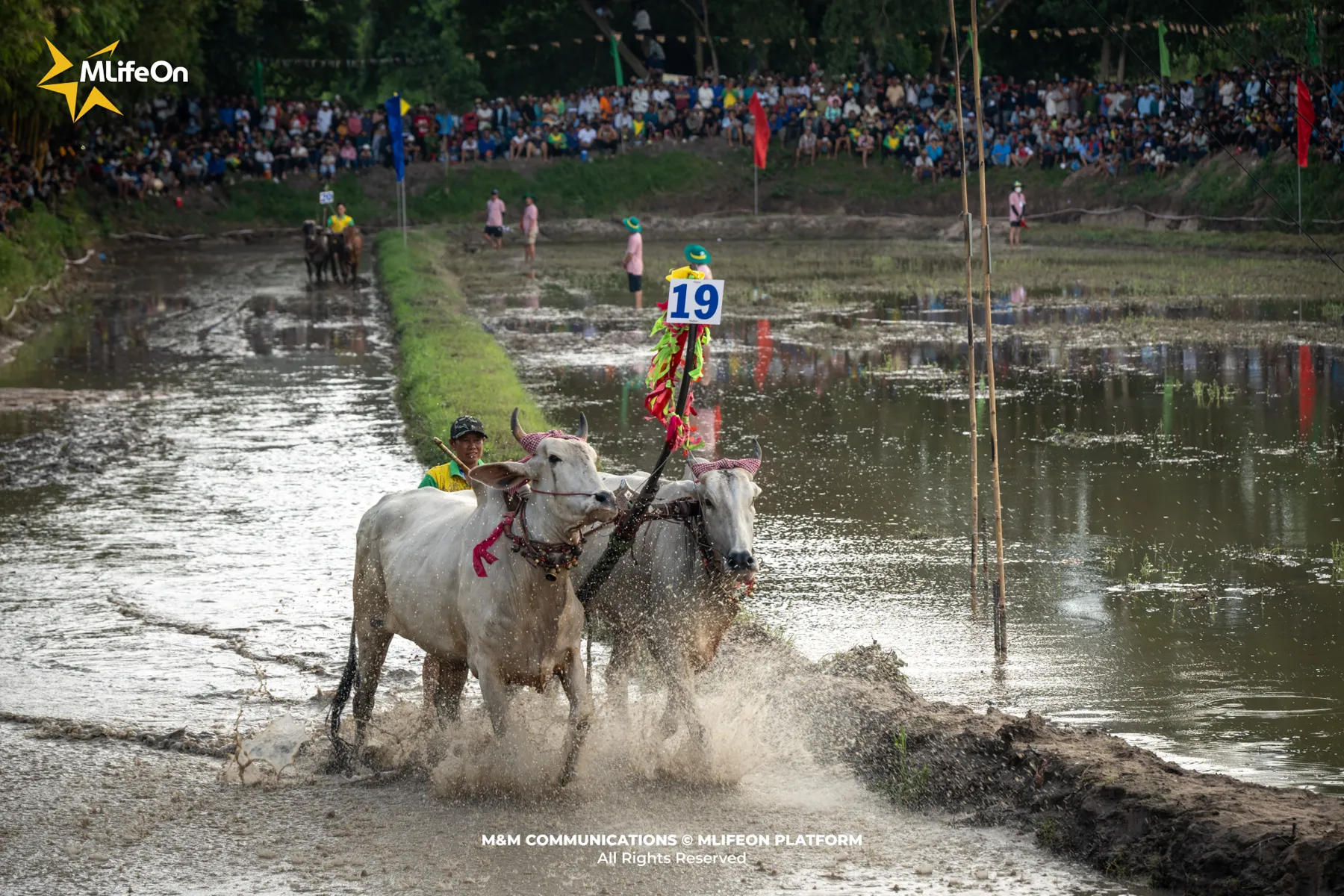
As the oxen begin to accelerate, everyone’s attention immediately turns to the track. Mud and water splash with every stride, the handlers maintain their positions and focus on controlling the animals, while spectators cheer loudly whenever one pair begins to pull ahead.
Yet the appeal of the festival goes beyond the competition itself. It is also a chance for members of the community to meet again, share in the festivities, and take part in a cultural gathering that has long been familiar to the region.
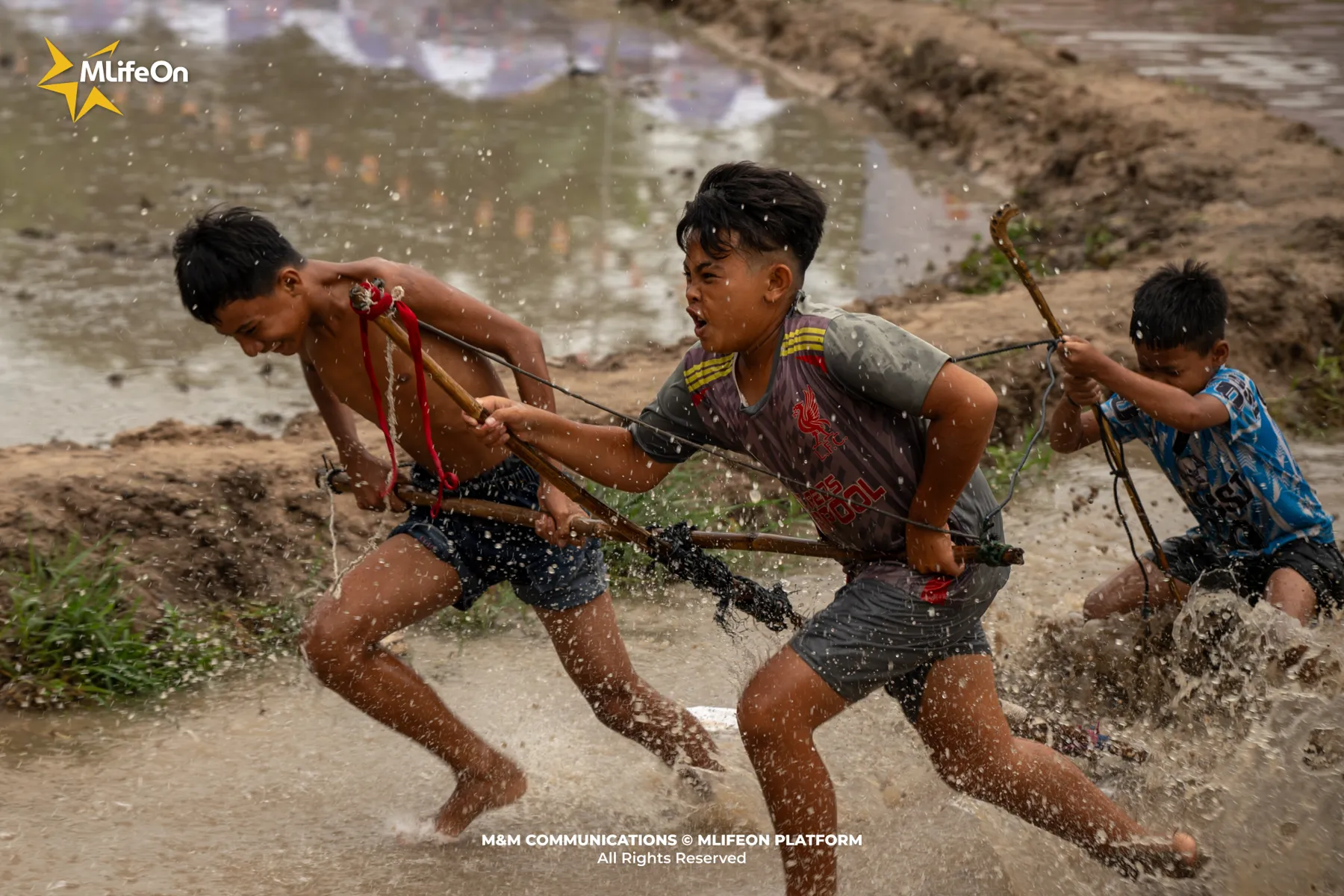
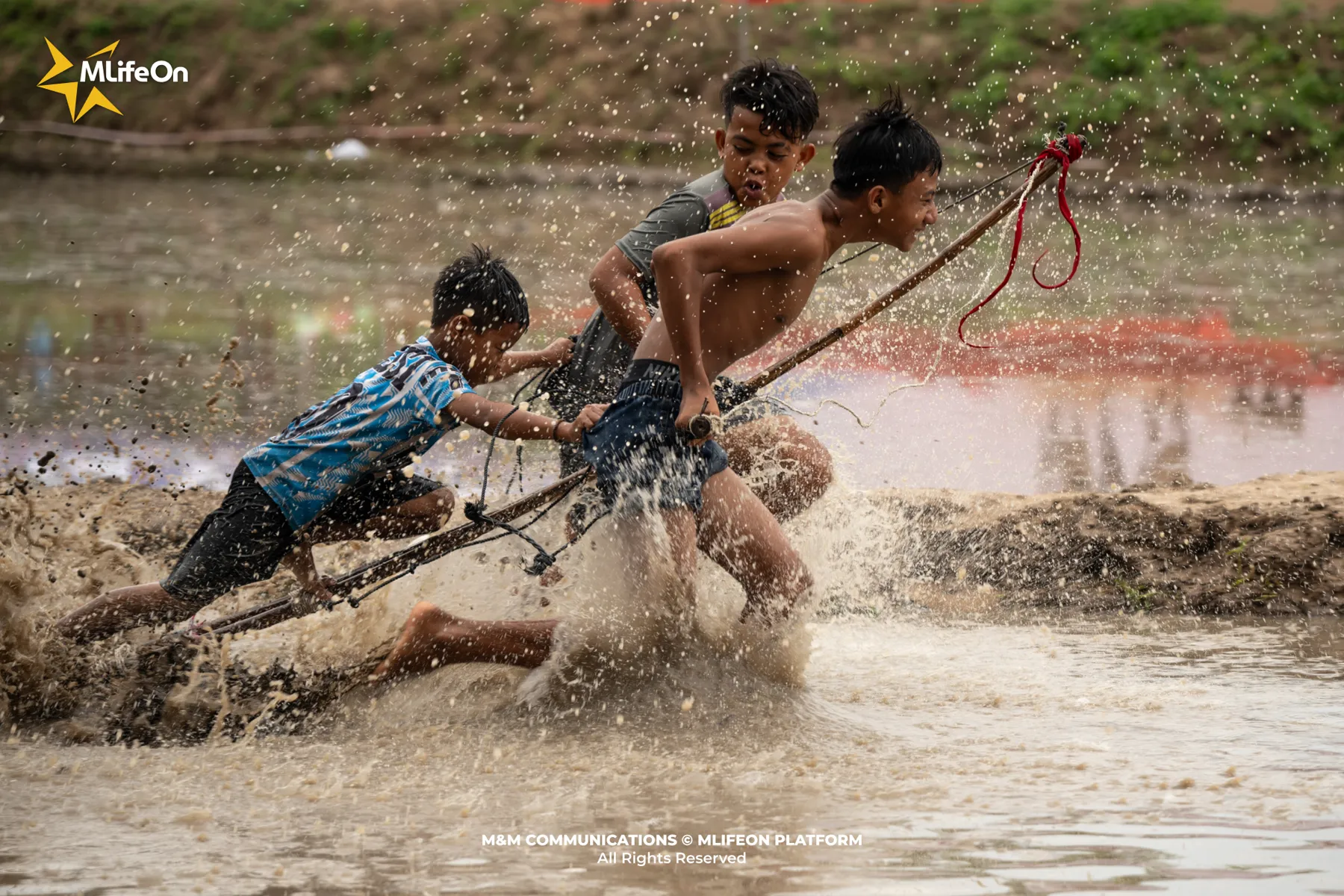
For older generations, the festival may be an opportunity to reconnect with memories from childhood. For those who raise and train the oxen, the race is a chance to demonstrate the dedication and experience they have built over time. For children, following their parents to the festival may become their first meaningful memory of a traditional celebration from their homeland.
That is why the Chua Ro racing field is more than a place for oxen on festival day. It is also a gathering place where generations come together to watch, cheer, and create the communal atmosphere that gives the festival its meaning.
Planting rice seedlings after the Ox Races
If the ox races create the most energetic moments of the festival, the rice seedling planting activity brings a quieter and more reflective image of the Chua Ro celebration.
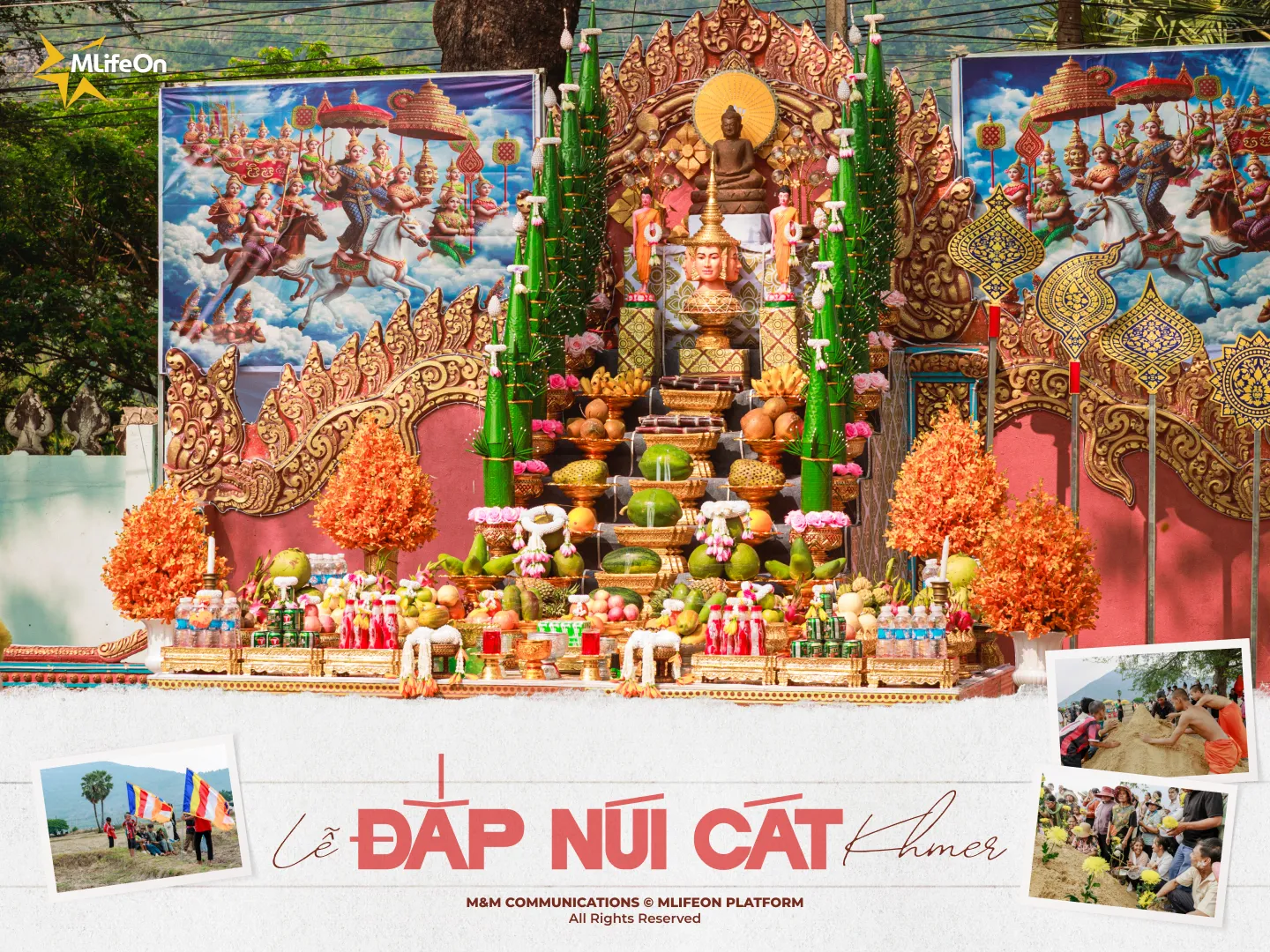
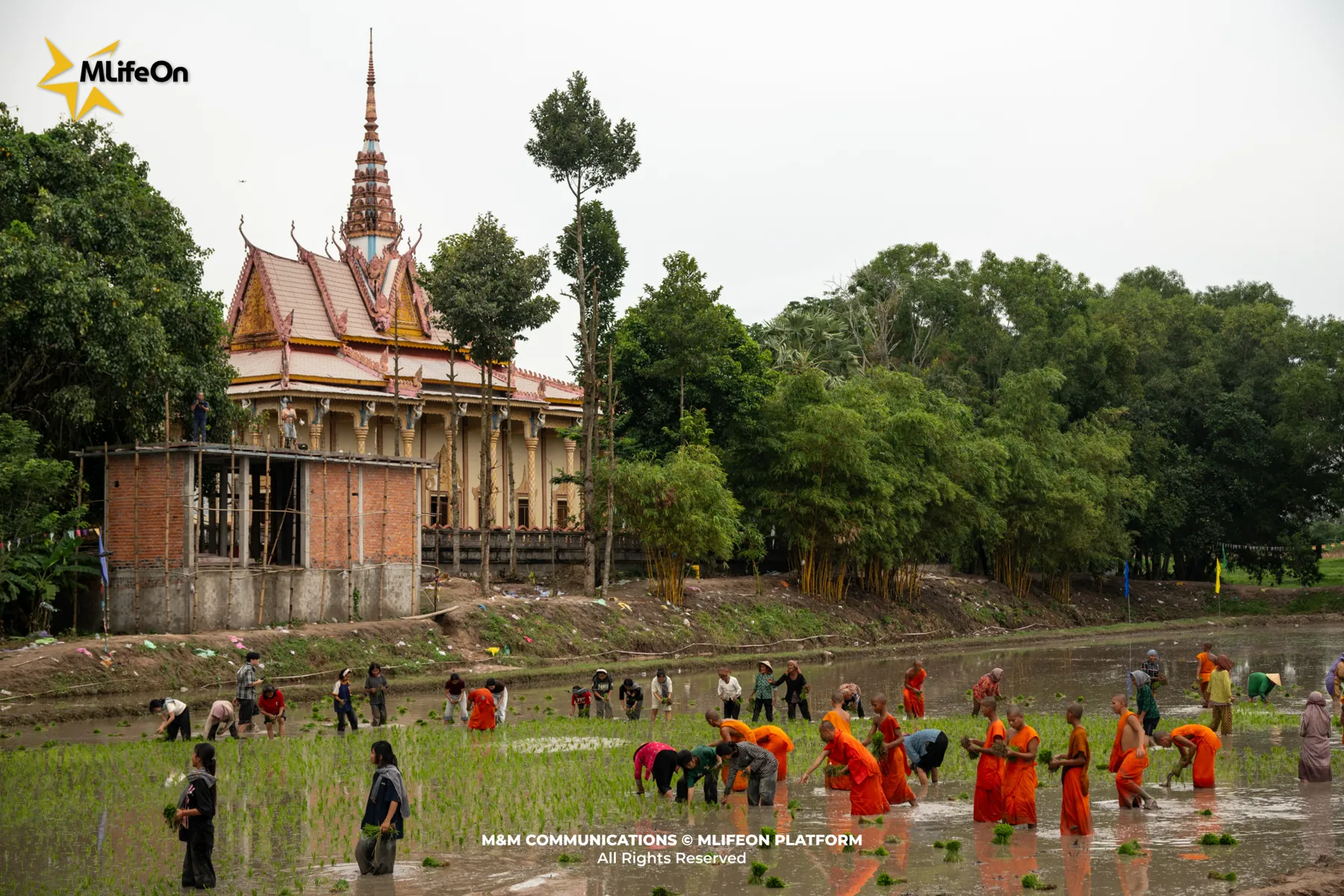
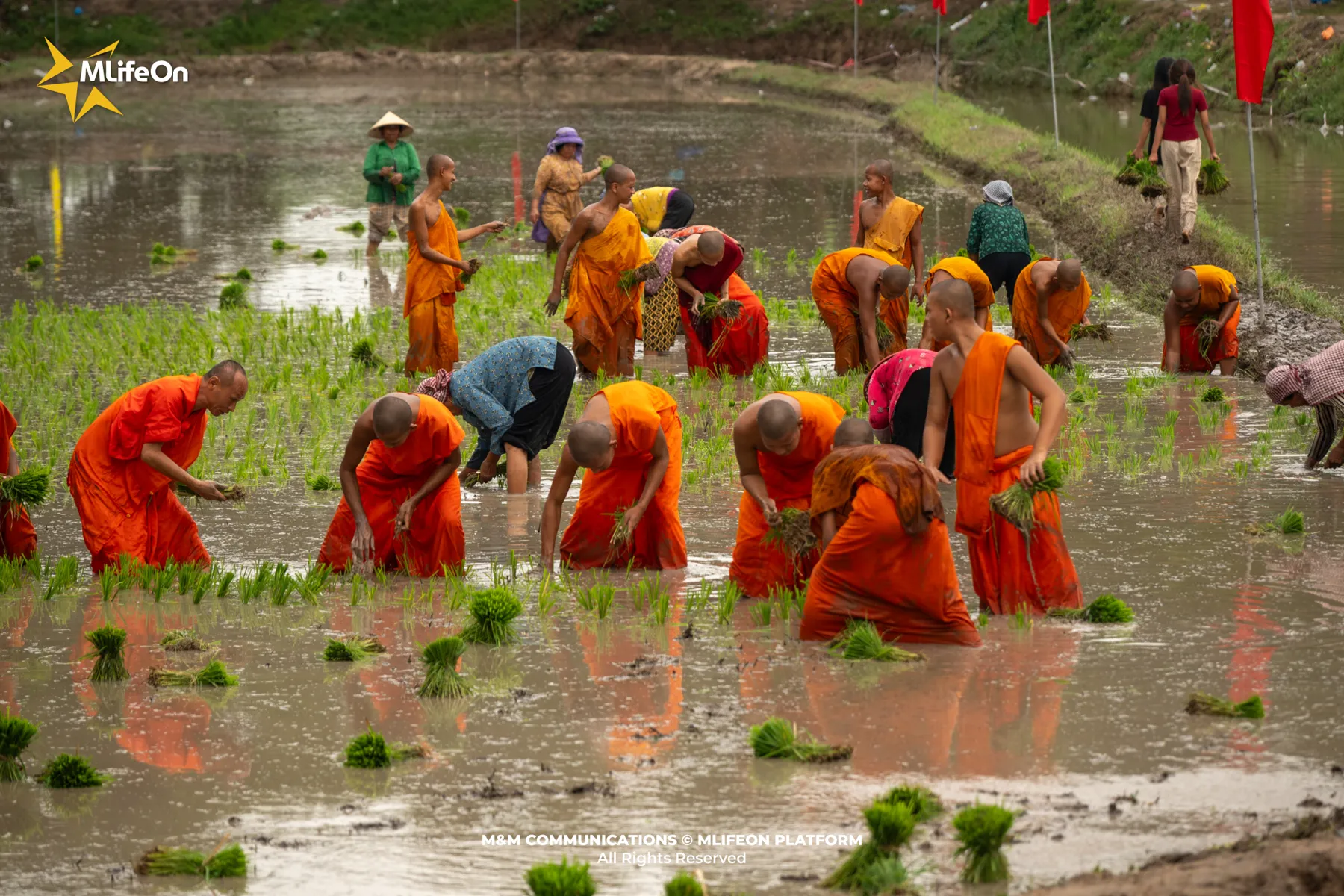
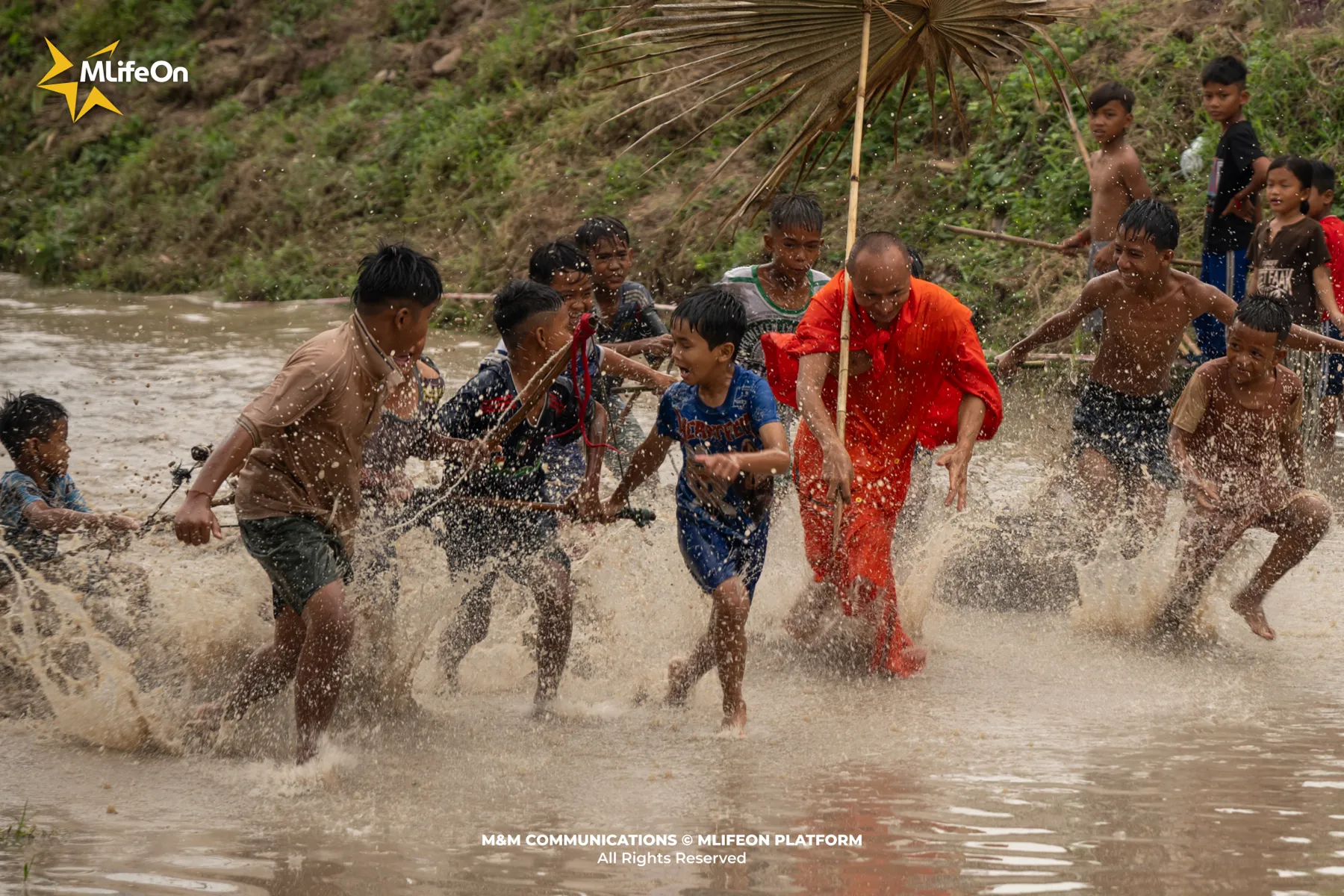
After the races, the very same area used as the track is returned to its agricultural purpose. Monks and local residents step into the field and plant young rice seedlings back into the soil. The activity takes place after the ox races, right on the rice field at Chua Ro. The transformation feels remarkably natural. A place that has just been filled with cheers, splashing mud, and the rapid movement of racing oxen soon returns to the familiar work of the farming season.
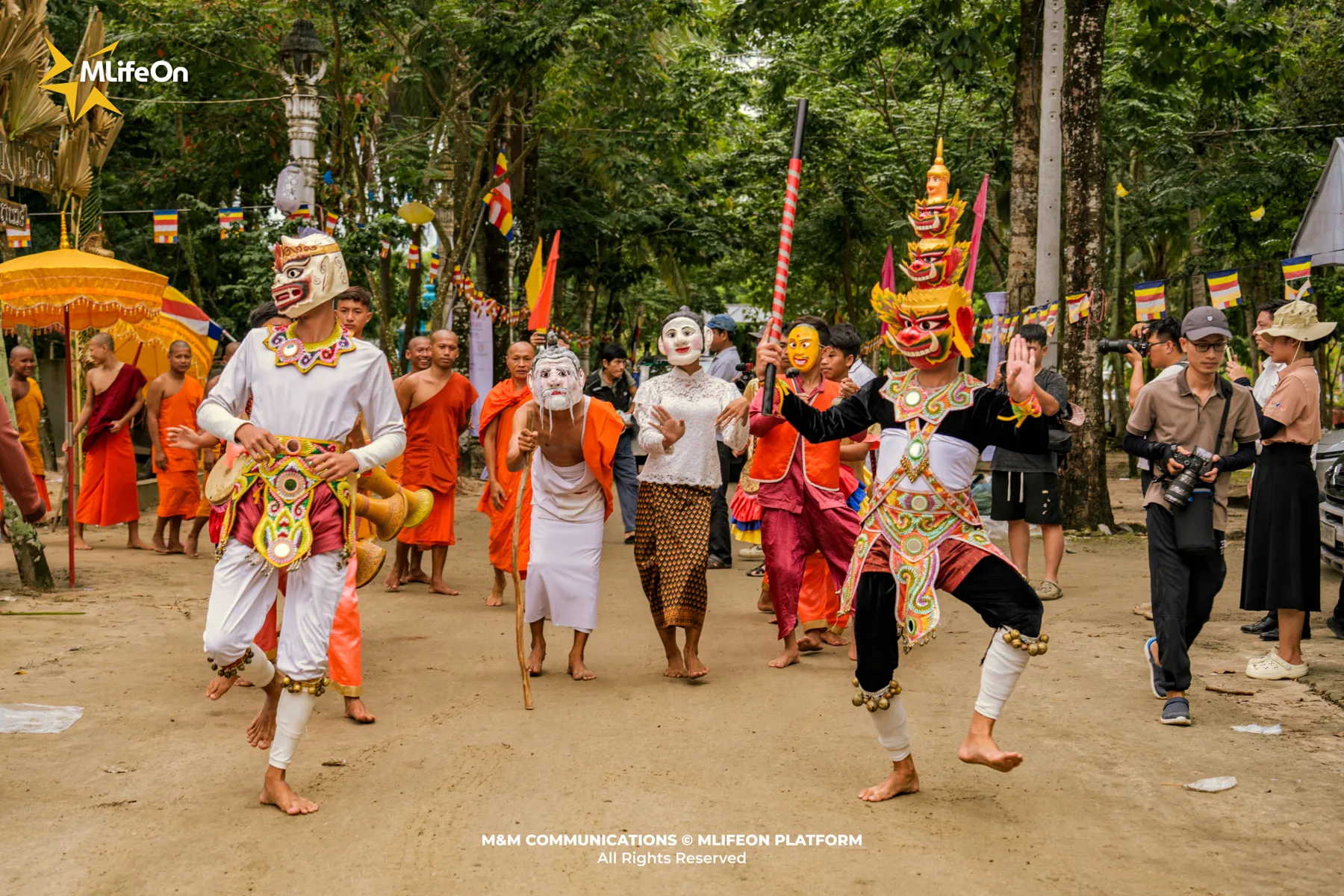
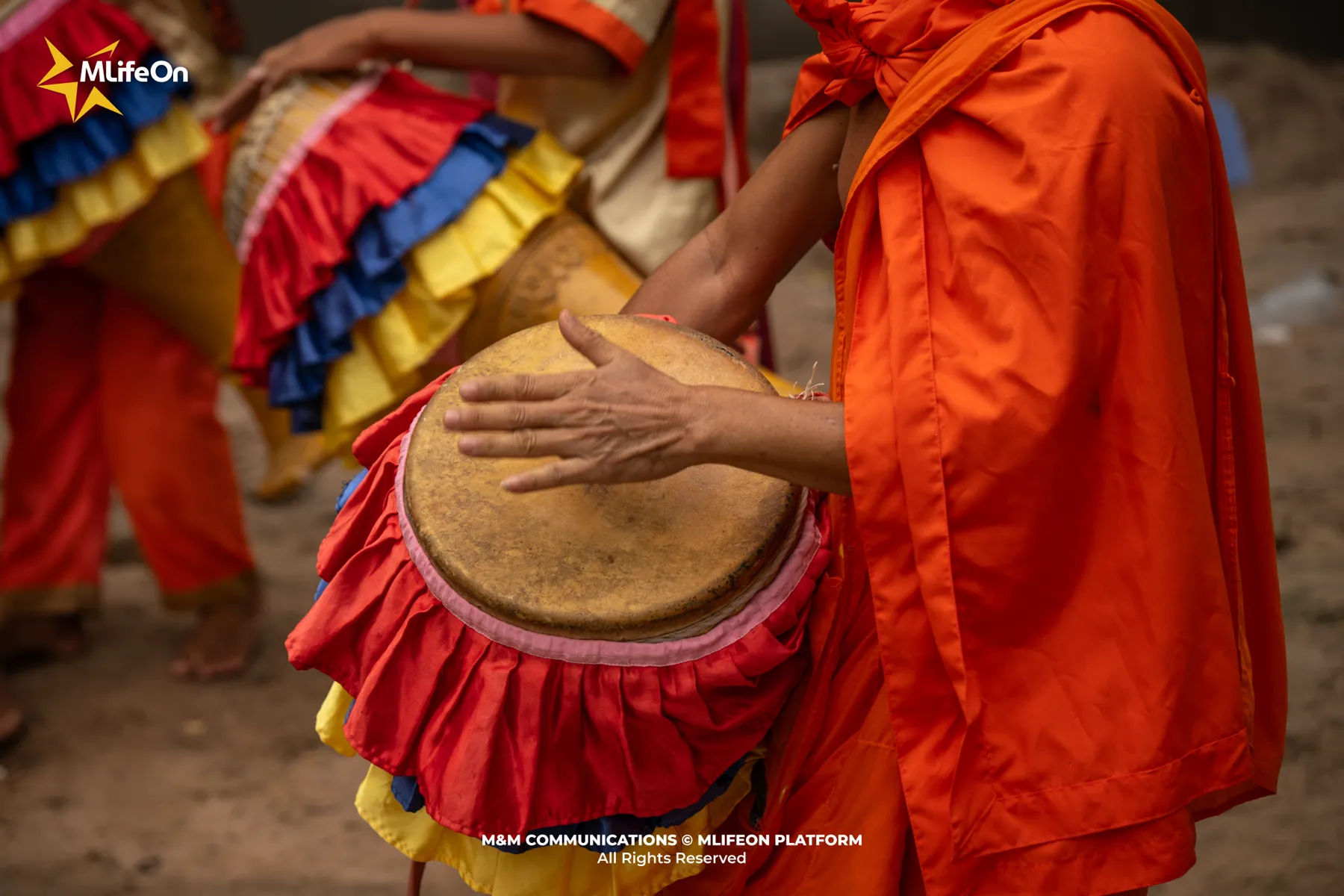
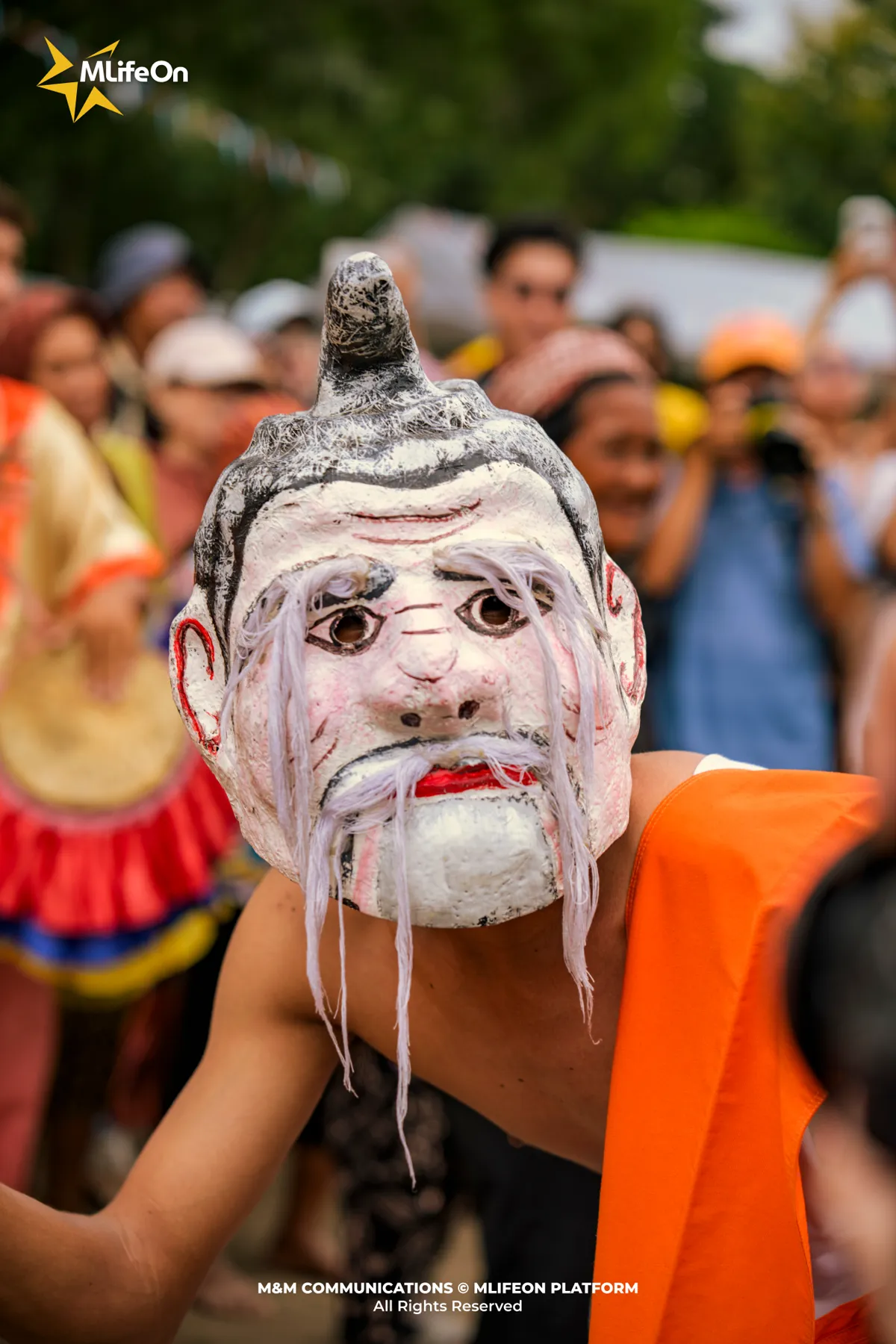
What makes this image especially meaningful is that it does not need a separate stage to tell its cultural story. The field itself tells that story. In the morning, the flooded rice field becomes a place of communal celebration. Later, local people return to the field to carry out the work that has long been part of their lives. The festival therefore does not stand apart from agricultural labor; instead, it becomes part of it, allowing communal joy and everyday farming life to follow one another in the same space.
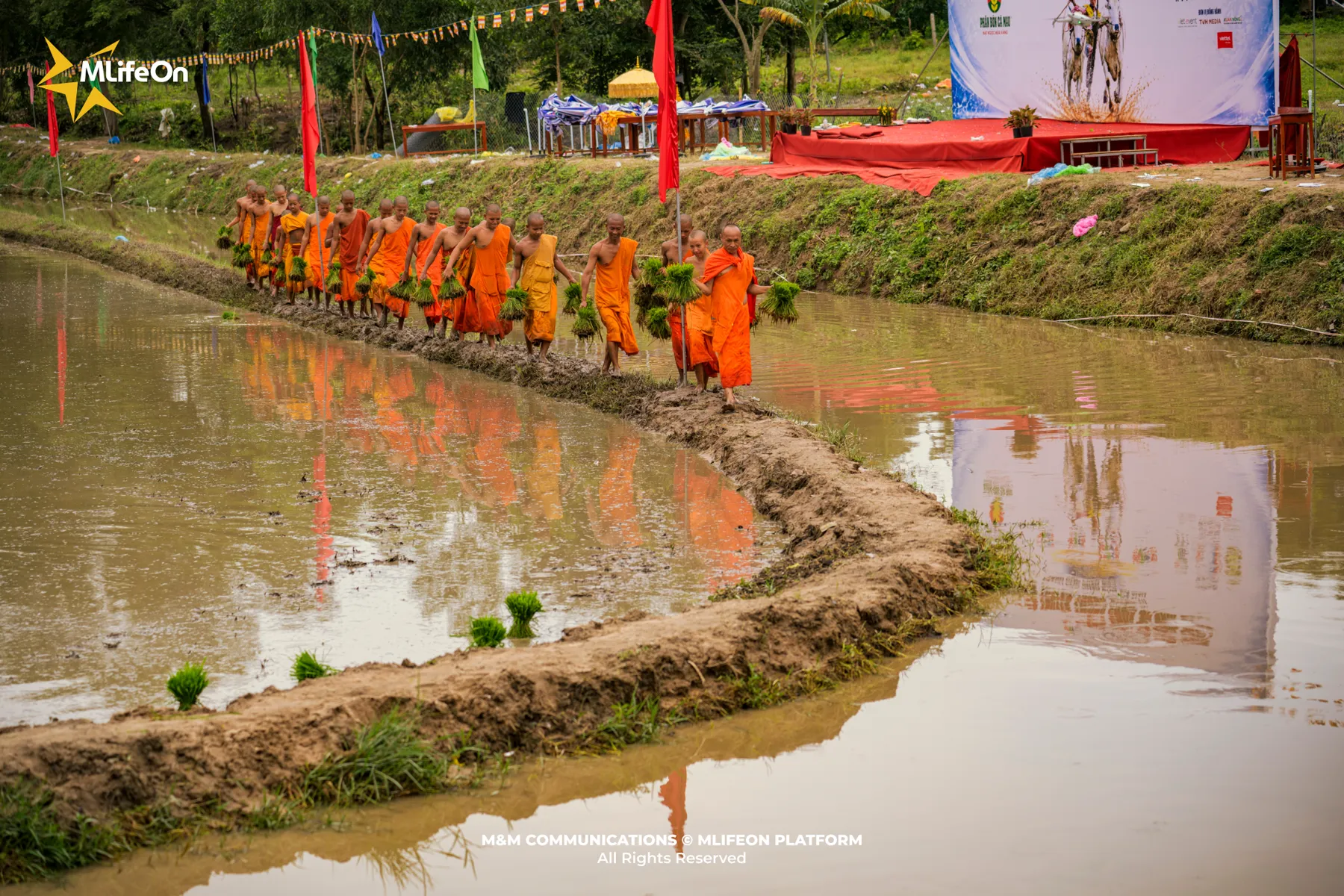
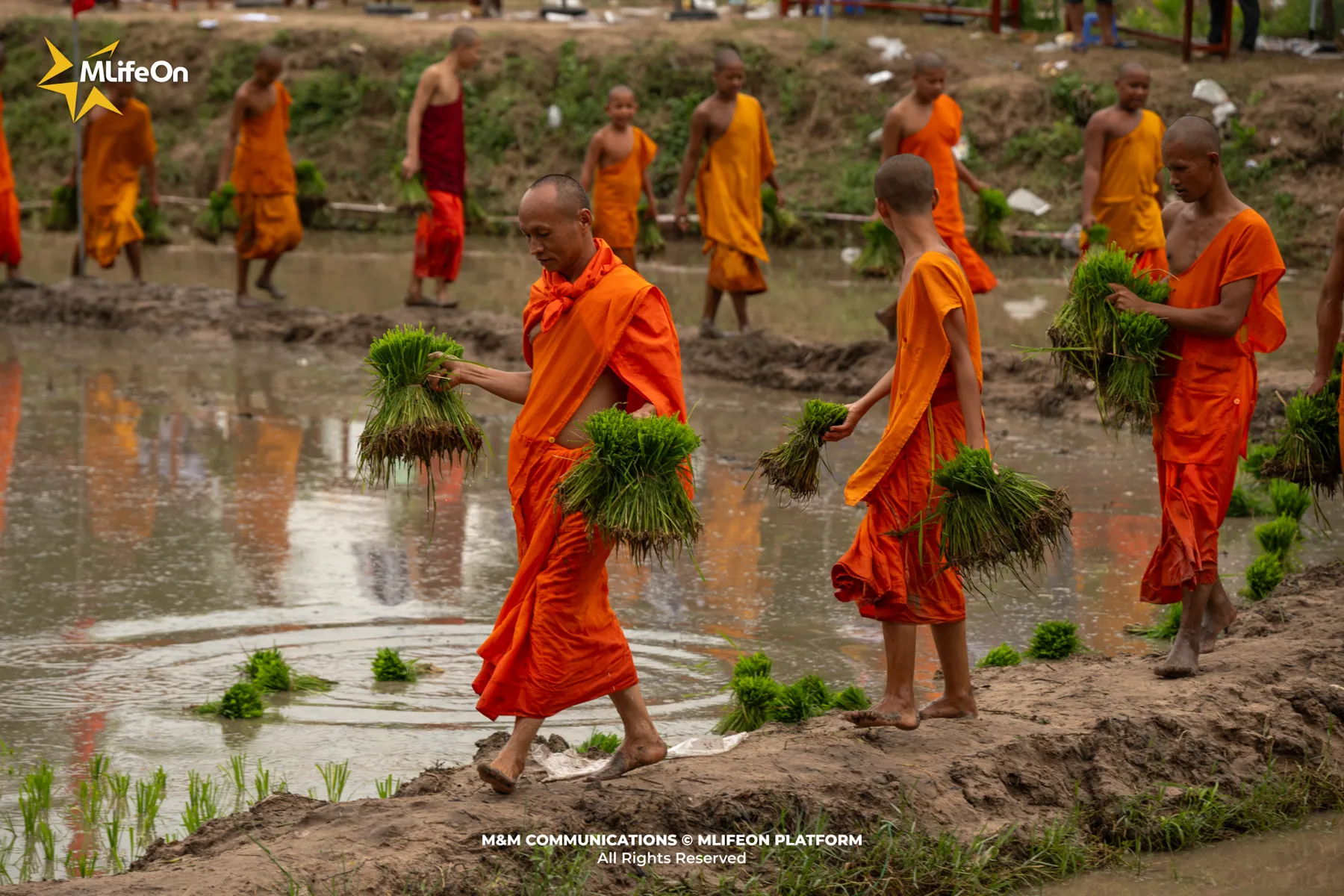
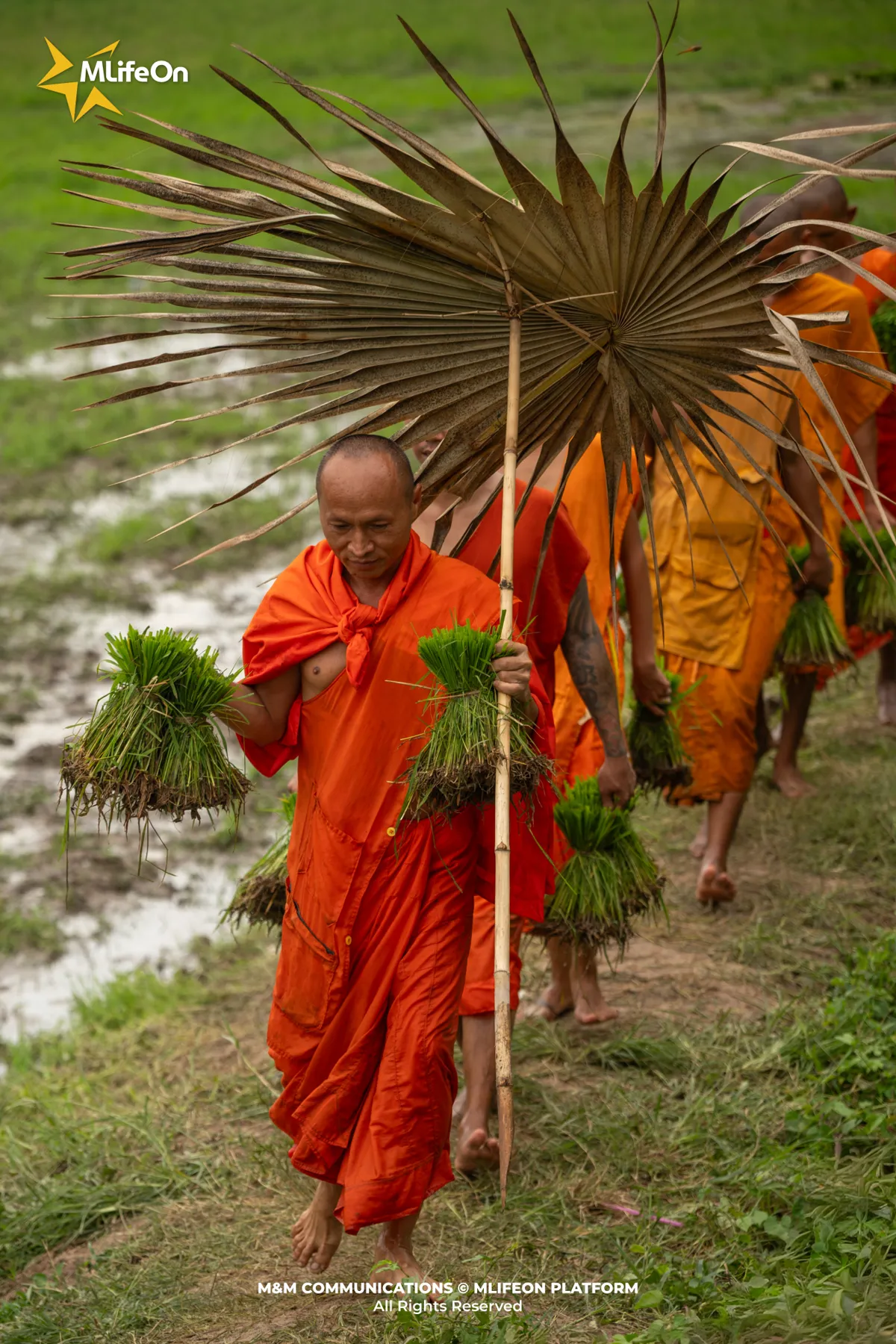
The rice seedling planting activity also highlights the close connection between Sen Dolta and the agricultural life of the Khmer community. After moments of celebration, everyone returns to the land, to the rice plants, and to the new farming season. Perhaps that is why the image of young seedlings after the ox races carries such a strong sense of meaning. The festival does not end with the final cheers. Instead, it ends with the fresh green of a new season beginning.
A cultural tradition passed down through generations
A festival truly remains alive when it continues to be embraced and passed down by the community. At the Chua Ro Ox Racing Festival, this continuity can be seen in the people who take part: ox owners, handlers, monks, local residents, and children who come with their families to experience the celebration.
Knowledge of how to care for, train, and control the oxen is passed down through hands-on experience. Children do not necessarily need formal lessons to begin understanding the festival. They learn simply by watching adults prepare, hearing the cheers, and witnessing the races take place on a familiar rice field.
Over time, the scale and organization of the Ox Racing festival may change. Yet as long as the community continues to return to Chua Ro each Sen Dolta season, the festival’s core values have the opportunity to live on.
These values lie in the connection between people and the land, between communal celebration and agricultural life, and between one generation and the next. The Chua Ro Ox Racing Festival therefore preserves more than the image of oxen racing across a muddy field. More importantly, it preserves a part of the memory of how the Khmer community has lived, worked, celebrated, and come together to protect the traditions that belong to their homeland.
Conclusion
At Chua Ro, a single rice field can take on many different forms in the course of one day: in the morning, it becomes a lively festival arena; afterward, it returns to rows of young green seedlings. This simple transition is what gives the Chua Ro Ox Racing Festival its distinctive beauty. Behind the excitement of the competition lies a way of life deeply connected to the land, the farming seasons, and the community. And when young rice seedlings are planted back into the field after the festival, it feels as though culture itself is being planted anew, taking root from one generation to the next.
-------------
CREDIT:
- Photography: Quan Tran, Luan Nguyen
- Content: Hoài Hà
- Design: Phuong Nguyen