SOUTHERN VIETNAMESE CUISINE - A COLORFUL SYMPHONY OF FULL, HARMONIOUS FLAVORS
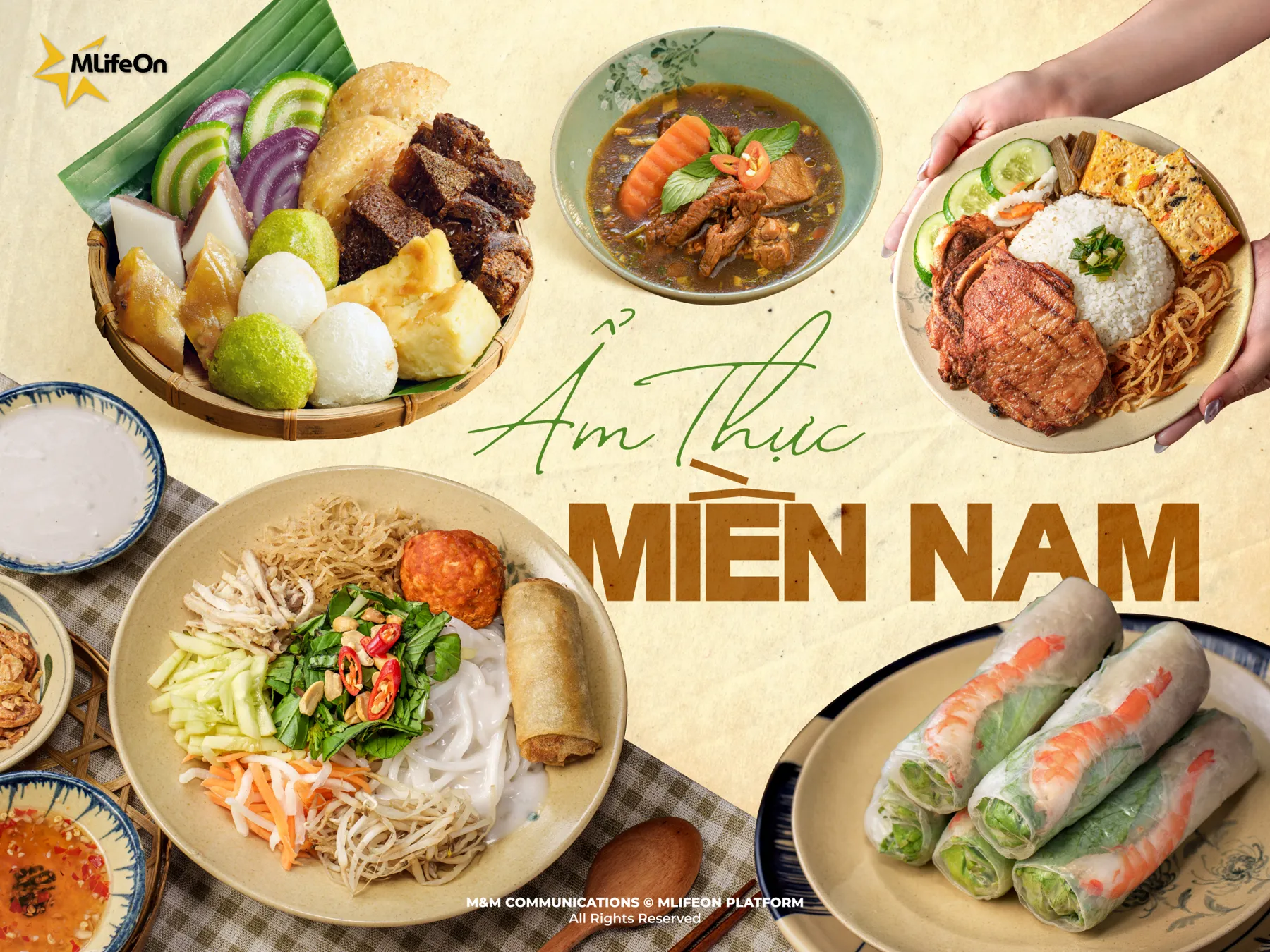
Southern Vietnamese cuisine can never be defined by a single flavor. Some dishes are simmered for hours with an array of spices, while others begin with the simplest everyday ingredients. Then there are fragrant sweet cakes and light, refreshing fresh spring rolls. Each dish brings its own character, and together they create a rich, approachable, and irresistible culinary symphony.
Bo Kho - Rich with layers of flavor
When it comes to the bold, deeply flavored dishes of Southern Vietnam, bo kho - Vietnamese beef stew - is difficult to overlook. Even while the pot is still simmering on the stove, the aroma of beef mingling with lemongrass and spices is enough to make anyone hungry.
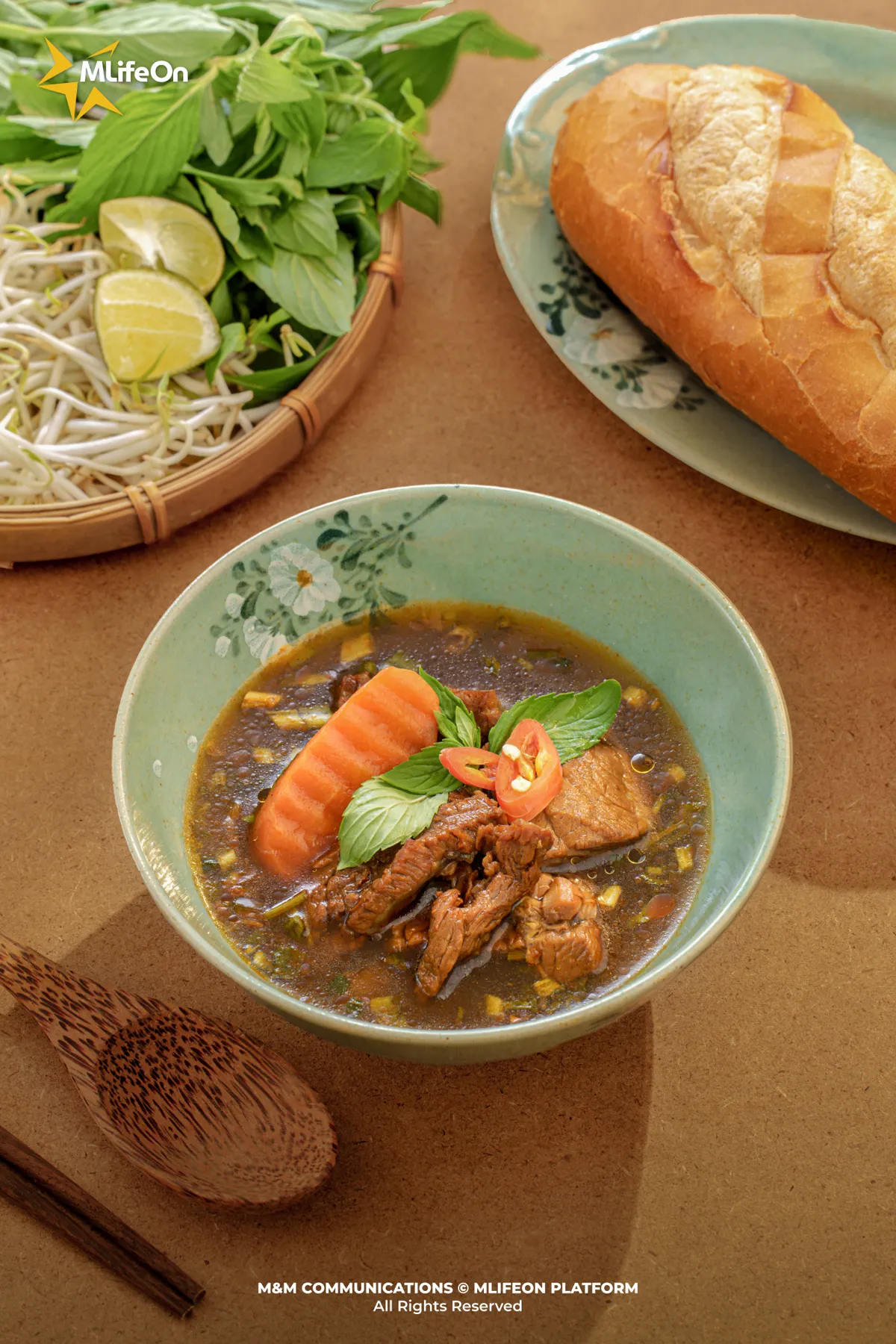
A good bowl of bo kho takes time to prepare. The beef is cut into bite-sized pieces, marinated, and slowly cooked until tender while still retaining some texture. Carrots are usually added later so that they cook just enough without becoming too soft, while the broth gradually thickens, developing a rich flavor and an inviting color.
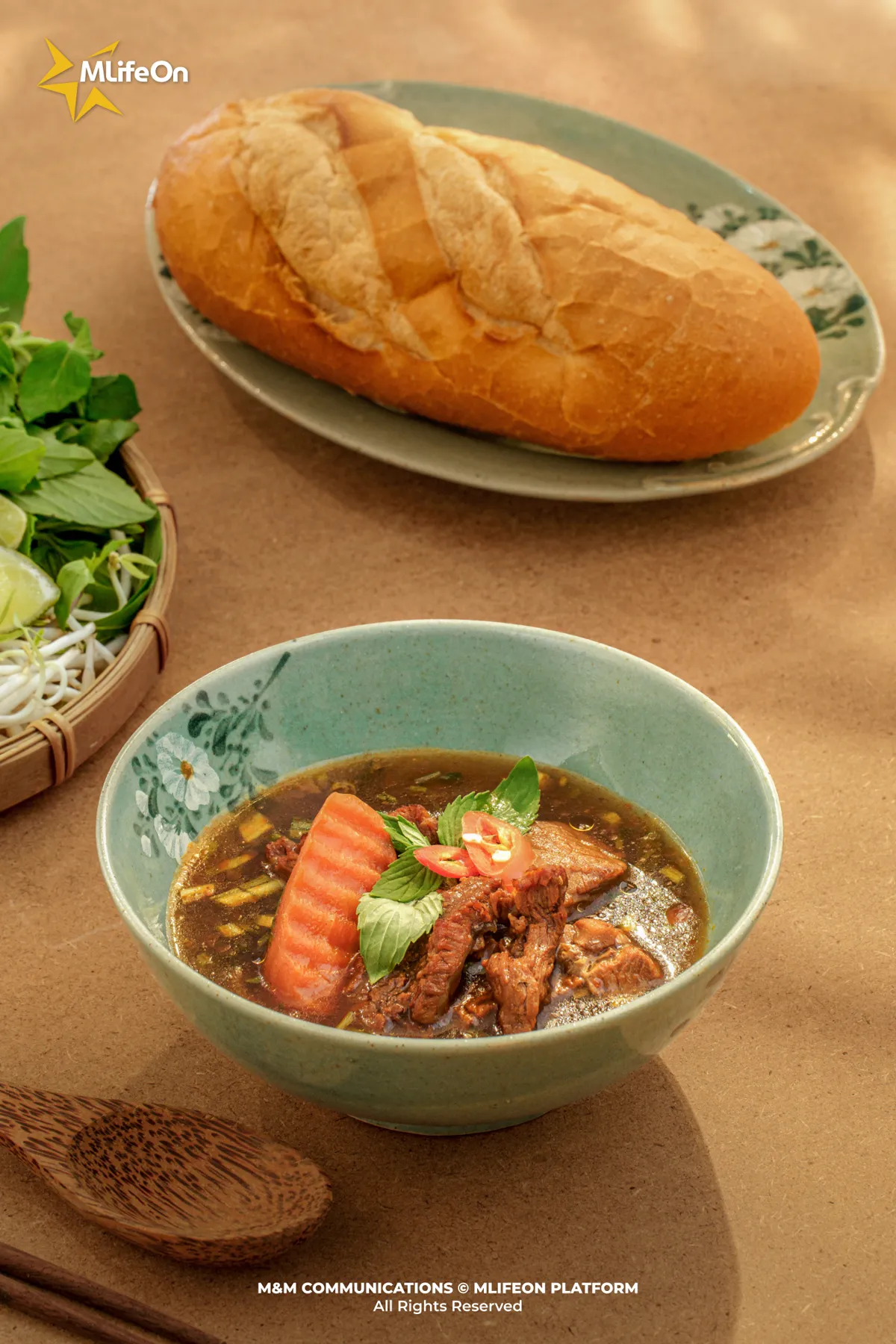
Much of the appeal of bo kho comes from the way its seasonings blend together. The distinct fragrance of lemongrass, a gentle touch of heat, and the natural sweetness of the meat and vegetables create a broth with multiple layers of flavor.
Bo kho can also be enjoyed in several different ways. Those who prefer bread can tear off pieces of a crispy baguette and dip them generously into the steaming broth. Others choose to eat it with hu tieu rice noodles or egg noodles for a more filling meal. Whichever way it is served, bo kho delivers a distinctive experience from the very first bite: piping hot, wonderfully aromatic, and deeply savory.
Com Tam - A humble dish that defines the flavor of Saigon
While bo kho draws its appeal from layers of spices, com tam, or broken rice, begins with something remarkably humble: grains of rice broken during the milling process. From this simple ingredient, Southern Vietnamese cooks created a dish that has become an inseparable part of everyday life in Saigon.
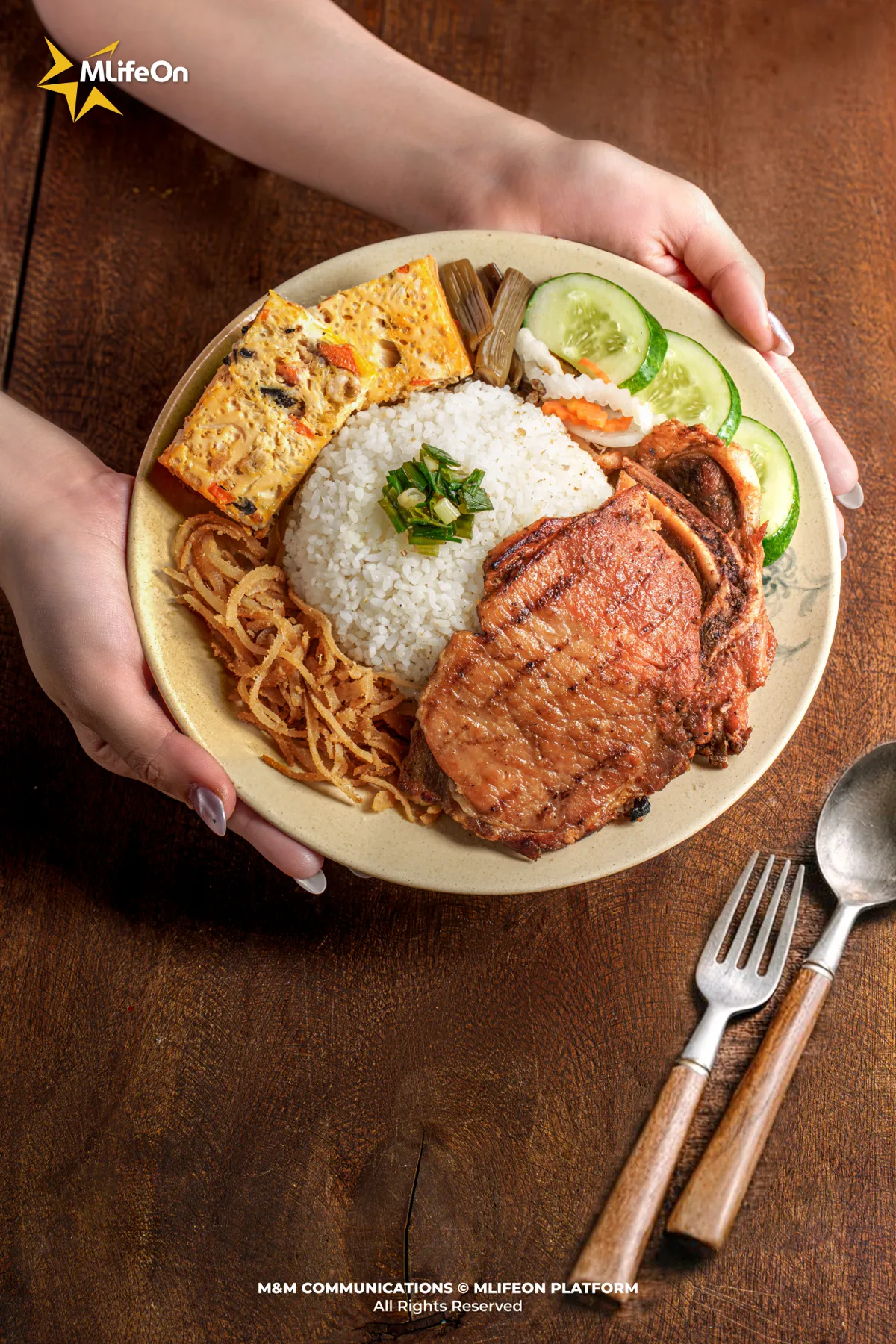
There is com tam for breakfast, com tam for lunch, and even late at night, it is still possible to find food stalls with glowing charcoal grills cooking pork chops over the flames.
A complete plate of com tam is colorful and appetizing at first glance. The small, tender grains of broken rice are topped with a fragrant grilled pork chop, accompanied by shredded pork skin, steamed egg cake, or a fried egg depending on personal preference. A spoonful of green scallion oil and some pickled vegetables are almost essential.
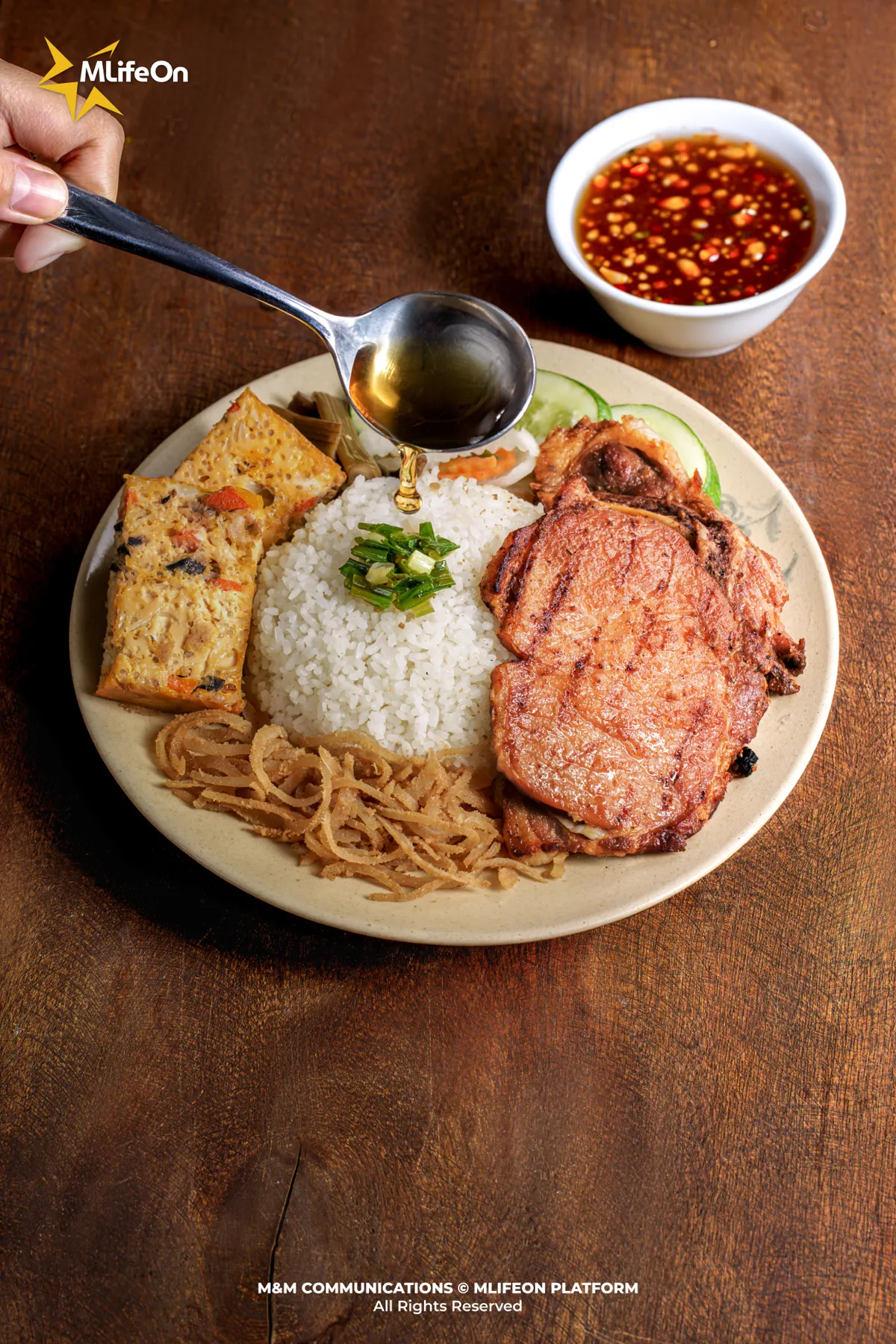
And finally, there is a small bowl of seasoned fish sauce, an element that may seem minor but plays an important role in bringing the entire plate into balance.
That is the charm of com tam: it is satisfying in a wonderfully familiar way. A single plate is filling enough for a busy day, yet offers enough different flavors and textures to feel generous and complete every time.
A simple Mekong delta cake platter that leaves a lasting Impression
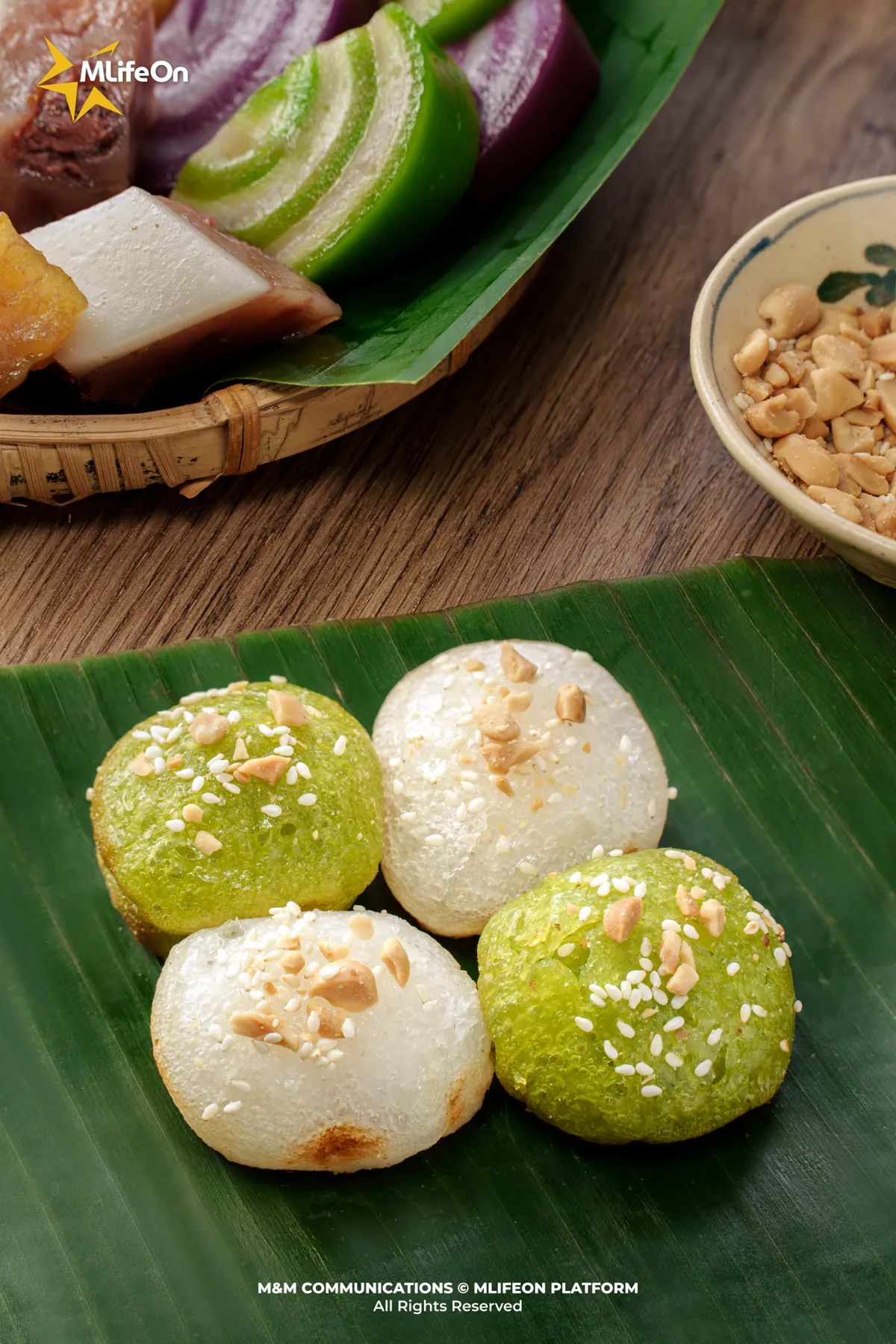
Moving away from hearty main dishes, a platter of traditional cakes from the Mekong Delta introduces an entirely different side of Southern Vietnamese cuisine. Place palm sugar banh bo, baked banana cake, baked cassava cake, and banh da lon together, and their colors and shapes alone are enough to make the platter visually appealing. Each cake has its own distinctive character.
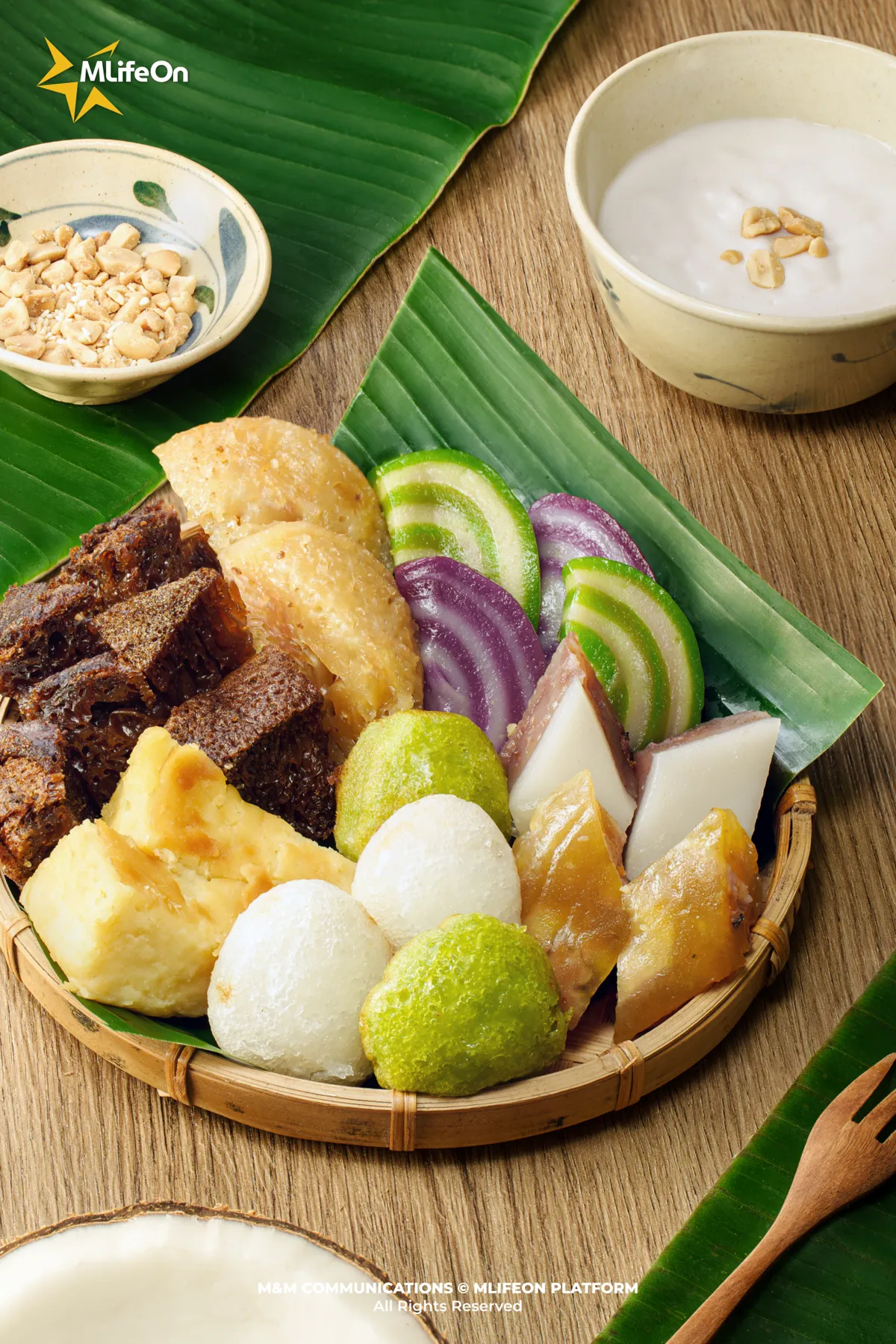
Banh bo is soft and airy, with its characteristic honeycomb-like texture. Palm sugar banh bo has an attractive golden-brown color and the fragrant sweetness of palm sugar. Baked banana cake is soft and aromatic, with the natural sweetness of ripe bananas becoming richer after baking. Baked cassava cake is chewy, slightly nutty, and creamy, while banh da lon stands out with its soft, chewy layers stacked one on top of another.
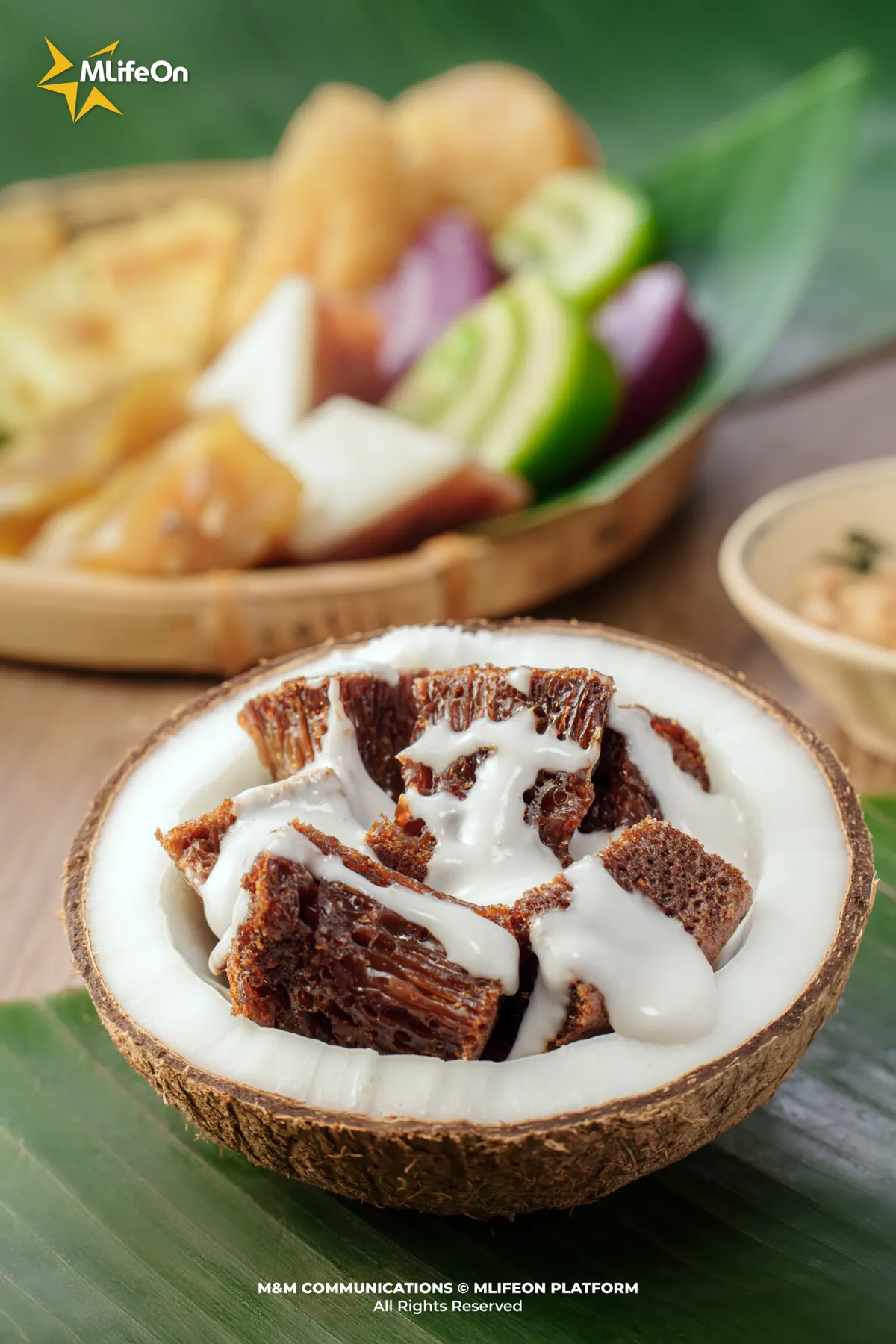
But perhaps the most interesting part is the ingredients behind these cakes.
Bananas, cassava, rice, coconut milk, and palm sugar are all ingredients closely connected to the land and everyday life of Southern Vietnam. Without relying on anything particularly expensive, local people have transformed familiar produce into treats with completely different colors, textures, and flavors.
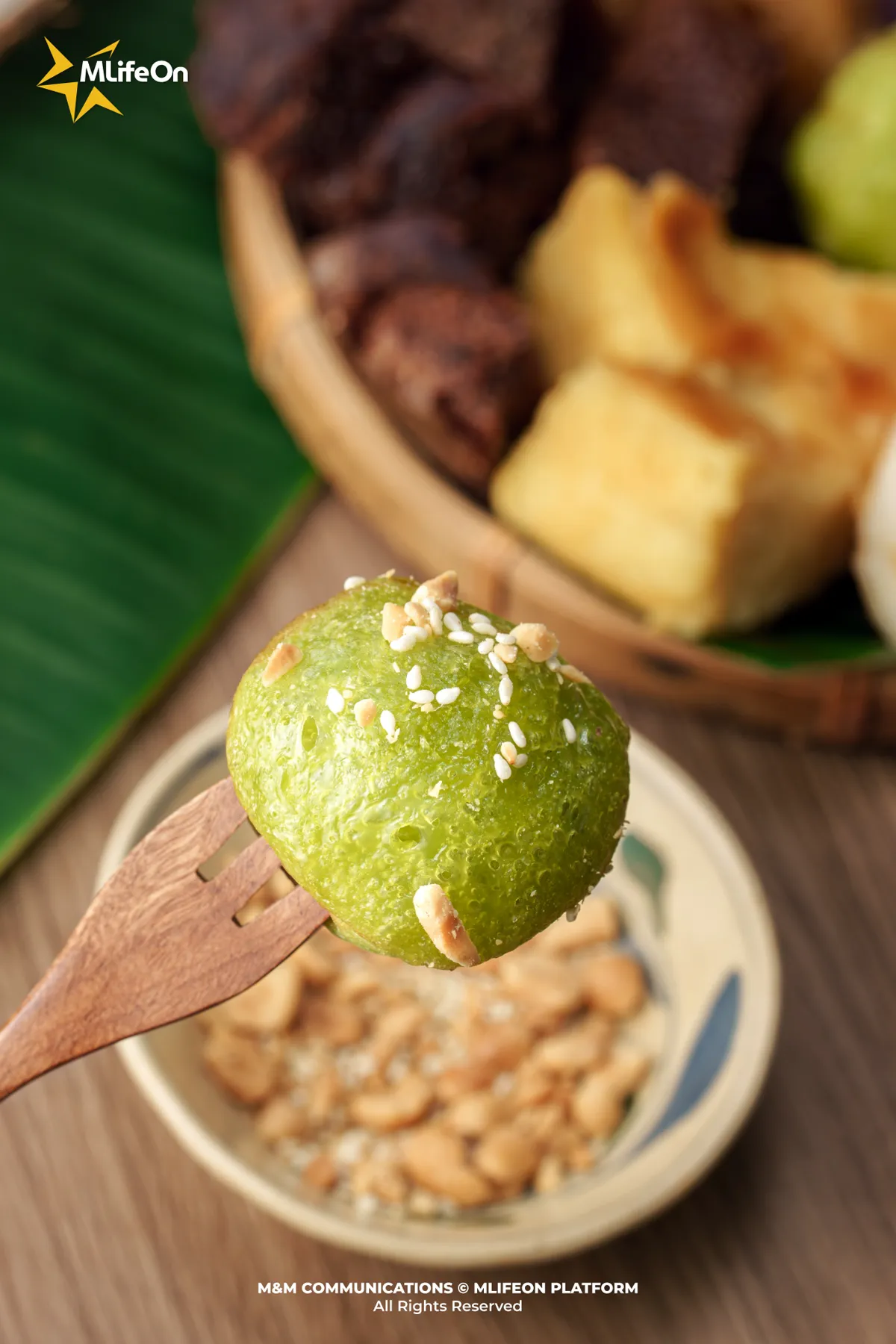
These small cakes are more than something sweet to enjoy between meals. They evoke memories of cake stalls in countryside markets, family kitchens, and the resourcefulness with which people in the Mekong Delta turn the ingredients around them into delicious food.
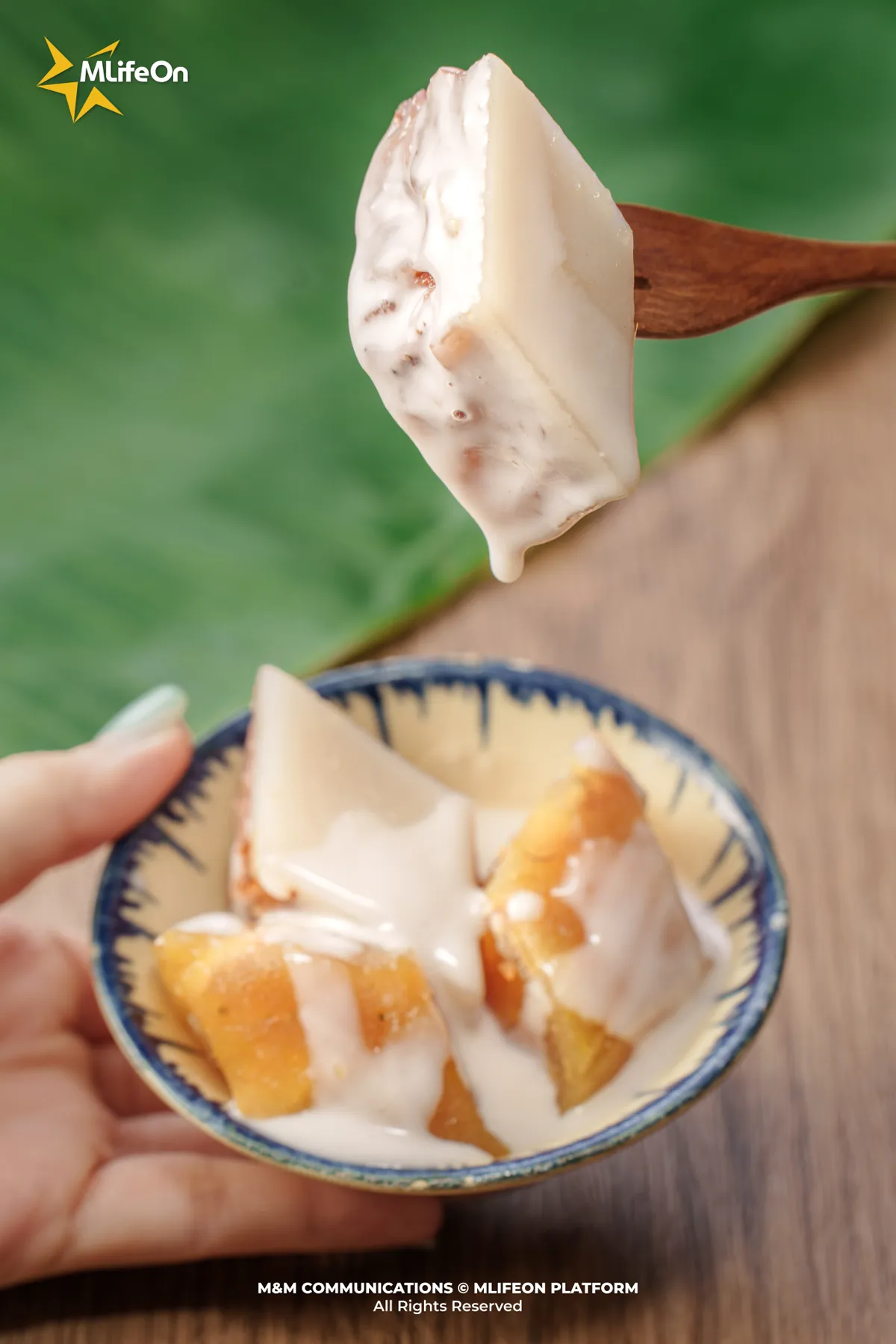
Banh Tam Bi - A distinctively southern combination of flavors
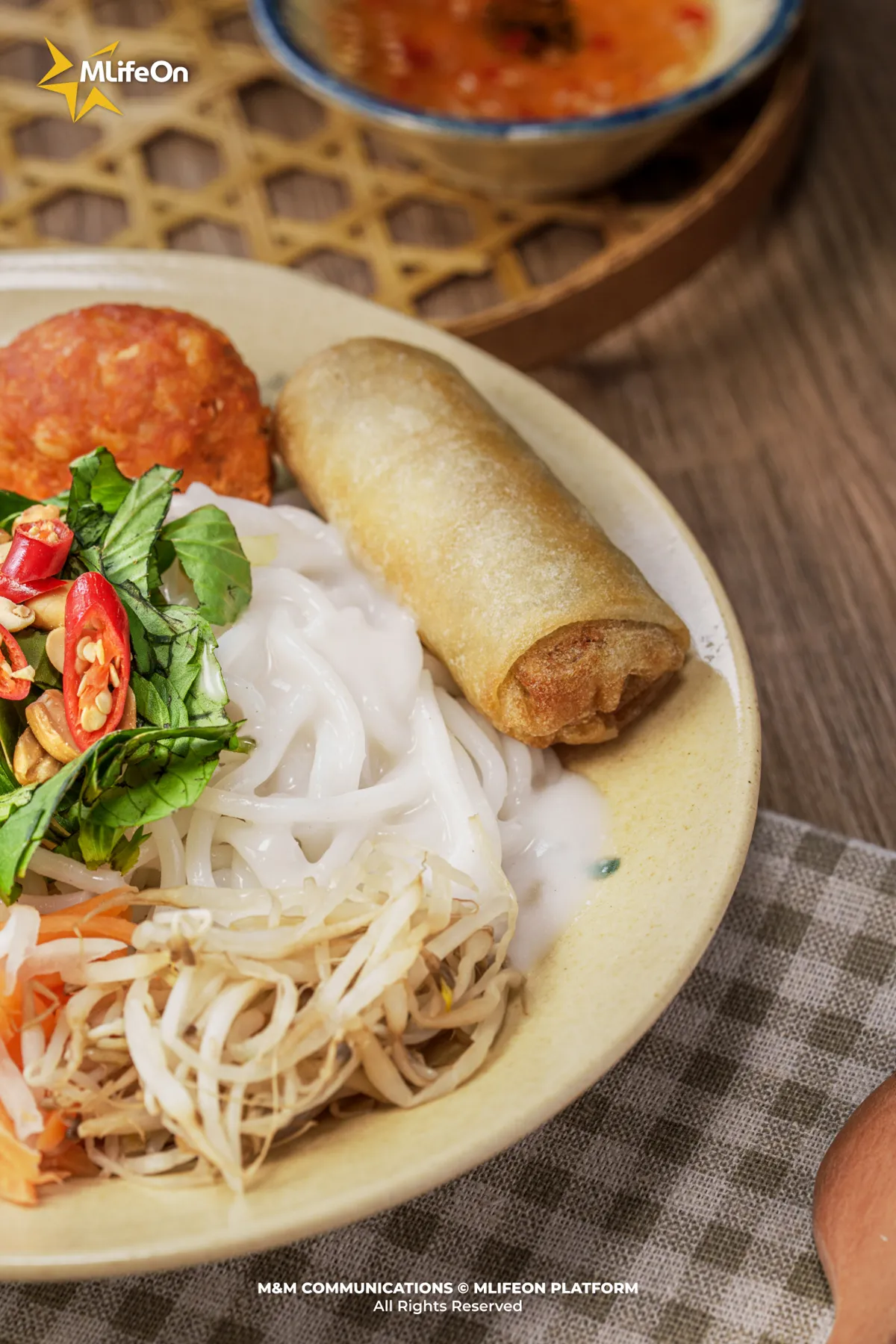
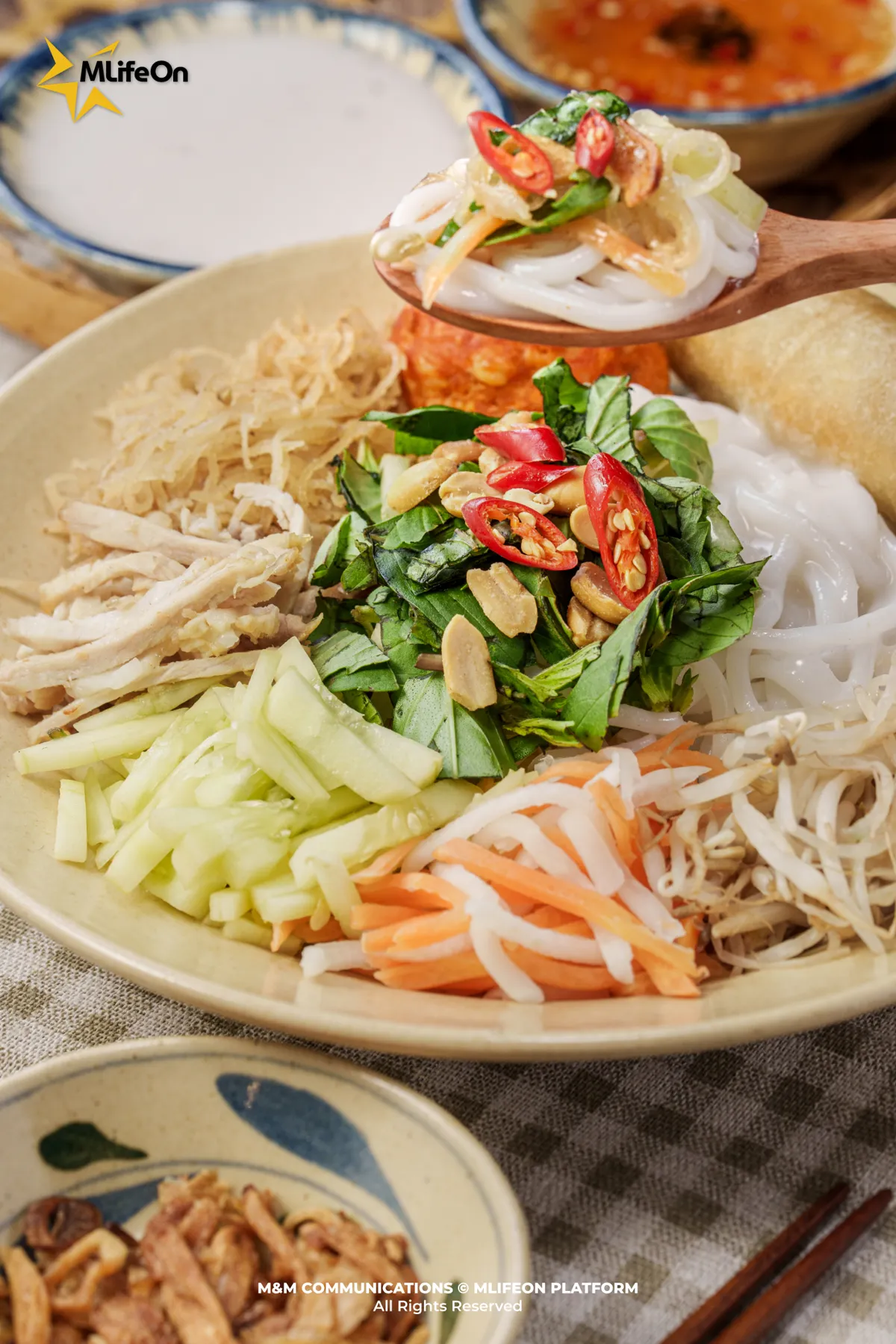
Banh tam bi introduces yet another intriguing combination of flavors. Thick, white banh tam noodles, soft and slightly chewy, are served with shredded pork skin, pork, fresh herbs, bean sprouts, and other accompaniments. But the ingredient that often surprises first-time diners is coconut milk.
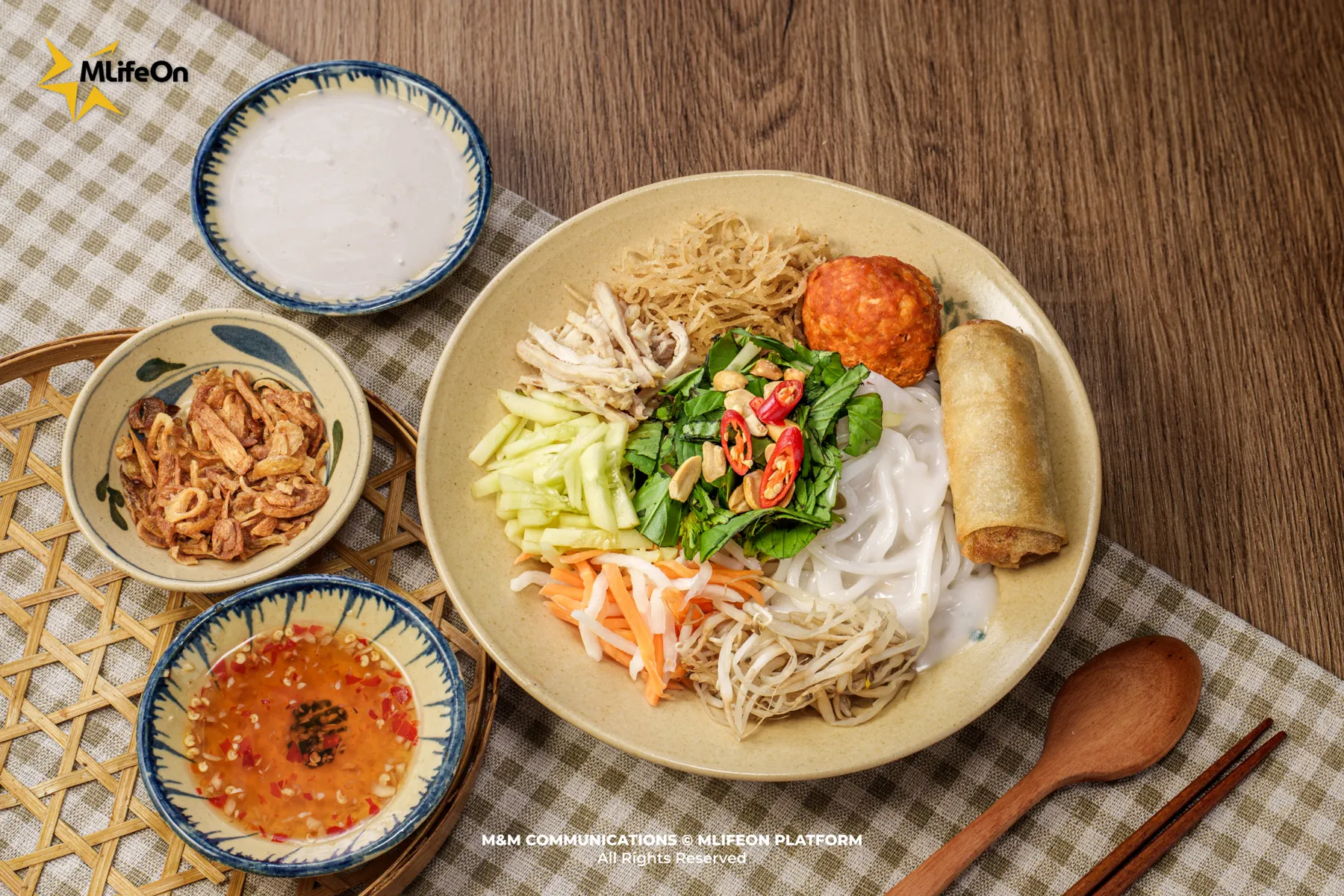
Adding sweet, creamy coconut milk to a savory dish may sound unusual at first. Yet when combined with shredded pork skin, fresh herbs, and fish sauce, these seemingly contrasting flavors complement one another remarkably well.
The first bite brings the softness of the noodles, followed by the slight crunch of the shredded pork skin, the freshness of the herbs, the richness of coconut milk, and finally the savory-sweet notes of fish sauce.
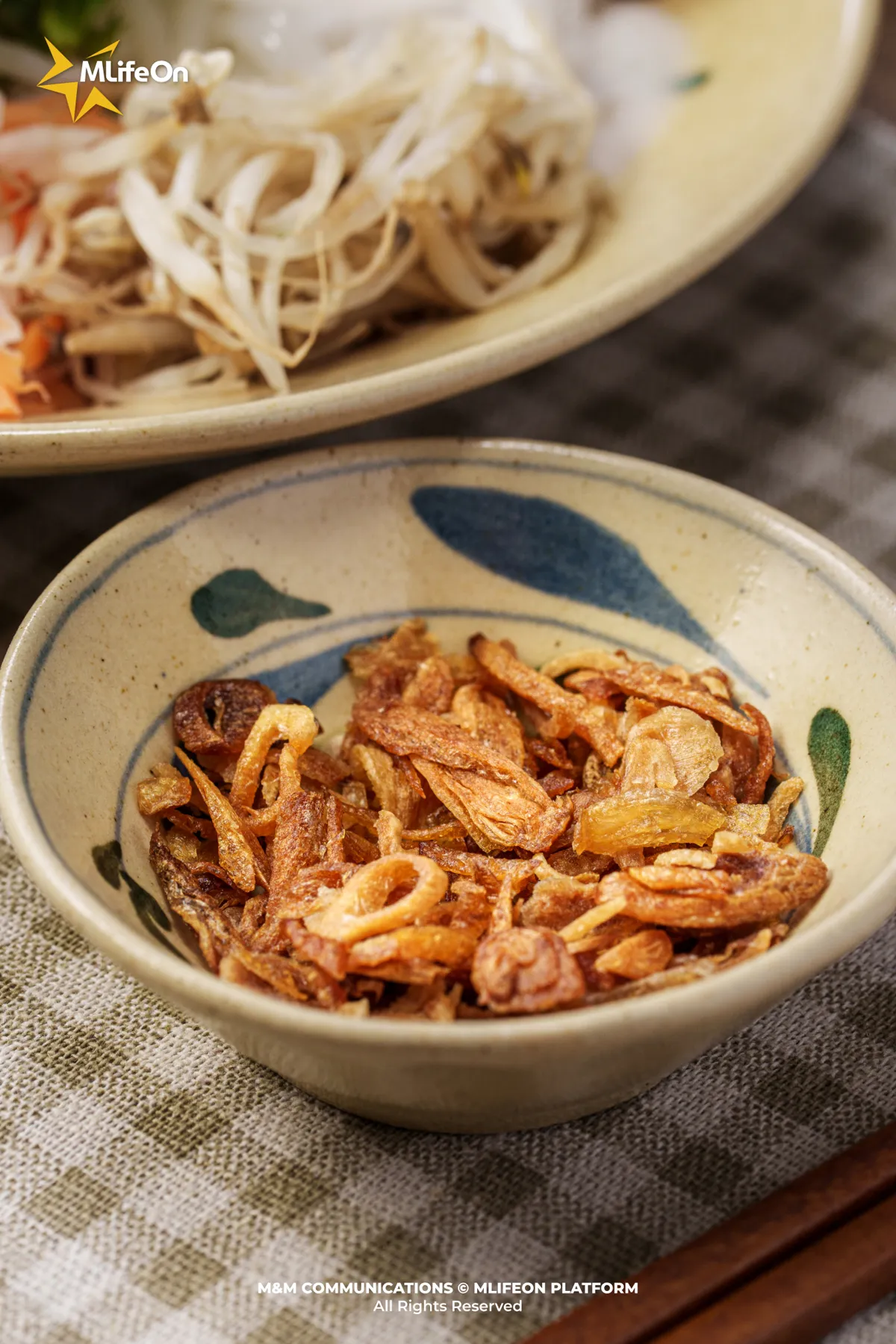
It is precisely this combination that makes banh tam bi difficult to confuse with any other dish. Its appearance may not be elaborate, but remove even a few of its familiar components and the entire experience changes.
This is also one of the fascinating characteristics of Southern Vietnamese cuisine: ingredients that may seem unrelated can come together to create an unexpectedly harmonious flavor.
Goi Cuon with shrimp and pork - Refreshing yet full of flavor
After the richness of bo kho, the smoky aroma of grilled pork in com tam, the sweet creaminess of Mekong Delta cakes, and the coconut milk in banh tam bi, shrimp and pork goi cuon, fresh spring rolls, bring a lighter rhythm to the meal.
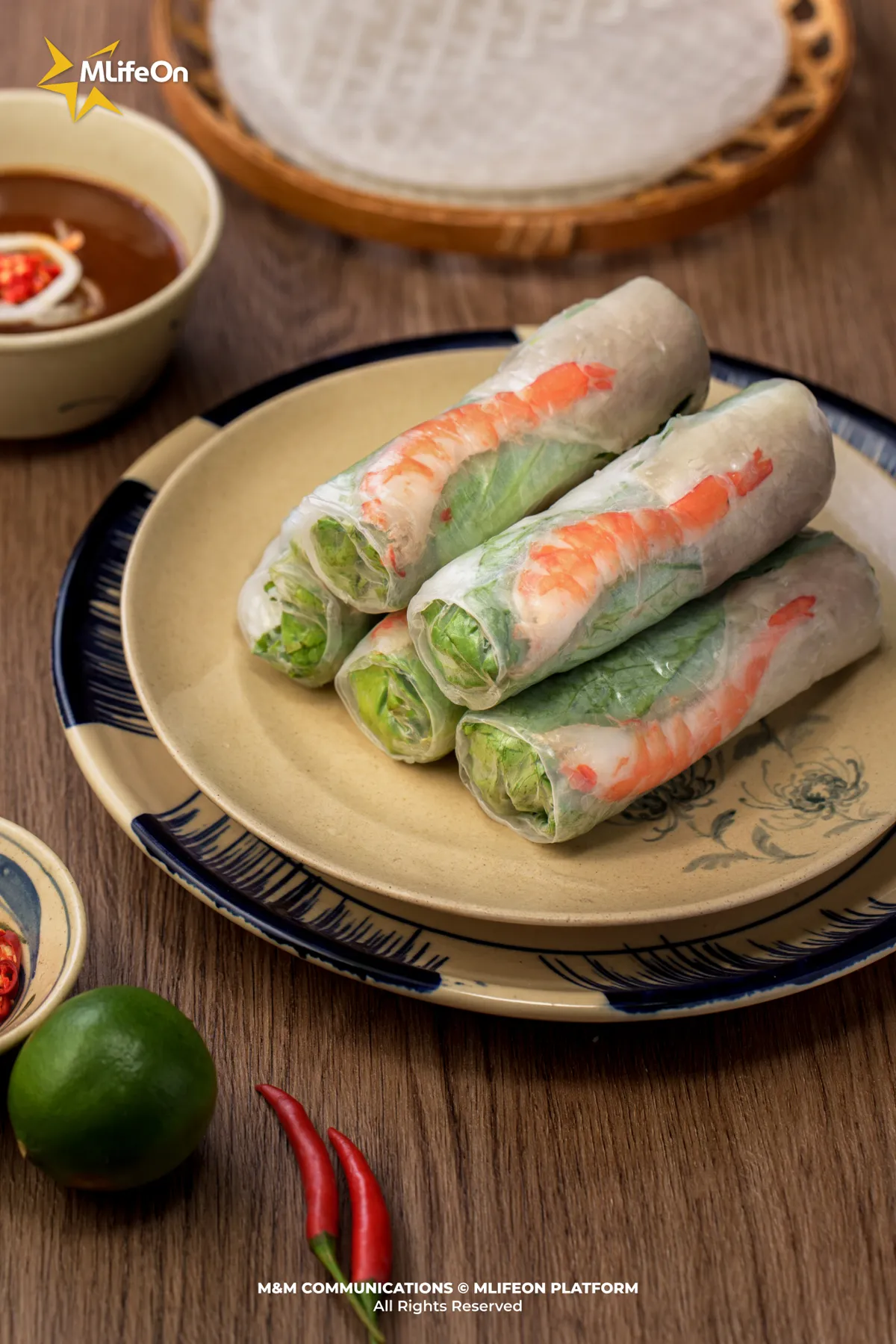
A fresh spring roll looks remarkably simple. A thin sheet of rice paper wraps around shrimp, pork, rice vermicelli, and fresh greens. The orange-red shrimp visible through the translucent rice paper make the rolls naturally attractive without the need for elaborate presentation.
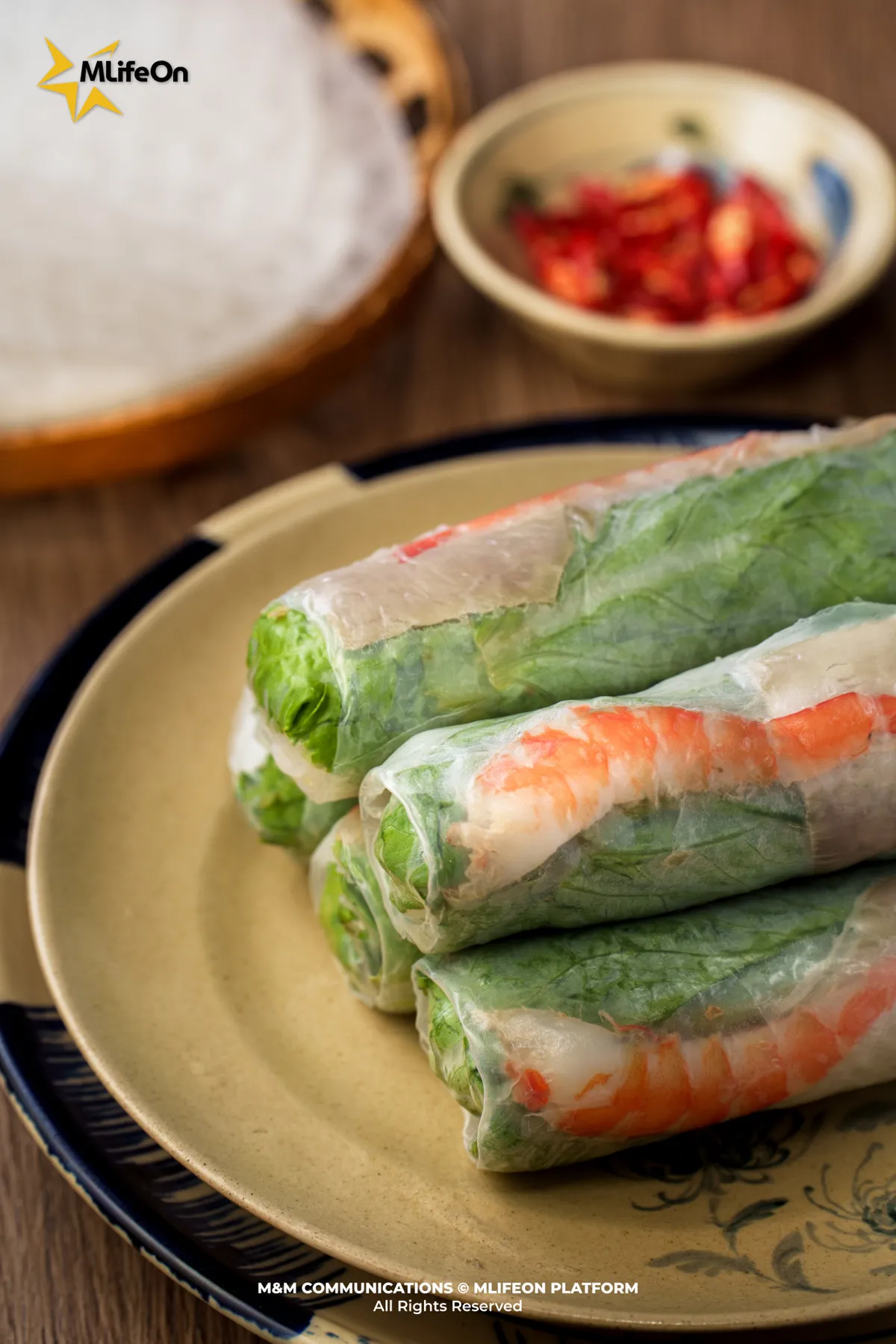
The appeal of goi cuon lies in the freshness of each ingredient. The vegetables retain their crispness, the shrimp offer a natural sweetness, the pork is tender, and the rice vermicelli makes each roll satisfying without feeling heavy. Everything is neatly wrapped into a roll that fits comfortably in the hand.
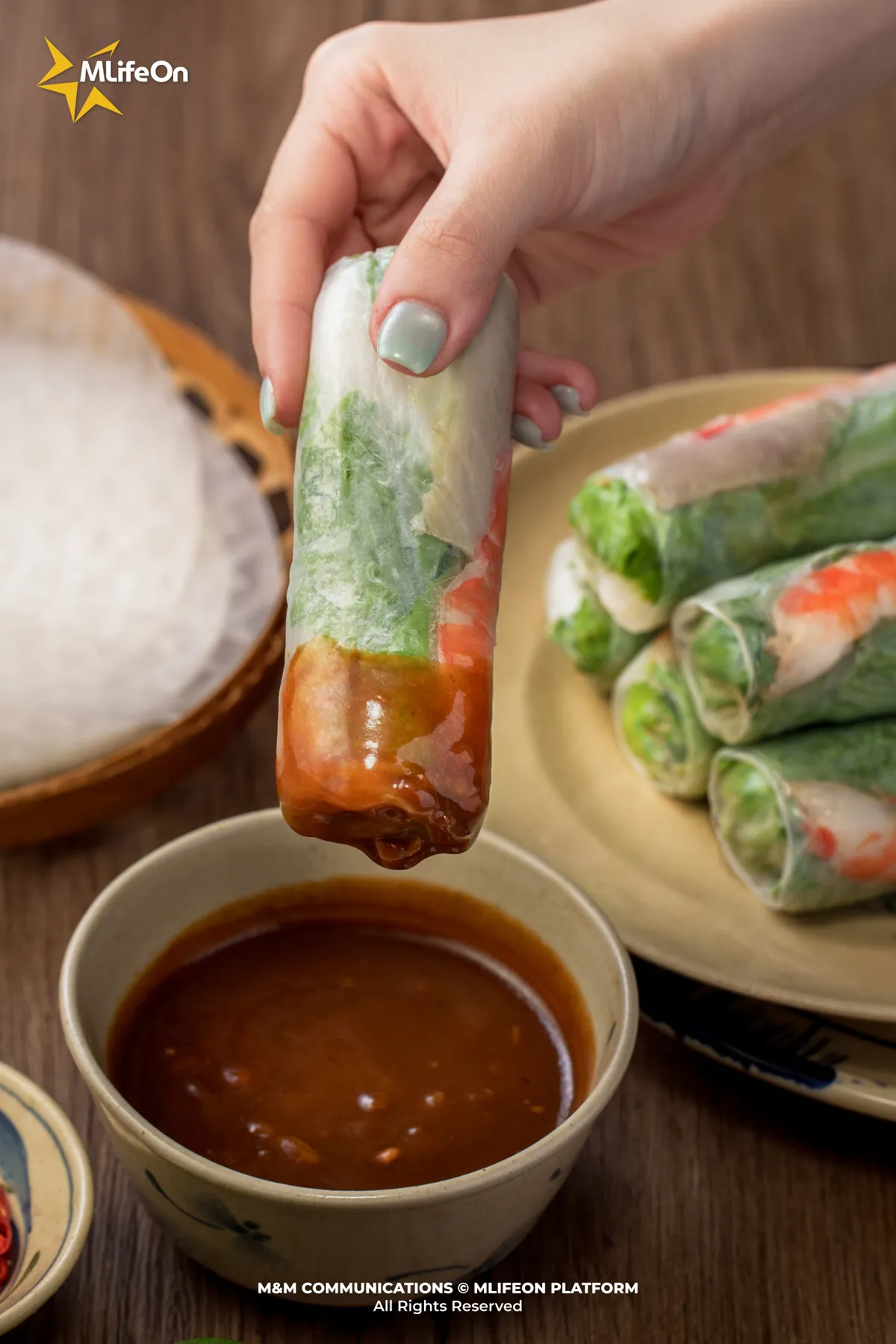
Yet goi cuon still needs a dipping sauce to complete its flavor. Depending on the family, restaurant, or individual preference, the sauce can take on different characteristics. Dip one end of the roll into the sauce and take a bite, and the refreshing vegetables, shrimp, and pork immediately gain another layer of savory richness.
There is no deep-frying, no long simmering process, and no need for an abundance of seasoning inside the roll itself. Yet goi cuon has a distinctive place of its own. It shows that even within a cuisine famous for bold and flavorful dishes, freshness and lightness are equally important parts of the Southern Vietnamese palate.
Different dishes, Different characters - Together creating the flavors of Southern Vietnam
Place these dishes side by side, and the remarkable diversity of Southern Vietnamese cuisine becomes clear.
On one side is a pot of bo kho, slowly simmered until the beef becomes tender and the spices penetrate deeply. On another is a humble yet generous plate of com tam, complete with grilled pork, shredded pork skin, steamed egg cake, scallion oil, and fish sauce.
Travel farther into the Mekong Delta and you encounter a colorful platter of cakes made from bananas, cassava, coconut, rice, and palm sugar. Then there is banh tam bi, with its distinctive combination of savory, sweet, and creamy flavors, while a small goi cuon brings the palate back to the refreshing taste of fresh herbs, shrimp, and pork.
No two dishes are alike, and it would be difficult to choose a single flavor to represent them all. That is precisely what makes Southern Vietnamese cuisine so fascinating. Its diversity lies not only in the sheer number of dishes, but also in the ways ingredients are used, seasoned, prepared, and combined to create remarkably different flavor profiles.
There is richness and intensity, sweetness and creaminess, rustic simplicity and refreshing lightness. Each dish brings its own character, and together they form a colorful, harmonious symphony of Southern Vietnamese cuisine.
Conclusion
Bo kho, com tam, traditional Mekong Delta cakes, banh tam bi, and goi cuon each carry their own flavors and stories. When placed together, these seemingly different dishes reveal the remarkable diversity and versatility of Southern Vietnamese cuisine. Perhaps it is this combination of variety and familiarity that gives the flavors of Southern Vietnam such a distinctive and lasting place in the hearts of those who experience them.
—---------
CREDITS:
- Photographer: Trang Trung Kien
- Creative Stylist: Phuong Nguyen
- Content: Hoài Hà
- Design: Phuong Nguyen