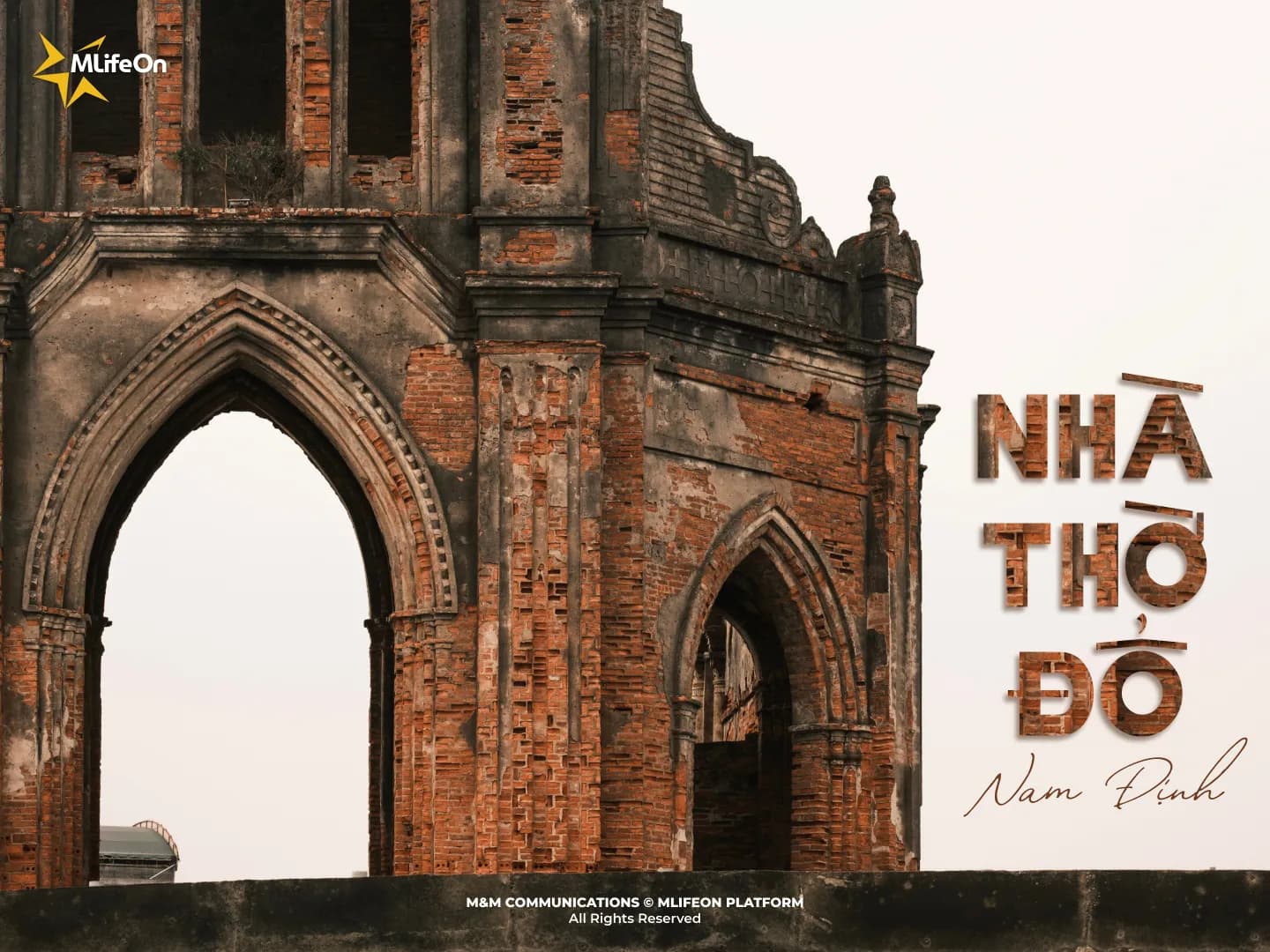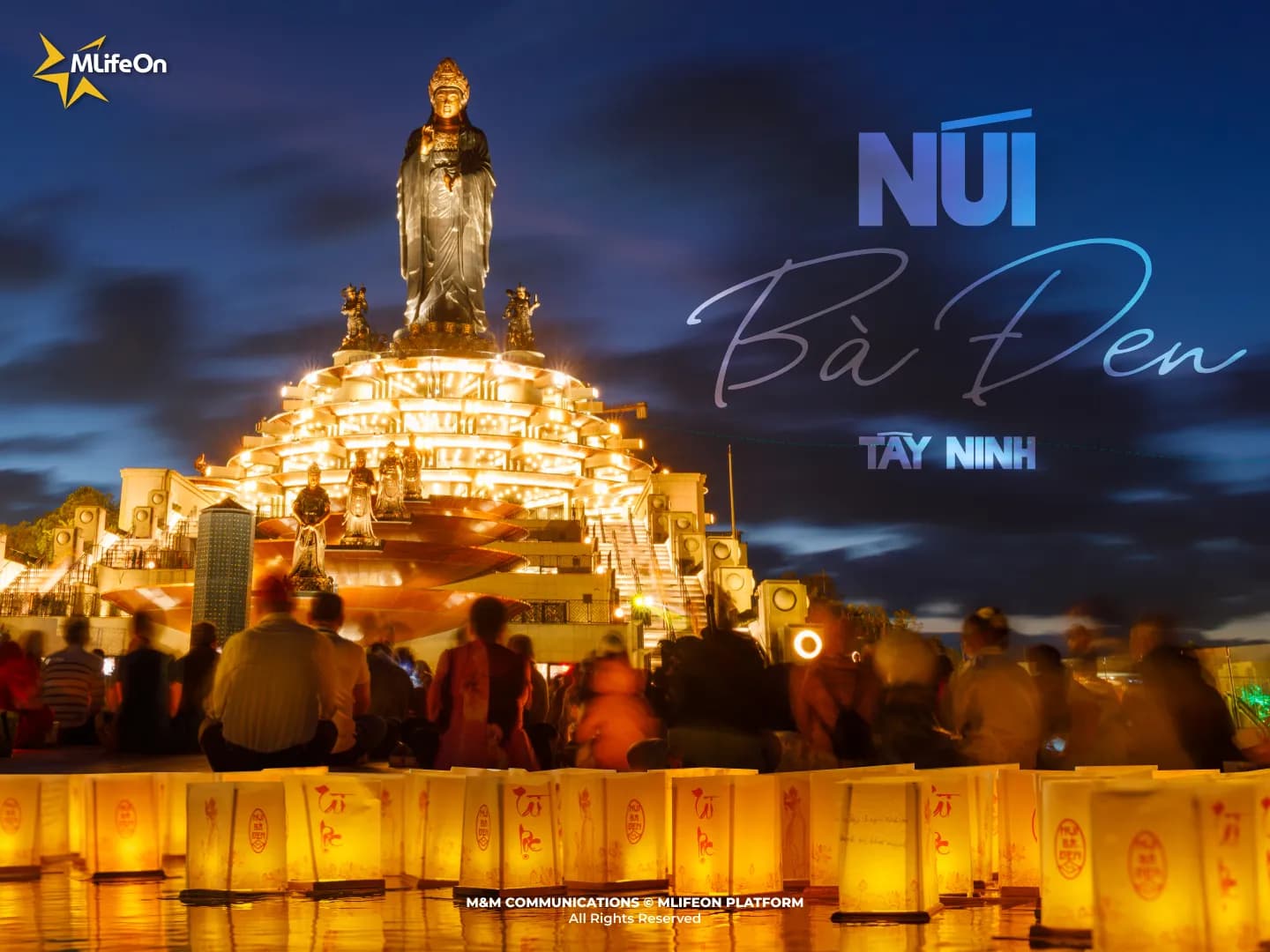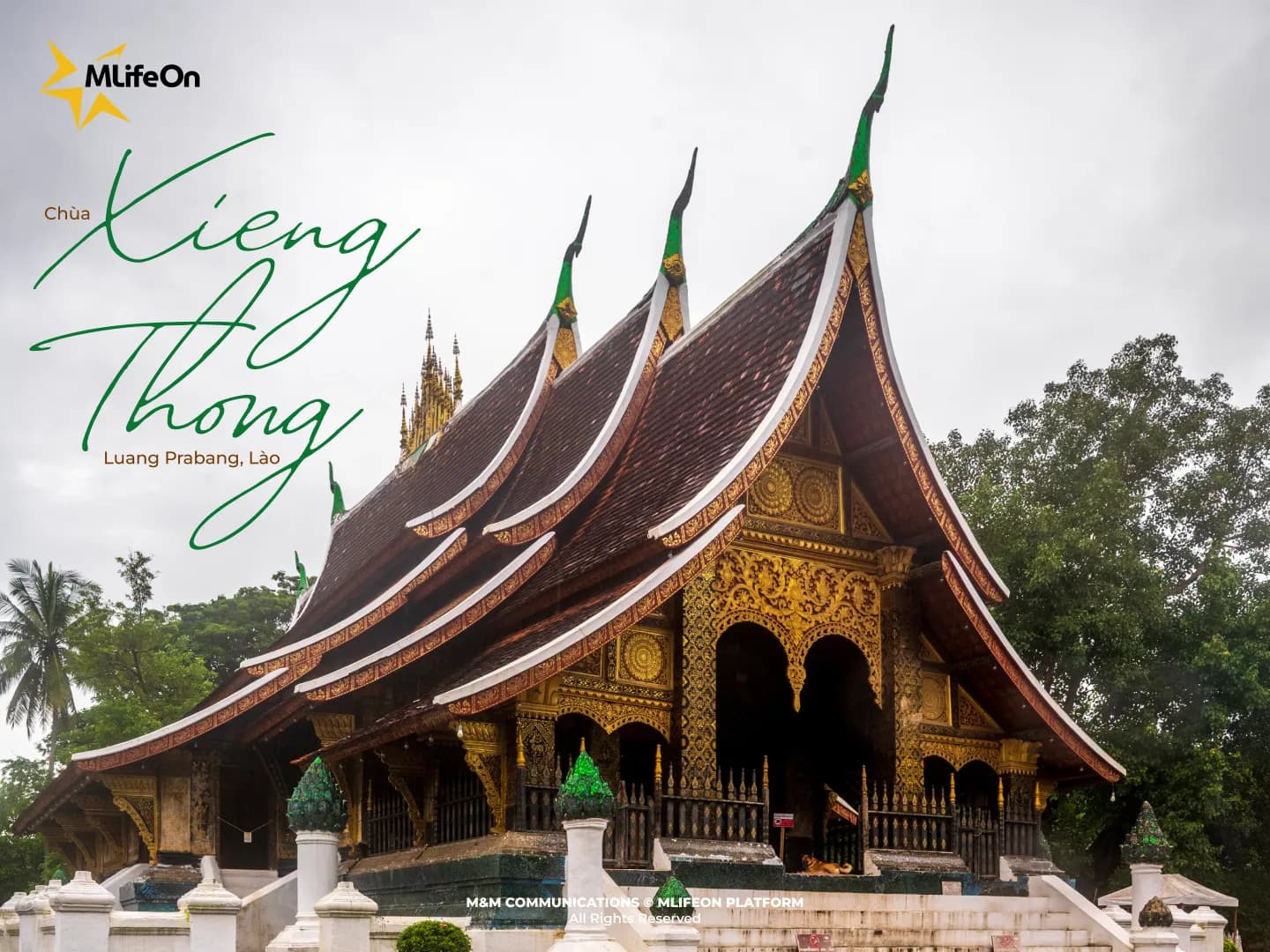
Temples in northern Vietnam have long been part of Vietnamese spiritual life
In the cultural life of Vietnam, especially in the North, temples have long been an integral presence. More than places of Buddhist worship, they are shared spaces where people come to entrust their hopes, pray for peace, and rediscover a quiet inner balance.
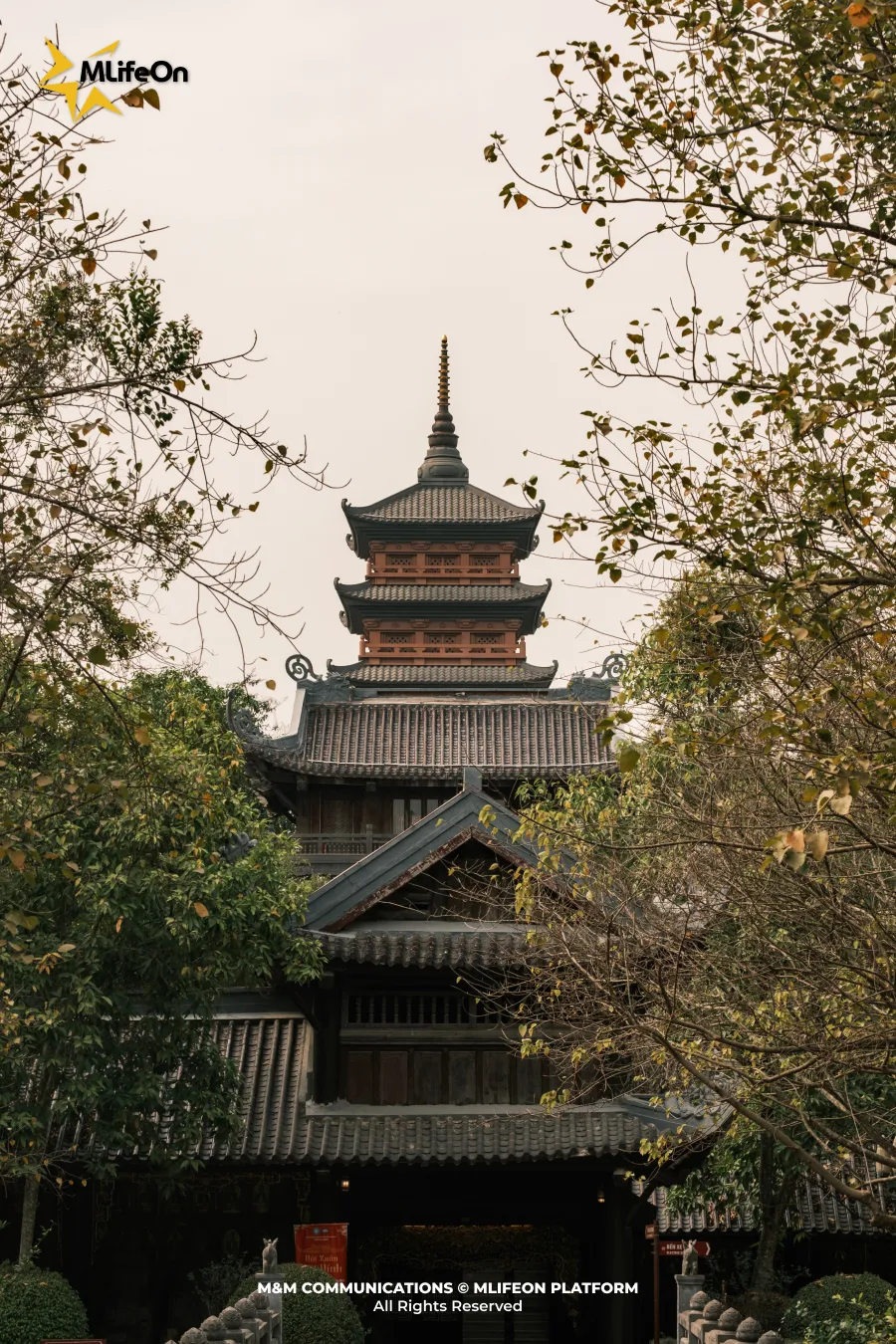
Many temples were built hundreds of years ago, located in villages, along mountain slopes, or beside rivers. Over time, these temples have become familiar landmarks in local communities. On festival days, full-moon days, or at the beginning of the year, people often visit temples to offer incense and pray for health, good fortune, and peace for their families.
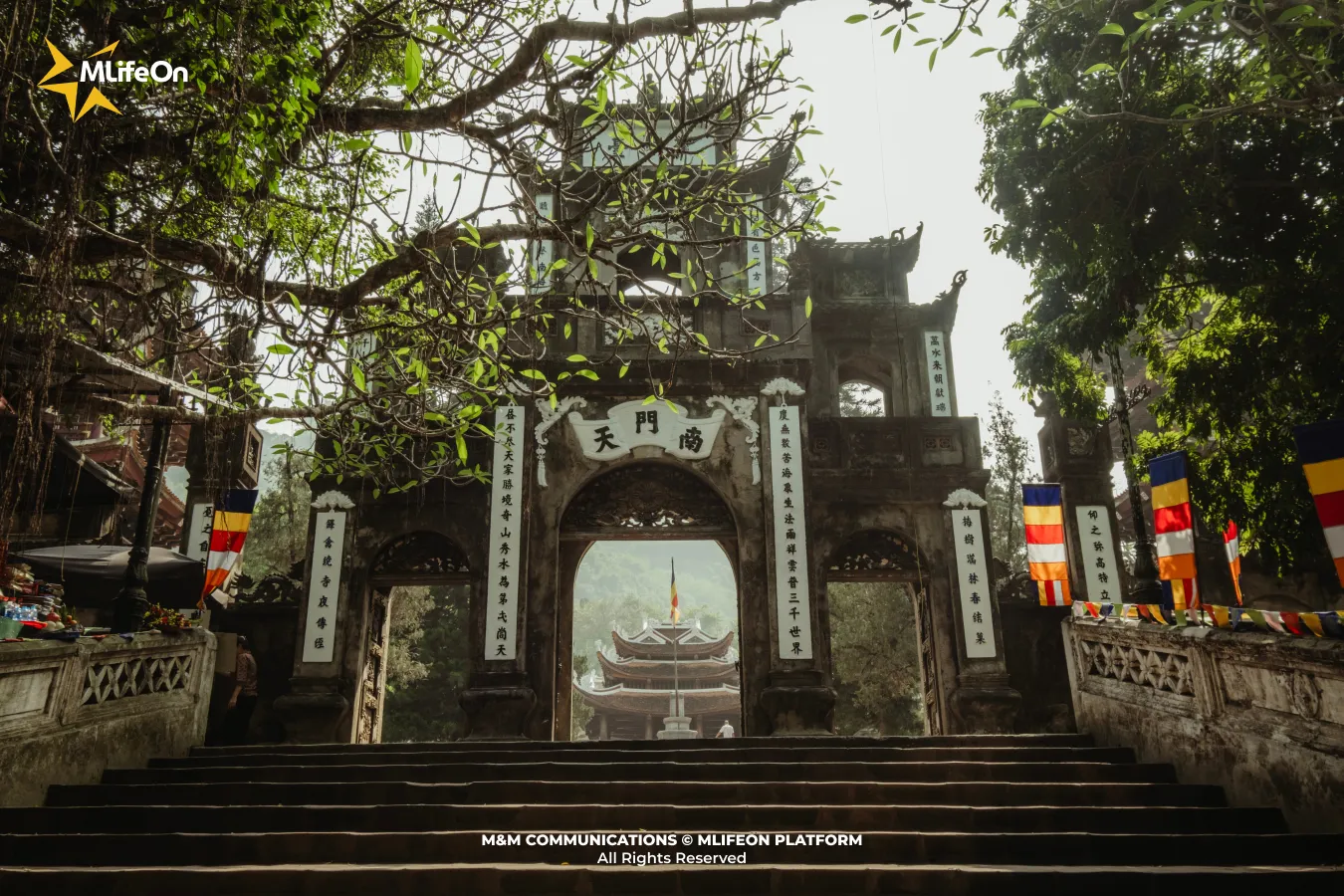
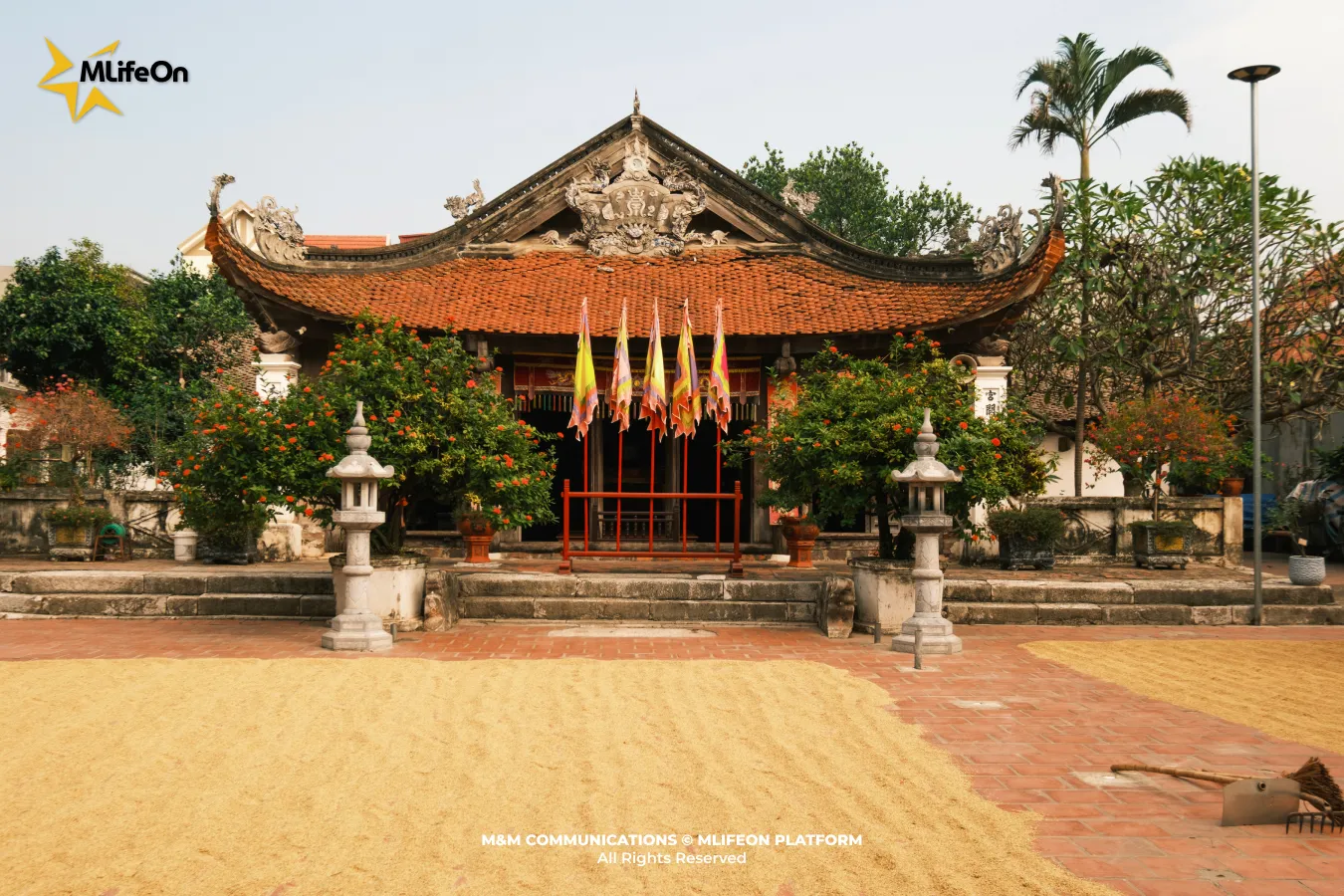
Through this long-standing bond, temples in Northern Vietnam have become more than places of worship; they stand as living symbols of cultural heritage and shared memory.
Ancient temples reflecting traditional architecture
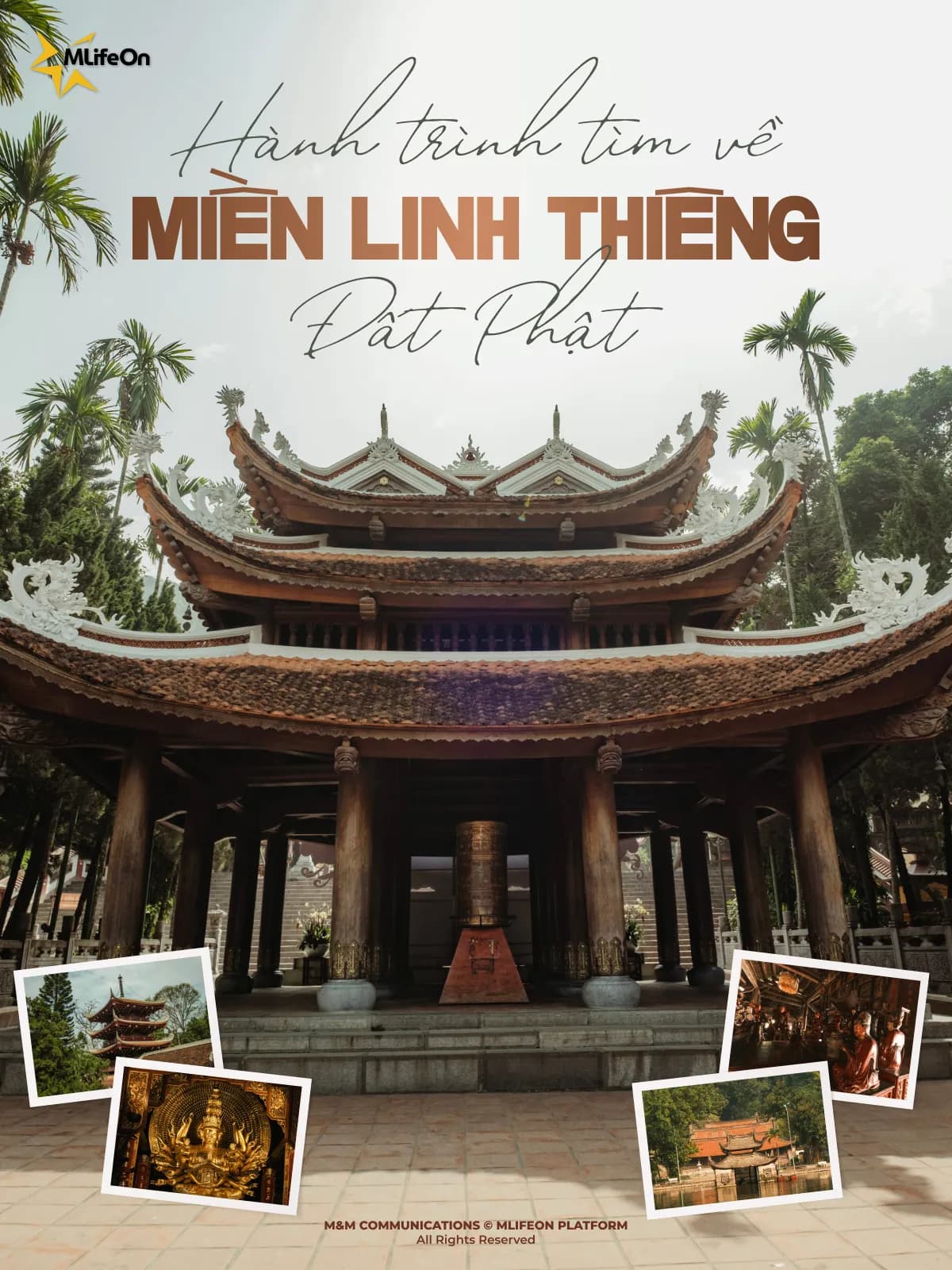
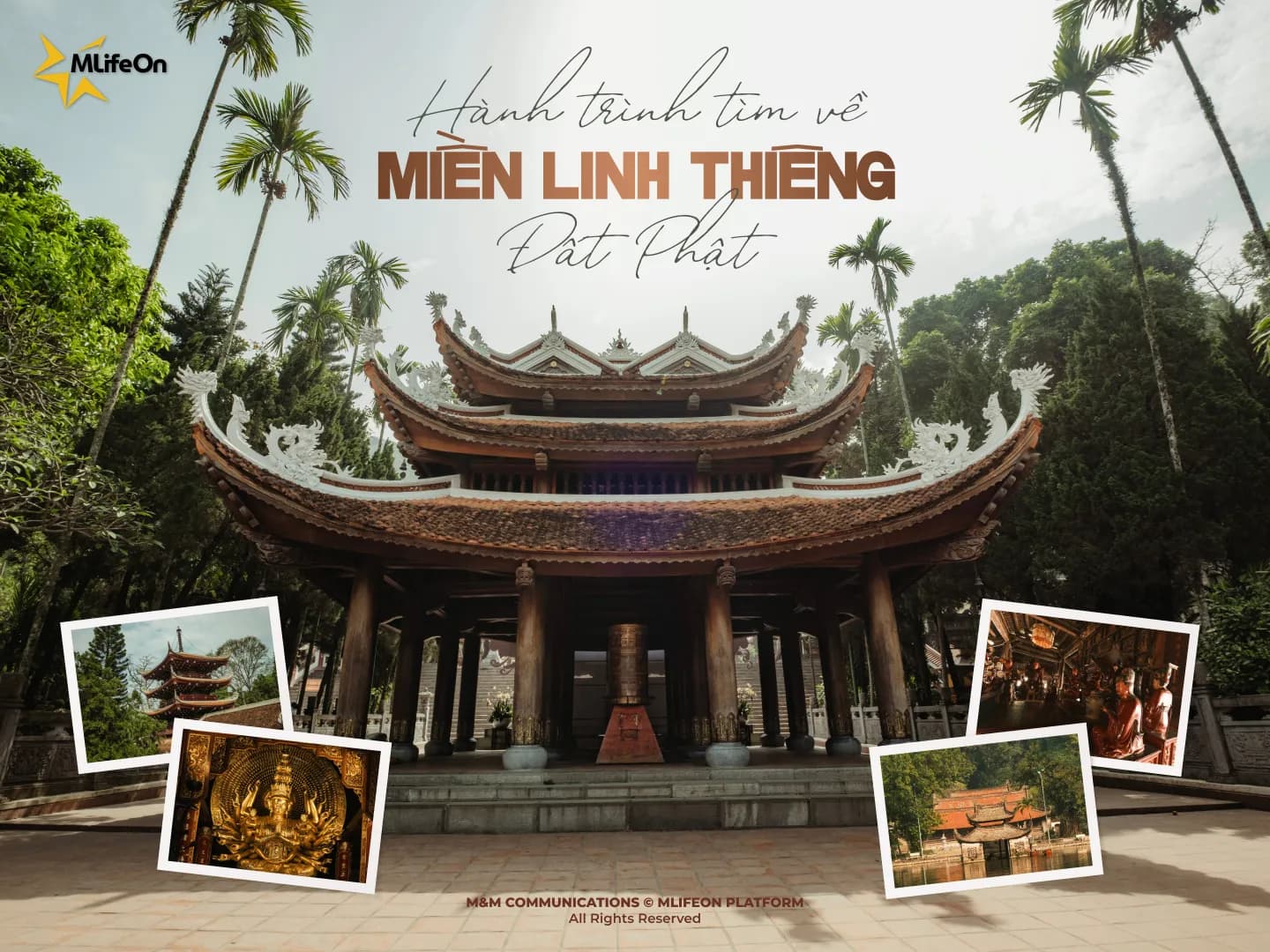
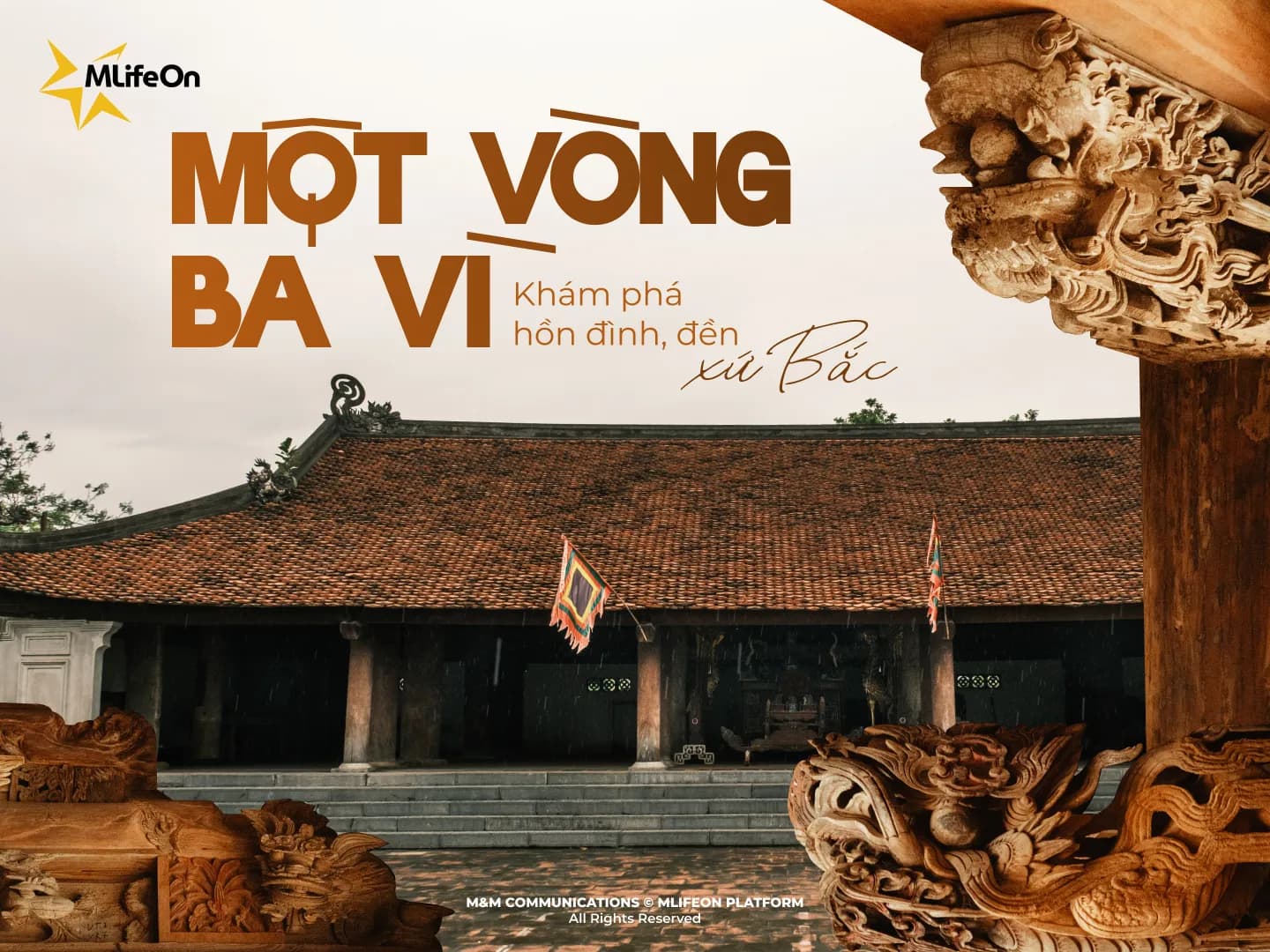
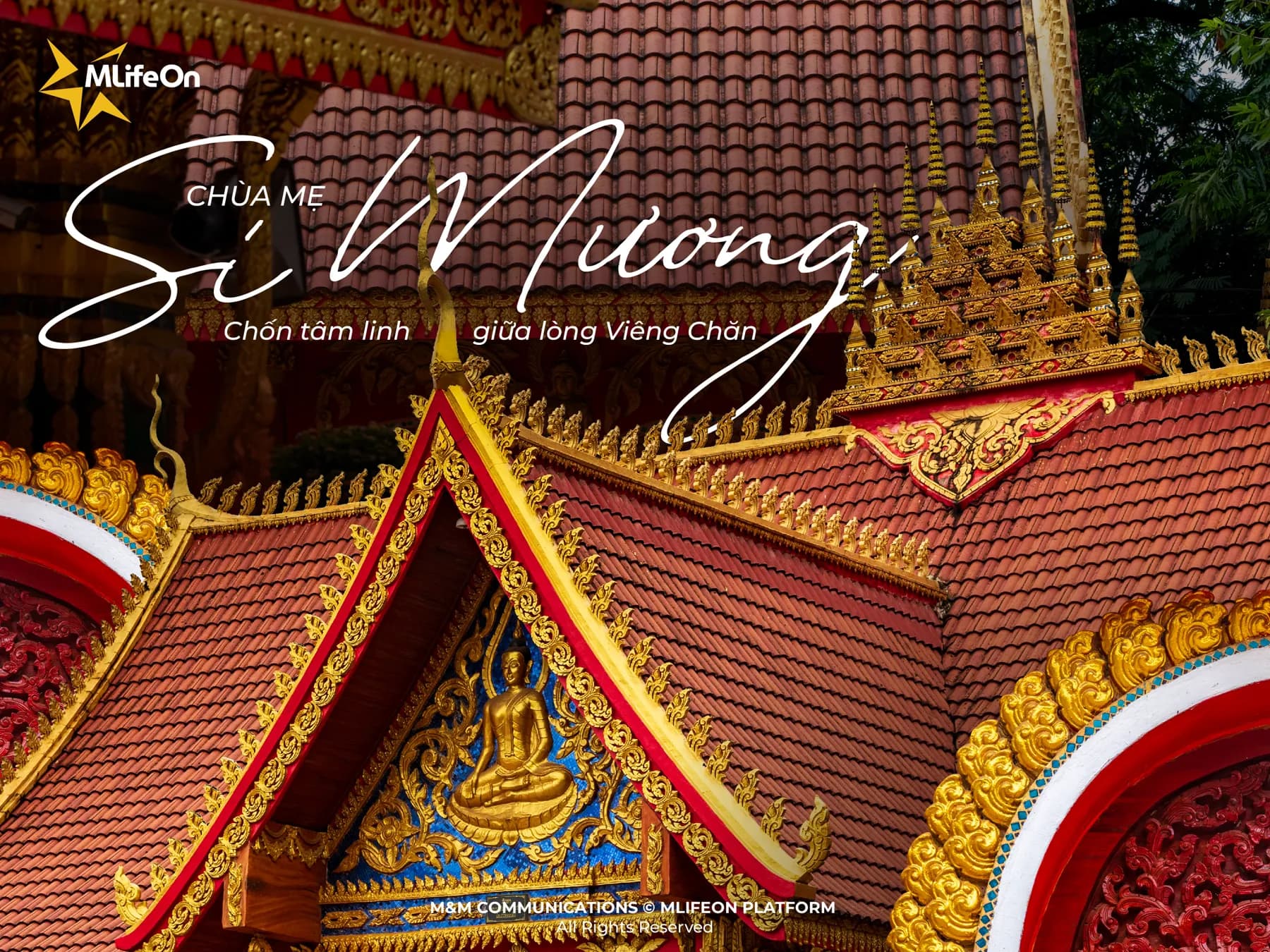
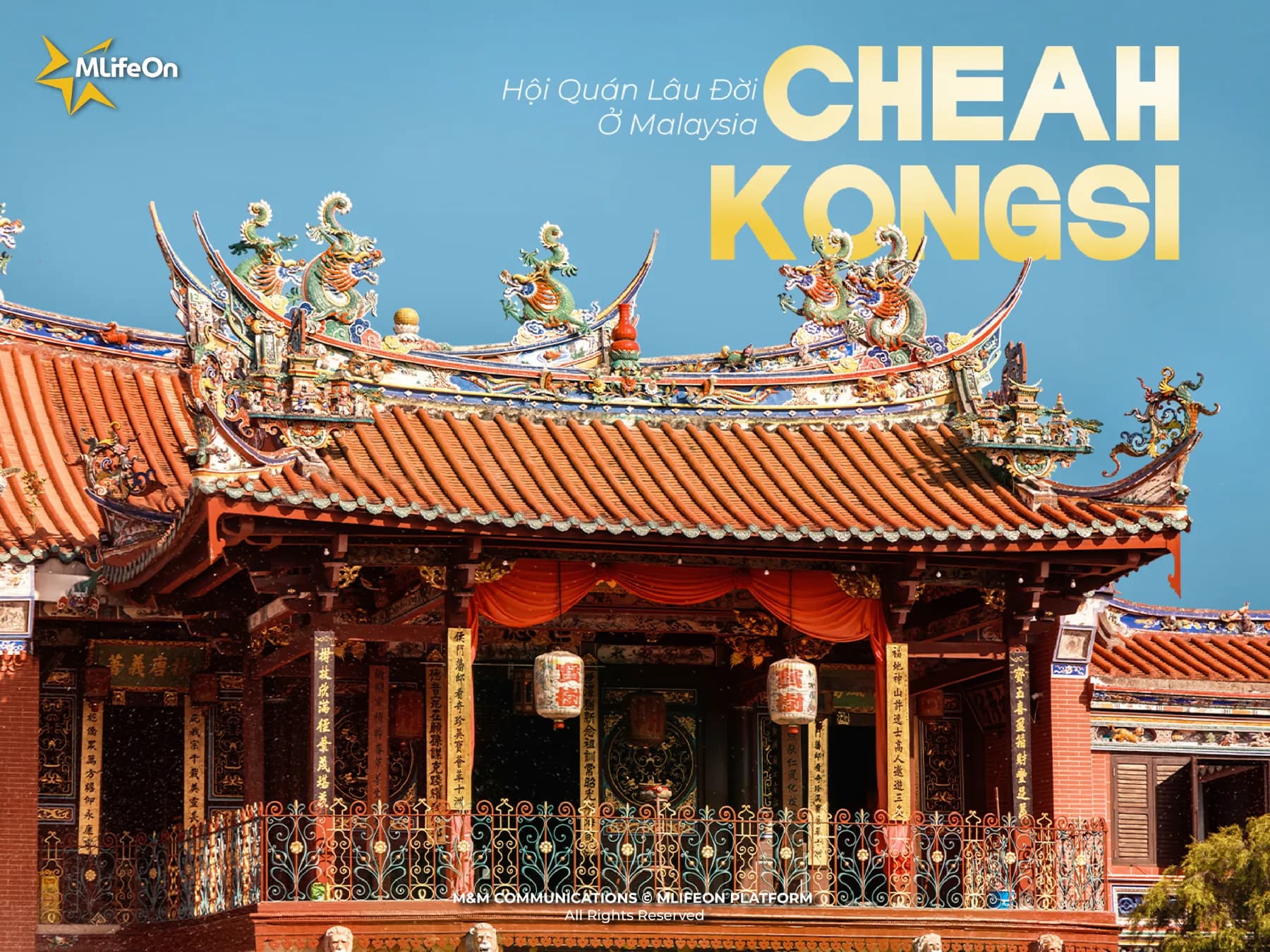
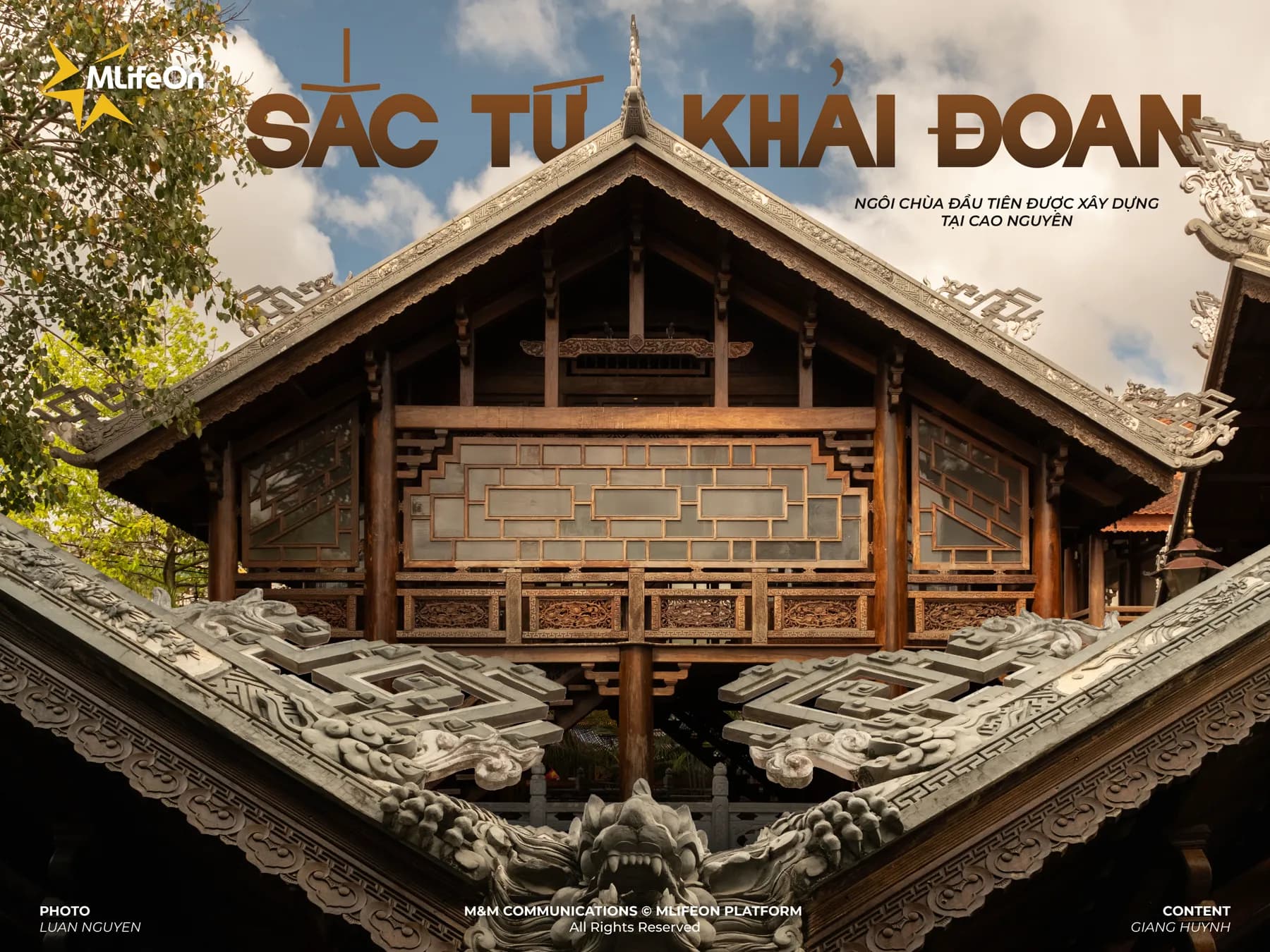
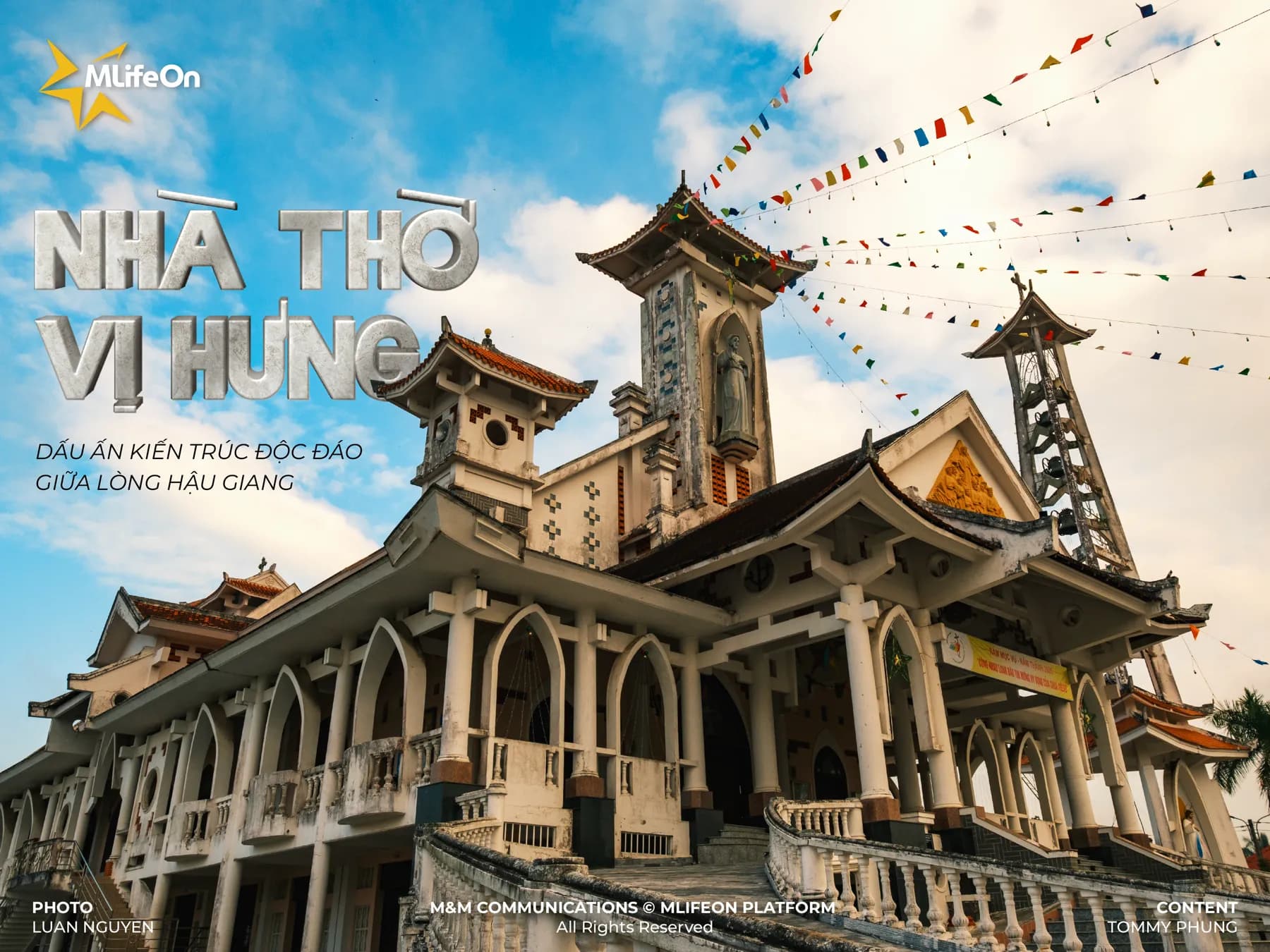
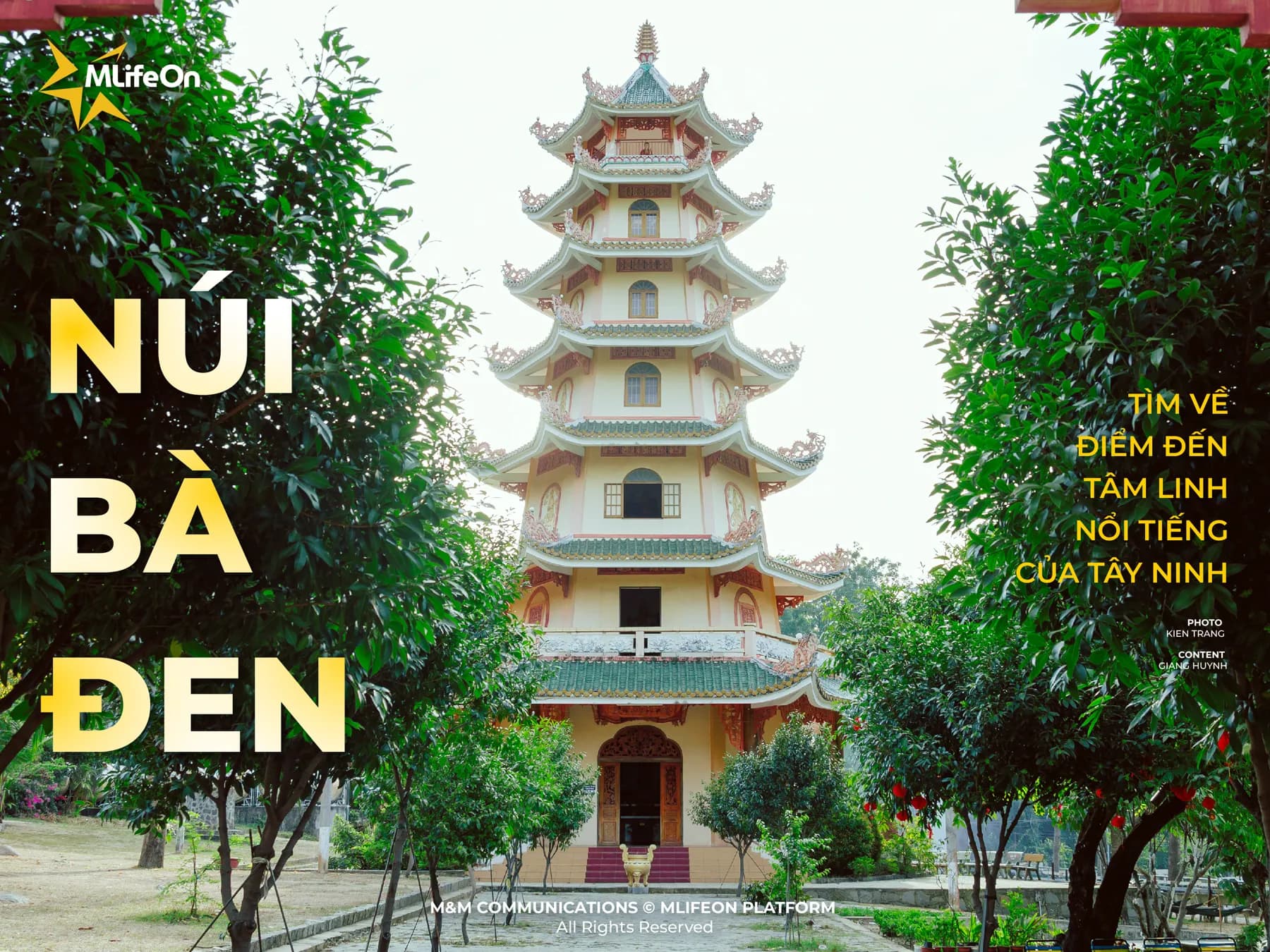
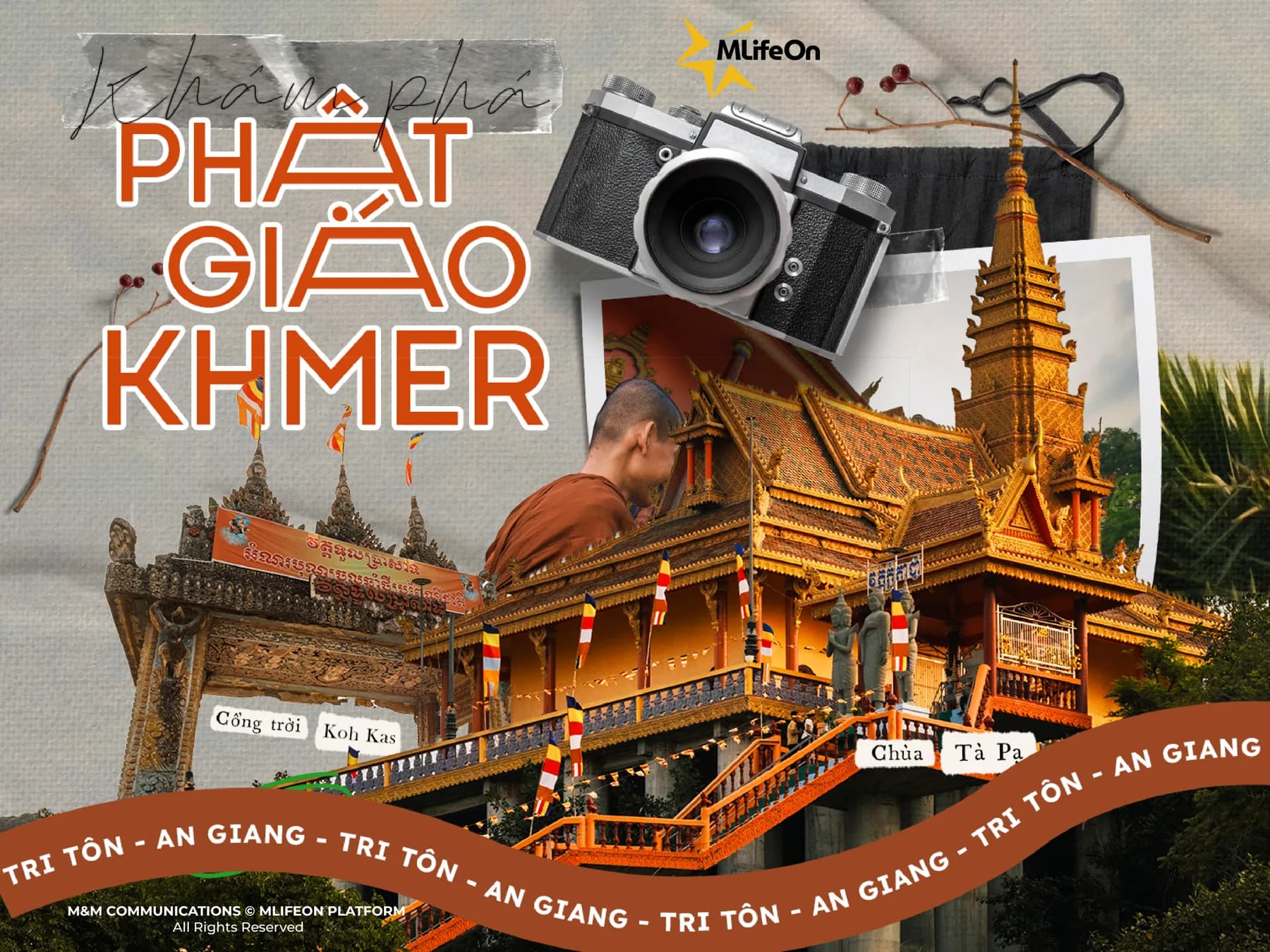
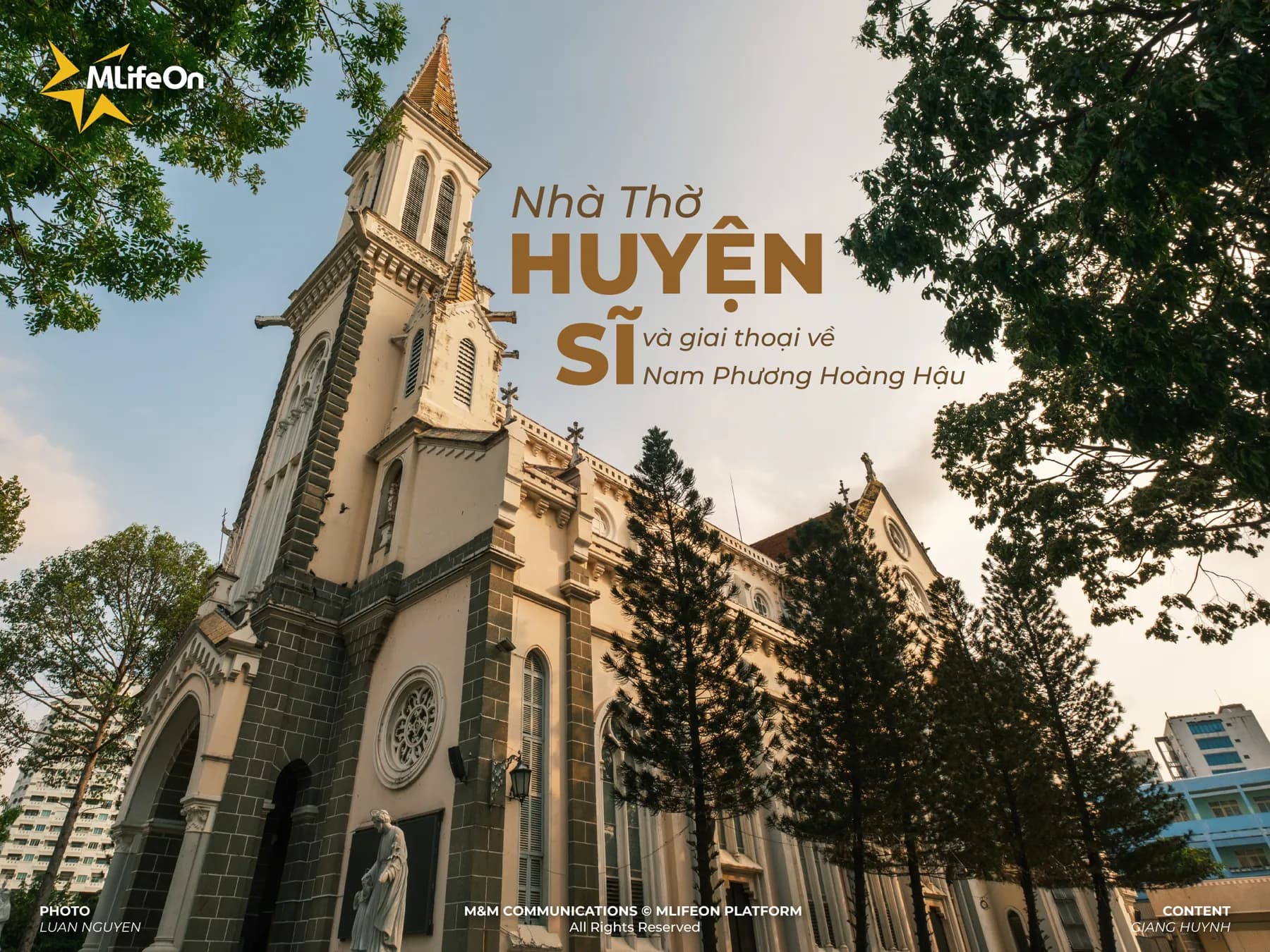
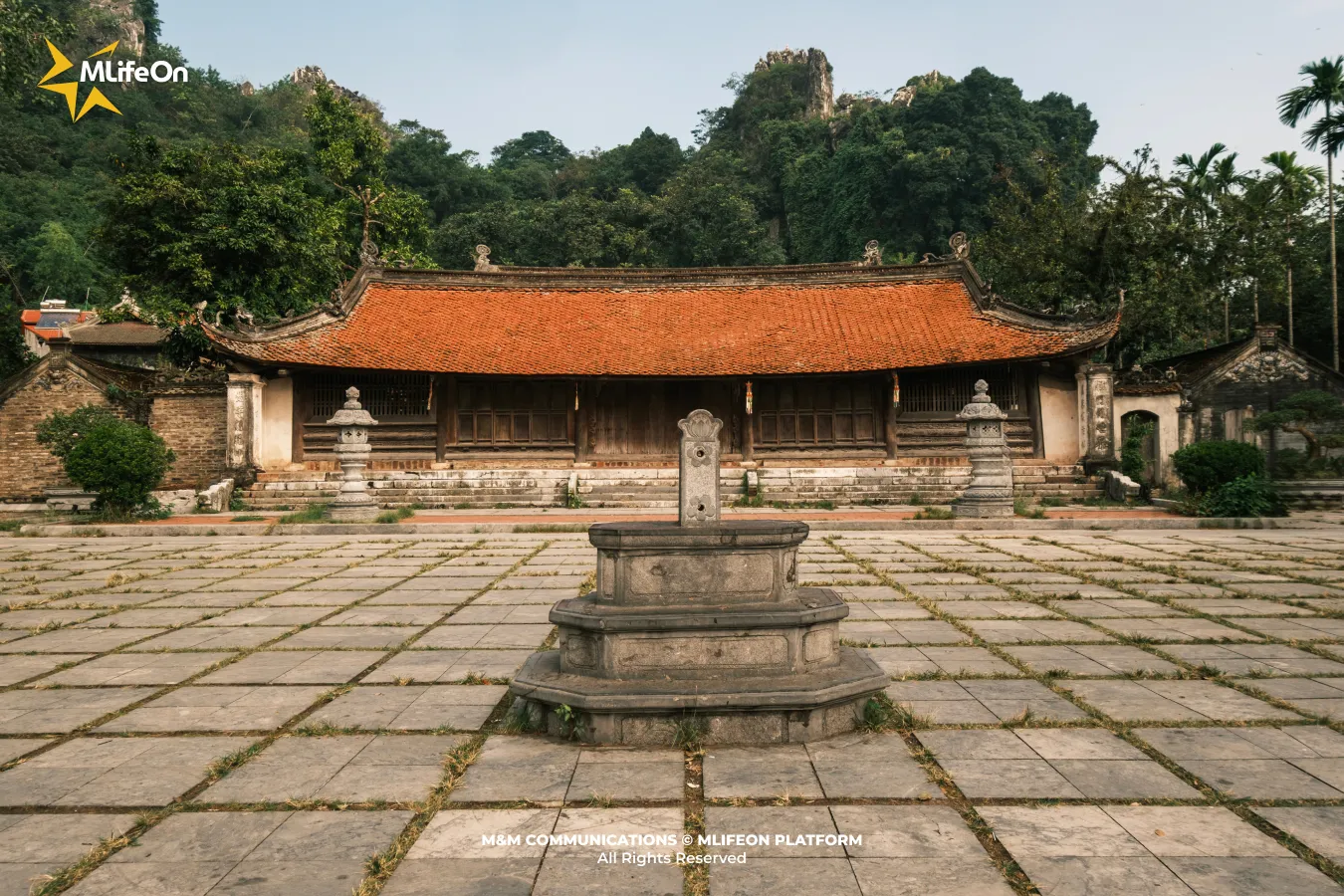
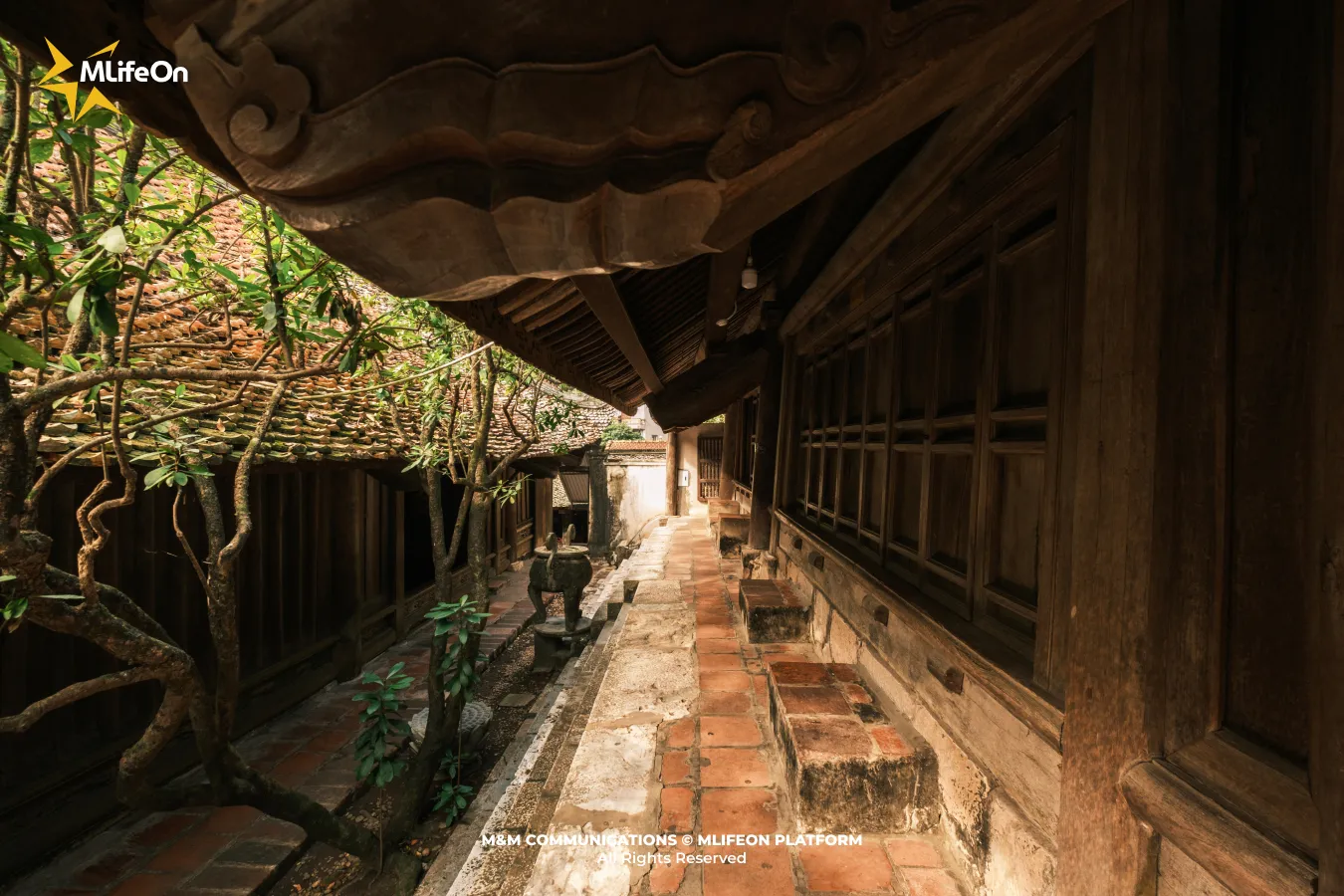
Temple architecture in Northern Vietnam often carries an ancient and contemplative character, clearly reflecting traditional Vietnamese craftsmanship. Most temples are constructed from wood, with curved tiled roofs and a familiar layout that includes the three-entrance gate, temple courtyard, and main sanctuary.
Carvings on wooden pillars, roof edges, and decorative ridges often feature dragons, phoenixes, or traditional motifs, demonstrating the remarkable skills of craftsmen from the past. Despite many restorations over the years, many temples have preserved their distinctive historical charm.
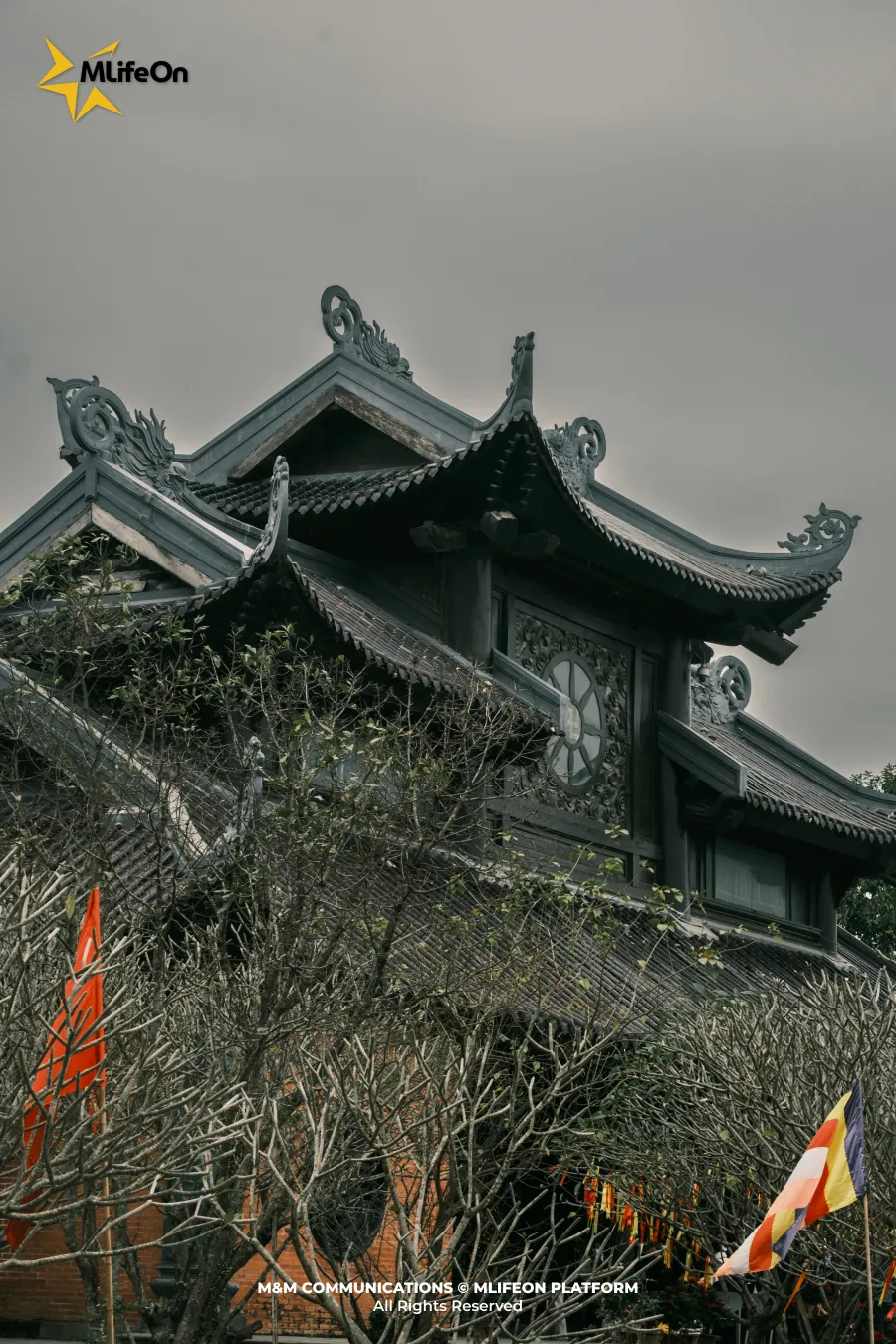
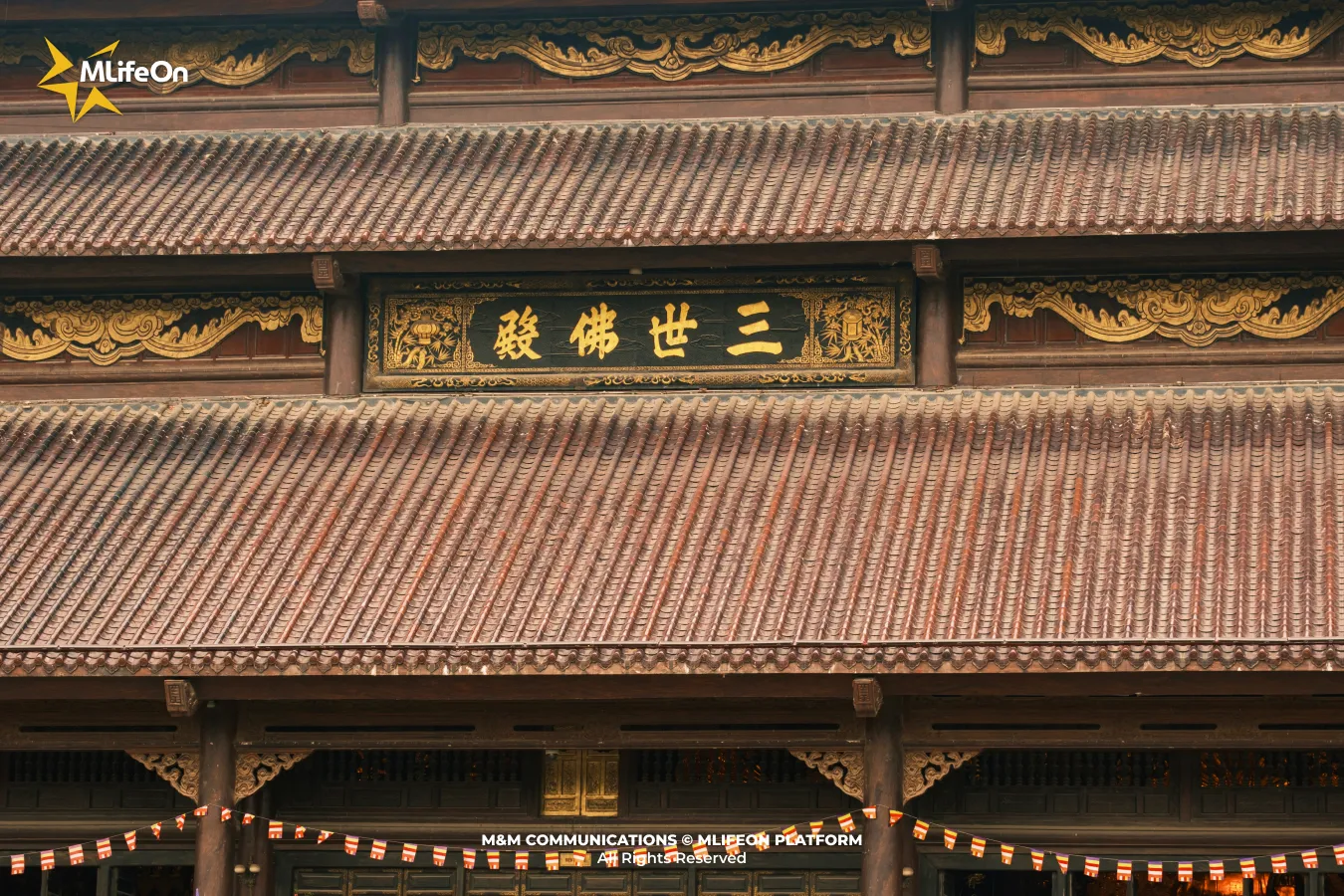
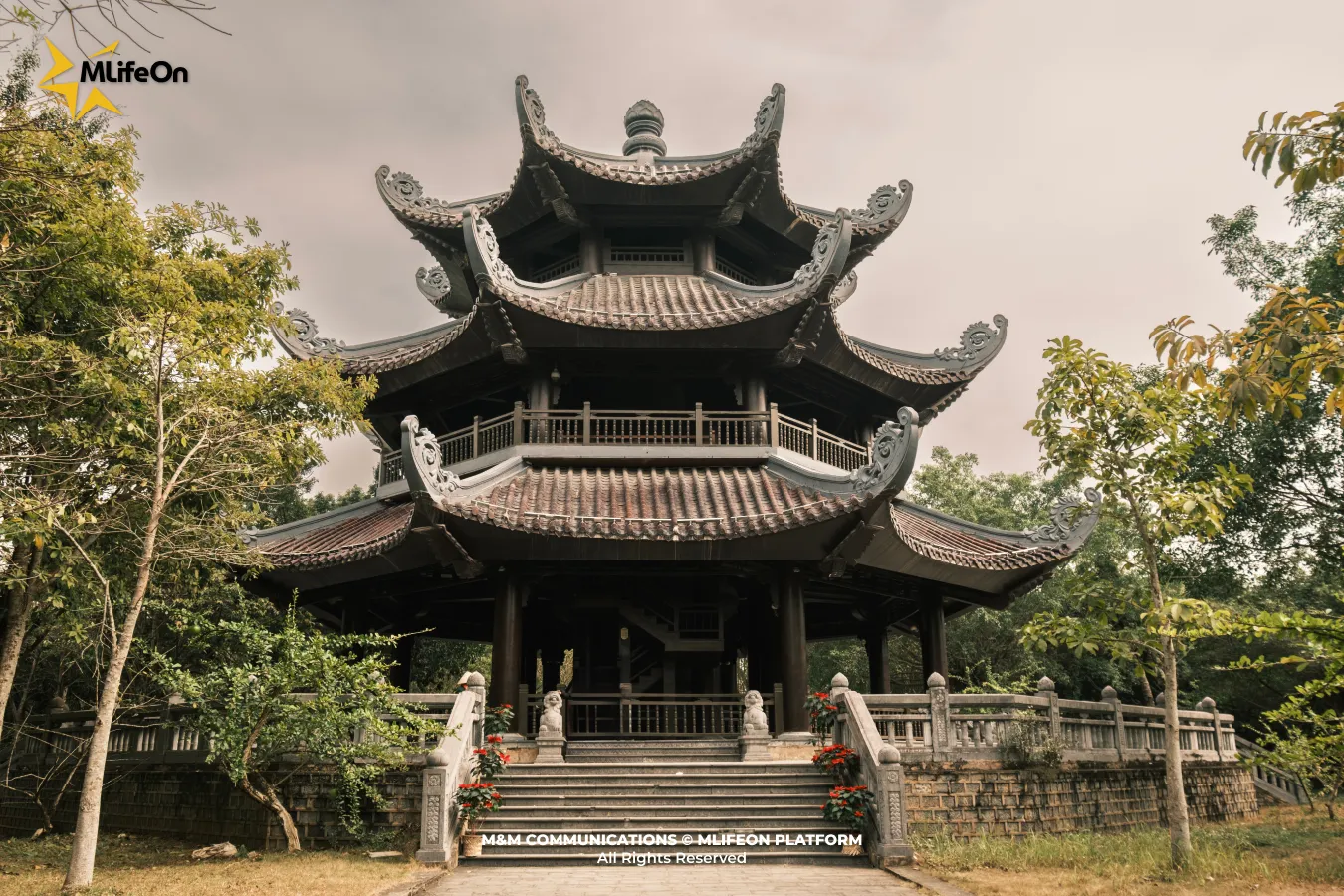
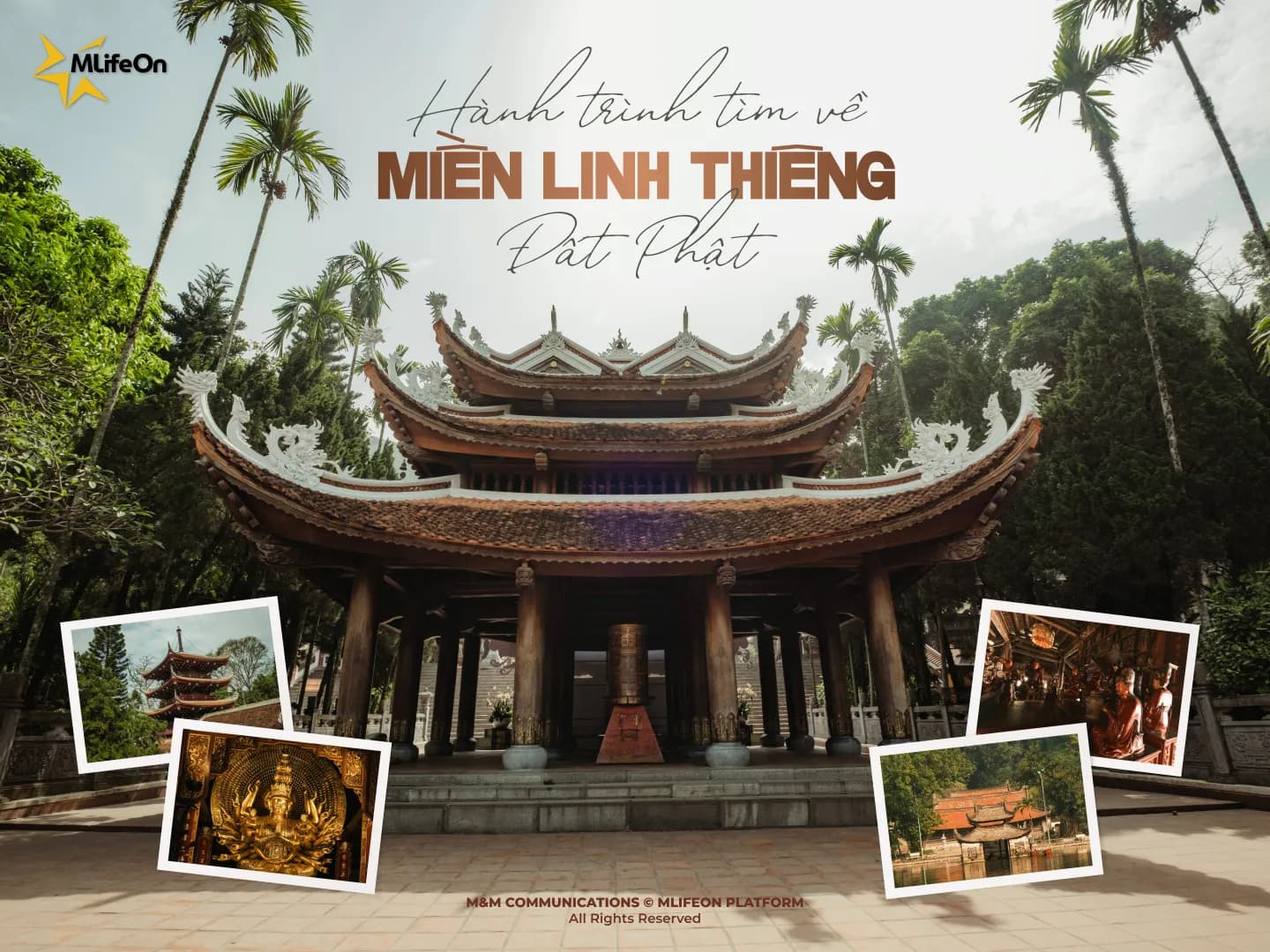
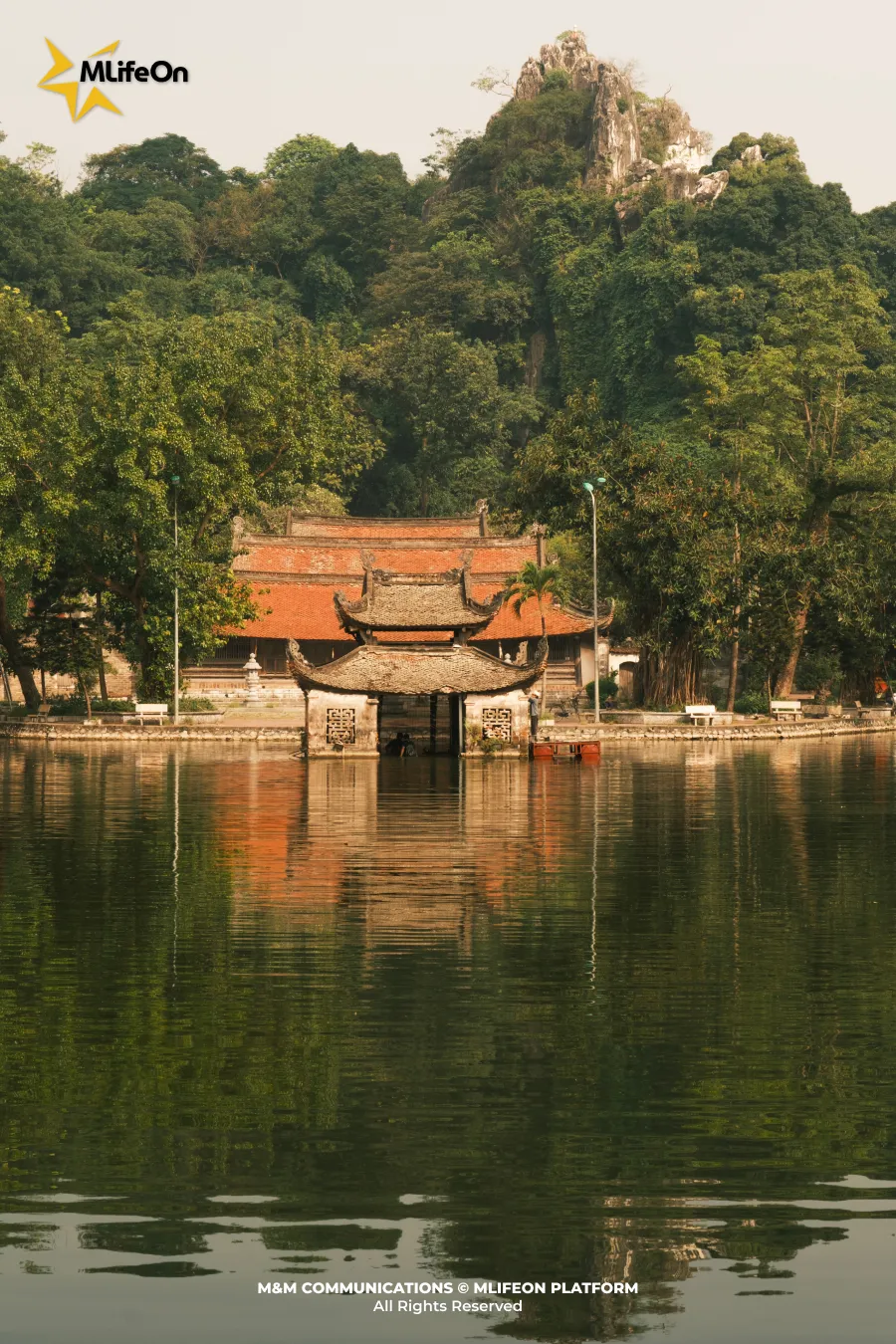
Thay Pagoda is a typical example of traditional Northern temple architecture. Located at the foot of Sai Son Mountain, the temple stands out with a large lake in front and a water pavilion in the middle, once used for traditional water puppet performances. Meanwhile, Bai Dinh Pagoda represents a grander scale, with a vast complex of structures nestled among the limestone mountains of Ninh Binh, creating a space that is both solemn and impressive.
Northern temples are closely linked to history and legendary stories
Many temples in Northern Vietnam are associated with historical figures, Buddhist monks, or folk stories passed down through generations. These stories not only deepen the spiritual significance of the temples but also preserve part of the historical memory of each region.
Thay Pagoda, for instance, is closely connected with Zen Master Tu Dao Hanh, a well-known figure in the history of Vietnamese Buddhism. According to legend, he was not only a respected monk but also someone who made significant contributions to folk culture, particularly the traditional art of water puppetry.
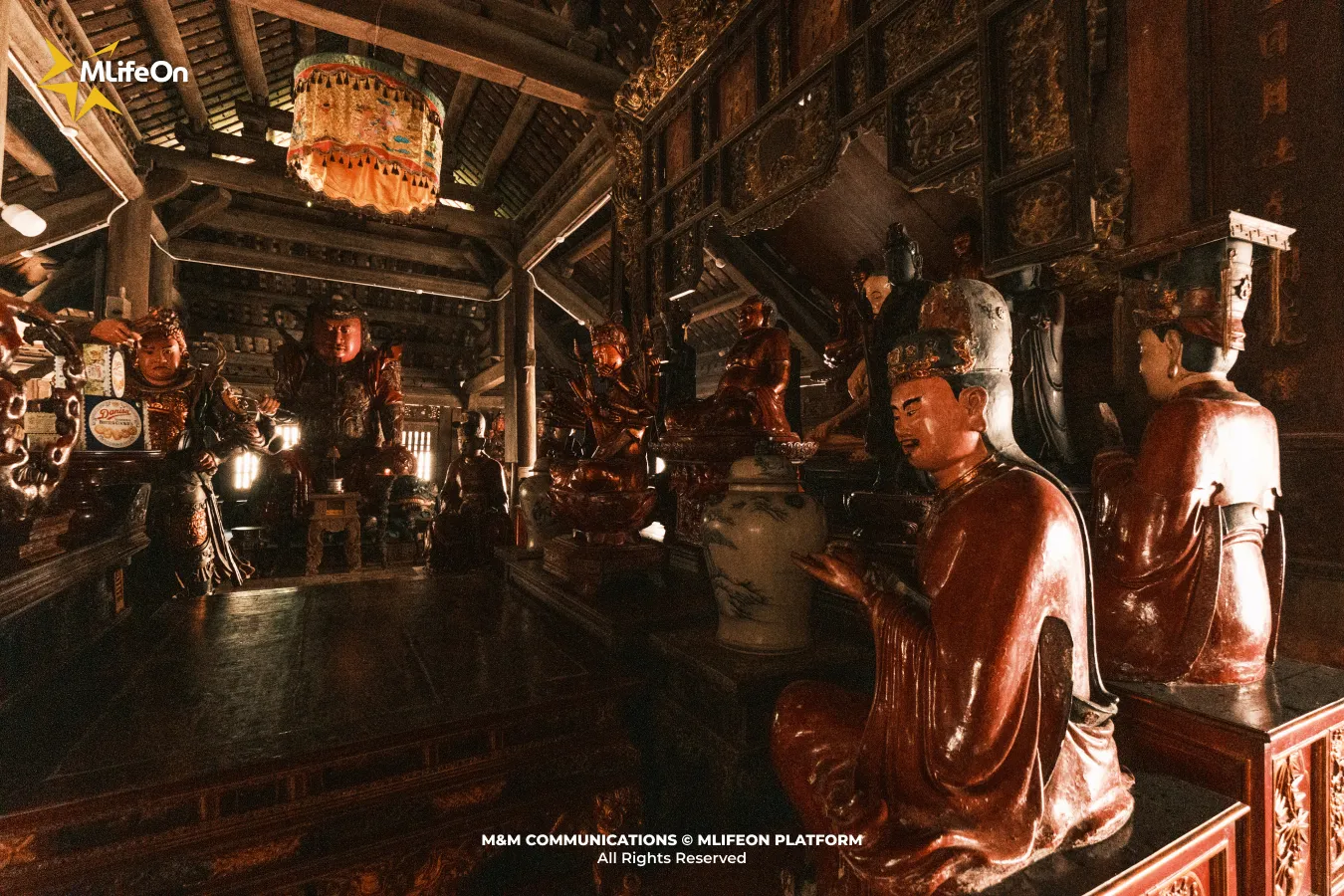
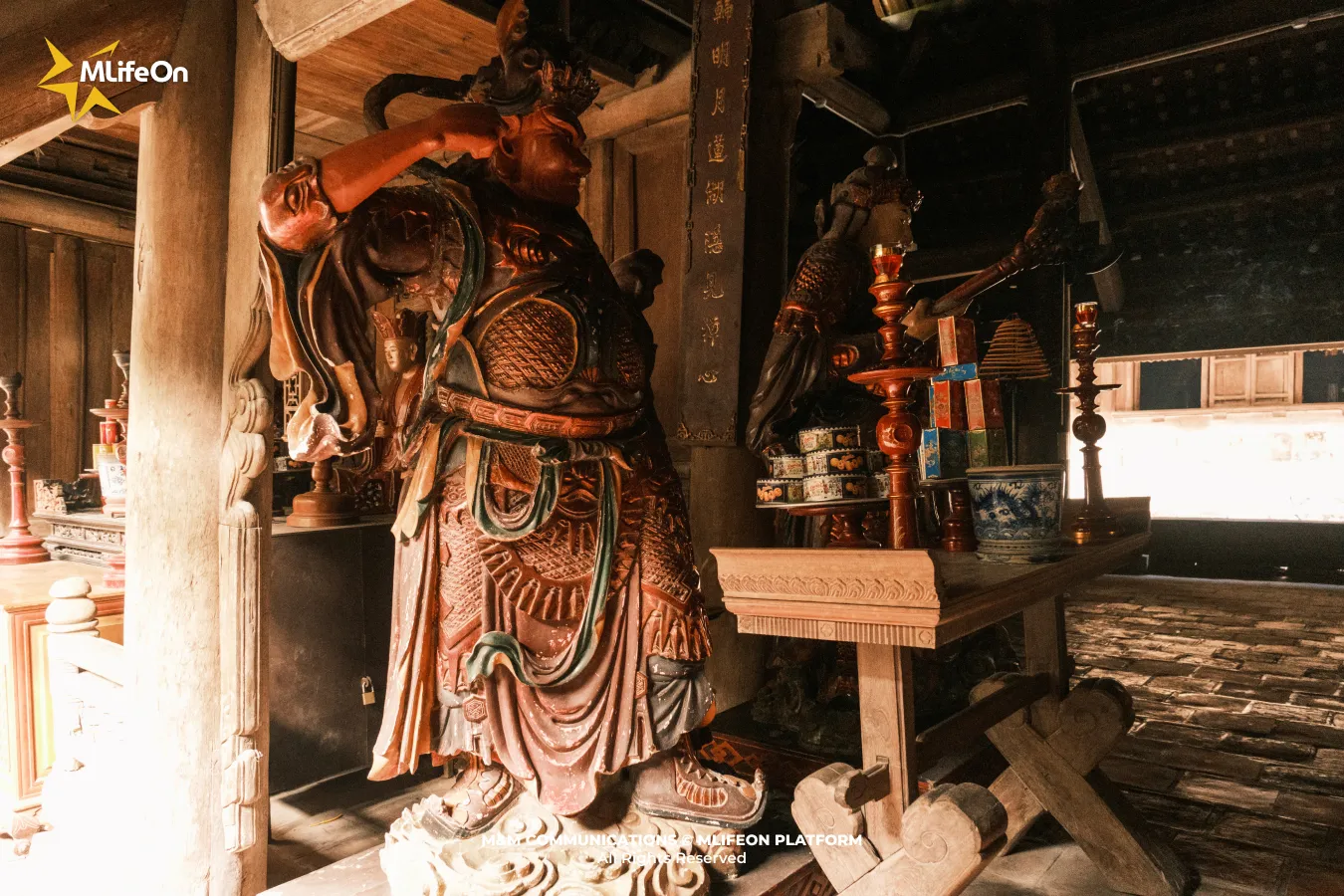
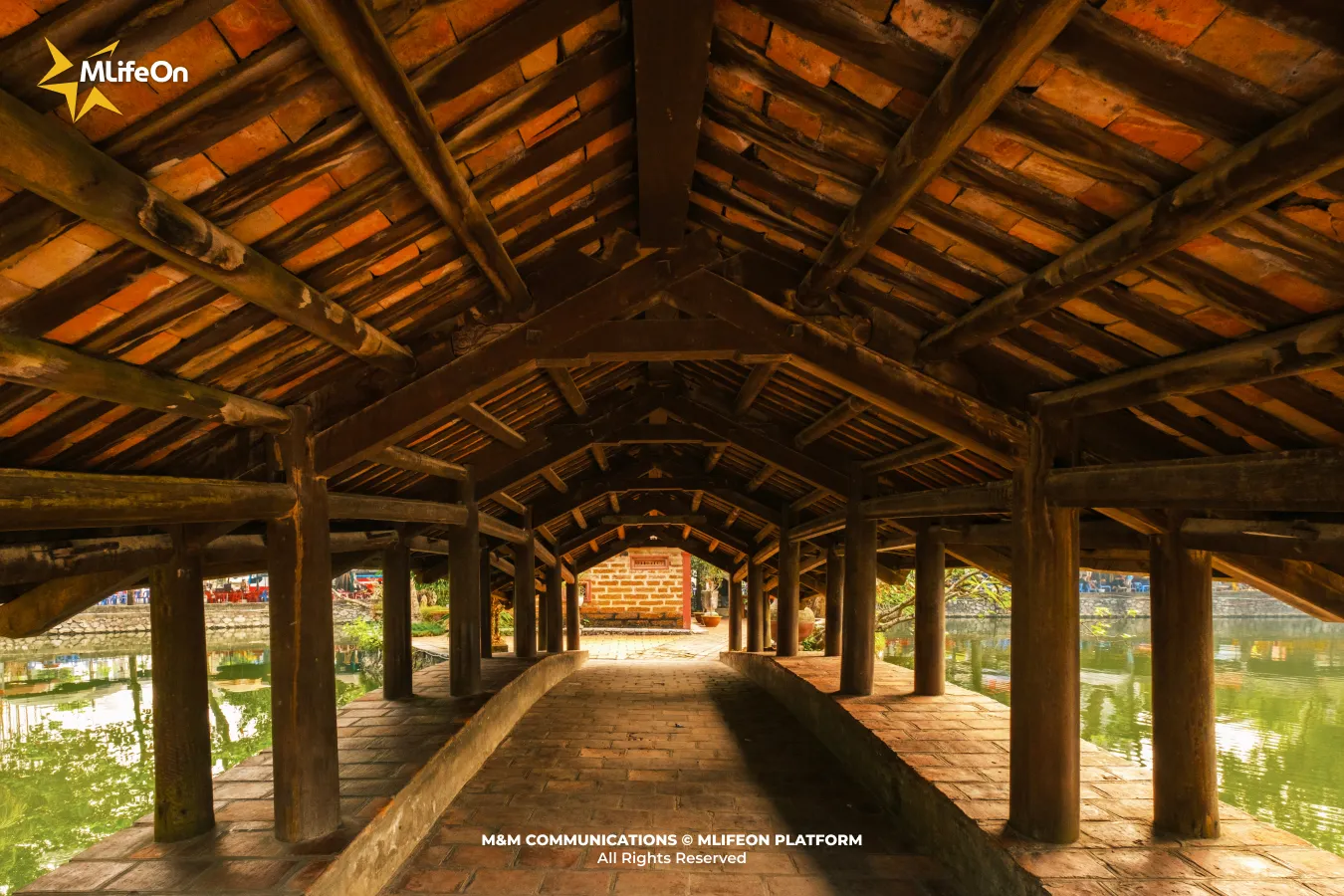
Such stories elevate temples beyond mere architecture, turning them into enduring spaces where history and community traditions continue to be preserved across generations.
Temple spaces often blend with mountains and natural landscapes
A noticeable characteristic of many temples in Northern Vietnam is their close relationship with nature. Many are built in scenic locations at the foot of mountains, beside streams, or in quiet valleys.
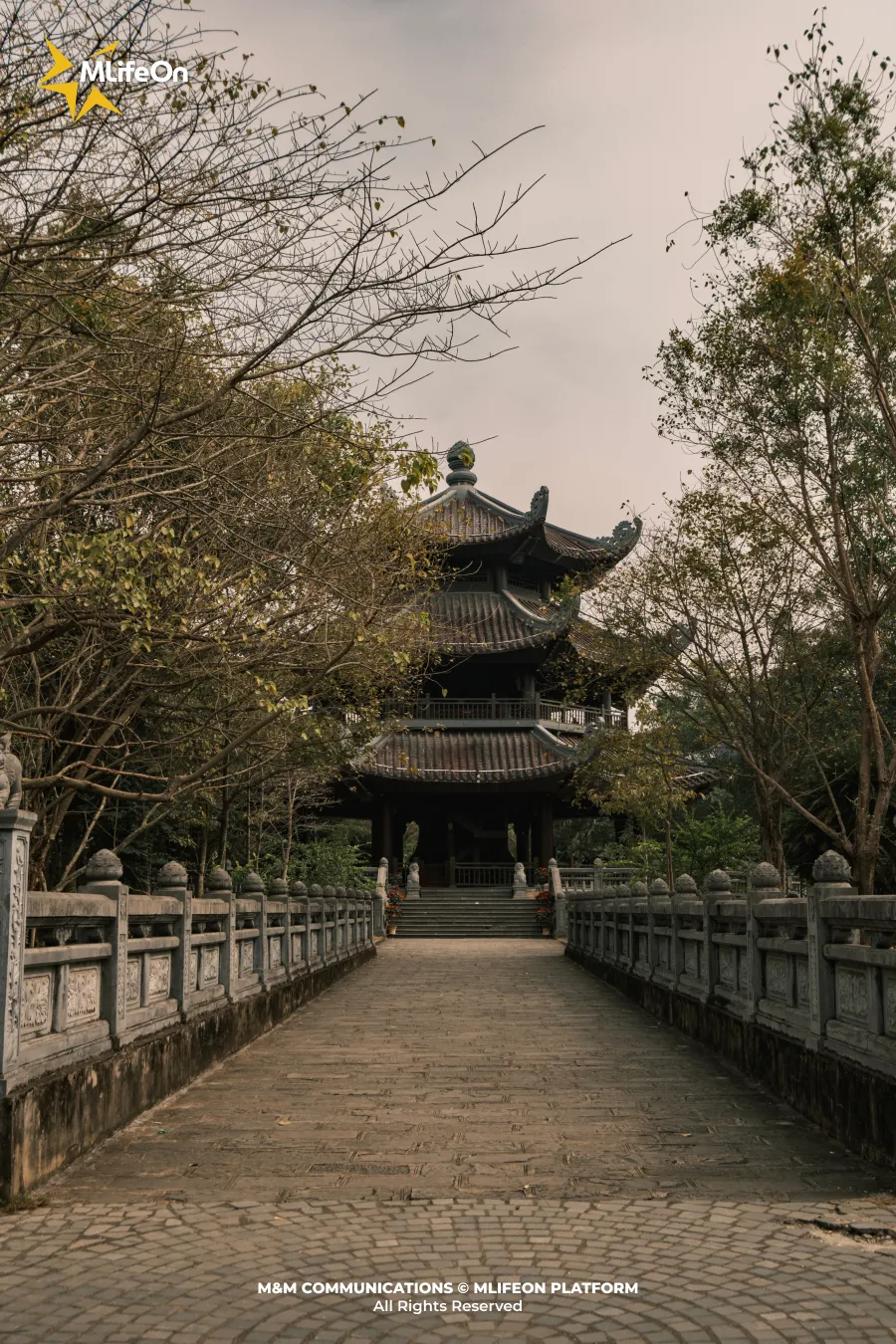
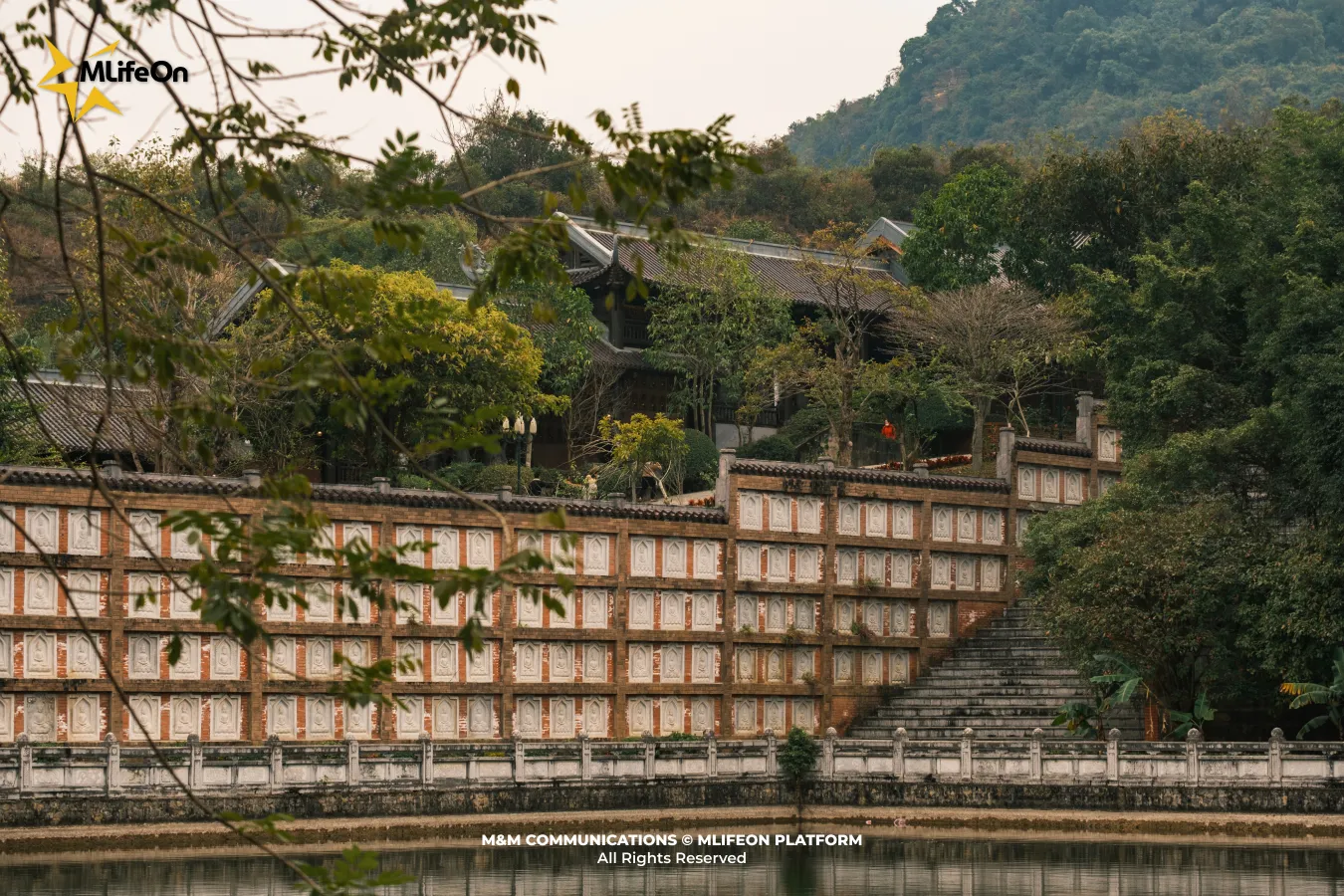
Huong Pagoda is a well-known example. The temple complex lies among the mountains of Huong Son, where visitors must travel by boat along Yen Stream and then walk along mountain paths to reach various sacred sites. The combination of natural landscapes and spiritual spaces makes it a special pilgrimage destination at the beginning of each year.
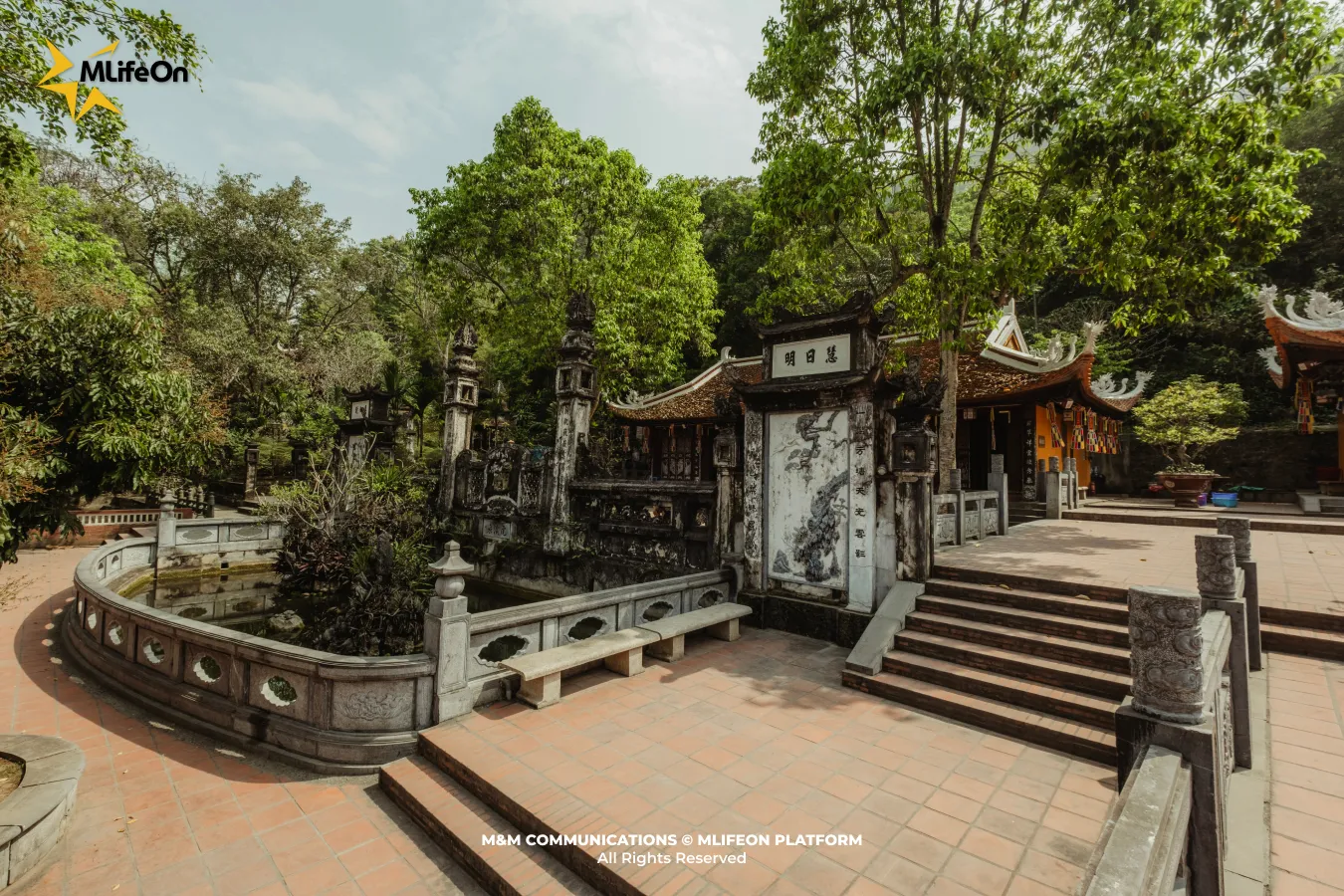
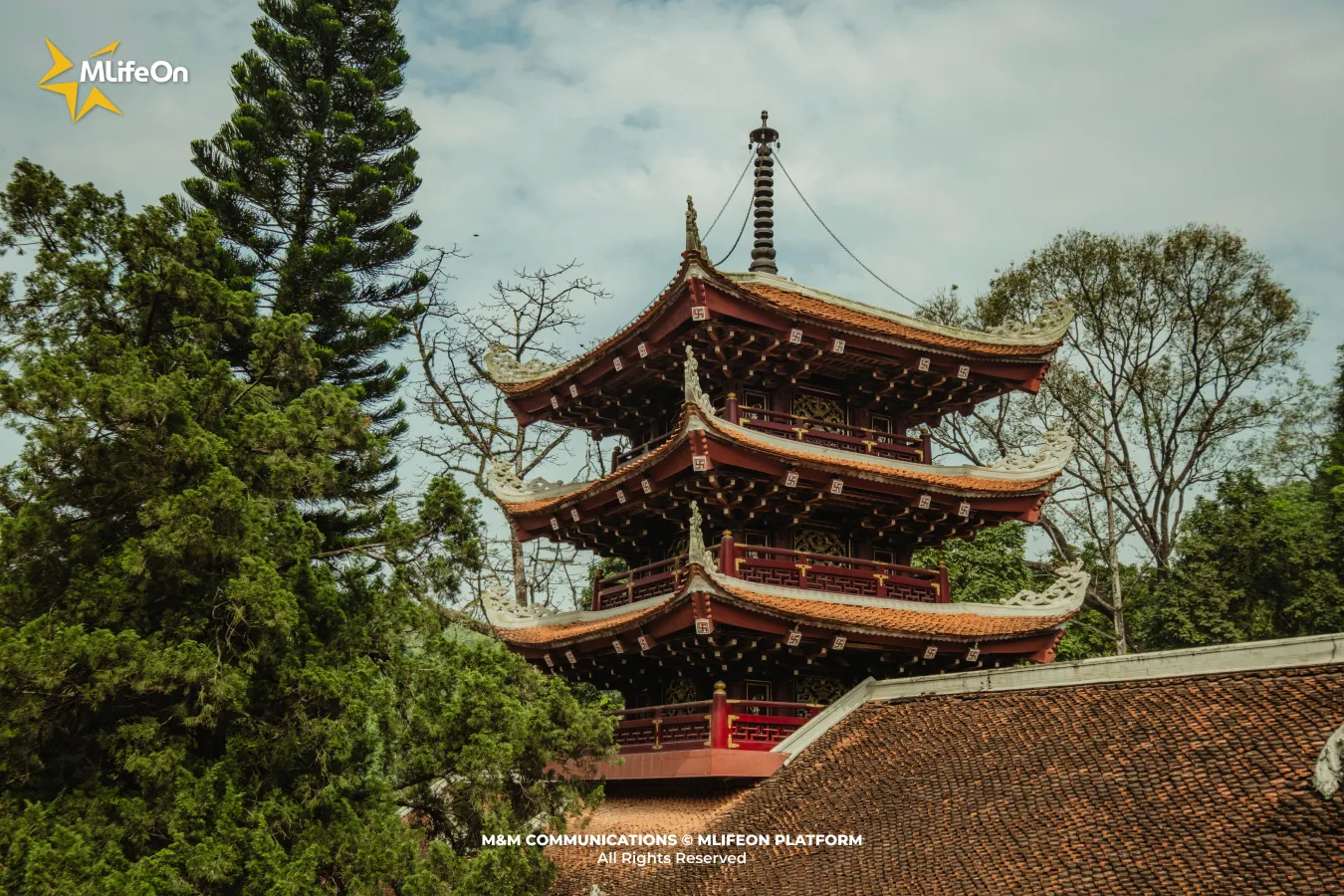
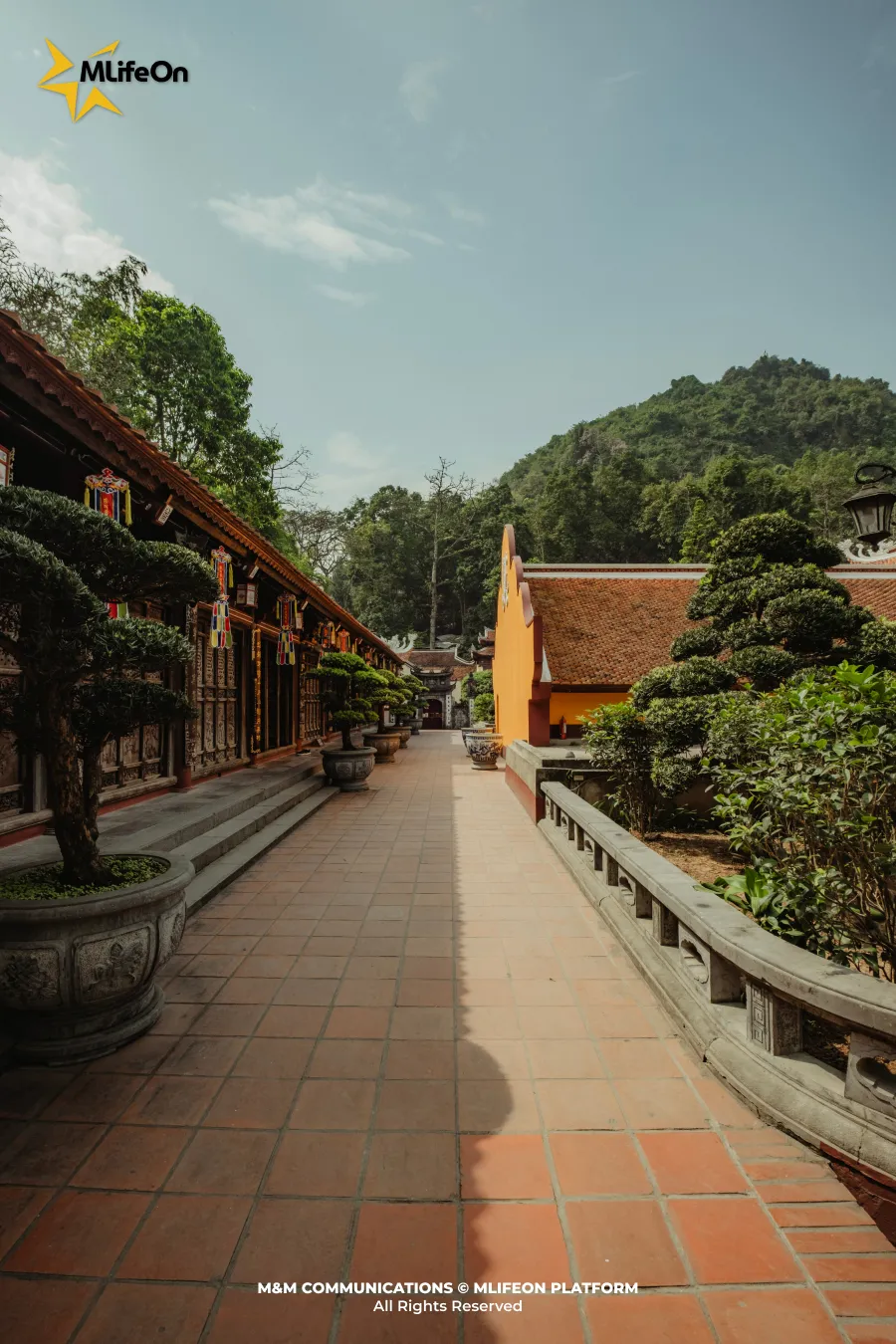
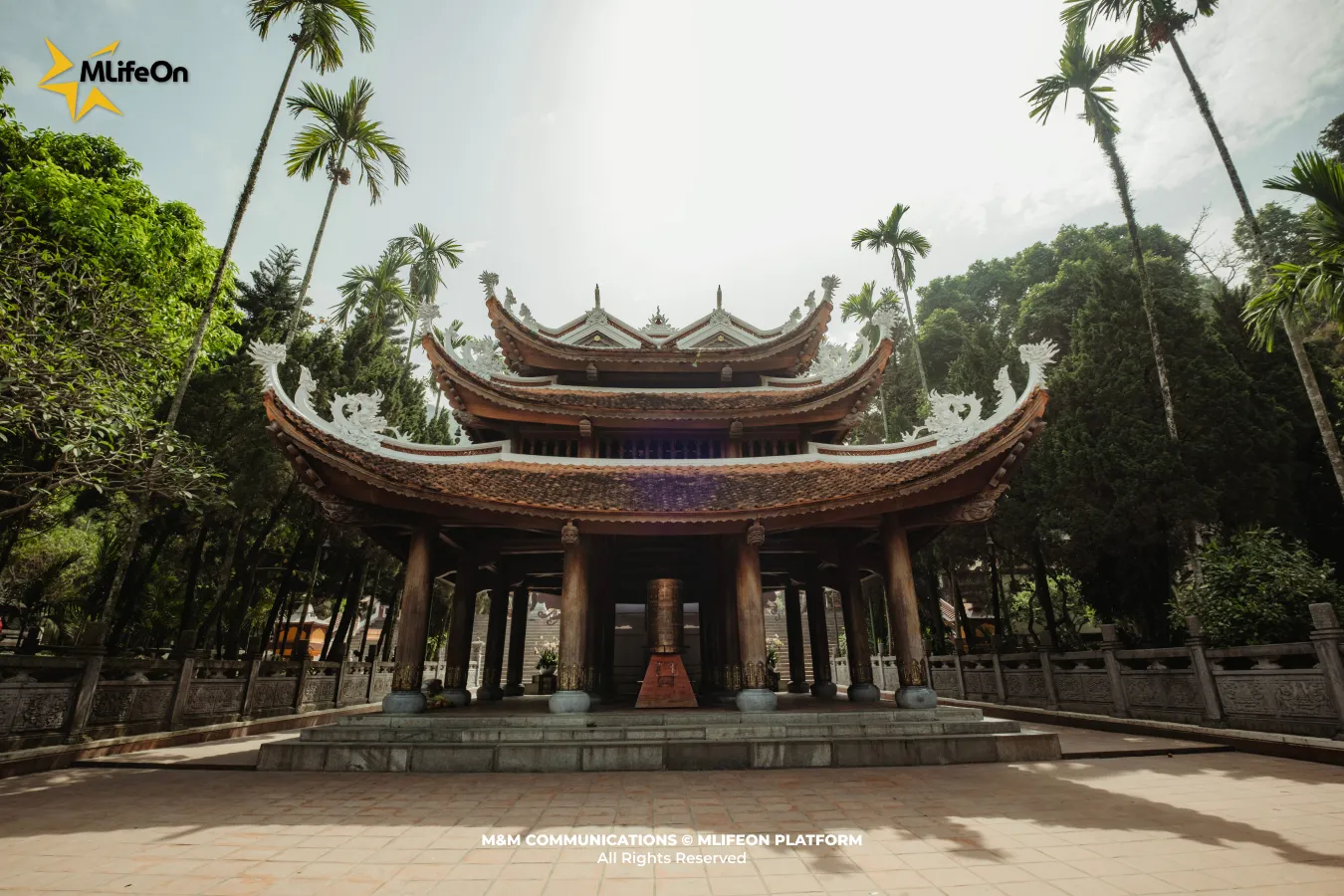
In places like this, nature is not merely a backdrop for the temples. It also contributes to the peaceful atmosphere, helping visitors momentarily step away from the fast pace of everyday life.
Visiting temples is also a way to find inner peace
For many people, visiting temples is not simply a religious activity but also a way to restore emotional balance. Within the quiet space of a temple, the sound of the bell or the gentle scent of incense can bring a sense of calm.
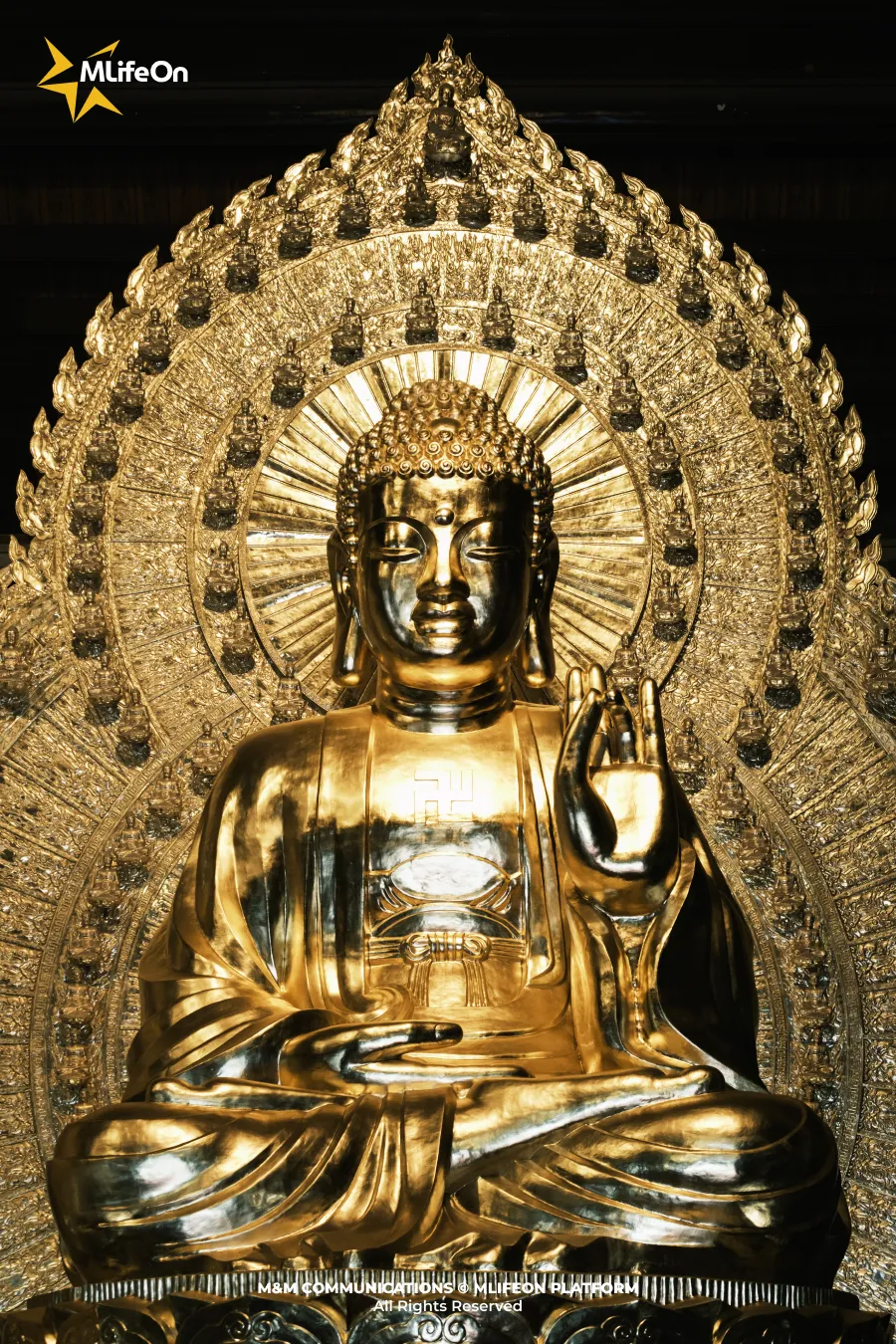
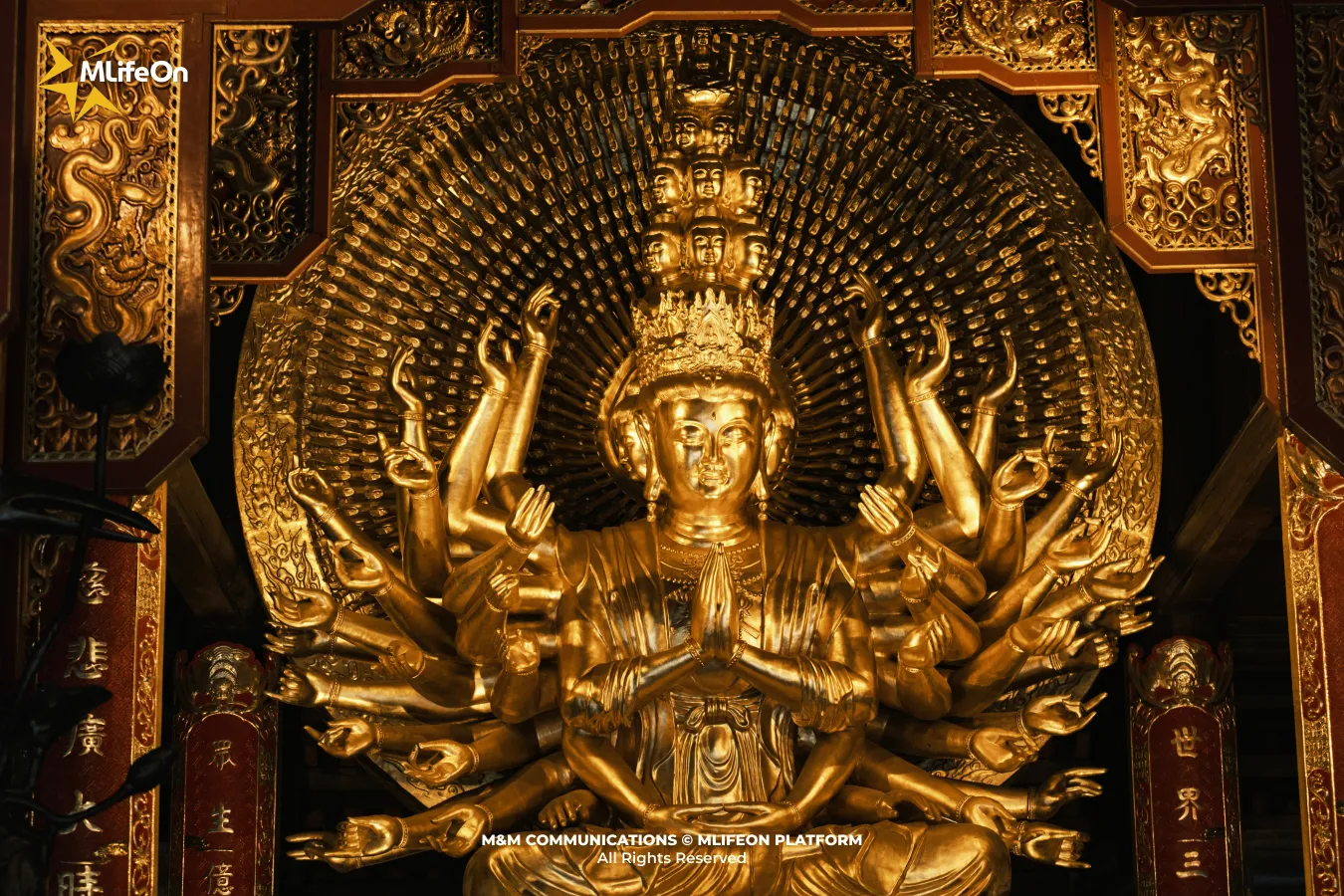
At the beginning of the year, people often visit temples to pray for a peaceful and successful year ahead. But beyond these special occasions, many still come to temples on ordinary days, simply to sit quietly for a moment, light a stick of incense, and reflect on life.
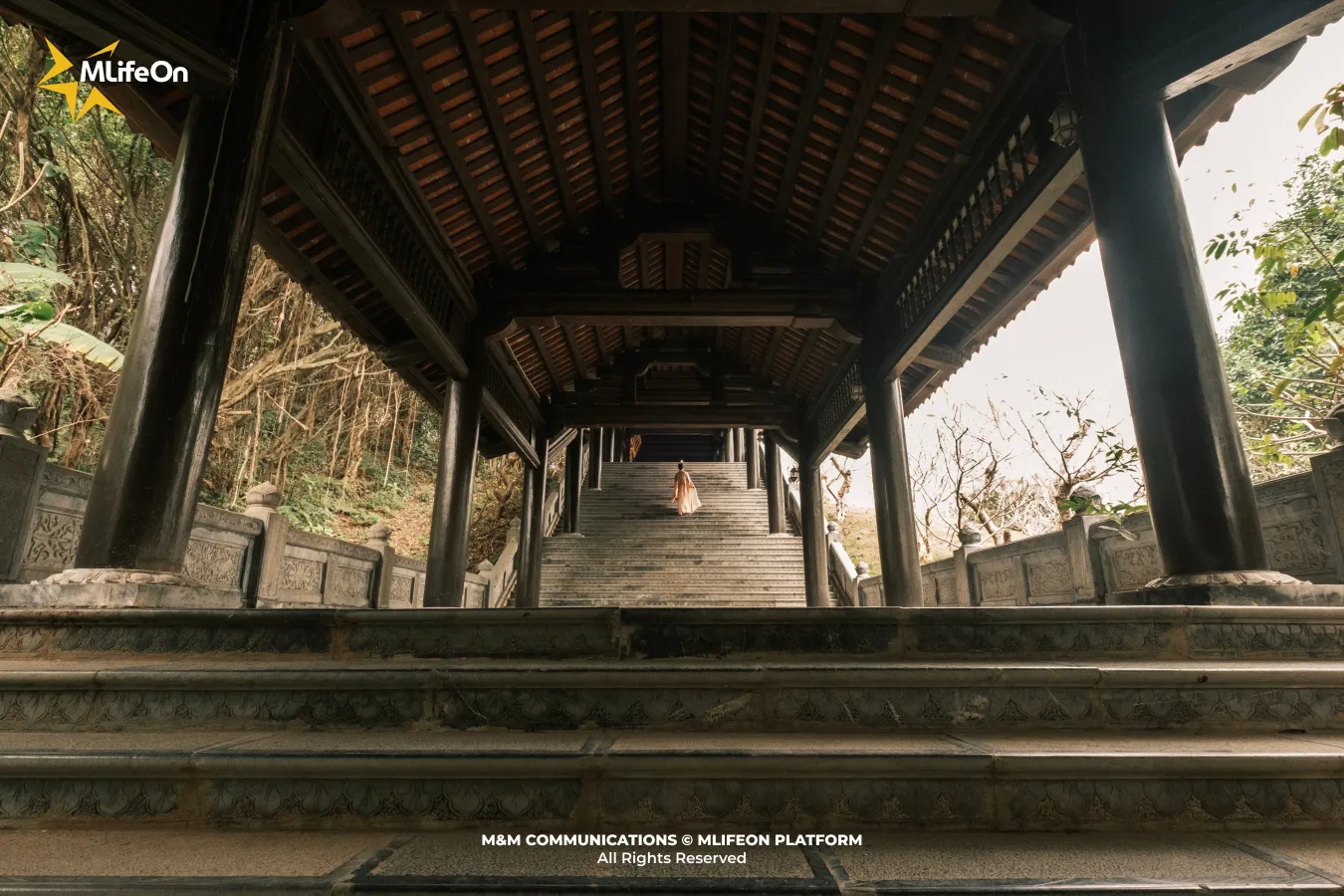
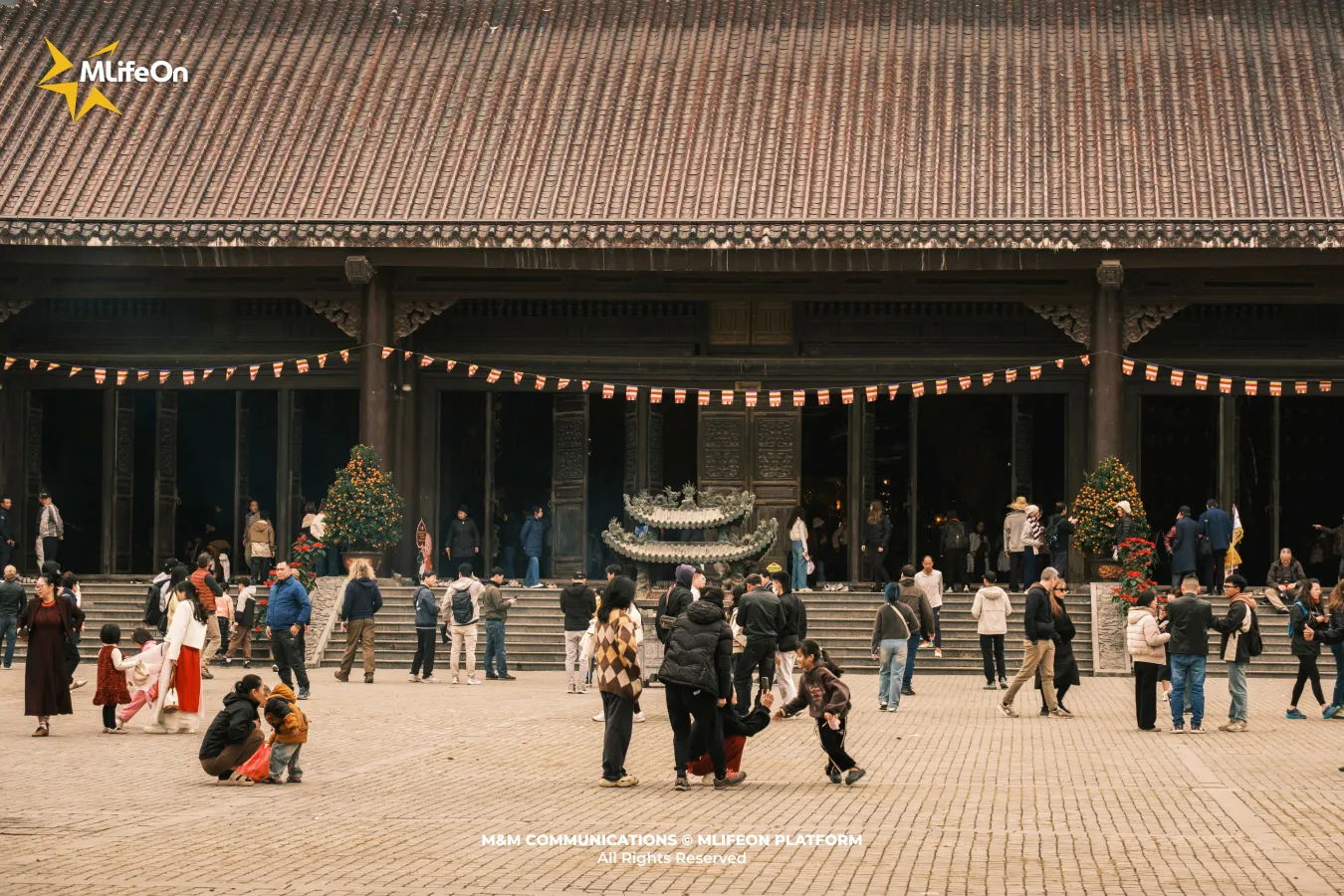
It is this sense of tranquility that makes temples places people often return to, like a peaceful pause amid the busyness of modern life.
Conclusion
Temples in northern Vietnam are not only religious structures but also spaces that preserve many cultural and historical values of Vietnamese society. From ancient temples nestled within villages to vast complexes located among mountains, each place carries its own quiet and sacred atmosphere.
Amid the rhythm of modern life, these temples continue to exist quietly, like moments of stillness that help people rediscover inner peace and reconnect with traditions that have endured for generations.
—---------
CREDIT:
- Photography: Luan Nguyen
- Content: Hoài Hà
- Design: Phuong Nguyen