
Melbourne Craft Beer Scene: A Hop-Forward Journey Through Australia's Beer Capital
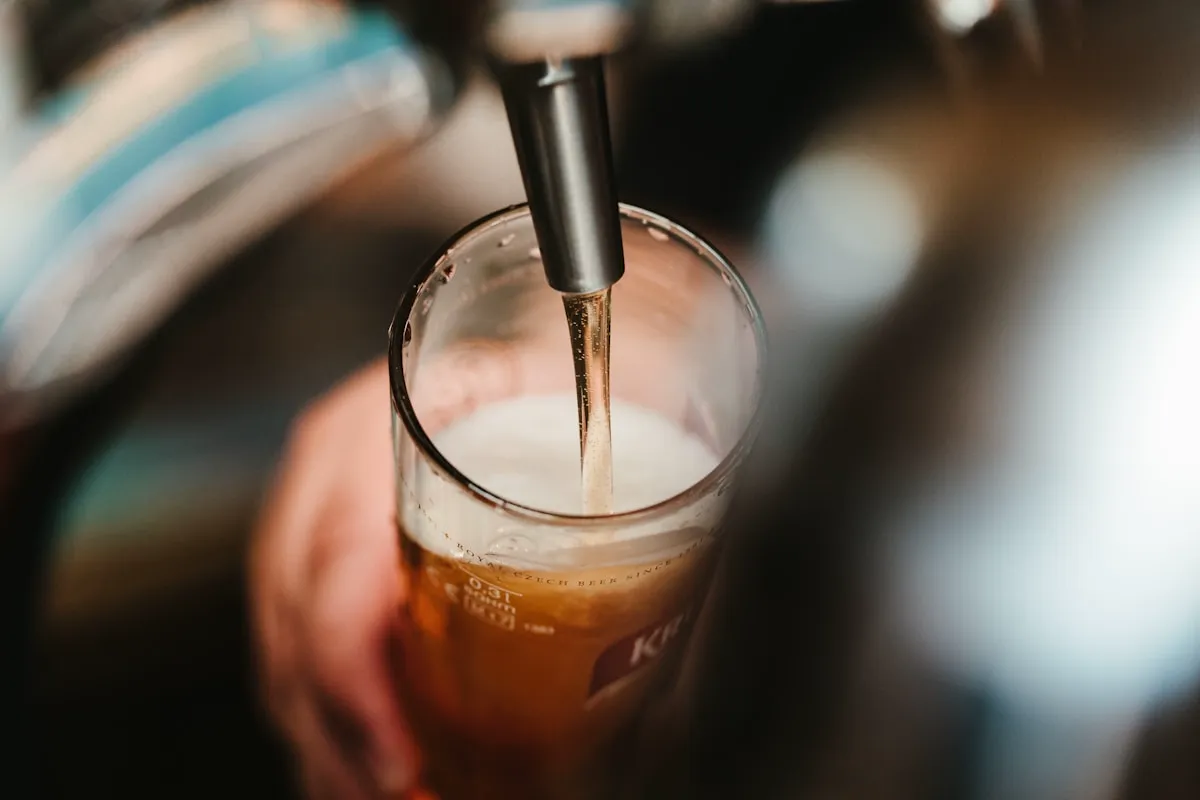
Discover Melbourne's thriving craft beer scene, from innovative breweries and taprooms to beer festivals and brewing culture. Explore why Melbourne is Australia's undisputed beer capital.
Melbourne's craft beer revolution has transformed the city into Australia's undisputed beer capital, where innovative brewers push creative boundaries while honoring traditional brewing methods. The explosion of craft breweries, beer bars, and specialty bottle shops reflects Melbourne's embrace of quality over quantity, creating a beer culture that rivals established brewing cities worldwide. From hidden laneway taprooms to sprawling brewery complexes, Melbourne offers beer experiences that cater to curious newcomers and dedicated hop enthusiasts alike.
The strength of Melbourne's craft beer scene lies in its collaborative spirit and willingness to experiment, with brewers sharing knowledge, ingredients, and even equipment to elevate the entire industry. This cooperative approach has fostered innovation while maintaining focus on quality and craftsmanship that defines great beer culture. The city's diverse neighborhoods each contribute unique flavors to the brewing landscape, creating a geographic tapestry of tastes that reflects Melbourne's creative character and multicultural influences.
The Craft Beer Revolution in Melbourne
Melbourne's craft beer movement began in earnest during the early 2000s when pioneering brewers challenged the dominance of mass-produced lagers with bold, flavorful alternatives. These early adopters operated from small spaces with limited resources but unlimited passion for creating distinctive beers that reflected their personalities and brewing philosophies. The grassroots nature of this movement established traditions of accessibility and community engagement that continue defining Melbourne's beer culture today.
The regulatory environment gradually adapted to support craft brewing, with changes to licensing laws and zoning regulations enabling small breweries to operate taprooms and sell directly to consumers. These policy shifts proved crucial for brewery sustainability, allowing direct customer relationships that bypass traditional distribution channels. The ability to serve fresh beer alongside food created destination venues that attract broader audiences beyond dedicated beer enthusiasts.
Consumer education played a vital role in the craft beer revolution, with brewers actively teaching customers about ingredients, brewing processes, and flavor profiles. This educational approach transformed beer from simple refreshment into culinary experience, encouraging appreciation for complexity and craftsmanship. Melbourne's food-conscious culture proved receptive to artisanal beer, creating markets for innovative styles and experimental flavors that might struggle in less sophisticated drinking environments.
Iconic Breweries and Their Stories
Mountain Goat Brewery established itself as one of Melbourne's craft beer pioneers, beginning operations in a Richmond warehouse before expanding into larger facilities while maintaining commitment to innovation and quality. Their success demonstrated commercial viability of craft brewing in Melbourne while inspiring countless followers to pursue brewing dreams. The brewery's evolution from small startup to established operation provides a template for sustainable growth in Melbourne's competitive beer market.
Moon Dog Craft Brewery embodies Melbourne's experimental brewing spirit with whimsical names, bold flavors, and irreverent marketing that appeals to younger demographics while producing serious beer. Their Abbotsford location combines brewing operations with a restaurant and event space, creating comprehensive beer experiences that extend beyond simple consumption. Moon Dog's success illustrates how personality and creativity can differentiate breweries in increasingly crowded markets.
Two Birds Brewing broke barriers as one of Australia's first female-owned breweries, challenging industry stereotypes while producing exceptional beer that earned respect through quality rather than novelty. Their story highlights increasing diversity within Melbourne's brewing community and demonstrates how different perspectives contribute to industry innovation. The brewery's success opened doors for other underrepresented groups while proving that great beer transcends demographics.
Beer Bar Culture and Taproom Experiences
Melbourne's beer bars create curated experiences that showcase both local and international craft beer in environments designed for exploration and education. These venues often feature rotating taps that introduce customers to new breweries and styles while maintaining core selections of reliable favorites. The knowledgeable staff at quality beer bars function as guides, helping customers navigate complex flavor profiles and discover personal preferences.
Local Taphouse pioneered Melbourne's craft beer bar culture with extensive tap lists featuring dozens of carefully selected beers from emerging and established breweries. Their commitment to supporting local producers while maintaining international perspective created templates for successful beer bars throughout the city. The venue's emphasis on education and exploration influenced how Melbourne approaches craft beer consumption and appreciation.
Craft Beer Market represents the evolution of beer bars into comprehensive beer destinations with multiple locations offering different atmospheres while maintaining consistent quality and selection standards. Their model demonstrates how successful beer concepts can scale while preserving the intimate character that makes craft beer culture appealing. The chain's growth reflects Melbourne's appetite for quality beer experiences across diverse neighborhoods and demographics.
Neighborhood Brewing Districts
Richmond has emerged as Melbourne's premier brewing district, with numerous breweries, beer bars, and specialty shops concentrated within walking distance of each other. This geographic clustering creates synergies that benefit all participants, from shared customer bases to collaborative projects between neighboring breweries. The district's industrial heritage provides appropriate spaces for brewing operations while its proximity to the CBD ensures accessibility for beer tourists and local customers.
Collingwood and Fitzroy contribute their own distinctive flavors to Melbourne's brewing landscape, with venues that reflect these neighborhoods' artistic and alternative characters. Breweries in these areas often emphasize experimental styles and creative marketing that appeals to younger demographics and creative professionals. The neighborhoods' music venues and arts spaces create natural partnerships that enhance the overall cultural experience.
Preston and other outer suburbs host larger brewing operations that require more space for production and distribution while maintaining connection to local communities. These suburban breweries often feature extensive taprooms and food services that make them destination venues worth traveling to experience. The geographic diversity of Melbourne's brewing scene ensures that different neighborhoods maintain unique beer identities while contributing to the city's overall reputation.
Brewing Styles and Innovation
Melbourne brewers excel at interpreting traditional European and American beer styles while adding distinctly Australian touches through local ingredients and climate adaptations. The city's craft brewers demonstrate particular expertise with hop-forward styles like IPAs and pale ales, taking advantage of excellent Australian hop varieties and year-round availability of fresh ingredients. These interpretations often surpass their international inspirations through technical excellence and creative flavor combinations.
Experimental brewing flourishes in Melbourne's supportive environment, with brewers regularly releasing limited editions that push stylistic boundaries and explore unusual ingredients. Barrel-aging programs, wild fermentation projects, and collaboration brews showcase the technical skills and creative ambitions of local brewers. These experimental efforts often influence broader brewing trends while establishing Melbourne's reputation for innovation and quality.
Seasonal brewing reflects Melbourne's variable climate and agricultural cycles, with breweries releasing special editions that capture specific times of year through appropriate ingredients and styles. Summer wheat beers, autumn harvest ales, and winter warming stouts create annual rhythms that connect beer consumption to natural cycles. This seasonal approach demonstrates how local brewers adapt global traditions to Australian conditions and preferences.
Food and Beer Pairing Culture
Melbourne's sophisticated food culture naturally extends to beer and food pairings, with restaurants and breweries collaborating to create complementary experiences that enhance both elements. These partnerships often feature specially brewed beers designed to accompany specific dishes, creating unique dining experiences impossible to replicate elsewhere. The city's culinary diversity provides endless opportunities for creative pairings that showcase beer's versatility as a dining companion.
Brewery restaurants have become essential components of Melbourne's craft beer landscape, offering food specifically designed to complement house beer styles while providing additional revenue streams for brewing operations. These establishments often feature ingredients used in brewing - spent grain bread, beer-braised meats, and hop-infused dishes - creating thematic connections between food and beverage programs. The integration of brewing and dining demonstrates how craft beer culture extends beyond simple consumption into broader lifestyle experiences.
Beer and cheese pairings represent particularly successful applications of Melbourne's artisanal food culture to craft beer appreciation. Local cheese makers and brewers collaborate on events and products that highlight complementary flavors and production methods. These partnerships create educational opportunities while supporting multiple local producers, demonstrating how craft beer culture can strengthen broader artisanal food networks.
Beer Festivals and Events
Good Beer Week stands as Melbourne's premier craft beer celebration, transforming the city into a week-long festival featuring hundreds of events across dozens of venues. The festival's diverse programming includes brewery tours, tasting sessions, educational seminars, and collaborative dinners that showcase the breadth and depth of Melbourne's beer culture. International visitors and industry professionals attend Good Beer Week, establishing Melbourne's reputation as a global beer destination.
Smaller, specialized beer events throughout the year maintain momentum between major festivals while focusing on specific styles, regions, or themes. These intimate gatherings often provide opportunities for direct interaction between brewers and consumers, creating educational experiences and building brand loyalty. The regular calendar of beer events ensures that Melbourne's craft beer community remains engaged and informed about new developments and releases.
Tap takeovers and brewery collaborations create special events that generate excitement while showcasing specific breweries or beer styles. These limited-time offerings often feature rare or experimental beers unavailable through normal retail channels, creating urgency and exclusivity that drives attendance. The collaborative nature of these events strengthens relationships within the brewing community while providing unique experiences for beer enthusiasts.
Retail and Distribution Networks
Independent bottle shops play crucial roles in Melbourne's craft beer ecosystem by providing retail access to brewery products while educating consumers about available options. These specialty retailers often stock limited releases and international imports unavailable in mainstream outlets, creating treasure-hunting experiences for dedicated beer enthusiasts. The personal relationships between bottle shop owners and customers facilitate discovery and education that benefits the entire craft beer community.
Online retail platforms have expanded access to craft beer while creating new challenges and opportunities for breweries and retailers. These platforms enable direct-to-consumer sales that bypass traditional distribution while requiring new approaches to marketing and customer service. The convenience of online ordering particularly benefits suburban and regional customers who lack easy access to specialized beer retailers.
Distribution partnerships between breweries and established networks enable broader market reach while maintaining focus on quality and freshness. These relationships often involve careful selection of retail partners who understand craft beer handling requirements and can provide appropriate storage and service. Successful distribution balances growth objectives with brand integrity and product quality standards.
Homebrewing and Amateur Culture
Melbourne's vibrant homebrewing community provides a pipeline for future commercial brewers while fostering experimentation and knowledge sharing among enthusiasts. Local homebrew shops offer ingredients, equipment, and expertise that support amateur brewing while often serving as informal community centers where brewers gather to share experiences and techniques. The accessibility of homebrewing creates deeper appreciation for commercial craft beer while developing potential future industry professionals.
Homebrewing competitions showcase amateur talent while providing feedback and recognition that encourage continued participation and improvement. Many successful commercial brewers began as homebrewing enthusiasts, demonstrating the importance of amateur brewing culture in developing professional skills and industry connections. Competition judging often involves professional brewers who volunteer their time to support the homebrewing community while scouting potential talent.
Brew-on-premise facilities bridge the gap between homebrewing and commercial production by providing professional equipment and guidance for amateur brewers seeking to upgrade their capabilities. These businesses often host events and classes that build brewing knowledge while creating social environments around shared interests. The educational component helps develop more sophisticated consumers who appreciate the complexity and craftsmanship involved in quality beer production.
Sustainability and Local Sourcing
Environmental consciousness increasingly influences Melbourne's craft brewing community, with many breweries implementing sustainable practices that reduce environmental impact while supporting local agriculture. These initiatives include solar power installations, water recycling systems, and grain waste programs that demonstrate commitment to responsible production. Consumer awareness of environmental issues creates market demand for sustainable brewing practices while providing marketing advantages for environmentally conscious breweries.
Local ingredient sourcing strengthens connections between breweries and regional suppliers while reducing transportation costs and environmental impact. Melbourne's proximity to hop farms, malting facilities, and specialty ingredient producers enables fresh, locally-sourced beer production that showcases regional terroir. These local sourcing relationships often result in unique ingredients and collaborative products that reflect specific geographic characteristics.
Circular economy principles guide waste reduction efforts that transform brewing byproducts into valuable resources for other industries. Spent grain becomes animal feed or compost, while wastewater treatment systems enable water reuse for non-brewing applications. These sustainability initiatives demonstrate how craft breweries can operate responsibly while maintaining profitability and community support.
Education and Professional Development
Formal brewing education programs provide technical training for aspiring professional brewers while supporting industry development through skilled workforce preparation. These programs often include partnerships with established breweries that provide practical experience alongside theoretical knowledge. The availability of professional brewing education ensures Melbourne maintains technical excellence while providing career pathways for industry newcomers.
Industry associations and professional organizations support Melbourne's brewing community through networking events, technical seminars, and advocacy efforts that address common challenges and opportunities. These groups often coordinate responses to regulatory changes while providing forums for knowledge sharing and professional development. The collaborative approach strengthens the entire industry while maintaining competitive differentiation between individual breweries.
Continuing education opportunities keep established brewers current with evolving techniques, ingredients, and market trends while providing opportunities for specialization in specific areas like barrel-aging, wild fermentation, or quality control. These professional development programs often involve international speakers and experts who share global perspectives while learning about local innovations and approaches.
Tourism and Economic Impact
Beer tourism contributes significantly to Melbourne's economy as visitors plan trips around brewery visits, beer festivals, and craft beer experiences. These beer-focused tourists often extend their stays and explore other aspects of Melbourne's culture while spending money across multiple sectors of the local economy. The concentration of quality breweries and beer bars makes Melbourne an attractive destination for international beer enthusiasts seeking authentic Australian craft beer experiences.
Brewery tourism infrastructure includes organized tours, accommodation packages, and transportation services that facilitate beer-focused travel while ensuring visitor safety and satisfaction. These services often partner with local hospitality businesses to create comprehensive experiences that showcase Melbourne's broader cultural offerings alongside its beer scene. The professional approach to beer tourism enhances visitor experiences while generating positive economic impacts for the entire region.
International recognition through awards, media coverage, and industry reputation building positions Melbourne as a global craft beer destination that attracts serious beer enthusiasts and industry professionals. This recognition creates export opportunities for local breweries while attracting investment and talent that strengthens the overall industry. The global reputation enhances Melbourne's broader cultural standing while supporting economic development through beer-related tourism and trade.
Challenges and Future Directions
Market saturation concerns arise as the number of craft breweries continues growing, creating increased competition for consumer attention and retail shelf space. Successful breweries differentiate themselves through quality, innovation, and brand identity while many marginal operations struggle to maintain viability. The maturation of Melbourne's craft beer market requires strategic thinking and business acumen alongside brewing expertise.
Regulatory challenges include planning restrictions, licensing requirements, and taxation policies that can impact brewery operations and expansion plans. Industry advocacy efforts work to address these issues while maintaining public support for responsible craft brewing. The balance between supporting industry growth and addressing legitimate community concerns requires ongoing dialogue and compromise between stakeholders.
Changing consumer preferences and drinking patterns influence craft beer demand while creating opportunities for innovation and adaptation. Health consciousness, low-alcohol options, and alternative beverages compete for consumer attention while demographic shifts affect market dynamics. Successful breweries adapt to these changes while maintaining focus on quality and authenticity that defines craft beer culture.
Conclusion: Melbourne's Craft Beer Legacy
Melbourne's craft beer scene represents more than just beverage production - it embodies the city's values of creativity, quality, and community that extend throughout its cultural landscape. The collaborative spirit and innovative approach that characterize Melbourne's brewers reflect broader urban characteristics that make the city attractive to creative professionals and cultural tourists. As the scene continues evolving, these fundamental values ensure continued relevance and appeal.
The future of Melbourne's craft beer culture depends on maintaining balance between growth and authenticity, innovation and tradition, local identity and global recognition. The industry's success creates opportunities and challenges that require thoughtful navigation to preserve the essential characteristics that made Melbourne's beer scene special. The strong foundation of quality producers, supportive infrastructure, and engaged consumers provides stability for continued development and evolution.
For beer enthusiasts, Melbourne offers unparalleled opportunities to explore craft brewing excellence while participating in vibrant beer communities that welcome newcomers and celebrate expertise. Whether seeking weekend entertainment or deeper cultural engagement, the city's beer scene provides entry points for all levels of interest and involvement. Melbourne's position as Australia's craft beer capital reflects not just the quantity of brewing activity but the quality of community engagement and creative expression that makes great beer cultures possible. The hop-forward journey through Melbourne continues, shaped by each brewer, each beer, and each person who chooses to participate in the city's ongoing craft beer conversation.