A SHIPYARD BY THE NINH CO RIVER – WHERE VOYAGES BEGIN
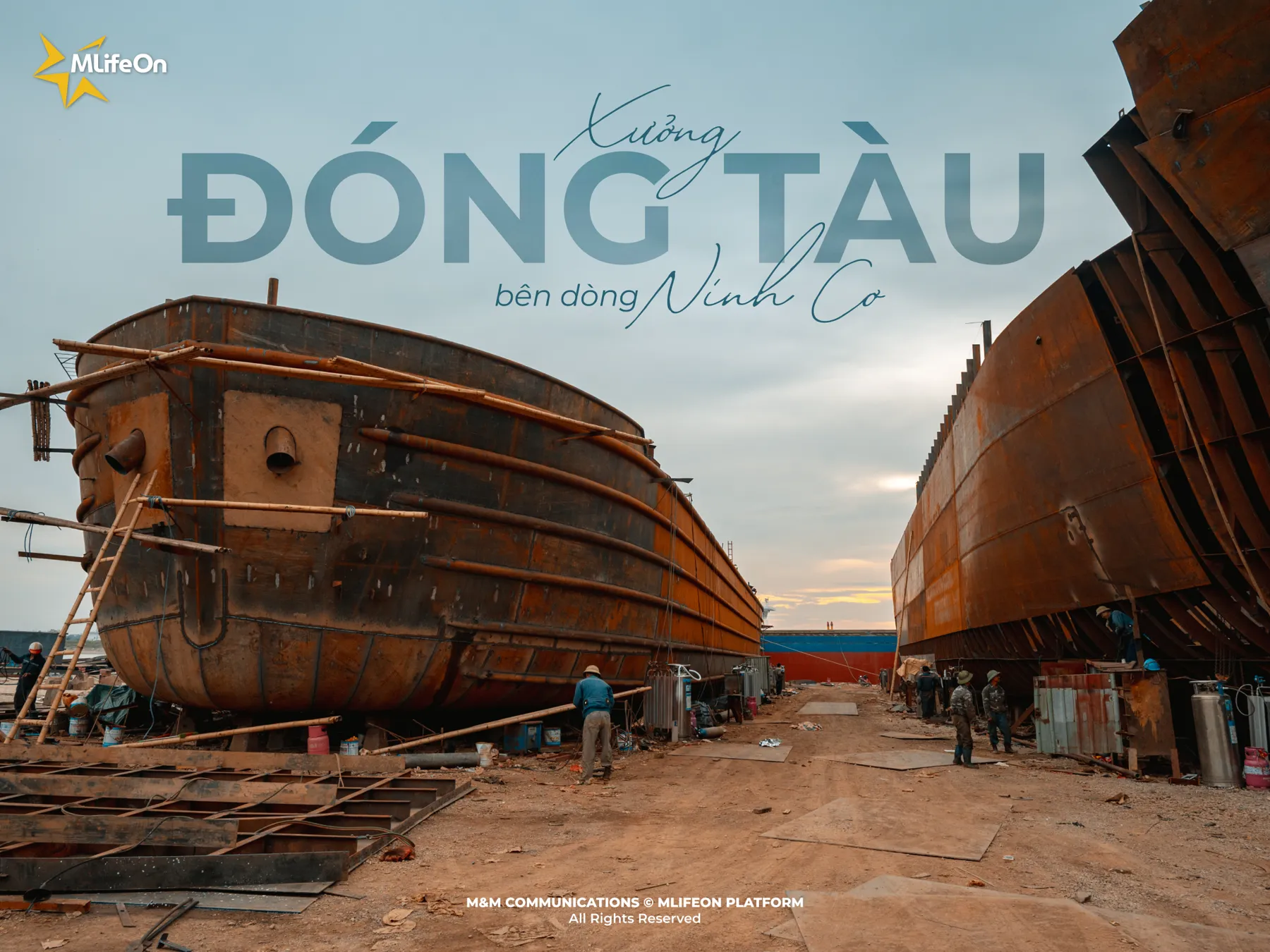
Explore the shipyards in Ninh Binh (formerly the Nam Dinh area).
Before coming here, I had always believed that ships belonged to the open sea. It was only when I stood in the midst of a shipyard along the Ninh Co River that I realized every vessel has a place where it truly belongs.
It is a realm defined by the sounds of hammers and welding torches, and by massive steel plates baking in the sun. It is a place where craftsmen quietly transform blueprints into tangible forms, turning inert iron into ships capable of braving the waves and venturing out to sea.
And it is also where I came to understand something else: behind every voyage lie the traces of people who never appear on the ship's deck.
Land of boats and ships
It is likely no coincidence that the shipbuilding industry has flourished in the Ninh Binh region (formerly part of the Nam Dinh area).
For a long time, this region has been embraced by a network of major rivers, such as the Ninh Co, Day, and Dao, while also bordering the sea south of the Northern Delta. These very natural conditions fostered a region deeply connected to waterway transport, maritime activities, and the shipbuilding industry. Areas such as Nghia Hung, Hai Hau, and Truc Ninh once hosted numerous facilities, factories, and shipyards of various sizes, becoming one of the key shipbuilding hubs in Northern Vietnam.
The local people have been familiar with the sight of boats and ships since early childhood. The river flowing right outside their door might be the route to the open sea, while the village waterfront could be the very place where a vessel worth billions of dong is launched.
Thus, shipbuilding is far more than just a manufacturing trade; it is an integral part of the very lifeblood of this land.
People live alongside ships.
They grow up alongside ships.
And there are those who dedicate their entire youth to building ships.
From steel plates to the form of a ship
My first impression upon stepping into a shipyard was not the noise of machinery, but a sense of being overwhelmed by the sheer scale of everything.
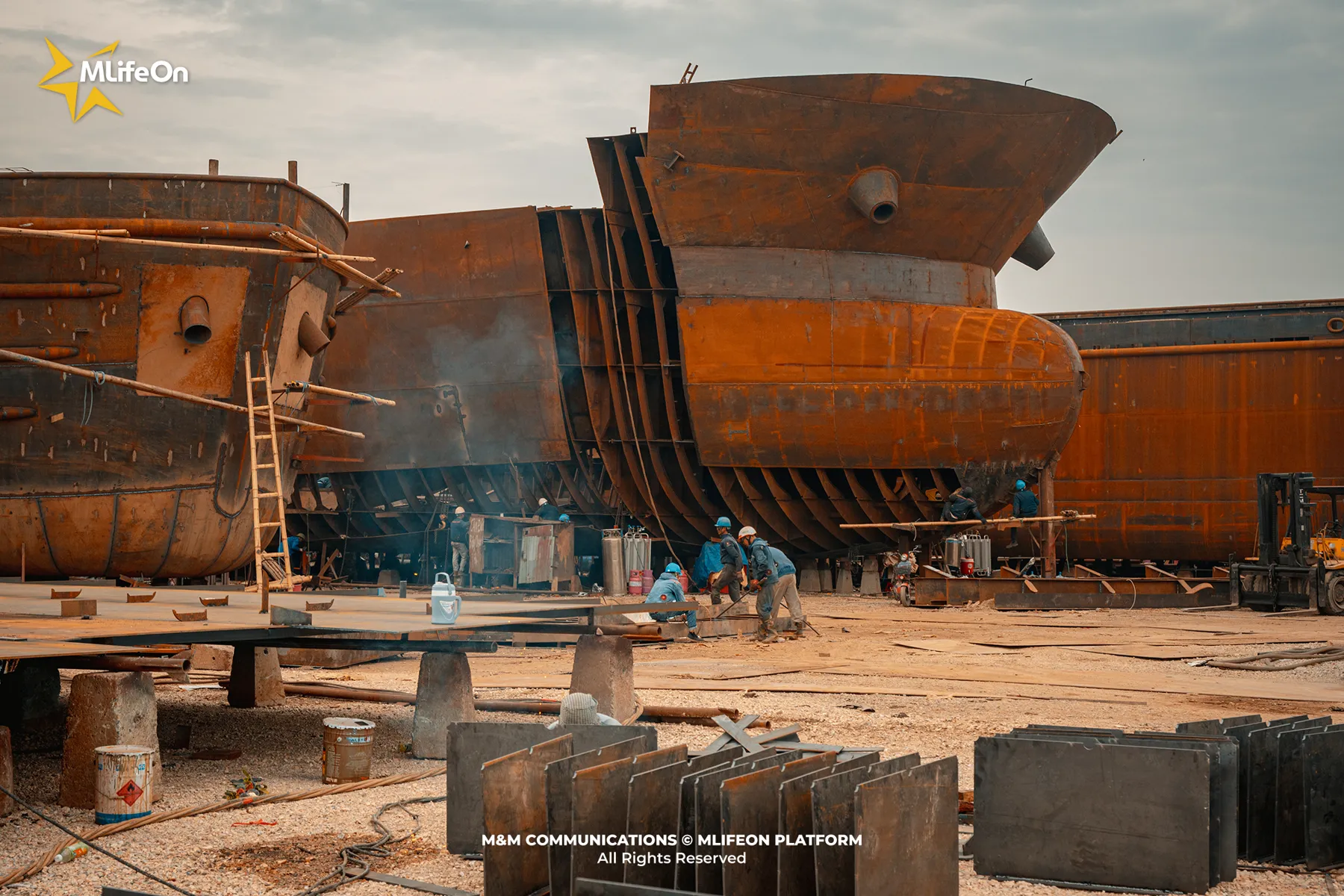
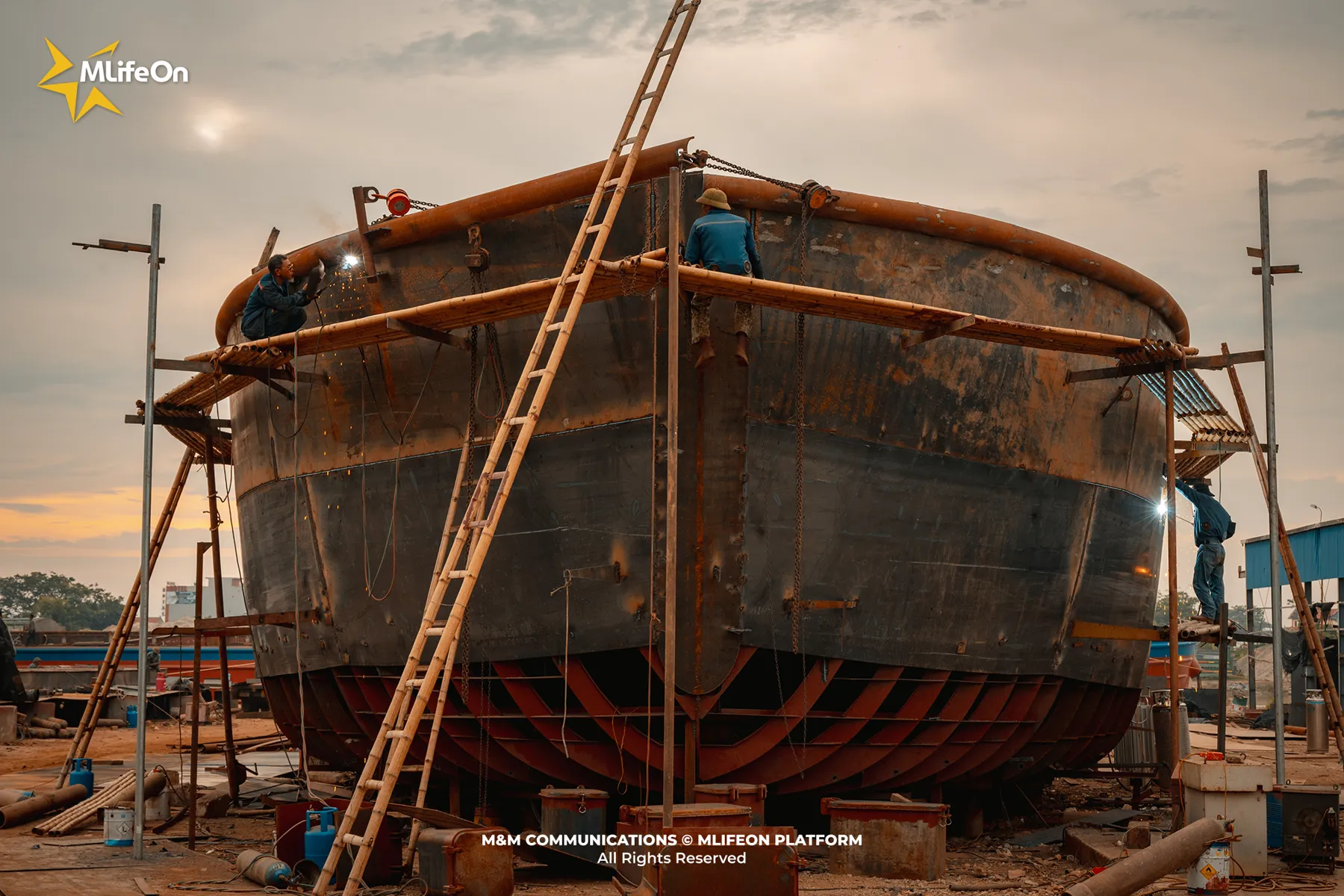
Colossal steel blocks lay stacked upon one another. Ship hulls nearing completion loomed like mountains of metal. Dense scaffolding enveloped the ship's sides, creating an atmosphere that was at once rugged and teeming with vitality.
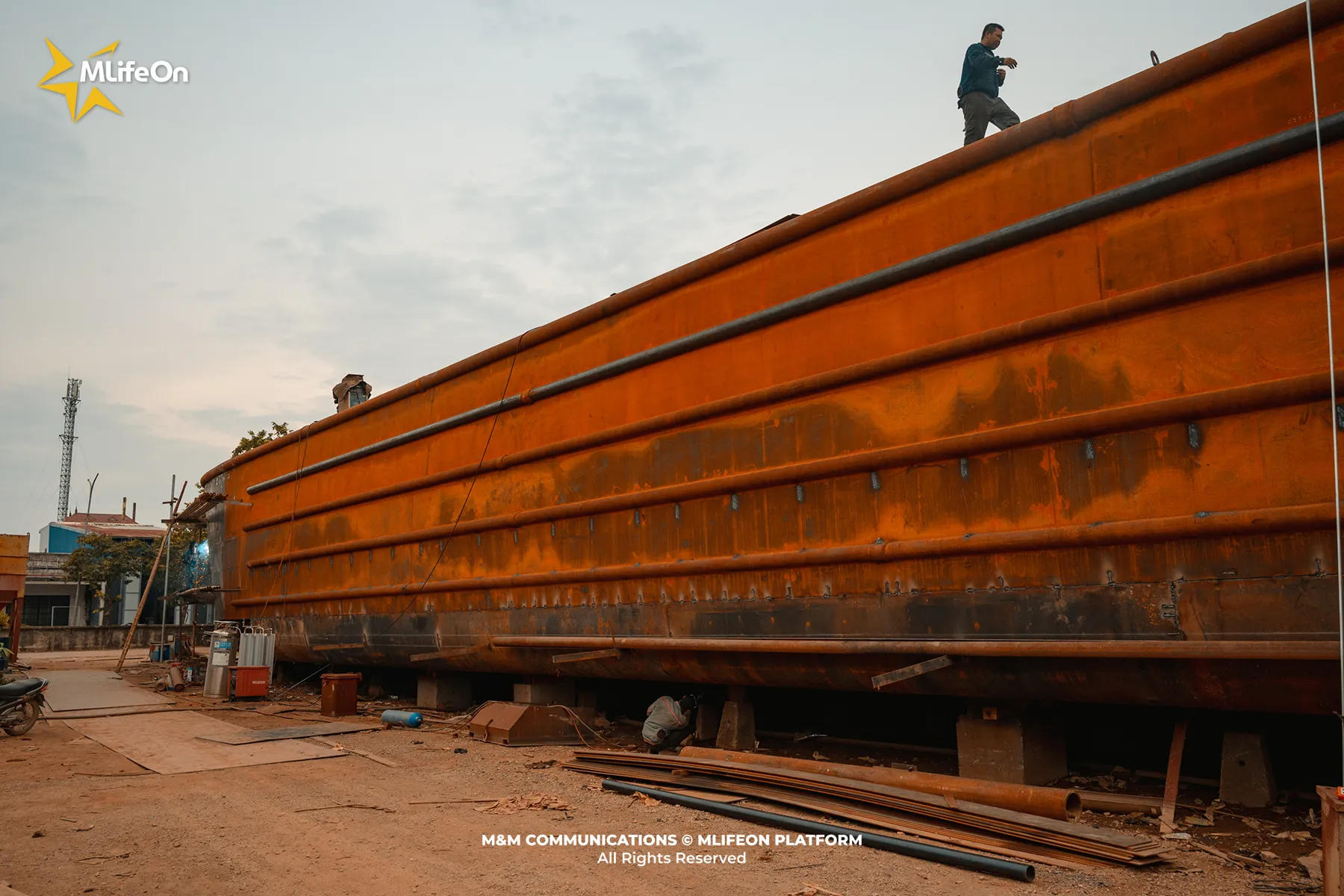
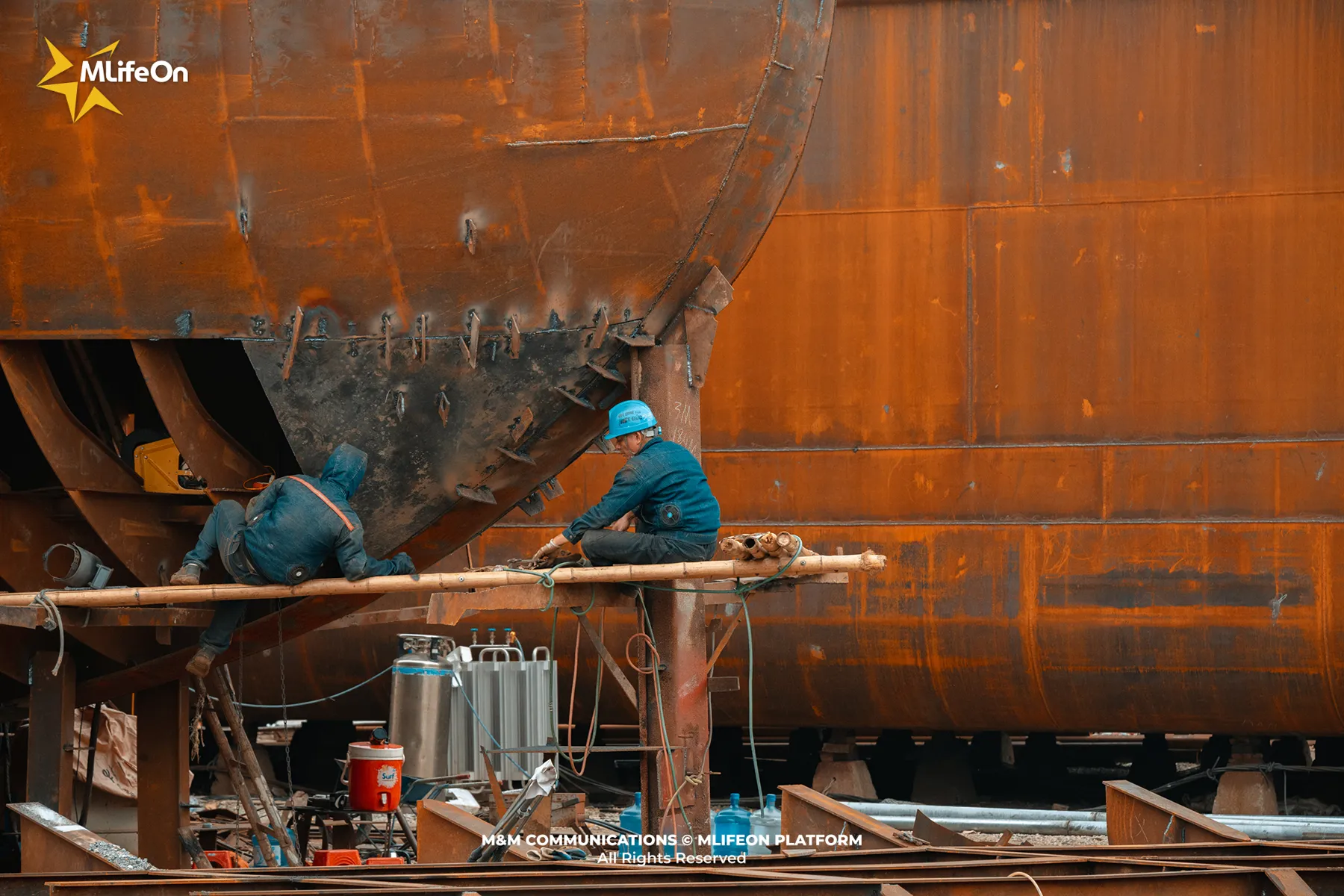
The air is perpetually tinged with the scents of hot steel, fresh paint, and machine oil. The sound of metal cutters rises in bursts, punctuated by the distant crackle of electric welding. Occasionally, a harsh, jarring clamor erupts as massive steel plates are hoisted and set precisely into place.
The sound of steel being cut.
The sound of a grinder.
The sound of welding crackled amidst the large sheets of iron.
Amidst those sounds, what struck me most was the way people worked. Each person was focused on their task, as if the work had become a routine repeated thousands of times over.
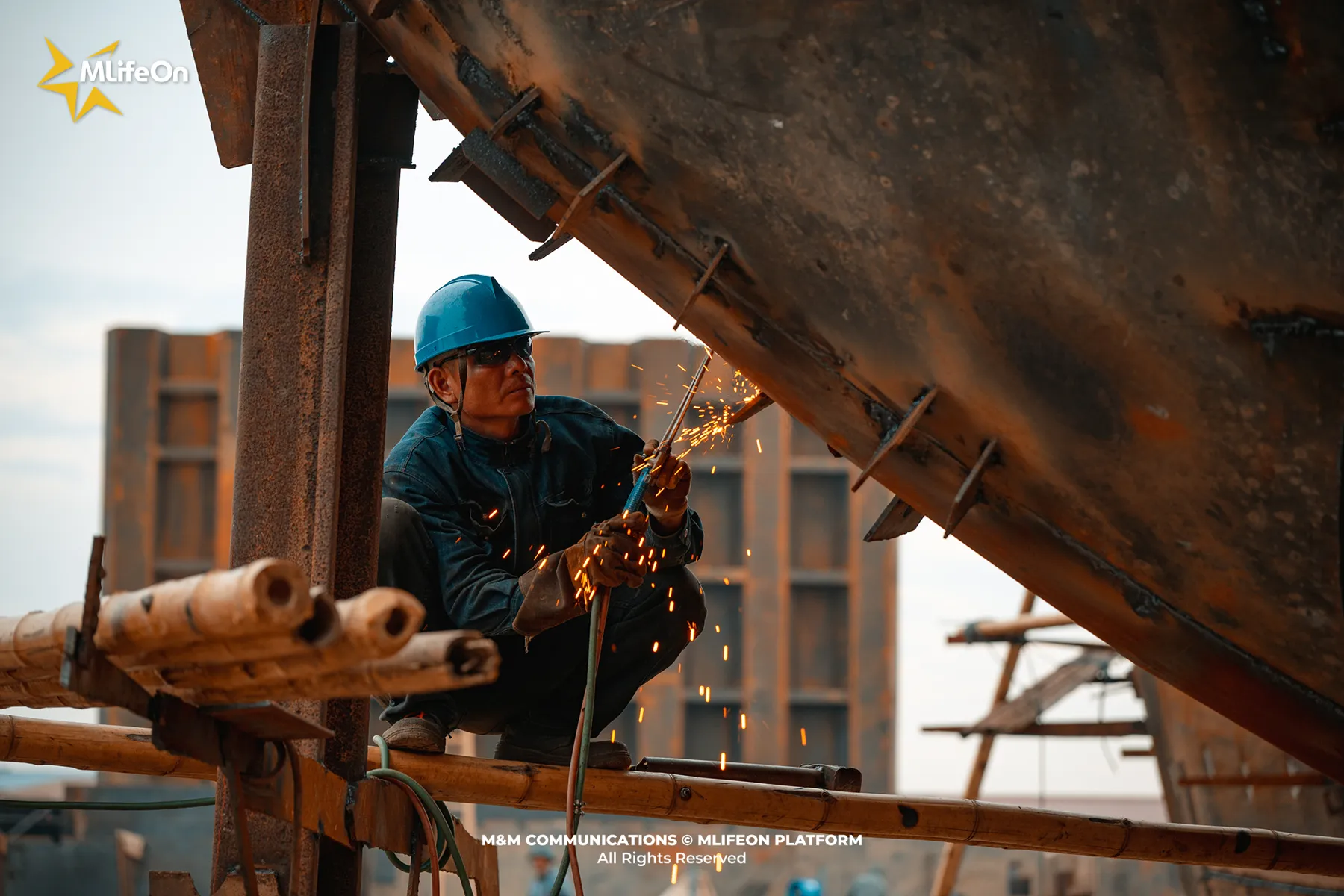
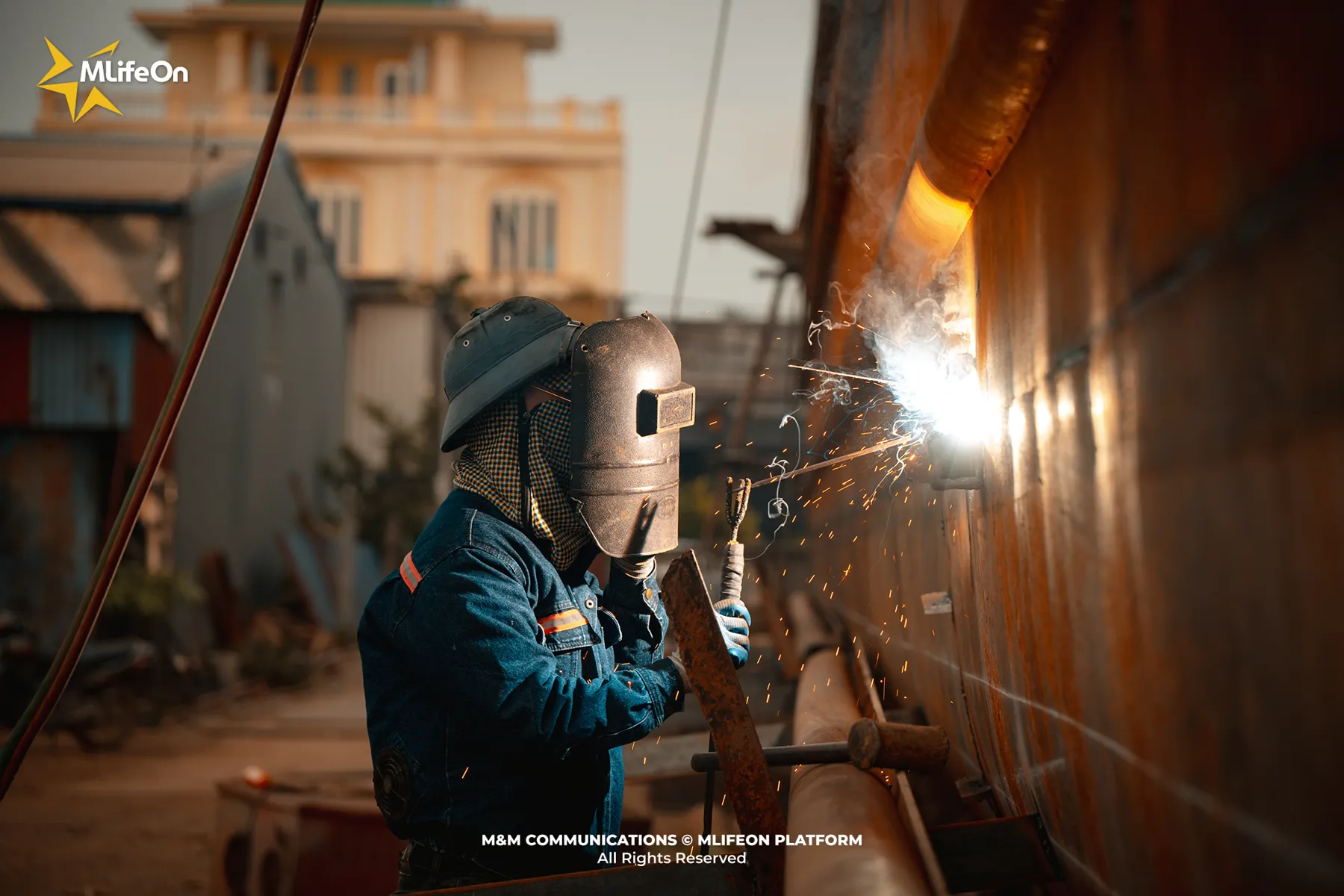
Looking at the unfinished ships resting on the slipway, I suddenly realized they were just like me, constantly taking shape, day by day. Today, they are merely rigid iron frameworks; tomorrow, another section of the hull is added. And one day, they will leave this place to embark on their own journeys across the open sea.
A ship does not appear in a single day.
Nor is it crafted by a single pair of hands.
It is the result of months, or even years, of tireless labor.
The “silent heroes” behind every voyage
If ships are the soul of the shipyard, then the workers are the heartbeat that keeps it running.
They are everywhere: perched on scaffolding dozens of meters high, working alongside hulls being welded together, or quietly inspecting every steel joint under the scorching sun. Their clothes are coated in metal dust and their hands calloused by years of labor, yet their eyes remain ever-focused and meticulous.
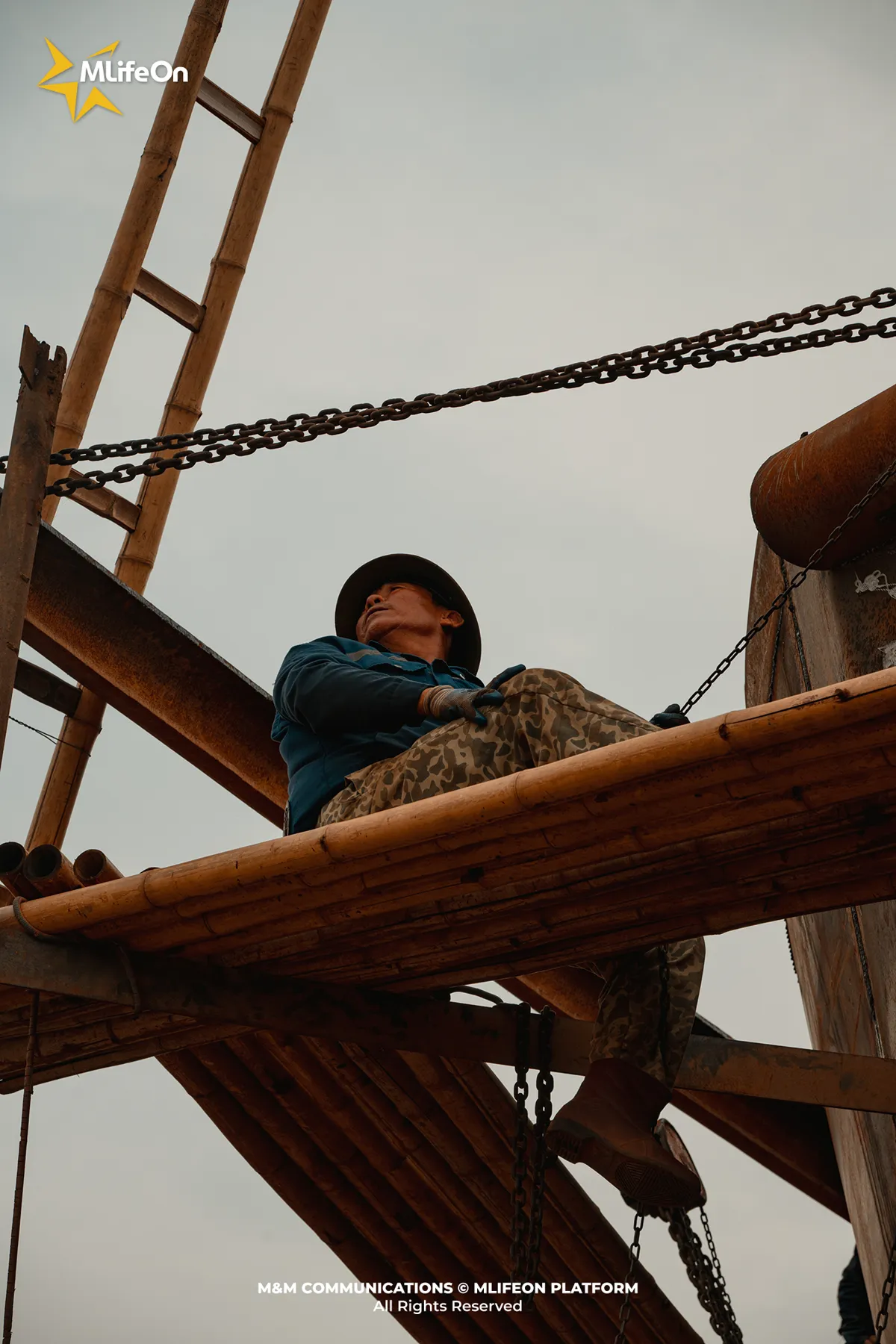
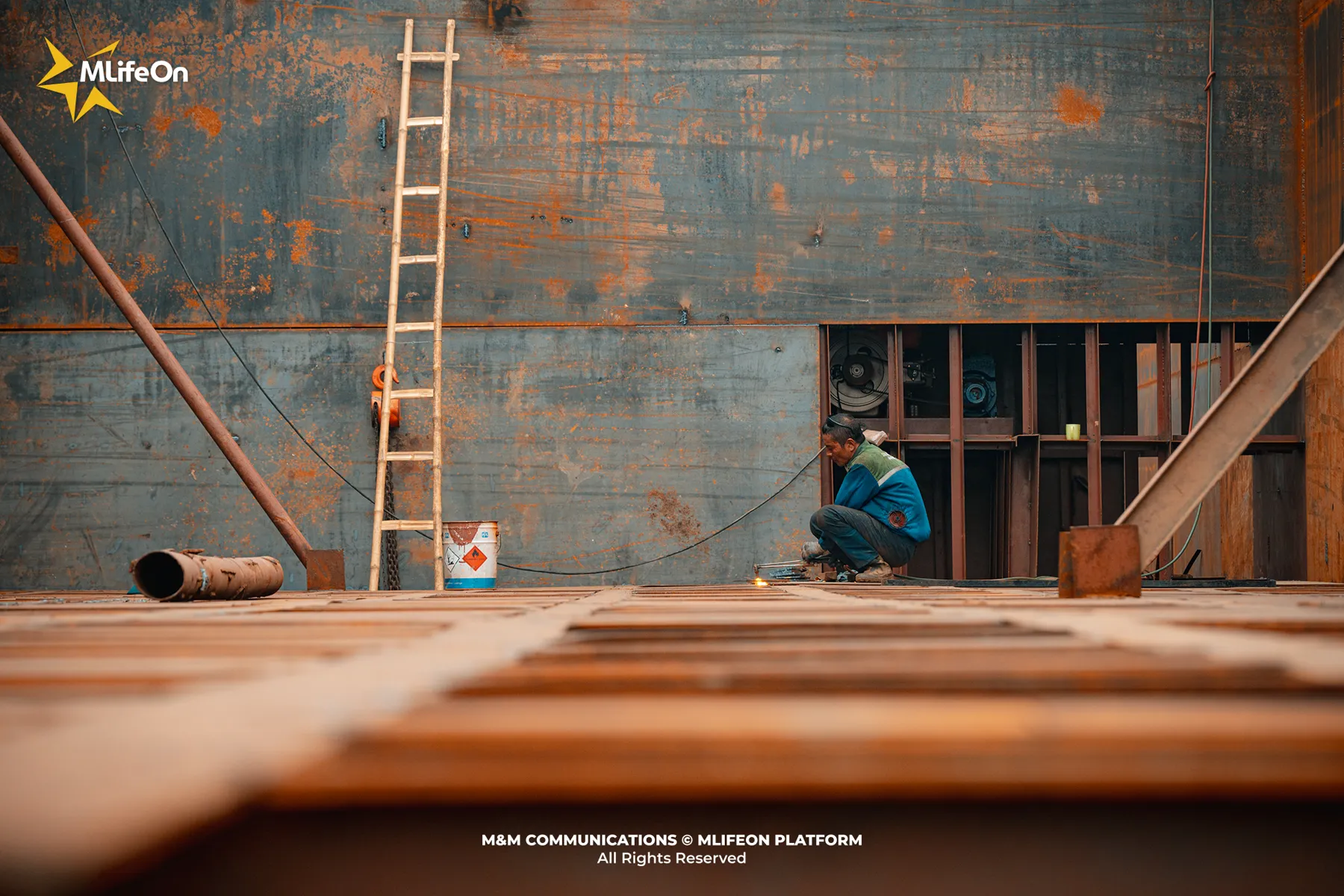
Sweat soaked the backs of their shirts.
Their faces were coated in metal dust.
Their hands were calloused by the years.
Yet, their eyes remained fixed on every detail of the ship with remarkable focus.
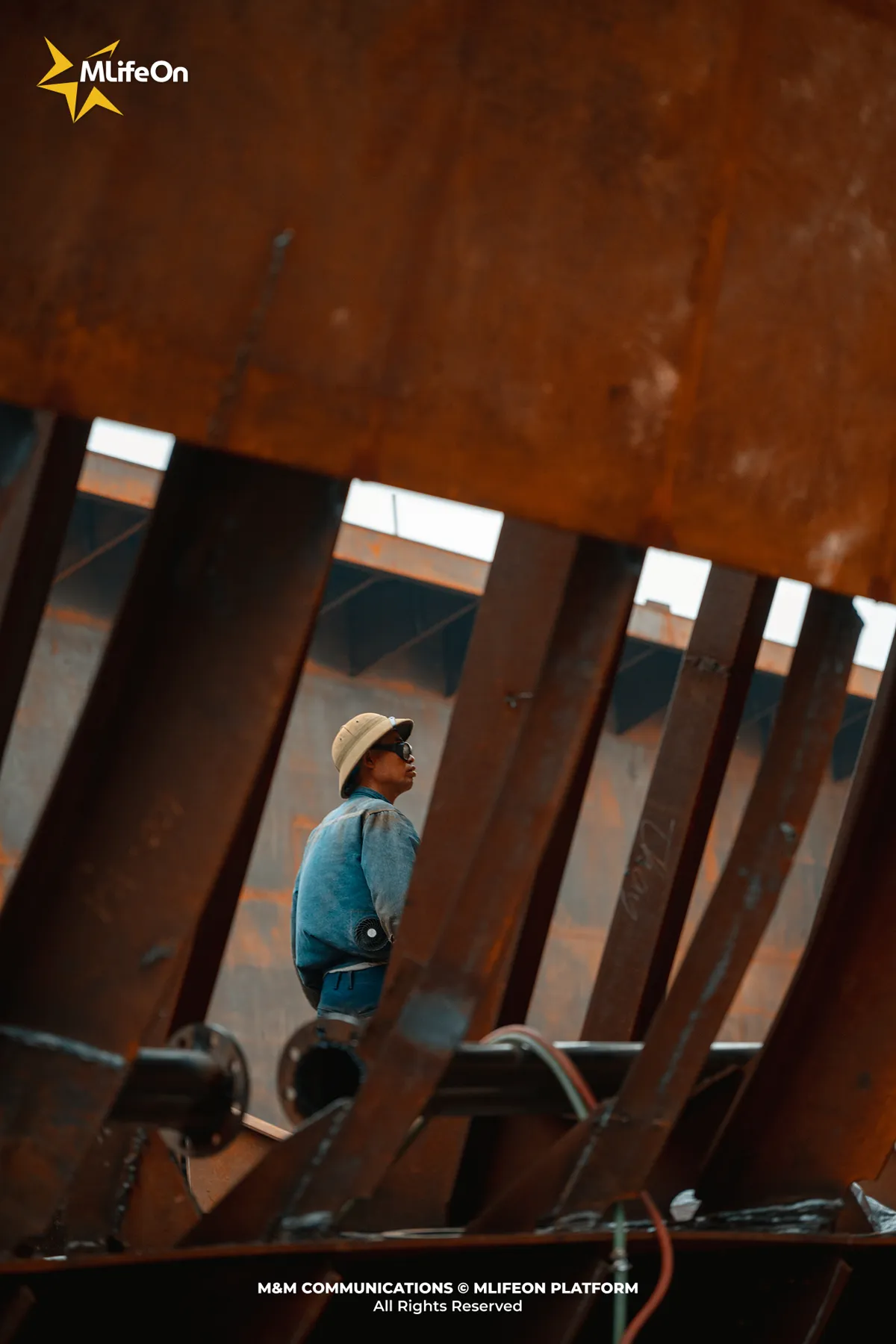
What stays with me most is the image of a worker standing for a long time before a newly completed ship hull. He did nothing but gaze at it in silence; in that moment, I felt he was contemplating the fruits of months of labor.
Perhaps everyone in this trade shares that same feeling, for before any ship sets sail, it has been shaped by the sweat, patience, and youth of so many people.
Conclusion
Perhaps the true beauty of shipyards lies not in the finished vessels that are finally launched, but in the very process of their creation, a beauty born of hard work, perseverance, and patience. Before a ship can venture out onto the open sea, it is forged from the sweat, calloused hands, and countless days of labor of the local craftsmen.
Amidst this landscape so deeply connected to the water, these shipyards endure day after day, serving as the very breath of the port city. They are neither noisy nor ostentatious, yet they leave an indelible impression on anyone who visits.
—-------
CREDIT:
- Photography: Luan Nguyen
- Content: Giang Huynh
- Design: Phuong Nguyen