VIETNAMESE CULTURE - A TAPESTRY OF COLORS WOVEN FROM EVERYDAY LIFE
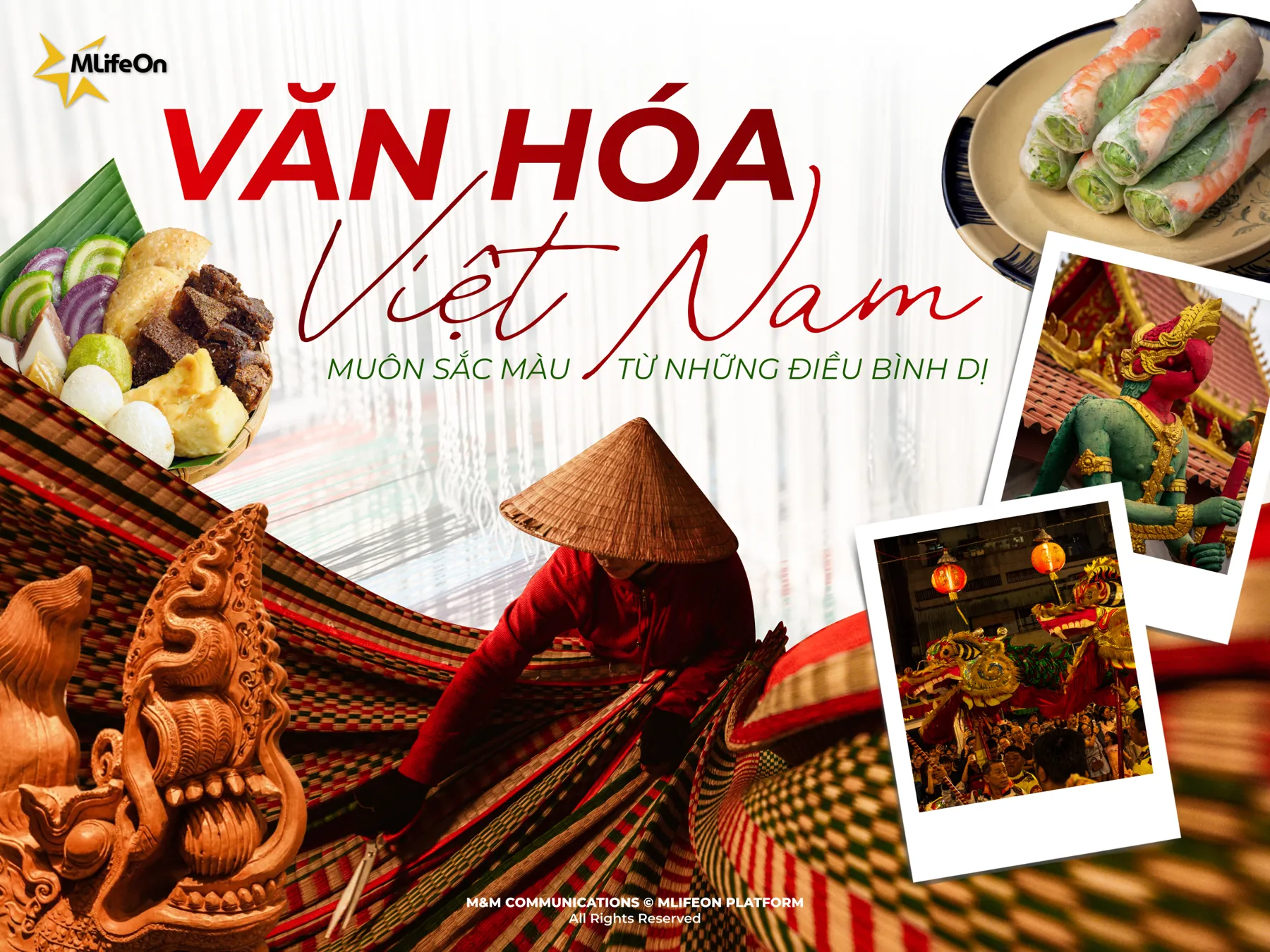
Vietnamese culture is more than ancient heritage, traditional festivals, and historic landmarks. It also lives in the simplest moments of everyday life: a morning market, a familiar dish, the skilled hands of an artisan, or customs passed down through generations.
Throughout its journeys across Vietnam, MLifeOn has had the opportunity to capture many moments that reflect the country's rich cultural identity. Every place has its own character, and every person has a different story to tell. When these stories come together, they reveal a Vietnamese culture that is not only diverse in its traditions and identities but also constantly evolving, preserved and enriched through everyday life.
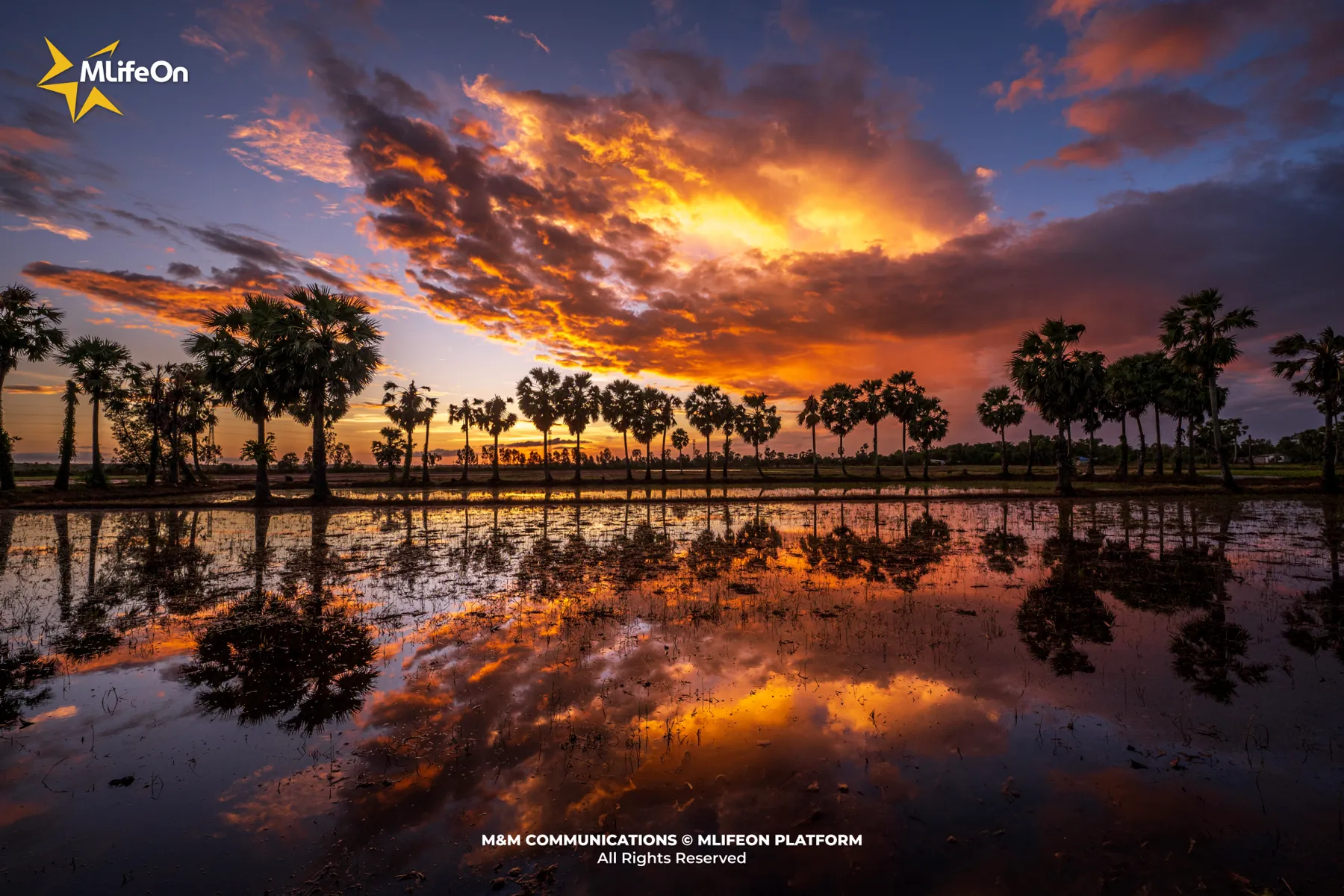
Vietnamese culture is woven into every little moment of life.
Culture in the rhythms of everyday life
Culture takes shape through everyday life, through the habits, routines, and ways people interact with one another. Some things become so familiar that we barely notice them, yet they help define the unique character of a place.
They can be found in the calls of street vendors each morning, small roadside eateries, conversations between shopkeepers and regular customers, or the daily routines that begin long before sunrise.
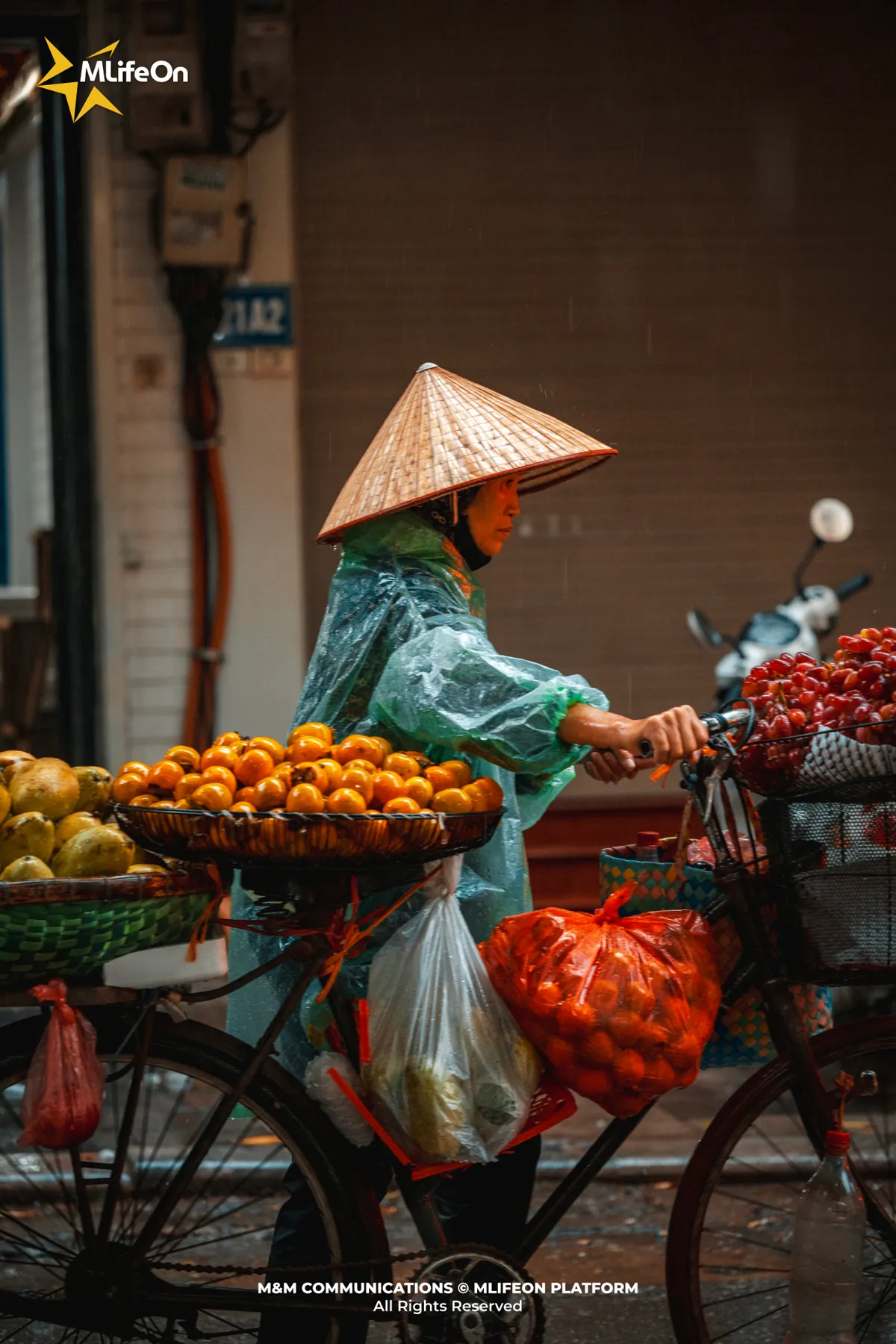
Beloved street vendors.
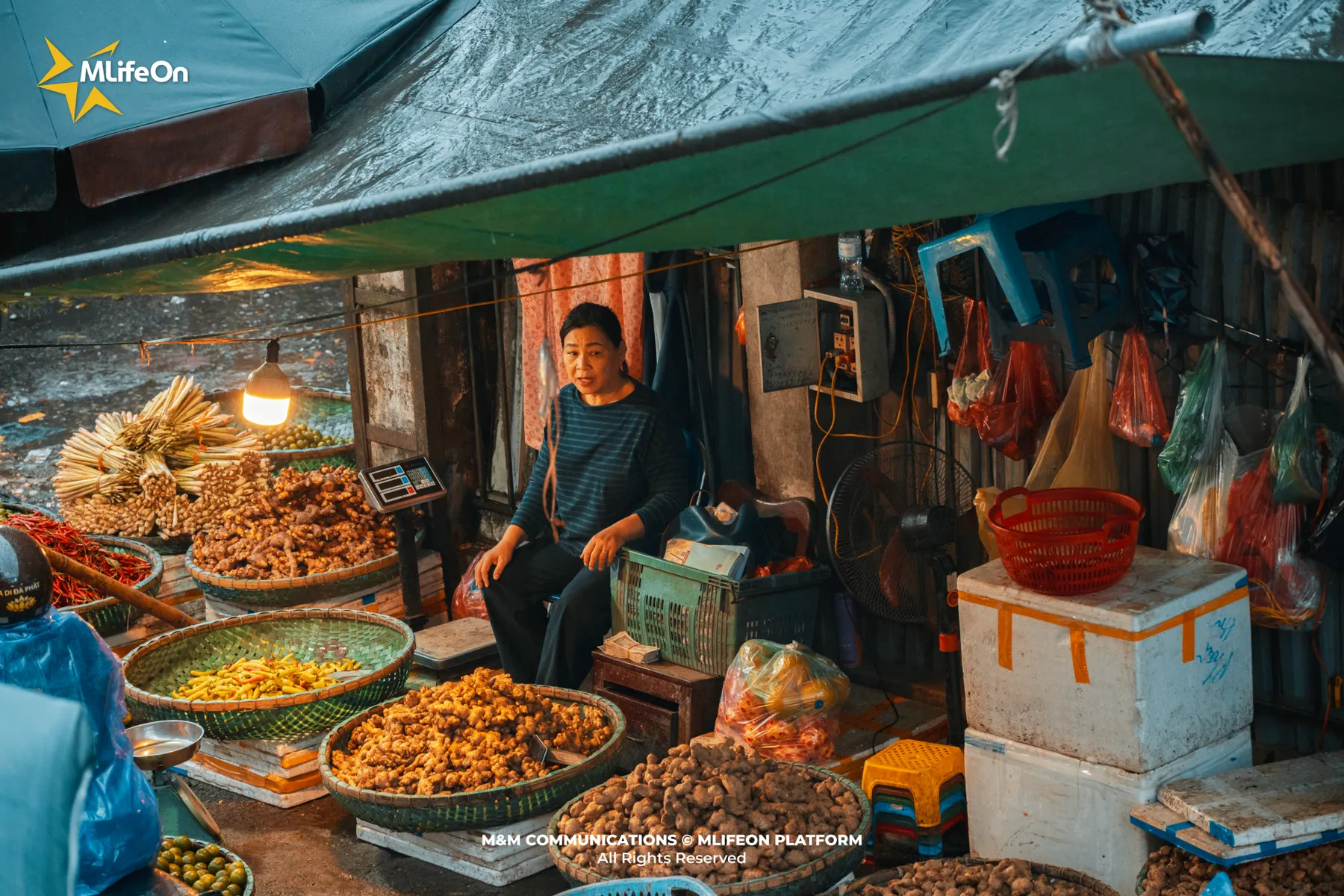
A familiar traditional market.
In Saigon, a long-established barbershop may be somewhere people visit not only for a haircut but also to catch up on everyday life. Along the coast, while many people are still asleep, fish markets are already bustling with conversations, the sounds of trading, and the footsteps of people hard at work.
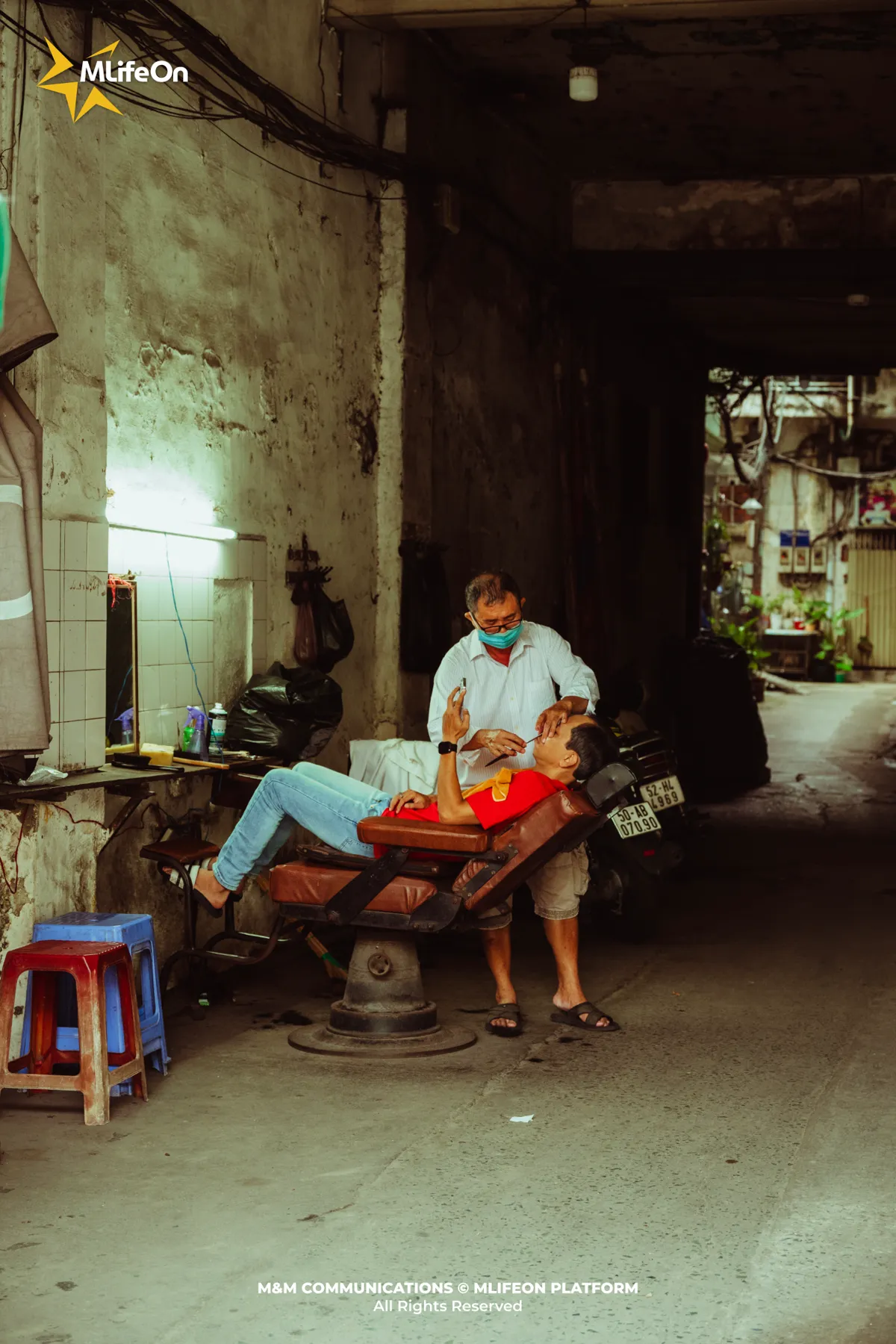
Every region has its own rhythm of life, shaped by its natural environment, local livelihoods, and the habits of the people who call it home. Over time, these seemingly small details gradually become part of the local identity.
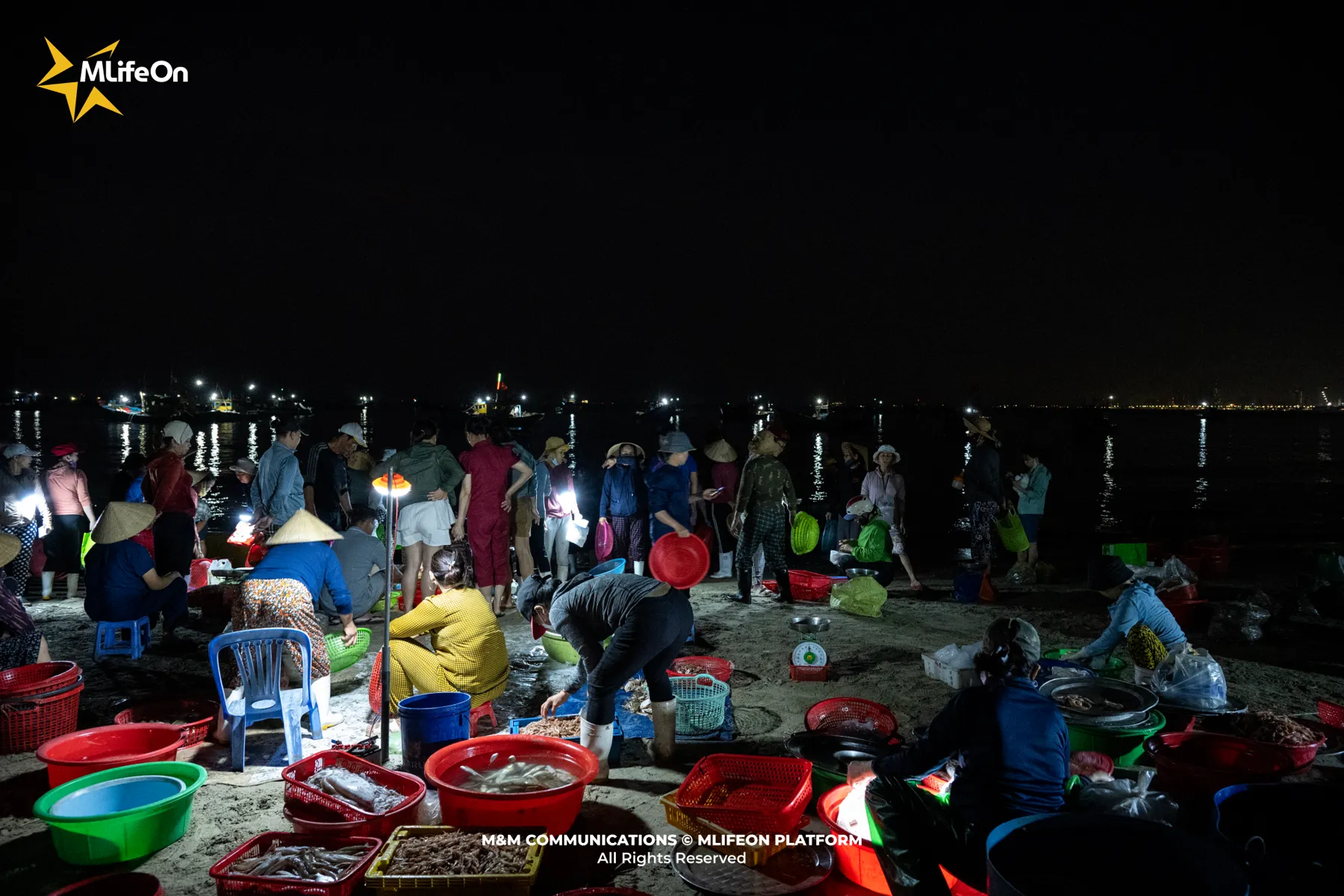
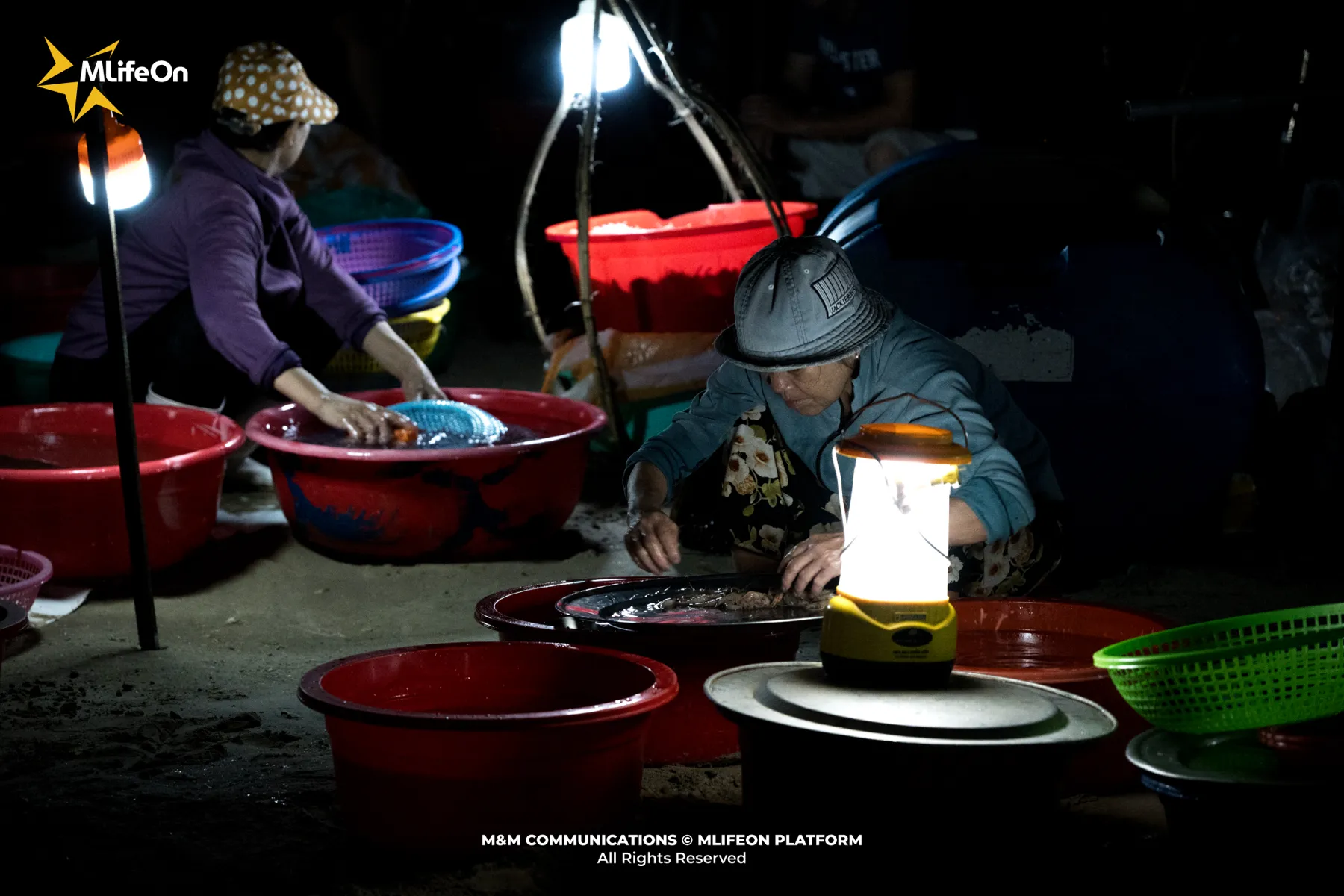
Son Tra Fish Market in the early morning.
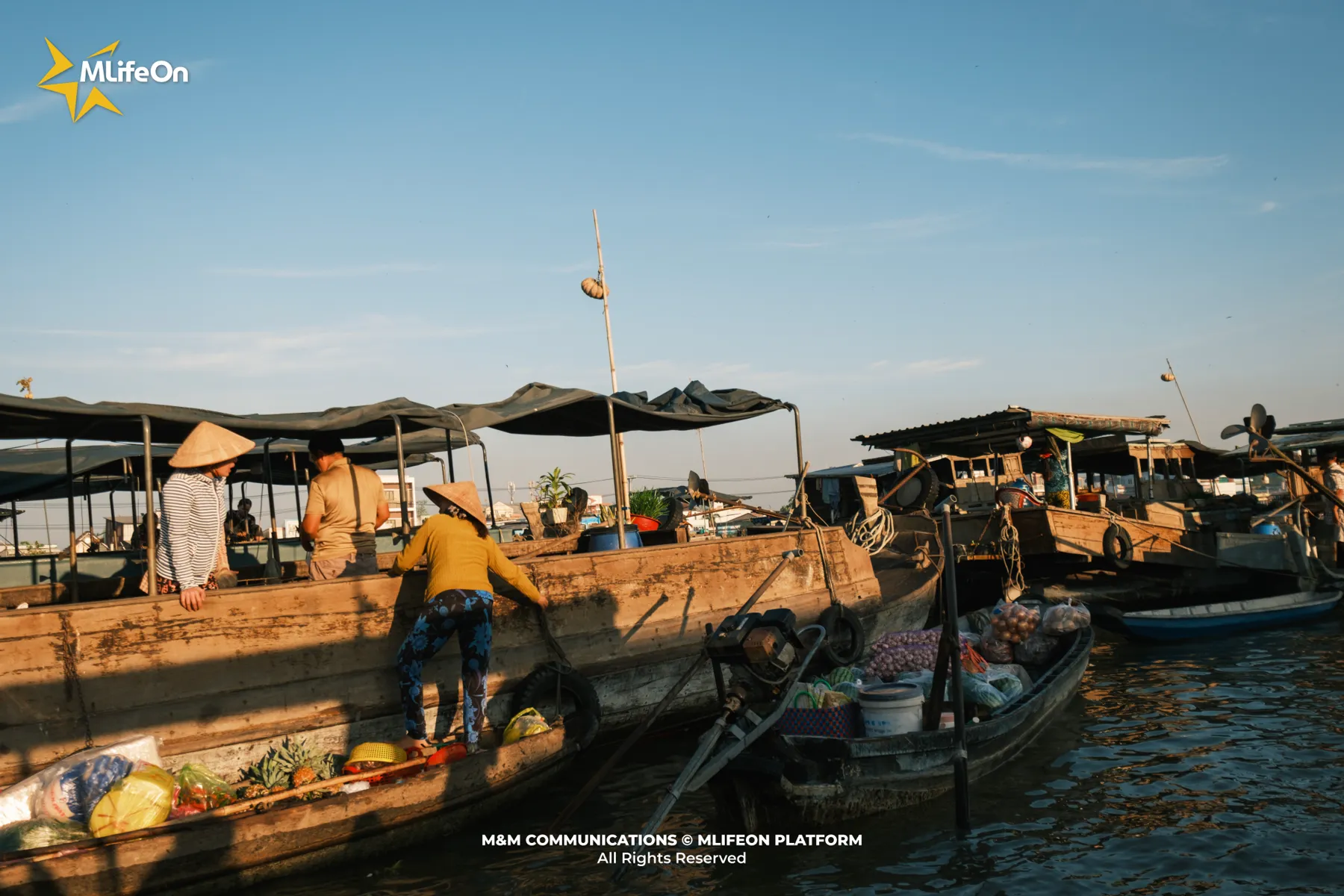
Cai Rang Floating Market in Can Tho bustles at the crack of dawn.
Culture, therefore, does not always have to be sought in extraordinary places. Sometimes, simply observing the life around us is enough to discover stories worth appreciating.
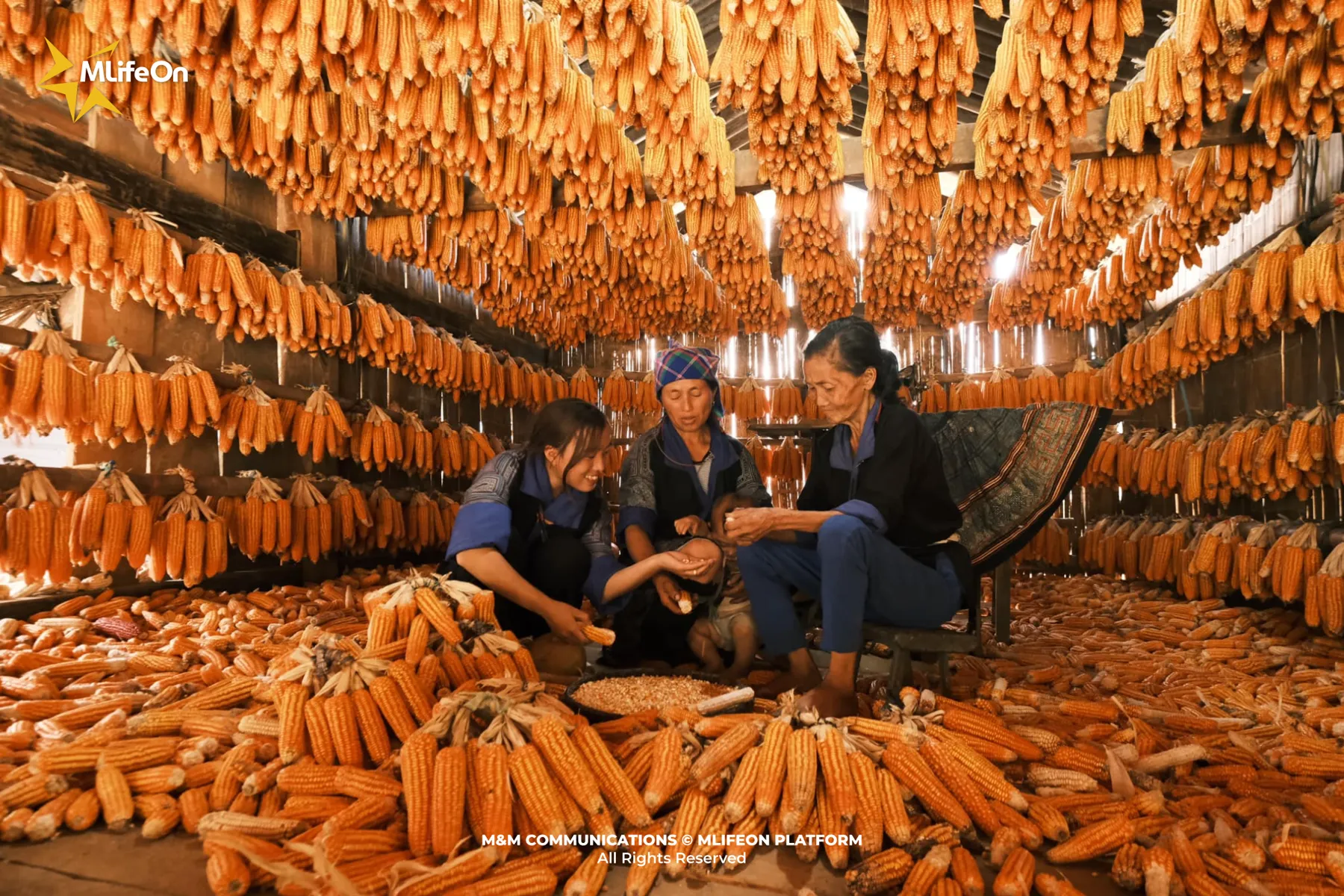
A corn-shaped house in Mu Cang Chai.
A taste of home in familiar dishes
If everyday customs reflect how people live and connect with a place, cuisine expresses culture through flavors, cooking methods, and dining traditions.
From rice, fish, vegetables, and seasonal produce, Vietnamese people across different regions have created dishes with distinctive local identities. Behind each dish lies an adaptation to the natural environment, knowledge accumulated over generations, and customs closely connected to everyday life.
A packet of fragrant green rice flakes evokes memories of autumn in Hanoi. The dishes of the Mekong Delta carry the flavors of its waterways and abundant local produce. In Saigon, meanwhile, the city's culinary diversity reflects, in part, the encounters and cultural exchanges among different communities.
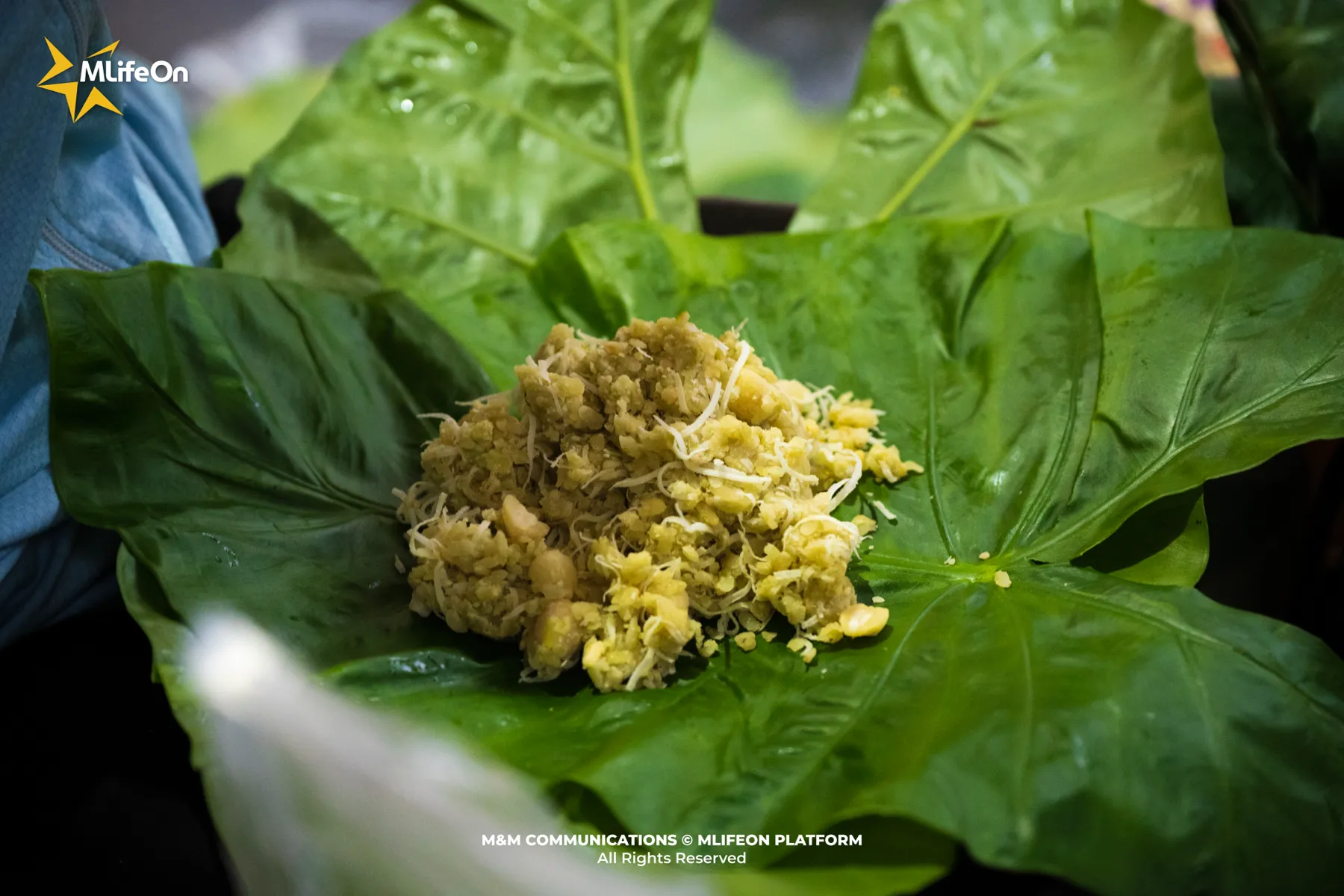
Young green rice - a delicacy one cannot help but remember every time autumn arrives in Hanoi.
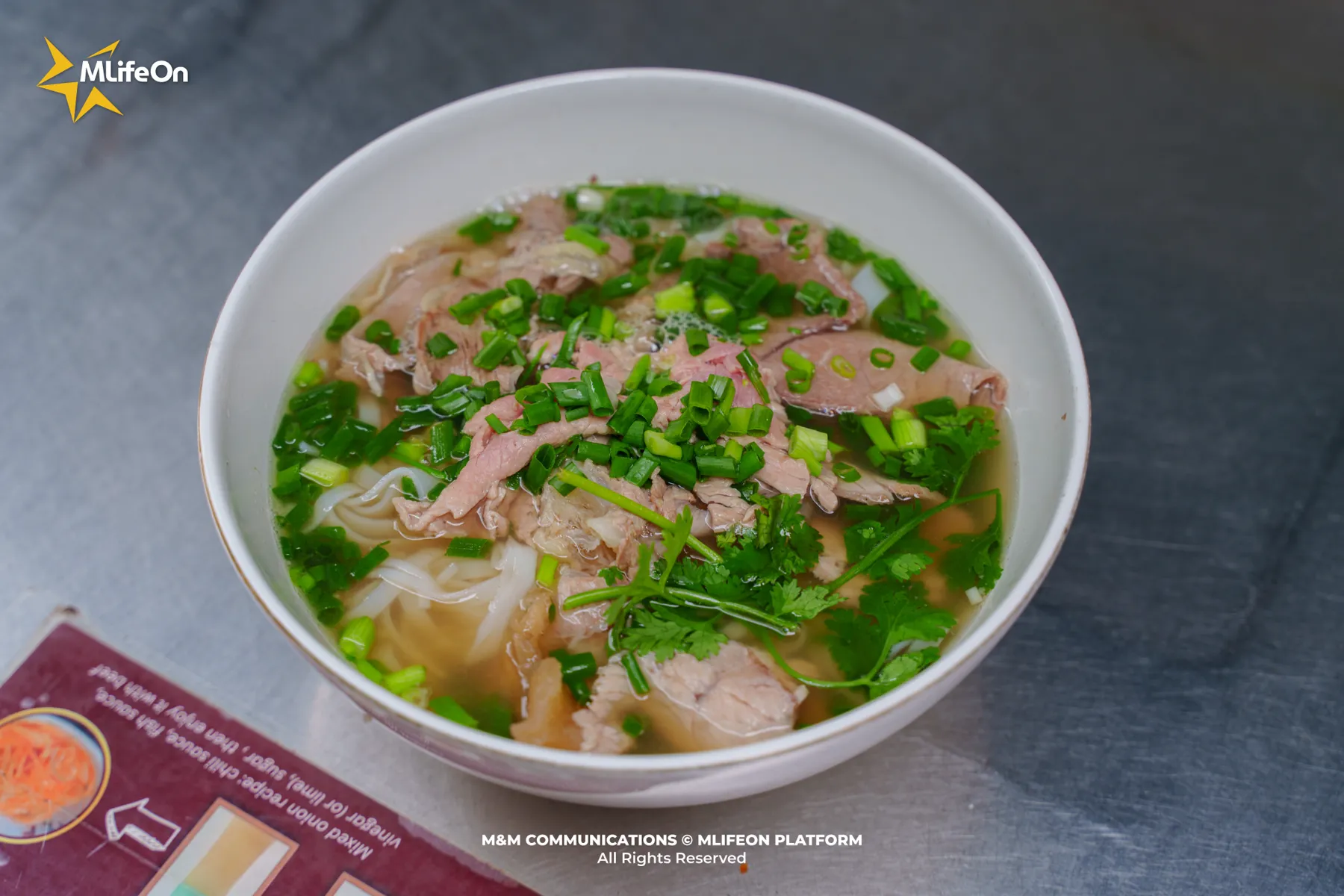
Pho - The national soul and quintessence of Vietnam, featuring distinctive flavors from every region.
Enjoying a dish can therefore also be a way of understanding the culture of a place. From the ingredients and cooking techniques to the way people gather around a shared meal, every detail carries habits and values nurtured over time.
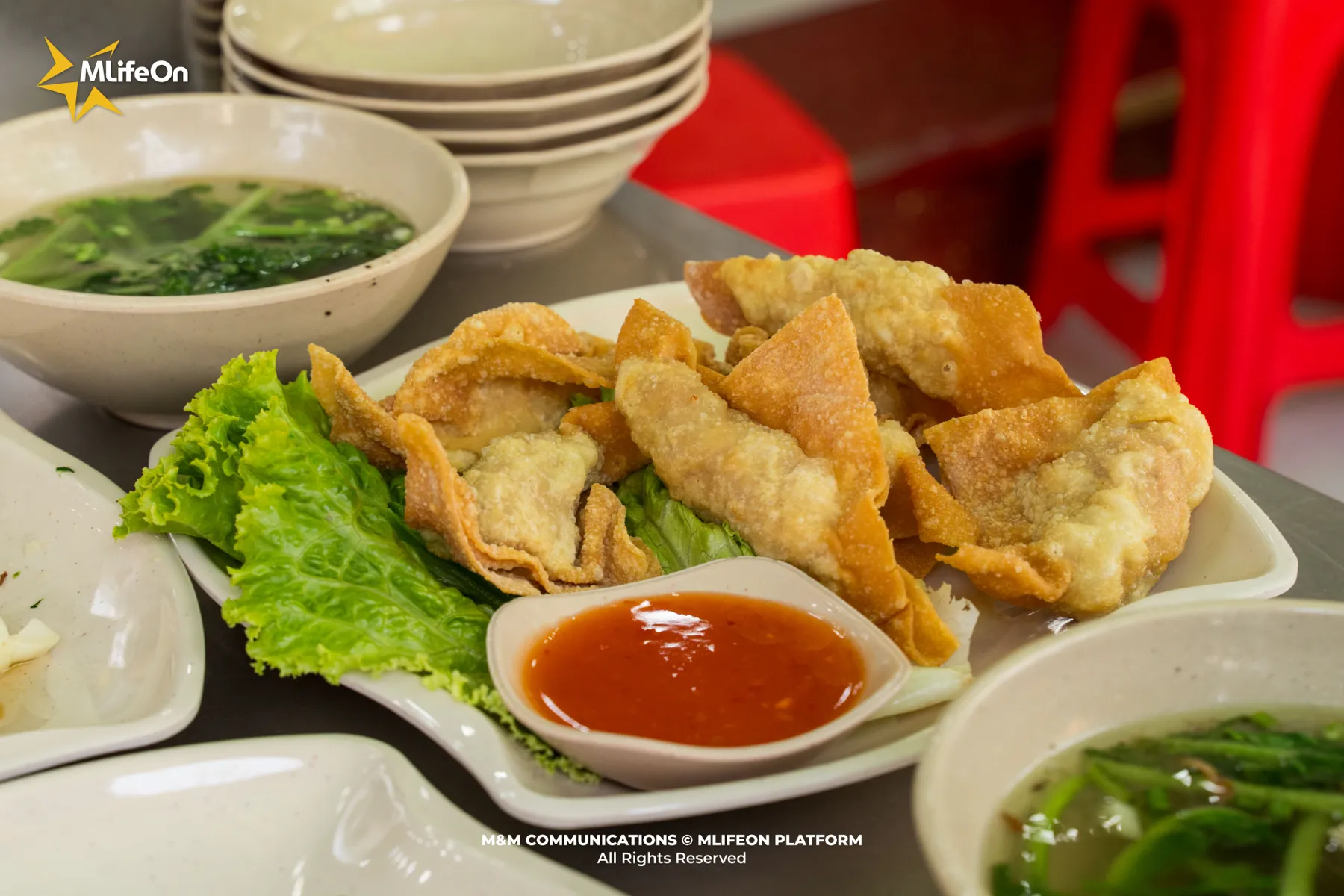
Crispy shrimp dumplings.
Cuisine continues to evolve as well. Familiar dishes may be reinvented, combined with new ingredients, or enjoyed in more contemporary ways. Whatever form they take, they continue to enrich Vietnam's culinary culture.
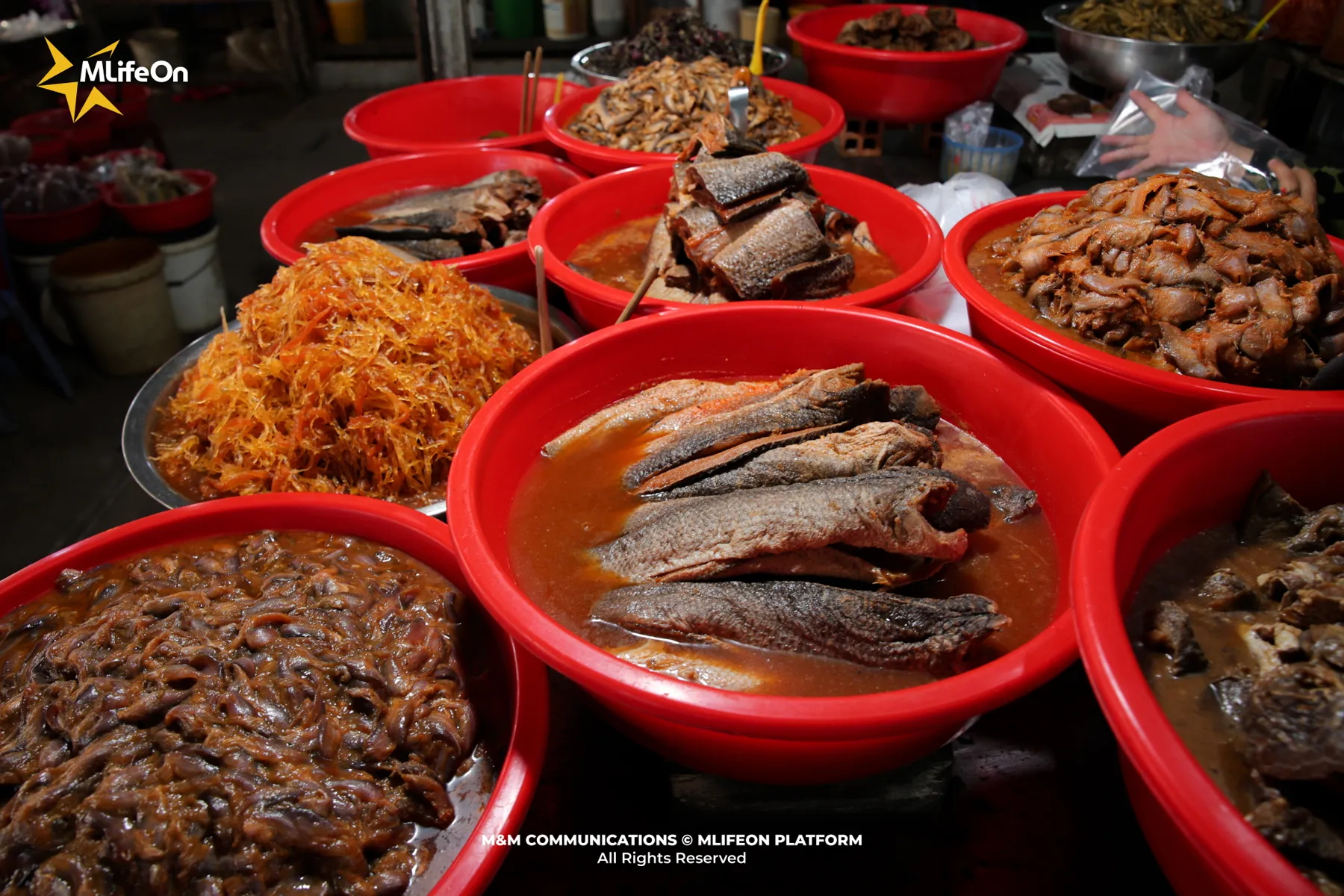
Mekong Delta fermented fish.
Traces of time in traditional craft villages
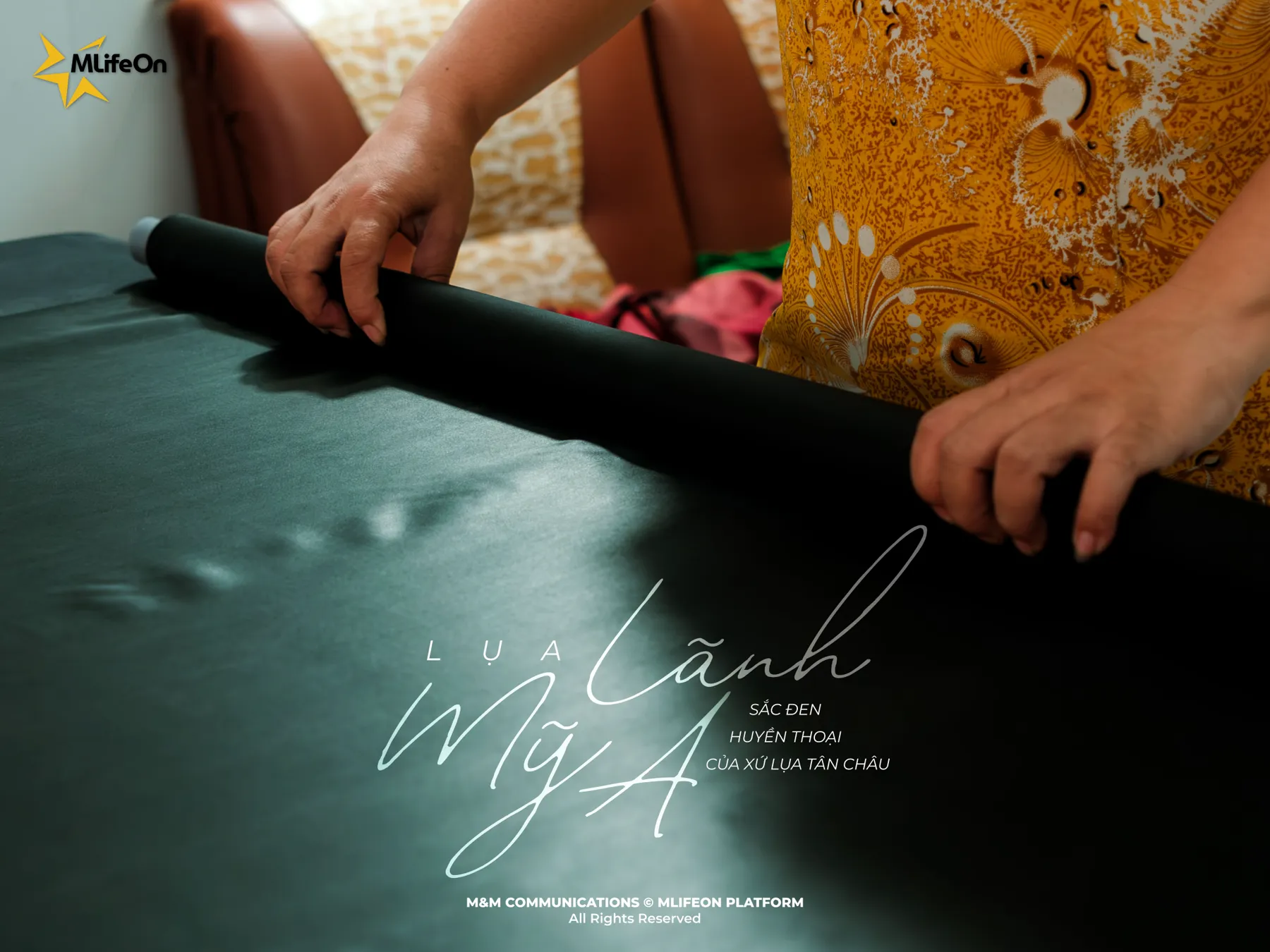
While cuisine preserves culture through familiar flavors, traditional craft villages keep it alive through the hands, skills, and experience of their artisans.
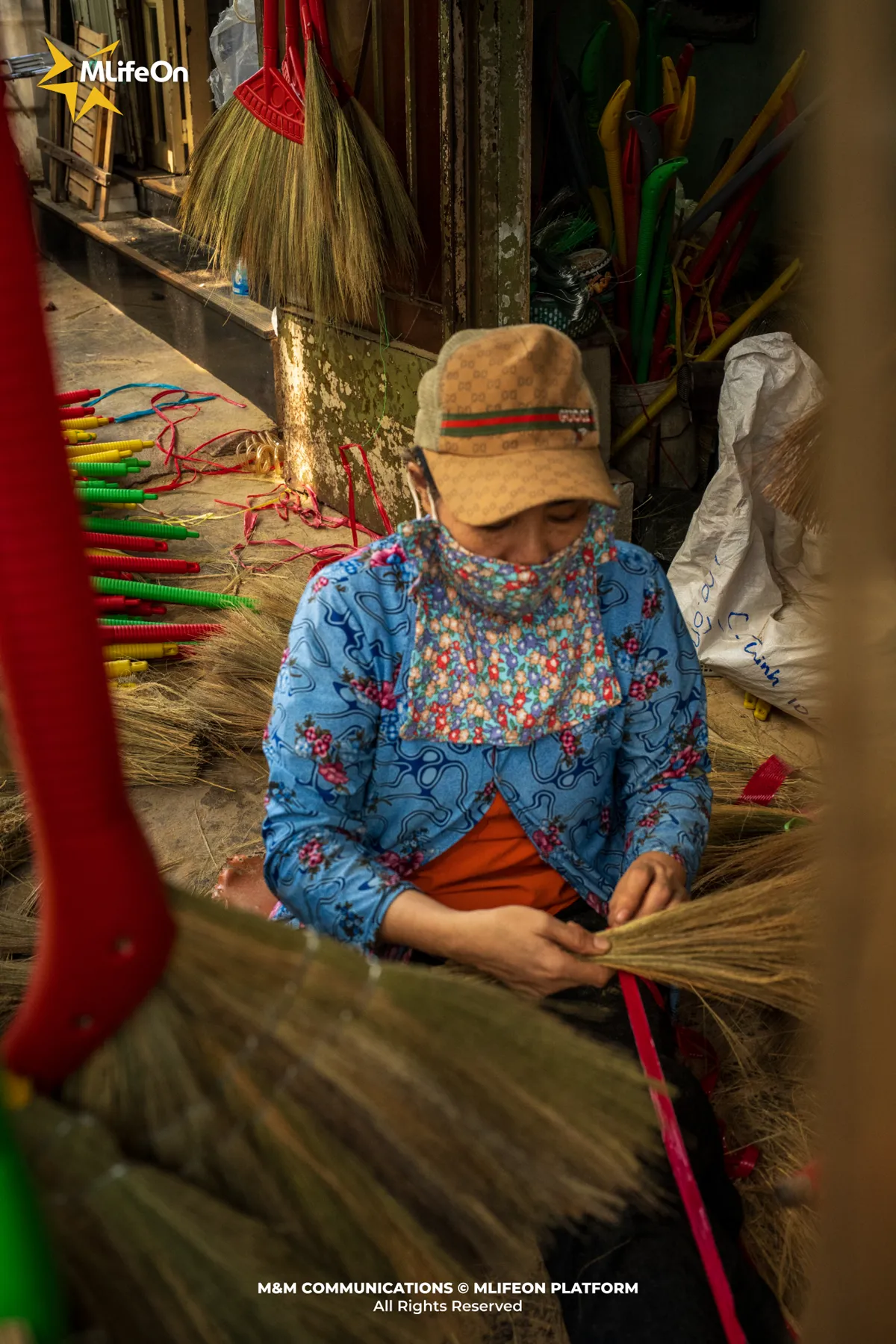
The traditional broom-making craft in an alley on Pham Phu Thu Street, Ho Chi Minh City.
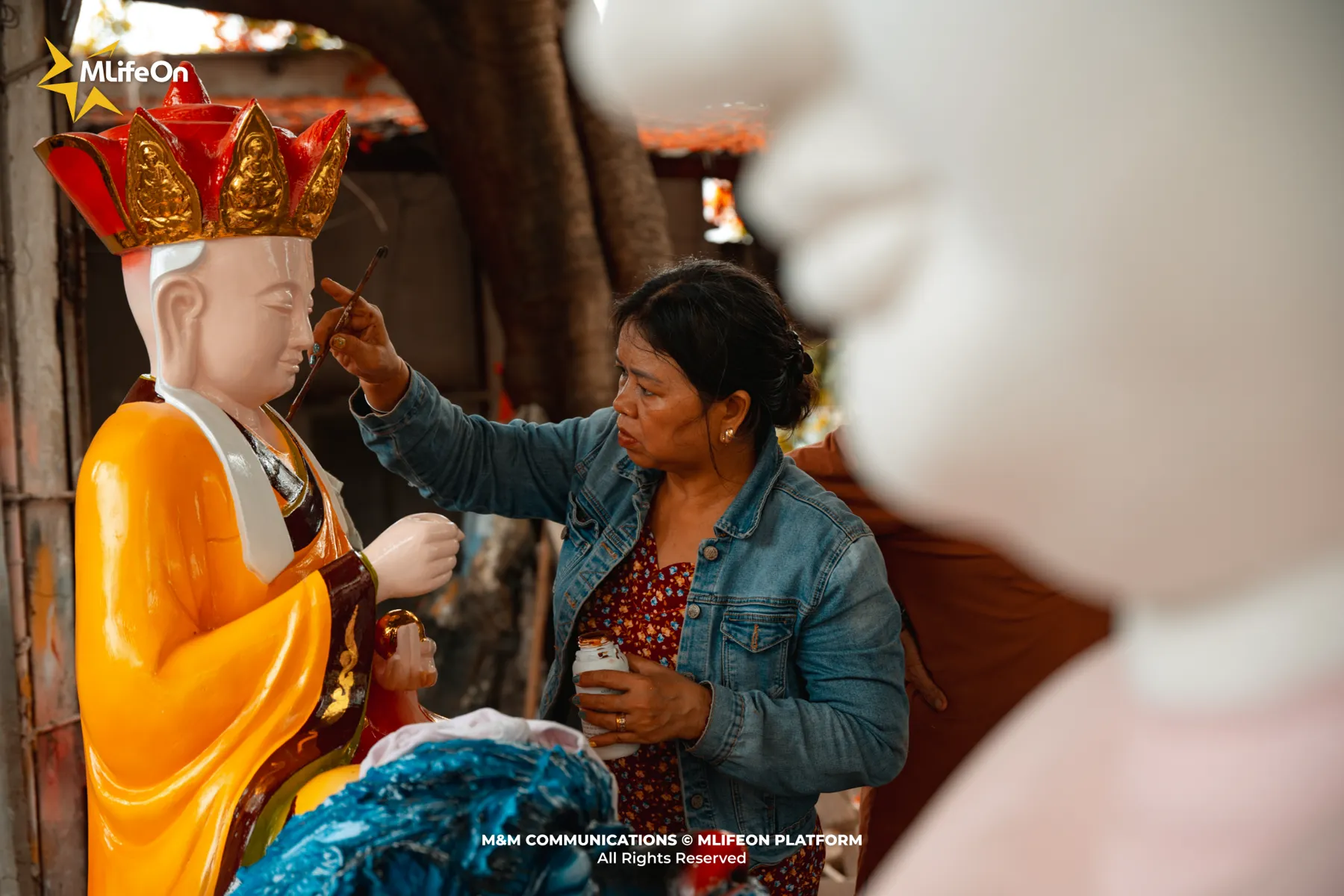
The craft of Buddha statue making in District 6, Ho Chi Minh City.
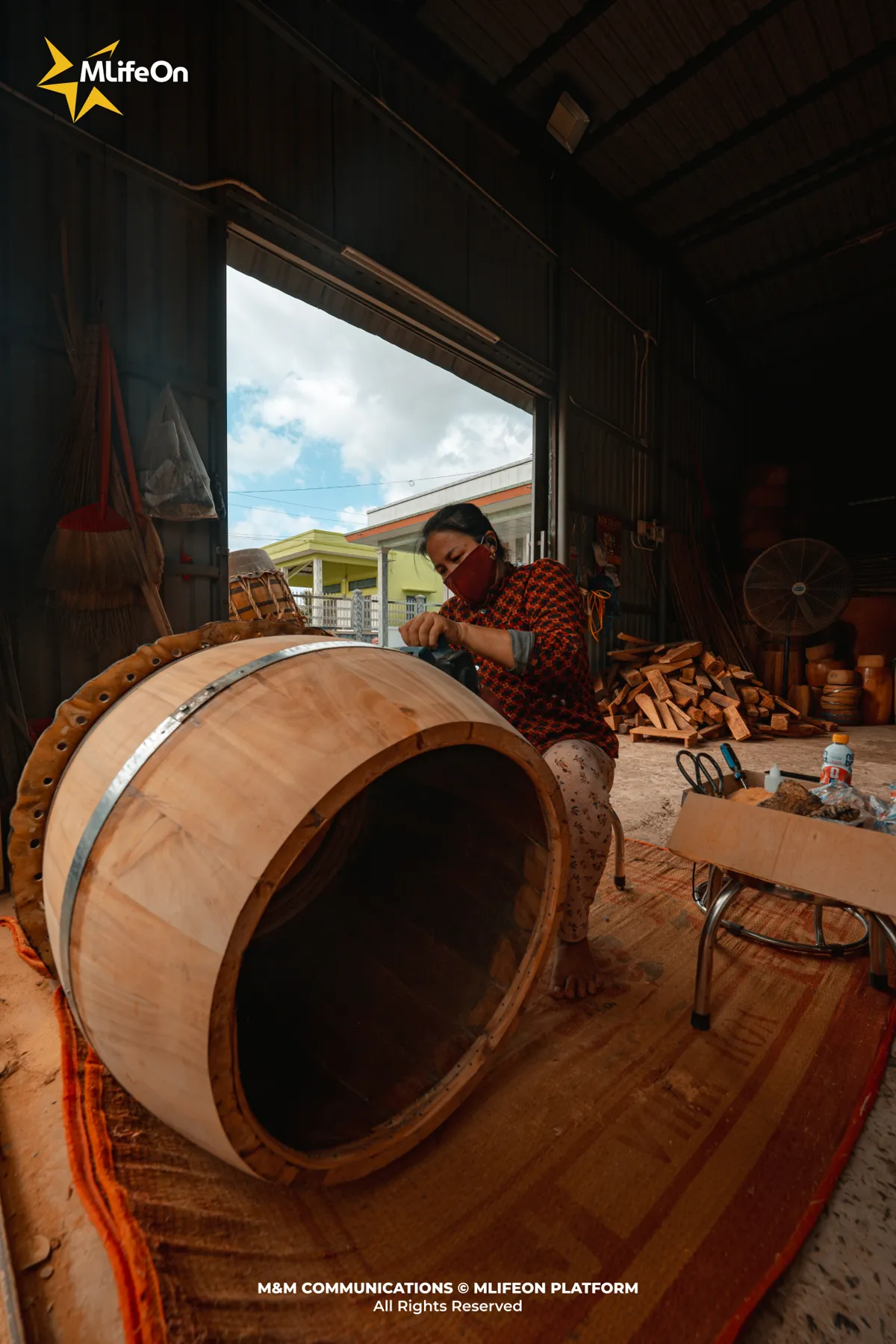
Long An Drum Making Village.
Each craft emerged from the natural conditions and everyday needs of its region. Over generations, techniques, trade secrets, and practical knowledge were refined and passed down, gradually becoming part of a community's identity.
In the salt fields of Phan Rang, salt workers continue to labor patiently under the sun and wind to produce white salt crystals. In Phu Yen, skilled hands carefully weave fishing nets that support the livelihoods of local fishermen. At Long Dinh mat-weaving village, raw fibers are gradually transformed by artisans into the familiar woven mats found in many Vietnamese homes.
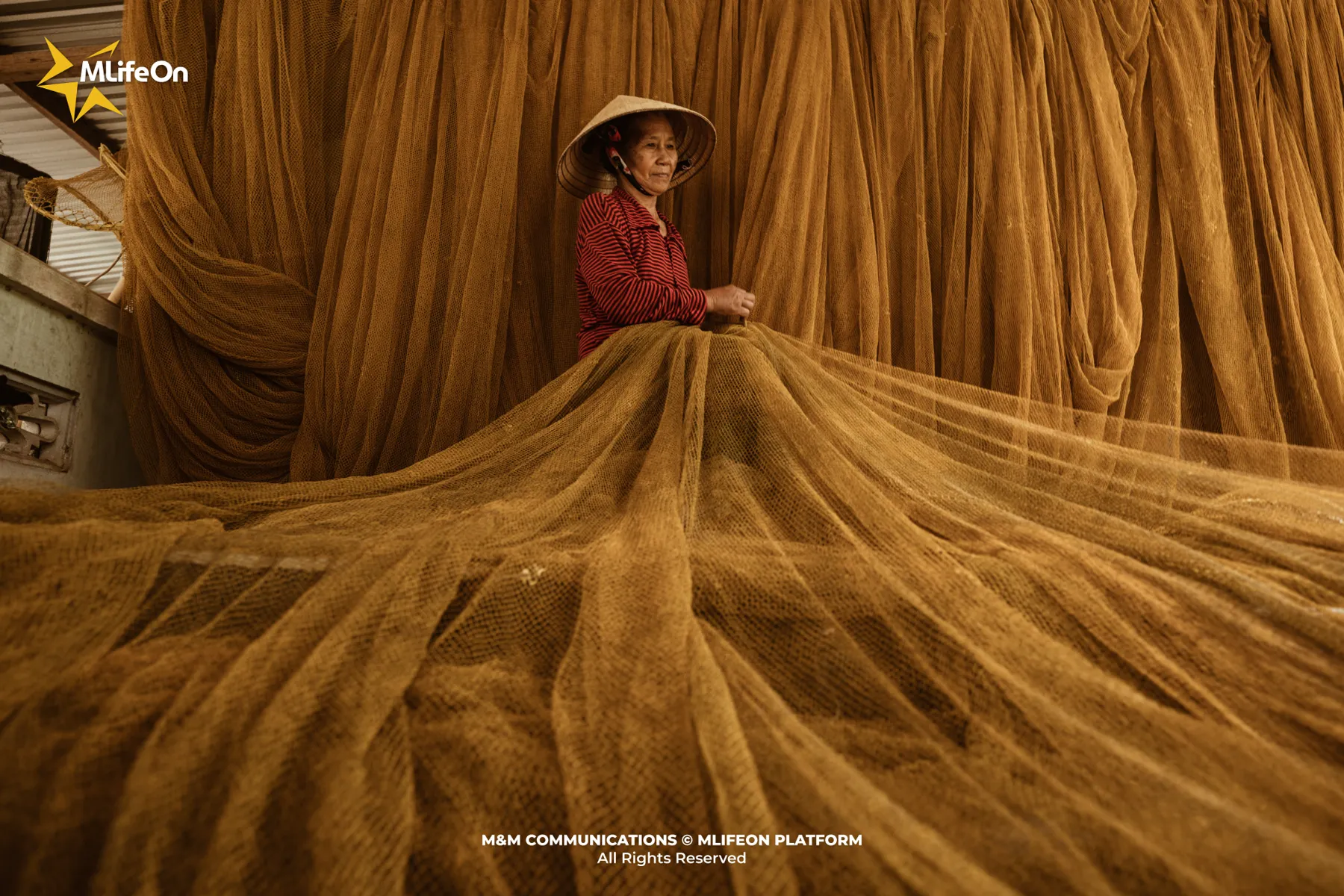
The net-weaving craft in Phu Yen.
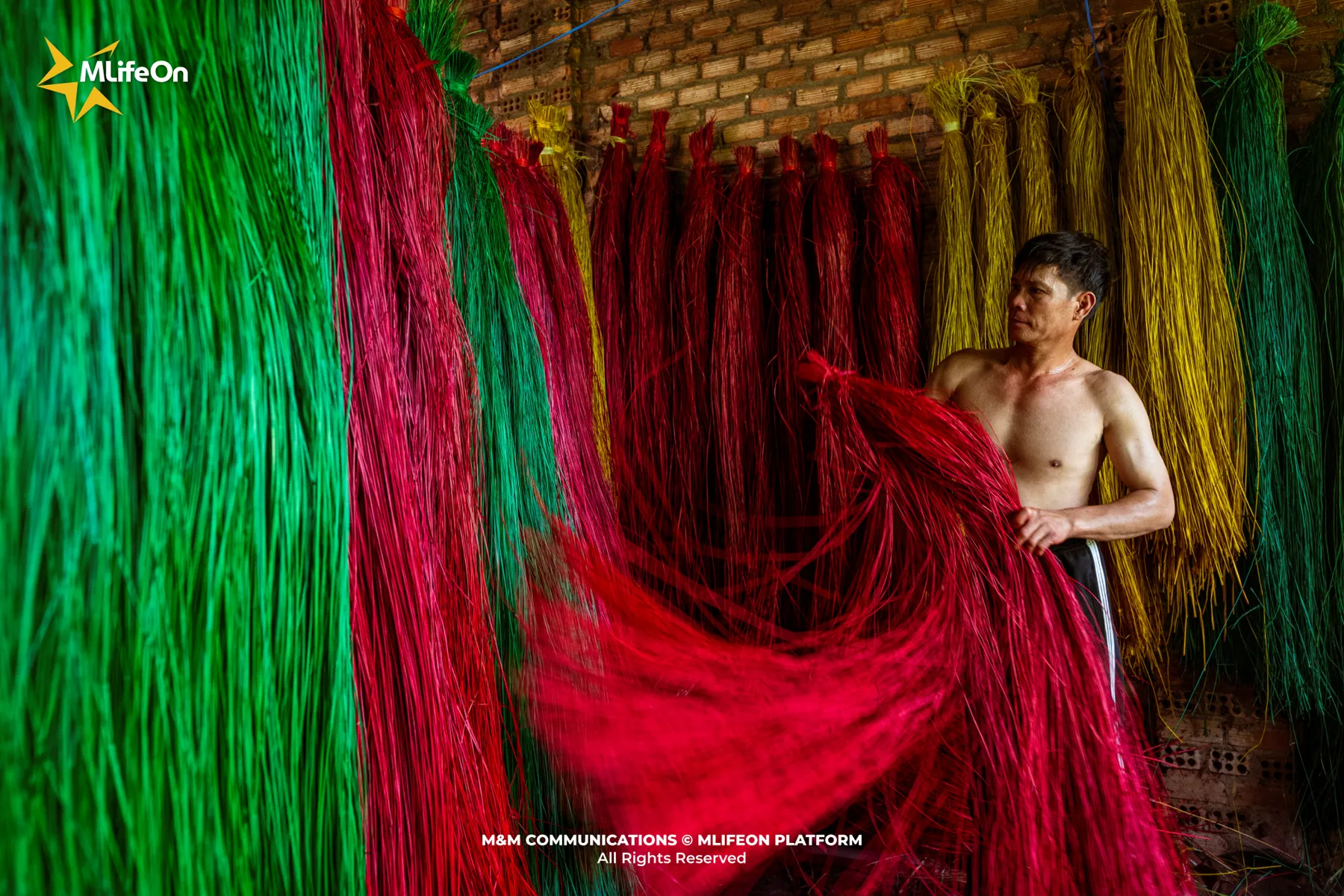
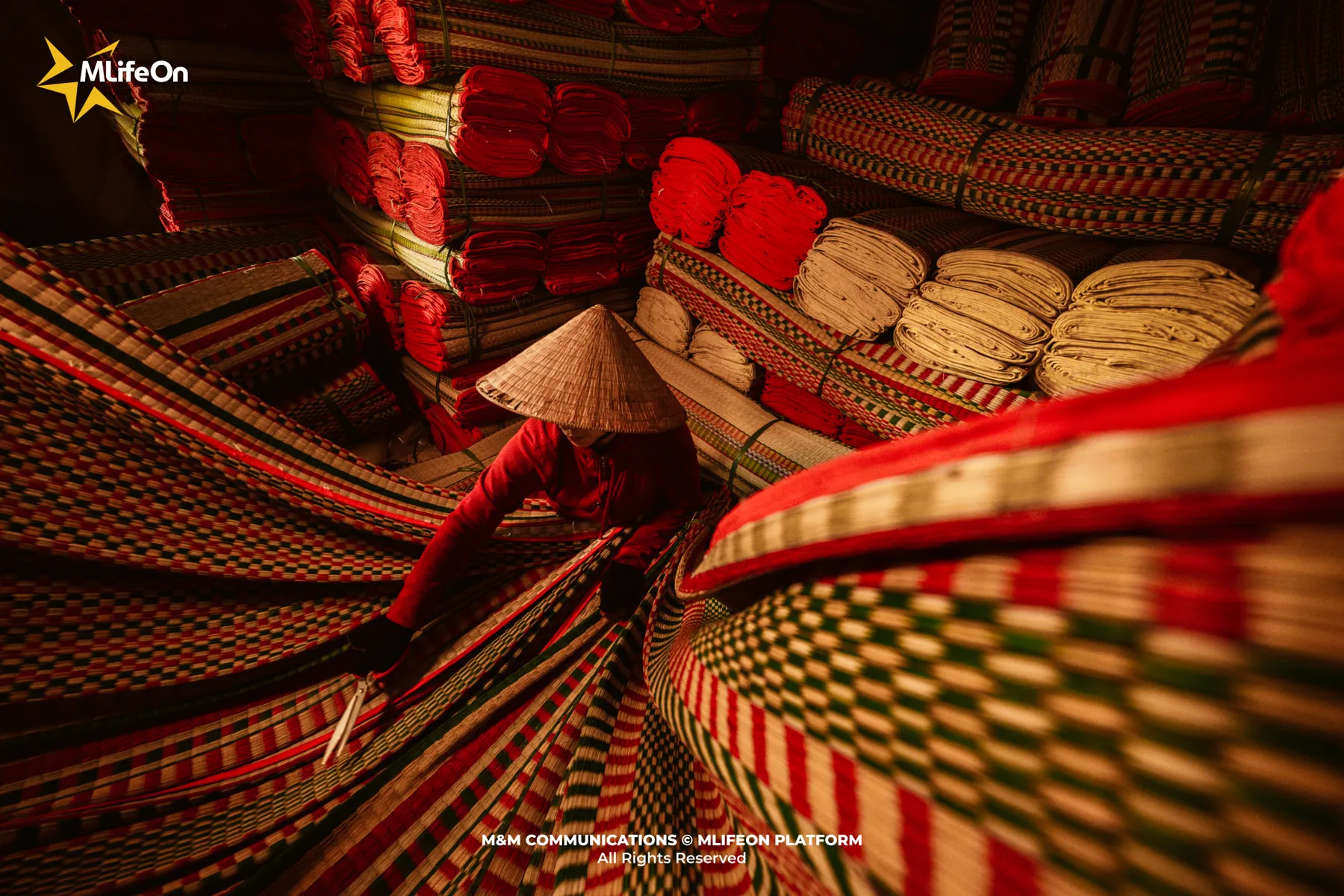
Phu Tan sedge mat weaving village.
These activities do more than produce goods for everyday use. They also preserve traditional knowledge, craftsmanship, and the ways people have adapted to their surroundings across generations.
Today, as lifestyles change, many traditional crafts are finding ways to adapt to new tools, markets, and demands. Through this process, we can see that preserving culture is not simply about maintaining old methods. It is also about carrying traditions forward through human creativity and adaptability.
Festivals and spiritual traditions
Beyond the cultural values preserved through daily life and work, Vietnamese culture also has a rich spiritual dimension, expressed through the customs, festivals, and beliefs of its diverse communities.
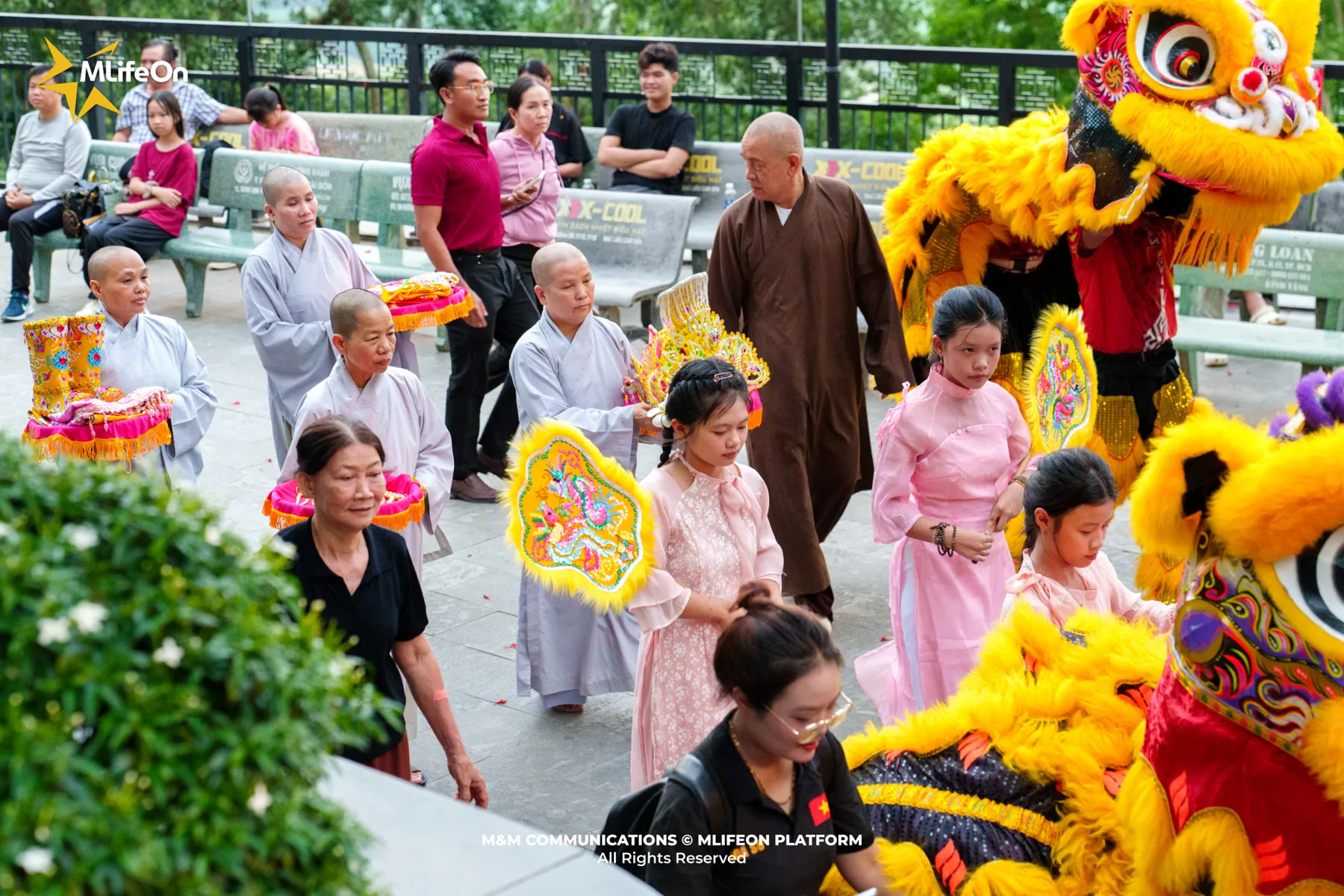
The Ba Den Festival in Tay Ninh.
Every region and community has its own ways of expressing faith, gratitude, and a connection to its roots. These values come to life through rituals, communal gatherings, and festivals that have been maintained for generations.
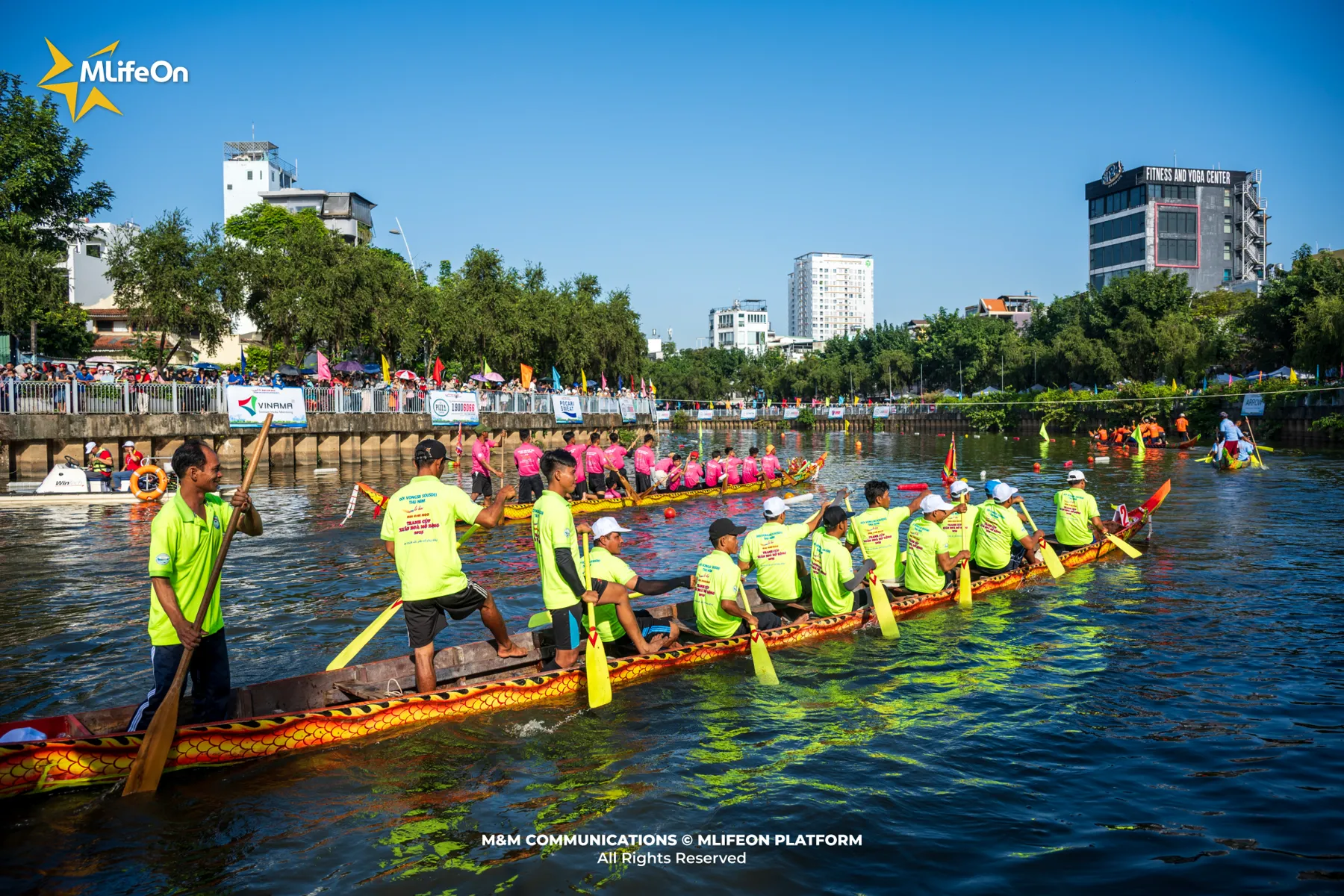
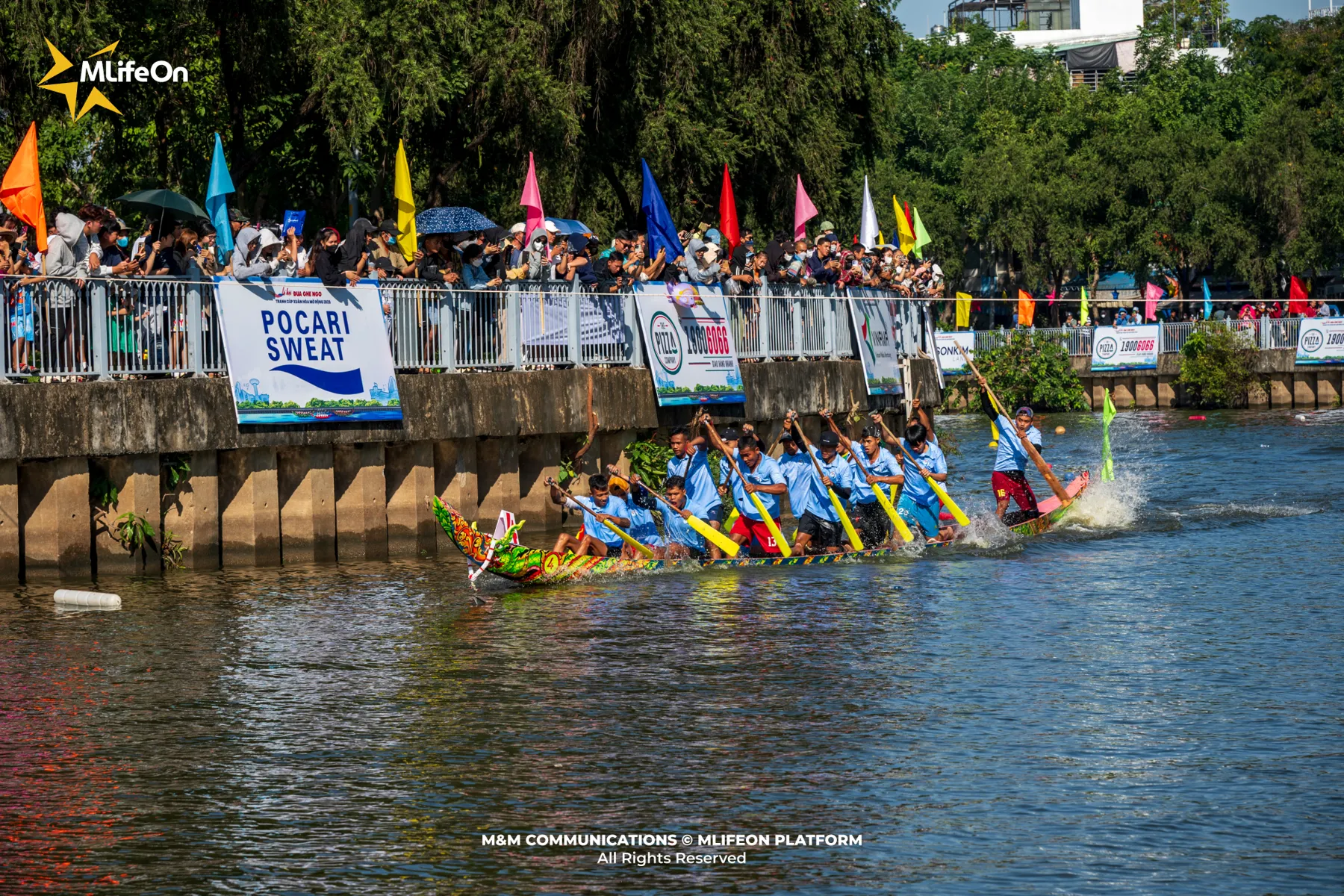
Khmer Ghe Ngo boat racing festival.
In Tay Ninh, every year on the full moon of the eighth lunar month, large numbers of Cao Dai followers gather at Tay Ninh Holy See for Hoi Yen Dieu Tri Cung. Solemn ceremonies, white ceremonial robes, and communal activities give the festival its distinctive identity. Meanwhile, the festivals of Khmer communities in southern Vietnam reveal another cultural world, with their own rituals, performing arts, and communal traditions.
Although festivals differ in form and meaning, they all reflect how people preserve their spiritual traditions and strengthen their connections with the community. Culture here is visible not only in clothing, music, and rituals, but also in the faith and participation of those who take part.
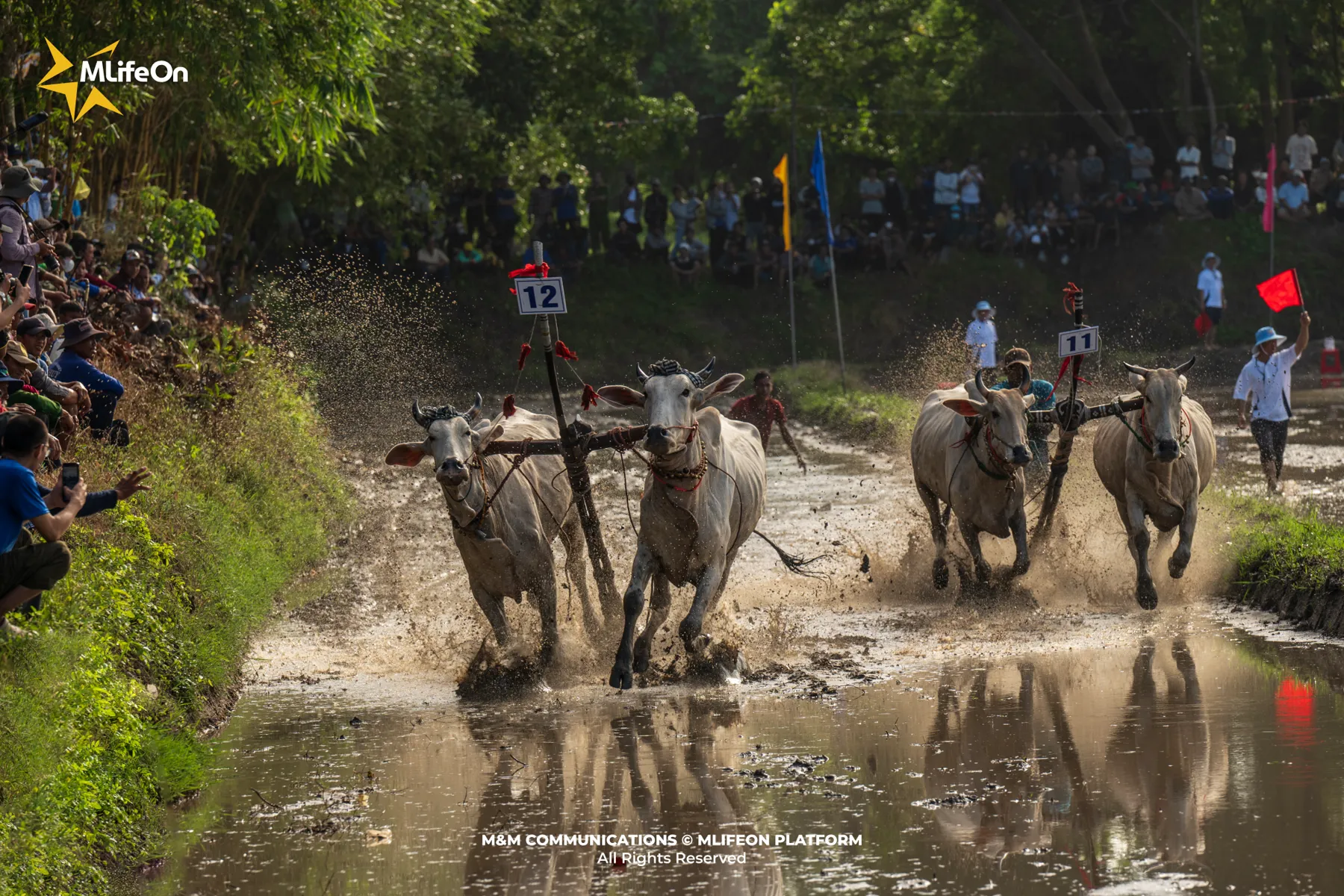
The Ro pagoda cow racing Festival in An Giang.
What makes these traditions especially meaningful is that they continue to be passed down. Older generations preserve familiar rituals, younger people participate in festival activities, and children gradually discover the customs of their communities.
With each festival season, these distinctive cultural traditions have another opportunity to be practiced, shared, and carried forward in contemporary life.
Culture passed down and enriched through generations
From everyday routines and the flavors of familiar dishes to the hands of skilled artisans and the celebrations of festival seasons, each aspect offers a glimpse into Vietnamese culture. Together, they form a diverse portrait of the country's people, ways of life, and regional identities.
Yet culture is not something that belongs only to the past. It evolves alongside life, continuously preserved, transformed, and enriched through everyday experiences.
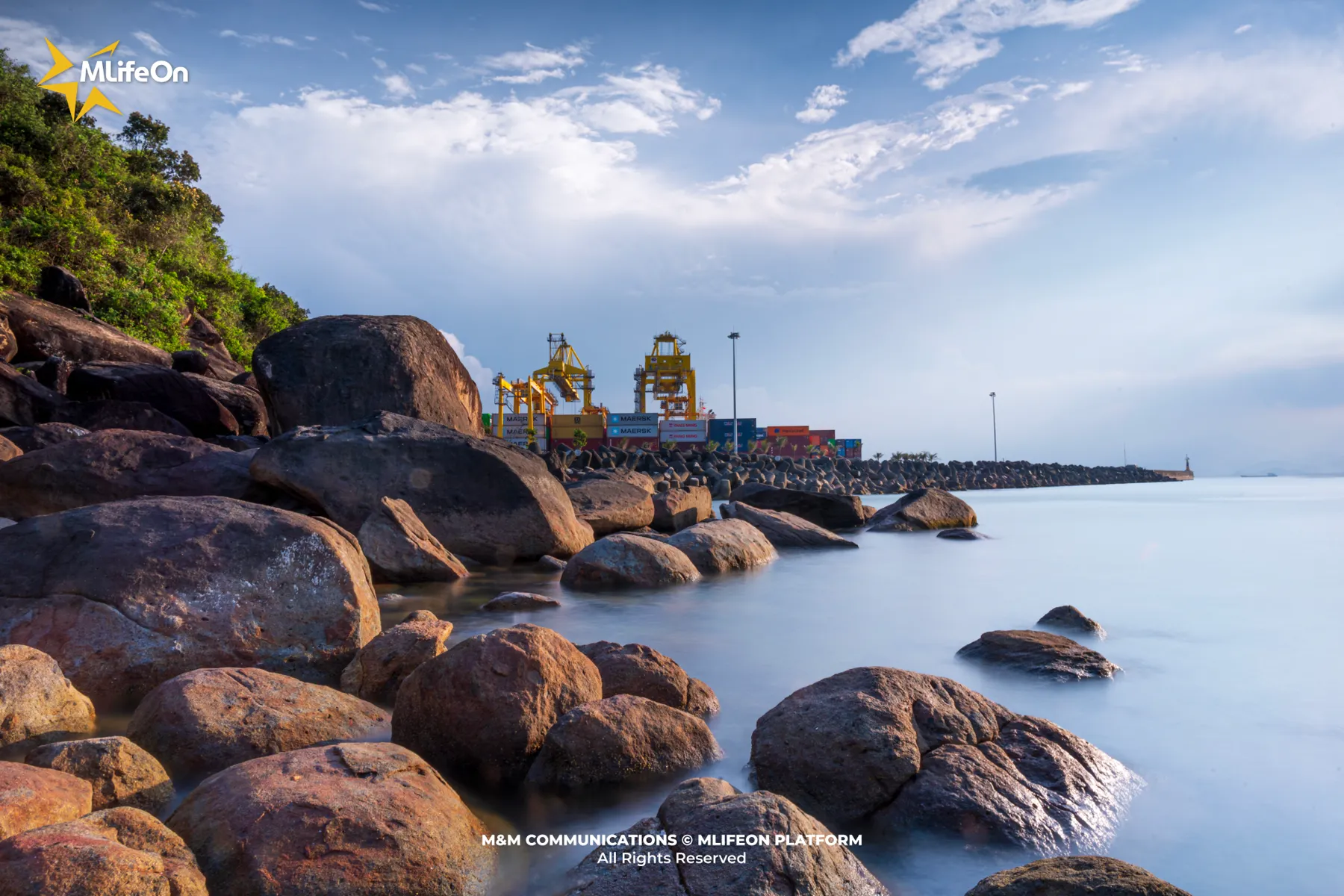
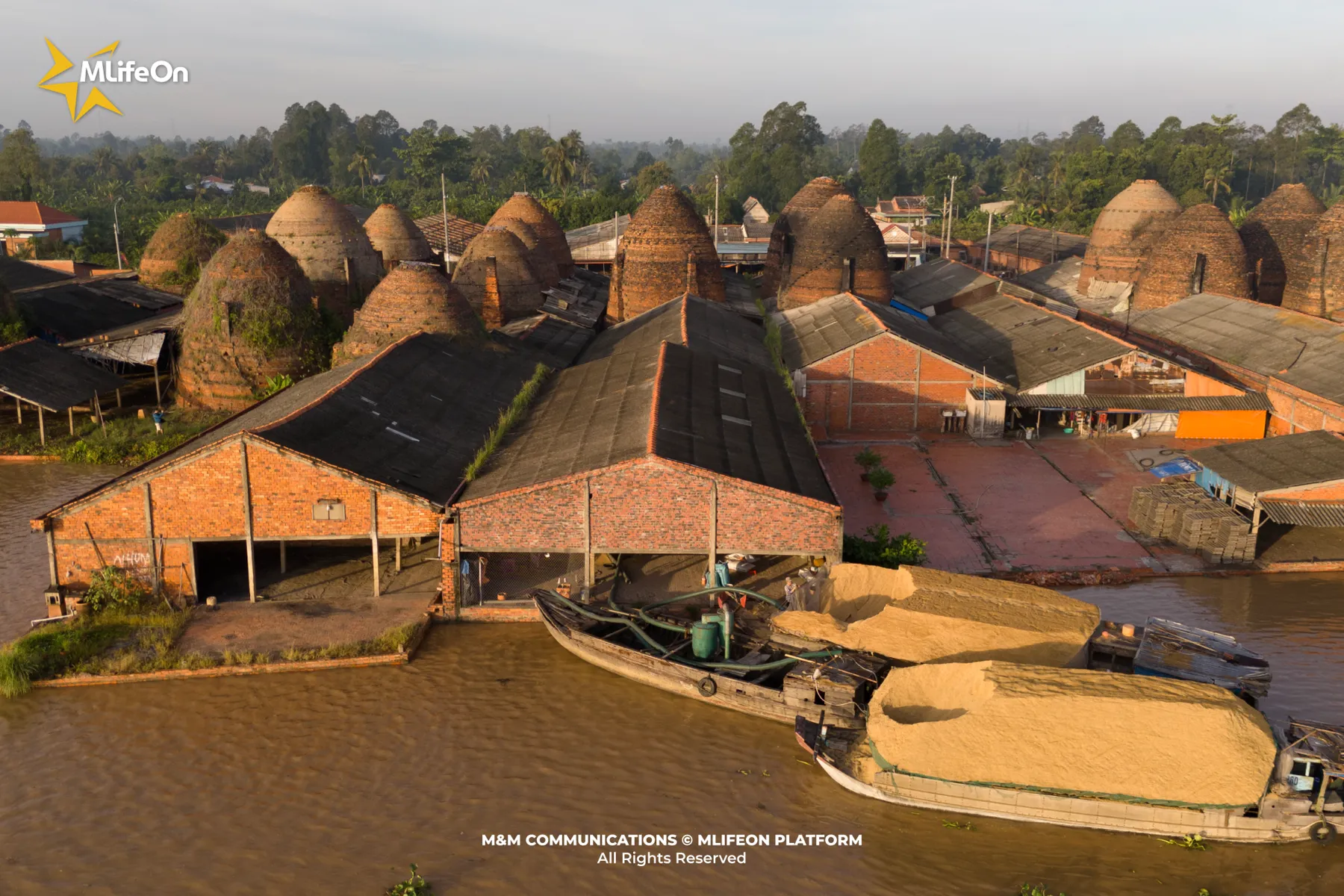
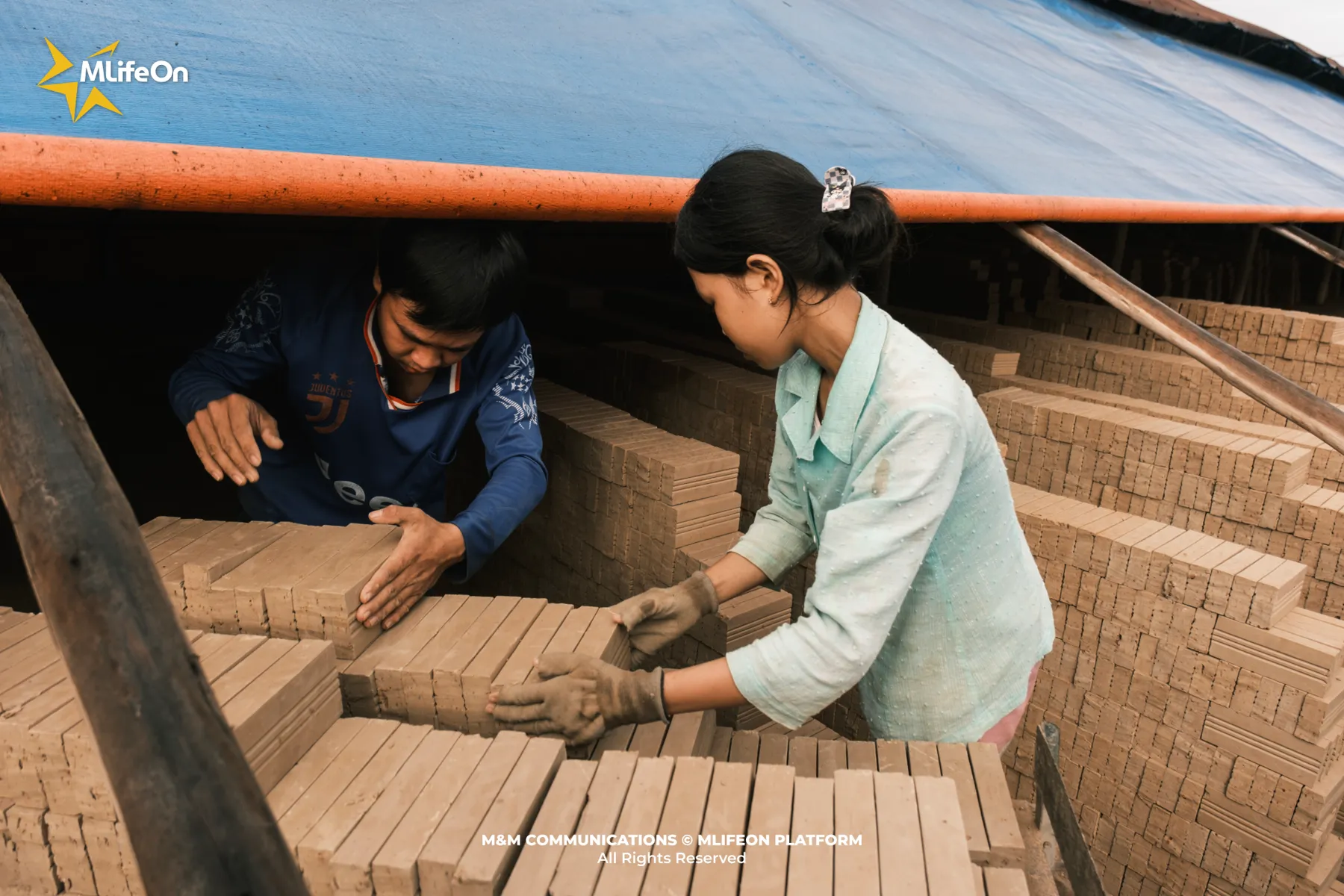
Mang Thit brick kilns.
The values we cherish today have been shaped by the lives of countless generations before us. Some customs remain part of daily life, traditional crafts continue to be practiced, and familiar dishes are adapted to new tastes. At the same time, new forms of creativity and ways of living are gradually becoming part of contemporary culture.
This continuity is not simply about preserving everything exactly as it once was. It is also about how each generation understands, appreciates, and builds upon the values it has inherited.
A young person learning a craft from their parents, children participating in festivals in their hometowns, or creative individuals incorporating traditional elements into modern art and design - each, in their own way, can help carry the story of culture forward.
After all, culture is created by people. As life changes, culture continues to develop, carrying values nurtured over time while embracing the new possibilities of the present.
It is this constant evolution that gives Vietnamese culture its enduring vitality - a culture deeply rooted in history yet always present in the rhythms of contemporary life.
Conclusion
Looking back on the places we have explored and the people we have met, MLifeOn has come to appreciate even more deeply the richness of Vietnamese culture. From the simplest moments of everyday life to the traditions preserved across generations, every story adds its own distinctive color.
And this journey continues. Because culture is an ever-evolving story, written through the lives, creativity, and contributions of Vietnamese people today.
--------
CREDITS:
- Photography: Quan Tran - Luan Nguyen
- Content: Hoai Ha
- Design: Phuong Nguyen