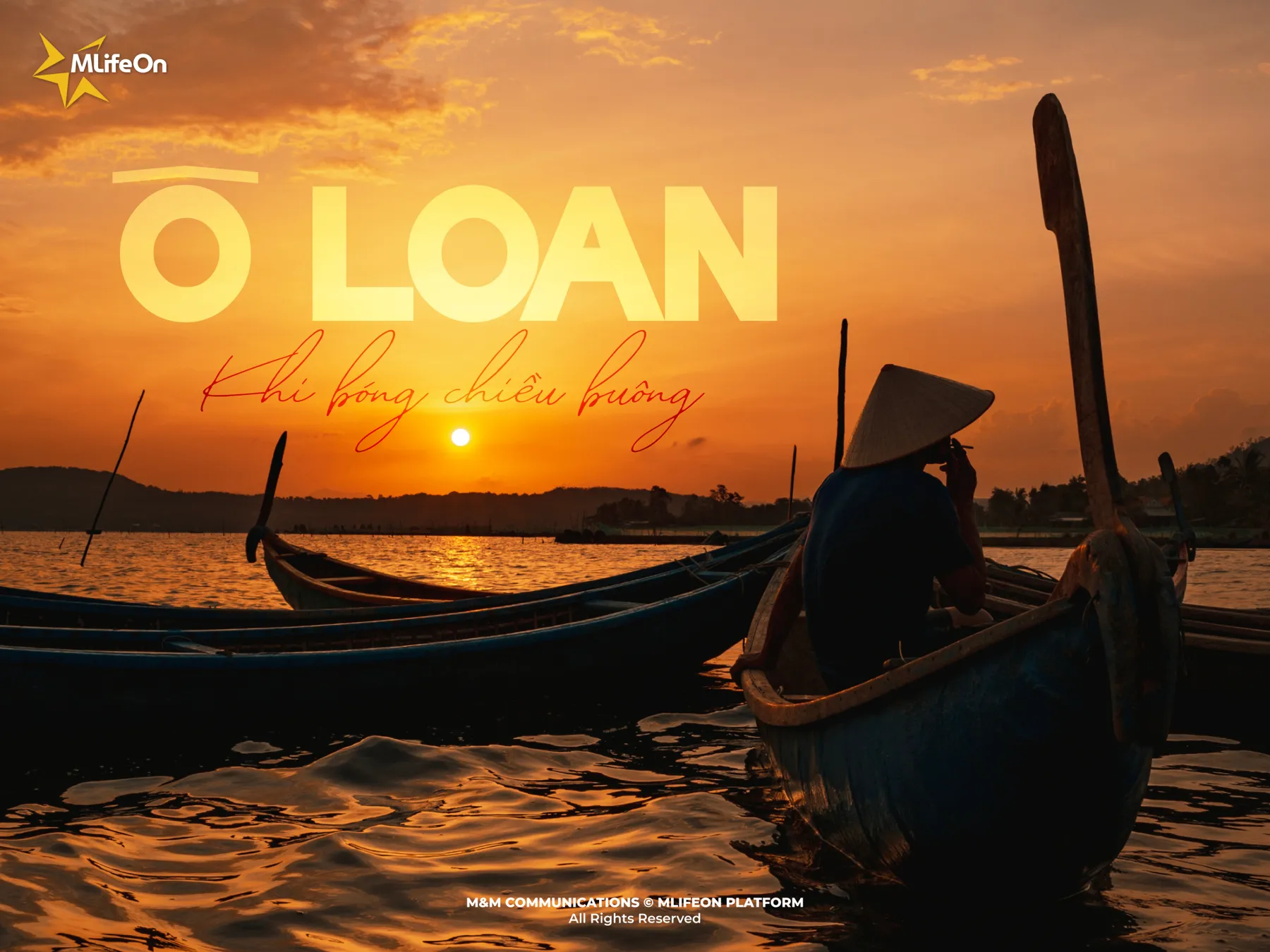
VIETNAM - THE LAND OF "GOLDEN FORESTS AND SILVER SEAS"
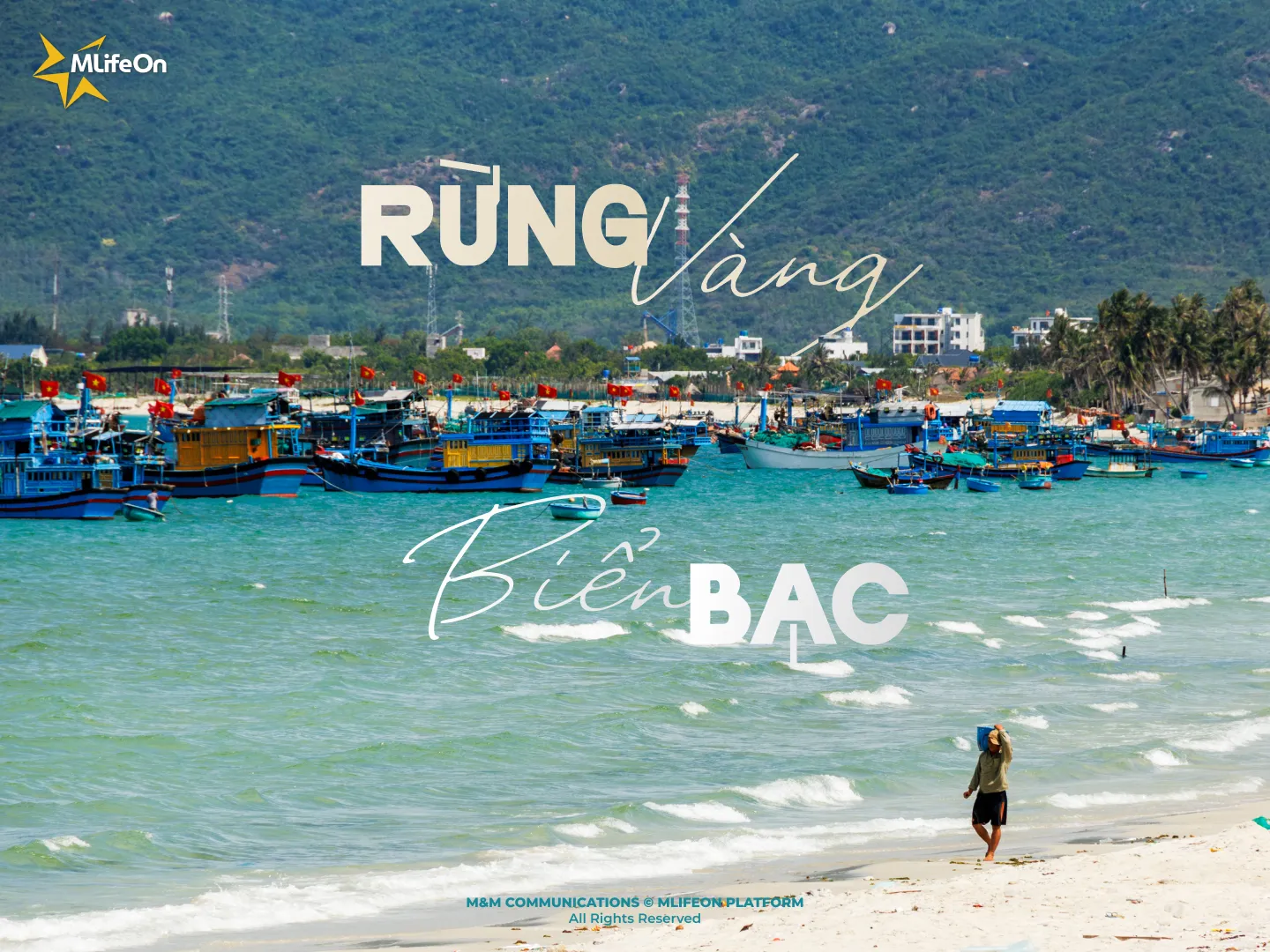
Exploring Vietnam's forest and marine resources, is the saying "Golden Forests, Silver Seas" still true today?
Amidst the rapid changes of the times, Vietnam's nature silently preserves its green spaces. These are the greens of ancient forests and islands, where natural resources are being conserved and developed. But does the current state of Vietnam's resources still live up to the title "golden forests, silver seas"?
Follow MLifeOn as we travel along the S-shaped landmass to admire and explore.
A country of resources
Blessed with abundant natural resources, Vietnam, despite its somewhat limited size due to its narrow width, boasts a beautiful coastline stretching from North to South. Furthermore, its tropical monsoon climate, combined with a large proportion of low hills and mountains (accounting for 3/4 of the territory), makes Vietnam a favorable region for the development of forest and marine ecosystems.
Vietnam possesses abundant and diverse natural resources.
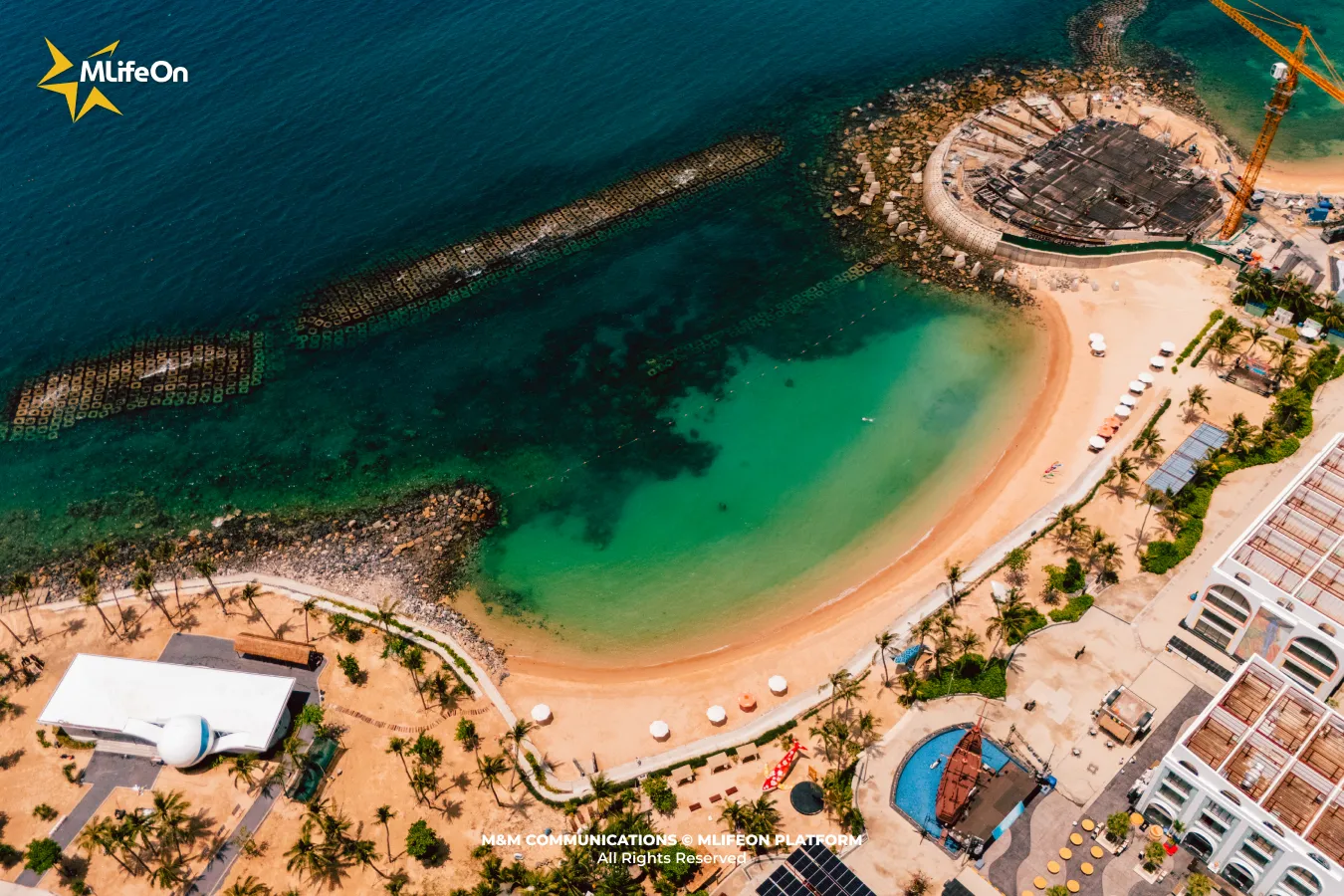
Vietnam has a beautiful coastline, stretching from North to South.
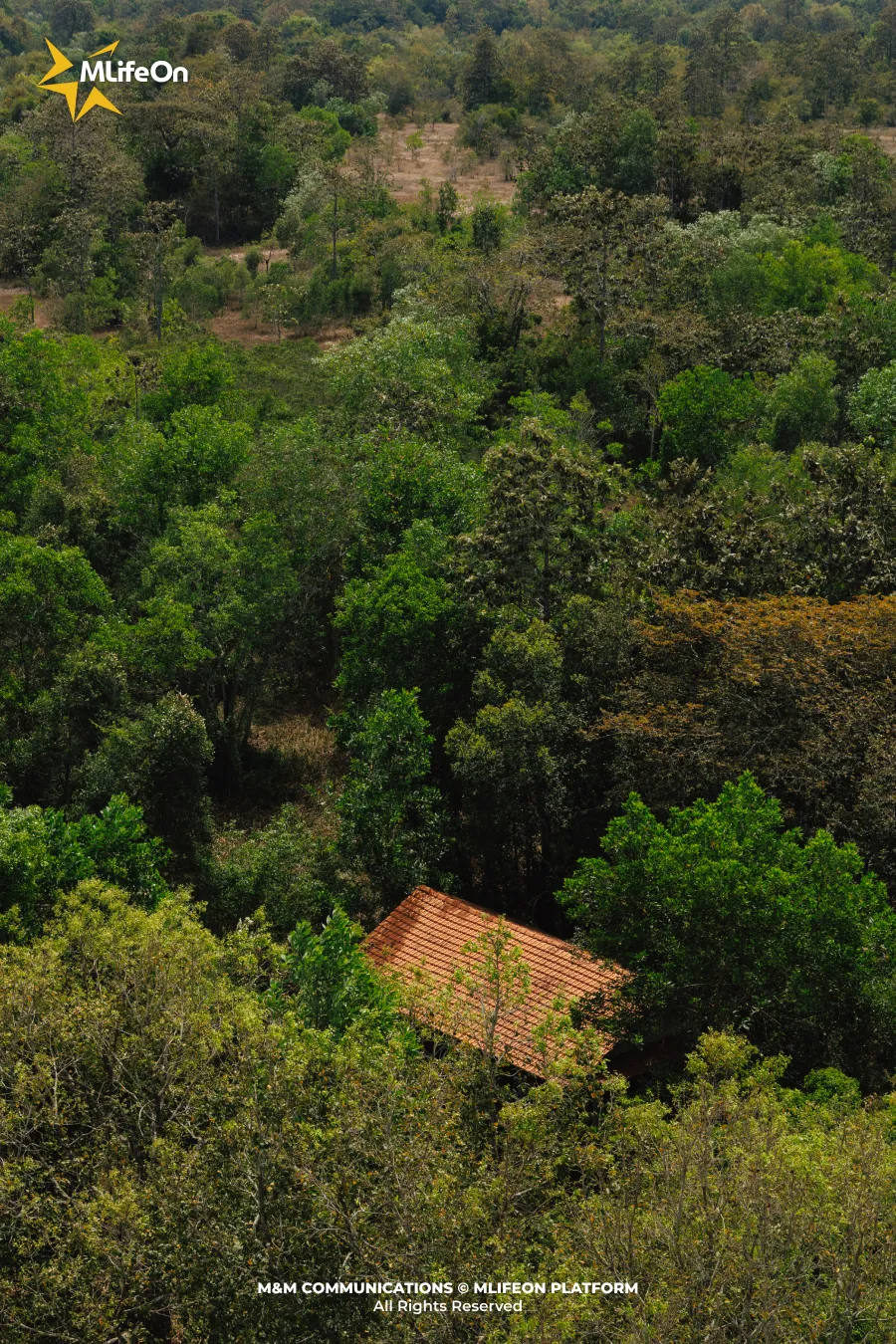
According to the 2024 forest status report, the total forest area nationwide reached 14.87 million hectares, with a forest cover rate of 42.03%. Special-use forests such as Lo Go - Xa Mat and Chang Riec in Tay Ninh are biodiversity hotspots, acting as the "green lungs" of the Southern region.
Besides forest resources, Vietnam's sea also boasts outstanding features: a coastline stretching over 3,260 km, with thousands of islands of varying sizes, including the two major archipelagos of Hoang Sa and Truong Sa. Among these, the famous coastal areas of provinces and cities such as Khanh Hoa, Gia Lai (formerly Binh Dinh), and Dak Lak (formerly Phu Yen) are not only rich in marine resources but also attractive tourist destinations.
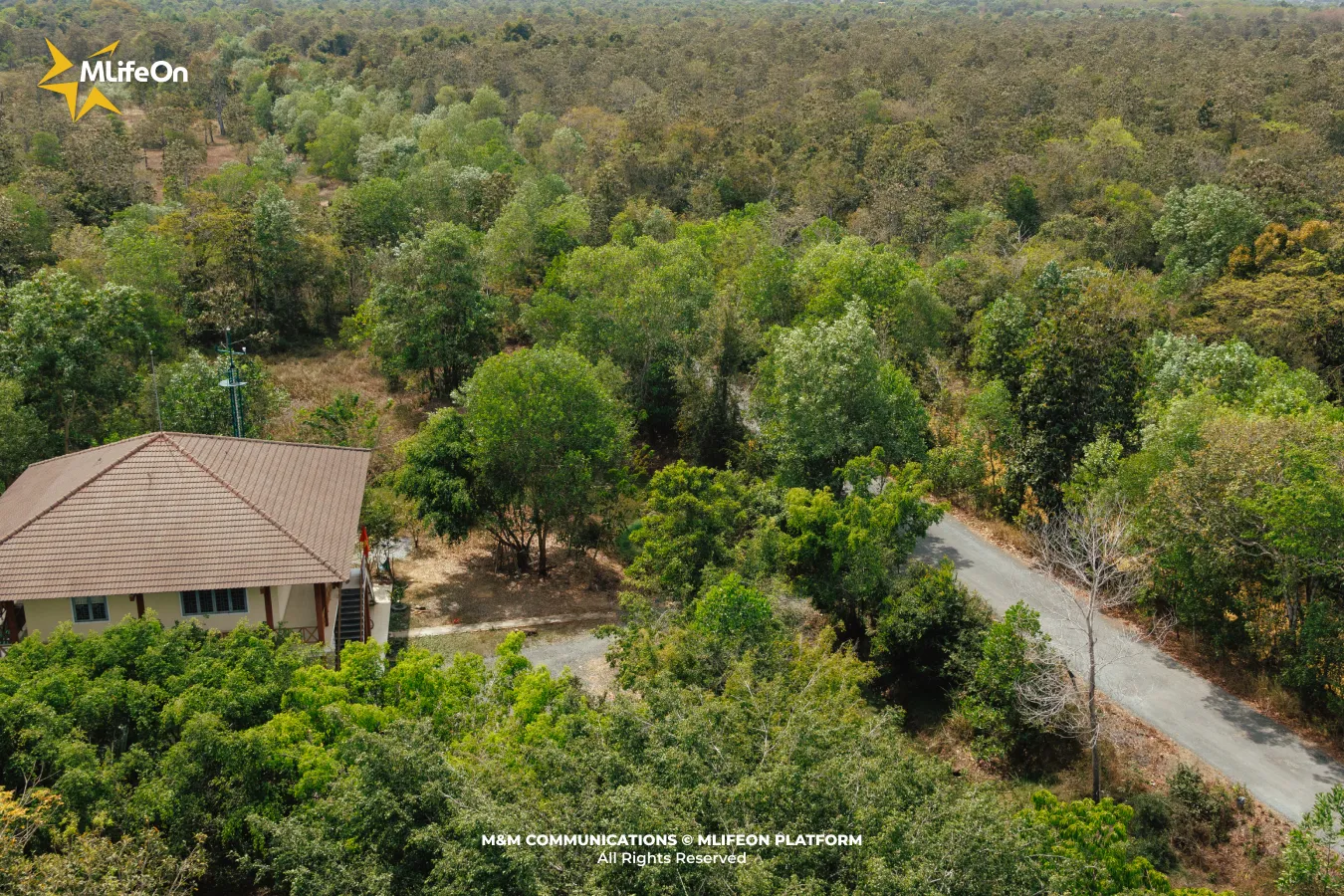
Forests are the "green lungs" of Vietnam.
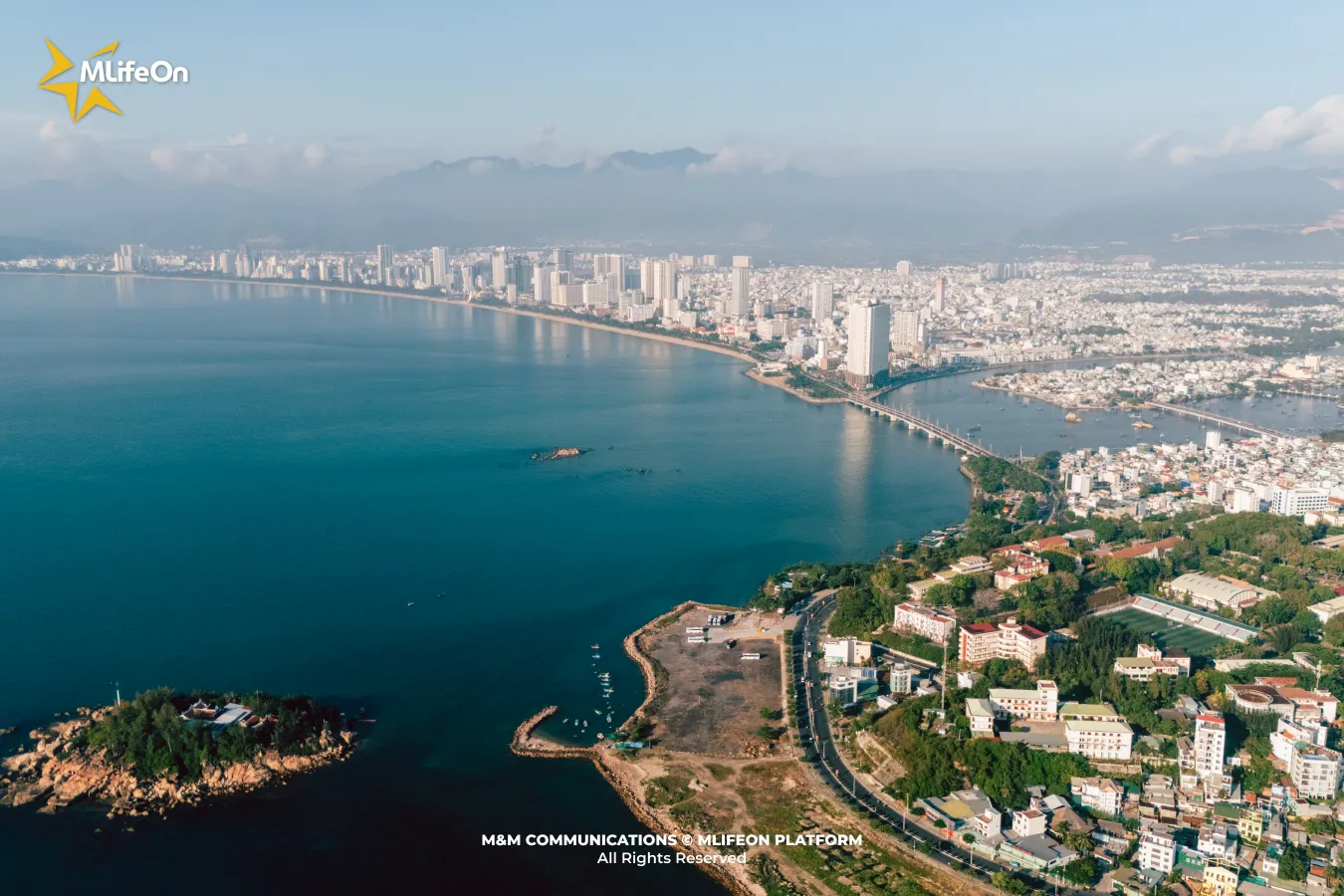
The sea is an attractive tourist destination and a rich source of resources for Vietnam.
Forest and marine resources have been the foundation and attraction of Vietnam from ancient times to the present day.
A huge role
For a long time, natural resources have been a source of pride for the Vietnamese people, closely linked to and sustaining their lives for generations.
"Golden forests, silver seas"
Forests provide timber, medicinal plants, and water resources. Meanwhile, the sea provides seafood, minerals, and significant marine economic potential. These are the two most important pillars of sustainable national development.
Vietnam's forests are home to thousands of plant and animal species, many of which are rare and have scientific and medicinal value. Besides the direct economic value from timber and forest products, forests also play a crucial role in regulating the climate, preventing soil erosion, and maintaining water resources for deltas and cities.
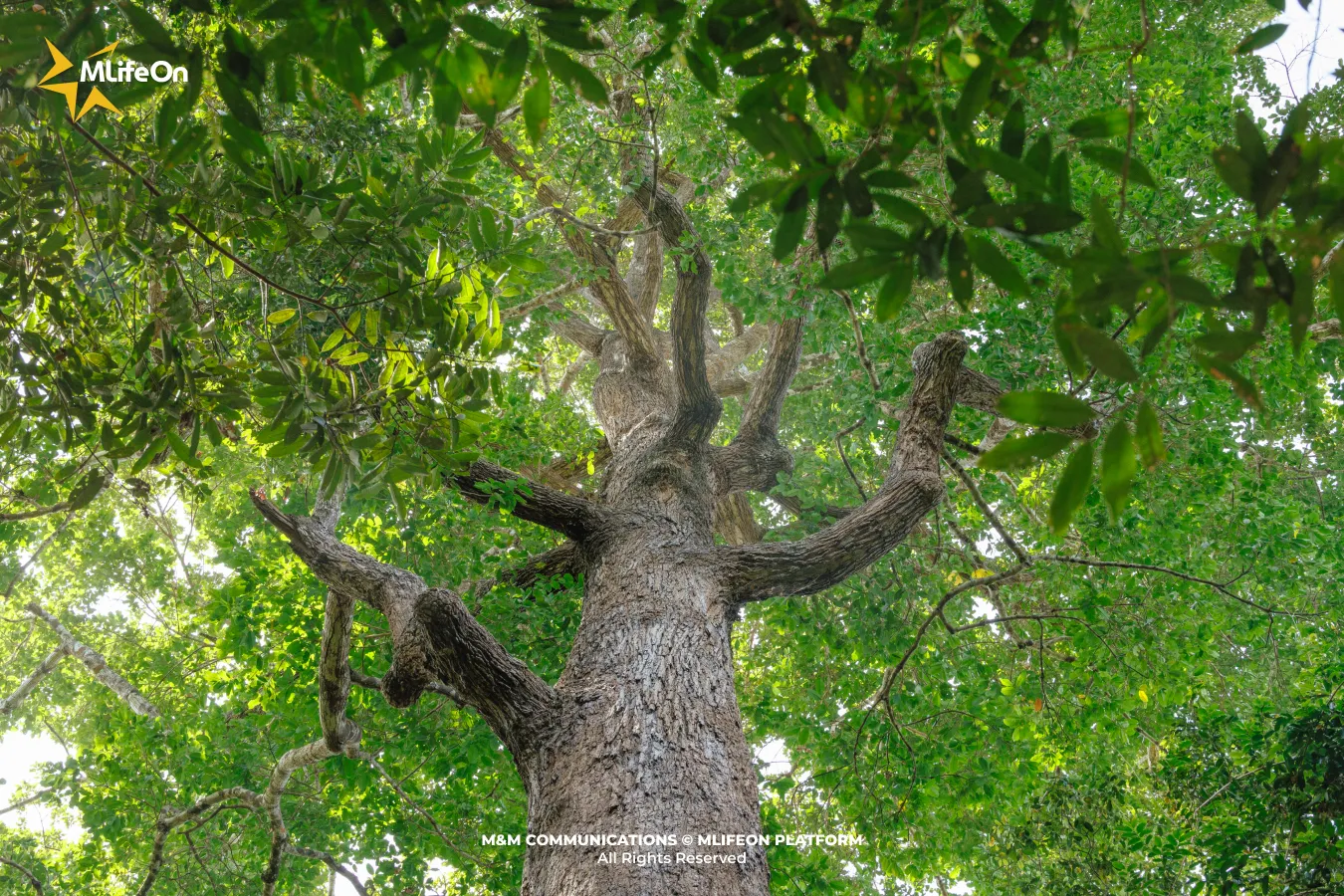
Forests play many important roles.
Standing in the heart of Lo Go - Xa Mat National Park in Tay Ninh, I felt as if I were surrounded by a pristine space, where every bird's song and every leaf reminded me of the enduring life that the forest provides.
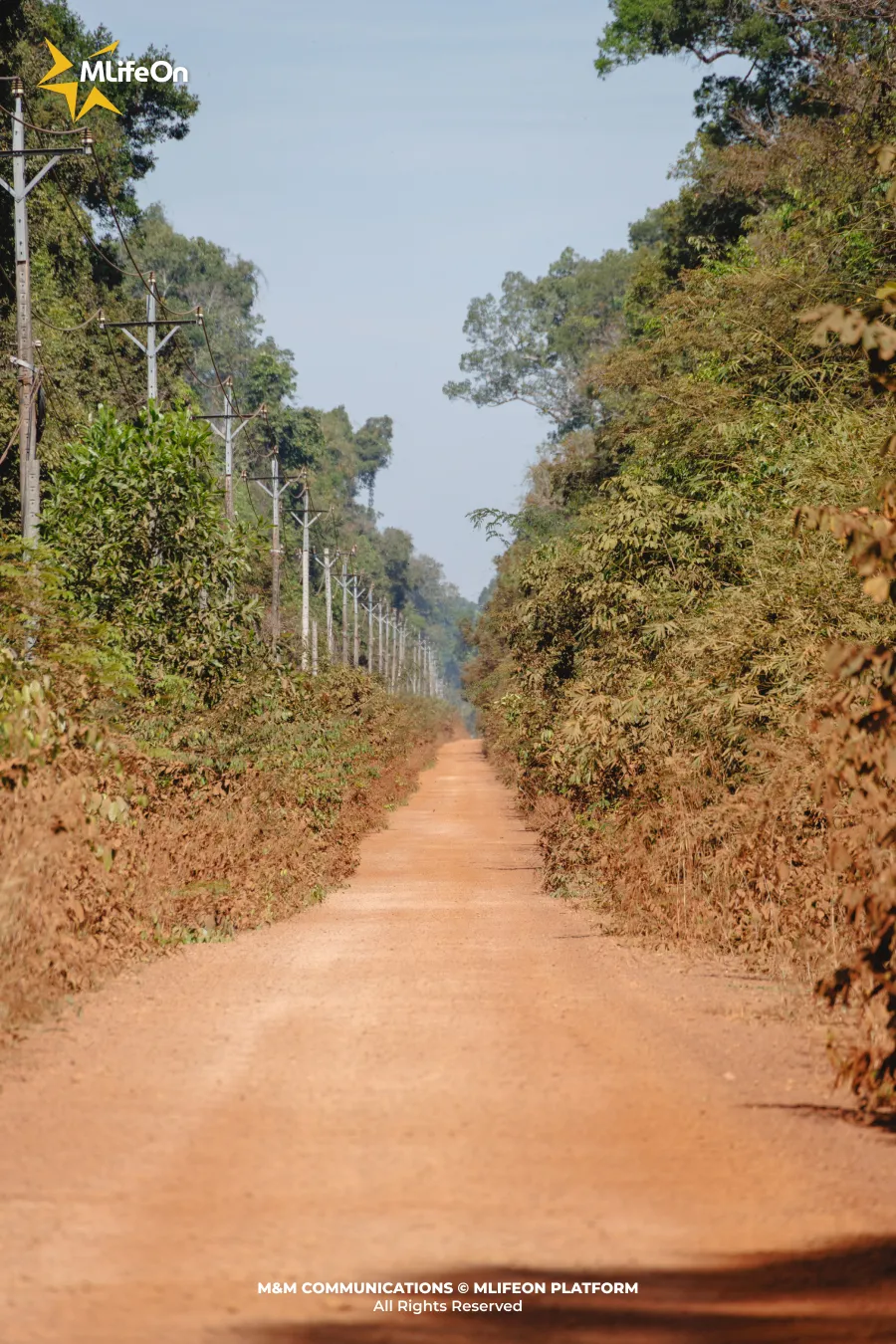
Lo Go - Xa Mat National Park area, Tay Ninh
Like its forests, Vietnam's seas offer many valuable resources, not only rich in marine life but also possessing potential for minerals, oil and gas, and wind and solar energy. Coastal areas such as Nha Trang, Phan Rang, and Ninh Chu (Khanh Hoa province) are both popular tourist destinations and testaments to the economic value of the sea.
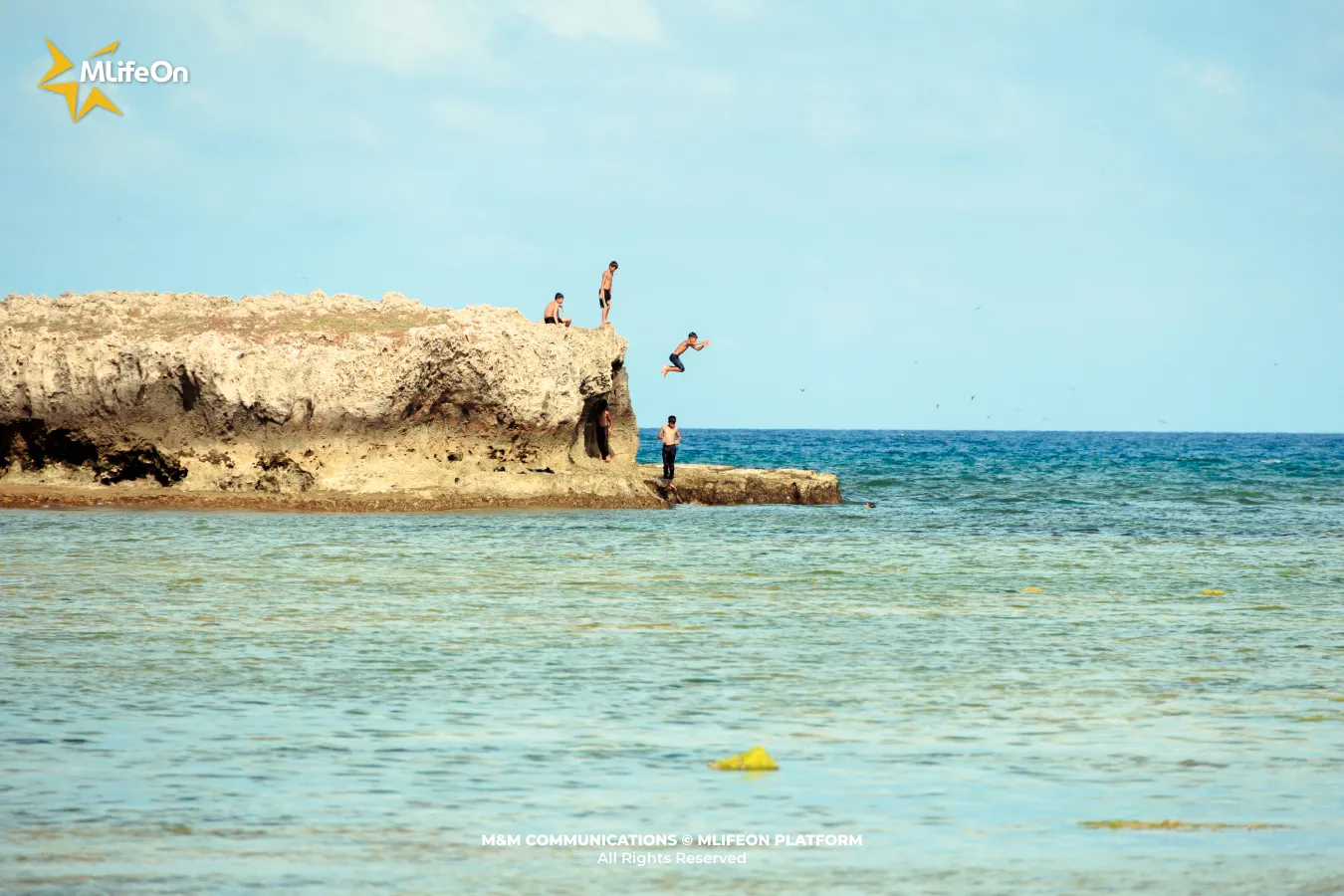
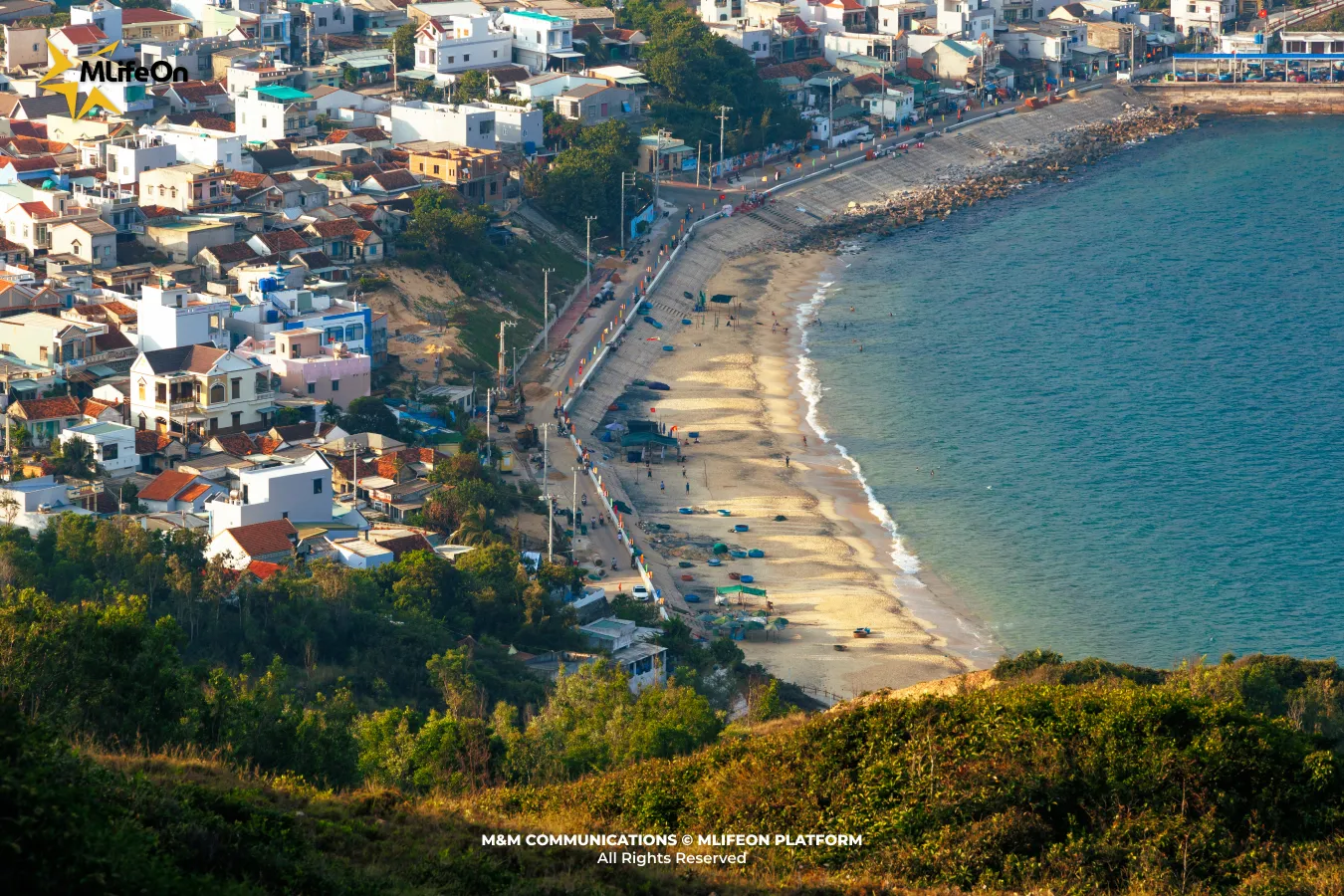
Hon Chun beach, Khanh Hoa province
Every time I have the chance to visit the coastal provinces of Central Vietnam, I always go to the beach to admire the fishing boats. Whether anchored near the shore or sailing far out to sea, those boats always captivate my attention. Because they are not just objects; they are also the means of livelihood, carrying the lives and worries of the coastal fishermen.
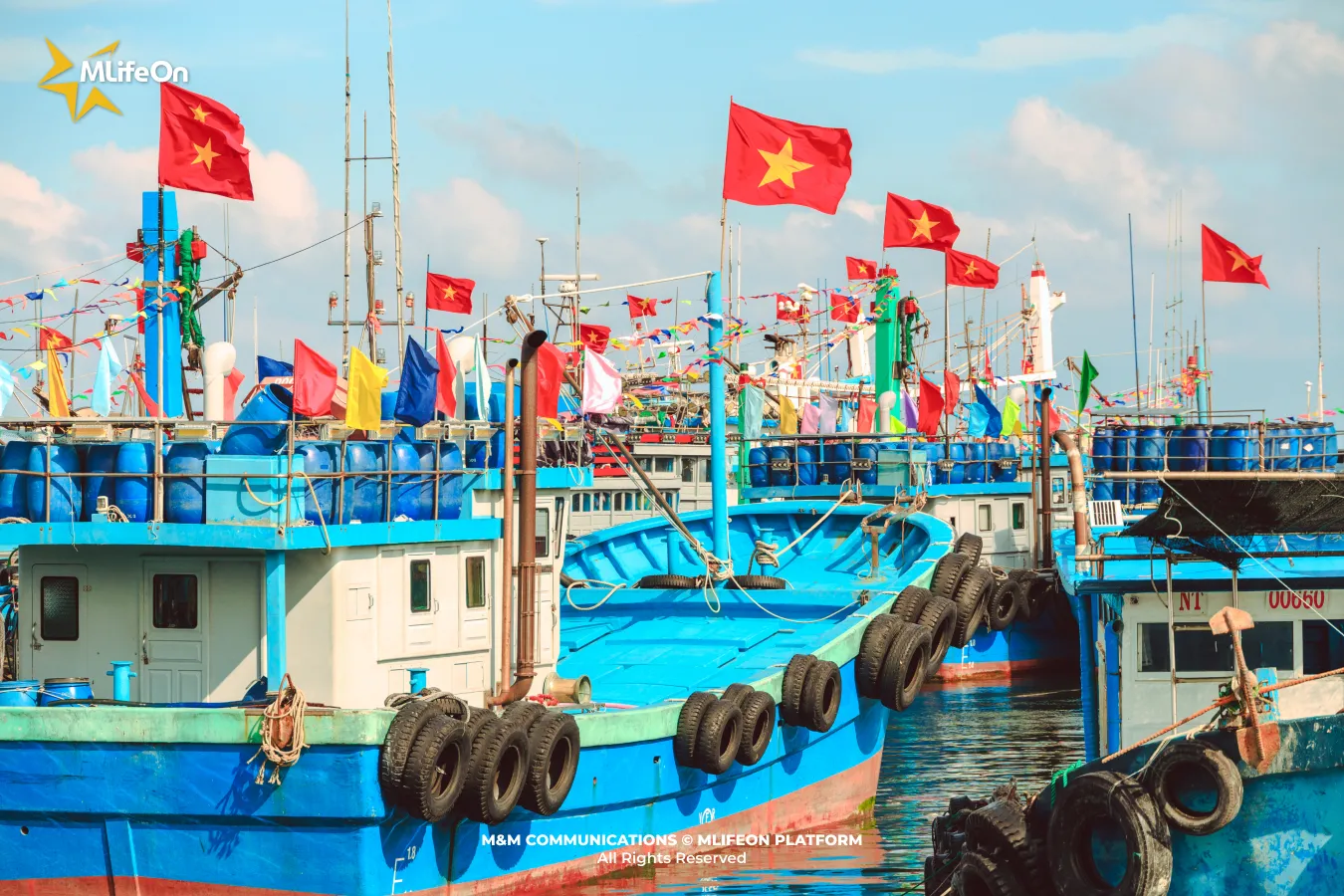
Known as "golden forests, silver seas"
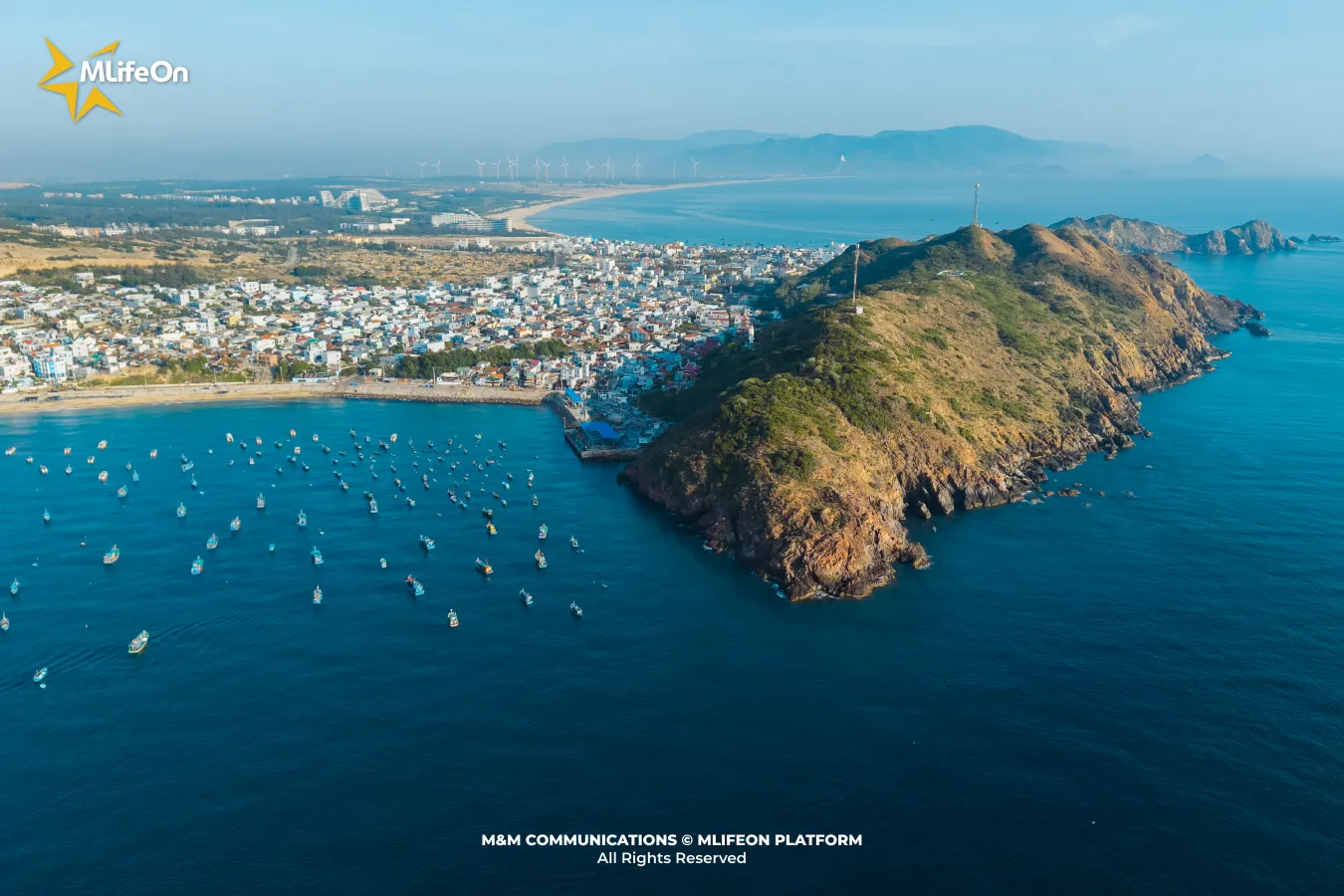
Vietnam is located in a resource-rich tropical sea region, with an annual seafood catch reaching millions of tons. However, in recent years, Vietnam's marine resources have been facing an alarming situation.
Specifically:
-
Vietnam's coastal areas are suffering numerous negative impacts from waste. Among these, plastic waste pollution is increasingly on the rise. According to a July 2025 report by the World Bank, plastic waste accounts for up to 94% of the waste recorded in Vietnam's riverine and coastal areas.
-
During that same period, Vietnam was among the top five countries worldwide with alarming levels of marine waste pollution. Some coastal and estuary areas also experienced oil pollution, directly affecting the landscape and the diversity of marine flora and fauna in Vietnam.
While Vietnam's oceans are facing pollution from plastic waste and oil spills, its forests are equally concerning. Although the country's forest area totals nearly 14.8 million hectares with a forest cover of over 42%, in recent years, forest resources have been under significant pressure from overexploitation, land-use change, and climate change in recent years.
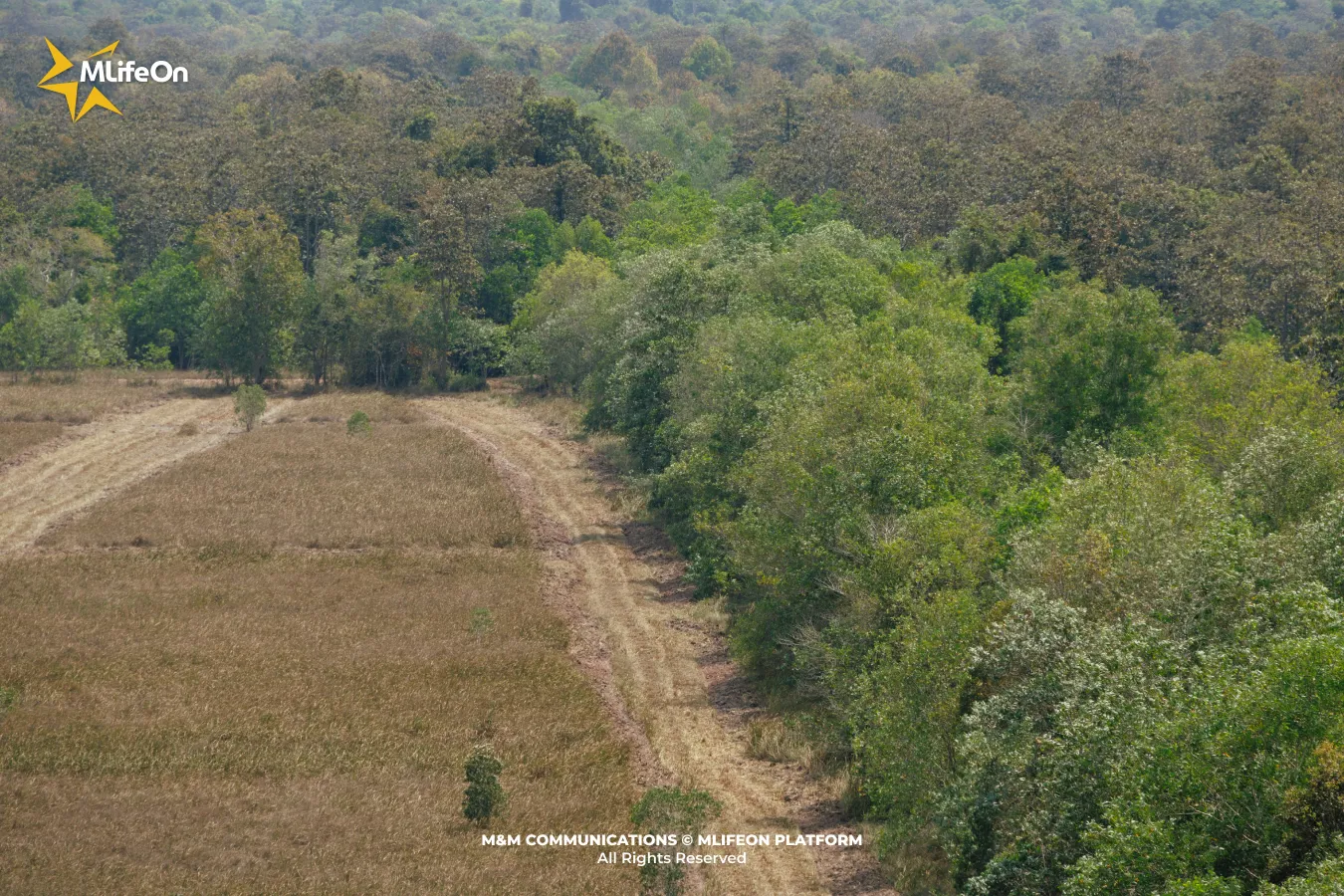
Vietnam's forests are facing many pressures
Specifically:
-
Many areas of natural forest are being cleared for timber or to expand agricultural land. This not only leads to the loss of valuable forest areas but also threatens the survival of thousands of plant and animal species. Endemic species in Tay Ninh, such as peacocks, pheasants, and valuable timber trees, are experiencing a serious decline.
-
Similar to the sea being besieged by plastic waste, forests also face pollution from household waste, illegal hunting, and uncontrolled logging. Many special-use forests such as Lo Go - Xa Mat and Chang Riec are struggling under the pressure of spontaneous tourism and the economic activities of local people.
-
Forests are a natural shield against erosion and floods, but climate change is making them more vulnerable. Prolonged droughts, forest fires, and unusual storms have caused significant forest degradation.
Clearly, overexploitation, climate change, and environmental pollution pose significant challenges to the conservation of Vietnam's natural resources.
Conclusion
It's no coincidence that when Vietnamese people talk about natural resources, they think of "golden forests and silver seas." However, facing the threats of overexploitation, environmental pollution, and climate change, Vietnam's forest and marine resources are clearly declining. Without conservation and nurturing strategies and solutions, perhaps in the near future, Vietnam will no longer have these "golden forests and silver seas."
Vietnam's forests and seas are not only economic resources, but also the soul of the country. Preserving and promoting these values means preserving the future for our children and grandchildren.
Come to Tay Ninh once to listen to the voice of the green forest at Lo Go - Xa Mat, or go to Nha Trang, Phan Rang, Ninh Chu (Khanh Hoa province) to feel the breath of the sea. And together, let's protect the forests and preserve the sea so that the "golden forests and silver seas" remain green for generations to come.
—---
CREDIT:
- Photography: Kien Trang
- Content: Giang Huynh
- Design: Phuong Nguyen