THE SEDANG PEOPLE IN THE CENTRAL HIGHLANDS AND THEIR SIMPLE LIFE AMONG THE MOUNTAINS
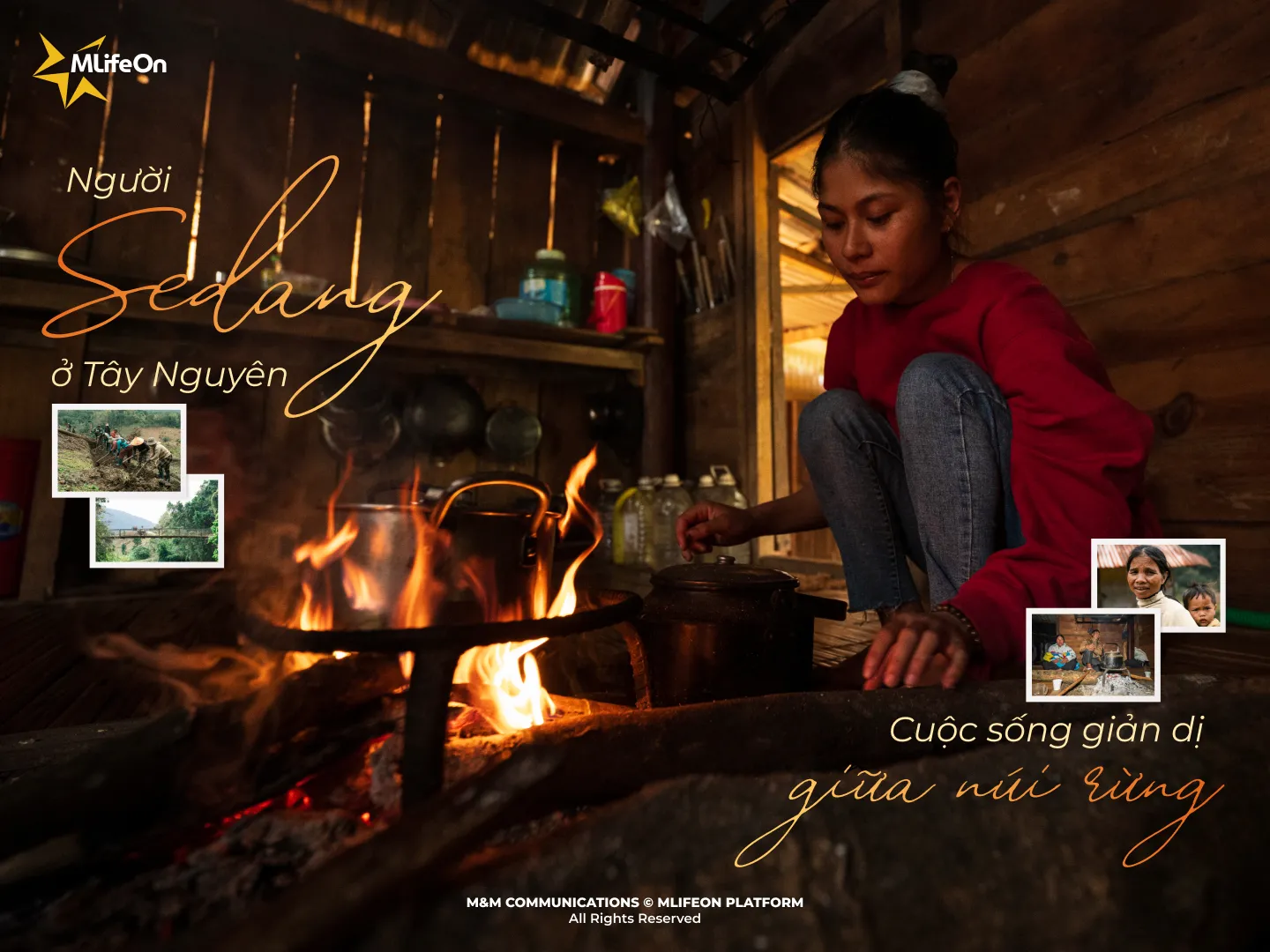
Discover the daily life and people of the Sedang community in Kon Tum through their simple lifestyle, sincere personality, and close connection with the mountains of the Central Highlands.
Amid the endless mountain ranges of Vietnam’s Central Highlands, the Sedang people have lived alongside the forests for generations. In Kon Tum Province, the Sedang community consists of several local groups, including To Dra, Mo Nam, Ha Lang, Ca Dong, and Xe Teng. Depending on the group and the area where they live, differences can be found in language, traditional clothing, customs, and architecture. Yet beyond these distinctions lies a shared connection to the mountains, forests, and cultural values that have been passed down through generations.
Many people remember the Central Highlands for its majestic landscapes, but for those who have visited, what often leaves the deepest impression is the way the Sedang people continue to preserve their traditions while adapting to a changing world.
A life closely connected to the mountains and fields
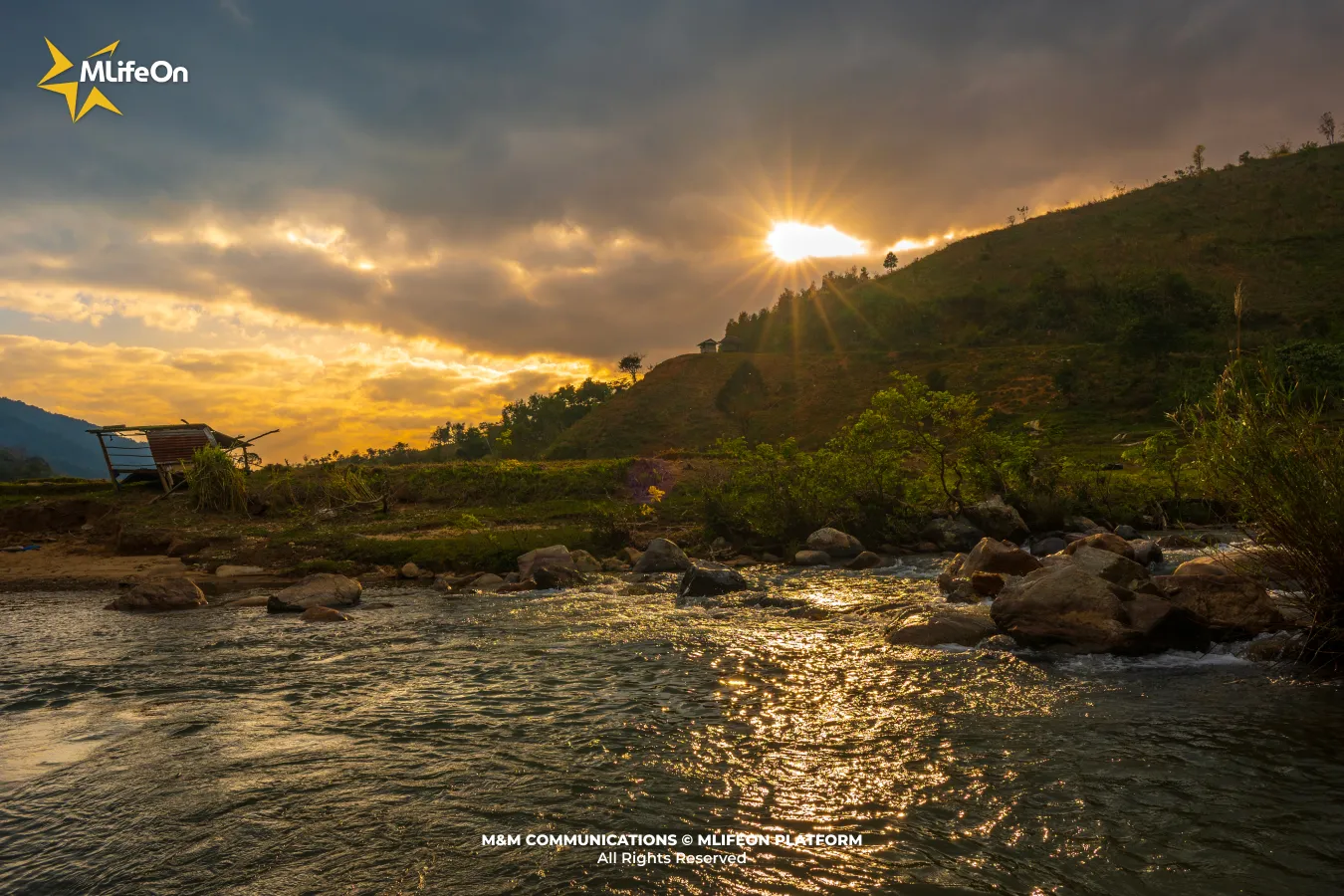
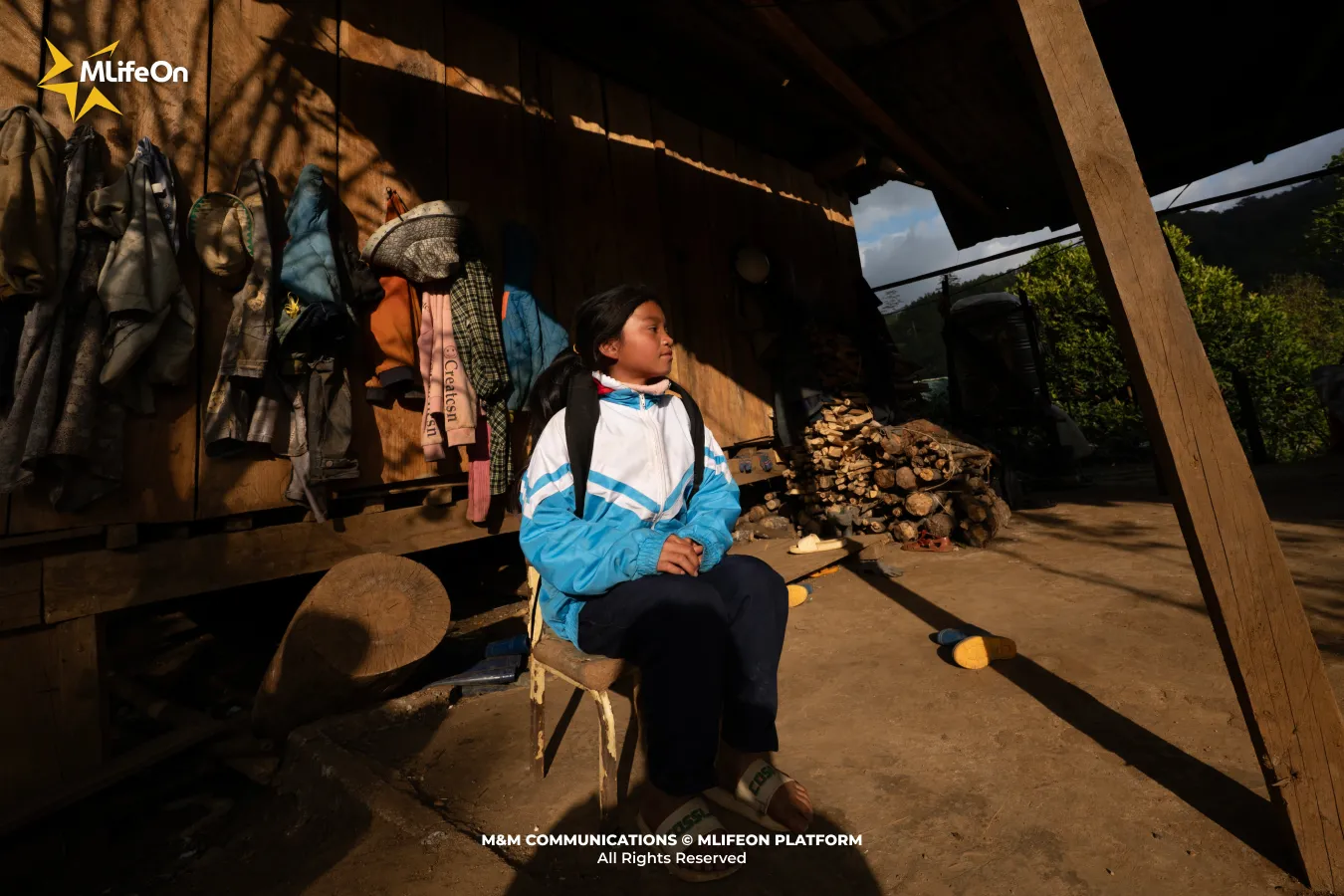
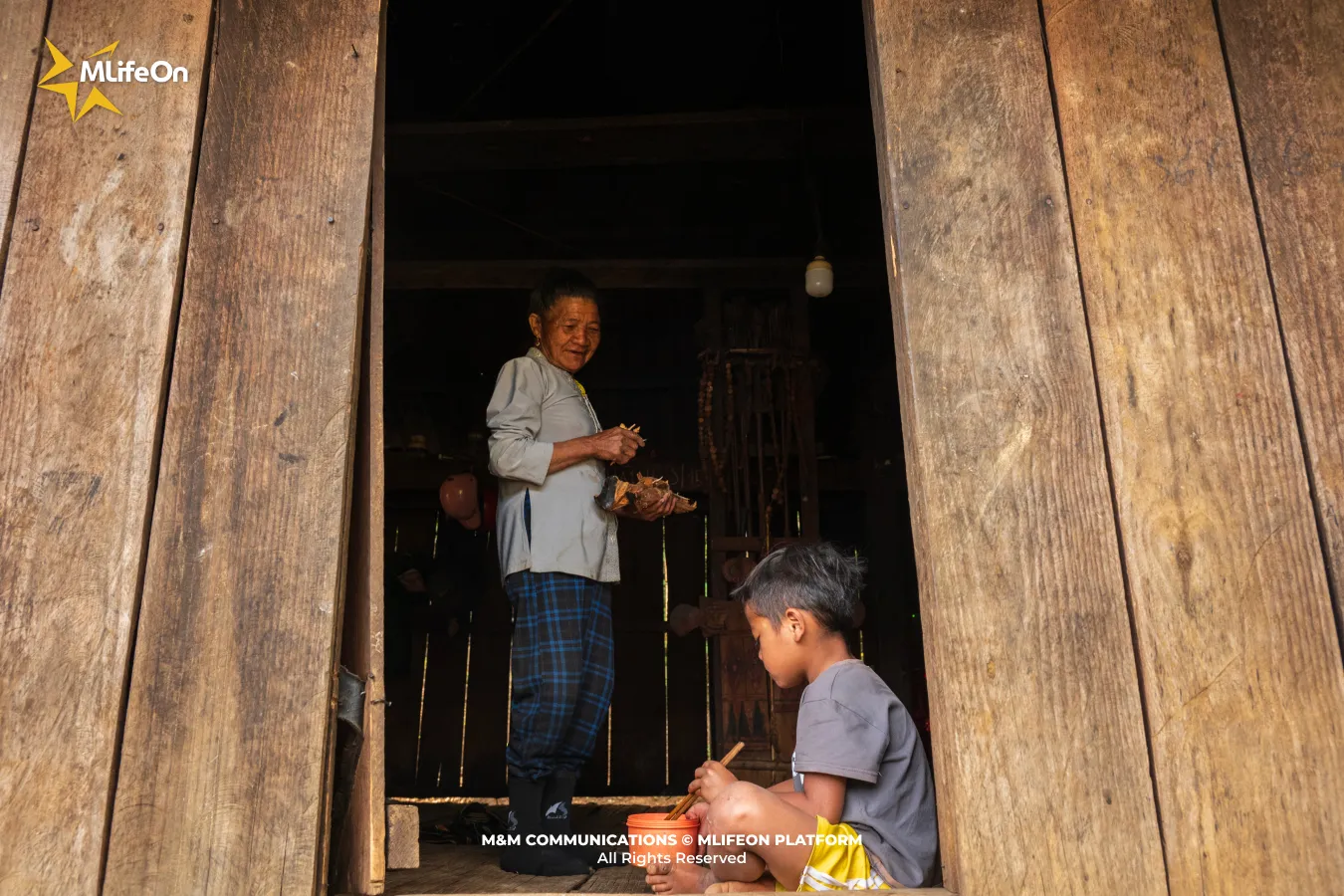
For many Sedang communities, the forest is more than a source of livelihood. It is deeply connected to their spiritual beliefs and traditional way of life. Forests protect water sources, serve as spaces governed by customary laws, and are home to sacred sites and traditional burial grounds. From an early age, many children grow up walking the paths to the fields, familiar with the sound of wind moving through the trees and the scent of damp soil after seasonal rains.
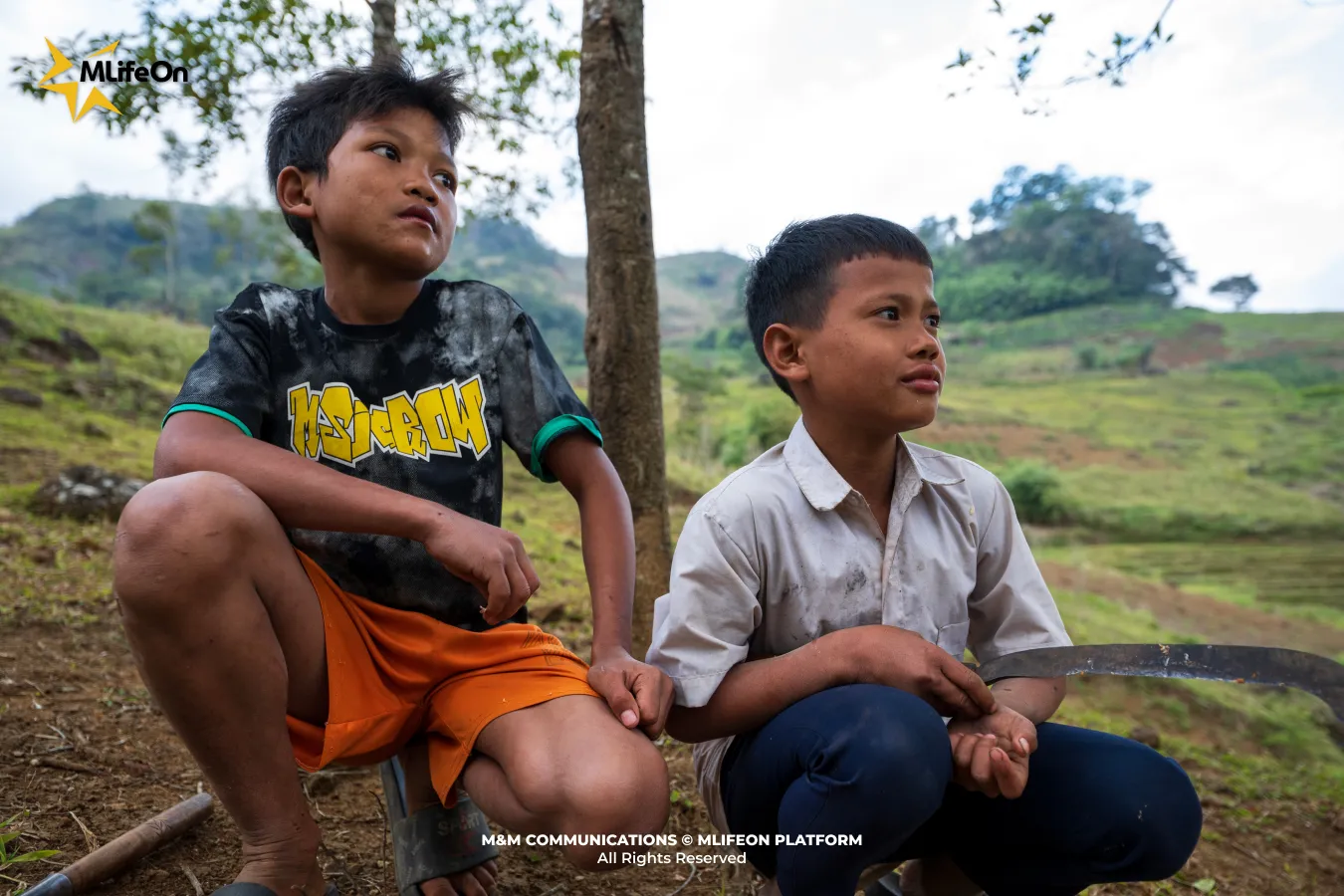
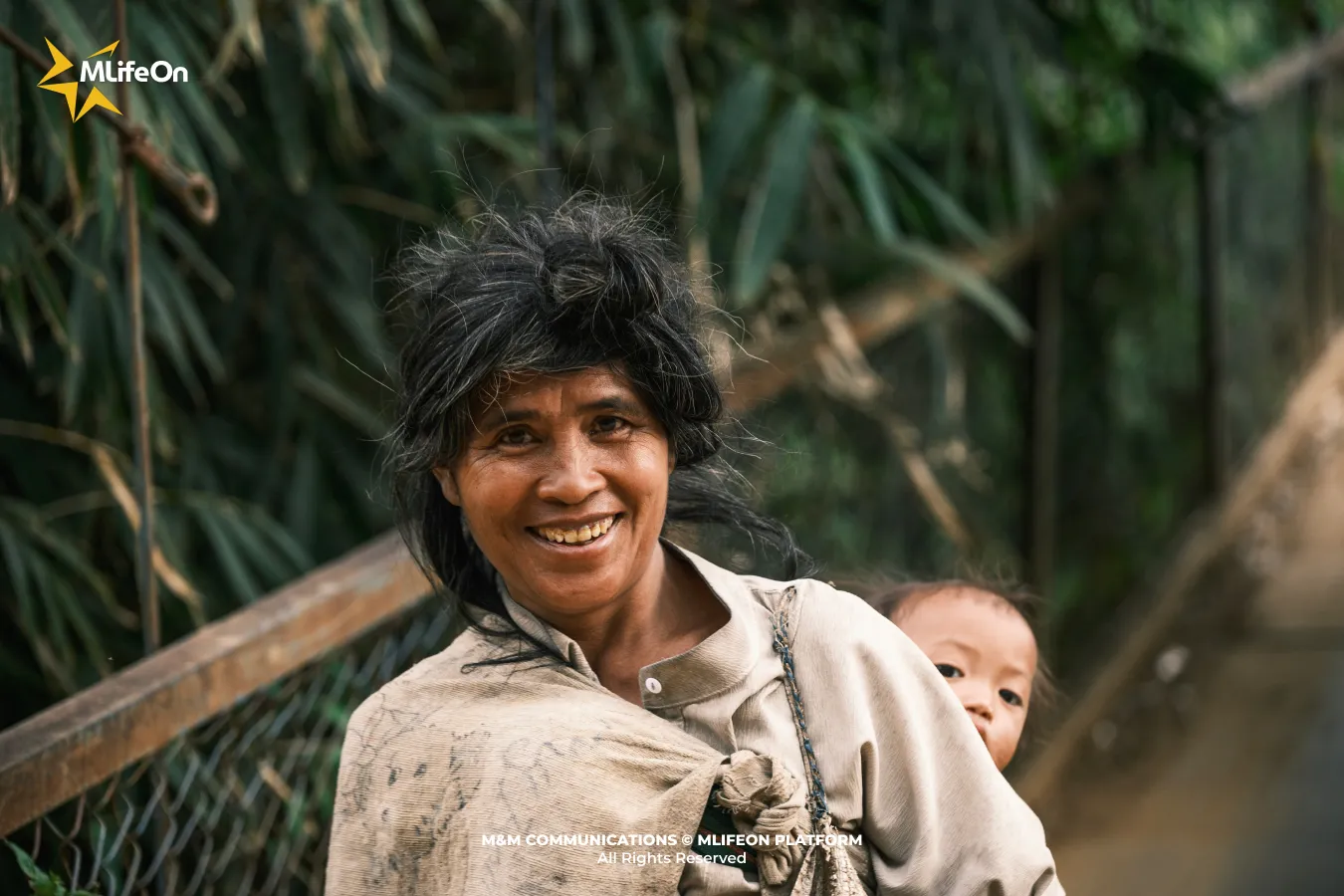
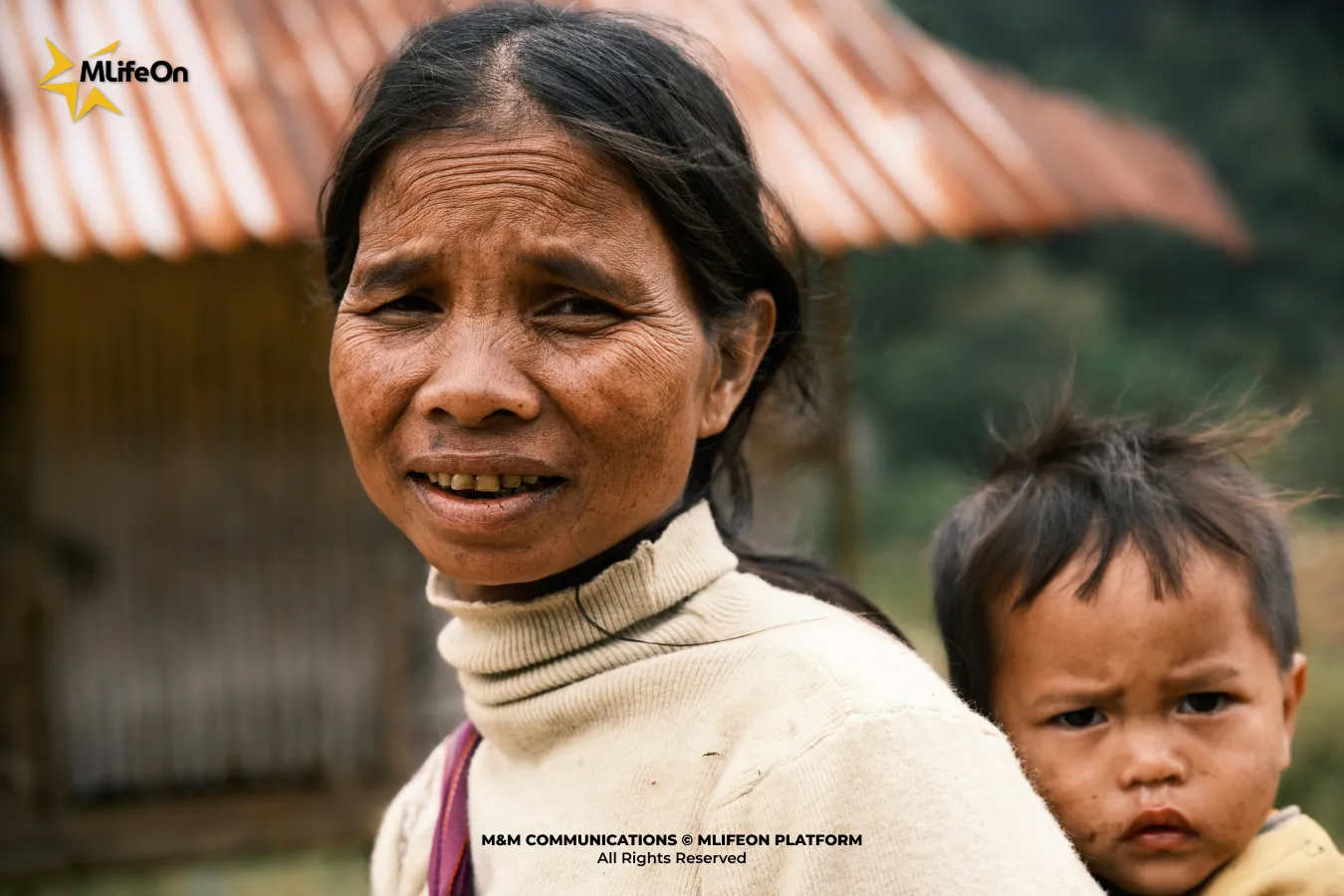
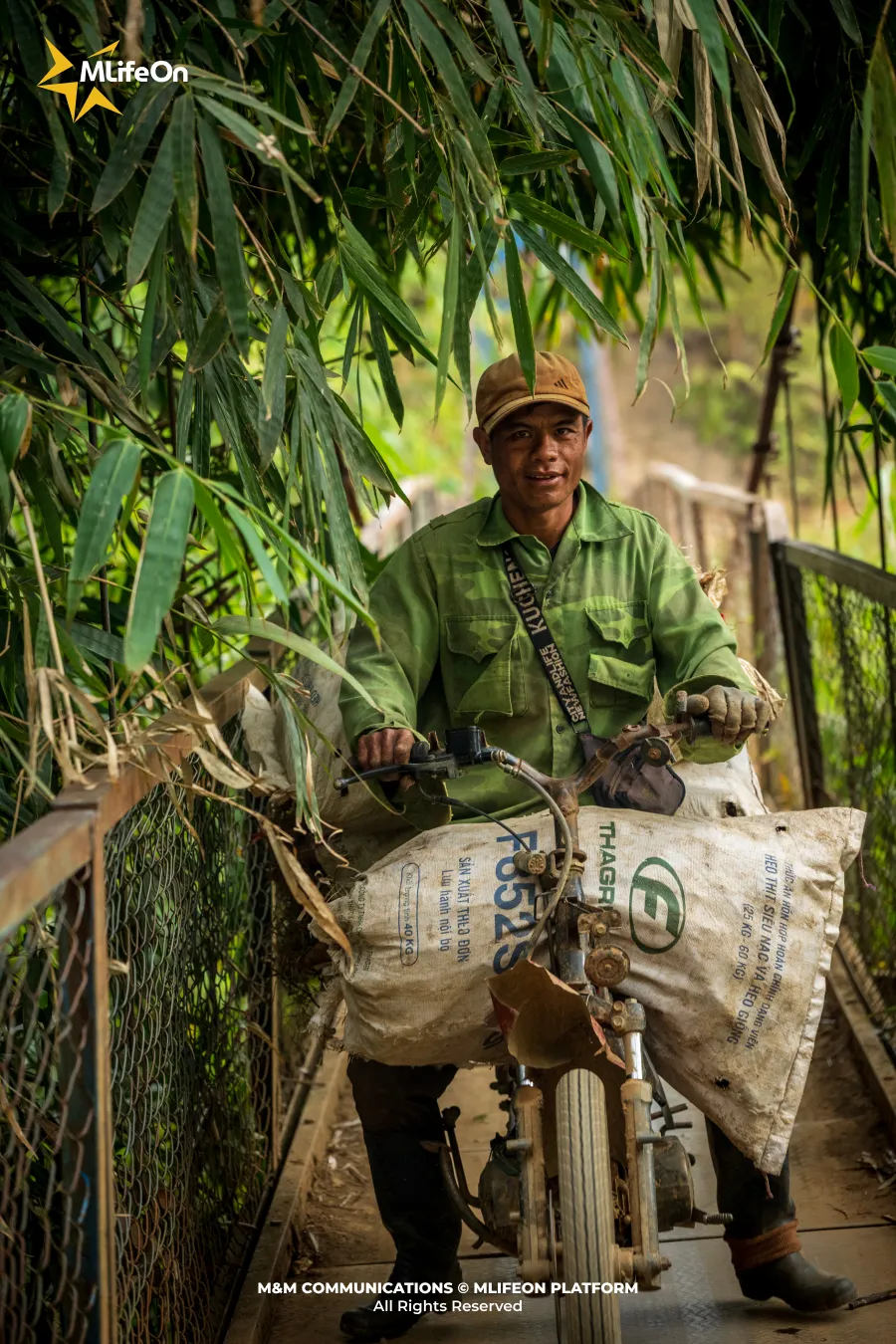
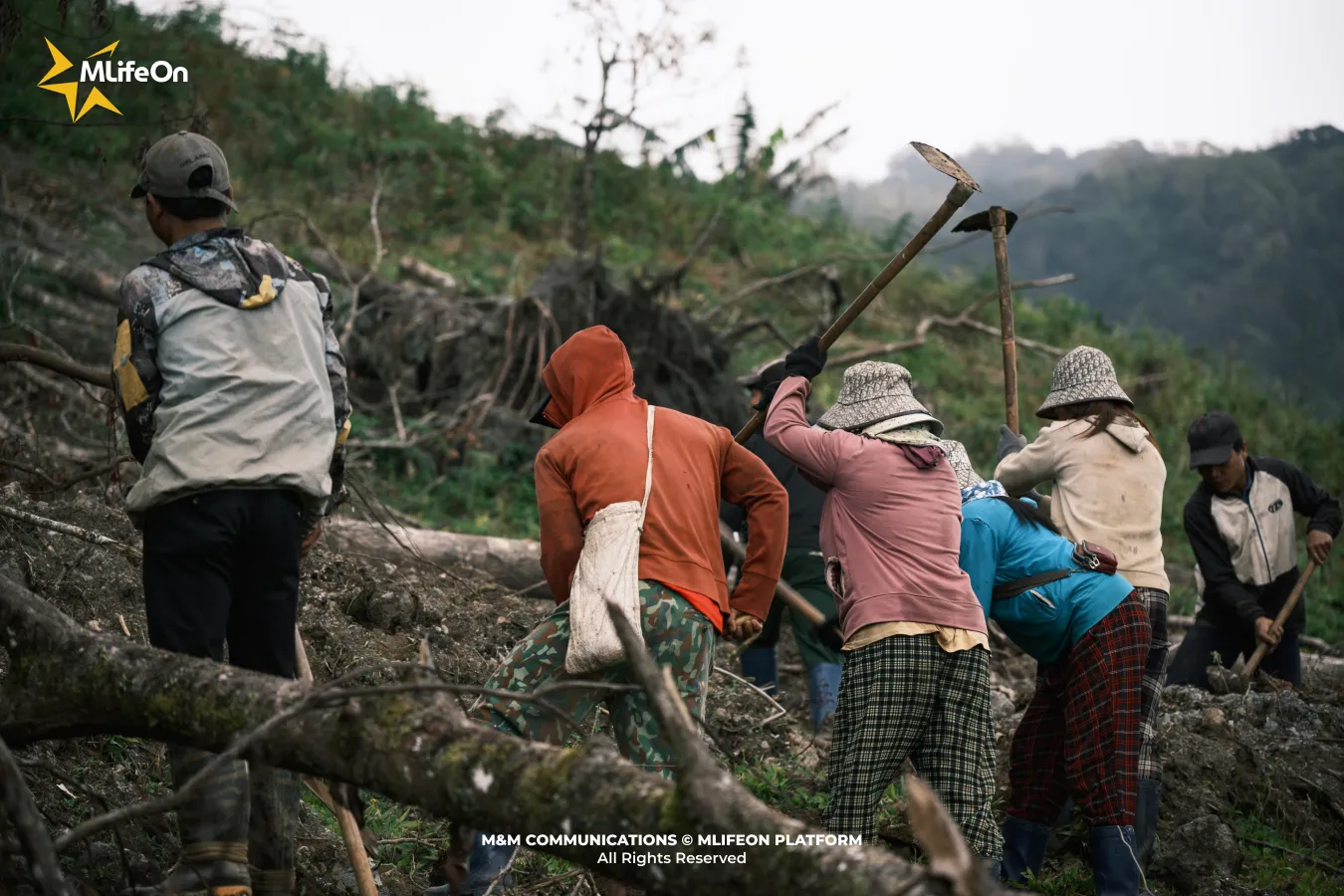
Most Sedang people in Kon Tum make their living through farming, cultivating rice, corn, cassava, and other crops suited to the highland environment. Their day often begins before sunrise, when the mountains still rest in the early morning mist. As the day unfolds, red dirt roads gradually become livelier with people heading to the fields and the familiar rhythms of village life.
Women play an important role in both family and community life. Alongside agricultural work, they contribute to household livelihoods, pass down language and customs, and help preserve traditional crafts for younger generations. Many cultural values continue to thrive today thanks to the dedication of Sedang women within their families and communities.
In addition to brocade weaving, the Sedang are also known for their traditional blacksmithing skills. Their craftsmanship has long provided tools and everyday items that support life in the highlands.
Sincerity and a strong sense of community
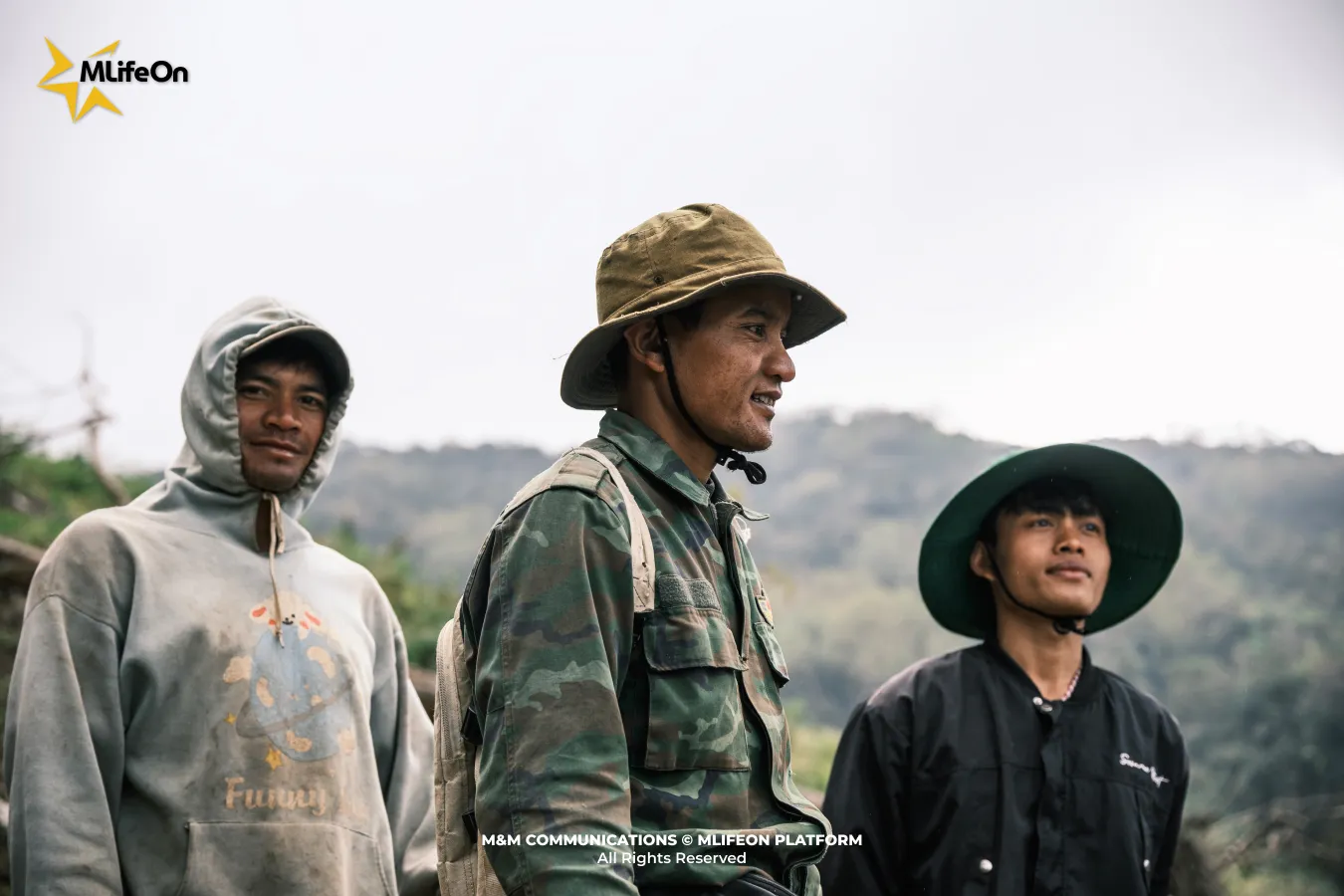
The Sedang people often leave others with an impression of kindness and honesty from the very first meeting. In many villages, the bond between neighbors can still be clearly seen in everyday life. When a family builds a new house, works on the fields, or enters the harvest season, people in the village often come to help from early morning without waiting to be asked. Some split bamboo, some carry supplies, while others prepare meals, naturally sharing the work together. For the Sedang people, living close to one another also means supporting and caring for each other whenever needed.
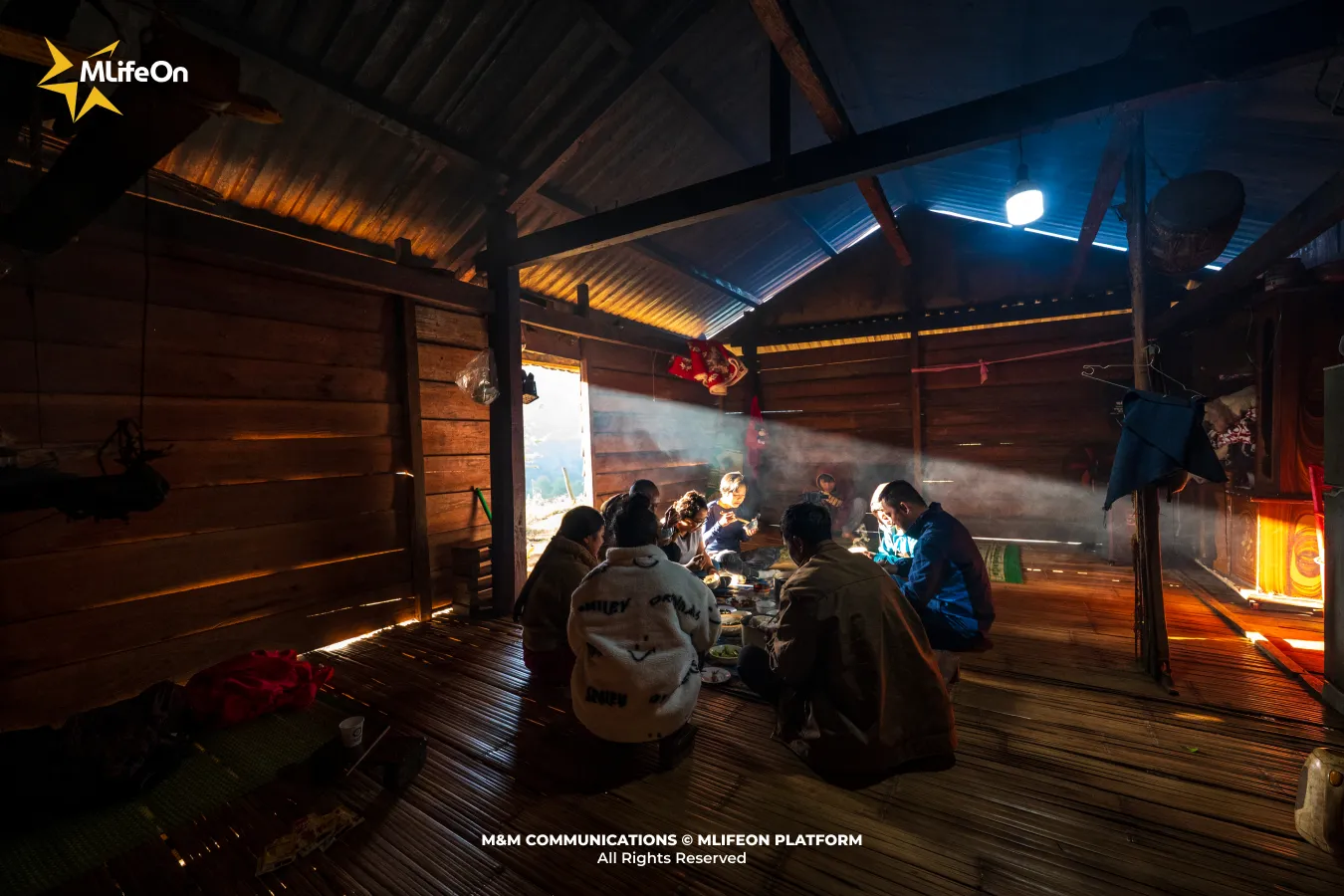
This strong community spirit has been part of their village life for generations. Many families live near each other, children grow up with laughter echoing across the red dirt yards, and adults meet again after long hours working in the fields. Festivals and village ceremonies are also moments when everyone gathers together to prepare food, play gong music, and sit by the fire late into the night sharing stories. The atmosphere feels warm and familiar, where everyone knows one another and doors are always open for guests.
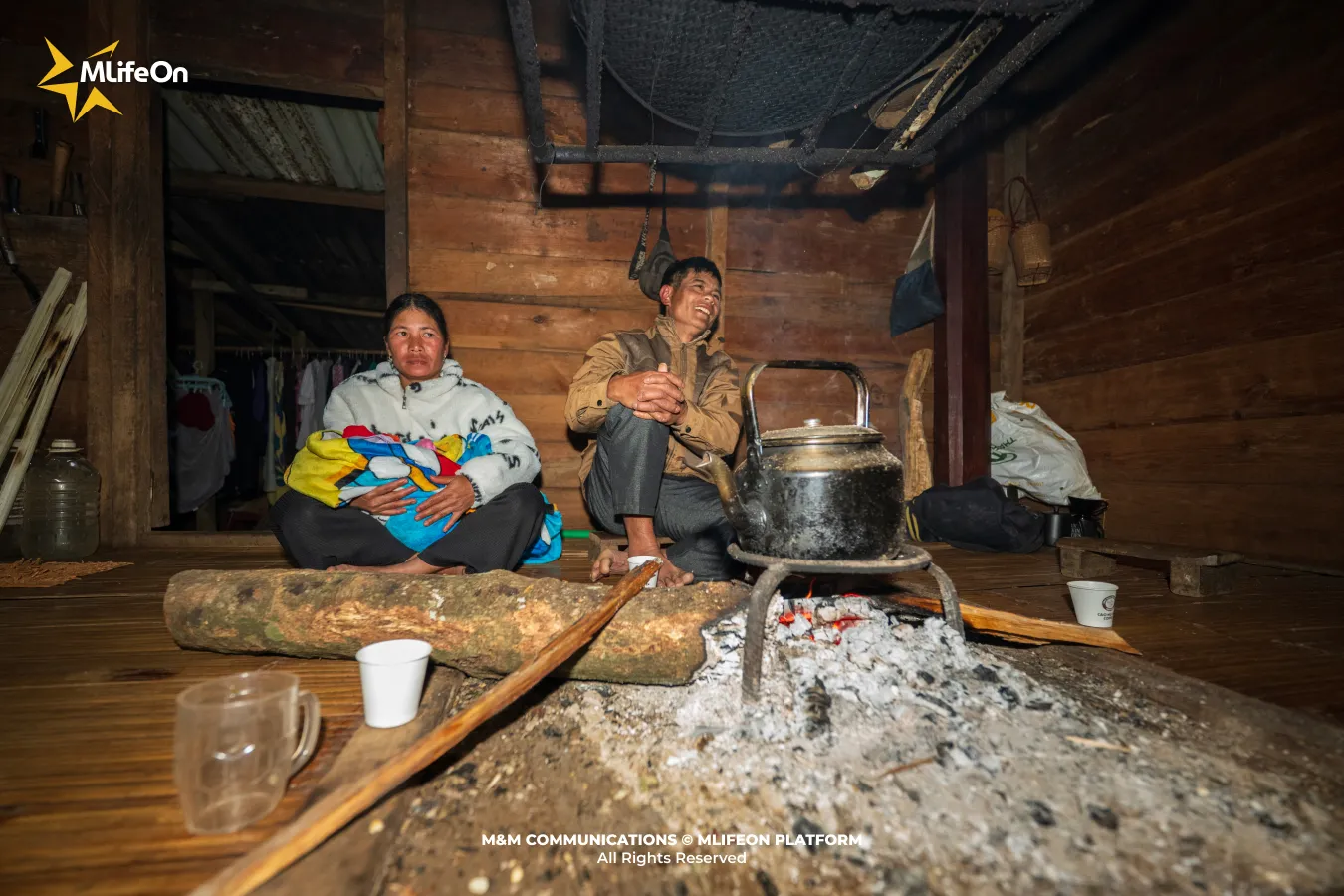
The hospitality of the Sedang people also comes from this simple way of living. Visitors are often invited to stay for tea, share a modest meal, or listen to stories about life in the village. Even though life is not always easy, they still welcome others with sincerity rather than formality. Perhaps that is why, for many people who have visited the Central Highlands, what remains in their memory is not only the mountains or the sound of gongs, but also the warmth of the people they met there.
Simple beauty within modern life
Today, many Sedang villages have benefited from cultural preservation programs and community development initiatives. Traditional crafts, native languages, festivals, and communal spaces are receiving greater attention and support, helping ensure that these cultural practices continue to thrive.
One of the most meaningful aspects of this process can be seen in the younger generation. Many young Sedang people study and work far from their hometowns, embracing modern technology and new opportunities. Yet when festival season arrives, they often return to their villages, take part in traditional ceremonies, and continue speaking their mother tongue in daily life. This connection reflects a natural and ongoing transfer of cultural values between generations.
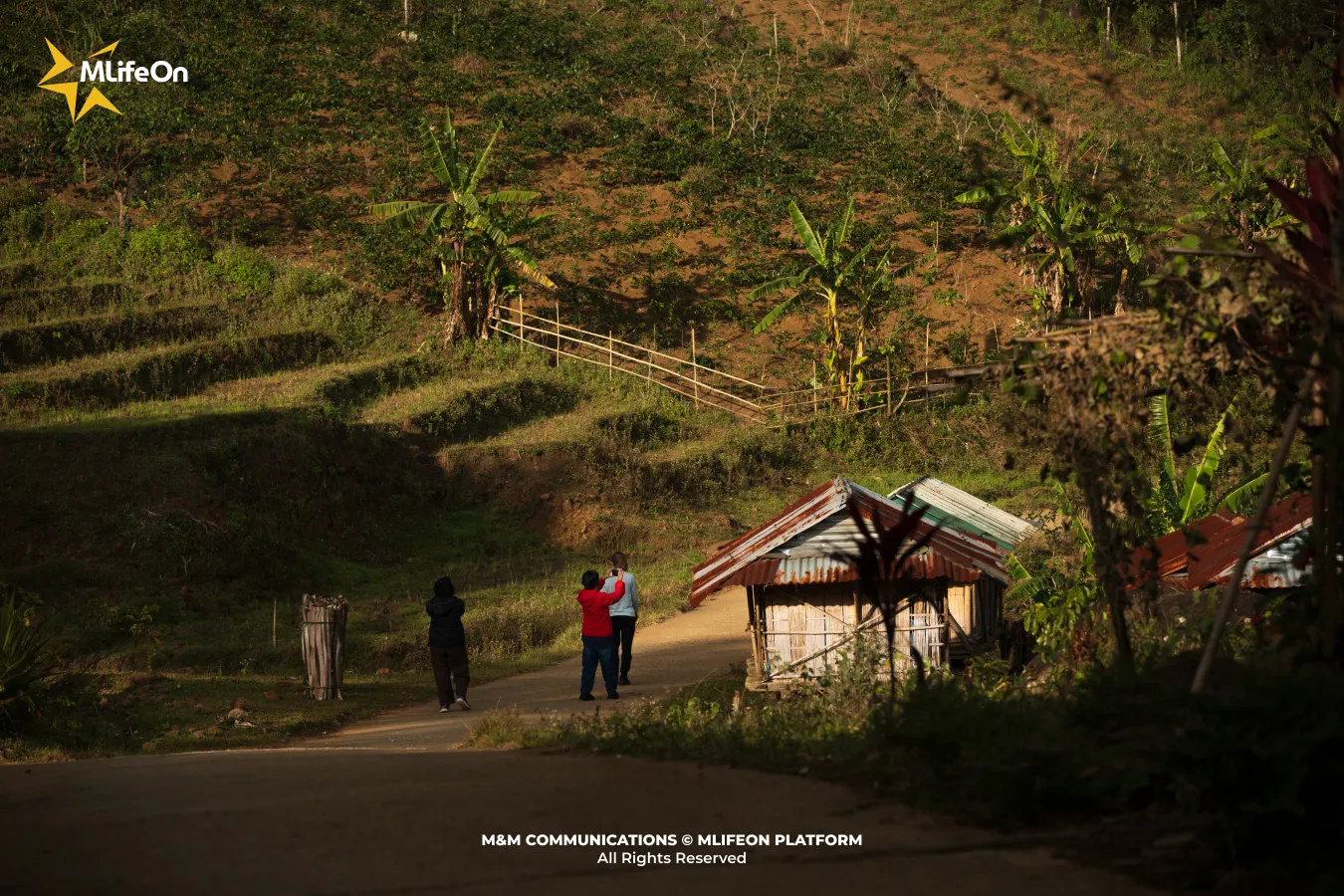
At the same time, life remains challenging in some remote communities, particularly those located near the foothills of Mount Ngoc Linh. Improving living conditions, expanding opportunities, and developing sustainable livelihoods remain important goals for the future.
Perhaps what makes the Sedang people memorable today is not only the traditions they continue to preserve, but also the way they adapt to modern life while maintaining a strong connection to their roots. Having lived closely with the forest for generations, many Sedang communities have developed a deep awareness of the importance of protecting and preserving the natural environment that has long sustained their way of life.
-------------
CREDIT:
- Photography: Luan Nguyen
- Content: Vy Vy
- Design: Phuong Nguyen