THE IMPERIAL CITADEL OF HOANG DE – THE REMNANTS OF AN ANCIENT CAPITAL IN THE HEART OF BINH DINH
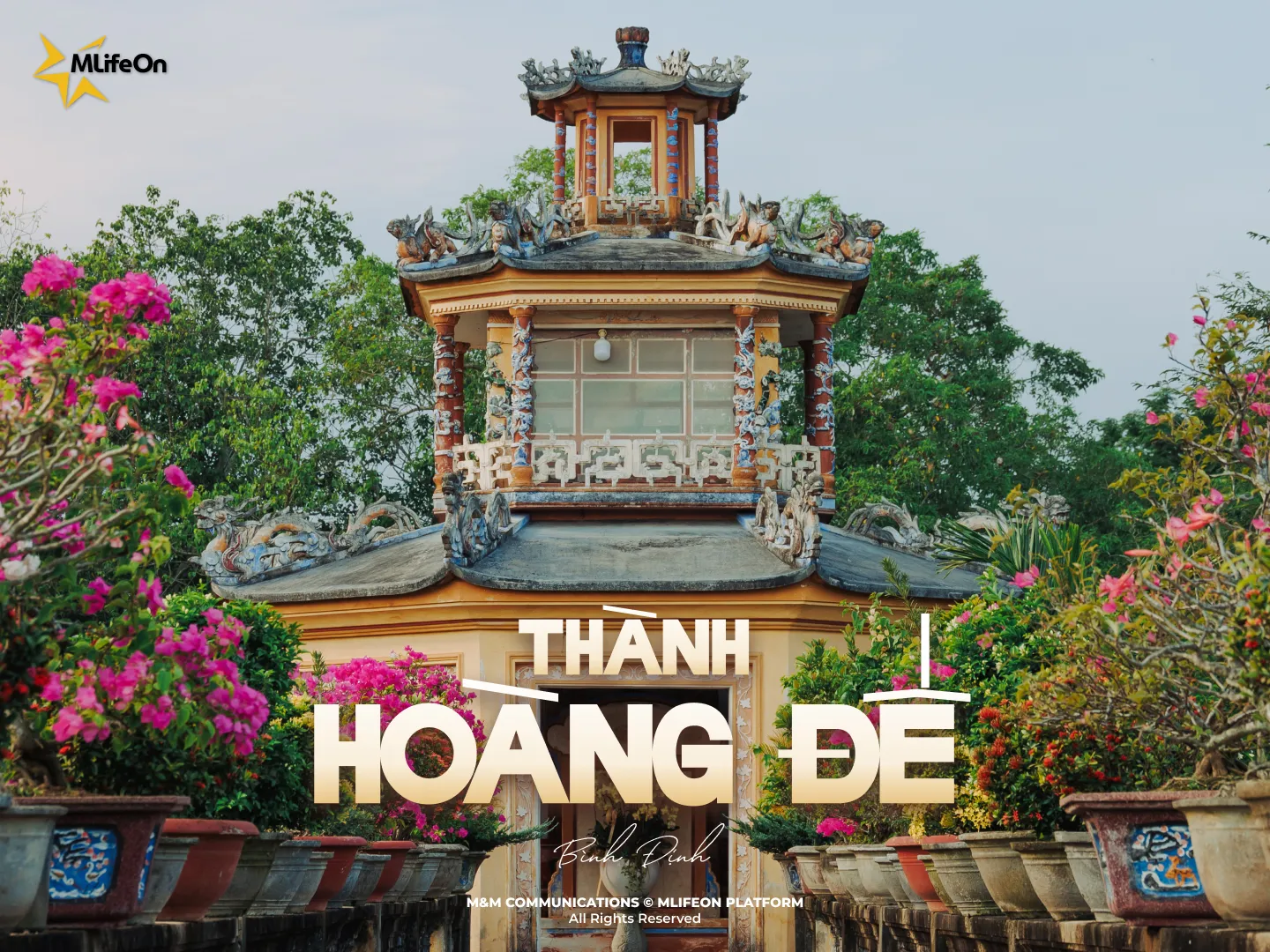
Discover the Imperial Citadel of Hoang De, where the remnants of an ancient capital reveal centuries of history in the heart of Binh Dinh.
The Imperial Citadel of Hoang De – Where layers of history converge
Few historical sites in Vietnam embody as many layers of history as the Imperial Citadel of Hoang De. Over the centuries, different eras have left their own distinctive marks on this very land, together shaping the remarkable heritage that visitors see today.
Long before it became known as the Imperial Citadel of Hoang De, this site was the ancient capital of Do Ban, the political, economic, and cultural center of the Champa Kingdom for many centuries. After the decline of Champa, the land entered a new chapter in its history.
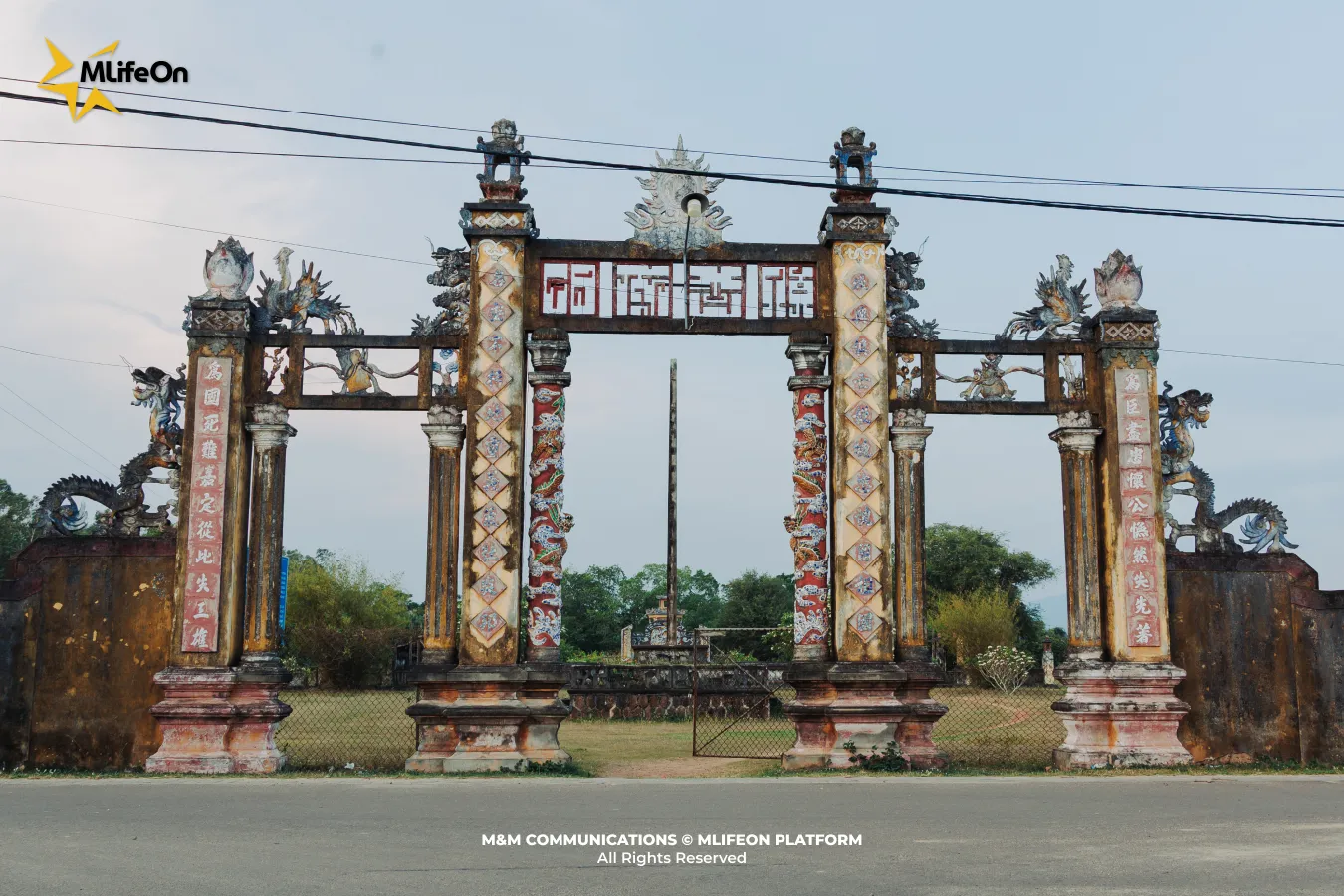
In the late eighteenth century, Emperor Thai Duc Nguyen Nhac chose this location as the capital of the Tay Son Dynasty. He expanded and rebuilt the citadel upon the foundations of the former Champa capital. From that point onward, the name "Hoang De Citadel" was born, becoming one of the most significant symbols of the Tay Son movement in Vietnamese history.
Over time, through the Nguyen Dynasty and successive wars, the citadel gradually lost much of its original appearance. Nevertheless, the remaining traces are still enough to help visitors imagine a land that once served as the center of power during multiple historical periods.
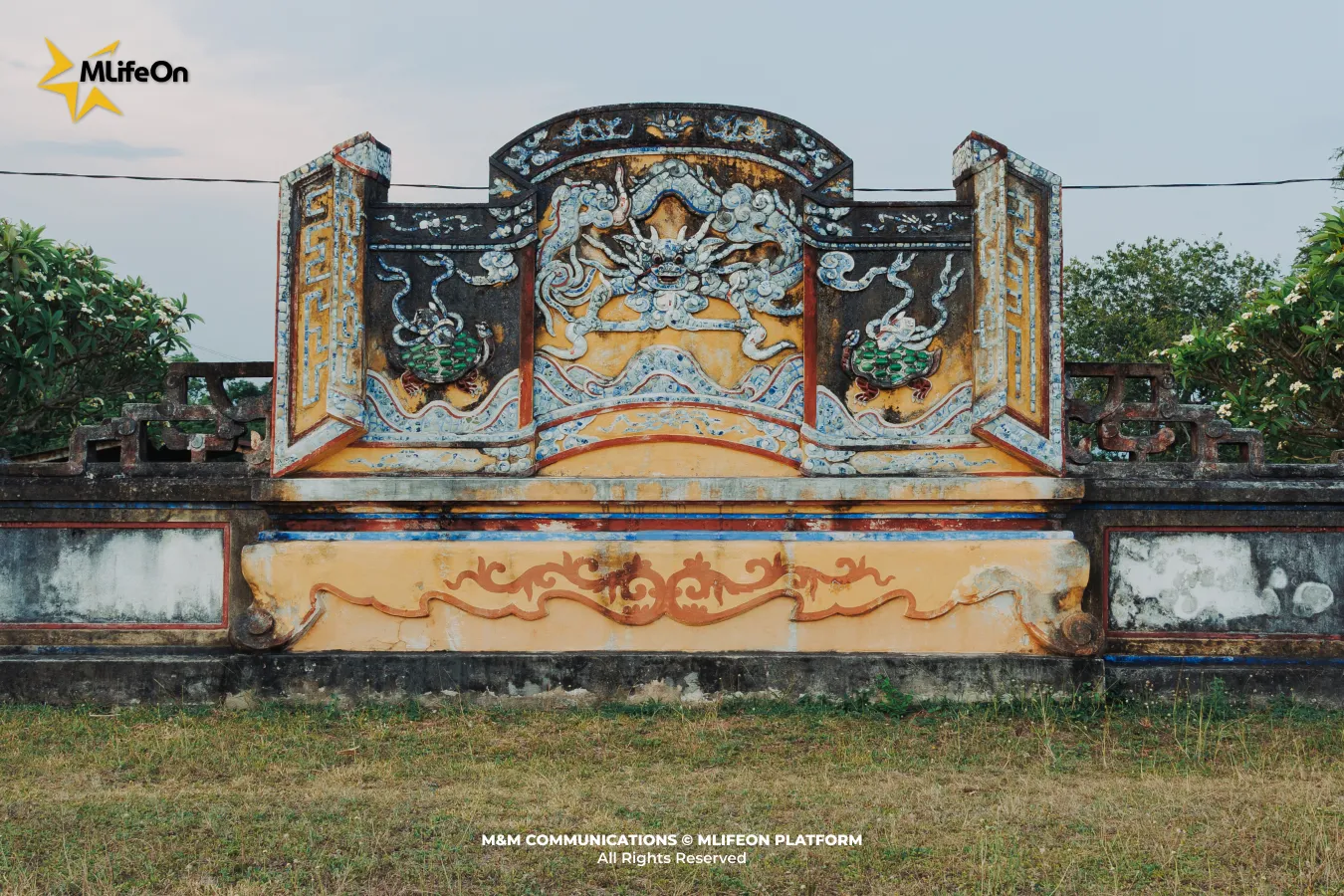
It is precisely this convergence of different eras that has transformed the Imperial Citadel of Hoang De into a "chronicle written in brick and stone," where every layer of earth and every surviving foundation preserves a fragment of the past.
From the Do Ban Capital to the Imperial Capital of the Tay Son Dynasty
Looking only at what remains today, it may be difficult to imagine that the Imperial Citadel of Hoang De has witnessed a historical journey spanning hundreds of years.
During the Champa period, Do Ban was one of the kingdom's most important capitals, serving as a center for politics, diplomacy, commerce, and cultural exchange. Thanks to its strategic location, the area flourished for centuries as one of the region's leading centers of development.
When the Tay Son movement emerged, Nguyen Nhac selected this very land to establish his new capital. His decision was far from accidental. Besides its favorable strategic position, the existing foundations of the old Do Ban Citadel provided a strong base upon which to build the capital of the new Tay Son regime.
From that moment on, Hoang De Citadel became the political heart of the Tay Son Dynasty during its formative years. It was here that many important decisions were made before the Tay Son movement expanded and secured its place in Vietnamese history through a series of remarkable military victories.
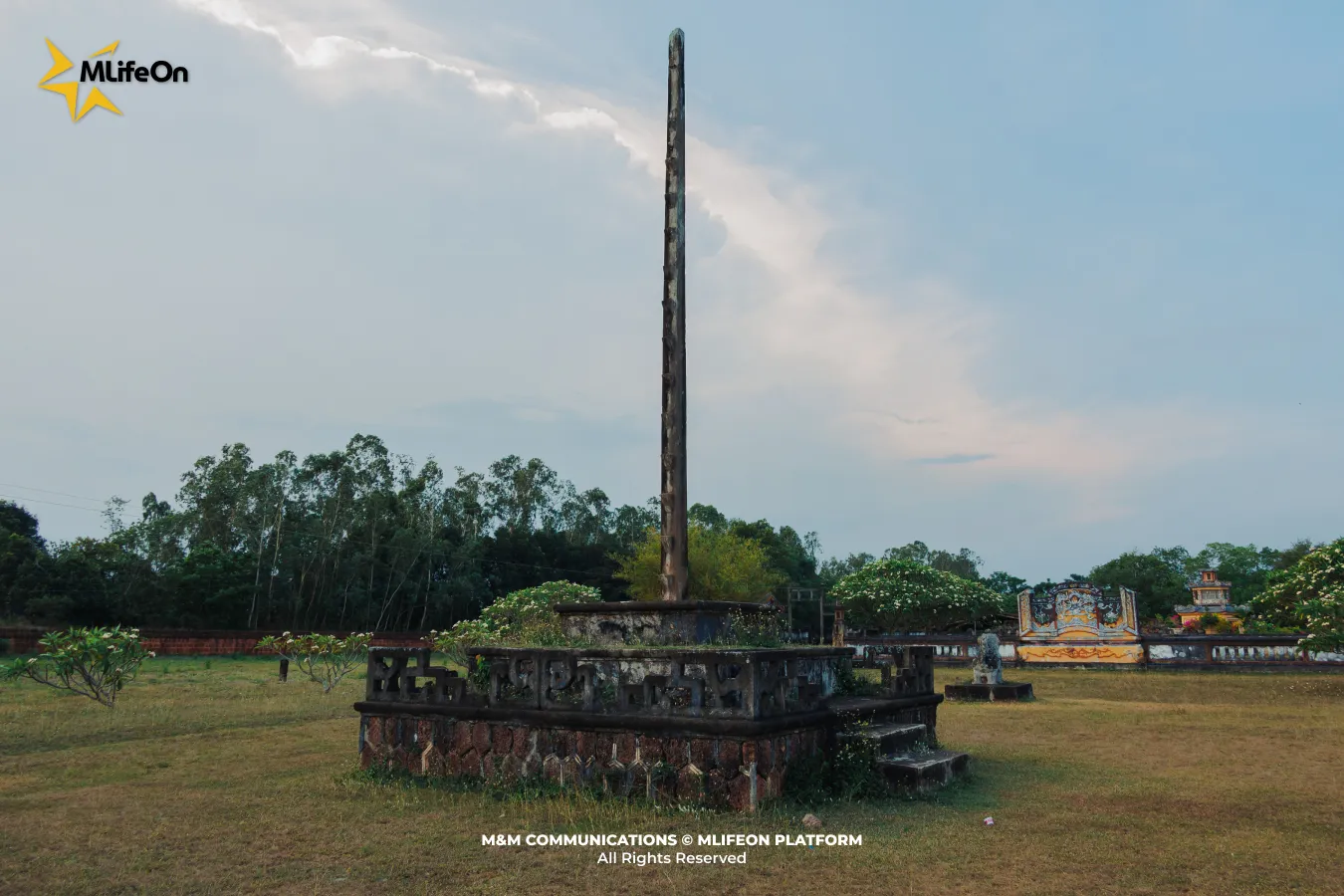
The fact that this land first served as the capital of Champa and later became the imperial capital of the Tay Son Dynasty gives Hoang De Citadel exceptional historical significance. Rather than preserving the legacy of only one dynasty, it reflects the continuity of history across different civilizations and eras.
The remaining ruins tell the story of an Ancient Capital
Today, the Imperial Citadel of Hoang De no longer retains the grandeur it once possessed. Many palaces, fortifications, and defensive structures have disappeared through the passage of time and the destruction of war.
Yet what encourages visitors to linger is not the monument's scale, but what still survives.
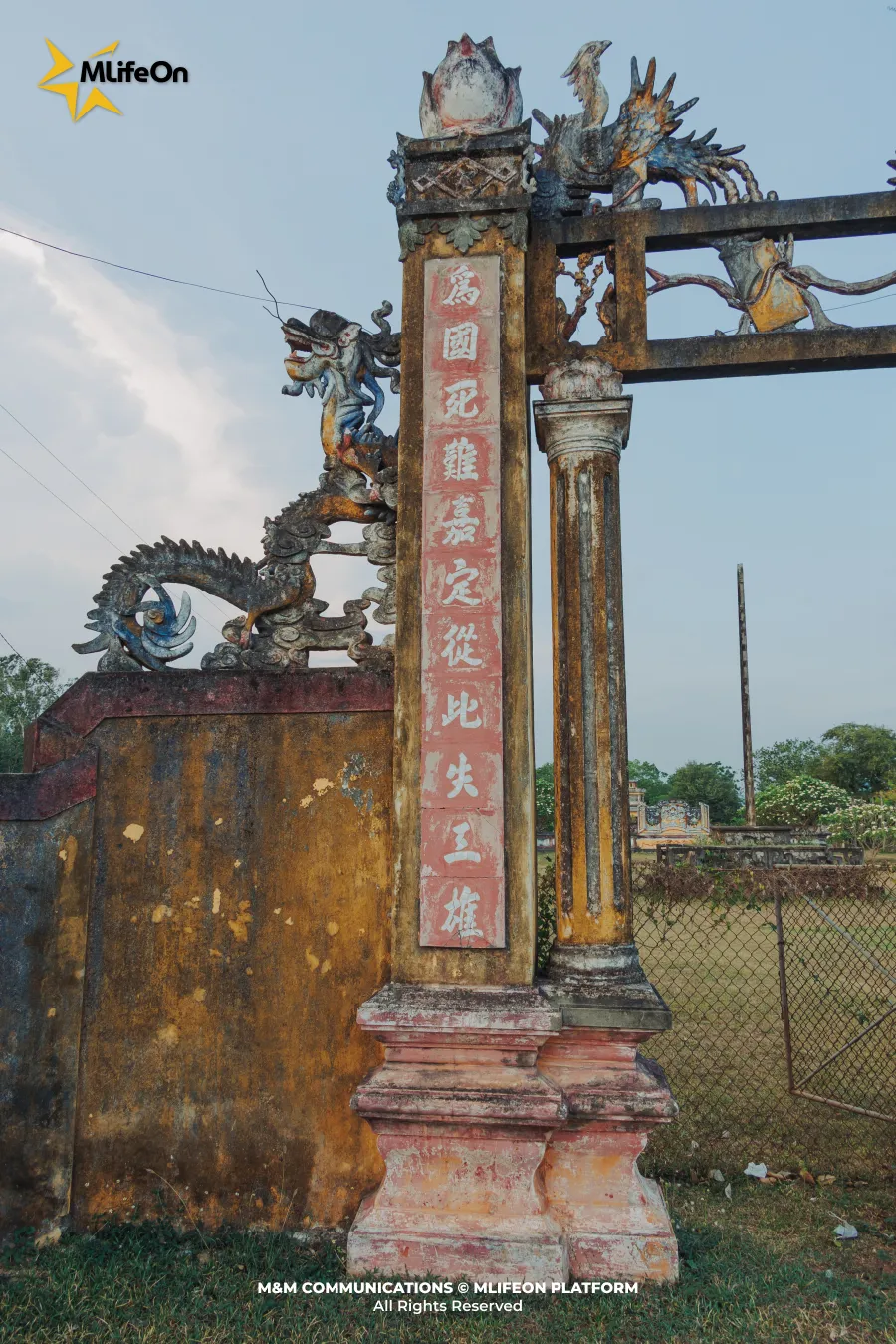
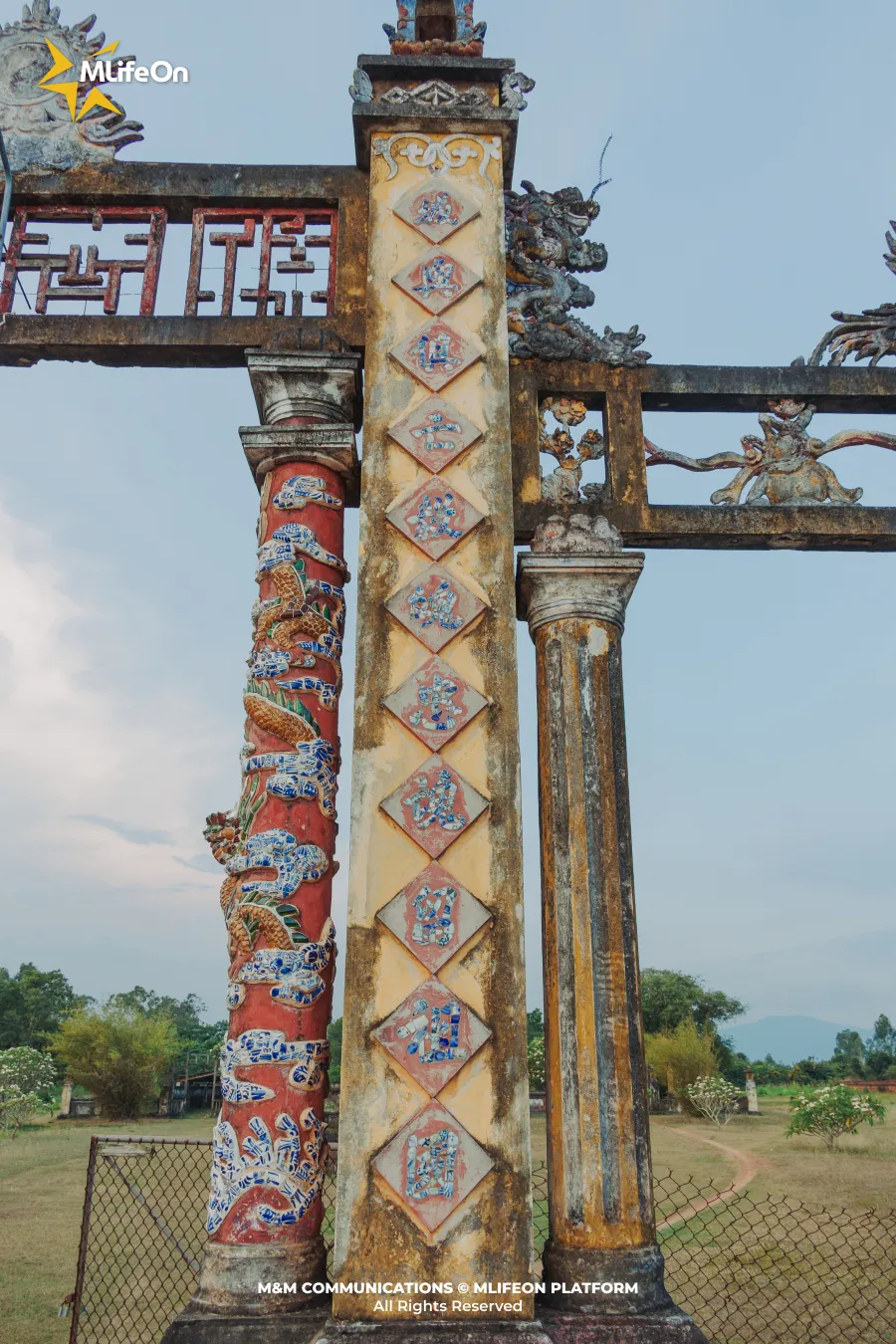
Ancient walls, architectural foundations, city gates, moats, and centuries-old bricks have become silent witnesses to history. They no longer tell their stories through magnificent appearances, but through their quiet endurance across hundreds of years.
Walking through the archaeological site, many visitors feel as though they are stepping through the pages of a history book. Every remaining structure evokes memories of a once-thriving capital, of the people who lived, built, and contributed to an important chapter in the nation's past.
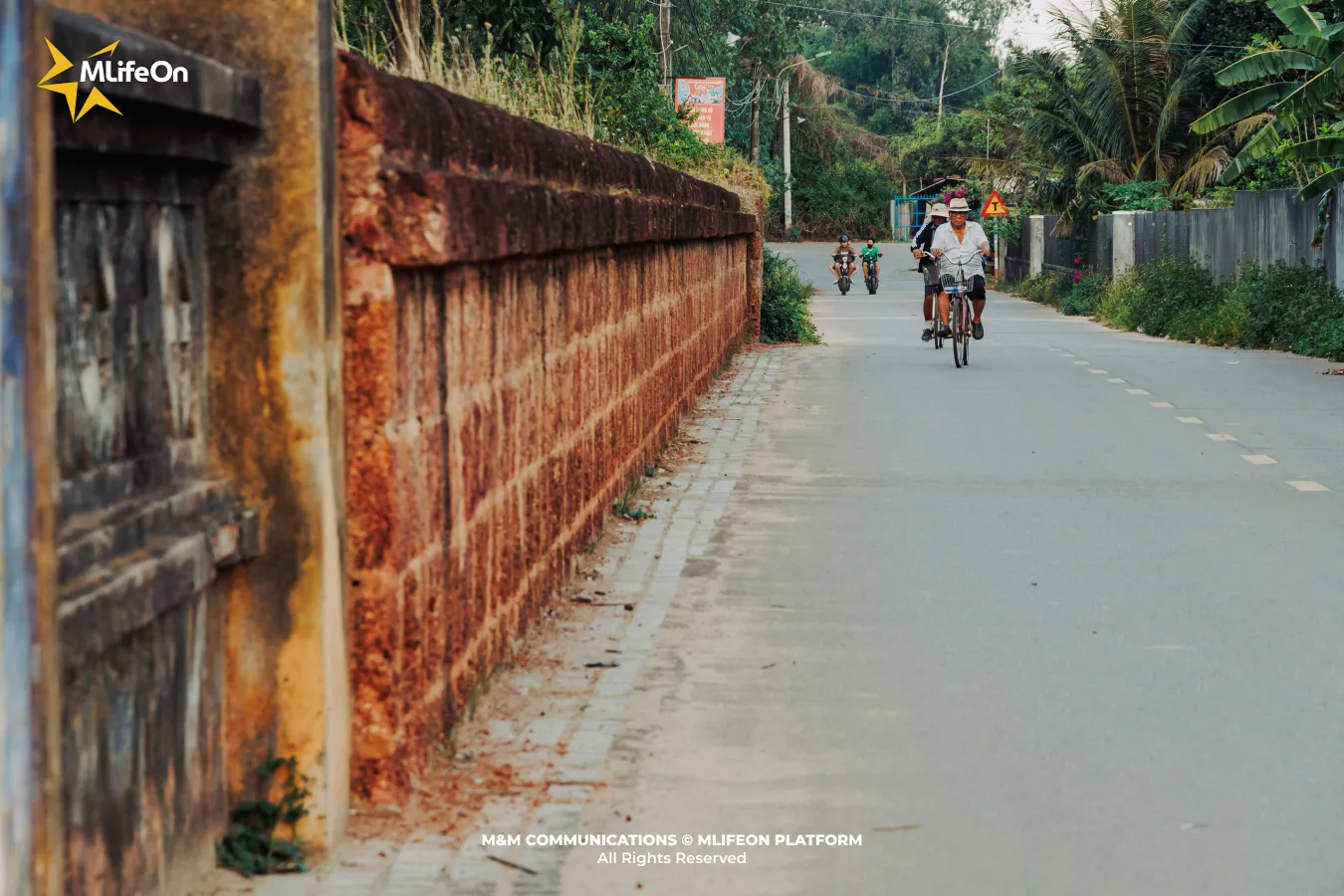
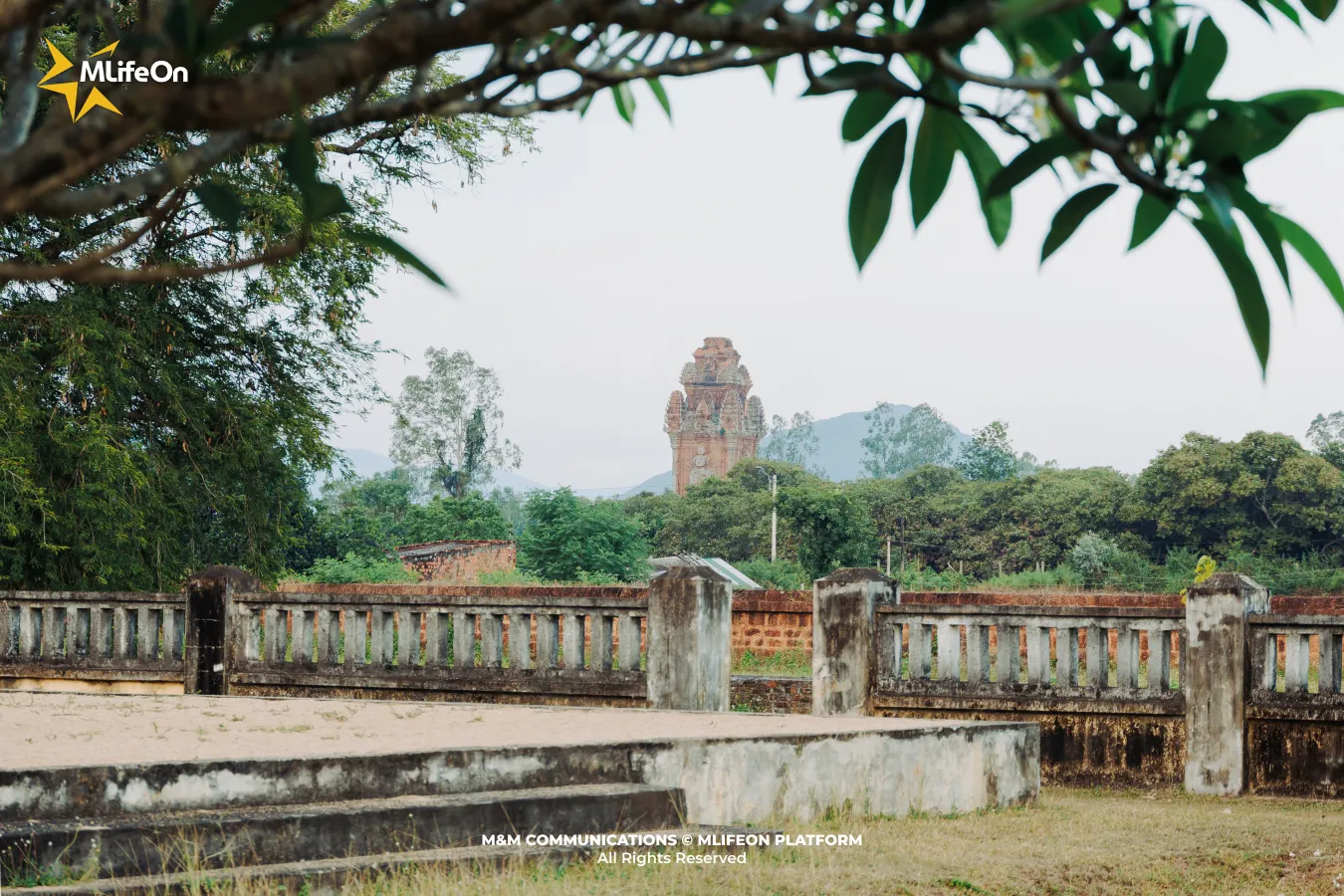
Perhaps the greatest value of the Imperial Citadel of Hoang De does not lie in how many walls or gates remain standing, but in its ability to help today's generations visualize and connect with history through authentic remnants that still exist.
When history continues to live in the present
Today, the Imperial Citadel of Hoang De is no longer a capital, nor does it serve the role it once held centuries ago. Yet its history has never truly come to an end.
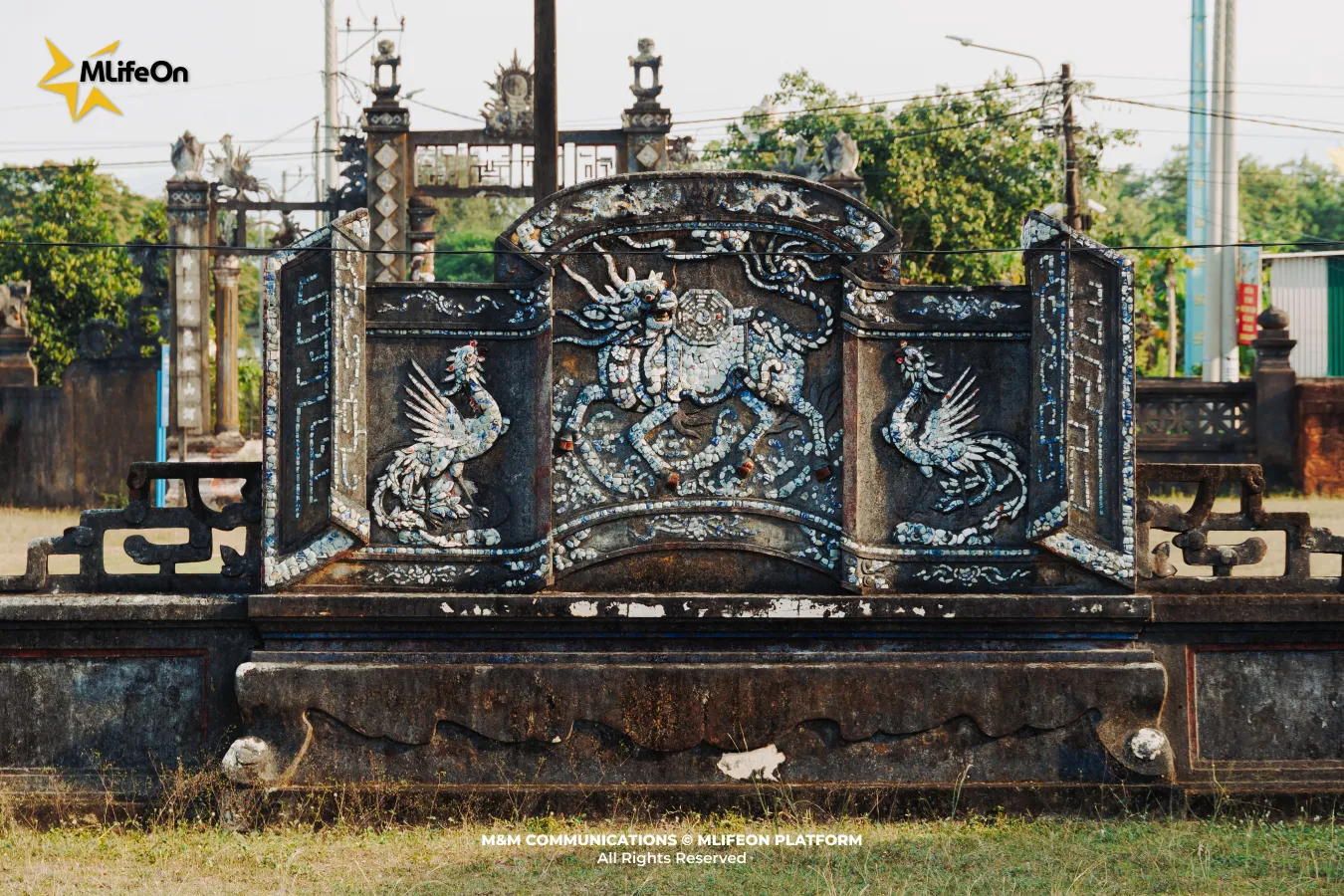
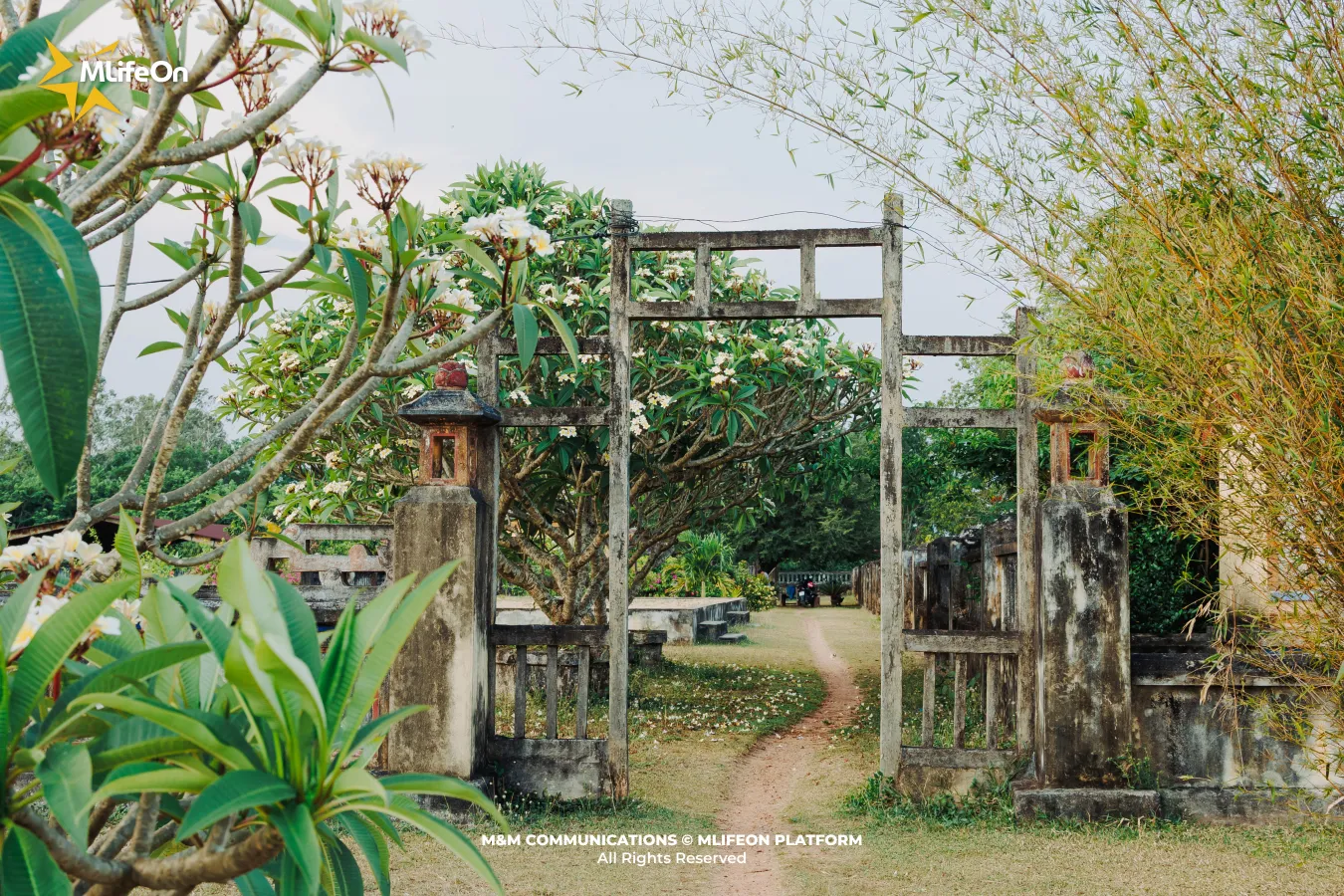
Every year, students, researchers, historians, and travelers continue to visit the site to learn about an important chapter of Vietnamese history. Archaeological research, conservation projects, and ongoing preservation efforts all contribute to ensuring that these historical values continue to be passed down to future generations.
What makes the citadel especially meaningful is that it exists as more than just a tourist attraction. It continues to serve as a bridge between the past and the present, allowing the stories of previous generations to live not only in textbooks but also on the very land where so many historical events once unfolded.
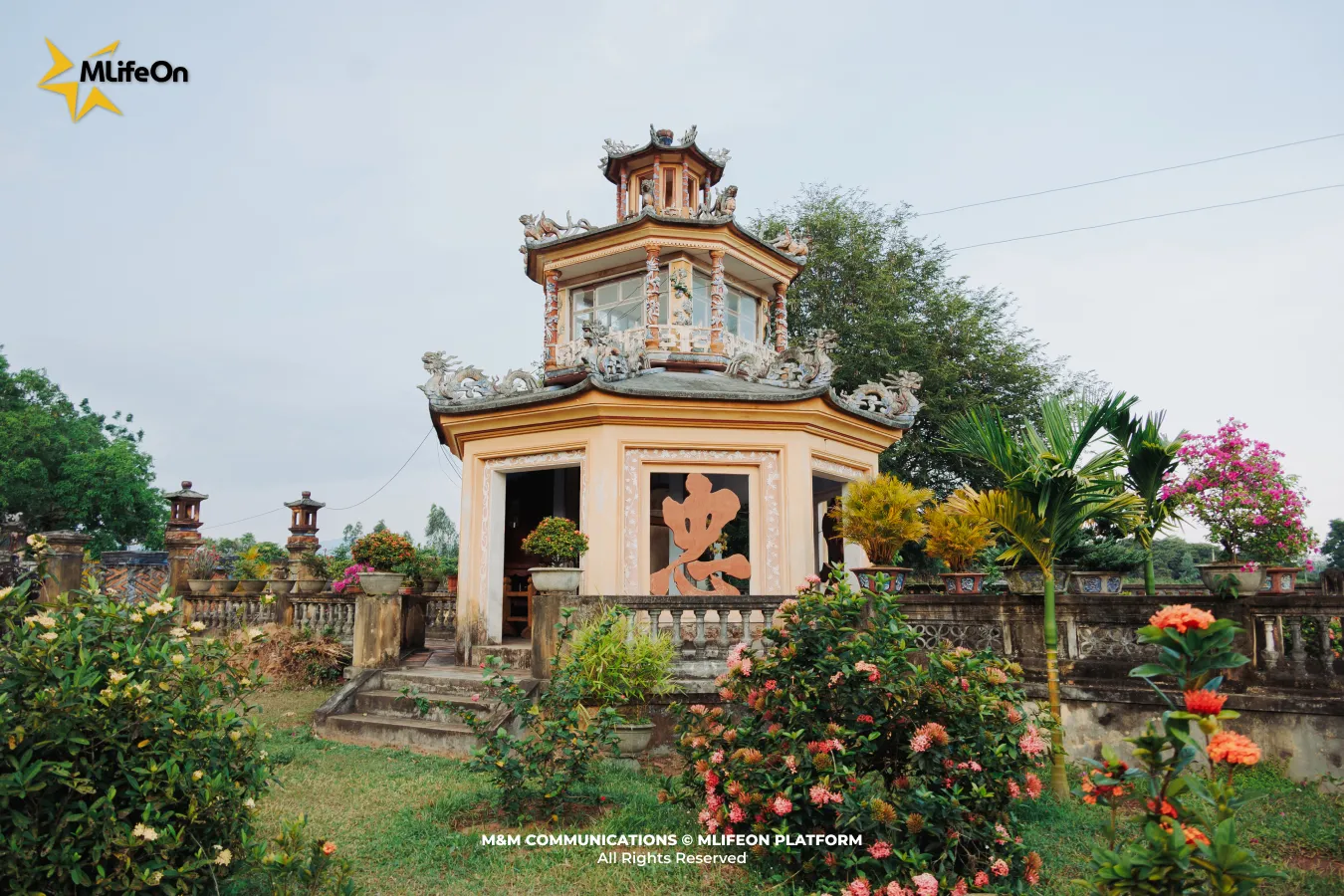
Perhaps this is the greatest purpose of preserving a historical monument, not simply to protect old bricks and ancient walls, but to safeguard memories, cultural identity, and the lessons that history has left behind for future generations.
Conclusion
Although it no longer stands in the complete form of an ancient imperial capital, the Imperial Citadel of Hoang De still has the power to transport visitors back through the history of Binh Dinh, a land that once witnessed the prosperity of the Do Ban Capital and the rise of the Tay Son Dynasty.
Perhaps that is why, every time people walk past the old bricks and the remaining sections of the ancient walls, they are doing more than visiting a historical site. They are listening to the story of a land that helped shape the course of Vietnamese history. And it is these stories that make the Imperial Citadel of Hoang De such a memorable destination—not only because of what can still be seen today, but also because of the enduring values it has preserved through the centuries.
—---------
CREDIT:
- Photography: Kien Trang
- Content: Hoài Hà
- Design: Phuong Nguyen