HO CHI MINH CITY MUSEUM OF FINE ARTS: WHERE ARCHITECTURE AND MEMORY EXIST TOGETHER
Discover the Ho Chi Minh City Museum of Fine Arts, a century-old Indochine architectural landmark in the heart of the city. Explore the history of the Hui Bon Hoa mansion, a space preserving Vietnamese fine arts, and the timeless elegance that reflects the spirit of old Saigon.
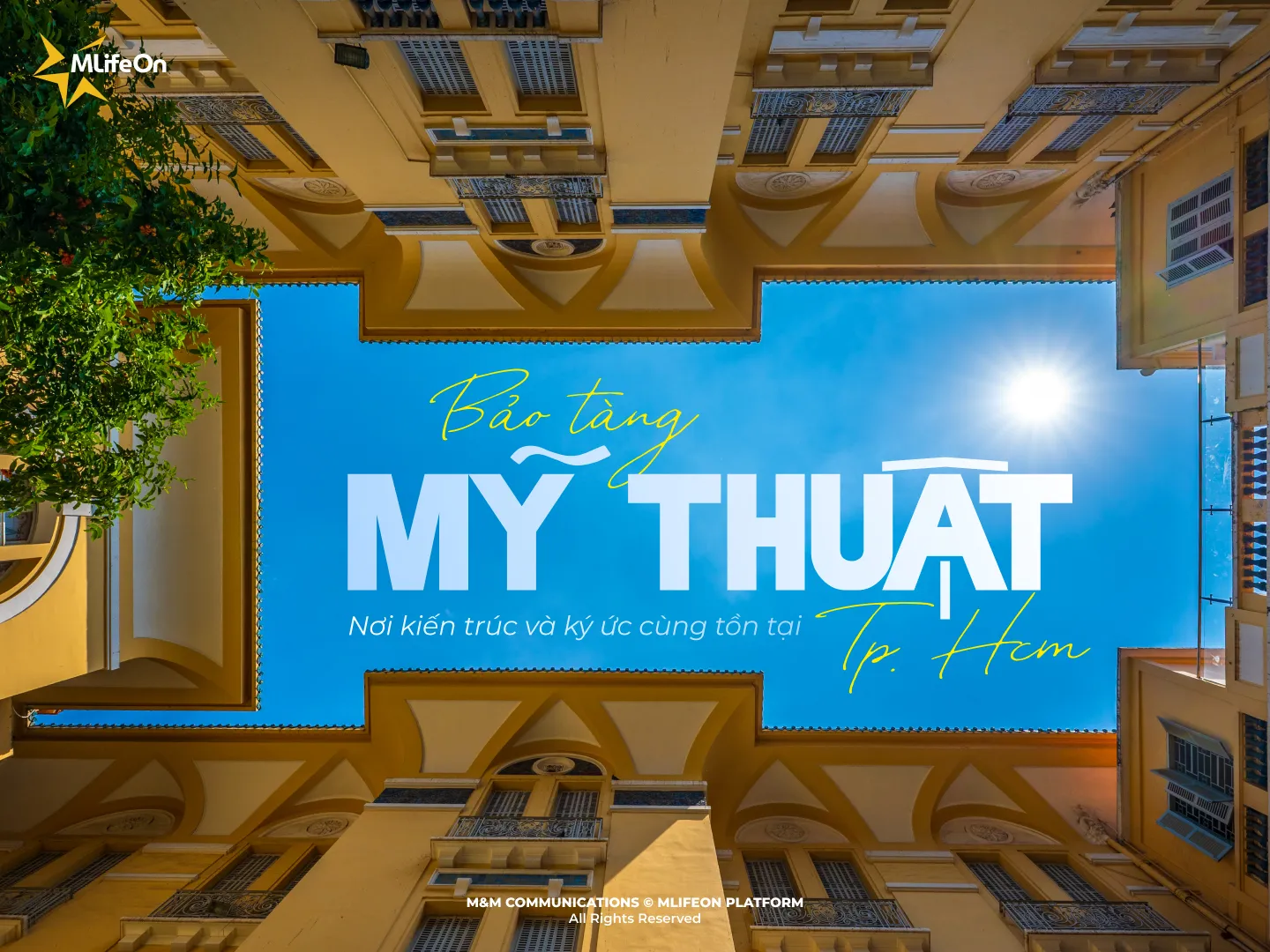
Amid the modern urban landscape, the Ho Chi Minh City Museum of Fine Arts stands like a structure preserved from memory. Hidden behind the city’s busy streets is a nearly century-old building that still carries traces of old Saigon through its architecture, artworks, and layers of culture that have endured over time.
Its Indochine-yellow walls, vintage patterned tiles, antique elevator, and refined architectural details create a space filled with a quiet sense of nostalgia. Every corner of the former residence of the Hui Bon Hoa family still retains the atmosphere of old Saigon, where history and art continue to coexist within the same space.
The building preserves many cultural layers of the city across different periods of development, while also offering a clear look into the formation and evolution of urban fine arts in Ho Chi Minh City.
From the Hui Bon Hoa Mansion to the Museum of Fine Arts
Construction of the building began in 1929 and was completed in 1934 based on the design of French architect Rivera. It was originally the private residence of the Hui Bon Hoa family, also known to old Saigon residents as “Chú Hỏa,” one of the wealthiest and most influential families in Southern Vietnam during the early 20th century.
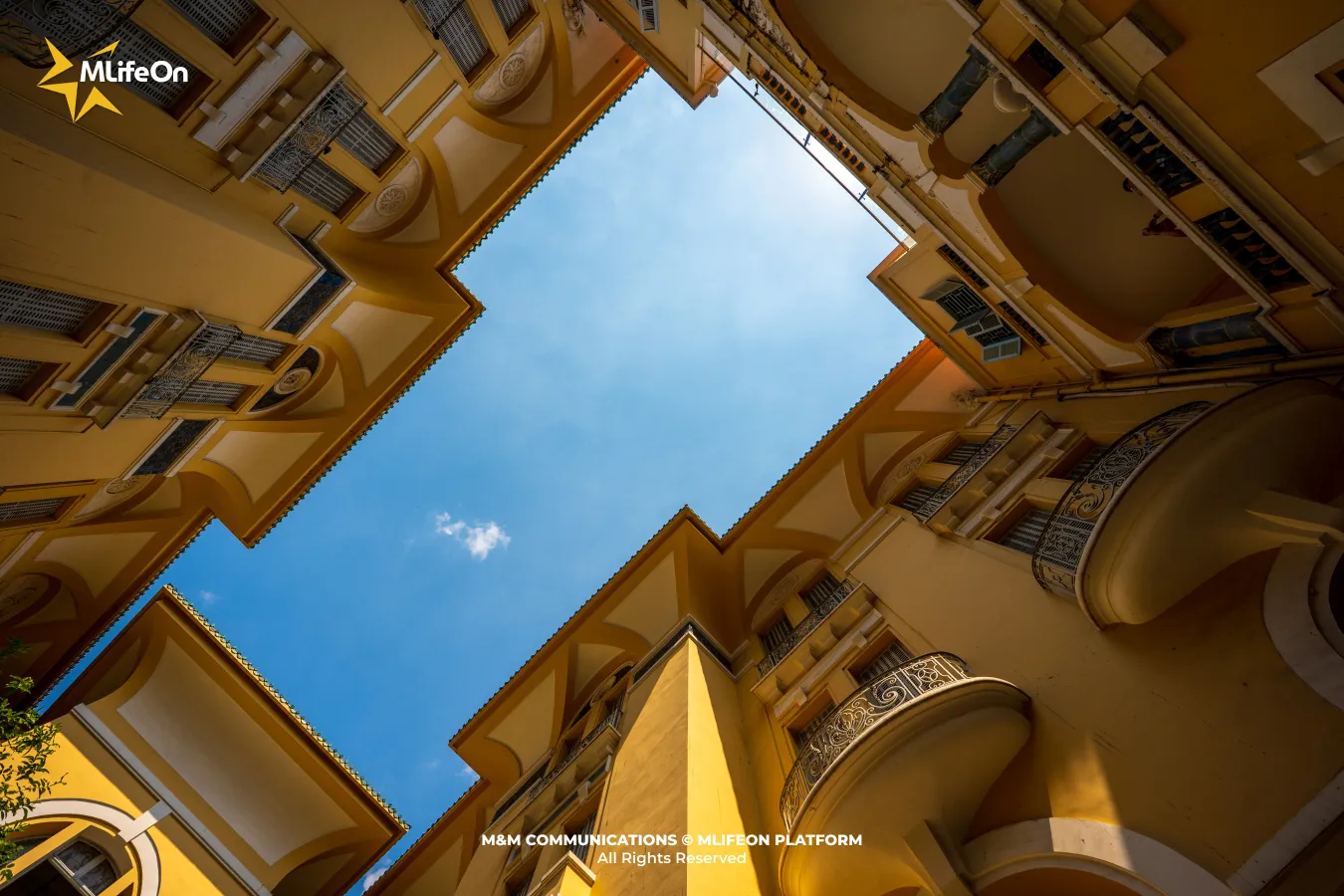
During the period when Saigon was rapidly developing as a center of trade and international commerce, the mansion became a symbol of urban prosperity and the elite lifestyle of the time. Its grand architecture and prime location in the heart of the city made it one of the most remarkable residences in Saigon during that era.
In 1987, the Ho Chi Minh City Museum of Fine Arts was officially established under a decision by the Ho Chi Minh City People’s Committee. After years of collecting and preparing artworks and artifacts, the museum opened to the public in the early 1990s and has since become one of Vietnam’s major centers for fine arts preservation and exhibition.

Despite having gone through many historical changes, the building has remained largely intact in its original form. Its yellow walls, long corridors, wooden doors, and patterned tile floors make the space feel like a preserved fragment of old memories still existing within an ever-changing city.
Indochine Architecture Touched by Time
What gives the Ho Chi Minh City Museum of Fine Arts its distinctive character is the Art Deco style that blends European architecture with Asian influences. The building stands out with its high arched windows, spiral staircases, curved iron railings, and large glass doors typical of early 20th-century French architecture.
Amid these Western design elements, the structure still preserves many Asian-inspired details such as yin-yang tiled roofs, ceramic motifs, and intricate decorative patterns. This combination creates a beauty that feels both elegant and refined, setting the building apart from many other structures of the same period in Saigon.
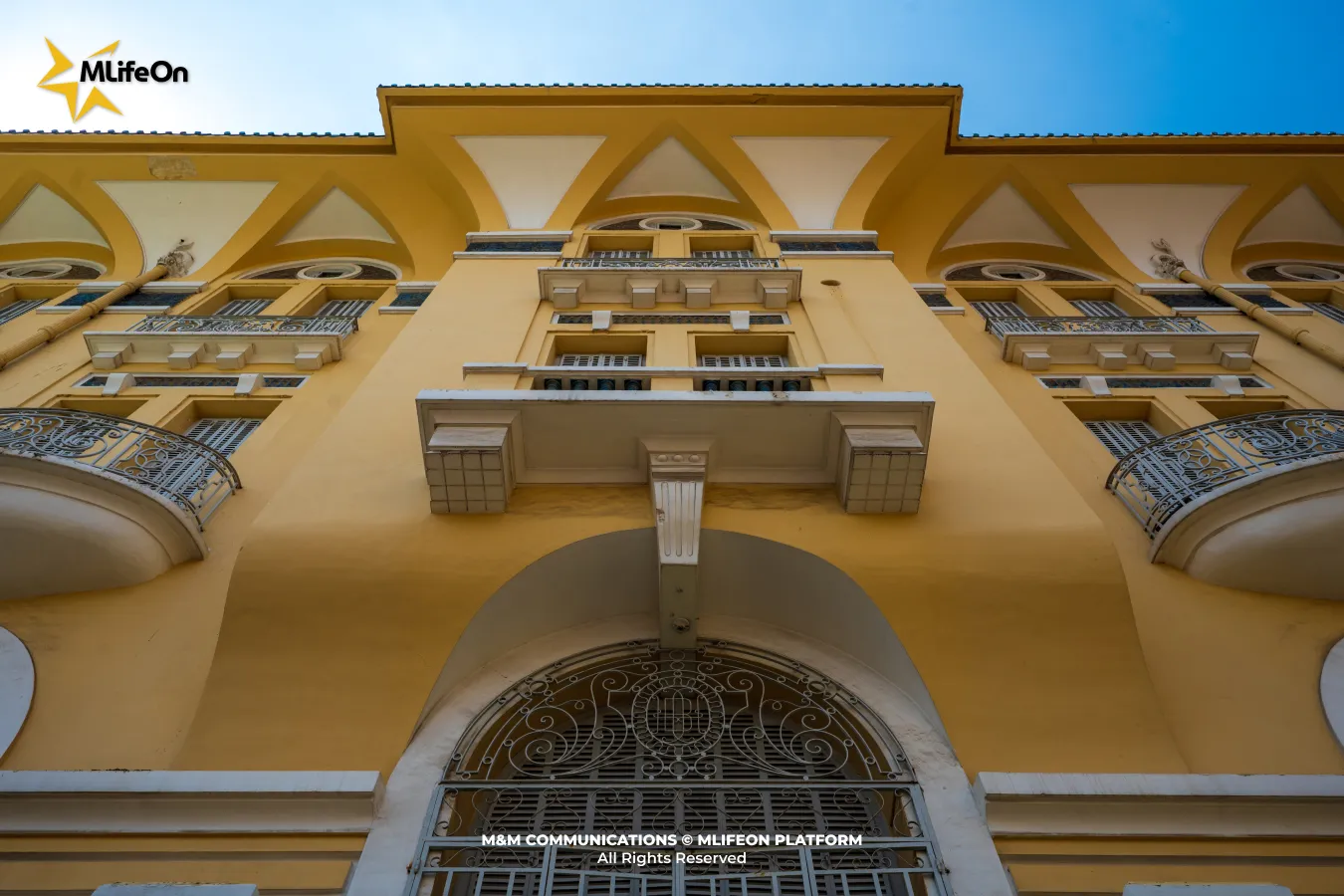
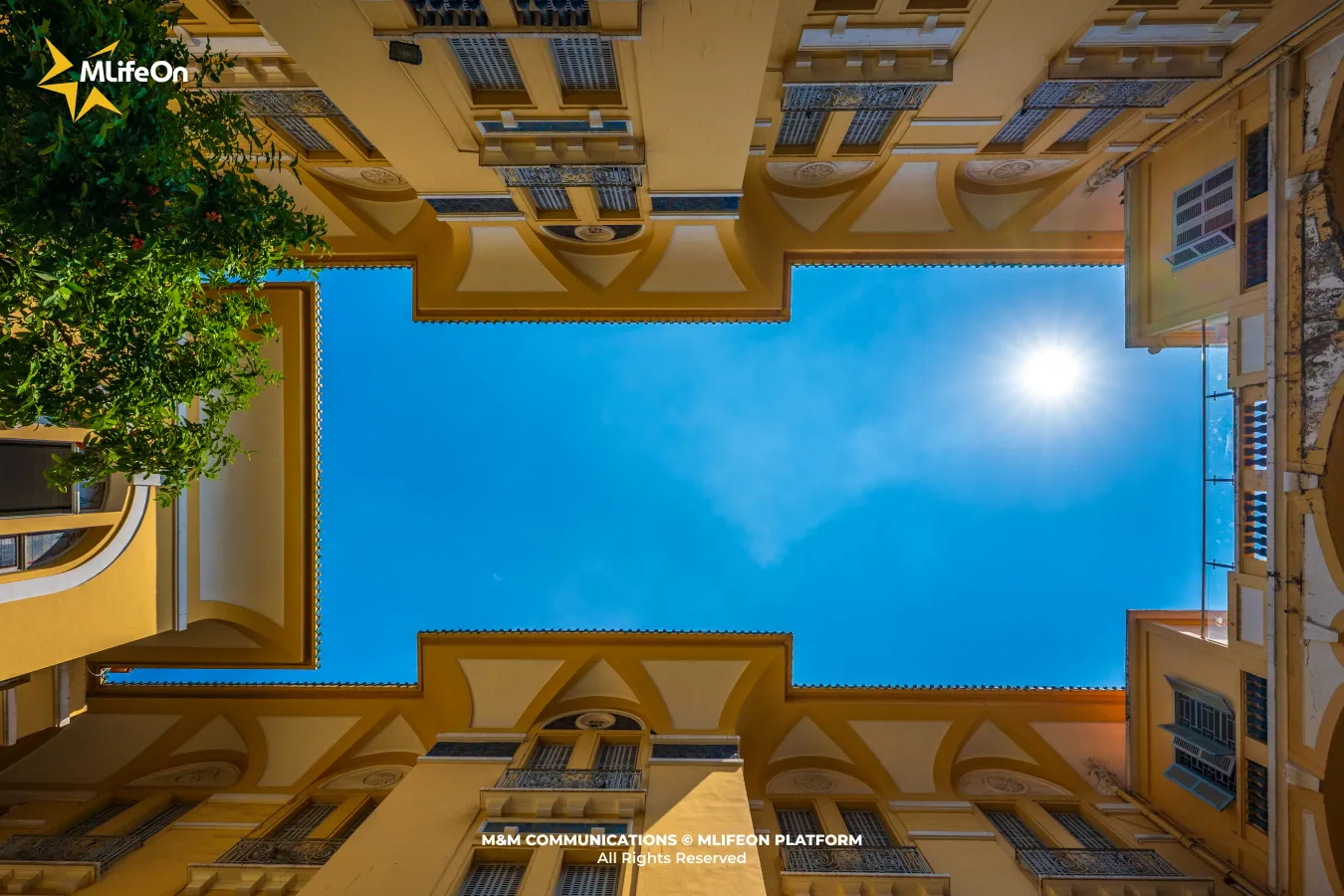
Inside the building, the vintage patterned tiles, spacious corridors, and the signature yellow tones of Indochine architecture have been preserved almost intact. One of the most remarkable features is the wooden elevator, designed to resemble a traditional Chinese sedan chair, which was considered one of the earliest elevators to appear in Saigon at the time.
As natural light spreads through the large windows, every architectural detail becomes more vivid, giving the impression of stepping into an old film scene. This unique atmosphere has made the museum a favorite destination for those who wish to experience the charm and rhythm of a bygone urban era.
An Artistic Space Shaped by Time
Stepping through the doors of the Ho Chi Minh City Museum of Fine Arts feels less like entering an art exhibition space and more like leaving behind the noise of the city outside. The interior is quiet, spacious, and carries the distinctive beauty of early 20th-century Indochine architecture.
Long corridors, vintage patterned tiles, spiral staircases, and large wooden doors have all been preserved almost intact. Natural light filtering through the glass windows creates shifting layers of light and shadow, highlighting the building’s architectural details and aged materials.
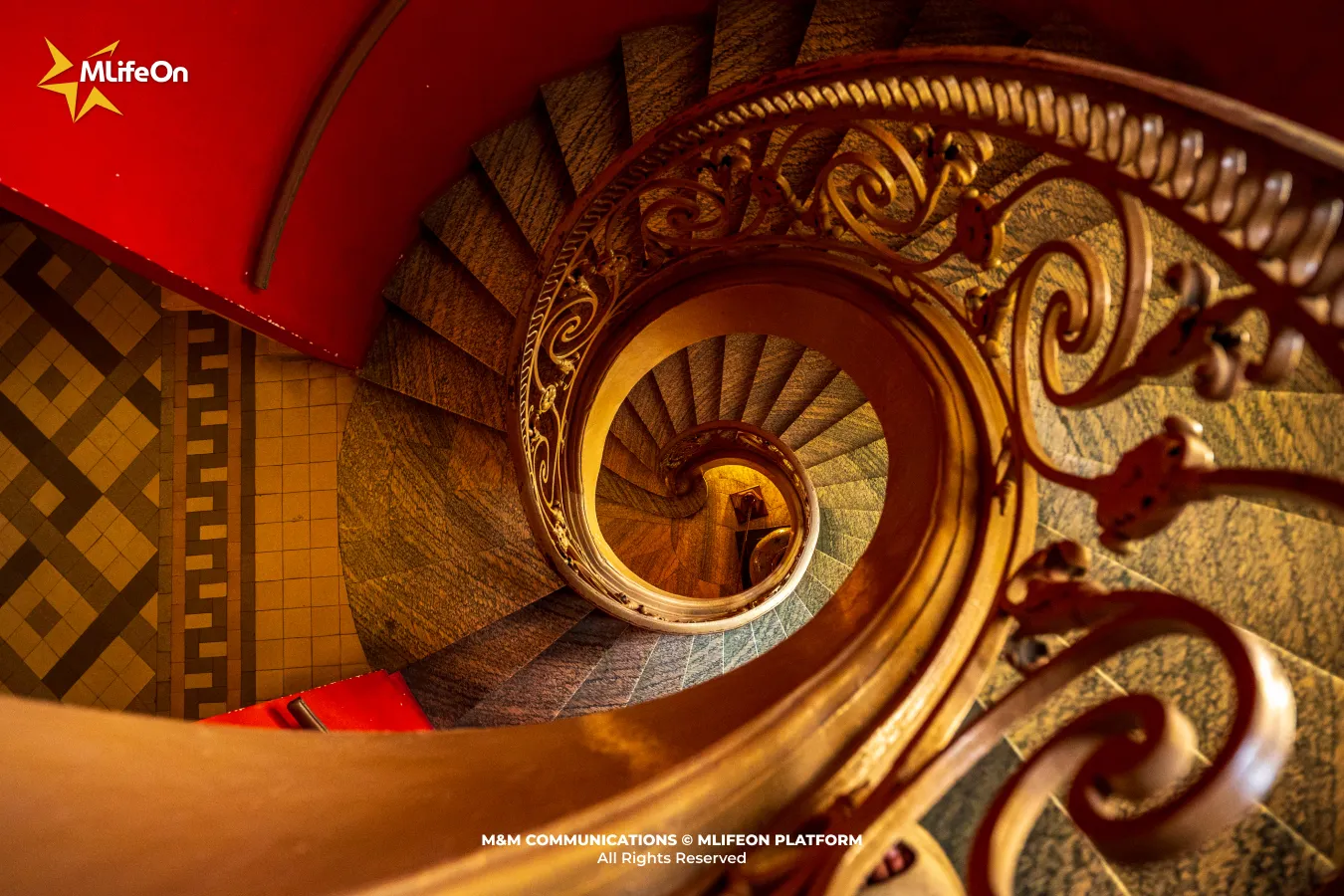
Each room inside the museum carries its own atmosphere, preserving works of art while evoking the feeling of an old Saigon mansion. The soft echo of footsteps through the high-ceilinged spaces, combined with the faint scent of aged wood, creates an experience that feels slower and distinctly different from the busy streets outside.
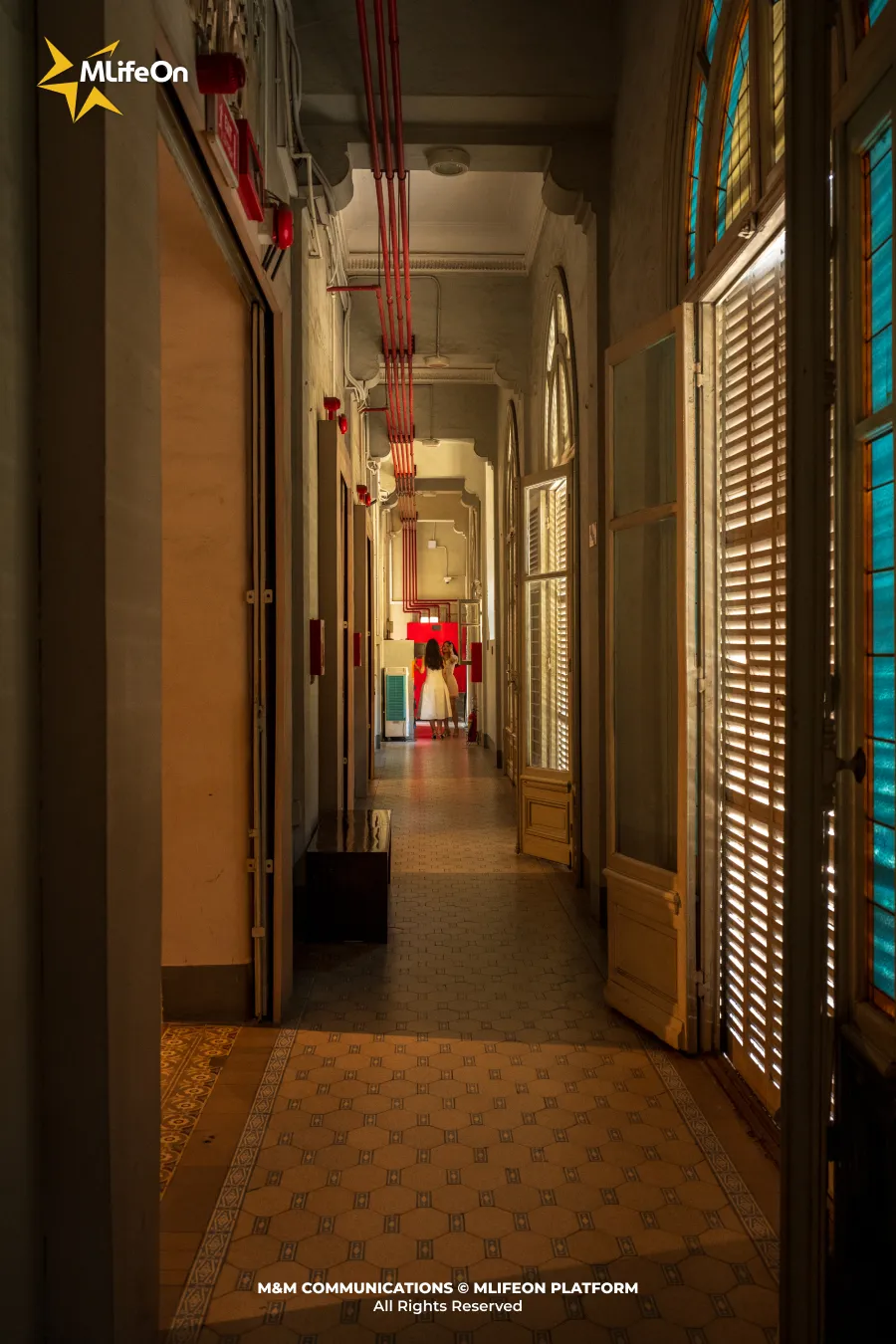
Today, the museum has become a favorite destination for many visitors thanks to its blend of architecture, history, and fine arts, reflecting different layers of the city’s development through time.
The Journey of Vietnamese Fine Arts Through Each Exhibition Space
Inside the museum is a collection system that spans from traditional fine arts to modern and contemporary art. Thousands of artifacts and artworks preserved here offer diverse perspectives on Vietnamese society, people, and artistic thinking across different periods of history.
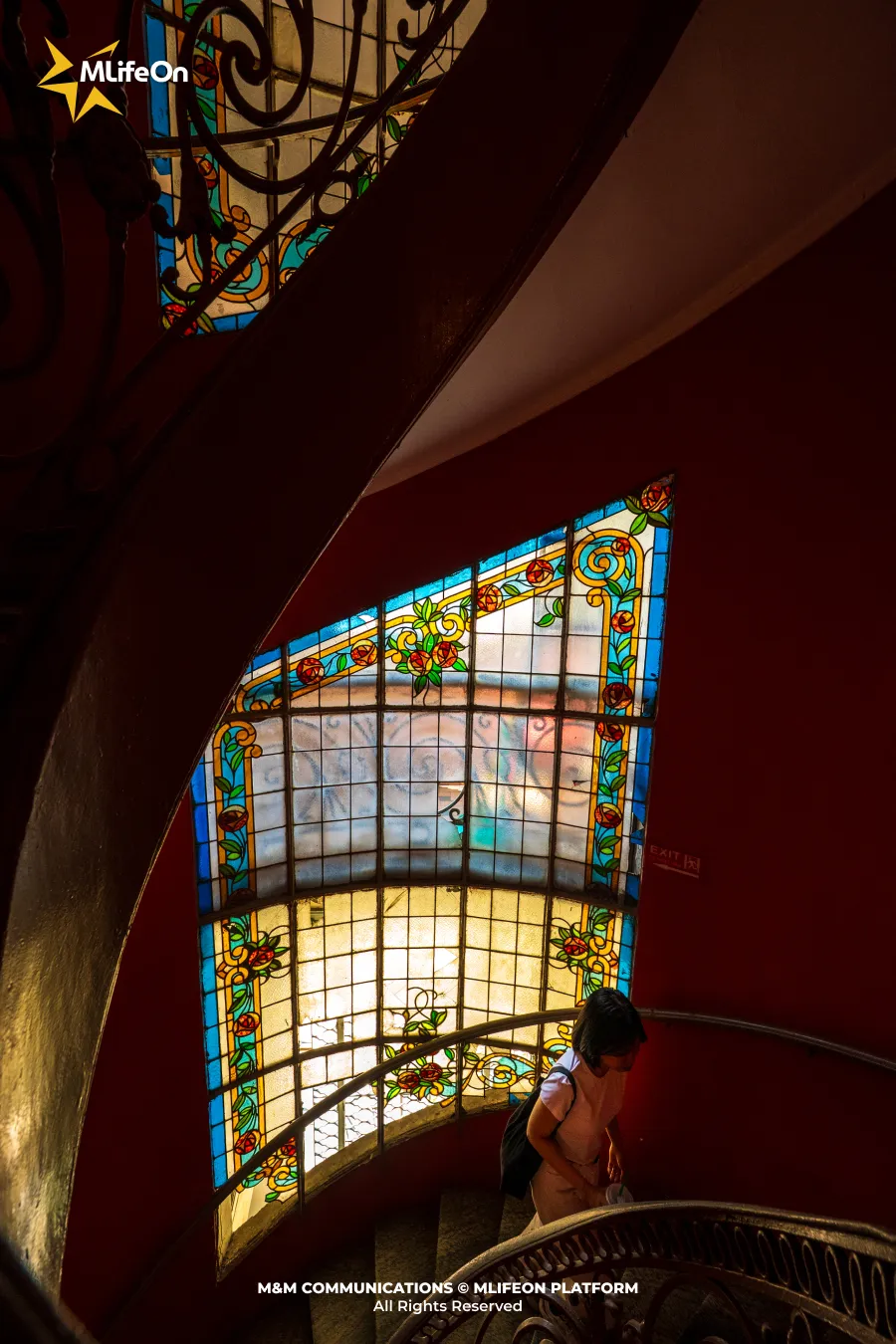
Visitors can encounter a wide range of artworks, including oil paintings, silk paintings, lacquer works, and antique sculptures, each reflecting different stages in the development of Vietnamese fine arts. Among them are works associated with renowned artists such as Nguyễn Gia Trí, Nguyễn Sáng, and Bùi Xuân Phái, who played important roles in shaping modern Vietnamese art.
Many of the artworks portray labor, wartime scenes, urban life, and everyday activities across different historical periods. Through each material and artistic style, visitors can also observe the evolution of artistic thinking across generations of Vietnamese painters.
A Destination for Those Who Cherish the Old Beauty of Ho Chi Minh City
Today, the Ho Chi Minh City Museum of Fine Arts has become a familiar destination for many visitors and young people who appreciate architecture and culture. Amid the city’s busy streets, the building offers a slower and quieter atmosphere, where visitors can still sense traces of old urban life through its architectural details and exhibition spaces.
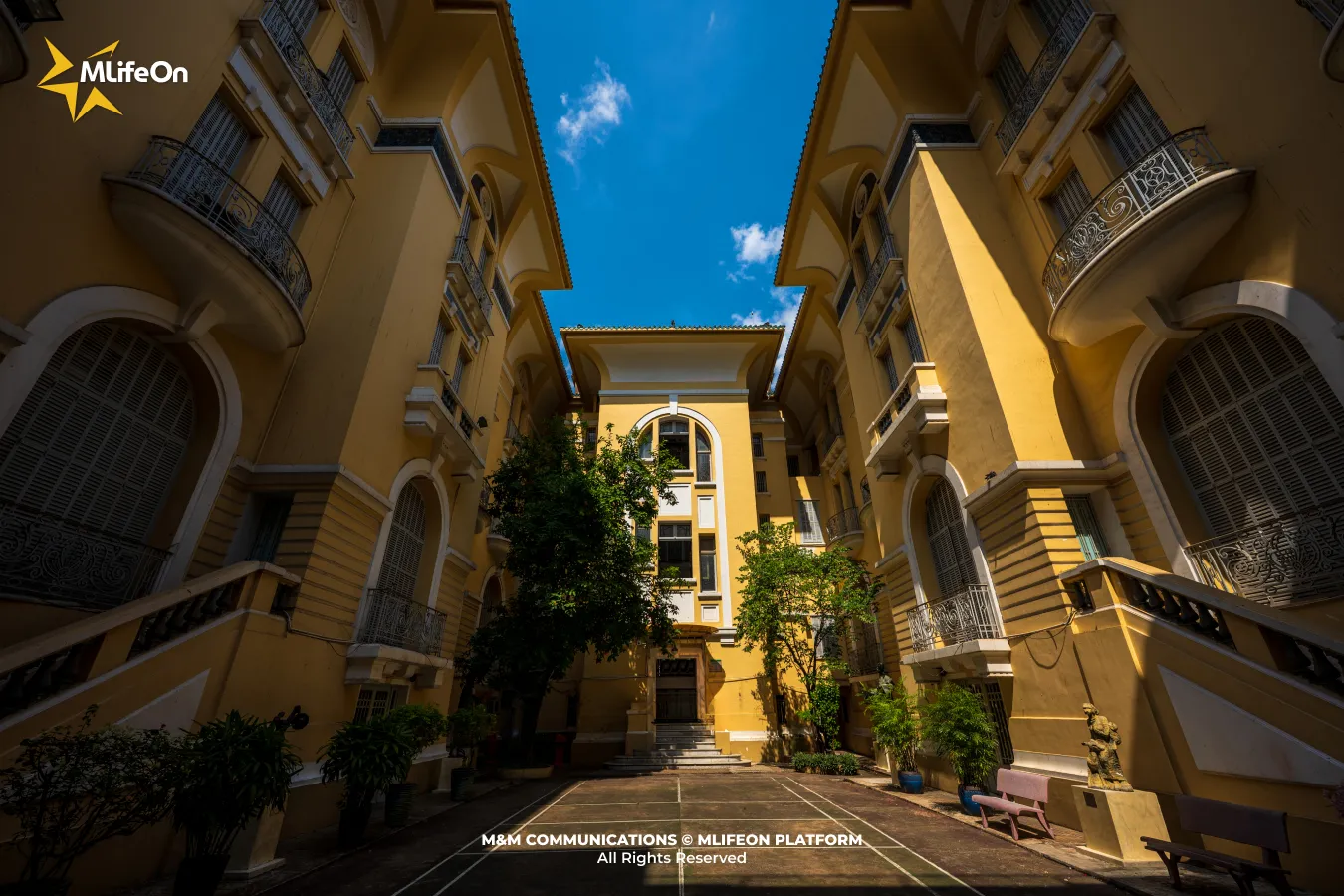
With its distinctive Indochine architecture and art collections spanning many periods, the museum attracts visitors who come to explore, take photographs, and rediscover the charm of old Ho Chi Minh City amid modern urban life.
---------------
CREDIT:
- Photography: Luan Nguyen
- Content: Nhu Quyen
- Design: Phuong Nguyen