
A CHILDHOOD GROCERY STORE - SOMETHING EVERYONE ONCE HAD
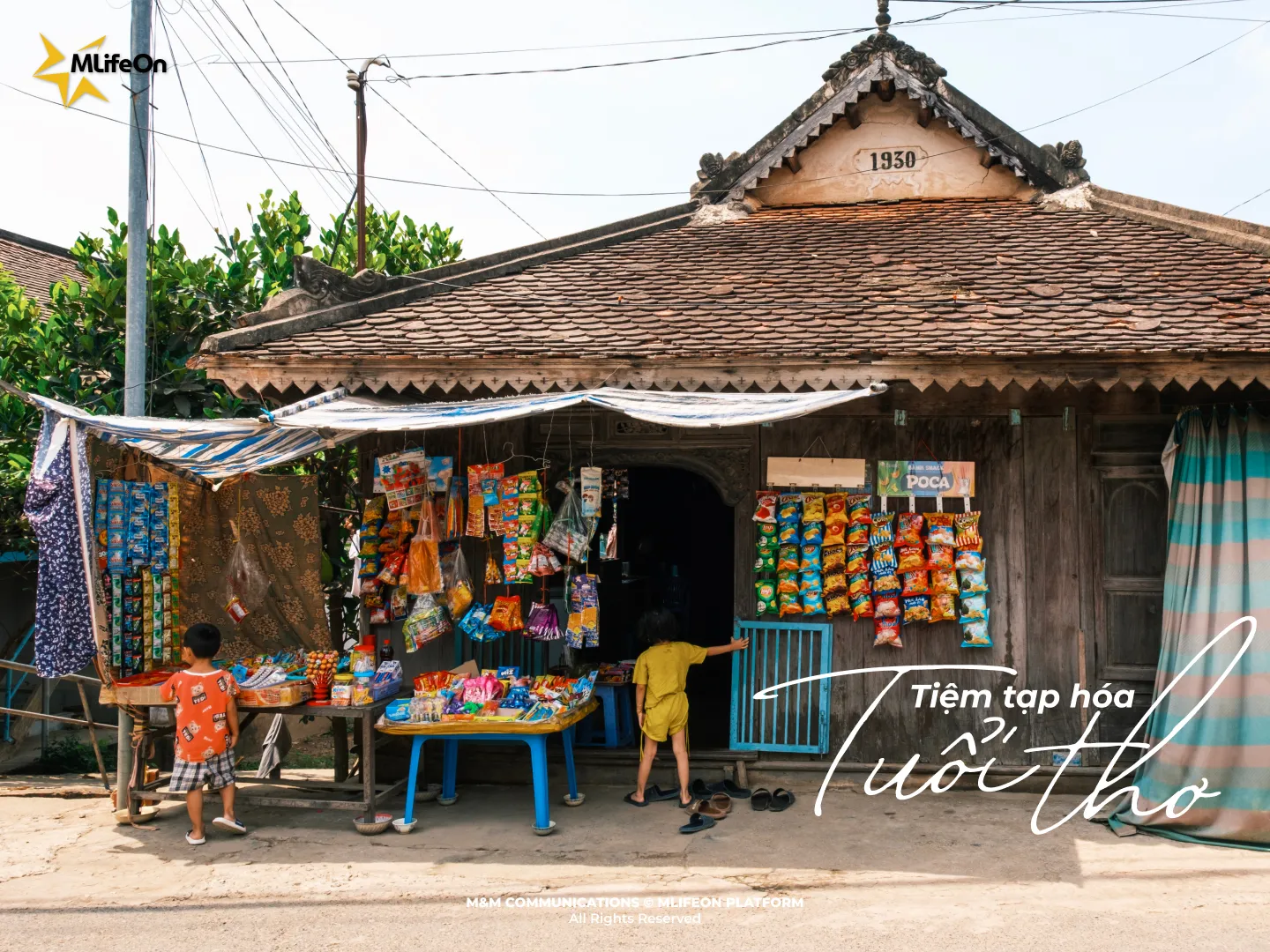
Certain images from childhood pass quietly. Once grown, a mention brings them back. An old grocery store by the house, tucked in an alley, or by a familiar roadside - these are memories everyone carries in their own way.
Small neighborhood grocery shops inside family homes
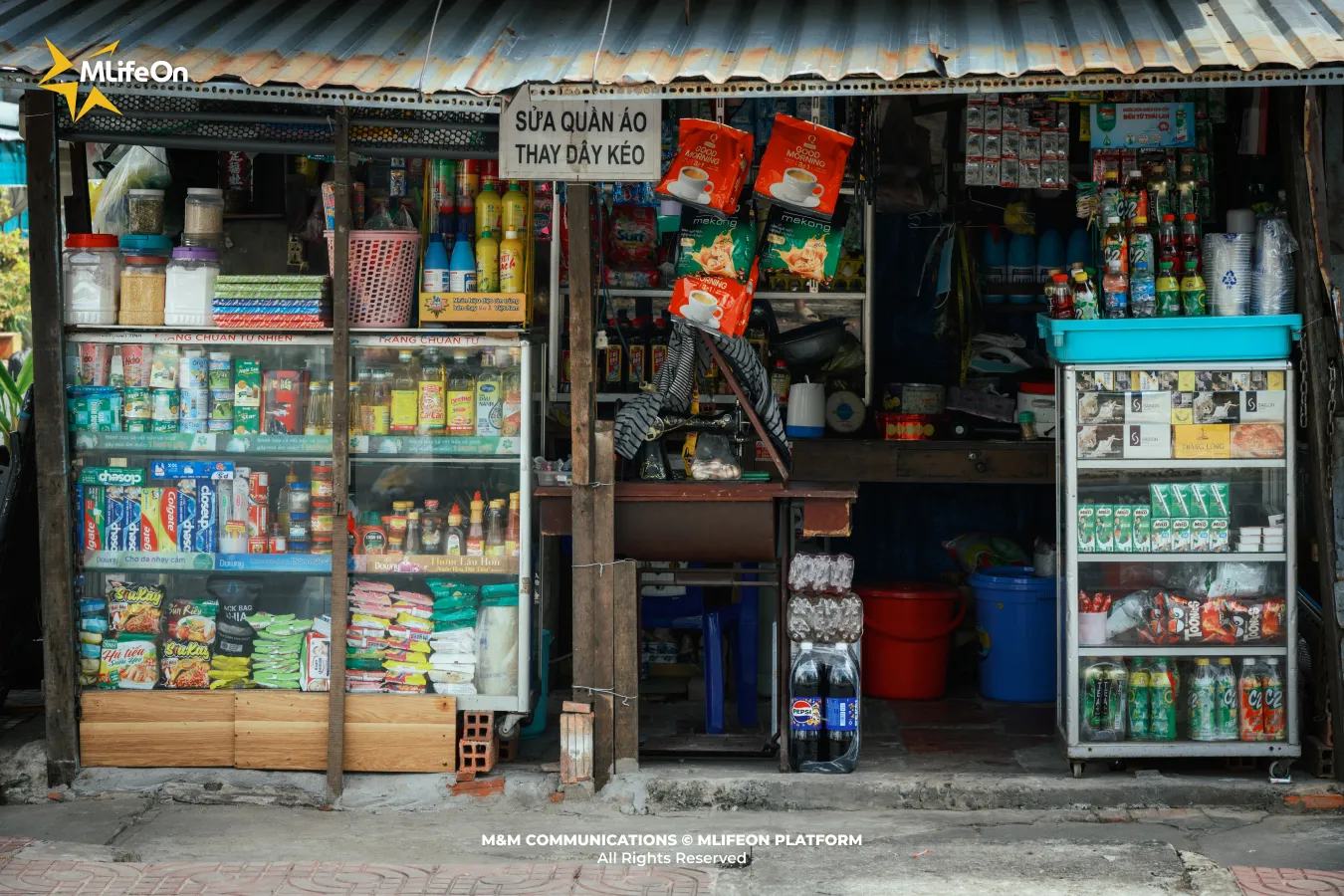
Small neighborhood grocery shops rarely stood out. They did not have big signs, bright glass fronts, or flashy ads. Usually, it was just a porch, part of a yard, or a bit of frontage set up with shelves, a glass display, and hanging everyday items.
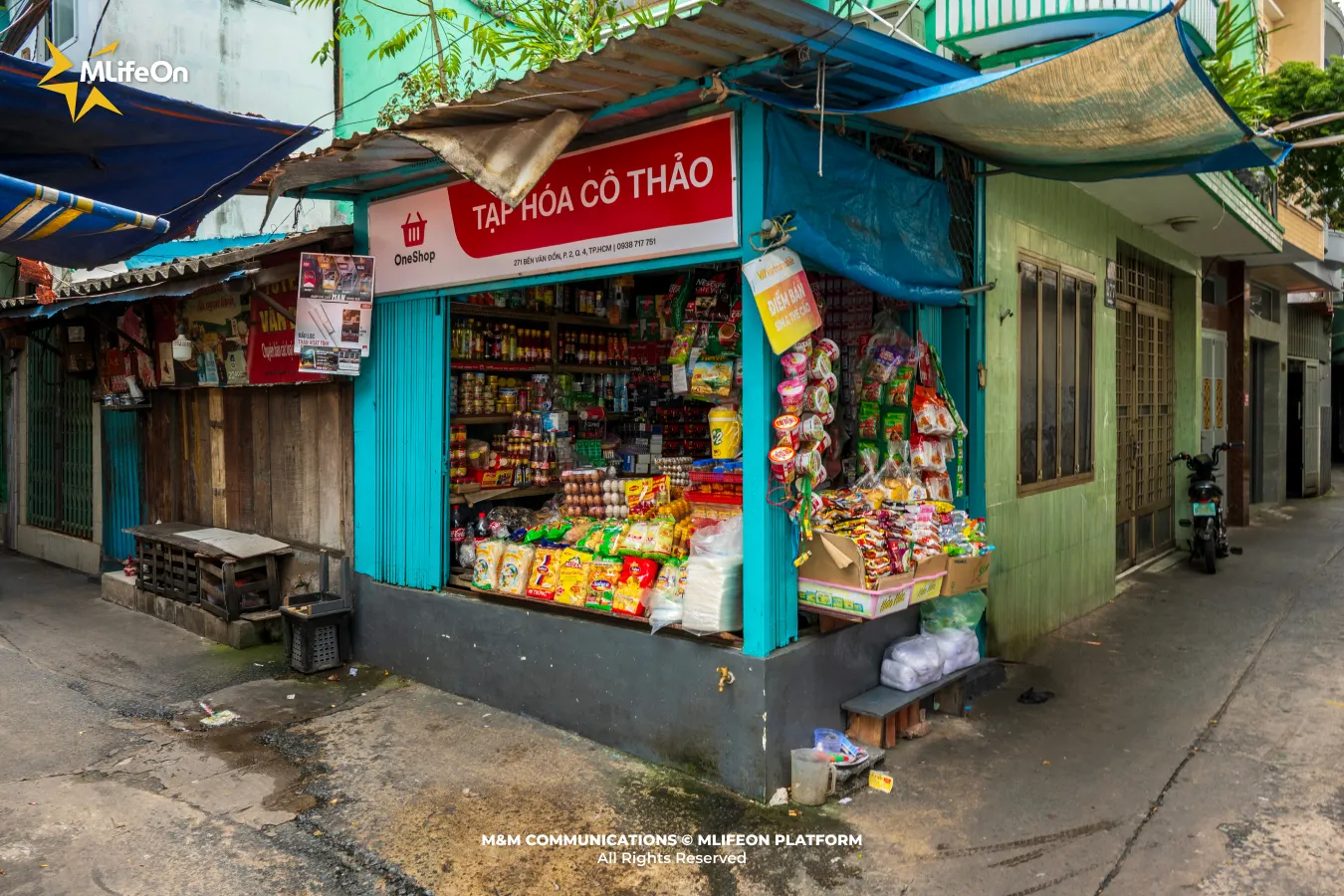
From the outside, everything always felt very straightforward. There was no real separation between the living space and the shop itself. Behind it was the family’s daily life, and in front was the place where people stopped by to buy a pack of instant noodles, a bottle of water, a bag of sugar, or a few candies for their children. The way these small grocery shops existed within the daily rhythm of a household made them feel less like a store in the usual sense and more like a natural part of the neighborhood.
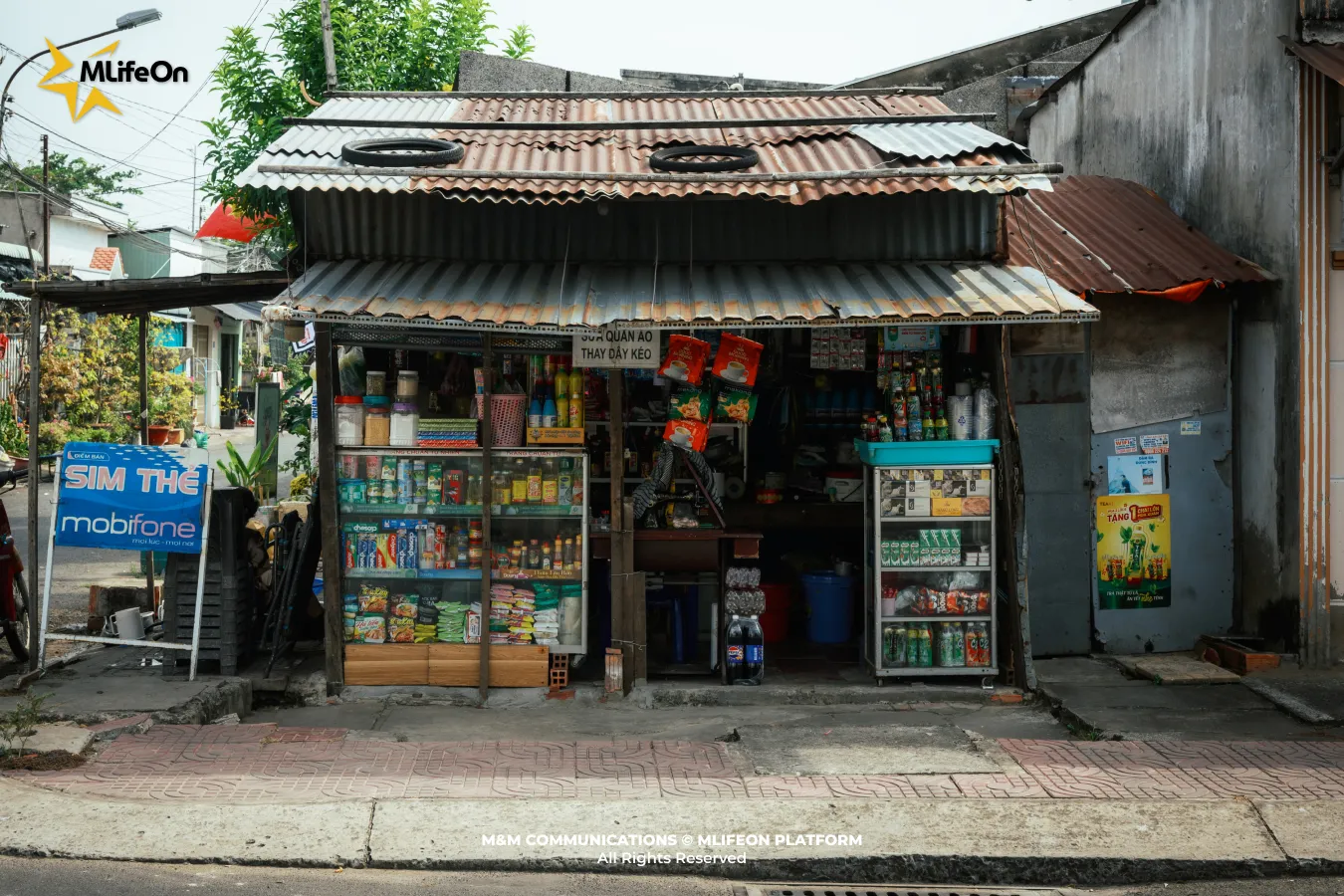
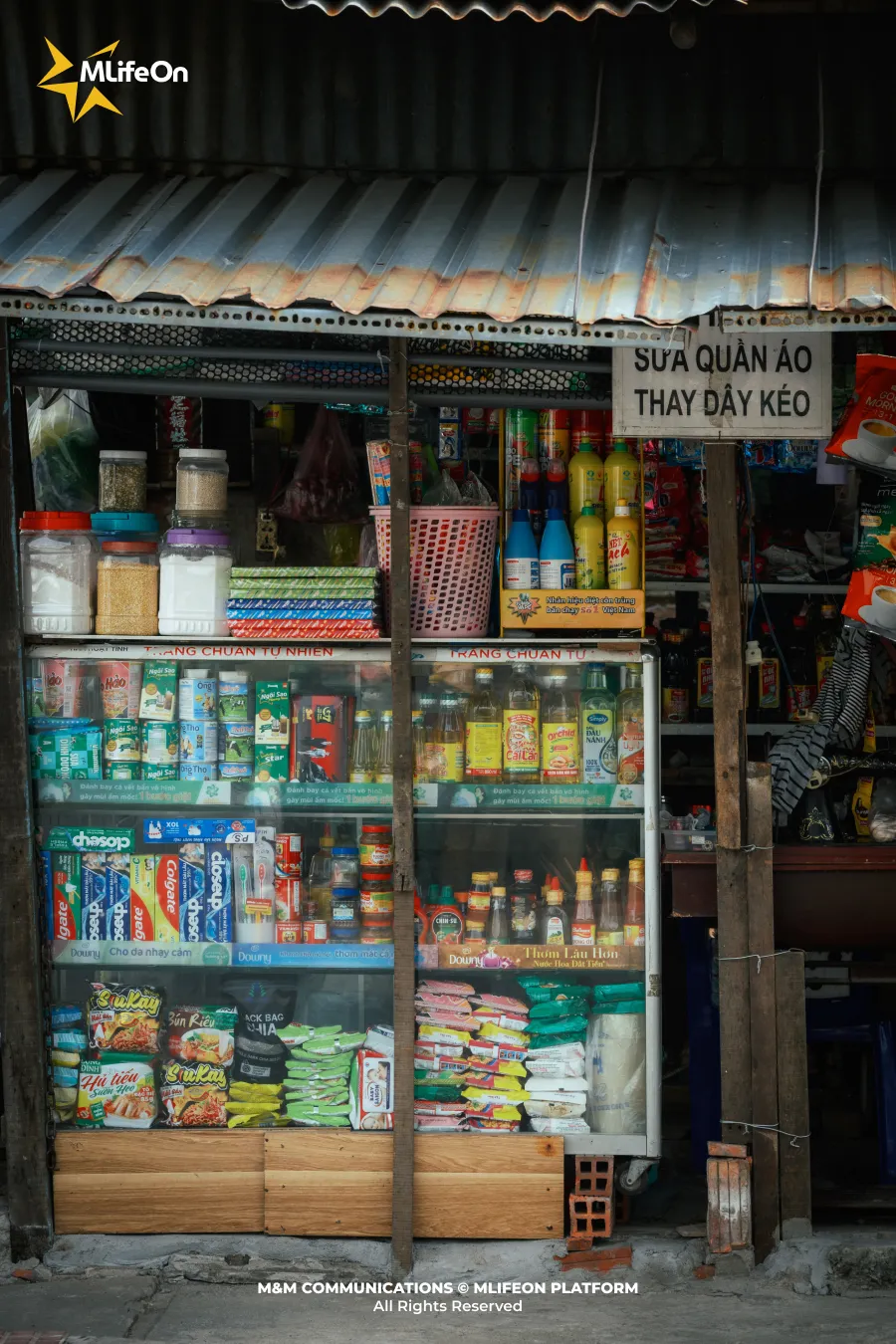
Many of these shops had only a few simple wooden shelves. Some even used the walls of the house to hang products. Snacks, biscuits, rubber bands, soap, shampoo, soft drinks, instant noodles, and countless other small items were packed into a modest space. Yet the smaller the shop was, the more familiar and welcoming it felt. Anyone passing by could stop in. Everyone in the area knew what the shop sold, which family ran it, and even which school the children of that household attended.
You could find almost anything in a tiny space
One of the most special things about old grocery shops was that, although they looked small, they somehow always felt like they had everything. From essentials like rice, noodles, fish sauce, cooking oil, and seasoning, to tiny items that seemed insignificant until you suddenly needed them, such as batteries, candles, toothpicks, lighters, thread, erasers, or pens.

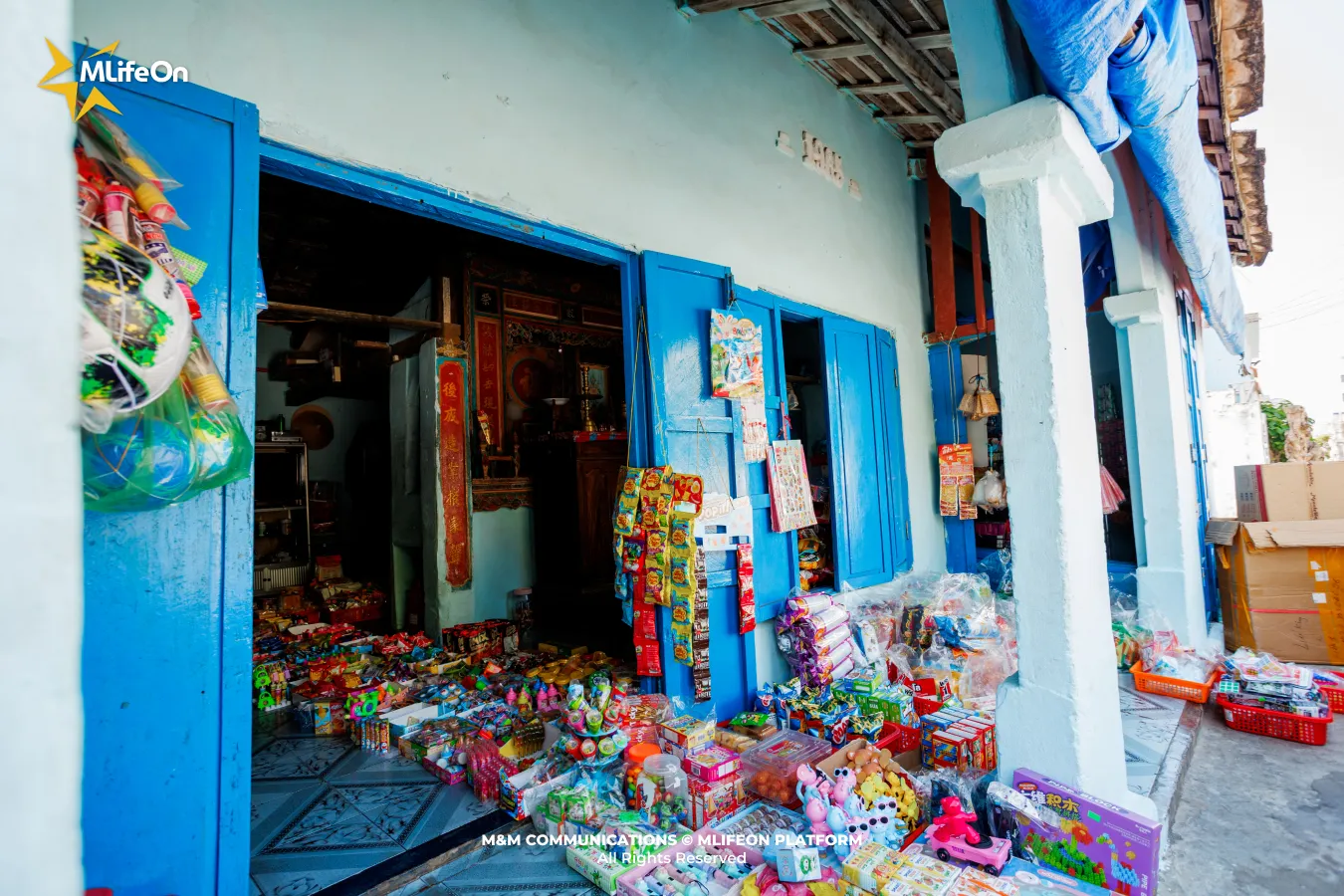
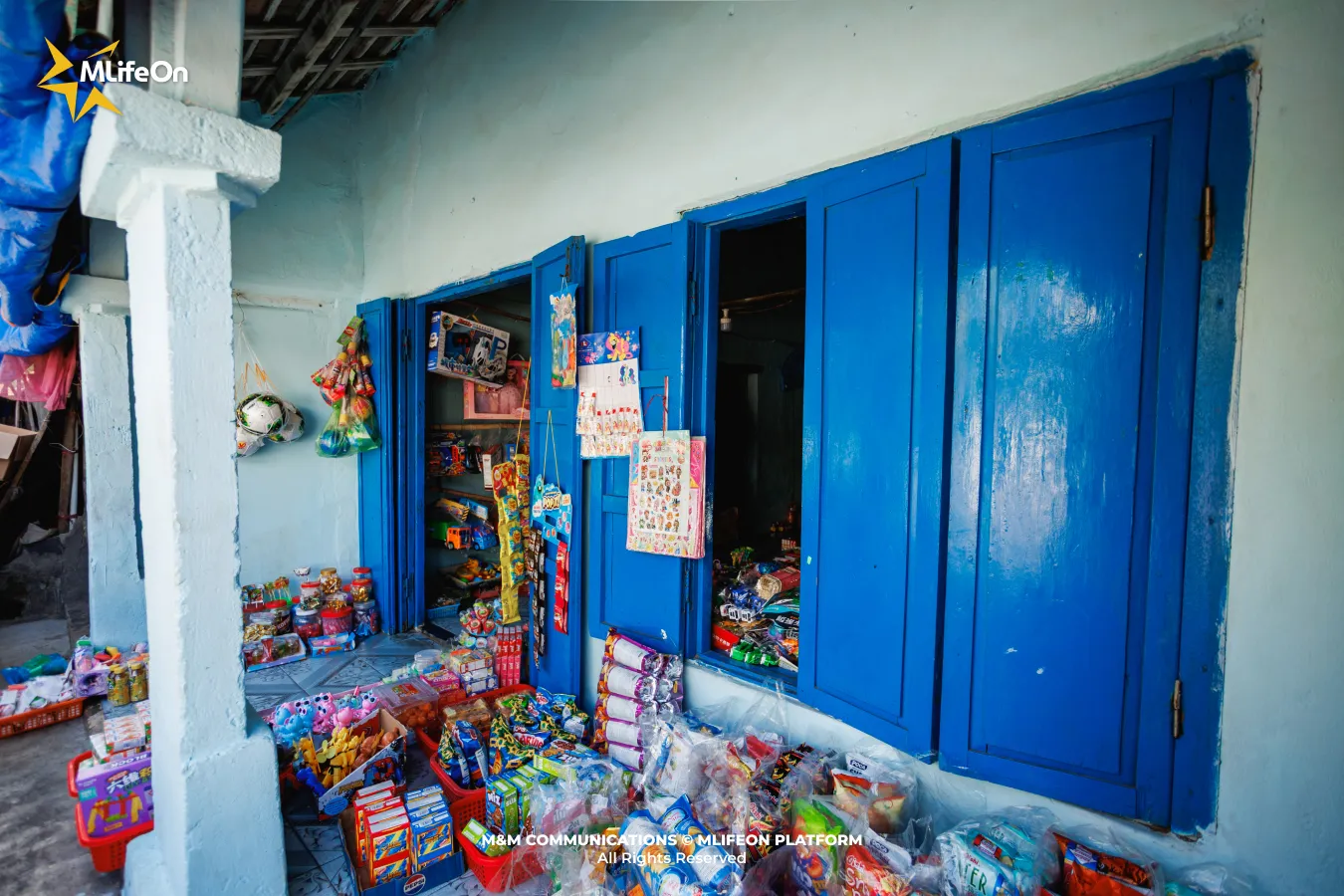
For children, these grocery shops felt like a little world of their own. Even a small glass display counter was enough to keep them standing there for a long time, just looking. Inside were candies, jelly cups, cookies, tamarind snacks, preserved fruits, and sometimes a few tiny toys that were already exciting enough just to hold and admire. Back then, happiness did not have to be anything big. Sometimes, simply holding a few small coins in your hand and running to the shop to buy something you liked was enough to make the whole afternoon feel memorable.
What was interesting was that goods in these shops were rarely arranged in a way that looked neat or carefully organized. In many places, things seemed tightly packed, crowded, and sometimes even a little messy. But the shopkeeper almost always knew exactly where everything was. It felt as if they never had to search. A customer only had to name an item, and their hand would immediately reach for the right spot. It was the kind of familiarity that had become instinct.
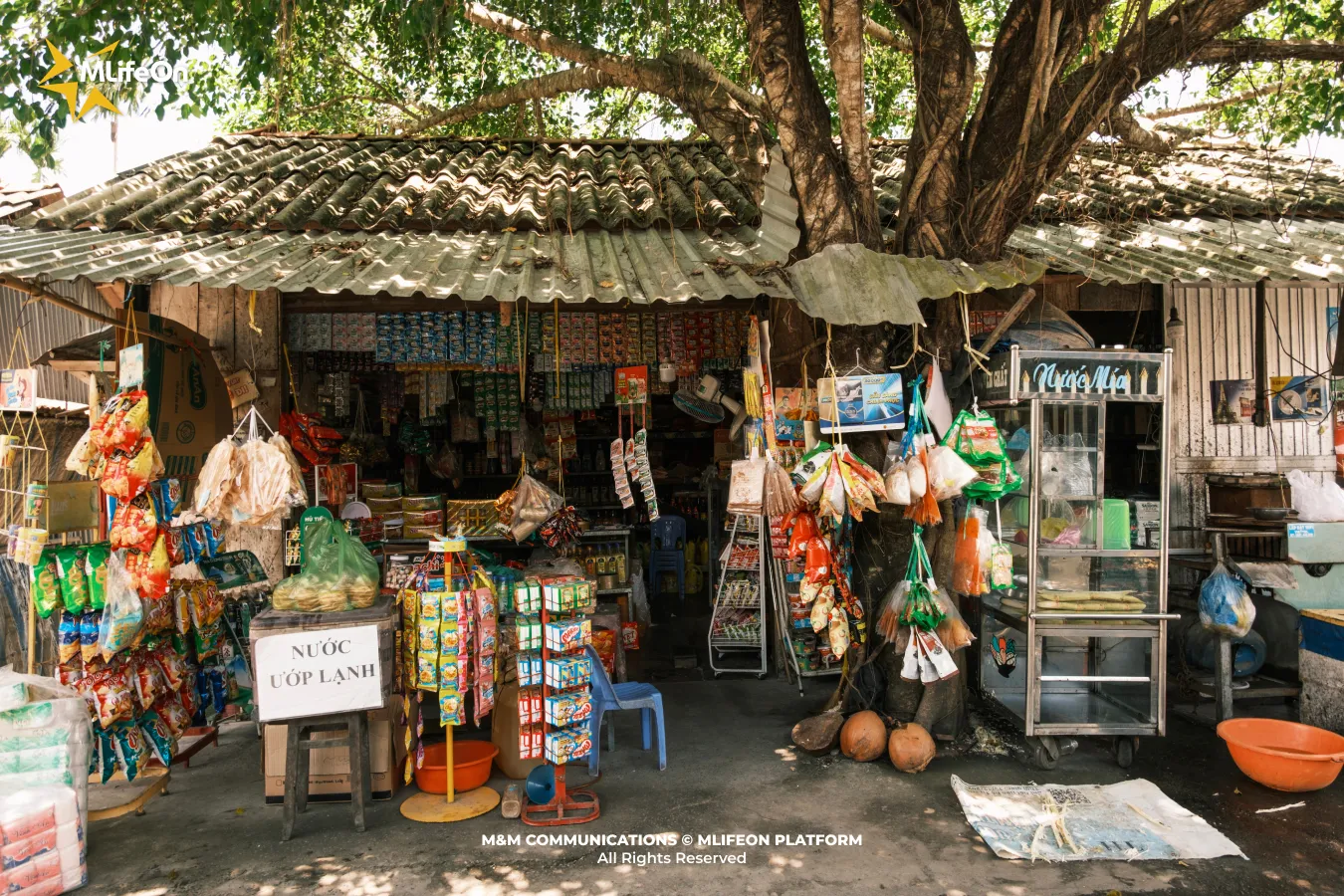
Maybe that is why old grocery shops never really felt like places for “shopping” in the modern sense. They felt more like places you had known forever, where you could simply walk in and find exactly what you needed.
A simple and familiar way of buying and selling
If there is one thing that made neighborhood grocery shops different from many modern stores today, it was probably the simplicity of how things were bought and sold. Everything was based more on familiarity than on formal process.
Back then, buying on credit and recording the transactions in a notebook was completely normal. If a family did not have cash at the moment, they could stop by, take a few things they needed, and pay later at the end of the month. No paperwork, no verification, no complicated procedures. Just a small notebook and a few handwritten lines. That was enough. Looking back now, that way of buying and selling may seem incredibly simple, but it also shows how natural trust once existed in everyday life.
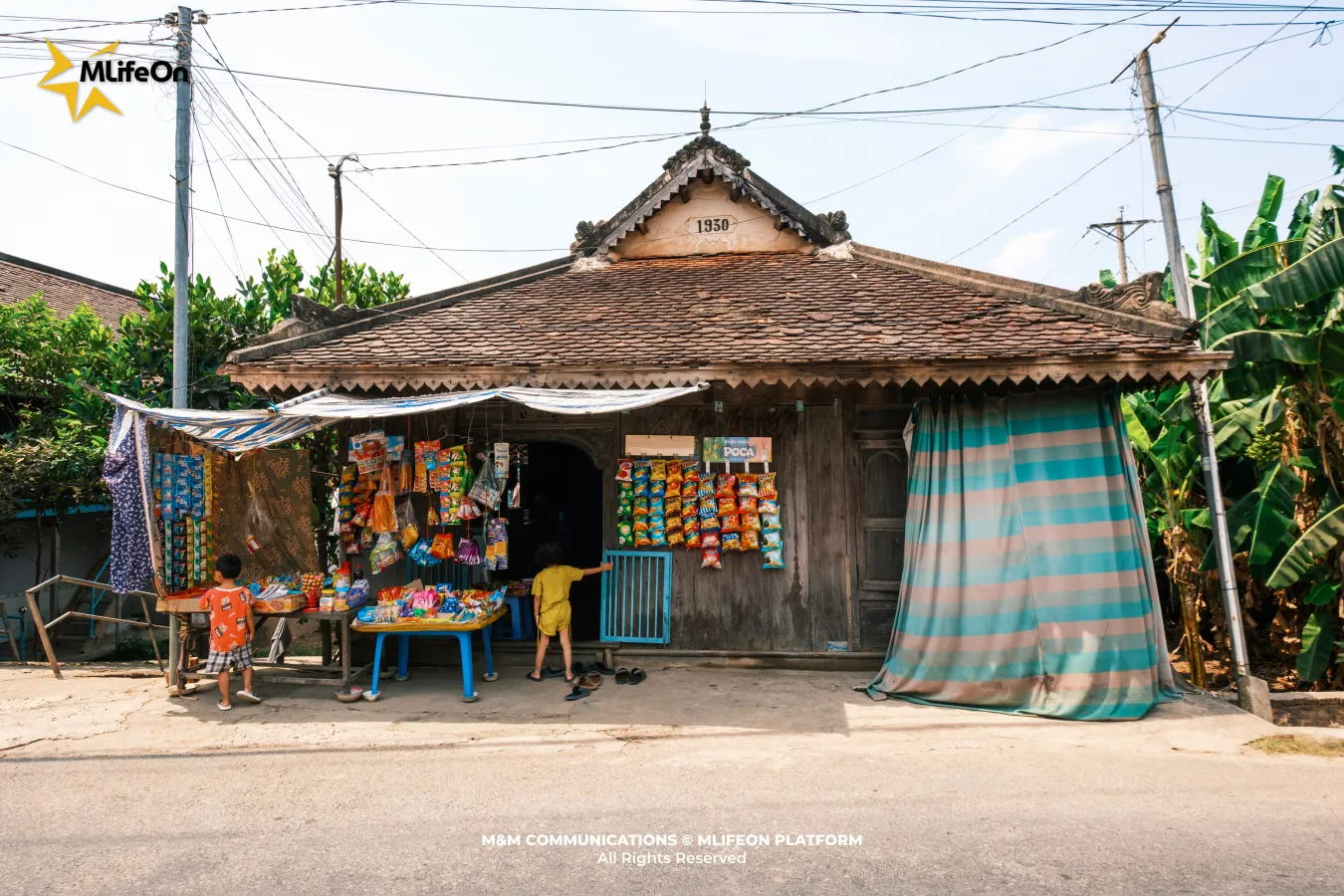
Children were also some of the most special regular customers. Some were sent by their mothers to buy soy sauce or seasoning. Others came with only a few small coins in hand, standing there hesitantly while choosing a snack. The shopkeeper usually recognized every child, knew which family they belonged to, and knew where they lived in the neighborhood. Sometimes the child did not even need to explain much. A sentence like, “My mom wants the same thing as last time,” was already enough for the seller to understand.
The atmosphere in these shops rarely felt distant or cold. Transactions were quick and simple, but never impersonal. There were always a few casual questions, a few reminders, or a short conversation. It was these small moments that made such places different from many retail points that existed only to exchange goods for money.
A grocery shop was never just a place to buy things
There is one thing that becomes very clear when looking back at neighborhood life in the past: these grocery shops did much more than simply sell goods. They were also small social spaces for the whole community.
People would stop by to buy something and end up staying for a quick chat. They would ask about each other’s families, talk about children going to school, mention news from the market, share stories from the neighborhood, or talk about who had just moved in and who had recently come back from working far away. These conversations were never long, but they happened often enough for the grocery shop to become an important part of the community’s daily rhythm.
Because they were located right inside residential areas, these shops always felt like they truly belonged there. They were not separate from everyday life as a business model. They existed right within people’s living spaces. In the morning, they opened early for people stopping by to grab breakfast items or something urgently needed. In the afternoon, they welcomed groups of schoolchildren rushing in for snacks after class. In the evening, their lights stayed on so anyone missing an ingredient for dinner could quickly come by and get it.
At the time, no one called this “community value,” but that is exactly what it was. These small grocery shops held onto a very distinctive part of neighborhood life: people living close to one another, knowing one another, and naturally being present in one another’s daily lives.
As these grocery shops gradually disappear
Today, mini supermarkets, convenience stores, and delivery apps have become more common than ever. People now have options that are faster, brighter, and more professional. Buying something is easier than before, and sometimes there is no need to even leave the house.
That change is understandable. Modern life always brings new ways of consuming. But because of that, the small grocery shops inside family homes have gradually become less common. Some have closed. Some are still open, but much quieter than before. Others continue to survive only because they still have loyal customers from neighborhoods that have been there for generations.
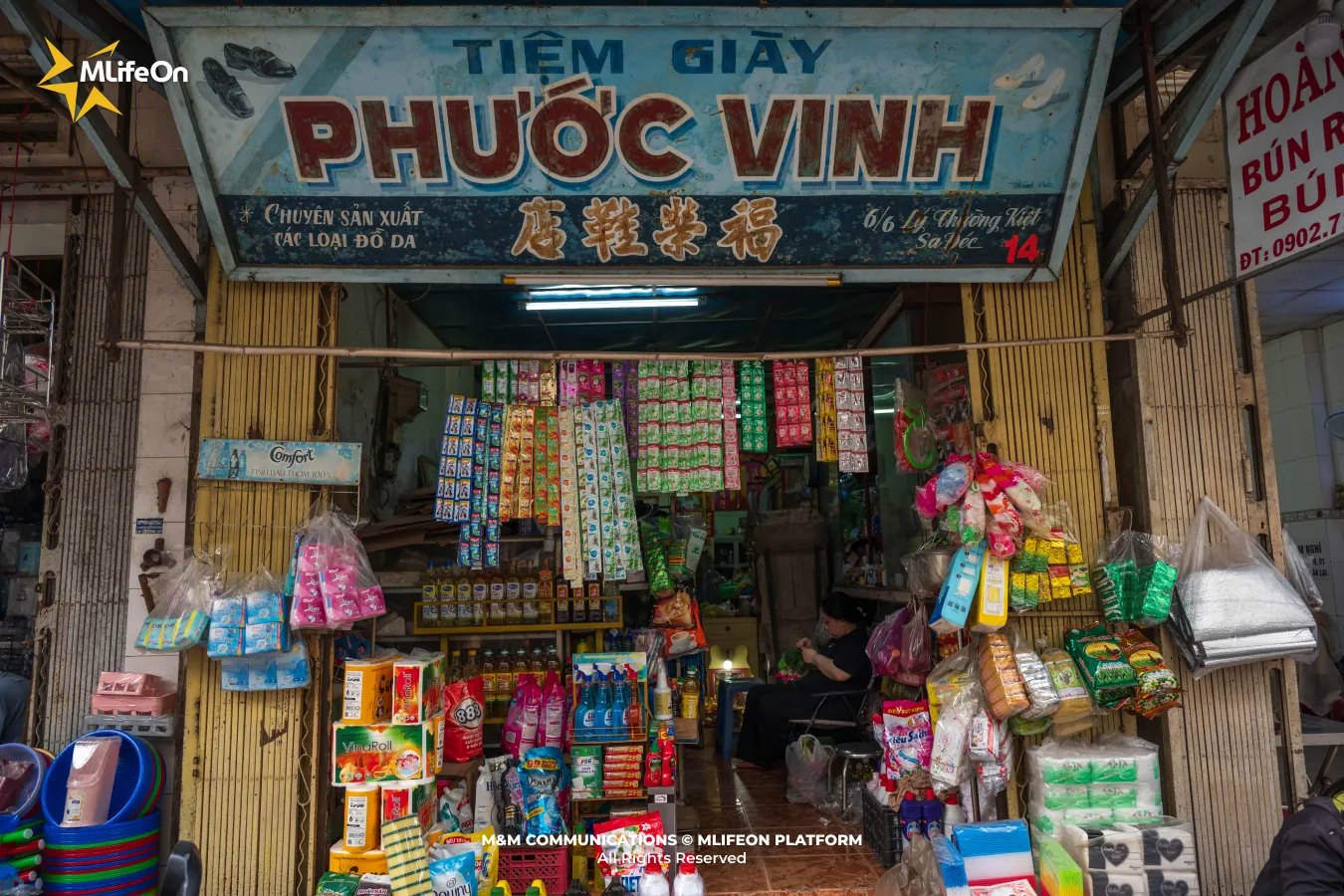
Looking at that change, there is no need to be overly sentimental. Every era has its own rhythm. The arrival of something new does not mean the old must disappear entirely. These small grocery shops still exist in many places, especially in alleyways, older residential areas, and quieter neighborhoods. And every time people come across one, they often feel themselves slow down, even if only a little.
The grocery shop of childhood was never just a place to buy things. It was part of a living memory. It was an image of an older way of life. It was a place that many people passed through when they were young, without ever imagining that one day they would miss it.
Conclusion
In truth, not everything memorable has to be something extraordinary. Some things stay with us precisely because they were once so ordinary. The neighborhood grocery shop of childhood was one of those things. It was not grand. It was not remarkable in any obvious way. But it was there, close and real, during a period of life that, whenever we think back on it, still makes us feel a little warmer and a little more at home.
—---------
CREDIT:
- Photography: Luan Nguyen
- Content: Hoài Hà
- Design: Phuong Nguyen