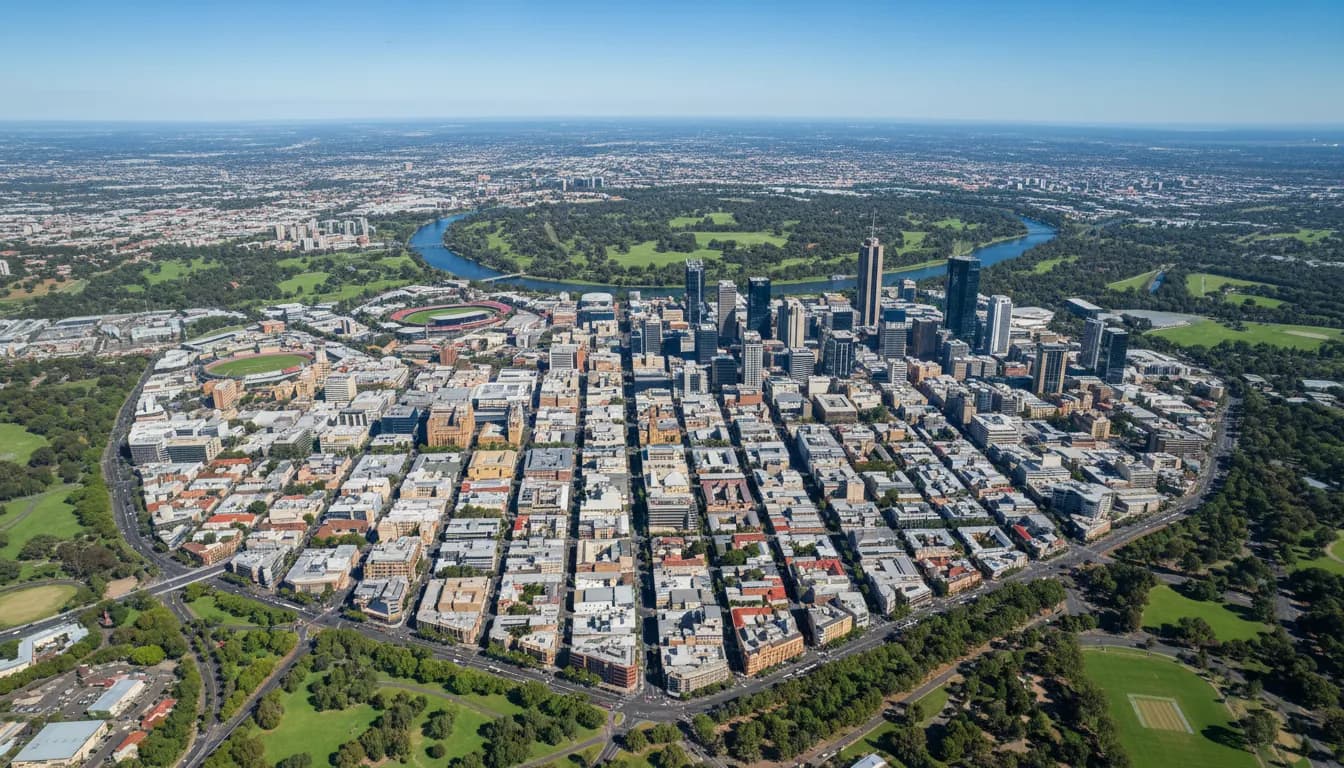
Singapore, the Lion City, is a vibrant tapestry woven with diverse cultures, futuristic architecture, and, perhaps most notably, an unparalleled culinary scene. As a writer who has journeyed through countless global kitchens, I can confidently say that Singapore's food culture is not just about Michelin-starred fine dining or inventive fusion cuisine; it's deeply rooted in its everyday rituals. Few experiences encapsulate this better than the traditional Singaporean breakfast – a symphony of simple yet profound flavours that tell a story of heritage, community, and delicious practicality.
For the culturally curious reader, the Singaporean breakfast is more than just a meal; it's an immersive dive into the heart of local life. It’s where the city truly wakes up, not with a jolt of strong espresso, but with the comforting aroma of rich coffee, the sweet allure of kaya toast, and the gentle warmth of soft-boiled eggs. This isn't just a guide to ordering food; it's your step-by-step journey to mastering a daily ritual that connects generations, a true testament to MLIFEON's spirit of 'More Discovery, More Experience.'
The Anatomy of a Traditional Singaporean Breakfast
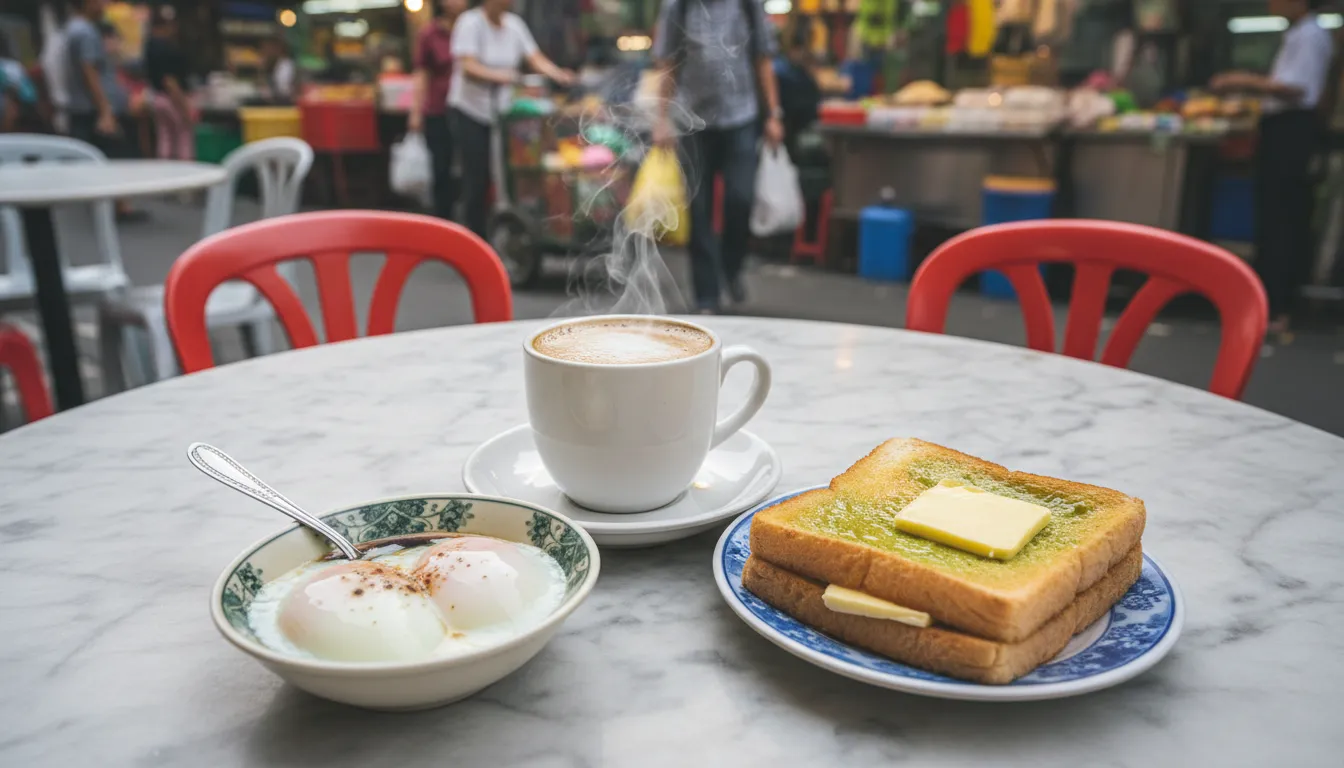
Imagine stepping into a bustling hawker centre or a quaint old-school kopi tiam as the morning sun casts long shadows. The air is thick with the scent of brewing coffee, grilling toast, and the murmur of friendly chatter. This is the stage for Singapore's quintessential breakfast, a harmonious trio that has nourished locals for decades: a robust cup of 'Kopi' (coffee) or 'Teh' (tea), perfectly soft-boiled eggs, and the uniquely Singaporean kaya toast.
This breakfast isn't just a random assortment; it's a carefully balanced meal that reflects Singapore's multicultural heritage, blending Malay, Chinese, and European influences. My first encounter with this breakfast was a delightful revelation – a moment of initial confusion quickly followed by profound satisfaction. It’s a simple meal, yet each component plays a crucial role in creating a comforting and energising start to the day.
Step 1: Mastering the 'Kopi' Ordering Code
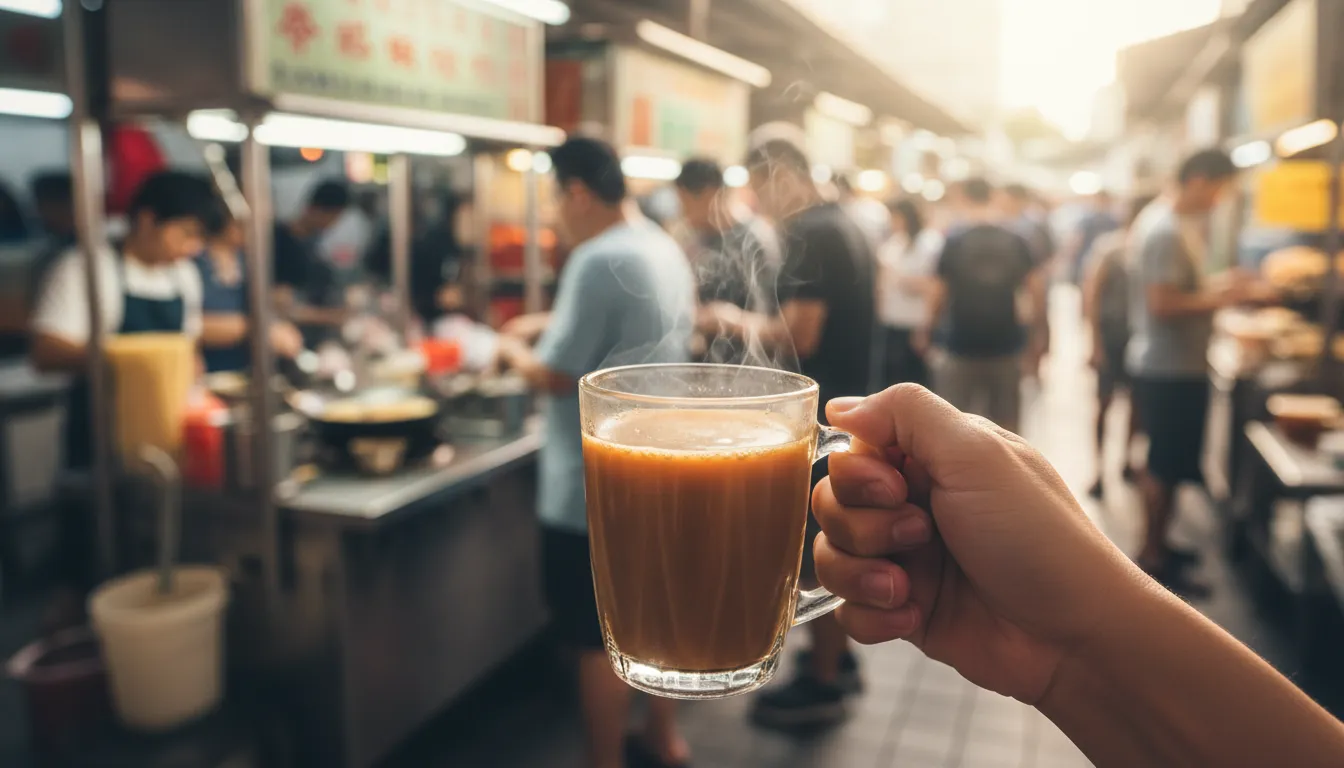
The first, and perhaps most daunting, step to truly embracing a Singaporean breakfast is navigating the intricate, yet charmingly efficient, 'Kopi' (coffee) and 'Teh' (tea) ordering code. Unlike the elaborate menus of modern cafes, Singaporean coffee shops, or kopi tiams, rely on a specific lexicon that, once understood, unlocks a world of customised beverages. It’s a language of preference, passed down through generations, and a cornerstone of the local coffee culture.
When I first arrived in Singapore, I admit, I found myself staring blankly at the 'kopi uncle' or 'auntie' behind the counter, utterly lost amidst the rapid-fire requests. My initial attempts often resulted in a generic cup, but with a little guidance from local friends and a keen ear, I soon learned the ropes. This isn't just about getting your drink; it's about participating in a deeply ingrained cultural exchange, a small but significant connection to the rhythms of local life.
Let's break down the essential terms you'll need to confidently order your perfect brew:
-
Kopi / Teh: This is your default order – coffee or tea served with condensed milk and a generous amount of sugar. It’s sweet, creamy, and robust, a classic for a reason. For many, this is the comforting standard, a familiar taste that awakens the senses.
-
Kopi-O / Teh-O: The 'O' here comes from 'kosong' in Malay, meaning 'empty' or 'plain'. This simply means black coffee or tea with sugar, but no milk. It's a stronger, less creamy option, allowing the rich coffee or tea flavour to shine through without the softening effect of condensed milk.
-
Kopi-C / Teh-C: The 'C' refers to 'Carnation', a popular brand of evaporated milk in Singapore. So, 'Kopi-C' is coffee with evaporated milk and sugar. This option offers a lighter, less sweet creaminess than condensed milk, providing a different texture and taste profile that many locals prefer. It's a nuanced choice for those who appreciate a less heavy sweetness.
-
Kopi-Peng / Teh-Peng: 'Peng' means 'ice' in Hokkien. This is your iced coffee or iced tea, typically served sweet with condensed milk, perfect for Singapore’s tropical climate. It's a refreshing antidote to the morning humidity, offering a cool burst of flavour.
-
Kopi-Gao / Teh-Gao: 'Gao' translates to 'thick' or 'strong' in Hokkien. Ordering 'Kopi-Gao' or 'Teh-Gao' means you want an extra strong, concentrated brew. This is for those who need a serious caffeine kick to start their day, an intense flavour that truly stands out.
-
Kopi-Siew Dai / Teh-Siew Dai: 'Siew Dai' means 'less sweet' in Hokkien. If you prefer your coffee or tea with reduced sugar, this is the term to use. It allows you to enjoy the drink's inherent flavours without being overwhelmed by sweetness, a common request for health-conscious drinkers.
-
Kopi-Kosong / Teh-Kosong: As mentioned, 'kosong' means 'empty' or 'plain'. This is black coffee or tea with no sugar and no milk – essentially, the purest form of the brew. It's the choice for connoisseurs who appreciate the unadulterated taste of the coffee beans or tea leaves.
-
Kopi-C-Kosong / Teh-C-Kosong: This is coffee or tea with evaporated milk but no sugar. It's a popular option for those who want the creamy texture of evaporated milk without any added sweetness, a balanced and sophisticated choice.
Armed with this vocabulary, you can confidently approach any kopi tiam stall and order your drink exactly to your liking. It’s a small detail, but mastering the kopi code instantly elevates your breakfast experience, transforming you from a tourist into a temporary local. My own journey from confused bystander to confident Kopi-C-Siew-Dai-Peng enthusiast felt like unlocking a secret level in the game of travel.
Step 2: Perfecting the Soft-Boiled Egg Ritual
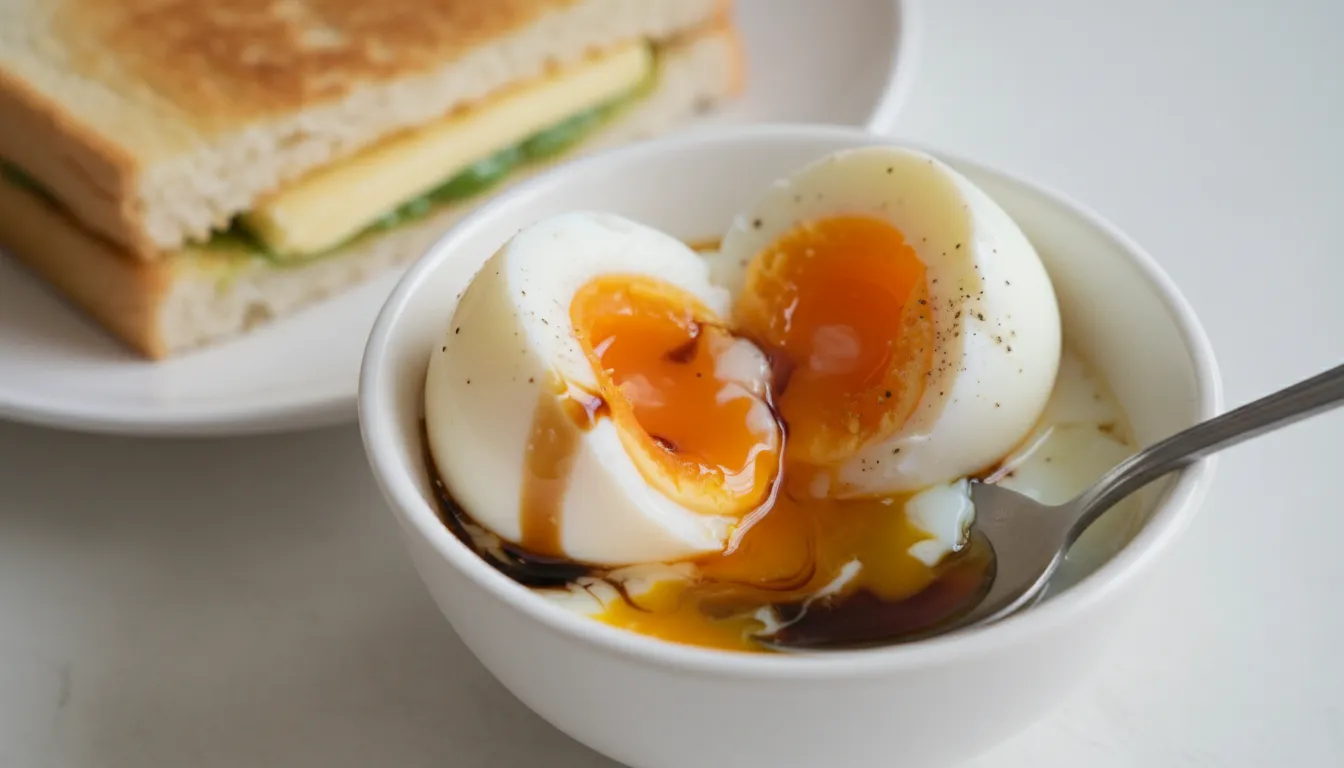
Once your perfectly customised 'Kopi' or 'Teh' is in hand, your attention will naturally turn to the next star of the Singaporean breakfast show: the soft-boiled egg. But this isn't just any soft-boiled egg. In Singapore, it's an art form, a delicate balance of temperature and timing that results in a uniquely runny yolk and barely set white, served in a small bowl. It’s a preparation that, to the uninitiated, might seem unusual, but it’s utterly brilliant.
The ritual begins with these two humble eggs, often delivered to your table still warm from their gentle cooking. The key is their consistency: the whites are just firm enough to scoop, while the yolks remain gloriously liquid, a vibrant golden pool. This specific texture is crucial for the Singaporean way of consumption, which is less about eating the egg on its own and more about integrating it into a broader flavour experience.
To enjoy your soft-boiled eggs like a true local, follow these steps:
-
Crack and Pour: Gently crack the eggs into the small bowl provided. The shell should give way easily, allowing the runny contents to slide out effortlessly. My first time, I was a bit clumsy, but soon enough, the gentle tap-and-pour became second nature.
-
Seasoning Symphony: Here’s where the magic happens. Drizzle a dash of dark soy sauce over the eggs. Don't be shy; its savoury depth complements the richness of the yolk perfectly. Follow this with a generous sprinkle of white pepper. The white pepper adds a subtle warmth and a gentle kick, elevating the flavour profile without overpowering it.
-
Mix and Mingle: Take your spoon and gently mix the soy sauce and pepper into the eggs. You're aiming for a harmonious blend, creating a savoury, slightly spicy, and wonderfully runny concoction. This mixture is not just a condiment; it's a dipping sauce, a flavour enhancer, and a delicious component in its own right.
-
The Dip: This is where the soft-boiled eggs truly shine in conjunction with the kaya toast. Tear off a piece of your crispy kaya toast and dip it generously into the eggy mixture. The toast acts as a perfect vehicle, soaking up the rich, savoury liquid and delivering a burst of contrasting textures and tastes. It’s a delightful interplay of sweet and savoury, crisp and soft.
The soft-boiled egg ritual is a testament to the simplicity and genius of Singaporean cuisine. It’s a nutritious, comforting, and deeply satisfying component of the breakfast spread, embodying the communal and unpretentious spirit of local dining. Every time I crack those eggs, I'm reminded of the quiet moments of connection shared over a breakfast table, a feeling that transcends language and culture.
Step 3: Finding the Best Kaya Toast Spots (Ya Kun vs. Chin Mee Chin)
No Singaporean breakfast is complete without the iconic Kaya Toast, a deceptively simple dish that holds a special place in the hearts of locals and visitors alike. Kaya, a rich, aromatic coconut jam made from eggs, sugar, coconut milk, and pandan leaves, is the star of this dish. Its sweet, fragrant, and slightly caramelised flavour is utterly unique, a taste that, once experienced, becomes synonymous with Singapore.
The toast itself is typically thin slices of white bread, toasted until perfectly crisp, then slathered with a generous layer of kaya and a thick slab of cold butter. The contrast between the warm, crisp toast, the sweet, creamy jam, and the melting cold butter is pure culinary genius. It’s a symphony of textures and temperatures that creates an unforgettable experience.
When it comes to experiencing the best Kaya Toast, two names invariably come to mind, each offering a distinct yet equally beloved rendition: Ya Kun Kaya Toast and Chin Mee Chin Confectionery.
Ya Kun Kaya Toast: The Crispy, Consistent Classic
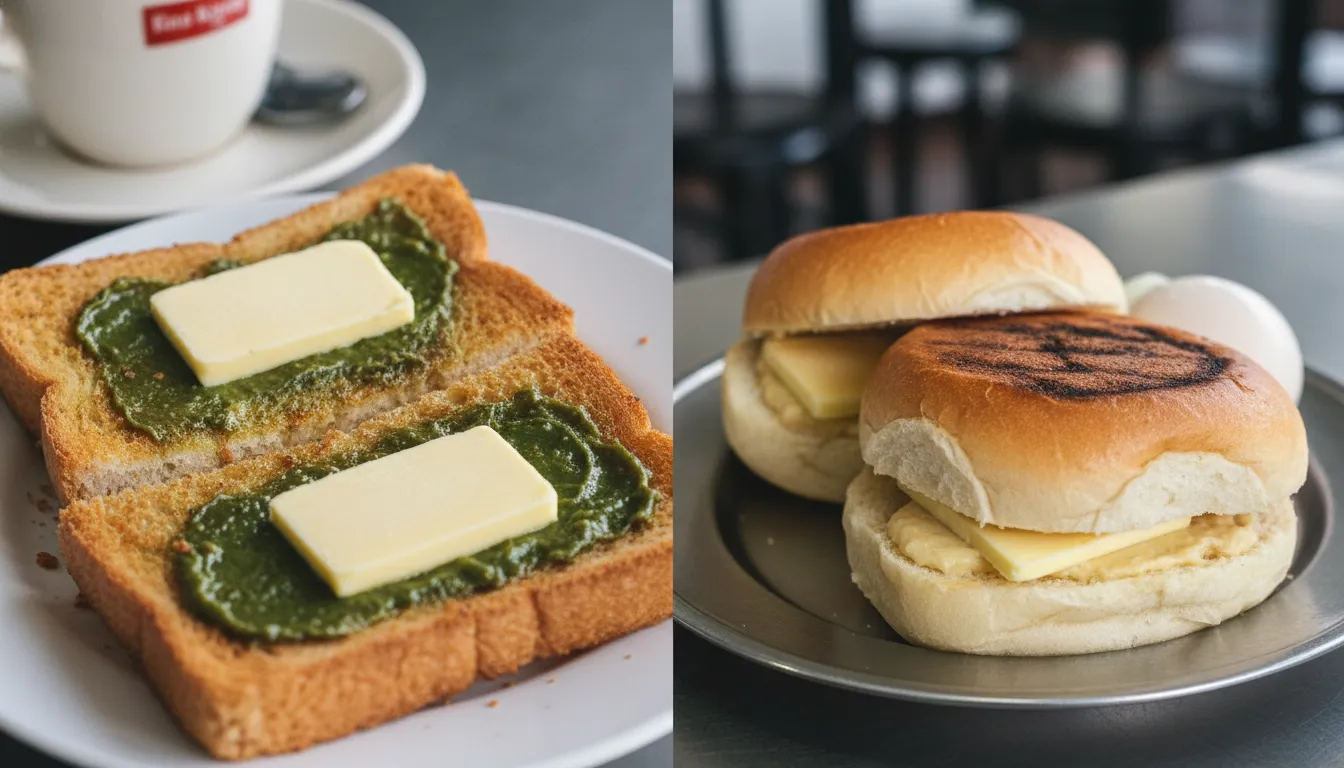
History and Style: Ya Kun Kaya Toast is arguably the most famous and widely accessible purveyor of Singaporean breakfast. Originating from a humble stall in Telok Ayer in 1944, it has grown into a beloved chain with numerous outlets across the island and beyond. Their signature style features thin slices of white bread, toasted to a remarkable crispness, almost cracker-like. These are then generously spread with their homemade kaya and a thick slice of cold, unsalted butter, which melts into creamy pockets upon contact with the warm toast.
Atmosphere and Experience: Walking into a Ya Kun outlet, you’ll find a clean, efficient, and often bustling environment. While many have a modern kopi tiam feel, they still retain an essence of tradition. It's a reliable choice for consistency – you know exactly what you're getting, a perfectly executed classic. For someone new to Singaporean breakfast, Ya Kun provides an excellent entry point, offering a consistent and delicious experience every time. My first taste of kaya toast was at a Ya Kun, and its comforting familiarity instantly made me a fan. It’s the perfect place to learn the ropes of the Singaporean breakfast ritual before venturing into more niche spots.
Chin Mee Chin Confectionery: The Heritage-Rich, Fluffy Bun Icon
History and Style: Chin Mee Chin Confectionery is an institution, a living relic of Singapore's past. Established in the 1940s, this legendary bakery in Katong offers a delightful step back in time. Unlike Ya Kun's thin, crispy toast, Chin Mee Chin is renowned for its thick, fluffy, and often charcoal-grilled buns and toast. Their kaya is also homemade, rich and intensely fragrant, perfectly complementing their unique bread. The buns are famously soft on the inside with a slight char on the outside, creating a different textural experience.
Atmosphere and Experience: A visit to Chin Mee Chin is more than just a meal; it's a nostalgic journey. The tiled floors, marble-top tables, and vintage décor evoke a bygone era, a charm that’s increasingly rare in modern Singapore. The aroma of freshly baked goods and charcoal-grilled toast fills the air, creating an incredibly immersive sensory experience. The queue can be long, but the wait is part of the charm, building anticipation for their distinctive, fluffy kaya buns. For me, dining at Chin Mee Chin felt like uncovering a hidden treasure, a direct link to Singapore's culinary heritage that resonated deeply with MLIFEON’s emphasis on cultural preservation. It's a place where the food tells a story of generations.
Choosing Your Kaya Toast Adventure
The choice between Ya Kun and Chin Mee Chin often boils down to personal preference for texture and ambiance. Do you prefer the satisfying crunch of ultra-crispy toast, or the soft, yielding embrace of a fluffy, charcoal-grilled bun? Do you seek the reliable efficiency of a well-loved chain, or the immersive, nostalgic charm of a heritage institution? Both offer an authentic and delicious take on Kaya Toast, and I highly recommend trying both to truly appreciate the nuances of this beloved dish.
Other notable mentions include Killiney Kopitiam and Toast Box, both popular chains offering their own versions of kaya toast and other local delights. Each contributes to the rich tapestry of Singapore's breakfast scene, but Ya Kun and Chin Mee Chin stand out as essential experiences.
Beyond the Basics: Expanding Your Breakfast Horizons
While the Kopi, soft-boiled eggs, and kaya toast triumvirate forms the heart of a traditional Singaporean breakfast, the Lion City's morning culinary landscape is incredibly diverse. Once you've mastered the basics, I encourage you to venture further and explore the myriad other delicious options available. Singaporean food culture thrives on variety, and breakfast is no exception.
Consider starting your day with a comforting bowl of Chwee Kueh, steamed rice cakes topped with savoury preserved radish (chai poh). Or perhaps the silky smooth Chee Cheong Fun, rice noodle rolls often served with a sweet sauce, chilli sauce, and sesame seeds. For a taste of Singapore's Indian influence, a flaky Roti Prata with a side of curry is an absolute must-try. Each dish tells another story of Singapore's multicultural heritage, offering a new flavour profile and a deeper understanding of its culinary soul.
Where to Enjoy Your Singaporean Breakfast
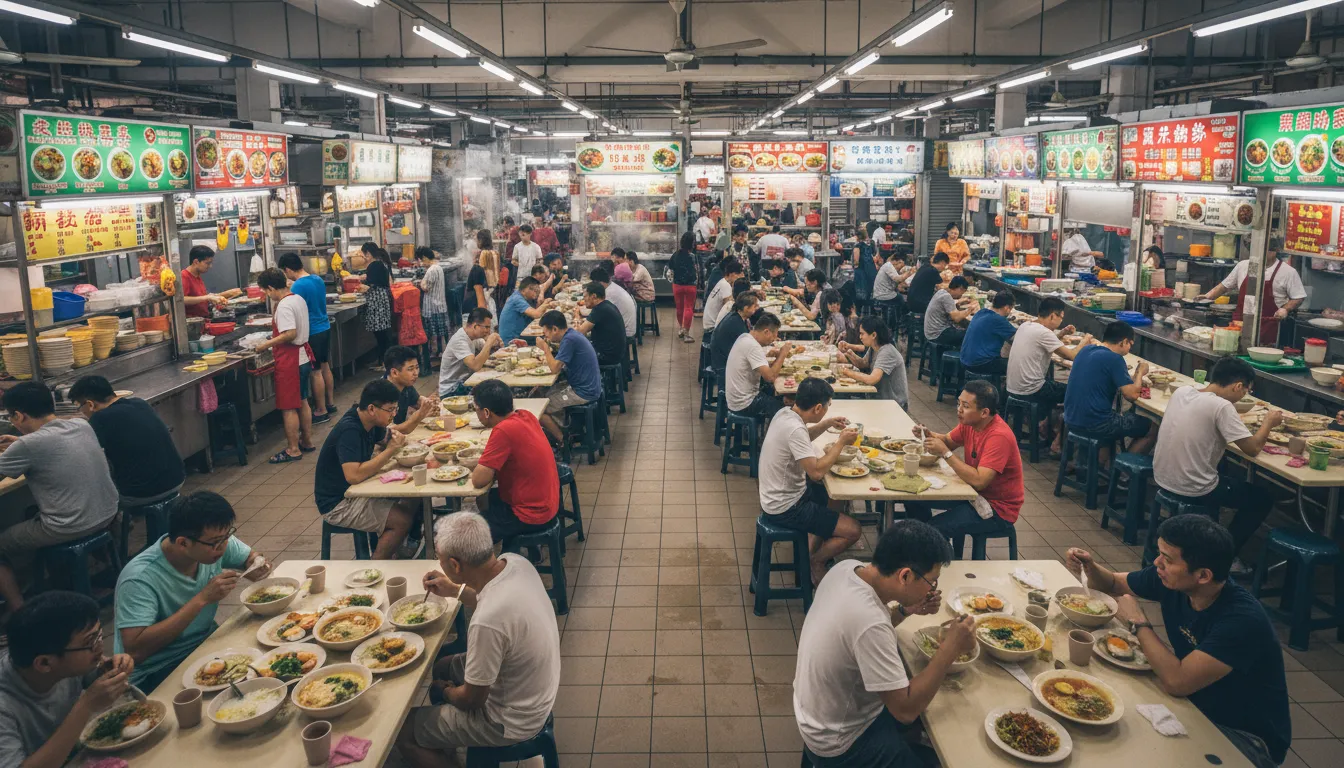
The beauty of Singaporean breakfast lies in its accessibility. You don't need reservations or fancy attire; simply follow your nose to the nearest hawker centre or kopi tiam.
-
Hawker Centres: These vibrant food complexes are the soul of Singaporean dining. For breakfast, consider:
- Tiong Bahru Market: A fantastic spot with a wide array of breakfast stalls, known for its traditional charm and excellent food.
- Amoy Street Food Centre: Bustling with office workers, this centre offers a great selection of breakfast and lunch options.
- Maxwell Food Centre: Home to many famous stalls, you’ll find everything from Hainanese chicken rice (yes, some eat it for breakfast!) to delicious chwee kueh.
-
Kopi Tiams: Traditional coffee shops, often standalone or part of a small row of shops, are perfect for a classic kaya toast and kopi experience. Ya Kun and Killiney Kopitiam have numerous branches, making them easy to find.
Always remember the 'chope' culture in hawker centres – locals often reserve tables with tissue packets. It's a unique system that reflects both efficiency and respect in communal dining.
Cultural Nuances and Etiquette
Embracing the Singaporean breakfast ritual extends beyond just the food; it's also about understanding the cultural context. Dining in hawker centres is a communal experience, where sharing tables is common. Don't be surprised if you find yourself sharing a table with strangers; it's part of the charm and efficiency of the system. Patience is also a virtue, especially at popular stalls where queues can form quickly. These queues are a good indicator of quality, so don't shy away from joining one.
Food in Singapore is a powerful connector, a common language that transcends ethnic and social divides. By engaging with these breakfast rituals, you're not just satiating your hunger; you're participating in a daily act of cultural preservation and community building. It’s a chance to observe, interact (even if just with a smile and a nod), and truly immerse yourself in the local way of life.
Conclusion
The Singaporean breakfast is more than just a meal; it’s an initiation, a daily ritual that offers a profound glimpse into the heart and soul of the Lion City. From mastering the specific lexicon of the Kopi code to perfecting the art of dipping crispy toast into savoury soft-boiled eggs, each step is a discovery. It’s a journey from initial confusion to an intimate understanding of flavours and traditions that have nourished generations.
As a travel writer, I've found that these simple, authentic experiences are often the most memorable. They offer a connection to a place that glossy brochures cannot capture. So, on your next visit to Singapore, wake up early, head to a bustling hawker centre or a charming kopi tiam, and embark on your own breakfast adventure. Let the aromas guide you, the flavours delight you, and the simple perfection of a Singaporean breakfast enrich your journey. It’s truly 'More Discovery, More Experience,' the very essence of what MLIFEON celebrates. What will be your perfect Kopi order, and where will you find your favourite kaya toast? Share your journey!