Nestled in a verdant valley where the mighty Mekong and Nam Khan rivers converge, Luang Prabang is more than just a destination; it is a profound experience. This UNESCO World Heritage site in northern Laos offers a tranquil embrace, a gentle whisper from a past where spirituality, nature, and community intertwine seamlessly. My own journey through its ancient streets felt like stepping into a living poem, a testament to enduring culture.
MLIFEON readers, if you seek a place that transcends superficial tourism, a sanctuary where every sunrise brings a sacred ritual and every alleyway tells a story, then Luang Prabang beckons. It’s a place that calls for slow travel, deep observation, and an open heart, promising discovery and connection far beyond the ordinary. Prepare to immerse yourself in a world where time seems to slow, allowing for true cultural exchange and personal reflection.
The Sacred Rhythm of Tak Bat: A Dawn Awakening
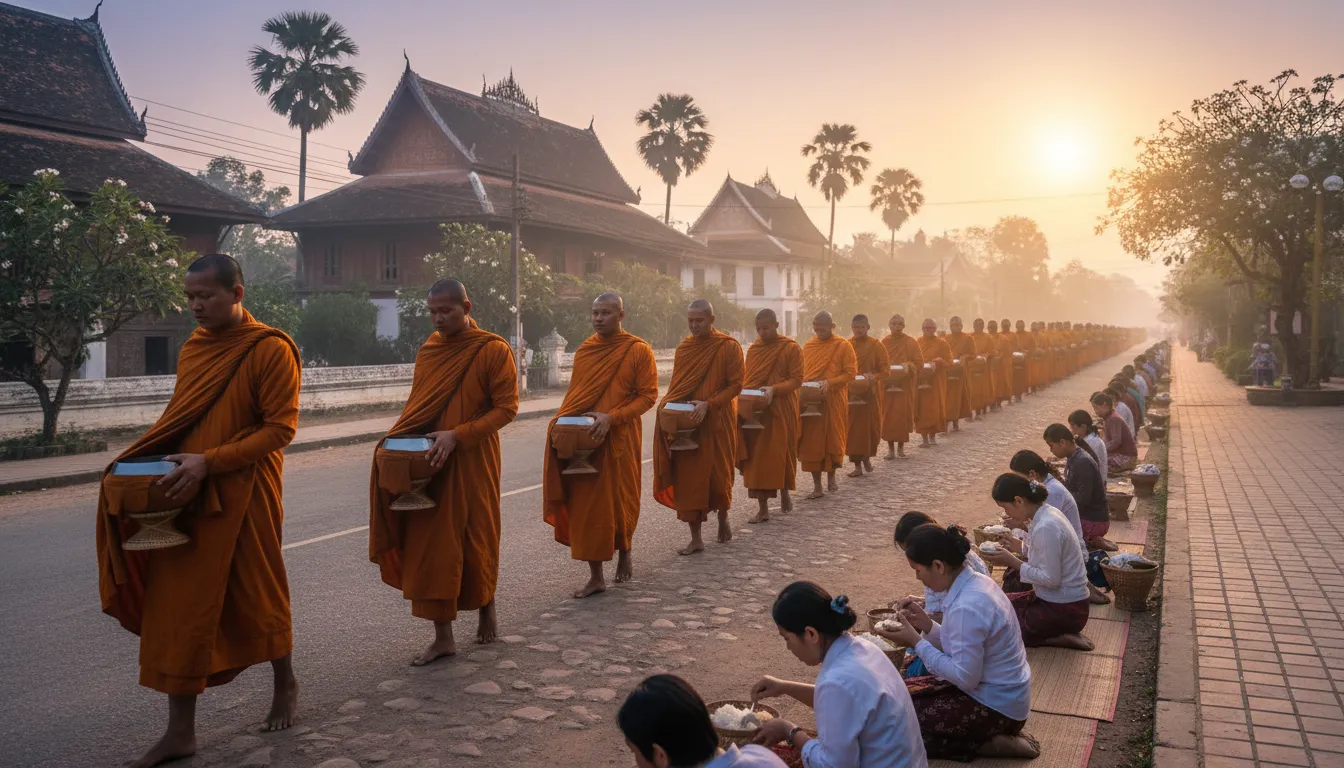
One of my most cherished memories of Luang Prabang is the timeless ritual of Tak Bat, the daily alms giving ceremony. As the first hint of dawn paints the sky, saffron-robed Buddhist monks emerge from their temples, walking in silent procession through the main streets. It’s a profound act of devotion, both for the monks and the local devotees who offer sticky rice and other food items.
I remember rising before the sun, finding a respectful spot along the route, and observing this ancient tradition unfold. There's a palpable sense of peace and reverence in the crisp morning air, a powerful connection to a spiritual heritage that has sustained this community for centuries. It's not a spectacle, but an intimate communal act, best witnessed in quiet contemplation.
It’s crucial to approach this ceremony with the utmost respect. Dress modestly, maintain a distance, and avoid flash photography or any actions that disrupt the monks’ solemn journey. My experience taught me that true engagement comes from understanding and honouring the local customs, allowing this powerful ritual to simply be.
A Tapestry of Temples and Enduring Heritage
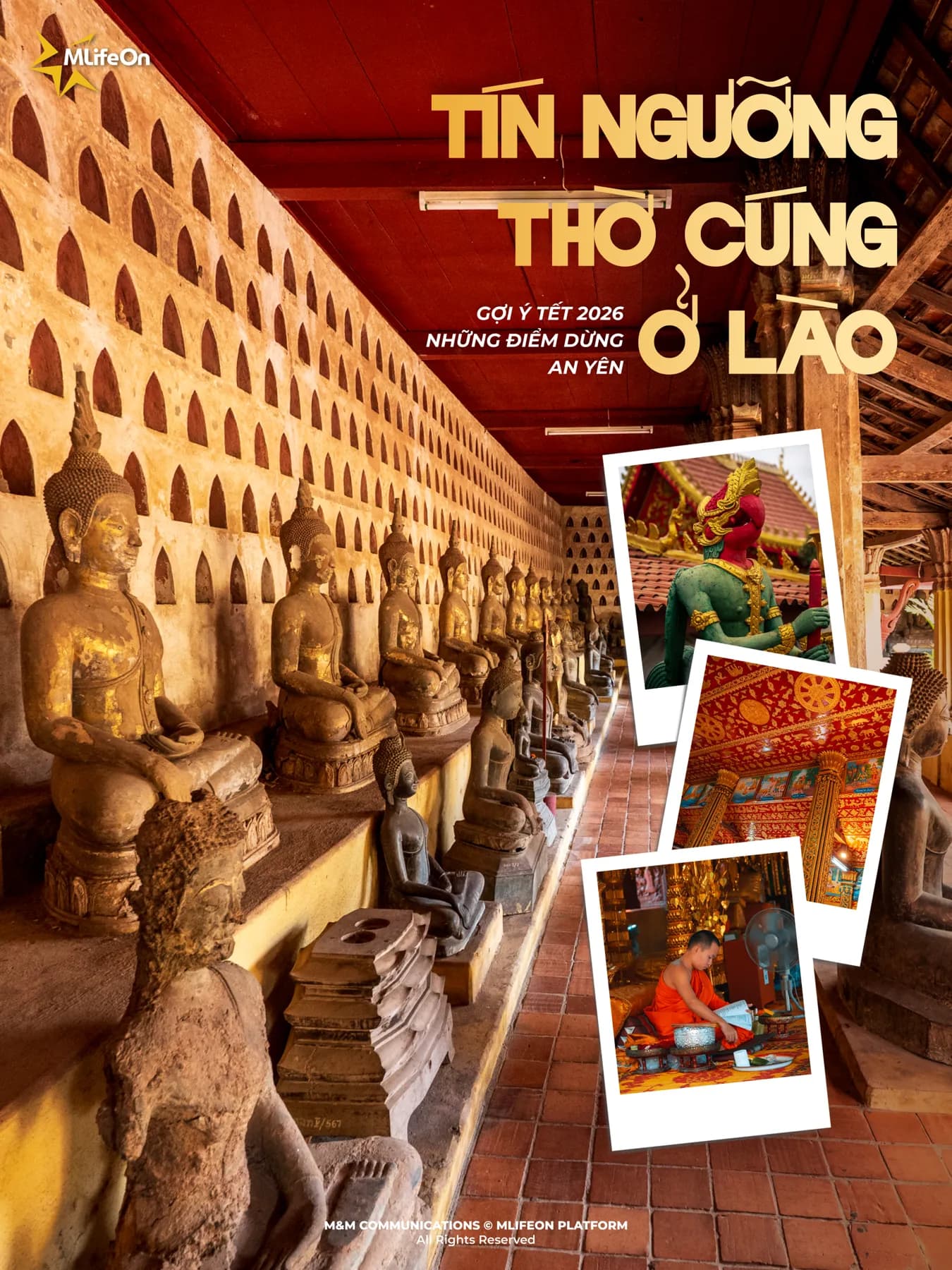
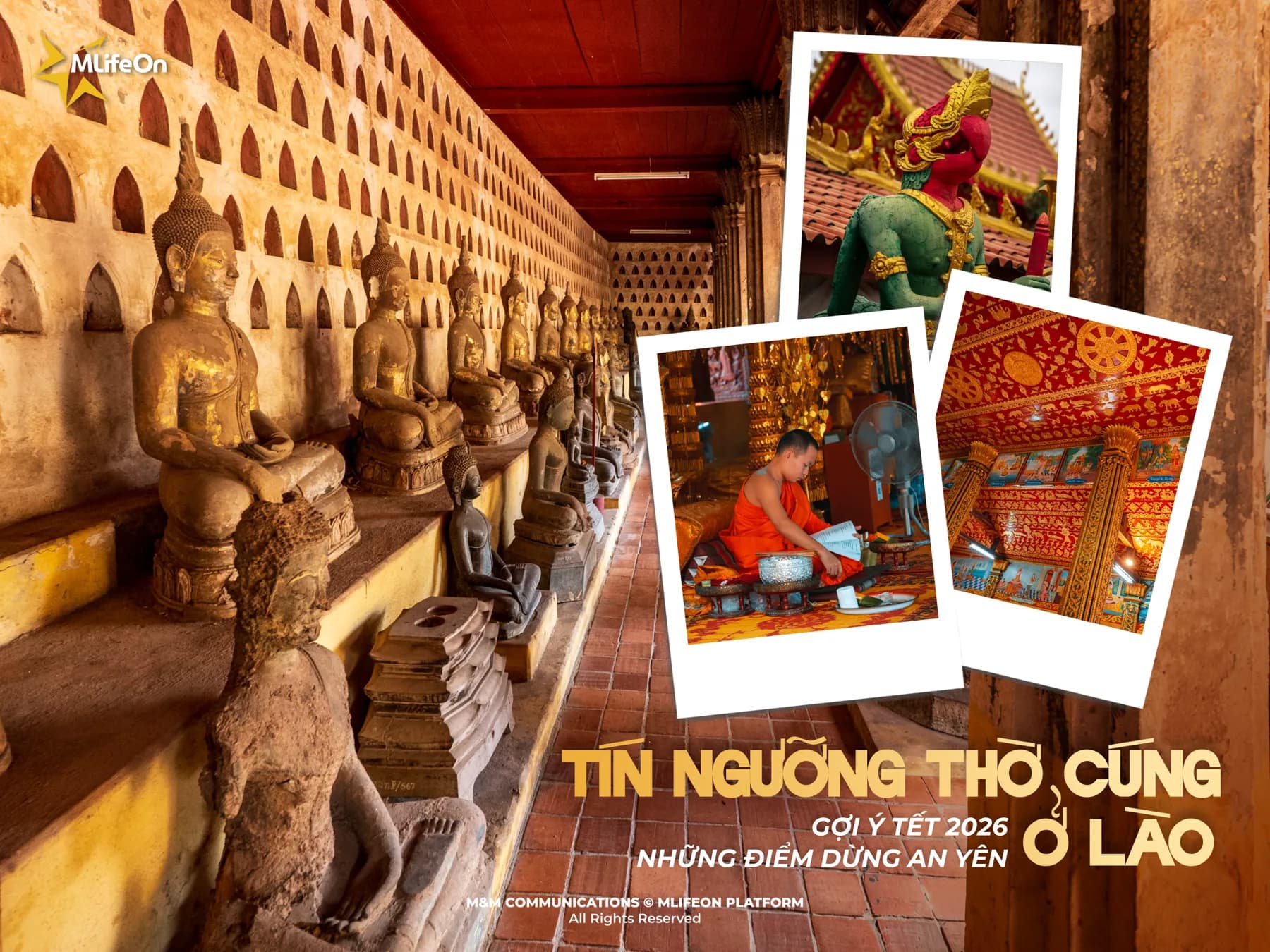
Luang Prabang is adorned with an exquisite collection of temples, each a masterpiece of Lao Buddhist architecture. These sacred sites are not mere buildings; they are vibrant centers of spiritual life and artistic expression. Walking among them is like tracing the spiritual脉络 (maìluò -脉络 meaning 'veins' or 'network') of a civilization.
The crown jewel, in my opinion, is Wat Xieng Thong, or the 'Temple of the Golden City.' Its sweeping, multi-tiered roof, ornate mosaics, and intricate carvings are breathtaking, especially the stunning tree of life mosaic on its rear façade. I spent hours simply admiring the craftsmanship, imagining the generations of artisans who poured their devotion into its creation. It stands as a powerful symbol of Luang Prabang's royal past and spiritual significance.
Beyond the temples, the town itself is a living museum, a harmonious blend of traditional Lao wooden houses and elegant French colonial villas. The former Royal Palace, now the National Museum, offers a glimpse into the lives of Laos' last monarchs and houses the revered Prabang Buddha. Strolling along the Mekong, you witness this architectural fusion, a tangible representation of Luang Prabang’s unique historical narrative.
Culinary Journeys: Flavors of Laos and French Echoes
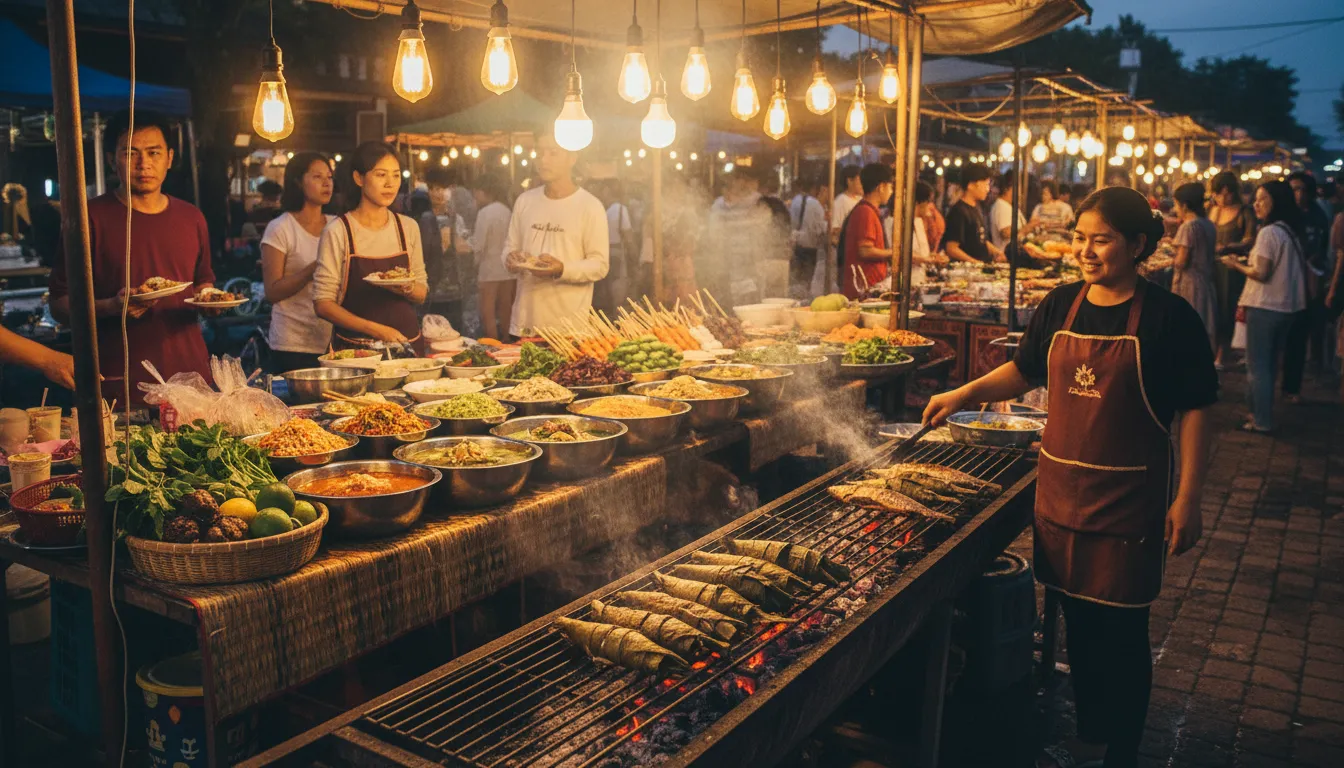
For any travel writer, food is the soul of a destination, and Luang Prabang’s culinary scene is a delightful revelation. Lao cuisine, often overshadowed by its Thai and Vietnamese neighbors, is distinct and utterly delicious, characterized by fresh herbs, sticky rice, and a balance of spicy, sour, salty, and sweet. The bustling Night Market is an irresistible starting point for any food adventurer.
Here, under the warm glow of lanterns, I discovered a vibrant array of street food. From succulent grilled fish stuffed with lemongrass and herbs to the iconic mok pa (steamed fish in banana leaves), every bite was an exploration of local flavors. My personal favorite quickly became laap, a finely minced meat salad bursting with lime, chili, and mint, usually enjoyed with copious amounts of sticky rice.
The French colonial legacy also left an indelible mark on Luang Prabang's palate. Mornings often begin with a freshly baked baguette, perhaps filled with pate and local vegetables, a perfect fusion of East and West. And for coffee lovers, the strong, aromatic Lao coffee, often sweetened with condensed milk, provides a robust start to any day of exploration.
Beyond the City: Nature's Embrace and Mekong Magic
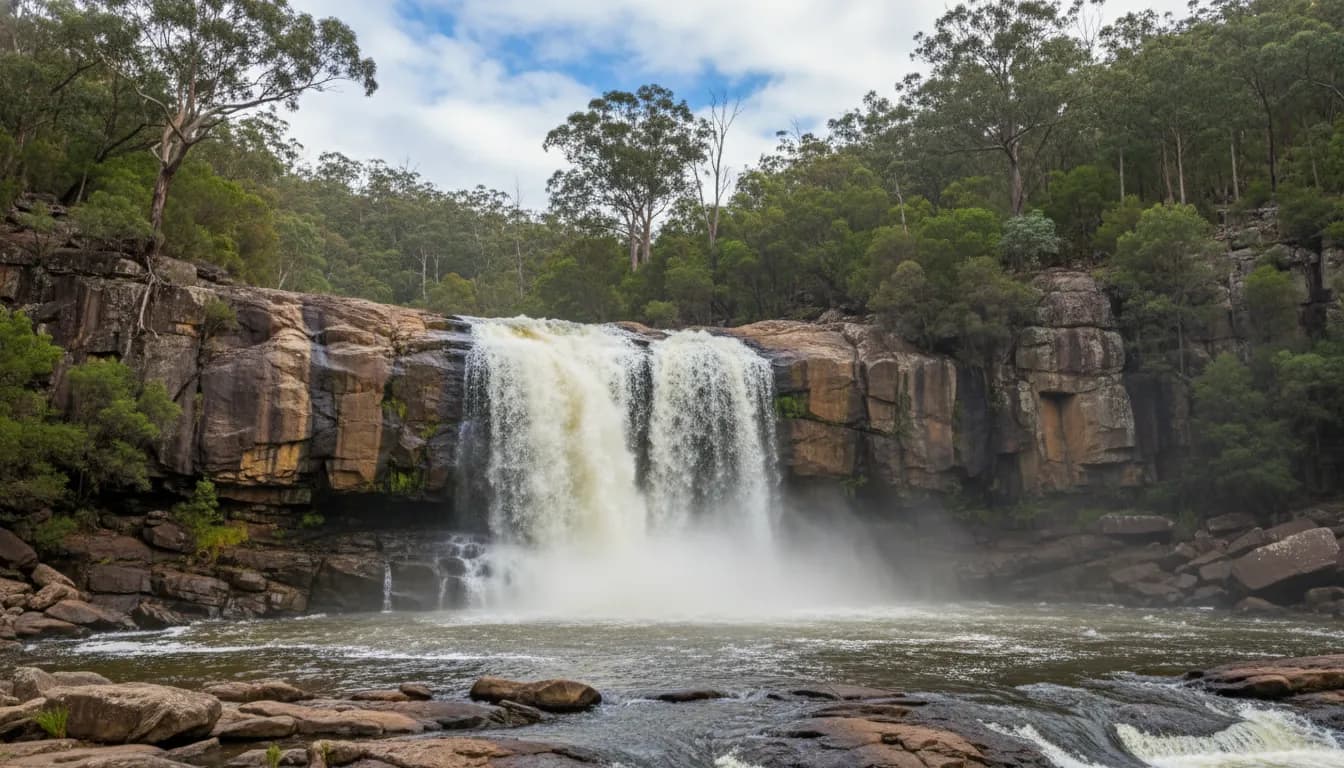
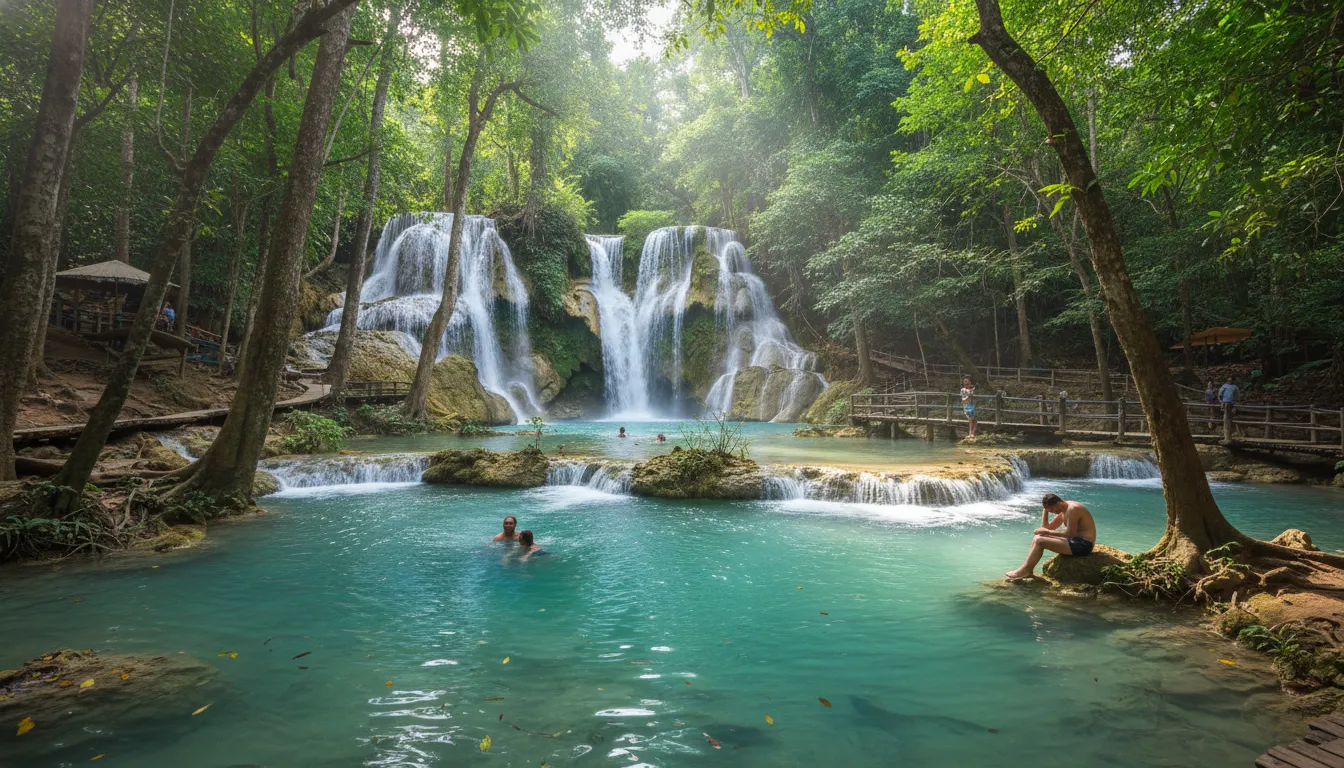
While the town itself captivates, the surrounding natural beauty of Luang Prabang offers equally compelling experiences. A short, scenic drive through lush jungle brings you to the breathtaking Kuang Si Falls. This multi-tiered waterfall cascades into brilliant turquoise pools, inviting visitors for a refreshing swim.
I remember the sheer joy of plunging into the cool, clear waters, surrounded by the emerald canopy of the forest. The tiered pools create natural jacuzzis, and the main fall itself is a powerful, awe-inspiring sight. It’s a perfect escape from the warmth of the day, a place where nature's artistry is on full display.
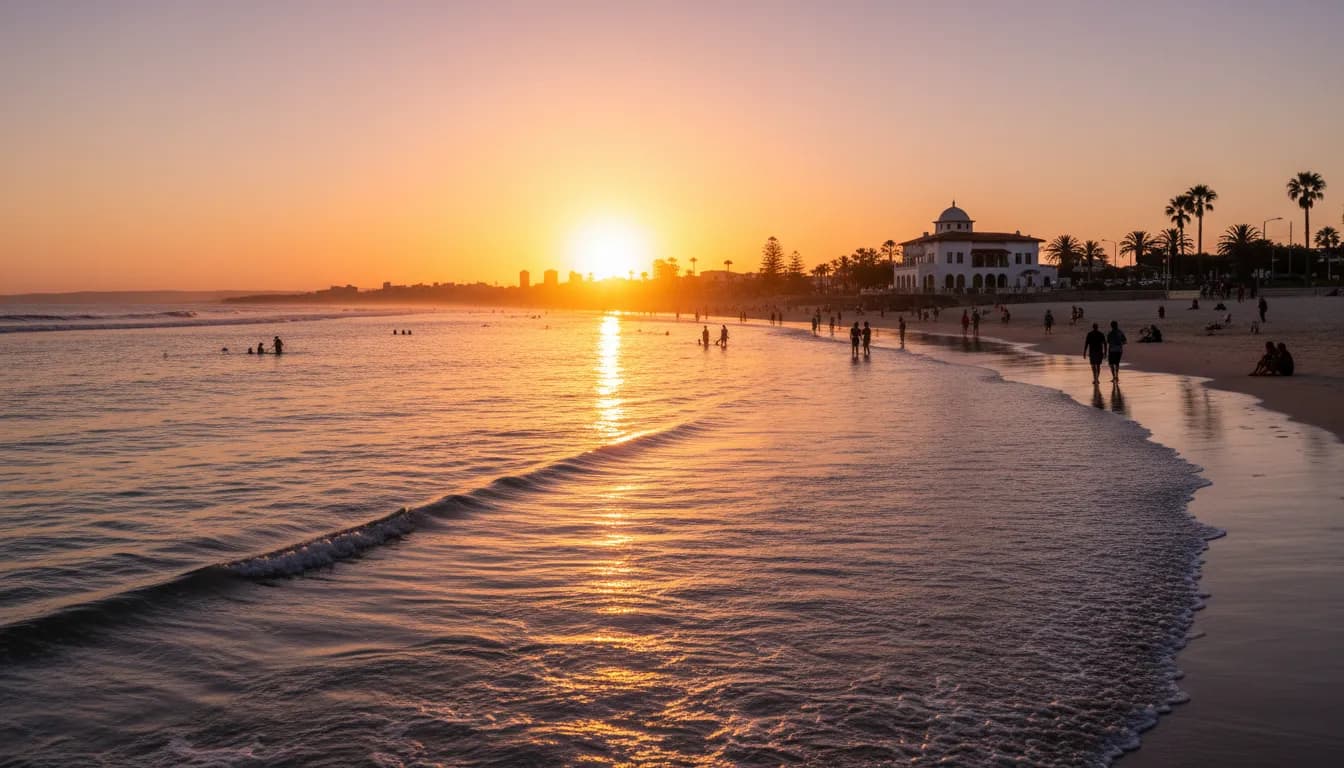
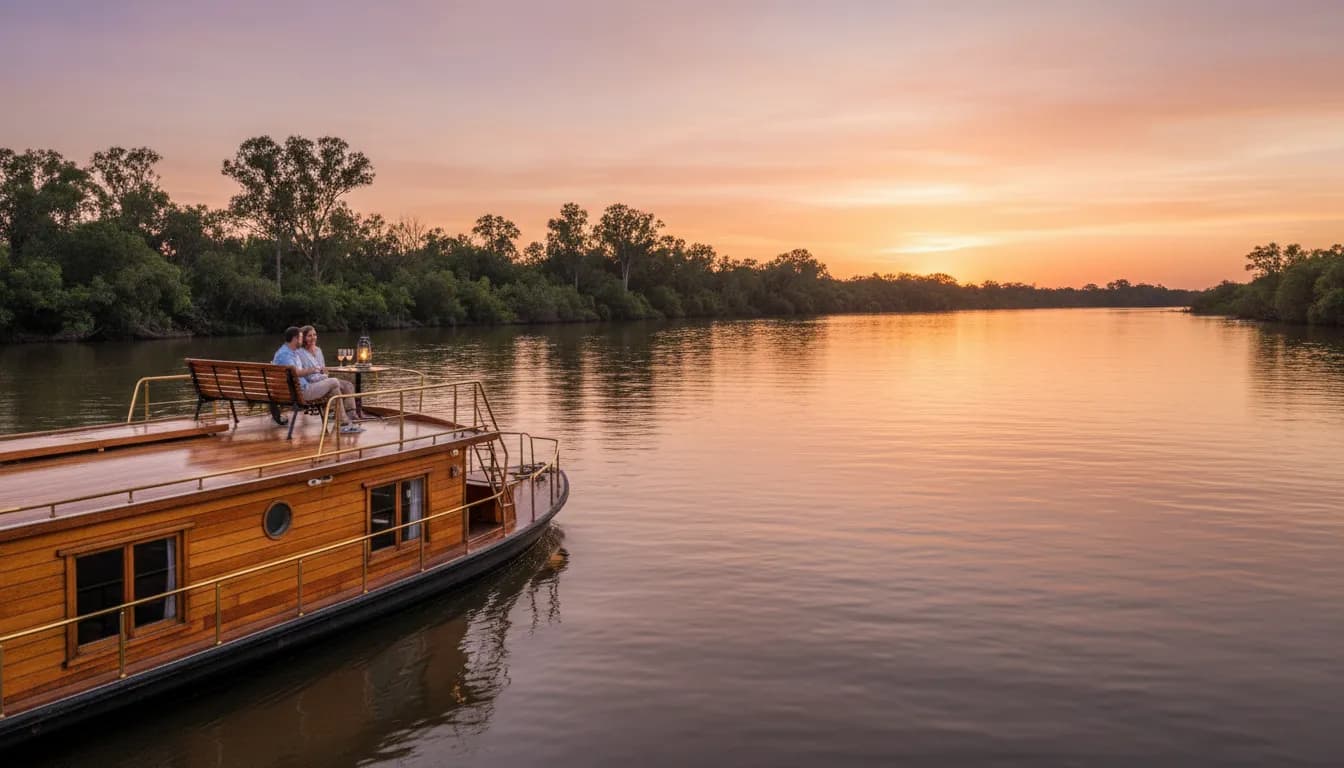
No visit to Luang Prabang is complete without embracing the Mekong River, the lifeblood of Laos. A sunset cruise along its calm waters is an unforgettable experience. As the sun dips below the horizon, painting the sky in fiery hues, you witness local life unfolding on its banks and feel a profound connection to the rhythm of this ancient waterway.
The Art of Connection: Crafts, Community, and Slow Living
Luang Prabang is a place where community spirit and traditional craftsmanship thrive. The Night Market, beyond its culinary delights, is a treasure trove of local artistry. Here, artisans display beautifully intricate textiles, hand-carved wooden figures, and delicate paper lanterns, each piece telling a story of Lao heritage.
I found myself drawn to the quiet dedication of the craftspeople, many of whom keep ancient techniques alive through their meticulous work. Engaging with them, even through simple gestures, offers a glimpse into their lives and the cultural significance of their creations. It’s a tangible way to support local communities and take home a piece of authentic Luang Prabang.
The pace of life here is wonderfully unhurried, a stark contrast to the rush of modern cities. This slow rhythm encourages genuine connection, whether it’s sharing a laugh with a street vendor, observing children playing by the river, or simply sitting and watching the world go by from a riverside café. It’s a place that teaches patience and appreciation for the simple moments.
Reflections: A Journey of the Soul
My time in Luang Prabang was more than just a trip; it was a journey for the soul. It taught me the beauty of quiet reverence, the richness of traditional culture, and the profound joy of genuine connection. The gentle smiles of its people, the sacred rituals of its monks, and the serene beauty of its landscapes left an indelible mark on my spirit.
For those seeking 'More Discovery, More Experience,' Luang Prabang offers an unparalleled opportunity to delve deep into a culture that values peace, tradition, and spiritual harmony. It's a destination that doesn't just show you sights, but allows you to feel, to breathe, and to truly connect with a unique corner of the world. It reminds us that some of the most profound travel experiences are found not in grand gestures, but in the quiet whispers of ancient souls.