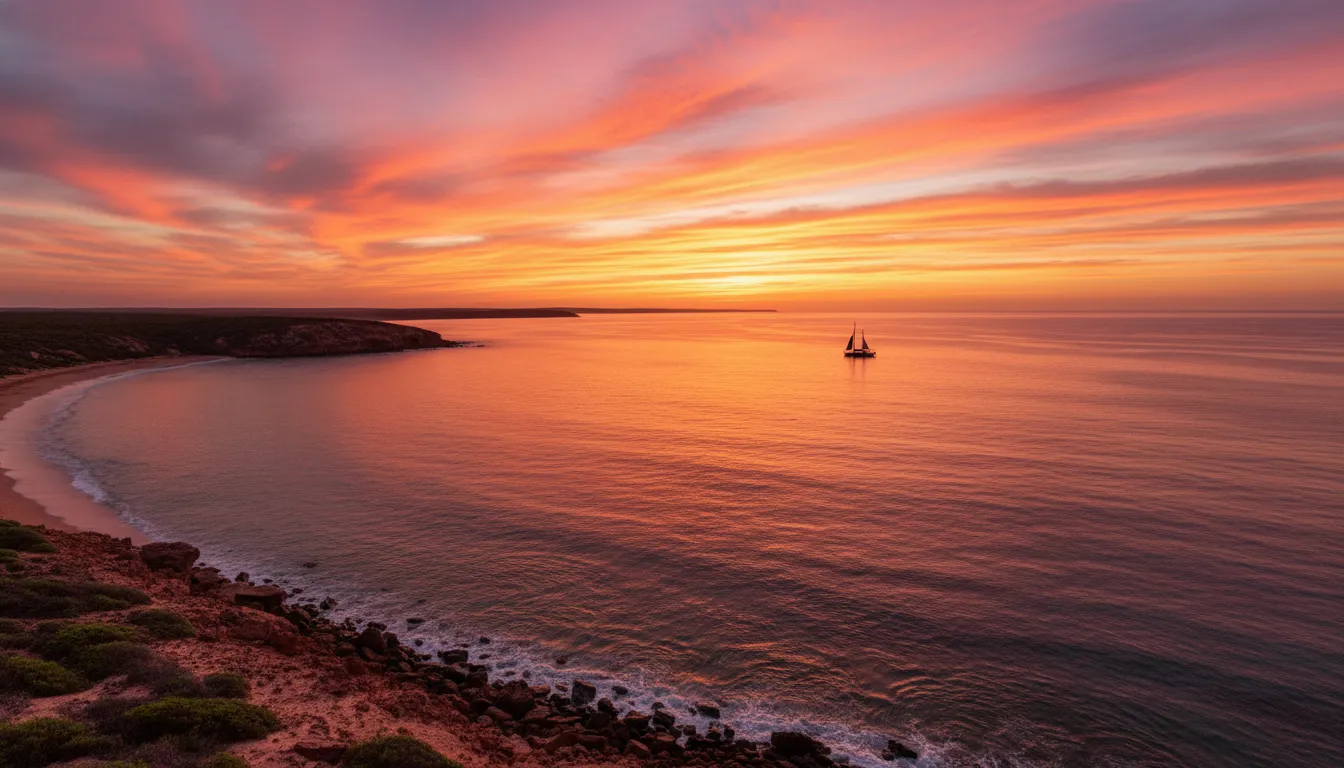
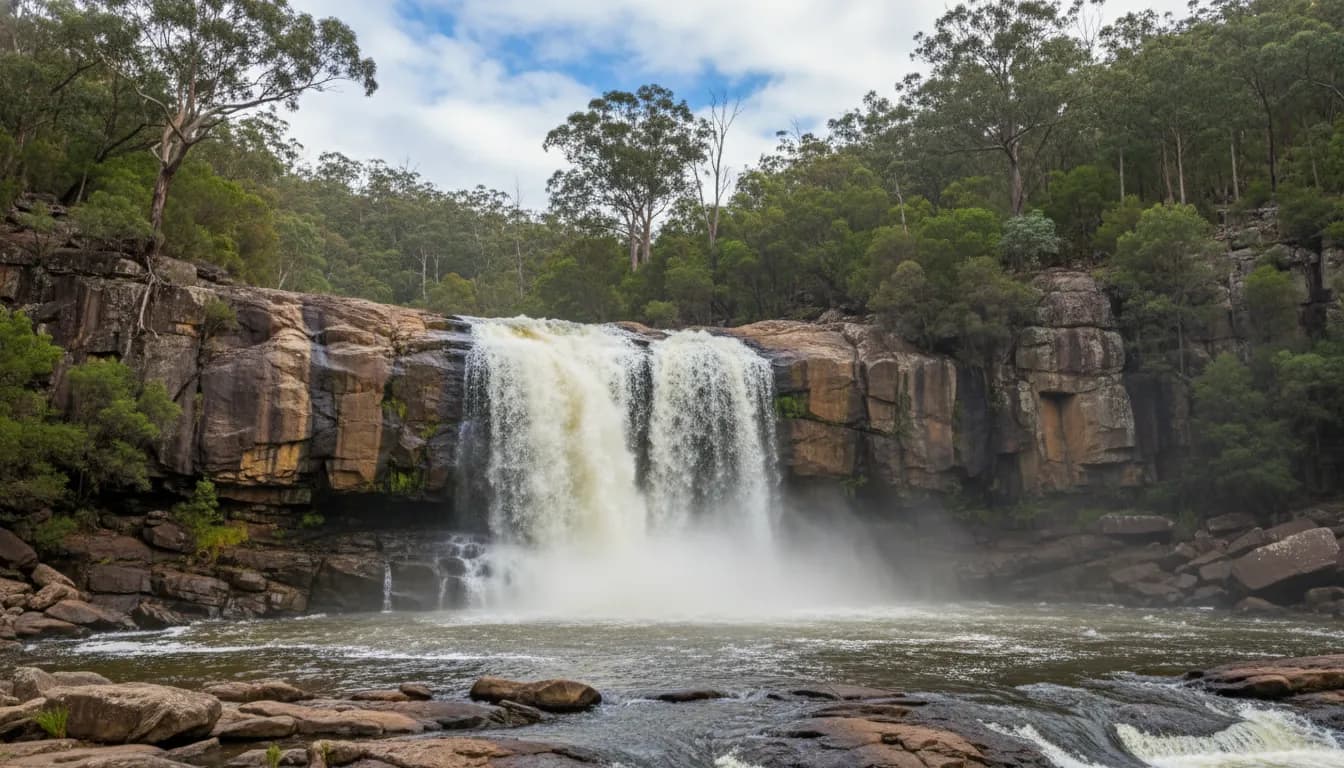
As a lifelong explorer of the world's hidden gems and vibrant cultures, I’ve often found myself drawn to destinations that promise more than just a postcard view. My journeys have taken me from the bustling markets of Hanoi to the ancient temples of Kyoto, always seeking the authentic pulse of a place. Yet, few experiences have resonated quite as deeply as my encounters with the untamed beauty of Western Australia, a land of vast horizons and breathtaking natural wonders.
Among its many treasures, the Ningaloo Reef stands out not just as a prominent 'western australia famous landmark' but as a living, breathing testament to nature's artistry. This isn't merely a reef; it's an immersive canvas of marine life, a sanctuary where the ocean's grandest creatures dance in crystal-clear waters. For those yearning for genuine connection and profound discovery, Ningaloo offers an unparalleled journey into the heart of Australia's marine wilderness, aligning perfectly with MLIFEON's ethos of unforgettable cultural stories and inspiring connections.
Why Ningaloo is the World's Largest Fringing Reef
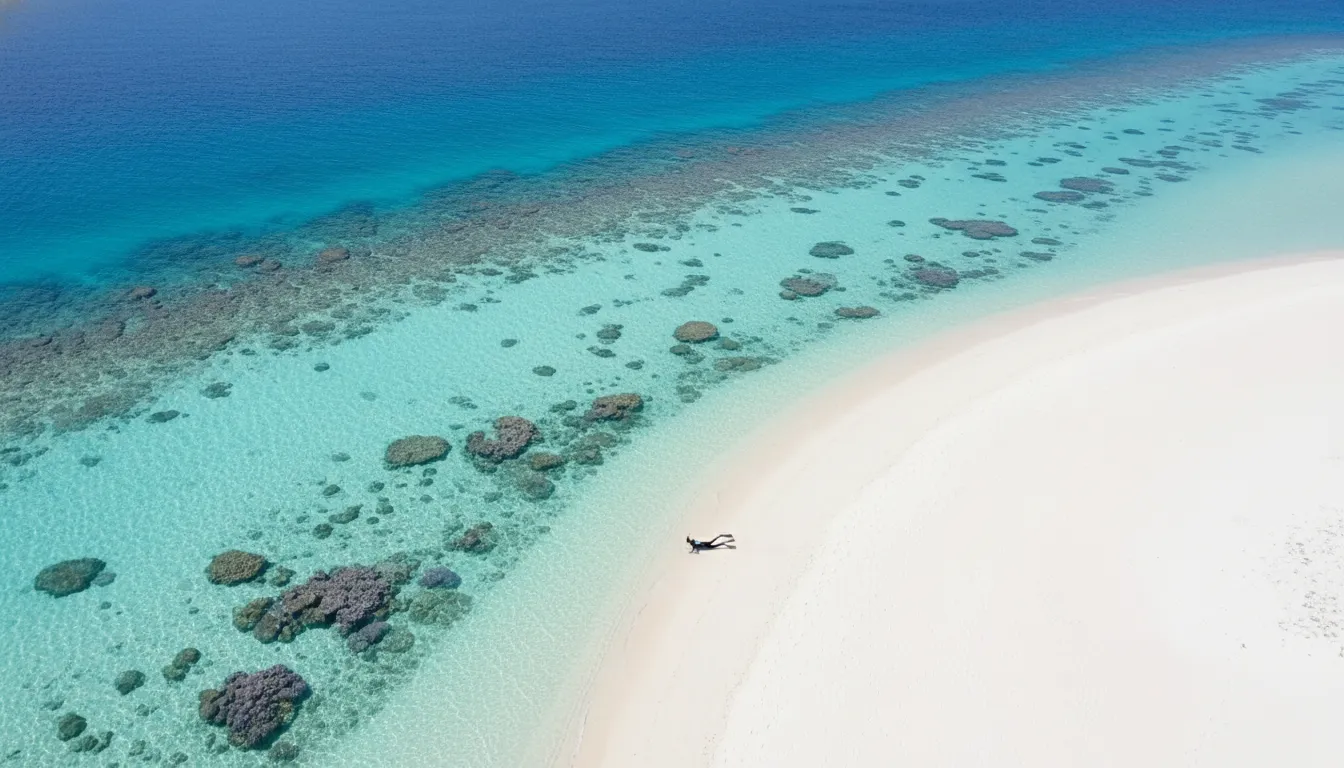
Imagine stepping off a pristine white beach directly into a kaleidoscope of coral and marine life. This is the magic of Ningaloo Reef, the world's largest fringing reef, a truly unique ecological marvel. Unlike barrier reefs, which are separated from the coastline by a lagoon, fringing reefs grow directly from the continental shelf, often just a few meters from shore. This incredible accessibility is what makes Ningaloo so special and distinguishes it from its more famous cousin, the Great Barrier Reef.
Designated a UNESCO World Heritage site, Ningaloo stretches over 300 kilometers along Western Australia's Coral Coast. Its close proximity to the shore allows snorkelers and divers of all skill levels to effortlessly access its vibrant underwater gardens. My first dip into Ningaloo's waters felt like entering a secret garden, a world teeming with life just beyond the sand.
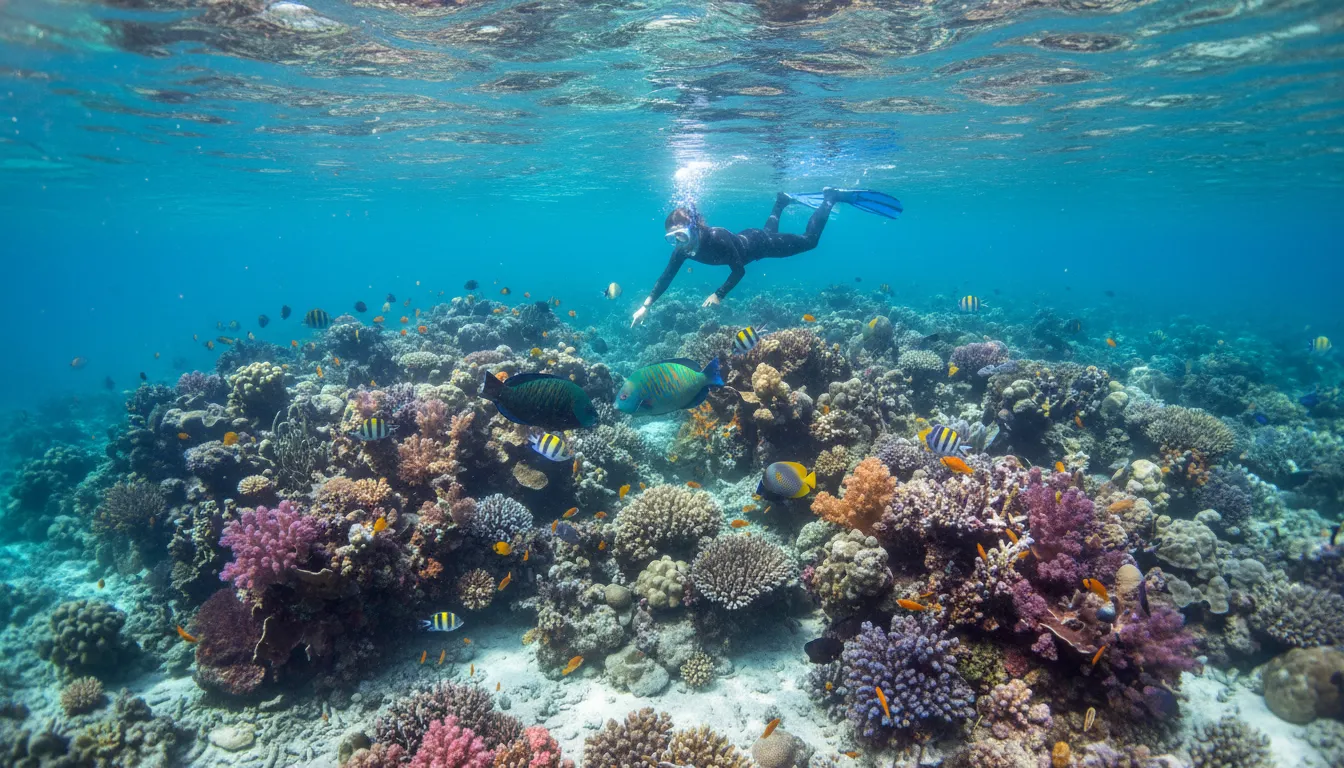
The reef's sheer scale, combined with its accessibility, means that you don't need a boat to witness its grandeur. From many points along the coast, you can simply wade in and find yourself surrounded by parrotfish, angelfish, and even reef sharks. This direct engagement with such a diverse ecosystem offers a profound sense of connection to nature, a feeling that superficial tourism can rarely replicate. It’s a place where the barrier between human and wilderness beautifully dissolves.
Swimming with Whale Sharks and Manta Rays
The highlight for many visitors, myself included, is the extraordinary opportunity to swim alongside the ocean's gentle giants. From March to July, the waters of Ningaloo become a migratory highway for whale sharks, the largest fish in the world. To share the ocean with these magnificent, spotted creatures is an experience that transcends mere sightseeing; it’s a moment of pure, humbling awe.
My first encounter with a whale shark was utterly breathtaking. From the deck of the boat, it appeared as a vast, dark shadow, slowly materializing into a creature of immense grace, easily the size of a school bus. Sliding into the water and swimming alongside it, maintaining a respectful distance, I was struck by its tranquil presence and the sheer wonder of sharing its domain. Its massive mouth, designed for filter-feeding, seemed almost to smile as it glided effortlessly through the water.
Beyond the whale sharks, Ningaloo also hosts magnificent manta rays, particularly from May to November. These elegant creatures, with their wingspans reaching several meters, perform an ethereal ballet through the water. Snorkeling or diving with manta rays offers a different kind of magic, watching them glide with such fluid motion, often curious about their human visitors. The ethical and sustainable tourism operators ensure these interactions are conducted with the utmost respect for the animals and their environment.
These encounters are not just about witnessing wildlife; they are about fostering a deeper appreciation for marine conservation. Each tour emphasizes responsible interaction, ensuring that the reef and its inhabitants remain undisturbed and healthy for generations to come. It’s a testament to the power of responsible tourism to create unforgettable memories while protecting precious ecosystems.
Turquoise Bay: The Best Drift Snorkel in WA
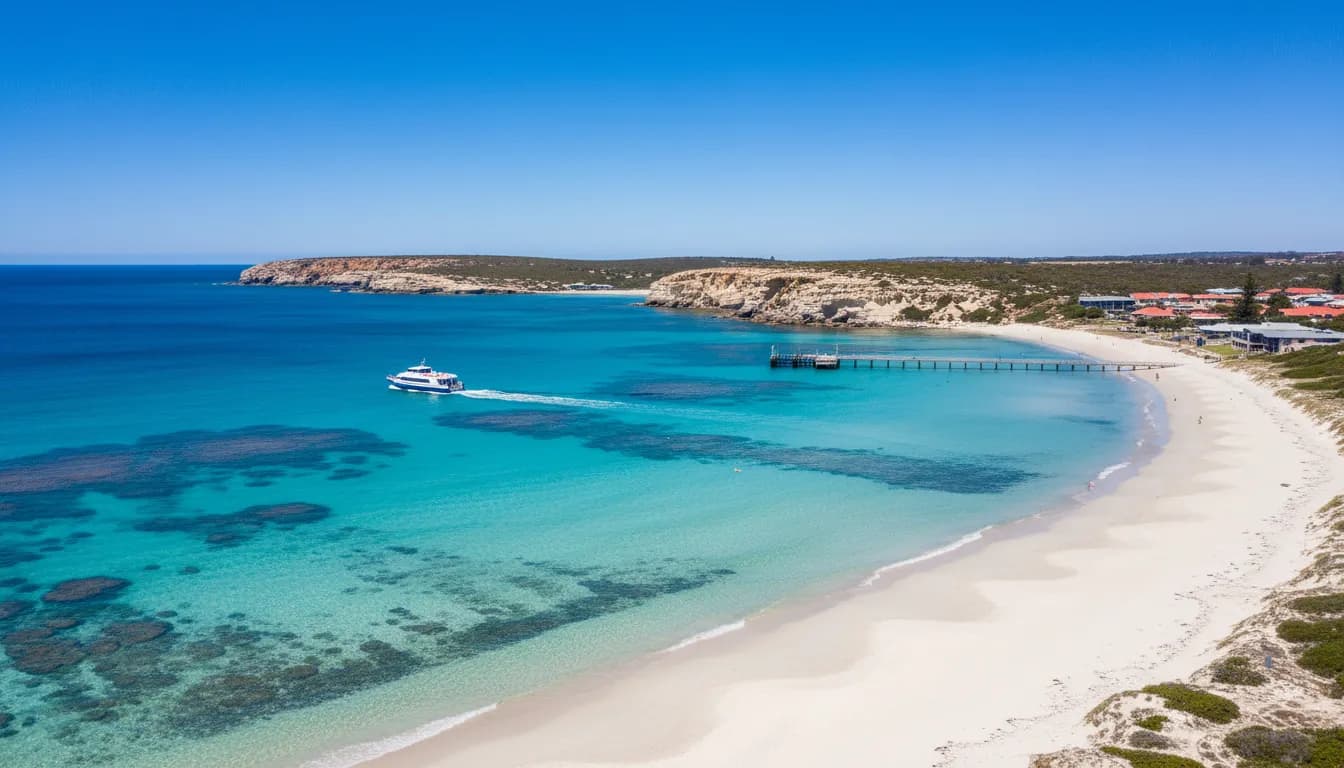
If there's one spot that encapsulates the effortless beauty of Ningaloo Reef, it is undoubtedly Turquoise Bay. Consistently ranked among the world's top beaches, this idyllic stretch of coastline near Exmouth is a quintessential 'western australia famous landmark' for its sheer, undeniable allure. The name itself perfectly describes the water's hue, a mesmerizing gradient from pale aqua to deep sapphire.
My first visit to Turquoise Bay left an indelible impression. The sand was impossibly white, fine as flour, and the water was so clear you could count the individual grains of sand beneath your feet. But the true magic of Turquoise Bay lies in its famous drift snorkel. Here, the currents are your friend, gently carrying you along the reef's edge with minimal effort.
To experience the drift snorkel, you simply walk to the southern end of the beach, enter the water, and let the gentle current carry you north. As you float, a vibrant underwater world unfolds beneath you: schools of iridescent fish, graceful turtles, and even small, harmless reef sharks gliding through gardens of coral. It's like being in a natural, slow-motion aquarium. The sheer abundance and diversity of marine life, so easily accessible, make it an absolute must-do.
After a leisurely drift, you simply exit the water at the northern end and walk back along the beach to start again. This ease of access and the breathtaking beauty of the marine life make Turquoise Bay an unforgettable experience, perfect for snorkelers of all ages and abilities. It’s a place where you can truly immerse yourself in the natural wonder without needing extensive equipment or expertise.
Sustainable Tourism at Ningaloo Reef
In an era where the impact of human activity on natural environments is increasingly scrutinized, Ningaloo Reef stands as a shining example of how sustainable tourism can thrive. The dedication to preserving this pristine ecosystem is palpable, woven into every aspect of operations from tour operators to local communities. This commitment resonates deeply with MLIFEON's focus on heritage preservation and meaningful connections.
The reef's UNESCO World Heritage status is not just a title; it comes with strict regulations designed to protect its delicate balance. Tour operators, for instance, adhere to stringent codes of conduct, ensuring minimal disturbance to marine life during whale shark and manta ray encounters. Boats maintain respectful distances, and swimmers are briefed on proper etiquette before entering the water. My own experience on these tours highlighted the guides' passion for conservation, sharing not just facts but also a deep respect for the ocean.
Local communities, particularly in Exmouth and Coral Bay, are actively involved in conservation efforts. There's a strong emphasis on educating visitors about the fragile nature of the reef and how individual actions can make a difference. From reducing plastic waste to staying on designated paths, every small effort contributes to the reef's longevity. This ethos of responsible travel encourages visitors to become temporary custodians rather than mere tourists.
For me, this focus on sustainability enhances the entire experience. Knowing that my visit contributes to the preservation of such a magnificent place adds a layer of depth and meaning to the journey. It's about connecting with nature in a way that respects its boundaries, ensuring that future generations, including my own Vietnamese-Australian community, can also marvel at these wonders. Ningaloo reminds us that true discovery comes with responsibility.
Getting There: Exmouth and Coral Bay Logistics
Venturing to Ningaloo Reef requires a bit of planning, but the journey itself is part of the adventure. The two main gateways to the reef are the charming towns of Exmouth and Coral Bay, each offering a distinct vibe and access points to the marine park. Understanding the logistics is key to maximizing your experience in this remote yet incredibly rewarding region.
Exmouth, located at the northern tip of the North West Cape, is the larger of the two towns and serves as the primary hub for Ningaloo exploration. It boasts an airport (Learmonth Airport - LEA) with regular flights from Perth, making it relatively accessible. From the airport, it’s a short drive or shuttle ride into town. Exmouth offers a wider range of accommodations, from resorts and motels to caravan parks and backpacker hostels, catering to various budgets. It's also where many of the whale shark and manta ray tours depart, as well as being close to world-class diving sites like Navy Pier and, of course, Turquoise Bay.
Coral Bay, approximately 150 kilometers south of Exmouth, offers a more laid-back, intimate atmosphere. It’s a smaller, pedestrian-friendly town built right on the beachfront, allowing for direct access to the reef from shore. While it doesn't have an airport, it's a popular stop on self-drive itineraries along the Coral Coast. Accommodation options in Coral Bay are more limited, so booking well in advance is crucial, especially during peak seasons. Many visitors choose to split their time between both towns to experience different facets of the reef.
Renting a 4WD vehicle is highly recommended if you plan to explore the national parks and more remote beaches around Exmouth, though many of the main attractions are accessible by 2WD. Essential planning includes booking tours, especially whale shark swims, months in advance due to high demand and limited operator permits. Be prepared for warm weather, pack reef-safe sunscreen, and embrace the relaxed, adventurous spirit of Western Australia.
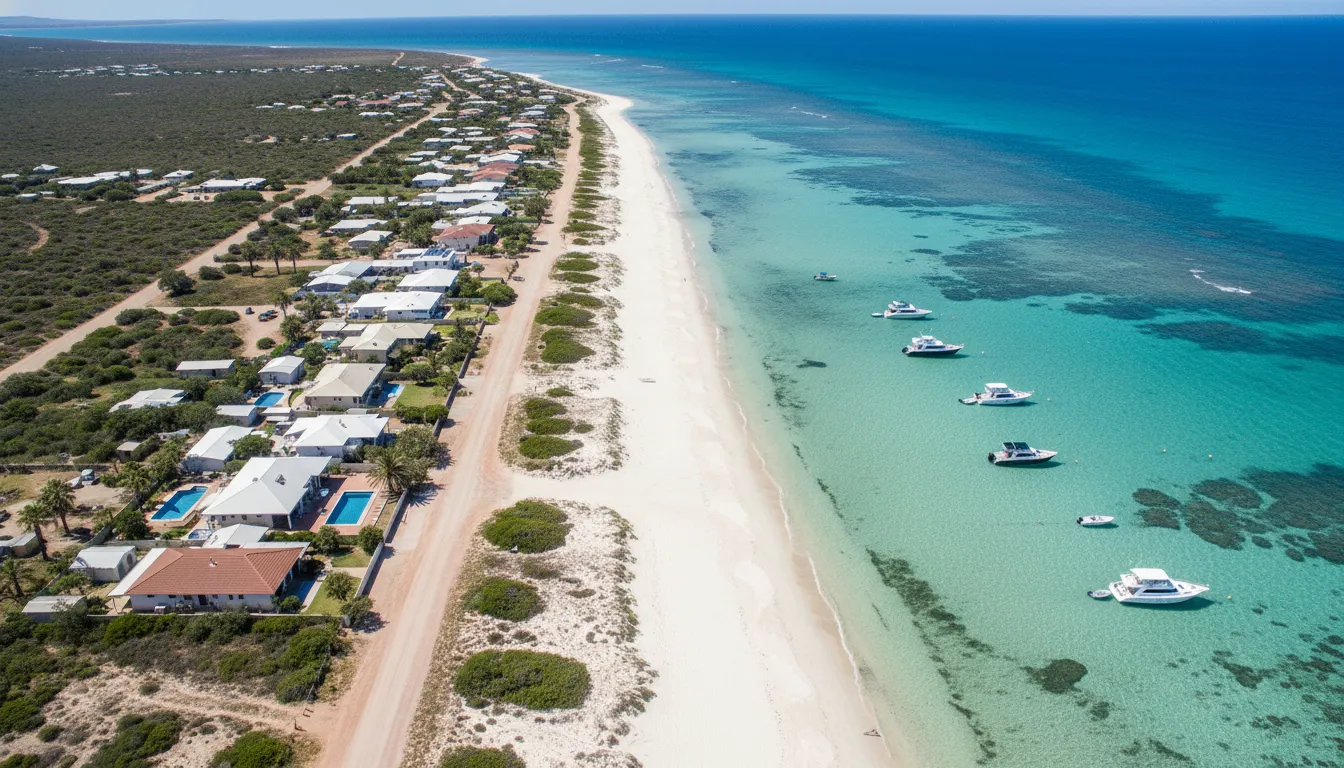
My own journey involved flying into Exmouth, picking up a rental car, and spending a few days exploring the Cape Range National Park before heading down to Coral Bay for a more relaxed pace. This combination allowed me to experience the rugged beauty of the land and the serene wonder of the sea, providing a comprehensive understanding of this unique region. It’s a testament to how meticulous planning can lead to the most spontaneous and profound discoveries.
Beyond the Horizon: Ningaloo's Enduring Allure
Ningaloo Reef is more than just a destination; it’s an invitation to connect with nature on a profoundly personal level. It offers a rare window into an underwater world that thrives just meters from the shore, providing experiences that remain etched in memory long after the tan fades. This 'western australia famous landmark' isn't merely about its impressive size or its majestic marine inhabitants; it's about the feeling of wonder it inspires.
As someone who champions authentic cultural stories and meaningful connections, I find Ningaloo to be an exceptional example of responsible tourism. It embodies the spirit of discovery, allowing visitors to engage with a pristine natural environment while actively participating in its preservation. From the awe of swimming with a whale shark to the simple joy of drifting over a coral garden in Turquoise Bay, every moment here feels precious and significant.
For the culturally curious reader seeking substantive travel narratives, Ningaloo offers an experience that transcends the superficial. It's a journey into the heart of Western Australia's wild beauty, a place where the ocean's stories are told through vibrant coral and gentle giants. I encourage you to embark on your own journey to this unforgettable cultural and natural wonder, for 'More Discovery, More Experience' truly awaits you at Ningaloo Reef.