Australia's vast landscapes hold secrets etched in stone and whispered by the wind, each a testament to millions of years of geological artistry and profound cultural heritage. For the intrepid traveller seeking authentic stories and deep connections, Western Australia offers an unparalleled journey into the heart of the ancient continent. Among its most iconic spectacles, a truly unique western australia famous landmark beckons: the magnificent Wave Rock, near the unassuming town of Hyden.
My own travels have taken me across continents, from the bustling markets of Hanoi to the ancient ruins of Rome, but few places have captured my imagination quite like the raw, untamed beauty of the Australian outback. Wave Rock is not merely a geological formation; it is a profound experience, a frozen ocean wave that invites contemplation, cultural immersion, and an unforgettable road trip adventure. It’s a place where the earth itself tells a story of time, resilience, and the enduring spirit of its traditional custodians.
The Science Behind the Granite Wave
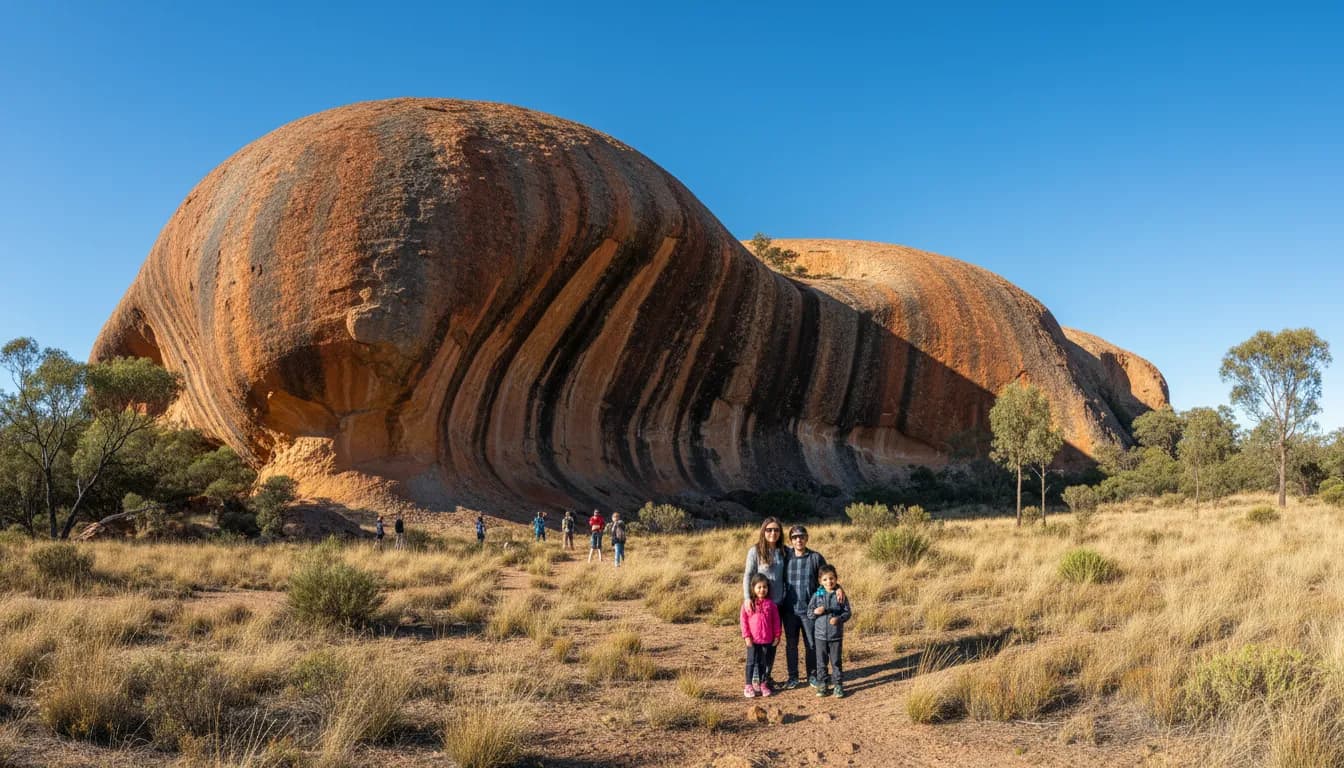
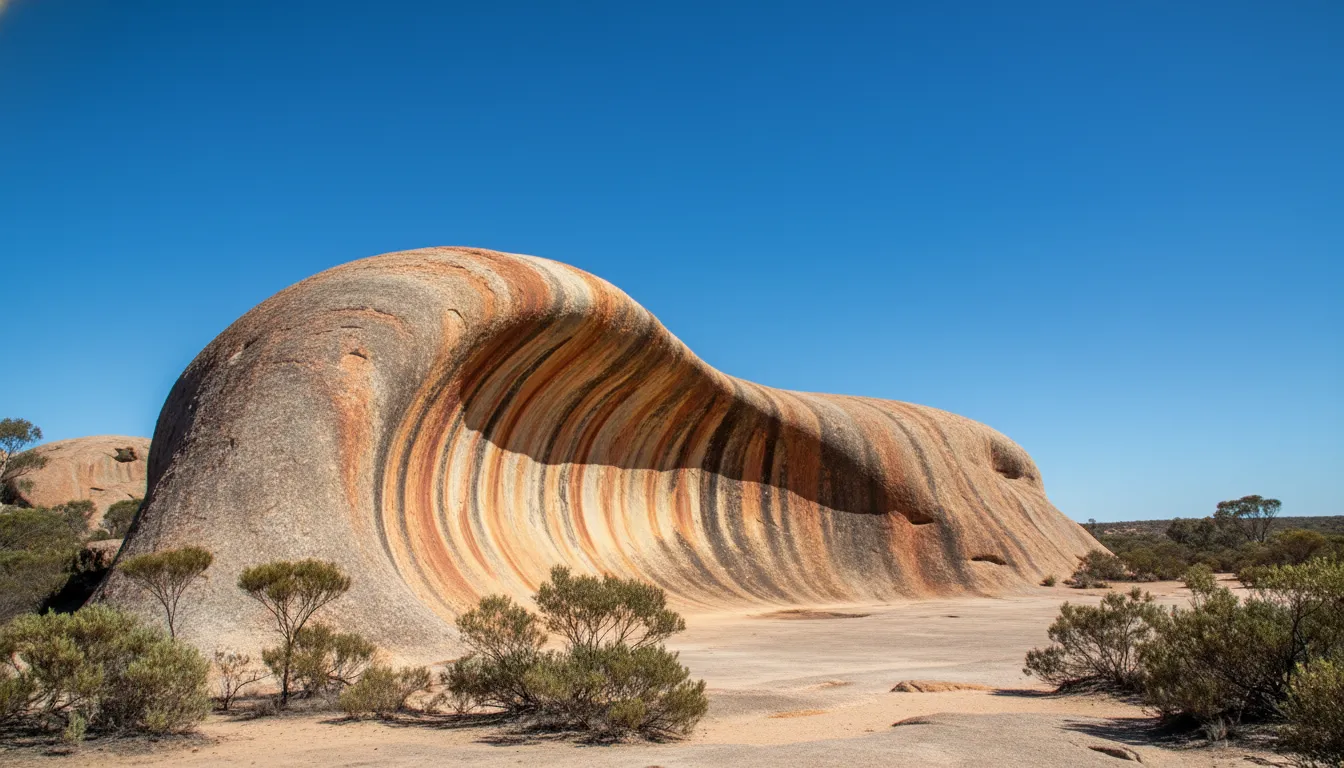
Standing before Wave Rock for the first time, one cannot help but feel a profound sense of awe. It’s as if a colossal ocean swell, poised to break, has been instantaneously transformed into solid granite, stretching over 15 metres high and approximately 110 metres long. The sheer scale and the illusion of movement are breathtaking, making it an undeniable marvel and a quintessential western australia famous landmark.
This geological wonder is, in fact, the result of millions of years of intricate natural processes. Wave Rock is part of a larger granite inselberg, or 'island mountain,' known as Hyden Rock, formed deep beneath the Earth's surface about 2.7 billion years ago. The distinctive wave shape was sculpted by a combination of sub-surface chemical weathering and subsequent erosion. Water seeping into the ground gradually rounded the granite, creating a dome-like structure.
Over millennia, as the softer surrounding earth eroded away, this hardened granite core was exposed to the elements. Wind and rainwater then continued to sculpt its face, but it was the chemical weathering, particularly from groundwater, acting on the base of the rock that created the characteristic undercut, giving it its iconic wave-like appearance. The vibrant vertical streaks of grey, red, and yellow across its face are not painted; they are the natural result of mineral deposits, particularly iron oxides and carbonates, leached by rainwater. Each colour tells a story of the rock's ancient composition and its ongoing interaction with the environment.
From a geological perspective, Wave Rock is a remarkable example of a flared slope, a common feature in arid and semi-arid regions where deep weathering and differential erosion patterns occur. Its existence reminds us of the slow, relentless power of nature and the incredible artistry it can create over vast stretches of time. My own fascination with geology deepened significantly after witnessing such formations firsthand, understanding that every curve and colour streak holds an ancient narrative.
Exploring Hyden: Hippo’s Yawn and Mulka’s Cave
While Wave Rock is undoubtedly the star attraction, the surrounding area near Hyden offers a wealth of additional natural and cultural treasures that enrich the visitor's experience. To truly appreciate the region, it’s essential to venture beyond the iconic wave and explore these fascinating sites, which are easily accessible and add layers to the story of this western australia famous landmark.
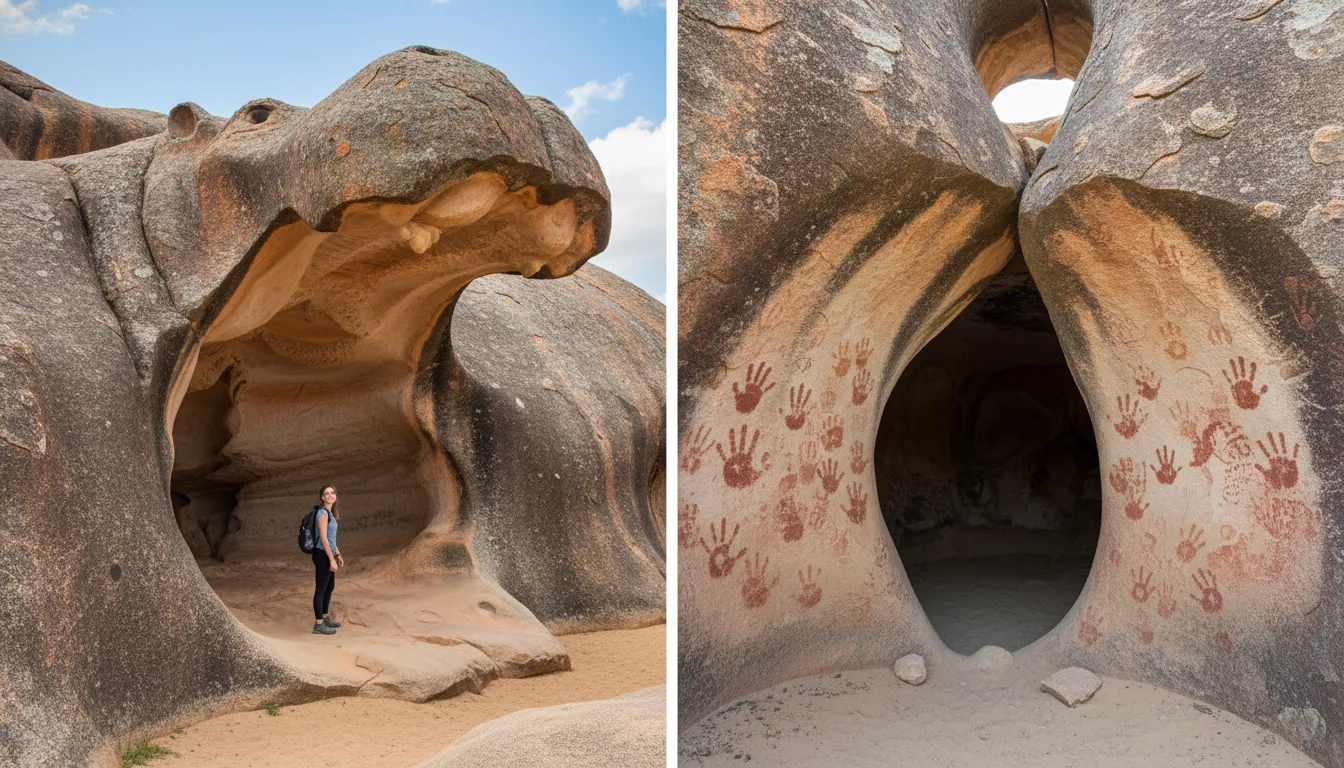
Just a short walk from Wave Rock, you’ll discover Hippo’s Yawn, another remarkable granite formation. As its name suggests, this massive rock cavern strikingly resembles a hippopotamus opening its mouth wide. The sheer size of the 'mouth' is impressive, creating a natural amphitheatre-like space that invites playful photos and a sense of wonder. Standing inside, you can feel the cool air trapped within the granite, offering a brief respite from the sun and a unique perspective on the ancient landscape.
Further enriching the cultural tapestry of the region is Mulka’s Cave, located approximately 18 kilometres east of Wave Rock. This ancient site holds immense significance for the local Noongar people and provides a tangible link to millennia of Indigenous heritage. The cave is named after Mulka, a local Aboriginal man who, according to traditional stories, was born with crossed eyes and broke tribal law, leading to his banishment and eventual transformation into a spirit.
Mulka’s Cave is adorned with numerous Aboriginal rock art paintings, particularly impressive hand stencils, etched onto its walls. These stencils, often created by blowing ochre pigment over a hand pressed against the rock, are poignant reminders of the people who inhabited this land for thousands of years. As I stood in the cool, quiet interior of the cave, gazing at the ancient art, I felt a deep connection to the generations who had sought shelter and expressed themselves in this very spot. It’s a powerful experience, humbling and deeply moving, urging visitors to approach with respect and a desire to understand the profound history embedded within these rock walls. The narratives of Mulka's Cave, combined with the natural beauty, make the journey to Hyden a truly holistic exploration of both nature and culture.
Cultural Significance to the Noongar People
The land surrounding Wave Rock and Hyden is not just a geological marvel; it is a living cultural landscape, imbued with profound spiritual and historical significance for the Noongar people, the traditional custodians of this region for over 45,000 years. To truly understand Wave Rock, one must look beyond its physical form and appreciate its deep connection to Indigenous heritage, making it not just a western australia famous landmark but a sacred site.
For the Noongar people, Wave Rock and the broader Hyden Rock formation are integral to their Tjukurrpa, or Dreamtime stories. These ancient narratives explain the creation of the land, its features, and the laws governing life. While specific stories are often sacred and shared only within the community, it is understood that such powerful natural formations are often associated with ancestral beings who shaped the country in the Dreaming. The unique shape of Wave Rock itself might be linked to the Rainbow Serpent, a powerful creator being in many Aboriginal cultures, whose movement across the land is believed to have sculpted rivers, valleys, and rock formations.
Mulka’s Cave, as mentioned earlier, directly illustrates the deep cultural stories connected to the land. The tale of Mulka serves as a moral lesson, teaching about tribal law, consequences, and the enduring presence of spirits in the landscape. The hand stencils within the cave are not merely art; they are signatures, a direct link to the ancestors, marking their presence and ceremonies over countless generations. Visiting such a site is a privilege, offering a rare glimpse into a continuous cultural practice that dates back tens of thousands of years.
Understanding this cultural context transforms a visit from mere sightseeing into a powerful act of learning and respect. It underscores the importance of acknowledging the traditional owners of the land and appreciating their enduring connection to country. As a travel writer, I always seek to delve beneath the surface, and in places like Wave Rock, the layers of geological time and human history intertwine to create an incredibly rich narrative. It’s a reminder that every landscape has a story, and often, the most ancient stories are the most profound. Engaging with these stories helps us to connect more deeply with the spirit of the place and the people who have cared for it for millennia.
Seasonal Wildflowers Around the Rock
Western Australia is globally renowned for its extraordinary wildflower displays, and the region around Wave Rock is no exception. For those planning a visit, timing your trip to coincide with the wildflower season adds another spectacular dimension to this already impressive western australia famous landmark. It transforms the rugged, arid landscape into a vibrant tapestry of colour, offering a stark and beautiful contrast to the ancient granite.
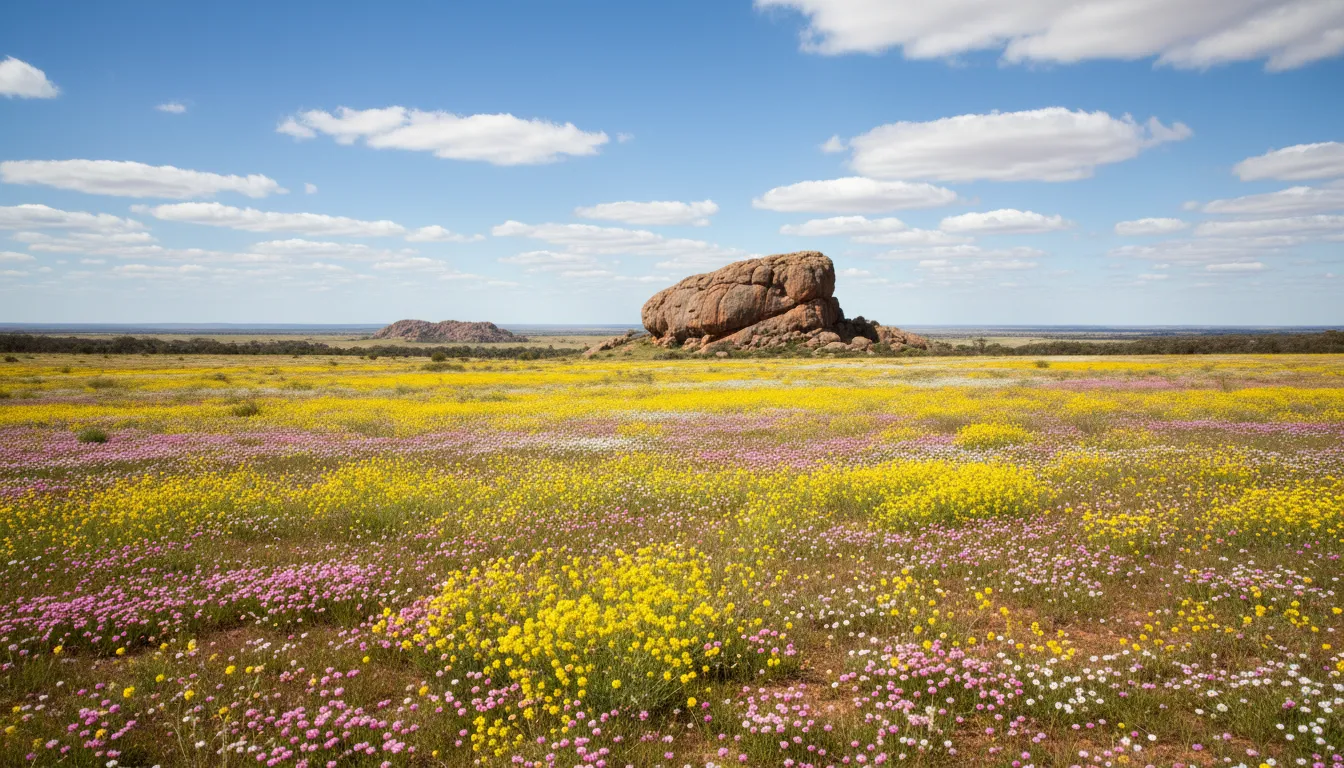
Typically, the best time to witness this natural spectacle is from late winter through spring, roughly from July to October. During these months, the semi-arid bushland around Hyden bursts into life, showcasing an incredible diversity of native flora. You'll find delicate orchids peeking from under shrubs, vibrant everlastings painting fields in shades of pink, white, and yellow, and striking banksias and grevilleas attracting a host of native birds. Each bloom is a testament to the resilience of life in a challenging environment.
The wildflowers thrive in the sandy soils and unique climatic conditions of the Wheatbelt, making a drive through the region during spring a truly breathtaking experience. As you approach Wave Rock, you might notice splashes of colour along the roadside, growing denser as you reach the reserves. Walking trails around Wave Rock and Hyden Rock often wind through areas rich in wildflowers, allowing for close-up appreciation and fantastic photographic opportunities. It’s a photographer’s dream, capturing the intricate details of tiny blooms against the grand backdrop of the ancient rock formations.
My own experience of visiting during the wildflower season was unforgettable. The vibrant hues of the flowers, from the deep purples of native peas to the brilliant golds of wattles, seemed to amplify the raw beauty of the landscape. It added a layer of softness and ephemeral beauty to the stern, enduring granite. It’s a powerful reminder of nature's cycles of renewal and the unexpected beauty that can flourish in seemingly harsh conditions. When you plan your trip, consider checking local tourism guides for the peak blooming times, as they can vary slightly year by year depending on rainfall, ensuring you witness this fleeting natural wonder.
Is the Drive to Hyden Worth It?
The journey to Wave Rock is often described as a pilgrimage, a significant drive from Perth that takes approximately 4 to 5 hours, covering around 340 kilometres. Many prospective visitors ponder whether the long drive to this remote western australia famous landmark is truly worth the effort. From my perspective as a seasoned traveller and cultural explorer, the answer is an resounding yes – the drive is an integral part of the adventure, offering much more than just a means to an end.
The road to Hyden takes you deep into Western Australia's Wheatbelt region, a vast expanse of agricultural land that showcases a different facet of the Australian landscape. Initially, you'll pass through charming country towns, each with its own unique character, historical buildings, and local stories. These towns offer opportunities for a coffee break, a chat with friendly locals, or a glimpse into rural Australian life, far removed from the bustling coastal cities.
As you drive, the landscape gradually transforms. The dense urban sprawl gives way to rolling fields of wheat and canola, particularly stunning in spring when they are golden yellow. The sky feels immensely wide, and the air becomes clearer, carrying the scent of dry earth and native bush. This journey itself is an experience in solitude and vastness, allowing for reflection and a deep appreciation of Australia's scale. It's a chance to truly disconnect and immerse yourself in the journey.
Upon arrival, the reward for your journey is immense. Wave Rock, along with Hippo’s Yawn and Mulka’s Cave, stands as a testament to nature's artistry and millennia of Indigenous culture. The feeling of finally standing before this ancient granite wave, understanding its geological formation and cultural significance, is incredibly fulfilling. It’s a powerful moment of connection to a land that has witnessed so much history.
For MLIFEON readers who value authentic cultural stories and meaningful discovery, the drive to Hyden is not a chore but an essential part of the narrative. It's about embracing the road less travelled, uncovering hidden gems, and connecting with the heart of Australia. Ensure your vehicle is well-serviced, pack plenty of water and snacks, and fuel up at larger towns along the way. Consider staying overnight in Hyden or a nearby town to fully absorb the experience and enjoy the stunning outback sunsets and starlit skies. This journey is an investment in an unforgettable memory, a true adventure into the soul of Western Australia.

Conclusion
Wave Rock is far more than just a striking geological formation; it is a profound journey into the ancient heart of Western Australia, a true western australia famous landmark that captivates both the eye and the spirit. From its awe-inspiring natural beauty, sculpted by millennia of geological forces, to its deep cultural significance for the Noongar people, this destination offers an unparalleled blend of wonder and wisdom. It encourages us to slow down, to listen to the whispers of ancient stories, and to marvel at the enduring power of nature.
My own experiences traversing these vast Australian landscapes have always reinforced the idea that the most rewarding travel lies in genuine cultural exchange and a willingness to explore beyond the obvious. Wave Rock embodies this philosophy, inviting you to discover not just a rock, but a living narrative of geological time, Indigenous heritage, and the vibrant resilience of the Australian bush. The journey through the Wheatbelt, adorned with seasonal wildflowers, adds another layer to this rich tapestry, making every kilometre count towards an unforgettable adventure.
For the culturally curious reader of MLIFEON, seeking 'More Discovery, More Experience,' the pilgrimage to Wave Rock is an essential expedition. It’s an opportunity to connect with one of Australia’s most unique natural wonders, to pay respect to its traditional custodians, and to create your own authentic story in a landscape that truly feels like another world. Pack your bags, fuel your spirit of adventure, and embark on a journey that promises to enrich your understanding of this magnificent land and its timeless tales.