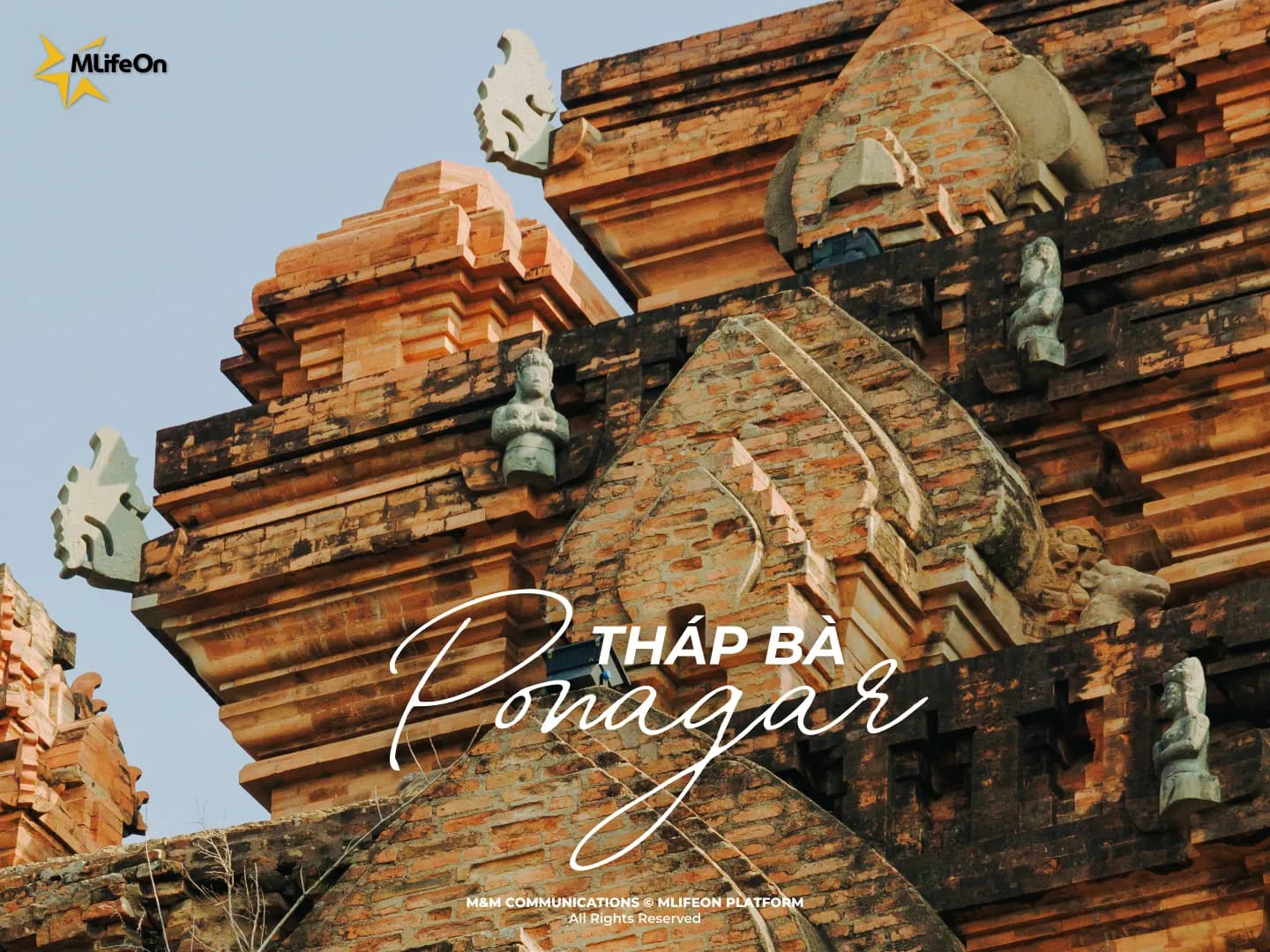
VISIT PONAGAR TOWER - A CHAMPA HERITAGE SITE IN THE HEART OF NHA TRANG

Giang Huynh
VISIT PONAGAR TOWER - A CHAMPA HERITAGE SITE IN THE HEART OF NHA TRANG
Explore Ponagar Tower, an ancient Champa architectural complex in Nha Trang, Khanh Hoa.

Amidst the vibrant life of Nha Trang, a coastal city, there is a place that quietly preserves the imprint of the past. That is the Ponagar Tower, an ancient structure that always reminds visitors that "History and culture always go hand in hand with the present."

For me, my first visit here was both awe-inspiring and deeply moving: the majesty of the Champa architecture, combined with the sound of the wind and the scent of incense, made the already ancient structures even more sacred and impressive.

Where heaven and earth meet
Frame 1244.jpg

Frame 1258.jpg

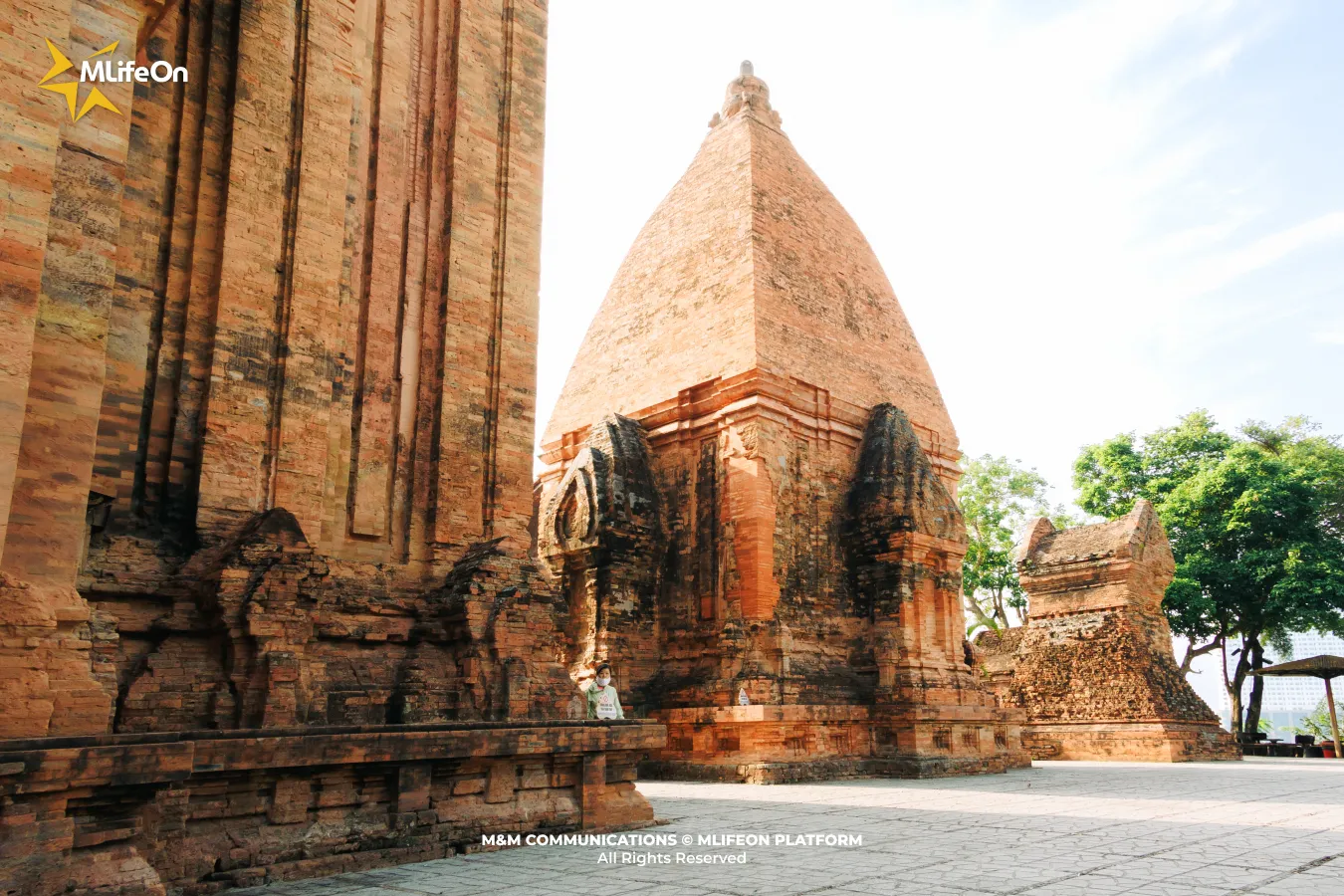
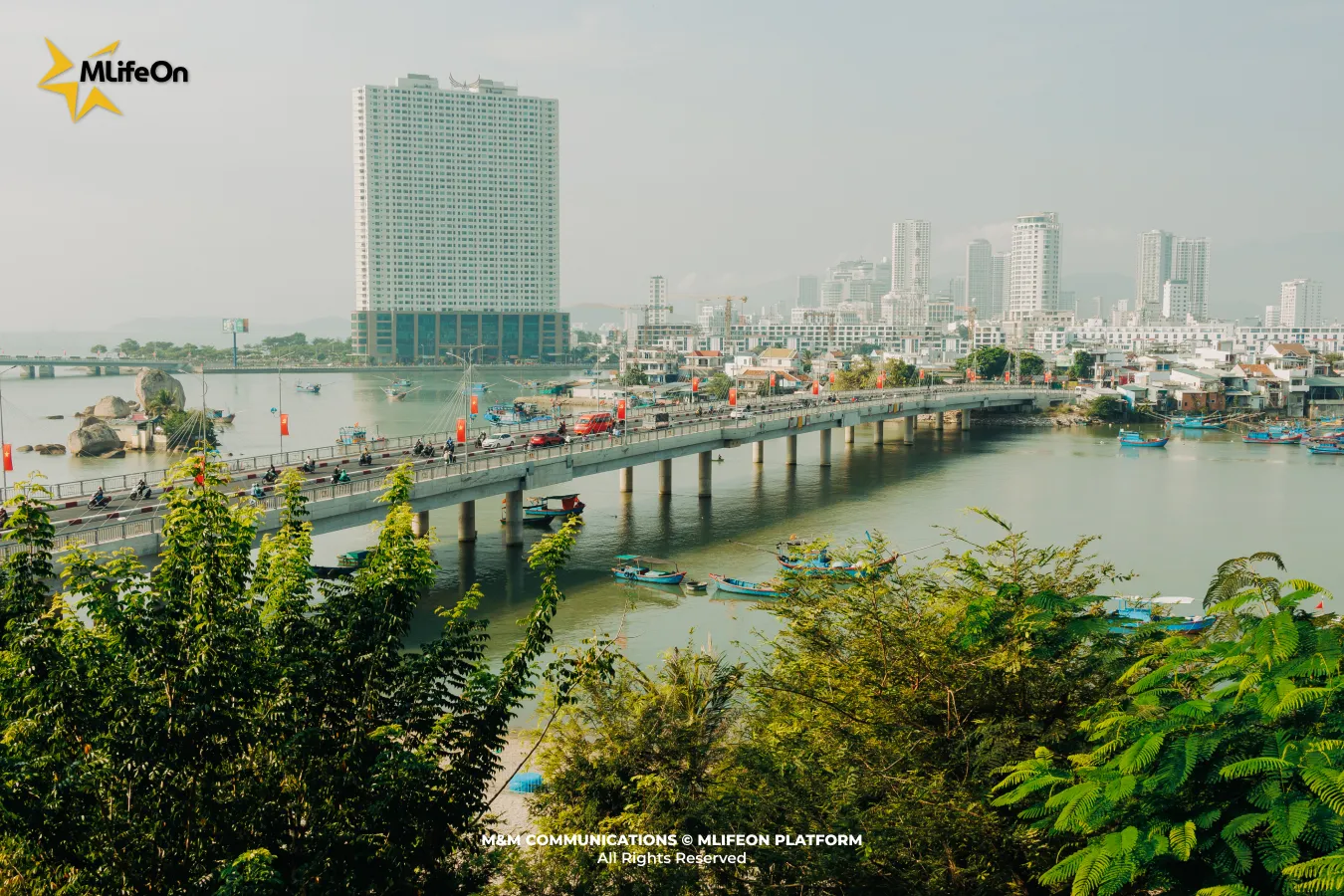
The Ponagar Tower, also known as the Nha Trang Ponagar Tower historical site, is located in Bac Nha Trang ward, about 2km from the city center. Situated on Cu Lao hill, on the banks of the Cai River, this unique architectural complex can be seen from the foot of the hill.

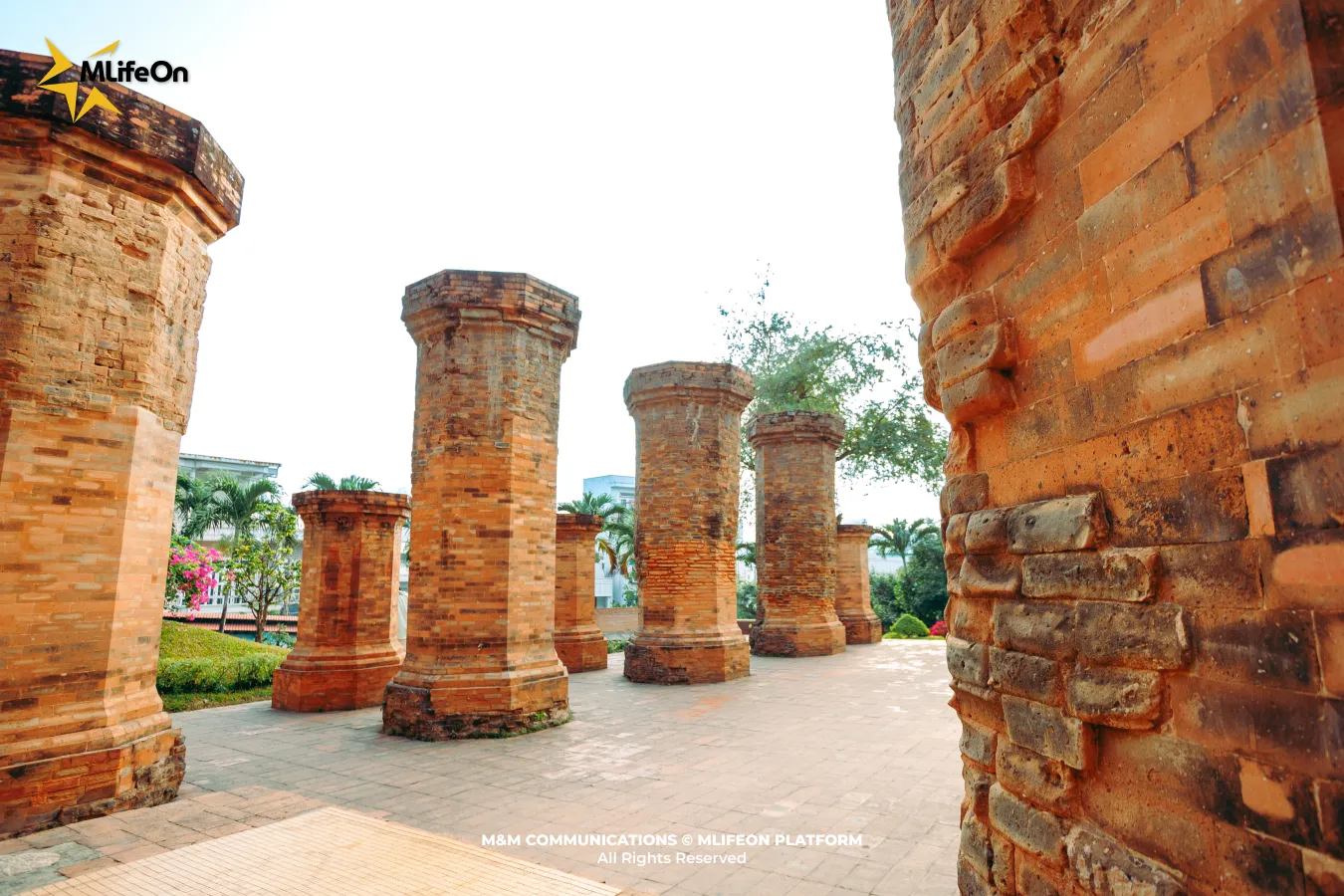
Looking upward, the vibrant red towers stand out against the blue sky, capturing the attention of every visitor.

This site holds strategic religious importance, connecting people with nature, rivers, and the sea, and offers visitors the impression of entering another world.

"Nestled against the mountains, facing the river, and overlooking the sea."
Frame 1262.jpg

Revisiting ancient history

Built between the 8th and 13th centuries, the Ponagar Tower is a testament to the flourishing period of the Champa kingdom. Initially, it was a religious center dedicated to the goddess Po Inư Nagar (Mother of the Land), who is believed to have taught the ancient Champa people how to cultivate rice, weave cloth, and make a living. Over the centuries, the tower has remained standing, becoming a cultural focal point for both the Champa and Vietnamese people.
Frame 1253.jpg

Initially, on the Cù Lao hill, there was a wooden temple dedicated to the Mother Goddess of the Land, known to the Champa people as Po Inư Nagar. 

In 774, the Southern Island army destroyed the wooden temple. In 784, King Satyavarman had it rebuilt with sturdy bricks. Inscriptions found in the area indicate that this was the period when the Ponagar Tower became an important religious center of the Champa kingdom.

In subsequent centuries, several kings, such as Harivarman I and Vikrantavarman III, added subsidiary towers, expanding the complex.
Frame 1248.jpg

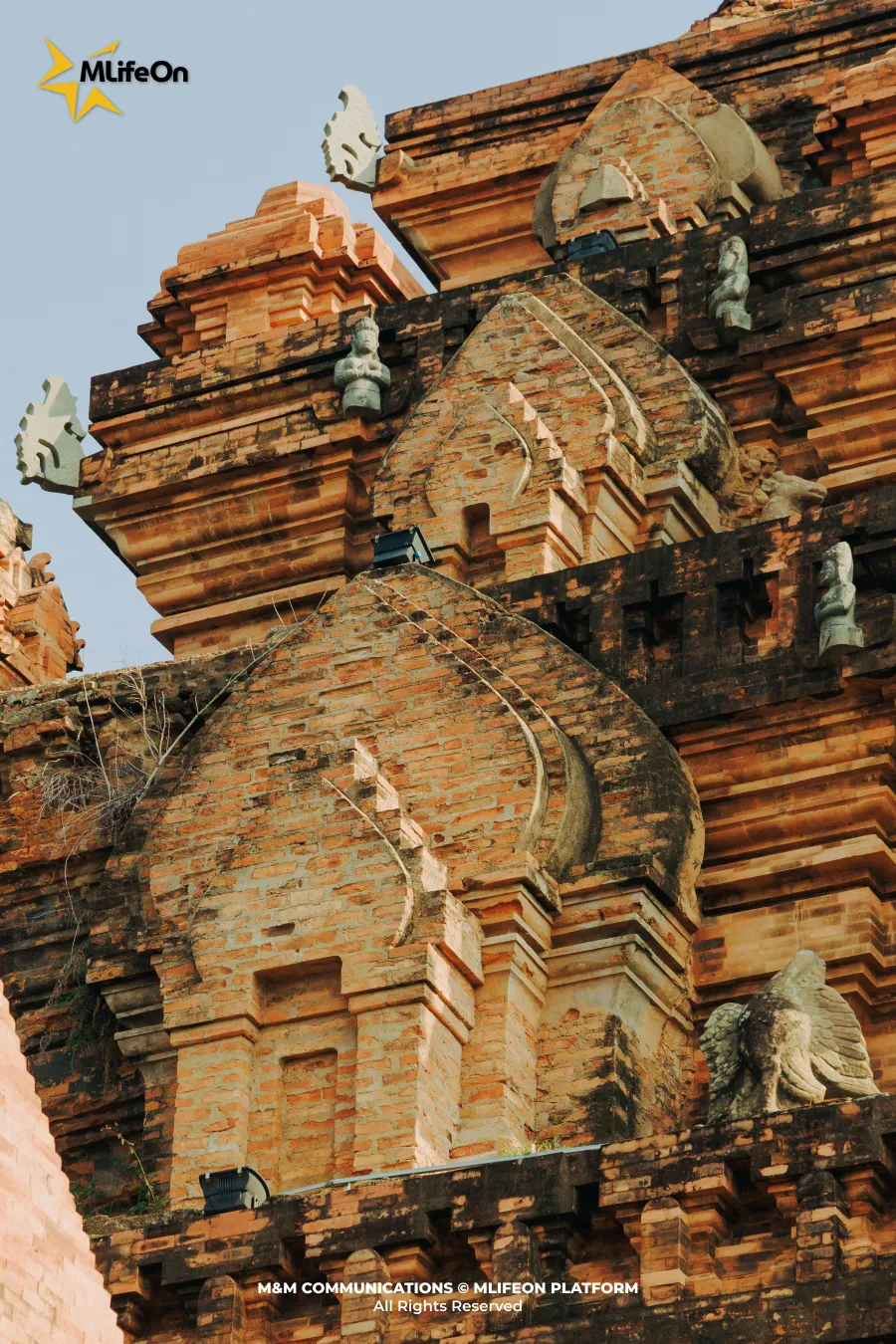
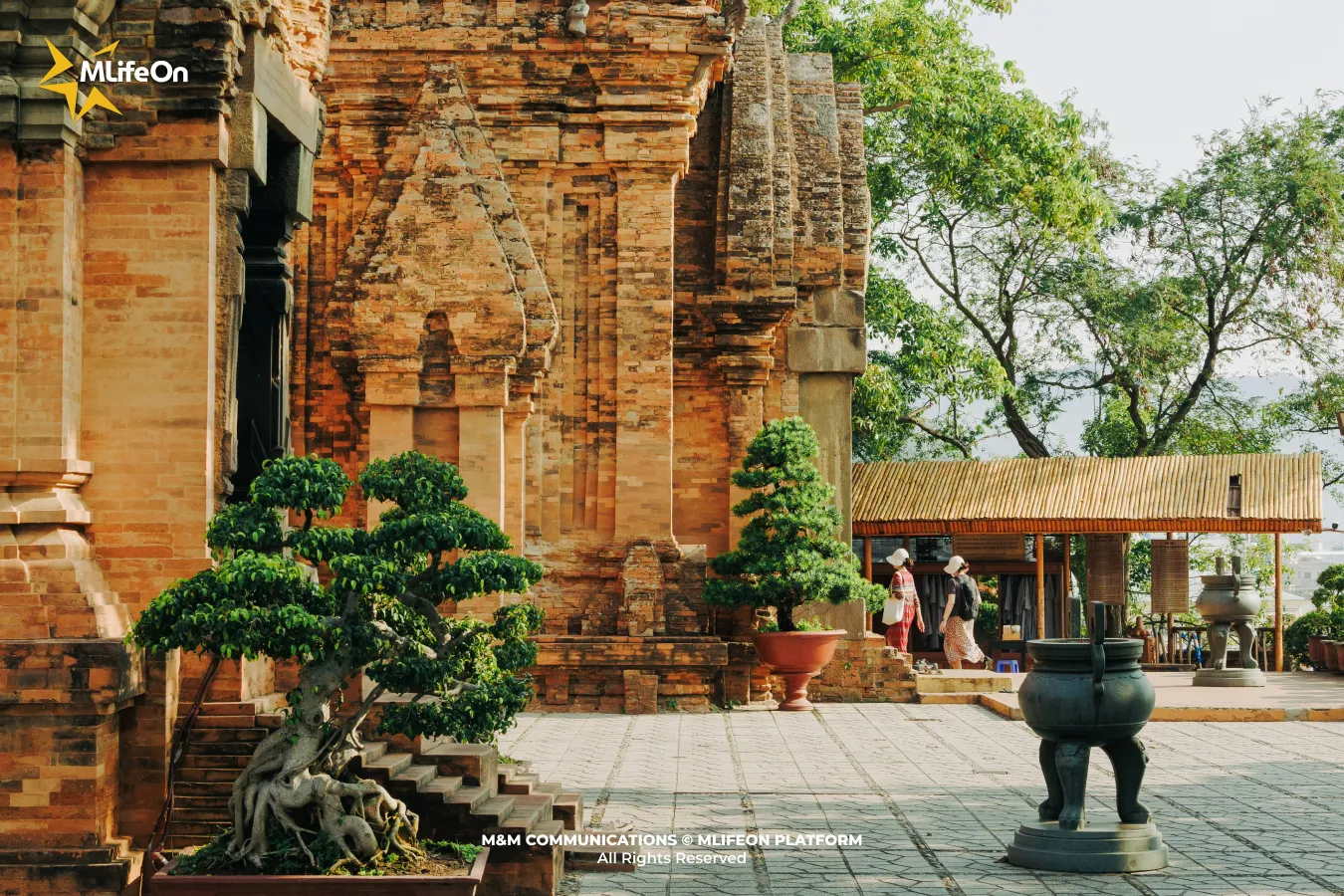
As I stepped into the grounds, it felt like I was traveling back in time. The red fired bricks, though weathered by time, retained their solidity, immediately reminding me of the Angkor structures in Cambodia: "The same spirit, the same miraculous construction techniques."

Legend of the Motherland
Frame 1261.jpg

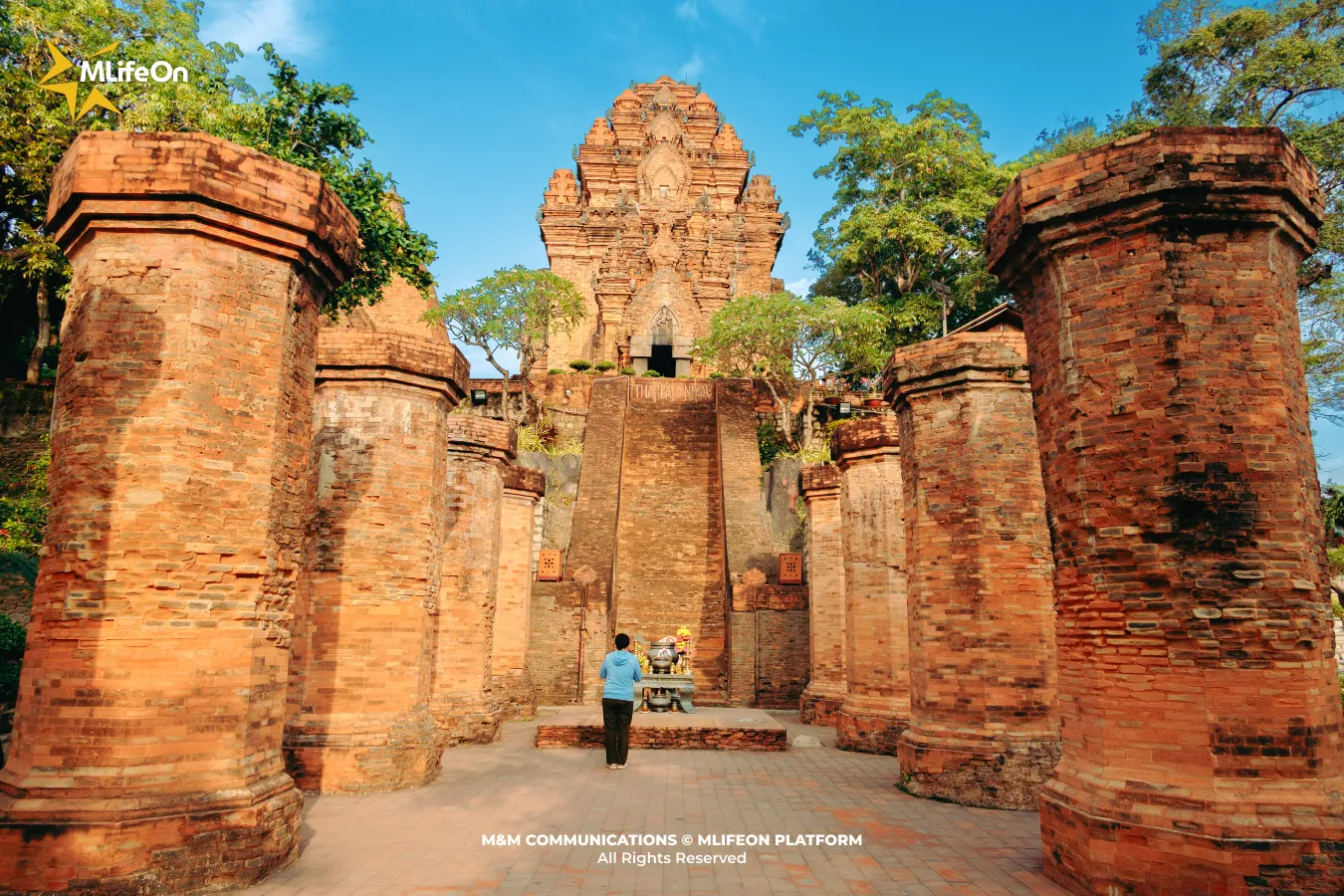
According to legend, Thien Y Ana (a Vietnamese adaptation of the Cham goddess Po Inu Nagar) transformed from the sea into a human being, bringing life and knowledge to the ancient Champa community. After her death, she was worshipped in a tower erected by the people. Therefore, the Ponagar Tower is not only an architectural structure but also a symbol of gratitude and reverence for the Mother Goddess.

It can be seen that the Champa community not only worships one deity, but also the fundamental values ​​of life: labor, harvests, and fertility.
Frame 1254.jpg

Architecture - the essence of Champa

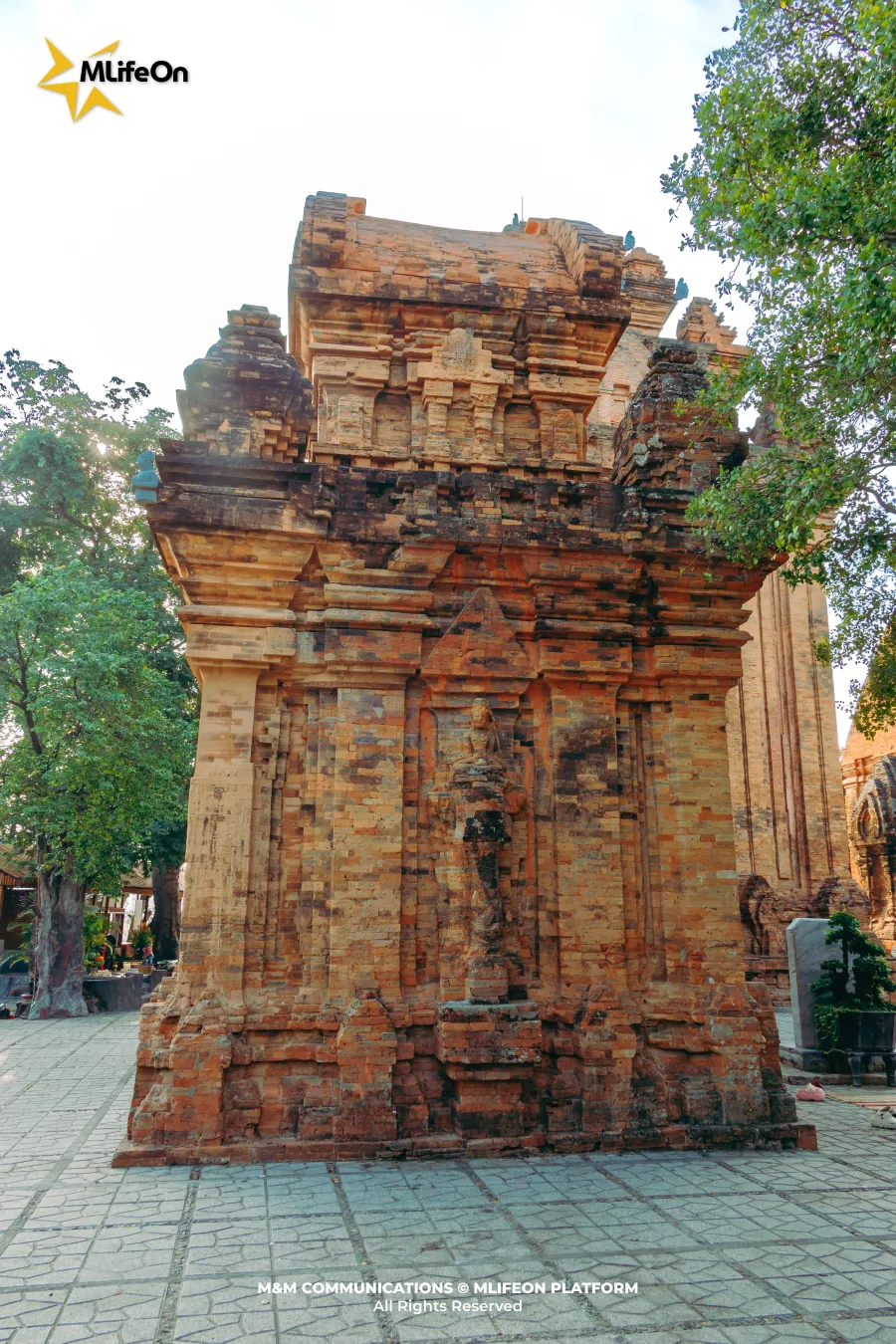
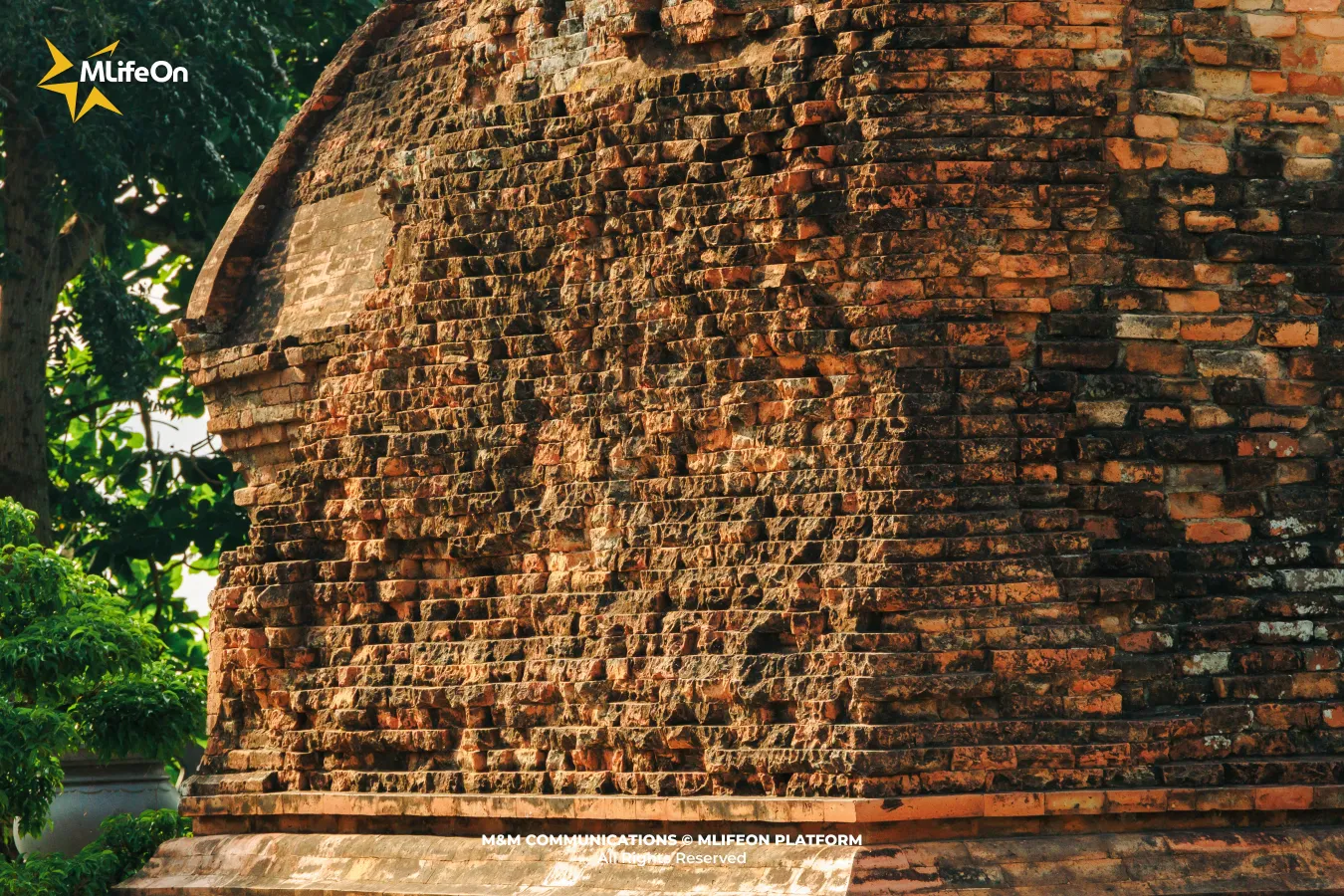
The Ponagar Tower complex comprises four towers, two shrines, and numerous auxiliary structures. The main tower, dedicated to the goddess Po Inư Nagar, is approximately 23 meters high and constructed of red fired bricks using a unique brick-joining technique without any binding agent. The smaller towers are dedicated to other deities within the Champa belief system.
Frame 1252.jpg

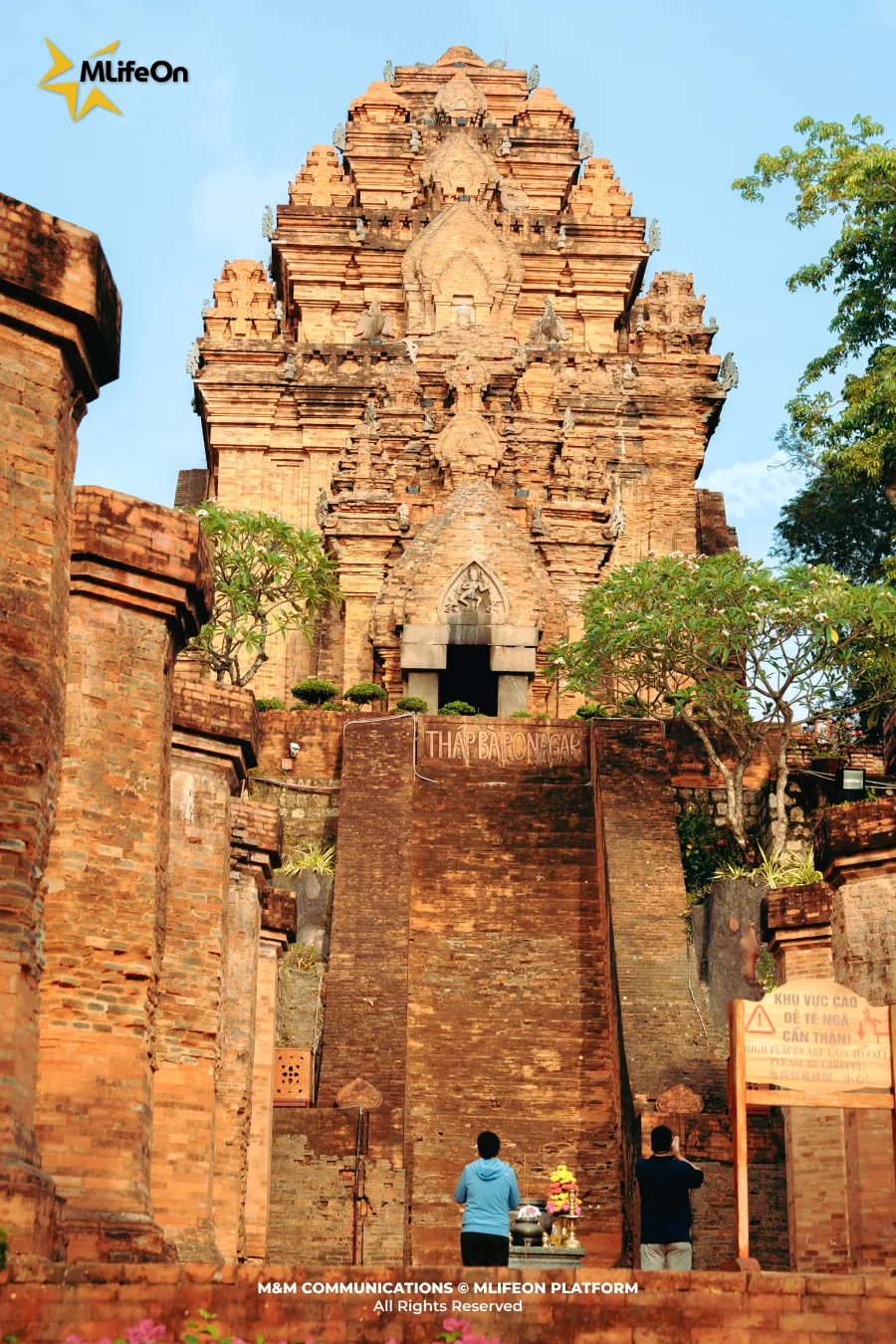
The main tower is a shrine dedicated to the goddess Po Inư Nagar, and it is 23 meters tall.

What impressed me most was how the Champa people created architectural structures that were both sturdy and graceful. The carvings on the towers, the images of deities, the decorative patterns… all possess a beauty that is both powerful and delicate.
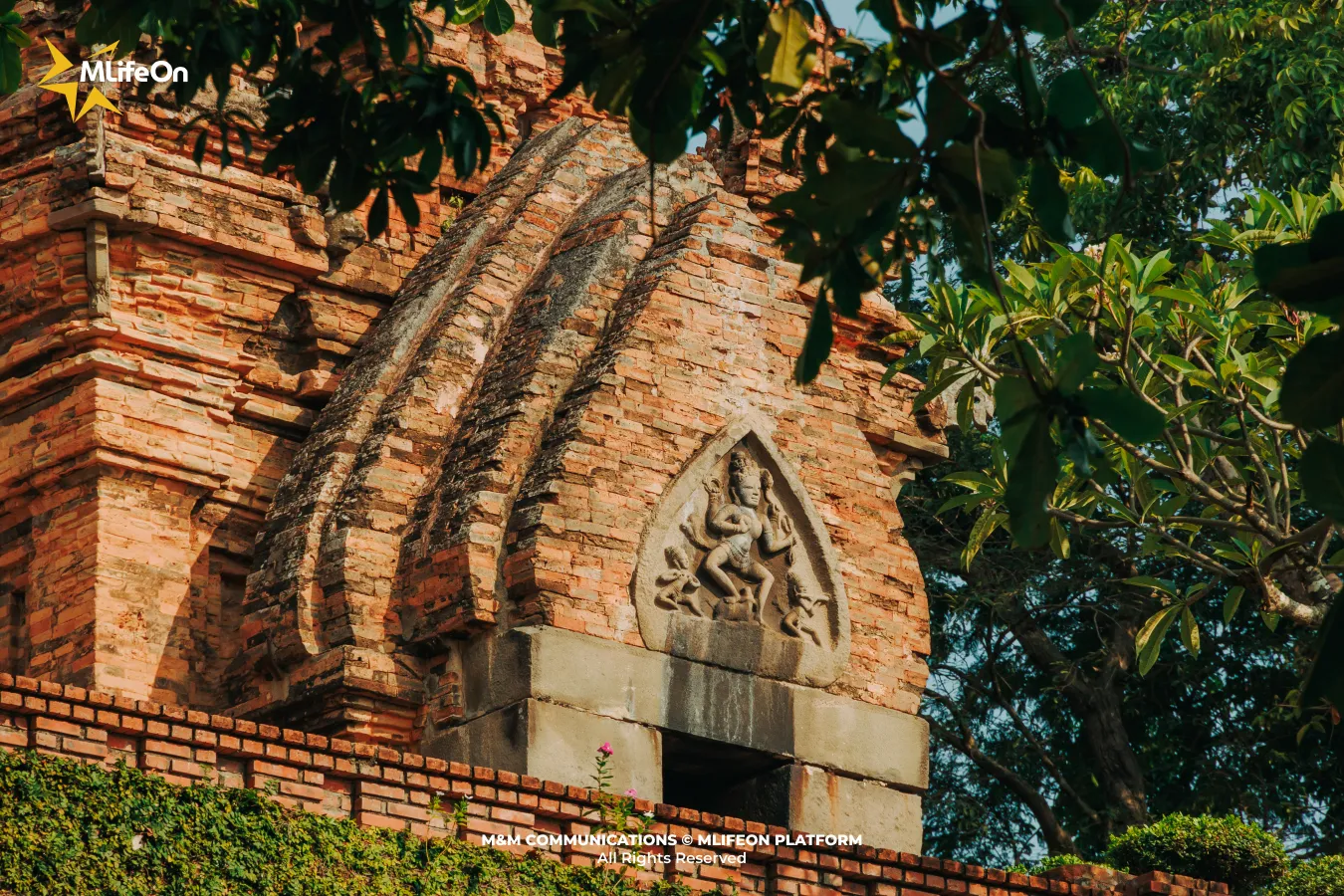
Frame 1245.jpg

Standing before the tower, I felt both incredibly small and deeply connected to the brilliant civilization that once flourished on this land.

Ponagar Tower today
Frame 1256.jpg

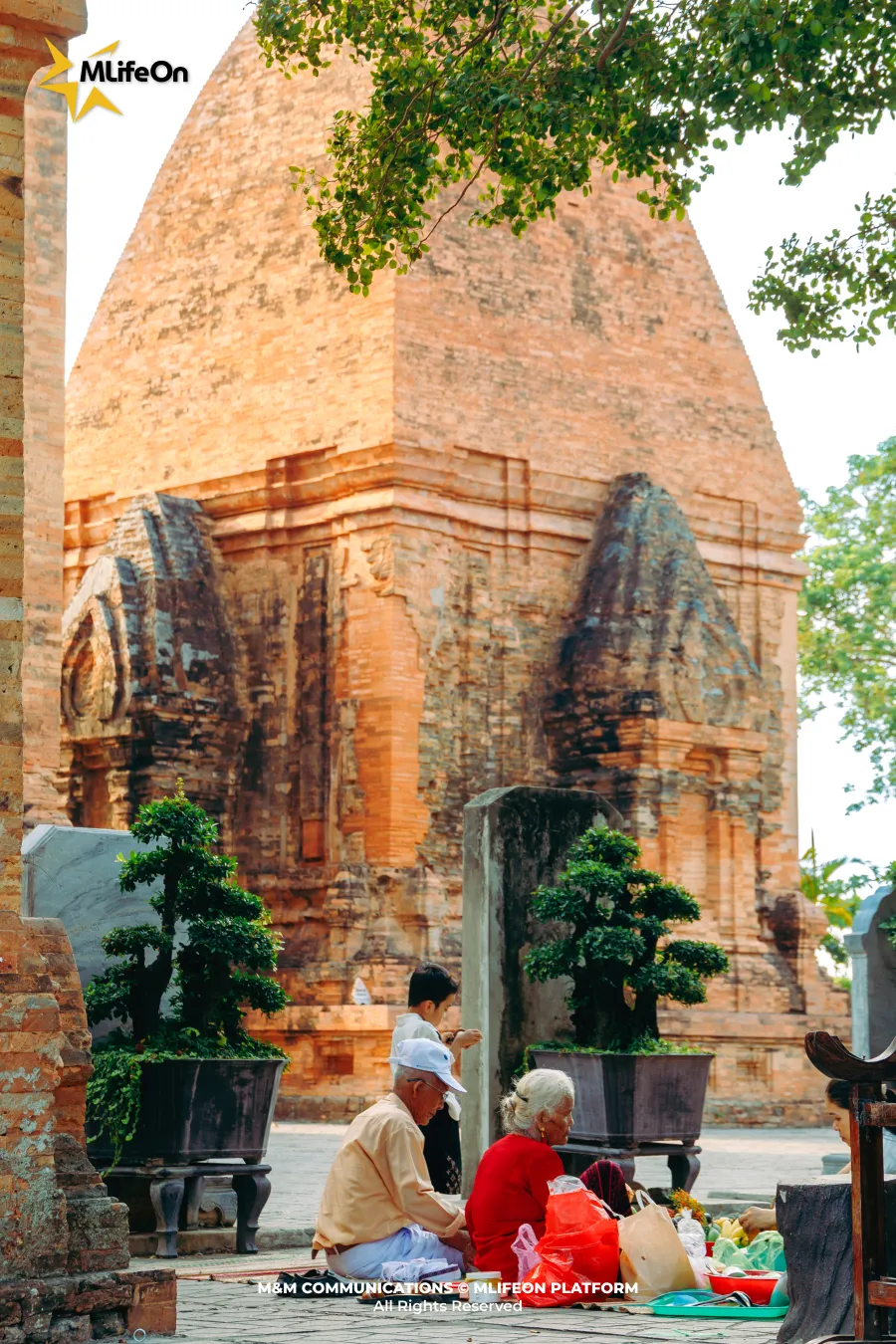
Today, the Ponagar Tower is recognized as a national historical and cultural relic and is a popular tourist destination. Every year, the Ponagar Tower festival takes place at the end of the third lunar month, attracting numerous tourists and pilgrims seeking blessings.

The tower's value lies not only in its architecture but also in the cultural exchange: a place where the Champa and Vietnamese share a common belief and preserve a common heritage. For me, this is proof of the diversity yet unity in Vietnamese culture, where many currents converge to create a shared identity.
Frame 1257.jpg

Conclusion 

The Ponagar Tower is not just an ancient structure, but also a repository of the memories, beliefs, and identity of an entire community. Here, you will not only admire the Champa architecture, but also experience a cultural and religious space that has existed for over a millennium.

If you have the opportunity to visit Nha Trang, take the time to visit the Ponagar Tower. Standing before this monument, you will feel not just a tourist, but also a part of the ongoing historical and cultural flow.

—---

CREDIT

- Photography: Kien Trang 

- Content: Giang Huynh 

- Design: Phuong Nguyen

About the Authors

All Articles

VISIT PONAGAR TOWER - A CHAMPA HERITAGE SITE IN THE HEART OF NHA TRANG

VISIT PONAGAR TOWER - A CHAMPA HERITAGE SITE IN THE HEART OF NHA TRANG

Explore Ponagar Tower, an ancient Champa architectural complex in Nha Trang, Khanh Hoa.

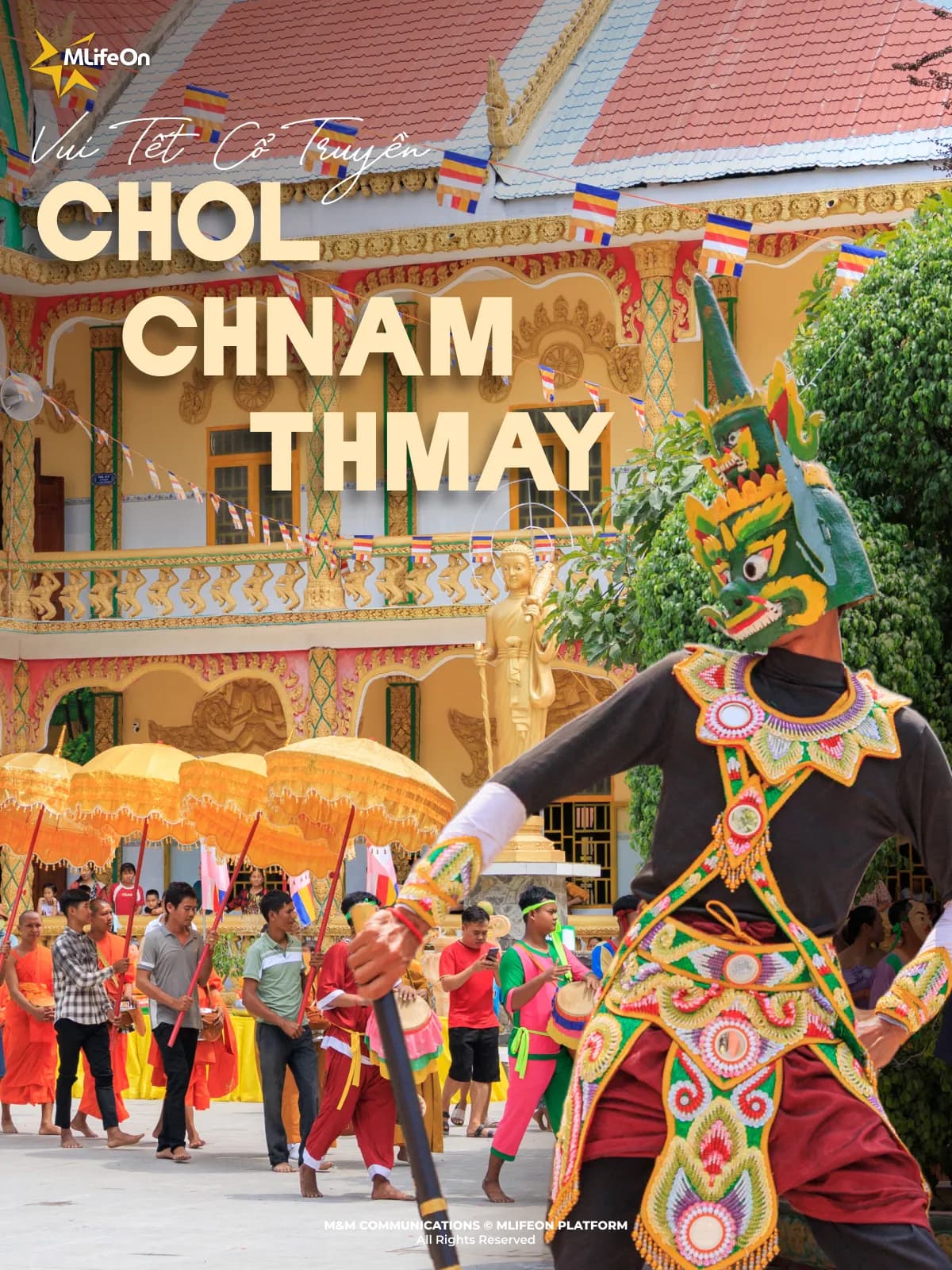
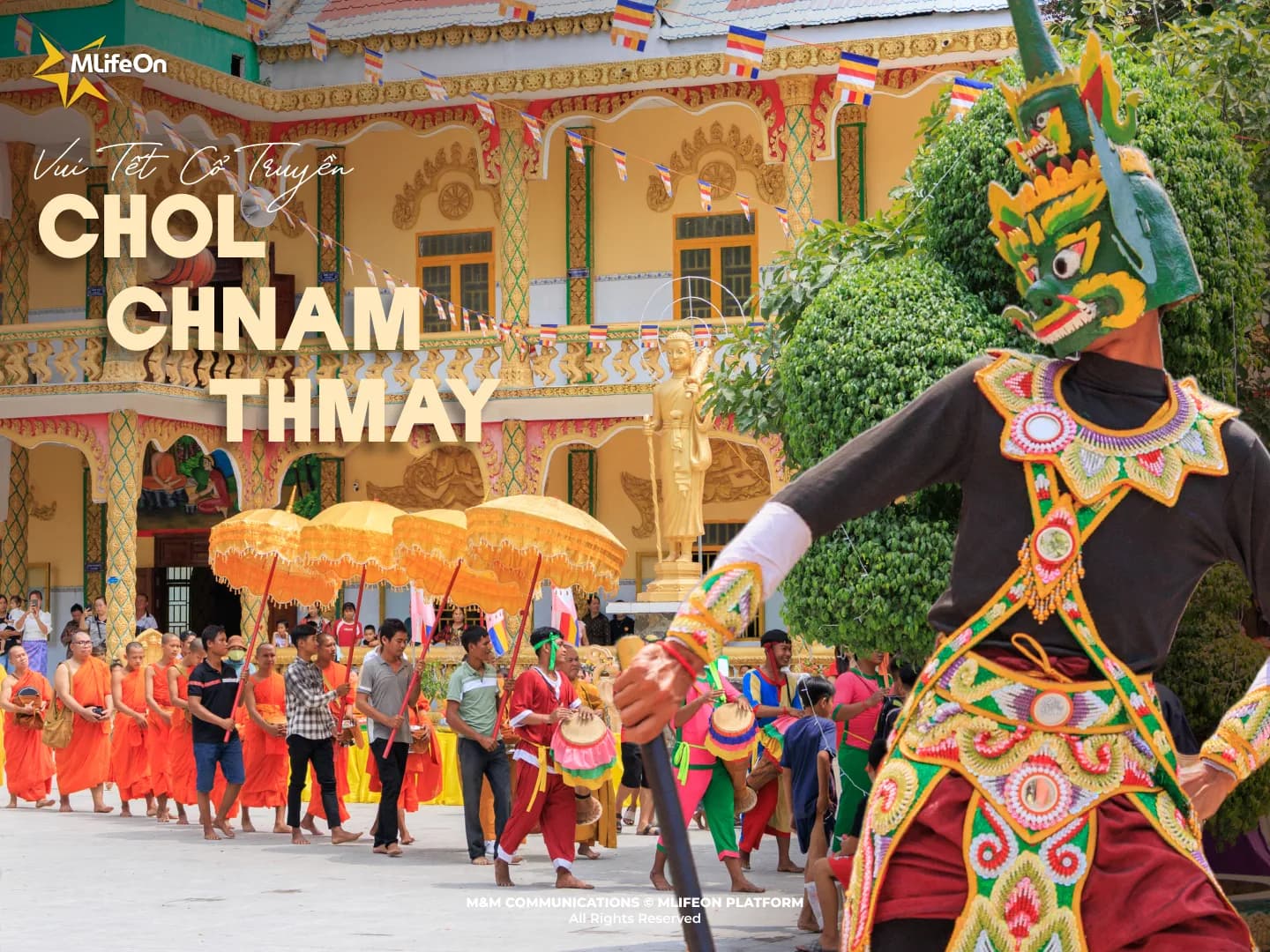
VISIT TAY NINH - CELEBRATE THE CHOL CHNAM THMAY FESTIVAL

VISIT TAY NINH - CELEBRATE THE CHOL CHNAM THMAY FESTIVAL

Discover Chol Chnam Thmay Tet in Tay Ninh, a unique cultural feature of the Khmer people.

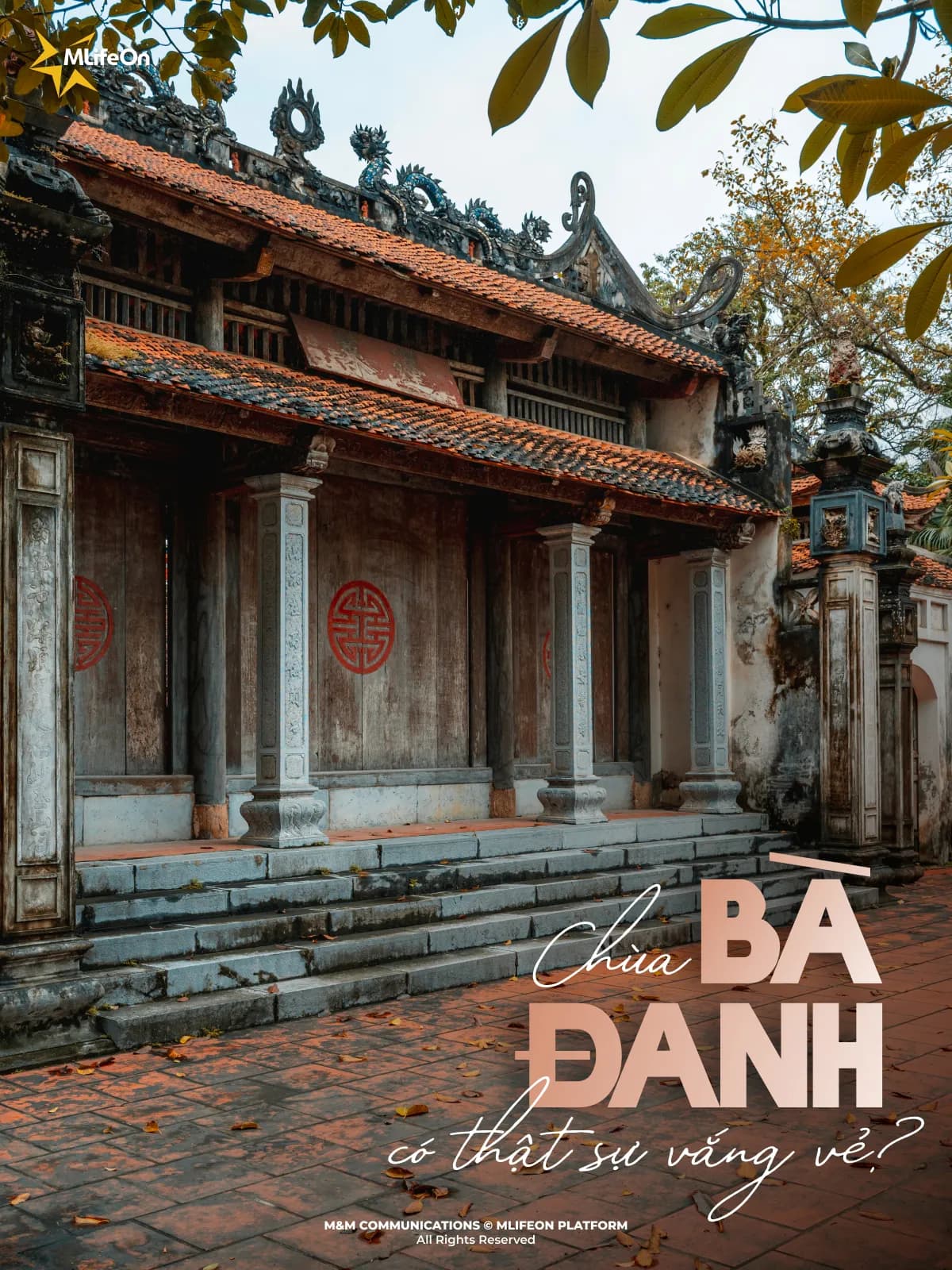
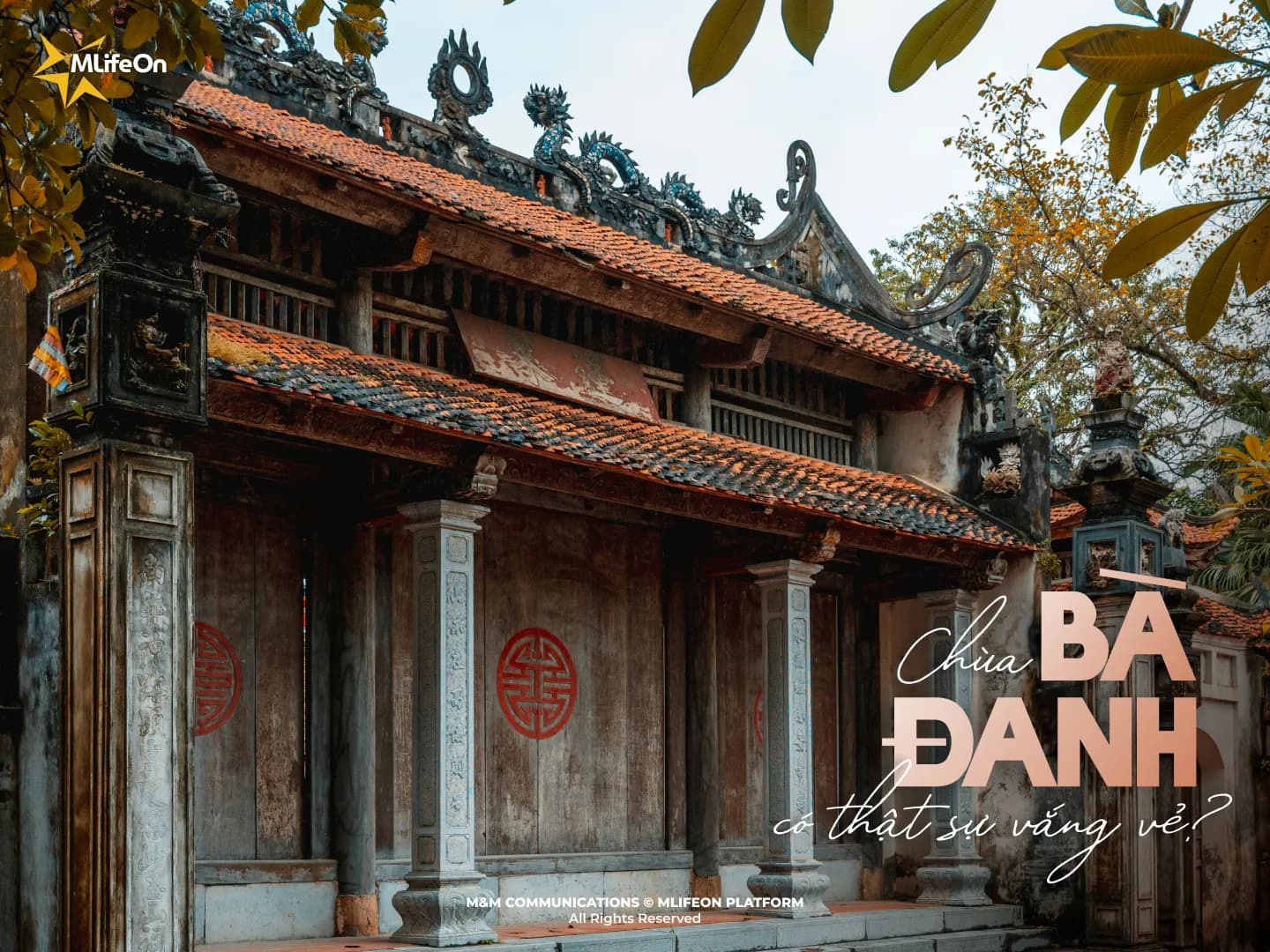
BA DANH PAGODA - FROM A "QUIET" PLACE TO AN ATTRACTIVE TOURIST DESTINATION

BA DANH PAGODA - FROM A "QUIET" PLACE TO AN ATTRACTIVE TOURIST DESTINATION

Discover Ba Danh Pagoda in Ninh Binh, the pagoda associated with the saying "as deserted as Ba Danh Pagoda".

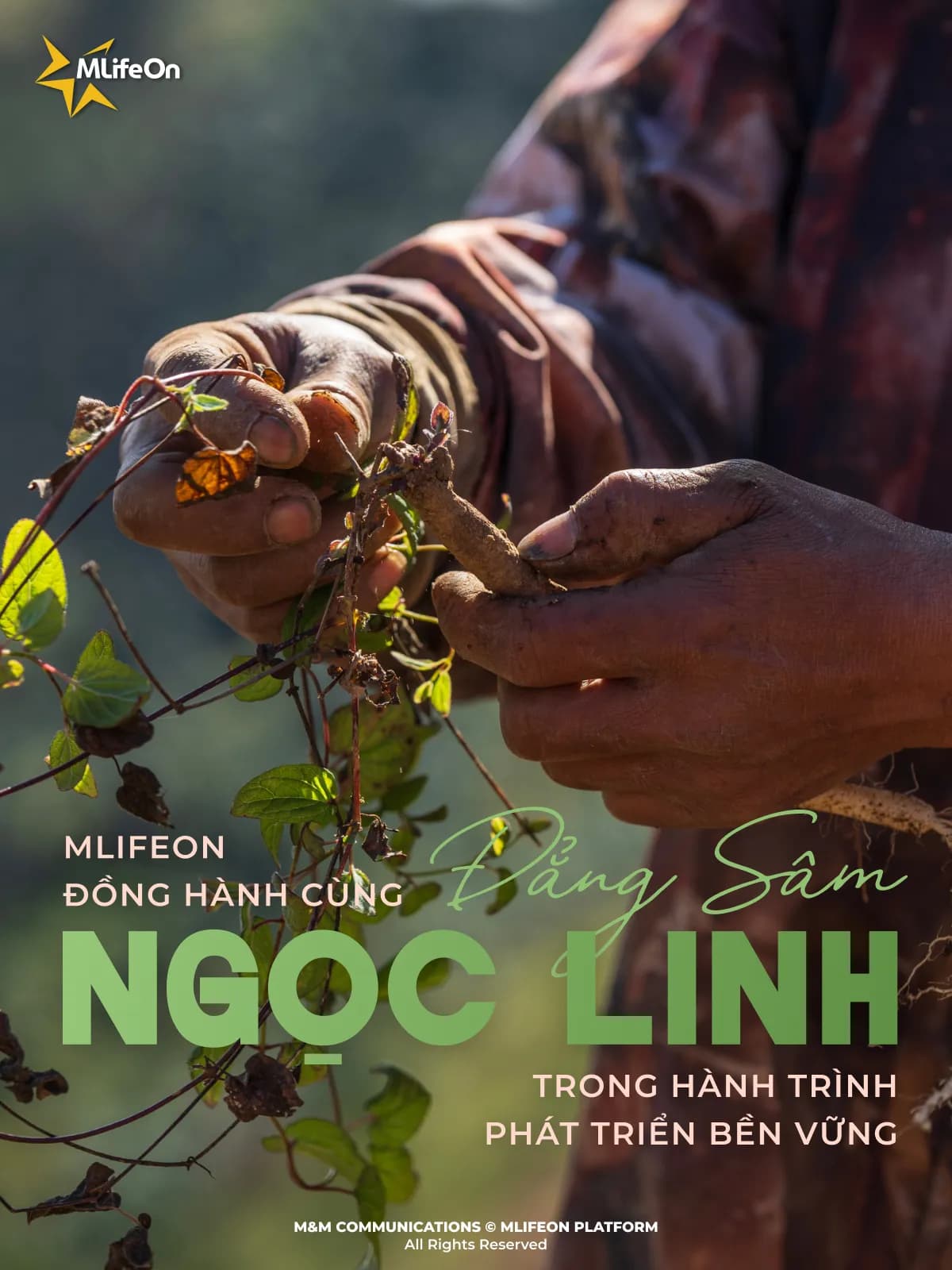
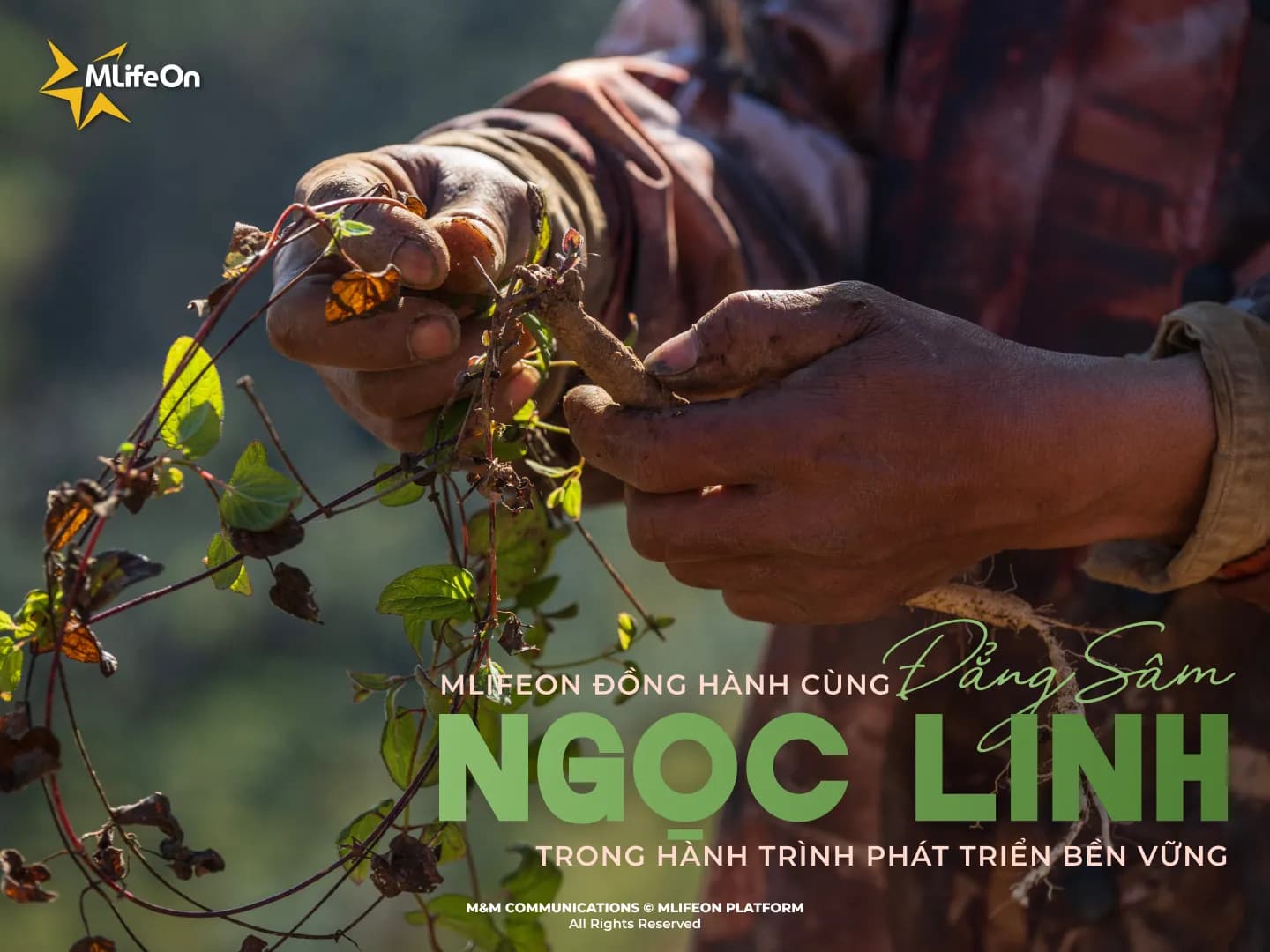
MLIFEON ACCOMPANYING NGOC LINH CODONOPSIS ON A SUSTAINABLE DEVELOPMENT JOURNEY

MLIFEON ACCOMPANYING NGOC LINH CODONOPSIS ON A SUSTAINABLE DEVELOPMENT JOURNEY

Introducing the growing region of Ngoc Linh codonopsis, the local Sedang ethnic community, Toong Tang Xanh Cooperative, and MLifeOn’s journey of accompanying and contributing to sustainable development projects.

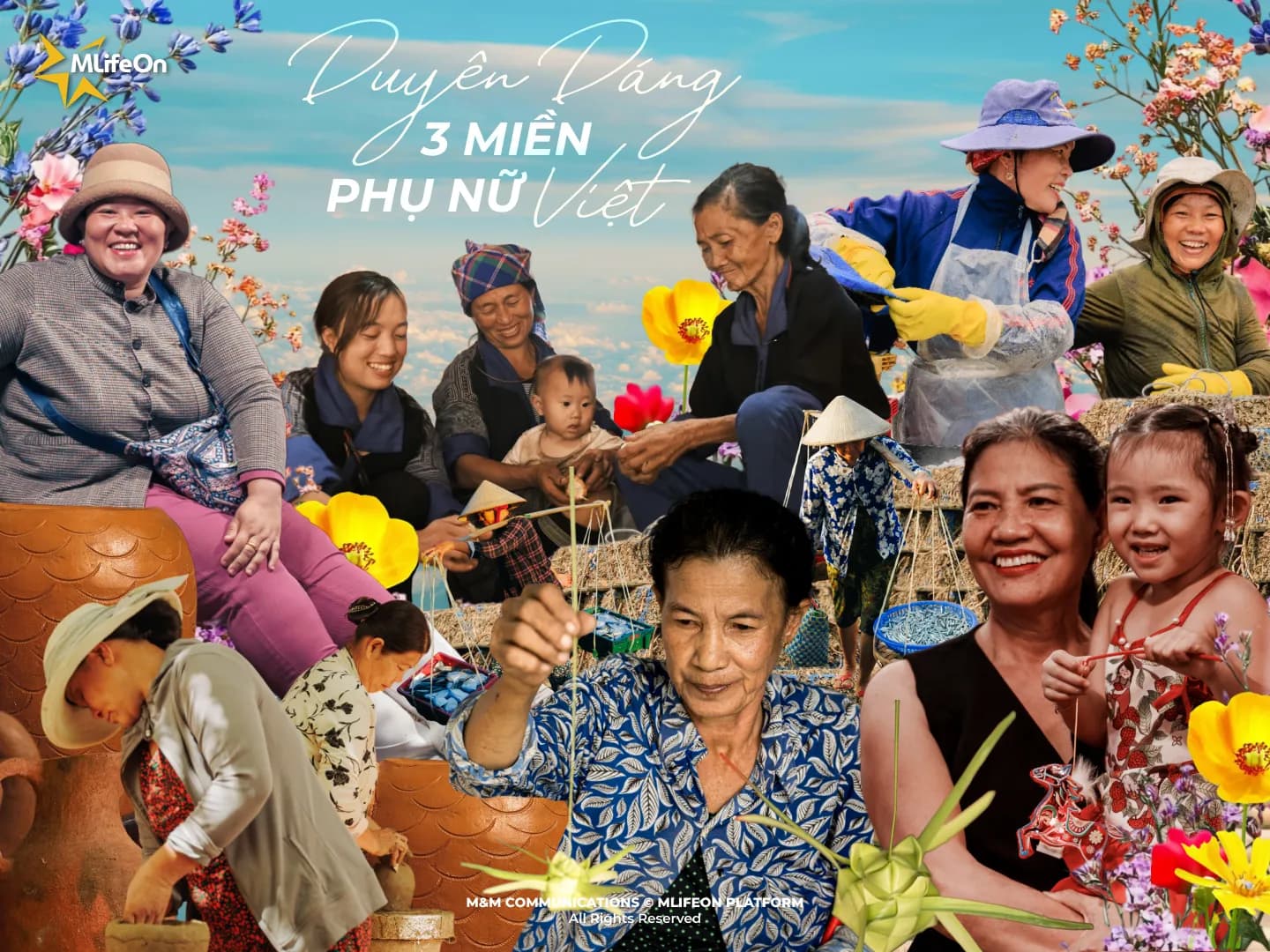
THE CHARM OF VIETNAMESE WOMEN

THE CHARM OF VIETNAMESE WOMEN

Explore the beauty of Vietnamese women across the three regions of North, Central, and South to better understand their personalities, characteristics, and unique traits.

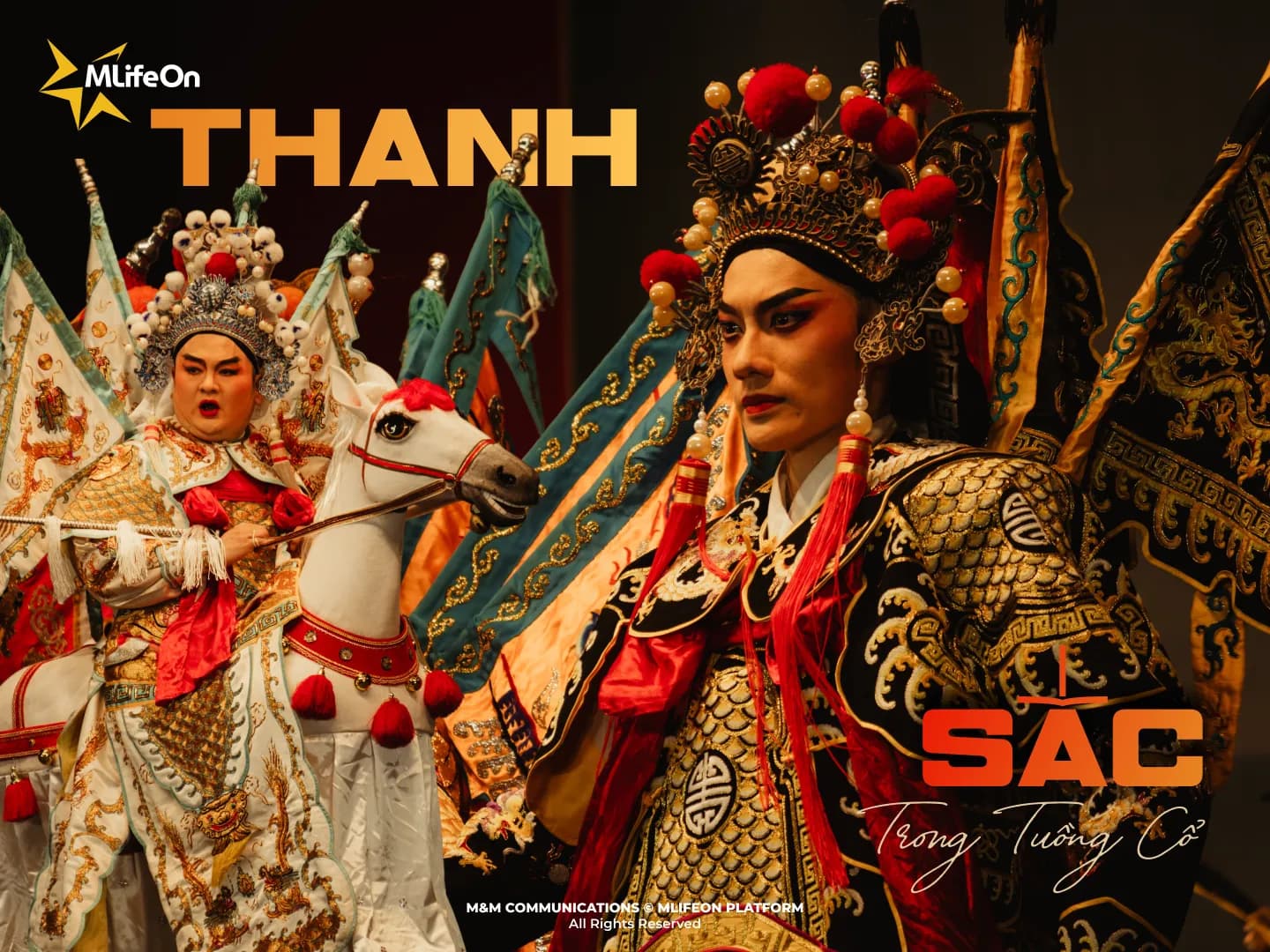
SOUND AND COLOR IN TEOCHEW TRADITIONAL OPERA

SOUND AND COLOR IN TEOCHEW TRADITIONAL OPERA

Discover Teochew Traditional Opera, a unique and enduring art form of the Chinese community, where sound, color, ritual, and memory intertwine on stage.

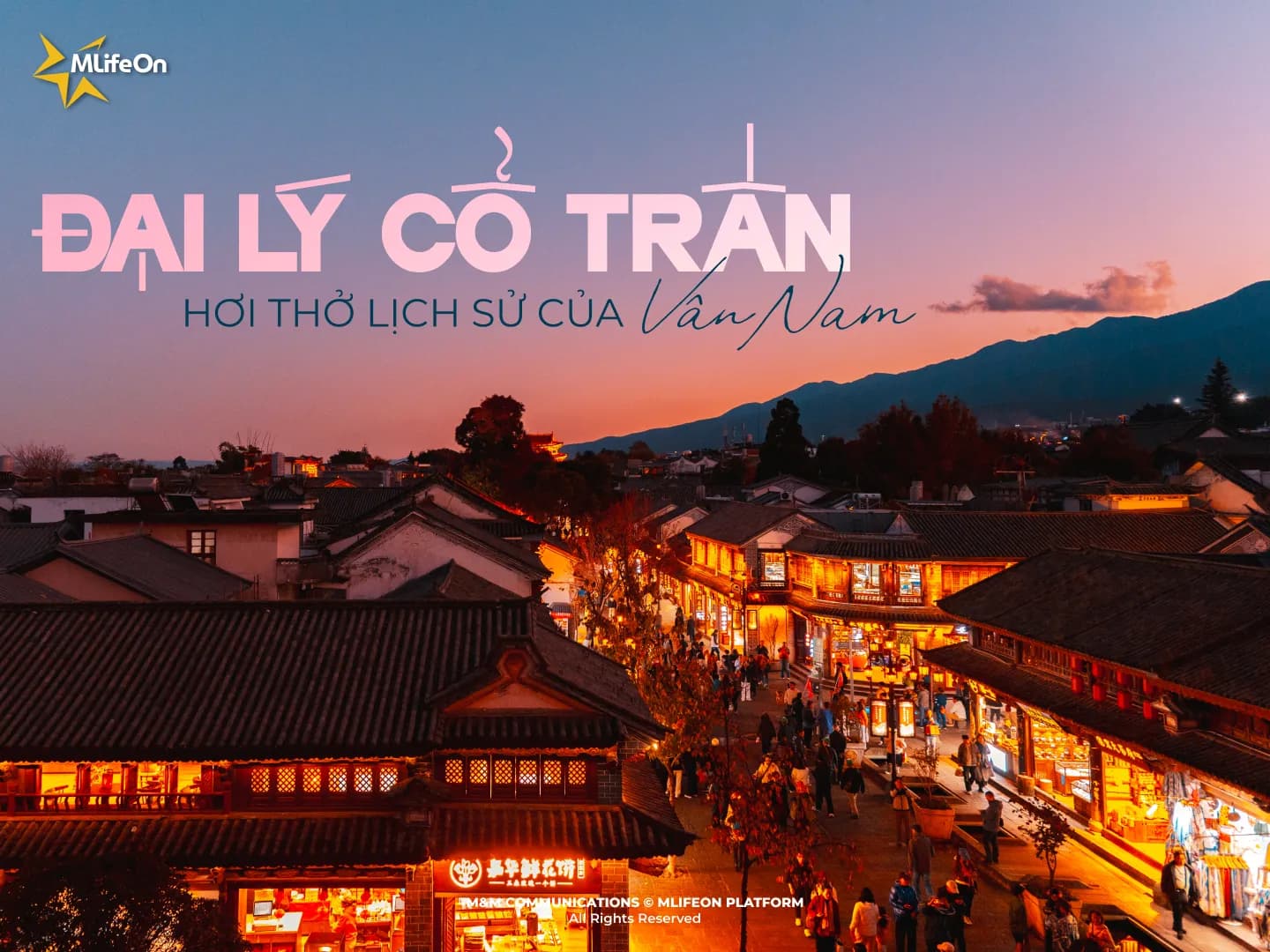
DALI ANCIENT TOWN - A HISTORICAL MARK OF YUNNAN PROVINCE

DALI ANCIENT TOWN - A HISTORICAL MARK OF YUNNAN PROVINCE

Explore Dali Ancient Town, a famous destination in Yunnan, China. A place where nature, architecture, and people blend harmoniously.

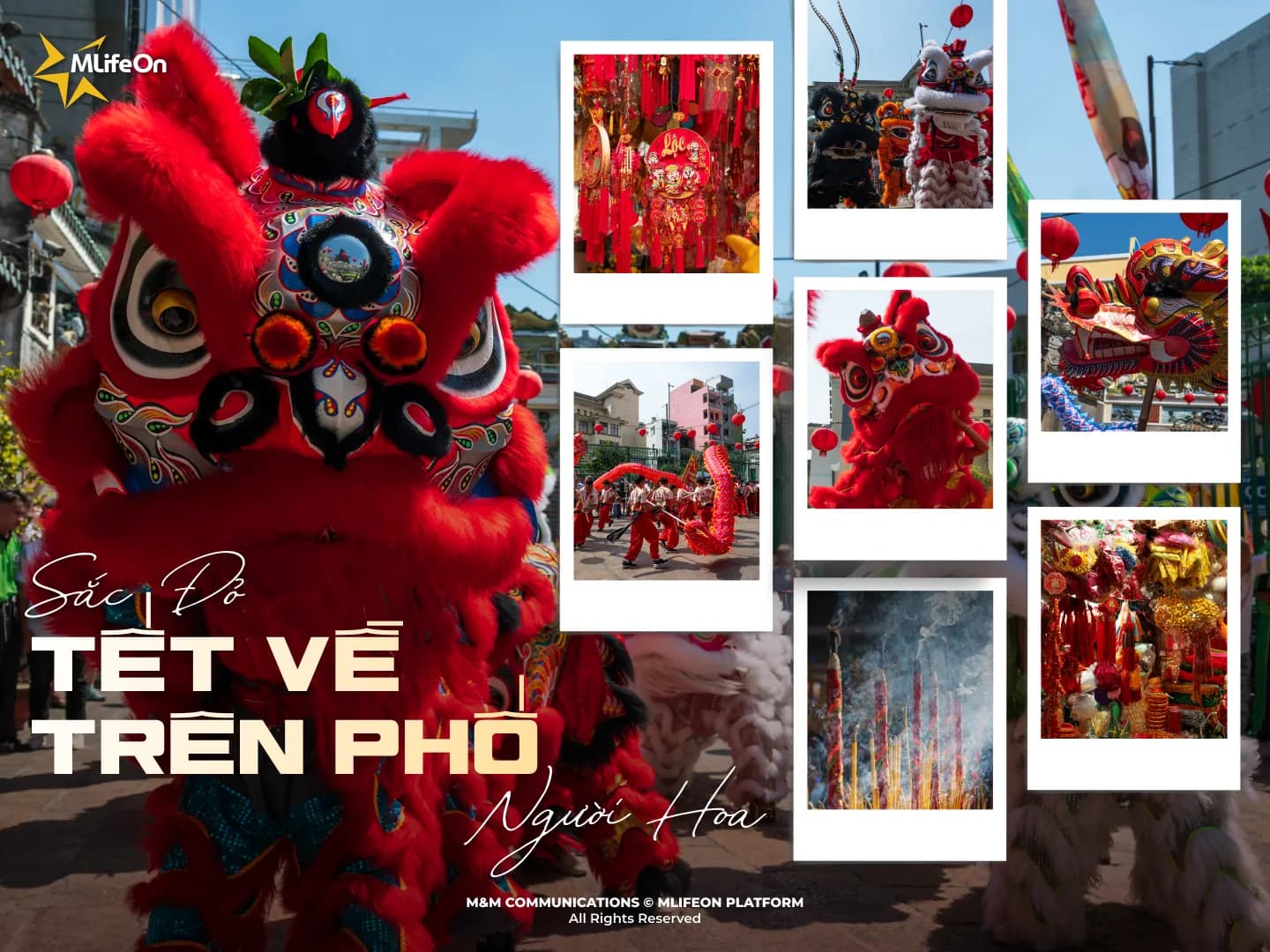
THE VIBRANT RED OF TET ON SAIGON’S CHINESE STREETS

THE VIBRANT RED OF TET ON SAIGON’S CHINESE STREETS

In the days leading up to Tet, Saigon’s Chinese neighborhoods gradually dress themselves in familiar shades of red. From decoration shops and everyday preparations to the quiet presence of Ong Bon Pagoda, the spirit of Tet reveals itself through simple, intimate details of daily life.

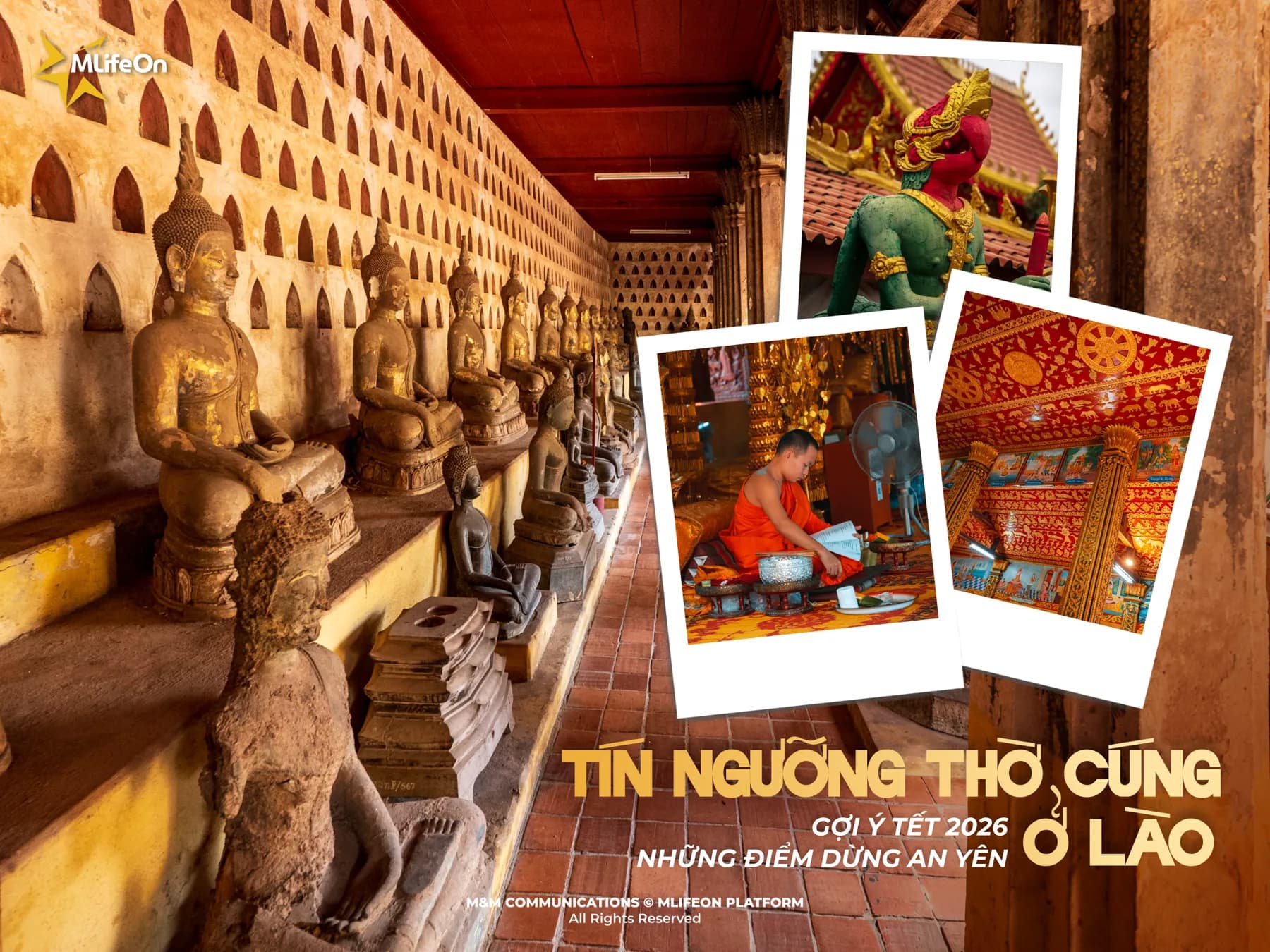
ANCESTRAL WORSHIP IN LAOS – PEACEFUL STOPS FOR A SERENE TET 2026

ANCESTRAL WORSHIP IN LAOS – PEACEFUL STOPS FOR A SERENE TET 2026

In Laos, Buddhist beliefs are not separate from everyday life but woven are into daily routines and social customs. Temples, sacred sites, and places of worship are not merely tourist attractions; they are spaces where people seek calm and balance. For those looking for a gentle, reflective journey during Tet 2026, Laos offers a slow-paced, tranquil, and refreshingly different way to welcome the new year.

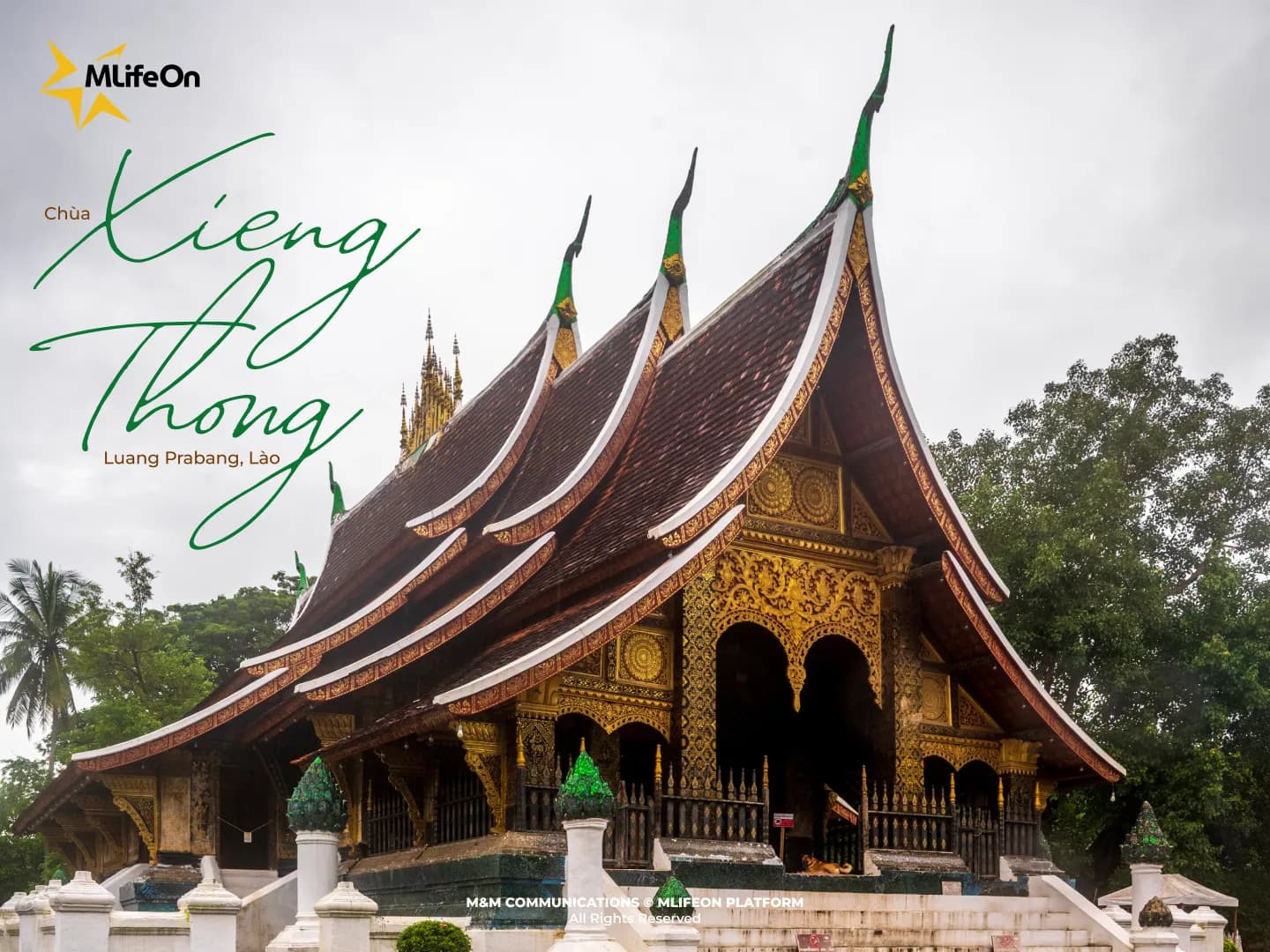
VISITING XIENG THONG TEMPLE - A SACRED ANCIENT TEMPLE IN LUANG PRABANG, LAOS

VISITING XIENG THONG TEMPLE - A SACRED ANCIENT TEMPLE IN LUANG PRABANG, LAOS

After an afternoon rain, Xieng Thong Temple appears calmer and more defined than usual. Without harsh sunlight or large crowds, this ancient temple of Luang Prabang reveals its architecture, setting, and spiritual value carefully preserved for centuries. A slower perspective that helps explain why Xieng Thong is not merely a tourist attraction, but a living memory of Lao Buddhism.

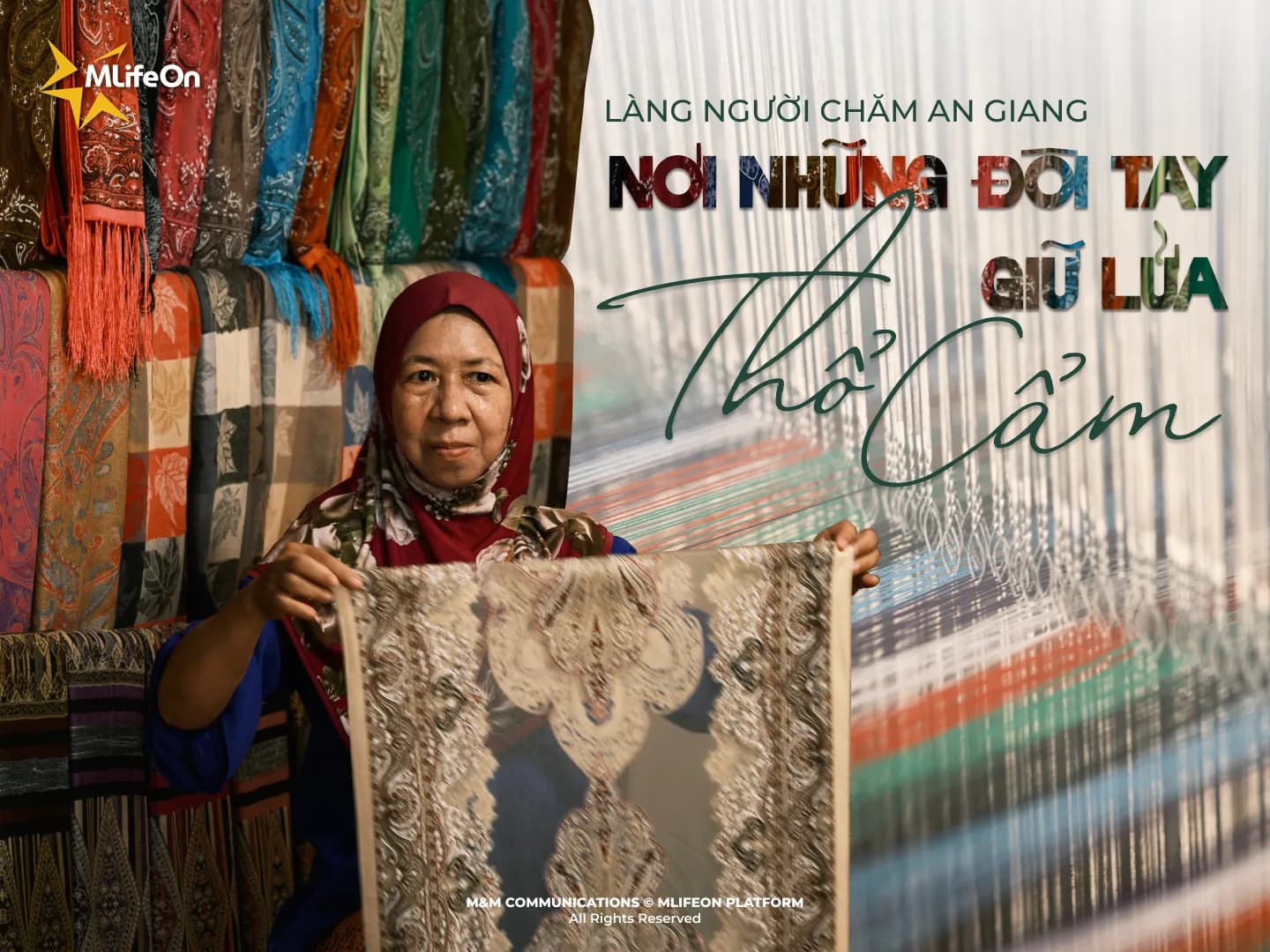
CHAM VILLAGES IN AN GIANG - WHERE SKILLED HANDS KEEP THE FLAME OF BROCADE WEAVING ALIVE

CHAM VILLAGES IN AN GIANG - WHERE SKILLED HANDS KEEP THE FLAME OF BROCADE WEAVING ALIVE

In An Giang, where the cool waters of the Hau River meet the Chau Doc River, Cham villages have existed quietly for generations. Unassuming and unshowy, life here flows slowly, much like the river in front of each home. Within this gentle rhythm, one tradition has been steadfastly preserved over time: the art of brocade weaving, passed down through the hands of Cham women.

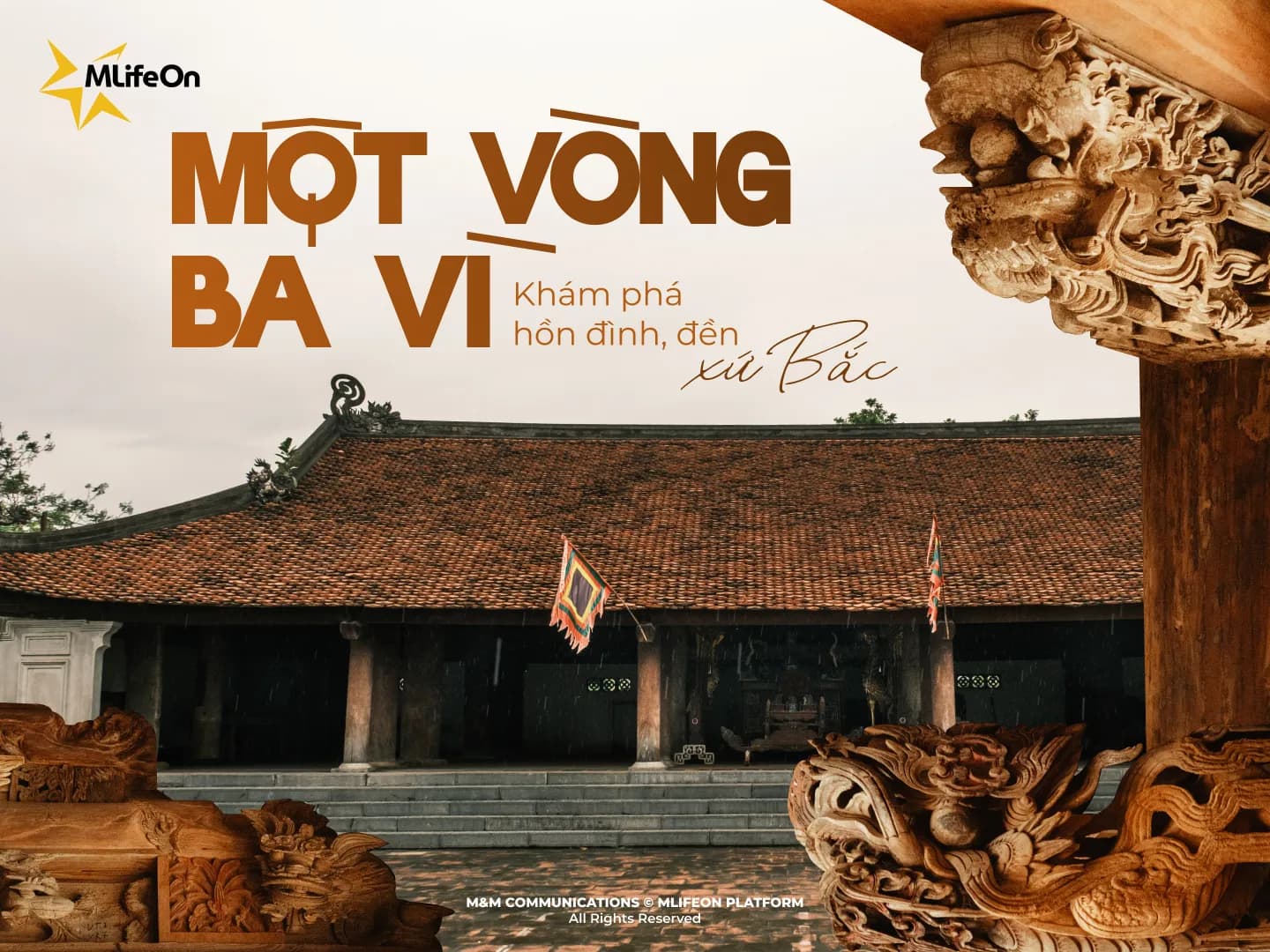
A JOURNEY THROUGH BA VI - DISCOVERING THE SPIRIT OF NORTHERN COMMUNAL HOUSES AND TEMPLES

A JOURNEY THROUGH BA VI - DISCOVERING THE SPIRIT OF NORTHERN COMMUNAL HOUSES AND TEMPLES

Ba Vi is more than mountains and winding roads. Scattered across this land are ancient communal houses and temples that have endured for centuries. Moss-covered roofs and carved wooden pillars emerge as fragments of Northern Vietnam’s cultural memory in tranquil settings.

TRADITIONAL HAIRDRESSING - OLD SHOP, OLD PROFESSION

TRADITIONAL HAIRDRESSING - OLD SHOP, OLD PROFESSION

Explore the traditional Vietnamese hairdressing profession to discover its history, current state, and the cultural values ​​that are gradually fading amidst today's modern life.

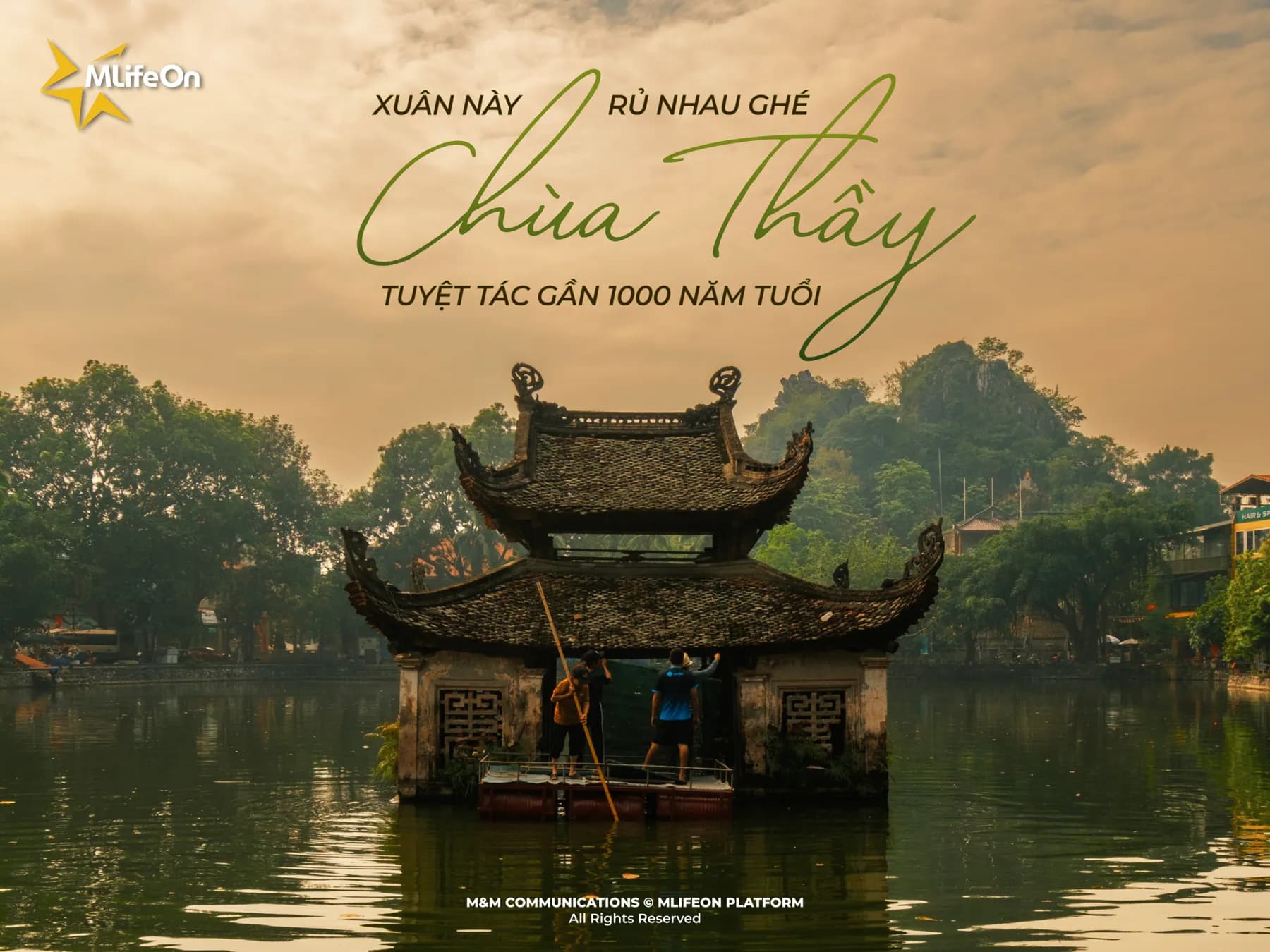
THIS SPRING, LET’S VISIT THAY PAGODA – A NEARLY 1,000-YEAR-OLD MASTERPIECE

THIS SPRING, LET’S VISIT THAY PAGODA – A NEARLY 1,000-YEAR-OLD MASTERPIECE

Not located in the heart of the bustling city, nor close to noisy urban centers, Thay Pagoda chooses a quiet setting at the foot of Sai Son Mountain. It is close enough for a day trip, yet far enough to gently pull visitors away from the hurried rhythm of city life.

MLIFEON PARTNERS WITH TAN TAY PLUM VILLAGE

MLIFEON PARTNERS WITH TAN TAY PLUM VILLAGE

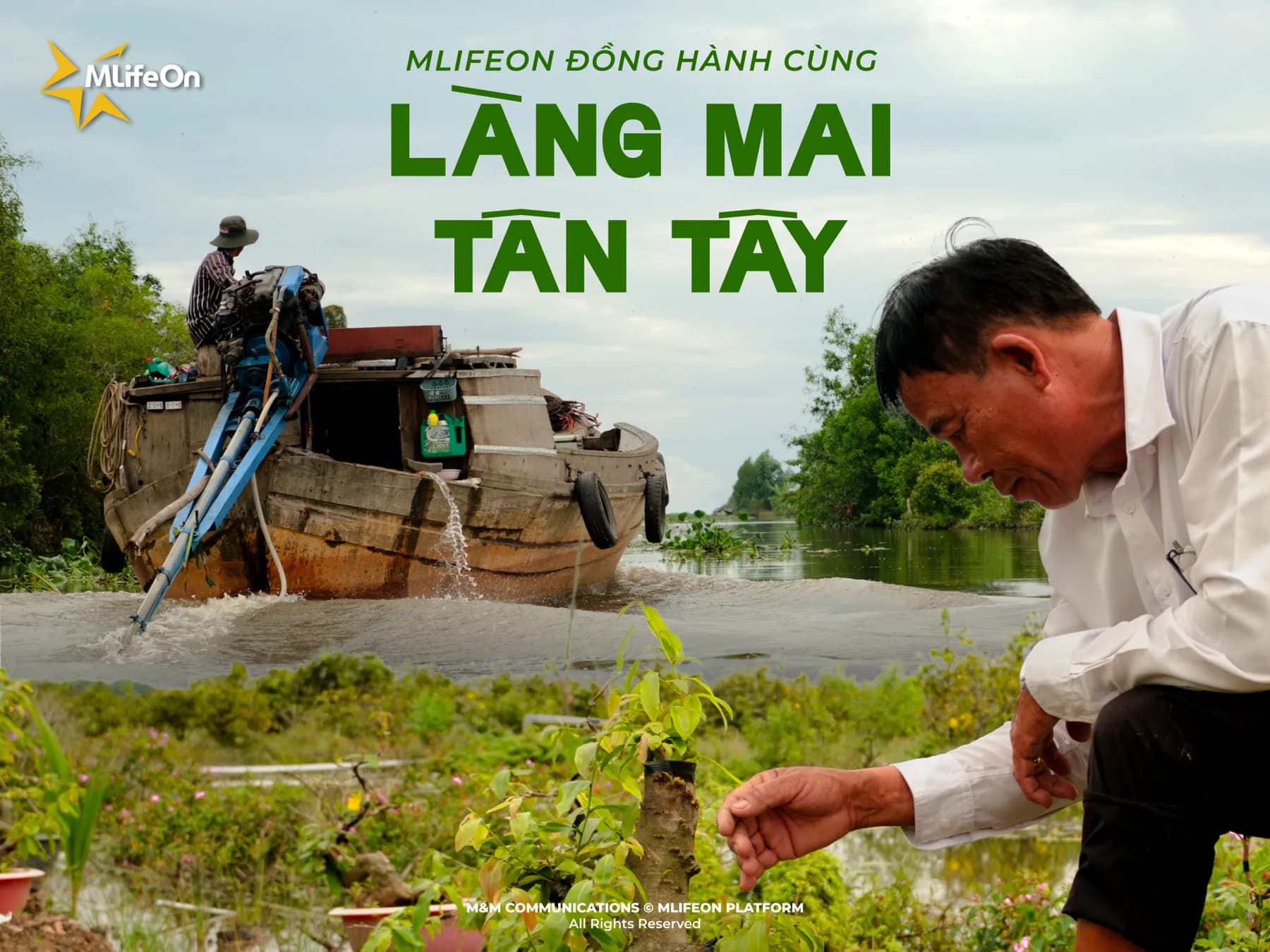
By partnering with Tan Tay Plum Blossom Village in community projects, MLifeOn has had the opportunity to directly experience the beauty of the scenery, culture, and people of this place. Follow MLifeOn to explore.

DUONG LAM ANCIENT VILLAGE - A CULTURAL HERITAGE OF DOAI REGION, HANOI

DUONG LAM ANCIENT VILLAGE - A CULTURAL HERITAGE OF DOAI REGION, HANOI

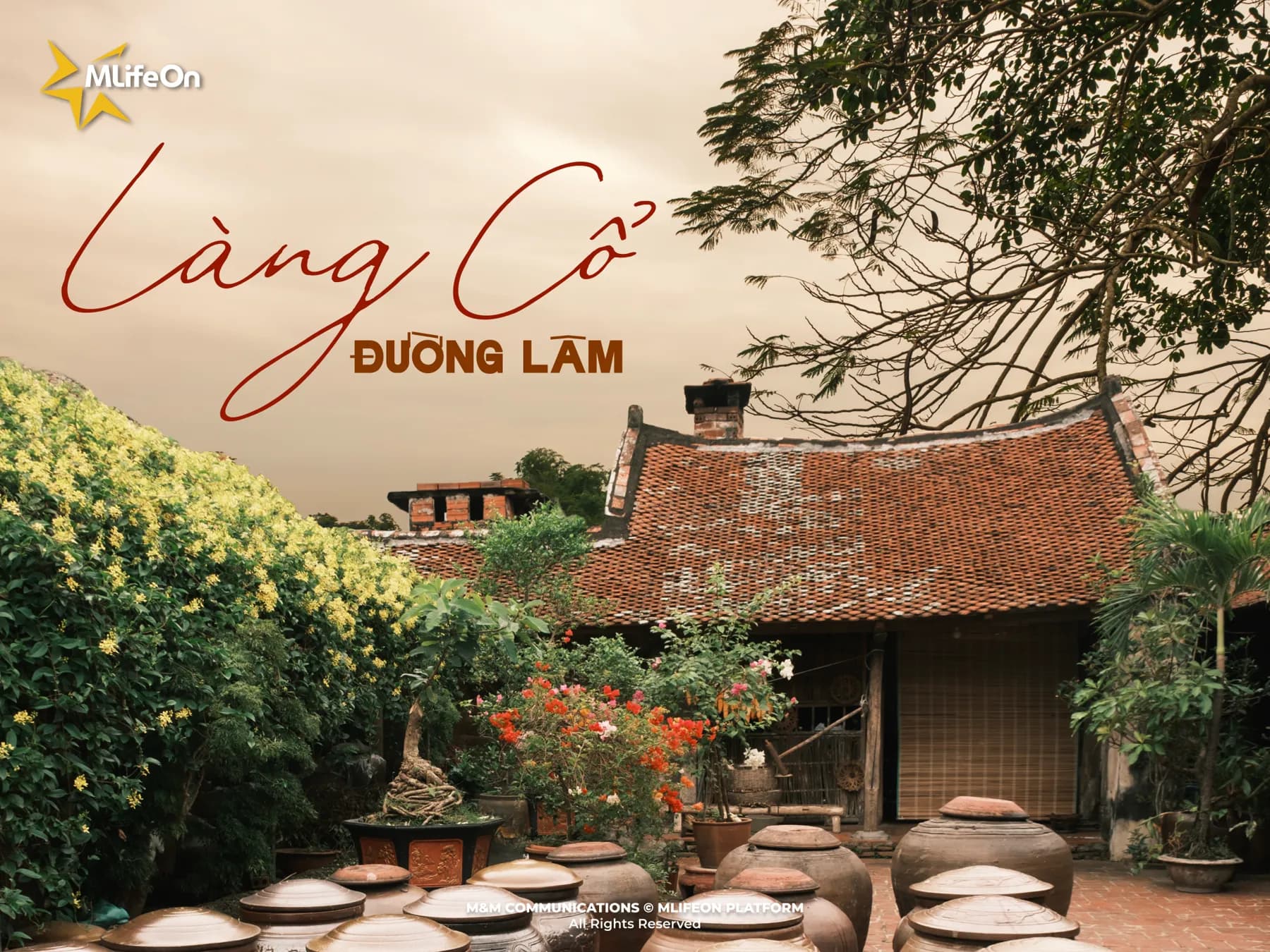
Experience the rhythm of life and the atmosphere of a Northern Vietnamese village at Duong Lam Ancient Village, a distinctive cultural destination in Hanoi.

CHINESE ASSOCIATION HALLS - A UNIQUE TOUCH IN THE HEART OF VIETNAM

CHINESE ASSOCIATION HALLS - A UNIQUE TOUCH IN THE HEART OF VIETNAM

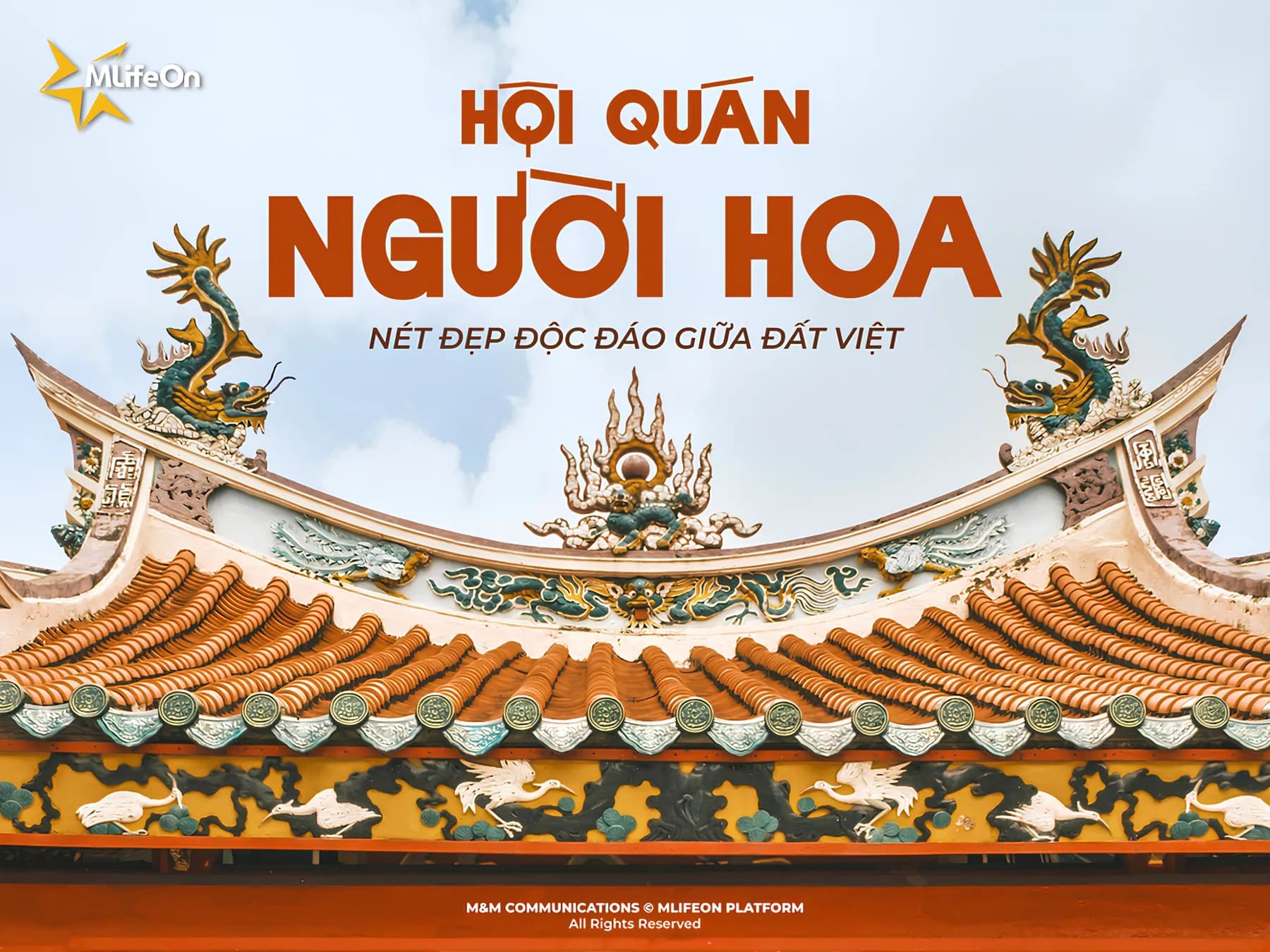
Join us on a journey to explore Chinese Assembly Halls in Vietnam, and learn about the function and architectural beauty of these structures.

KHMER CEREMONIAL HATS AND MASKS - THE SOUL OF SOUTHERN VIETNAMESE THEATRE

KHMER CEREMONIAL HATS AND MASKS - THE SOUL OF SOUTHERN VIETNAMESE THEATRE

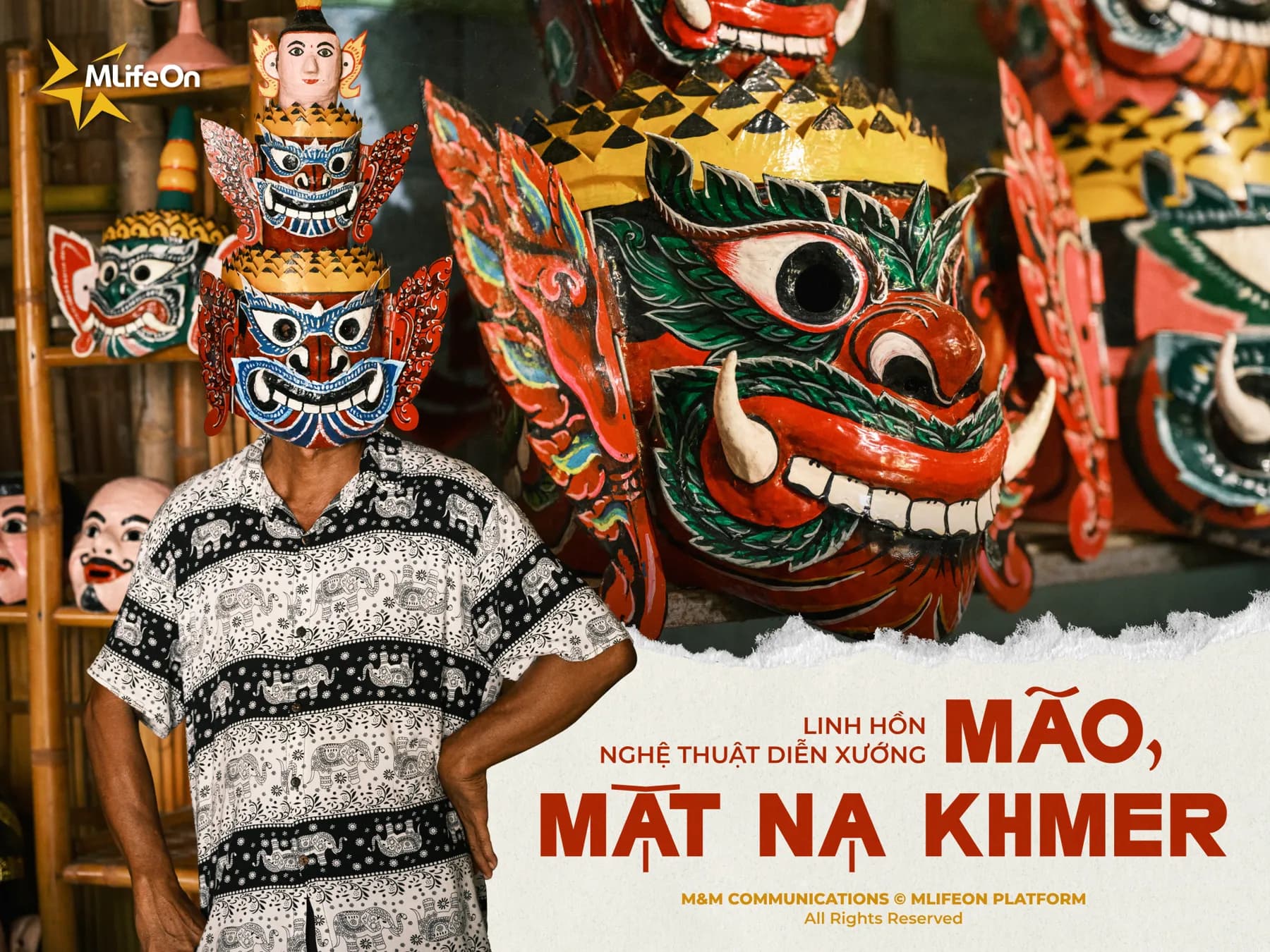
Explore Khmer ceremonial hats and masks, sacred and mystical elements associated with the performing arts and spiritual life of the Southern Khmer people.