VIETNAM MILITARY HISTORY MUSEUM - A JOURNEY THROUGH MEMORIES OF THE NATION’S HEROIC PA
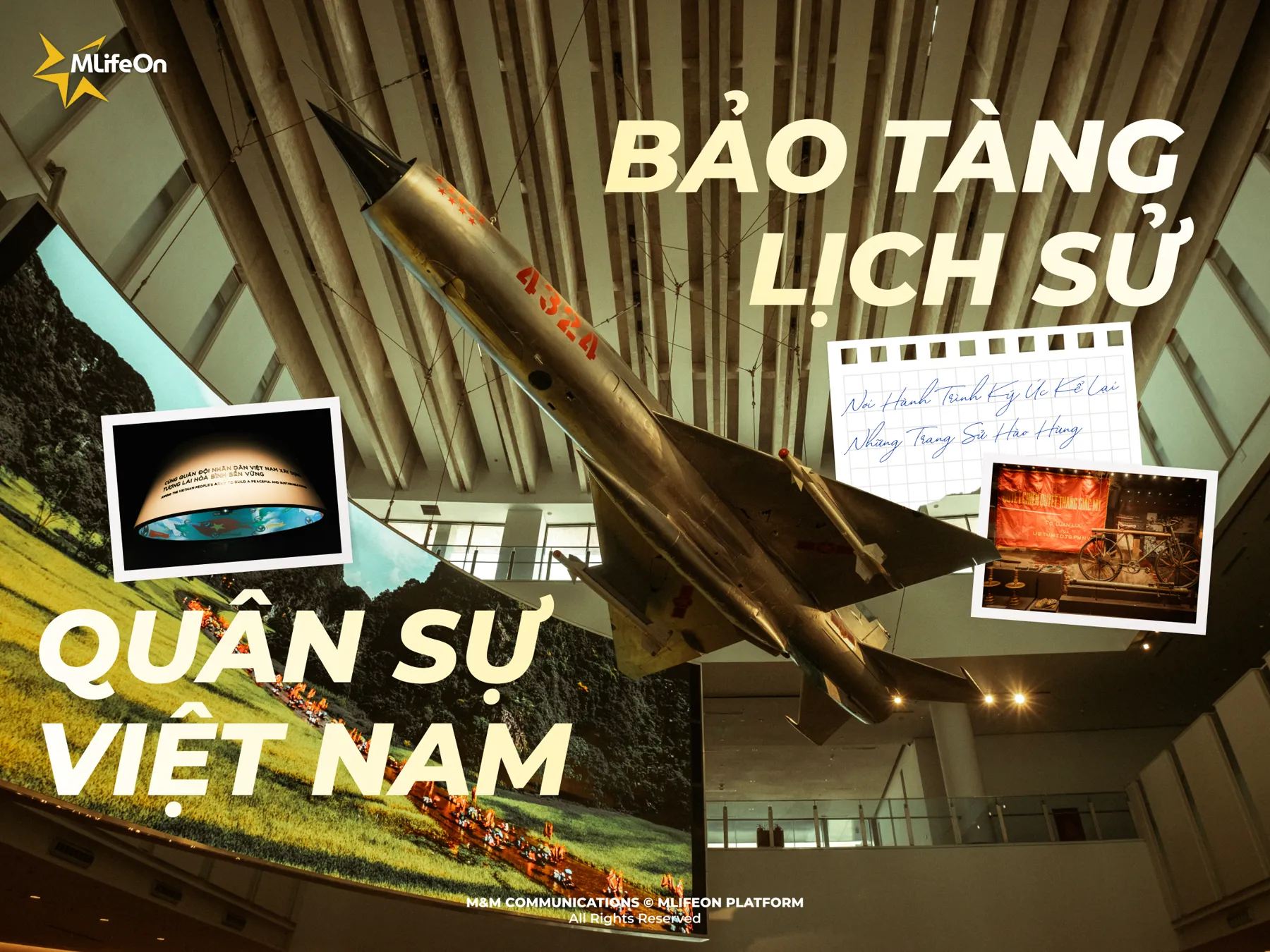
Stepping into the Vietnam Military History Museum is like beginning a remarkable journey through time, where artifacts, photographs, and stories take visitors back to the years when generations of Vietnamese people fought to defend their homeland. Within its modern exhibition spaces, the memories of those who came before are brought to life in an accessible and meaningful way, helping visitors better understand the nation’s history and appreciate the value of peace today.
The Vietnam Military History Museum – A place that preserves the nation’s memories
The Vietnam Military History Museum is one of the country’s most important institutions dedicated to military history. Since late 2024, the museum has welcomed visitors at its new location on Thang Long Boulevard in Hanoi, featuring a much larger scale and a more modern approach to exhibition design.
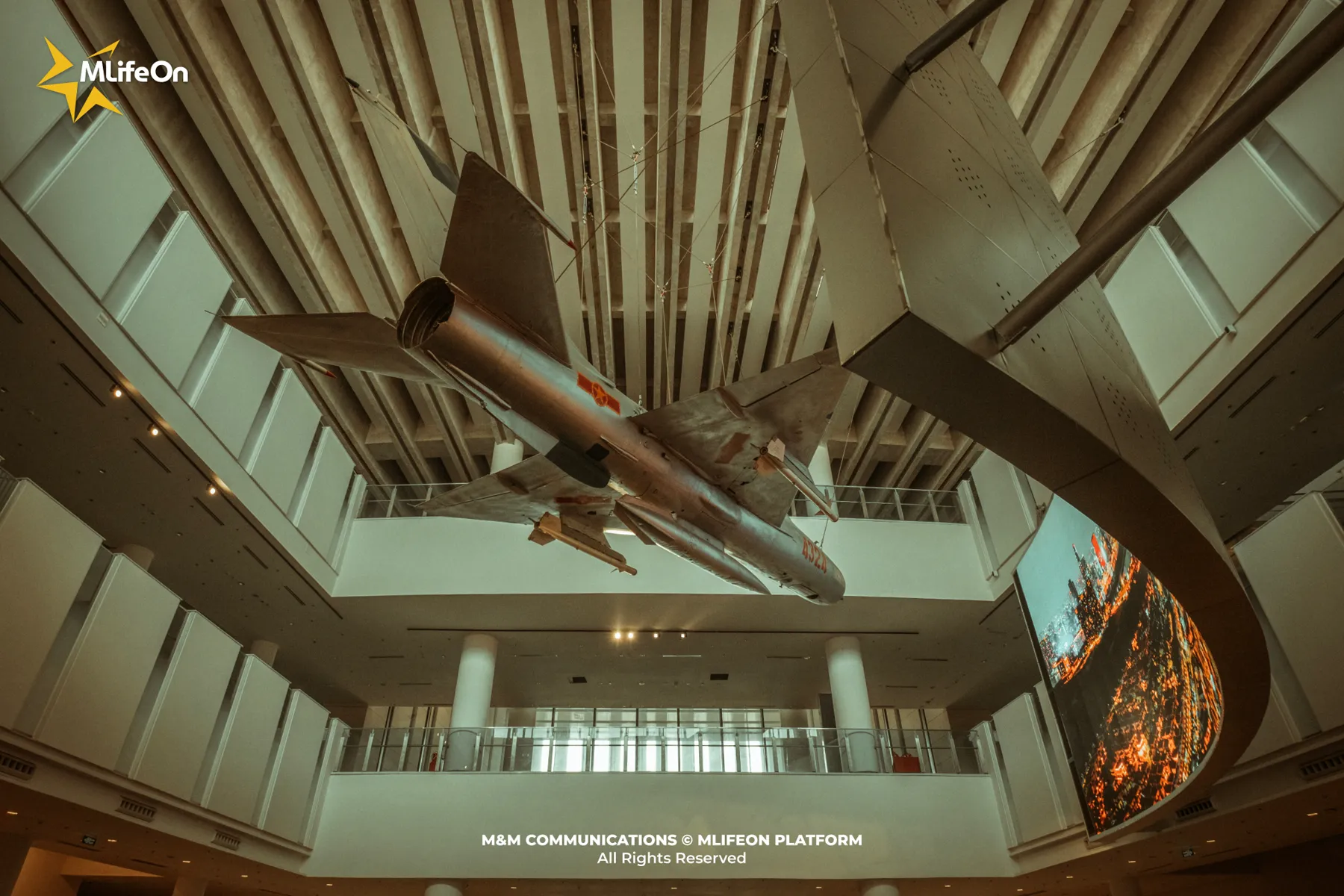
Yet to truly understand the value of this place, figures about its size or the number of artifacts on display are perhaps not what matters most. Behind every artifact lies a piece of memory.
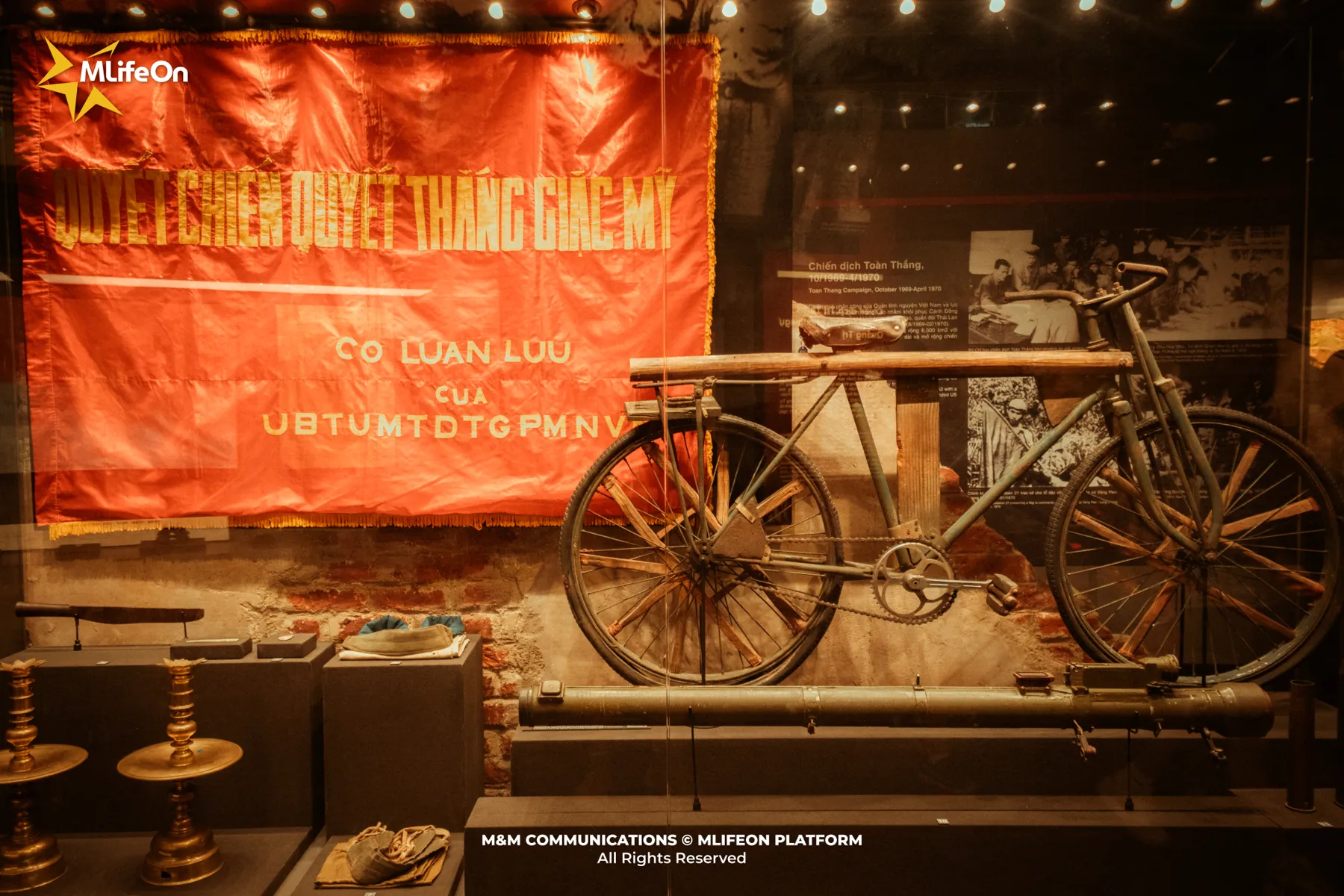
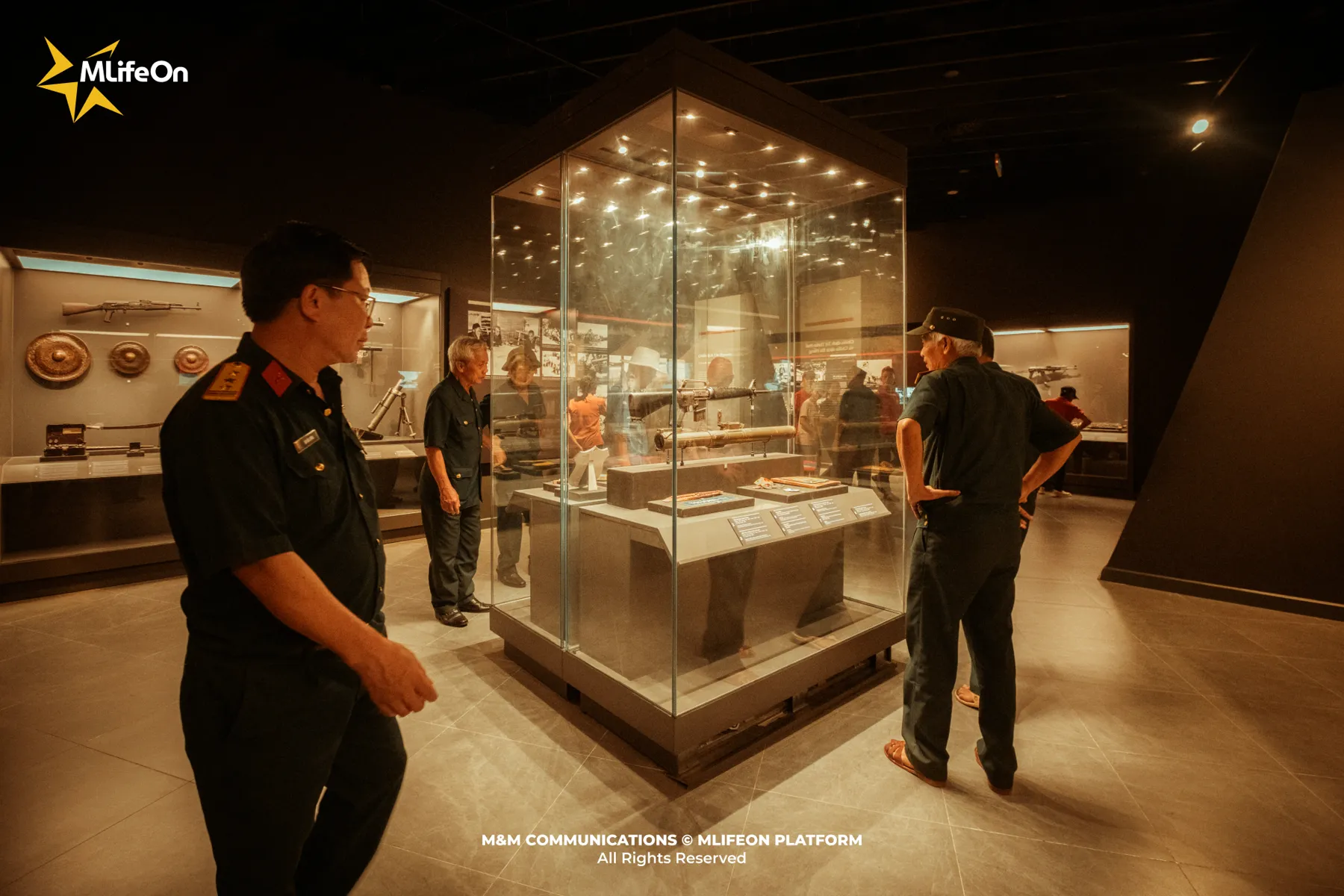
A backpack that once accompanied a soldier on a long march, a letter sent home from the front, a faded military uniform, or vehicles once used in battle—when displayed alongside photographs, documents, and stories from different periods, these objects make history feel closer and more tangible.
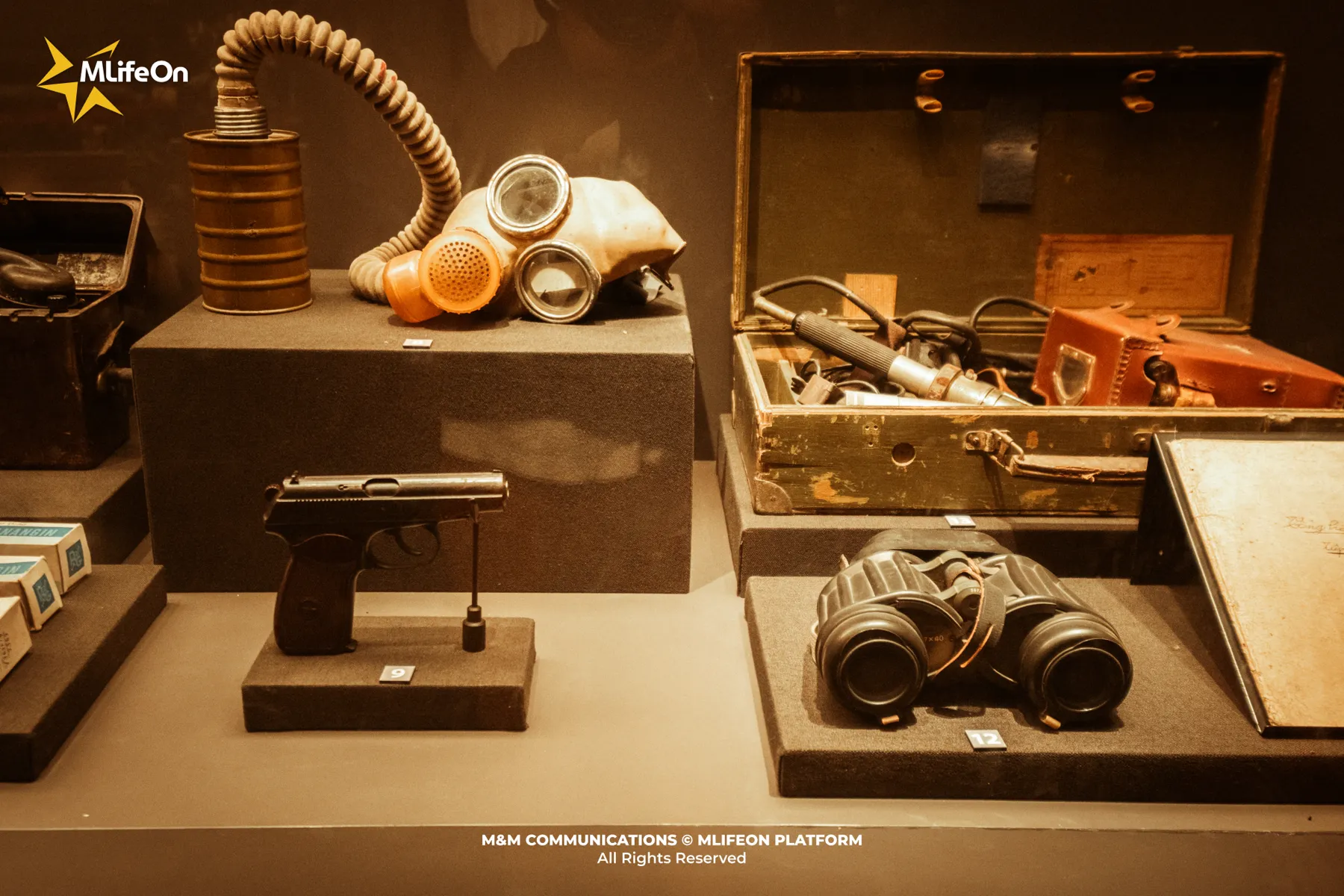
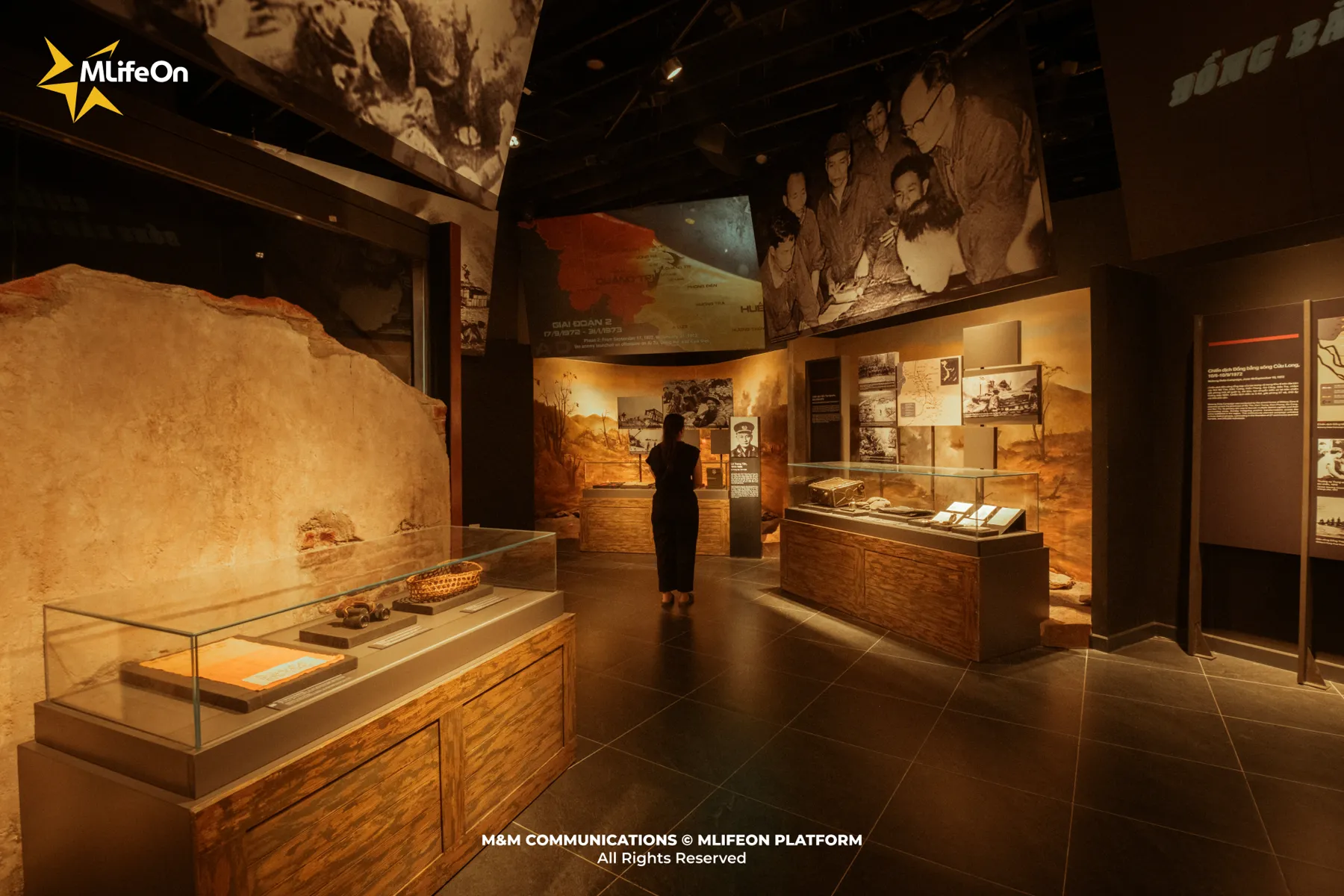
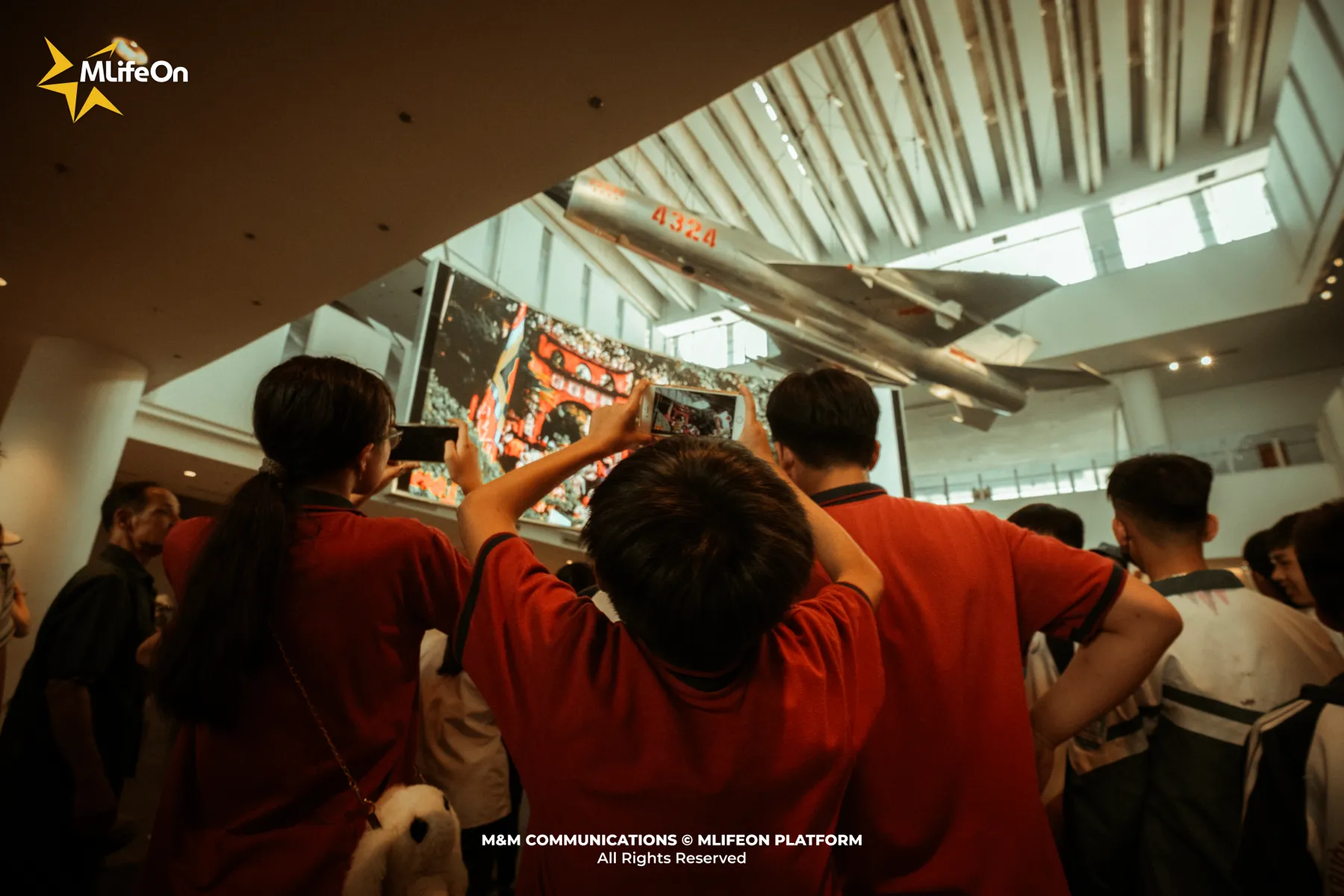
Outside the museum, large-scale military equipment immediately captures visitors’ attention. Inside, however, the story unfolds at a slower pace through each exhibition space. Visitors encounter not only the familiar historical milestones they may have read about in books, but also authentic objects that witnessed those very years.
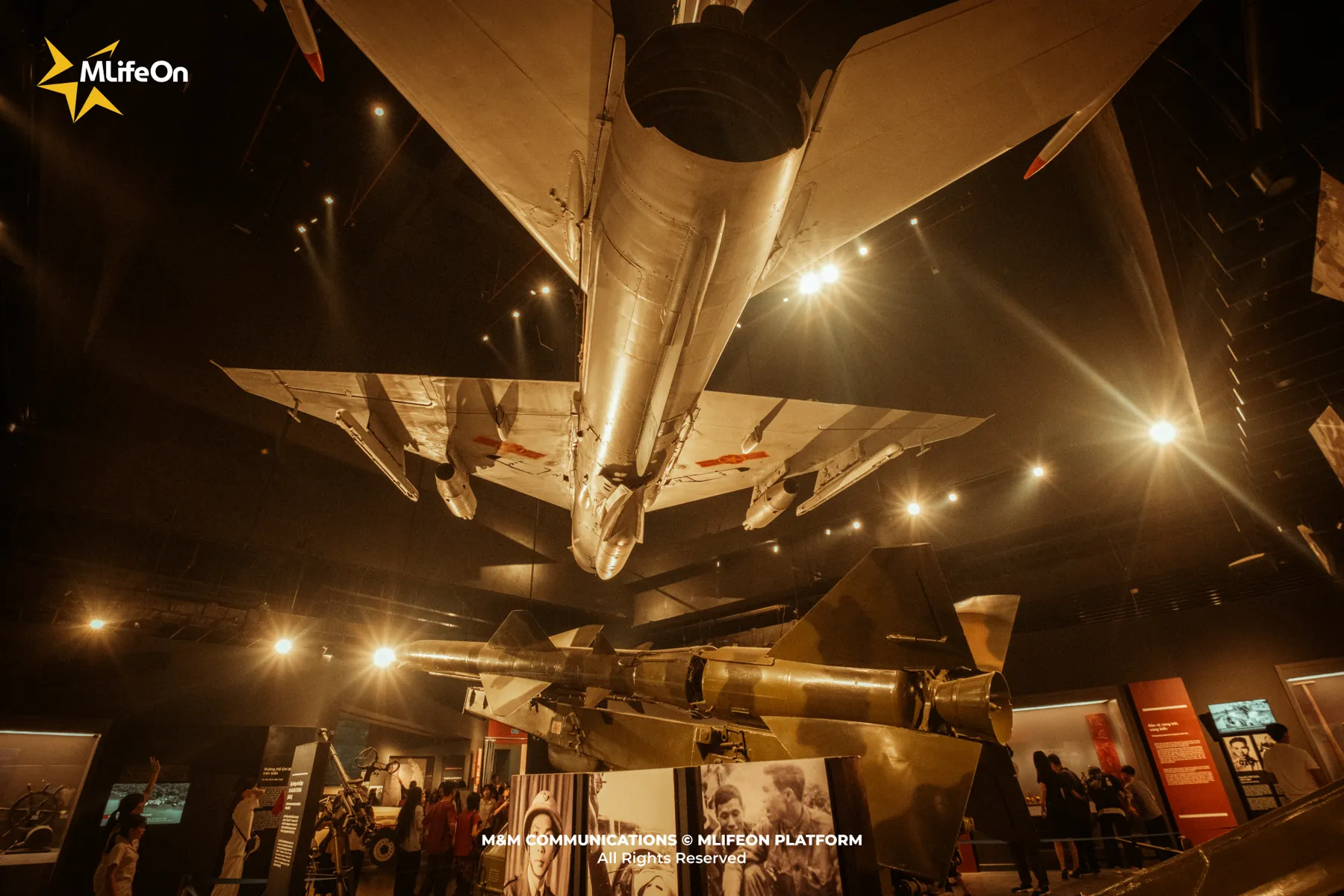
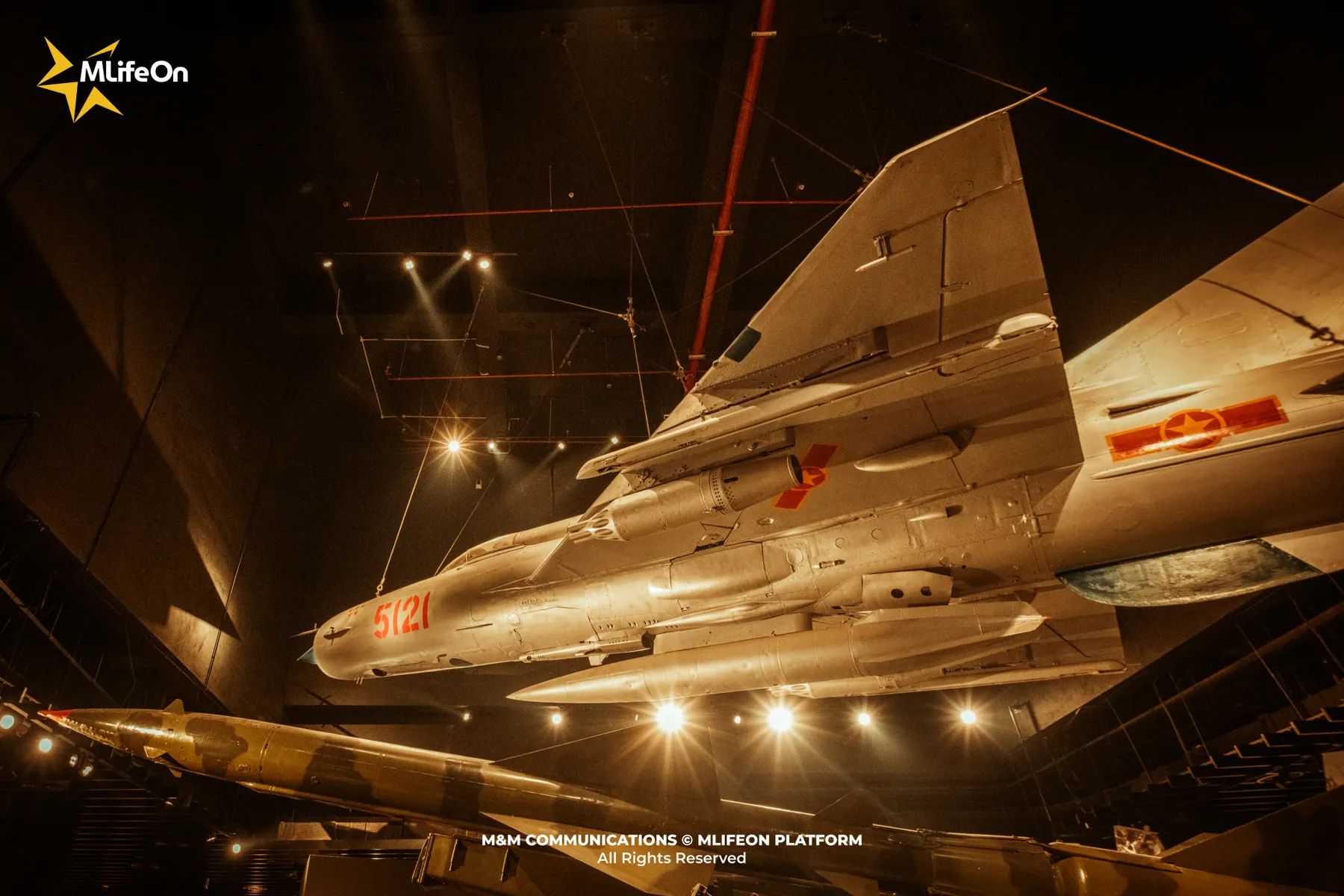
For this reason, the museum does far more than preserve objects from the past. It safeguards memories of people, of war, and of the long journey generations of Vietnamese people undertook to defend their country.
A journey through memories of heroic years
Vietnamese military history stretches across thousands of years of building and defending the nation. It is a journey marked by victories, but also by tremendous loss and, above all, by generations united in their determination to protect their homeland.
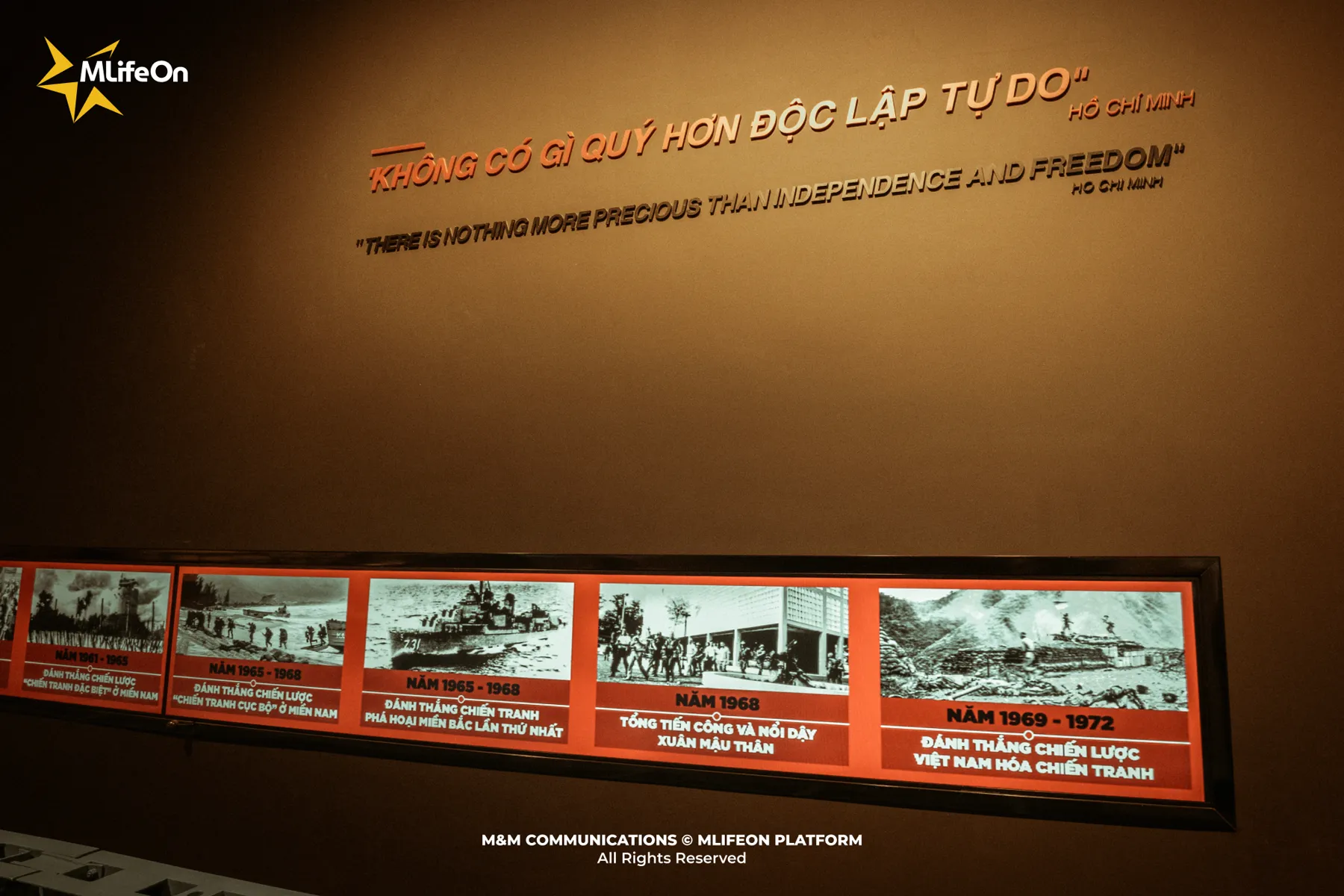
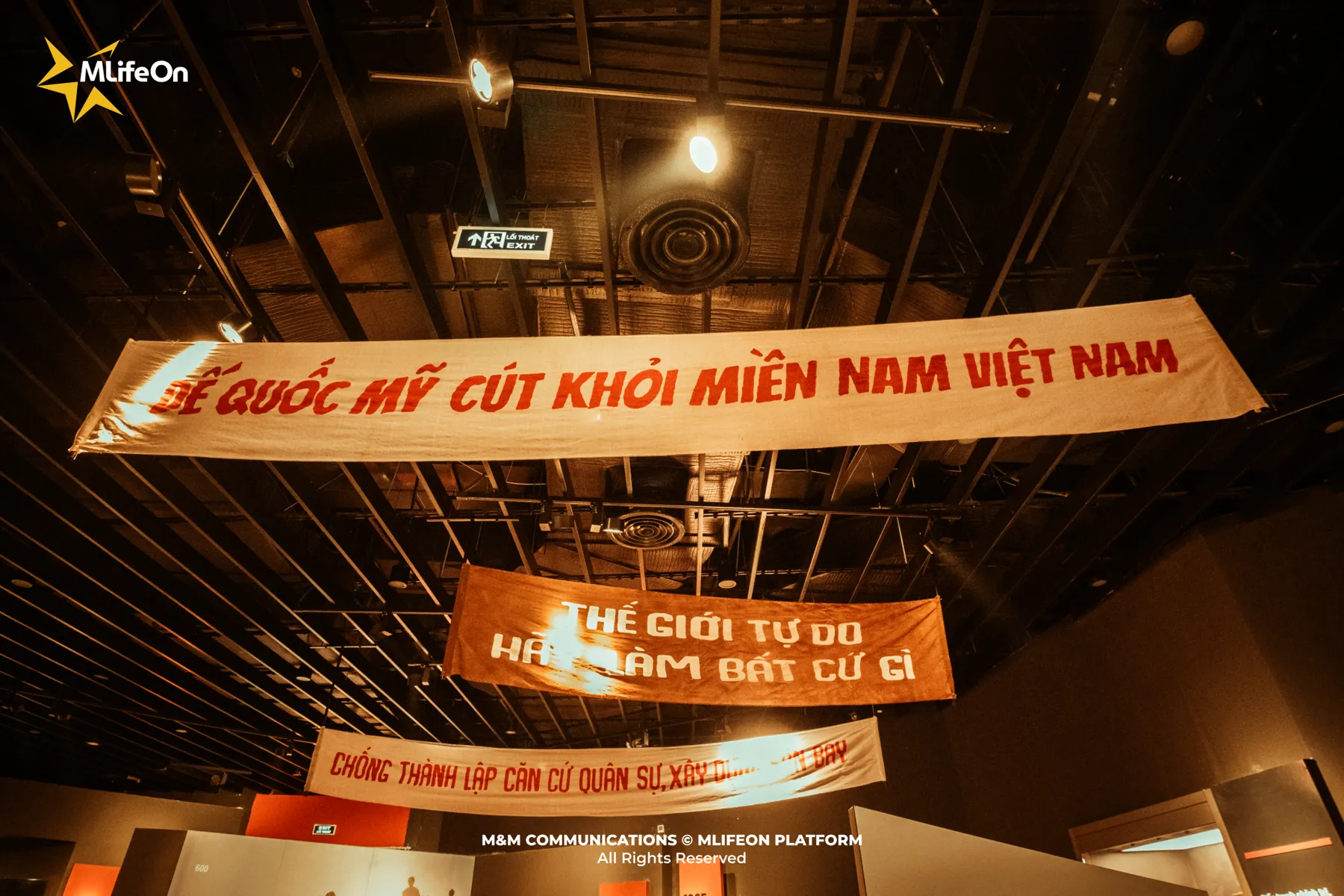
The museum tells this story through different historical periods, yet what visitors remember most is not simply a series of dates and events. A tank associated with a historic moment can evoke a sense of pride. An aircraft, artillery piece, or flag connected to a major campaign can bring an entire era back to life. But alongside these larger artifacts are countless traces of soldiers’ everyday lives. And it is here that history begins to feel much closer.
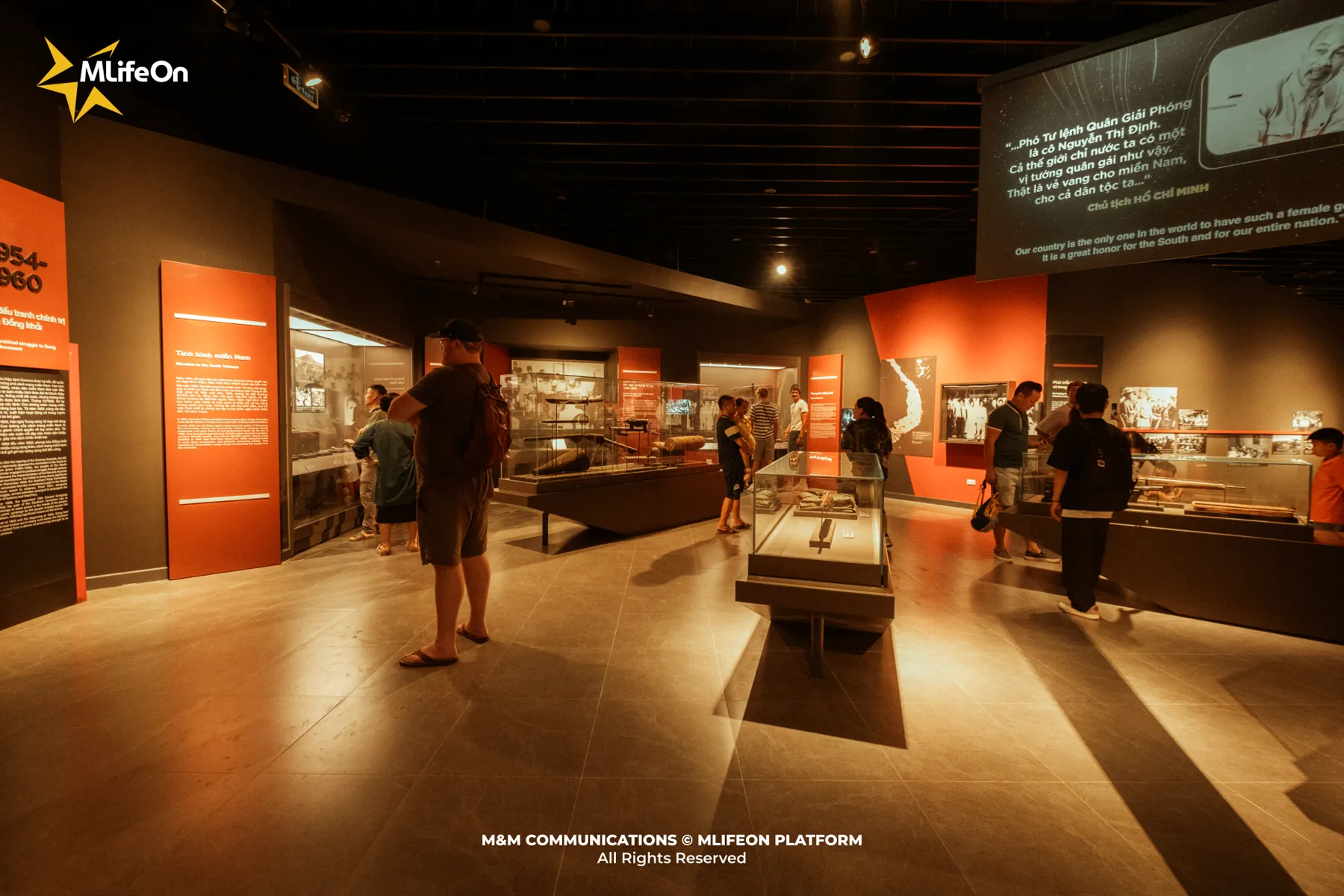
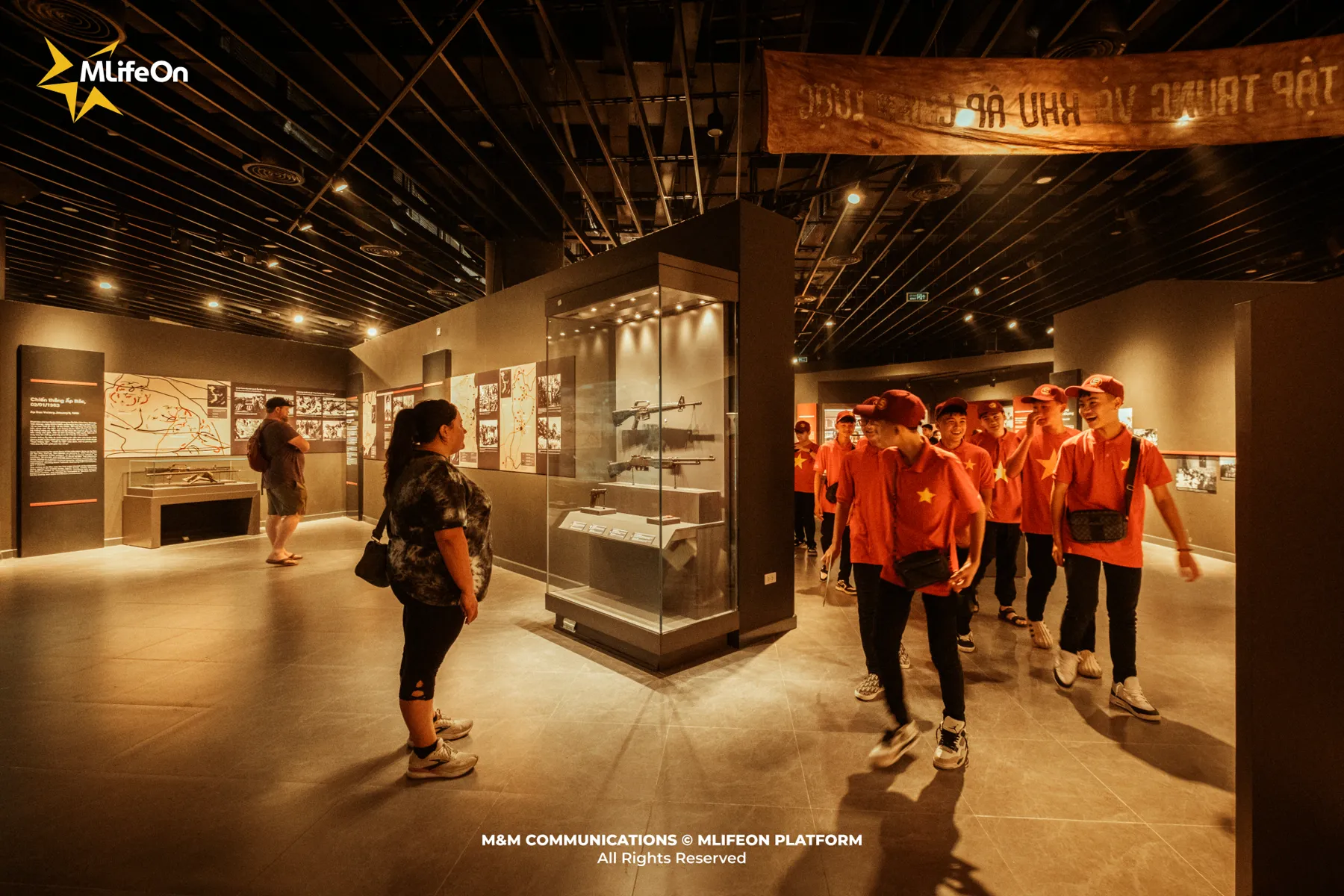
After all, the nation’s heroic chapters were written by real people. They were once young men and women with families they missed, hometowns they loved, and dreams of their own. When their country needed them, they answered the call.
Some returned home after victory. Others left their youth behind on the battlefield. Some stories became known throughout the nation, while other lives remain only through a name, a photograph, or a keepsake carefully preserved by loved ones.
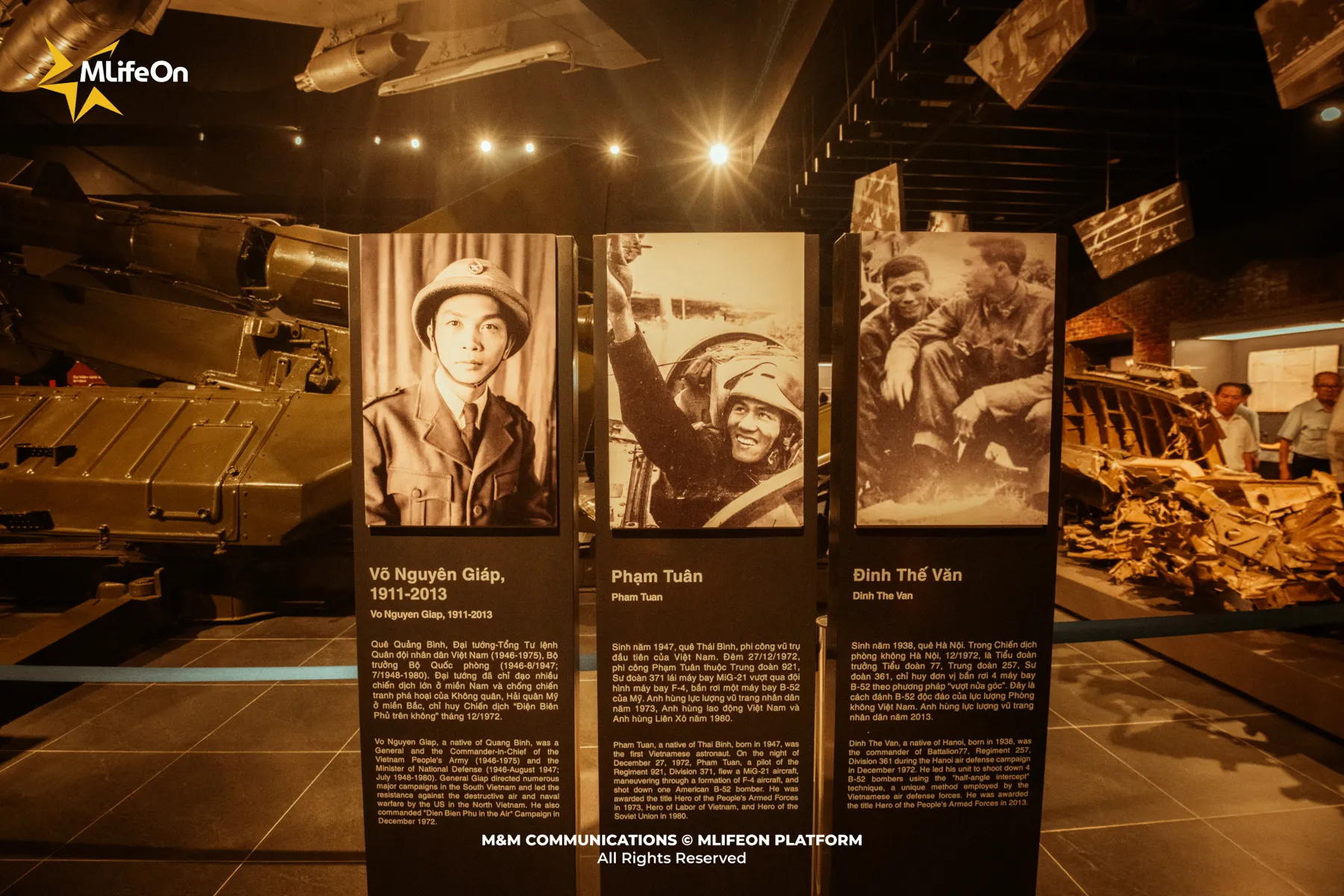
Walking through the museum, therefore, is not simply about looking back at victories. It is also an opportunity to understand that behind every glorious chapter of history were people who lived, fought, and were willing to sacrifice something deeply personal for a cause greater than themselves. Perhaps it is these profoundly human stories that give the word “heroic” such meaning and emotional weight.
Following in the footsteps of previous generations
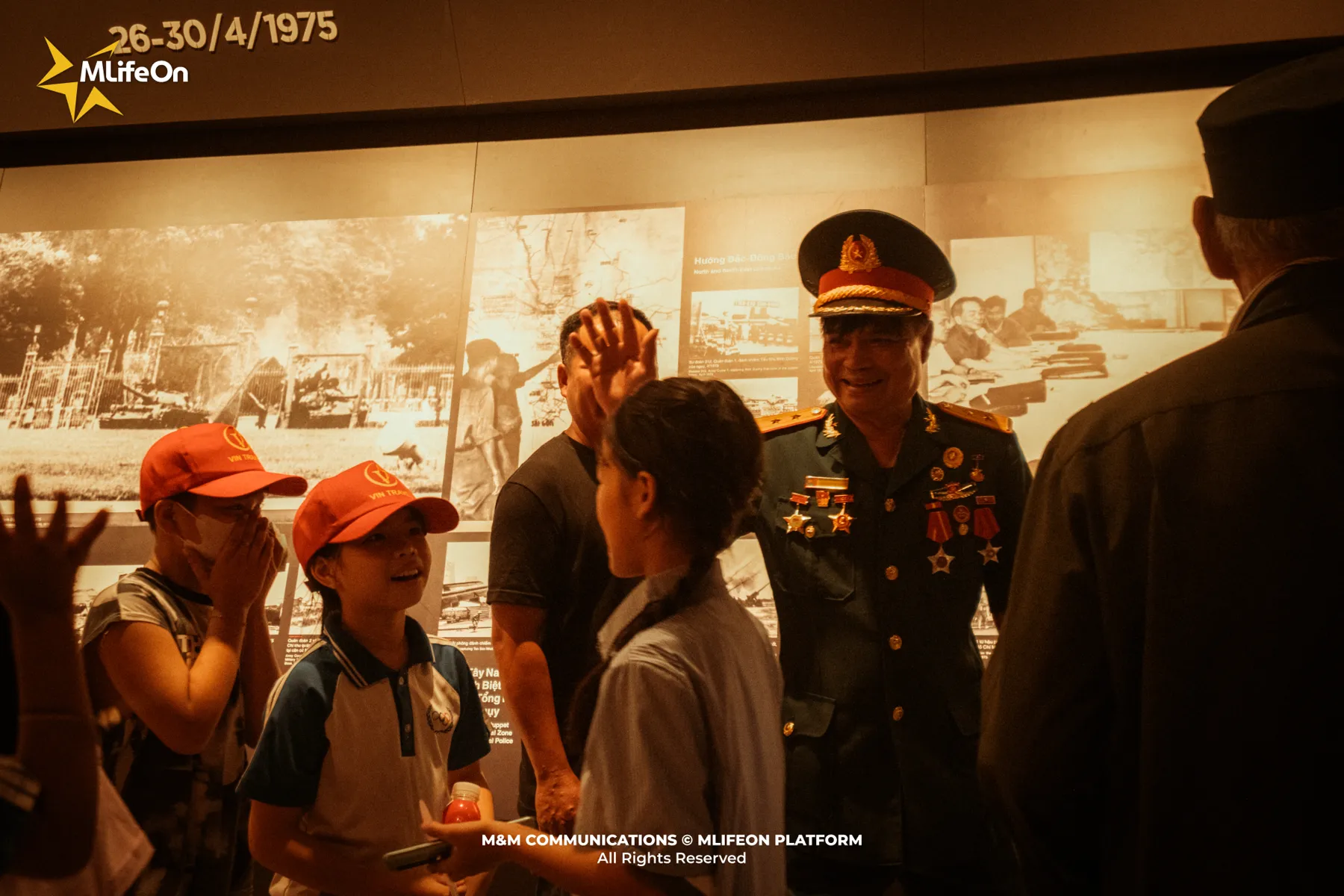
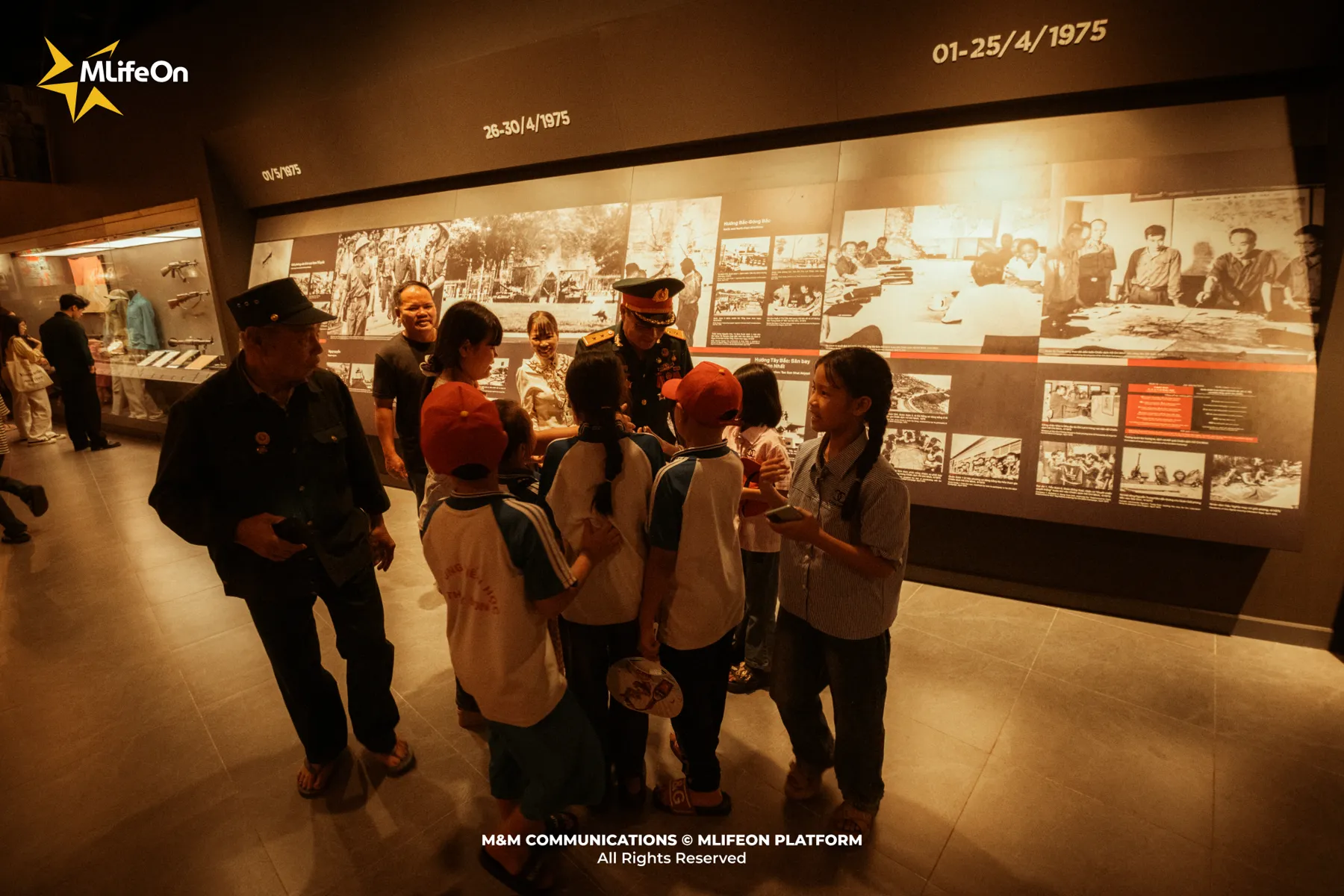
Among the crowds visiting the museum, the sight of young soldiers in uniform standing neatly in formation before entering the exhibition halls creates a particularly meaningful moment. Only a few steps away, inside the museum, are uniforms, personal belongings, and military equipment once used by soldiers many decades ago.
One generation lived through war.
Another generation is living in peace.
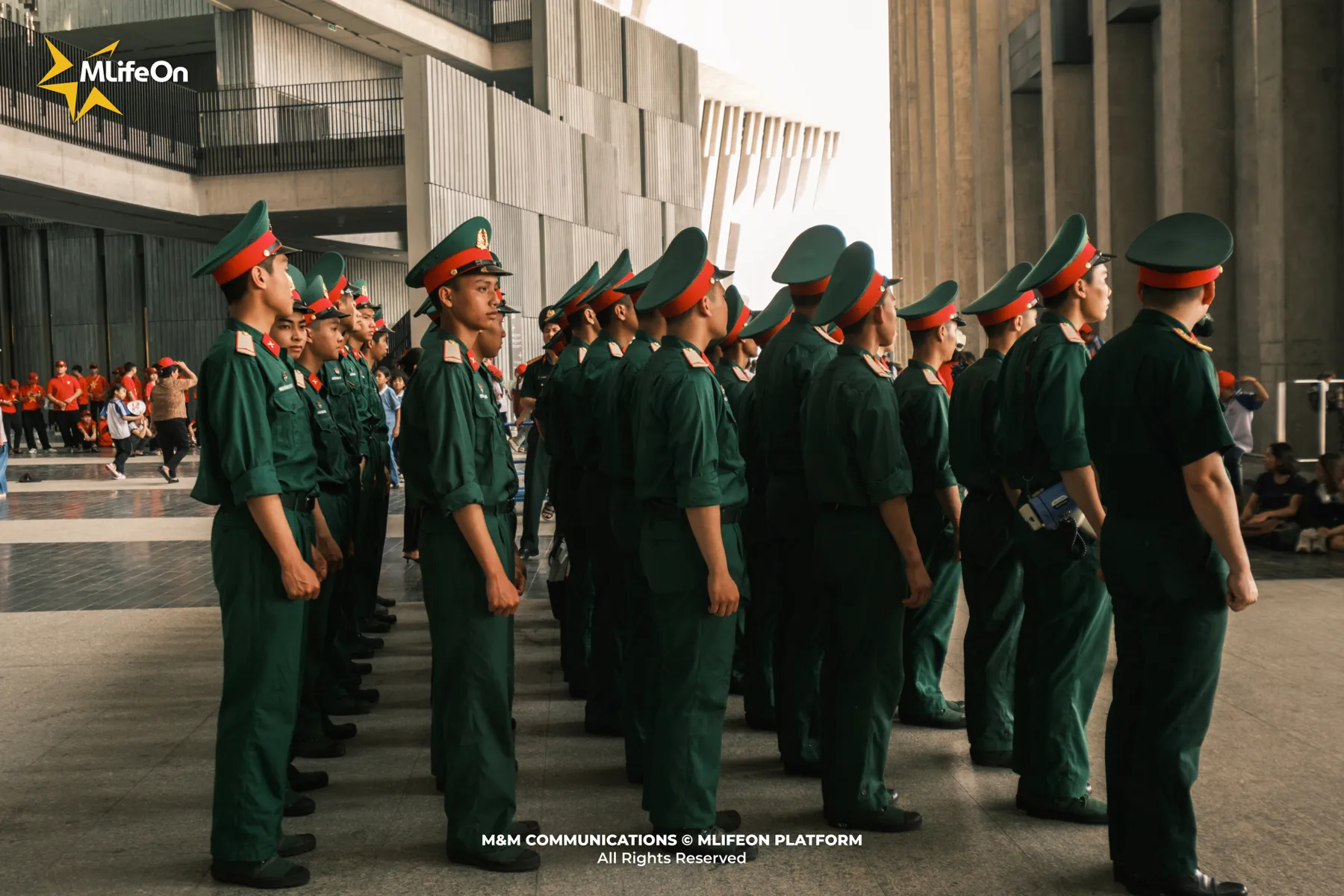
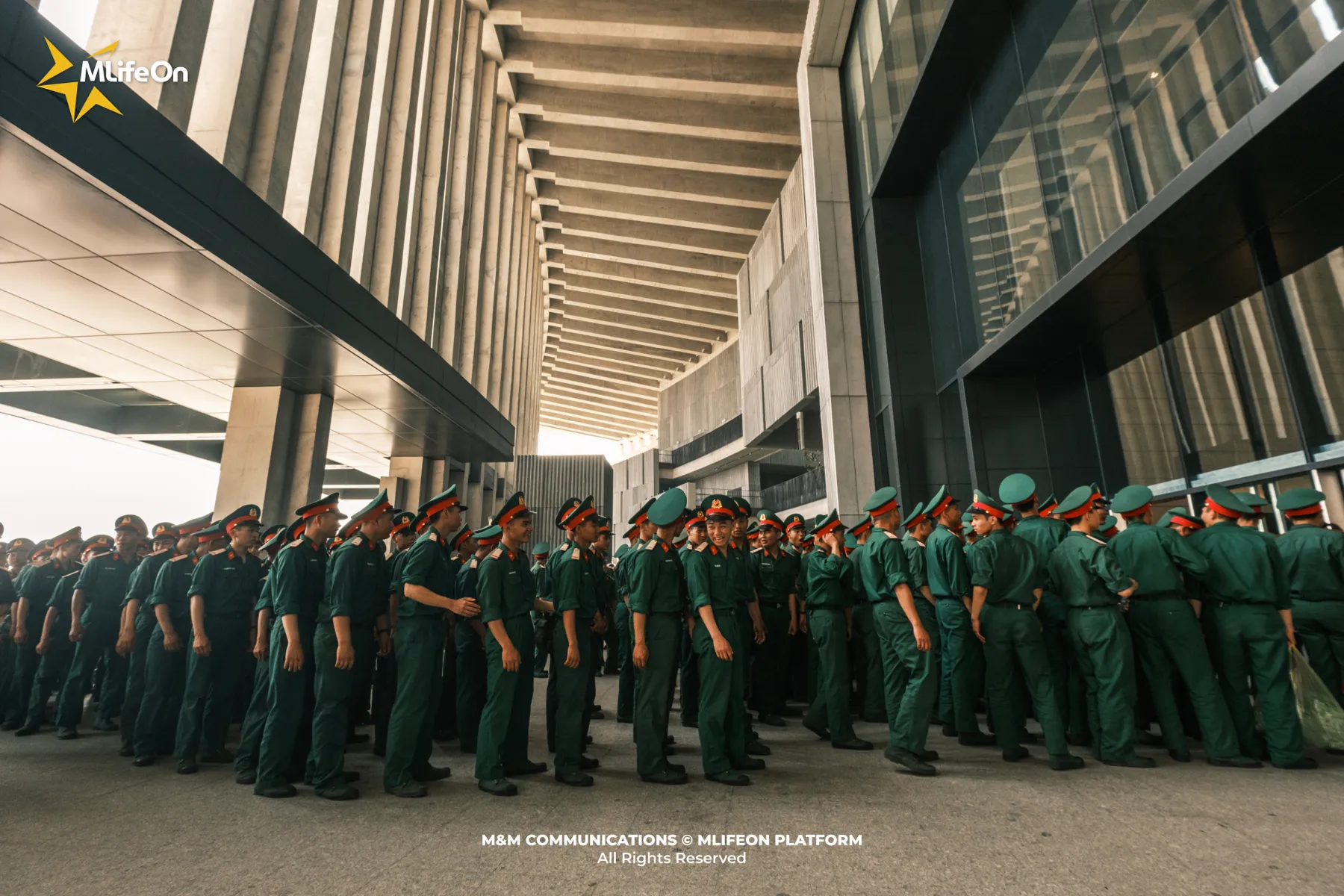
Many years separate them, yet when both generations seem to meet within the same space, that sense of continuity becomes clear without the need for words. Today’s soldiers live, train, and carry out their duties under very different conditions from those of previous generations. Yet behind the uniform remains the same responsibility toward the country, passed down from one generation to the next.
Understanding the value of “Peace” through memories of war
Standing before vehicles once used in combat, photographs from years of war, or small personal belongings left behind by soldiers, visitors can more deeply understand that the peaceful life enjoyed today did not come naturally.
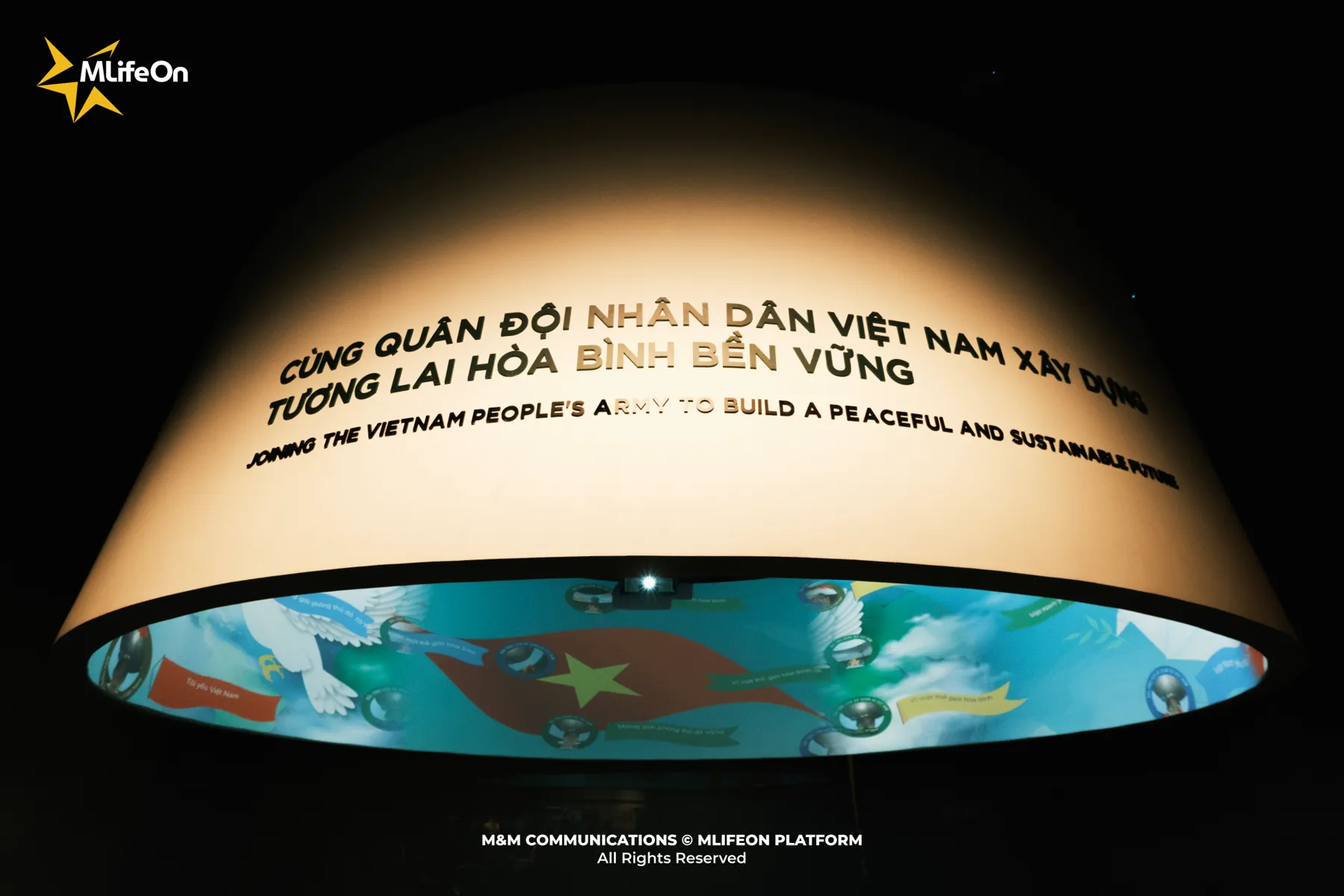
Previous generations endured tremendous loss and sacrifice so that those who followed could grow up in peace. Looking back at the past, therefore, is not about holding on to pain, but about better understanding the value of the present. This is also where the meaning of a history museum extends far beyond simply preserving artifacts.
The museum becomes a bridge connecting the memories of previous generations with the understanding of people today. Stories of patriotism, sacrifice, and the determination to defend national independence are retold so that younger generations can understand that peace is not merely an idea found in textbooks, but an achievement built upon the immense sacrifices of those who came before them.
Conclusion
The years of war have long passed, but the memories of a difficult period of struggle continue to be preserved and retold at the Vietnam Military History Museum. Here, each generation can not only gain a deeper understanding of the nation’s history, but also appreciate the sacrifices of those who came before and value the peaceful life they are fortunate to enjoy today.
—---------
CREDIT:
- Photographer: Luan Nguyen
- Content: Hoài Hà
- Design: Phuong Nguyen