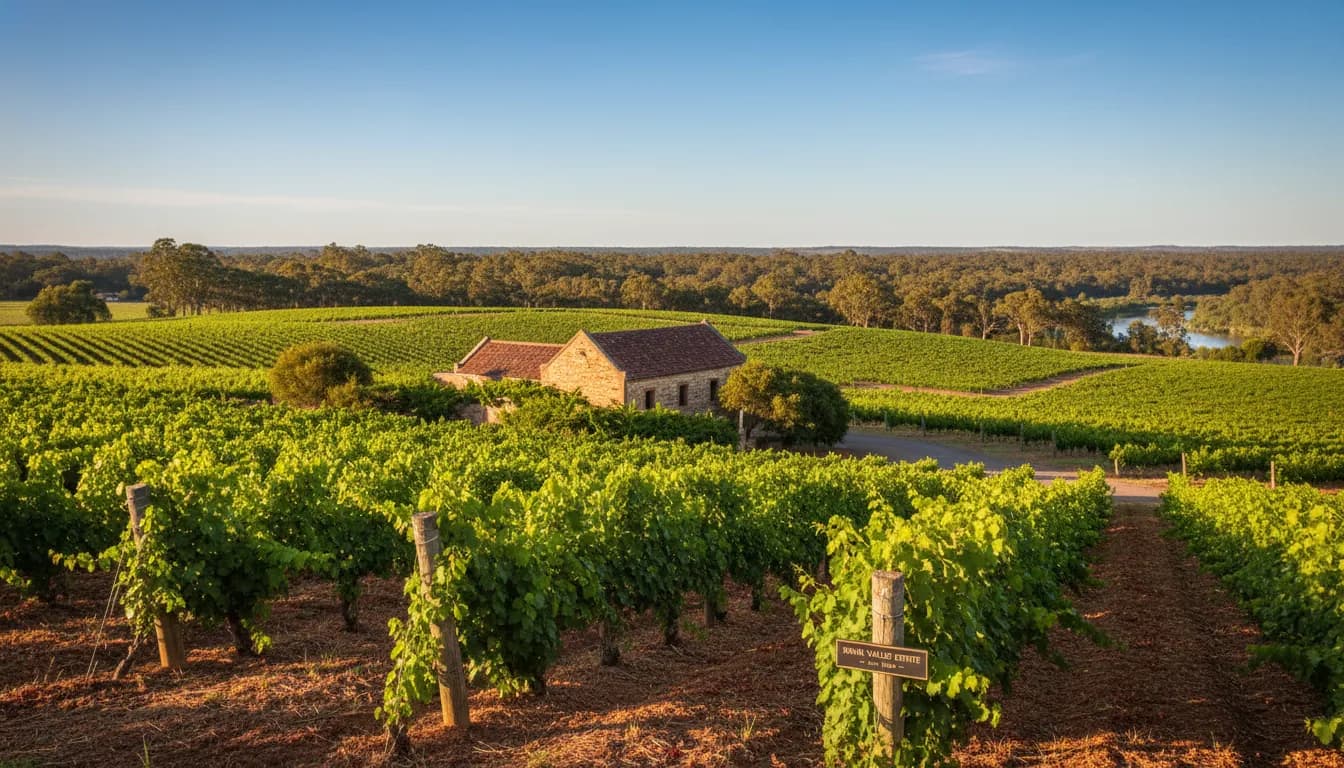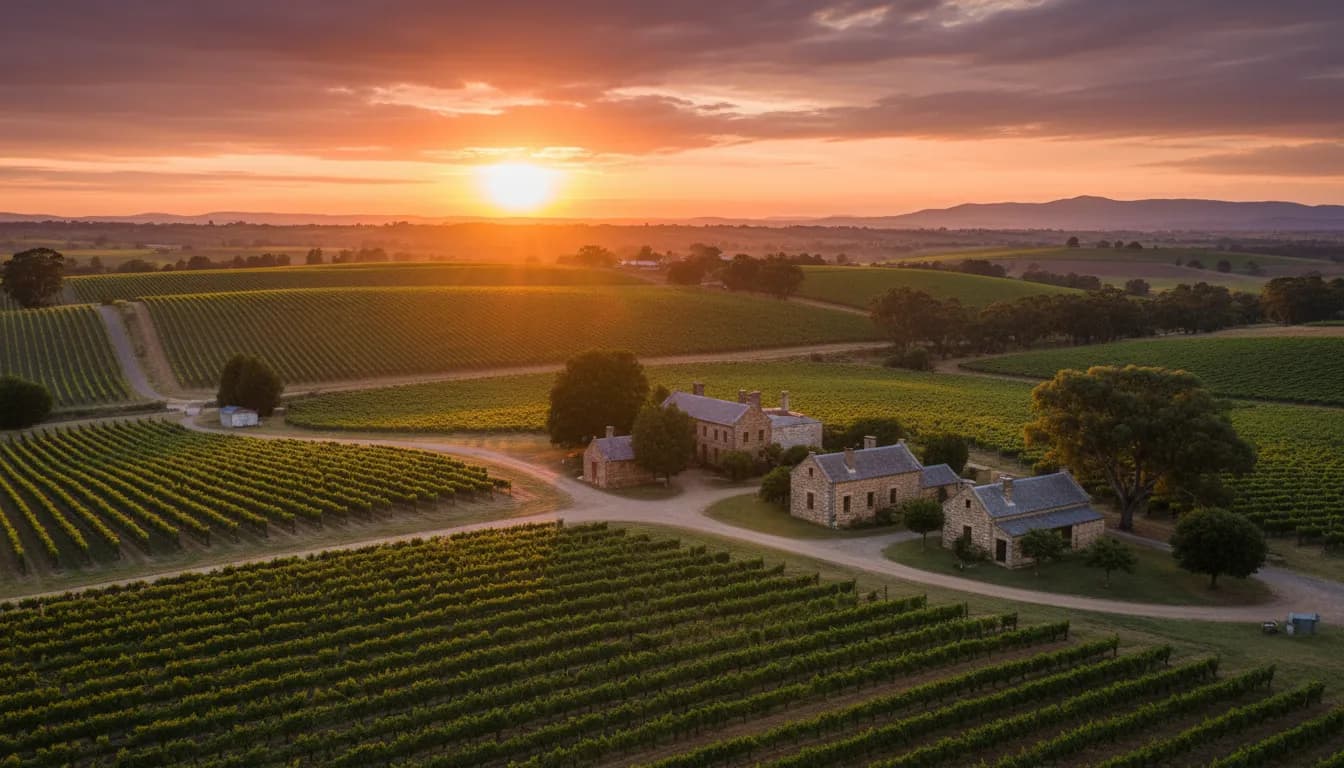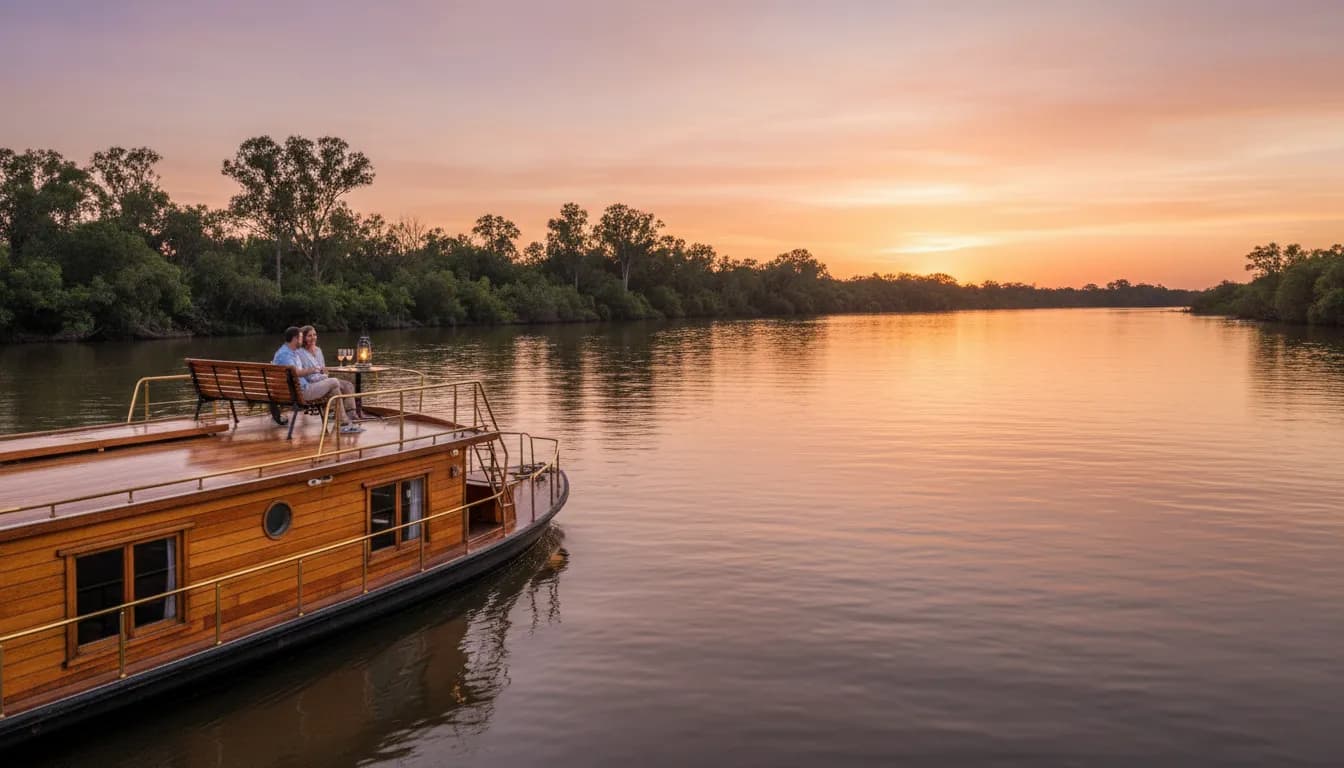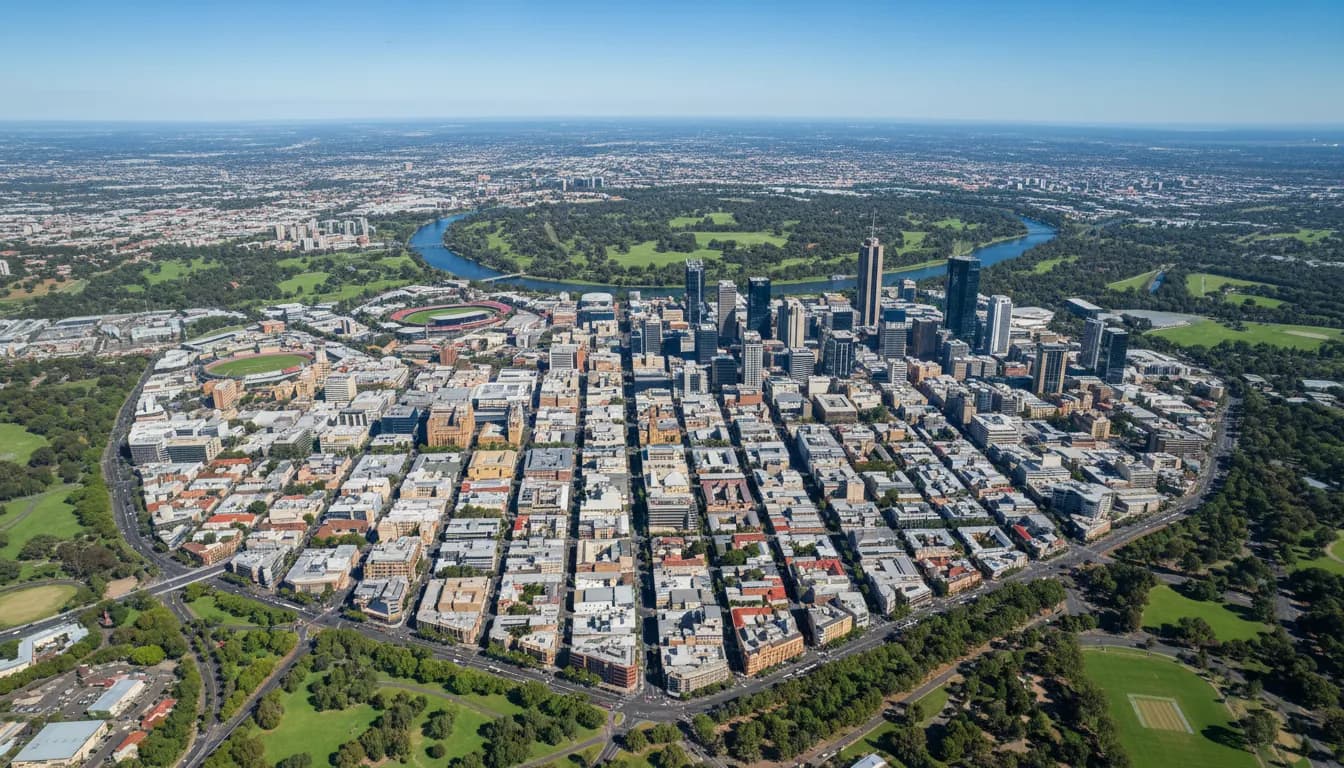
South Australia often conjures images of the bustling Adelaide Central Market, the historic grandeur of North Terrace, or the world-renowned wineries of the Barossa Valley. These iconic destinations are undeniably captivating, drawing countless visitors seeking a taste of Australian charm and sophistication. Yet, for the truly curious traveller, one yearning for authentic cultural narratives and the raw beauty of untamed landscapes, a different path beckons.
As a seasoned explorer who has journeyed across diverse terrains, from the bustling hawker stalls of Southeast Asia to the ancient ruins of Europe, I've learned that the most profound discoveries often lie just beyond the well-trodden tourist trails. My own quest for such genuine experiences recently led me to the Yorke Peninsula, a magnificent stretch of coastline south-west of Adelaide, which stands as a compelling alternative to some of Australia's more popular, often overcrowded, coastal hubs. This region, deeply rooted in both Aboriginal heritage and European maritime history, offers a unique blend of adventure, tranquility, and cultural immersion that truly resonates with the MLifeOn spirit of 'More Discovery, More Experience.'
Escaping the Crowds on the Yorke Peninsula
The allure of Australia's coastline is undeniable, with its pristine beaches and vibrant marine life drawing millions annually. However, this popularity often comes with a trade-off: crowded shores, commercialized towns, and a less intimate connection with nature. For those of us who seek solace and genuine cultural insight, the Yorke Peninsula presents a refreshing counter-narrative.
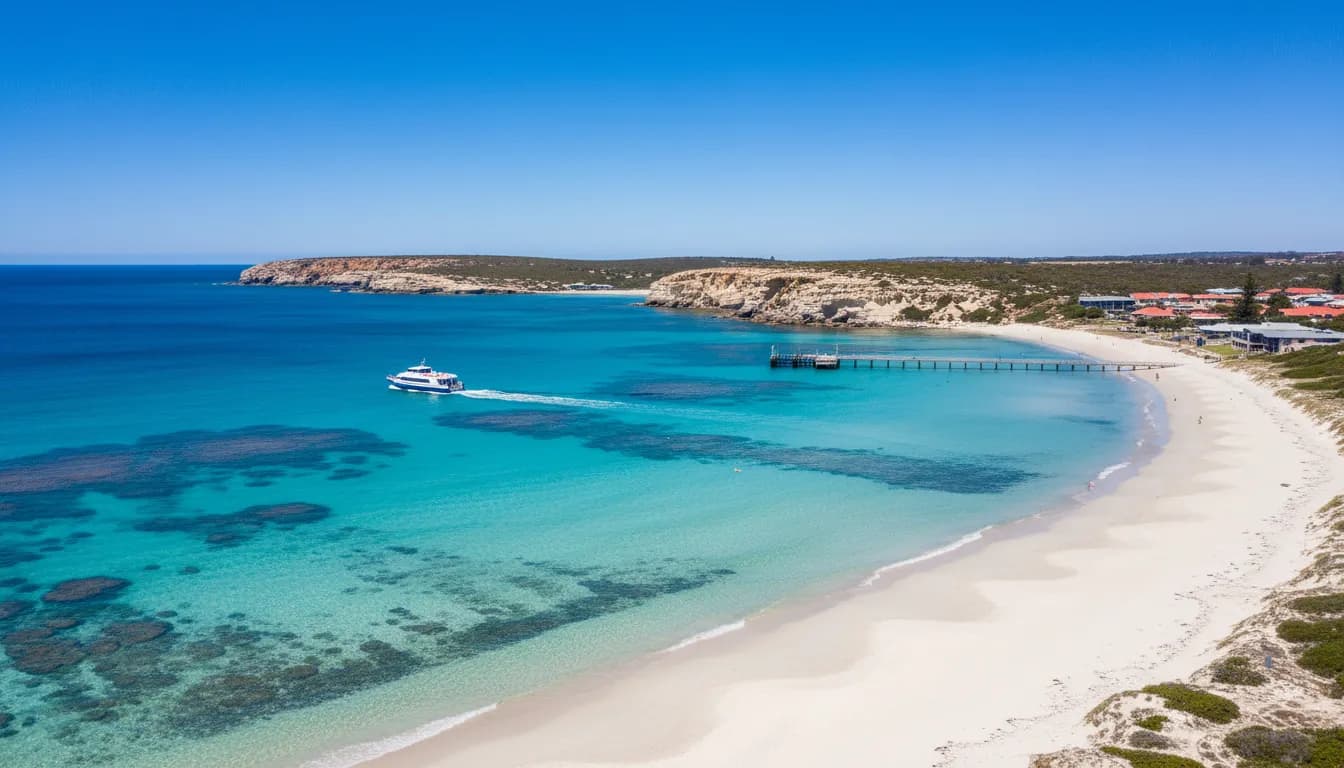
My first visit to the Yorke Peninsula was years ago, a spontaneous decision to escape the city's hustle. I was immediately struck by its tranquil beauty, a stark contrast to the often-frenzied atmosphere of East Coast beaches. Here, the pace slows, inviting you to breathe deeply and truly absorb your surroundings. The region's gentle rolling hills, interspersed with charming agricultural towns, gradually give way to a spectacular rugged coastline.
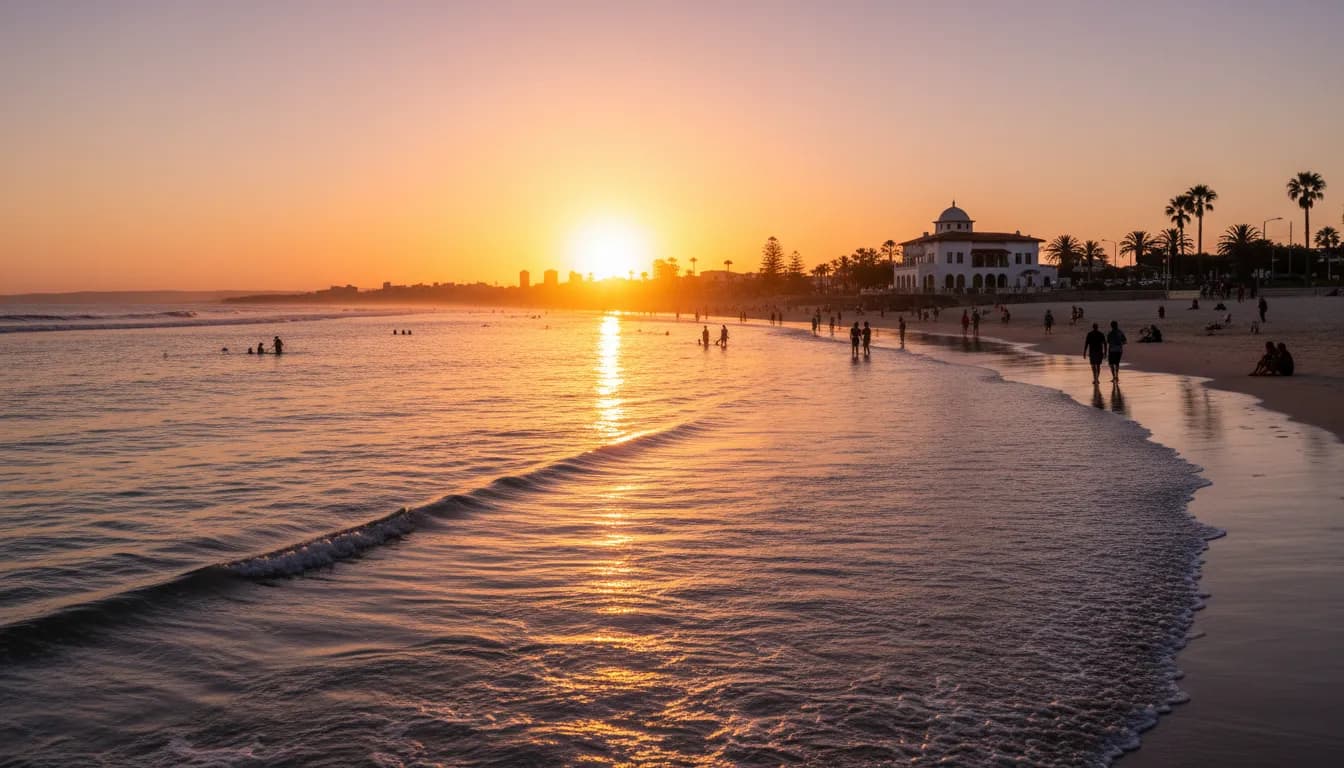
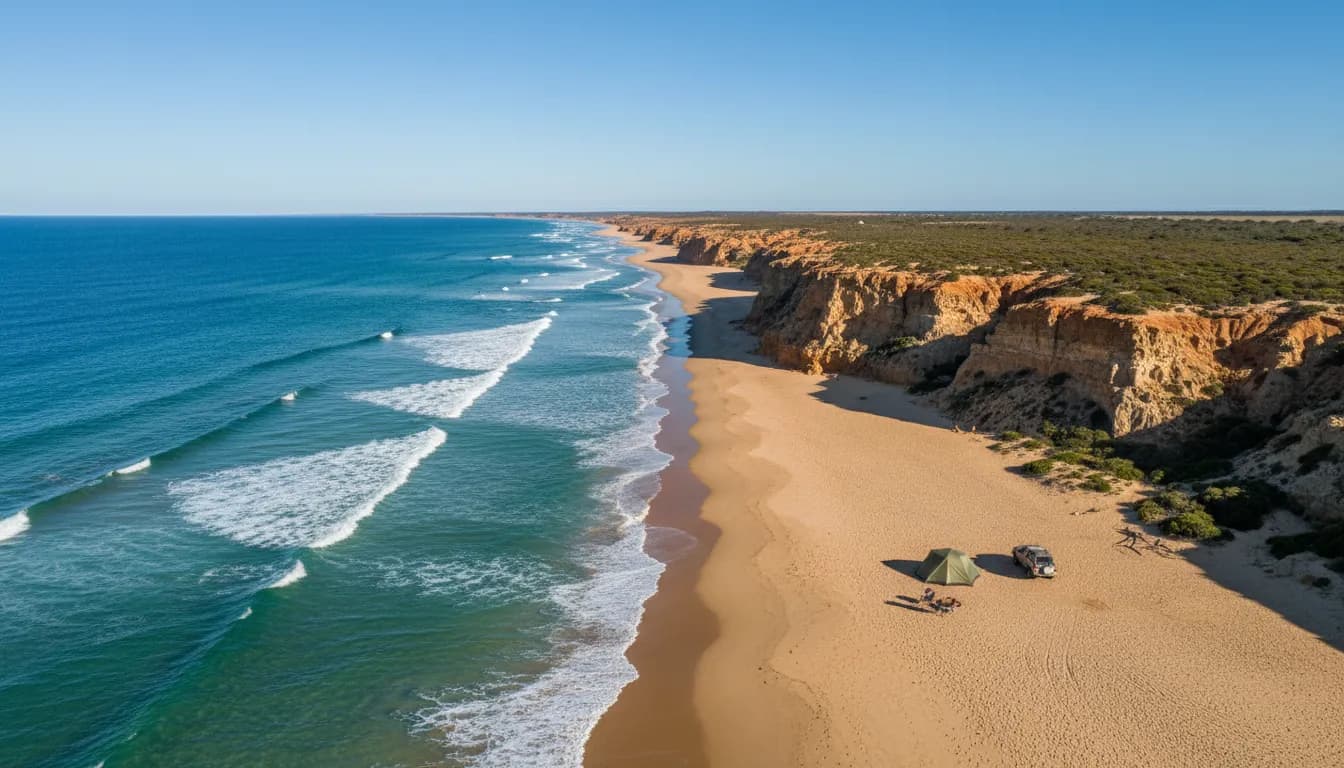
This 'foot' of South Australia, as it's affectionately known due to its distinctive shape, offers an escape into a world where the ocean's roar and the rustle of the wind are your primary companions. It is a place where you can find vast stretches of sand with barely another soul in sight, allowing for moments of profound personal reflection and connection to the land. This sense of undisturbed serenity is a rarity in today’s fast-paced travel landscape, making the Yorke Peninsula a treasure for those who value peace and authentic engagement.
The peninsula's charm extends beyond its natural beauty; it lies in the understated authenticity of its small towns. Places like Moonta, Kadina, and Wallaroo, part of the 'Copper Triangle,' tell compelling stories of South Australia's mining past, offering a glimpse into the lives of early European settlers and the Cornish heritage they brought with them. These towns, rich in history, provide a cultural layer often missing from purely beach-focused destinations.
As I wandered through the historic streets of Moonta, exploring its old mining sites and heritage buildings, I felt a tangible connection to the pioneers who shaped this land. The local museums, filled with artifacts and photographs, offered a fascinating insight into the challenges and triumphs of early settlement. This blend of natural beauty and historical depth makes the Yorke Peninsula a destination that speaks to both the adventurous spirit and the culturally curious mind.
The Main Event: Dhilba Guuranda-Innes National Park
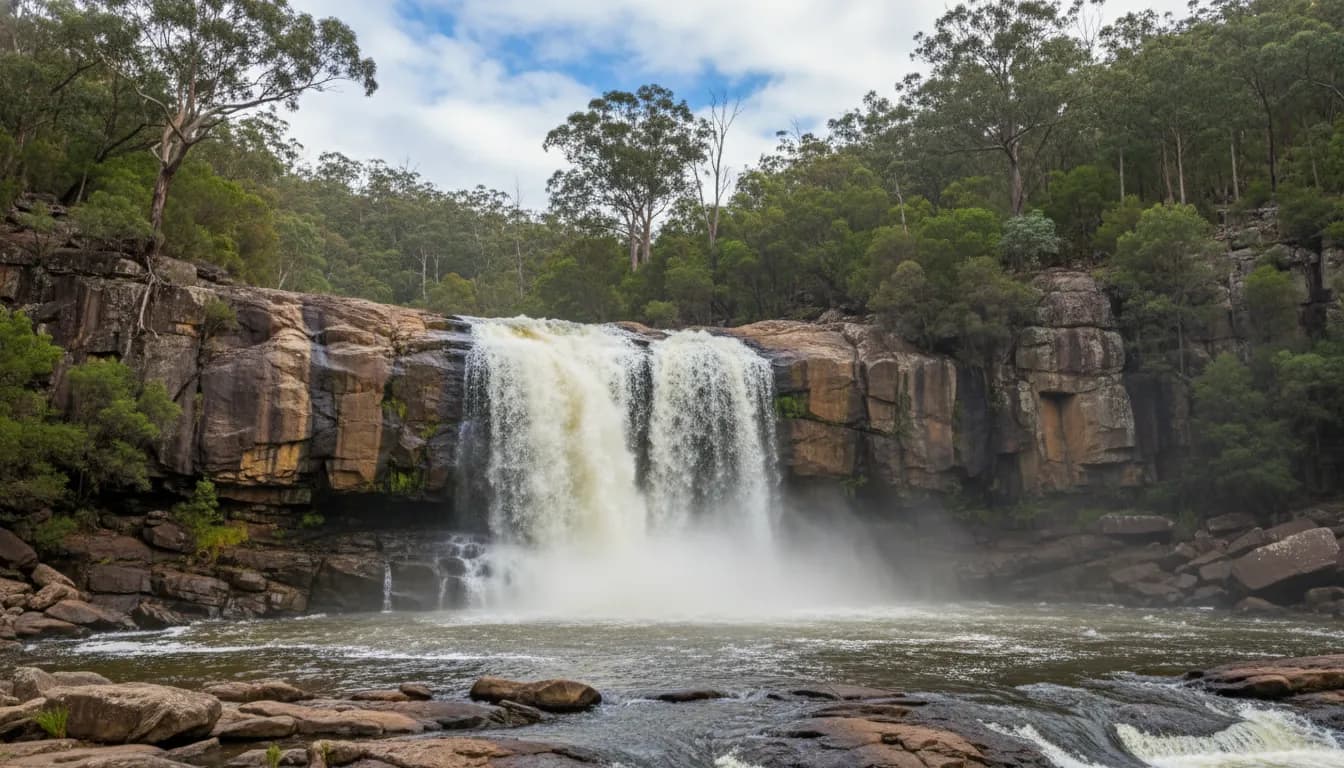
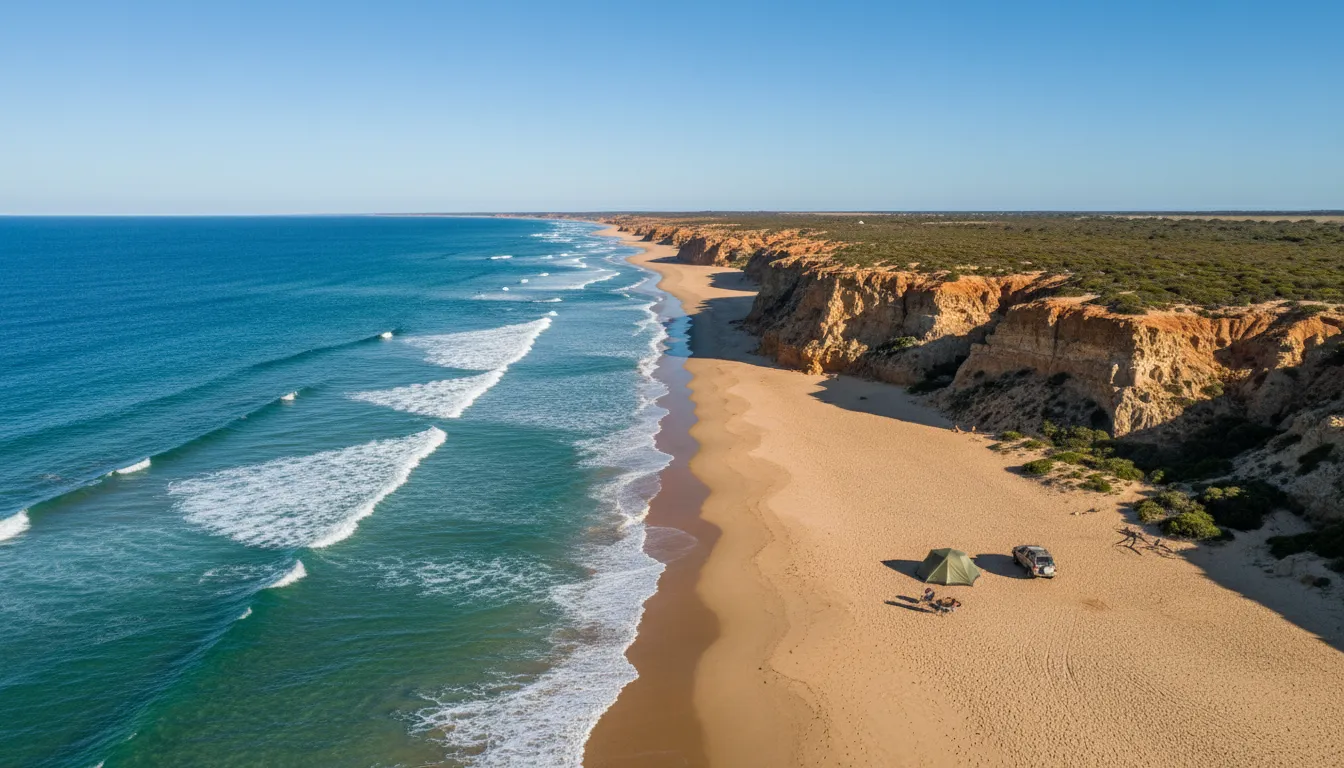
At the very tip of the Yorke Peninsula lies its crowning jewel: Dhilba Guuranda-Innes National Park. This extraordinary sanctuary is not merely a park; it is a vibrant testament to South Australia's natural and cultural heritage, a place where ancient landscapes meet the restless ocean. My initial drive into the park was met with an immediate sense of awe, as the landscape transformed into a dramatic tapestry of coastal cliffs, pristine beaches, and dense mallee scrub.
The park's dual name, Dhilba Guuranda, acknowledges the traditional owners, the Narungga people, whose connection to this land spans millennia. This recognition underscores MLifeOn's commitment to cultural understanding, reminding visitors that every landscape holds stories far deeper than its surface beauty. Exploring Innes is an immersive experience, inviting you to walk in the footsteps of those who have nurtured this land for generations.
Within Dhilba Guuranda-Innes National Park, dramatic limestone cliffs plunge into the Southern Ocean, creating breathtaking vistas that change with every turn of the road. The park is a haven for diverse wildlife, from emus and kangaroos freely roaming the bush to an abundance of seabirds nesting on the cliffs. On one memorable occasion, I watched a mob of kangaroos grazing peacefully near my campsite, completely unfazed by my presence, a true highlight of connecting with Australia's unique fauna.
The park offers a plethora of activities, catering to adventurers and nature lovers alike. From challenging coastal hikes that unveil hidden coves to tranquil spots perfect for fishing or simply observing the vastness of the ocean, there is an experience for every visitor. It’s a place where the wild beauty of Australia is preserved and celebrated, offering a profound sense of escape and rejuvenation.
Why Innes NP is a Better Alternative to Busy East Coast Beaches
When one considers the iconic beaches of Australia's East Coast – think Bondi, Surfers Paradise, or Byron Bay – images of vibrant crowds, bustling cafes, and energetic surf culture often come to mind. While these destinations offer a lively experience, they can sometimes overshadow the quiet contemplation and deep connection that many travellers seek. Dhilba Guuranda-Innes National Park, in contrast, offers a profoundly different, and arguably richer, alternative.
Firstly, the sheer sense of unspoiled wilderness at Innes is unparalleled. Unlike the highly developed coastal strips on the East Coast, Innes National Park remains largely untouched, preserving its raw, rugged beauty. Here, the beaches are not lined with high-rise hotels or commercial establishments, but rather backed by native bushland and dramatic cliffs, offering an authentic, unadulterated natural experience. I remember standing on a deserted beach, the only footprints in the sand being my own, feeling a profound sense of peace.
Secondly, the wildlife encounters are far more intimate and frequent. Innes National Park is a sanctuary where kangaroos, emus, and various bird species roam freely, often venturing close to campsites and walking trails. This direct interaction with Australia's unique fauna, in their natural habitat, creates lasting memories and a deeper appreciation for the continent's biodiversity. It's a stark contrast to the occasional, often distant, wildlife sightings in more urbanized coastal areas.
Furthermore, the cultural and historical depth of Innes National Park adds another layer of significance. The park is dotted with remnants of South Australia's maritime past, including historic lighthouses and shipwrecks, alongside the enduring presence of the Narungga people's heritage. This combination offers more than just a beach holiday; it provides an opportunity for cultural learning and historical exploration, resonating with MLifeOn's focus on meaningful connections. It’s a place where you don't just see history, you feel it.
Finally, the lack of commercialization means that the focus remains firmly on the natural environment and outdoor activities. Visitors come to surf, fish, hike, and simply relax amidst stunning scenery, rather than to shop or party. This makes Innes National Park an ideal destination for those seeking genuine adventure and tranquility, a true escape from the consumer-driven tourism that often pervades more famous coastal spots. It's an investment in experiences, not just commodities.
Exploring the Ethel Shipwreck and Cape Spencer Lighthouse
Within Dhilba Guuranda-Innes National Park, two iconic landmarks stand as poignant reminders of both nature's power and human resilience: the Ethel Shipwreck and the Cape Spencer Lighthouse. These sites are not just scenic spots; they are storytellers, each narrating a chapter of the Yorke Peninsula's rich maritime history.
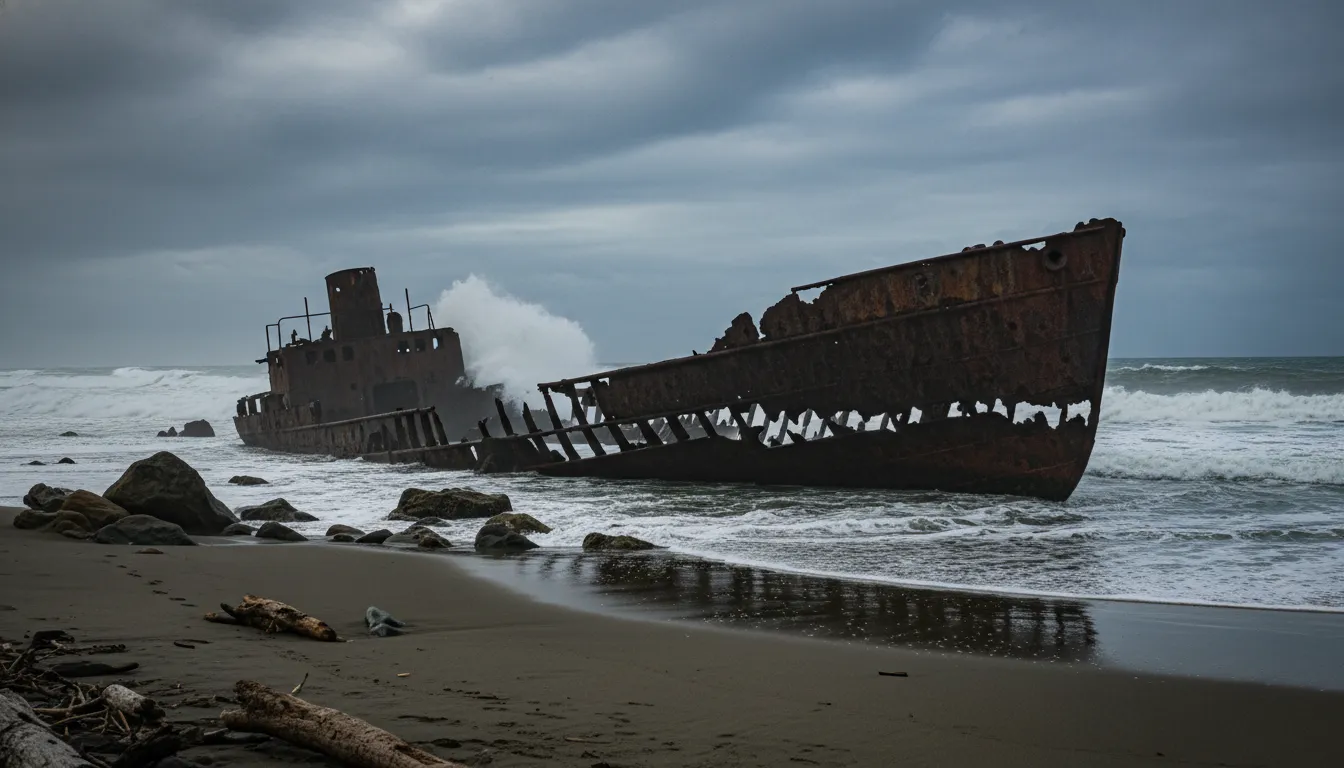
The Ethel shipwreck, a ghostly skeleton of a vessel caught in the relentless embrace of the ocean, is an incredibly evocative sight. The Ethel was a three-masted iron barque that ran aground in 1904 during a severe storm, and its remains now lie half-buried in the sand of a remote beach. Standing before its rusting hull, battered by decades of waves, I felt a profound sense of awe and melancholy. It’s a powerful testament to the unforgiving nature of the sea and the fleeting presence of human endeavors.
Visiting the Ethel is more than just observing a relic; it’s an immersive historical experience. The walk down to the beach, often through soft sand, adds to the sense of discovery. As the tide recedes, more of the wreck is revealed, offering different perspectives and photographic opportunities. It serves as a stark, beautiful reminder of the dangers faced by early mariners and the raw power of the Southern Ocean.
Perched majestically atop the rugged cliffs, the Cape Spencer Lighthouse offers a contrasting yet equally compelling narrative. This historic lighthouse, established in 1913, has guided countless ships through treacherous waters, standing as a beacon of hope and safety. Its striking white tower against the backdrop of the deep blue sea and sky creates a truly picturesque scene.
From the lighthouse, the panoramic views across the Southern Ocean and the dramatic coastline of Dhilba Guuranda-Innes National Park are simply breathtaking. On a clear day, you can see for miles, feeling the vastness of the ocean and the wildness of the landscape. I spent a long time here, simply gazing out, imagining the ships navigating these waters, and reflecting on the stories the lighthouse keepers could tell. It’s a place that inspires contemplation and provides a profound connection to the region's heritage.
Surfing and Camping on the 'Foot' of South Australia
Beyond its historical and natural wonders, the Yorke Peninsula is a paradise for adventurers, particularly those drawn to the thrill of the waves and the simplicity of camping under the stars. The 'foot' of South Australia is renowned for its consistent surf breaks and an abundance of idyllic camping spots, offering an authentic Australian coastal experience. This combination is precisely what I, and many like me, seek when travelling – an opportunity to fully immerse in the environment.
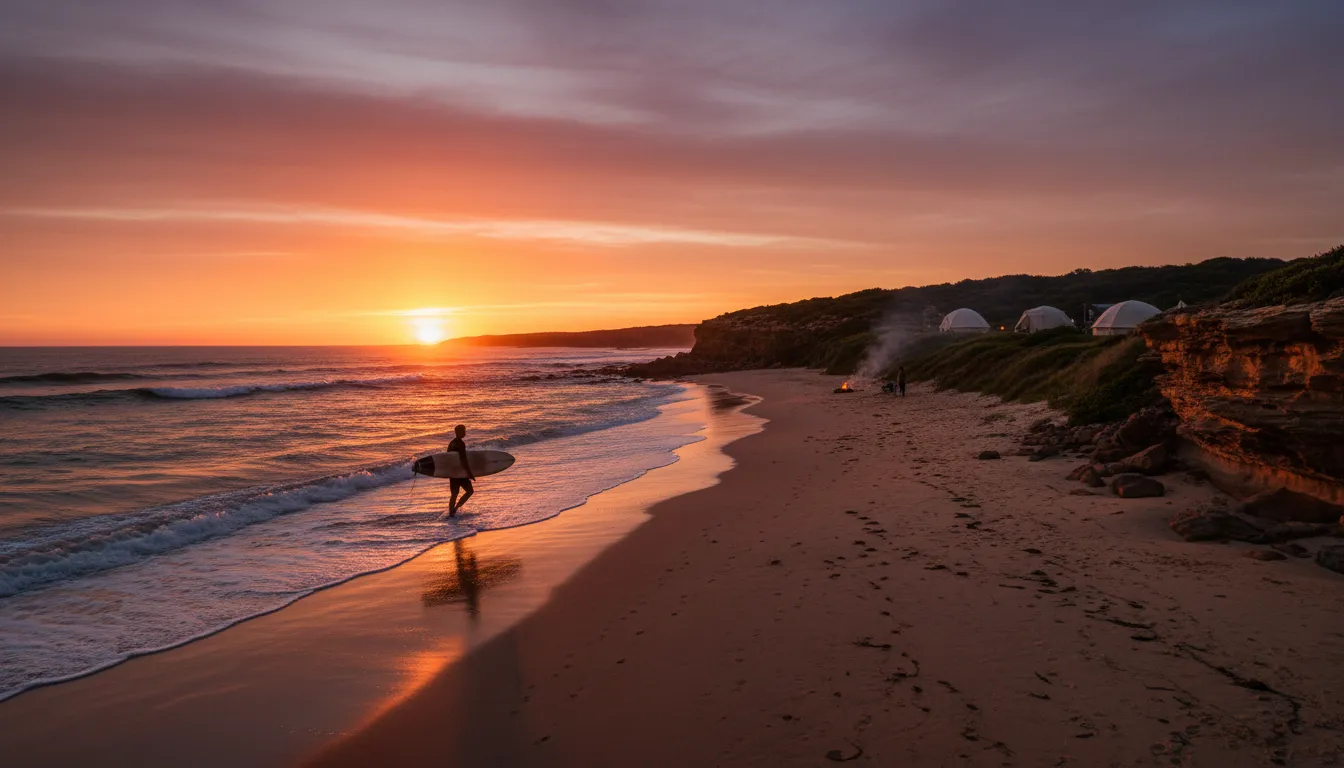
The peninsula boasts a variety of surf breaks, catering to all skill levels, from gentle waves perfect for beginners to challenging swells for experienced surfers. Locations like Pondalowie Bay, Chinamans, and West Cape offer some of the best surf in South Australia, often with far fewer crowds than their East Coast counterparts. I've spent many mornings out in the water here, the only sounds being the gulls and the rhythmic crash of the waves, a truly meditative experience.
This uncrowded nature allows for a more personal and less competitive surfing experience, where the focus is truly on connecting with the ocean. It's a place where you can refine your skills or simply enjoy the ride without the pressure of a packed line-up. The surf culture here is laid-back and friendly, reflecting the overall relaxed vibe of the Yorke Peninsula.
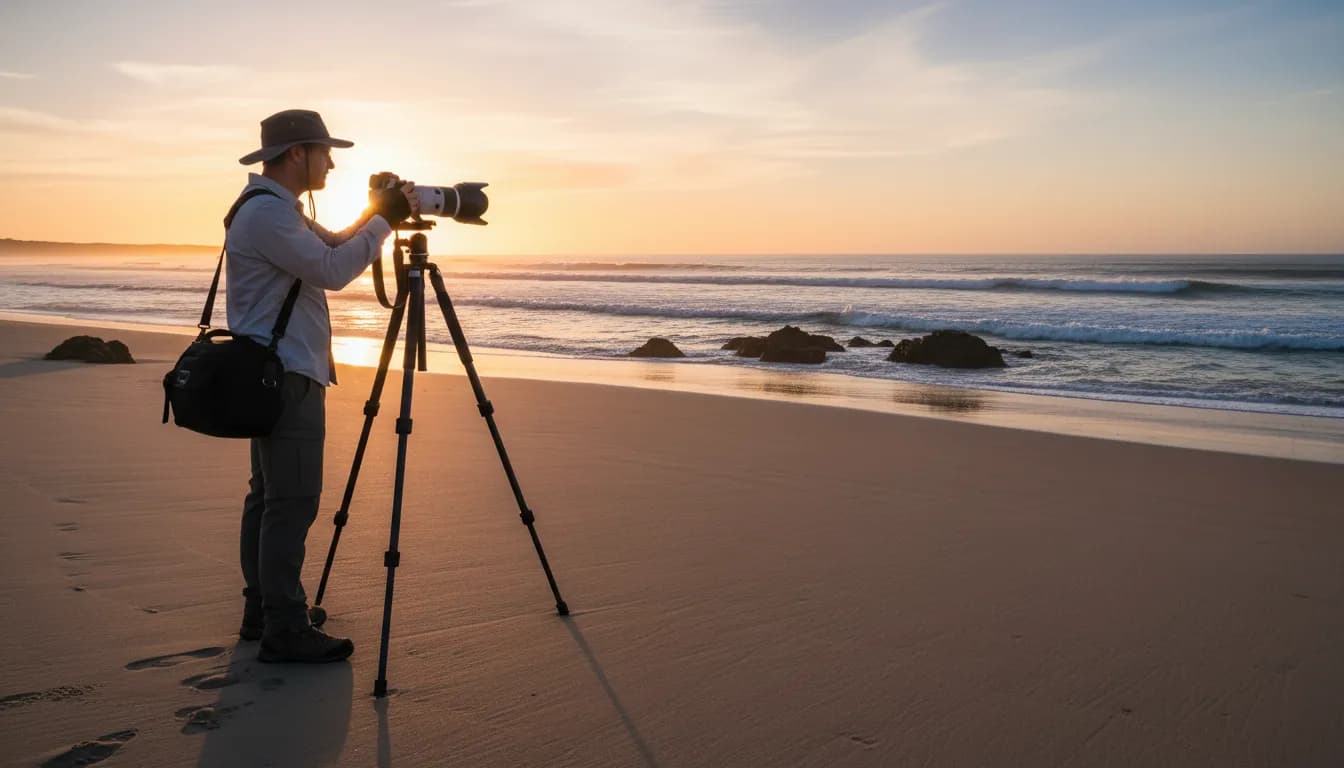
Complementing the excellent surfing, the Yorke Peninsula is a camper's dream. Dhilba Guuranda-Innes National Park, in particular, offers several well-maintained campgrounds, many with stunning coastal views. Imagine waking up to the sound of the ocean, stepping out of your tent to watch the sunrise over the water, and having kangaroos graze nearby – these are common occurrences here.
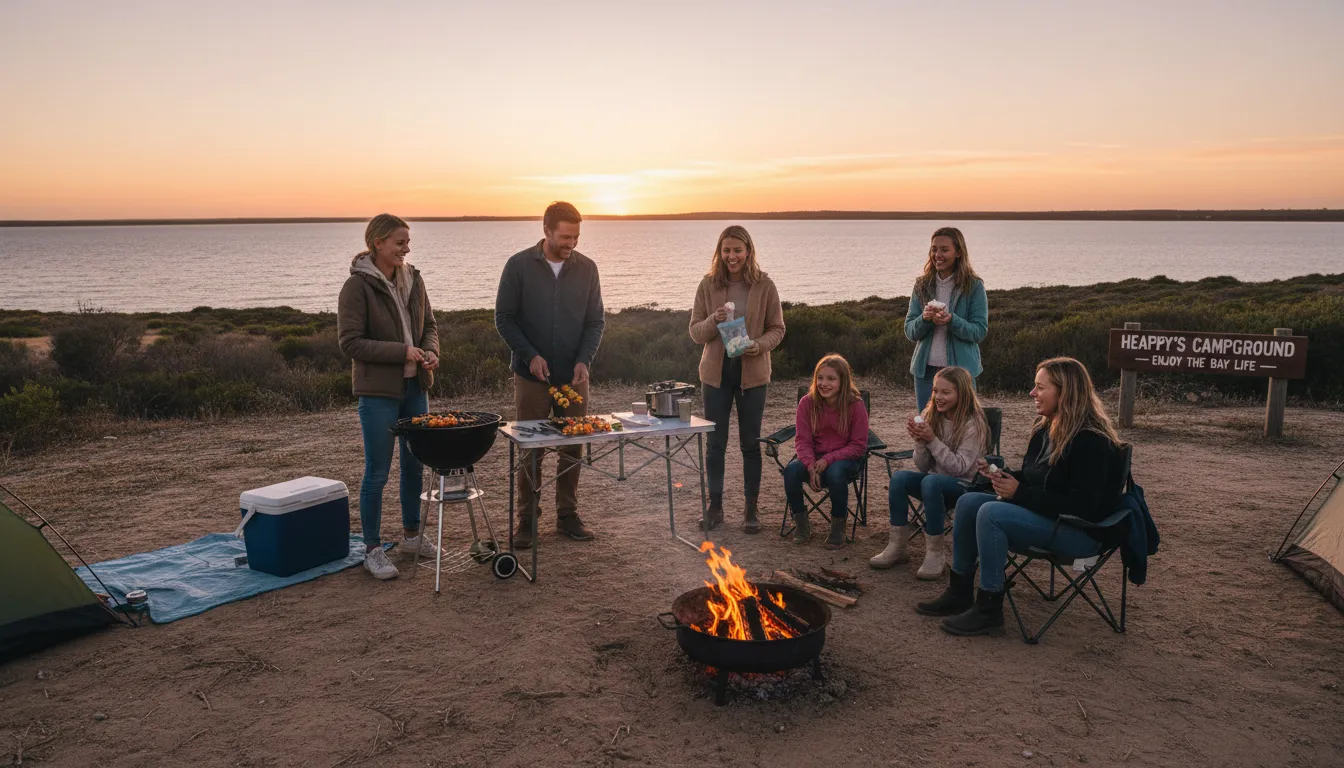
Camping on the Yorke Peninsula is about stripping back to essentials, embracing nature, and creating unforgettable memories around a campfire. It's about cooking simple meals under a canopy of stars, sharing stories, and feeling a deep connection to the land. Whether you prefer basic bush camping or sites with amenities, the options are plentiful, providing an affordable and intimate way to experience the region's beauty. This blend of adventure and rustic comfort aligns perfectly with the experiential travel philosophy that MLifeOn champions.
Cost Comparison: Yorke Peninsula vs Other Coastal Hubs
One of the significant advantages of choosing the Yorke Peninsula for your Australian coastal adventure is its remarkable affordability compared to other popular coastal hubs across the country. As a seasoned traveller, I've always appreciated destinations that offer rich experiences without breaking the bank, allowing for longer stays and deeper cultural immersion. The Yorke Peninsula truly excels in this regard, making it an attractive option for budget-conscious explorers and families alike.
Let's consider accommodation. On the East Coast, particularly in hotspots like the Gold Coast, Byron Bay, or even popular spots in Victoria like the Great Ocean Road, hotel and Airbnb prices can skyrocket, especially during peak season. A modest hotel room can easily cost upwards of $200-$300 per night, and premium beachfront properties can be significantly more. In contrast, the Yorke Peninsula offers a range of affordable options. Camping in Dhilba Guuranda-Innes National Park, for example, is incredibly economical, with sites costing around $10-$20 per night. Even cabins and holiday park accommodations in towns like Edithburgh or Marion Bay are typically far more reasonably priced than their East Coast equivalents, often ranging from $100-$180 per night for comfortable stays.
Transportation costs also tend to be lower. While flying into major East Coast cities can be expensive, the Yorke Peninsula is easily accessible by car from Adelaide, a pleasant two to three-hour drive. This means no additional flights or expensive inter-city transport is required once you've arrived in South Australia. Fuel costs will be your primary concern, but these are often offset by the lower daily expenses.
When it comes to activities, many of the Yorke Peninsula's most compelling experiences are free or very low cost. Hiking through national parks, exploring shipwrecks, swimming at pristine beaches, and wildlife spotting cost nothing beyond the park entrance fee (for Innes National Park, which is a very reasonable day or multi-day pass). This contrasts sharply with the often-pricier tourist attractions and organized tours prevalent in more commercialized destinations. For instance, a surf lesson on the East Coast might set you back $60-$100, whereas on the Yorke, you can often find local instructors for less, or simply enjoy the uncrowded waves on your own.
Even dining out, while not as abundant as in city centres, offers excellent value. Local pubs and cafes in the small towns serve hearty meals at fair prices, often featuring fresh local produce and seafood. The emphasis here is on quality and authenticity, rather than inflated tourist prices. You can enjoy a delicious pub meal for around $20-$30, a stark contrast to the often much higher prices in Sydney or Melbourne. My experience has consistently shown that my daily expenditure on the Yorke Peninsula is significantly less, allowing me to stretch my travel budget further and stay longer.
For families, the savings are even more pronounced. The cost of entertaining children on the Yorke Peninsula – building sandcastles, exploring rock pools, spotting kangaroos – is minimal. This allows families to enjoy a genuine Australian adventure without the constant financial drain associated with more commercially oriented tourist traps. The region truly embodies value for money, proving that unforgettable cultural stories and inspiring connections don't always come with a hefty price tag.
Conclusion
The Yorke Peninsula, with its rugged beauty, rich cultural tapestry, and tranquil charm, stands as a compelling alternative to South Australia's more famous locations and Australia's often-crowded coastal hubs. It offers a unique blend of natural wonders, historical depth, and authentic experiences that truly resonate with the ethos of MLifeOn – a journey towards 'More Discovery, More Experience.' From the serene solitude of Dhilba Guuranda-Innes National Park to the poignant stories of the Ethel Shipwreck and the guiding light of Cape Spencer, every corner of this region invites deeper engagement.
My own travels have taught me that the most profound memories are forged in places where you can truly connect with the land, its history, and its people, away from the clamour of mass tourism. The Yorke Peninsula provides just such an opportunity, allowing visitors to surf uncrowded waves, camp under a canopy of stars, and delve into a past shaped by both Indigenous heritage and early European settlement. It’s a destination where the wild heart of Australia beats strong, offering a refreshing and affordable escape.
For the culturally curious reader seeking substantive travel narratives and meaningful connections, the Yorke Peninsula is more than just a destination; it's an invitation. It's an invitation to slow down, to explore, and to discover the authentic spirit of South Australia. So, pack your bags, embrace the open road, and embark on your own journey to unearth the unforgettable stories waiting for you on the 'foot' of South Australia. Your next great adventure, rich in discovery and experience, awaits.