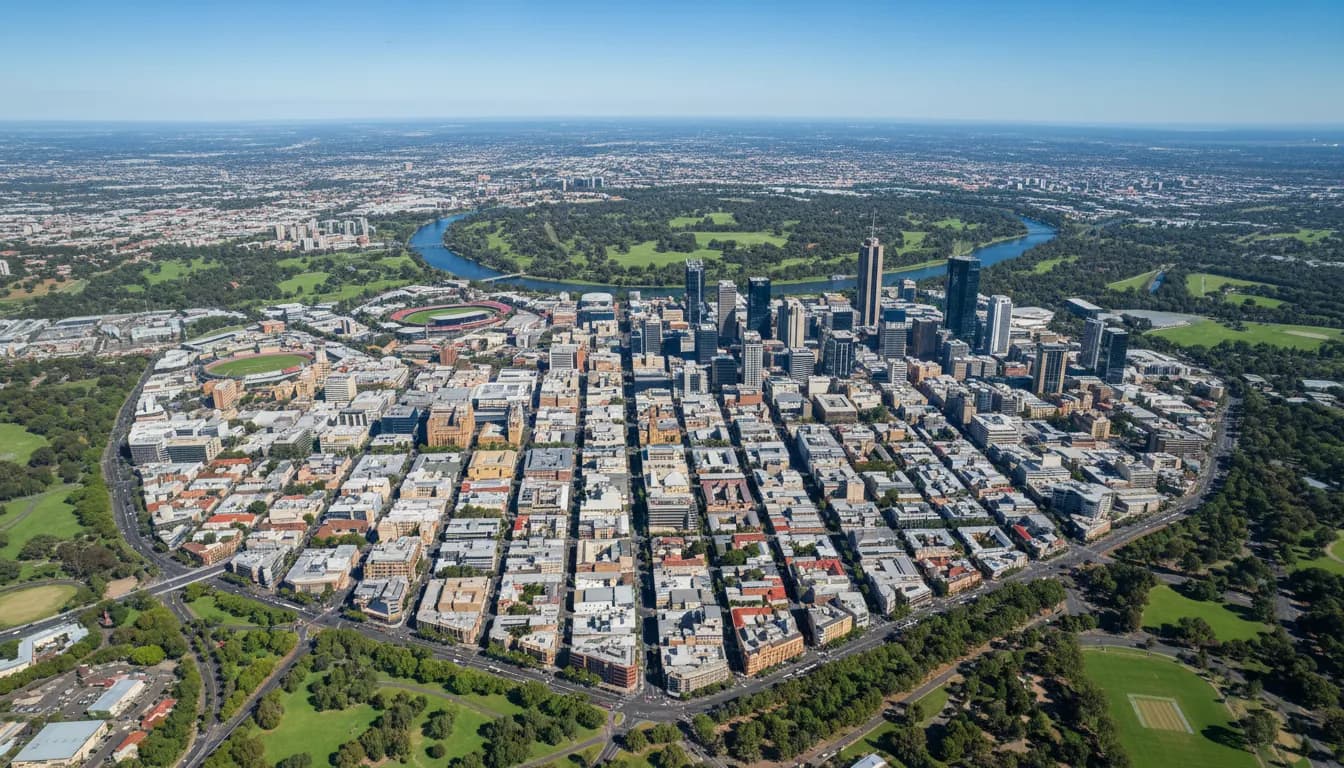
Singapore, the Lion City, is not just a global financial hub or a Garden City; it is a culinary crucible, a vibrant tapestry woven from Malay, Chinese, Indian, and Peranakan threads. For the discerning traveller, especially those from a Vietnamese-Australian background like myself, the island nation offers a symphony of flavours that resonate deeply with our own rich culinary heritage. The true essence of Singapore can be found not in its gleaming skyscrapers, but within the bustling hawker centres and hidden shophouse eateries, where generations of culinary traditions thrive.
My journeys through Southeast Asia have always been anchored by the pursuit of authentic food experiences. From the street stalls of Hanoi to the bustling markets of Kuala Lumpur, food tells a story of culture, history, and community. Singapore, with its incredible diversity and unparalleled food safety standards, presents a unique opportunity: a chance to embark on a gastronomic marathon, a food crawl designed to maximize flavour discovery. This isn't just about eating; it's about strategizing, exploring, and truly understanding the soul of a city through its cuisine. It's an adventure that promises more than just full bellies; it offers unforgettable cultural stories and inspiring connections.
Planning Your Route: Neighborhood-Based Food Tours
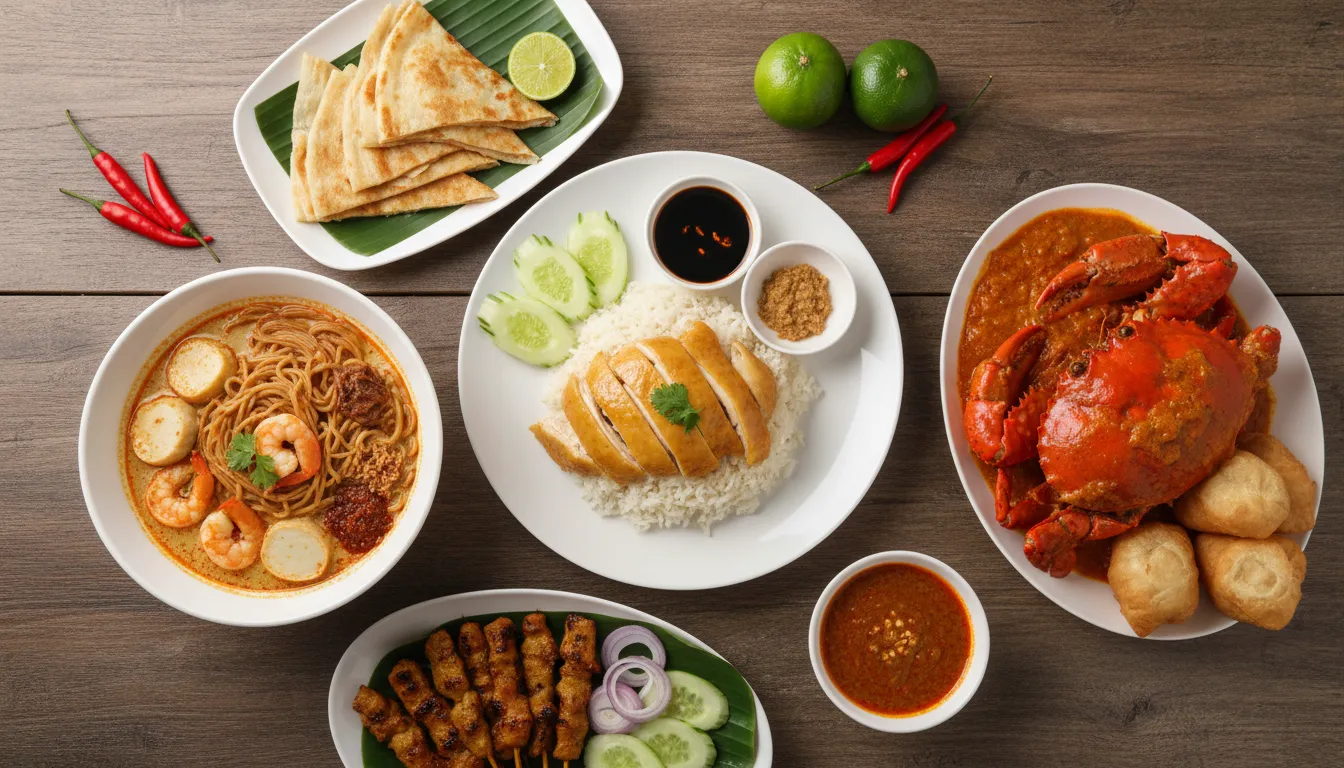
The sheer volume of delicious options in Singapore can be overwhelming. To truly conquer its culinary landscape, a well-thought-out plan is essential. My preferred method is to adopt a neighbourhood-based approach, allowing for deeper immersion into specific cultural pockets and minimizing travel time between bites. This strategy transforms a simple meal into an exploratory journey, revealing the unique character of each district.
Consider starting your day in Tiong Bahru, one of Singapore’s oldest housing estates, now a charming blend of art deco architecture and trendy cafes. The Tiong Bahru Market is a quintessential morning stop. Here, you can sample traditional breakfast fare like Chwee Kueh, steamed rice cakes topped with preserved radish, or a comforting bowl of Lor Mee, thick yellow noodles in a starchy gravy. The beauty of Tiong Bahru lies in its ability to offer both heritage hawker stalls and modern artisanal bakeries, providing a diverse culinary experience within a compact area.
Next, venture into Chinatown, a historic district bustling with activity. This area is a treasure trove of Chinese culinary delights, from delectable Dim Sum to crispy Roasted Duck. The Maxwell Food Centre is a pilgrimage site for many, famous for Tian Tian Hainanese Chicken Rice, a dish so iconic it draws queues even on weekdays. Exploring the surrounding streets also reveals hidden gems, like traditional dessert shops serving Tau Huay (soybean curd) or fragrant herbal teas.
A stark contrast awaits in Little India, a kaleidoscope of colours, sounds, and aromas. Here, you can delve into the rich flavours of South Indian cuisine. My personal ritual involves seeking out crispy Roti Prata with various curries for dipping, or a hearty Thosai. The Tekka Centre is a fantastic starting point, offering not only food but also fresh produce and vibrant saris. The experience of eating with your hands, as is traditional, adds another layer of cultural immersion that I find incredibly rewarding.
For a taste of Malay and Peranakan heritage, Kampong Glam and Geylang Serai Market are indispensable. Kampong Glam, with its majestic Sultan Mosque, offers fragrant Nasi Padang and delicious Murtabak. Geylang Serai, on the other hand, is a vibrant Malay wet market and food centre, where you can find authentic Nasi Lemak, Laksa, and an array of traditional Malay kueh (sweets). Each neighbourhood tells a distinct story through its food, reflecting the diverse communities that call Singapore home.
My own experiences have taught me that planning also involves understanding the rhythm of these places. Some hawker stalls only open for specific meals, while others have legendary queues that require patience. Using the efficient MRT (Mass Rapid Transit) system to navigate between these food havens is crucial, allowing you to maximize your tasting time without getting bogged down in traffic. Always check opening hours and popular times online to refine your itinerary.
The 'Small Plate' Strategy: How to Taste More in One Day
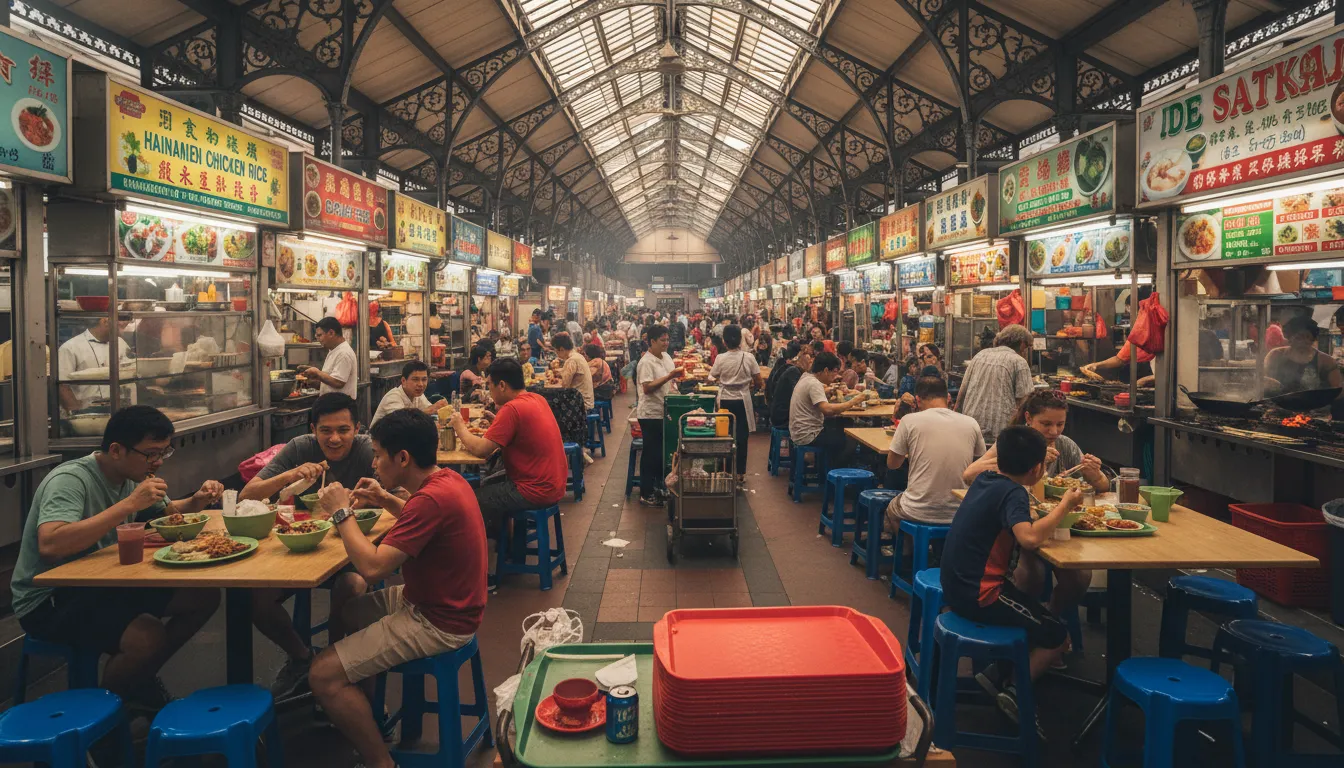
Embarking on a Singapore food crawl is an endurance sport for your taste buds, and the 'small plate' strategy is your secret weapon. This isn't about eating until you burst; it's about intelligent sampling, allowing you to experience a wider spectrum of flavours without succumbing to food coma. In a city where every corner offers a new culinary temptation, restraint and strategic sharing are paramount.
The beauty of Singapore's hawker culture lies in its affordability and the portion sizes. Many dishes are inherently designed as individual servings, but they are often modest enough to allow for multiple tastings. When travelling with companions, this strategy truly shines. My friends and I often order 3-4 different dishes for two people, each taking a few bites from every plate. This way, we can sample a Hainanese Chicken Rice, a Char Kway Teow, and a bowl of Laksa all in one sitting, getting a comprehensive taste of the stall's offerings.
For solo explorers, the small plate strategy requires a slightly different approach. Prioritize the absolute must-try dishes from your research. If a stall is famous for its prawn noodles, order a small bowl. Then, move on to another stall renowned for its carrot cake and get a small portion of that too. Don't feel obligated to finish every last grain of rice or noodle if you're feeling full; the goal is to experience the flavour profile, not to clean the plate. This mindful approach ensures you save precious stomach space for the next exciting find.
Consider dishes that are naturally smaller or easier to share. Satay skewers, for instance, are perfect for this. You can order a plate of 10-12 sticks of chicken, beef, or mutton satay and share them amongst a group, enjoying the smoky char and rich peanut sauce. Similarly, spring rolls, popiah (fresh spring rolls), or various dim sum items are ideal for collective sampling. Even a small plate of Sambal Stingray can be shared, allowing everyone a taste of this fiery seafood delight.
One trick I've learned is to identify the 'signature' dish of each stall. Many hawkers specialize in one or two items, perfecting them over decades. Focus on these legendary offerings rather than trying to sample everything a stall might offer. For example, if you're at a stall famous for its Hokkien Mee, don't also order their fried rice. Stick to the specialty, savour it, and then move on to the next culinary maestro. This selective approach ensures you're always tasting the best of the best.
Finally, don't underestimate the power of a good appetite management system. Start with lighter dishes and gradually move to heavier ones. Alternate between savoury and sweet. Most importantly, listen to your body. A food crawl is a marathon, not a sprint. Pace yourself, take breaks, and remember that the next delicious bite is always just around the corner.
Hydration and Digestion: Tips for Surviving the Heat and Spice
Singapore's tropical climate is an undeniable factor in any food adventure. The humidity and heat, combined with the often spicy and rich nature of local cuisine, can be challenging. Mastering the art of hydration and digestion is not just about comfort; it's crucial for sustaining your energy and ensuring you can fully appreciate every single dish on your food crawl. My personal experiences have taught me that neglecting these aspects can quickly turn a glorious culinary journey into a sweaty, uncomfortable ordeal.
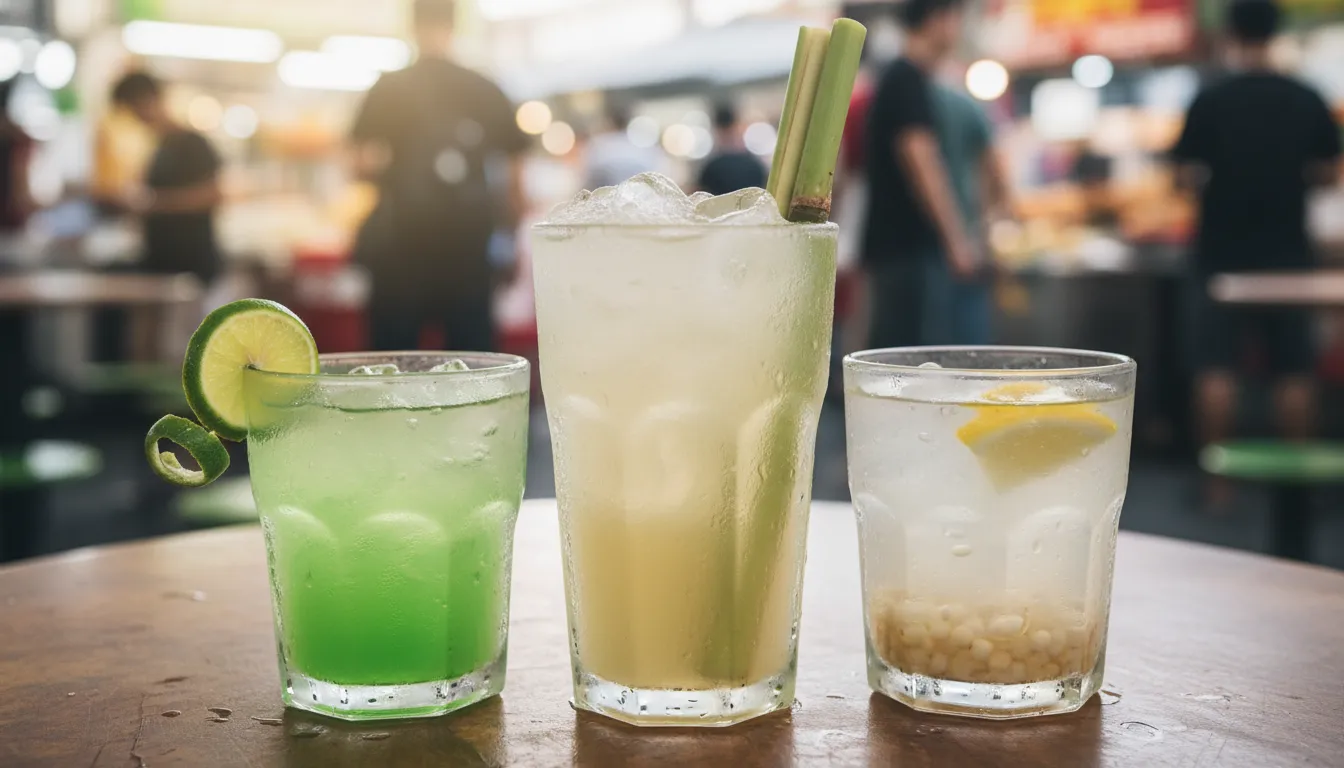
First and foremost, water is your best friend. Carry a reusable water bottle and refill it frequently. Many hawker centres and public spaces have water dispensers. Don't wait until you feel thirsty; sip water constantly throughout the day. Beyond plain water, Singapore offers a refreshing array of local beverages that can aid hydration and even digestion. Freshly squeezed sugar cane juice is incredibly invigorating, providing a natural sugar boost and a cooling effect. Lime juice or calamansi juice are also excellent choices, offering a tangy respite from the heat.
When it comes to managing the spice, be prepared. Many Singaporean dishes, particularly Malay and Indian ones, pack a fiery punch. While I appreciate a good chili kick, too much can numb your taste buds and lead to discomfort. Opt for dishes with adjustable spice levels if possible, or have a glass of Kopi O (black coffee) or Teh C (tea with evaporated milk) on hand, as dairy and caffeine can sometimes help cut through the heat. Learning a few basic phrases like 'kurang pedas' (less spicy) can be incredibly helpful when ordering.
Beyond immediate relief, consider incorporating local digestive aids. Herbal teas like Chrysanthemum tea or Barley water are traditionally consumed for their cooling properties and are readily available at hawker centres. For dessert, look for refreshing options like Ice Kachang (shaved ice with various toppings and syrups) or Cheng Tng (a clear, sweet soup with ingredients like dried longan, ginkgo nuts, and white fungus). These not only satisfy a sweet craving but also help to cool down your system and aid digestion after a heavy meal.
Comfortable clothing and footwear are non-negotiable. Light, breathable fabrics like cotton or linen will make a world of difference. You'll be doing a lot of walking, standing, and navigating crowded spaces, so supportive shoes are essential. I always pack a small towel or handkerchief to dab away sweat and carry a portable fan for those particularly humid moments. A small umbrella can also provide shade from the relentless sun or unexpected downpours.
Finally, remember to pace yourself. A food crawl is not about rushing from one stall to the next. Build in short breaks – perhaps a stroll through a nearby park, a visit to a temple, or simply sitting down for a non-food-related drink. These moments allow your body to digest, your mind to reset, and your appetite to regenerate. It's about enjoying the journey as much as the destination. By being mindful of hydration and digestion, you ensure that your Singaporean food marathon is an enjoyable and sustainable one.
Case Study: A 24-Hour Food Marathon Strategy
To illustrate how these strategies come together, let me walk you through a hypothetical, yet entirely feasible, 24-hour food marathon in Singapore, drawing from my own accumulated experiences. This isn't for the faint of heart, but for the truly dedicated food adventurer, it promises an unparalleled culinary immersion.
Morning (7:00 AM - 10:00 AM): Traditional Breakfast & Coffee Culture
We begin our day in the charming Tiong Bahru neighbourhood. Our first stop is a classic Kaya Toast and Kopi (coffee) breakfast at a traditional coffee shop like Heap Seng Leong or a local hawker stall in Tiong Bahru Market. I’d order a set of kaya toast, soft-boiled eggs (drizzled with dark soy sauce and white pepper), and a strong Kopi O (black coffee). From a nearby stall, we’d share a small plate of Chwee Kueh – steamed rice cakes with preserved radish – for a savoury counterpoint. This gentle start fuels us without overfilling.
Late Morning (10:00 AM - 12:00 PM): Hawker Centre Deep Dive
Next, we head to the iconic Maxwell Food Centre in Chinatown. This is where the 'small plate' strategy comes into full effect. We brave the queue for Tian Tian Hainanese Chicken Rice, ordering a small plate to share. While one person queues, the other scouts for another gem. We might grab a small portion of Fuzhou Oyster Cake or a refreshing bowl of Peanut Soup from a different stall. The goal here is to get a taste of the legendary, without committing to a full meal. A fresh lime juice from a drink stall provides essential hydration.
Lunch (12:00 PM - 2:00 PM): Diverse Flavours in Little India
A short MRT ride takes us to Little India. Our destination is the Tekka Centre, a vibrant hub. Here, we'd dive into South Indian flavours. We'd order a crispy Roti Prata with a side of fish curry and perhaps a small Thosai. To balance the richness, we’d seek out a stall offering Biryani – perhaps a chicken or mutton version, again, ordering a smaller portion to share. The explosion of spices here is always a highlight, and the vibrant atmosphere is an experience in itself.
Afternoon (2:00 PM - 4:00 PM): Cooling Treats & Cultural Stroll
After the spicy kick, it’s time for a cool-down. We’d walk through the colourful streets of Little India, perhaps visiting a temple, before heading to a traditional dessert shop. Ice Kachang (shaved ice with various toppings, often drizzled with evaporated milk and syrups) or a bowl of Chendol (coconut milk, palm sugar, and pandan jelly noodles) would be the perfect antidote to the heat. This break allows for digestion and a moment of cultural appreciation beyond food.
Mid-Afternoon (4:00 PM - 6:00 PM): Peranakan Delights in Katong
A bus or taxi ride would take us to the charming Katong/Joo Chiat area, renowned for its colourful Peranakan shophouses and unique cuisine. Here, we'd seek out a traditional Peranakan eatery for a taste of Laksa. The rich, spicy coconut broth with thick vermicelli noodles is an absolute must-try. We might also sample some Kueh Lapis, a layered cake, or other Peranakan Nyonya kueh from a specialty shop. These are often small, intricate, and bursting with flavour.
Evening (6:00 PM - 9:00 PM): Iconic Dinner & Satay Spectacle
As evening descends, we head to Lau Pa Sat (Telok Ayer Market), a stunning Victorian-era cast-iron market that transforms into a bustling satay street at night. Here, the aroma of grilling meat fills the air. We’d grab a table in the open air, ordering platters of Satay (chicken, beef, and mutton) from a few different stalls, along with some Ketupat (rice cakes) and a generous serving of peanut sauce. This is followed by a plate of Char Kway Teow (fried flat noodles) and perhaps a refreshing Tiger Beer or a fresh coconut juice to wash it all down. The vibrant energy here, with the city skyline as a backdrop, is truly magical.
Late Night (9:00 PM onwards): Supper Culture
For those with incredible stamina (and appetite), Singapore's supper culture is legendary. We might head to a 24-hour Roti Prata joint for another round of crispy flatbreads, perhaps a Prata Plaster (prata with an egg cracked on top). Alternatively, a visit to Mata Air Bak Kut Teh for a comforting bowl of peppery pork rib soup provides a hearty end to the day. This late-night meal is a true local experience, a delicious wind-down after a day of intense eating.
This 24-hour itinerary is an ambitious undertaking, but by strategically choosing neighbourhoods, sharing dishes, staying hydrated, and taking small breaks, it’s a deeply rewarding way to experience the incredible breadth of Singaporean cuisine. It’s a testament to the city’s culinary prowess and a personal challenge I always relish.
Conclusion: Your Journey to Unforgettable Cultural Stories
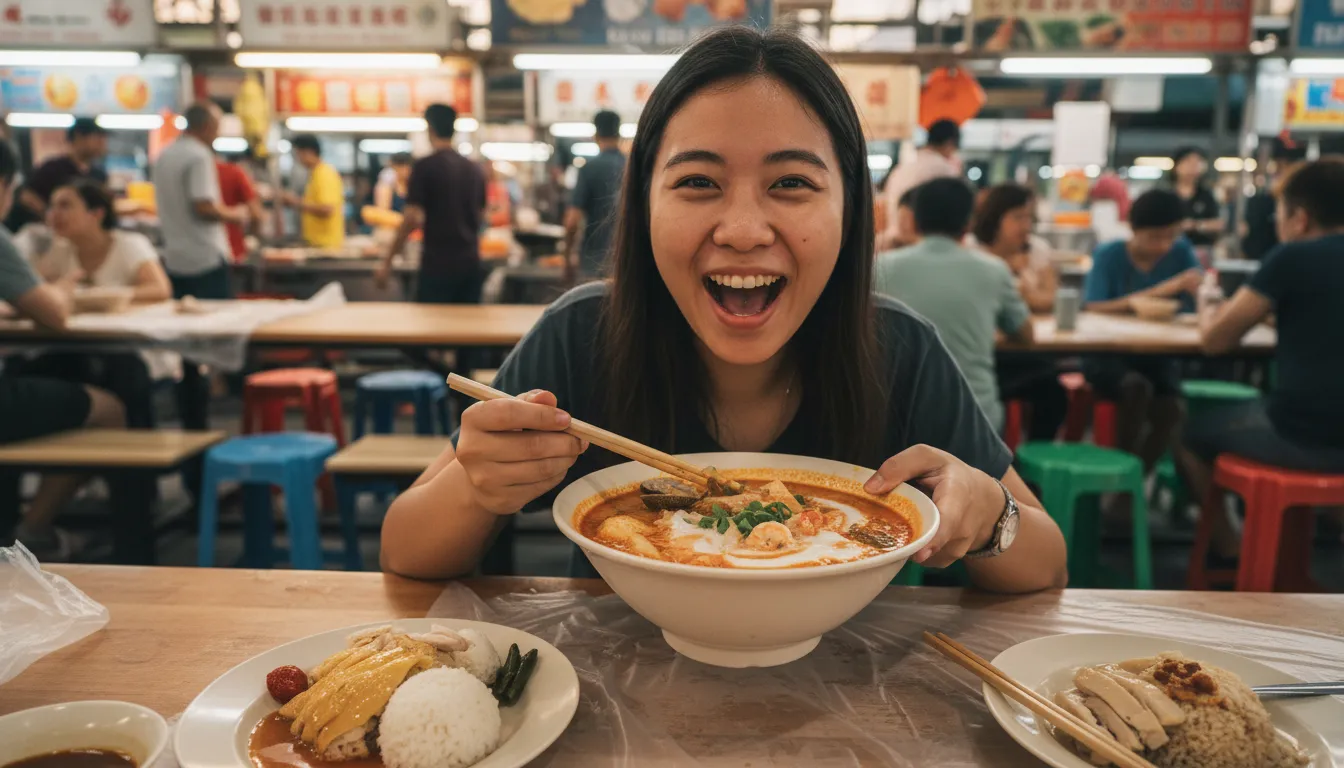
Singapore's food scene is more than just a collection of dishes; it is a living, breathing testament to its multicultural identity and a beacon of culinary excellence. Embarking on a food crawl here is not merely about satisfying hunger; it is an immersive journey into the heart of its culture, a vibrant exploration of history, tradition, and the harmonious blend of diverse influences. For those of us who cherish cultural exchange through the palate, Singapore offers an unparalleled adventure.
My travels, particularly through Southeast Asia, have consistently reinforced the idea that food is the ultimate storyteller. Each spoonful of Laksa, every bite of Satay, and every sip of Kopi tells a tale of migration, adaptation, and communal spirit. The strategies outlined – from meticulous neighbourhood planning and the savvy 'small plate' approach to crucial hydration and digestion management – are not just logistical tips; they are keys to unlocking a deeper, more profound connection with this incredible city.
As a writer for MLIFEON, dedicated to bringing authentic cultural stories to our readers, I encourage you to embrace the gastronomic gauntlet that Singapore presents. Go beyond the guidebooks, venture into the bustling hawker centres, converse with the friendly stall owners, and let your senses lead the way. You will discover not just famous dishes and restaurants, but unforgettable cultural stories and inspiring connections that resonate long after the last bite. Singapore is waiting to be explored, one delicious plate at a time. Your journey to more discovery and more experience begins now.