Singapore, a glittering jewel at the crossroads of Asia, is a city-state renowned not only for its stunning skyline and verdant gardens but, perhaps above all, for its unparalleled culinary scene. From the bustling hawker centers to Michelin-starred establishments, the island offers an edible tapestry woven from Malay, Chinese, Indian, and Peranakan threads. As a travel writer with a deep passion for understanding cultures through their food, my journeys to Singapore have always been as much about the discovery of flavors as they are about deciphering the subtle societal cues that govern its vibrant dining landscape.
My first visit years ago was a revelation, not just for the explosion of tastes but for the unique rhythm of dining. I quickly learned that truly immersing oneself in Singapore's gastronomic wonders requires more than just an adventurous palate; it demands an appreciation for its distinctive dining etiquette. For the culturally curious reader seeking a deeper connection, MLifeOn invites you to go beyond superficial tourism. This article will serve as your essential guide, ensuring your culinary exploration of Singapore is not only delicious but also respectful and truly authentic, allowing you to savor every moment and every dish.
The 'Choping' Culture: Using Tissue Packets to Reserve Seats
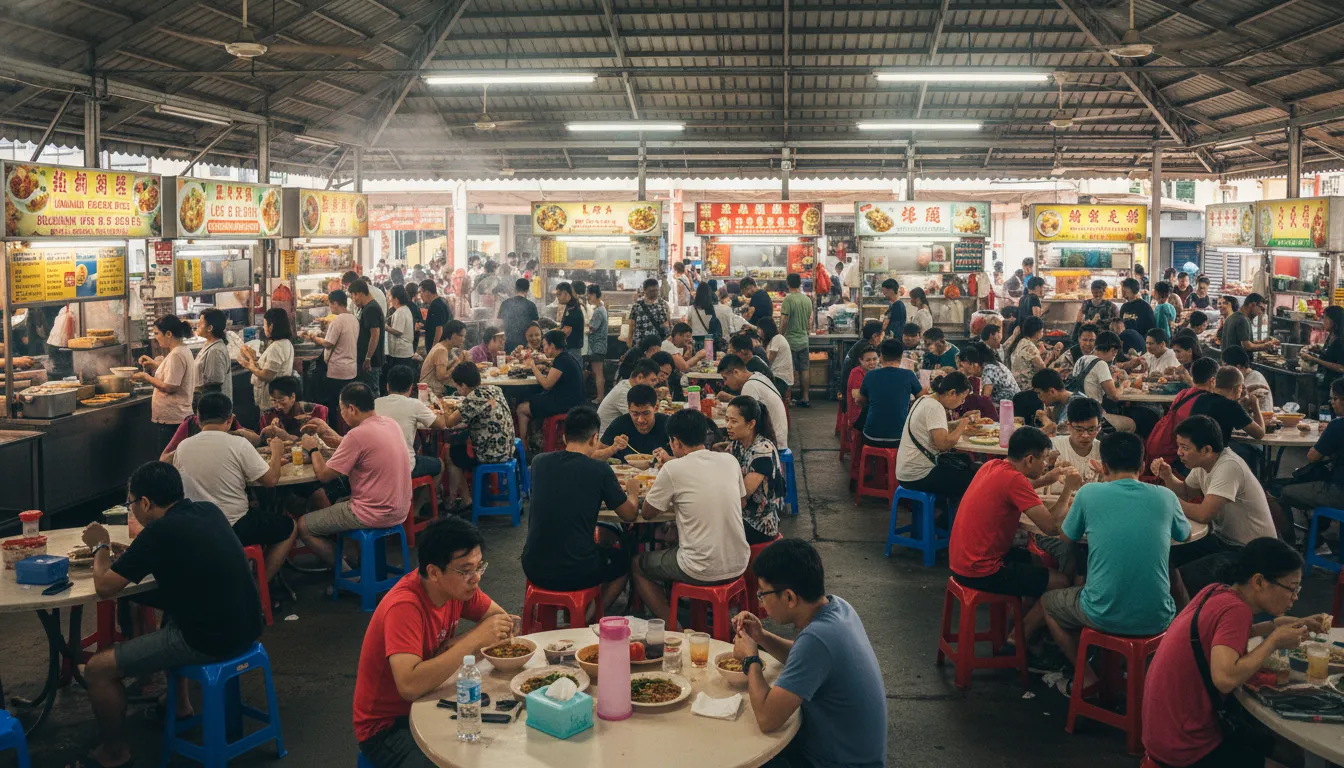
One of the most endearing and utterly Singaporean practices you’ll encounter, particularly in hawker centers and food courts, is what locals affectionately call 'choping'. This term, derived from the Hokkien dialect, essentially means to reserve a seat. It’s a fascinating, informal system where a simple object—most commonly a packet of tissues—is placed on a table or chair to indicate that it’s taken.
I distinctly remember my initial confusion during my first hawker center lunch. Faced with a sea of occupied tables, I spotted a lone table with a tissue packet on it and almost moved it, only to be gently informed by a local that it was 'choped'. This seemingly quirky custom is a testament to the high-trust, fast-paced environment of Singapore's dining scene. In a place where finding a seat during peak hours can be a competitive sport, 'choping' allows diners to secure a spot before venturing off to queue for their favorite Hainanese Chicken Rice or Char Kway Teow, knowing their table will be waiting.
The etiquette surrounding 'choping' is simple yet crucial for smooth dining. If you see a table with a tissue packet, an umbrella, a name card, or even a partially filled water bottle, it means the table is reserved. Respect this unspoken agreement; looking for an un-choped table or waiting patiently for one to become available is the courteous approach. This system, while informal, is deeply ingrained and widely respected, reflecting a collective understanding and efficiency that helps keep the bustling food centers running seamlessly.
Best Practices for Tray Return and Cleaning Your Table
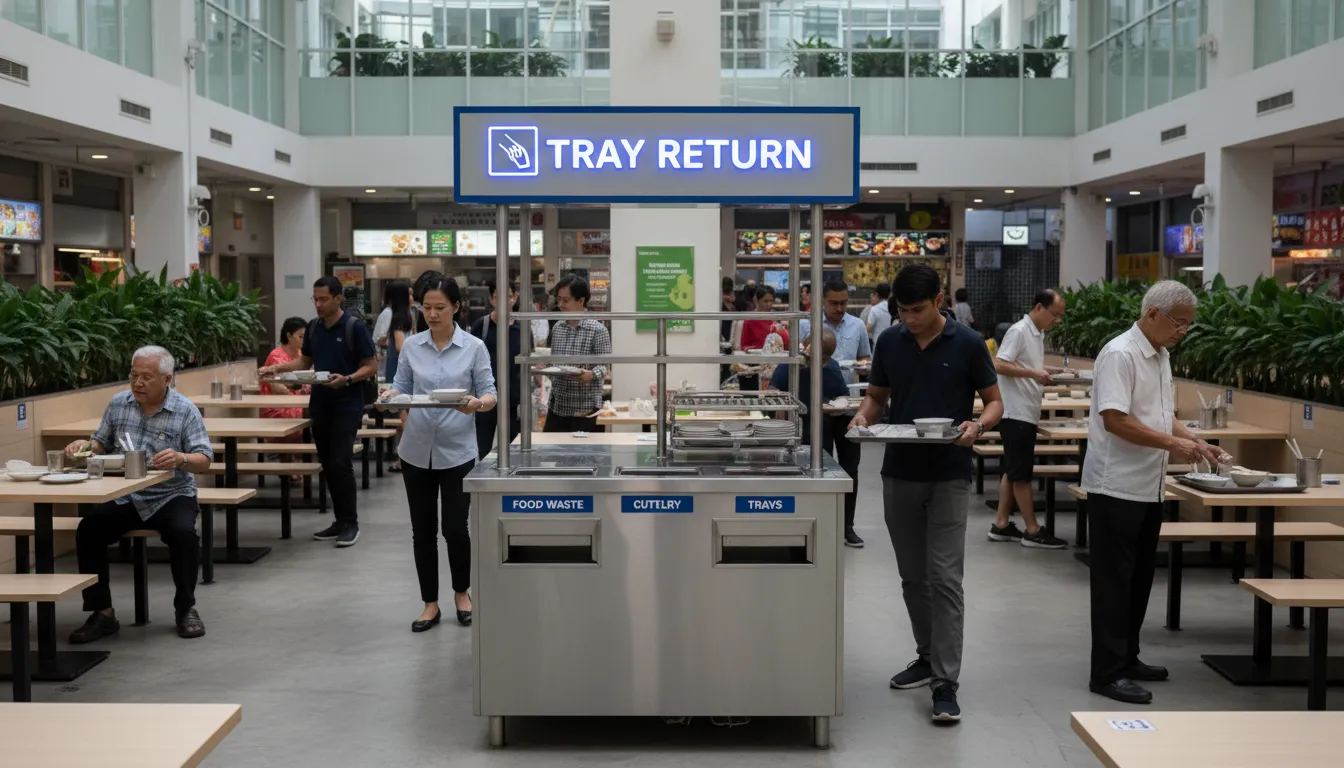
Singapore is renowned globally for its impeccable cleanliness, a reputation meticulously maintained through a combination of strict regulations and collective civic responsibility. This commitment to hygiene extends profoundly into its dining spaces, particularly hawker centers and food courts. As a guest, understanding and participating in the practice of tray return and table cleaning is not just good manners; it's an integral part of the Singaporean dining experience.
The expectation is clear: once you've finished your meal, especially in self-service environments like hawker centers, you are expected to clear your own table. This means returning your tray, plates, and cutlery to designated collection points, often marked clearly as 'Tray Return' stations. I've often observed the efficiency of this system, noting how quickly tables are ready for the next diner, a stark contrast to some other countries where tables might linger with used dishes for extended periods.
This practice, which became mandatory with legal enforcement and fines for repeat offenders, ensures that dining areas remain clean, hygienic, and accessible for everyone. It also lightens the load on the often-elderly cleaners, who can then focus on sanitizing tables rather than clearing heavy trays. My own experience has shown me how smoothly this system operates; after enjoying a hearty bowl of Laksa or a plate of delicious Satay, it feels natural to neatly stack my dishes and bring them to the return point. It’s a small act that contributes significantly to the overall pleasantness and efficiency of the communal dining experience, reflecting Singapore’s deep-seated value for order and shared responsibility.
Tipping Culture in Singapore: Restaurants vs. Hawkers
Navigating tipping etiquette can often be a source of anxiety for travelers, as customs vary dramatically from one country to another. In Singapore, you can largely set those worries aside, as the tipping culture is distinctly different from what many Western visitors might expect. As someone who has traveled extensively, I've learned that understanding these nuances is key to showing respect for local customs.
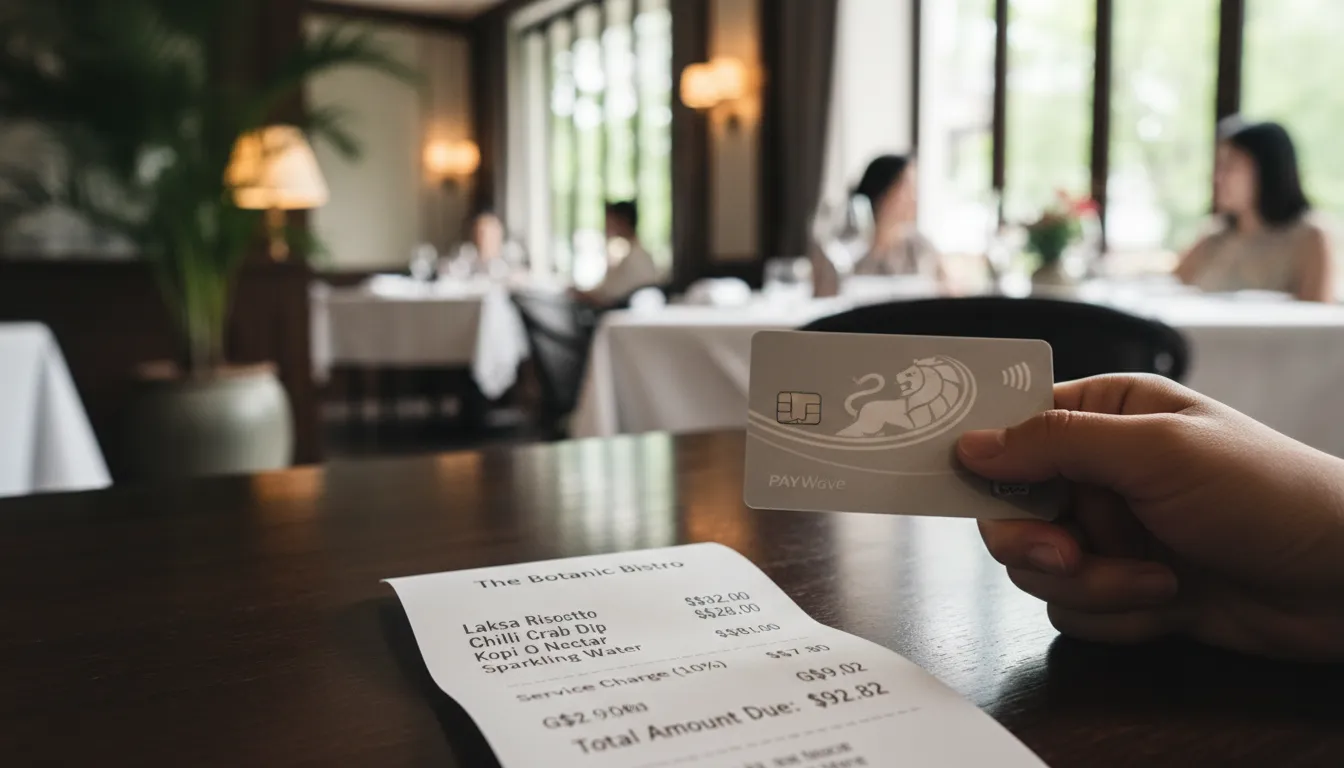
Generally speaking, tipping is not customary or expected in Singapore. This applies across the board, from high-end restaurants to humble hawker stalls. In formal dining establishments, you will almost always find a 10% service charge already added to your bill, along with the prevailing Goods and Services Tax (GST), which currently stands at 9%. This service charge is distributed among the staff, and therefore, no additional tip is required or anticipated. Attempting to leave an extra tip might even cause a moment of awkwardness, as it's simply not part of their standard practice.
The absence of a tipping culture is even more pronounced in hawker centers. Here, transactions are quick, efficient, and focused purely on the exchange of money for food. I vividly recall, during one of my early visits, attempting to leave a small tip for a particularly friendly hawker who had served me an incredible plate of Hokkien Mee. He politely, almost amusedly, declined, indicating that it wasn't necessary. This reflects a society where service staff are generally paid fair wages, and excellent service is considered a standard expectation rather than something that requires an additional incentive. So, when enjoying your succulent Chili Crab or aromatic Fish Head Curry, rest assured that your payment covers everything, allowing you to simply savor the culinary excellence without the added pressure of calculating a tip.
Cultural Sensitivity: Dining Etiquette in Different Ethnic Enclaves
Singapore's multicultural mosaic is perhaps its greatest strength, and nowhere is this more evident than in its diverse culinary landscape. The city-state is a harmonious blend of Chinese, Malay, Indian, and Eurasian cultures, each bringing its unique flavors, traditions, and, importantly, its own set of dining customs. As a writer dedicated to cultural exchange, I've always found that understanding these subtle nuances enriches the dining experience exponentially, transforming a meal into a profound cultural immersion.
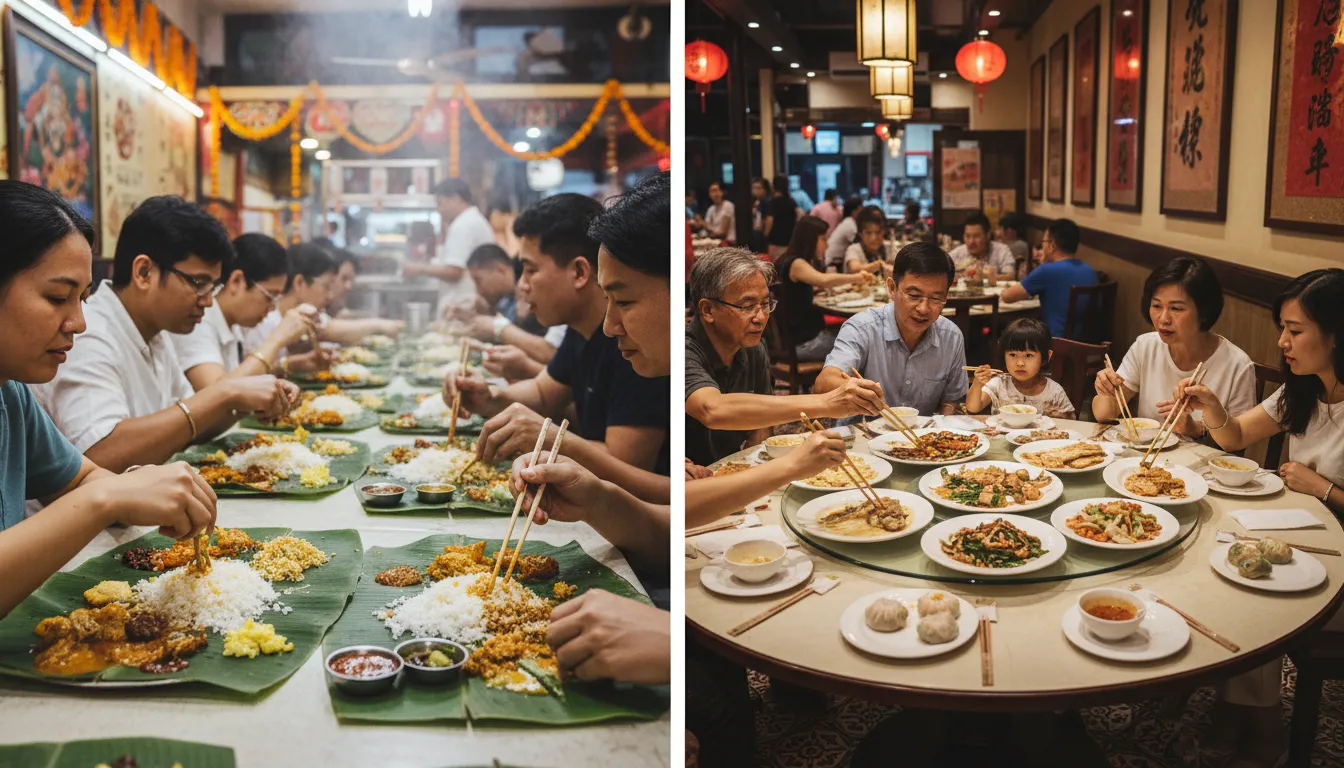
When you step into the vibrant streets of Little India, the fragrant spices and colorful saris signal a distinct shift in cultural practices. Here, and in Malay-dominant eateries, you might encounter the tradition of eating with your hands. If you choose to partake, always use your right hand, as the left hand is traditionally considered impure. It's also paramount to be mindful of dietary restrictions: no beef for Hindus, and always look for Halal certification in Malay establishments, ensuring the food adheres to Islamic dietary laws, meaning no pork or alcohol. I've enjoyed many banana leaf meals in Little India, expertly scooping up curries and rice with my fingers, feeling a deep connection to the ancient tradition.
In the bustling hawker centers and traditional restaurants of Chinatown, or at Peranakan eateries, chopstick etiquette comes to the forefront. Never stick your chopsticks upright into a bowl of rice, as this resembles incense burning at a grave and is considered disrespectful. Avoid pointing with your chopsticks or using them to tap on dishes. It’s common practice for elders to be served first, and when someone refills your tea, a polite 'thank you' can be subtly conveyed by tapping two fingers (representing kneeling to thank) on the table. Sharing dishes is a cornerstone of Chinese dining, fostering communal bonds over an array of delectable plates.
Peranakan cuisine, a unique fusion born from early Chinese migrants marrying local Malays, often involves a sophisticated spread of dishes like Ayam Buah Keluak and Laksa. While chopstick etiquette might still apply, the emphasis is on the intricate preparation and the communal enjoyment of a rich, flavorful heritage. Regardless of the enclave, universal etiquette such as politeness, keeping noise levels reasonable, and avoiding food waste are always appreciated. Navigating these cultural nuances has, for me, transformed simple meals into unforgettable lessons in humility and respect, truly embodying MLifeOn’s spirit of discovery and experience.
Beyond Etiquette: Savoring Singapore's Soul Through Its Iconic Dishes
While mastering the intricacies of Singaporean dining etiquette is a commendable endeavor, these practices are ultimately the framework that allows you to fully appreciate the heart and soul of the nation: its food. The rich tapestry of Singapore's culinary offerings is legendary, each dish telling a story of migration, fusion, and innovation. Understanding the local customs simply enhances your ability to dive deep into these narratives, transforming a meal into a truly immersive cultural journey.
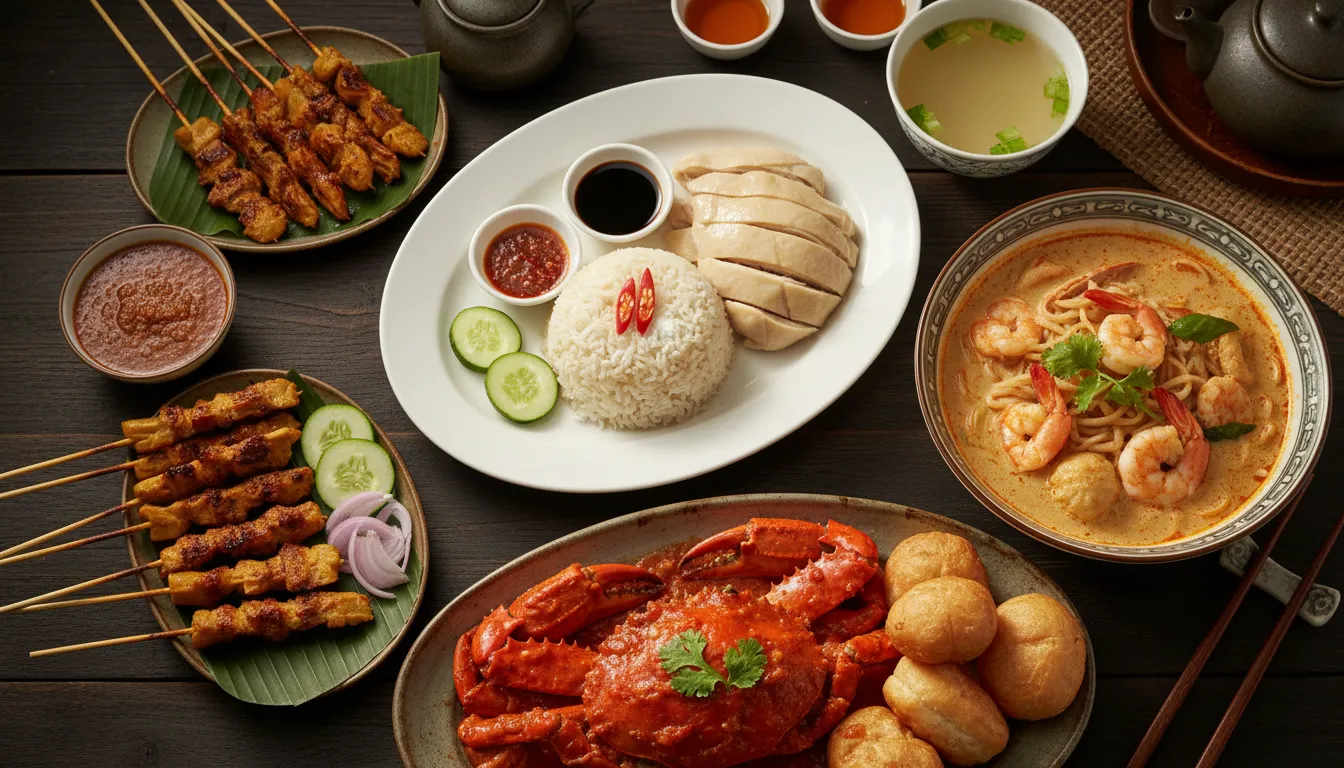
Imagine finding yourself at a bustling hawker center, armed with the knowledge of how to 'chope' a table efficiently with your tissue packet. This allows you to confidently join the queue for a legendary plate of Hainanese Chicken Rice – tender poached chicken, fragrant rice cooked in chicken stock, and a trio of essential chili, ginger, and dark soy sauces. You then return to your secured spot, knowing that after you've savored every grain and morsel, you’ll respectfully clear your tray to one of the designated return points, contributing to the smooth flow of the culinary symphony around you.
Consider the quintessential Singaporean experience of indulging in a messy, delectable Chili Crab or Black Pepper Crab at a popular seafood restaurant. While the focus is on cracking shells and scooping up rich, spicy sauce, knowing that a service charge is already included frees you from the distraction of tipping, allowing you to fully engage with the joyous, finger-licking experience. This unburdened enjoyment is paramount, whether you're tackling a whole crab or simply sharing a plate of Sambal Stingray.
Venturing into the vibrant enclaves, your cultural sensitivity becomes your passport to authentic flavors. In Little India, you might relish a fluffy Roti Prata with a side of fish curry, confidently using your right hand to tear and dip, or sharing a grand Murtabak. In a Chinese eatery, your mindful use of chopsticks enhances the communal sharing of dishes like Char Kway Teow or Laksa, acknowledging the traditions passed down through generations. These famous dishes, from the humble Nasi Lemak (a fragrant Malay rice dish) to the sophisticated Peranakan Laksa, are not just food; they are expressions of Singapore's identity. By embracing the local dining etiquette, you're not just eating; you're participating in a living cultural dialogue, deepening your connection to the destination and its people.
Conclusion: Savoring Singapore, One Courteous Bite at a Time
Singapore's culinary landscape is a profound reflection of its multicultural identity – efficient, diverse, and deeply respectful of its heritage. For the culturally curious traveler, understanding and embracing its unique dining etiquette is not merely about following rules; it's about unlocking a richer, more authentic connection to this dynamic city-state. My own journeys have taught me that these seemingly small gestures – 'choping' a seat, returning a tray, or understanding the nuances of hand-eating – transform a simple meal into an act of cultural immersion and appreciation.
As you embark on your own gastronomic adventure through Singapore, from the aromatic wafts of a hawker center to the refined ambiance of an ethnic restaurant, remember that politeness and awareness are your most valuable companions. These practices ensure not only a smoother dining experience for you but also contribute to the harmonious fabric of Singaporean society, honoring the traditions that make its food culture so vibrant and unique.
At MLifeOn, we believe that true travel is about more than just seeing new places; it’s about experiencing them, understanding them, and connecting with their heart and soul. So, go forth, explore Singapore's famous dishes and restaurants with confidence and grace. Engage with its culinary narratives, savor every exquisite bite, and allow the etiquette to guide you towards an unforgettable journey of discovery and experience. Your journey to unforgettable cultural stories and inspiring connections awaits – one courteous, delicious bite at a time.