STEPPING INTO "THE ANCESTRAL HOUSE": A CENTURY-OLD HOME TELLING THE GLORIOUS STORIES OF THE MEKONG DELTA
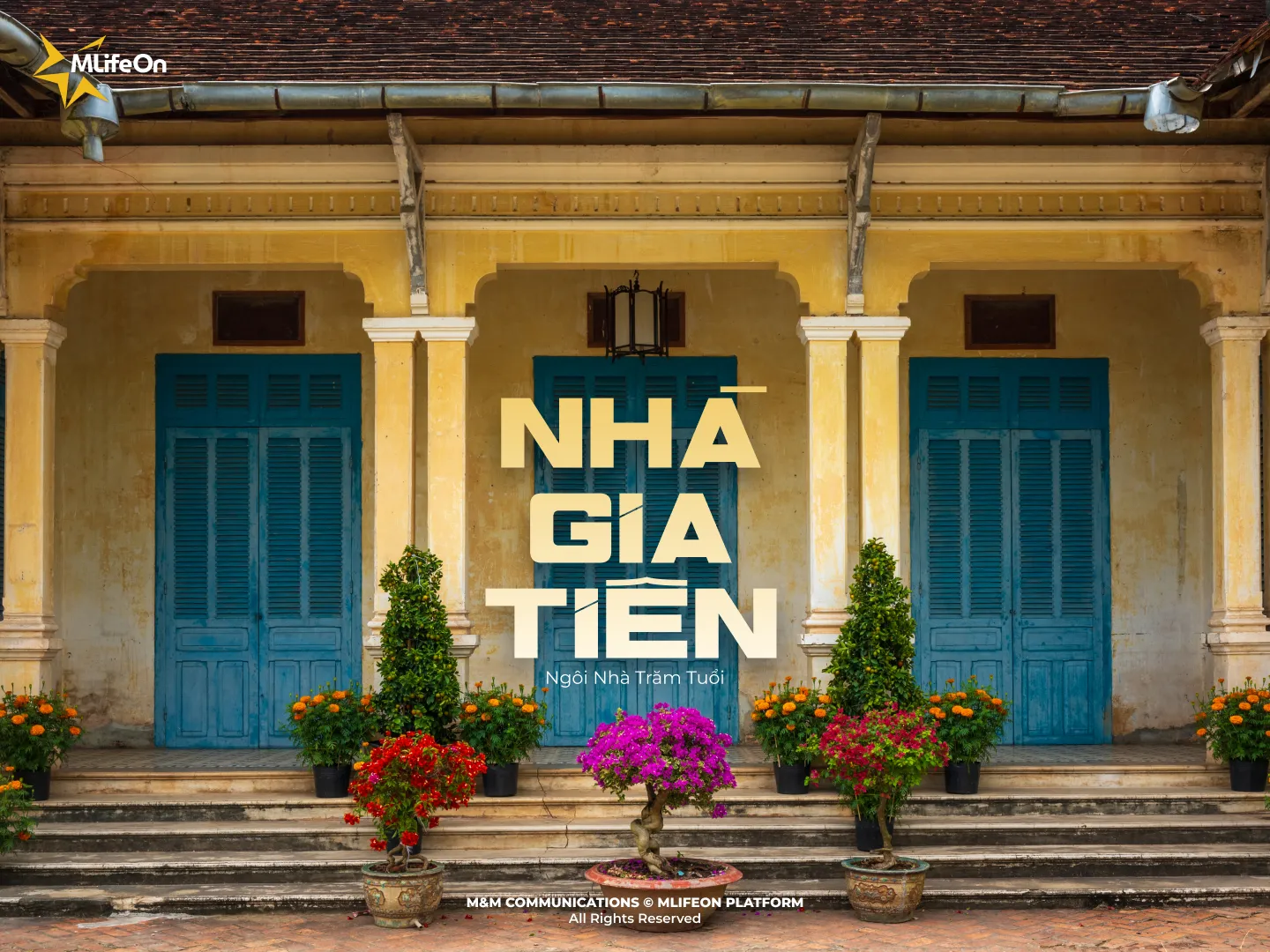
Step through the wooden doors of Tran Ba The Ancient House on Tan Loc Islet, where visitors can immerse themselves in a space preserving the regal values of the colonial era blended with the generous spirit of the Southern land. Notably, this heritage house also served as a unique filming location for director Huynh Lap’s movie The Ancestral House.
The Golden Imprint Along the Hau River
Tan Loc Islet (Thot Not District, Can Tho) has long been a sentimental note amidst the tranquil waterways of the Mekong Delta, where the lush beauty of orchard gardens has been nurtured and enriched through generations. Hidden beneath the shade of flourishing fruit trees lies Tran Ba The Ancient House - an architectural masterpiece completed in 1935 by Councilman Tran Thien Thoai, a renowned figure known for his immense wealth and influence in the Long Xuyen - Can Tho region.
Nearly nine decades have passed, yet the house remains steadfast, proudly defying the passage of time and becoming a quintessential symbol of the lavish lifestyle once embraced by the Southern Vietnamese elite during its golden era. Every step across its threshold evokes the spirit of a bygone age, carrying the echoes of luxury and refinement that once shaped the cultural identity of the southern land.
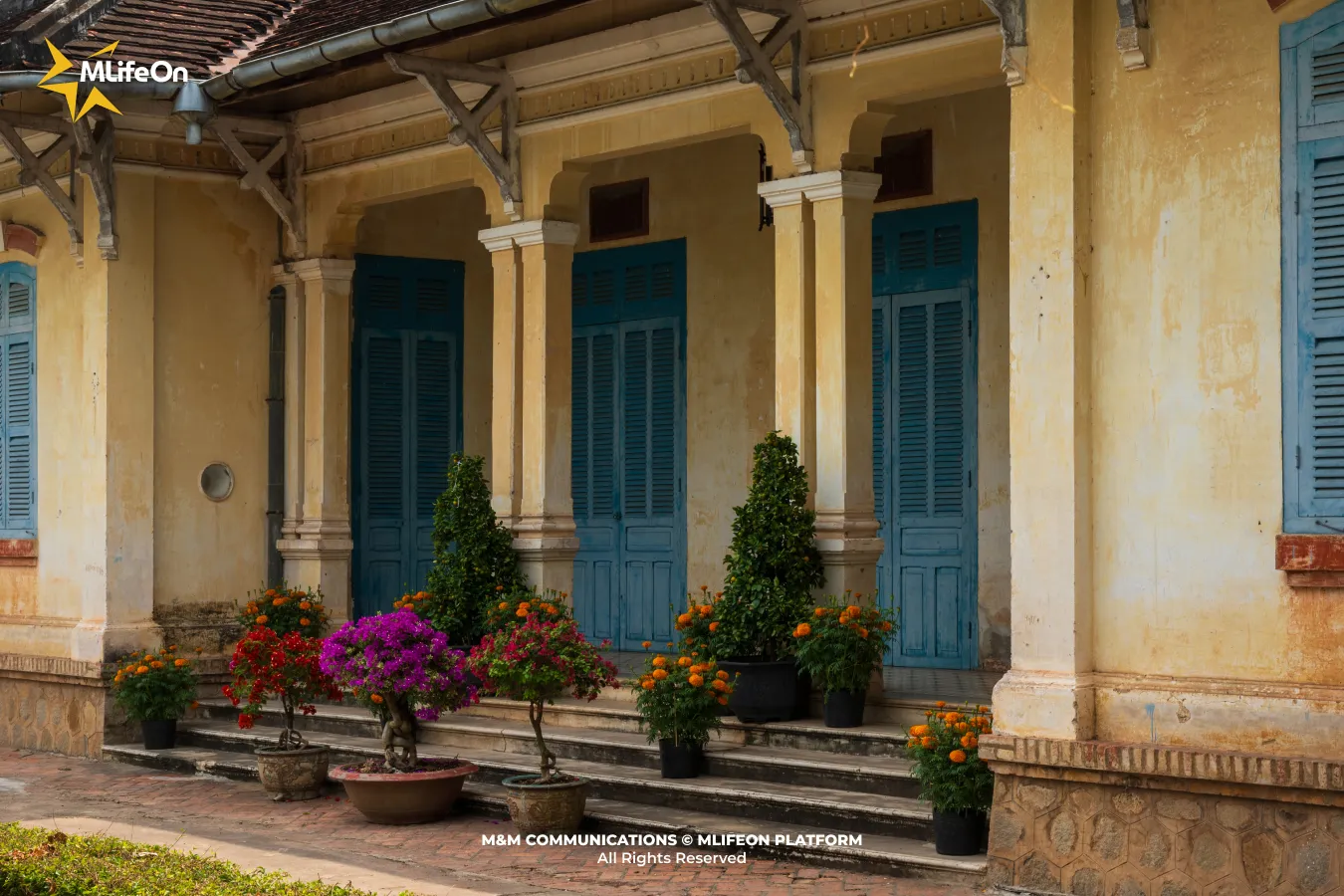
The house resembles a diary written in wood and stone. Every timeworn pillar and every aged brick carries its own stories of the past. Visitors come here to admire its distinctive architecture and immerse themselves in a tranquil atmosphere, where they can touch the remnants of a golden era that once existed only in old historical records or nostalgic cinematic scenes.
A Symphony of French Architecture and Southern Vietnamese Essence
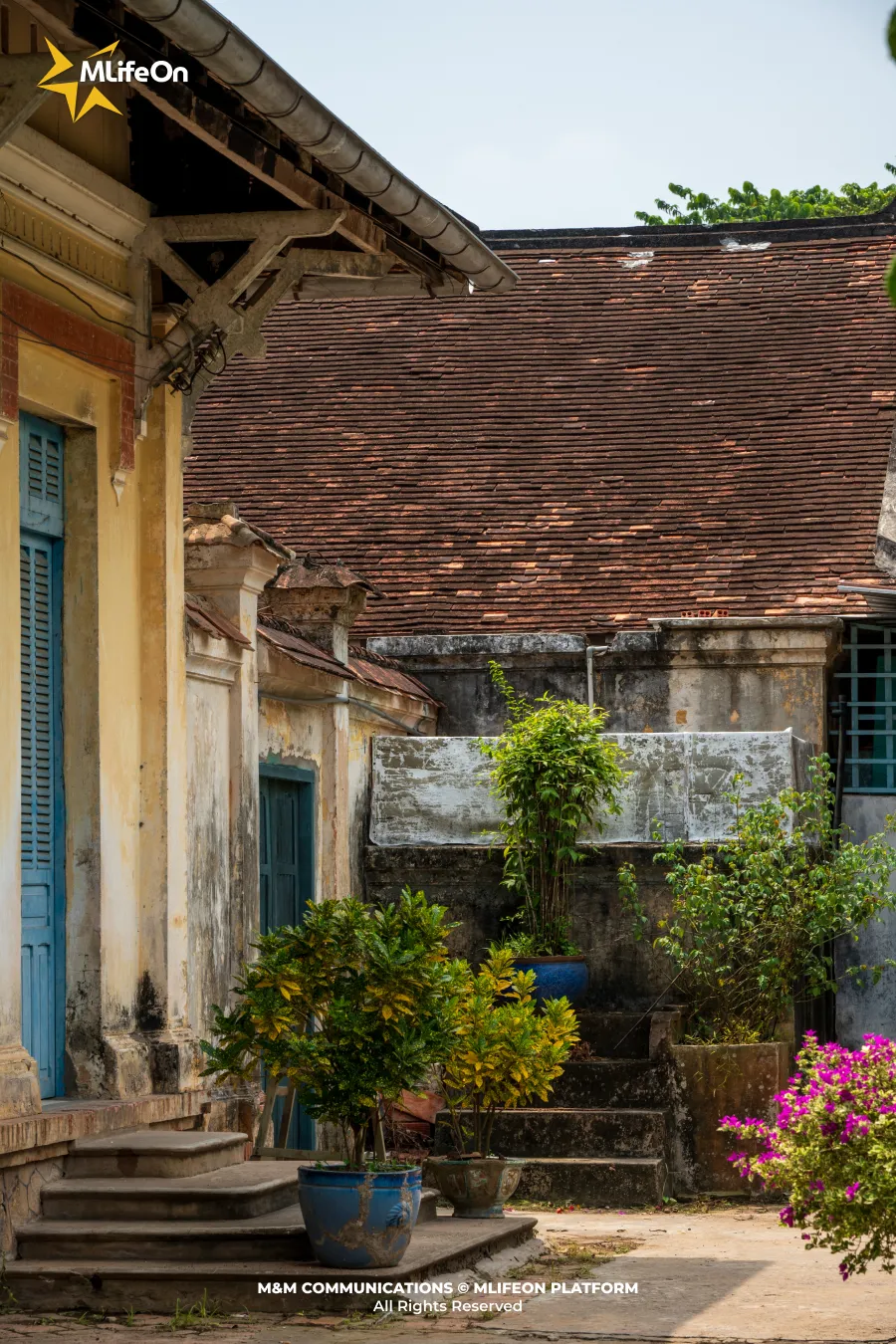
From the outside, Tran Ba The Ancient House exudes a regal appearance with its distinctive Western architectural influences. The soaring arched doorways and intricately carved relief patterns on the walls reflect the refined aesthetic taste and social status of its former owner. However, the true soul of the house remains deeply rooted in the characteristics of the Southern land: an open living space with high ceilings that embrace the refreshing breezes from the Hau River, creating a sense of absolute spaciousness and comfort during the sweltering summer days.
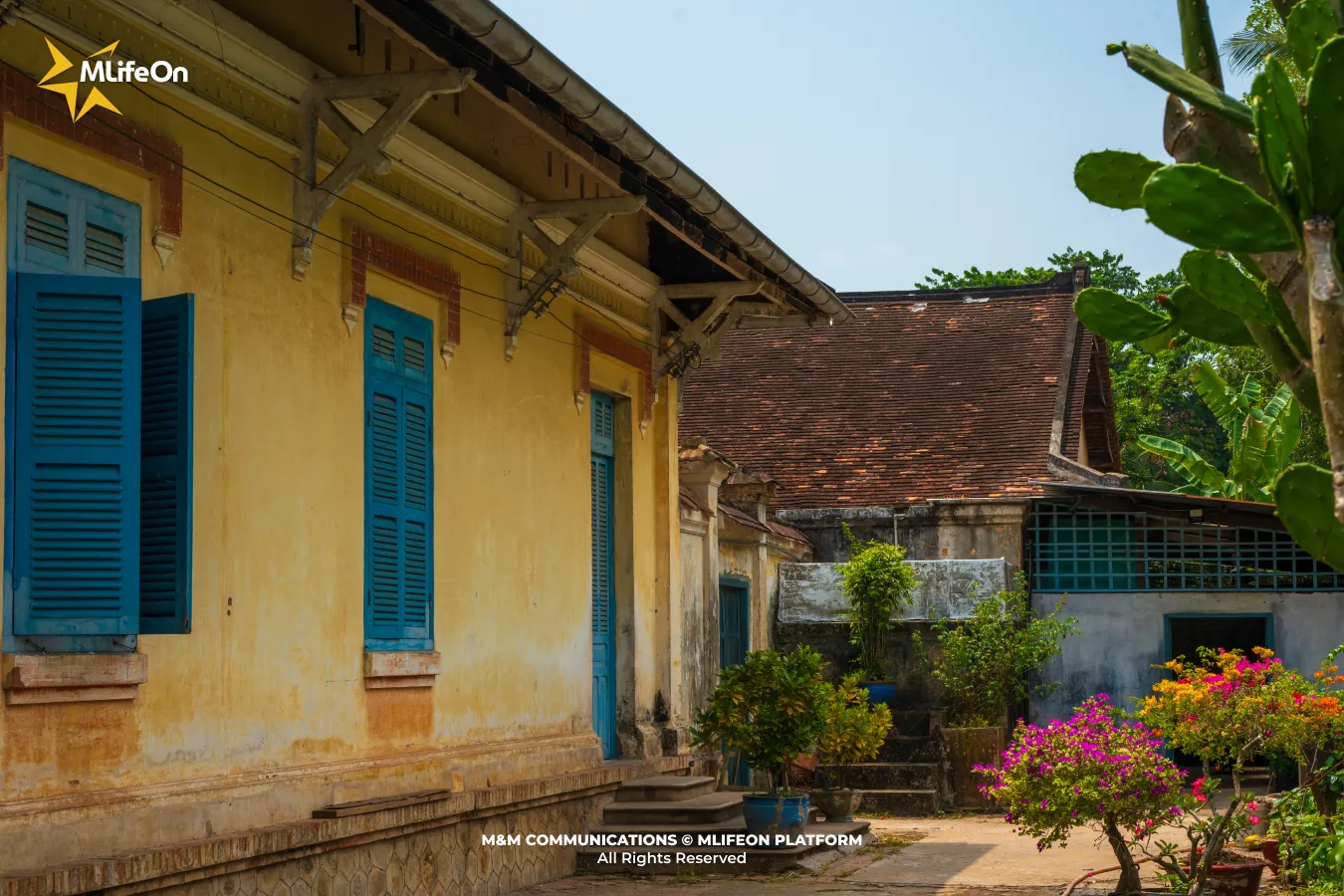
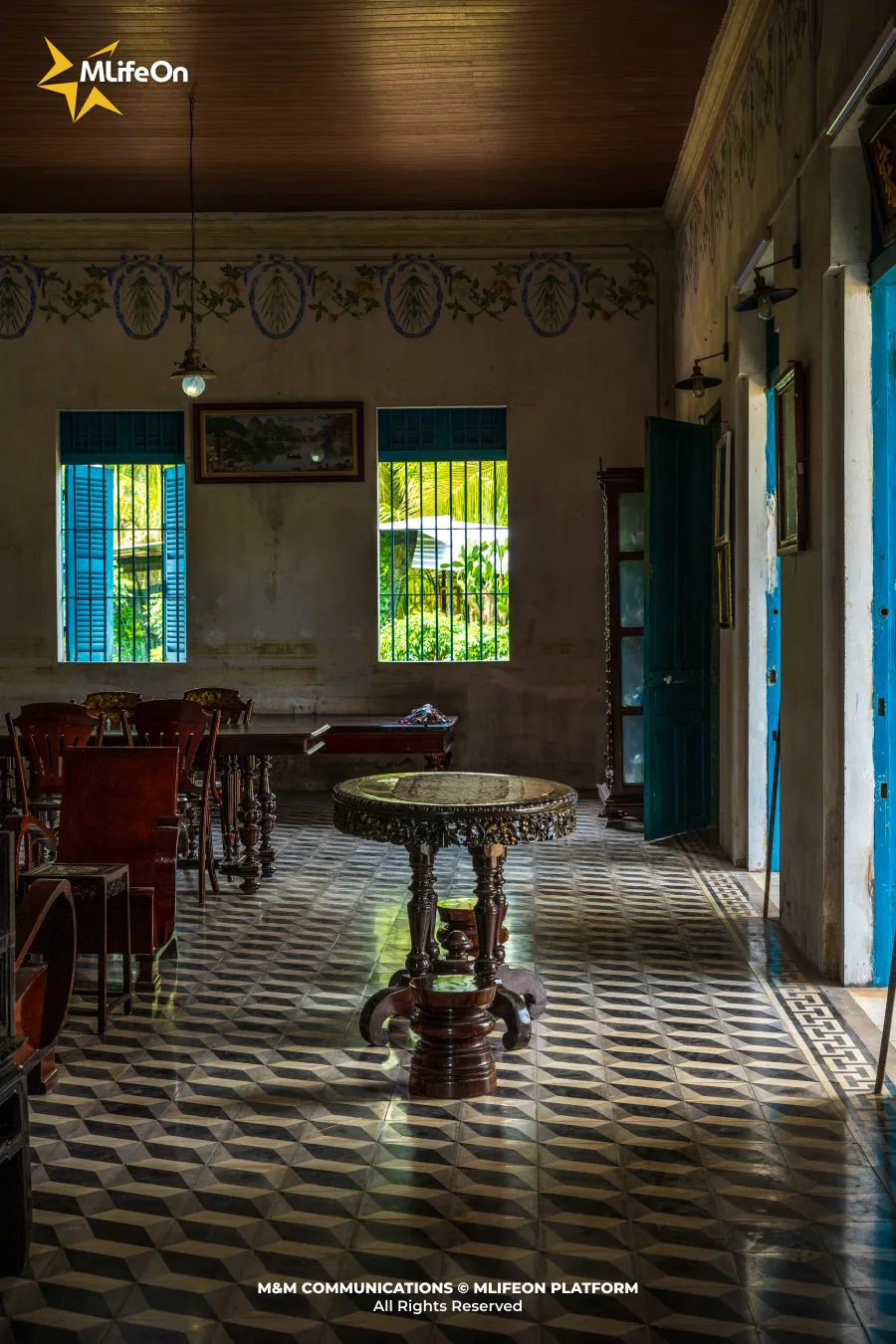
The ingenuity of the design is further reflected in the seamless connection between the front house, rear house, and kitchen area, creating a harmonious flow throughout the entire structure. A unique highlight lies in the two small rooms on either side of the verandas, which were separated and transformed into reading rooms. With sunlight filtering through the wooden windows, these spaces became intellectual corners for study and reflection, where family cultural values were nurtured and passed down through generations.
The harmony between the elegant beauty of French-inspired architecture and the practical functionality of the riverside lifestyle has created a timeless architectural masterpiece that transcends conventional boundaries.
The “Witnesses” Within a Miniature Antique Museum
Stepping inside, the house feels like a miniature antique museum, where every object carries its own story. American kerosene lamps, early 20th-century pressure lamps, and exquisitely carved wooden furniture remain carefully arranged just as they were nearly a century ago.
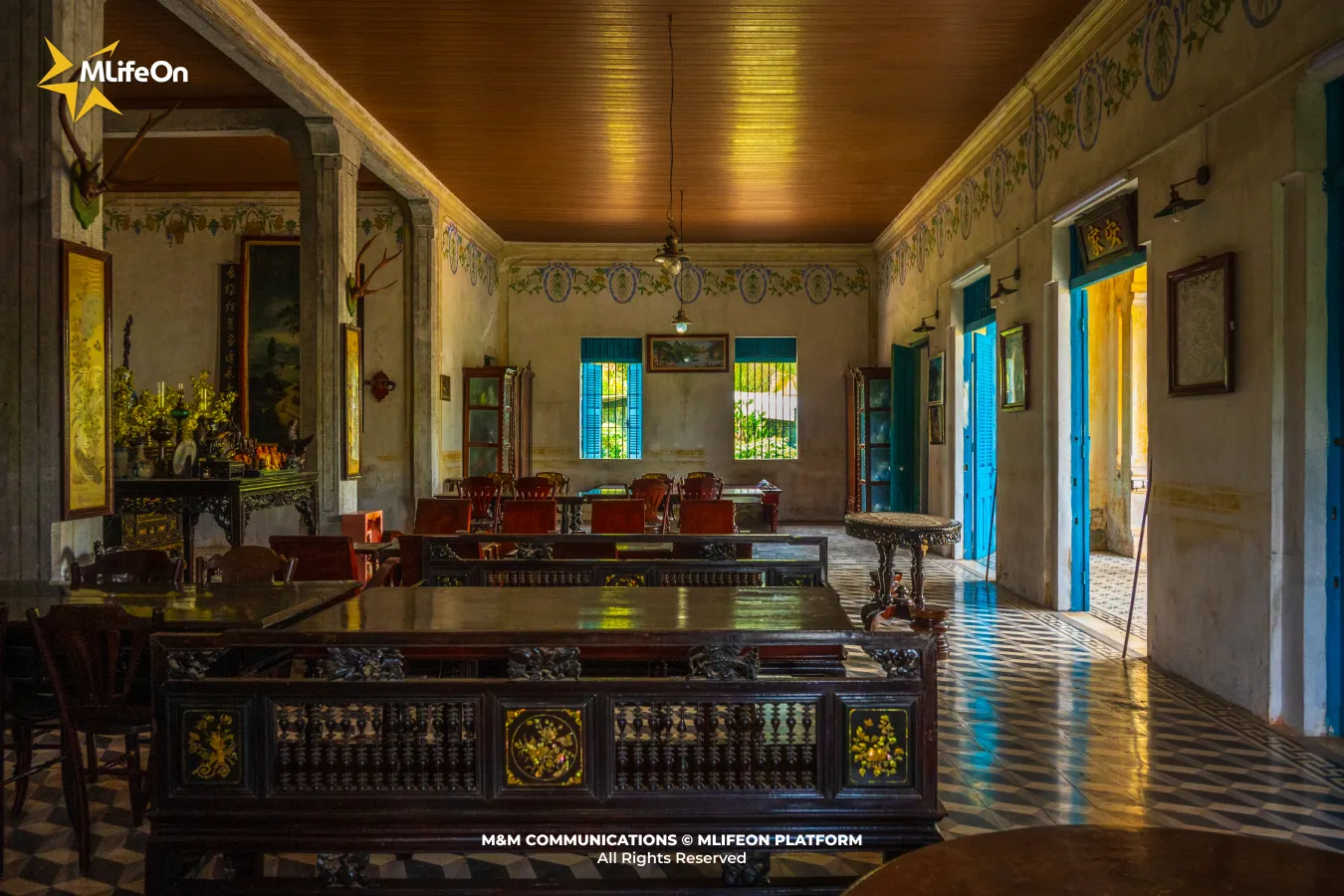
On the ceiling, wooden lanterns in the Chinese style from the late 19th century hang gracefully, serving not only as sources of light but also as elegant accents that embody the refined beauty of Eastern artistry. Every scratch on the surface of the tables and every layer of lacquer shine represents the traces of devoted hands that have carefully preserved them over decades, reflecting the deep appreciation for heritage passed down through generations.
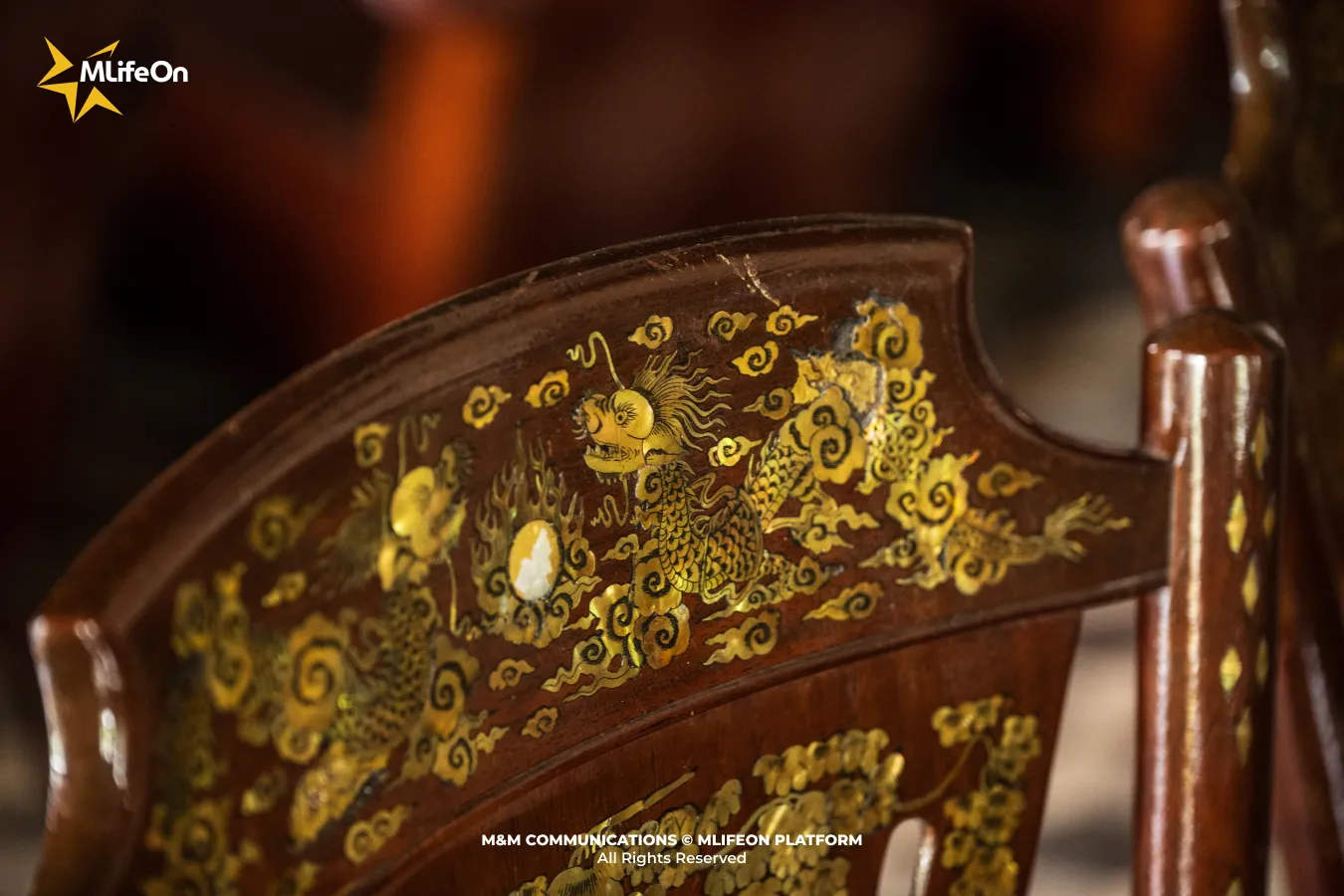
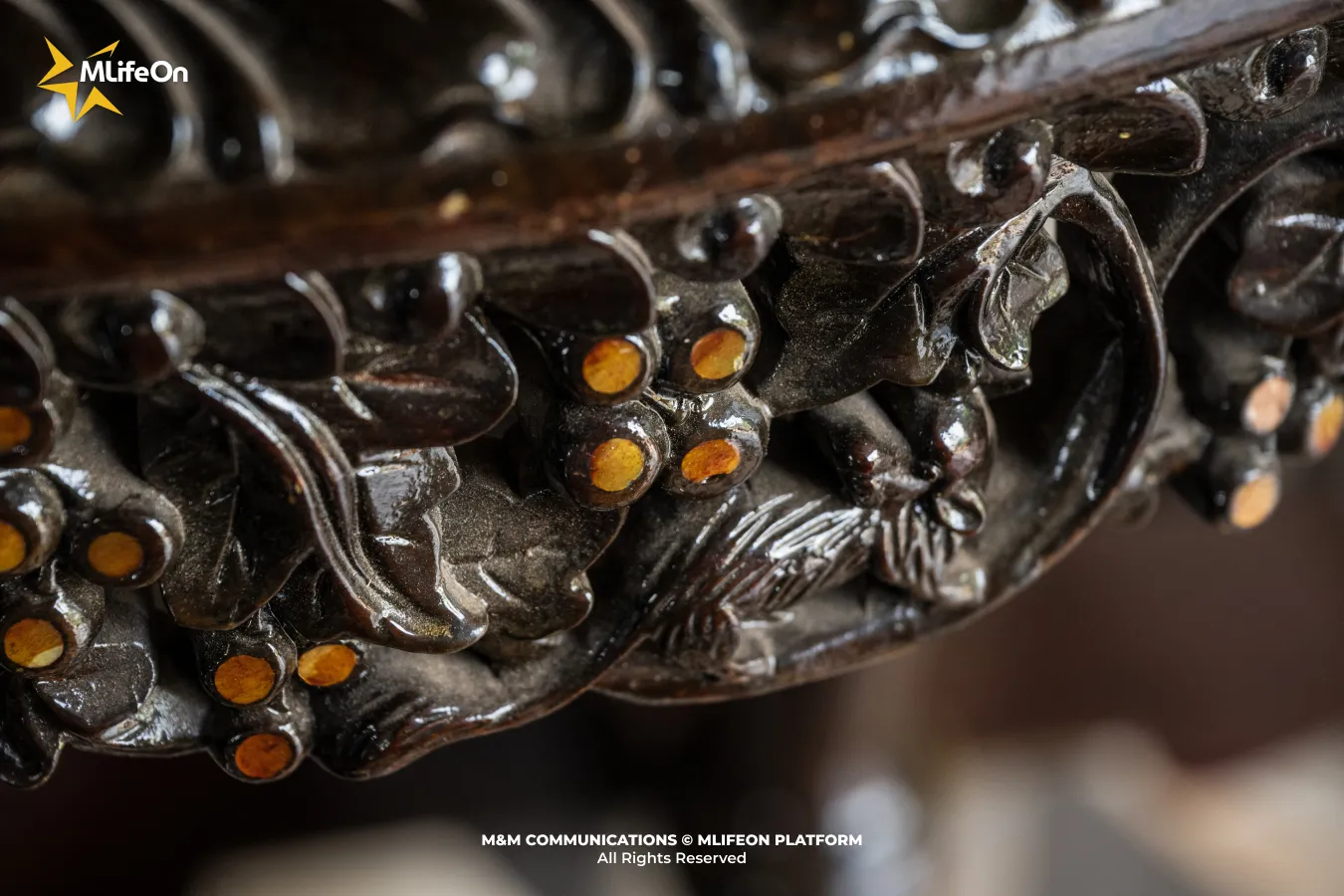
In particular, the ancestral worship space serves as the heart of the house, embodying the Southern Vietnamese tradition of honoring one’s roots and remembering the contributions of previous generations. Five mother-of-pearl inlaid wooden altars with a polished finish, along with numerous carefully crafted parallel sentences and ancestral paintings, create an atmosphere of solemnity and sacredness.
The family lineage plaque displaying ten generations of descendants, placed on the wall opposite the living room, serves not only as a record of names but also as a testament to the enduring flow of family heritage. A black-and-white photograph of Councilman Thoai’s family taken 80 years ago is displayed in a place of honor, connecting today’s descendants with the origins that gave birth to and nurtured this prestigious family legacy.
Experiencing Tranquility Through the Flow of Time
The surroundings of the house form a meticulously curated natural landscape. Ancient ornamental trees, with their gracefully curved forms resembling calligraphic strokes suspended in the air, create a soothing green sanctuary. This is a meditative space where visitors can momentarily escape the hustle and bustle of modern life. Sitting on the veranda and gazing at the old brick courtyard, one’s heart naturally slows down, finding serenity in the timeless beauty of stillness.
A Cinematic Touchpoint: The Setting Chosen by Director Huỳnh Lập for “The Ancestral House”
With its authentic beauty and rare nostalgic charm, Tran Ba The Ancient House was chosen by director Huỳnh Lập as the main setting for the film The Ancestral House. The movie’s scenes beautifully capture the timeless elegance, solemn grandeur, and heartfelt emotions embodied by this century-old residence.
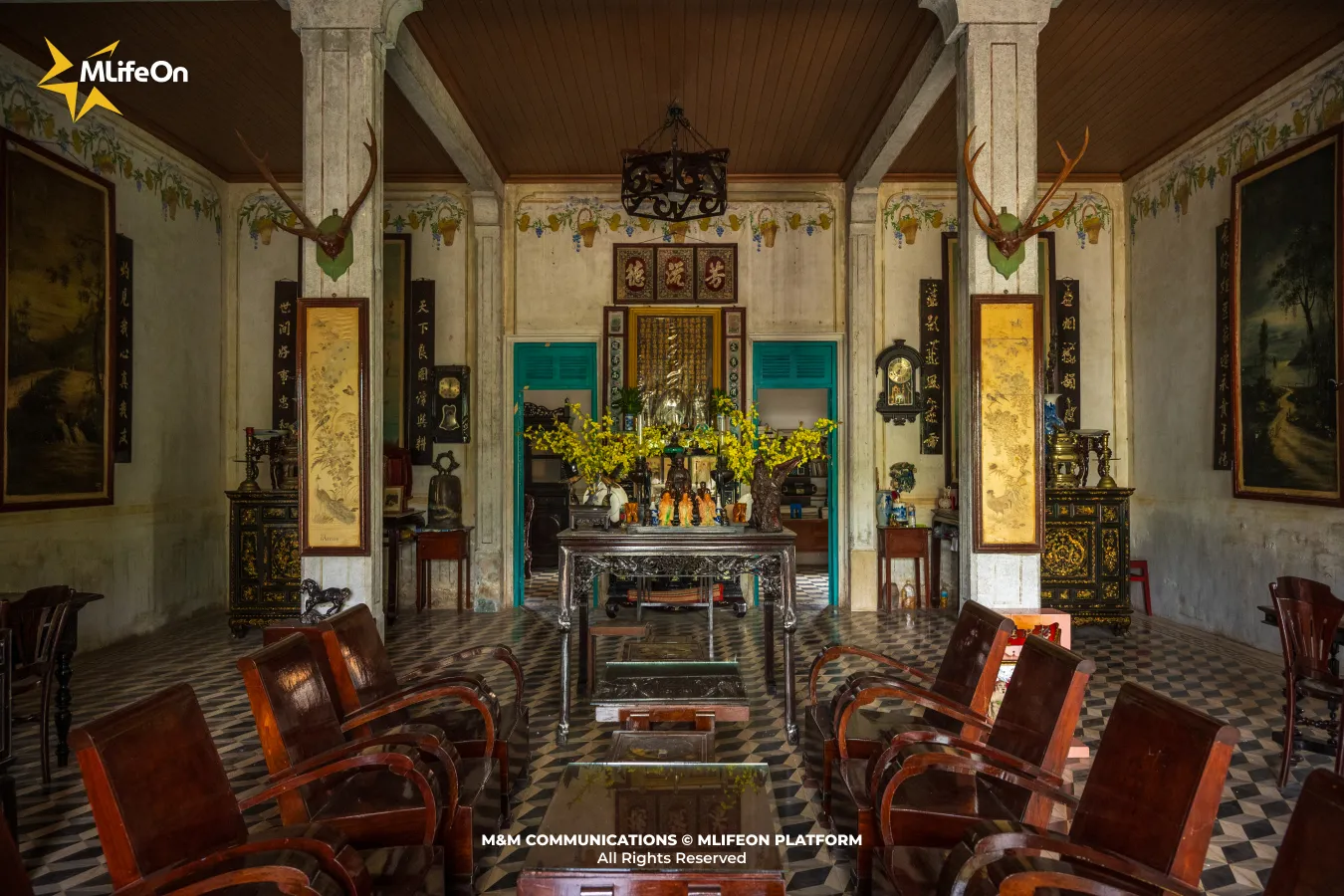
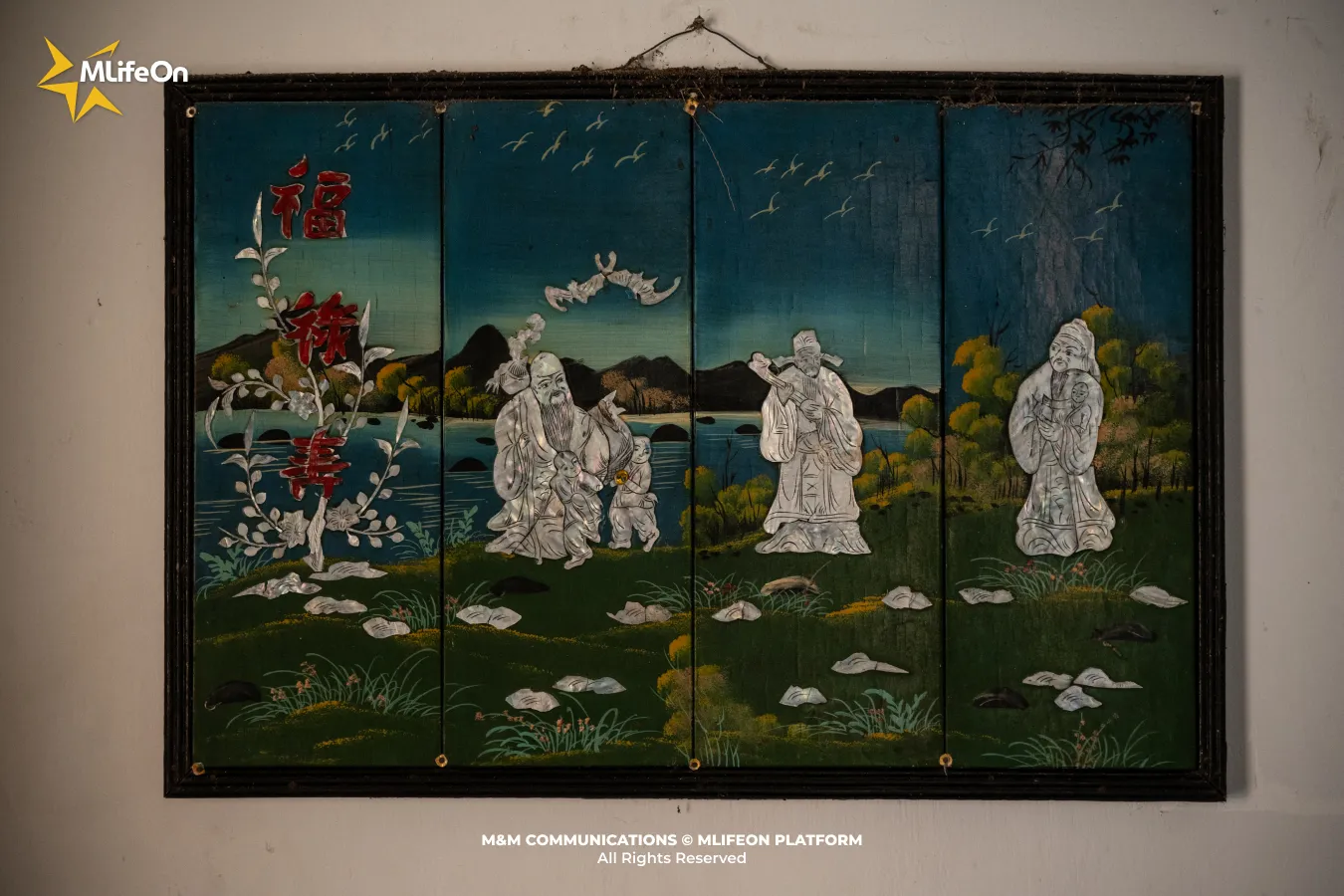
Upon arriving here, visitors can easily recognize the familiar courtyard, verandas, and ancestral worship space that once appeared on the big screen. The house’s selection as a cinematic setting highlights its timeless appeal, where heritage values seamlessly blend with contemporary artistic expression, bringing cherished memories of the past back to life.
Conclusion
Tran Ba The Ancient House is an inseparable part of Can Tho’s cultural memory. The residence serves as a reminder that true prosperity lies in the way a family cherishes and preserves human values across generations. Amid the rapid flow of the 21st century, the house quietly and resiliently keeps its legacy alive, becoming a bridge connecting a glorious past with a promising future.
For those seeking a place to touch the authentic “soul” of the Mekong Delta, the wooden doors of Tran Ba The Mansion are always open, welcoming visitors to discover its timeless heritage.
-------------
CREDIT:
Photography: Luan Nguyen
Content: Như Quyền
Design: Phuong Nguyen