Introduction to Tay Ninh’s Religious Significance
Nestled in the heart of South Vietnam, approximately 100 kilometers northwest of Ho Chi Minh City, lies Tay Ninh, a province steeped in unique spiritual and historical significance. For the culturally curious traveler seeking more than just picturesque landscapes, Tay Ninh offers a profound journey into Vietnam's diverse belief systems and enduring resilience. It's a destination that truly embodies MLIFEON's spirit of discovery and authentic cultural connection.
My own travels through Vietnam have consistently brought me back to Tay Ninh, drawn by its enigmatic allure. This region is not merely a collection of sites; it is a living narrative, a place where ancient traditions blend seamlessly with more recent spiritual innovations. Planning a visit here requires more than just a map; it demands an open mind and a willingness to immerse oneself in its unique tapestry.
This comprehensive guide serves as your tutorial for navigating Tay Ninh's most compelling historic sites, offering practical tips and insights gleaned from personal experience. From the awe-inspiring Cao Dai Holy See to the legendary Ba Den Mountain, we will explore how to make your journey to this remarkable part of South Vietnam truly unforgettable. Prepare for an experience that transcends typical tourism, touching upon the very soul of Vietnamese culture and spirituality.
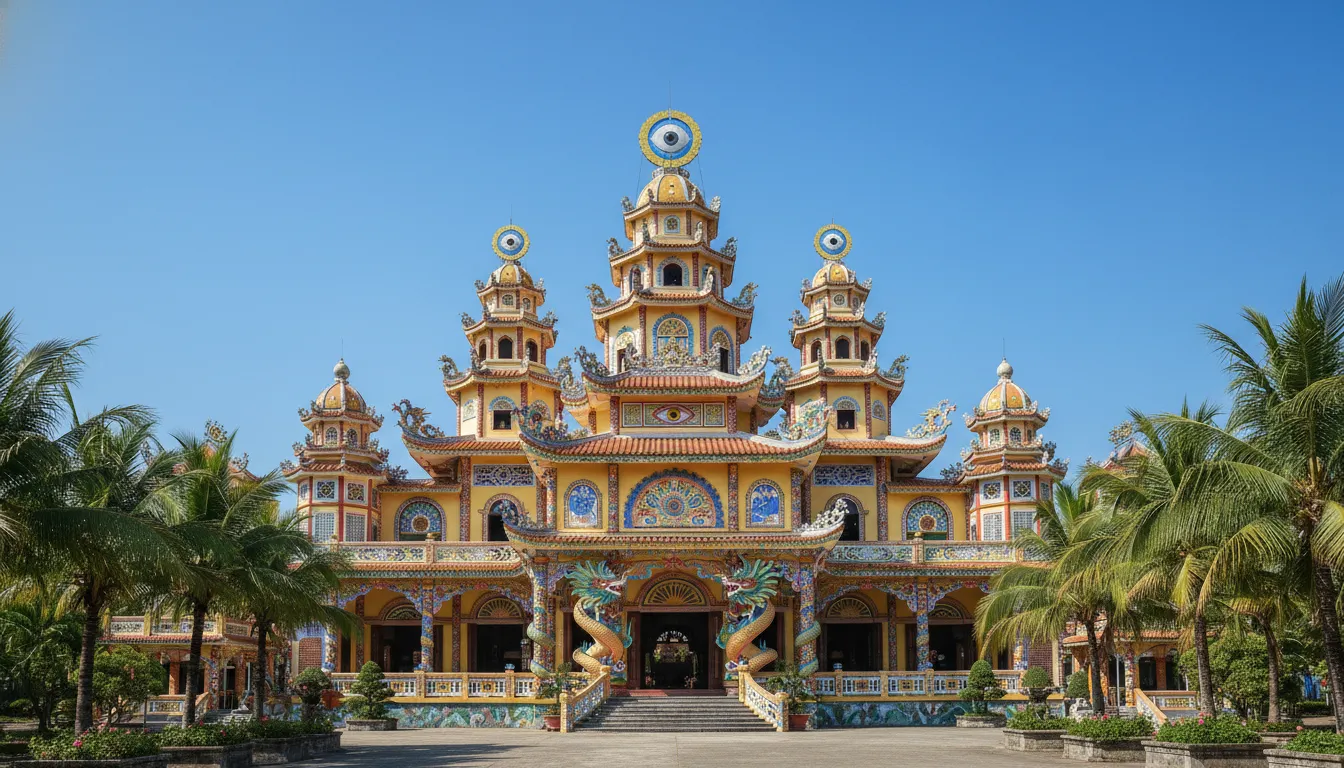
Tay Ninh is renowned as the birthplace and spiritual capital of Caodaism, a syncretic religion that emerged in Vietnam in the early 20th century. This faith, unique in its blend of doctrines from Buddhism, Confucianism, Taoism, Christianity, and Islam, offers a fascinating insight into Vietnam's spiritual adaptability. The grandeur of its central temple alone makes Tay Ninh a vital stop for anyone exploring South Vietnam's historic sites.
Beyond its religious heartland, Tay Ninh is also home to Ba Den Mountain, a site interwoven with ancient legends, wartime history, and breathtaking natural beauty. This combination of spiritual innovation and historical depth makes Tay Ninh an unparalleled destination. It truly offers a deep dive into the cultural fabric of the region, providing a rich context for understanding Vietnamese identity.
For those of us with Vietnamese heritage, or simply a deep appreciation for cultural storytelling, Tay Ninh provides a powerful connection to the enduring spirit of the Vietnamese people. It’s a place where history isn't just observed; it's felt in the very air, in the intricate carvings, and in the quiet reverence of its worshippers. This tutorial aims to equip you with the knowledge to experience this profound connection firsthand.
Step-by-Step Guide to the Cao Dai Holy See
The Cao Dai Holy See, or Tòa Thánh Cao Đài in Vietnamese, is arguably the most striking religious edifice in all of Southeast Asia. Its architectural splendor and spiritual significance make it the cornerstone of any visit to Tay Ninh. Approaching the Holy See for the first time is an experience in itself, as its vibrant colors and eclectic design emerge from the surrounding landscape.
This monumental temple serves not only as the administrative center of Caodaism but also as a powerful symbol of its universal message of peace and unity. My initial encounter with the Holy See was nothing short of breathtaking; the sheer scale and intricate details are truly mesmerizing. Understanding its layout and practices is key to a meaningful visit.
Architecture and Symbolism Explained
The exterior of the Cao Dai Holy See is a dazzling spectacle, a kaleidoscope of colors and intricate designs that reflect the religion's syncretic nature. Dragon-wrapped pillars, ornate carvings, and vibrant murals adorn every surface, creating a visual feast. The main entrance, a towering archway, draws you into a world where spiritual traditions converge.
Atop the main facade, and visible throughout the complex, is the Divine Eye, the principal symbol of Caodaism. This all-seeing eye represents God, watching over humanity, and is a constant reminder of the faith's monotheistic foundation. It’s a powerful emblem, unifying the diverse elements within the religion.
Stepping inside the Holy See, the grandeur continues with a vast nave leading to the altar, a vibrant space where Eastern and Western religious symbols coexist. You'll see statues of Buddha, Confucius, and Laozi alongside representations of Jesus Christ, Muhammad, and even historical figures like Sun Yat-sen and Victor Hugo. This remarkable inclusivity underscores Caodaism's philosophy of universal brotherhood.
The interior pillars are intricately carved with dragons and lotus flowers, supporting a ceiling painted with stars and clouds, symbolizing the heavens. The floor is divided into nine sections, representing the nine heavens, with the highest level reserved for the most sacred rituals. It’s a meticulously planned space, each element imbued with deep spiritual meaning.
During my visits, I’ve often spent time simply observing the details, from the stylized serpents coiling around columns to the specific placement of various altars. Each symbol tells a story, a testament to the founders' vision of a unified faith for humanity. It is truly a unique architectural and spiritual masterpiece, unlike any other temple I have ever encountered globally.
Attending a Ceremony: Etiquette and Timing
One of the most profound experiences at the Cao Dai Holy See is witnessing a daily ceremony. These ceremonies are performed four times a day: at 6 AM, 12 PM (noon), 6 PM, and 12 AM (midnight). For most visitors, the noon ceremony is the most accessible and popular, offering the best light for photography and a chance to observe a significant congregation.
To attend a ceremony, it is crucial to observe proper etiquette. Dress modestly, covering your shoulders and knees; shorts, miniskirts, and sleeveless tops are not permitted inside the main temple. You will also be required to remove your shoes before entering, a common practice in many Asian places of worship. This simple act signifies respect for the sacred space.
Visitors are typically directed to designated viewing areas, usually balconies on either side of the main hall, offering an excellent vantage point without disrupting the worshippers. From here, you can quietly observe the hundreds of Caodaists dressed in their distinctive white robes, performing their rhythmic chants and synchronized movements. The atmosphere is one of profound reverence and quiet devotion.
My first time witnessing the noon ceremony, I was struck by the collective stillness and the melodic chanting that filled the vast hall. It wasn't just a spectacle; it was a deeply moving spiritual experience, a tangible connection to a living faith. Remember to maintain silence, avoid flash photography, and respect the privacy of those participating in their worship.
The ceremony typically lasts about an hour, providing ample time to absorb the unique spiritual ambiance. Afterward, you can explore the grounds, which include administrative buildings, residences for dignitaries, and lush gardens. Many Caodaists are open to answering questions about their faith, offering an even deeper cultural exchange for those willing to engage respectfully.
Exploring the History of Ba Den Mountain (Black Virgin Mountain)
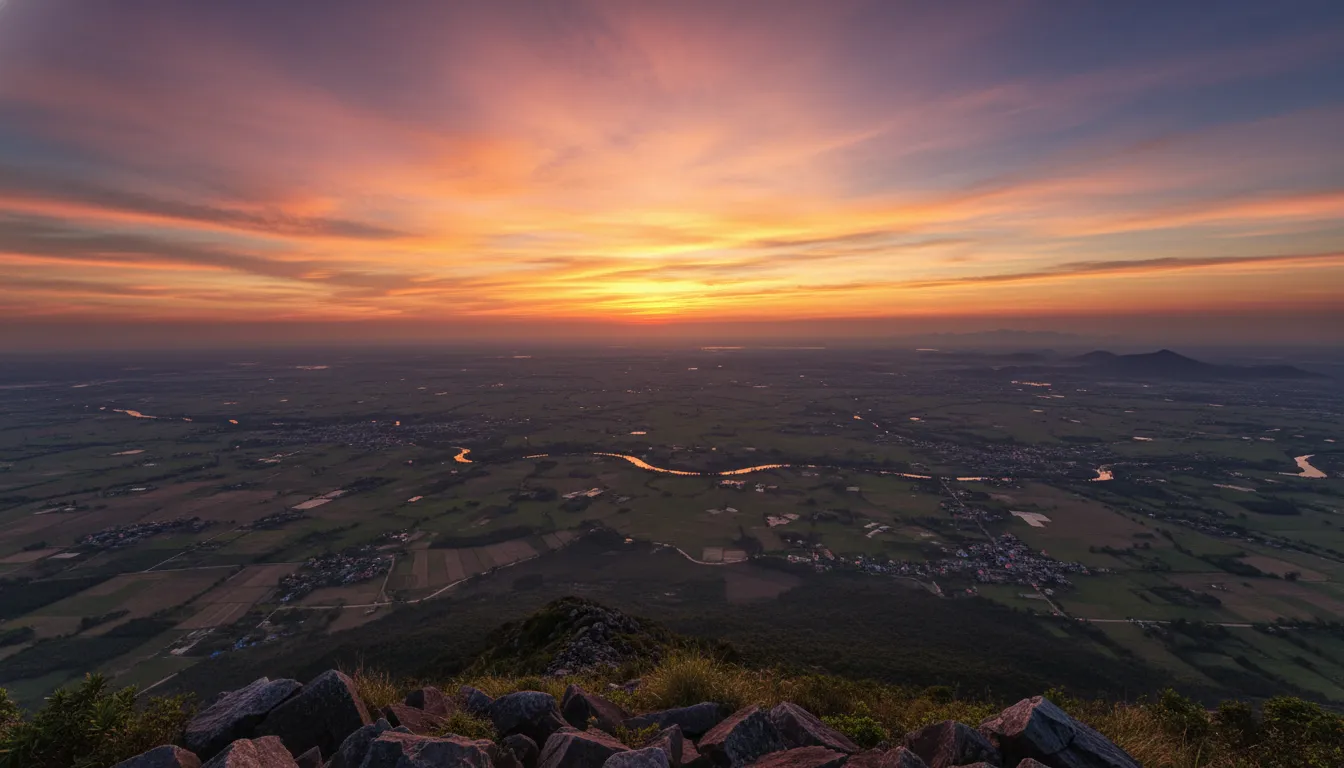
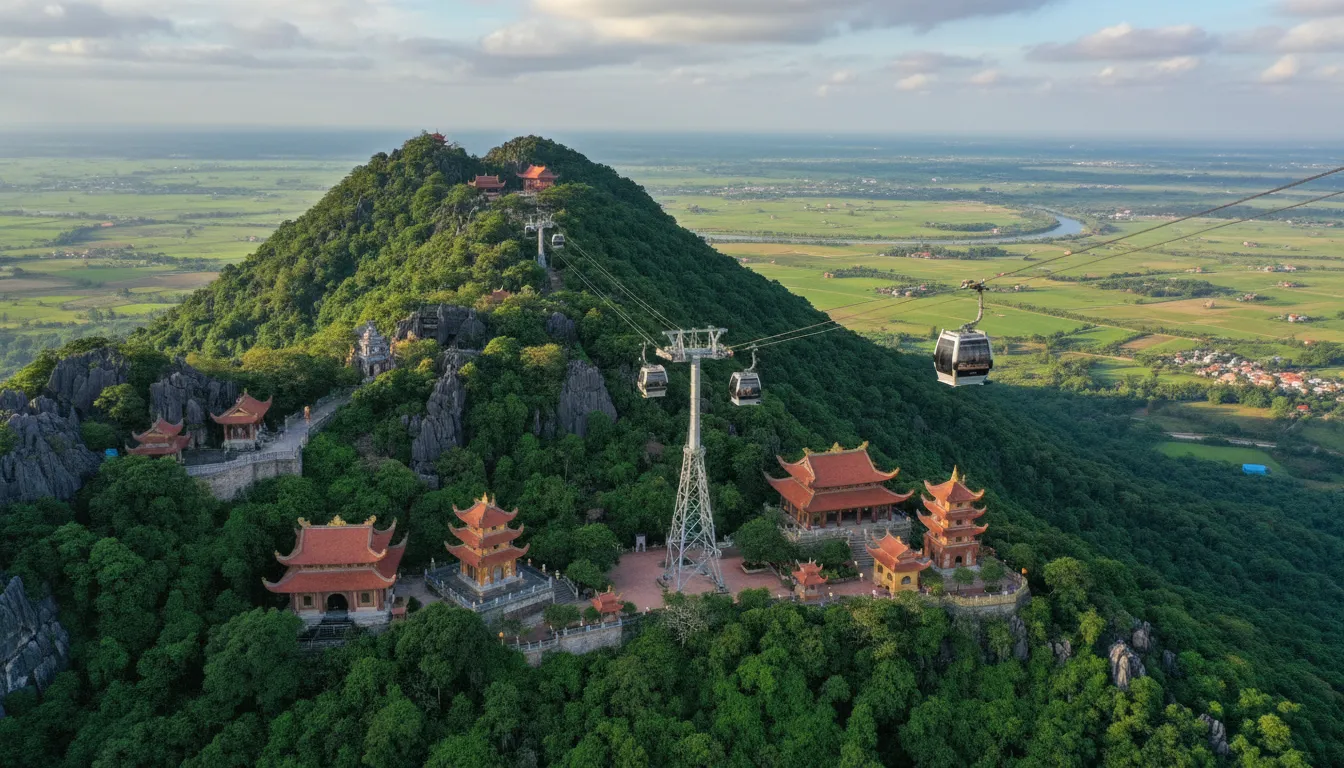
Just a short drive from the Cao Dai Holy See, Ba Den Mountain, or Núi Bà Đen, rises majestically from the flat plains of Tay Ninh province. Standing at 986 meters, it is the highest peak in South Vietnam and a site imbued with layers of legend, spirituality, and wartime history. It offers a stark yet complementary contrast to the man-made grandeur of the Holy See.
My numerous ascents up Ba Den Mountain, whether by cable car or on foot, have always been journeys through time. The mountain’s presence is palpable, a silent observer of centuries of human stories. It beckons travelers not only with its panoramic views but also with the rich narratives etched into its slopes.
The mountain's most famous legend revolves around Ly Thi Thien Huong, a young woman from the 18th century who, according to folklore, committed suicide on the mountain to preserve her honor. Revered as 'Ba Den' (Black Virgin), she is believed to protect the local people, and a temple dedicated to her stands proudly on the mountainside. This tale speaks volumes about Vietnamese cultural values of purity and resilience.
Beyond its spiritual significance, Ba Den Mountain played a crucial strategic role during the Vietnam War. Its commanding height provided a vital observation post and a complex network of caves and tunnels served as a stronghold for Vietnamese forces. Exploring these historical facets offers a sobering reminder of the nation's tumultuous past. It's a powerful connection to the broader narrative of south vietnam historic sites.
Today, reaching the summit of Ba Den Mountain is much easier thanks to a modern cable car system, offering breathtaking views of the surrounding countryside as you ascend. For the more adventurous, hiking trails wind their way up, leading past ancient pagodas, Buddhist temples, and grottoes carved into the rock face. The journey itself becomes part of the spiritual experience.
At the summit, a vast complex of temples, pagodas, and statues awaits, including a giant Buddha statue that stands sentinel over the province. The panoramic vistas from the peak are simply stunning, stretching across the plains to the Cambodian border on a clear day. It’s a place where spiritual contemplation meets natural grandeur, a truly enriching experience.
Logistical Tutorial: Transport from Saigon to Tay Ninh
Embarking on a journey from the bustling metropolis of Ho Chi Minh City (Saigon) to the serene landscapes of Tay Ninh requires a bit of planning, but it's a straightforward trip. As someone who has made this journey multiple times, I can attest that understanding your transport options is key to a smooth and enjoyable experience. This logistical tutorial will cover the most common methods.
The distance between Saigon and Tay Ninh is approximately 100 kilometers, making it a feasible day trip or an overnight stay for a more in-depth exploration. Deciding on your mode of transport depends on your budget, time constraints, and desired level of comfort and independence. Each option offers a different flavour of the Vietnamese travel experience.
Options for Transportation
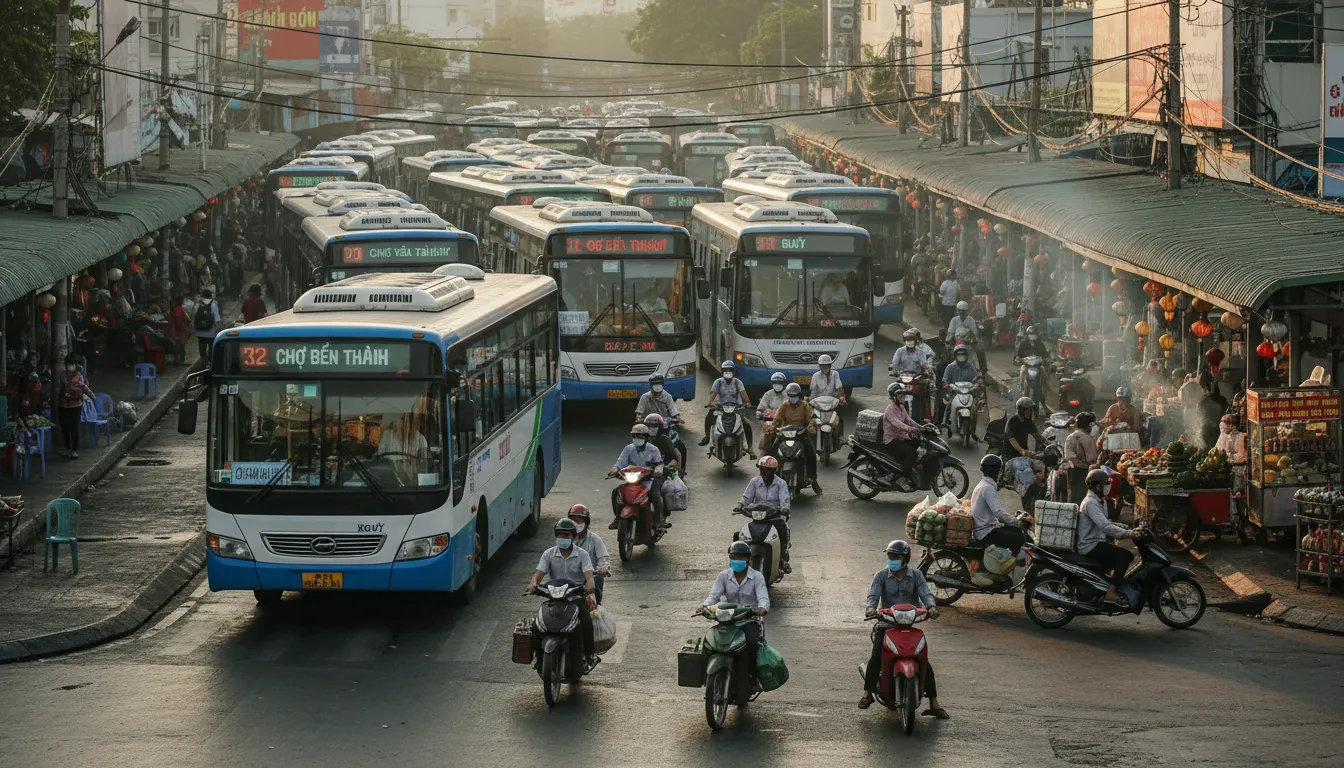
1. Public Bus: This is the most economical option and offers a genuine local experience.
- Departure Point: Buses to Tay Ninh typically depart from An Suong Bus Station (Bến Xe An Sương) in District 12, Ho Chi Minh City. You can reach An Suong by local bus or taxi/ride-hailing service from central Saigon.
- Journey Time: The trip usually takes around 2.5 to 3 hours, depending on traffic.
- Cost: Expect to pay between 70,000 – 100,000 VND (approximately $3-4 USD) for a one-way ticket.
- Frequency: Buses are frequent throughout the day, usually departing every 30 minutes to an hour.
- Tip: Look for buses clearly marked 'Tây Ninh.' While a local experience, it can be crowded, and luggage space might be limited. My first trip on a local bus was a vibrant, if somewhat noisy, introduction to Vietnamese daily life.
2. Private Car/Taxi: For those seeking comfort, flexibility, and direct travel, a private car or taxi is an excellent choice.
- Booking: You can arrange a private car through your hotel, a travel agency, or by using ride-hailing apps like Grab (though finding a driver willing to go all the way to Tay Ninh might require persistence).
- Journey Time: Approximately 1.5 to 2 hours, as it's a direct route without multiple stops.
- Cost: This is the most expensive option, ranging from 1,500,000 – 2,500,000 VND (approximately $60-100 USD) for a round trip, depending on the car size and negotiation.
- Tip: This is ideal for families or small groups who want to control their itinerary and make stops along the way. I often choose this option for its convenience, allowing me to linger longer at sites that particularly captivate me.
3. Motorbike: For the adventurous and experienced rider, traveling by motorbike offers unparalleled freedom to explore at your own pace.
- Rental: Motorbikes can be rented in Saigon for around 100,000 – 200,000 VND per day.
- Route: The main route is generally Highway 22, which is well-maintained but can be busy.
- Caution: Vietnamese traffic can be challenging. Ensure you have an international driving permit, wear a helmet, and have travel insurance. This option is not for novice riders. I've seen many tourists confidently navigate the roads, but it requires a certain level of skill and awareness.
4. Organized Tour: The easiest and often most comprehensive option for first-time visitors to Tay Ninh.
- Booking: Many tour operators in Ho Chi Minh City offer day trips to Tay Ninh, often combining the Cao Dai Holy See and Ba Den Mountain.
- Inclusions: Tours typically include round-trip transportation, an English-speaking guide, and sometimes lunch.
- Cost: Prices vary but expect to pay around 500,000 – 1,000,000 VND (approximately $20-40 USD) per person.
- Tip: This is a stress-free way to visit both major sites, as all logistics are handled for you. It's a great choice if you prefer a guided experience and don't want to worry about navigating south vietnam historic sites tutorial on your own.
General Travel Tips for Tay Ninh
- Best Time to Depart: Leave Saigon early in the morning (before 8 AM) to avoid the worst of the city's traffic and to have ample time to explore Tay Ninh before the afternoon heat sets in.
- What to Bring: Hydration is key – carry plenty of water. Sunscreen, a hat, and comfortable walking shoes are essential, especially if you plan to explore Ba Den Mountain. A light jacket might be useful for air-conditioned buses or early mornings.
- Cash: While some larger establishments accept cards, many smaller vendors and local eateries operate on cash (Vietnamese Dong - VND). Have small denominations handy.
- Language: Basic Vietnamese phrases like 'Xin chào' (hello), 'Cám ơn' (thank you), and numbers can be helpful. A translation app on your phone can also bridge communication gaps.
- Accommodation: While Tay Ninh can be done as a day trip, consider an overnight stay if you want to delve deeper, catch an early morning ceremony at the Holy See, or witness a sunrise from Ba Den Mountain. There are several guesthouses and hotels in Tay Ninh city.
Conclusion
Tay Ninh is more than just a dot on the map of South Vietnam; it is a profound journey into the heart of Vietnamese spirituality, history, and natural beauty. From the kaleidoscope of the Cao Dai Holy See to the legendary peaks of Ba Den Mountain, this province offers a truly unique and enriching travel experience. It stands as a testament to the diverse cultural tapestry that defines Vietnam.
This south vietnam historic sites tutorial has aimed to equip you with the knowledge and south vietnam historic sites tips necessary to navigate Tay Ninh with confidence and curiosity. Whether you are drawn by the architectural marvels, the ancient legends, or the poignant wartime history, Tay Ninh promises an adventure that resonates deeply. It's a place where every corner tells a story, and every interaction offers a glimpse into a vibrant culture.
My own experiences in Tay Ninh have always left me with a renewed sense of wonder and a deeper appreciation for Vietnam's multifaceted identity. It’s a destination that encourages not just observation, but genuine immersion and personal discovery. It perfectly aligns with MLIFEON's mission to connect readers with authentic cultural narratives and inspiring connections.
So, pack your bags, prepare your senses, and embark on this unforgettable journey. Let Tay Ninh be your next destination for cultural exploration, where every moment promises 'More Discovery, More Experience.'