As an expert travel writer, I’ve often sought destinations that whisper tales of bygone eras, places where history isn’t just preserved but actively lives and breathes. Southern Vietnam, with its intricate tapestry of cultures and landscapes, holds many such treasures. Among them, Ha Tien stands out as a jewel, a city that offers a profound journey into the past, rich with Vietnamese, Khmer, and even Chinese influences.
My personal experiences traversing this region have always centered on uncovering the authentic narratives that shape a place. Ha Tien, with its strategic location and vibrant heritage, provides a perfect canvas for such exploration. It's a destination that beautifully encapsulates the spirit of cultural discovery that MLIFEON champions, inviting you to delve deeper than surface-level tourism. This guide will take you on a step-by-step exploration of Ha Tien's most significant historic sites, ensuring a journey of true cultural immersion.
The Historical Importance of Ha Tien as a Port City
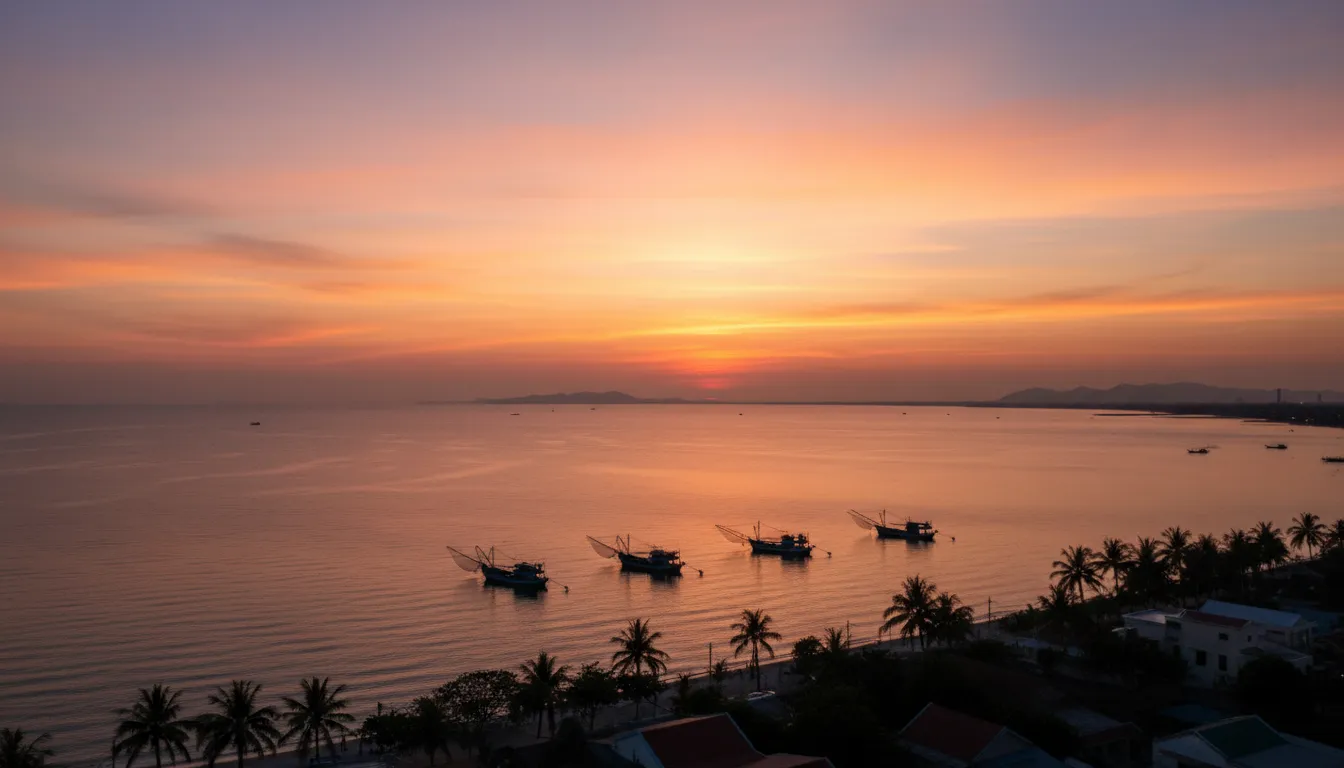
Ha Tien, nestled on the Gulf of Thailand, boasts a history as colorful and complex as its vibrant markets. For centuries, it served as a pivotal port city, a strategic gateway connecting Vietnam with Cambodia and the broader maritime trade routes of Southeast Asia. This unique position fostered an incredible fusion of cultures, shaping its distinctive character.
The city's narrative is inextricably linked to the figure of Mạc Cửu, a Chinese adventurer who arrived in the late 17th century. He transformed a sparsely populated area into a bustling trading hub, establishing a semi-autonomous principality under the protection of the Nguyễn Lords. This period marked a significant chapter in the southward expansion of Vietnamese territory, solidifying Ha Tien's role as a frontier stronghold.
Under Mạc Cửu and his descendants, Ha Tien flourished, becoming a beacon of commerce and cultural exchange. Its port welcomed ships laden with goods from across Asia, fostering a cosmopolitan environment unique to the region. This rich heritage is palpable in the architecture, traditions, and even the culinary landscape you encounter today. Exploring Ha Tien is not just visiting sites; it is stepping into a living museum of regional history and cross-cultural dialogue.
Step 1: Visiting the Mạc Cửu Family Tombs
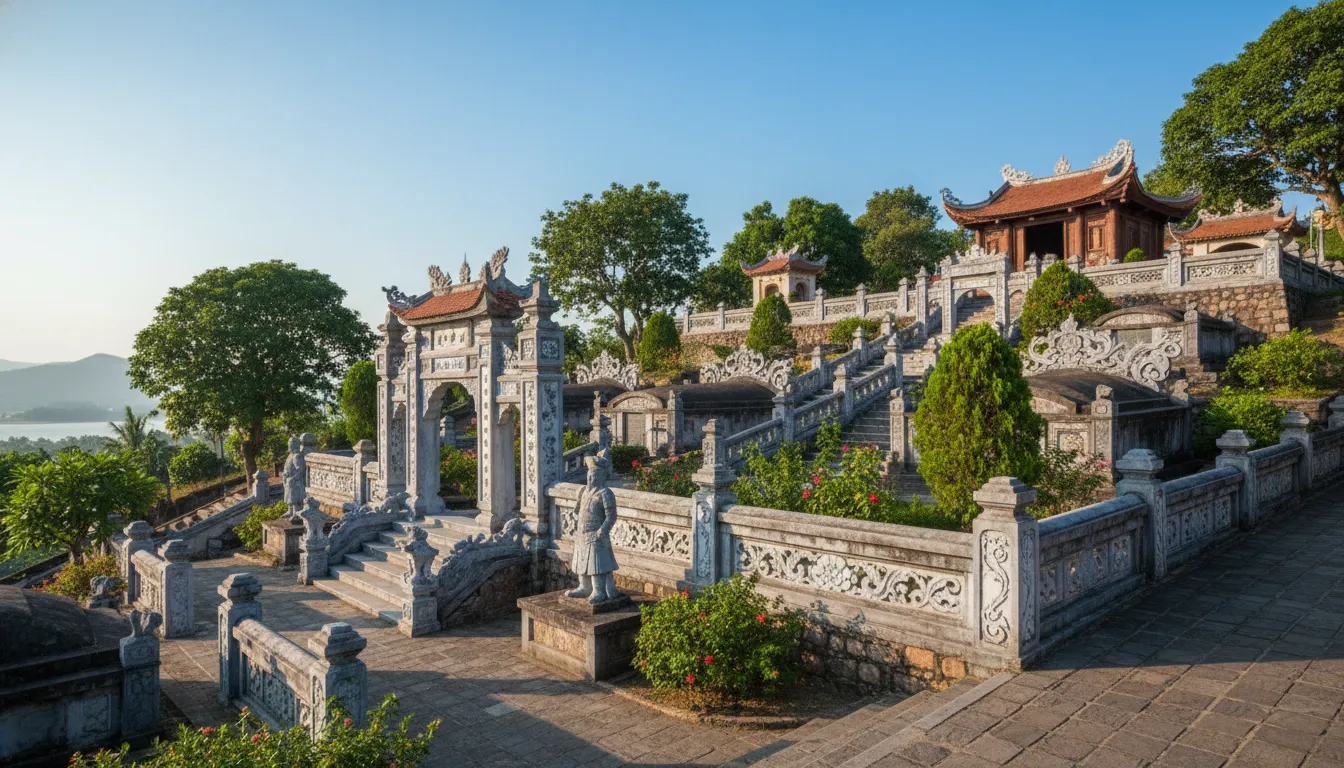
Our historical journey begins at the sacred resting place of the Mạc family, a sprawling complex that serves as a powerful testament to Ha Tien's founding father, Mạc Cửu. Located on a scenic hillside overlooking the city, these tombs offer more than just a historical monument; they are a spiritual anchor for the community. I remember my first visit, feeling a profound sense of reverence as I ascended the stone steps, the air thick with history.
The tomb complex is an exquisite example of traditional Vietnamese funerary architecture, blended with Chinese stylistic elements. It houses the remains of Mạc Cửu, his wife, and several generations of his descendants, each tomb meticulously cared for. The intricate carvings, detailed stone statues, and the serene garden setting reflect the respect and importance accorded to this lineage.
Walking through the grounds, you’ll notice the delicate balance between natural beauty and human craftsmanship. Lush greenery surrounds ancient stone steles, each telling a silent story of power, resilience, and legacy. It's a place that invites quiet contemplation, allowing you to connect directly with the pioneers who shaped this unique corner of Vietnam. Understanding the Mạc family's contribution is essential to grasping Ha Tien's identity.
Step 2: Exploring the Tam Bảo Pagoda
From the ancestral grounds of the Mạc family, our journey continues to a place of spiritual solace and architectural splendor: Tam Bảo Pagoda. This pagoda, founded by Mạc Cửu himself in the early 18th century, stands as one of Ha Tien’s oldest and most revered Buddhist temples. It offers a fascinating glimpse into the spiritual life that has long intertwined with the city's commercial and political history.
My initial visit to Tam Bảo was marked by a sense of immediate tranquility, a stark contrast to the bustling town outside its gates. The pagoda’s traditional design, with its ornate gateways, vibrant tiled roofs, and carefully manicured gardens, immediately captivates the eye. It’s a space where centuries of devotion and craftsmanship converge, creating an atmosphere of profound peace.
Inside, you’ll discover beautifully adorned altars, ancient Buddha statues, and intricate wood carvings that speak to the enduring Buddhist traditions in Vietnam. The pagoda also houses a reclining Buddha statue, a common yet always impressive sight in Southeast Asian temples. The air is often filled with the gentle scent of incense, further enhancing the spiritual experience.
Beyond its aesthetic appeal, Tam Bảo Pagoda represents the cultural fusion that defines Ha Tien. It has served as a center for Buddhist practice for generations, fostering community and preserving spiritual heritage. Visiting here is not just an architectural tour; it is an opportunity to witness the living faith that continues to thrive in this historic city. It reminds me of the countless temples across Vietnam that serve as community hubs, offering solace and continuity amidst change.
Step 3: Understanding the Border History at Xà Xía
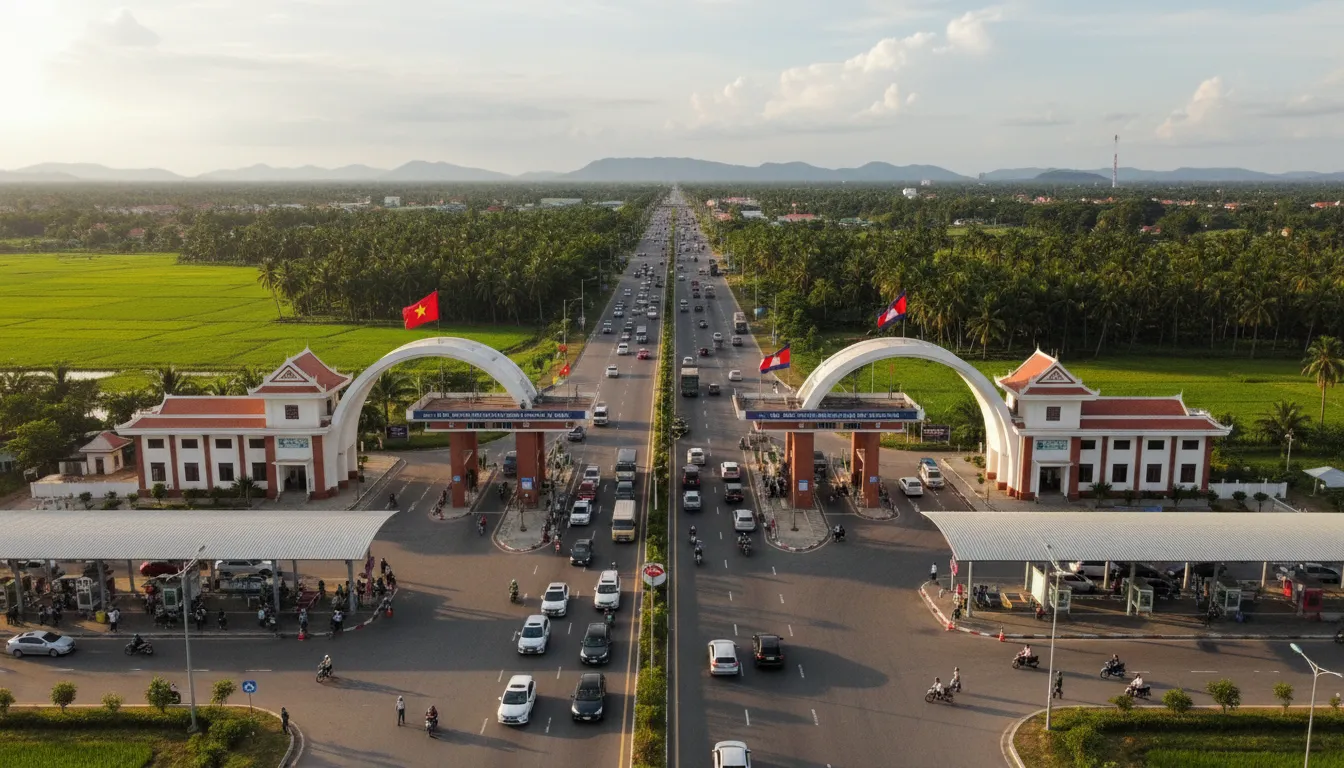
Our next step takes us to Xà Xía, a location that offers a tangible connection to Ha Tien’s geopolitical significance. Situated directly on the border with Cambodia, the Xà Xía International Border Gate is more than just a crossing point; it’s a living testament to the complex historical and cultural interplay between Vietnam and its neighbor. This proximity has profoundly shaped Ha Tien’s identity, making it a true melting pot.
The border region here has seen centuries of trade, migration, and, at times, conflict. My own experience at Xà Xía highlighted the palpable sense of two nations meeting, a dynamic exchange of goods, people, and cultures. You can observe the steady flow of goods and travelers, a modern echo of the historical routes that once crisscrossed this strategic area. The atmosphere is one of continuous movement, a subtle reminder of the region’s enduring importance.
While the primary purpose of Xà Xía today is as an official checkpoint, its historical implications are immense. It underscores Ha Tien’s role as a frontier town, a place where different empires and ideologies have converged and diverged over time. Understanding this border's history helps to contextualize the unique blend of Vietnamese and Khmer influences seen throughout the city, from cuisine to everyday customs. It truly emphasizes how borders, while lines on a map, are vibrant zones of human interaction.
Step 4: Discovering the Legend of Thạch Động Cave
No historical exploration of Ha Tien would be complete without a visit to Thạch Động, also known as Thạch Động Tiên Sơn, or 'Stone Cave of the Mountain Fairy.' This towering limestone karst, emerging dramatically from the surrounding flat plains, is not merely a geological wonder but a site steeped in one of Vietnam’s most cherished folk tales. It's a place where myth and natural beauty converge, offering a truly enchanting experience.
The legend of Thạch Sanh and Lý Thông, a classic Vietnamese fairy tale, is intimately tied to this cave. It tells of courage, deceit, and ultimately, justice, with Thạch Sanh, the honest hero, triumphing over the villainous Lý Thông. My first time hearing the full story while standing inside the cave itself, the echoes of the narrative seemed to resonate with the very rock formations around me. It truly brings the legend to life.
Inside the cave, a small Buddhist pagoda, Tiên Sơn Pagoda, has been built into the rock, creating a unique spiritual sanctuary. As you ascend through the cave, you'll encounter various chambers and altars, each contributing to the site's mystical aura. The experience culminates at the cave’s summit, where you are rewarded with breathtaking panoramic views of Ha Tien, the surrounding countryside, and even glimpses of Cambodia on a clear day.
This site perfectly embodies MLIFEON's commitment to cultural storytelling. It’s a place where you can appreciate stunning natural beauty while simultaneously immersing yourself in the rich tapestry of Vietnamese folklore and spiritual tradition. Thạch Động is a reminder that history isn’t just about dates and events; it's also about the enduring stories that shape a people's identity and imagination.
Practical Itinerary Planning for Ha Tien
Having explored the key historical sites, it’s time to consider the practicalities of planning your own Ha Tien adventure. My extensive travels have taught me that a well-thought-out itinerary enhances the discovery, allowing for seamless transitions and deeper engagement with each destination. Ha Tien, while compact, offers a wealth of experiences that require a strategic approach to truly appreciate.
Getting There:
Ha Tien is accessible from various points in Southern Vietnam and even from neighboring Cambodia. Many travelers arrive by bus from major cities like Ho Chi Minh City or Can Tho, with comfortable overnight options available. The journey offers scenic glimpses of rural life, gradually transitioning from bustling cities to tranquil landscapes. For those coming from the popular island of Phu Quoc, a scenic ferry ride across the Gulf of Thailand is a delightful option, offering refreshing sea breezes and coastal views.
Best Time to Visit:
The dry season, typically from November to April, is generally the most pleasant time to visit Ha Tien. During these months, the weather is sunny and less humid, making it ideal for exploring outdoor sites like the Mạc Cửu Tombs and Thạch Động Cave. While the wet season brings lush greenery, it can also mean heavy downpours, which might interrupt outdoor plans. Planning your trip during the dry season will ensure a more comfortable and enjoyable experience.
Accommodation Options:
Ha Tien offers a range of accommodation, catering to different budgets and preferences. You’ll find charming local guesthouses and homestays that provide an authentic insight into Vietnamese hospitality, often run by friendly families. For those seeking more comfort, there are modern hotels with amenities like swimming pools and restaurants. I often prefer a local guesthouse; they provide an invaluable opportunity to interact with residents and gain local insights.
Local Cuisine to Try:
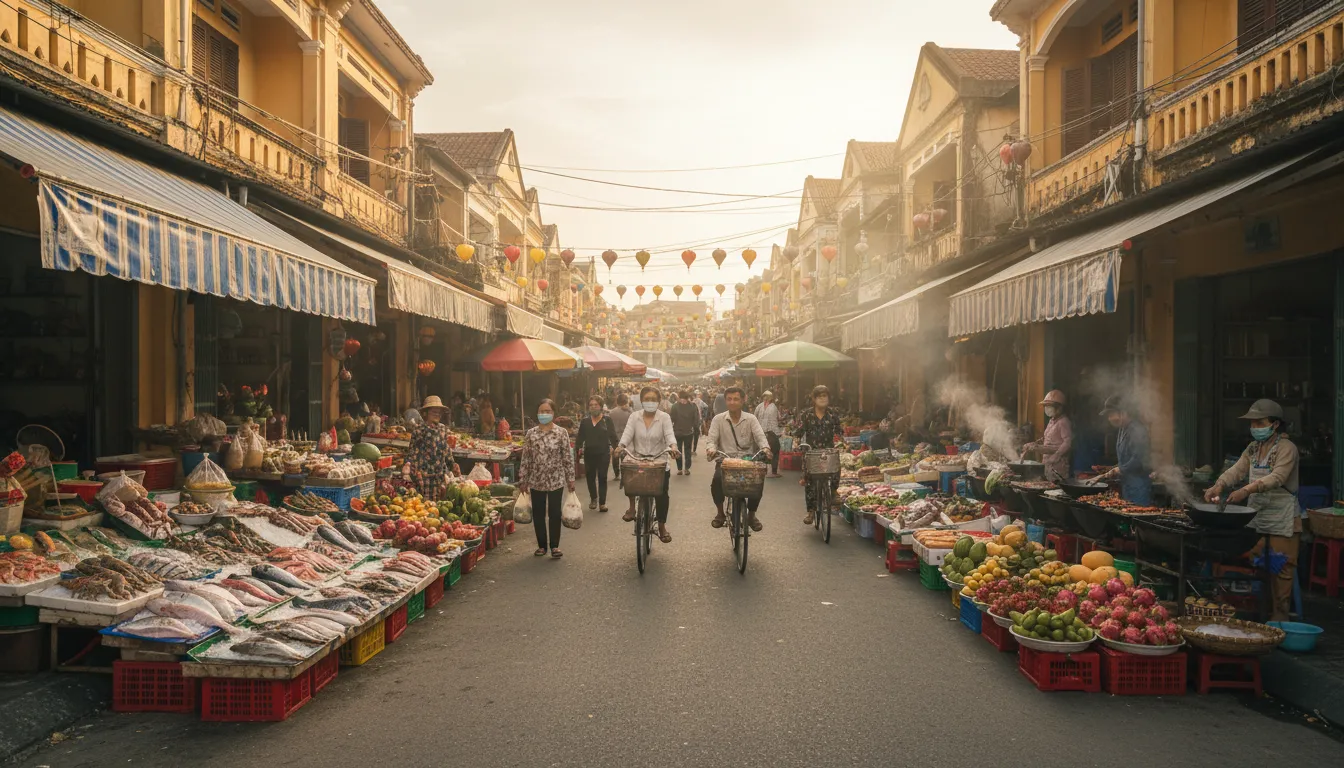
Food is the soul of any destination, and Ha Tien's culinary scene is a vibrant reflection of its cultural heritage. Given its coastal location, fresh seafood is an absolute must-try, from grilled fish to succulent shrimp dishes. Don't miss out on local specialties like Bánh Canh Ghẹ, a thick noodle soup with fresh crab, or Bún Kèn, a unique fish noodle soup with a rich, creamy broth. Exploring the local markets, as I always do, will reveal a plethora of street food delights and fresh produce.
Navigating the Town:
Ha Tien is relatively easy to navigate, with many attractions within walking or cycling distance from the town center. Motorbike taxis (xe ôm) and regular taxis are readily available for longer distances or if you prefer not to walk. Renting a scooter is also a popular option, offering the freedom to explore at your own pace, though always remember to drive cautiously and wear a helmet. The friendly locals are usually eager to help with directions.
Combining with Nearby Destinations:
Ha Tien serves as an excellent base for further exploration. Its proximity to Phu Quoc Island makes it a perfect stop before or after an island getaway. You could also consider a brief trip across the border to Kep, Cambodia, known for its serene beaches and famous crab market. This allows you to extend your cultural journey and experience even more of the fascinating Mekong Delta region.
Conclusion
Our step-by-step journey through Ha Tien's historic sites reveals a city far more profound than just a dot on the map. It is a living chronicle, a place where the echoes of ancient maritime trade, the reverence of ancestral spirits, the serenity of Buddhist devotion, and the geopolitical dance of nations converge. Ha Tien offers an unparalleled opportunity to immerse oneself in the rich, multi-layered history of Southern Vietnam.
From the solemn majesty of the Mạc Cửu Family Tombs to the spiritual tranquility of Tam Bảo Pagoda, the complex border dynamics at Xà Xía, and the mythical allure of Thạch Động Cave, each site contributes to a holistic understanding of this remarkable region. My own travels have repeatedly shown me that places like Ha Tien are not merely destinations; they are experiences that linger, enriching your perspective on history and culture.
For the culturally curious reader seeking substantive travel narratives and meaningful connections, Ha Tien is an essential pilgrimage. It embodies the very essence of MLIFEON’s mission: to inspire deeper discovery and foster authentic experiences. So pack your bags, open your mind, and embark on your own unforgettable journey to Ha Tien, where every corner tells a story, and every moment promises a new revelation. Your journey to unforgettable cultural stories and inspiring connections awaits. More Discovery, More Experience.