Embarking on a journey through South Vietnam is more than just a vacation; it's an immersive dive into centuries of resilience, cultural fusion, and profound human stories. For the culturally curious, this vibrant region offers an unparalleled introduction to Vietnam's complex and captivating past. From the ancient empires that shaped its early identity to the pivotal events of the 20th century, South Vietnam is a living museum waiting to be explored.
This guide is crafted for those new to Vietnam's historical tapestry, offering a curated pathway to its most significant sites. We’ll navigate through bustling cities and tranquil rural landscapes, uncovering the layers of history that define this remarkable part of the world. Join me as we uncover the stories, traditions, and enduring spirit of South Vietnam, promising more discovery and more experience for your journey.
Why Start Your Historical Journey in the South?
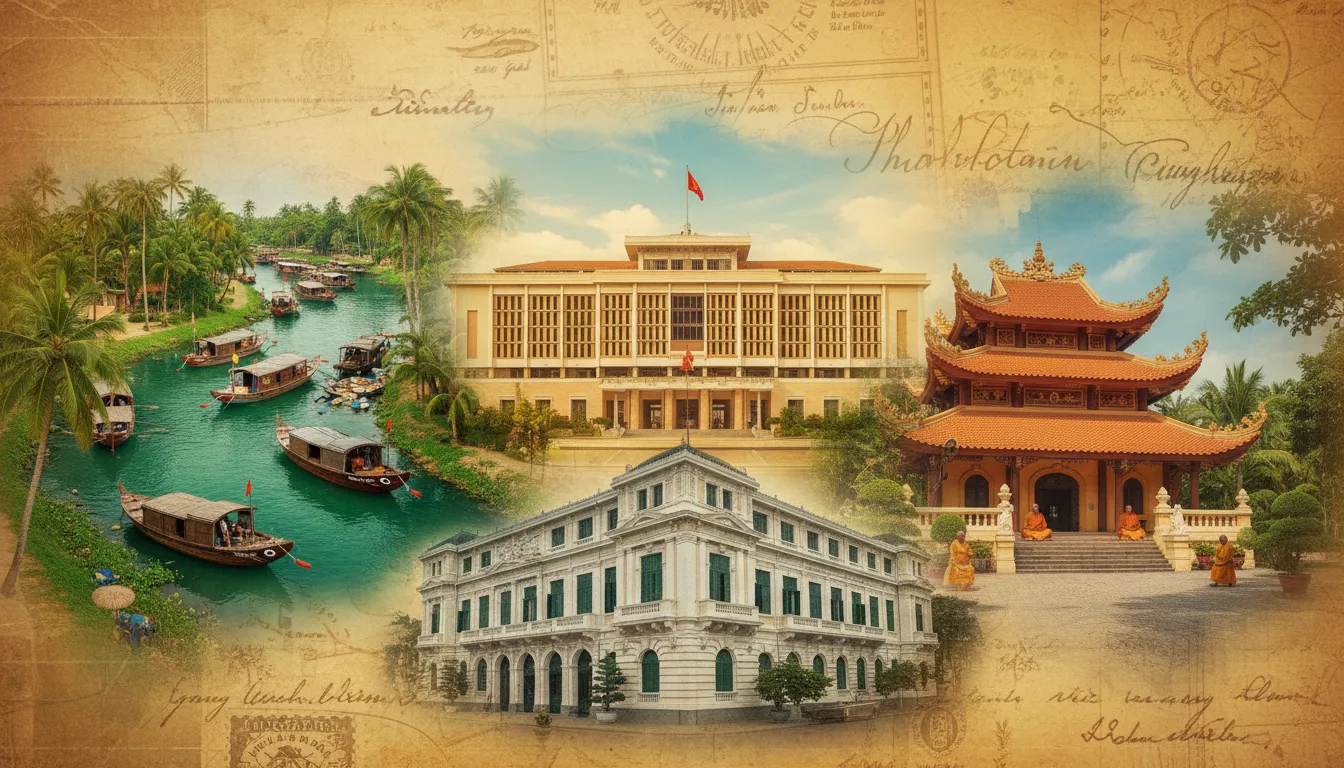
South Vietnam, particularly the region encompassing Ho Chi Minh City (formerly Saigon) and the Mekong Delta, presents an ideal starting point for beginner history buffs. Its historical narrative is distinct, shaped by diverse influences from indigenous cultures, Khmer empires, Vietnamese expansion, and a significant colonial past. The accessibility of its major sites and the warmth of its people make for a welcoming and enriching experience.
My first visit to South Vietnam immediately revealed a palpable energy, a blend of rapid modernization juxtaposed with deep historical roots. The ease of navigating Ho Chi Minh City, coupled with readily available tours to surrounding historical gems, makes it incredibly user-friendly for newcomers. Beyond the landmarks, the region's culinary scene and daily life offer constant, subtle historical insights, from ancient recipes to traditional crafts.
Unlike the more ancient imperial capitals of Central Vietnam or the revolutionary birthplaces in the North, the South's history feels more immediate and tangible. It provides a focused lens on the latter centuries of Vietnamese history, particularly the French colonial period and the Vietnam War. This concentration allows for a deeper understanding without feeling overwhelmed by an overly vast timeline.
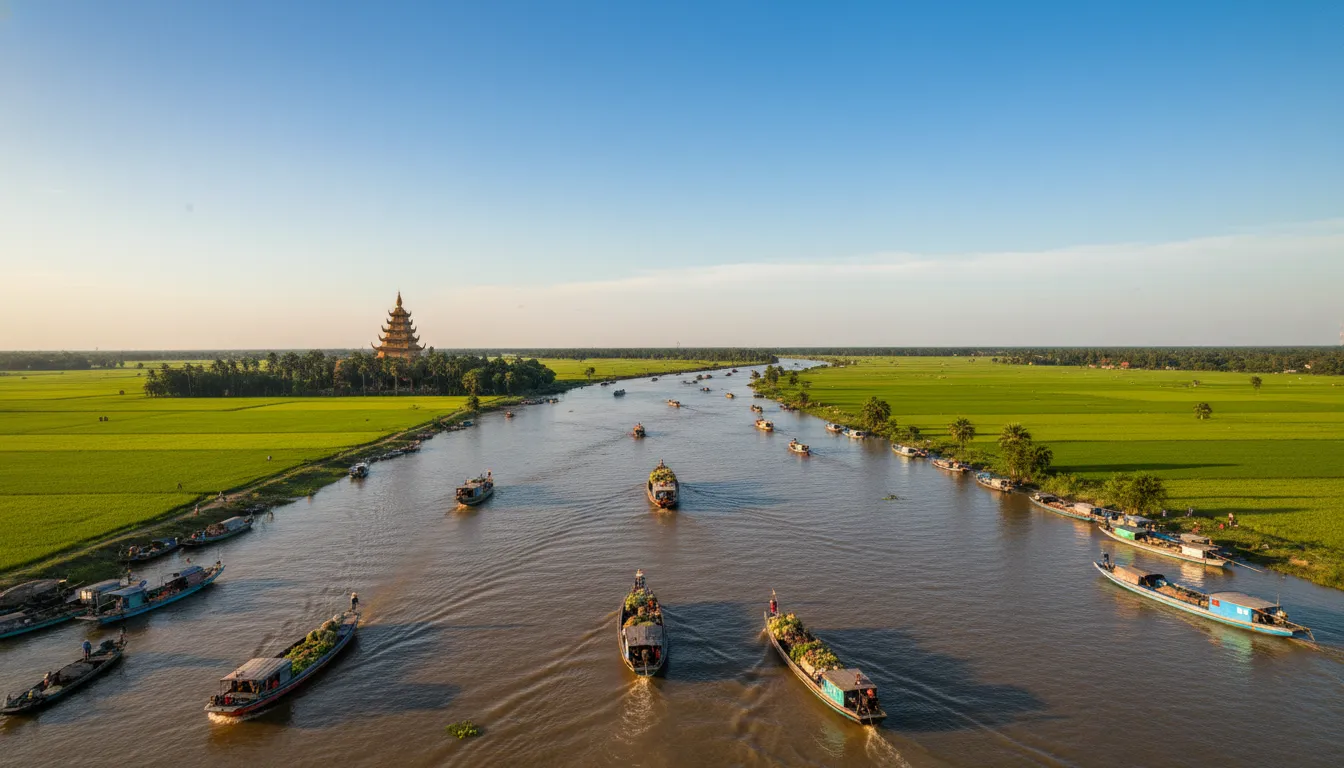
The Mekong Delta, with its intricate waterways and fertile lands, tells a story of adaptation and resourcefulness, a natural extension of the historical narrative. Exploring its pagodas and ancient houses provides a serene counterpoint to the dynamic history of Saigon. This geographical and historical diversity within a relatively compact area makes South Vietnam a truly compelling and digestible destination for cultural exploration.
Top 5 Must-See Sites for First-Time Visitors
For those embarking on their first historical exploration of South Vietnam, certain sites stand out for their profound significance and immersive experiences. These five locations offer a comprehensive overview, blending political history, spiritual heritage, and colonial architecture. Each provides a unique window into the soul of the region, ensuring a memorable and enlightening journey.
The Independence Palace (Saigon)
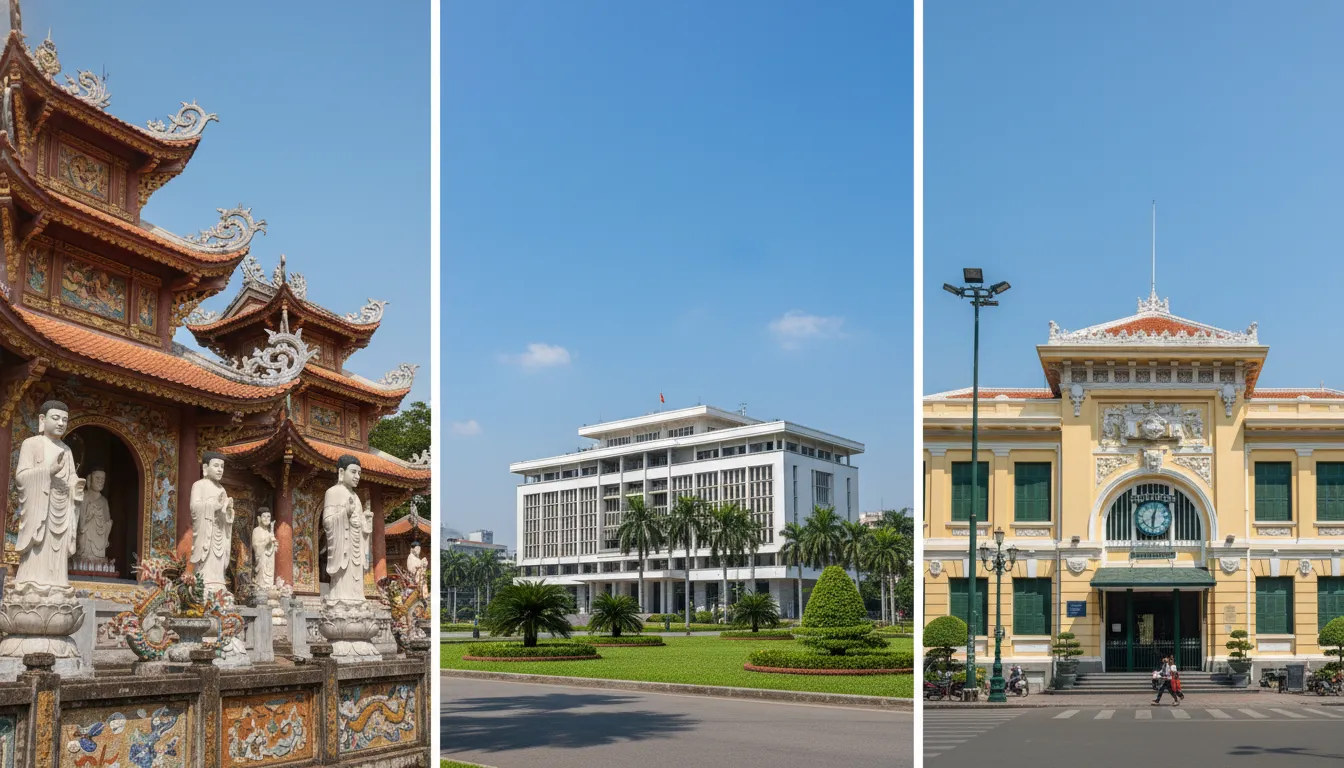
Known officially as the Reunification Palace, this iconic building in the heart of Ho Chi Minh City stands as a powerful symbol of Vietnam's modern history. It served as the home and workplace of the President of South Vietnam during the Vietnam War, and its capture by North Vietnamese tanks on April 30, 1975, marked the end of the conflict. Visiting here, I always feel a profound sense of history echoing through its halls, a silent testament to a pivotal moment.
The palace's 1960s modernist architecture, designed by Ngo Viet Thu, is a striking example of a bygone era, blending traditional Vietnamese elements with contemporary design principles. Inside, you can explore the presidential office, state rooms, war command bunkers in the basement, and even the original tanks that breached its gates. The preserved interiors offer an authentic glimpse into the political drama that unfolded here, making it an essential stop for understanding the war's conclusion. It’s a place where history isn't just told; it's felt.
Vinh Trang Pagoda (My Tho)
Venturing into the Mekong Delta, a visit to Vinh Trang Pagoda in My Tho offers a serene and spiritually enriching experience, a stark contrast to the political intensity of Saigon. This beautiful Buddhist temple, built in the late 19th century, is renowned for its unique architectural fusion. It harmoniously blends Vietnamese, Khmer, Chinese, and even European Baroque influences, creating a visually stunning and culturally rich masterpiece.
I vividly recall my first steps into its peaceful grounds, marveling at the intricate mosaic work, the ornate carvings, and the towering Buddha statues that dot the landscape. The pagoda's five-arch gate, adorned with colorful porcelain fragments, is particularly captivating, depicting scenes from Buddhist scriptures and local legends. Vinh Trang isn't just a place of worship; it's an artistic marvel that reflects the diverse cultural currents that have flowed through the Mekong Delta. It offers a tranquil moment of reflection amidst a journey of historical discovery.
Binh Thuy Ancient House (Can Tho)
Deep in the heart of the Mekong Delta, in Can Tho, lies the remarkably preserved Binh Thuy Ancient House, a testament to the region's affluent past during the French colonial era. This ancestral home of the Duong family, built in 1870, offers a rare glimpse into the lives of wealthy Vietnamese landlords and the architectural styles they adopted. It's a fascinating blend of traditional Vietnamese design and French colonial aesthetics, creating a truly unique structure.
Walking through its rooms, I was struck by the elegant wooden furniture, antique ceramics, and the subtle yet distinct European touches, like the tiled floors and stained-glass windows. The house's symmetrical layout, high ceilings, and surrounding fruit orchards evoke a sense of timeless grandeur. It's not merely a house; it's a living museum that has also served as a backdrop for several famous Vietnamese films, further cementing its cultural significance. This site provides an intimate understanding of the societal structures and daily lives of the elite during a crucial period of Vietnamese history.
Cu Chi Tunnels (Near Ho Chi Minh City)
No beginner's guide to South Vietnam's history would be complete without a visit to the Cu Chi Tunnels, an extraordinary underground network used by Viet Cong soldiers during the Vietnam War. Located just outside Ho Chi Minh City, these tunnels served as living quarters, supply routes, hospitals, and command centers, demonstrating incredible ingenuity and resilience. My own experience crawling through a widened section of the tunnels was both claustrophobic and awe-inspiring, offering a visceral understanding of the harsh realities faced by those who lived and fought there.
The site is meticulously preserved, allowing visitors to see booby traps, bomb craters, and even fire an AK-47 at a shooting range (optional, but a powerful sensory experience). Understanding how these tunnels supported a sustained resistance against a technologically superior force provides profound insight into the human spirit and determination. It’s a sobering yet essential reminder of the sacrifices made and the incredible strategies employed during the conflict, cementing its place as a must-visit historical landmark.
Notre Dame Cathedral Basilica of Saigon & Saigon Central Post Office (Ho Chi Minh City)
In the bustling heart of Ho Chi Minh City stand two magnificent architectural marvels side-by-side, the Notre Dame Cathedral Basilica and the Central Post Office. These enduring symbols of French colonial influence offer a beautiful counterpoint to the later 20th-century history found elsewhere. Built between 1877 and 1880, the Notre Dame Cathedral, with its twin bell towers and red brick facade imported from Marseille, evokes a sense of European grandeur.
Just steps away, the Saigon Central Post Office, designed by Gustave Eiffel (yes, of Eiffel Tower fame), is an equally impressive feat of architecture. Its grand hall, with its high arched ceilings, ornate telephone booths, and a large portrait of Ho Chi Minh, remains a functioning post office to this day. I love observing the juxtaposition of tourists admiring the architecture and locals sending mail, a living piece of history. These sites not only showcase stunning design but also highlight the profound and lasting impact of French presence on Vietnamese urban landscapes and culture, offering a tangible connection to the colonial era.
Understanding Chronology: From Kingdoms to Colonization
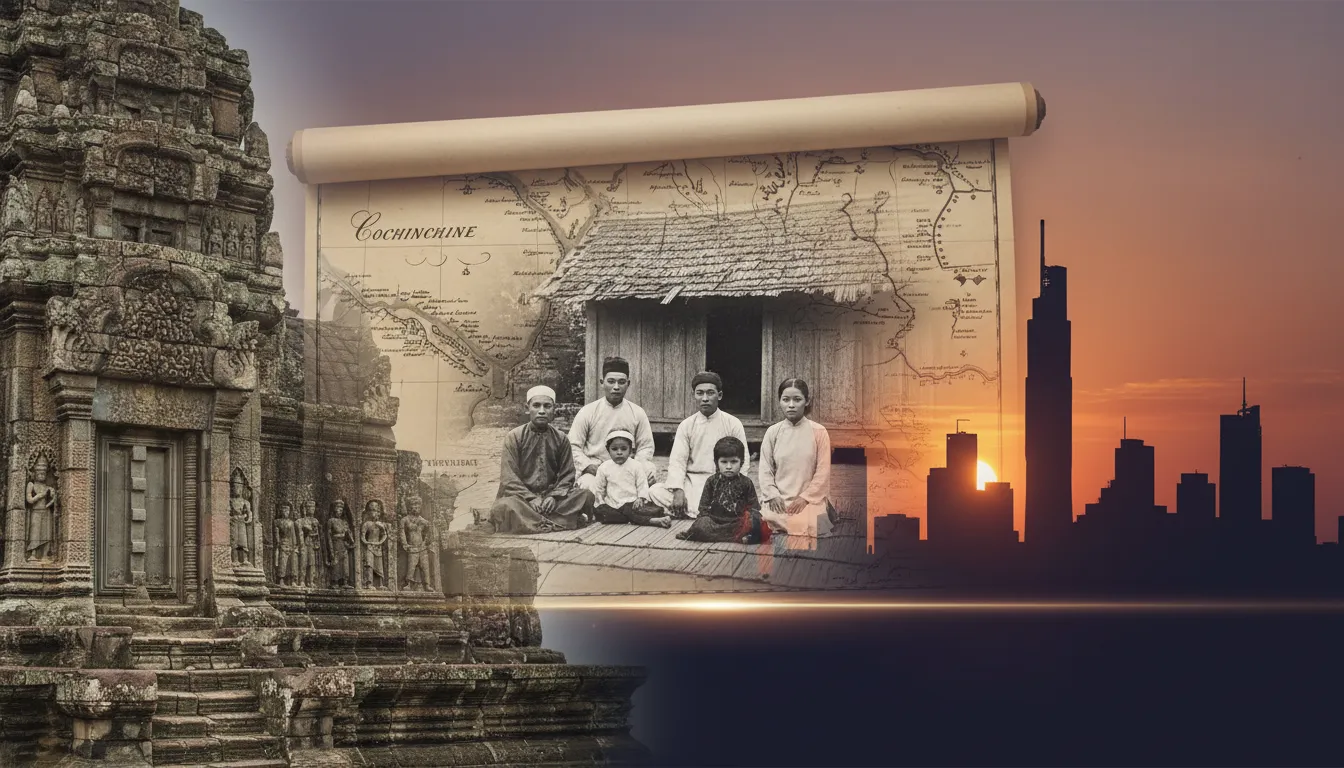
To truly appreciate South Vietnam's historic sites, it's helpful to understand the broader chronological sweep that shaped the region. This area, often referred to as Cochinchina during the French colonial period, has a history distinct from the northern and central parts of Vietnam, marked by diverse influences and dramatic transformations. It's a rich tapestry woven from ancient kingdoms, southward expansion, and profound foreign interventions.
Before the arrival of the Vietnamese, what is now South Vietnam was home to indigenous groups and, significantly, part of the powerful Khmer Empire. The Khmer influence, originating from present-day Cambodia, left behind a legacy of culture and architecture that can still be subtly observed in some areas, particularly in the Mekong Delta. This period saw the flourishing of agricultural societies and intricate water management systems, laying foundational cultural patterns.
The southward expansion of the Vietnamese people, known as 'Nam Tien,' began centuries ago, gradually pushing from the Red River Delta into what was once Cham and Khmer territory. This slow, often contentious, process saw the Vietnamese culture and political structures establish a firm foothold in the fertile Mekong Delta. This historical movement explains the unique blend of cultures found in the South today, a dynamic process of absorption and adaptation.
By the 17th and 18th centuries, the Nguyen Lords had established significant control over the South, setting the stage for the eventual unification of Vietnam under the Nguyen Dynasty in the early 19th century. This era brought a degree of political stability and fostered trade, further developing the region's economic and cultural landscape. However, this stability was soon challenged by external forces.
The arrival of the French in the mid-19th century dramatically reshaped South Vietnam. Establishing the colony of Cochinchina, the French implemented a direct rule that profoundly altered the region's administration, economy, and urban planning. Cities like Saigon were transformed into 'Paris of the Orient,' with grand boulevards, colonial architecture, and a modern infrastructure. This period, while economically exploitative, also introduced new technologies, educational systems, and cultural elements that left an indelible mark.
The 20th century brought further upheaval, with the struggle for independence leading to the First Indochina War and, subsequently, the division of Vietnam. South Vietnam became the Republic of Vietnam, allied with the United States, leading to the devastating conflict known globally as the Vietnam War or the American War. This period of intense ideological struggle and warfare culminated in the fall of Saigon in 1975 and the reunification of the country. Understanding this complex timeline allows visitors to connect the dots between the ancient pagodas, colonial mansions, and war remnants, revealing a cohesive and compelling historical narrative.
Practical Tips for Beginner History Buffs
Exploring South Vietnam's historical sites is an incredibly rewarding experience, but a little preparation can significantly enhance your journey. As someone who has navigated these paths many times, I've gathered a few practical tips to help beginner history buffs make the most of their adventure. These insights are designed to ensure a smooth, respectful, and deeply enriching cultural exploration.
Transportation: Ho Chi Minh City is well-served by ride-hailing apps like Grab (for cars and motorbikes), which are convenient and affordable. For longer distances, such as to the Mekong Delta sites, consider booking organized tours. These tours often include comfortable transportation, a knowledgeable guide, and seamless logistics, saving you the hassle of planning. Local buses are an option for the adventurous, offering an authentic but slower experience.
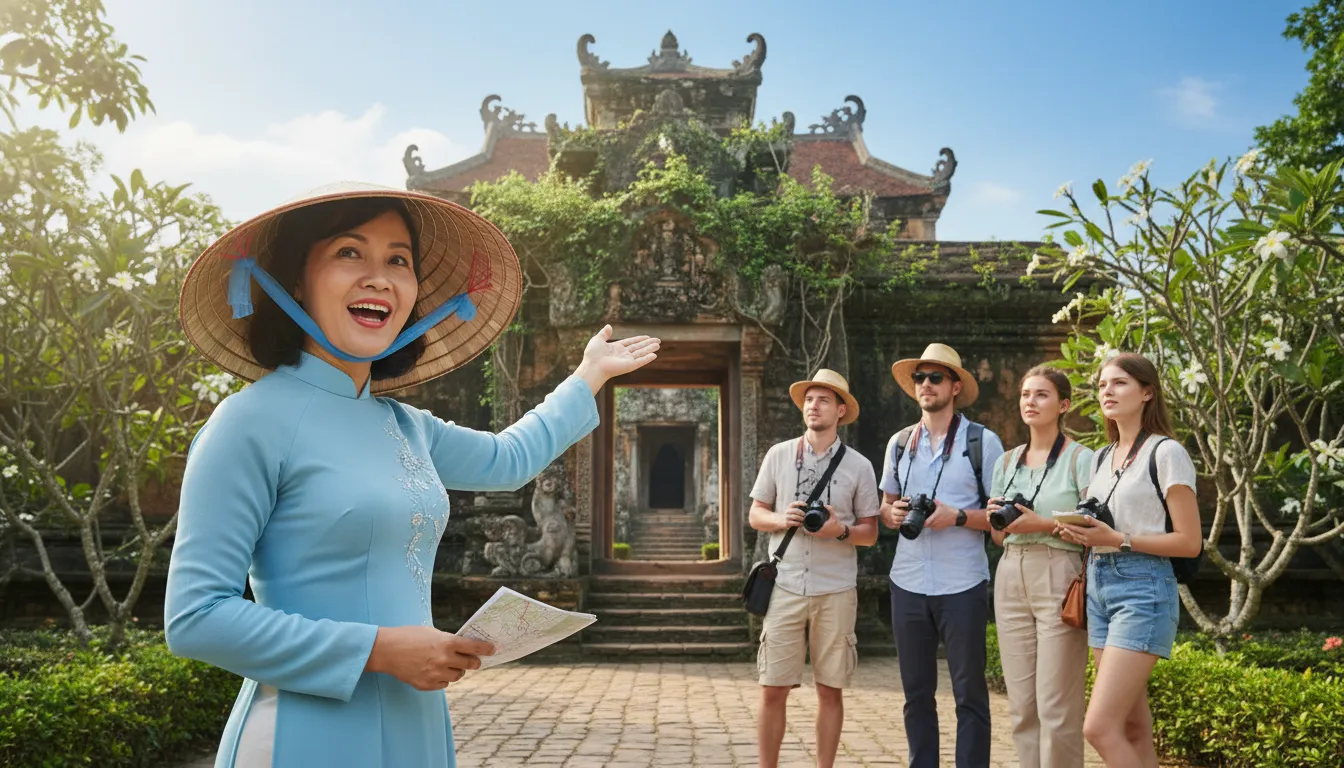
Local Guides: While self-exploration is possible, I cannot overstate the value of hiring a local guide, especially for sites like the Independence Palace or the Cu Chi Tunnels. Their insights bring the history to life, offering personal anecdotes, cultural context, and perspectives that you won't find in guidebooks. Many tour operators provide English-speaking guides, ensuring a deeper understanding of the narratives.
Best Time to Visit: The dry season, from November to April, is generally considered the best time to visit South Vietnam. The weather is warm and sunny, with less humidity and rain, making it ideal for exploring outdoor sites. However, be prepared for hot temperatures, especially from March to May. Always carry water and sun protection.
Respectful Travel: When visiting religious sites like Vinh Trang Pagoda, dress modestly, covering your shoulders and knees. Remove your shoes before entering temple buildings. Be mindful of local customs and traditions; a polite 'xin chào' (hello) and 'cảm ơn' (thank you) go a long way. Always ask for permission before taking photos of people.
Food and Drink: Hydration is key in the tropical climate. Drink plenty of bottled water. Embrace the local cuisine; food is an integral part of Vietnamese culture and history. Don't be afraid to try street food from reputable vendors; it's often where the most authentic flavors are found. From a simple bowl of phở to the complex flavors of a bánh xèo, each dish tells a story.
Language Basics: Learning a few basic Vietnamese phrases will not only make your interactions smoother but also show respect for the local culture. Simple greetings, numbers, and phrases like 'how much?' can significantly enhance your experience. Locals generally appreciate the effort, even if your pronunciation isn't perfect.
Pacing Yourself: South Vietnam offers a wealth of history, but don't try to cram too much into one day. Allow yourself time to absorb the atmosphere, reflect on what you've seen, and perhaps enjoy a leisurely coffee or a stroll. Over-scheduling can lead to burnout and diminish the enjoyment of your discoveries.
Pre-Visit Reading: A little background reading before you go can greatly enhance your visit. Understanding the basic timeline and significance of the sites will allow you to connect more deeply with the stories they tell. MLIFEON's articles are a great starting point for this cultural immersion.
Conclusion
South Vietnam is an extraordinary gateway for any beginner history buff, offering a rich, accessible, and deeply personal journey through a land shaped by ancient empires, colonial influences, and profound modern conflicts. From the poignant echoes within the Independence Palace to the serene beauty of Vinh Trang Pagoda, and the ingenious resilience of the Cu Chi Tunnels, each site unveils a crucial chapter in the Vietnamese narrative. My own travels through this region have repeatedly shown me that its history isn't just about dates and events; it's woven into the daily lives, the vibrant cuisine, and the enduring spirit of its people.
Exploring these historic sites is more than just sightseeing; it's an opportunity for meaningful cultural exchange and personal discovery, connecting you to the heart of Vietnam. It invites you to reflect on human resilience, artistic expression, and the complex tapestry of global history. Whether you're tracing the lines of French colonial architecture or contemplating the strategic brilliance of wartime tunnels, South Vietnam promises an unforgettable experience. So, pack your bags, open your mind, and prepare for a journey that offers 'More Discovery, More Experience.' Your adventure into the soul-stirring history of South Vietnam awaits.