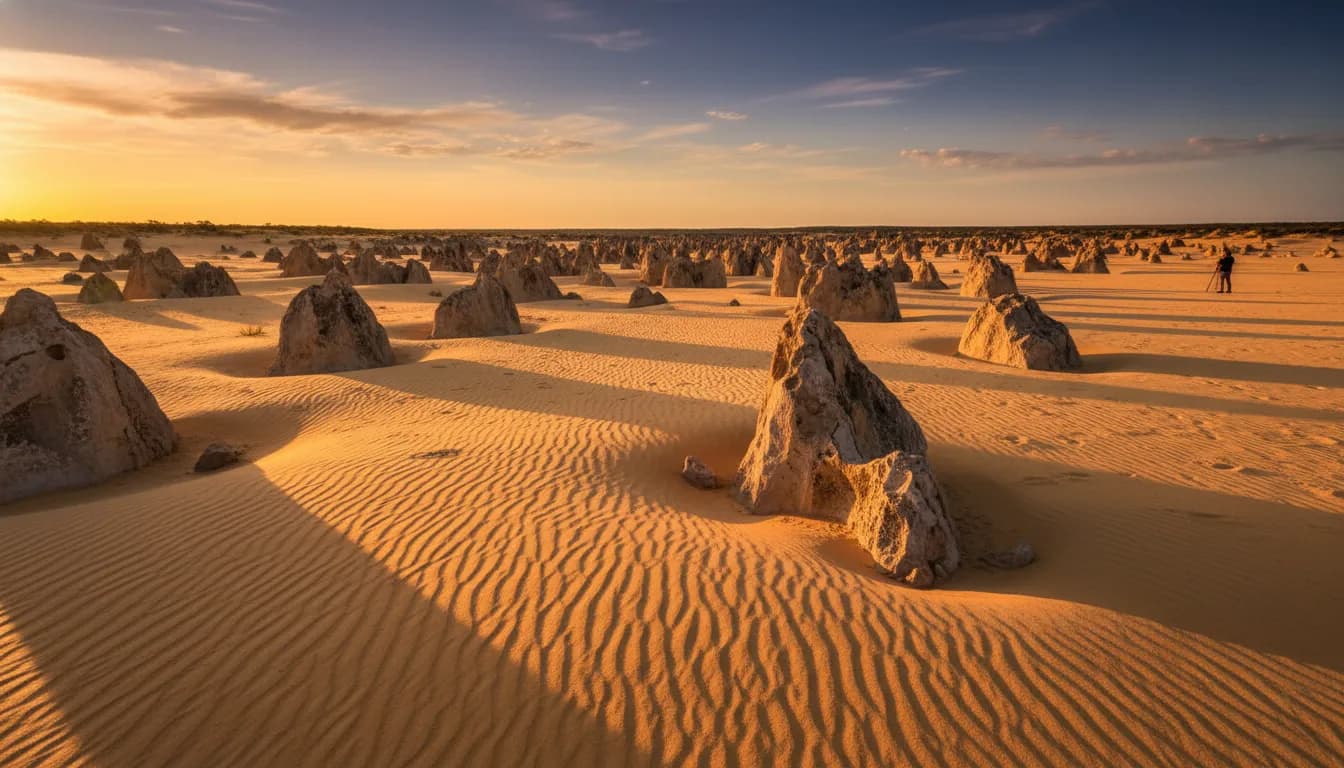
From the moment the red dust settles on your boots, you know Coober Pedy isn't just another stop on the map; it's an experience, a plunge into the heart of Australia's opal country. As a seasoned traveler, I've journeyed through countless landscapes, but few places have captured my imagination quite like this unique underground town in Outback South Australia. It’s a place where the sun beats down relentlessly, driving life beneath the earth, and where every grain of sand might hold a shimmering secret.
My travels, much like the ethos of MLIFEON, are driven by a desire for authentic cultural stories and meaningful connections. Coober Pedy, with its resilient community, its extraordinary dwellings, and its shimmering treasure, offers just that. It's a testament to human adaptability and the enduring spirit of discovery, a story that resonates deeply with the journey of many, including our vibrant Vietnamese-Australian community seeking new horizons. Preparing for a visit here is not just about packing a suitcase; it's about equipping yourself with the right 'traveller tools' – not just physical items, but knowledge, mindset, and a readiness to embrace the truly extraordinary.
Survival Tools for the Underground City
Visiting Coober Pedy is unlike any other travel experience, demanding a shift in perspective and a unique set of preparations. The term 'survival tools' here extends beyond basic necessities; it encompasses understanding the very essence of this underground city, a place where people have carved out a life in a landscape that seems almost lunar. The first tool is an open mind, ready to embrace a world where homes, churches, and even hotels are burrowed into the earth.
This architectural ingenuity, born of necessity to escape the scorching surface temperatures that can soar past 50°C, is Coober Pedy's defining characteristic. Understanding why people live underground – for the constant, cool temperatures and relief from the intense heat and dust – is crucial to appreciating its unique charm. It’s a cultural immersion, learning about the pioneers who arrived with little more than a pickaxe and a dream, forging a community in the harsh Australian outback.
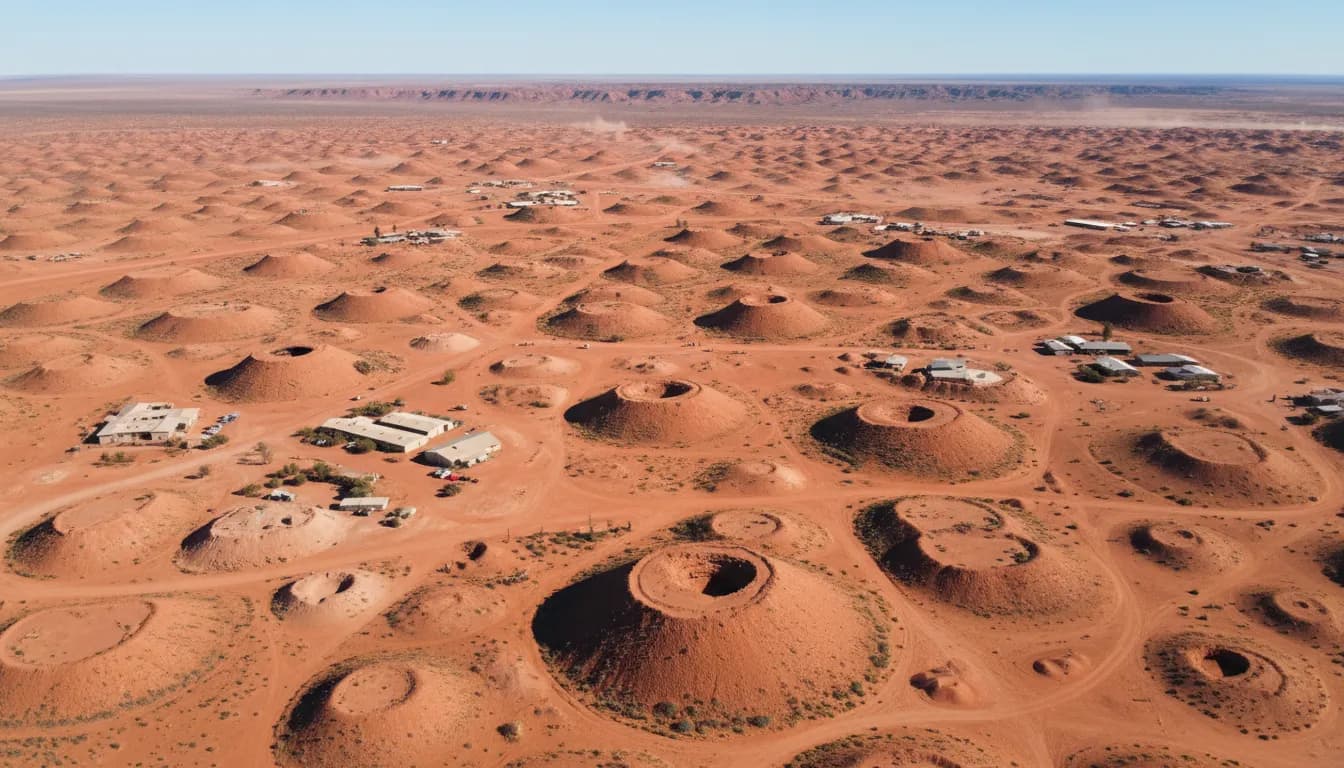
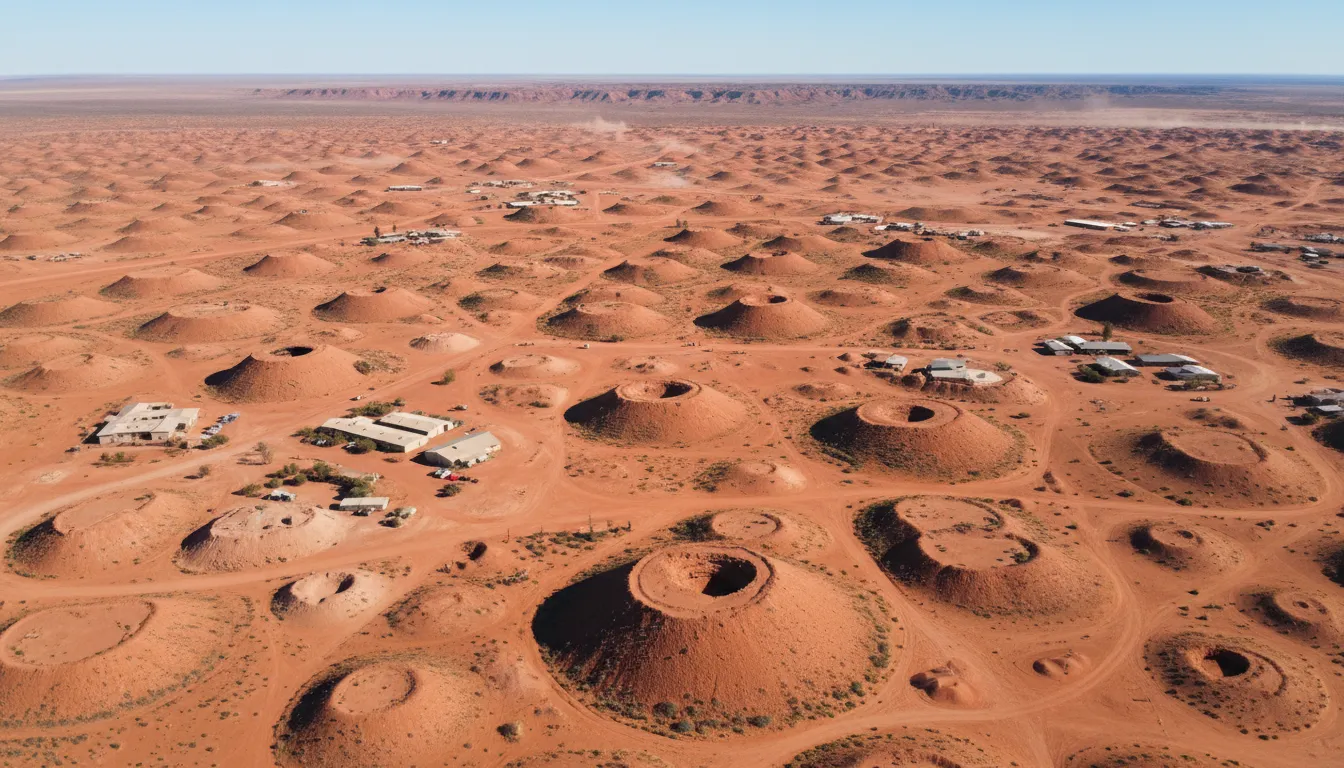
The second 'tool' is a respect for the environment and the local way of life. Coober Pedy is a working mining town, and its landscape is dotted with countless mine shafts and mullock heaps – piles of excavated earth. Always observe warning signs, stick to marked paths, and never venture too close to uncovered shafts; these simple precautions are vital for your safety and show respect for the ongoing operations. The beauty of the outback is immense, but it also demands vigilance and common sense.
Finally, a sense of adventure is your ultimate survival tool here. Coober Pedy isn't polished or pristine; it's rugged, raw, and real. From the moment you arrive, you’ll encounter a multicultural tapestry of residents – a testament to the global allure of opal mining – all contributing to the town’s unique character. Embracing this authentic, unvarnished reality allows for a deeper connection with the place and its people, turning every interaction into a memorable story.
Must-Visit: The Umoona Opal Mine and Museum
No visit to Coober Pedy is complete without descending into the cool depths of the Umoona Opal Mine and Museum. This award-winning attraction is far more than just a collection of artifacts; it’s a living testament to the town’s history, geological wonders, and the sheer grit of its inhabitants. Stepping inside, I immediately felt the temperature drop, a welcome respite from the outback sun, and was enveloped by the cool, earthy scent of the underground.
The museum section offers a fascinating journey through the history of opal mining, from the discovery of opals in 1915 to the evolution of mining techniques. You’ll see remarkable opal specimens, including the rare 'potch and colour' formations, and learn about the different types of opals found in the region. It’s here that the story of Coober Pedy truly comes alive, weaving together geology, human endeavor, and the pursuit of a precious gem.
What makes Umoona truly special is the opportunity to explore an actual underground opal mine. Walking through the dimly lit tunnels, you gain a visceral understanding of the challenging conditions miners faced, and still face, daily. The exhibits explain everything from the formation of opals over millions of years to the various tools and machinery used in their extraction. I recall marveling at the sheer effort involved, imagining the sweat and perseverance required to bring these vibrant stones to the surface.
Beyond the mining history, Umoona also showcases the broader cultural history of the area, including displays on Aboriginal heritage and the diverse communities that have settled in Coober Pedy. It’s a place where history, geology, and human stories converge, offering a comprehensive and deeply engaging insight into this extraordinary town. A visit here is an essential first step in understanding the heart and soul of Coober Pedy, truly enriching your 'More Discovery, More Experience' journey.
Unique Stay: Desert Cave Hotel and Underground Living
One of the most immersive 'traveller tools' Coober Pedy offers is the chance to experience underground living firsthand, and there’s no better place to do this than the iconic Desert Cave Hotel. From the outside, it presents a conventional façade, but once you step inside and descend, you enter a world of cool tranquility and architectural marvel. It’s a feeling I’ve come to associate with stepping into a secret realm, hidden from the harsh elements above.
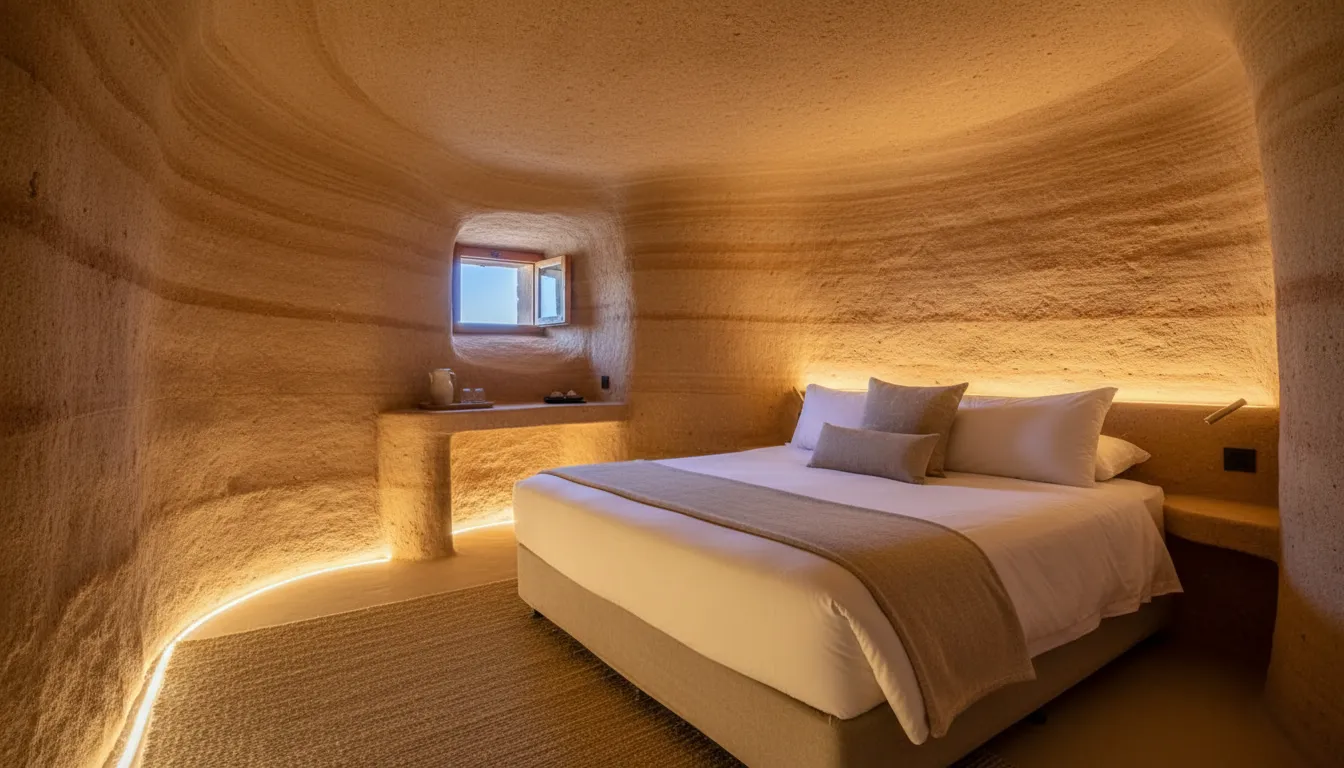
My own experience of staying in an underground room was surprisingly comforting. The silence is profound, the darkness complete without light filtering through, and the temperature a constant, pleasant 22-24°C, a stark contrast to the scorching heat just meters above. The walls are made of natural sandstone, often left unpainted, revealing the unique geological patterns of the earth itself, creating an atmosphere that is both rustic and remarkably soothing.
The Desert Cave Hotel isn't just a place to sleep; it's a showcase of Coober Pedy's ingenuity. It boasts underground shops, a bar, and even a swimming pool, all carved out of the rock. This isn’t just a novelty; it’s a practical and sustainable way of life adapted to the extreme environment. It truly embodies the spirit of Coober Pedy, transforming a challenge into a unique and comfortable existence, offering a glimpse into the daily lives of the local residents.
Staying underground provides an unparalleled sense of connection to the town's heritage and its enduring spirit of innovation. It allows you to fully appreciate why the vast majority of Coober Pedy’s population chooses to live in these subterranean 'dugouts.' It's a profound experience that shifts your understanding of what a home can be, deeply embedding you in the local culture and providing stories you’ll recount for years to come.
Essential Gear for Outback Heat and Dust
While the underground offers respite, exploring the surface of Coober Pedy and its surrounding outback demands careful preparation and the right gear. The Australian outback is a formidable environment, characterized by extreme heat, pervasive dust, and vast distances. Having the correct 'traveller tools' can make all the difference between a challenging trip and an enjoyable adventure, ensuring your safety and comfort.
First and foremost, hydration is paramount. Always carry significantly more water than you think you’ll need, especially if planning any excursions outside the town. Dehydration can set in rapidly in the dry, hot conditions. Reusable water bottles are an excellent choice, and it's wise to keep extra large bottles in your vehicle.
Protection from the sun is equally critical. A wide-brimmed hat, sunglasses, and high-SPF sunscreen are non-negotiable items. Lightweight, long-sleeved clothing made from breathable fabrics will protect your skin from intense UV radiation while helping to keep you cool. I've learned from experience that even a short period of exposure can lead to severe sunburn in this unforgiving climate.
Footwear must be sturdy and closed-toe to protect against rough terrain, sharp rocks, and potential encounters with wildlife. Good walking shoes or hiking boots are ideal for exploring the mullock heaps or the nearby Breakaways. A first-aid kit, equipped with essentials for cuts, scrapes, and insect bites, is also a vital item for any outback journey, as help can be a long way off.
Finally, consider a reliable dust mask or bandana. The fine red dust of the outback can be relentless, affecting breathing and irritating eyes, especially on windy days or when exploring unsealed roads. These simple items contribute significantly to your comfort and well-being, allowing you to focus on the incredible sights rather than the environmental challenges.
Maps and Apps for Navigating the Breakaways
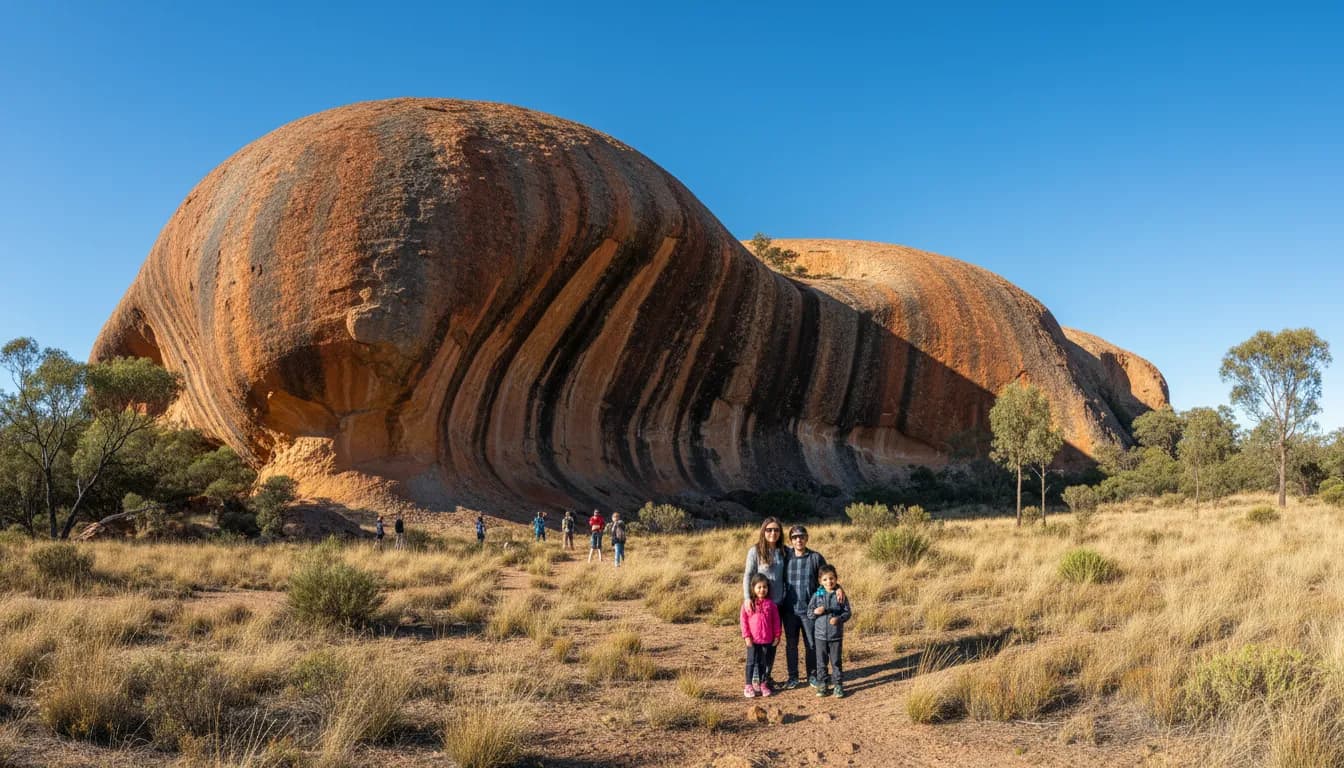
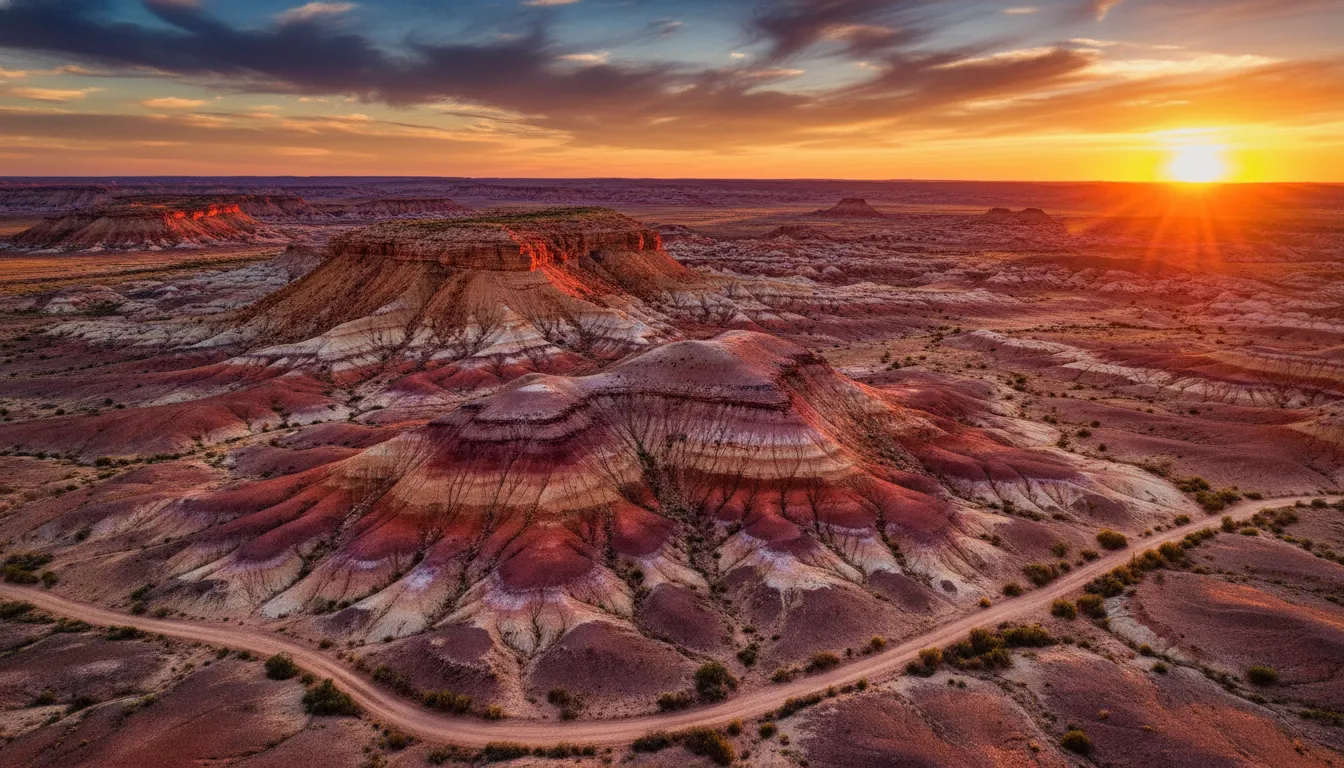
Beyond the town of Coober Pedy lies a landscape of breathtaking beauty and ancient geological formations: The Breakaways. This range of flat-topped mesas and colourful low hills offers spectacular vistas, especially at sunrise and sunset, displaying a palette of reds, oranges, and purples. However, navigating this unique terrain requires its own set of 'traveller tools,' primarily reliable maps and digital navigation aids.
Traditional paper maps, specifically detailed topographical maps of the region, remain invaluable. They don't rely on battery life or signal strength, which can be unreliable in remote outback areas. Familiarising yourself with the map before you set off, understanding contours and landmarks, is a fundamental step in responsible exploration. These maps provide a crucial backup to electronic devices, a lesson I've learned many times in remote corners of the world.
For digital navigation, a robust GPS app on your smartphone or a dedicated GPS device is highly recommended. Apps like Hema Maps or WikiCamps Australia are specifically designed for outback travel, offering offline map capabilities, points of interest, and track recording. Ensure your devices are fully charged and consider carrying a portable power bank, as charging opportunities are scarce once you leave the main town.
It’s also wise to download maps of the area for offline use before you lose phone signal. The Breakaways are accessible via unsealed roads, which can be corrugated or sandy, requiring a 4WD vehicle for comfortable and safe travel, especially after rain. Always inform someone of your travel plans and expected return time, a crucial safety measure in the vast emptiness of the outback.
These navigation tools, combined with a healthy dose of common sense and preparedness, will allow you to safely explore the awe-inspiring beauty of The Breakaways. Standing atop one of these mesas, gazing out at the endless horizon, you truly feel the vastness and ancient spirit of the Australian outback, a profound experience for any culturally curious traveller.
How to Noodle for Opals Legally
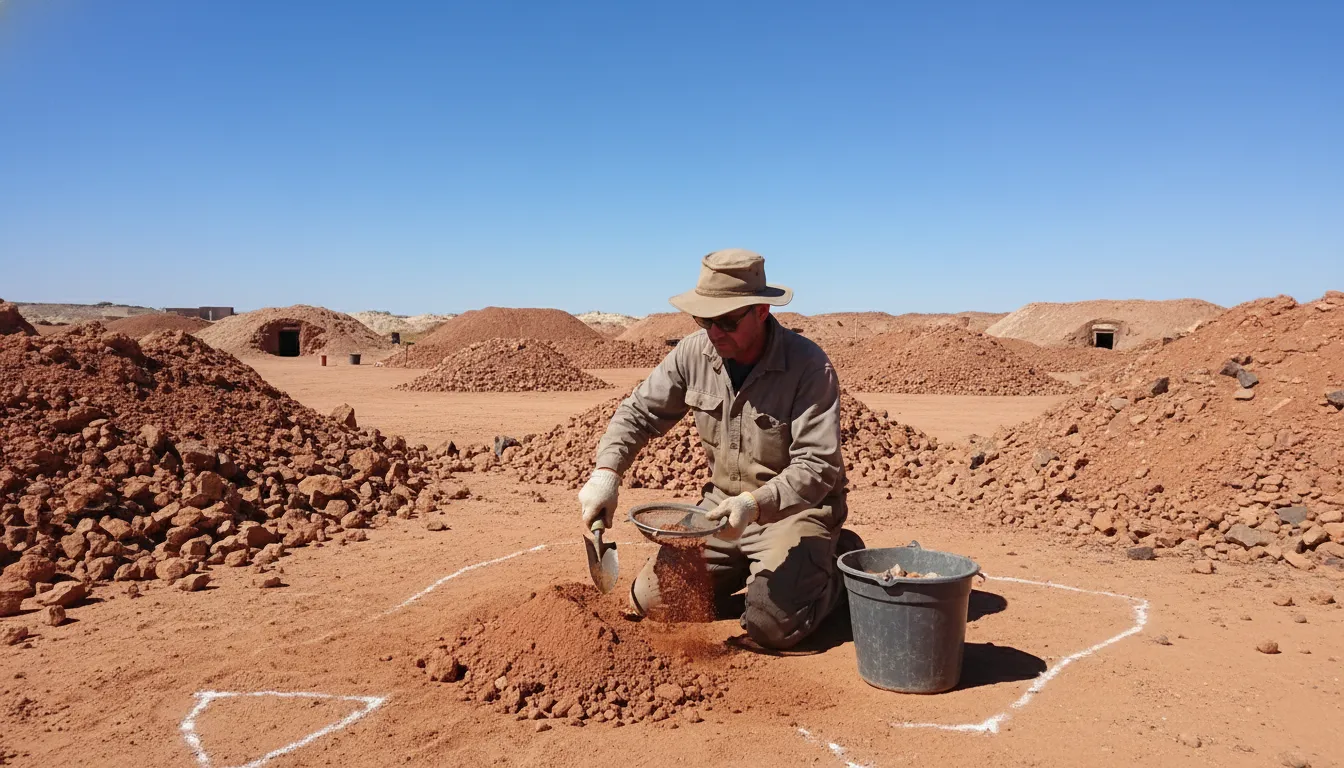
One of the most iconic and thrilling experiences in Coober Pedy is 'noodling' for opals. This isn't just a tourist activity; it's a continuation of the pioneering spirit, a chance to find your own piece of Australia's national gemstone. Noodling refers to sifting through the discarded mullock heaps left by miners, searching for overlooked fragments of opal. It’s an accessible and legal way to try your luck, and a truly unique 'traveller tool' for discovery.
Crucially, it is vital to noodle only in designated public noodling areas to ensure both your safety and adherence to local regulations. These areas are specifically set aside for tourists and amateur fossickers, usually clearly signposted on the outskirts of town. Venturing onto private mining claims without permission is illegal and extremely dangerous due due to unmarked shafts and active machinery. Respecting these boundaries is a fundamental aspect of ethical tourism in Coober Pedy.
To noodle effectively, you don't need much specialized gear. A small shovel or trowel, a bucket or bag for your finds, and a keen eye are the primary tools. Many people also bring a small pick or rake to break up the soil, and a water spray bottle to clean off potential finds and reveal their hidden fire. The process is meditative; sifting through the dirt, looking for that tell-tale shimmer, is a surprisingly engaging activity.
The thrill comes from the possibility. While you might not unearth a fortune, finding even a small piece of 'potch' (common opal without colour) or a tiny sliver of 'gem quality' opal is incredibly rewarding. It connects you directly to the town’s history and the dreams of countless miners who came before. It’s a tangible piece of Coober Pedy to take home, a memory forged in the red dust.
I remember spending an afternoon at a public noodling site, feeling the sun on my back and the grit between my fingers. Each time a glint caught my eye, my heart would quicken. While my finds were modest, the experience itself was priceless – a true hands-on immersion into the culture of opal hunting, a testament to the fact that sometimes, the greatest treasures are found through patient searching.
Conclusion
Coober Pedy stands as a unique testament to human resilience, ingenuity, and the enduring allure of discovery. From its fascinating underground dwellings to the shimmering opals hidden beneath its lunar-like surface, it offers an unparalleled travel experience in the heart of Outback South Australia. It’s a destination that challenges perceptions, expands horizons, and leaves an indelible mark on the culturally curious traveller.
The 'traveller tools' for Coober Pedy extend far beyond what you pack in your bag. They encompass an open mind, a deep respect for the environment and local culture, and a thirst for authentic experiences. Whether you’re exploring the Umoona Opal Mine, sleeping peacefully in a dugout hotel, or trying your hand at noodling for opals, each moment in Coober Pedy is an opportunity for profound connection and personal growth.
As a writer dedicated to uncovering unique cultural narratives, Coober Pedy resonates deeply with the MLIFEON spirit of 'More Discovery, More Experience.' It's a place where history is etched into the very earth, where diverse communities have forged a life against the odds, and where every visitor becomes part of an ongoing story of exploration and adaptation. This is not merely a trip; it is an immersion into a truly extraordinary facet of Australia's rich and complex identity, inviting you to dig deeper, both literally and figuratively, into its vibrant soul.