Singapore, often heralded as a 'Garden City' and a global nexus of culture and innovation, holds a unique allure for the discerning traveler. For those of us from Australia, this vibrant island nation is more than just a convenient stopover; it's a world-class destination brimming with unforgettable experiences, deeply woven into the fabric of Southeast Asia's rich tapestry. My own journeys through Singapore have always revealed layers of discovery, from its futuristic architectural marvels to its serene, verdant spaces and bustling cultural enclaves.
MLifeOn is dedicated to narratives that explore cultural depth and authentic connections, and Singapore truly embodies this spirit. It's a place where tradition gracefully coexists with hyper-modernity, offering a fascinating mosaic of cultures, cuisines, and histories. This guide is crafted specifically for Australian travelers, providing a roadmap to the most famous landmarks of Singapore, ensuring your visit is not merely a transit point, but a profound exploration. Prepare to discover why Singapore continues to captivate hearts and minds, including my own, with its relentless pursuit of excellence and its welcoming embrace of diverse narratives.
Why Singapore is the Perfect Stopover for Australians
For many Australians embarking on journeys to Europe, Asia, or beyond, Singapore stands out as the quintessential stopover destination. Its geographical proximity, coupled with its impeccable infrastructure and English-speaking environment, makes for an incredibly smooth and stress-free transition. The moment you land, the efficiency of Changi Airport immediately signals a city designed for effortless travel.
Beyond mere convenience, Singapore offers a vibrant cultural immersion that perfectly complements the Australian spirit of exploration. It provides a taste of Asia's dynamism without overwhelming the senses, acting as a gentle introduction to the continent's diverse cultures. From the moment you step off the plane, a world of culinary delights, stunning architecture, and rich history awaits just a short ride away.
Australian travellers, accustomed to diverse landscapes and multicultural societies, will find a comfortable familiarity in Singapore's cosmopolitan atmosphere. The city-state is a melting pot, where Chinese, Malay, Indian, and Western influences blend seamlessly, creating a unique cultural identity. This blend is evident in its festivals, its food, and its everyday interactions, offering a truly enriching experience.
Must-See Famous Landmarks Near the City Center
Singapore's most iconic landmarks are remarkably concentrated, making them accessible even on a short visit. My personal travels have often centered around these architectural and cultural masterpieces, each telling a unique story of Singapore's journey. From the towering structures that define its skyline to the tranquil gardens that offer respite, these sites are essential for any 'australian travelling' through this dynamic city.
Marina Bay Sands: An Architectural Marvel
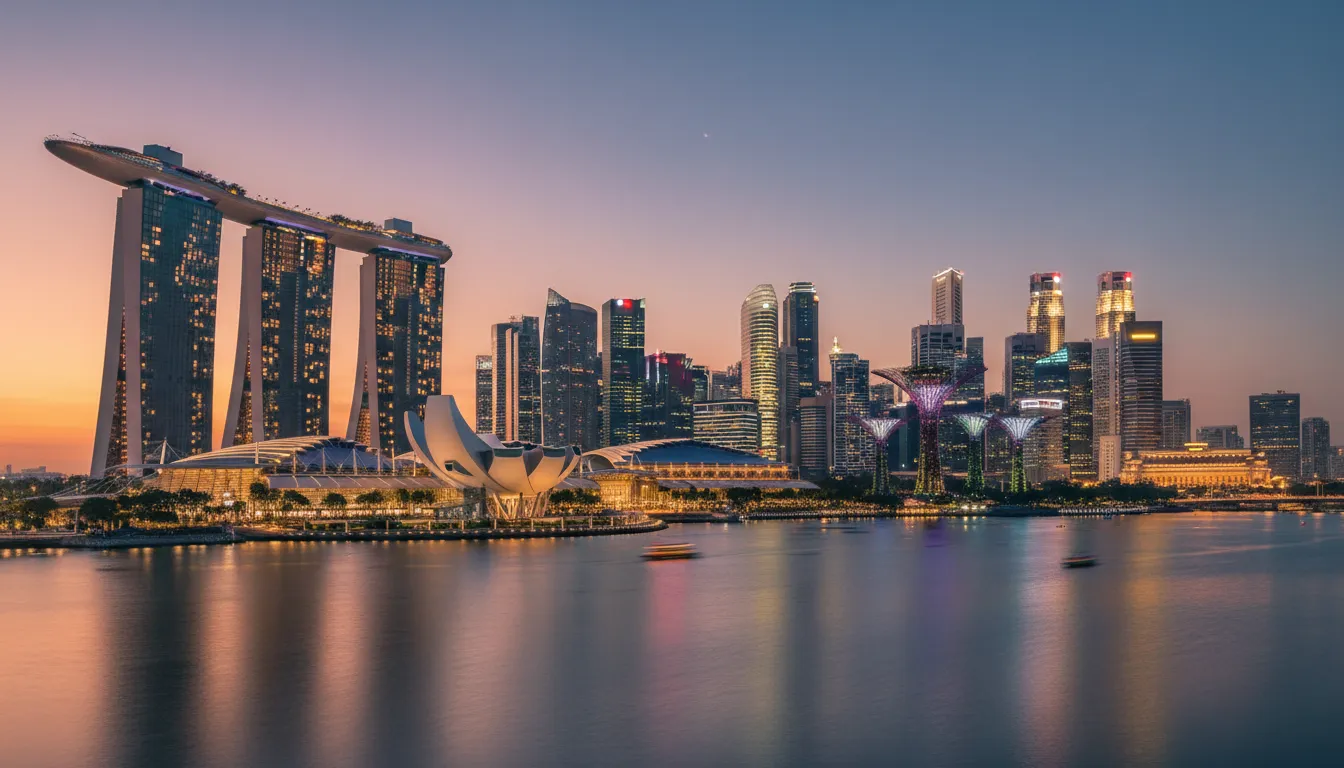
The Marina Bay Sands (MBS) complex is undeniably one of the most recognizable and famous landmarks of Singapore, a true testament to modern architectural ambition. Its three towering hotel structures, crowned by the Sands SkyPark, create an unforgettable silhouette against the city sky. Every time I see it, I'm struck by its audacity and elegance.
The Sands SkyPark, perched 200 meters above the ground, offers breathtaking panoramic views of the city, especially at sunset. Its infinity pool, accessible to hotel guests, has become legendary for its dramatic vistas. Even if you're not staying at the hotel, the public observation deck provides an incredible perspective on Singapore's urban sprawl and the shimmering waters of Marina Bay.
Beneath the SkyPark, the ArtScience Museum, shaped like a lotus flower, is an equally impressive structure, hosting captivating exhibitions that blend art, science, and technology. Its interactive displays and immersive environments are a delight for all ages. The mall beneath, The Shoppes at Marina Bay Sands, offers high-end retail and a canal with sampan rides, adding a touch of Venetian charm to the urban landscape.
Gardens by the Bay: A Futuristic Oasis
Adjacent to Marina Bay Sands lies Gardens by the Bay, a sprawling horticultural park that feels like stepping into a futuristic Eden. This landmark is a brilliant example of Singapore's vision to be a 'City in a Garden.' I've spent countless hours wandering through its various attractions, always finding something new to marvel at.
The Supertree Grove, with its colossal tree-like structures adorned with vertical gardens, is perhaps the most iconic feature. These 'trees' come alive at night during the Garden Rhapsody light and sound show, a truly magical spectacle that transforms the grove into an ethereal forest. It's an experience I always recommend, offering a sense of wonder that transcends age.
Within the cooled conservatories, the Cloud Forest and Flower Dome present entirely different ecosystems. The Cloud Forest, with its towering indoor waterfall and mist-filled mountain, recreates a high-altitude tropical environment, complete with rare plants. The Flower Dome, the largest glass greenhouse in the world, showcases an ever-changing display of flora from Mediterranean and semi-arid regions.
Merlion Park: Singapore's Mythical Icon
No visit to Singapore is complete without a stop at Merlion Park, home to the iconic Merlion statue. This mythical creature, with the head of a lion and the body of a fish, is Singapore's national personification and a symbol of its origins. It represents Singapore's humble beginnings as a fishing village (Temasek) and its original name, Singapura (Lion City).
The main Merlion statue, spouting water into Marina Bay, provides a perfect photo opportunity with the Marina Bay Sands and other city landmarks in the background. There's also a smaller Merlion cub nearby. Standing here, I always feel a connection to the city's narrative, understanding how it has meticulously crafted its identity. The surrounding promenade offers lovely views, especially in the evening as the city lights begin to twinkle.
Chinatown: A Glimpse into Heritage
Stepping into Chinatown feels like a journey back in time, a vibrant contrast to the gleaming modernity of Marina Bay. This historic district is a rich repository of Chinese heritage, traditions, and culinary delights. My visits here always involve exploring the bustling streets, admiring the colourful shophouses, and sampling the incredible street food.
The Sri Mariamman Temple, Singapore's oldest Hindu temple, stands majestically amidst the Chinese shops, a testament to Singapore's multicultural tapestry. Nearby, the Buddha Tooth Relic Temple and Museum is another architectural marvel, housing what is believed to be a relic of the Buddha. These sacred sites offer moments of peace and reflection amidst the lively market atmosphere.
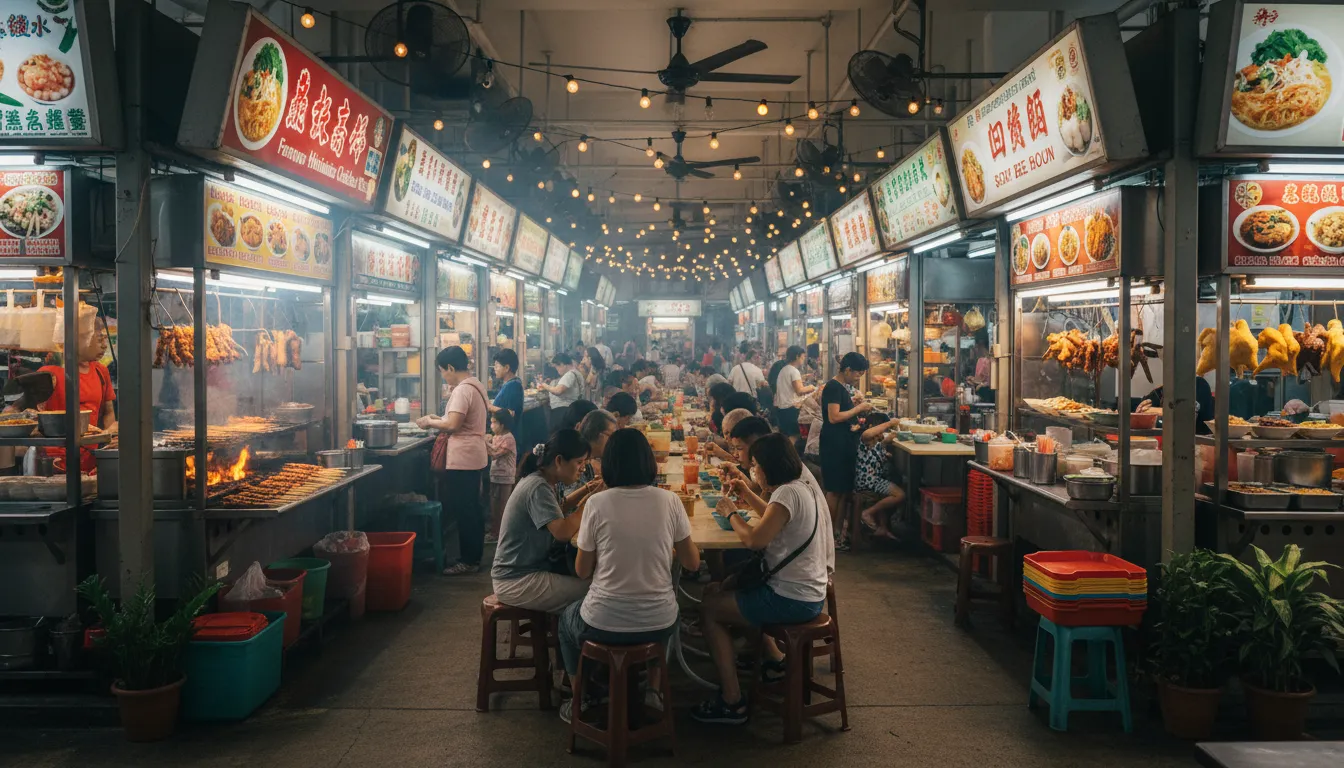
The Chinatown Complex Food Centre is a must-visit for any food enthusiast, offering an incredible array of hawker stalls at affordable prices. From Hainanese chicken rice to char kway teow, the flavours here are authentic and unforgettable. It's places like these that truly bring Singapore's culinary soul to life for me.
Little India: A Sensory Feast
Just a short MRT ride from Chinatown, Little India bursts forth in a riot of colours, aromas, and sounds. This vibrant district offers a captivating immersion into Indian culture, from its intricate temples to its aromatic spice shops and traditional eateries. Each visit is a sensory overload, in the best possible way.
Serangoon Road, the main thoroughfare, is lined with shops selling vibrant sarees, intricate gold jewellery, and fragrant flower garlands. The Mustafa Centre, a 24-hour department store, is a legendary shopping experience where you can find practically anything. I always enjoy browsing the eclectic mix of goods, often discovering unique souvenirs.
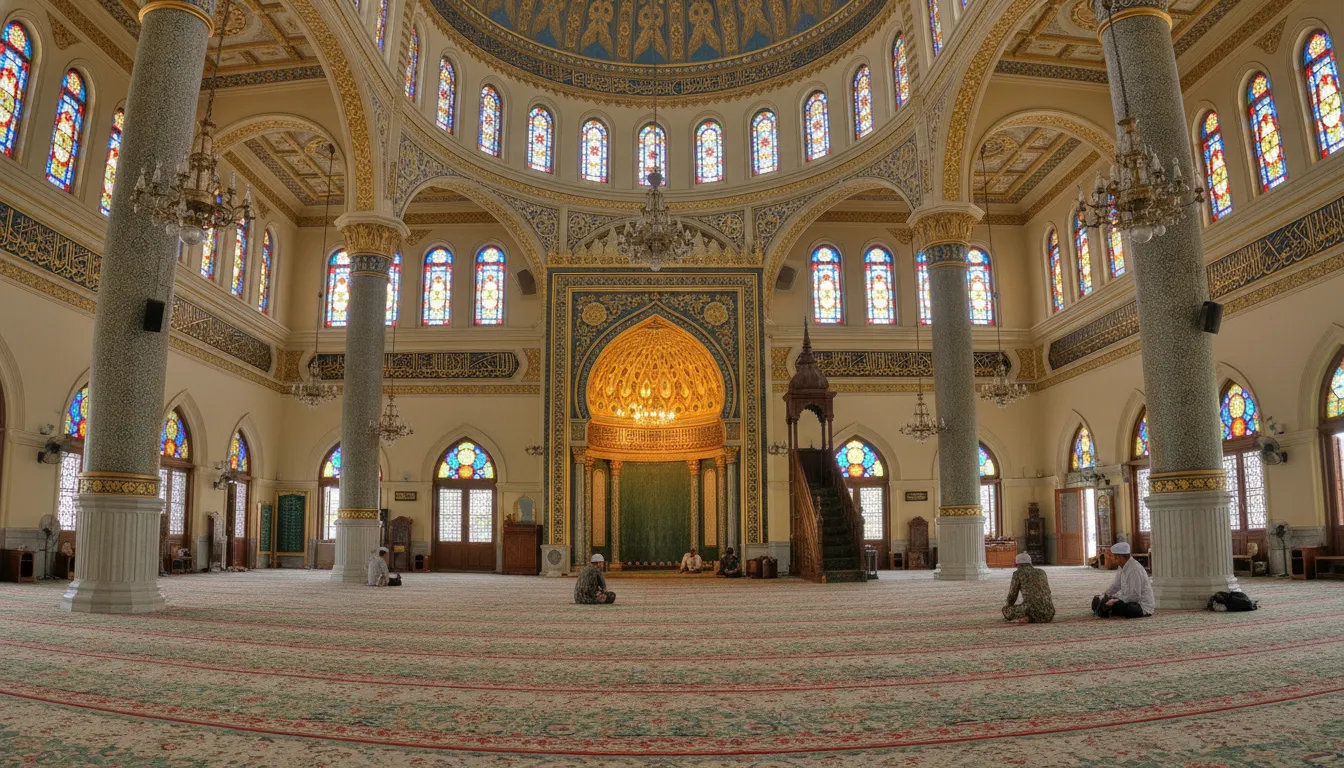
Temples like the Sri Veeramakaliamman Temple and the Abdul Gafoor Mosque showcase stunning architectural details and provide a glimpse into the spiritual life of the community. Dining in Little India is an absolute pleasure, with a plethora of options for delicious South Indian and North Indian cuisine. The rich curries, fluffy dosas, and sweet lassi are incredibly satisfying after a day of exploration.
Kampong Glam: The Malay-Arab Quarter
Kampong Glam, Singapore's historic Malay-Arab quarter, offers yet another distinct cultural flavour. Dominated by the magnificent Sultan Mosque (Masjid Sultan), with its golden domes, this area exudes a bohemian charm. My initial impression was of its striking beauty, but delving deeper revealed a thriving hub of art, fashion, and culinary innovation.
Haji Lane, a narrow alleyway adorned with colourful street art and independent boutiques, is a particular highlight. It's a great place to discover unique fashion items, quirky souvenirs, and enjoy a coffee at one of the trendy cafes. The blend of traditional Malay heritage with modern, edgy creativity makes Kampong Glam a fascinating district to explore.
The Malay Heritage Centre, housed in the restored Sultan's Palace (Istana Kampong Gelam), provides valuable insights into the history and culture of Singapore's Malay community. It's a thoughtful way to understand the roots of this vibrant neighbourhood. The array of Middle Eastern and Malay restaurants, serving everything from Nasi Padang to succulent kebabs, completes the cultural experience.
National Gallery Singapore: Art and History Combined
Housed in two meticulously restored national monuments – the former Supreme Court and City Hall – the National Gallery Singapore is a majestic institution dedicated to Southeast Asian art. Its grand architecture alone makes it one of the famous landmarks of Singapore, a testament to its colonial past and its modern artistic aspirations.
The gallery's extensive collection features over 8,000 works, providing a comprehensive overview of Singapore and Southeast Asian art history. Walking through its magnificent corridors, I'm always struck by the scale and beauty of the space, which seamlessly blends historical grandeur with contemporary design. The rooftop offers stunning views of Marina Bay.
Sentosa Island: The State of Fun
For those seeking entertainment and leisure, Sentosa Island offers a vibrant escape from the city bustle, just a short cable car ride or monorail journey away. Dubbed 'The State of Fun,' it's home to a plethora of attractions, catering to every age and interest. I often recommend it for families or anyone looking for a more relaxed, resort-like experience.
Universal Studios Singapore is a major draw, offering thrilling rides and immersive themed zones based on popular movies and television shows. For marine life enthusiasts, the S.E.A. Aquarium is one of the largest aquariums in the world, housing an incredible diversity of ocean creatures. Sentosa also boasts beautiful beaches, adventure parks, and luxury resorts, making it a comprehensive leisure destination.
Jewel Changi Airport: A Landmark in Itself
It’s rare for an airport to be considered a landmark, but Jewel Changi Airport defies convention. Connected to Terminal 1, 2, and 3, Jewel is an architectural marvel and a destination in its own right. Its centrepiece, the HSBC Rain Vortex, the world’s tallest indoor waterfall, is a truly breathtaking sight, especially at night when it's illuminated.
I’ve often found myself arriving early for flights just to spend more time exploring Jewel's Shiseido Forest Valley, a multi-story indoor garden, and its array of shops and restaurants. It offers a unique blend of nature and retail therapy, making even transit an enjoyable part of the 'australian travelling' experience. It perfectly encapsulates Singapore's commitment to innovation and visitor experience.
Practical Tips: Flights from Sydney, Melbourne, and Perth
Planning your journey to Singapore from Australia is incredibly straightforward, thanks to excellent connectivity and a wealth of flight options. For 'australian travelling,' Singapore is practically on our doorstep, making it an ideal destination for a quick getaway or an extended exploration.
Flights from major Australian cities like Sydney, Melbourne, and Perth are frequent and typically range from 5 to 8 hours. Perth enjoys the shortest flight time, often under 5 hours, making Singapore an exceptionally convenient weekend escape. Sydney and Melbourne flights usually hover around 7-8 hours, offering ample time to relax and prepare for your adventure.
Booking in advance, especially during peak travel seasons like school holidays or major festivals, is always advisable to secure the best fares. While direct flights are plentiful, consider connecting flights if you're looking for more budget-friendly options, though the time saved on direct routes often justifies the cost. Australia passport holders do not require a visa for short tourist stays in Singapore, typically up to 30 days, which simplifies travel planning immensely.
Upon arrival, Singapore's currency is the Singapore Dollar (SGD). Exchange rates are generally favourable, and ATMs are widely available. Credit cards are accepted almost everywhere, from hawker centres to high-end boutiques. It's always wise to carry some local currency for smaller purchases or less technologically advanced vendors.
Flying with Singapore Airlines
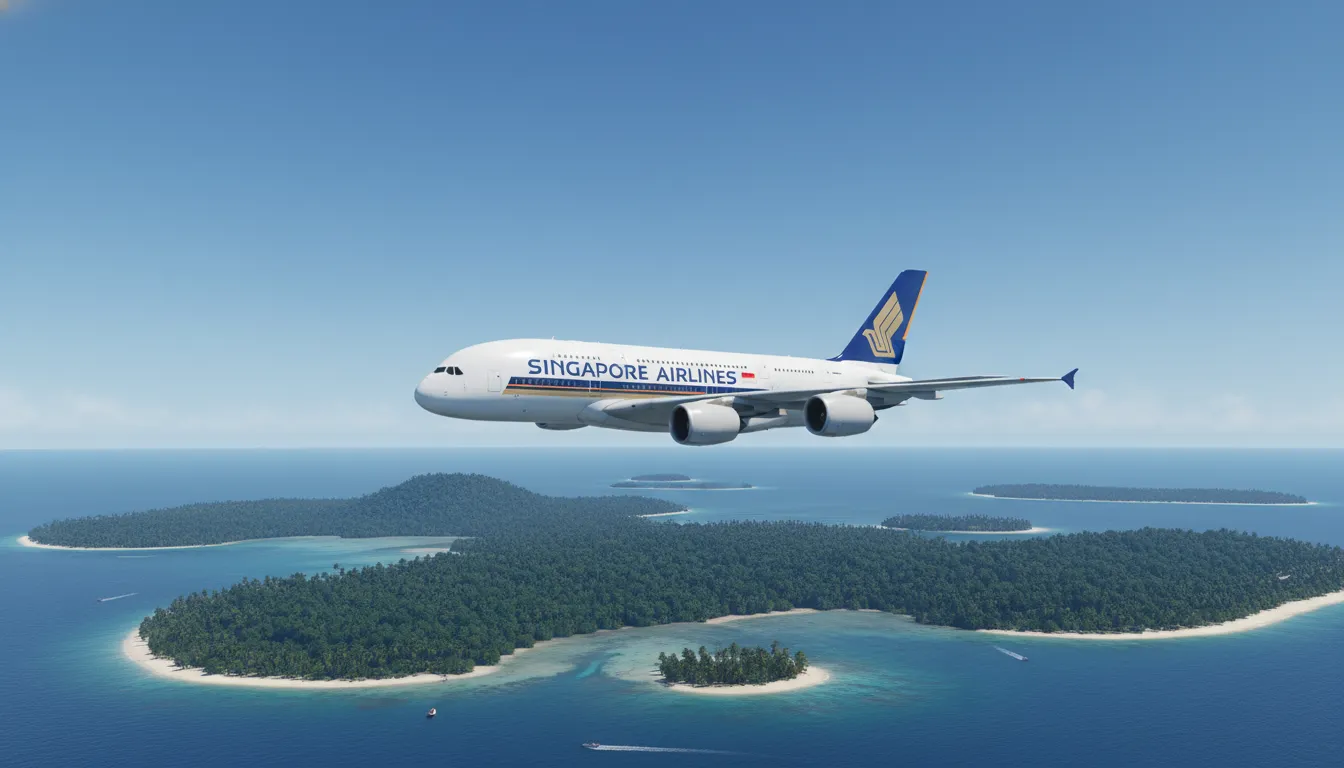
When it comes to the journey itself, flying with Singapore Airlines is an experience that elevates travel beyond mere transportation. As one of the world's leading carriers, Singapore Airlines consistently delivers exceptional service, comfort, and hospitality. This is not just a flight; it's an integral part of the Singaporean experience, beginning the moment you step onboard.
Their modern fleet, renowned for its spacious cabins and advanced in-flight entertainment systems, ensures a comfortable journey, whether you're flying economy or indulging in business class. The attentive cabin crew, known for their graciousness and efficiency, embody the warmth of Asian hospitality, making every passenger feel valued. The extensive route network connecting Australian cities to Changi Airport, Singapore's hub, further enhances its appeal.
Changi Airport itself is a marvel, consistently rated as one of the best airports in the world. Its facilities are outstanding, offering everything from lush gardens and a cinema to incredible shopping and dining options. Transiting through Changi, especially if you have a few hours, feels less like a wait and more like an extension of your holiday, a true testament to Singapore's commitment to excellence in travel.
Landmark Etiquette and Local Customs
Understanding local customs and etiquette is paramount to respectful travel and enriching cultural exchange, especially in a multicultural hub like Singapore. The city-state prides itself on order and cleanliness, and adhering to these unwritten rules ensures a harmonious experience for everyone. My own travels have taught me that a little research goes a long way in fostering positive interactions.
When visiting religious sites such as temples, mosques, or churches, it's customary to dress modestly. This often means covering your shoulders and knees. Many places of worship will also require you to remove your shoes before entering, so look for designated shoe racks. I always carry a light scarf with me, which can be easily draped over shoulders or used to cover legs if needed.
Singapore has strict laws against littering, jaywalking, and chewing gum, which is banned from import and sale. Fines for these offenses can be substantial, so it's best to simply adhere to the rules. Queueing is a part of daily life, whether for public transport, food, or attractions, so patience and respect for lines are appreciated. While tipping is not mandatory and often discouraged in many establishments, a small gesture for exceptional service is always welcome.
Respect for elders is deeply ingrained in Asian cultures, and Singapore is no exception. A polite greeting and a respectful demeanor go a long way. Understanding these nuances not only prevents misunderstandings but also opens doors to more authentic connections with locals, enriching your experience of the famous landmarks of Singapore and beyond.
Budgeting for Your Singapore Landmark Tour
Singapore has a reputation for being an expensive city, and while it can certainly cater to luxury, a memorable landmark tour is entirely achievable on various budgets. My experience shows that smart planning and an awareness of local options can significantly stretch your dollars, allowing you to fully appreciate the famous landmarks of Singapore without breaking the bank.
Accommodation is often the most significant expense. While luxury hotels around Marina Bay are world-class, budget-conscious travelers can find excellent value in boutique hotels in areas like Chinatown, Little India, or Kampong Glam. Hostels and guesthouses also offer clean, comfortable, and affordable options, particularly for solo travelers or those on a tighter budget. Booking well in advance often secures better rates.
Food, thankfully, is where Singapore truly shines in terms of value. The hawker centres are culinary institutions, offering an incredible array of delicious and authentic dishes at very affordable prices. A hearty meal can often be had for less than S$10. This is where I often experience the true pulse of the city, sharing tables with locals and savouring diverse flavours. Restaurants, on the other hand, can range from mid-range to high-end, offering varied dining experiences.
Transportation is another area where Singapore excels in affordability and efficiency. The Mass Rapid Transit (MRT) system is extensive, clean, and very easy to navigate, connecting all major landmarks. A tourist pass or an EZ-Link card can make public transport even more economical. Taxis and ride-sharing services are also readily available, though more expensive. Walking between nearby landmarks is often the best way to soak in the atmosphere and discover hidden gems.
Many of Singapore's iconic landmarks, such as the Supertree Grove (for the light show), Merlion Park, and the vibrant streets of Chinatown and Little India, can be enjoyed for free or at minimal cost. Attractions like Gardens by the Bay's conservatories, Marina Bay Sands SkyPark, and Universal Studios Singapore do have entrance fees, so factor these into your budget. Look for bundled passes or promotions if you plan to visit multiple paid attractions. By balancing free experiences with a few key paid ones, you can craft a rich and diverse itinerary.
Conclusion: Singapore – A Journey of Unforgettable Connections
Singapore is far more than just a transit hub; it's a destination that continually reinvents itself while cherishing its rich cultural heritage. For Australian travelers, it offers an accessible, safe, and profoundly enriching experience, blending modern marvels with deep-rooted traditions. My own encounters with its dynamic energy, its culinary prowess, and its diverse communities have left an indelible mark, always beckoning for a return.
From the futuristic allure of Marina Bay Sands and Gardens by the Bay to the vibrant historical enclaves of Chinatown, Little India, and Kampong Glam, the famous landmarks of Singapore tell a story of innovation, multiculturalism, and resilience. Each site offers a unique window into the soul of this remarkable city-state, inviting visitors to engage, explore, and connect. Whether you're flying with Singapore Airlines or another carrier, the journey itself becomes part of the adventure.
As MLifeOn champions authentic cultural stories and inspiring connections, Singapore stands as a shining example of a place where 'More Discovery, More Experience' truly comes to life. It’s a city that seamlessly weaves together its past, present, and future, offering a captivating narrative for every traveler. So, pack your bags, embrace the spirit of adventure, and prepare to be enchanted by the unforgettable cultural tapestry that is Singapore.