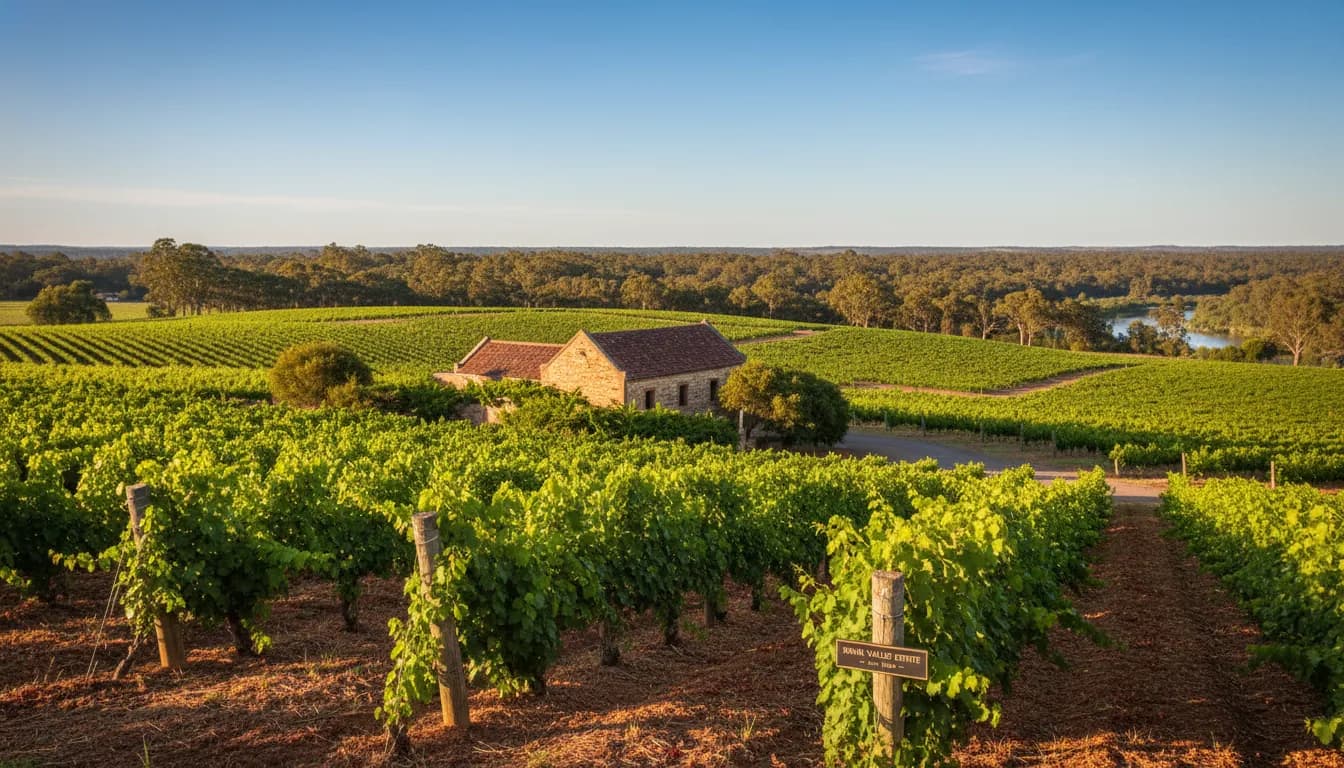
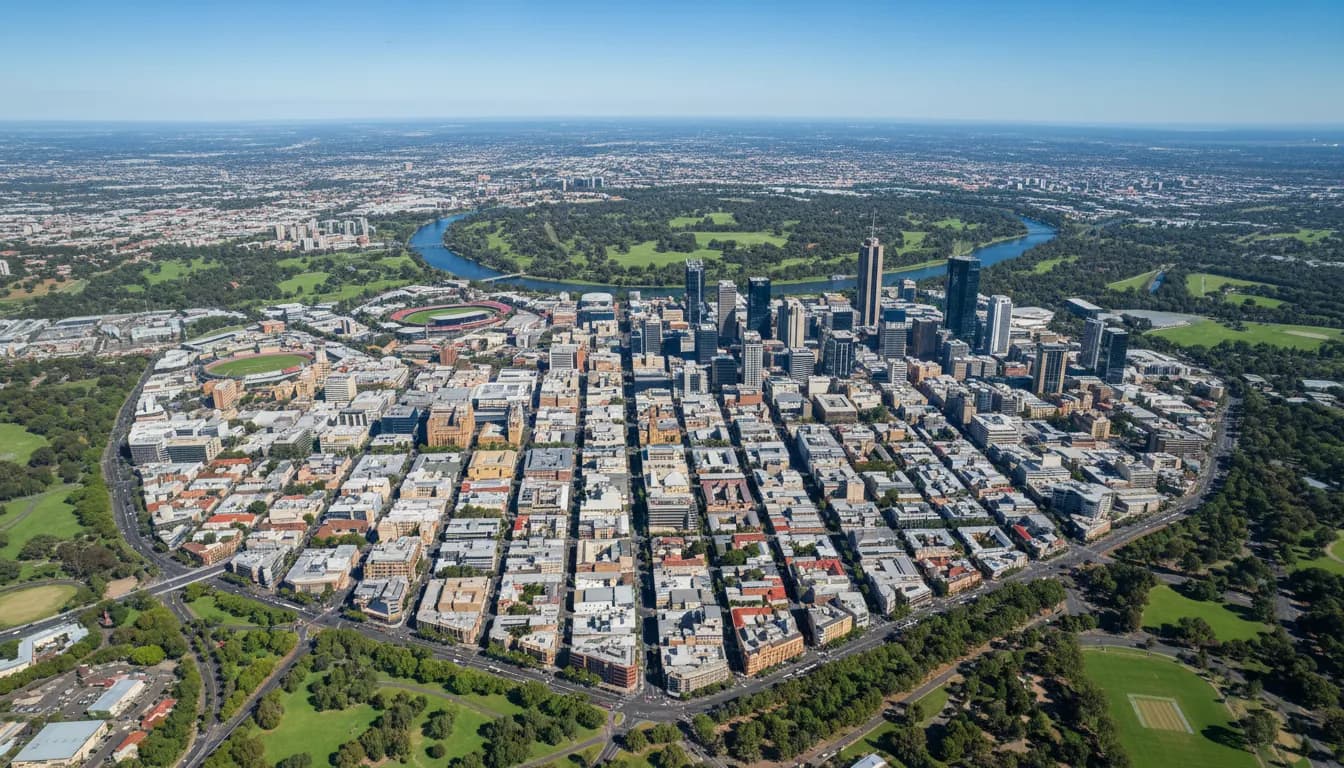
Singapore, a shimmering jewel in Southeast Asia, is a city-state renowned for many things: its futuristic architecture, pristine streets, and vibrant multicultural tapestry. Yet, for the discerning traveller and the insatiable foodie, Singapore's most captivating allure lies undoubtedly in its unparalleled culinary landscape. It is a destination where every meal tells a story, a place where gastronomic extremes coexist, offering an incredible spectrum of flavours and experiences.
From the bustling, aromatic corridors of its iconic hawker centres to the hushed elegance of Michelin-starred establishments, Singapore presents a fascinating dichotomy. This culinary duality often sparks a lively debate among visitors and locals alike: which reigns supreme, the humble hawker stall or the sophisticated fine dining restaurant? As someone who has traversed countless culinary landscapes across Asia and beyond, I find this question not about superiority, but about understanding the soul of a place through its food.
This article delves deep into this captivating comparison, exploring the significant differences and surprising similarities between Singapore's world-famous hawker culture and its burgeoning fine dining scene. We will examine the price points, the atmospheric nuances, and the fundamental quality of food, ultimately guiding you through the best of both worlds. Prepare to embark on a journey that celebrates the rich, diverse, and utterly delicious heart of Singaporean cuisine, helping you discover your own unforgettable cultural stories and inspiring connections.
The Price Gap: What You Get for Your Money
The most immediate and striking difference between Singapore's hawker stalls and its fine dining restaurants is, without a doubt, the price. This fundamental disparity shapes not only the cost of your meal but also the entire value proposition and experience you receive. Understanding this gap is crucial to appreciating the unique offerings of each.
The Accessible Allure of Hawker Fare
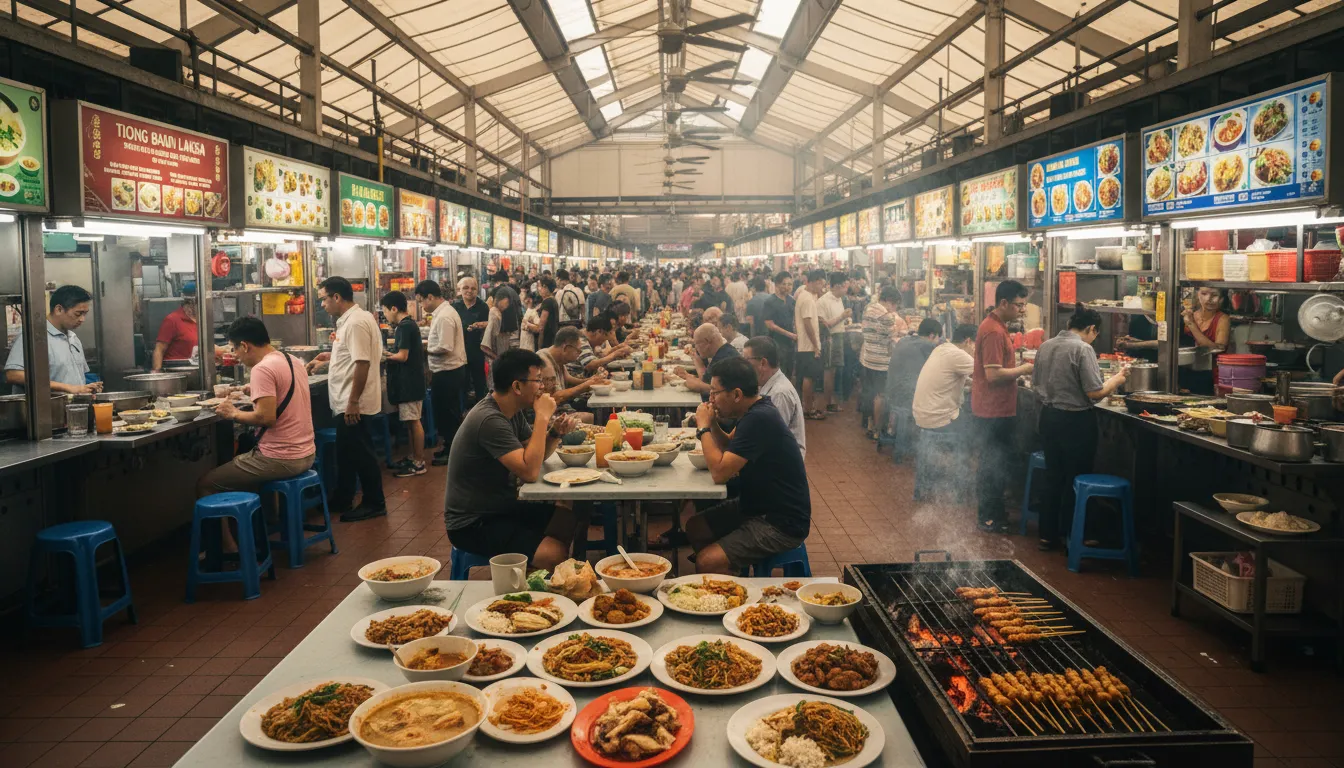
Hawker centres are the beating heart of Singaporean everyday life, offering incredibly delicious and authentic meals at prices that are astonishingly low. Here, a complete, satisfying dish, often prepared with generations of inherited skill, typically costs anywhere from S$3 to S$8. This affordability makes quality food accessible to everyone, fostering a communal eating culture that is deeply embedded in the nation's identity.
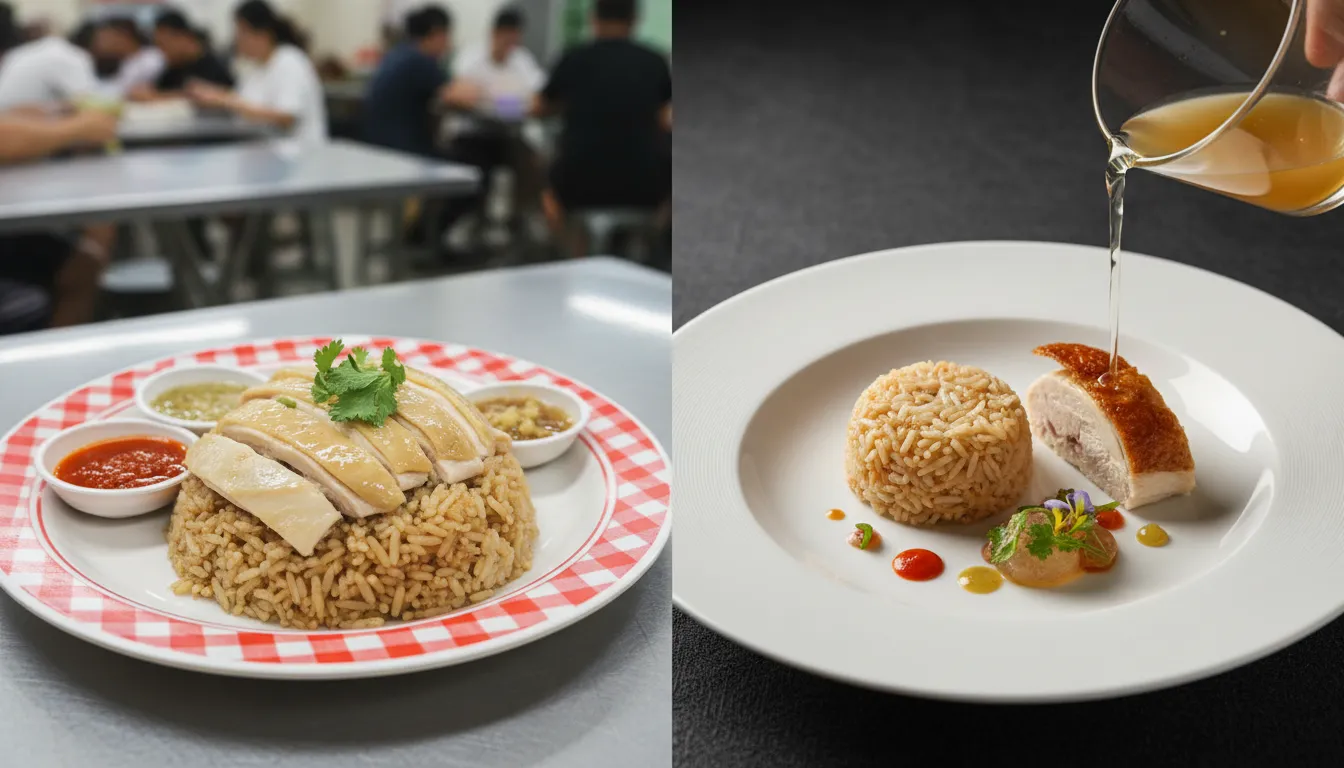
For example, a plate of legendary Hainanese Chicken Rice, a steaming bowl of Laksa, or a smoky Char Kway Teow can be enjoyed for less than the cost of a coffee in many Western cities. The focus at these stalls is on volume, efficiency, and the consistent delivery of traditional flavours that have stood the test of time. My first experience at a Singaporean hawker centre left me in awe – a flavour explosion of chilli crab for under S$10, a testament to the incredible value proposition.
This value extends beyond just the dish itself; it’s about accessing culinary heritage without breaking the bank. Hawker stalls embody a commitment to traditional recipes and fresh ingredients, turning simple fare into extraordinary culinary experiences. They are places where the art of cooking is passed down, often within families, ensuring that authentic tastes are preserved for future generations.
The Exquisite Investment of Fine Dining
In stark contrast, Singapore's fine dining establishments operate at the pinnacle of culinary luxury, with prices reflecting their premium ingredients, innovative techniques, impeccable service, and sophisticated ambiance. A multi-course tasting menu at a Michelin-starred restaurant can easily range from S$200 to S$500 per person, often excluding wine pairings which can significantly elevate the final bill.
These prices are a reflection of a different kind of value. Fine dining restaurants often source rare, seasonal, and often imported ingredients, employ highly trained chefs from around the world, and invest heavily in creating an immersive, artistic dining experience. The focus here is on gastronomic innovation, artistic presentation, and a level of service that anticipates your every need.
For a special occasion, or simply to indulge in culinary artistry, the investment in fine dining offers a journey for the senses. I recall a particular evening at a renowned establishment where each dish was a meticulously crafted masterpiece, accompanied by stories from the sommelier about the perfect wine pairing. It was an experience designed to be savoured, a performance as much as a meal, justifying its premium price tag through sheer artistry and attention to detail.
Bridging the Economic Divide
While the price gap is undeniable, it’s worth noting that the lines sometimes blur, particularly with the advent of Michelin recognition for hawker stalls. The 'Michelin Bib Gourmand' and even 'Michelin Star' accolades for hawker food have brought international attention, occasionally leading to slightly higher prices at these specific, celebrated stalls. However, they largely retain their affordability relative to fine dining.
Ultimately, both ends of the spectrum offer immense value, albeit in different currencies. Hawker food provides unparalleled flavour and cultural immersion for minimal cost, a daily delight. Fine dining offers an unforgettable journey of culinary innovation, luxury, and meticulous service, a memorable indulgence. Your choice depends on your budget, your occasion, and the kind of gastronomic adventure you seek.
Atmosphere and Experience: Plastic Chairs vs. White Tablecloths
Beyond the price tag, the most profound difference between Singapore's hawker centres and its fine dining establishments lies in the atmosphere and the overall dining experience. These environments shape not only how you eat but also how you connect with the food, the people around you, and the very culture of Singapore. They offer two distinct narratives of culinary engagement.
The Vibrant Chaos of Hawker Centres
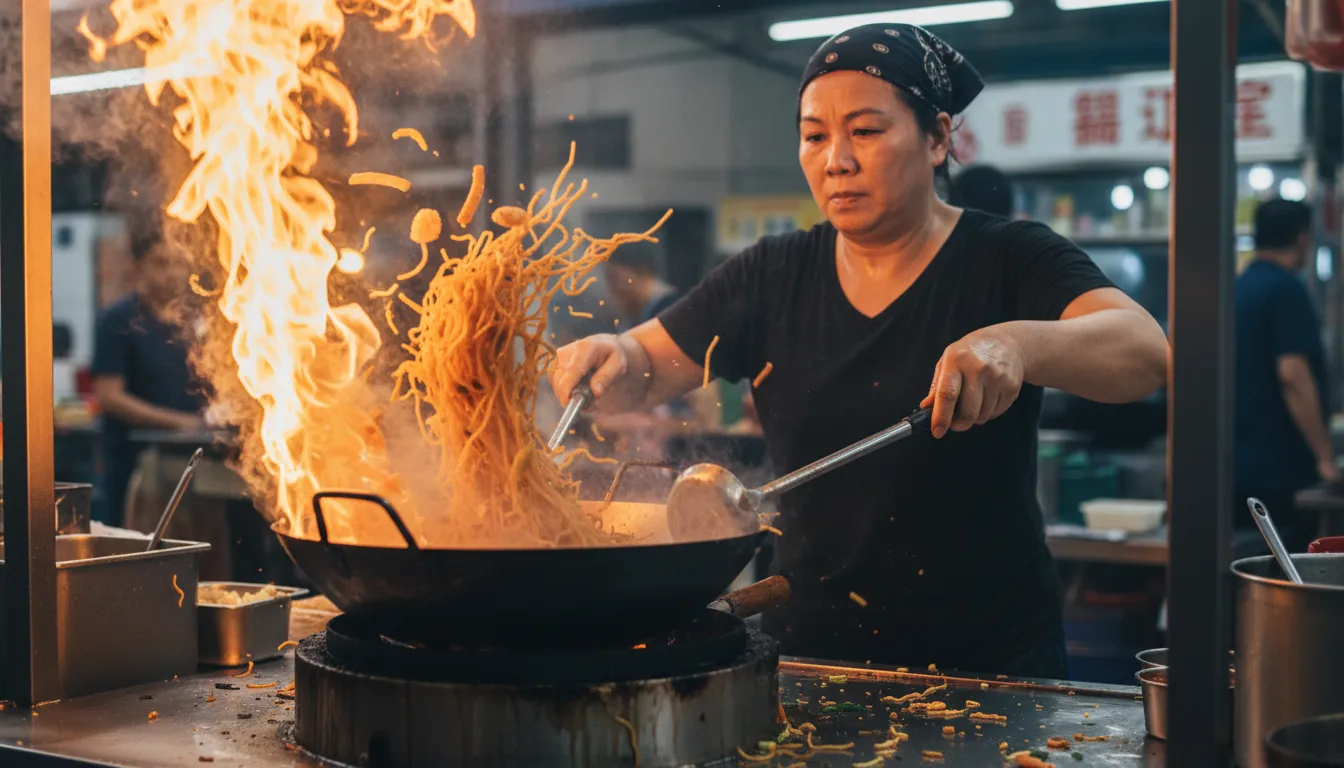
Stepping into a hawker centre is an immediate sensory immersion, a vibrant symphony of sights, sounds, and smells. The atmosphere is boisterous, communal, and undeniably authentic. Here, you'll find rows of stalls, each radiating the aroma of sizzling woks, simmering broths, and roasting meats. Patrons navigate through the bustling aisles, queuing patiently for their favourite dishes, then settling at shared tables, often adorned with simple plastic chairs and tables.
This is a place of raw, unpretentious energy. The clatter of cutlery, the chatter of conversations in multiple languages, the shouts of vendors, and the whir of ceiling fans all contribute to a uniquely Singaporean soundscape. There are no reservations, no dress codes beyond comfortable attire, and certainly no hushed tones. It’s an environment designed for efficiency and enjoyment, where the focus is squarely on the delicious food and the shared experience of eating together.
As a traveller, I find hawker centres to be invaluable windows into local life. I remember sitting shoulder-to-shoulder with a local family at Lau Pa Sat, all of us devouring satay skewers and exchanging smiles. There's an undeniable camaraderie that forms over shared tables, a sense of community that transcends language barriers. It’s an experience that connects you directly to the pulse of the city, offering genuine cultural exchange in the most delicious way possible.
The Refined Elegance of Fine Dining
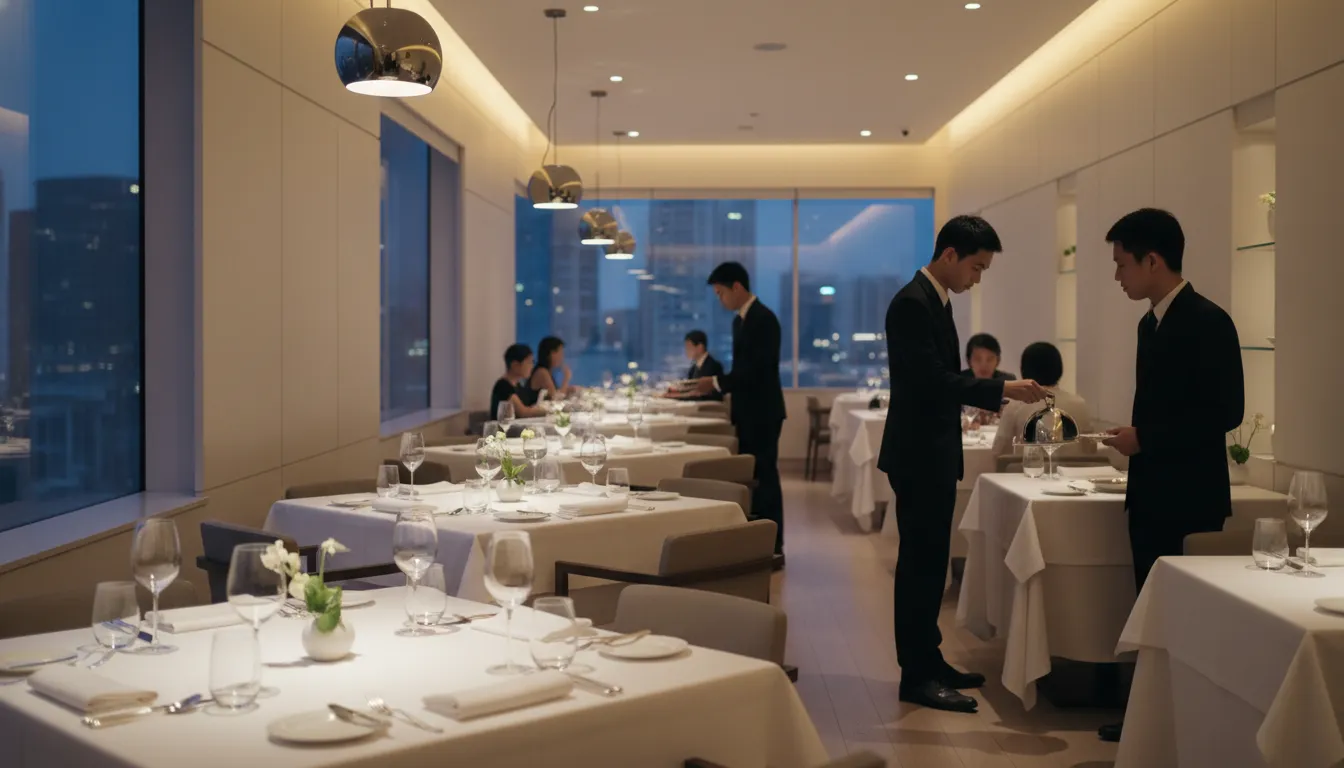
In stark contrast, Singapore's fine dining restaurants offer an experience crafted for refinement, intimacy, and often, exclusivity. From the moment you step through their doors, a sense of calm and luxury washes over you. The décor is meticulously designed, often featuring sophisticated artwork, plush furnishings, and ambient lighting that sets a mood of understated elegance.
Linen tablecloths, sparkling crystal glassware, and polished silverware are standard, creating a setting that feels both opulent and inviting. The service is impeccable, with attentive staff anticipating your needs before you even voice them, sommeliers expertly guiding you through extensive wine lists, and chefs often making an appearance to explain their culinary philosophy. Reservations are almost always essential, often weeks or even months in advance, and dress codes range from smart casual to formal.
Dining in such an environment is a performance, a carefully orchestrated ballet of service and culinary artistry. It's about savouring each bite, appreciating the intricate plating, and engaging in quiet conversation. My experiences in these establishments have always felt like an escape, a journey into a world where every detail is considered, from the temperature of the room to the background music. It’s an experience that elevates dining to an art form, perfect for celebrations or moments when you desire an indulgent retreat.
Ultimately, the choice between plastic chairs and white tablecloths boils down to the occasion and your desired mood. Hawker centres offer an exhilarating dive into the heart of Singaporean culture, a vibrant, communal feast for the senses. Fine dining provides a serene, luxurious escape, a refined culinary journey designed for indulgence and appreciation. Both are integral to Singapore's diverse food story, catering to different facets of the human desire for connection and culinary delight.
Quality Comparison: Can a Hawker Stall Beat a Michelin Star?
The question of quality is perhaps the most contentious and fascinating aspect of comparing hawker food and fine dining in Singapore. On the surface, it seems an absurd comparison: how can a S$5 plate of noodles compete with a S$300 tasting menu? Yet, Singapore’s unique culinary landscape, where hawkers have earned Michelin stars, forces us to re-evaluate our definitions of quality, skill, and culinary excellence.
The Unsung Mastery of Hawker Craft
Hawker quality is often rooted in generations of dedicated practice, hyper-specialisation, and an unwavering commitment to traditional flavours. Many hawkers have perfected one or two signature dishes over decades, honing their techniques to an extraordinary degree. Their 'recipes' are often passed down through families, embodying a rich culinary heritage and an instinctual understanding of ingredients.
The freshness of ingredients is paramount at hawker stalls. High turnover ensures that produce, meats, and seafood are sourced daily and used promptly. This commitment to fresh, local ingredients contributes significantly to the vibrant flavours that define hawker cuisine. The skill of a hawker is not about innovation but about mastery – achieving perfect wok hei in a Char Kway Teow, the ideal texture in a Bak Chor Mee, or the balanced richness of a Laksa broth.
The most compelling argument for hawker quality comes from the Michelin Guide itself. Stalls like Hill Street Tai Hwa Pork Noodle and Liao Fan Hong Kong Soya Sauce Chicken Rice & Noodle (the world's cheapest Michelin-starred meal) have proven that culinary excellence isn't exclusive to white tablecloths. Their stars acknowledge the exceptional skill, consistency, and depth of flavour found in humble settings. I once queued for over an hour for Tai Hwa Pork Noodle, and every single bite was a revelation – complex, perfectly balanced, and utterly unforgettable. It proved that true quality transcends presentation and setting.
The Artistic Innovation of Fine Dining
Fine dining quality, on the other hand, is often defined by innovation, rare ingredients, intricate techniques, and artistic presentation. Chefs in these establishments are often culinary artists, pushing the boundaries of flavour and texture, employing molecular gastronomy, and creating dishes that are as visually stunning as they are delicious. They work with a broader palette of international ingredients, often flown in fresh from around the globe.
The quality here is about precision, creativity, and the narrative behind each dish. It’s about surprising the palate with unexpected combinations, deconstructing traditional dishes, and presenting food as an experience for all senses. Michelin stars in fine dining typically recognise restaurants that offer exceptional cooking, distinct personality, and consistently high standards across all aspects of the meal.
My experience at a multi-Michelin-starred restaurant involved a dish that looked like a miniature garden, each component meticulously placed, each flavour a delicate whisper leading to a crescendo. It was a testament to the chef's vision and the entire team's dedication to culinary artistry. The quality here is about evolution, about challenging perceptions, and about crafting a memorable, singular gastronomic journey.
The Verdict: Different Peaks of Excellence
Can a hawker stall beat a Michelin star? It’s not a direct competition, but rather a comparison of two different peaks of culinary excellence. A hawker stall can offer unparalleled authenticity, generational mastery, and soul-satisfying comfort that a fine dining restaurant might struggle to replicate. Conversely, fine dining offers an innovative, artistic, and luxurious experience that hawker food, by its very nature, does not aim to provide.
Both represent the pinnacle of their respective categories. Hawker food embodies the heart and soul of Singapore's culinary heritage, a testament to enduring traditions and dedicated craftsmanship. Fine dining showcases the ambition, creativity, and global influences shaping modern gastronomy. To truly appreciate Singapore's food scene, one must experience and celebrate both, understanding that each offers a unique, valid, and utterly delicious definition of quality.
Top Recommendations for Both Ends of the Spectrum
Having explored the nuances of price, atmosphere, and quality, it's time to equip you with some personal recommendations to embark on your own Singaporean culinary adventure. Whether you're seeking an authentic street food experience or a sophisticated gastronomic journey, Singapore offers an embarrassment of riches.
Must-Try Hawker Gems (More Discovery, More Experience)
These hawker centres and stalls are not just places to eat; they are living museums of Singaporean culinary heritage, offering a taste of authentic local life.
- Tiong Bahru Market (Tiong Bahru Road): This vibrant market is a personal favourite, offering an incredible variety of traditional dishes. Don't miss Jian Bo Shui Kueh for their perfectly steamed rice cakes topped with preserved radish, a simple yet profound delight. Also seek out Tiong Bahru Lee Hong Kee Roasted for succulent roast duck or pork, often selling out by lunchtime. It’s a clean, airy hawker centre perfect for a morning visit.
- Maxwell Food Centre (Kadayanallur Street): Home to the legendary Tian Tian Hainanese Chicken Rice, made famous by Anthony Bourdain and a Michelin Bib Gourmand recipient. Expect a queue, but the tender chicken and fragrant rice are worth every minute. For something different, try Old Tiong Bahru Bak Kut Teh for a peppery pork rib soup that warms the soul.
- Hong Lim Market & Food Centre (Upper Cross Street): This multi-story complex is a treasure trove. Famous Sungei Road Trishaw Laksa offers a unique, fruit-infused laksa broth that is truly exceptional and earned a Michelin Bib Gourmand. Also, the original High Street Tai Wah Pork Noodle (not to be confused with Hill Street Tai Hwa) offers a fantastic Bak Chor Mee (minced pork noodles).
- Lau Pa Sat (Boon Tat Street): An iconic Victorian market structure that transforms into 'Satay Street' every evening. Imagine rows of hawkers grilling succulent satay skewers over charcoal, served with peanut sauce, cucumber, and onion. It's an atmospheric experience, especially under the stars, that is quintessentially Singaporean. My tip: go with a group and order from multiple stalls to sample the different marinades.
- Old Airport Road Food Centre (Old Airport Road): One of Singapore’s largest and most famous hawker centres, boasting numerous Michelin Bib Gourmand stalls. Try Xin Mei Xiang Lor Mee for thick, flavourful noodles in a starchy gravy, or Toa Payoh Rojak for a delightful mix of fruits and vegetables in a sweet and savoury sauce.
Pro Tip for Hawkers: Go during off-peak hours (mid-morning or late afternoon) to avoid the longest queues. Look for stalls with long lines – it’s a sure sign of quality and popularity. Don't be afraid to try dishes you've never heard of; that's where true discovery lies!
Indulgent Fine Dining Experiences (More Discovery, More Experience)
For those seeking an elevated culinary journey, Singapore's fine dining scene is truly world-class, pushing boundaries and offering unforgettable experiences.
- Odette (National Gallery Singapore): A three-Michelin-starred restaurant by Chef Julien Royer, known for its exquisite modern French cuisine with an Asian sensibility. The setting is elegant and minimalist, reflecting the artistry of the dishes. It’s an experience where ingredients speak volumes, and presentation is poetry.
- Les Amis (Shaw Centre): Another three-Michelin-starred institution, Les Amis offers classic French haute cuisine with impeccable service and a grand, luxurious ambiance. Their wine list is legendary, and the consistency of their culinary excellence is truly remarkable.
- Zen (Bukit Pasoh Road): A three-Michelin-starred establishment offering a unique Nordic-Japanese dining experience. It's an immersive, multi-room journey that combines exceptional food with theatrical elements, creating a truly memorable evening. This is for the adventurous diner seeking a complete sensory exploration.
- Cloudstreet (Amoy Street): Awarded two Michelin stars, Cloudstreet offers innovative modern Australian cuisine with Sri Lankan influences, reflecting Chef Rishi Naleendra’s heritage. The restaurant boasts an intimate and relaxed setting, and the food is both creative and deeply flavourful.
- Candlenut (Dempsey Road): The world's first Michelin-starred Peranakan restaurant, led by Chef Malcolm Lee. This is essential for experiencing refined Peranakan (Straits Chinese) cuisine, a unique fusion of Chinese and Malay flavours. It’s a beautiful way to delve into Singapore’s rich cultural tapestry through food, offering a more contemporary take on traditional dishes.
Pro Tip for Fine Dining: Book your reservations well in advance, especially for Michelin-starred establishments, as they often have long waiting lists. Check dress codes before you go – most require smart casual at a minimum. Embrace the tasting menu; it's designed to showcase the chef's vision.
Conclusion: Singapore's Dual Culinary Delights
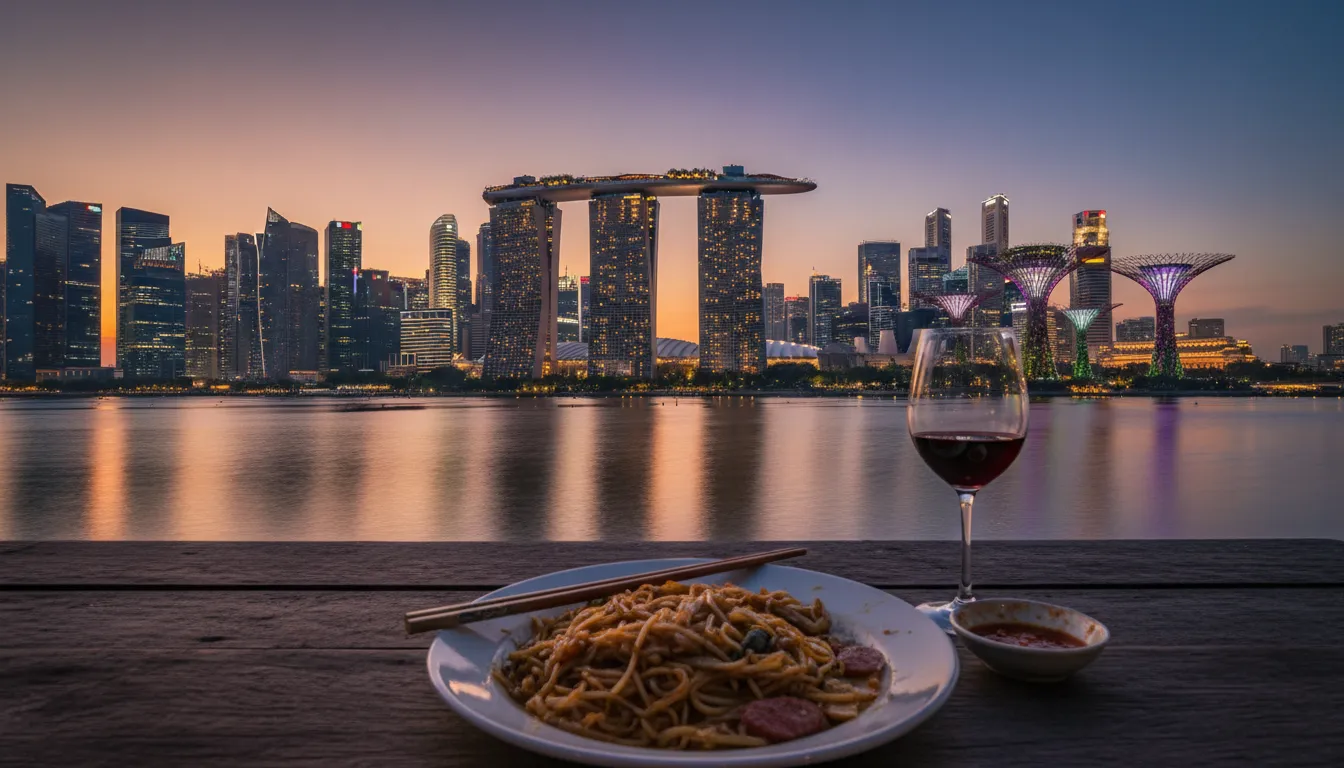
Singapore's culinary landscape is a testament to its vibrant multiculturalism and its unwavering passion for food. The journey through its hawker centres and fine dining establishments is not merely a comparison of price or prestige; it's an exploration of the city-state's very soul. Here, tradition and innovation dance in a harmonious ballet, each offering a distinct yet equally valuable contribution to the global gastronomic stage.
From the plastic stools of a bustling hawker centre, where generations of culinary wisdom are served up for a few dollars, to the hushed elegance of a Michelin-starred restaurant, where culinary artistry knows no bounds, Singapore offers a spectrum of experiences. Both ends of this spectrum represent excellence, embodying different facets of quality, atmosphere, and the very essence of hospitality.
As an expert in cultural storytelling through food, I can confidently say that neither hawker food nor fine dining is inherently 'better.' They simply cater to different desires, different occasions, and different interpretations of what makes a meal truly memorable. The beauty of Singapore lies in its ability to offer both with unparalleled finesse.
So, whether you're a culturally curious reader eager to immerse yourself in local traditions or a discerning gourmand seeking the heights of culinary innovation, Singapore invites you to savour it all. Embrace the contrasts, delight in the discoveries, and allow the diverse flavours of this incredible city to weave unforgettable cultural stories into your personal journey. Your journey to unforgettable cultural stories and inspiring connections. More Discovery, More Experience.