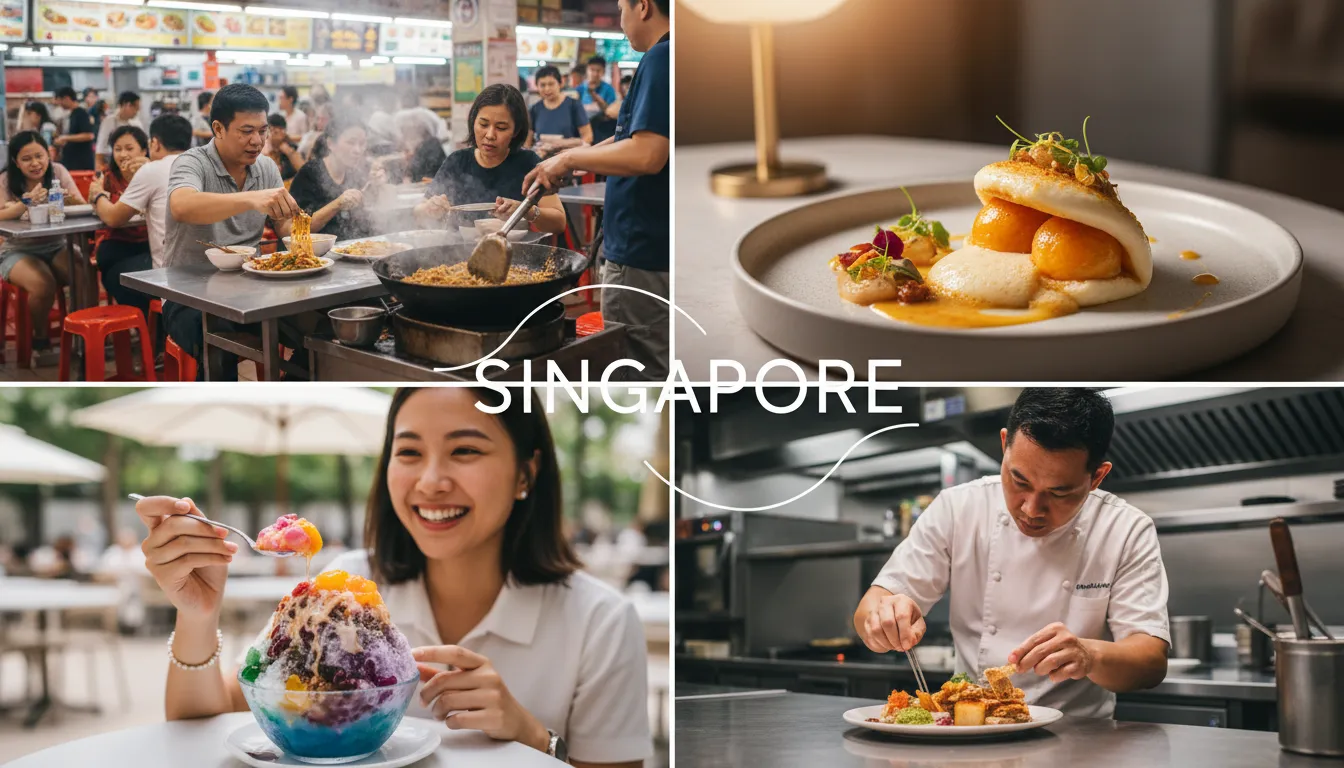
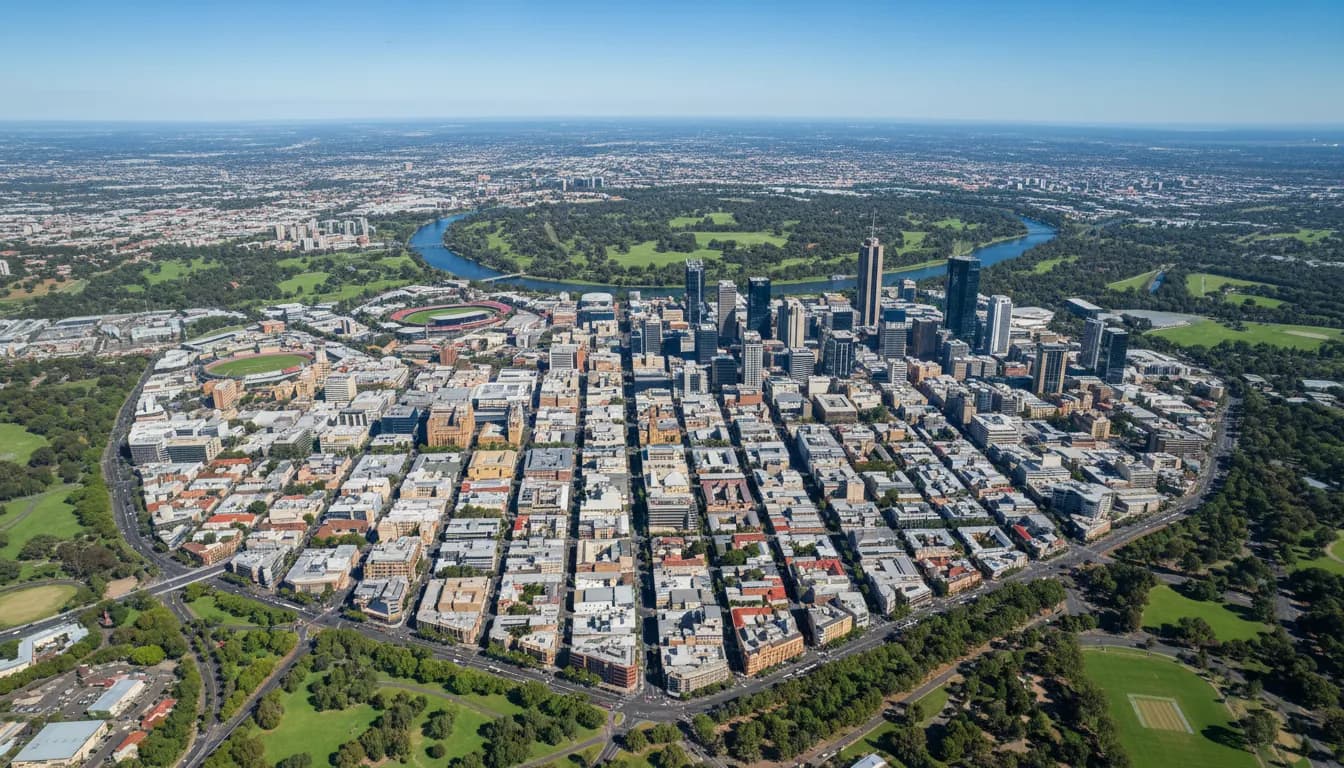
Singapore, the Lion City, is a name synonymous with culinary excellence. From its bustling hawker centers to its Michelin-starred restaurants, the island nation offers an unparalleled gastronomic adventure. For many, the quintessential Singaporean experience begins with a plate of Hainanese Chicken Rice or a bowl of Laksa.
Yet, beyond these beloved classics lies a vibrant, evolving culinary scene that is redefining what it means to eat Singaporean. This is the world of 'Mod-Sin' (Modern Singaporean) cuisine and innovative fusion alternatives, a delicious testament to Singapore's dynamic cultural tapestry. As a passionate explorer of global flavors, I've had the privilege of witnessing this evolution firsthand, savoring both the cherished traditions and the exciting innovations that make Singapore a true food lover's paradise.
What is 'Mod-Sin' (Modern Singaporean) Cuisine?
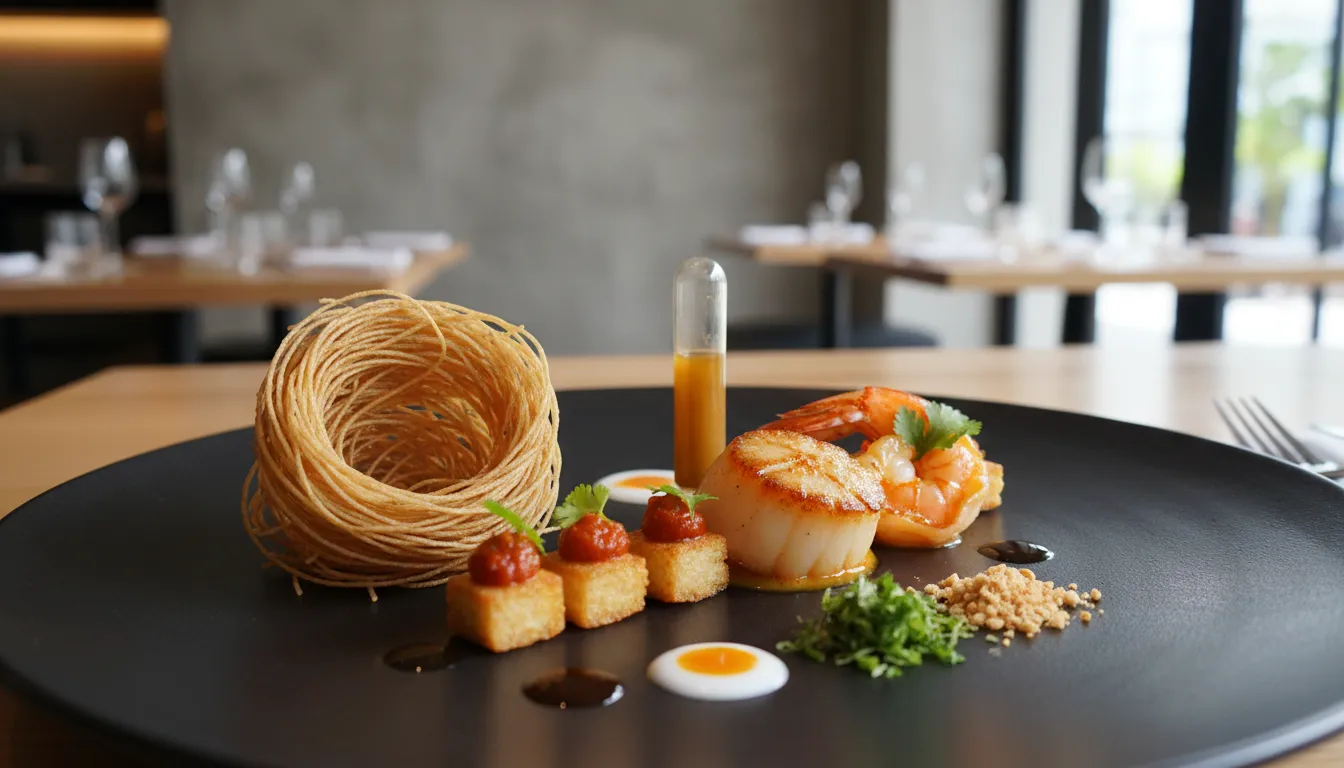
'Mod-Sin' cuisine represents a fascinating culinary movement that takes traditional Singaporean flavors and reinterprets them with contemporary techniques, ingredients, and presentation. It’s not about abandoning heritage but rather elevating it, making it relevant for a new generation while respecting its roots. This movement began to gain traction as Singaporean chefs, many trained in prestigious kitchens abroad, returned home with a desire to showcase their local heritage in a sophisticated, modern light.
The essence of Mod-Sin lies in its innovation, often involving deconstruction, molecular gastronomy, or the playful incorporation of unexpected elements. Imagine the familiar taste of a chili crab, but reimagined as a delicate pasta dish or a sophisticated appetizer. It's about presenting familiar comfort food in an unfamiliar, often fine-dining, context.
This culinary approach is a reflection of Singapore itself: a nation that deeply values its history and diverse cultures, yet is constantly pushing boundaries and embracing modernity. It’s a bold statement that Singaporean food can stand proudly on the global fine-dining stage, not just as street food. My own journey through Singapore’s culinary landscape has often led to delightful surprises, where a dish I thought I knew completely transformed into something new and exhilarating.
The Enduring Charm of Traditional Hawker Fare: A Baseline
Before delving deeper into modern interpretations, it's essential to acknowledge the bedrock of Singapore's culinary identity: its hawker centers. These bustling, open-air food complexes are more than just places to eat; they are cultural institutions, social hubs, and living museums of Singaporean heritage. Here, generations-old recipes are meticulously prepared, offering affordable and authentic flavors that have defined the nation's palate for decades.
Dishes like Hainanese Chicken Rice, Char Kway Teow, Hokkien Mee, and of course, the ubiquitous Satay, are not merely meals; they are comfort, history, and a shared experience. The vibrant atmosphere, the sizzle of woks, and the communal dining experience are all integral to the charm of hawker fare. These traditional dishes serve as the benchmark, the cherished memories against which all modern interpretations are inevitably measured. They are the stories of Singapore's past, told through taste.
Comparing Traditional Satay to Modern Interpretations
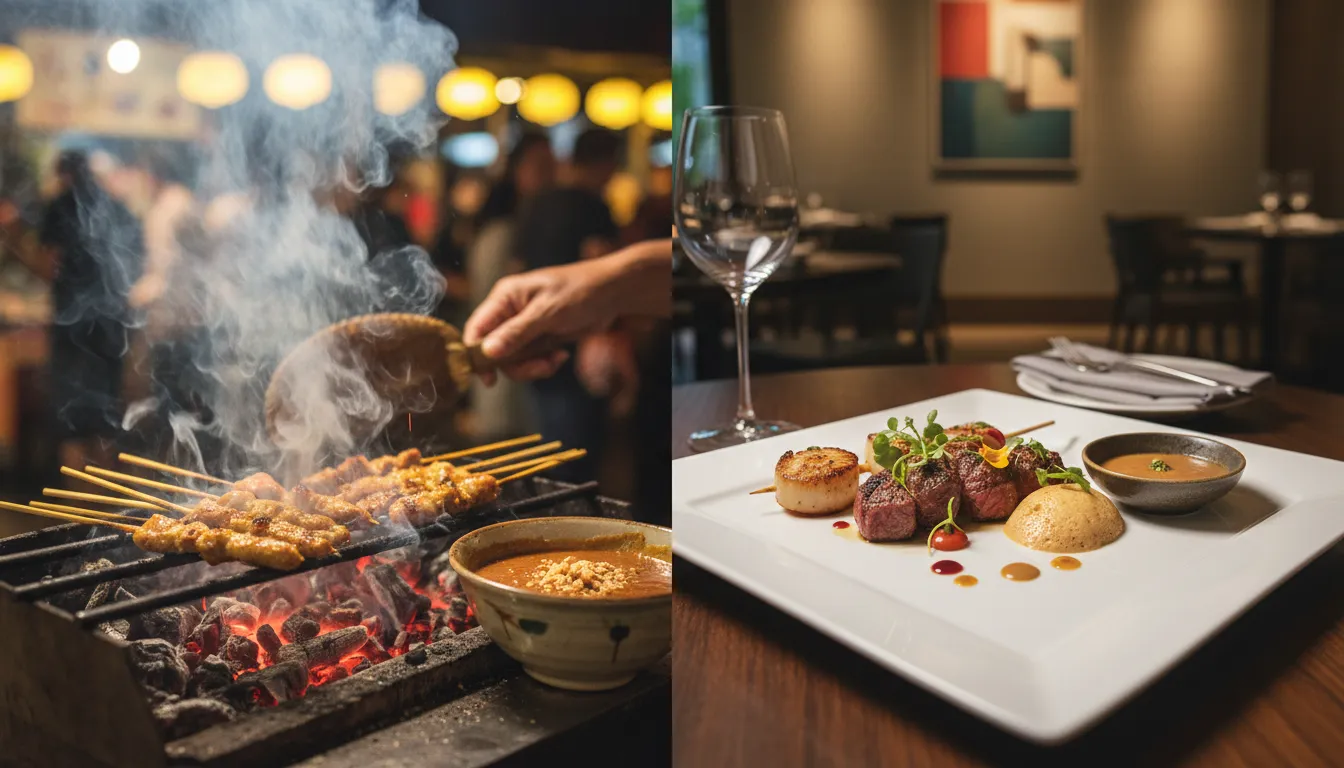
Satay holds a special place in the hearts of many Singaporeans and visitors alike. The traditional version, often found grilling over charcoal at hawker centers like Lau Pa Sat or the Newton Food Centre, is a simple yet profoundly satisfying dish. Skewers of marinated chicken, beef, or lamb are expertly charred, imparting a smoky aroma and a tender bite. It's typically served with a rich, slightly spicy peanut sauce, alongside refreshing slices of cucumber, raw onion, and sometimes ketupat (rice cakes).
The beauty of traditional satay lies in its unpretentious perfection and the communal joy of sharing a platter. It’s a sensory experience: the warmth of the charcoal, the fragrant marinade, and the creamy, nutty sauce. This classic preparation evokes a sense of nostalgia and provides a direct connection to Singapore's culinary heritage.
In contrast, modern interpretations of satay elevate this street food staple to an art form, often found in Mod-Sin and fine-dining restaurants. Chefs might use premium cuts of meat, such as Wagyu beef or duck, or even introduce seafood like prawns or scallops. The marinades become more complex, perhaps infused with uncommon herbs, artisanal spices, or even a hint of truffle oil.
The accompanying peanut sauce, while still recognizable, might be refined with different nut bases, spices, or textures, sometimes deconstructed or presented as a foam. Presentation is paramount, with each skewer meticulously arranged on elegant crockery, often accompanied by microgreens or innovative garnishes. While the traditional version celebrates rustic charm, the modern take showcases culinary artistry and a sophisticated palate. I once tried a deconstructed chicken satay where the chicken was sous-vide then seared, and the peanut sauce was a delicate foam with a hint of kaffir lime – an utterly surprising and delightful reinvention.
The Rise of Fusion Restaurants: When East Meets West (and Beyond)
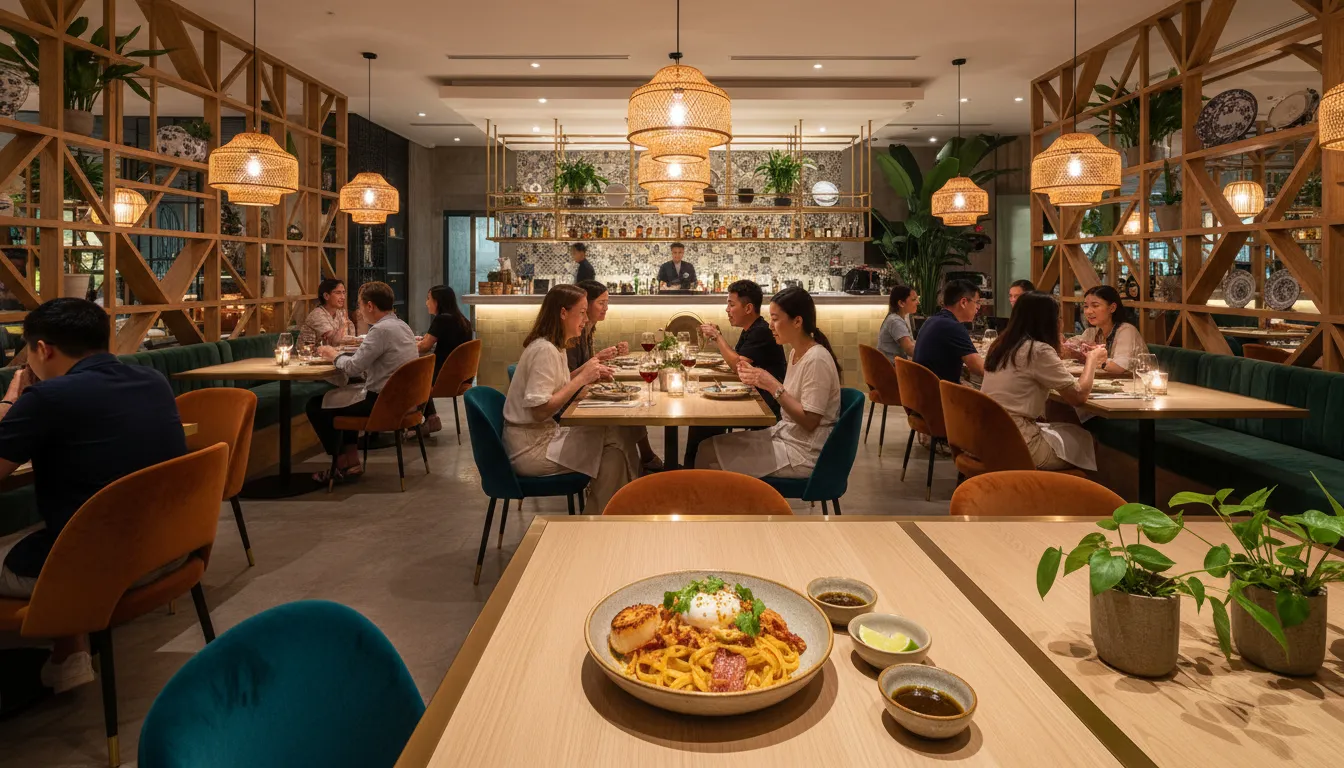
Singapore's identity as a global crossroads naturally fostered the rise of fusion cuisine, a culinary movement that truly embodies its multicultural spirit. Fusion restaurants in Singapore are laboratories of taste, where chefs boldly blend local and regional Asian flavors with European, American, or other global culinary traditions. This isn't just about throwing disparate ingredients together; it's about thoughtful integration, creating harmonious dishes that surprise and delight the palate.
The driving forces behind this trend are manifold: Singapore's cosmopolitan population, the influx of international chefs, and a local dining public with an increasingly adventurous palate. You might encounter dishes that marry French techniques with Malay spices, or Italian pasta infused with a distinctly Singaporean laksa broth. The creativity knows no bounds.
Consider the classic Italian risotto, transformed into a Chili Crab Risotto, where the rich, spicy, and slightly sweet notes of Singapore's iconic chili crab sauce infuse arborio rice. Or perhaps a Kaya Toast-inspired dessert, where the traditional coconut jam and butter combination is deconstructed into a sophisticated cake or tart. These dishes are more than just food; they are culinary dialogues, telling stories of cultural exchange on a plate.
My most memorable fusion experience involved a restaurant that served 'Laksa Carbonara.' The creamy, eggy richness of carbonara was perfectly balanced by the fragrant spice and coconut milk of laksa, topped with perfectly seared prawns. It was a dish that defied expectations, proving that culinary boundaries are meant to be explored, not confined. This willingness to experiment and innovate is a hallmark of Singapore's dynamic food scene, constantly pushing the boundaries of what's possible.
Why You Should Try Alternatives to Traditional Hawker Fare
While the allure of traditional hawker fare is undeniable, venturing into the world of Mod-Sin and fusion cuisine offers a rich, rewarding experience that complements, rather than detracts from, your appreciation of Singaporean food. It's about expanding your culinary horizons and witnessing the vibrant evolution of a nation's gastronomy.
Firstly, these alternatives offer a glimpse into the innovation and creativity of Singaporean chefs. They are culinary artists pushing boundaries, using modern techniques to re-imagine familiar flavors and textures. This provides a fresh perspective on local ingredients and dishes you might think you know intimately. Secondly, trying these modern dishes allows you to appreciate the elevation of local ingredients. Chefs in these establishments often source premium local produce, highlighting its quality in sophisticated new ways. It’s an opportunity to taste how humble ingredients can be transformed into gourmet experiences.
Furthermore, Mod-Sin and fusion restaurants often provide a more sophisticated dining experience, ranging from casual fine dining to Michelin-starred establishments. These settings offer a different ambiance, impeccable service, and a chance to truly savor each dish as a carefully crafted masterpiece. It’s a contrast to the bustling, fast-paced environment of a hawker center, allowing for a more reflective culinary journey.
Exploring these alternatives is also about understanding cultural evolution. Cuisine is never static; it adapts, grows, and reflects the changing times and influences of a society. By trying Mod-Sin, you witness how Singaporean food is evolving in response to global trends while remaining true to its identity. It’s a testament to the nation’s adaptability and forward-thinking spirit. Moreover, you are supporting new talent and encouraging chefs who are dedicated to carving out a unique identity for Singaporean cuisine on the world stage. These culinary pioneers deserve recognition for their bold vision and dedication.
Finally, and perhaps most importantly, trying alternatives to traditional hawker fare allows you to expand your palate. It challenges preconceived notions of what Singaporean food 'should' be and opens your mind to new flavor combinations and textures. For me, it has always been about the thrill of discovery, the joy of a surprising taste, and the deeper understanding it offers of a culture's culinary journey. It's an invitation to engage with Singapore's food story in its entirety, from its cherished past to its exciting future.
Notable Mod-Sin & Fusion Establishments (Examples to Illustrate)
Singapore's culinary landscape is dotted with establishments that exemplify the Mod-Sin and fusion movements, each offering a unique interpretation. You'll find fine-dining restaurants where classic dishes are deconstructed and rebuilt with meticulous precision, creating an almost theatrical dining experience. These often feature tasting menus that guide you through a narrative of flavors, showcasing the chef's personal journey and interpretation of Singaporean heritage.
Beyond the high-end, there are also numerous casual Mod-Sin cafes and bistros. These places might offer elevated versions of local breakfasts, like artisanal kaya toast made with house-baked bread and gourmet kaya, or creative brunch items that blend local ingredients with Western comfort food. They bridge the gap between traditional hawker fare and formal dining, making innovative cuisine accessible.
Fusion bistros are another popular category, often blending specific culinary traditions like Japanese-Peruvian Nikkei, or French-Vietnamese, with subtle Singaporean influences. Imagine a beautifully crafted ramen bowl infused with a local broth, or a perfectly seared steak served with a sambal butter. These establishments demonstrate the global influences that permeate Singapore's food scene.
Then there are the dessert specialists, who masterfully incorporate local fruits, spices, and traditional sweets into Western-style pastries, cakes, and ice creams. Think durian panna cotta, pandan-infused crème brûlée, or a chendol-inspired parfait. These culinary innovators are constantly pushing the boundaries of taste and presentation, ensuring that every course, from appetizer to dessert, tells a compelling story. When planning your culinary adventure, it's always wise to research and make reservations, as these popular spots fill up quickly.
Your Journey to Unforgettable Cultural Stories
Singapore's culinary landscape is a dynamic tapestry woven from threads of cherished tradition and bold innovation. It's a place where the comforting familiarity of a hawker stall sits harmoniously alongside the exhilarating creativity of a Mod-Sin or fusion restaurant. The journey through its food scene is not merely about eating; it's about experiencing the vibrant pulse of a multicultural nation. It's about understanding how history, migration, and global influences converge to create something truly unique.
Whether you're a purist who reveres the classics or an adventurous eater seeking the next culinary frontier, Singapore offers a delicious narrative. Embrace both the famous dishes and their modern alternatives, for in doing so, you unlock a deeper appreciation for the Lion City's gastronomic genius. Each bite, from the smoky perfection of a traditional satay to the surprising elegance of a deconstructed laksa, tells a story.
This journey of discovery, this embrace of new experiences, is at the heart of MLifeOn. Singapore invites you to savor its past, taste its present, and anticipate its future, one incredible dish at a time. More Discovery, More Experience – that is the true essence of Singapore’s culinary adventure.