Singapore, a vibrant island nation, has long been celebrated as a global culinary melting pot, a destination where diverse cultures converge on the plate. From the humble hawker stall to Michelin-starred restaurants, its food scene is a testament to its multicultural heritage. Yet, even in a city so steeped in tradition, innovation ceaselessly churns, propelling its gastronomic landscape into exciting new territories.
Having spent considerable time exploring Singapore's vibrant culinary streets, from the bustling hawker centers to the elegant fine dining establishments, I've always been struck by its dynamic evolution. It's a place where the past and future of food don't just coexist but enrich each other, creating an experience that is both deeply authentic and forward-thinking. This year, 2024, reveals fascinating trends shaping how Singaporeans and visitors alike will experience their food, reflecting global shifts while firmly rooting in local identity.
This article delves into some of the most compelling trends redefining Singapore's food scene. We will explore the burgeoning movement towards sustainable and farm-to-table dining, the creative explosion of plant-based interpretations of classic dishes, the critical preservation of its UNESCO-recognized hawker culture, and the ever-increasing integration of technology in the dining experience. These trends collectively paint a picture of a culinary future that is conscious, innovative, and deeply connected to its roots.
The Rise of Sustainable and Farm-to-Table Dining
The global conversation around sustainability has profoundly impacted the food industry, and Singapore, with its limited land resources, is at the forefront of this movement. The island nation imports over 90% of its food, making local food security and sustainable practices paramount. This challenge has sparked incredible innovation, leading to a significant rise in sustainable and farm-to-table dining experiences.
This trend is driven by a growing awareness among consumers about where their food comes from, its environmental footprint, and the desire for fresher, healthier options. Restaurants are increasingly partnering with local urban farms or even establishing their own small-scale gardens to source ingredients. This direct connection ensures unparalleled freshness and significantly reduces the carbon footprint associated with long-distance transportation.
Singapore's urban farming scene, though constrained by space, is remarkably innovative. Vertical farms, rooftop gardens, and even indoor hydroponic facilities are transforming unused spaces into productive agricultural hubs. Companies like Sky Greens and ComCrop are pioneering these efforts, supplying a steady stream of fresh produce, from leafy greens to herbs, directly to local kitchens and supermarkets. I've personally visited several rooftop gardens transformed into urban farms, supplying fresh herbs and greens directly to nearby restaurants, witnessing firsthand the passion behind these initiatives.
Many fine dining establishments and casual eateries are now proudly highlighting their local sourcing on menus, educating diners about the origins of their ingredients. This transparency not only builds trust but also fosters a deeper appreciation for the effort involved in bringing food from farm to plate. Diners are no longer just seeking delicious meals; they are looking for a story, a connection to the land and the people who cultivate their food.
One experience that truly stuck with me was dining at a restaurant that sourced its microgreens from a farm just a few kilometers away, harvested that very morning. The vibrancy and flavor were incomparable, a testament to the power of hyper-local sourcing. This commitment extends beyond just produce, encompassing sustainably sourced seafood and ethically raised meats where available, reflecting a holistic approach to responsible dining.
This movement isn't just about ingredients; it also extends to reducing food waste and conserving resources within the restaurant operations. From composting food scraps to energy-efficient kitchens, establishments are adopting a comprehensive sustainability ethos. For the culturally curious reader, this trend offers a unique insight into how Singapore addresses modern challenges with innovative, community-focused solutions, creating a dining experience that feels both luxurious and deeply responsible.
Plant-Based Revolution: Vegan Versions of Famous Local Dishes
The global shift towards plant-based diets, driven by health consciousness, ethical concerns, and environmental awareness, has undeniably landed in Singapore. What's truly exciting is how local chefs are embracing this movement, not just by offering generic vegan options, but by brilliantly reinterpreting Singapore's most beloved and iconic dishes into plant-based masterpieces. This revolution is transforming how traditional flavors are experienced, making them accessible to a broader audience without compromising on taste or authenticity.
Singaporean cuisine, rich in meat, seafood, and egg-based components, might seem challenging to adapt for a plant-based diet. Yet, the creativity of its culinary minds has proven otherwise. Chefs are meticulously deconstructing traditional flavors and textures, then rebuilding them using an ingenious array of plant-based ingredients. This involves everything from mushroom-based 'chicken' to jackfruit 'pork' and clever combinations of spices to mimic the depth of flavor found in classic recipes.
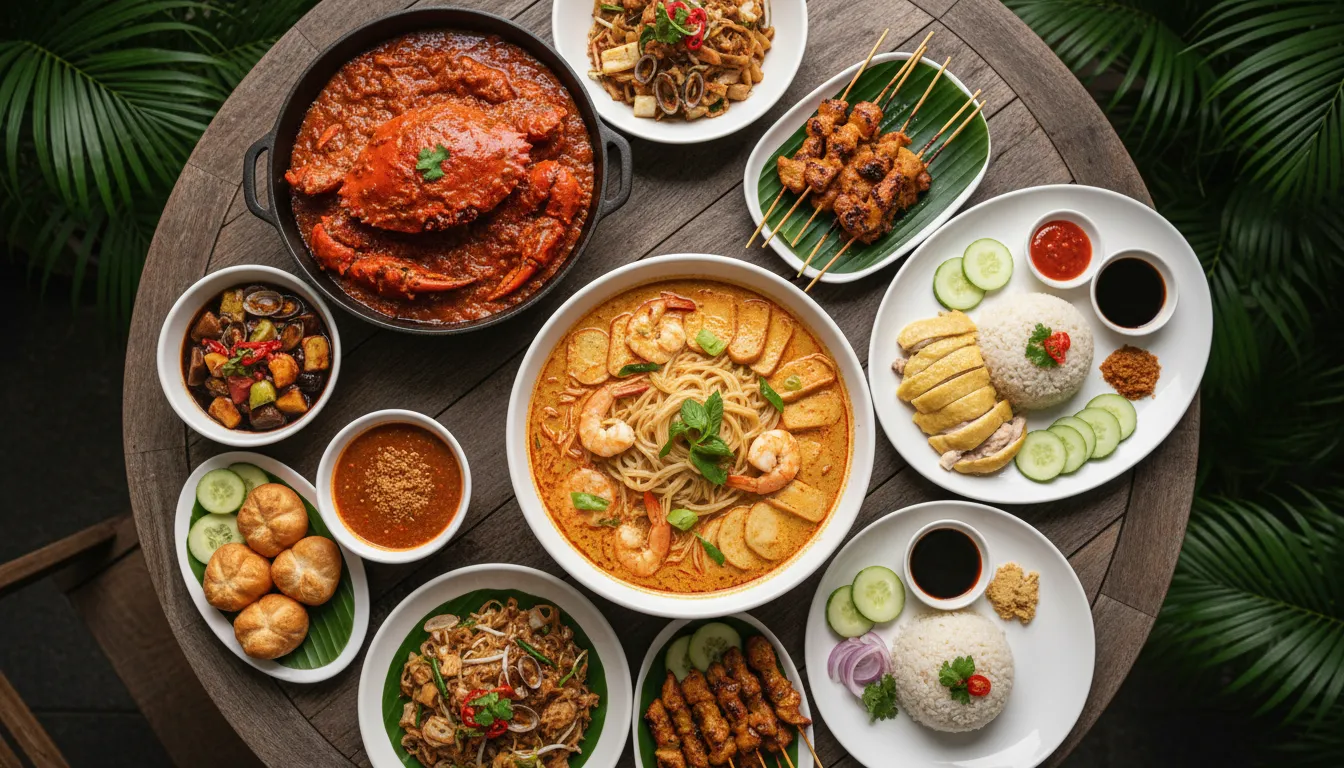
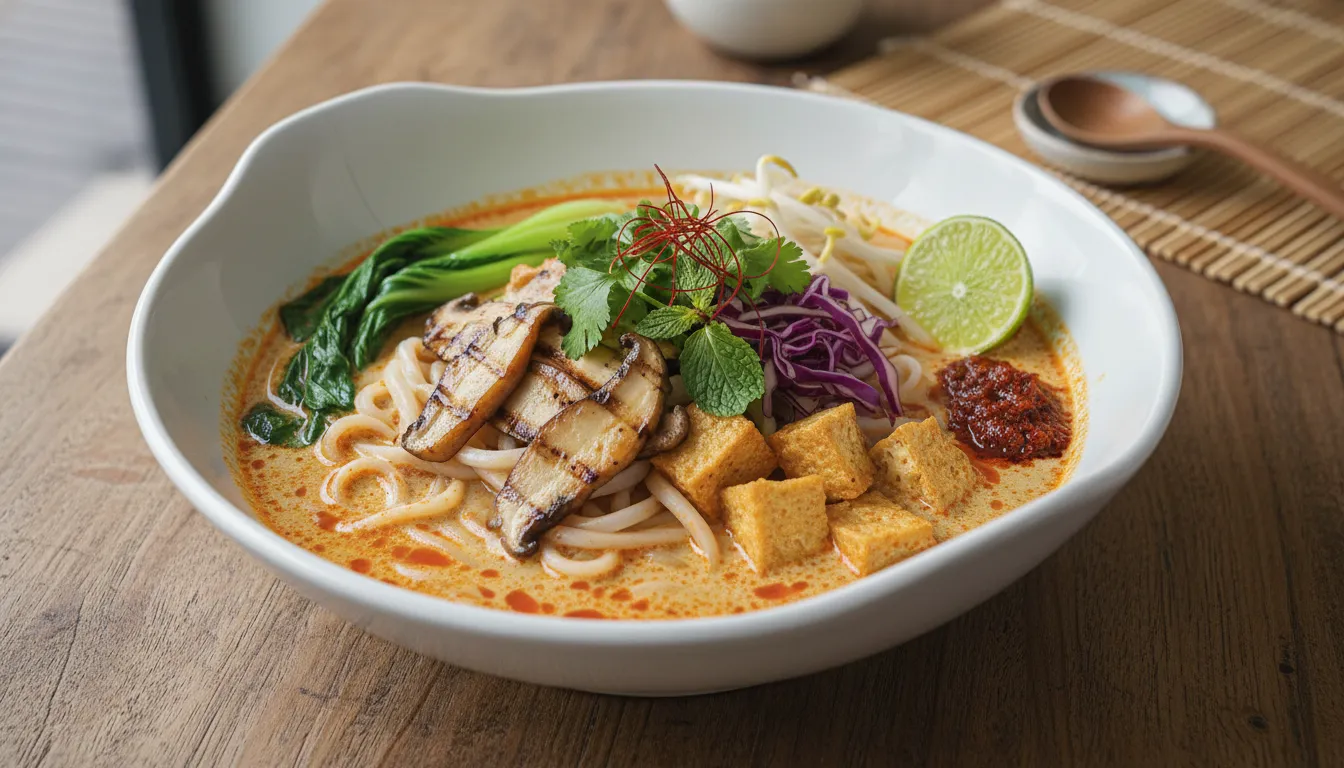
Imagine a Hainanese Chicken Rice, Singapore's national dish, where the 'chicken' is crafted from succulent king oyster mushrooms or soy protein, perfectly poached and served with fragrant, ginger-infused rice. Or a Laksa, with its rich, spicy coconut broth, now featuring an assortment of plant-based proteins, tofu puffs, and fresh vegetables, offering all the comforting warmth and spice without the seafood. The creativity I've witnessed in adapting dishes like Char Kway Teow, transforming it with smoked tofu and plant-based 'lardon,' is truly remarkable, offering all the smoky, savory depth without the meat.
These plant-based renditions are not merely substitutes; they are culinary innovations that stand on their own merit. They appeal not only to vegans and vegetarians but also to flexitarians and those simply looking to explore healthier, more sustainable dining options. The focus remains on delivering the authentic taste profiles that Singaporean cuisine is famous for – the umami, the spice, the sweetness, and the aromatic complexity.
The availability of plant-based famous local dishes is expanding rapidly, from dedicated vegan restaurants to hawker stalls offering specific plant-based options. This demonstrates a significant cultural acceptance and integration of new dietary preferences into the mainstream culinary fabric. It's a beautiful example of how a cuisine can evolve and adapt while staying true to its essence.
For the MLIFEON reader, this trend highlights how culinary traditions can be preserved and celebrated through innovative adaptation, fostering inclusivity and catering to diverse lifestyles. It's a testament to Singapore's ability to constantly reinvent itself, offering fresh perspectives on familiar flavors and proving that delicious food can indeed be both traditional and progressive. This evolution helps bridge cultural gaps, allowing people from various dietary backgrounds to share in the joy of Singaporean food.
The Preservation of Hawker Culture: UNESCO Status and New Blood
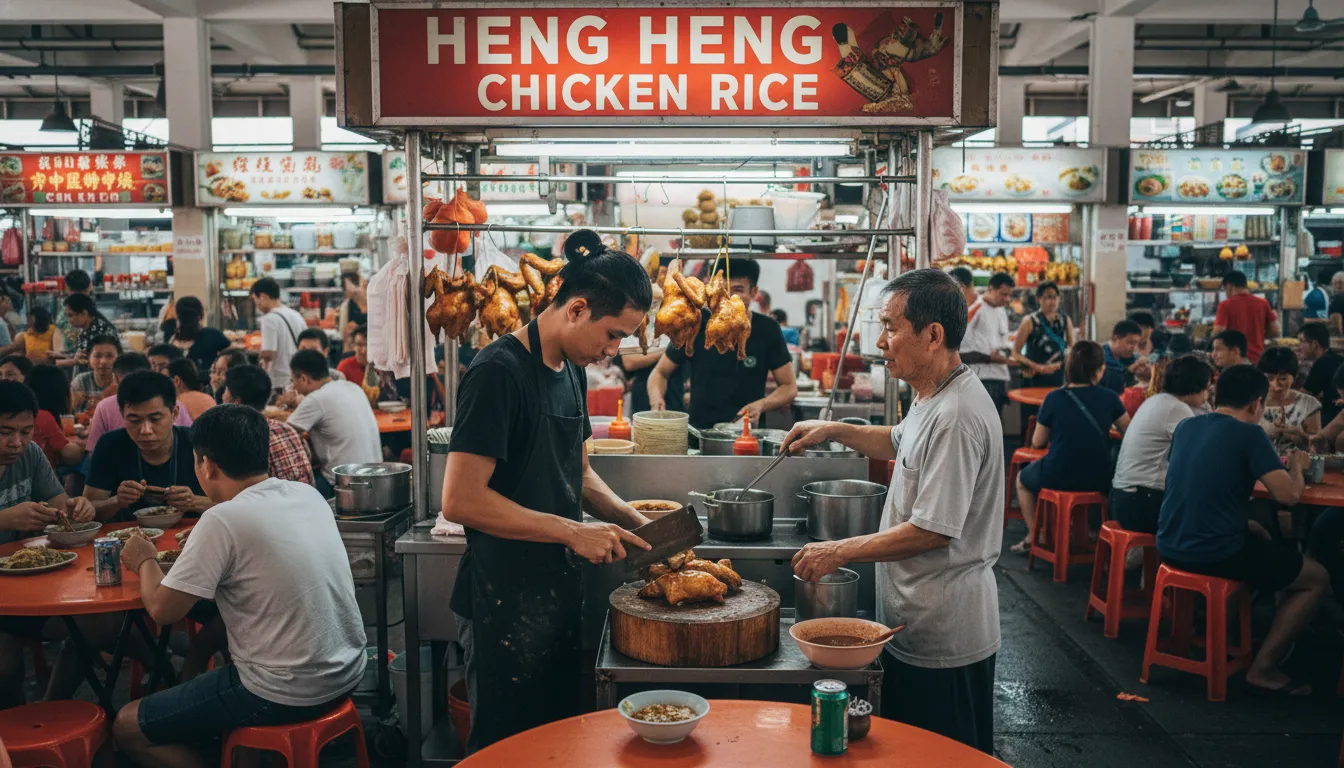
Singapore's hawker centers are more than just places to eat; they are vibrant social hubs, culinary classrooms, and living museums of intangible cultural heritage. These open-air food courts, offering an incredible array of affordable, delicious local fare, are deeply embedded in the national identity. In 2020, this unique culinary tradition received global recognition when UNESCO inscribed Singapore's hawker culture on the Representative List of the Intangible Cultural Heritage of Humanity, a monumental acknowledgment of its cultural significance.
This UNESCO status brought both pride and a renewed focus on preserving this treasured way of life, which faces several challenges. Many of the original hawkers are aging, and the demanding nature of the work, coupled with relatively low pay, has often deterred younger generations from taking over family stalls. The potential loss of these culinary skills and traditional recipes loomed large, threatening the very fabric of Singaporean food culture.
However, the UNESCO recognition has spurred significant efforts to ensure the continuity of hawker culture, attracting 'new blood' into the trade. Government initiatives, such as the Hawker Incubation Programme and various grants from the National Environment Agency (NEA), aim to support aspiring hawkers. These programs provide training, subsidies, and mentorship, helping new entrants learn the ropes, perfect their craft, and manage a hawker business.
I recall many conversations with second and third-generation hawkers, like the young man I met taking over his grandmother's wanton mee stall, who spoke passionately about preserving her recipes while introducing modern hygiene practices and even a touch of social media marketing. This blend of tradition and modernity is crucial for the survival and evolution of hawker culture. Young hawkers are bringing fresh perspectives, sometimes experimenting with fusion concepts or healthier versions of classic dishes, while steadfastly honoring the authentic flavors and techniques passed down through generations.
The preservation efforts also involve creating more conducive environments for hawkers, improving working conditions, and enhancing the overall dining experience for patrons. Events celebrating hawker food, culinary trails, and storytelling initiatives further elevate its status and attract both local and international attention. This ensures that the hawker centers remain vibrant, accessible, and an integral part of daily life for Singaporeans.
For MLIFEON's culturally curious audience, hawker culture embodies the essence of authentic cultural storytelling and heritage preservation. It represents a living tradition where food is not just sustenance but a powerful medium for connection, community, and the transmission of cultural identity. Experiencing a hawker center is to dive deep into the soul of Singapore, a testament to its resilience and commitment to its heritage.
Technology in Dining: From Robot Waiters to QR Code Menus
Singapore has always been a forward-thinking nation, and its embrace of technology extends seamlessly into its dining landscape. In 2024, technology is not just a convenience but a transformative force, redefining everything from how we order food to how restaurants manage their operations. This integration is particularly crucial in addressing labor shortages, enhancing efficiency, and elevating the overall customer experience.
One of the most visible changes for diners is the widespread adoption of QR code menus and mobile ordering systems. Gone are the days of waiting for a waiter to take your order at many establishments; a quick scan with your smartphone brings up the entire menu, often with photos and detailed descriptions. This streamlined process not only speeds up service but also reduces errors and frees up staff to focus on more personalized guest interactions. While a robot bringing my drink might initially seem novel, it's the seamless QR code ordering at a busy hawker center that truly enhances efficiency, allowing more time to savor the meal.
Beyond ordering, automation is making its way into the front-of-house with robot waiters. These automated assistants can be seen delivering food to tables, clearing dishes, and even guiding patrons to their seats. While they don't replace human hospitality, they augment it, handling repetitive tasks and allowing human staff to provide more nuanced and engaging service. This is particularly noticeable in larger, high-volume restaurants and food courts.
In the back-of-house, technology is equally revolutionary. Artificial intelligence (AI) is being used for inventory management, predicting demand to minimize food waste, and optimizing kitchen workflows. Automated cooking aids, from robotic woks to smart ovens, are helping chefs maintain consistency and efficiency, especially in high-volume operations. These innovations are critical for a city that prides itself on both quality and speed.
The omnipresence of food delivery platforms (e.g., GrabFood, Foodpanda, Deliveroo) has also fundamentally reshaped dining habits. These platforms offer unparalleled convenience, allowing Singaporeans to enjoy their favorite dishes from the comfort of their homes. This has created new business models for restaurants, expanding their reach beyond their physical locations, and even fostering the rise of 'ghost kitchens' dedicated solely to delivery.
However, the integration of technology also presents a challenge: balancing efficiency with the warmth of human connection. Singaporean establishments are learning to leverage technology to enhance service, not diminish it, ensuring that the human touch remains an integral part of the dining experience. The goal is to use technology to create a more seamless, personalized, and efficient experience, allowing diners to focus on the joy of food and company.
Conclusion
Singapore's culinary landscape in 2024 is a vibrant tapestry woven with threads of tradition, innovation, and a deep sense of cultural identity. The trends we've explored – the imperative of sustainable and farm-to-table dining, the creative explosion of plant-based interpretations of classic dishes, the critical preservation of its UNESCO-recognized hawker culture, and the seamless integration of technology – collectively paint a picture of a food scene that is both dynamic and deeply rooted. This ability to honor its heritage while boldly embracing the future is what makes Singapore a truly unique gastronomic destination.
From the quiet resolve of urban farmers providing fresh produce to the ingenious chefs crafting plant-based versions of beloved classics, and from the generational wisdom of hawkers to the sleek efficiency of robot waiters, Singapore's food industry is in a constant state of evolution. These trends are not mere fads; they reflect a conscious effort to address global challenges, celebrate cultural richness, and enhance the dining experience for everyone.
Singapore's culinary journey is a testament to cultural resilience and innovation, offering a rich tapestry of stories for the culturally curious. It continues to be a beacon for food lovers worldwide, inviting them on a journey of unforgettable cultural stories and inspiring connections through its unparalleled and ever-evolving cuisine. More discovery, more experience awaits in every bite.