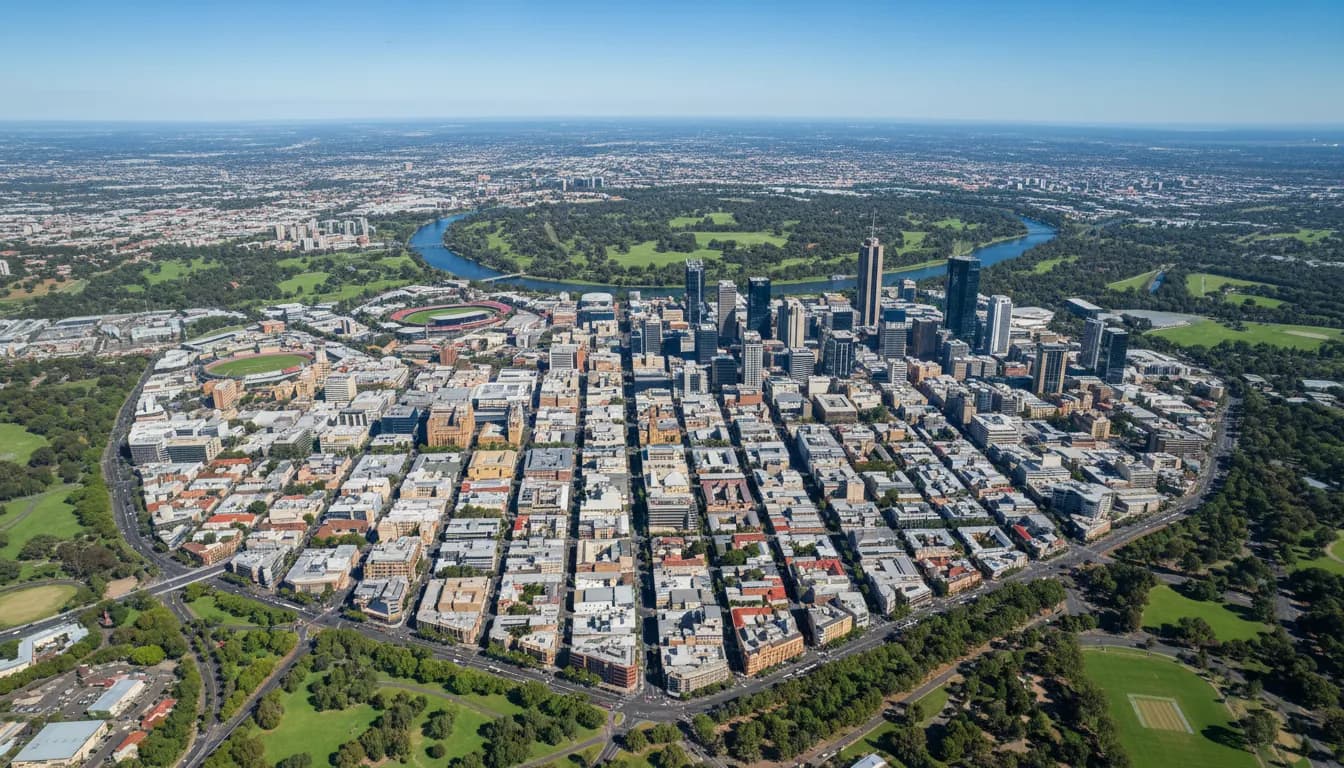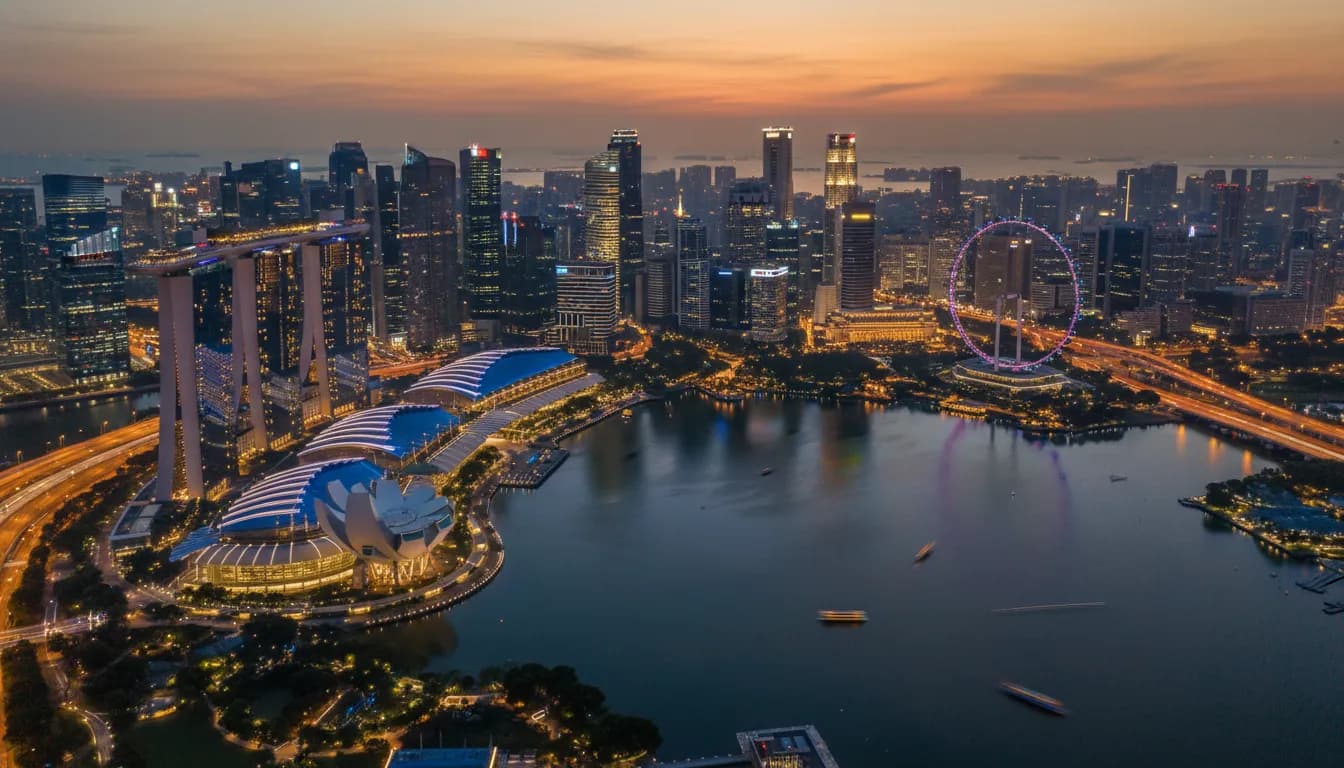
Singapore, often called the 'Little Red Dot,' is a city-state that consistently defies expectations. From a humble fishing village, it has transformed into a global metropolis, a beacon of innovation and a living testament to visionary urban planning. In my extensive travels across Asia, I've always found Singapore's skyline to be a particularly compelling narrative of progress, a bold declaration of its future forged in steel, glass, and abundant greenery.
This island nation doesn't just build; it sculpts its identity with iconic structures that blend functionality with breathtaking aesthetics. These aren't merely buildings; they are cultural statements, engineering marvels, and sustainable havens. Join me as we embark on a journey to discover the modern famous landmarks in Singapore, exploring the architectural wonders that define its unique spirit.
The Visionary Architecture of Modern Singapore
Singapore's architectural philosophy is deeply rooted in its ambition to be a liveable, sustainable, and forward-looking city. Its rapid development has been meticulously guided by master plans that prioritize green spaces, efficient infrastructure, and a harmonious blend of cultures. This strategic vision has cultivated a distinctive urban landscape, one that seamlessly integrates cutting-edge design with environmental consciousness.
The city's commitment to innovation is evident in every corner, from its towering skyscrapers to its verdant public parks. Architects worldwide are drawn to Singapore, finding a fertile ground for experimentation and a supportive environment for pushing the boundaries of design. This commitment to architectural excellence ensures that Singapore remains at the forefront of global urban development, constantly evolving and inspiring.
Singapore's transformation is a powerful story of resilience and ingenuity, a narrative that resonates deeply with the spirit of discovery and experience. Each landmark tells a part of this ongoing journey, inviting us to look beyond the surface and understand the deep cultural aspirations they represent. It truly exemplifies how a city can be both a concrete jungle and a lush garden.

The ArtScience Museum: A Lotus-Inspired Landmark
One of Singapore's most visually striking modern landmarks is undoubtedly the ArtScience Museum, gracefully situated along the Marina Bay waterfront. Designed by the renowned architect Moshe Safdie, its unique form immediately captures attention, resembling an opening lotus flower or perhaps even a welcoming hand. I recall my first glimpse of it, the pristine white petals gleaming against the blue sky, a true architectural marvel.
This iconic structure is more than just a building; it's a profound statement about the intersection of art, science, culture, and technology. Each 'petal' of the lotus design houses gallery spaces, bathed in natural light filtered through the skylights at their tips. The building’s design is not merely aesthetic; it's also functional, with a rainwater harvesting system that channels water through its central oculus.
Inside, the museum hosts a dynamic array of international touring exhibitions, alongside its captivating permanent exhibit, 'Future World: Where Art Meets Science.' This interactive digital art installation, a collaboration with teamLab, immerses visitors in a vibrant, ever-evolving universe. It's an experience that blurs the lines between visitor and artwork, making you an active participant in a digital dreamscape.
For me, the ArtScience Museum embodies Singapore's forward-thinking spirit, celebrating creativity in all its forms. It encourages wonder and curiosity, inviting guests of all ages to explore the endless possibilities where scientific discovery informs artistic expression and vice-versa. It’s a place where imagination is not just encouraged but actively brought to life.
Esplanade - Theatres on the Bay (The 'Durian')
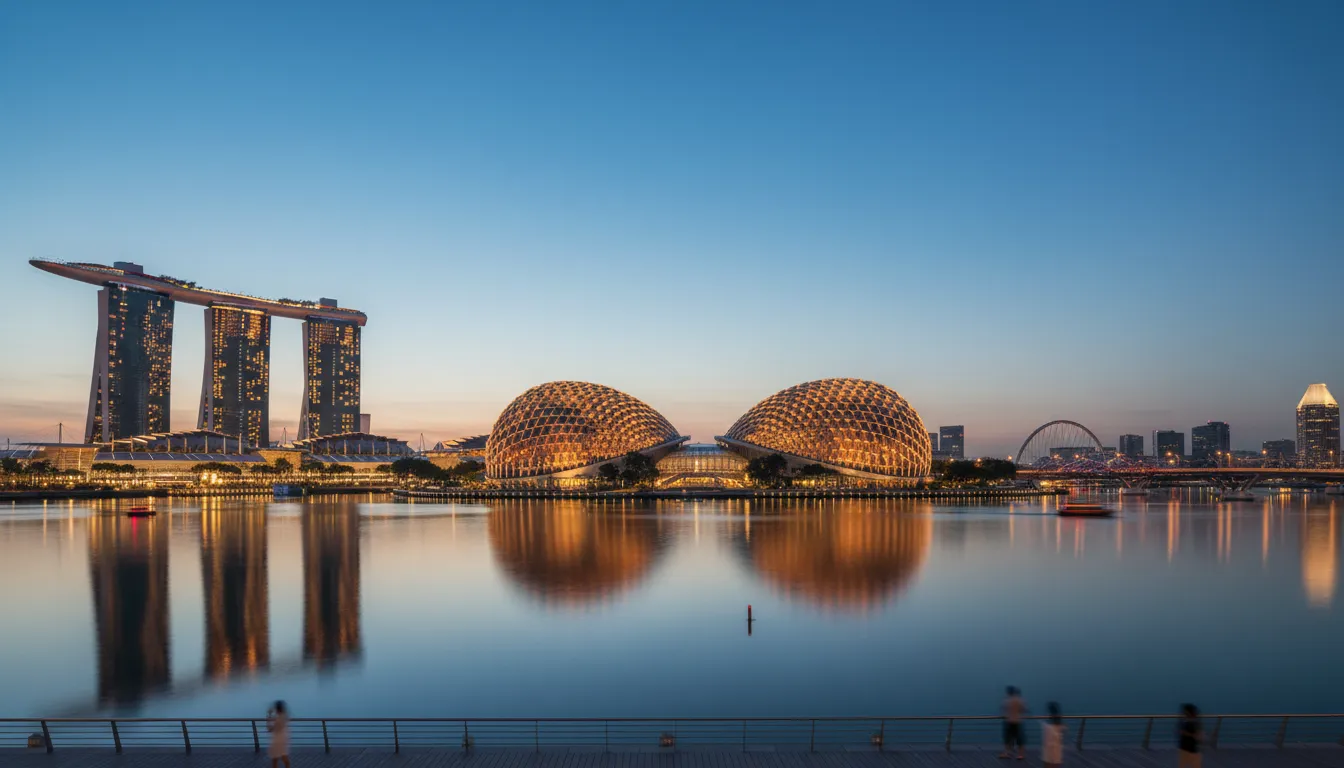
Nestled along Marina Bay, Esplanade – Theatres on the Bay stands out with its distinctive, spiky aluminum sunshades, instantly earning it the affectionate local nickname, 'The Durian.' This performing arts centre, designed by DP Architects and Michael Wilford & Partners, is a testament to Singapore's commitment to cultural enrichment and artistic expression. Its unique silhouette is both playful and imposing, a true conversation starter.
Beyond its eye-catching exterior, the Esplanade is a world-class venue featuring a 1,600-seat concert hall, a 2,000-seat theatre, and various smaller studios and outdoor performance spaces. I've had the pleasure of attending several performances there, from classical concerts to contemporary dance, always impressed by the acoustics and the intimate atmosphere. It truly serves as Singapore's vibrant cultural heart.
The Esplanade's mission extends beyond ticketed shows, offering numerous free performances and events across diverse genres, making the arts accessible to everyone. Its outdoor performance areas frequently host local and international artists, creating a lively cultural hub along the waterfront. This commitment to public engagement deeply reflects MLIFEON's focus on authentic cultural experiences.
The 'Durian' has become an undeniable fixture in Singapore’s cultural landscape, a place where stories are told, traditions are celebrated, and new artistic expressions are born. It's a landmark that not only adds architectural grandeur to the city but also enriches the lives of its residents and visitors alike, fostering connection through shared artistic experiences. Its presence truly elevates the city's cultural pulse.
The Interlace: Vertical Village Excellence
Moving away from the immediate waterfront, we encounter The Interlace, a residential complex that radically redefines urban living. Designed by OMA and Ole Scheeren, this award-winning development challenges the conventional high-rise typology by stacking 31 apartment blocks in a hexagonal arrangement. It creates a 'vertical village' where communal spaces and lush gardens intertwine.
My first impression of The Interlace was one of awe and curiosity; it looks like a colossal Jenga puzzle, intricately assembled and seamlessly integrated into its natural surroundings. Instead of isolated towers, the blocks are interconnected, forming multiple large, open-air courtyards, swimming pools, and sky gardens. This design fosters a profound sense of community and interaction among residents.
The Interlace has garnered international acclaim, including the prestigious World Building of the Year award at the 2015 World Architecture Festival. Its ingenious design prioritizes natural ventilation and light, creating a comfortable and sustainable living environment. It demonstrates a bold vision for high-density housing, proving that urban living doesn't have to sacrifice greenery or social connection.
This landmark truly embodies Singapore's innovative spirit in urban planning, showcasing how thoughtful design can enhance quality of life. It’s a powerful example of how architecture can shape social interactions and create a unique sense of place within a bustling city. The Interlace is not just a housing complex; it's a blueprint for future community-centric developments worldwide.
Sustainable Landmarks: The Parkroyal Collection Pickering
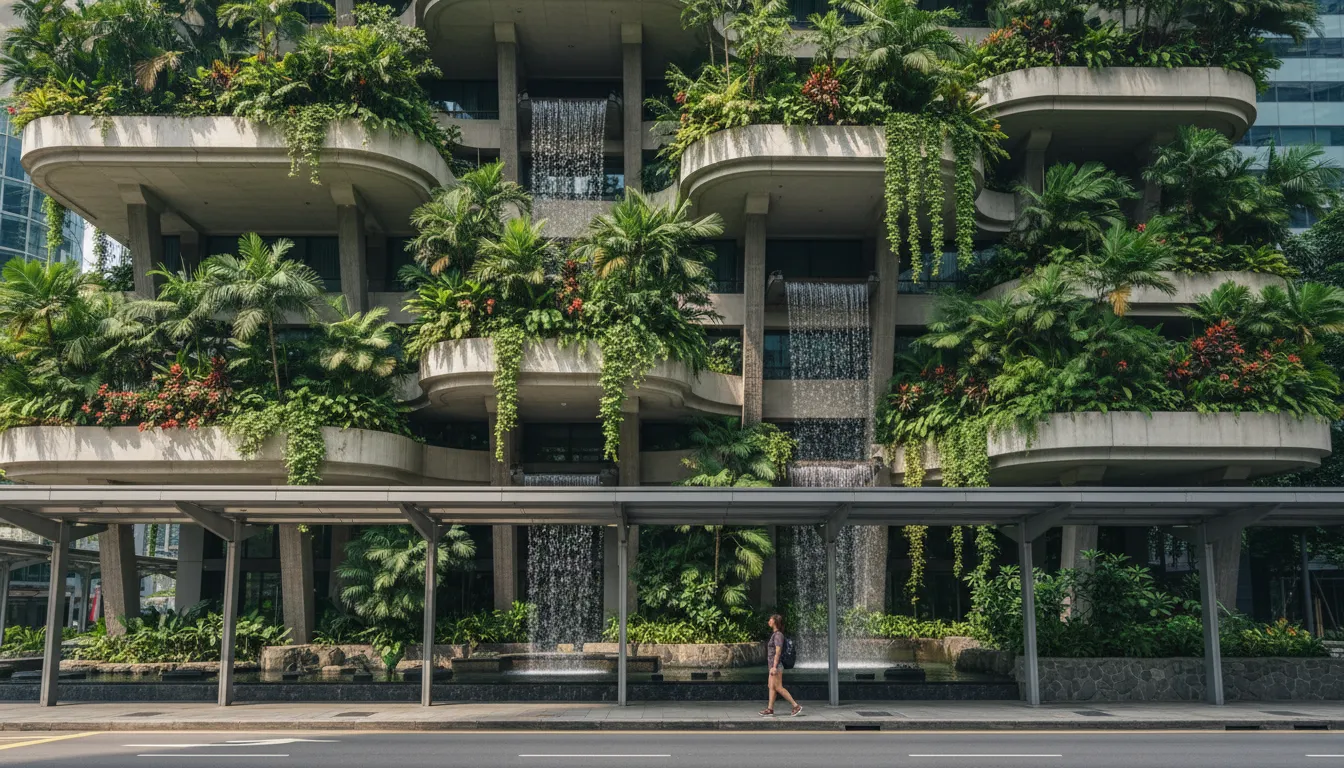
In the heart of Singapore, nestled between Chinatown and the central business district, stands the Parkroyal Collection Pickering, a remarkable 'hotel-in-a-garden.' Designed by the celebrated WOHA Architects, this hotel is a stunning example of biophilic design, where nature is not just added to the building but is an integral part of its structure. It instantly captivated me with its cascading greenery and organic forms.
The hotel features over 15,000 square meters of sky gardens, waterfalls, and planter terraces, creating a lush, living facade that blends seamlessly with the surrounding streetscape. These tiered gardens are home to a diverse array of plants, attracting birds and insects, and contributing significantly to the urban biodiversity. It’s a truly refreshing sight amidst the urban concrete.
Beyond its aesthetic appeal, the Parkroyal Collection Pickering is a paragon of sustainable architecture. It incorporates numerous eco-friendly features, including solar-powered systems, rainwater harvesting, and passive cooling techniques that reduce energy consumption. The building's orientation and extensive greenery naturally shade and cool the interiors, minimizing the need for air conditioning.
For me, this hotel represents Singapore's unwavering commitment to green urbanism and its vision for a 'City in a Garden.' It demonstrates that luxury and sustainability can coexist beautifully, offering guests an immersive experience where they are constantly connected to nature. It is a powerful reminder that innovative design can actively contribute to a healthier planet and a more vibrant urban environment, perfectly aligning with MLIFEON's ethos of meaningful connections and discovery.
Conclusion: Singapore's Enduring Architectural Legacy
Singapore's modern landmarks are more than just impressive structures; they are powerful symbols of the nation's journey, its ambitions, and its identity. From the cultural embrace of the Esplanade to the sustainable vision of the Parkroyal Collection Pickering, each building tells a compelling story of innovation, resilience, and a deep respect for both progress and nature. These architectural marvels invite us to look closer, to understand the meticulous planning and bold creativity that define this dynamic city-state.
In my many visits, I've always been struck by how Singapore manages to maintain its cultural heritage while relentlessly pushing the boundaries of what a modern city can be. Its skyline is a constantly evolving canvas, reflecting a commitment to creating meaningful spaces that enhance quality of life and inspire wonder. It's a place where every structure seems to whisper tales of ingenuity and aspiration.
For culturally curious readers seeking substantive travel narratives and inspiring connections, Singapore offers an unparalleled experience. Its modern landmarks are not just points on a map; they are gateways to understanding a nation that has truly mastered the art of urban living. They beckon you to discover, to experience, and to connect with a city that truly embodies the future. Your journey to unforgettable cultural stories and inspiring connections awaits in Singapore, promising more discovery and more experience with every turn.