Singapore, often hailed as a 'Garden City' and a 'Lion City,' is a captivating blend of futuristic skylines, lush green spaces, and rich cultural heritage. As a seasoned traveler and a keen observer of global cultures, I've always found Singapore to be a destination that constantly reinvents itself while deeply respecting its roots. It’s a place where every corner tells a story, offering an unparalleled journey for the culturally curious.
This vibrant island nation, a true gem in Southeast Asia, boasts an array of famous landmarks that are not just architectural marvels but also profound reflections of its journey from a humble fishing village to a global powerhouse. From the iconic silhouette of Marina Bay Sands to the spiritual serenity of ancient temples, Singapore’s landscape is a testament to human ingenuity and cultural preservation. For Vietnamese-Australian readers, the city offers a fascinating blend of familiar Asian traditions and cutting-edge modernity, often with a shared emphasis on family, food, and community.
Join me as we embark on an immersive exploration of the most famous landmarks in Singapore, delving into their stories, cultural significance, and the unforgettable experiences they offer. This guide aims to go beyond the surface, providing insights that only an expert traveler can share, ensuring your journey to this incredible city is filled with discovery and authentic connections. Your journey to unforgettable cultural stories and inspiring connections. More Discovery, More Experience.
Introduction to Singapore's Iconic Skyline
My first glimpse of Singapore’s skyline was from the airplane window, a dazzling tapestry of glittering towers piercing the tropical sky. It immediately struck me as a city that embraced the future with open arms, yet subtly hinted at the deep history beneath its polished surface. This unique juxtaposition is what makes Singapore so utterly compelling.
The city-state has masterfully integrated cutting-edge architecture with pockets of verdant nature and meticulously preserved heritage districts. This creates a cityscape that is both visually stunning and profoundly meaningful. It’s a testament to thoughtful urban planning and a deep understanding of how to craft a truly livable and inspiring metropolis.
Singapore’s famous landmarks are more than just attractions; they are symbols of its ambition, resilience, and multicultural identity. They tell a narrative of progress, innovation, and a harmonious blend of diverse cultures living side-by-side. Each structure, park, or heritage site contributes to the cohesive, captivating narrative of this remarkable nation.
As you wander through Singapore, you'll find that these landmarks are not isolated points on a map but interconnected threads in a rich tapestry. They invite you to explore, to learn, and to connect with the essence of what makes Singapore truly special. Prepare to be amazed by the sheer diversity and grandeur of these iconic sites.

Top 10 Famous Landmarks in Singapore You Can't Miss
Singapore is a treasure trove of architectural wonders and cultural gems, making it challenging to narrow down the absolute must-sees. However, some famous landmarks in Singapore stand out, not just for their visual impact but for the profound experiences they offer. These are the places that truly define the city.
From gravity-defying structures to serene garden sanctuaries, these top 10 famous landmarks in Singapore collectively paint a picture of a city that constantly pushes boundaries. They represent the heart and soul of Singapore, inviting visitors to delve into its unique character. Each site offers a distinct perspective on the city's multifaceted identity.
My personal journey through these landmarks has always been one of awe and discovery, revealing new layers with every visit. They are destinations that resonate deeply, leaving a lasting impression long after you've departed. Let's explore these essential stops on your Singaporean adventure.
These selected landmarks are not just points of interest; they are immersive experiences that engage all your senses. They encapsulate the innovation, natural beauty, and cultural richness that Singapore is celebrated for worldwide. Prepare to add these unforgettable locations to your travel itinerary.
Marina Bay Sands: The Architectural Marvel
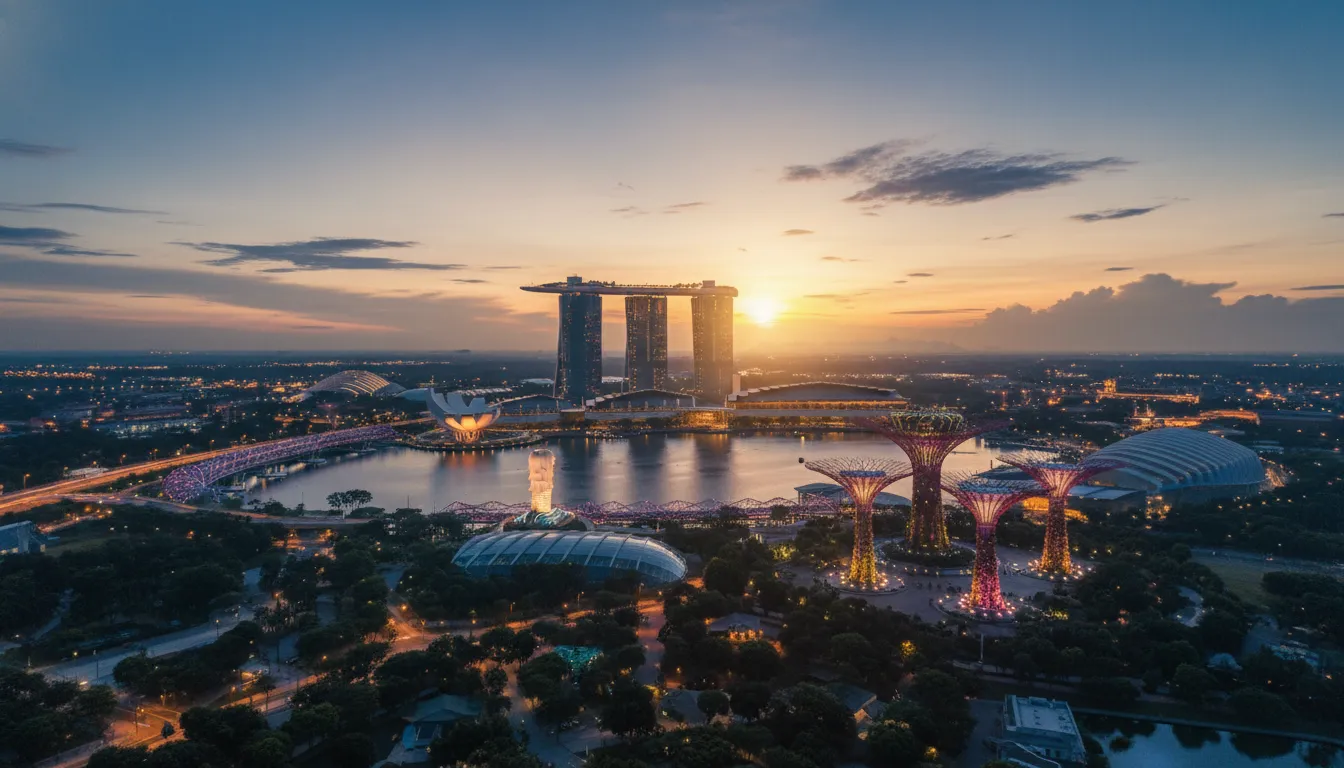
Marina Bay Sands is undeniably one of the most recognizable and famous landmarks in Singapore, a true icon of the city's modern ambition. Its distinctive triple-tower structure, topped by a sprawling ship-like SkyPark, dominates the Singapore skyline and captures the imagination of visitors. When I first saw it, I was struck by its sheer audacity and elegant design.
This integrated resort is much more than just a hotel; it's a universe of luxury and entertainment. It comprises a world-class casino, a high-end shopping mall known as The Shoppes, exquisite dining establishments, and a convention center. The sheer scale of the complex is breathtaking, designed to offer a complete leisure experience.
The Sands SkyPark Observation Deck offers unparalleled panoramic views of the city, stretching from the glittering financial district to the serene Gardens by the Bay. I remember spending an entire afternoon up there, watching the city transform from bustling daylight to a sparkling wonderland at night. It’s an essential experience for any visitor.
Perhaps the most famous feature of Marina Bay Sands is its infinity pool, perched 57 stories high, offering swimmers an astonishing perspective of the cityscape. While exclusive to hotel guests, even seeing photos of it evokes a sense of wonder. The feeling of swimming at the edge of the world is truly unique.
Below the towers, The Shoppes at Marina Bay Sands provides an extravagant retail therapy experience, featuring an array of luxury brands and international designers. The architectural design of the mall itself, with its canal and sampan rides, adds to the opulent ambiance. It's a place where shopping becomes an art form.
Dining at Marina Bay Sands is an adventure in itself, with celebrity chef restaurants offering a global culinary journey. From fine dining to casual eateries, the choices are diverse and cater to every palate. I’ve enjoyed some truly memorable meals here, each one an exquisite experience.
At night, the Spectra light and water show enthralls audiences with a symphony of lasers, water fountains, and visual projections against the backdrop of the city. It’s a mesmerizing spectacle that beautifully concludes an evening spent exploring this architectural marvel. I highly recommend finding a good spot at the waterfront to enjoy this free show.
Gardens by the Bay and the Supertree Grove
Adjacent to Marina Bay Sands lies another of Singapore’s most famous landmarks: Gardens by the Bay, a futuristic park that beautifully merges nature with innovative design. This ecological wonderland is a testament to Singapore’s vision of becoming a 'City in a Garden,' showcasing sustainable practices and breathtaking horticulture. My first visit felt like stepping into a science fiction movie where nature was the star.
The highlight of Gardens by the Bay is undoubtedly the Supertree Grove, a collection of towering, tree-like structures that function as vertical gardens. These magnificent structures, reaching up to 50 meters in height, are home to an incredible diversity of ferns, orchids, and other exotic plants. They are both aesthetically stunning and ecologically functional.
Walking along the OCBC Skyway, a suspended walkway connecting several Supertrees, provides an incredible perspective of the gardens and the city beyond. The views from up high are truly spectacular, especially as the sun begins to set. It’s an experience that offers both thrill and tranquility.
Every evening, the Supertree Grove comes alive with the 'Garden Rhapsody' light and sound show, transforming the trees into a magical, glowing forest. This free spectacle is absolutely enchanting, drawing crowds who gather to lie on the ground and gaze up at the dazzling display. It’s a moment of pure wonder that I make sure to catch on every visit.
Beyond the Supertrees, the two cooled conservatories, the Cloud Forest and the Flower Dome, offer distinct botanical experiences. The Cloud Forest immerses you in a misty, high-altitude environment with a stunning indoor waterfall and diverse mountain vegetation. It's a cool respite from Singapore's tropical heat and an educational journey through unique ecosystems.
The Flower Dome, on the other hand, showcases Mediterranean and semi-arid plant life, featuring ever-changing floral displays from around the world. It’s a vibrant and colorful space, a true horticultural marvel that celebrates global biodiversity. Each visit reveals new blooms and artistic arrangements.
Gardens by the Bay also features various themed gardens, like the Heritage Gardens, which highlight Singapore’s multicultural heritage through plants. These sections offer a quieter, more reflective experience, connecting visitors to the cultural roots of the nation. It’s a place where education and beauty intertwine seamlessly.
The Merlion Park: Singapore's National Icon
No visit to Singapore is complete without a pilgrimage to Merlion Park, home to the iconic Merlion statue, another of the most famous landmarks in Singapore. This mythical creature, with the head of a lion and the body of a fish, is Singapore’s official mascot and a powerful symbol of its history and identity. Seeing it for the first time, I felt an immediate connection to the city's narrative.
The Merlion represents Singapore's humble beginnings as a fishing village (the fish body) and its original name, Singapura, meaning 'Lion City' (the lion head). It’s a beautiful metaphor for the nation’s journey and its aspirations. The statue itself stands majestically, spouting water from its mouth into Marina Bay.
Merlion Park offers fantastic photo opportunities with the Merlion in the foreground and the stunning Marina Bay Sands as a backdrop. It's a bustling spot, filled with tourists eager to capture this quintessential Singaporean image. I always enjoy observing the creative poses people adopt to interact with the water-spouting icon.
The area around Merlion Park is vibrant and offers lovely waterfront strolls, connecting you to other key attractions. It’s a great starting point for exploring the Marina Bay area on foot, providing clear views of the city’s impressive architecture. The gentle breeze coming off the bay adds to the pleasant atmosphere.
Early mornings or late evenings are often the best times to visit to avoid the peak crowds and the midday heat. The Merlion is beautifully lit at night, offering a different, equally enchanting perspective. I particularly enjoy the tranquil calm of a sunrise visit, watching the city awaken.
There's also a smaller Merlion cub statue located nearby, providing an additional charming photo spot. These statues are not just concrete and water; they embody the spirit and story of Singapore, inviting reflection on its past and present. They serve as a constant reminder of the city's foundational narrative.
Cultural and Heritage Landmarks
Beyond the gleaming skyscrapers and futuristic gardens, Singapore holds a treasure trove of cultural and heritage landmarks that tell a different, equally compelling story. These districts and sites are living museums, pulsating with the traditions, flavors, and histories of the diverse communities that built modern Singapore. As a writer passionate about cultural exchange, these areas are where I feel most connected to the city's soul.
Exploring these heritage areas is like stepping back in time, offering a vibrant contrast to the sleek modernity of Marina Bay. They provide invaluable insights into the multicultural fabric of Singapore, showcasing the harmonious coexistence of different ethnicities and religions. This blend is what truly makes Singapore unique.
From the bustling streets of Chinatown to the aromatic alleys of Little India and the artistic lanes of Kampong Glam, each district offers a distinct cultural immersion. These places are not just historical relics; they are thriving communities where traditions are upheld and new stories are constantly being woven. They are essential stops for anyone seeking to understand the deeper layers of Singapore.
My experiences in these neighborhoods have always been rich and colorful, filled with sensory delights and profound cultural encounters. They are places where you can taste authentic cuisine, marvel at intricate craftsmanship, and witness age-old rituals. Prepare to be enchanted by the timeless charm of Singapore's cultural heartlands.
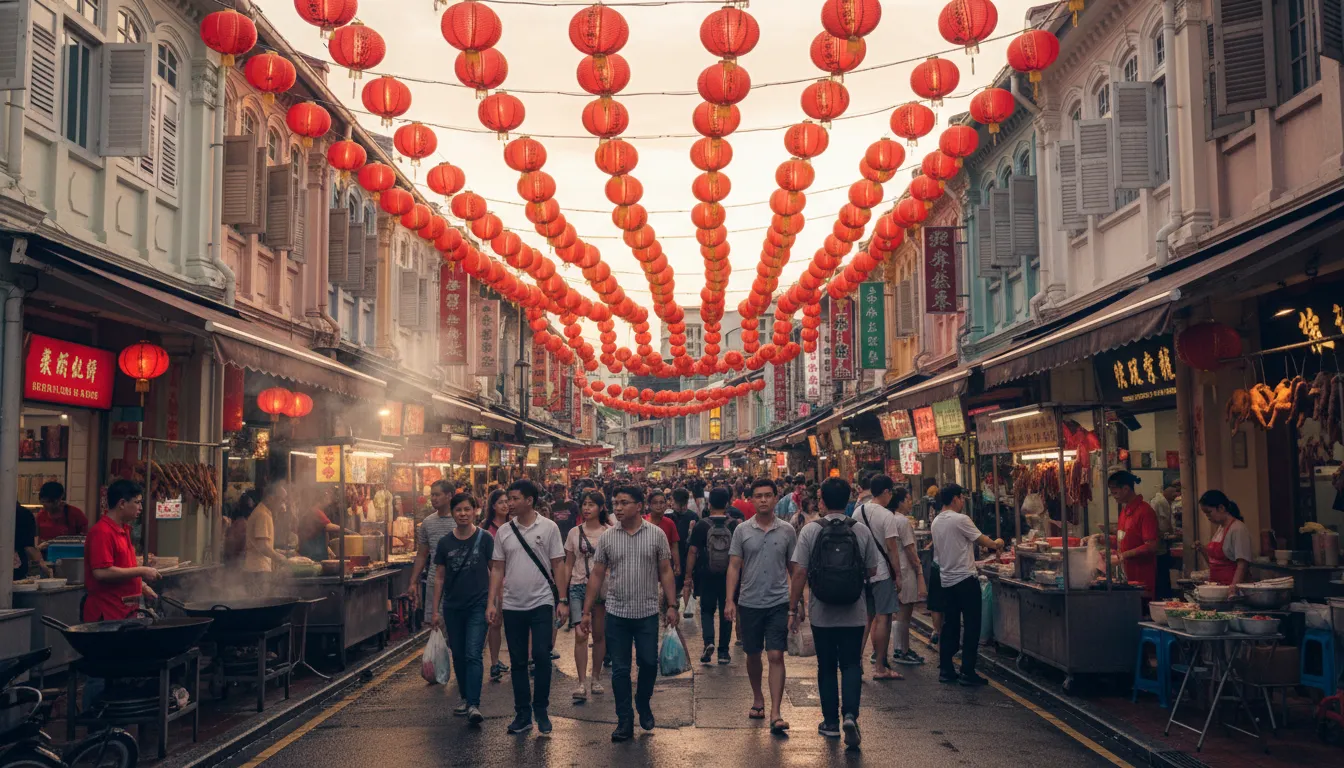
Chinatown, Little India, and Kampong Glam
These three ethnic enclaves are among the most famous landmarks in Singapore, each a vibrant tapestry woven with history, culture, and culinary delights. My visits to these districts are always a feast for the senses, offering deep dives into the lives of Singapore's diverse communities. They are essential for understanding the city's multicultural identity.
Chinatown
Singapore’s Chinatown is a bustling district that beautifully blends tradition with modernity, a vibrant testament to the Chinese diaspora’s influence on the city. Here, historic shophouses with their intricate facades stand alongside contemporary boutiques and trendy cafes. It’s a place where every alley holds a story, a scent, or a flavor.
I always begin my exploration at the bustling Chinatown Street Market, where vendors hawk everything from traditional handicrafts and souvenirs to delicious street food. The aroma of roasted duck, dim sum, and exotic spices fills the air, inviting you to sample the authentic flavors of Chinese cuisine. This market is a sensory overload in the best possible way.
The Buddha Tooth Relic Temple and Museum is a magnificent four-story temple that houses what is purportedly the left canine tooth of the Buddha. Its grandeur and intricate design are awe-inspiring, offering a serene escape from the bustling streets outside. The rooftop garden, with its beautiful pagoda, provides a peaceful retreat.
Another significant landmark is the Sri Mariamman Temple, Singapore’s oldest Hindu temple, located right in the heart of Chinatown. Its colorful gopuram (tower) adorned with deities is a stunning sight, symbolizing the harmonious coexistence of different faiths in Singapore. Witnessing the devotion inside is a truly moving experience.
Chinatown is also famous for its hawker centers, particularly the Maxwell Food Centre, where you can find some of Singapore's most beloved dishes. From Hainanese Chicken Rice to Laksa, the choices are endless and incredibly affordable. This is where I often go for an authentic culinary adventure, mingling with locals.
Little India
Stepping into Little India is like being transported to another world, a riot of colors, sounds, and aromas that instantly captivate the senses. This vibrant district is a celebration of Singapore’s Indian heritage, filled with intricate temples, spice shops, and bustling markets. It’s a truly immersive cultural experience that I cherish.
The main thoroughfare, Serangoon Road, and its surrounding streets are lined with shops selling traditional Indian clothing, intricate gold jewelry, and fragrant flower garlands. The air is thick with the scent of jasmine, turmeric, and incense, creating an intoxicating atmosphere. I often find myself lost in the vibrant energy of the place.
Mustafa Centre, a massive 24-hour shopping mall, is an institution in itself, offering everything imaginable under one roof. From electronics and groceries to textiles and gold, it’s an overwhelming yet fascinating shopping experience. It’s a testament to the community’s entrepreneurial spirit.
Temples like the Sri Veeramakaliamman Temple and the Abdul Gafoor Mosque stand as architectural masterpieces, adorned with vibrant sculptures and intricate carvings. They are not just places of worship but also important cultural centers, reflecting the spiritual depth of the community. I often sit and observe the rituals, finding a sense of peace amidst the bustle.
The food scene in Little India is legendary, offering an incredible array of South Indian and North Indian delicacies. From crispy dosas and fluffy idlis to rich curries and aromatic biryanis, the culinary journey here is exceptional. I always make sure to try a traditional banana leaf meal, a truly authentic experience.
Kampong Glam
Kampong Glam, Singapore’s Malay-Arab quarter, offers a different kind of cultural immersion, characterized by its bohemian charm and rich historical significance. This district was once a fishing village and later a thriving port town, and it served as the historical seat of the Malay aristocracy. Its unique blend of heritage and contemporary art is truly appealing.
The majestic Sultan Mosque (Masjid Sultan), with its stunning golden domes and grand architecture, is the focal point of Kampong Glam. It's an awe-inspiring sight, especially when bathed in sunlight, and stands as a powerful symbol of Singapore’s Muslim community. The respectful atmosphere inside is palpable, inviting quiet contemplation.
Haji Lane, a narrow alley famous for its colorful street art, independent boutiques, and quirky cafes, offers a more contemporary vibe. It’s a favorite spot for young artists, fashionistas, and those seeking unique finds. I love strolling down this lane, discovering new murals and interesting shops.
Bussorah Street, leading up to the Sultan Mosque, is lined with beautifully restored shophouses, now home to traditional Malay textile shops, carpet stores, and delicious Middle Eastern restaurants. It’s a wonderful place to soak in the atmosphere and pick up some unique souvenirs. The intricate patterns of the textiles are mesmerizing.
The area is also rich in culinary traditions, offering authentic Malay, Indonesian, and Middle Eastern cuisine. From Nasi Padang to delectable Turkish kebabs, the food choices reflect the diverse influences of the community. I particularly enjoy the sweet treats and strong coffee found in the charming cafes.
These three districts collectively represent the beating heart of Singapore’s multicultural identity, offering visitors a chance to connect with its rich past and vibrant present. They are not just places to see, but places to experience, to taste, and to truly understand the soul of this remarkable city. Each visit feels like a new chapter in my ongoing cultural education.
Thian Hock Keng Temple and Buddha Tooth Relic Temple
Singapore’s spiritual landscape is as diverse as its population, and its temples stand as magnificent testaments to this multicultural harmony. Among the most famous landmarks in Singapore for their historical and spiritual significance are the Thian Hock Keng Temple and the Buddha Tooth Relic Temple. These sacred sites offer profound insights into the city's religious heritage.
Thian Hock Keng Temple
The Thian Hock Keng Temple, meaning 'Temple of Heavenly Happiness,' is Singapore’s oldest Hokkien temple and a true architectural masterpiece. Built in 1842, it was originally dedicated to Mazu, the Goddess of the Sea, by early Hokkien immigrants who sought safe passage across the treacherous South China Sea. Its history is deeply intertwined with the stories of these early pioneers.
What strikes me most about Thian Hock Keng is that it was constructed entirely without nails, a testament to traditional Chinese craftsmanship. The intricate carvings, vibrant ceramic shards adorning the roof ridges, and majestic dragon sculptures are simply breathtaking. Every detail tells a story, reflecting centuries of artistry.
Located in the heart of Telok Ayer Street, one of Singapore’s oldest roads, the temple once stood by the sea before land reclamation pushed the coastline further out. Imagine the scene: Chinese immigrants stepping off their ships and immediately offering thanks at this very temple. This historical context adds a profound layer to the experience.
Inside, the atmosphere is one of serene devotion, with devotees offering incense and prayers. The main hall is a riot of color and intricate designs, a truly immersive spiritual experience. It's a place where history and faith beautifully converge, offering a glimpse into the enduring traditions of the Chinese community.
Buddha Tooth Relic Temple and Museum
In stark contrast to Thian Hock Keng’s historical origins, the Buddha Tooth Relic Temple and Museum in Chinatown is a relatively modern, yet equally magnificent, structure. Completed in 2007, its design is inspired by the Tang dynasty architectural style, making it a striking presence in the bustling Chinatown district. Its grandeur immediately catches the eye.
This impressive temple houses what is believed to be a sacred tooth relic of the Buddha, discovered in a collapsed stupa in Myanmar. The relic is kept in a massive stupa made from 320 kg of gold, located on the fourth floor, accessible to visitors for viewing (though the relic itself is not fully visible). The sheer artistry of the stupa is incredible.
The temple's interior is a lavish display of Buddhist art and culture, with intricate carvings, gilded statues, and a serene, contemplative ambiance. Each floor offers a different facet of Buddhist teachings and history, from the Universal Wisdom Hall to the Buddhist Culture Museum. I always find a sense of peace and wonder within its walls.
The rooftop garden, featuring a beautiful pagoda and a giant prayer wheel, offers a tranquil escape and panoramic views of Chinatown. It’s a perfect spot for quiet reflection, away from the vibrant street life below. This blend of spiritual reverence and meticulous design makes it a truly unique landmark.
Both Thian Hock Keng and the Buddha Tooth Relic Temple are more than just places of worship; they are cultural repositories, offering a window into the spiritual and artistic heritage of Singapore’s diverse communities. They stand as enduring symbols of faith, artistry, and the rich tapestry of beliefs that thrive in this cosmopolitan city. Visiting them offers a deeper understanding of Singapore’s soul.
Modern Wonders and Urban Landmarks
Singapore's reputation as a city of innovation and forward-thinking design is powerfully showcased in its modern wonders and urban landmarks. These structures are not just feats of engineering; they are visionary creations that redefine urban living and travel experiences. They embody Singapore's relentless pursuit of excellence and its commitment to integrating nature within an urban environment.
From the moment you arrive at the airport, Singapore begins to unveil its futuristic marvels, demonstrating that even utilitarian spaces can be transformed into breathtaking attractions. These landmarks reflect a city that dreams big and executes even bigger, creating environments that are both functional and inspiring. They are a testament to human ingenuity and thoughtful planning.
My experiences with these modern wonders have always been characterized by a sense of awe and a genuine appreciation for their clever design. They showcase how a city can push the boundaries of architecture and urban development while prioritizing sustainability and public enjoyment. These sites are a must-see for anyone interested in urban innovation.
These modern landmarks are seamlessly integrated into the city's fabric, offering not just visual spectacle but also practical benefits and engaging experiences for residents and visitors alike. They are living examples of Singapore’s tagline, 'More Discovery, More Experience,' inviting you to explore the future, today.
Jewel Changi Airport: More Than Just a Terminal
Jewel Changi Airport is not merely an airport terminal; it is an experience, a destination in itself, and undoubtedly one of the most famous landmarks in Singapore. When I first heard about a shopping mall and rainforest inside an airport, I was skeptical, but my first visit left me utterly speechless. It redefines what an airport can be.
Designed by world-renowned architect Moshe Safdie, Jewel is a stunning multi-dimensional lifestyle destination connecting three of Changi Airport’s terminals. Its iconic domed glass-and-steel façade houses a breathtaking indoor forest and the world's tallest indoor waterfall. It’s a marvel of modern architecture and biophilic design.
The HSBC Rain Vortex, a 40-meter-high waterfall cascading from the oculus at the dome's apex, is the undisputed centerpiece. Watching the water plunge amidst lush greenery is a truly mesmerizing experience, especially during the evening light and sound shows. It transforms a simple wait for a flight into a magical spectacle.
Surrounding the Rain Vortex is the Shiseido Forest Valley, a terraced garden spanning five stories, home to over 2,000 trees and 100,000 shrubs. Walking through these verdant trails feels like a tranquil escape, a stark contrast to the usual hustle and bustle of an airport. It's an oasis of calm and natural beauty.
Beyond the natural wonders, Jewel offers an unparalleled retail and dining experience, with over 280 shops and restaurants. From international brands to beloved local eateries, there's something for every taste and budget. It’s a perfect place for last-minute souvenir shopping or enjoying a delicious meal before a flight.
The Canopy Park on the topmost level features various attractions, including walking nets, mazes, and discovery slides, providing entertainment for all ages. It’s a playful space that encourages interaction and offers unique perspectives of the Rain Vortex and Forest Valley. It’s truly an airport designed for fun and wonder.
Jewel Changi Airport perfectly encapsulates Singapore's commitment to innovation and creating exceptional urban environments. It transforms the often-stressful experience of travel into an enjoyable and memorable part of your journey. It’s a destination that I recommend arriving early for, just to have ample time to explore.
The Helix Bridge and ArtScience Museum
Adding to Singapore's collection of modern architectural marvels are The Helix Bridge and the ArtScience Museum, both iconic structures that exemplify the city’s blend of art, science, and urban design. These famous landmarks in Singapore are not only visually striking but also offer unique cultural and scenic experiences. They showcase a city that constantly pushes creative boundaries.
The Helix Bridge
The Helix Bridge, officially known as The Double Helix Bridge, is an architectural masterpiece that connects Marina Centre with Marina South. Its design is inspired by the double helix structure of DNA, symbolizing life and continuity, and represents Singapore's aspirations as a hub of biomedical science. Walking across it, I always feel a sense of wonder at its intricate design.
Spanning 280 meters, this pedestrian bridge offers stunning panoramic views of the Singapore River, Marina Bay, and the city skyline. Its unique tubular structure, made of stainless steel, is particularly striking at night when illuminated by a series of dynamic LED lights. The interplay of light and form creates a truly captivating spectacle.
The bridge features four viewing platforms that provide excellent vantage points for photography, especially during sunset or when the Marina Bay Sands light show is on. It’s a fantastic spot for a leisurely stroll, offering different perspectives of the surrounding cityscape with every step. I find it to be a perfect blend of form and function.
The Helix Bridge is more than just a crossing; it’s an artistic statement and a functional piece of urban infrastructure that enhances the pedestrian experience in Marina Bay. Its innovative design reflects Singapore's forward-thinking approach to urban planning and public spaces. It's a testament to the city's commitment to aesthetic excellence.
ArtScience Museum
Adjacent to Marina Bay Sands, the ArtScience Museum is another iconic structure that instantly captures attention with its distinctive lotus-inspired design. Its ten 'fingers' or 'petals' house galleries, each with a skylight at its tip, allowing natural light to illuminate the exhibition spaces. It truly looks like a giant, blossoming flower on the water.
The museum is dedicated to exploring the intersection of art, science, culture, and technology, hosting a dynamic range of international touring exhibitions. From digital art installations to historical artifacts and scientific discoveries, its exhibitions are consistently engaging and thought-provoking. I’ve been captivated by every exhibit I’ve seen there.
One of its most popular permanent exhibitions is 'Future World: Where Art Meets Science,' a collaborative installation with teamLab, a renowned Japanese art collective. This immersive digital playground features interactive artworks that respond to visitors' movements, creating a truly magical and unforgettable experience. It’s a favorite among both children and adults.
The ArtScience Museum is not just a building; it’s a living testament to Singapore's commitment to fostering creativity and innovation. Its architectural beauty and diverse programming make it a cultural beacon in the Marina Bay area. It encourages visitors to think differently and engage with art and science in new ways.
Together, The Helix Bridge and the ArtScience Museum exemplify Singapore’s prowess in combining architectural innovation with cultural enrichment. They are not merely structures but experiences that inspire, educate, and delight, cementing their status as famous landmarks in Singapore. They represent the city’s vibrant, forward-looking spirit.
Planning Your Visit: Tips for International Travelers
Visiting Singapore, a city-state renowned for its efficiency and hospitality, is generally a seamless experience for international travelers. However, a little preparation goes a long way in ensuring your trip is as enjoyable and enriching as possible. As someone who has traversed its streets many times, I've gathered some insights that will help you navigate this incredible destination.
From understanding the best times to visit to leveraging its world-class airport and airline, planning ahead can significantly enhance your 'More Discovery, More Experience' journey. Singapore is a city that rewards those who come prepared, allowing you to maximize your time exploring its famous landmarks. These practical tips are designed to make your travel smoother.
Consider aspects like local transportation, currency, communication, and cultural etiquette to truly immerse yourself in the Singaporean way of life. These small details can collectively make a big difference in your overall travel satisfaction. Let’s delve into some essential advice for your Singapore adventure.
Ultimately, careful planning allows you to focus on what truly matters: soaking in the vibrant culture, savoring the diverse cuisine, and marveling at the iconic sights. Singapore is ready to welcome you with open arms, and with these tips, you’ll be ready to embrace all it has to offer.
Best Time to Visit Singapore Landmarks
Choosing the best time to visit Singapore's famous landmarks can significantly impact your experience, largely due to the city's tropical climate and vibrant festival calendar. Singapore is characterized by a hot and humid climate year-round, with average temperatures hovering around 31°C (88°F) during the day and 24°C (75°F) at night. This consistent warmth means you can comfortably explore outdoor attractions throughout the year, but understanding the nuances of its weather patterns and events is key.
The period from February to April is often considered ideal, as it typically experiences less rainfall and slightly lower humidity compared to other months. The skies are generally clearer, making it perfect for enjoying panoramic views from the Marina Bay Sands SkyPark or strolling through Gardens by the Bay. This shoulder season strikes a good balance between pleasant weather and manageable crowds.
May to July can be quite hot and humid, but it also coincides with the Great Singapore Sale, a paradise for shoppers looking for deals across the city's malls. While the weather might demand more frequent breaks in air-conditioned spaces, the cultural events and shopping opportunities are abundant. My personal experience during this time has always involved strategic planning to seek shade and hydration.
The monsoon season, from November to January, brings heavier and more frequent rainfall, often in the form of short, intense downpours. While this might deter some, these showers typically don't last all day, and the city's excellent infrastructure (like sheltered walkways and underground malls) makes it easy to navigate. Plus, the rain often brings a refreshing coolness and fewer tourists, allowing for a more intimate experience at popular landmarks.
Singapore’s calendar is also punctuated by a host of vibrant festivals that offer unique cultural insights. Deepavali (around October/November), Chinese New Year (January/February), and Hari Raya Puasa (around May/June) are celebrated with great enthusiasm, transforming ethnic enclaves like Little India and Chinatown into dazzling spectacles of lights, food, and cultural performances. Experiencing these festivals adds a rich layer to your visit, though it also means larger crowds and higher accommodation prices.
For those interested in the arts, the Singapore Art Week (January) and the Singapore International Festival of Arts (May/June) showcase local and international talent. These events offer a different dimension to the city, allowing visitors to engage with its contemporary creative scene. Always check the official tourism board website for specific dates, as they vary annually.
Ultimately, there isn't a 'bad' time to visit Singapore, as each period offers its own charm and set of experiences. My advice is to consider your priorities: if clear skies and outdoor activities are paramount, aim for February to April. If you're keen on cultural immersion and don't mind the occasional downpour, the monsoon months with their festivals can be incredibly rewarding. Regardless of when you go, always pack light clothing, a good umbrella, and comfortable walking shoes.
Using Singapore Airlines for a Seamless Journey
For international travelers, especially those from Australia, using Singapore Airlines (SIA) for your journey to Singapore offers an unparalleled travel experience that begins long before you even reach the city-state. As a frequent flyer, I can attest to the consistently high standards and exceptional service that SIA provides, making it a natural extension of Singapore's reputation for excellence. It's more than just a flight; it's an introduction to Singaporean hospitality.
Singapore Airlines is globally renowned for its award-winning service, state-of-the-art aircraft, and extensive global network, with Changi Airport serving as its primary hub. For Vietnamese-Australian travelers, SIA often provides convenient direct flights from major Australian cities, making the journey to Singapore's famous landmarks incredibly accessible and comfortable. The seamless connections are a major advantage.
From the moment you step on board, you're greeted with the iconic 'Singapore Girl' cabin crew, whose gracious service and attention to detail are legendary. The in-flight entertainment system, KrisWorld, offers a vast selection of movies, TV shows, music, and games, ensuring that even long-haul flights feel engaging and enjoyable. I always appreciate the thought put into the passenger experience.
The culinary offerings on Singapore Airlines are also a highlight, featuring a diverse menu that caters to various tastes and dietary requirements. You can often pre-select your meal, including options for specific Asian cuisines, which adds a personal touch to your dining experience. It's a delightful foretaste of Singapore's rich food culture.
Moreover, flying with Singapore Airlines means you'll be arriving at Changi Airport, a destination in itself. As discussed earlier with Jewel Changi, the airport offers an array of amenities, including gardens, entertainment zones, and world-class shopping, making transits or arrivals incredibly pleasant. The efficiency of Changi Airport ensures a smooth transition from air to ground.
SIA also offers excellent connectivity for onward journeys to other parts of Asia or Europe, making Singapore a superb hub for multi-destination trips. Their Changi Stopover Holiday packages can even allow you to explore Singapore's famous landmarks with special deals on hotels and attractions, turning a layover into a mini-vacation. This flexibility is a huge benefit for extended travel plans.
For those concerned about baggage, SIA generally offers generous allowances, and their baggage handling is highly efficient. Their KrisFlyer loyalty program provides opportunities to earn and redeem miles, adding value for frequent travelers. It’s a comprehensive service that caters to every aspect of your journey.
Choosing Singapore Airlines is not just about getting from point A to point B; it's about embarking on a journey that reflects the quality and sophistication of Singapore itself. It sets the tone for an incredible travel experience, ensuring that your adventure to Singapore's famous landmarks begins and ends on a high note. My recommendation is always to consider SIA for a truly seamless and enjoyable trip.
Conclusion
Singapore, a city that effortlessly marries tradition with innovation, consistently captivates the hearts of travelers worldwide. My numerous visits have always been a profound reminder of its unique ability to evolve while fiercely preserving its multicultural soul. From the futuristic allure of its modern wonders to the timeless charm of its heritage districts, Singapore offers a tapestry of experiences unlike any other.
The famous landmarks in Singapore are more than just impressive structures; they are storytellers, each narrating a chapter of the nation's remarkable journey. They stand as testaments to human ingenuity, cultural harmony, and a deep-seated respect for both nature and heritage. Exploring them is not just sightseeing; it's an immersive dive into the very essence of Singaporean identity.
For Vietnamese-Australian readers, Singapore often resonates with a familiar appreciation for vibrant community life, delicious food, and strong family values, all set against a backdrop of global sophistication. It's a place where you can find echoes of home while discovering new horizons, fostering meaningful connections at every turn. It truly embodies the spirit of 'More Discovery, More Experience.'
As you plan your journey to this extraordinary city, remember that Singapore is a destination that rewards curiosity and embraces exploration. Allow yourself to be enchanted by its iconic skyline, moved by its spiritual sites, and delighted by its culinary treasures. Your adventure to Singapore's famous landmarks promises to be an unforgettable chapter in your own travel story.