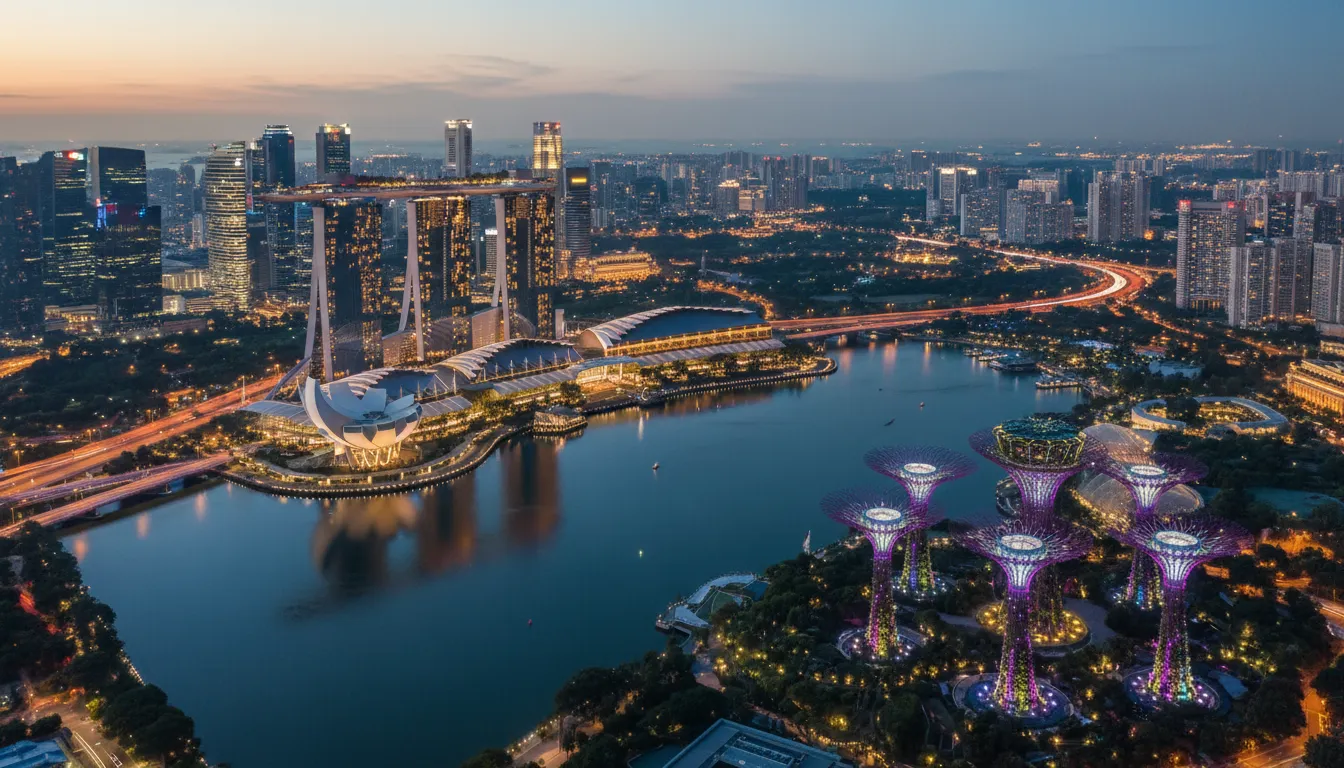
Singapore, a glittering jewel in Southeast Asia, is often celebrated for its futuristic skyline and lush urban gardens. Yet, for those of us who journey with our appetites leading the way, it is unequivocally a global food paradise. From the humble hawker stall dishing out generations-old recipes to Michelin-starred fine dining establishments, the Lion City offers an unparalleled culinary adventure.
My own travels through Singapore have always been a delicious odyssey, a constant pursuit of the next unforgettable bite. Over the years, I've witnessed how technology has utterly transformed this pursuit. Gone are the days of relying solely on guidebooks or word-of-mouth recommendations. Today, a suite of powerful apps has become the indispensable companion for any food lover navigating Singapore's vibrant gastronomic landscape. These digital tools don't just point you to a restaurant; they unlock deeper cultural connections and seamless experiences.
This article will guide you through the essential apps that every food-focused traveler needs to master in Singapore. We'll explore how these tools help you discover hidden gems, secure reservations, satisfy late-night cravings, and even manage payments. Prepare to elevate your Singapore food journey from merely eating to truly experiencing, with 'More Discovery, More Experience' at your fingertips.
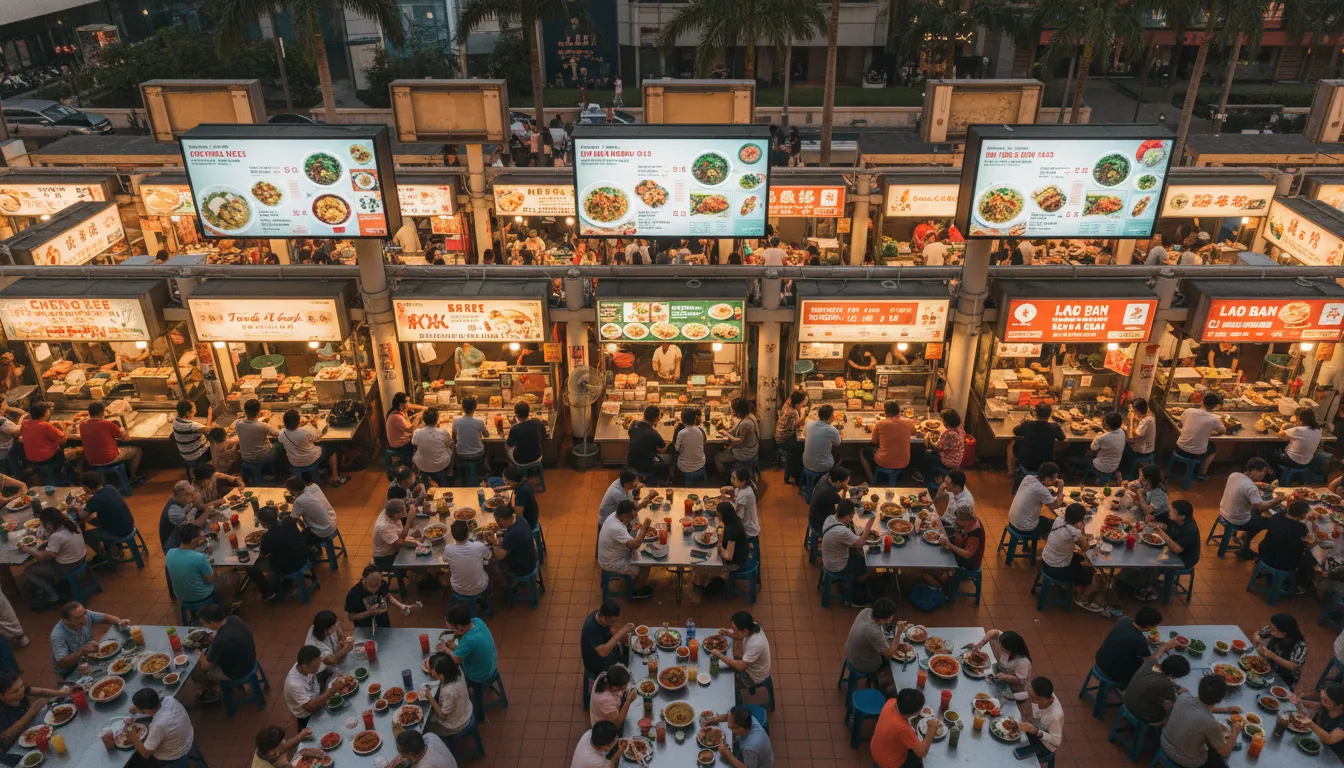
Essential Tools for Finding the Best Eats (Chope, Burpple, HungryGoWhere)
Navigating Singapore's vast culinary offerings can be overwhelming, even for seasoned foodies. Thankfully, dedicated food discovery and reservation platforms act as your personal concierges, guiding you to the perfect meal. These apps are not just directories; they are communities and marketplaces designed to enhance your dining experience.
I remember my first few trips to Singapore, often wandering aimlessly, hoping to stumble upon a local treasure. While serendipity has its charms, the advent of apps like Chope, Burpple, and HungryGoWhere has brought a new level of precision and insight to my food explorations. They allow for planned culinary adventures, ensuring I don't miss out on those highly sought-after dishes or experiences.
Chope: The Reservations Master
Chope is arguably Singapore's leading restaurant reservation platform, a must-have for anyone planning to dine at popular or upscale establishments. Its primary function is to secure your table with ease, saving you from long queues or the disappointment of a fully booked restaurant. This app is particularly invaluable when you're aiming for a specific dining experience, perhaps a celebratory dinner or a popular brunch spot.
I once had my heart set on trying a particular modern Singaporean restaurant that was perpetually booked. Through Chope, I was able to snag a last-minute table by joining their waitlist and receiving an instant notification when a slot opened up. This seamless process transformed what could have been a frustrating experience into a delightful evening. Chope also frequently offers exclusive deals and discounts, making it not just convenient but also economical.
Beyond reservations, Chope provides detailed restaurant information, including menus, photos, and reviews, helping you make informed decisions. For culturally curious travelers, Chope can be a gateway to experiencing Singapore's diverse fine dining scene and understanding how traditional flavors are reinterpreted in contemporary settings. It’s an excellent way to plan ahead and ensure you don’t miss out on those coveted culinary moments.
Burpple: The Community-Driven Food Guide
Burpple is much more than a restaurant guide; it's a vibrant social platform for food lovers. What sets Burpple apart is its strong emphasis on user-generated content, offering authentic, ground-level insights into Singapore's food scene. This community aspect means you get genuine recommendations and reviews from locals and fellow food enthusiasts.
I've often used Burpple to discover quaint cafes or lesser-known eateries that might not feature in mainstream travel guides. Scrolling through beautifully photographed dishes and candid reviews feels like getting a personal recommendation from a friend. The 'Burpple Beyond' subscription, in particular, offers fantastic 1-for-1 deals at hundreds of restaurants, which can lead to significant savings and encourage exploration of new places.
For those keen on cultural exchange, Burpple provides a window into what Singaporeans are actually eating and where they are dining. It’s a fantastic tool for finding those truly local spots, from innovative dessert parlors to family-run hawker stalls. The detailed photo reviews often highlight specific dishes, helping you pinpoint exactly what to order for an authentic taste of the city.
HungryGoWhere: The Comprehensive Directory
HungryGoWhere positions itself as a comprehensive food guide, offering an extensive directory of restaurants, cafes, and hawker stalls across Singapore. It's an excellent platform for broad searches, allowing you to filter by cuisine, location, price range, and even specific dishes. This makes it incredibly useful for general exploration or when you have a specific craving in mind.
I’ve found HungryGoWhere particularly useful for comparing menus and checking the latest promotions across various establishments. It aggregates a wealth of information, from user reviews and ratings to opening hours and contact details, all in one place. The platform also features editorial content, including articles on new restaurant openings and lists of the best places for specific dishes, providing valuable context and inspiration.
While perhaps less community-driven than Burpple or reservation-focused than Chope, HungryGoWhere excels in its sheer breadth of information. It's a reliable resource for getting a lay of the land, understanding the diversity of Singapore's culinary offerings, and making a well-informed decision. For travelers, it acts as a digital encyclopedia of Singaporean food, allowing for 'More Discovery' of local favorites and emerging trends.
How to Use Google Maps to Find Hidden Hawker Gems
Google Maps has transcended its original purpose as a mere navigation tool; it has become an indispensable companion for the intrepid foodie. In a city like Singapore, where culinary treasures often lie tucked away in unassuming corners, mastering Google Maps for food discovery is an art form. It’s not just about getting directions; it’s about unearthing the soul of local cuisine.
My personal culinary quests in Singapore have been significantly enriched by a deeper understanding of Google Maps' capabilities. I remember vividly searching for a particular char kway teow stall in an older, less touristy neighborhood. Using Google Maps, I zoomed in on hawker centers, read countless reviews, and even used Street View to get a feel for the ambiance before committing. This granular approach led me to a stall that served one of the most memorable plates of noodles I’ve ever had, a true testament to the app’s power.
Beyond Basic Navigation
To truly leverage Google Maps for food hunting, you need to go beyond simply typing in a restaurant name. Start with specific dish searches. Instead of 'restaurants near me,' try 'laksa near me' or 'chicken rice hawker near me.' This immediately narrows down your options to places specializing in what you crave, often revealing lesser-known but highly authentic eateries. The sheer volume of user-generated content, including photos and reviews, is invaluable for this purpose.
Pay close attention to the star ratings and, more importantly, read the reviews. Look for comments from locals or travelers who share your culinary preferences. Photos uploaded by users can also be incredibly telling, showcasing not just the food but also the queues, the interior, and the overall vibe of a place. These subtle cues are often what distinguish a tourist trap from a genuine local favorite.
Exploring Hawker Centers and Street View
Singapore's hawker centers are the heart of its food culture, bustling hubs of affordable and delicious eats. When using Google Maps, zoom in on these centers. You'll often find individual stalls listed with their own reviews and ratings. This allows you to pinpoint the best Hokkien mee or roti prata within a complex that might house dozens of stalls. It’s like having a personal guide to each hawker center, highlighting the must-try vendors.
Street View is another powerful, yet often underutilized, feature. Before heading to a new hawker stall, I often 'walk' the street virtually. This helps me identify the exact location, spot the stall's signage, and even gauge the typical crowd size. It’s an immersive preview that builds anticipation and ensures you don't waste time getting lost. This granular exploration, connecting with the physical space before you even arrive, truly embodies 'More Experience.'
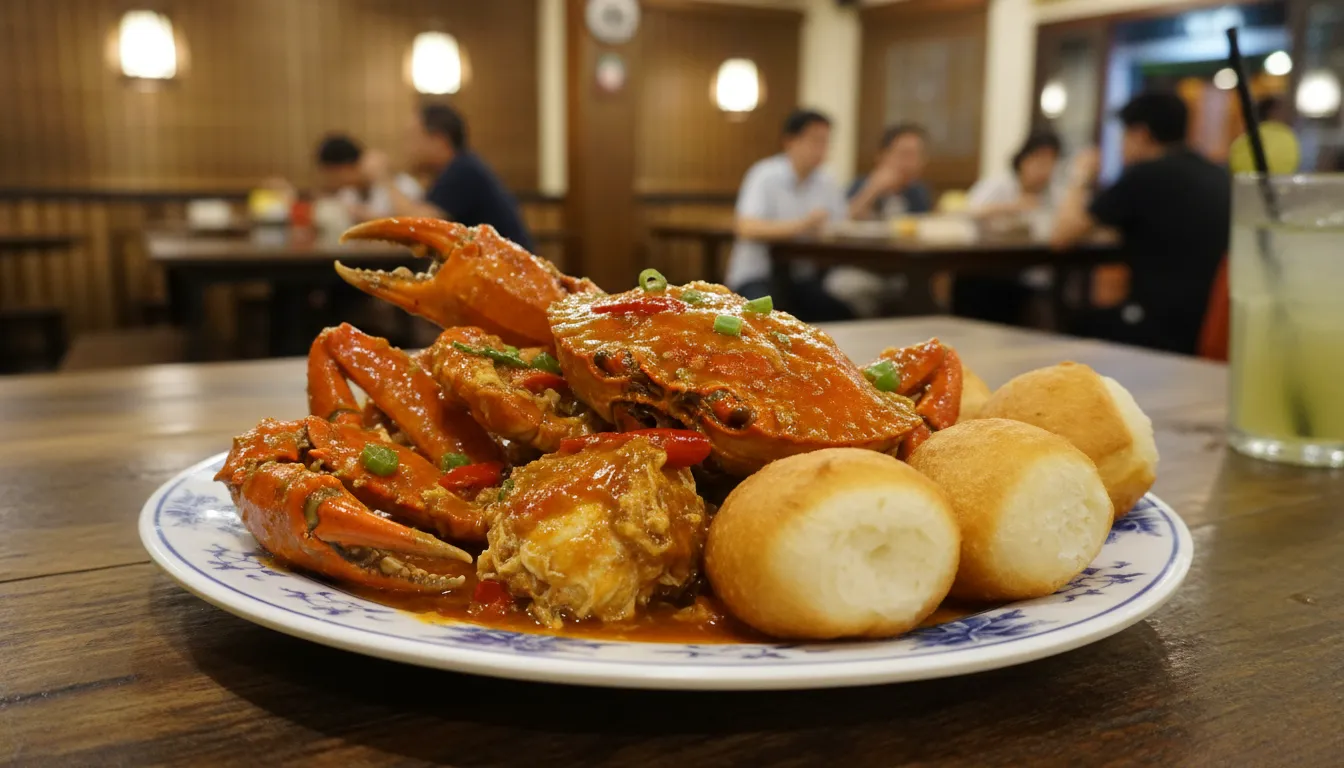
Food Delivery Tools for Late Night Cravings (GrabFood, FoodPanda)
Singapore's culinary scene doesn't sleep, and neither do its food delivery services. For travelers, especially those adjusting to new time zones or simply wanting to relax after a long day of exploration, food delivery apps are a godsend. They bring the diverse flavors of Singapore directly to your accommodation, offering convenience without compromising on taste.
There have been countless evenings during my visits when, after a full day of museum hopping, market browsing, and walking tours, the thought of venturing out for dinner felt daunting. It's during these moments that delivery apps like GrabFood and FoodPanda become invaluable. They allowed me to satisfy a craving for laksa or a local dessert without having to leave the comfort of my hotel room. This flexibility enhances the travel experience, ensuring that even tired moments can be culturally enriching.
GrabFood: The Integrated Ecosystem
GrabFood is Singapore's dominant food delivery platform, benefiting from its integration into the wider Grab ecosystem. If you're using Grab for rides, you'll find the food delivery service seamlessly accessible within the same app. This convenience is a major draw, as it consolidates your transportation and food needs into one user-friendly interface. GrabFood boasts an extensive network of restaurant partners, from popular fast-food chains to beloved local eateries and even some higher-end establishments.
My experience with GrabFood has always been efficient and reliable. The real-time tracking feature allows you to monitor your order from kitchen to doorstep, providing peace of mind. Moreover, using GrabPay, the integrated digital wallet, makes transactions smooth and cashless. This integrated approach not only makes ordering food incredibly easy but also offers a glimpse into how Singapore embraces digital solutions for everyday life. It’s an example of how modern convenience can still deliver authentic culinary experiences right to your door.
FoodPanda: Diverse Choices and Promotions
FoodPanda is another major player in Singapore's food delivery landscape, known for its wide selection of restaurants and frequent promotions. While it operates independently of a larger ecosystem like Grab, FoodPanda often offers competitive pricing and unique restaurant partnerships. This means it's always worth checking both apps to compare options, especially if you're looking for a specific restaurant or the best deal.
I’ve often found myself toggling between GrabFood and FoodPanda, comparing delivery fees, estimated times, and exclusive discounts. Sometimes, a particular local noodle shop might only be available on one platform, or an irresistible promotion might sway my decision. FoodPanda's interface is intuitive and easy to navigate, allowing for quick browsing of diverse cuisines, from local Singaporean delights to international fare. It's a fantastic tool for sampling a wide array of dishes, offering 'More Discovery' from the comfort of your chosen accommodation.
These delivery services don't just cater to convenience; they also provide insight into local eating habits. Observing which restaurants are popular on these platforms, or which local dishes are frequently ordered, offers a unique, albeit remote, form of cultural immersion. They ensure that your exploration of Singapore's food culture continues, even when you're taking a break from the bustling streets.
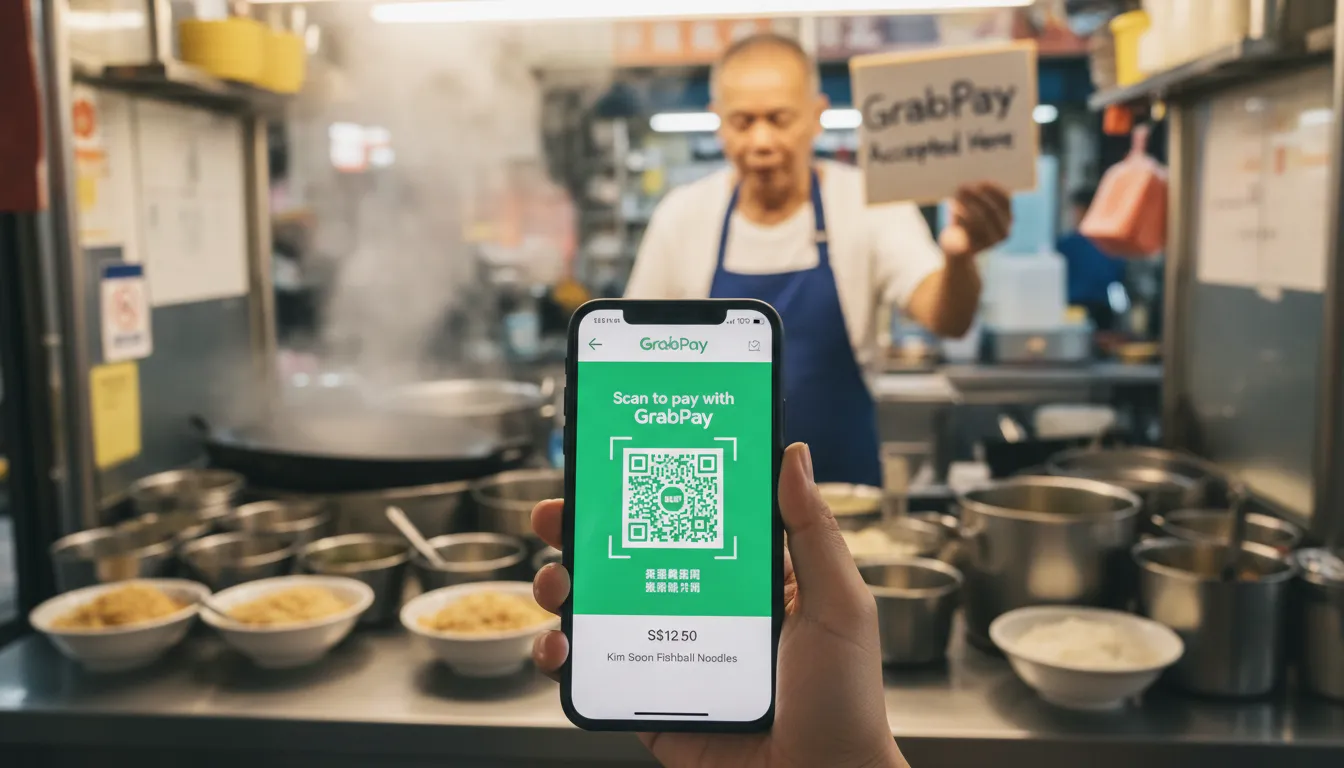
Payment Tools: Why You Need Cash vs. GrabPay
The way we pay for food in Singapore is a fascinating blend of tradition and modernity. While the city is at the forefront of digital transformation, an old-school approach persists in many beloved establishments. Understanding this duality is crucial for any food traveler, ensuring seamless transactions and avoiding awkward moments.
On my first few trips, I made the mistake of relying solely on credit cards, only to find myself scrambling for cash at a bustling hawker stall. This experience taught me a valuable lesson: flexibility in payment methods is key to unlocking Singapore's full culinary potential. The modern traveler needs to be prepared for both the ubiquitous digital wallet and the enduring charm of cold, hard cash.
The Enduring Need for Cash
Despite Singapore's reputation as a tech-savvy nation, cash remains king in many traditional food settings. This is particularly true for smaller hawker stalls, wet market vendors, and some older, family-run eateries. These establishments often operate on thin margins and prefer cash to avoid transaction fees associated with digital payments. To truly immerse yourself in the local food scene, especially at the heart of hawker culture, always carry some Singapore dollars.
I've learned this lesson the hard way, standing at a legendary roti prata stall, mouth watering, only to realize they were cash-only. A quick dash to the nearest ATM saved the day, but it taught me to always have small denominations on hand. Paying with cash at these spots isn't just a practical necessity; it's a small act of respecting the traditional ways of doing business and connecting with the authentic rhythm of local life. It adds a layer of 'More Experience' to your culinary journey, reminding you of the heritage behind the meal.
GrabPay and the Rise of E-Wallets
On the flip side, Singapore is rapidly embracing digital payments, with e-wallets like GrabPay (part of the Grab ecosystem) and PayNow becoming increasingly prevalent. GrabPay, in particular, offers immense convenience, allowing you to pay for rides, food delivery, and even in-store purchases with a simple QR code scan. Many modern cafes, restaurants, and even some larger hawker centers now readily accept these digital payment methods.
I find GrabPay incredibly efficient, especially when I'm on the go. Linking my bank account or topping up my wallet means I can move seamlessly from a Grab ride to a cafe for coffee, then to a modern food court for lunch, all without fumbling for cash or cards. The integrated rewards system also adds an incentive, making digital payments not just convenient but also beneficial. Embracing these e-wallets allows you to experience Singapore's digital forwardness and efficiency firsthand, demonstrating 'More Discovery' of its modern lifestyle.
The optimal strategy for a food-focused traveler in Singapore is a hybrid approach: always carry a reasonable amount of cash for hawker stalls and smaller vendors, while leveraging the convenience of GrabPay or other e-wallets for everything else. This ensures you're prepared for any culinary encounter, bridging the gap between Singapore's rich culinary heritage and its technologically advanced present. It’s about being prepared for every facet of Singapore's vibrant food story.
Conclusion
Singapore's reputation as a gastronomic wonderland is well-earned, a vibrant tapestry woven with flavors from across Asia and beyond. For the culturally curious traveler, particularly those with Vietnamese-Australian roots seeking authentic connections, navigating this rich culinary landscape can be an adventure in itself. As I've journeyed through this incredible city, I've seen firsthand how technology has become an indispensable guide, transforming the search for delicious food into a seamless and deeply enriching experience.
The apps we've explored—Chope, Burpple, HungryGoWhere, GrabFood, FoodPanda, and the versatile payment options of cash and GrabPay—are more than just digital tools. They are gateways. They empower you to delve deeper into Singapore's food culture, helping you reserve a table at a Michelin-starred eatery, discover a hidden hawker gem through community reviews, or satisfy a late-night craving from the comfort of your room. These applications connect you not just with food, but with the very heartbeat of local life, tradition, and innovation.
Embrace these digital companions on your next visit to Singapore. They will not only streamline your culinary explorations but also unlock a richer understanding of the city's diverse heritage and dynamic present. Your journey to unforgettable cultural stories and inspiring connections awaits. More Discovery, More Experience.