Western Australia, a land of vast horizons and breathtaking contrasts, holds countless treasures waiting to be discovered. Among its most celebrated jewels, a short ferry ride from Perth or Fremantle, lies the captivating Rottnest Island, known as Wadjemup by its Traditional Owners, the Noongar people. This isn't just a destination; it's an experience that transcends typical tourism, offering a profound connection to nature, history, and a unique sense of joy.
My journey to Rottnest Island was one I had anticipated for years, drawn by whispers of its idyllic beaches and, of course, the promise of encountering the world's happiest animal. As a writer for MLIFEON, I seek stories that resonate deeply, stories of cultural exchange and personal discovery, and Rottnest Island delivered on every front. It is, without doubt, one of the most famous landmarks in Western Australia, yet its true essence lies beyond its iconic status.
This article invites you to delve into the heart of Rottnest Island, exploring its charming inhabitants, its sparkling azure waters, and the rich tapestry of its past. We'll uncover why this island holds a special place in the hearts of many, offering a unique blend of adventure, relaxation, and cultural immersion. Prepare to embark on a journey where every turn reveals another reason to fall in love with this extraordinary corner of Western Australia.
The Quokka: The World’s Happiest Animal
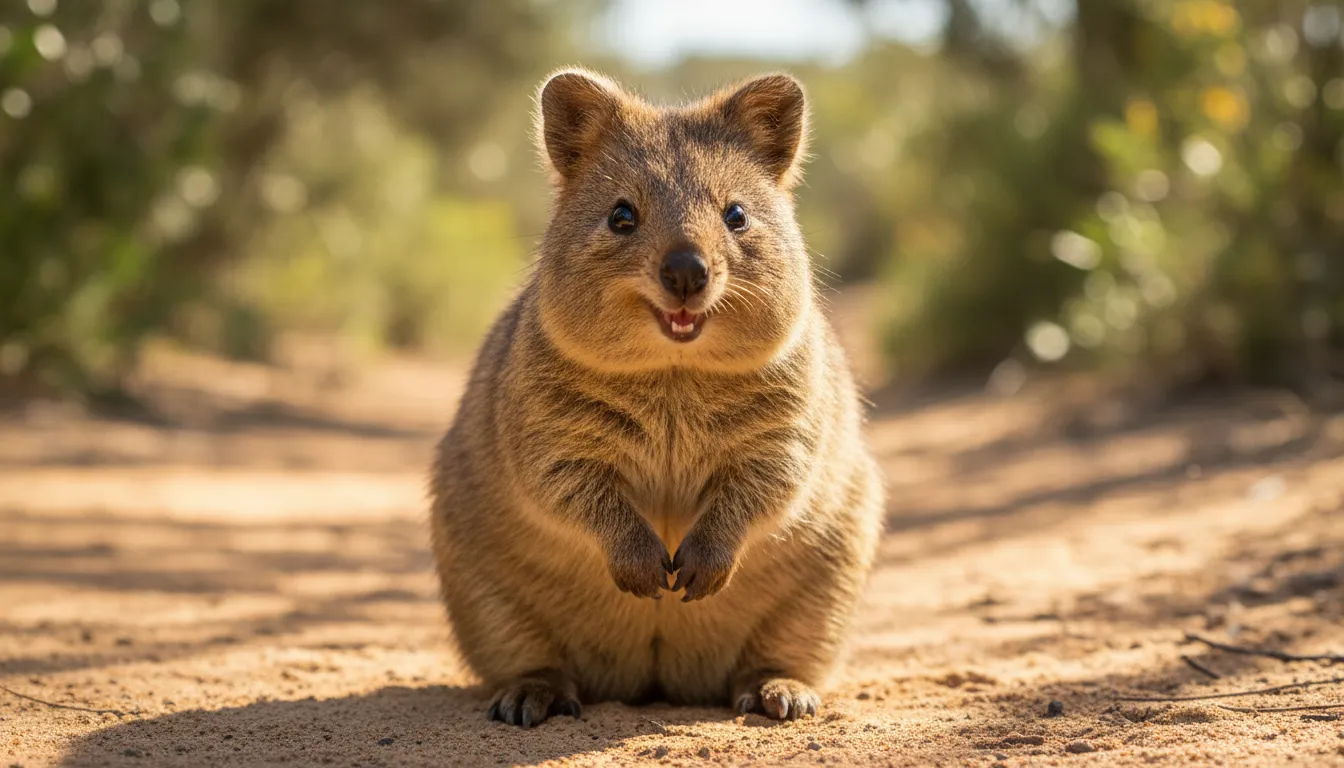
Stepping onto Rottnest Island, one of the first things you notice is an undeniable sense of calm and natural wonder. Then, almost like a charming apparition, you see them – the quokkas, small marsupials endemic to this island, with an endearing, perpetual smile. These creatures are truly the island's most famous residents, captivating visitors from around the globe.
My first encounter with a quokka was near the main settlement, a moment of pure, unadulterated delight. It was foraging calmly, seemingly unfazed by the curious onlookers, its bright eyes and upturned mouth radiating an almost palpable sense of contentment. This unique expression has earned them the affectionate title of 'the world's happiest animal,' a moniker they certainly live up to.
Interacting with quokkas requires respect and adherence to strict guidelines, which are crucial for their well-being. Visitors are encouraged to admire them from a distance, never to touch or feed them, ensuring these precious animals remain wild and healthy in their natural habitat. This responsible tourism practice ensures that future generations can also share in the joy of their presence.
Observing them in their natural environment, hopping through the scrub or delicately nibbling on leaves, offers a profound sense of connection to nature. It’s a reminder of the delicate balance of ecosystems and the importance of conservation efforts. The quokka isn't just an animal; it's a symbol of Rottnest Island's unique biodiversity and a testament to its protected status.
The experience of seeing these remarkable creatures is truly unforgettable, adding a layer of magic to any visit to Rottnest Island. Their gentle nature and inquisitive gazes leave a lasting impression, making them an integral part of the island's charm and one of the most beloved famous landmarks in Western Australia. It’s a moment that transcends a simple photo opportunity, becoming a cherished memory of genuine connection.
Best Beaches: The Basin, Little Salmon Bay, and Pinky Beach
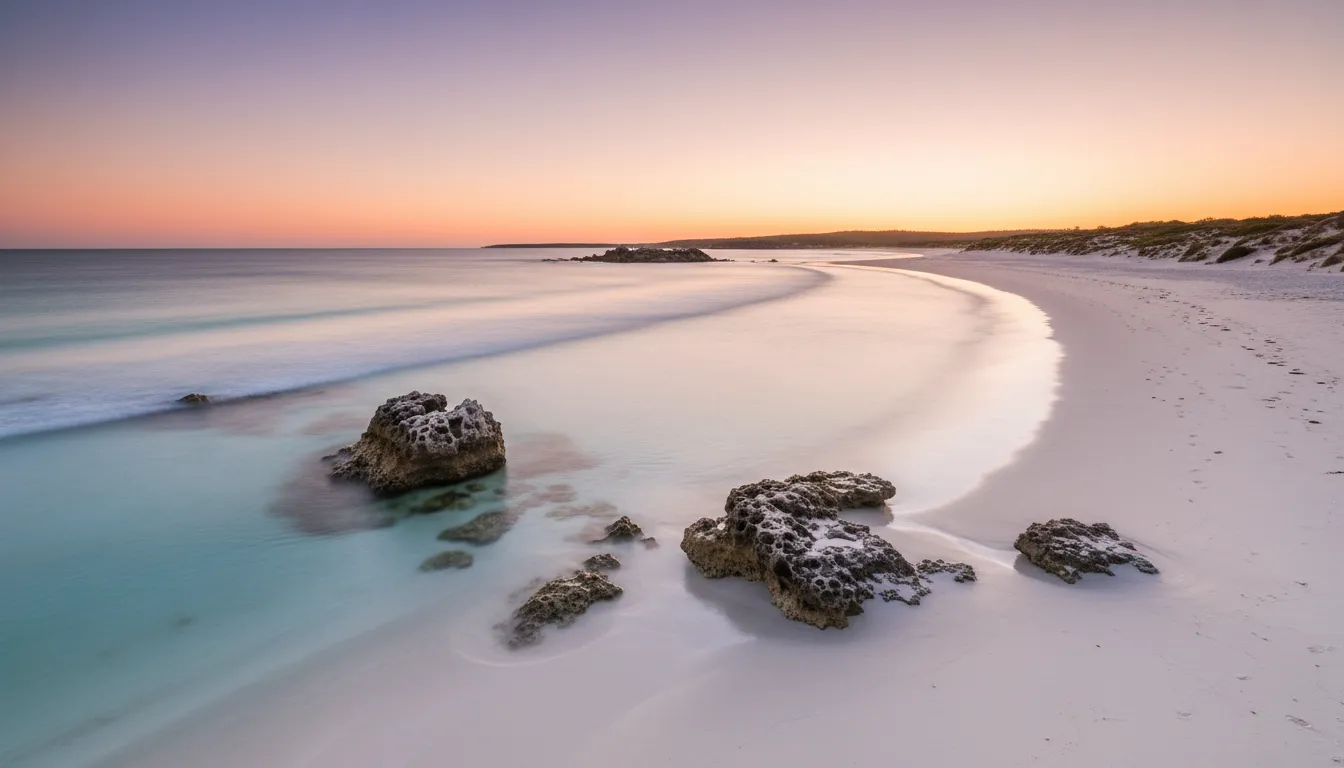
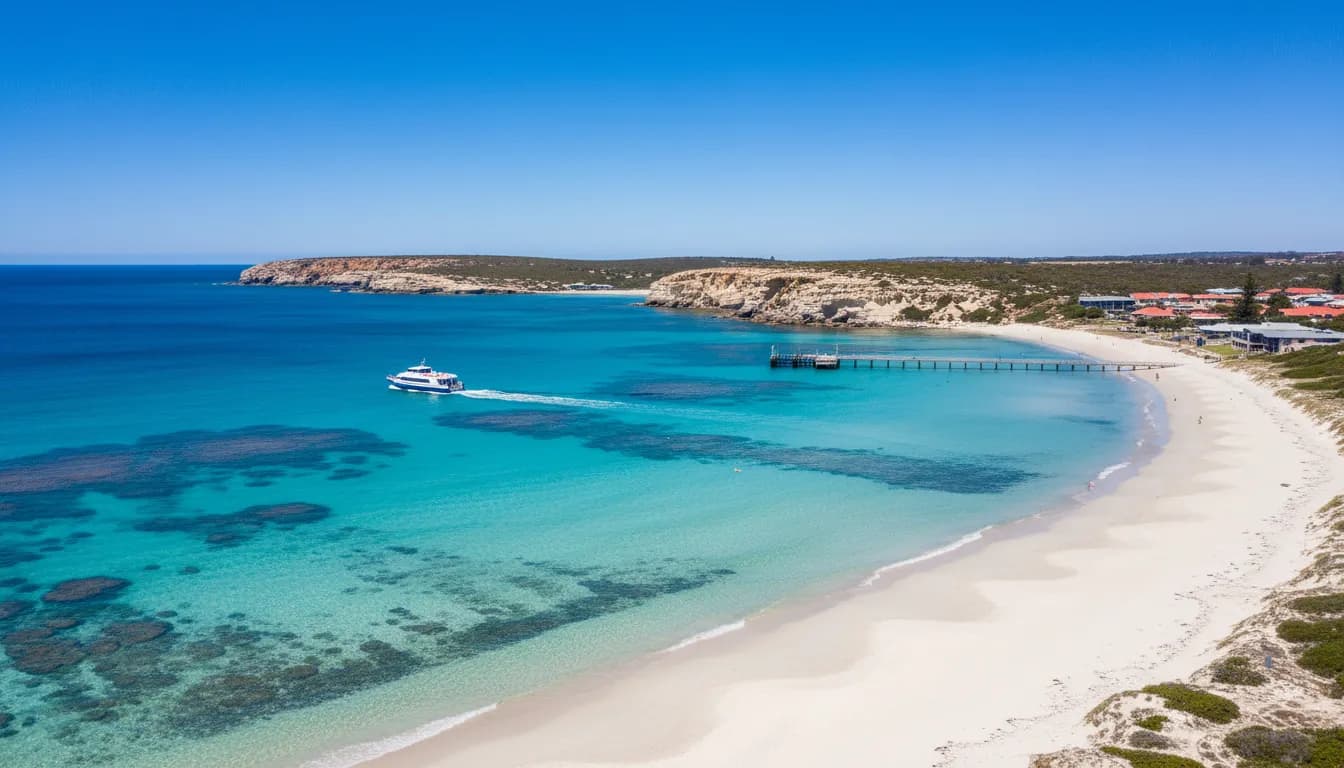
Rottnest Island's coastline is a mosaic of over 63 secluded beaches and 20 bays, each vying for the title of most picturesque. The island's waters are renowned for their crystal clarity and vibrant turquoise hues, making it a paradise for swimmers, snorkelers, and sun-seekers alike. My exploration of these shores revealed why they are considered some of the finest beaches in Western Australia.
The Basin is often one of the first stops for visitors, located just a short walk or cycle from Thomson Bay. Its shallow, protected waters are perfect for families, offering a safe and inviting spot for a refreshing dip. The natural reef creates a tranquil swimming pool effect, where children can splash and adults can relax without worrying about strong currents.
My own experience at The Basin involved a leisurely swim in its unbelievably clear waters, where I could see small fish darting beneath my feet. The vibrant colours of the water against the white sand and the distant outline of Perth’s skyline create a truly scenic vista. It’s an ideal spot for an easy, refreshing break, embodying the relaxed pace of island life.
A little further afield, but equally stunning, is Little Salmon Bay, a snorkeler's dream come true. This secluded cove boasts an underwater trail, guiding adventurers through a vibrant marine ecosystem teeming with colorful fish and intricate coral formations. The calm conditions make it accessible even for novice snorkelers, promising an immersive underwater experience.
I spent a mesmerized hour floating in Little Salmon Bay, observing schools of fish weave through the seaweed and around rocks, feeling like I was part of another world. The water here is so incredibly transparent that it feels like swimming in a giant aquarium. It’s these moments of pure immersion that highlight the island's unspoiled natural beauty.
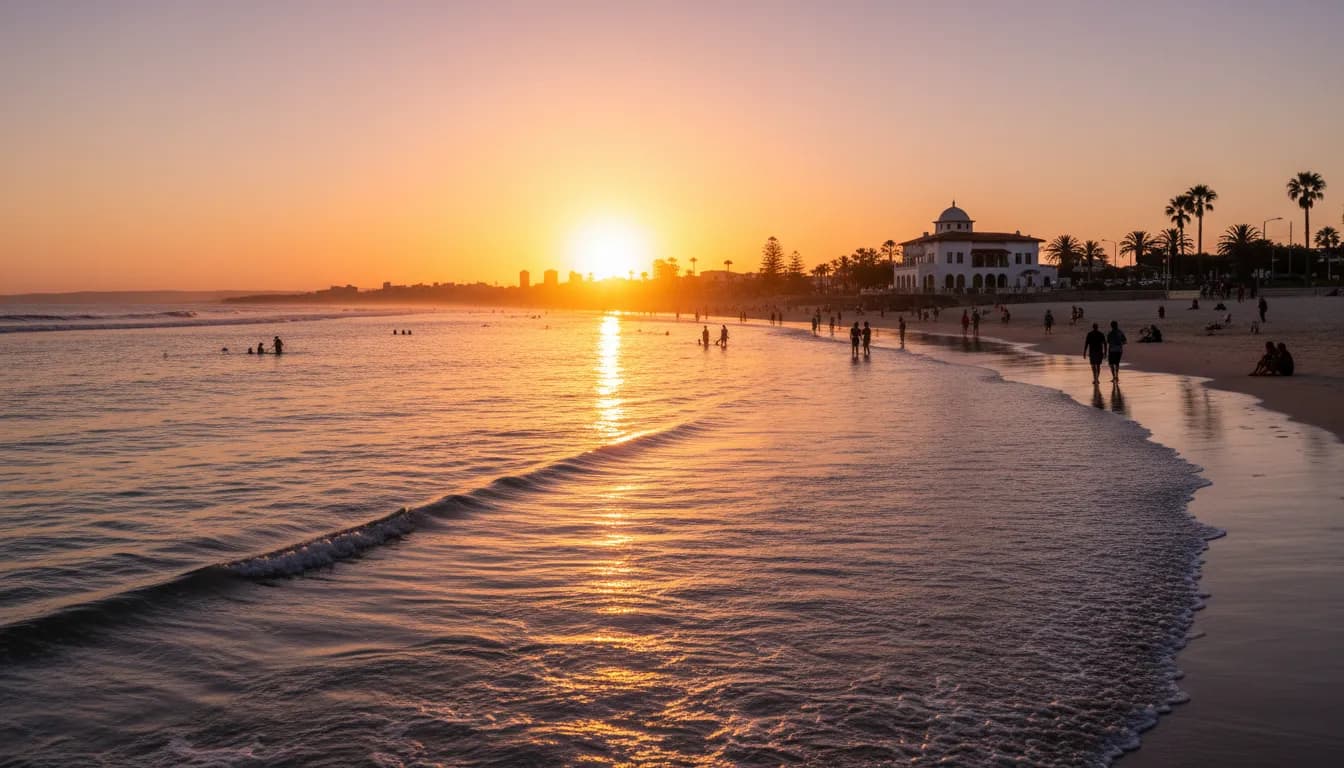
Finally, Pinky Beach stands out not only for its breathtaking beauty but also for its iconic lighthouse, Bathurst Lighthouse, standing proudly on the headland. This beach is famous for its stunning sunsets, painting the sky in fiery oranges and soft purples, creating a truly romantic setting. It's easily accessible and offers a magnificent backdrop for an evening stroll.
Watching the sunset from Pinky Beach, with the lighthouse silhouetted against the fading light, was a truly magical experience, a perfect end to a day of exploration. The gentle lapping of waves against the shore and the soft hues of the sky encapsulate the serene beauty of Rottnest Island. Each of these beaches offers a unique slice of paradise, contributing to Rottnest Island's reputation as a premier destination among famous landmarks in Western Australia.
Cycling Around the Island: A Complete Itinerary
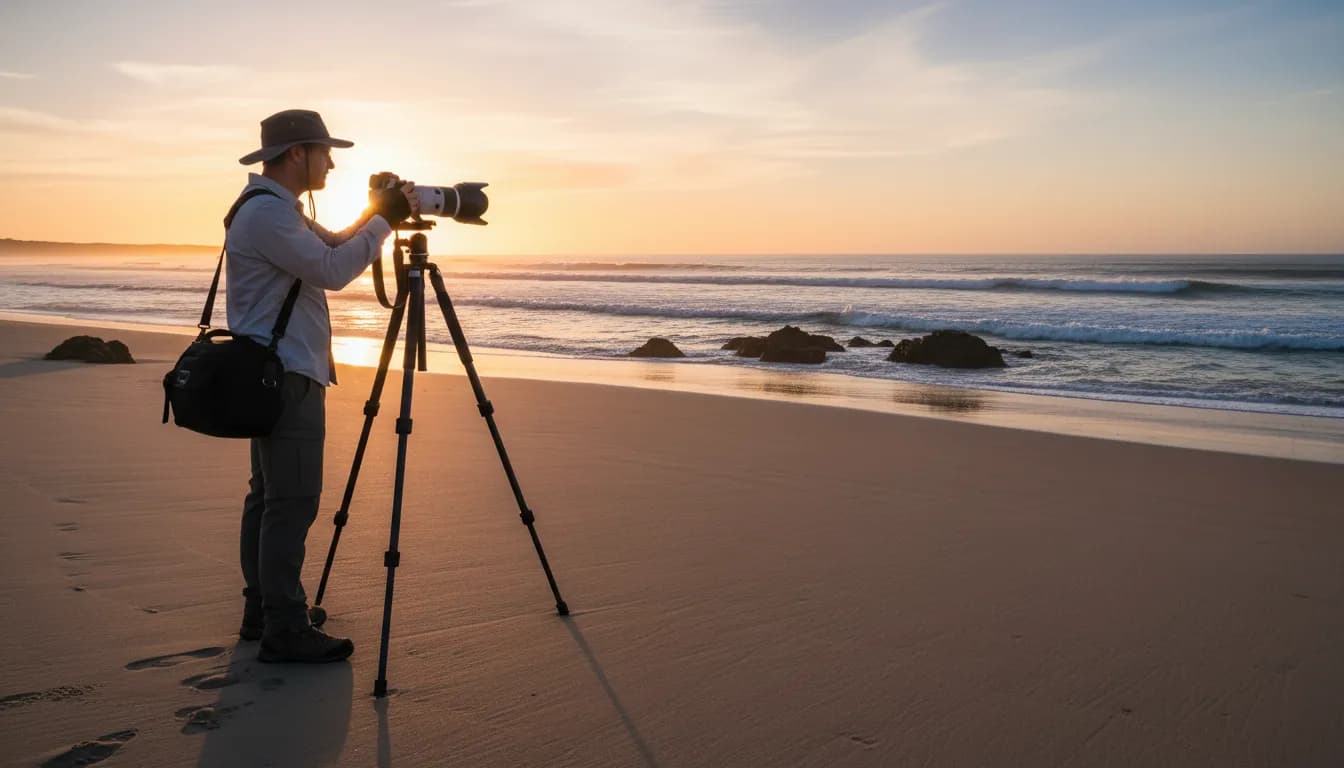
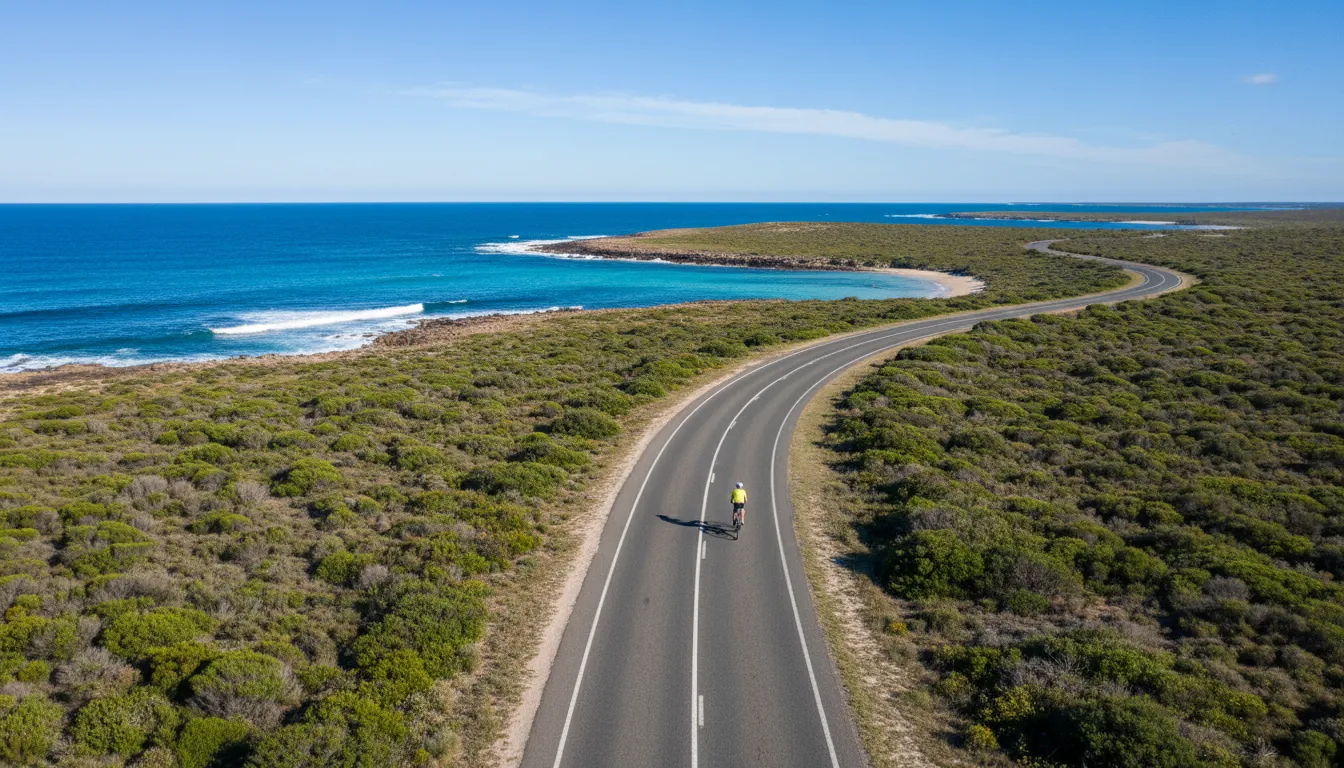
Exploring Rottnest Island by bicycle is, in my opinion, the most authentic and rewarding way to experience its diverse landscapes and hidden gems. The island is largely car-free, allowing cyclists to traverse its roads at their own pace, soaking in the panoramic views and feeling the refreshing sea breeze. It’s an adventure that combines physical activity with unparalleled scenic beauty.
Bike hire is readily available at Thomson Bay, and I highly recommend securing one as soon as you arrive, along with a map of the island. The freedom of cycling around the island allows you to discover secluded beaches and viewpoints that you might otherwise miss, transforming your visit into a true journey of personal discovery. The well-maintained roads cater to various fitness levels, though some hills offer a good workout.
A comprehensive cycling itinerary for a full day might begin by heading west from Thomson Bay, past The Basin, towards Geordie Bay and Longreach Bay. These areas offer picturesque coves and excellent opportunities for a morning swim or a quiet moment of reflection by the water. The gentle slopes along this section provide a comfortable warm-up.
Continuing further west, the terrain becomes a little more undulating, leading you towards the majestic Wadjemup Lighthouse, perched atop the island's highest point. This offers incredible 360-degree views of the entire island and the vast expanse of the Indian Ocean. It's an ideal spot for panoramic photography and a well-deserved break, perhaps with a packed lunch.
From Wadjemup Lighthouse, you can loop down towards the southern coast, exploring stunning spots like Little Salmon Bay and Salmon Bay, perfect for a snorkeling stop. The road then takes you past the salt lakes, a unique ecosystem offering a different visual experience, before heading back towards the main settlement. This circuit, approximately 22 kilometers, can be extended or shortened depending on your energy and time.
My personal cycling journey around Rottnest was invigorating, a continuous unfolding of breathtaking vistas and unexpected encounters with quokkas along the roadside. The feeling of the wind in my hair as I pedaled past turquoise bays and pristine white sands was exhilarating, a true testament to the island's natural allure. It’s an unforgettable way to engage with one of the most famous landmarks in Western Australia, creating memories that linger long after the ride ends.
Wadjemup History: The Cultural Legacy of the Island
Beneath the veneer of pristine beaches and cheerful quokkas lies a profound and often somber history, integral to understanding Rottnest Island. Known as Wadjemup by the Noongar people, the Traditional Owners of the land, the island holds deep cultural significance that predates European settlement by thousands of years. It’s a place steeped in ancestral stories and spiritual connections.
For the Noongar people, Wadjemup is a sacred place, a place of spiritual importance and a traditional burial ground. Understanding this perspective is crucial for any visitor seeking to engage authentically with the island's heritage. The island's name itself, 'Rottnest,' was given by Dutch navigator Willem de Vlamingh in 1696, mistakenly thinking the quokkas were large rats ('rattennest' meaning 'rat's nest').
The colonial history of Rottnest Island, particularly from 1838 to 1931, tells a much darker story. It was established as a penal settlement for Aboriginal men and boys from across Western Australia, becoming the largest Aboriginal prison in Australian history. Thousands were incarcerated here, many suffering terribly and dying from disease and mistreatment. This painful chapter is a vital part of Australia's shared history.
Visiting the former prison buildings and learning about this period provides a stark contrast to the island's current idyllic image. It encourages a deeper reflection on Australia's past and the enduring impact of colonization on Aboriginal communities. Interpretive signage and guided tours now help to shed light on these difficult truths, fostering a greater understanding and respect.
During my visit, I took time to absorb the information presented at the Wadjemup Lighthouse and the museum, feeling the weight of the past permeate the landscape. It was a sobering, yet essential, part of my experience, reminding me that true cultural exploration involves acknowledging all layers of a place's history, not just the picturesque ones. This commitment to truth-telling aligns perfectly with MLIFEON’s focus on authentic cultural stories.
Today, efforts are being made to acknowledge and reconcile this history, with the island becoming a place of healing and remembrance. The Wadjemup Aboriginal Burial Ground, a significant site, is now respectfully recognized. This commitment to preserving and sharing the full history of Wadjemup ensures that it remains not just a beautiful natural landmark, but also a profound cultural landmark of Western Australia.
Ferry Tips from Perth and Fremantle
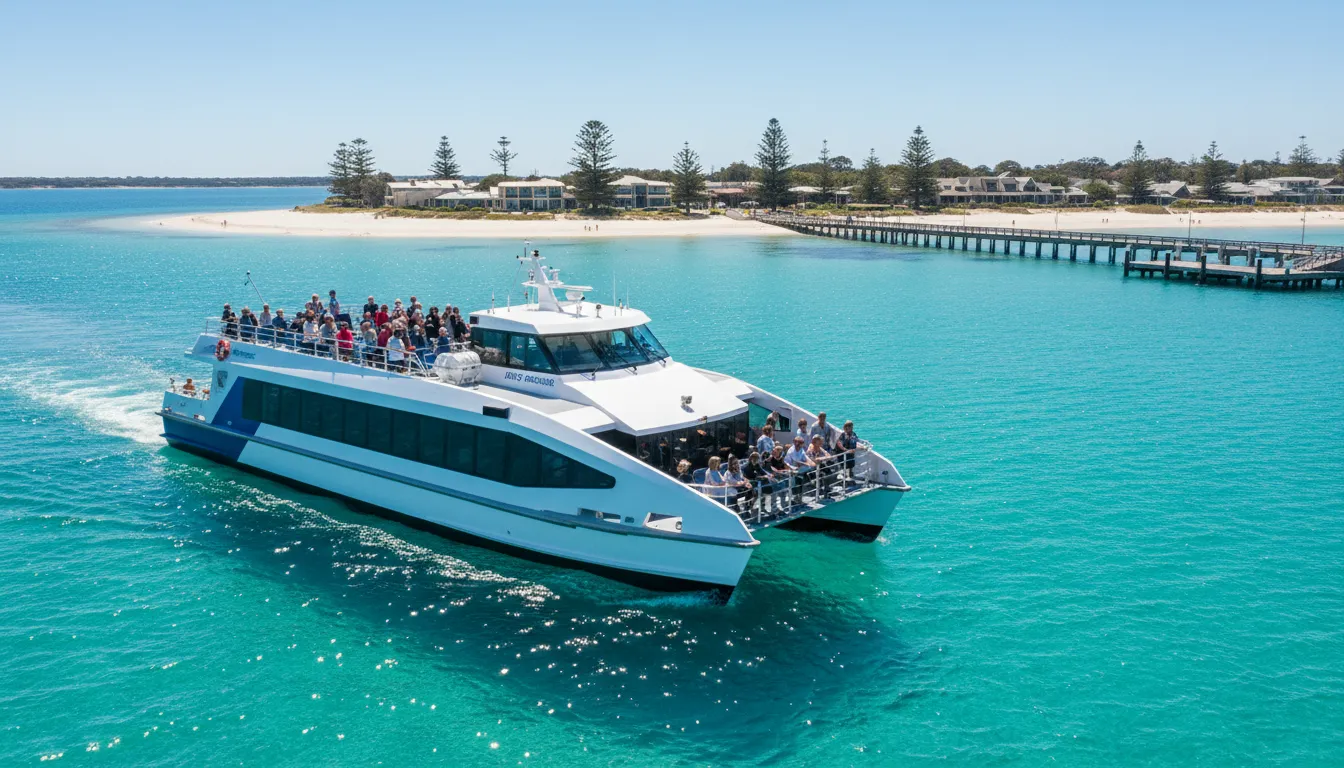
Embarking on a journey to Rottnest Island is an essential part of the experience, with several ferry operators offering convenient services from mainland Western Australia. Planning your ferry trip carefully ensures a smooth and enjoyable start to your island adventure. The journey itself offers beautiful views of the coastline, setting the tone for the natural beauty that awaits.
Three main ferry companies service Rottnest Island: Rottnest Express, SeaLink Rottnest Island, and the smaller, more niche Rottnest Fast Ferries. Each offers slightly different departure times, pricing structures, and departure points, primarily from Perth (Barrack Street Jetty) and Fremantle (Northport and B Shed). I always recommend comparing their schedules and booking online in advance, especially during peak season or school holidays.
Booking your tickets ahead of time is crucial, not only to secure your preferred departure and return times but also often to take advantage of early bird discounts. Consider an early morning ferry to maximize your time on the island, allowing for a full day of cycling, swimming, and quokka spotting. Return ferries generally run until late afternoon or early evening.
The journey from Fremantle is typically shorter, around 25-30 minutes, making it a popular choice for many visitors. From Perth's Barrack Street Jetty, the journey takes approximately 1.5 to 2 hours, often including a scenic cruise down the Swan River before reaching Fremantle. The longer route offers more expansive views and a more leisurely start to the day.
When packing for your ferry trip, remember to bring essentials for a day on the island: sunscreen, a hat, swimwear, a towel, plenty of water, and snacks. While there are food outlets on the island, bringing your own provisions can be cost-effective and convenient. Don't forget your camera to capture the stunning coastal views from the ferry deck.
My own ferry trips to Rottnest have always been part of the excitement, watching the cityscape fade into the horizon as the pristine island slowly emerges. The anticipation builds with every wave, promising a day of discovery and wonder. These practical tips ensure that your journey to one of Western Australia’s most famous landmarks is as seamless and enjoyable as the island itself.
Conclusion: Your Journey to Unforgettable Cultural Stories and Inspiring Connections
Rottnest Island, or Wadjemup, is far more than just a famous landmark in Western Australia; it is a microcosm of natural beauty, compelling history, and unique wildlife. From the infectious smiles of the quokkas to the tranquil turquoise waters of its countless bays, every aspect of the island invites connection and discovery. It offers an experience that is both deeply relaxing and profoundly enriching.
My time on Rottnest Island was a vibrant tapestry woven with moments of pure joy, quiet contemplation, and a deeper understanding of Australia's layered past. Cycling its paths, swimming in its clear waters, and reflecting on its challenging history provided an immersive journey, aligning perfectly with MLIFEON’s dedication to authentic cultural storytelling. It’s a place that truly leaves an indelible mark on your soul.
For the culturally curious reader seeking substantive travel narratives and meaningful connections, Rottnest Island presents an unparalleled opportunity. It encourages us to look beyond the superficial, to engage with both the stunning present and the significant past, fostering a greater appreciation for the world around us. This island truly embodies the spirit of exploration and connection.
So, whether you dream of a quokka selfie, a tranquil swim, or a journey through time, Rottnest Island awaits. It promises more than just a destination; it offers a journey to unforgettable cultural stories and inspiring connections. More Discovery, More Experience – this is the essence of Rottnest Island, a true gem among Western Australia's famous landmarks.