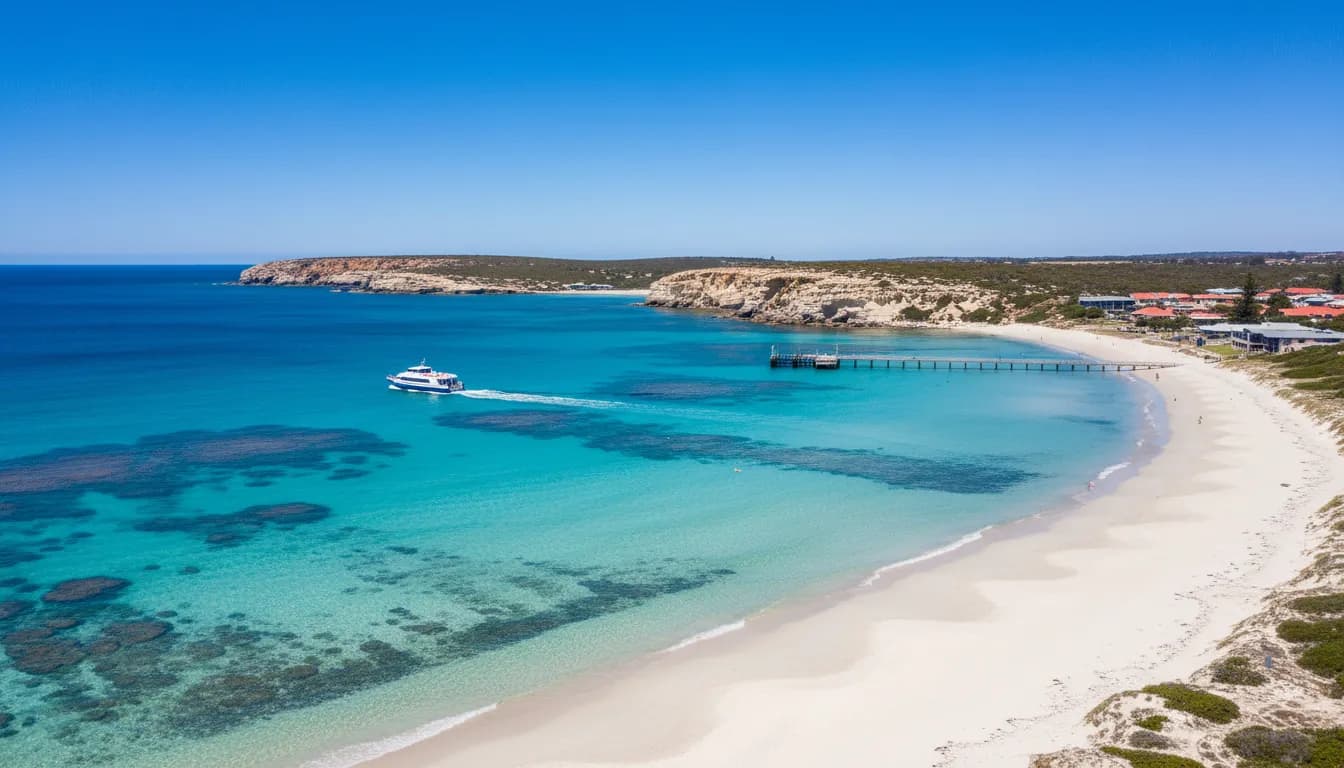
Perth, Western Australia, boasts an array of natural wonders, but none capture the heart quite like Rottnest Island. Just a short ferry ride from the mainland, 'Rotto,' as it's affectionately known, offers an escape into a world of pristine beaches, turquoise waters, and unique wildlife. For many, including myself on my first visit, it feels like stepping into a postcard.
This article, crafted for the culturally curious readers of MLIFEON, delves into the best practices for experiencing Rottnest Island. We aim to guide you toward a visit that is not only unforgettable but also deeply respectful of this incredible environment. Our journey to unforgettable cultural stories and inspiring connections begins with mindful exploration.
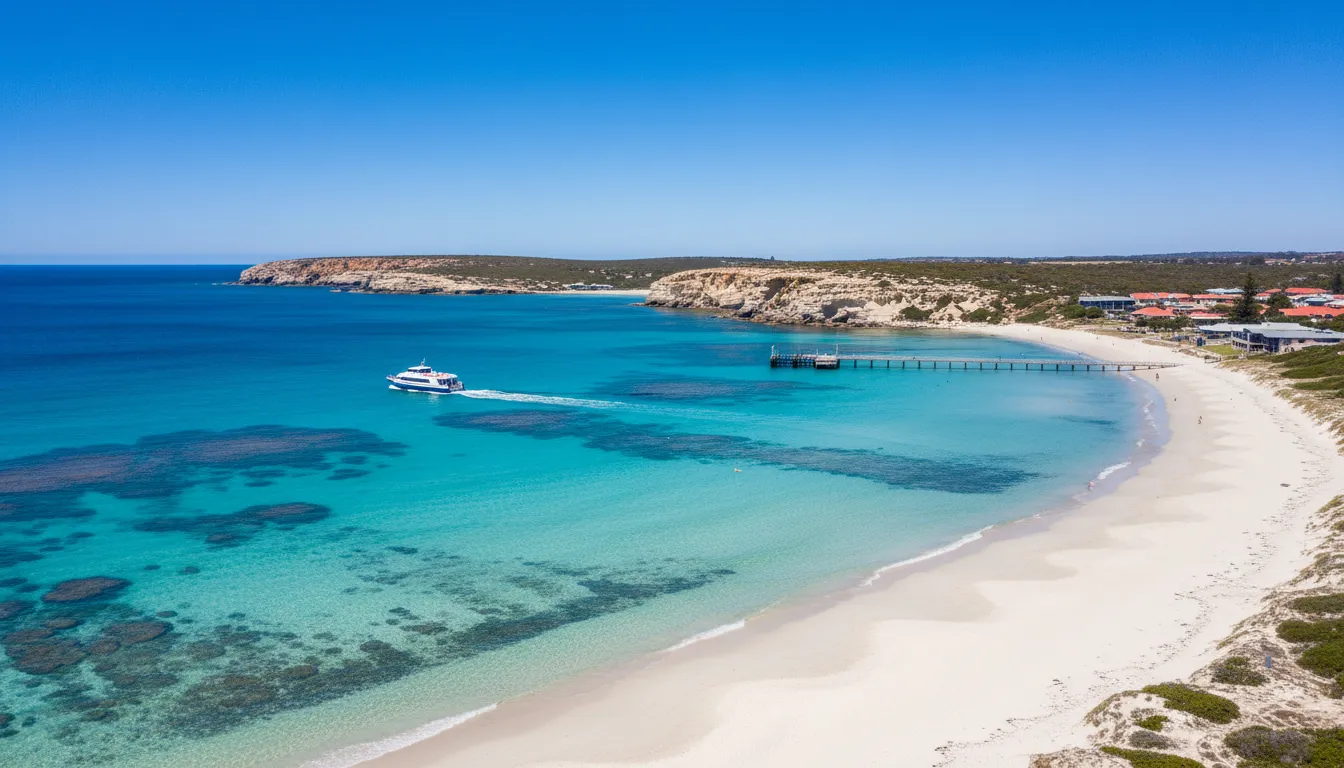
Sustainable Tourism on Rottnest Island
Rottnest Island is more than just a beautiful vacation spot; it is a Class A Reserve, safeguarding a fragile ecosystem and unique biodiversity. This designation underscores the critical importance of sustainable tourism practices for every visitor. Embracing sustainability ensures that future generations can also marvel at its untouched beauty.
Our commitment to meaningful connections and responsible travel, central to MLIFEON's ethos, finds a perfect home here. Choosing to travel sustainably on Rottnest is an act of respect for its natural heritage and its ancient Aboriginal significance. It transforms a simple trip into a profound experience.
To begin, minimizing your environmental footprint is paramount. Always remember to pack out everything you pack in, leaving no trace of your visit behind. Utilizing reusable water bottles and avoiding single-use plastics are small yet impactful actions. These practices help preserve the island's pristine condition.
Supporting local businesses also plays a vital role in sustainable tourism. By choosing locally-owned cafes, shops, and tour operators, you contribute directly to the island's economy and community well-being. This fosters a sense of shared responsibility and mutual benefit. Opting for eco-friendly transport, such as cycling or the island's electric shuttles, further reduces emissions and promotes a healthier environment.
I vividly remember a moment on one of my trips, witnessing a group of visitors diligently collecting stray plastic bottles on a beach. It was a simple act, yet it underscored the collective responsibility we all share. Such small gestures reflect a deep appreciation for the environment and inspire others to follow suit. Sustainable tourism on Rottnest is truly a collective endeavor.
Protecting the Quokka Habitat While Exploring
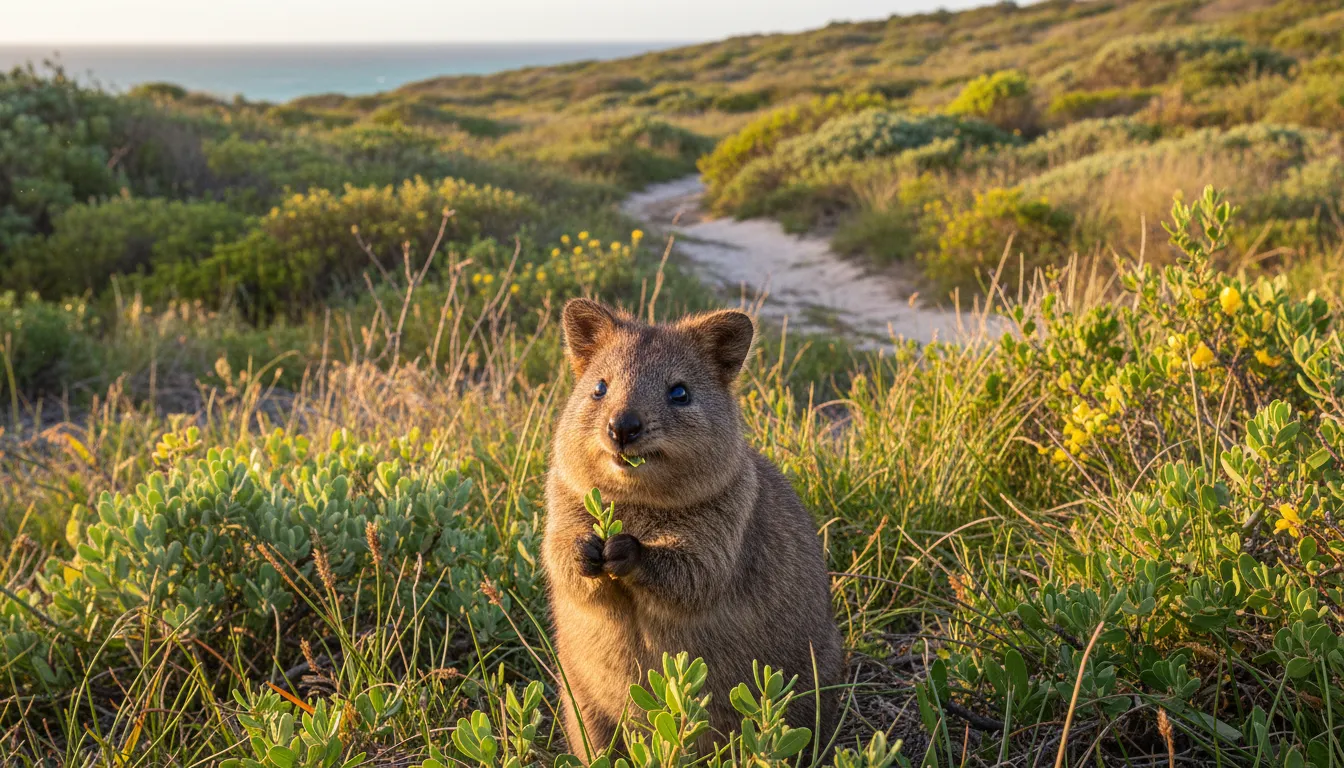
Rottnest Island is globally celebrated as the home of the quokka, often dubbed 'the happiest animal on Earth.' These small, marsupials with their endearing smiles are endemic to a few small islands off Western Australia, making Rottnest their primary sanctuary. Their unique charm makes them an irresistible draw for visitors from around the world.
However, their undeniable appeal also presents a challenge, necessitating careful interaction to protect their well-being and natural habitat. Quokkas are wild animals, and their survival depends on maintaining their natural behaviors and diet. Respecting their space is the greatest gift we can offer.
The most crucial rule is simple: do not touch or feed the quokkas. While they might appear friendly and approachable, human food can cause severe digestive problems and lead to illness. Furthermore, direct contact can transmit diseases between humans and animals, posing risks to both. I've often seen well-meaning tourists try to offer snacks, unaware of the potential harm they inflict.
Instead, observe these delightful creatures from a respectful distance. If a quokka approaches you, simply remain still and allow it to pass. Maintaining a safe distance ensures both your safety and the quokka's comfort, allowing them to forage naturally and without disturbance. This passive interaction fosters a more authentic viewing experience.
The famed 'quokka selfie' has become a must-do for many visitors, but it must be done ethically. The best approach is to get down to their eye level, remain still, and let the quokka come into frame naturally. Never chase, corner, or force an interaction for a photograph. A truly memorable photo captures their natural curiosity, not their discomfort.
I recall an afternoon spent patiently waiting for a quokka to wander into view near the main settlement. Instead of pursuing it, I sat quietly, and eventually, one ambled right past me, completely unfazed. That unforced encounter, without a single touch or lure, felt far more rewarding than any posed selfie. It was a genuine moment of connection with nature.
Beyond direct interaction, remember to stay on designated paths and trails. Venturing off-path can disturb nesting sites, damage delicate vegetation, and introduce foreign elements into their habitat. If you happen to spot an injured or distressed quokka, immediately report it to a Rottnest Island Authority ranger. Your vigilance can make a significant difference in their care.
Protecting the quokka habitat extends to understanding their role within the island's broader ecosystem. They are an integral part of Rottnest's natural balance, and our responsible behavior ensures their continued thriving. Our actions directly contribute to their preservation.
Navigating the Island: Bike vs Shuttle
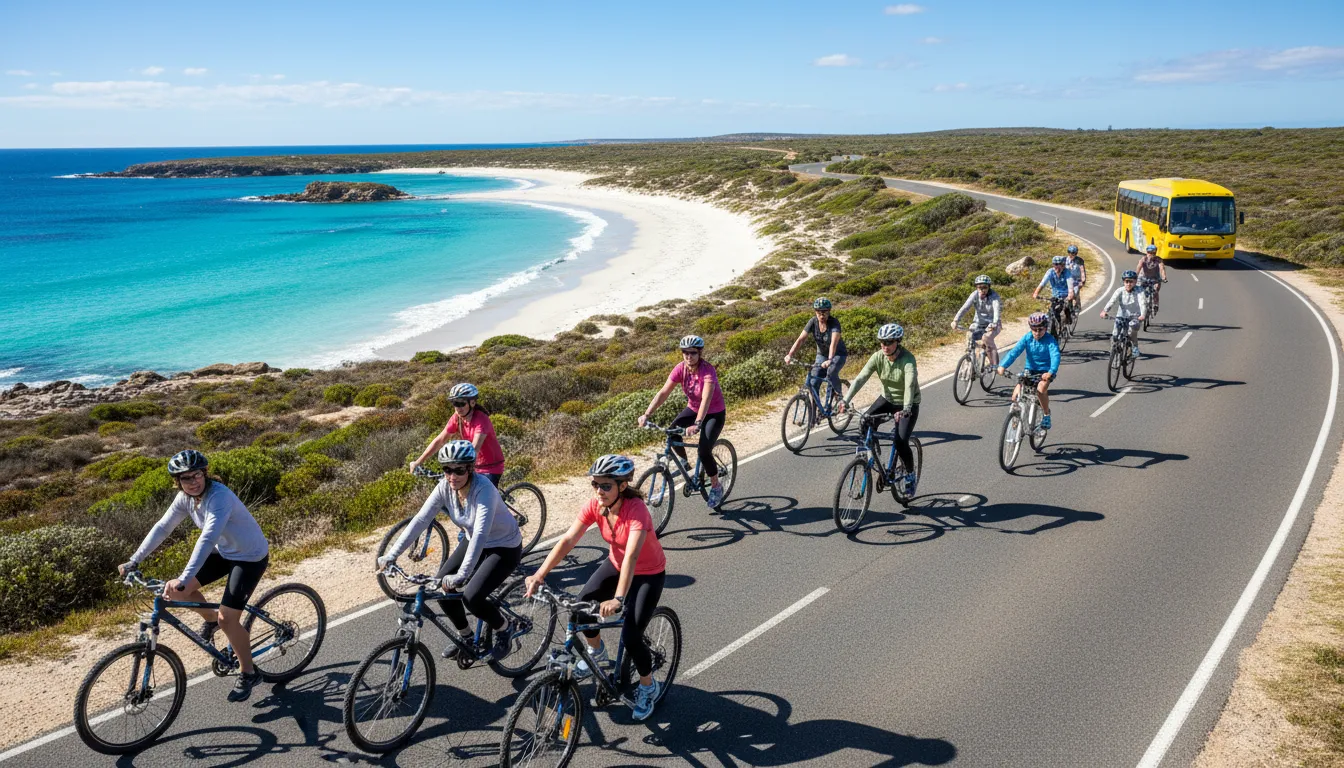
Exploring Rottnest Island offers a delightful dilemma: embrace the freedom of a bicycle or opt for the convenience of the Island Explorer bus. Both options provide unique perspectives and experiences, catering to different preferences and levels of activity. Choosing the right mode of transport significantly shapes your island adventure.
Embracing the Bicycle:
For many, myself included, cycling is the quintessential Rottnest experience. The island is largely car-free, creating a serene and safe environment for cyclists of all skill levels. With over 22 kilometres of sealed roads and numerous unsealed tracks, a bicycle offers unparalleled freedom to discover secluded bays and hidden gems at your own pace.
Renting a bike is straightforward, with several options available both on the mainland and directly on the island upon arrival. You can also bring your own bike on the ferry for a small fee. Remember to pack plenty of water, sunscreen, and a hat, as the sun can be intense and shade is limited in some areas. A small backpack for essentials is also highly recommended.
The main circuit around the island is a popular choice, offering breathtaking coastal views and access to iconic spots like Wadjemup Lighthouse and Parker Point. While some sections involve gentle hills, the reward of stunning vistas makes every pedal stroke worthwhile. The feeling of the wind in your hair as you cycle past pristine beaches is truly invigorating.
I particularly cherish the memory of cycling to Little Parakeet Bay, a somewhat secluded spot. The effort of the ride made the refreshing swim in its calm, clear waters all the more satisfying. It's these moments of earned discovery that make biking so special. It's a journey of self-reliance and intimate connection with the landscape.
Opting for the Island Explorer Bus:
For those who prefer a more relaxed pace, are travelling with young children, or have limited mobility, the Island Explorer bus is an excellent choice. This hop-on, hop-off service circumnavigates the island, stopping at all the major attractions and swimming spots. It's an efficient way to see a lot without the physical exertion.
The bus offers comfortable seating and, often, informative commentary, providing insights into the island's history, ecology, and points of interest. It's a fantastic option for families, allowing them to easily access popular beaches like Pinky Beach and The Basin without the need for multiple bike rentals. The flexibility of hopping on and off means you can tailor your itinerary to your liking.
I've joined friends on the bus on occasion, and it provides a wonderful vantage point for photography, especially of the expansive coastal scenery. You can simply sit back, relax, and enjoy the views unfolding outside your window. For those less inclined to strenuous activity, it ensures no part of the island's beauty is out of reach.
Choosing Your Adventure:
When deciding between a bike and the bus, consider your fitness level, the time you have, and your group's dynamics. A full island bike ride can take anywhere from 3 to 5 hours, depending on stops, while the bus allows for quicker transit between points. Both options contribute to sustainable travel by reducing the need for private vehicles.
Regardless of your choice, safety is paramount. Always wear a helmet if cycling and stay on designated paths. Be mindful of other visitors, whether they are on bikes, walking, or on the bus. Rottnest's charm lies in its shared space and respectful coexistence.
Best Coastal Vantage Points: Wadjemup Lighthouse and Bathurst Lighthouse
Rottnest Island's rugged coastline is punctuated by two iconic lighthouses, each offering distinct perspectives and rich history. These beacons not only served as vital navigational aids but now stand as spectacular vantage points for visitors. They invite us to pause, reflect, and absorb the breathtaking beauty of this unique landscape.
Wadjemup Lighthouse: The Island's Majestic Sentinel
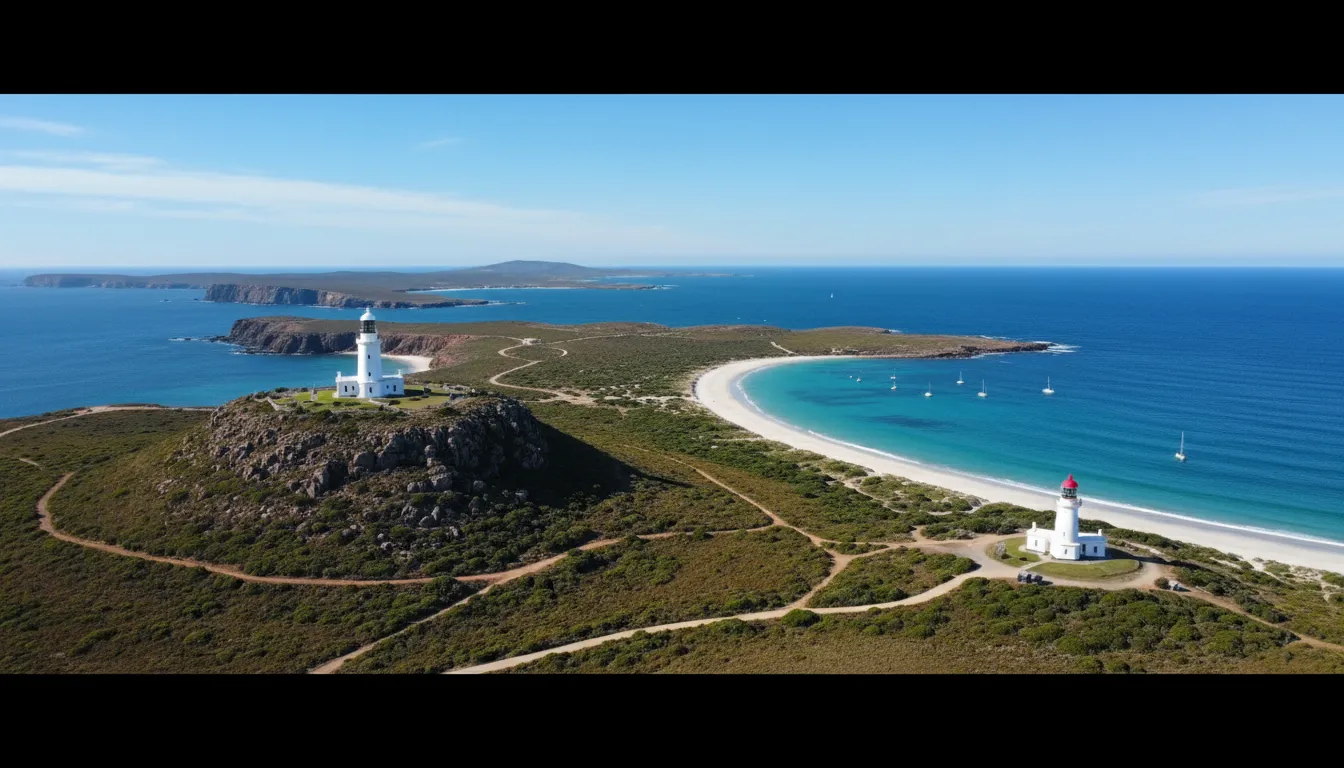
Standing proudly at the island's highest point, Wadjemup Lighthouse offers arguably the most commanding views of Rottnest. Its impressive stature, completed in 1896, reflects a crucial era of maritime history, guiding ships safely through treacherous waters. The name 'Wadjemup' itself holds deep significance, being the Noongar Aboriginal name for the island, meaning 'place across the water where the spirits of the dead go.'
The journey to Wadjemup Lighthouse is an experience in itself, whether you choose to cycle the winding roads or take the Island Explorer bus to its nearest stop and walk the remaining distance. As you ascend, the panoramic vistas gradually unfold, revealing the entire island, its sparkling bays, and the vast Indian Ocean stretching to the horizon. On a clear day, you can even spot the Perth skyline in the distance.
Reaching the summit, I often find myself taking a moment to simply breathe in the expansive views. The feeling of being so high above the world, with the wind whipping around, is incredibly invigorating. It’s a place where you can truly appreciate the island's scale and its isolation, making it a perfect spot for reflection and photography. The historical tours offered here further enrich the experience, delving into the lighthouse's operational history and the lives of its keepers.
Bathurst Lighthouse: Coastal Charm and Serene Views
In contrast to Wadjemup's grandeur, Bathurst Lighthouse offers a more intimate and equally picturesque experience. Located on the northern side of the island, near the popular Pinky Beach and The Basin, this charming lighthouse stands sentinel over some of Rottnest's most stunning coastal stretches. Its distinctive white structure provides a striking contrast against the azure sky and turquoise waters.
Bathurst Lighthouse is more easily accessible, making it a favorite spot for visitors seeking beautiful views without a strenuous climb. It's an ideal location for capturing iconic Rottnest Island photographs, particularly at sunrise or sunset when the light bathes the coastline in a golden glow. The views encompass the pristine beaches, the gentle lapping waves, and the distant reefs.
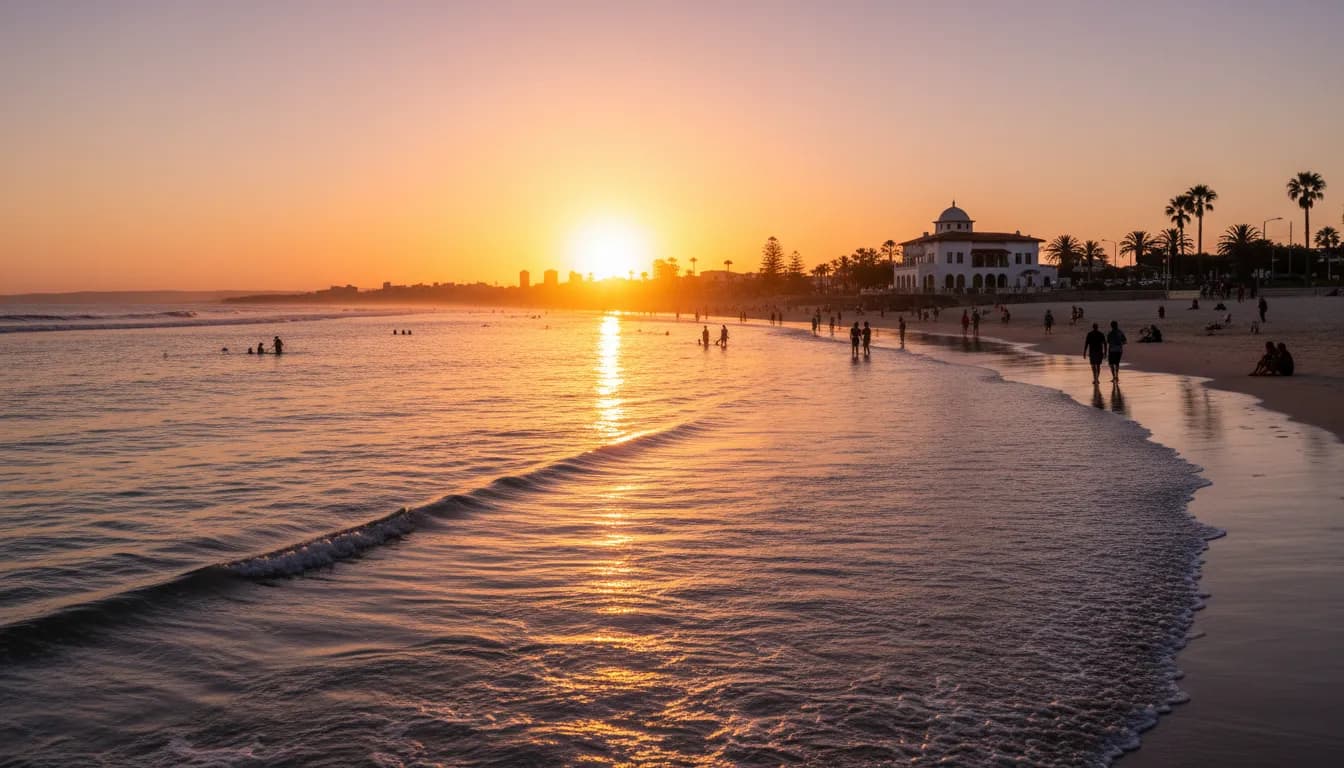
I remember an evening spent near Bathurst Lighthouse, watching the sun dip below the horizon, painting the sky with fiery hues. The gentle sounds of the waves, combined with the peaceful atmosphere, created a truly magical moment. It's a perfect spot to unwind after a day of cycling or swimming, reflecting on the island's natural wonders. Its proximity to some of the island's best swimming and snorkeling spots also makes it a convenient stop during a day of aquatic adventures.
Beyond the Beacons: Other Scenic Delights
While the lighthouses are undeniable highlights, Rottnest Island is dotted with countless other breathtaking vantage points. Henrietta Rocks offers dramatic rock formations and the wreck of the Denton Holme, a poignant reminder of the island's maritime past. Parker Point provides stunning boardwalks over crystal-clear waters, perfect for spotting marine life.
Little Parakeet Bay and Geordie Bay offer idyllic settings for swimming and sunbathing, each with its own unique charm. Exploring these diverse coastal areas, whether by bike or on foot, reveals the full spectrum of Rottnest's natural beauty. Every turn of the path, every crest of a hill, seems to unveil a new postcard-perfect scene. These discoveries are truly what MLIFEON encourages: more discovery, more experience.
Conclusion
Rottnest Island truly stands as a jewel in Western Australia's crown, offering an unparalleled blend of natural beauty, unique wildlife, and a sense of peaceful escape. From the moment you step off the ferry, the island beckons with its promise of discovery and unforgettable experiences. Our journey through its famous landscapes is not just about seeing, but about understanding and respecting.
By embracing sustainable tourism practices, protecting the delightful quokkas, and thoughtfully navigating its stunning terrain, we ensure the island's pristine condition for future generations. Whether you choose the active freedom of a bicycle or the relaxed convenience of the Island Explorer bus, each path leads to incredible vistas and cherished memories. The majestic Wadjemup Lighthouse and the charming Bathurst Lighthouse stand as testaments to the island's enduring allure.
Rottnest Island is more than just a destination; it's an invitation to connect with nature, history, and the profound beauty of our world. It offers a chance for personal growth and a deeper appreciation for the delicate balance of ecosystems. We hope this guide inspires you to embark on your own mindful adventure to this iconic Perth landscape.
Your journey to unforgettable cultural stories and inspiring connections awaits. More Discovery, More Experience.