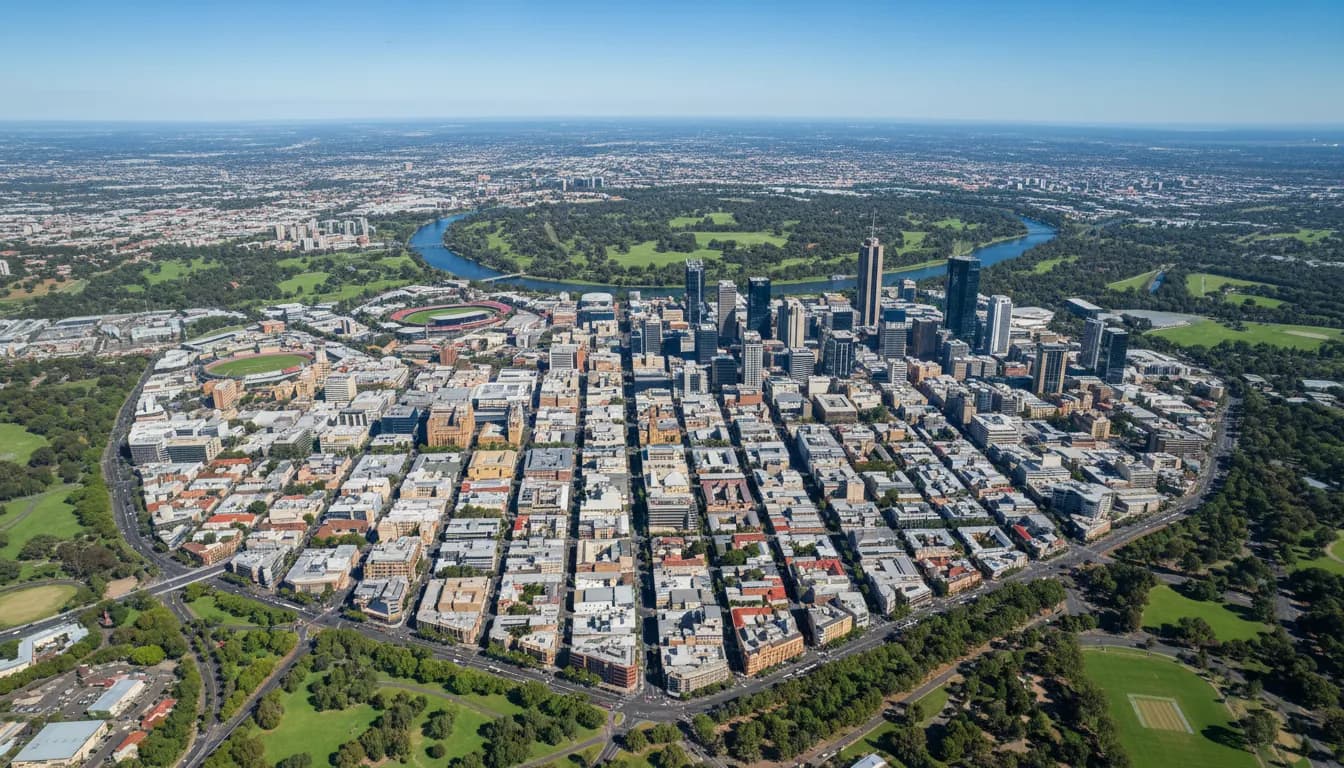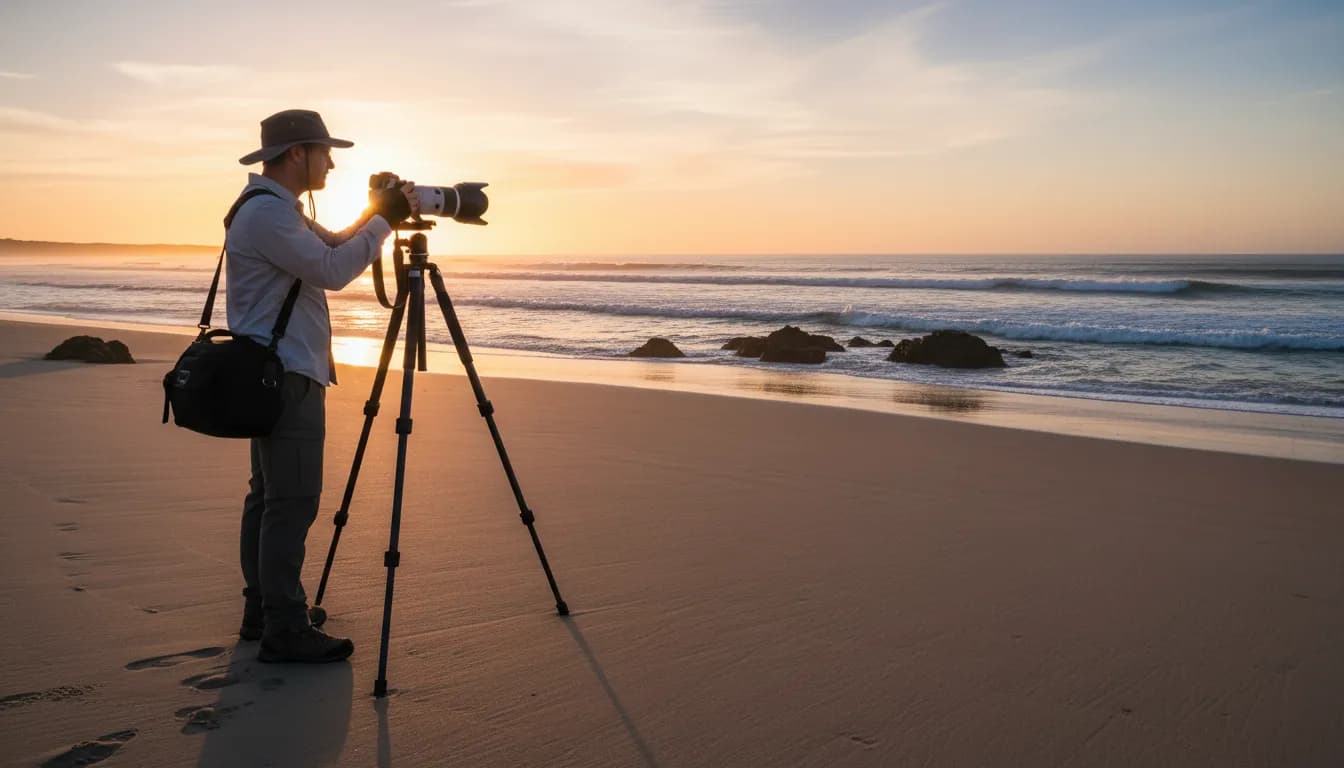
As a seasoned traveler and storyteller, I’ve had the immense privilege of traversing the globe, camera in hand, seeking out the narratives etched into landscapes, cultures, and culinary traditions. Few places, however, have captivated my lens and my spirit quite like Western Australia. Perth, with its dazzling coastline, ancient hinterlands, and vibrant urban tapestry, offers a photographer's paradise. Yet, capturing the sheer scale and unique light of this vast land demands more than just a keen eye; it requires the right tools and a deep understanding of the environment.
My first journey to Perth was a revelation. I remember standing on the precipice of a vast beach, the Indian Ocean stretching endlessly before me, the light painting the scene in hues I’d never witnessed. It was then I realized that my standard travel kit, while versatile, wasn't quite equipped to do justice to this extraordinary canvas. This experience ignited a passion for understanding the specific gear needed to truly encapsulate Perth's famous landscapes.
This guide isn't just a list of equipment; it's an exploration of how each tool empowers you to tell a more profound story, to create connections with the land and its spirit. It's about translating the awe-inspiring beauty of Western Australia into images that resonate, allowing you to bring home not just souvenirs, but vivid memories and a deeper appreciation for this remarkable part of the world. Join me as we delve into the essential Perth famous landscape tools and tips that will elevate your photographic journey.
Essential Camera Bodies and Lenses for WA
When venturing into the vast and varied landscapes of Western Australia, your camera body is the heart of your photographic system, while your lenses are its eyes. Choosing the right combination is paramount to capturing the dramatic contrasts, vibrant colors, and immense scale that define this region. It's a decision that can truly make or break your ability to translate the magic of a moment into a lasting image.
From the sun-drenched beaches to the rugged outback, WA presents unique challenges and opportunities for photographers. A robust camera body provides the foundation, offering the image quality and durability needed to withstand the elements. Coupled with a thoughtful selection of lenses, you'll be prepared for almost any photographic scenario that Perth and its surroundings can throw at you.
Choosing Your Camera Body: Robustness and Resolution
For landscape photography in Western Australia, a full-frame camera body is often the preferred choice among professionals and serious enthusiasts. These cameras boast larger sensors that excel in dynamic range, allowing you to capture intricate details in both bright highlights and deep shadows. This is particularly crucial when dealing with WA's harsh midday sun and the dramatic contrasts it creates across the landscape.
Full-frame sensors also offer superior low-light performance, which is invaluable for capturing Perth's stunning sunsets, the ethereal blue hour, and the breathtaking Milky Way that often graces the clear outback skies. While APS-C (crop sensor) cameras can certainly produce excellent results, a full-frame body provides that extra edge in image quality and flexibility. Weather sealing is another non-negotiable feature for any camera body venturing into WA. The coastal regions are prone to salt spray, and the inland areas can be incredibly dusty, making protection against the elements vital for the longevity and performance of your gear.
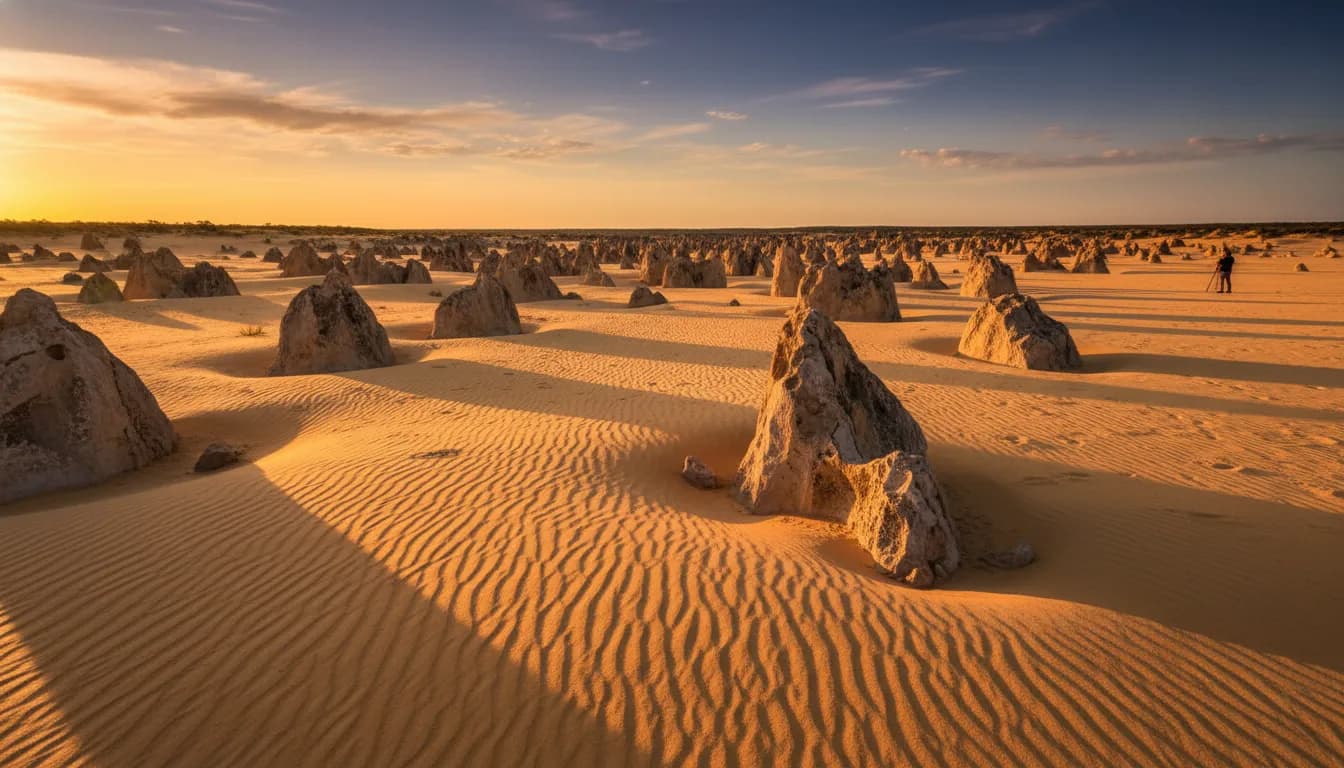
I recall a memorable shoot at the Pinnacles Desert, where fine dust seemed to get everywhere. My weather-sealed camera, though covered, emerged unscathed, while a friend's non-sealed body suffered minor issues. This real-life lesson underscored the importance of investing in a camera built to withstand the rigors of travel in such environments. Mirrorless cameras, with their advanced autofocus systems and often lighter form factor, are increasingly popular, but robust DSLRs still hold their own, particularly for those who prefer an optical viewfinder.
The Lens Lineup: Your Perspective on WA
The lenses you carry will dictate how you frame and interpret the grand narratives of Perth's landscapes. A thoughtful selection allows you to adapt to various scenes, from sweeping vistas to intimate details. It’s an investment that pays dividends in the versatility and quality of your photography.
The Wide-Angle Wonder
A wide-angle lens (typically 14-24mm, 16-35mm, or 10-24mm for APS-C) is arguably the most essential lens for Perth famous landscape tools. These lenses are designed to capture expansive scenes, making them perfect for the vastness of the Indian Ocean coastline, the dramatic rock formations, or the sprawling cityscapes. They allow you to include more of the scene, emphasizing the grandeur and scale of your surroundings.
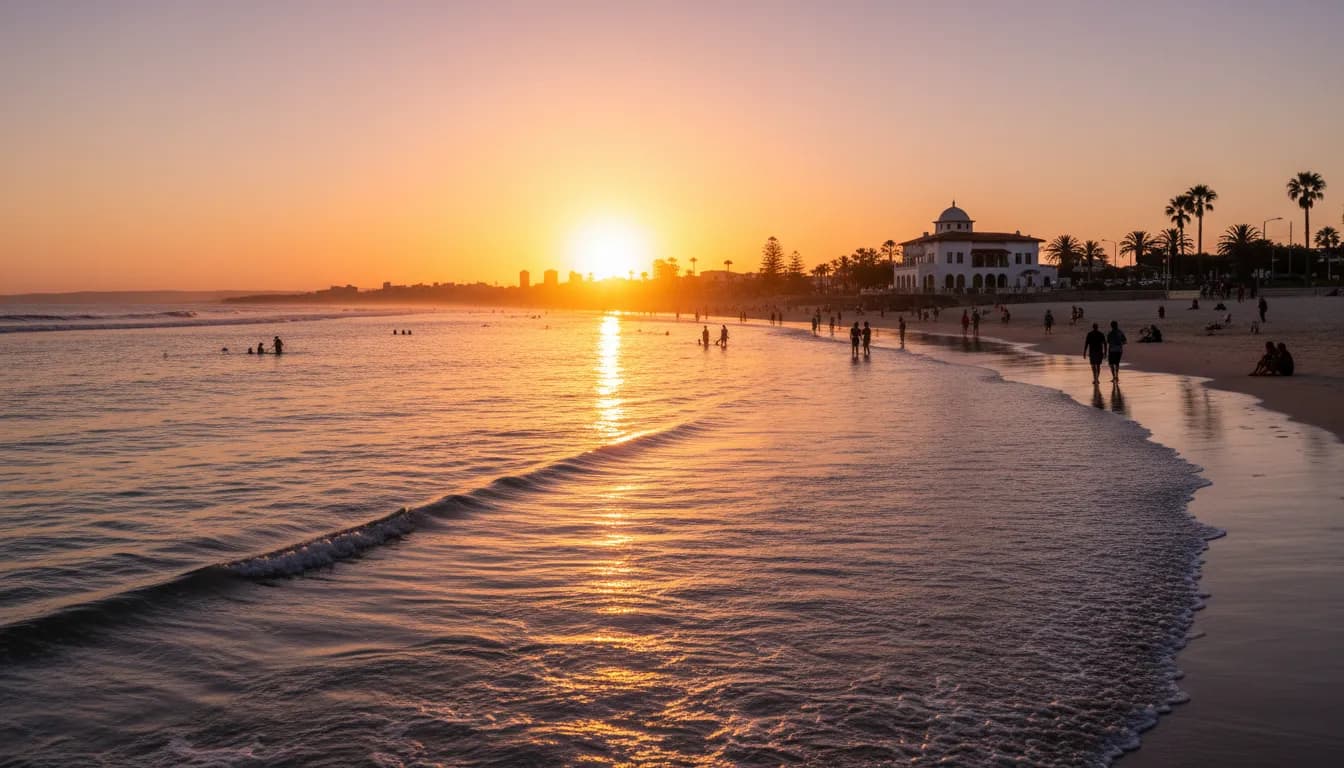
When using a wide-angle, pay attention to leading lines and foreground interest to draw the viewer's eye into the frame. I’ve often used a 16-35mm lens to capture the sweeping curves of Cottesloe Beach or the entire majesty of the Perth skyline at night, ensuring every element contributed to the story. Be mindful of distortion at the widest ends, especially with straight lines, and compose carefully to use it creatively or minimize its effect.
The Versatile Mid-Range Zoom
A mid-range zoom lens (like a 24-70mm or 24-105mm) is your workhorse, offering incredible versatility for a wide array of photographic situations. It's an excellent choice for general travel photography, allowing you to capture everything from environmental portraits to more compressed landscape shots. This lens bridges the gap between wide-angle grandeur and telephoto detail.
I often find myself reaching for my 24-70mm when walking through Kings Park, capturing both the sprawling botanical gardens and closer details of the wildflowers. Its flexibility means you don't always need to change lenses, reducing the risk of dust entering your sensor—a common concern in WA's dry conditions. It's the lens you keep on your camera when you're not sure what you'll encounter next, offering a reliable focal range for most daytime scenarios.
The Telephoto for Details and Compression
While wide-angle lenses capture the grand scene, a telephoto lens (e.g., 70-200mm, 100-400mm) allows you to isolate details, compress perspective, and capture distant elements with stunning clarity. This lens is invaluable for picking out specific rock formations along the coast, capturing wildlife from a respectful distance, or compressing the layers of a distant cityscape or mountain range.
Imagine standing on a cliff overlooking the ocean, and using a telephoto to bring a distant lighthouse or a lone sailboat into sharp focus, creating a powerful sense of isolation. I used my 100-400mm lens to great effect on Rottnest Island, not just for the adorable quokkas, but also to compress the distant horizon and create impactful abstract compositions of the waves. It allows for a different kind of storytelling, focusing on specific elements rather than the whole.
Why Tripods are Non-Negotiable in the Wind
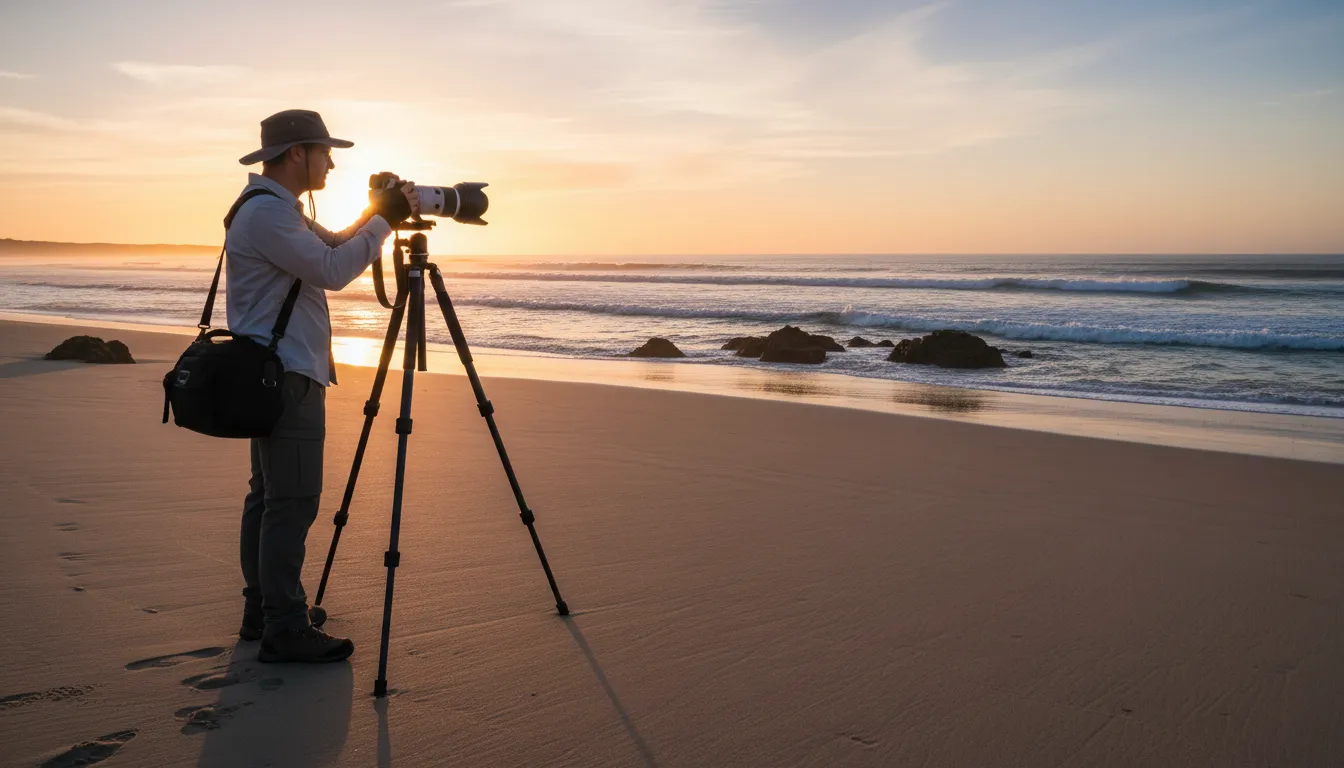
If there's one piece of equipment that often gets overlooked but is absolutely critical for landscape photography in Perth, it's a sturdy tripod. Western Australia is renowned for its stunning natural beauty, but it's also famous for its relentless winds, particularly along the coast. A flimsy tripod simply won't cut it here; it will lead to blurred images and frustration.
A reliable tripod is more than just a stand; it's a pillar of stability that opens up a world of creative possibilities. It allows you to achieve sharpness that is impossible to handhold, even in good light, and is absolutely essential for specific photographic techniques. Investing in a quality tripod is investing in the sharpness and clarity of your landscape images.
The Unseen Enemy: Wind and Vibration
I learned the hard way about WA's wind. My first few attempts at long-exposure photography on the coast near Fremantle resulted in a collection of beautifully composed, yet disappointingly soft, images. The gentle breeze I felt was enough to cause subtle camera shake, even on what I thought was a decent tripod. It was a stark reminder that in landscape photography, absolute stillness is paramount.
The wind isn't just a nuisance; it's an invisible force that can ruin an otherwise perfect shot. Whether you're trying to capture the silky smooth texture of the ocean, the streaking clouds of a sunset, or the pin-sharp stars of the Milky Way, any movement in your camera during the exposure will result in blur. This is where a heavy-duty, stable tripod becomes your best friend and a vital piece of your Perth famous landscape tools.
Stability, Material, and Head Types
When choosing a tripod for WA, prioritize stability above all else. Look for tripods made from carbon fiber or robust aluminum. Carbon fiber is lighter, making it easier to carry on long hikes, but high-quality aluminum can offer comparable stability at a lower price point. Ensure the legs are thick and have multiple sections that lock securely. A central column hook to hang your camera bag for added weight can also significantly improve stability in windy conditions.
The tripod head is equally important. A ball head offers quick adjustments and flexibility, which is great for dynamic compositions. However, for precise leveling and panoramic shots, a geared head or a good pan-tilt head can offer finer control. Make sure your head can securely hold the weight of your heaviest camera and lens combination without slipping. I always check the weight rating and opt for something well above what I expect to carry.
Furthermore, techniques like using a remote shutter release or your camera's self-timer (2-second delay) can further minimize vibrations caused by pressing the shutter button. For DSLR users, mirror lock-up is another excellent feature to engage before a long exposure. These seemingly small details contribute significantly to capturing tack-sharp images even on the windiest days along the stunning Perth coastline.
Filters: Managing the Harsh Australian Sun
The Australian sun, while beautiful and often responsible for those iconic golden-hour glows, can also be incredibly harsh and challenging for photographers. Its intensity can lead to blown-out highlights, washed-out colors, and uneven exposures, making it difficult to capture the full dynamic range of a scene. This is where filters become indispensable tools, acting as your allies in managing light and enhancing your creative vision.
Filters are not merely accessories; they are powerful optical instruments that allow you to manipulate light before it even hits your camera's sensor. They enable effects that are often impossible or very difficult to replicate in post-production, giving your images a distinct and professional quality. For anyone serious about landscape photography in Perth, a good set of filters is a must-have among your Perth famous landscape tools.
Polarizing Filter (CPL): Deepening Skies and Reducing Glare
The Circular Polarizing Filter (CPL) is perhaps the most fundamental filter for any landscape photographer, especially in a place like Western Australia with its brilliant skies and reflective water bodies. A CPL works by reducing glare from non-metallic surfaces such as water, foliage, and even the atmosphere itself. This effect deepens blue skies, makes white clouds pop, and saturates colors, bringing a vibrancy to your images that post-processing alone cannot fully replicate.
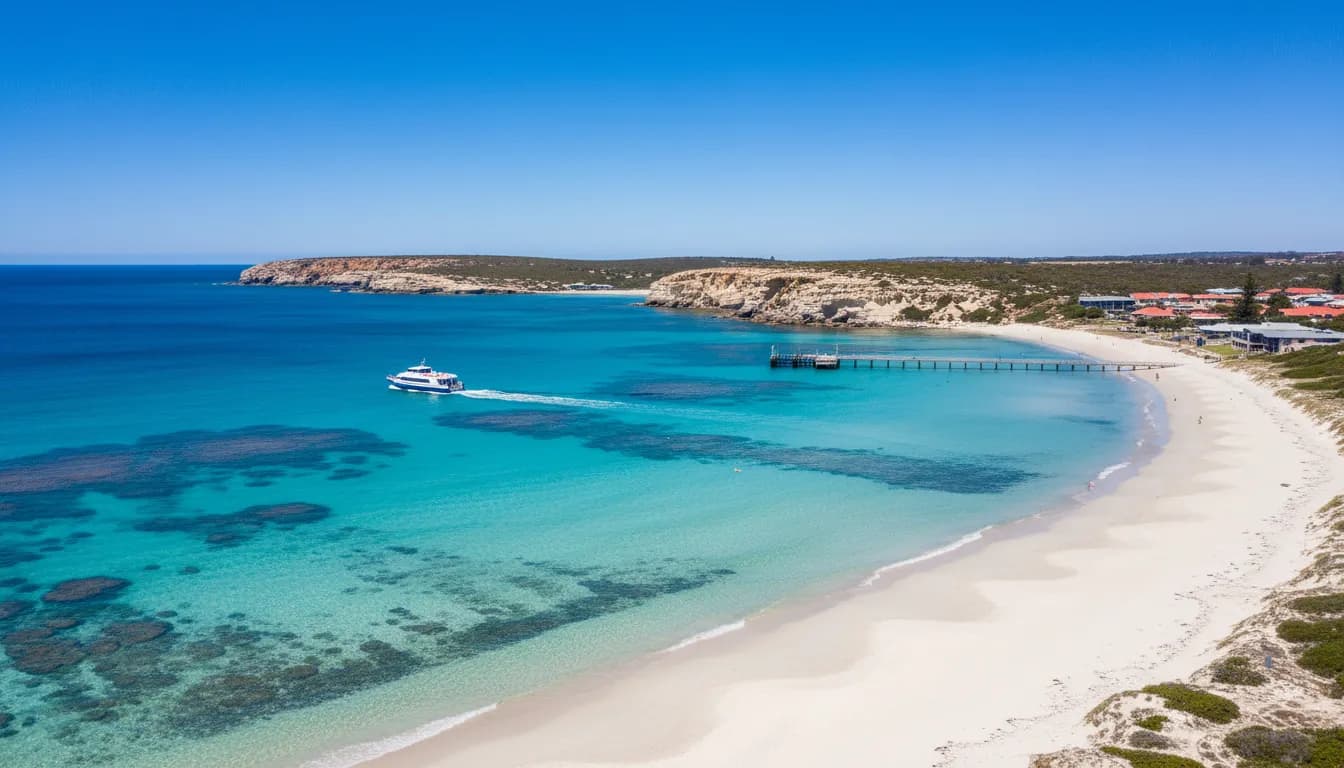
I vividly remember the first time I used a CPL at Cottesloe Beach. The already stunning turquoise water transformed, revealing incredible clarity and depth, and the sky turned a rich, deep blue. It eliminated the distracting reflections from the wet sand, allowing the natural textures to shine through. For coastal photography or capturing vibrant greenery, a CPL is absolutely essential. You simply rotate the front element until you achieve the desired effect, seeing the changes directly through your viewfinder or live view.
Neutral Density (ND) Filters: Slowing Down Time
Neutral Density (ND) filters are like sunglasses for your camera lens. They reduce the amount of light entering the camera without affecting the color balance, allowing you to use slower shutter speeds in bright conditions. This opens up a world of creative possibilities, such as transforming choppy water into a silky, ethereal mist or turning fast-moving clouds into streaky brushstrokes across the sky.
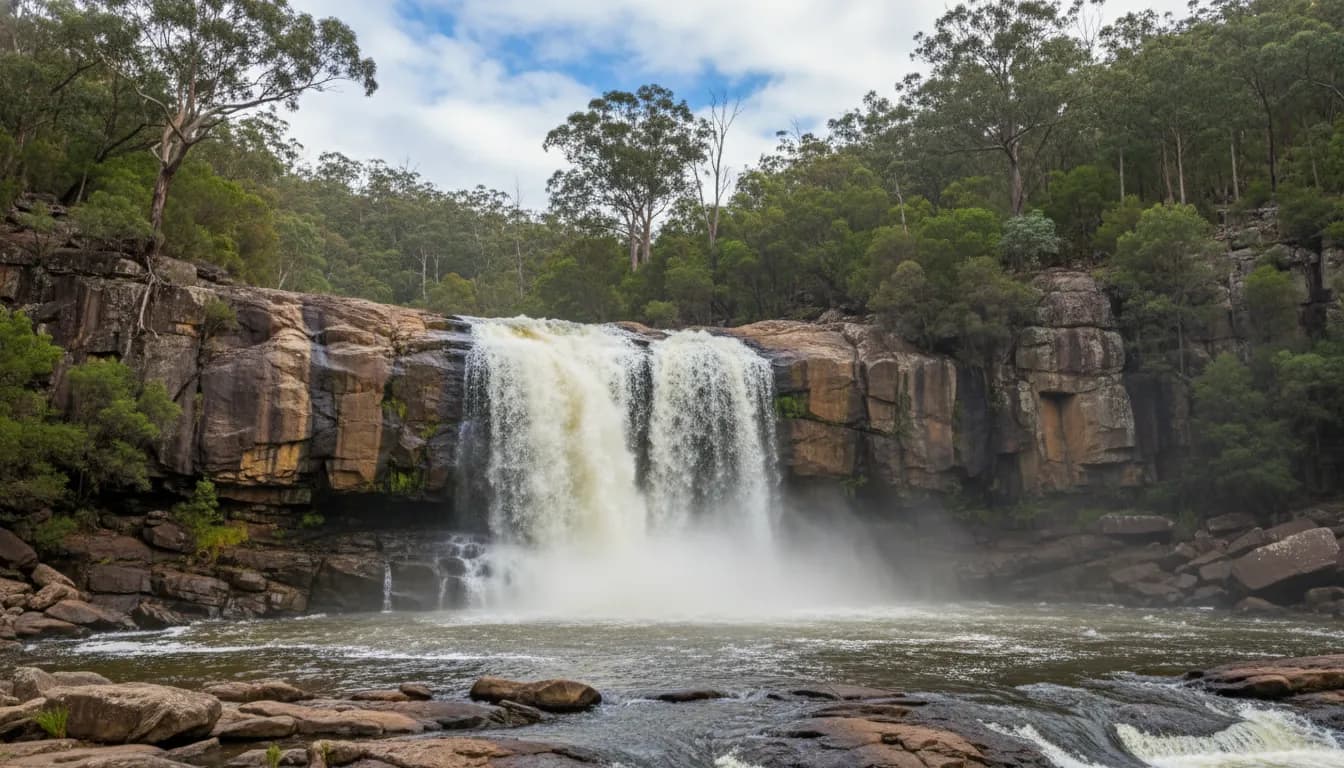
In WA, where sunlight can be intense, ND filters are invaluable for capturing those iconic long exposures. I carry a range of ND filters, typically 3-stop, 6-stop, and 10-stop, to adapt to different lighting conditions. A 10-stop ND filter, for example, can turn a bright midday scene into a multi-minute exposure, perfect for capturing the serene flow of a waterfall or the timeless motion of the ocean against a rugged coastline. Experimentation with different strengths will unlock new creative avenues in your Perth landscape photography.
Graduated Neutral Density (GND) Filters: Balancing Brightness
One of the most common challenges in landscape photography is managing scenes with a high dynamic range—where the sky is significantly brighter than the foreground. This often results in either a properly exposed sky with a dark, underexposed foreground, or a well-exposed foreground with a blown-out, featureless sky. Graduated Neutral Density (GND) filters are designed to solve this problem.
GND filters are partially darkened, with a gradual transition from dark to clear. You position the dark part over the brighter portion of your scene (usually the sky) to reduce its intensity, allowing the camera to capture a more balanced exposure across the entire frame. They come in various strengths (e.g., 2-stop, 3-stop) and transition types (soft edge for uneven horizons, hard edge for flat horizons). Using a GND filter at sunset over the Swan River, I could perfectly balance the fiery sky with the subtle details of the city's silhouette, creating an image with incredible depth and atmosphere. This filter ensures that neither element overpowers the other, resulting in a harmonious and well-exposed photograph.
Useful Apps for Weather and Tide Tracking
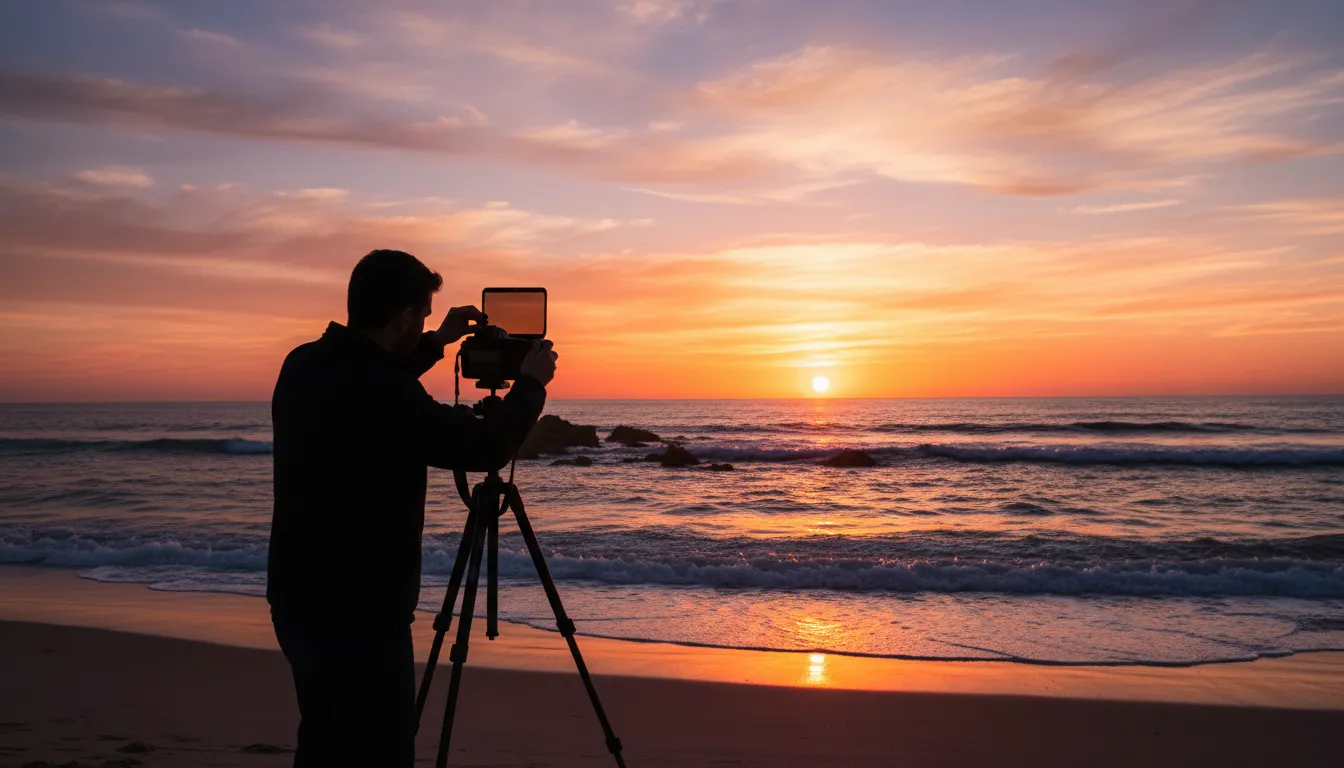
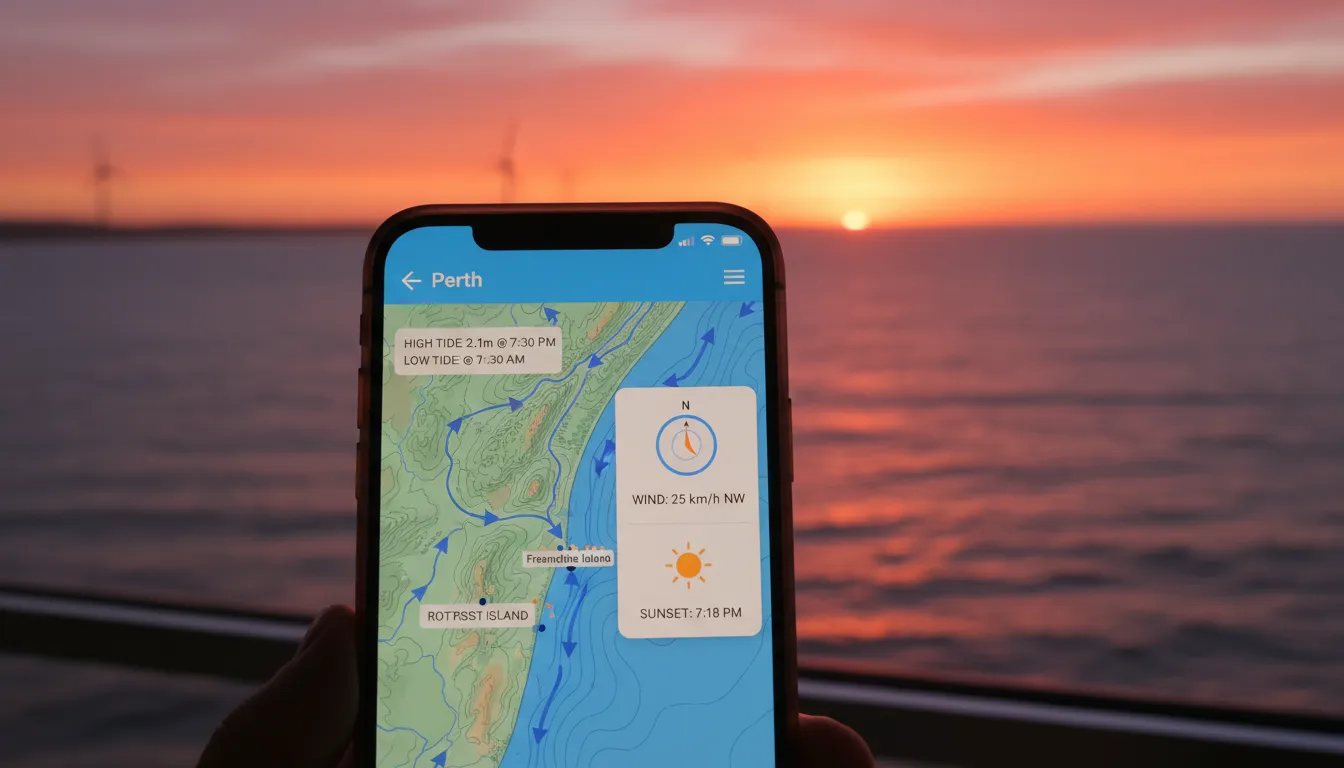
In the world of landscape photography, preparation is just as important as the gear you carry. Knowing what the weather will do, how the tides will behave, and where the sun and moon will be positioned can make the difference between a good shot and an extraordinary one. For photographers exploring Perth's diverse landscapes, a suite of specialized apps becomes an indispensable part of their Perth famous landscape tools, guiding them to the perfect moment and location.
These digital companions empower you to plan your shoots with precision, minimizing wasted time and maximizing your chances of capturing truly memorable images. They allow you to anticipate the conditions, ensuring you are at the right place, at the right time, with the right light. My own journeys through WA have been significantly enhanced by these invaluable digital aids.
Weather Apps: Predicting the Light and Elements
Understanding the weather is paramount for landscape photography. Cloud cover, wind speed, and the chance of rain or clear skies directly impact the quality of light and the safety of your shoot. Reliable weather apps provide crucial insights into these conditions, allowing you to plan your compositions and prepare your gear accordingly.
For Australian conditions, the Bureau of Meteorology (BOM) app is an absolute must-have. It provides highly accurate forecasts, radar maps showing rain movement, and detailed wind predictions, which are essential for tripod stability and drone safety. Other global apps like AccuWeather or Windy.com can also offer valuable insights, especially for wind patterns and general atmospheric conditions. I’ve often used BOM to predict the perfect cloud formations for a dramatic sunset over Fremantle, or to find a clear window for astrophotography in the relatively light-polluted areas around Perth. Knowing when the light will be softest, or when a storm is brewing, allows for both stunning images and safe practice.
Tide and Swell Apps: Mastering Coastal Photography
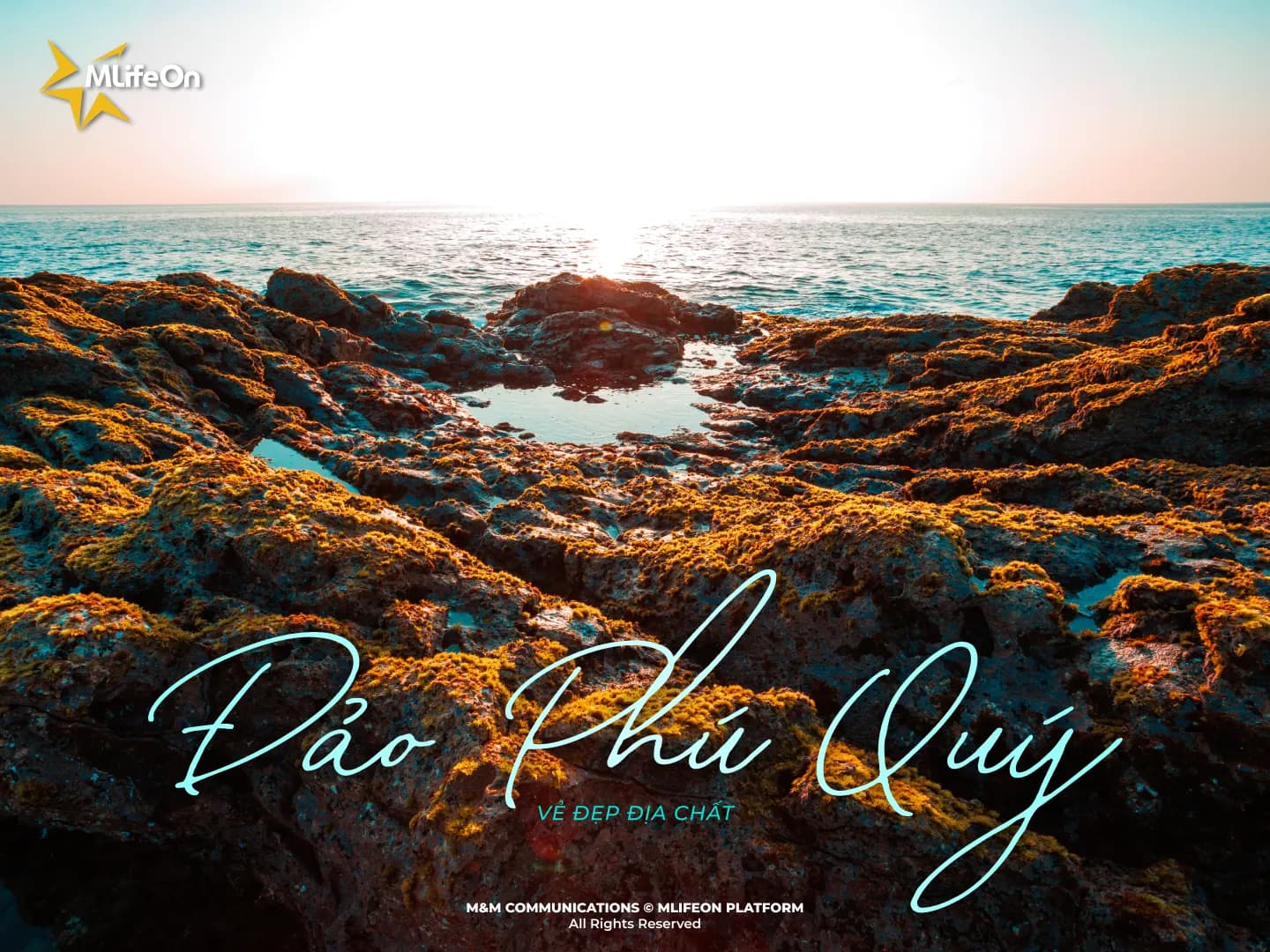
Perth's magnificent coastline offers endless photographic opportunities, from tranquil rock pools to dramatic crashing waves. However, coastal photography requires an understanding of the ocean's rhythms, making tide and swell apps absolutely vital. These apps provide information on high and low tides, wave heights, and swell directions, all of which directly impact your access to certain areas and the dynamic nature of your shots.
WillyWeather is an incredibly popular and comprehensive app in Australia, offering detailed tide charts, swell forecasts, and even wind and moon phase information for specific locations. Other apps like Surfline or local surf reports can also be beneficial for understanding wave dynamics. I've used WillyWeather countless times to time my visits to iconic spots like Penguin Island, ensuring I arrive at low tide to capture the fascinating rock formations and reflections. Knowing when the water will be calmest or when powerful waves will be rolling in allows you to plan both your safety and your creative vision, ensuring you capture the ocean in its most captivating moods.
Sun and Moon Trackers: Chasing the Golden Hours and Stars
For landscape photographers, the 'golden hour' (shortly after sunrise and before sunset) and the 'blue hour' (just before sunrise and after sunset) offer the most magical light. Additionally, for those interested in astrophotography, knowing the moon phases and the position of the Milky Way is critical. Sun and moon tracker apps provide precise information on these celestial movements.
PhotoPills is a professional-grade app that I wholeheartedly recommend. It's an all-in-one tool providing detailed information on sunrise/sunset times, golden/blue hour durations, moon phases, Milky Way position, and even augmented reality views to visualize light paths. PlanIt Pro is another excellent alternative. These apps allow you to pre-visualize your shots, helping you scout locations and plan your compositions well in advance. I’ve used PhotoPills to meticulously plan my shots of the Milky Way arching over the historic Busselton Jetty, ensuring perfect alignment and optimal conditions. Without such tools, capturing these fleeting moments of perfect light and celestial alignment would be a matter of pure luck rather than skillful planning.
Conclusion
Our journey through the essential Perth famous landscape tools and tips reveals that capturing the soul of Western Australia's majestic landscapes is a blend of technical mastery, thoughtful preparation, and an open heart. From the robust camera bodies and versatile lenses that frame the expansive vistas, to the sturdy tripods that defy the relentless winds, and the nuanced filters that tame the harsh sun, each piece of gear plays a vital role in translating your vision into tangible art. Beyond the hardware, the indispensable role of smart apps for weather, tides, and celestial tracking underscores the power of planning in unlocking truly unforgettable photographic moments.
As a storyteller who finds profound meaning in cultural exchange and personal discovery, I believe photography is more than just recording images; it's about forging a deeper connection with a place. My own experiences, from battling coastal winds with a wobbly tripod to perfectly timing a low-tide shot with a tide app, have taught me that the right tools empower you to engage with the environment more intimately, allowing you to not just see, but to truly feel and interpret the spirit of Western Australia.
Embrace these Perth famous landscape tools and tips not as mere technicalities, but as extensions of your creative spirit. They are your companions on a journey to capture the vibrant hues of a WA sunset, the ancient silence of the Pinnacles, or the bustling energy of the Perth cityscape. With the right gear and a spirit of adventure, your journey to unforgettable cultural stories and inspiring connections in Western Australia will indeed lead to 'More Discovery, More Experience.' So pack your bags, equip your camera, and let the untamed beauty of Perth inspire your next masterpiece.